Hudson River State Hospital: The Rise, Fall, and Uncertain Future of a Psychiatric Landmark
Perched high above the Hudson River in Poughkeepsie, New York, the Hudson River State Hospital was once one of the most ambitious psychiatric institutions ever built in the United States. Known later as the Hudson River Psychiatric Center, the sprawling campus served thousands of patients for more than a century before falling into abandonment and becoming one of the most iconic urban exploration sites in North America.
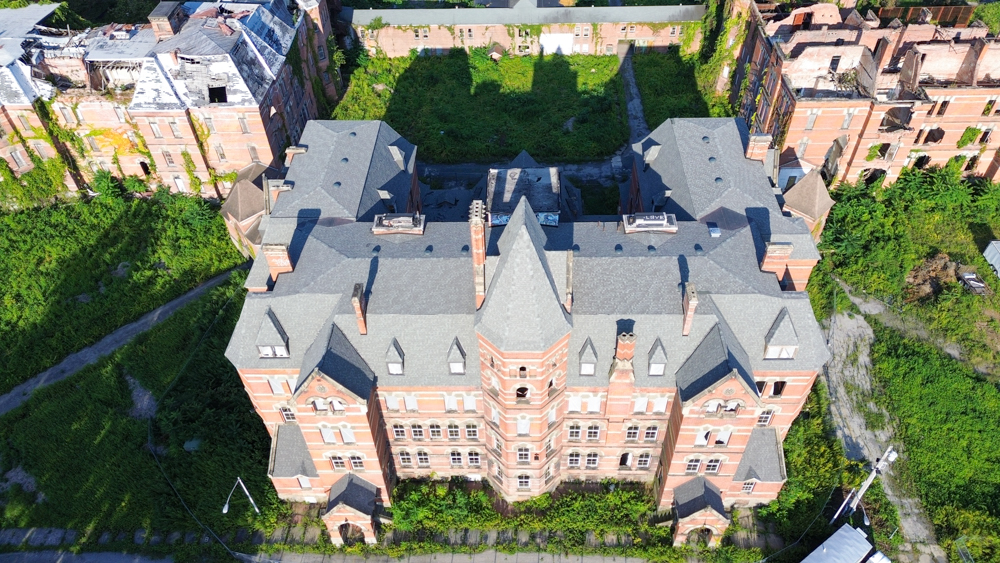
Construction began in 1868, and the hospital welcomed its first patients in 1871. Designed by architect Frederick Clarke Withers, the massive main building followed the revolutionary Kirkbride Plan, a design philosophy that believed architecture, fresh air, sunlight, and beautiful surroundings could help treat mental illness. The grounds were designed by the legendary landscape architects Frederick Law Olmsted and Calvert Vaux, the team best known for creating New York City’s Central Park.
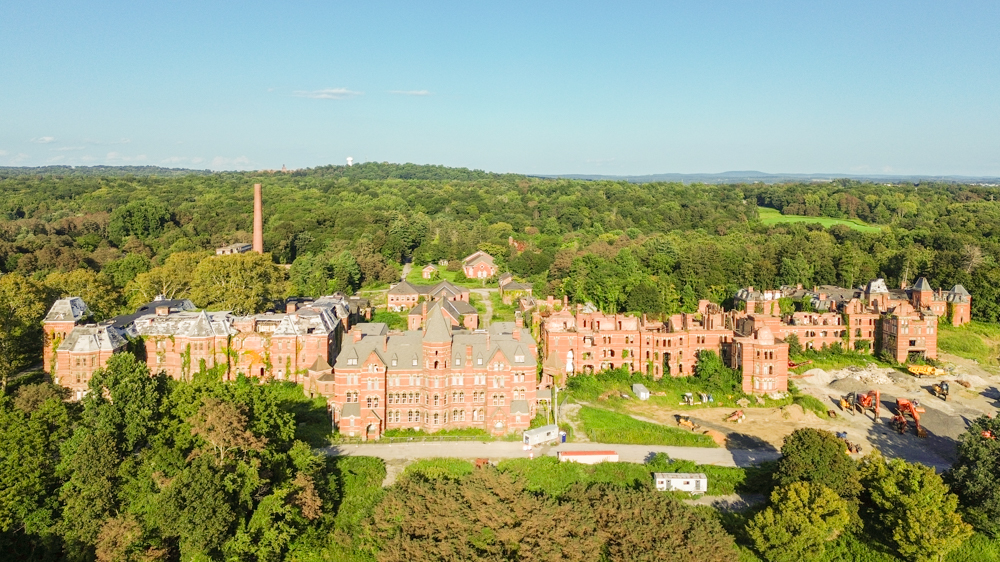
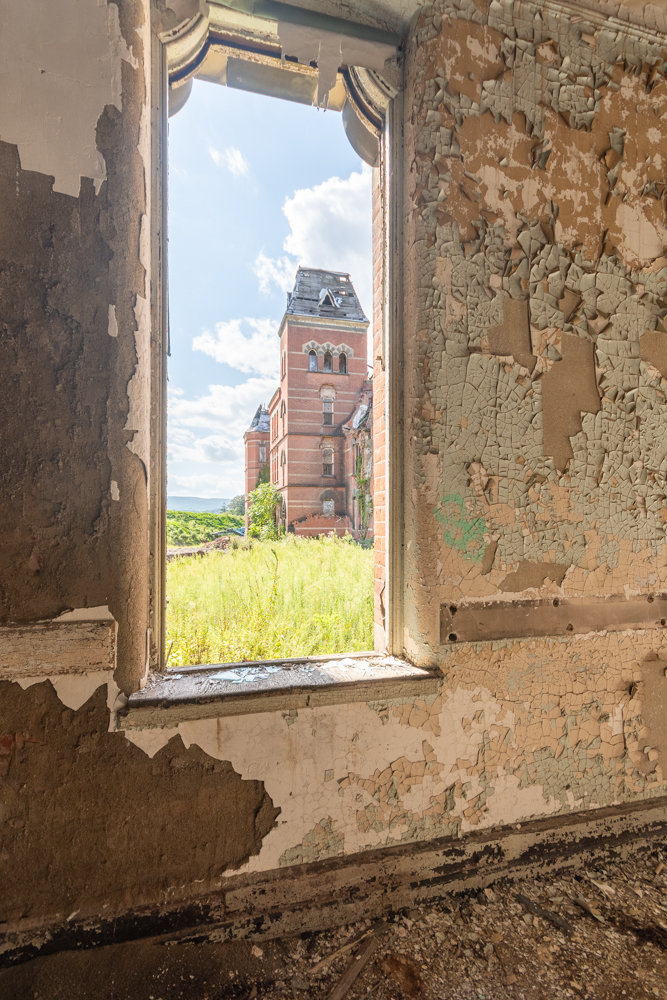
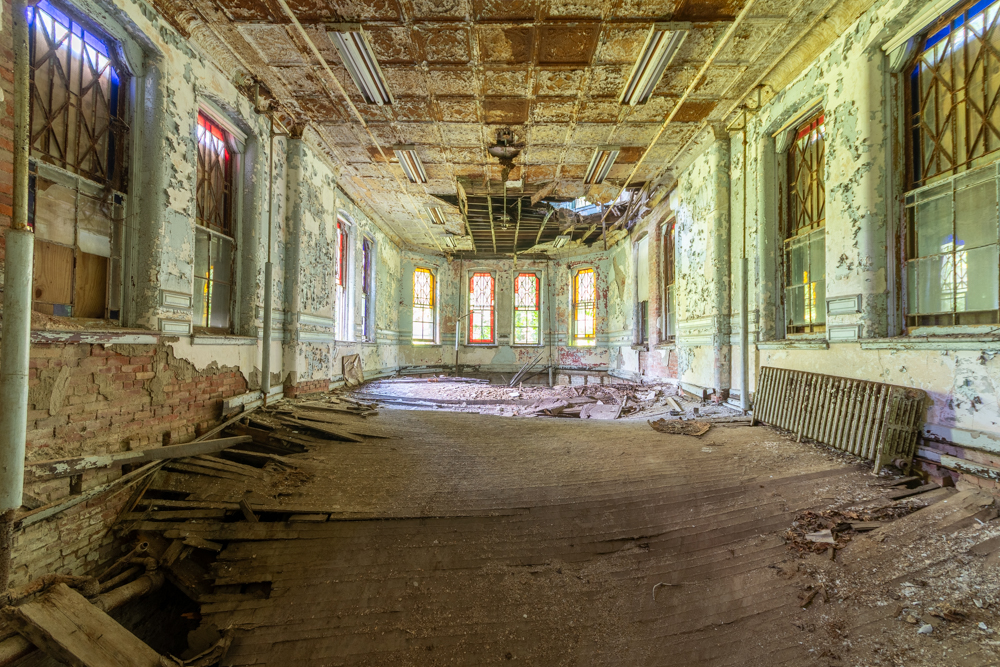
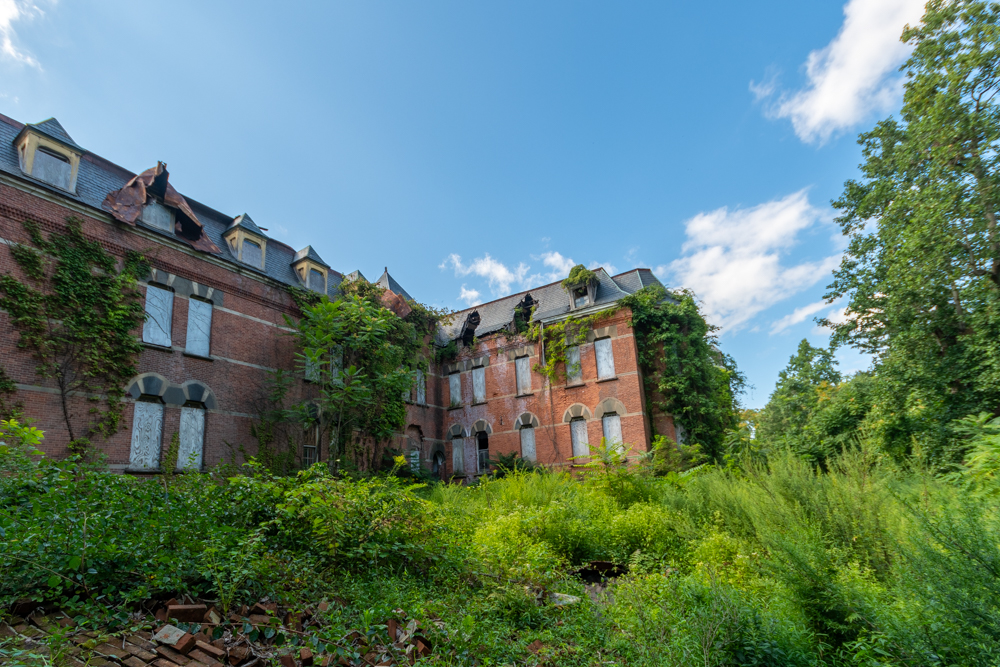
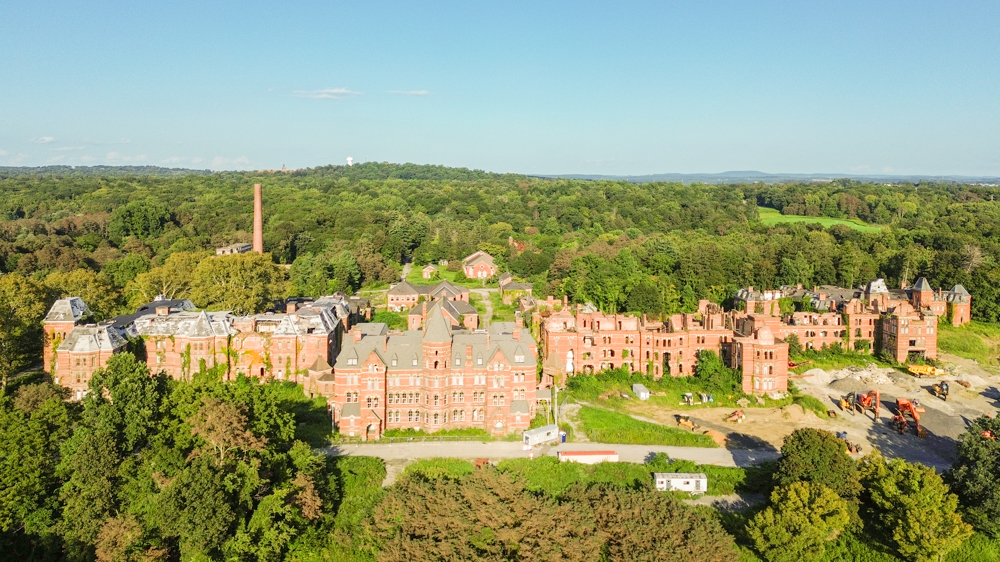
The centerpiece of the campus was a breathtaking High Victorian Gothic structure stretching nearly 1,500 feet across a hilltop overlooking the Hudson River. At the time, it was considered one of the most elaborate and expensive psychiatric hospitals in America. Ornate stonework, stained glass, landscaped gardens, and expansive views reflected the belief that a peaceful environment could contribute to healing.
Like many psychiatric institutions across North America, the hospital grew dramatically during the first half of the twentieth century. By the 1940s and 1950s, more than 6,000 patients lived and received treatment on the grounds. The campus functioned almost as a self-contained community, with churches, farms, workshops, power facilities, and dozens of support buildings.
As psychiatric treatment evolved and deinstitutionalization gained momentum in the latter half of the twentieth century, patient populations steadily declined. Large state-run hospitals fell out of favor, and many buildings became underutilized. Operations gradually shifted elsewhere, and by the early 2000s the historic campus was largely abandoned. The facility officially ceased operations in 2003.
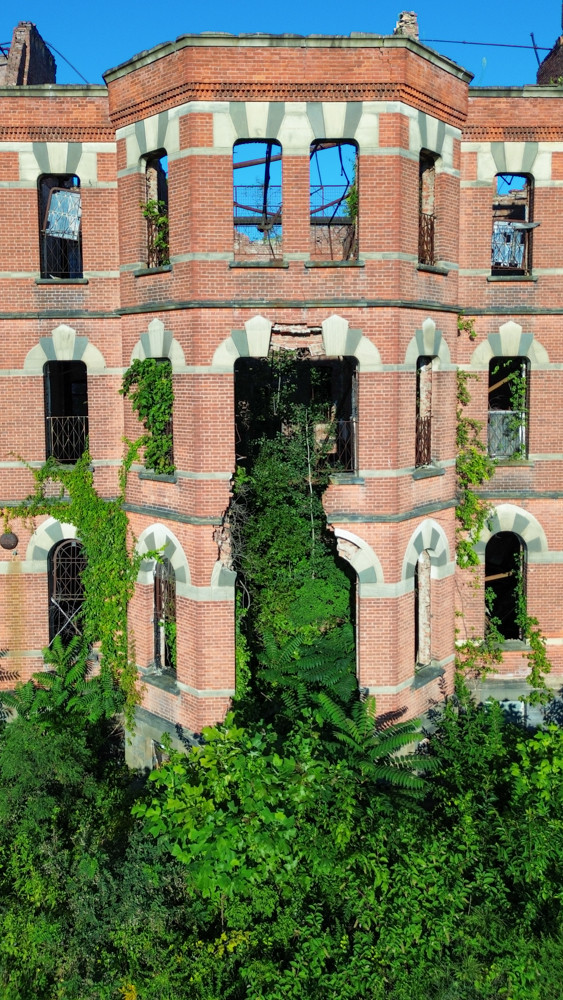
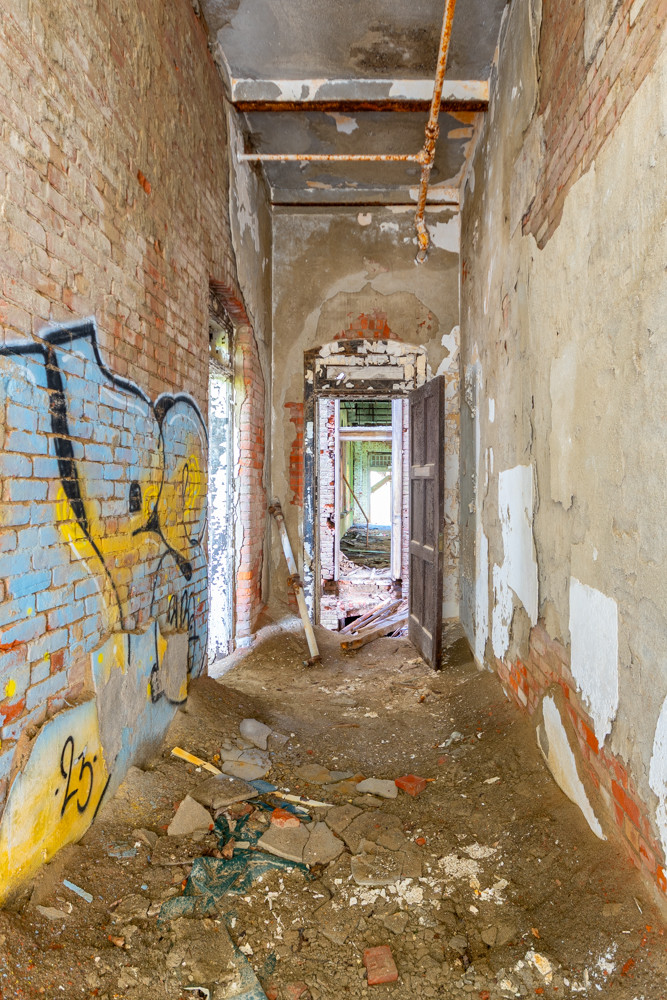
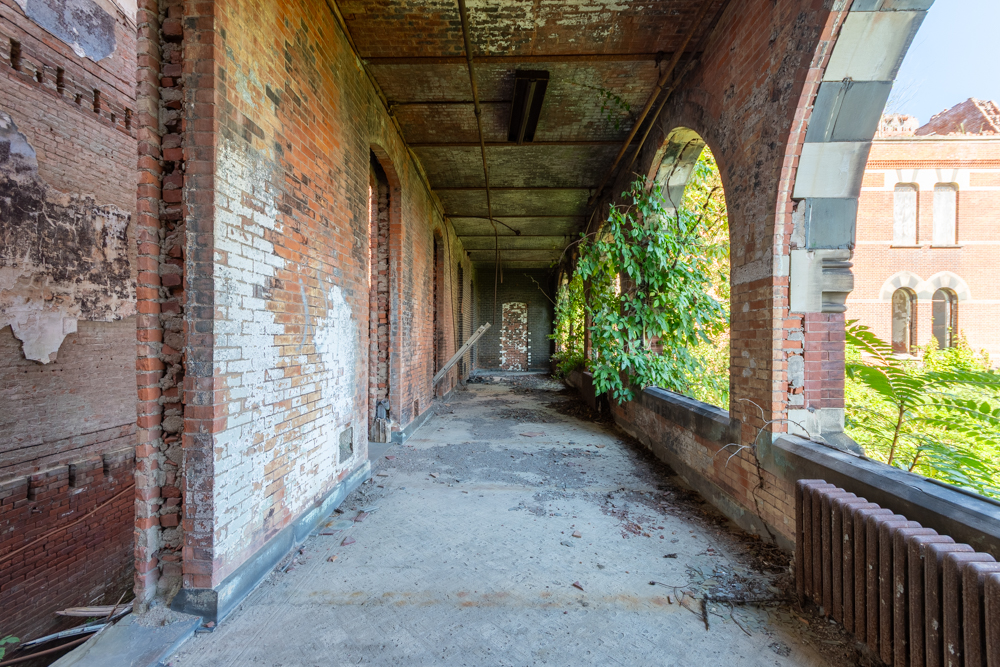
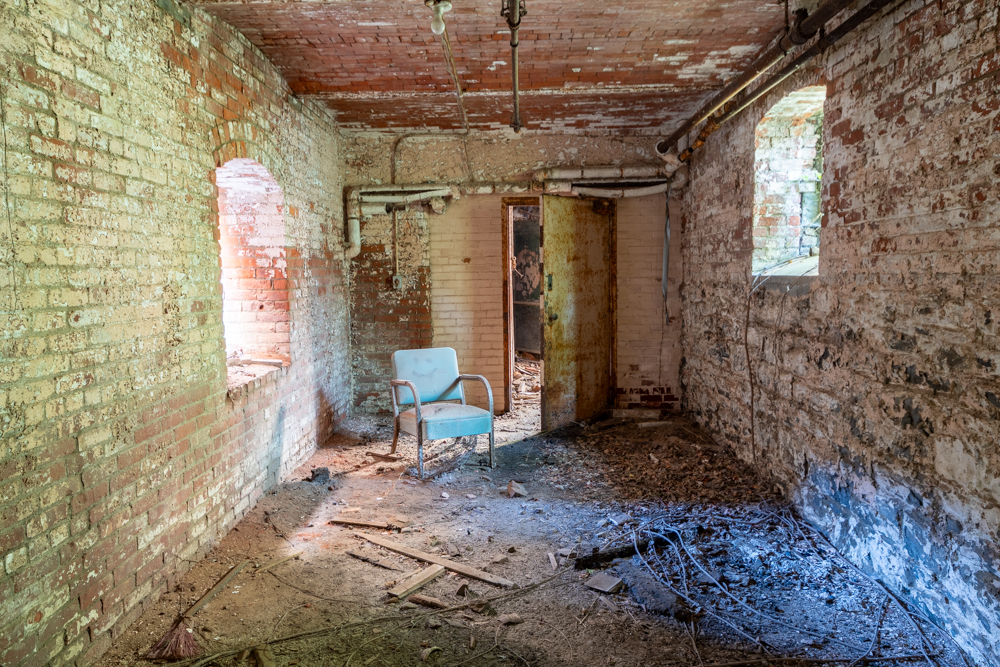
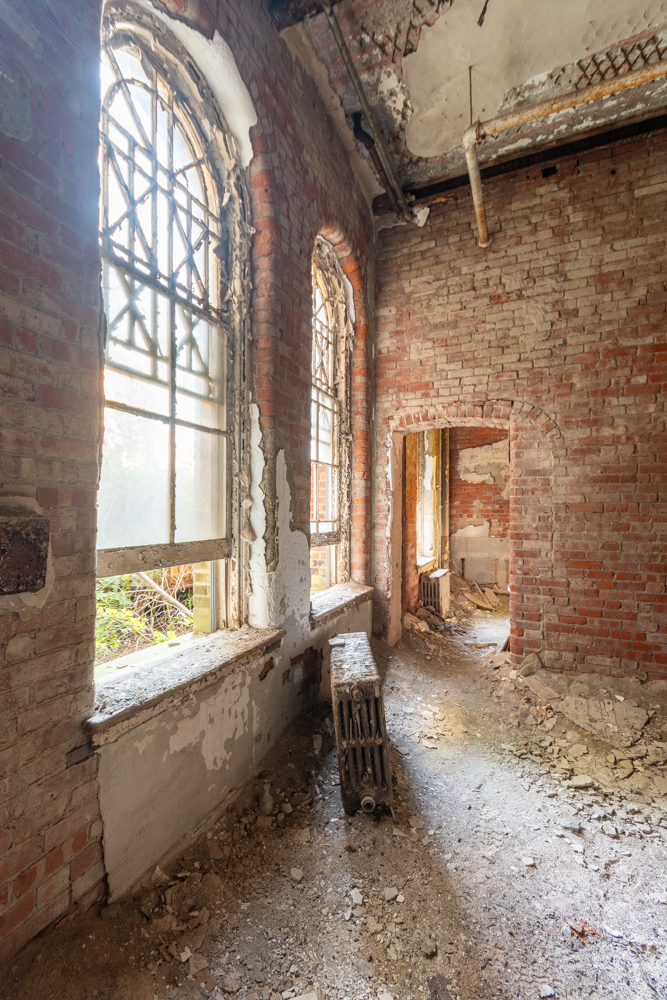
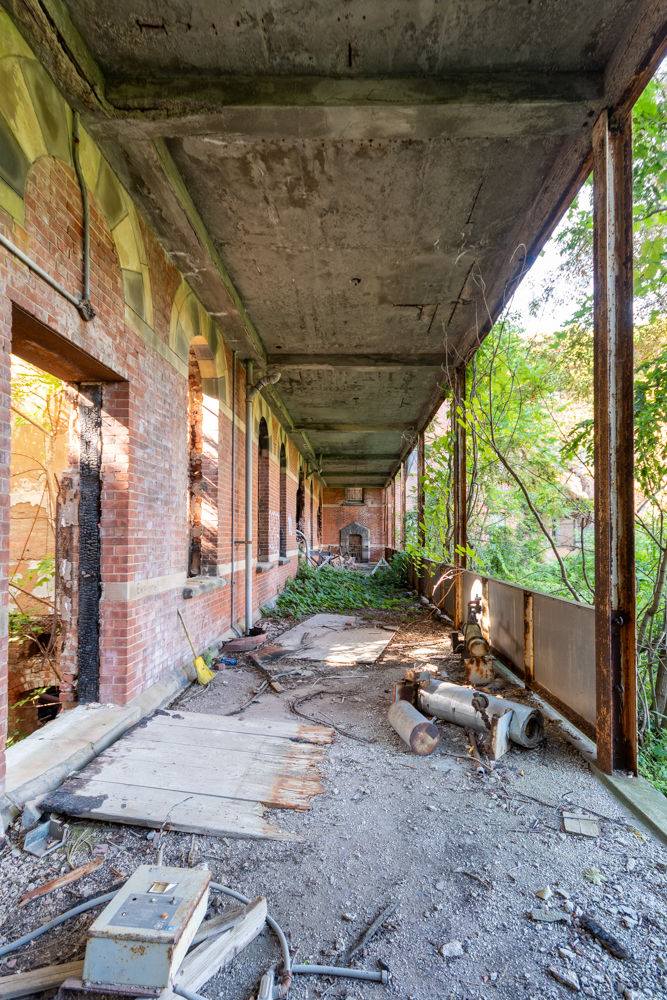
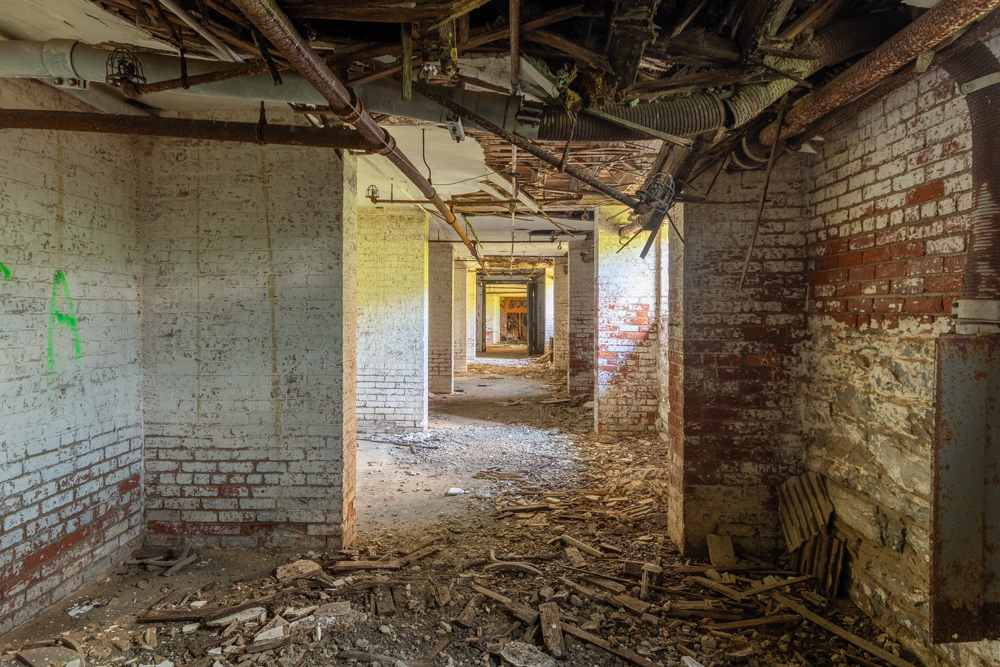
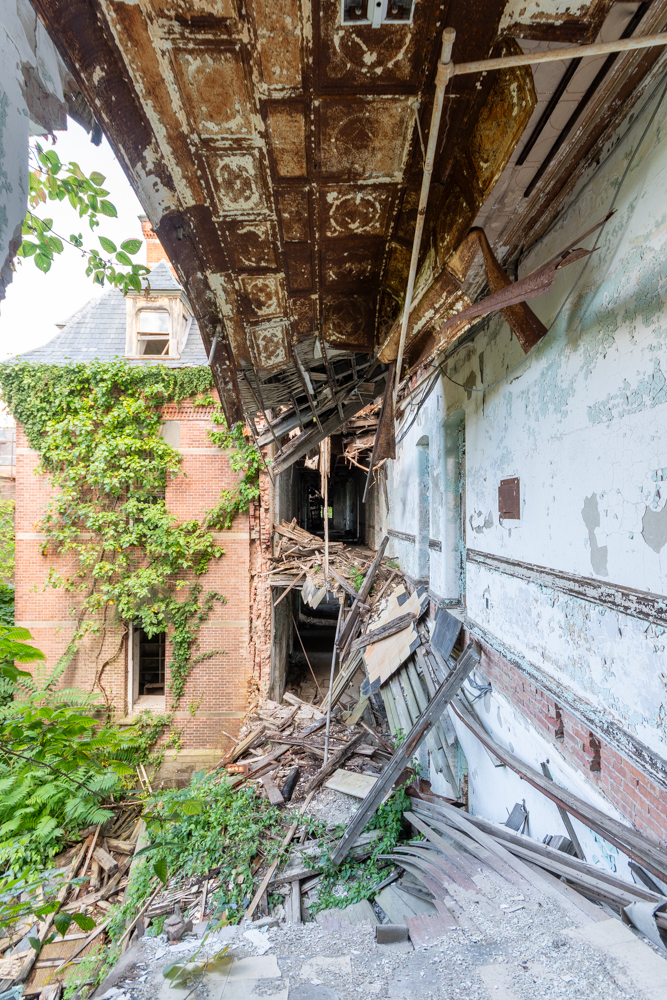
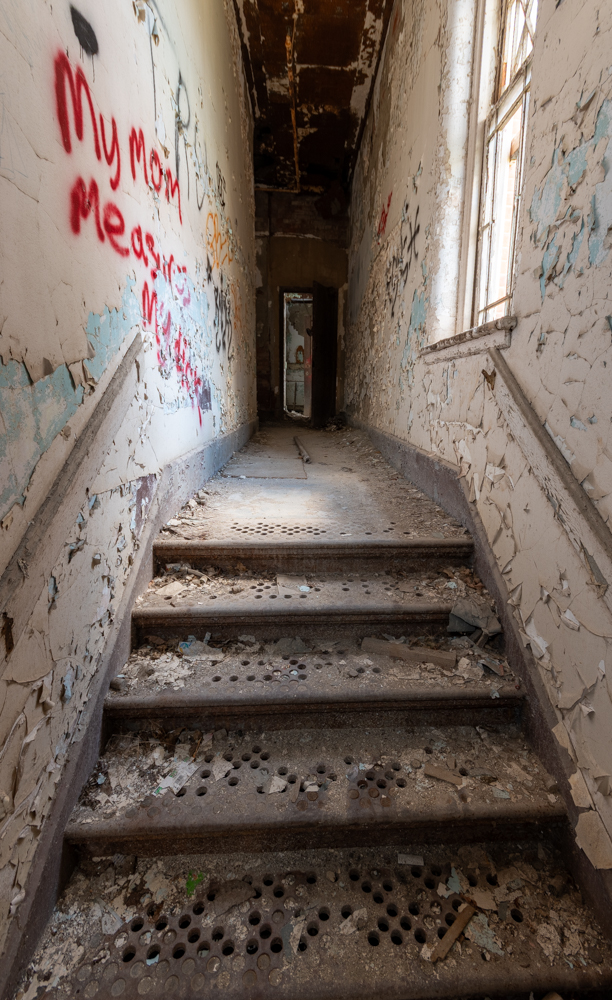
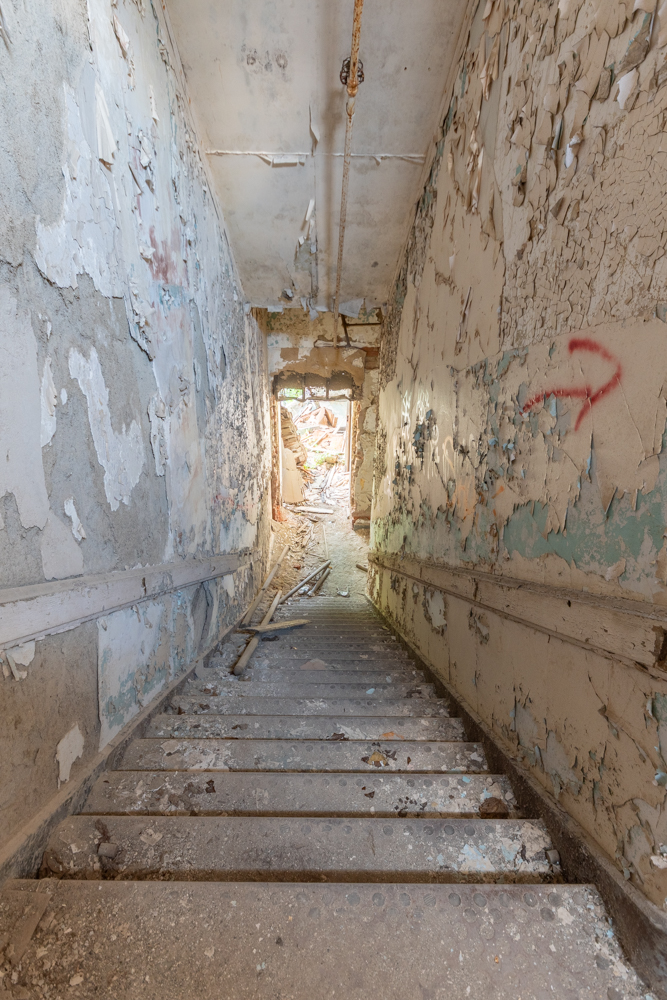
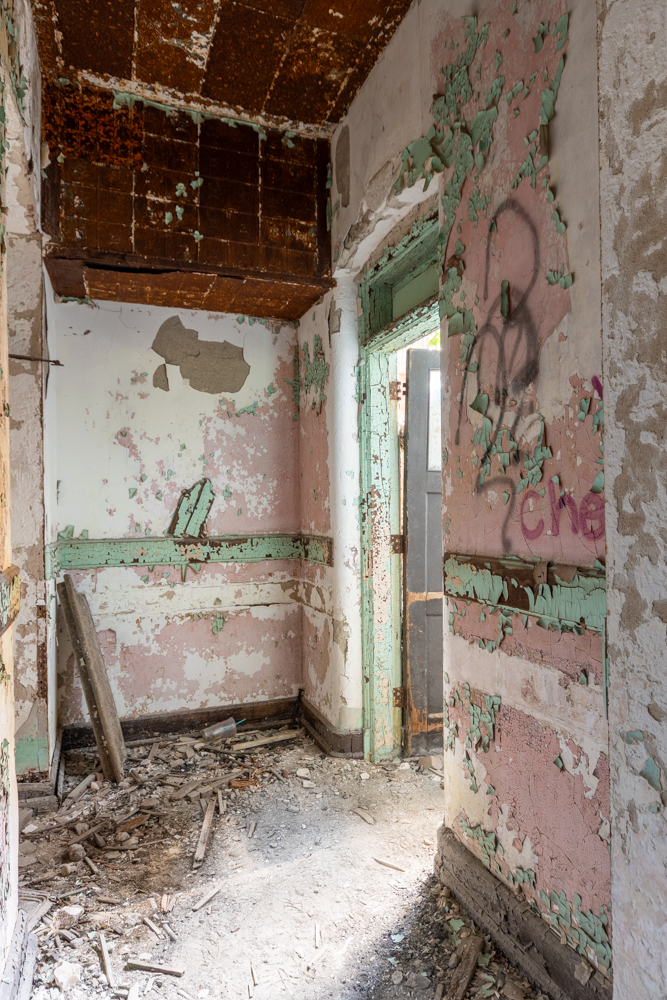
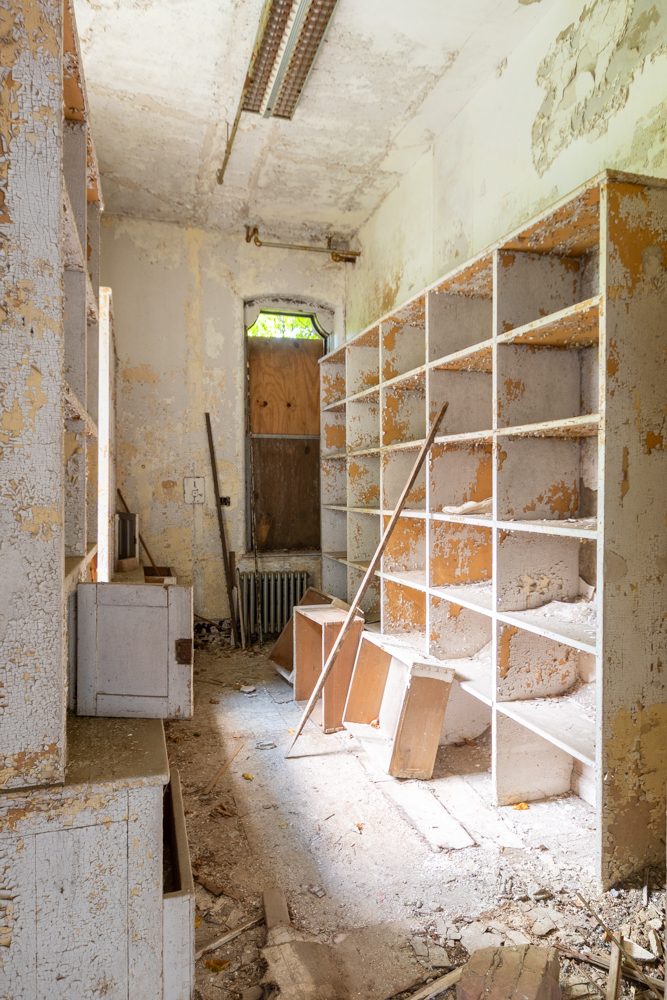
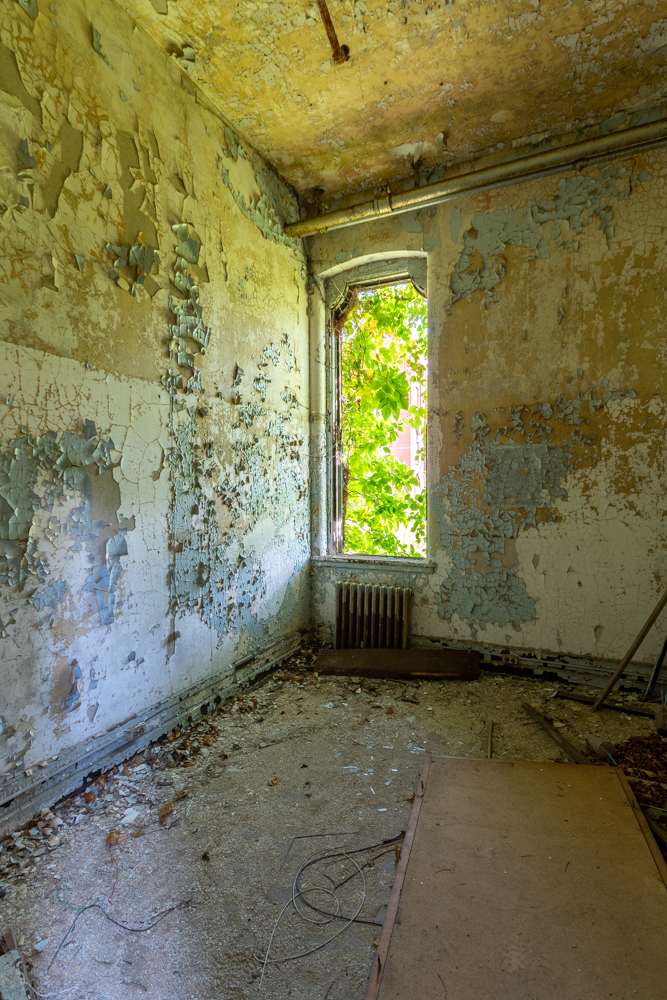
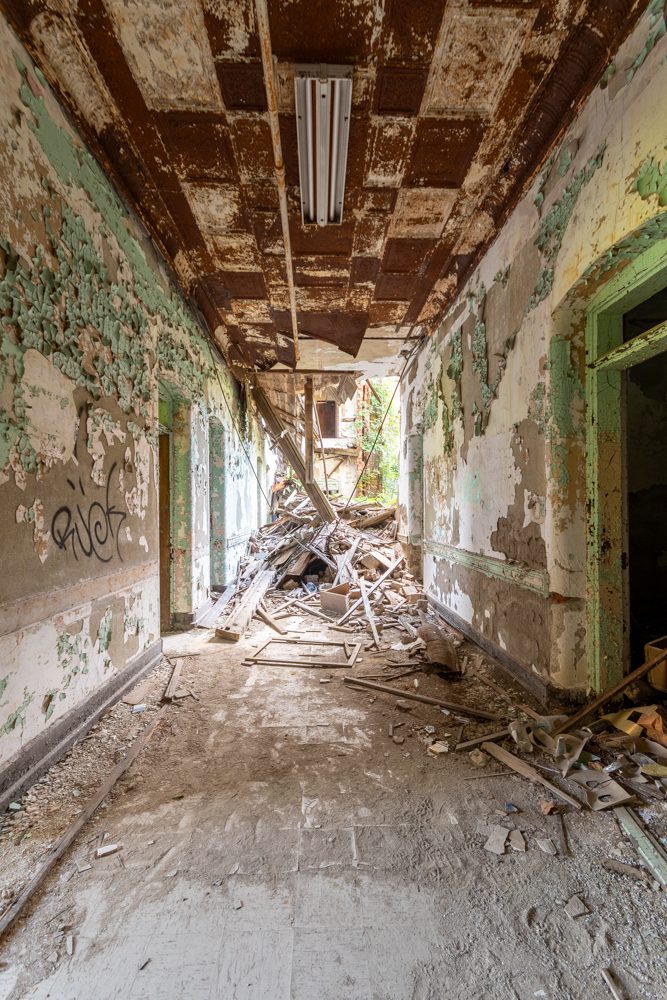
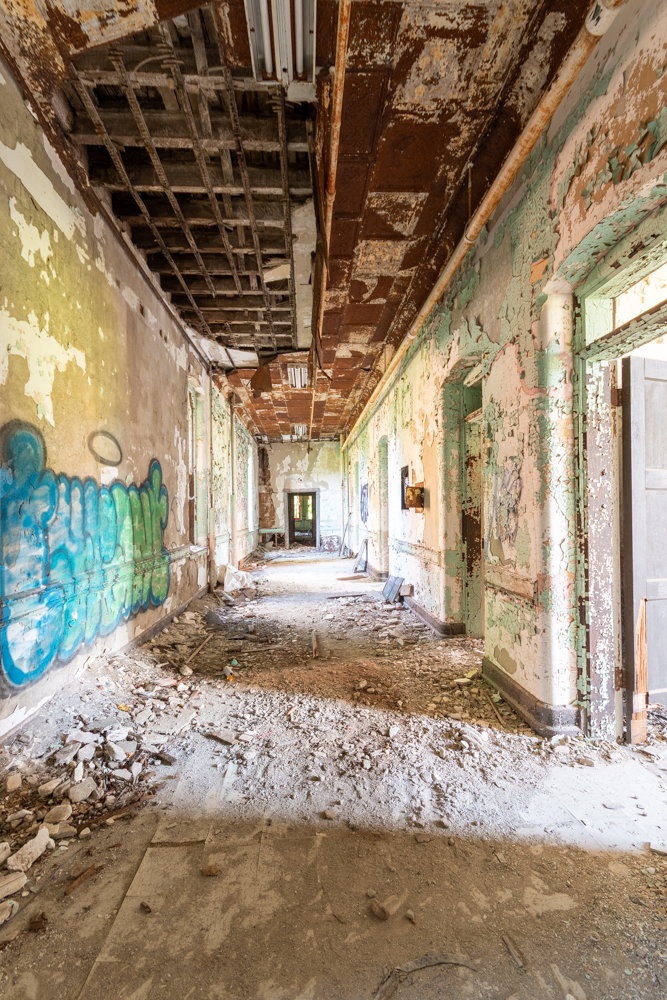
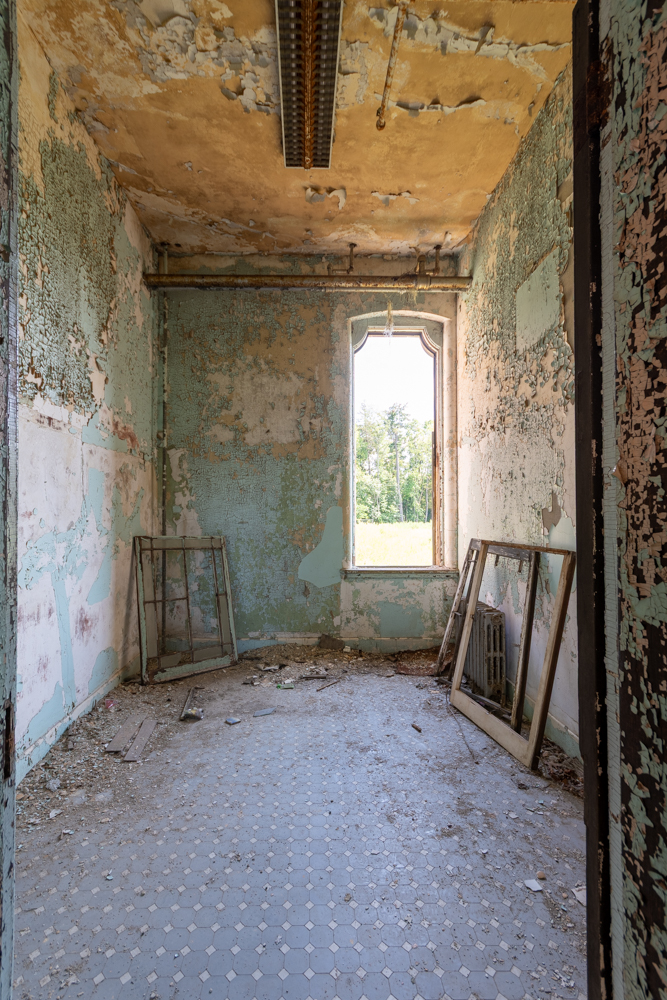
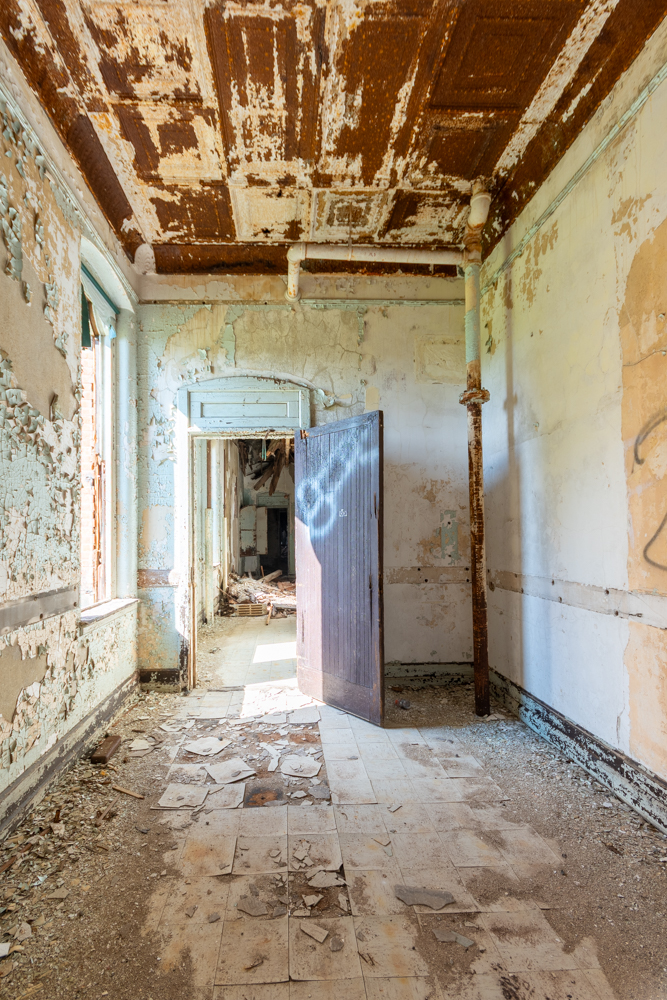
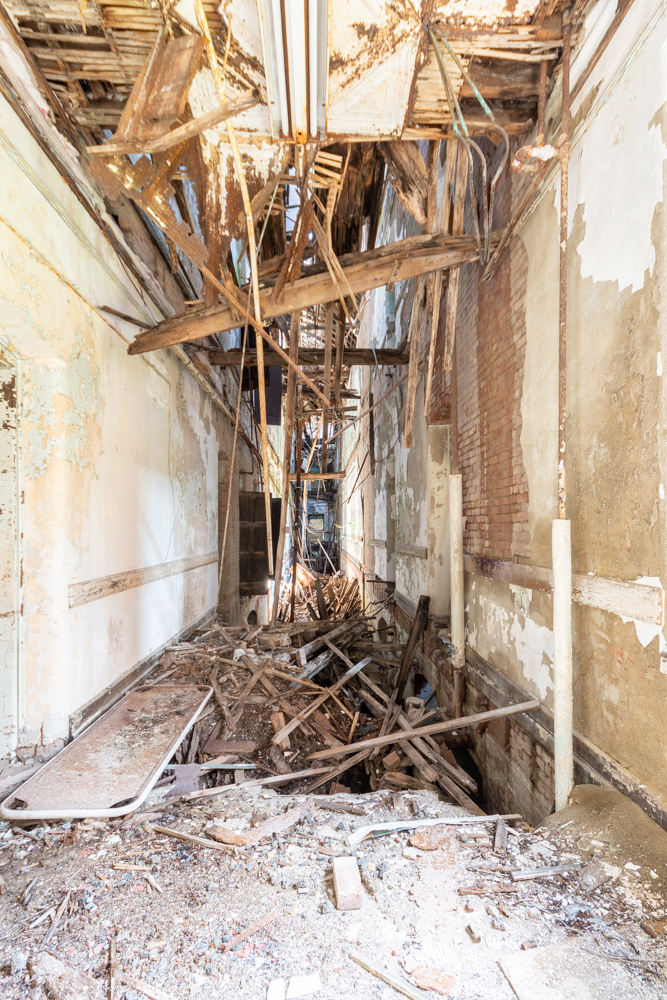
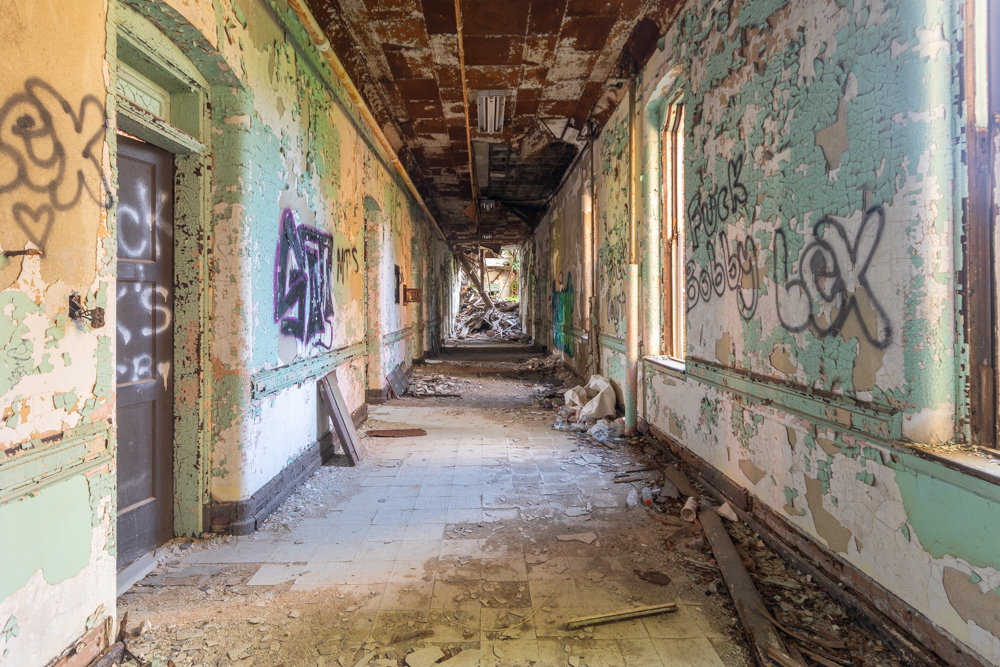
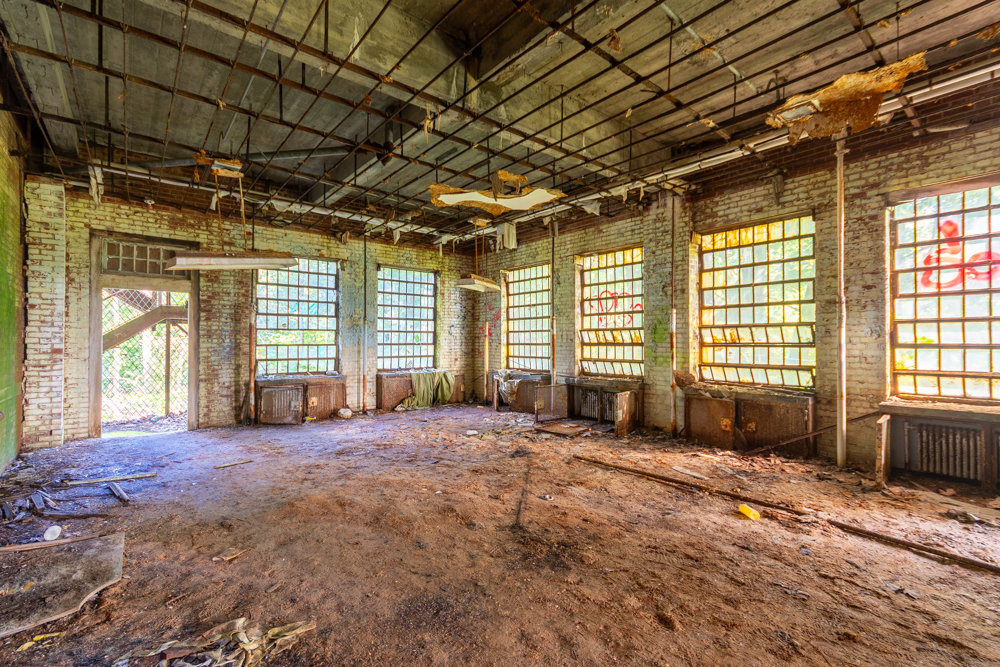
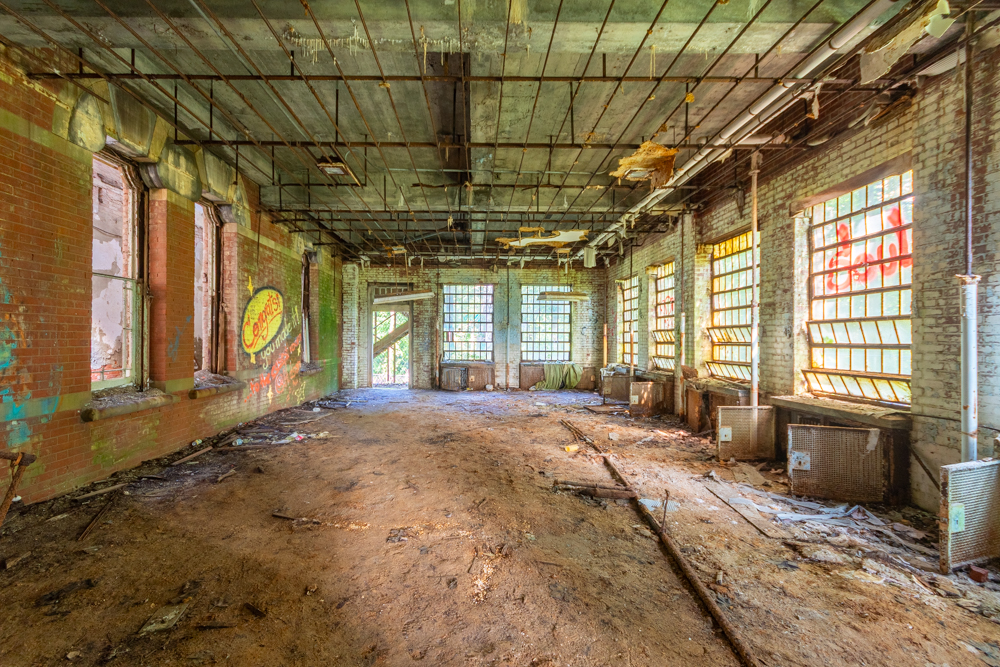
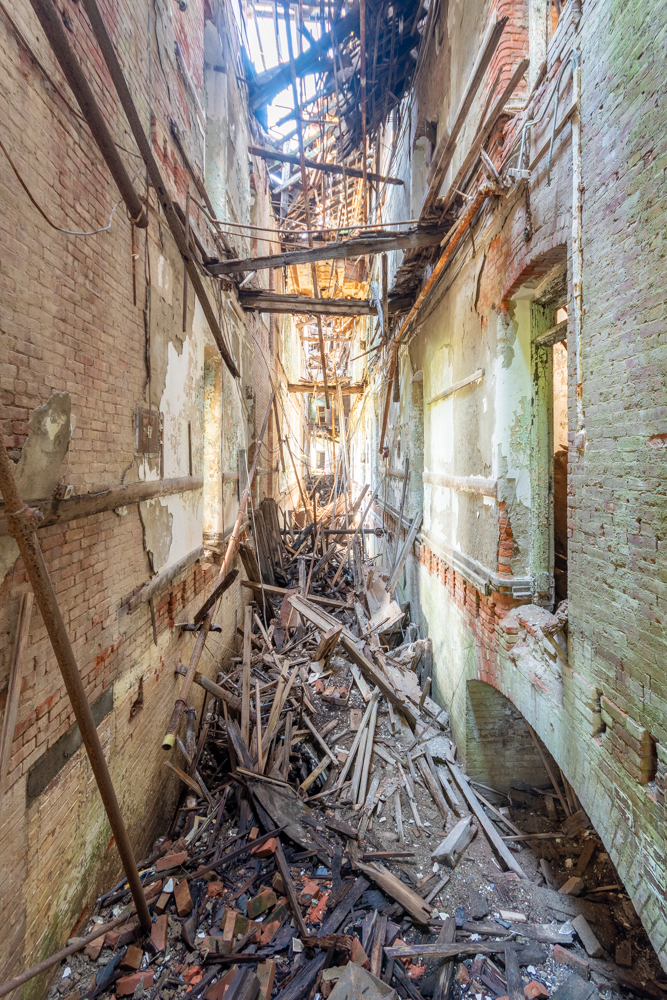
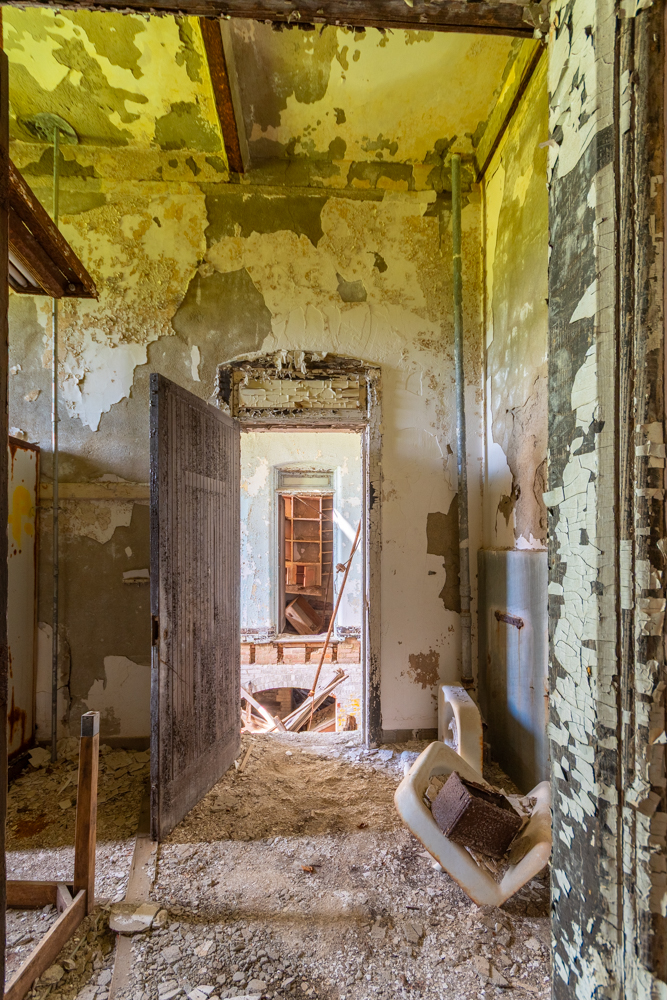
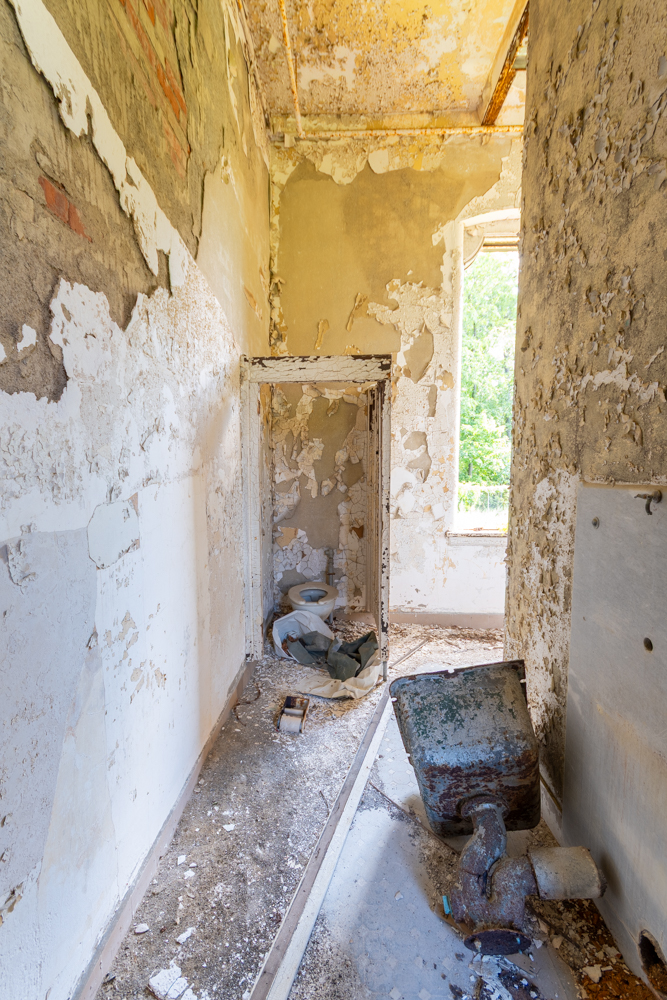
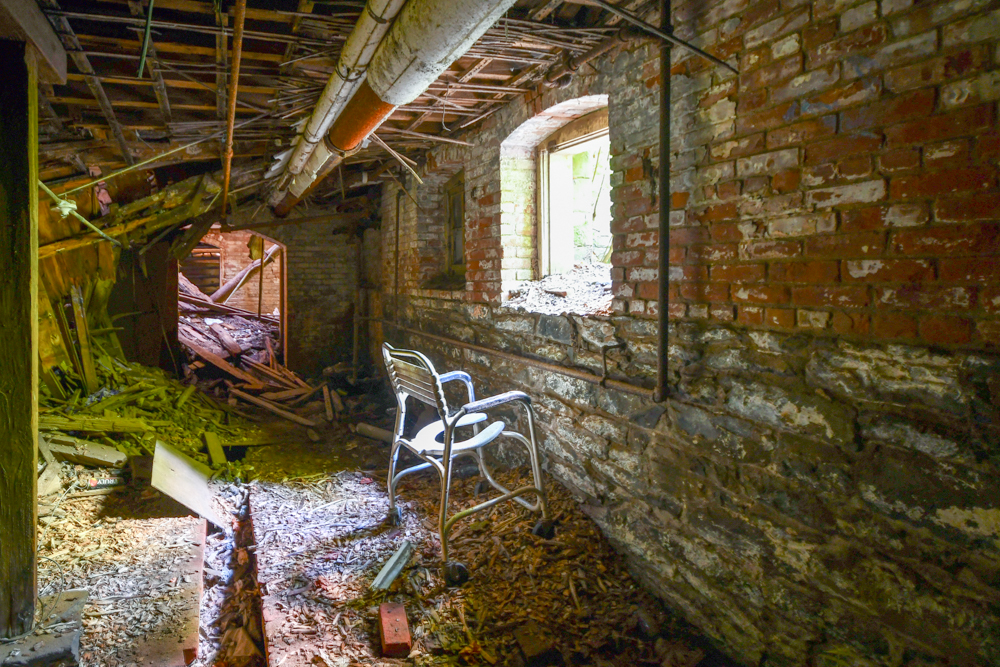
Following its closure, the hospital quickly became a magnet for photographers, historians, preservationists, and urban explorers. Decades of neglect, vandalism, weather damage, and fire took a heavy toll on the property. A major fire in 2007 severely damaged portions of the iconic Kirkbride building, accelerating the deterioration of one of New York State’s most significant architectural landmarks.
Despite its deteriorating condition, the hospital’s historical importance has long been recognized. The campus was listed on the National Register of Historic Places, and preservation advocates continue to push for protection of its remaining structures and Olmsted-designed landscape.
Redevelopment and Preservation Efforts
For nearly two decades, developers have proposed plans to transform the 150-plus acre property into a mixed-use community known as Hudson Heritage. The vision has included residential housing, retail space, offices, hotels, medical facilities, and public green space while preserving portions of the historic campus. Several surrounding parcels have already been redeveloped, but progress on the historic core has been slow and controversial.
Many of the hospital’s secondary buildings have already been demolished, while preservation efforts have focused on saving key architectural features of the main administration building and portions of the Kirkbride complex. Preservation organizations continue to advocate for adaptive reuse rather than wholesale demolition.
A Major Fire in 2026
On June 3, 2026, the abandoned hospital once again made headlines when a massive fire broke out on the property. The blaze reportedly began in the vacant Avery Building and quickly spread to additional structures. More than a dozen fire departments responded to the scene, with smoke visible across much of the Hudson Valley. One firefighter suffered a minor heat-related injury, but no civilian injuries were reported. Officials confirmed that the abandoned buildings were no longer connected to electrical service, and the cause remains under investigation.
The fire renewed concerns about the future of the remaining historic buildings and highlighted the ongoing challenges of preserving large abandoned institutional sites. As of June 2026, redevelopment of the historic core remains incomplete, leaving the future of one of America’s most recognizable psychiatric hospitals uncertain.
Today, the Hudson River State Hospital stands as a powerful reminder of changing attitudes toward mental health treatment, institutional care, and historic preservation. Its towering Gothic architecture continues to captivate visitors, photographers, and historians alike, even as time, neglect, and redevelopment reshape the landscape around it.