
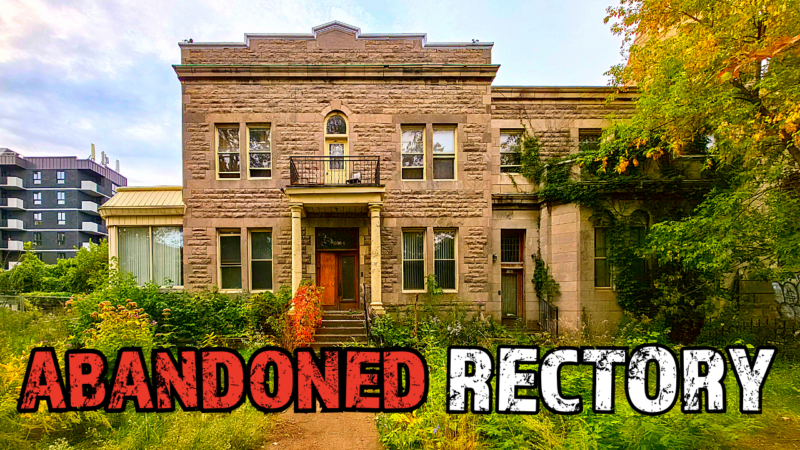










Abandoned Places, Ghost Towns & Photography from Canada, the USA & Beyond

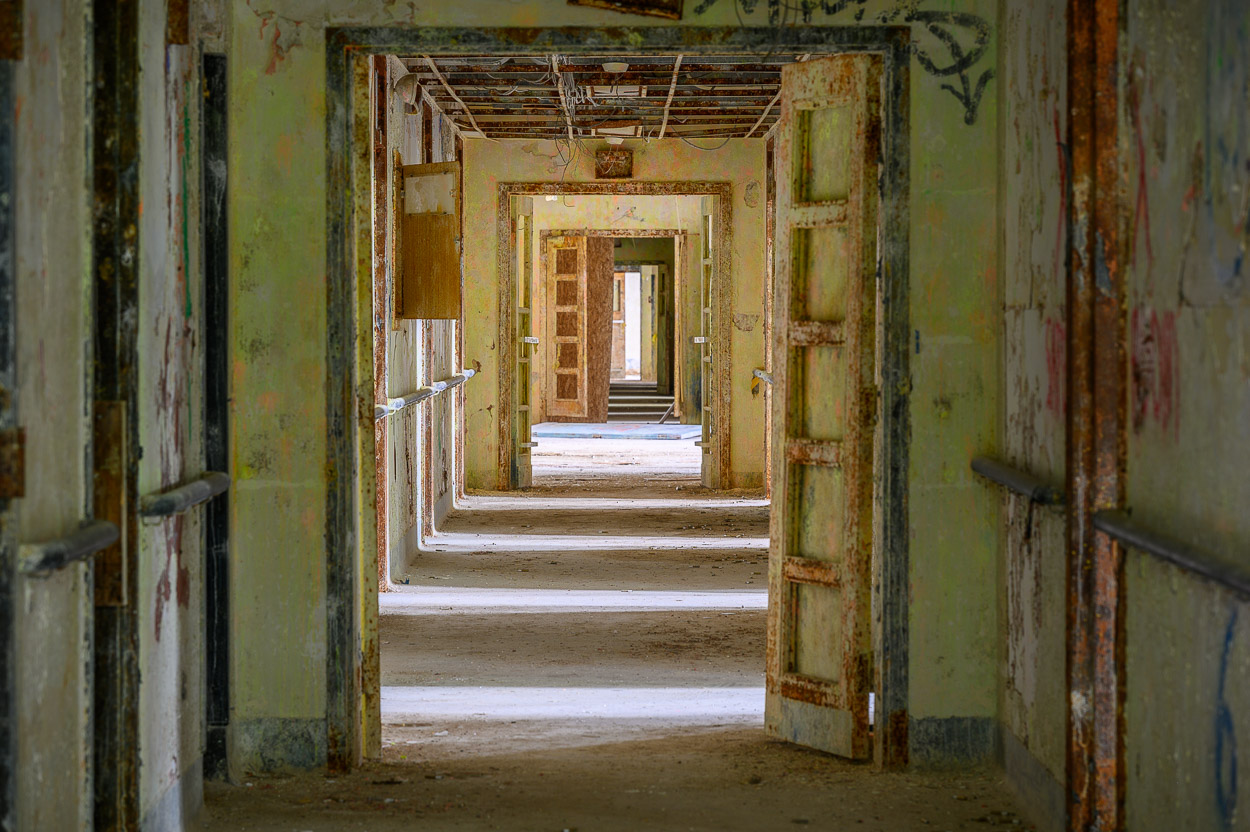
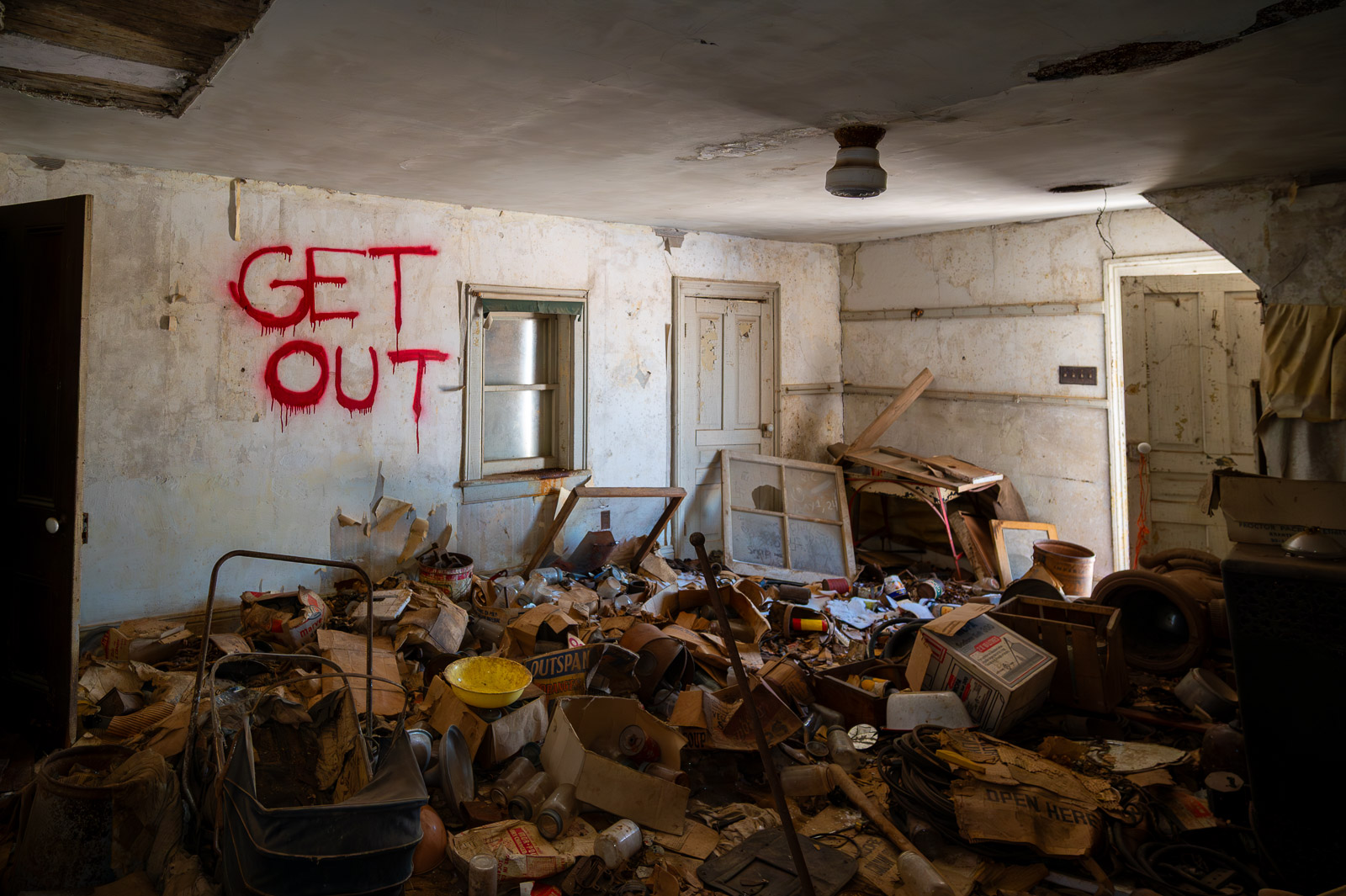
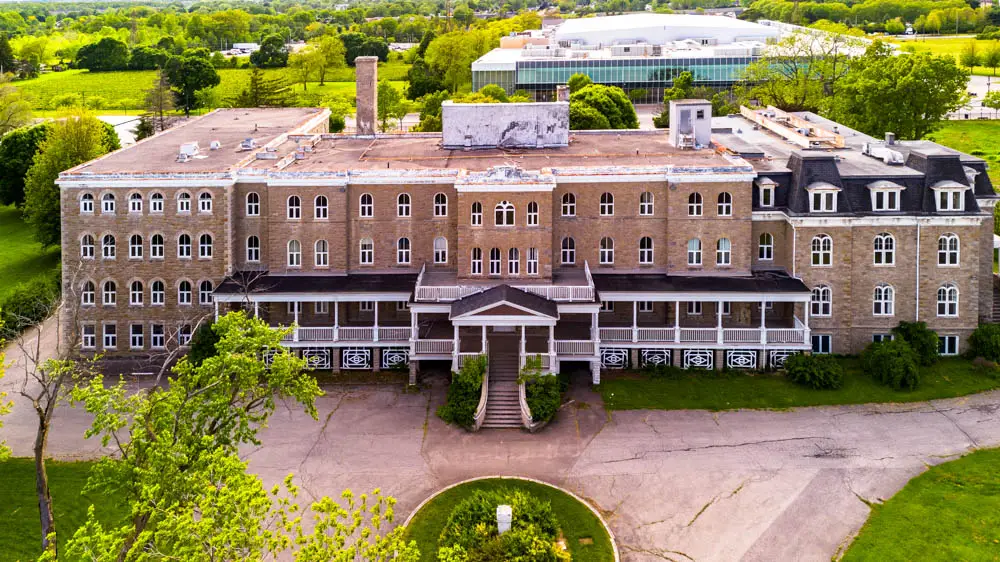
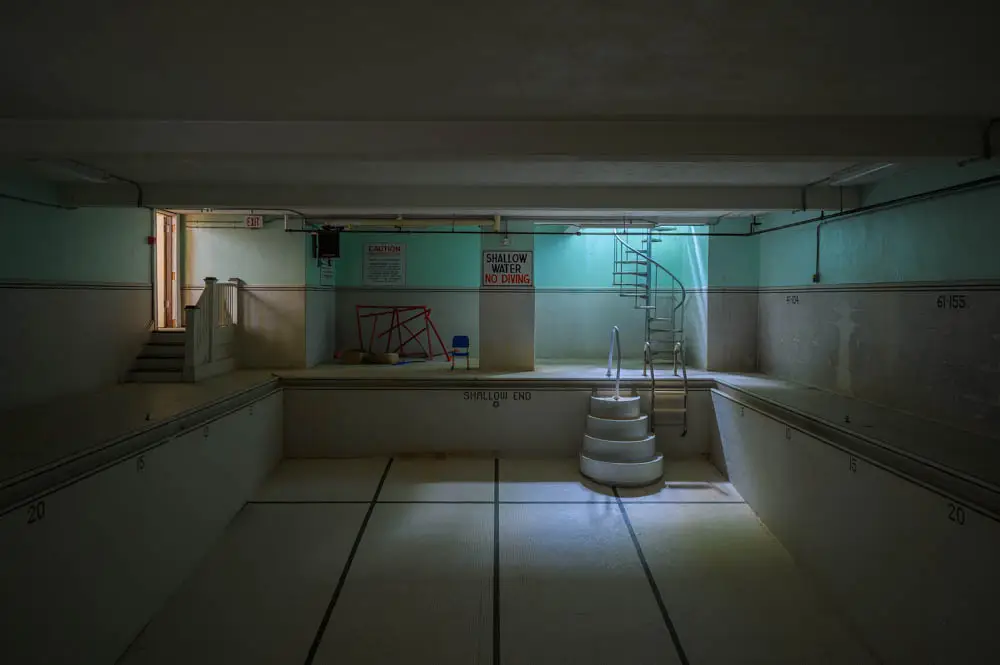
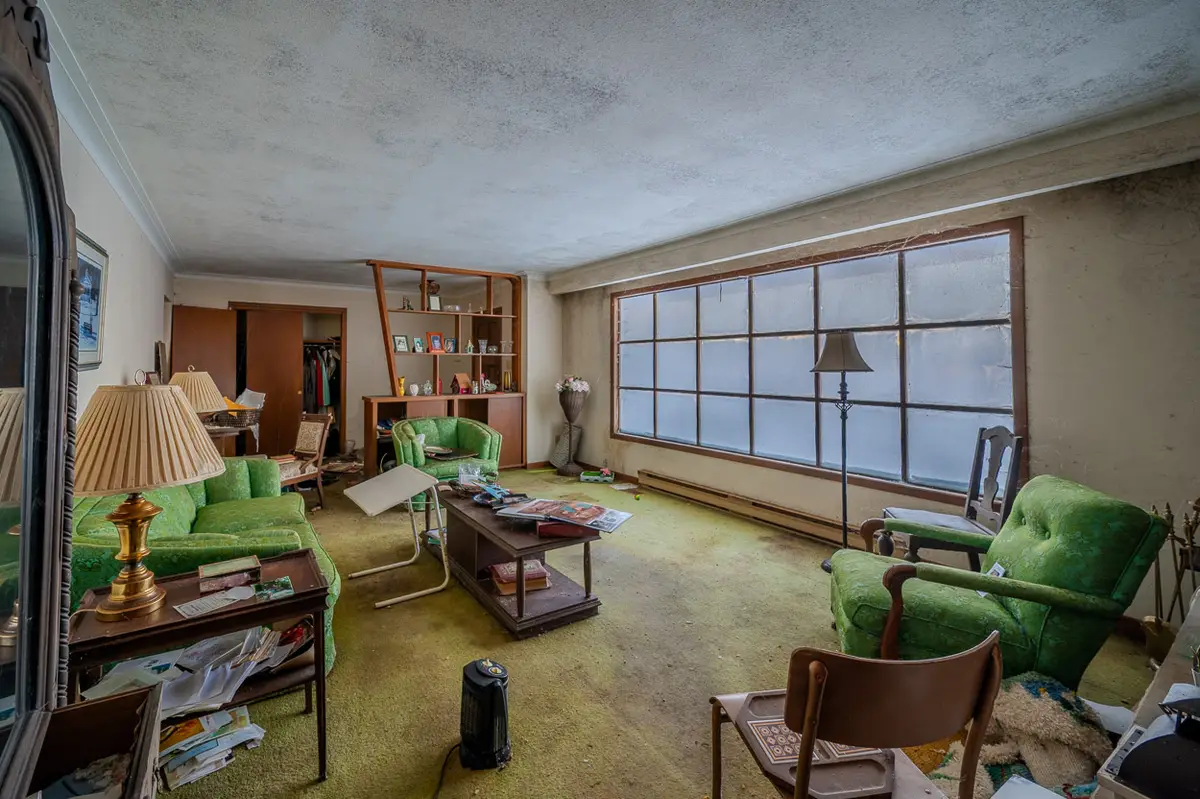
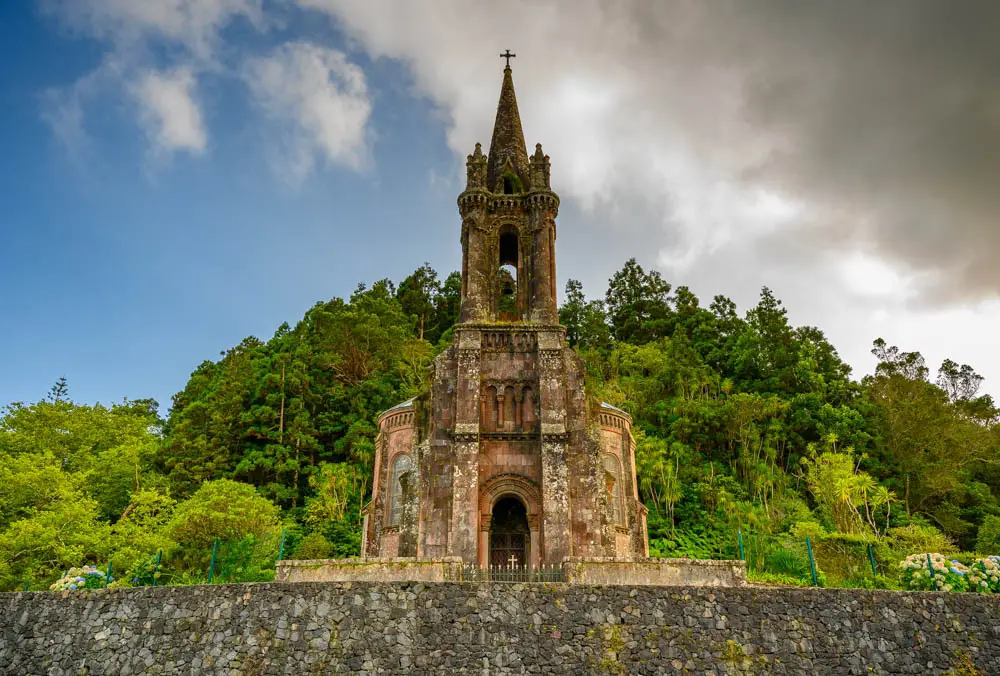
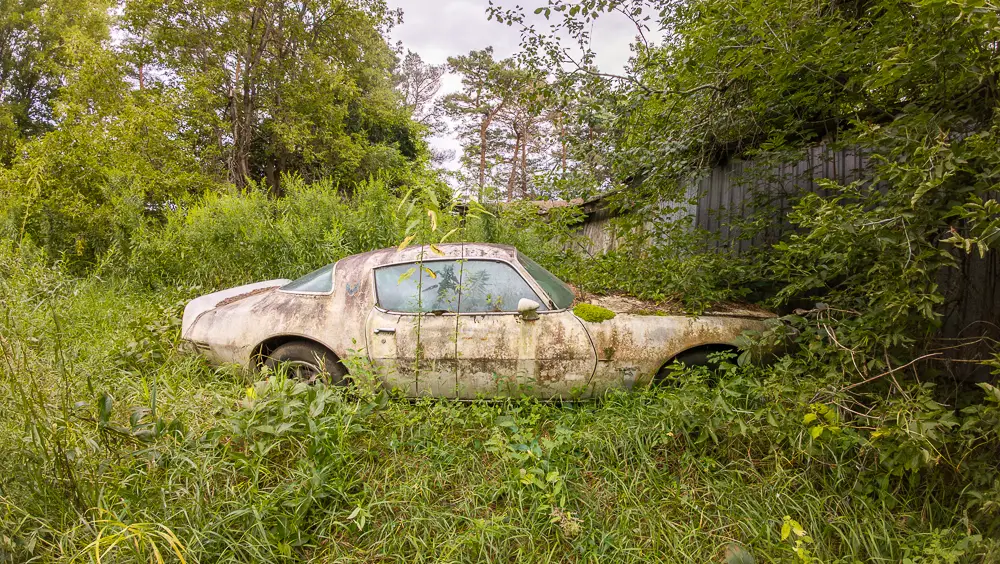
Freaktography is the work of Canadian photographer Dave Conlon, documenting abandoned places, ghost towns, industrial ruins, and forgotten historic sites across Canada, the United States, and internationally through photography, historical research, and on-location storytelling.

What is Freaktography?

Freaktography is the work of Canadian photographer Dave Conlon, documenting abandoned places, ghost towns, industrial ruins, and forgotten historic sites across Canada and beyond. Through photography, historical research, and on-location storytelling, Dave explores the history, architecture, and quiet beauty found inside places most people overlook.

His work has been featured in film and television productions including The Flash and Lavender, and highlighted by media outlets such as Canadian Geographic, HGTV, The Weather Channel, and international news organizations. In addition to photography, Dave produces documentary films and in-depth video explorations that preserve the stories behind Canada’s disappearing places.

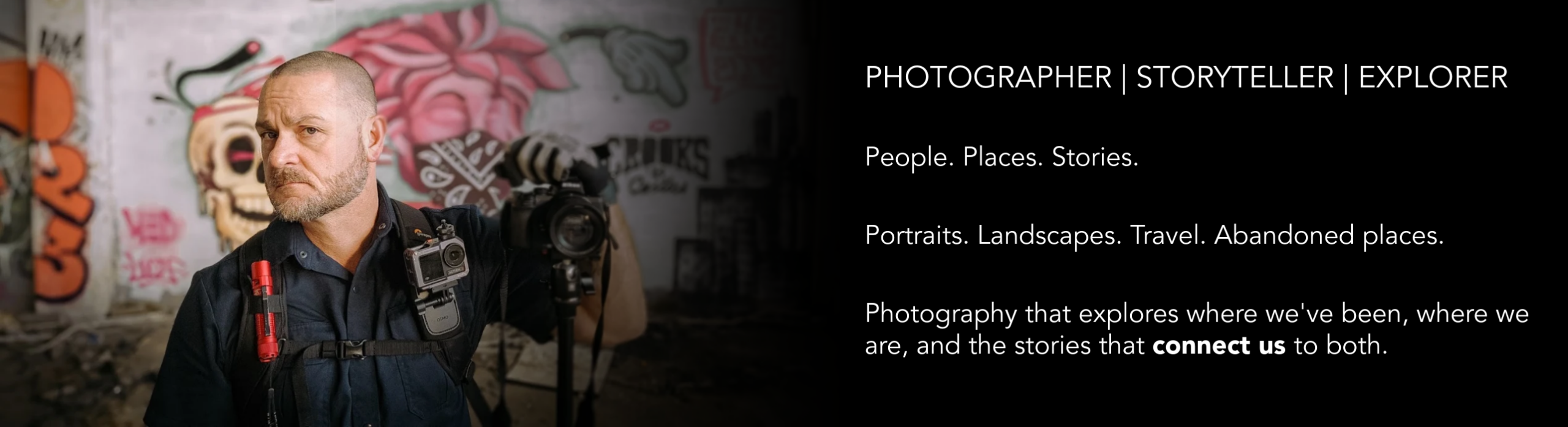
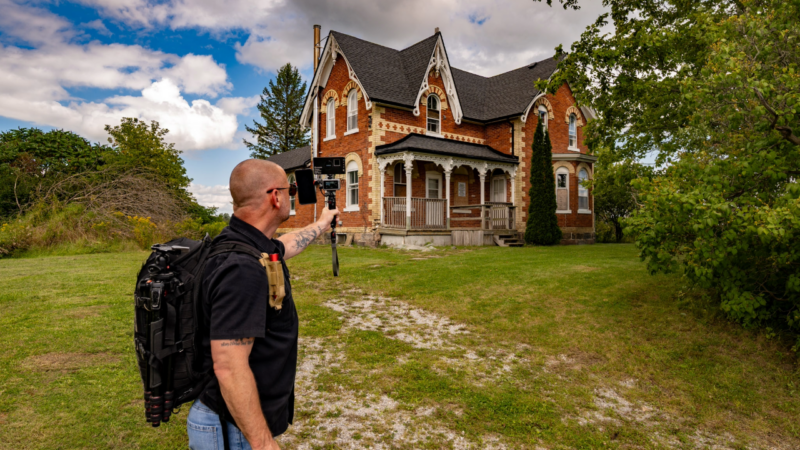
Freaktography Urban Explorer Self Portrait

Abandoned Places Across Canada

Explore documented abandoned locations across:

Featured Abandoned Locations

Some Favourites abandoned places of yours and mine


Urban Exploration Videos

Freaktography’s YouTube channel documents abandoned places in Canada through immersive video storytelling, historical research, and on-location narration. From remote ghost towns to hidden industrial ruins, each episode brings viewers inside locations that are disappearing across the country.

Frequently Asked Questions About Abandoned Places

What are abandoned places?

Abandoned places are buildings or structures that have been left vacant due to economic shifts, population changes, industrial decline, or natural disaster. In Canada, these include ghost towns, rural farmhouses, closed schools, and former industrial facilities.

Some of the most well-known ghost towns in Canada include Bankhead in Alberta, Anyox in British Columbia, and numerous abandoned mining and railway towns across Ontario and Manitoba.


Urban exploration laws vary by province. While photographing abandoned places is not illegal, entering private property without permission may constitute trespassing.


Urban exploring, also known as urban exploration or UE, is the act of exploring abandoned or off-limits places within an urban environment.

This can include abandoned buildings, factories, power plants, and other structures that have been left behind and forgotten.

Urban exploring is often done for the thrill of discovery and the opportunity to see and capture unique, hidden locations.

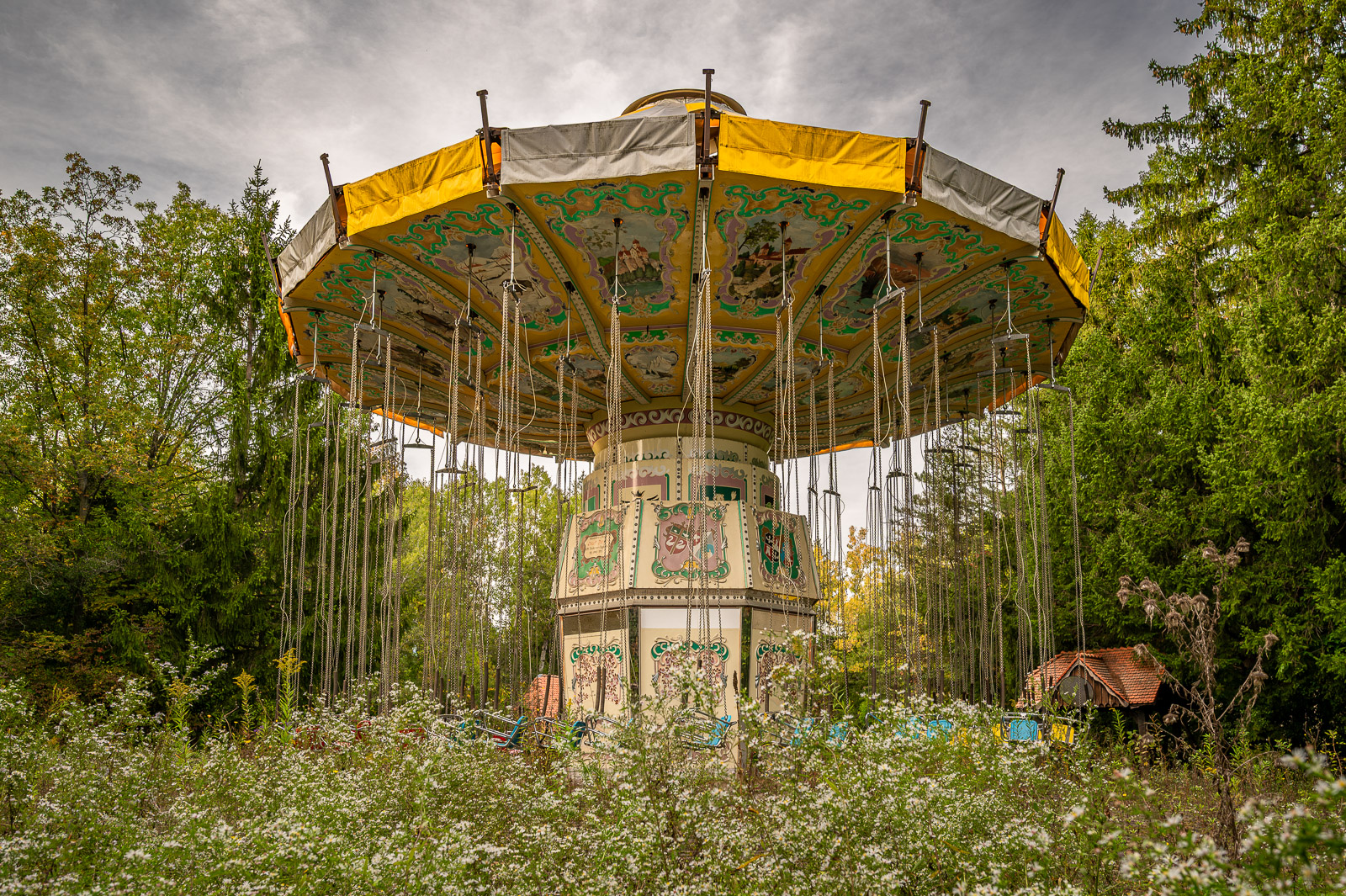
Abandoned photography is a genre of photography that captures the beauty and decay of abandoned buildingsabandoned factories, and other structures.

 Best cameras

It often explores themes of time and decay, as well as the impact of humans on the environment.

1 – It’s dangerous – people have fallen through floors into basements, broken legs, and arms, torn ligaments, pulled muscles, got stitches and yes…died etc.  Please be very careful of where you step and always be aware of your surroundings.

2 – It’s illegal – anyone entering an abandoned building is trespassing and could be charged with B&E, Mischief or more.  I am in no way suggesting you do any of the above

3 – About Trespassing, In Ontario, Canada the fine is the equivalent of getting a speeding ticket or a parking ticket, you are fined $65 and do not have a record of it. However, depending on how you act when you are caught it could be upgraded to mischief or B&E which are criminal offences. 

If you are a surviving family and have discovered any posts with stress and dismay, please message me immediately. I visit locations with deep respect, and will be happy to remove all traces of these photos and videos at your request.

If I approach any location to find all access points to be sealed, I always walk away. If access is only possible via forced entry, I always walk away. No personal belongings or items are ever removed from any location I explore

Safety First: Safety should be your top priority when exploring abandoned places. Before entering any site, assess the risks and take necessary precautions. Here are some essential safety tips to keep in mind:

  1. Wear appropriate clothing and footwear: Dress in sturdy, comfortable clothing and closed-toe shoes with good traction. Long pants and sleeves can provide additional protection against hazards like broken glass or sharp metal.

  2. Bring essential safety gear: Carry a flashlight or headlamp with extra batteries, a first-aid kit, and a fully charged mobile phone for emergencies. Consider bringing a respirator mask if there’s a risk of airborne contaminants.

  3. Never explore alone: Always explore with at least one other person. Not only is it safer to have someone with you in case of an accident, but it’s also more enjoyable to share the experience with a friend.

  4. Watch your step: Be mindful of your surroundings and watch out for potential hazards such as unstable floors, holes, or hidden obstacles. Proceed with caution, especially in low-light conditions or areas with limited visibility.

  5. Respect the environment: Avoid disturbing or removing any objects from the site, and never vandalize or graffiti the property. Leave everything as you found it to preserve the integrity of the location for future explorers.

  6. Be aware of your surroundings: Pay attention to signs of instability such as creaking floors, crumbling walls, or signs of recent human activity. Trust your instincts and exit the area if you feel unsafe.