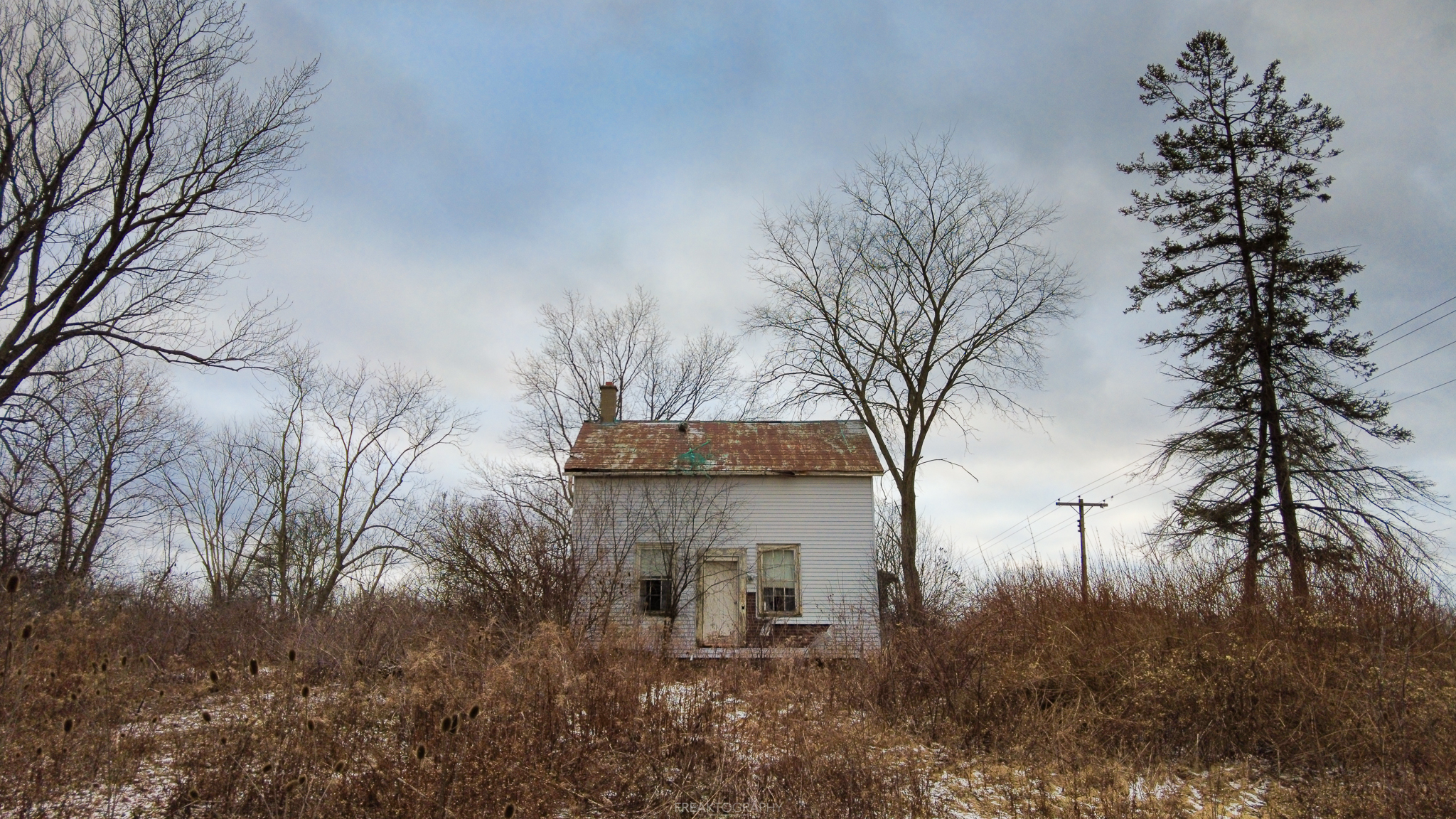
The Abandoned Pastor Lee House
A Time Capsule Hidden in Haldimand County, Ontario
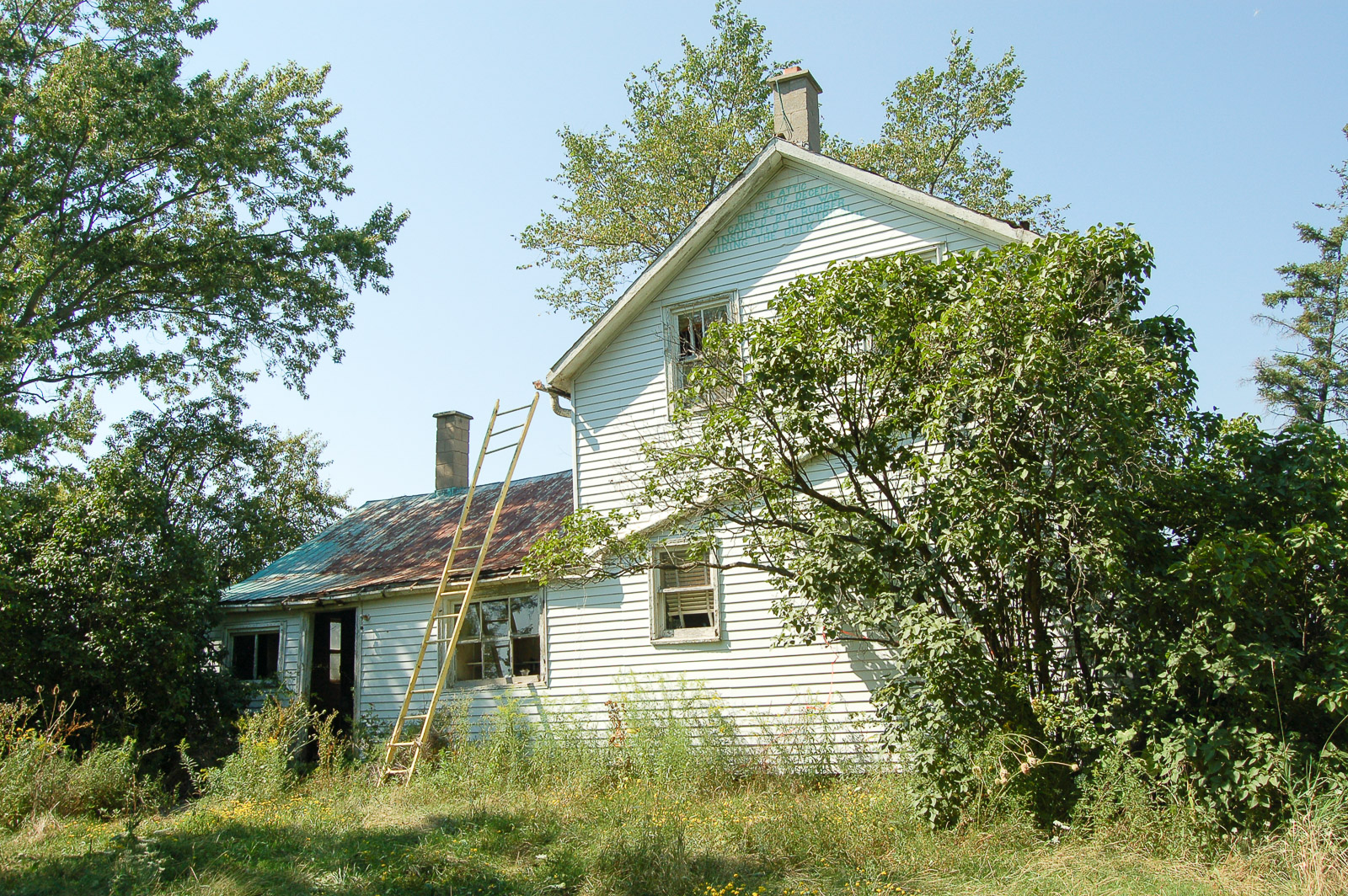
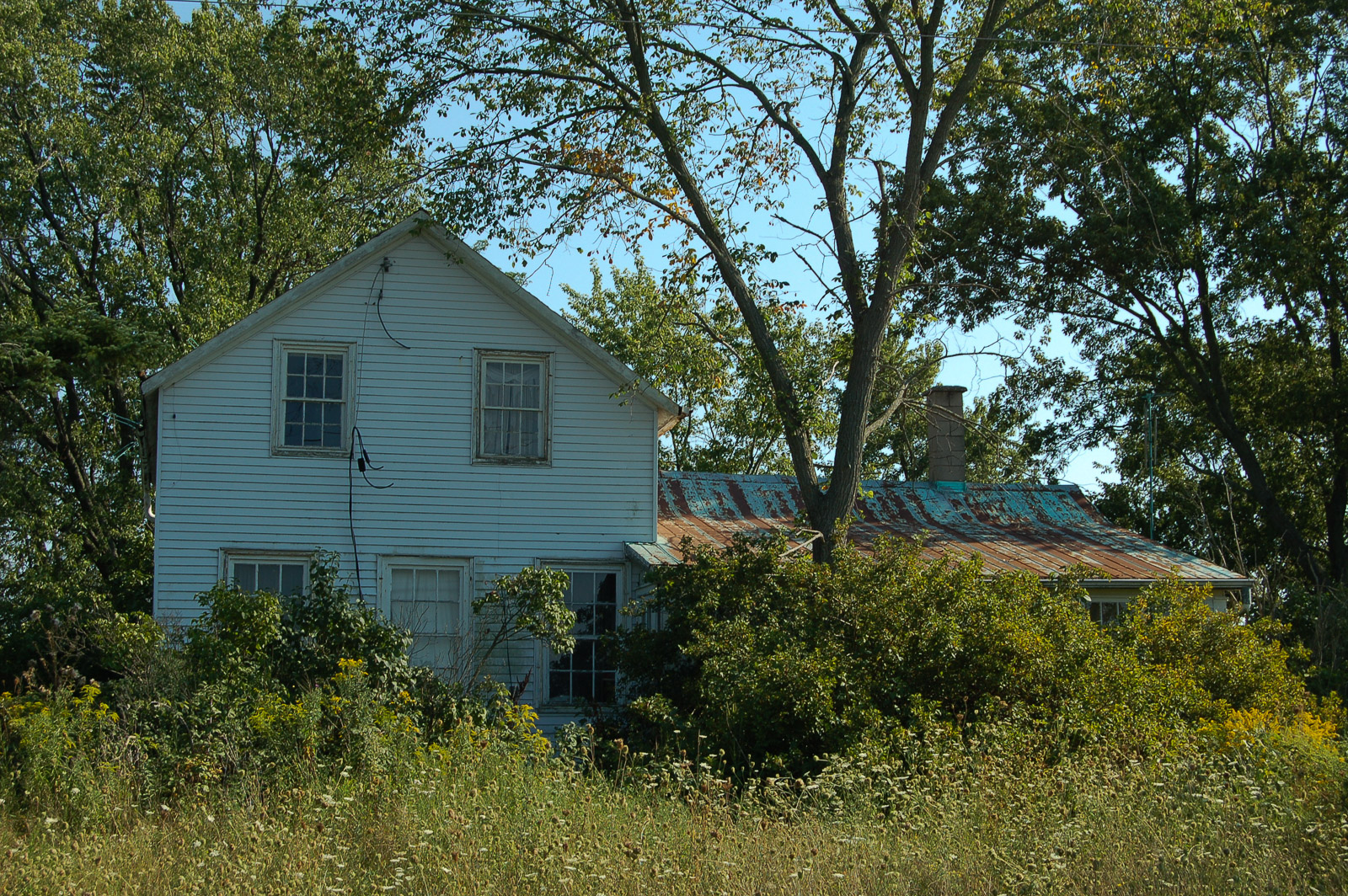
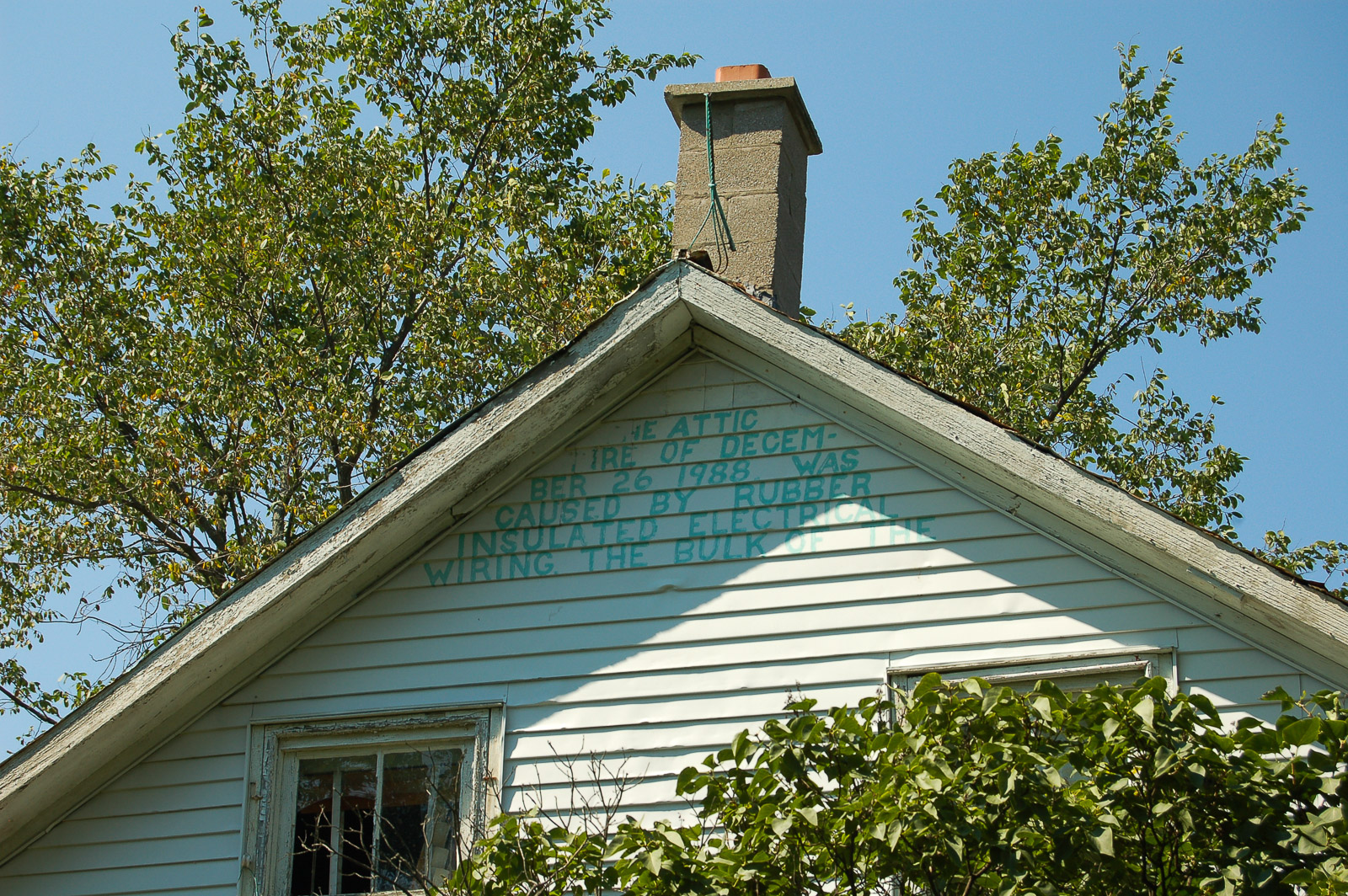
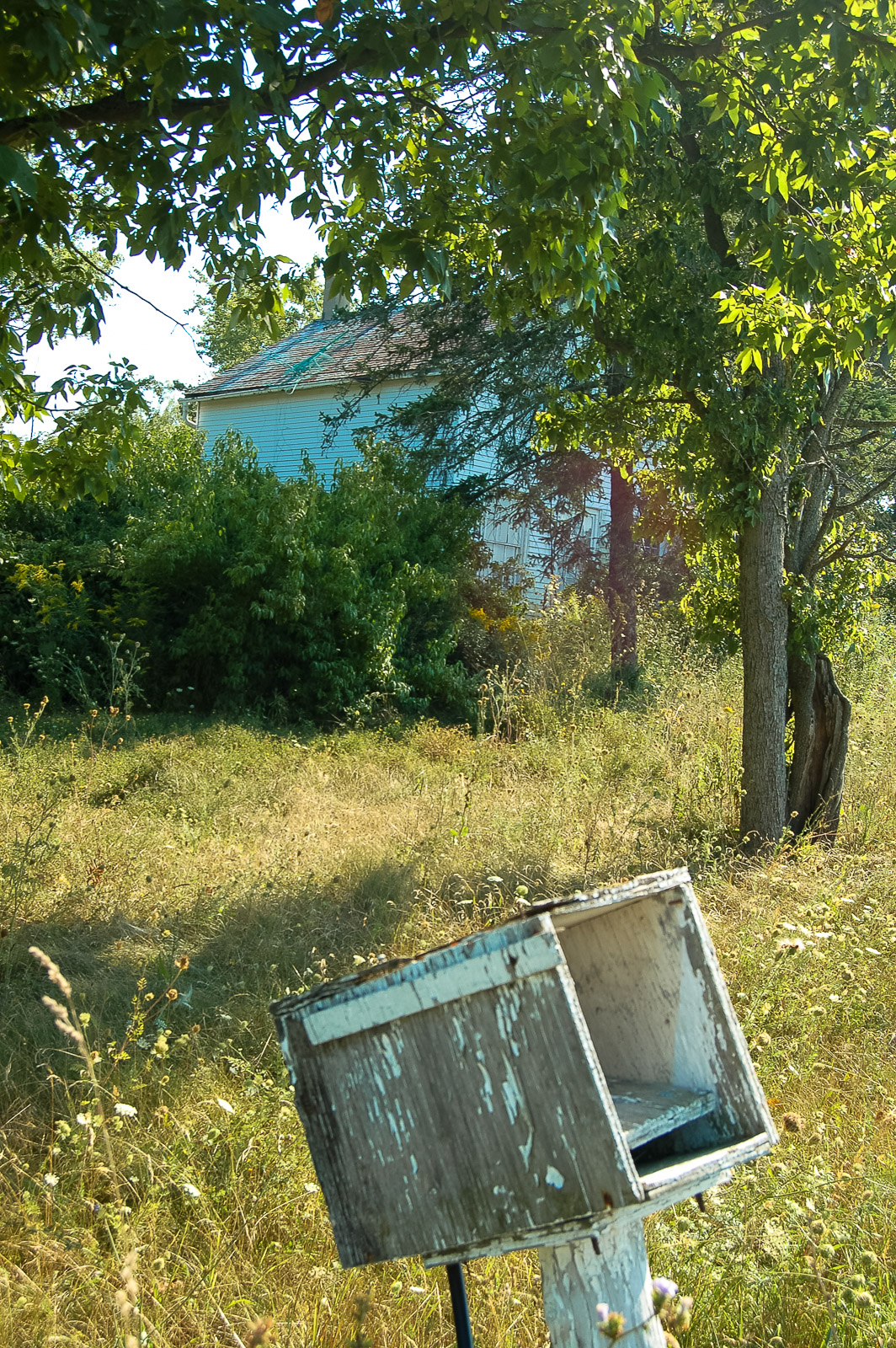
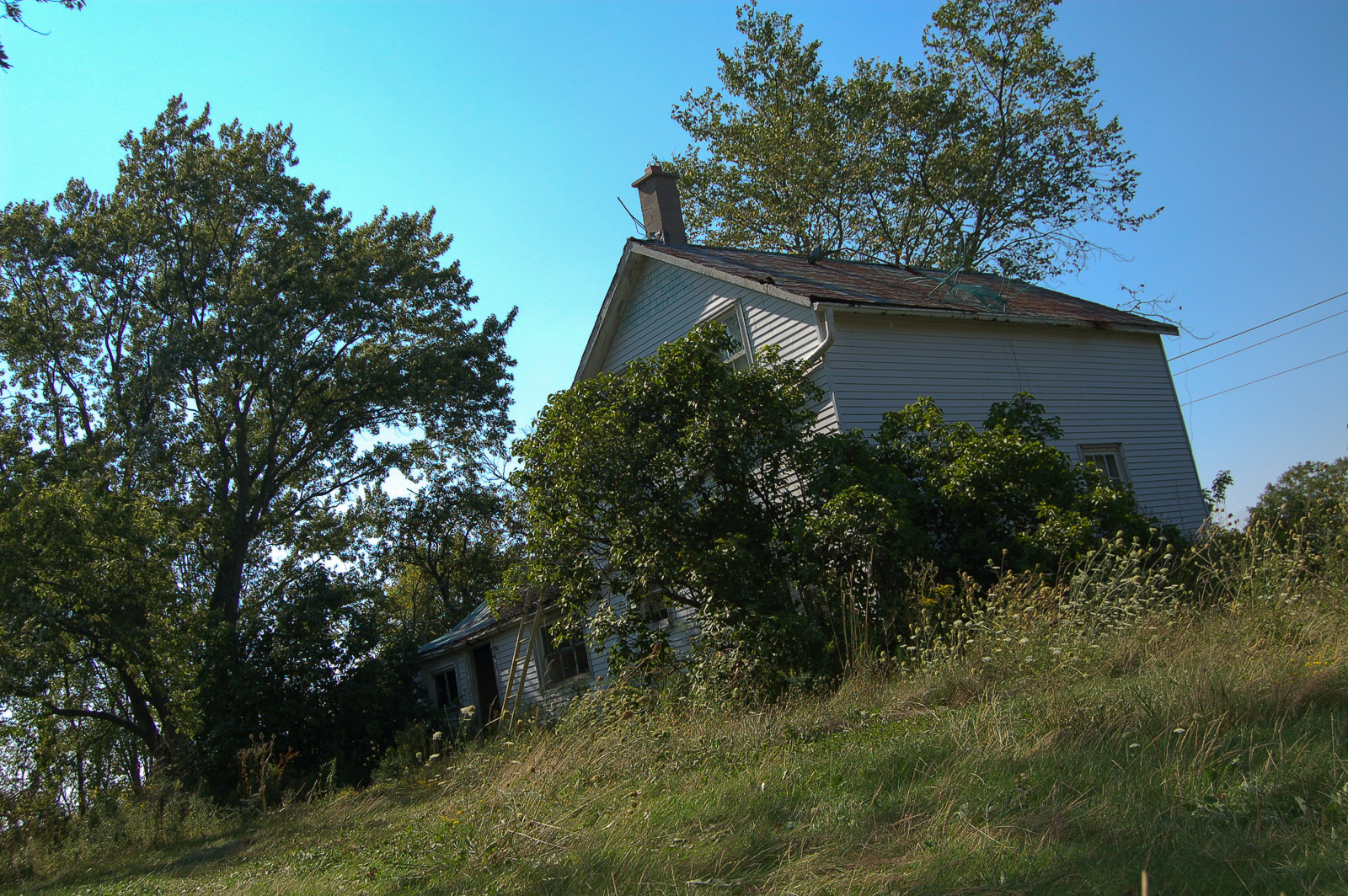
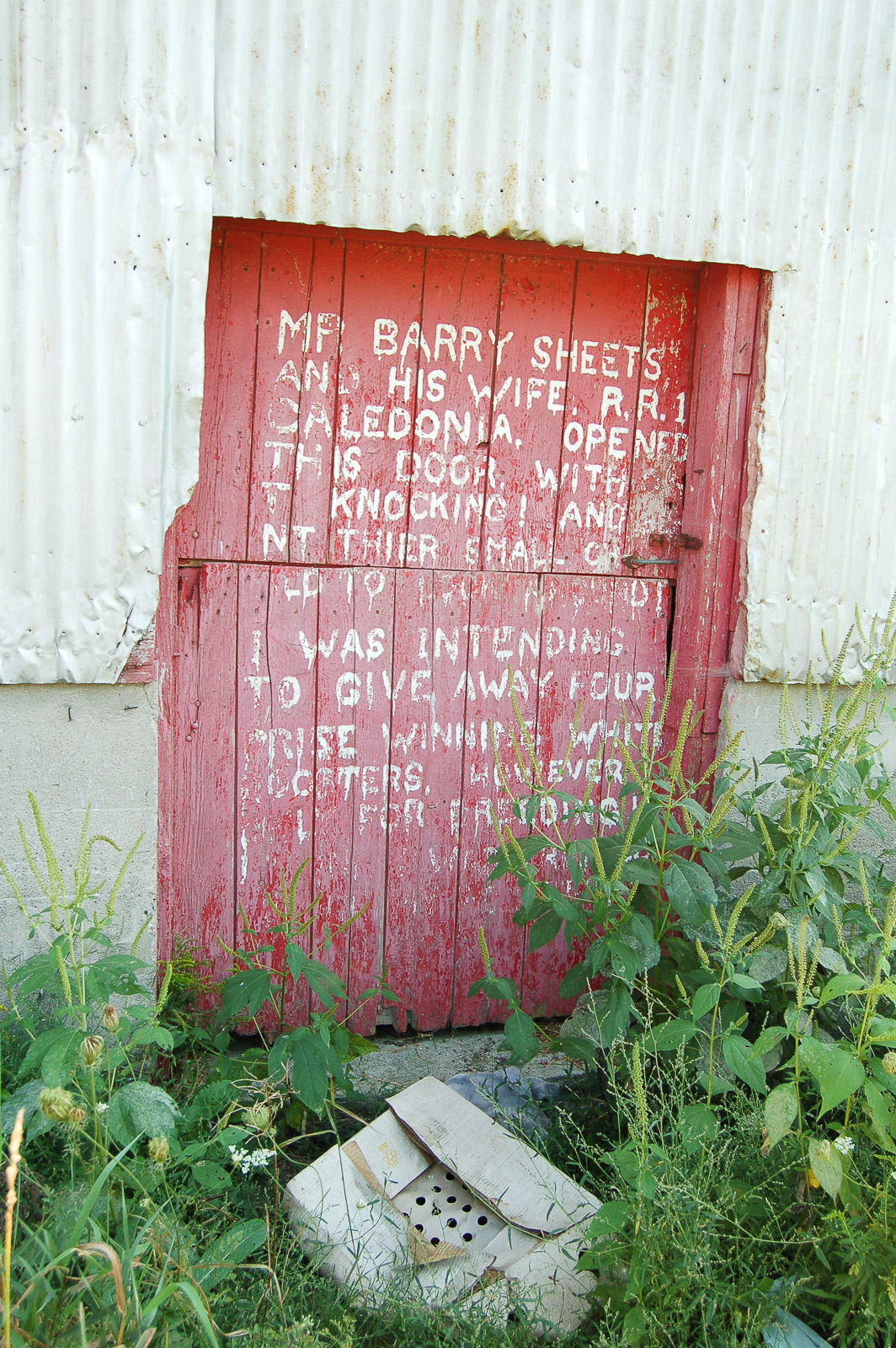
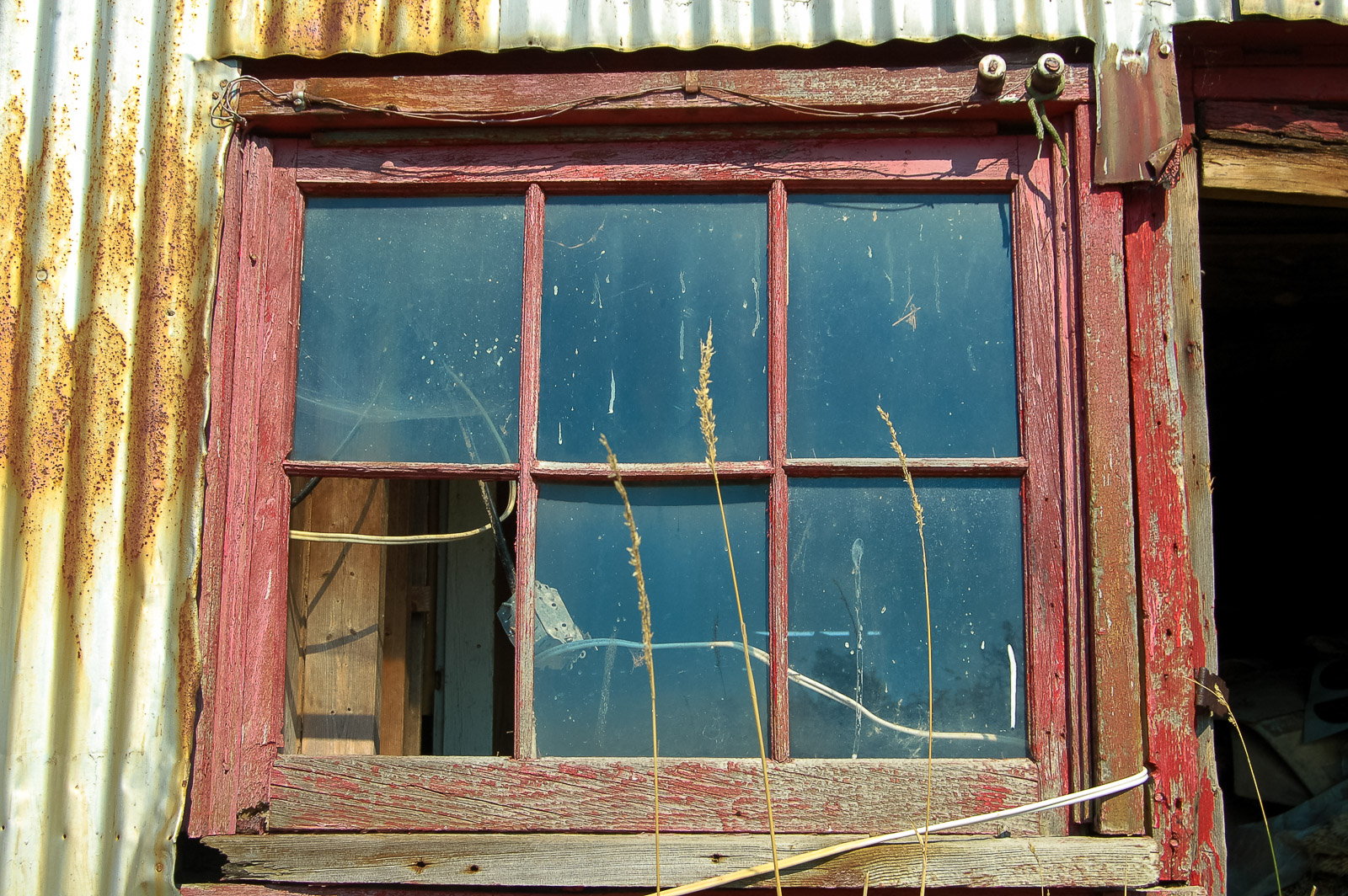
From the road, it looks like almost any other rural Ontario farmhouse — weathered siding, an overgrown lane, nothing that would make you slow down. But get closer, and you’ll notice something’s different. Hand-painted messages cover the barn doors and exterior walls, layered over each other, some trailing off mid-sentence.
This is the Pastor Lee House — one of Ontario’s most talked-about abandoned properties, and the former home of a missionary family whose story is far stranger, and far more human, than the rumours suggest.
Who Were the Lees?
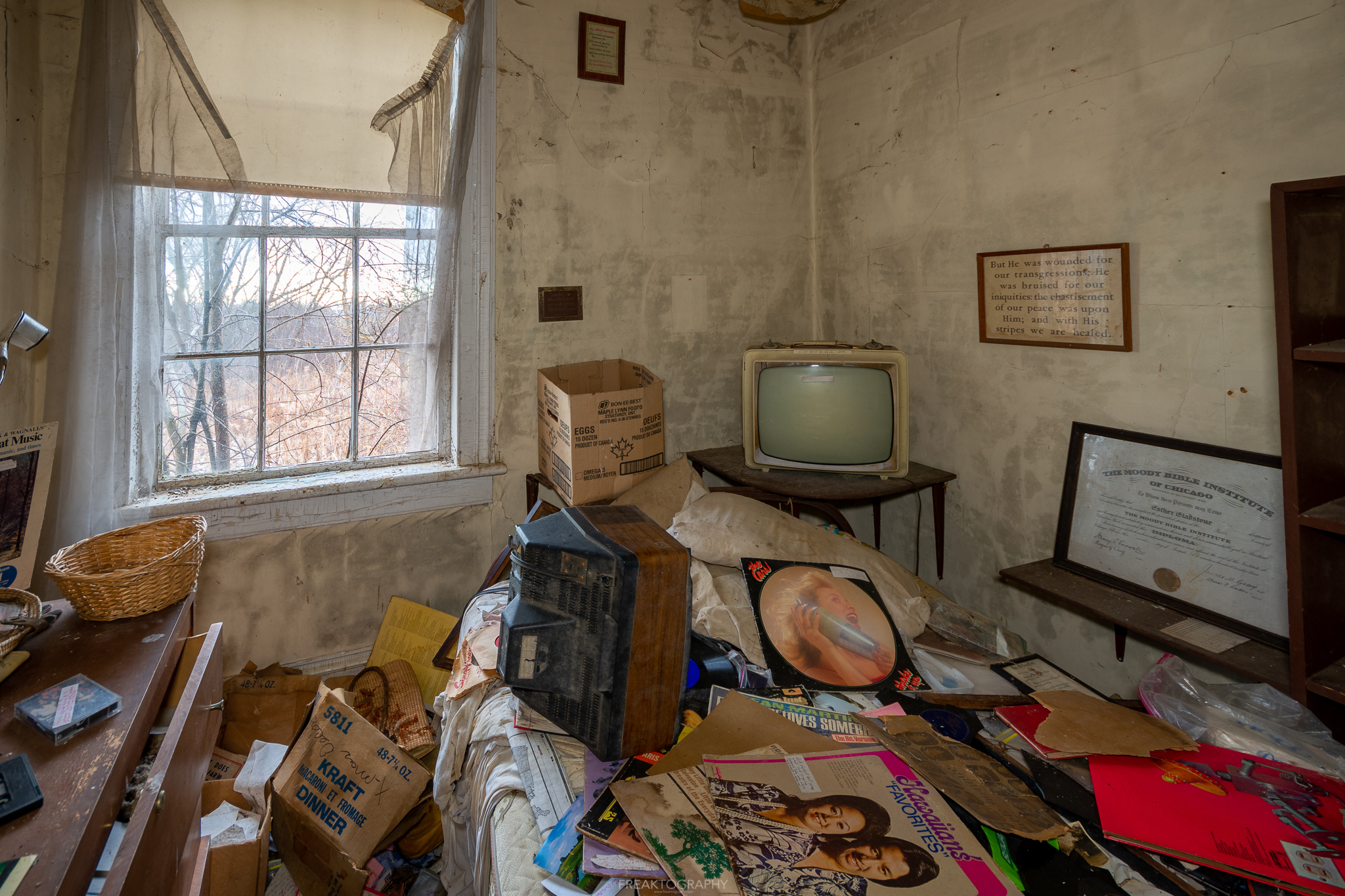
The house belonged to Reverend Arthur Lee and his wife, Esther Gladstone Lee. Esther was born in November 1893 in Gentry, Missouri, and graduated from the Moody Bible Institute in Chicago in 1923. Arthur, born in 1897 in Brockville, Ontario, served overseas with the Canadian Army Medical Corps during the First World War before attending McMaster University and entering the ministry.
Shortly after, the couple set out for Nigeria as missionaries : Esther departing in 1925, Arthur following soon after. They married overseas in 1927 and had four children: Walter, who tragically passed away at age five; and Gordon, Dorothy, and Donald, who each went on to live very different lives.
By 1948, the Lees had returned to Canada and purchased the Haldimand County property that would remain in the family for decades. Arthur went on to serve as a pastor at Baptist churches across Ontario.
Gordon Lee : The Man Who Never Left
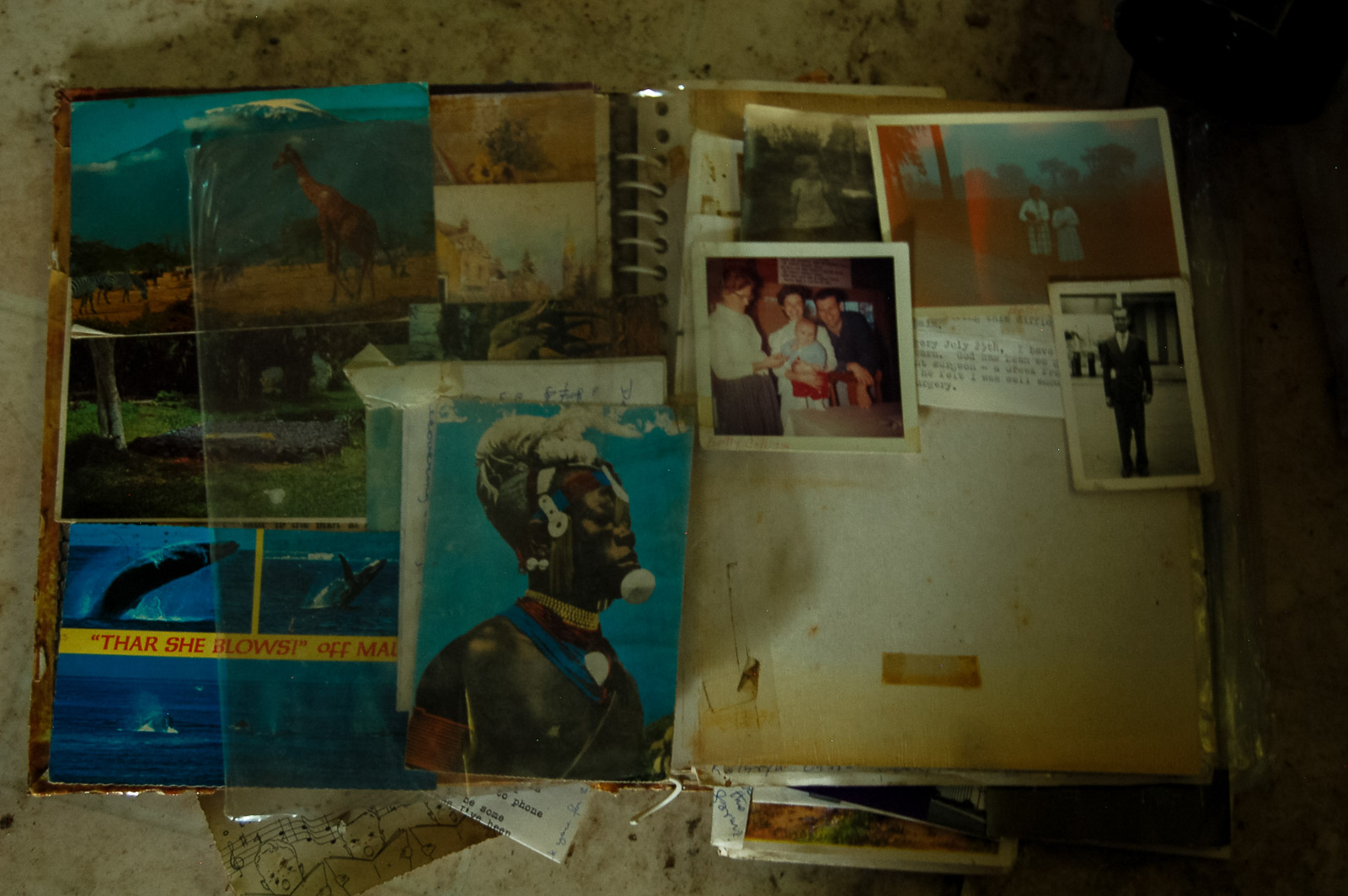
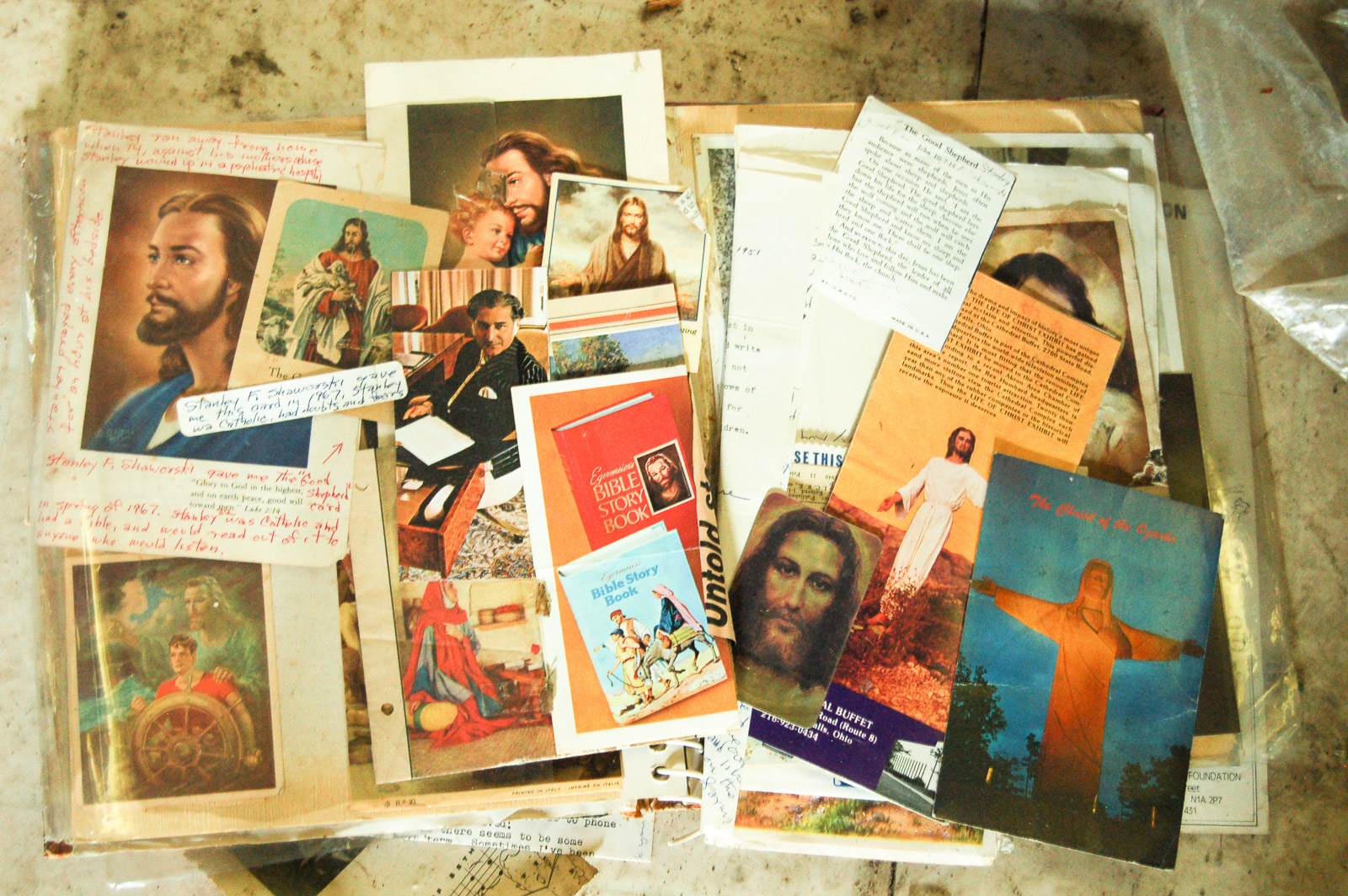
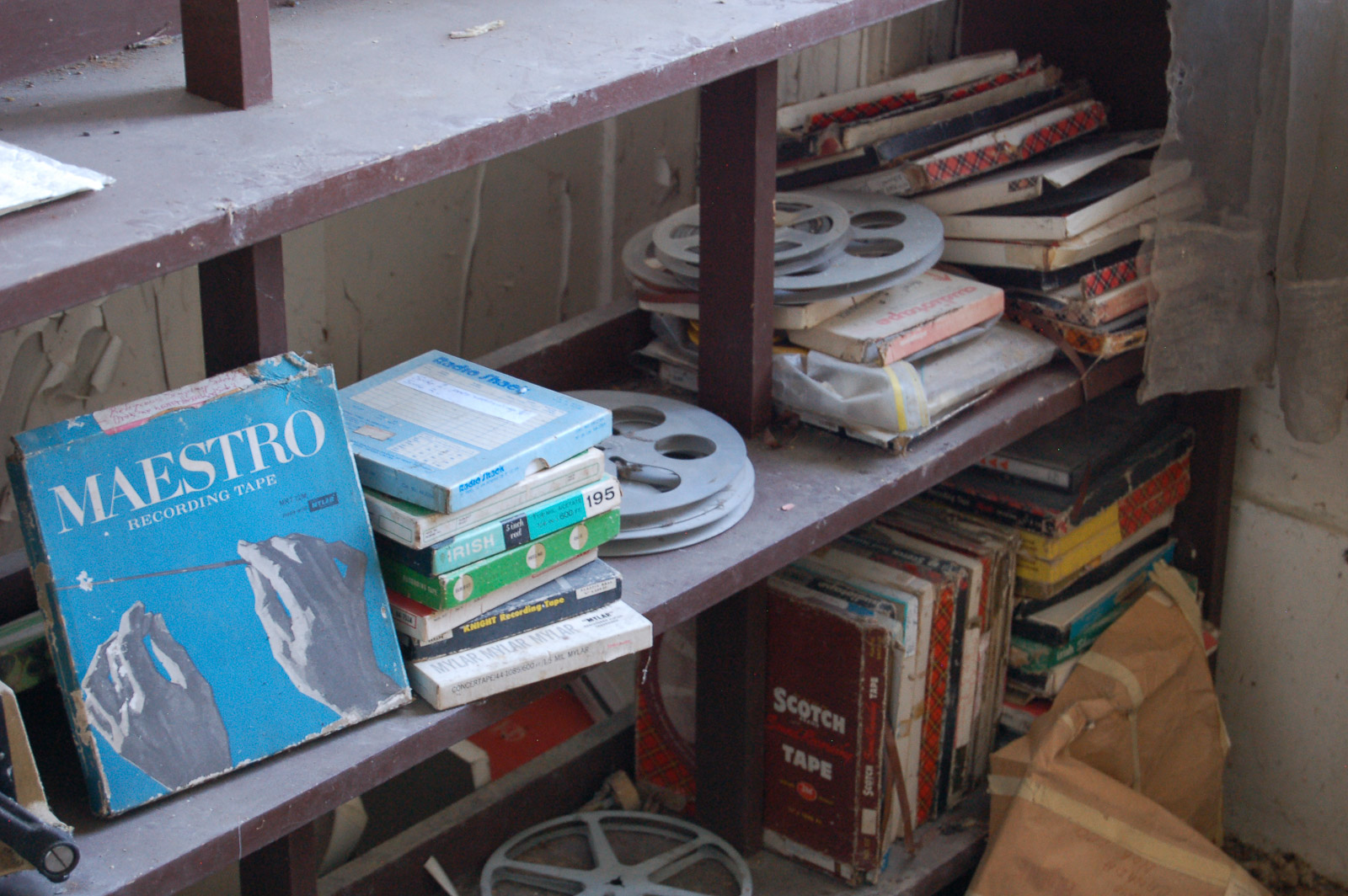
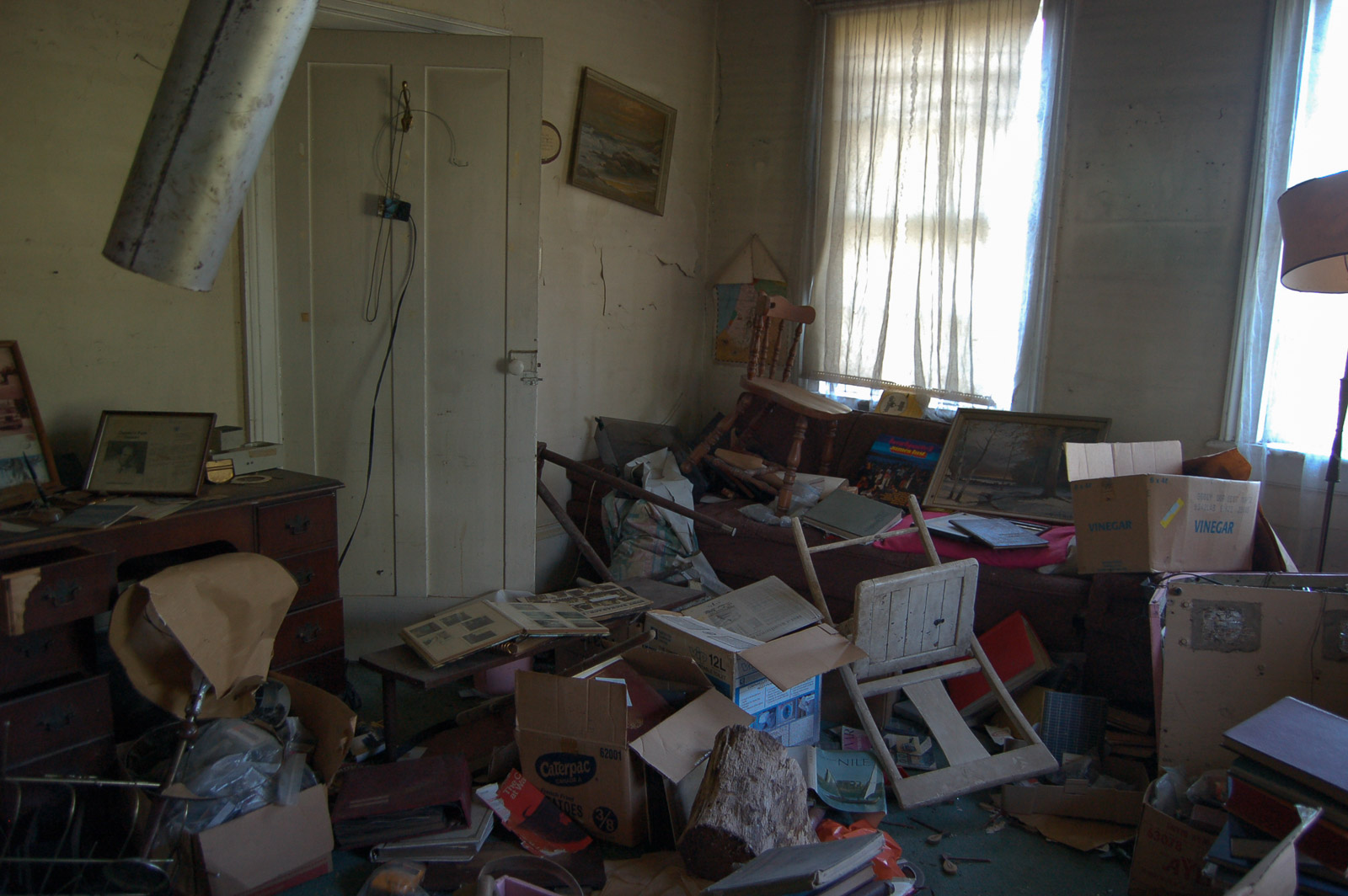
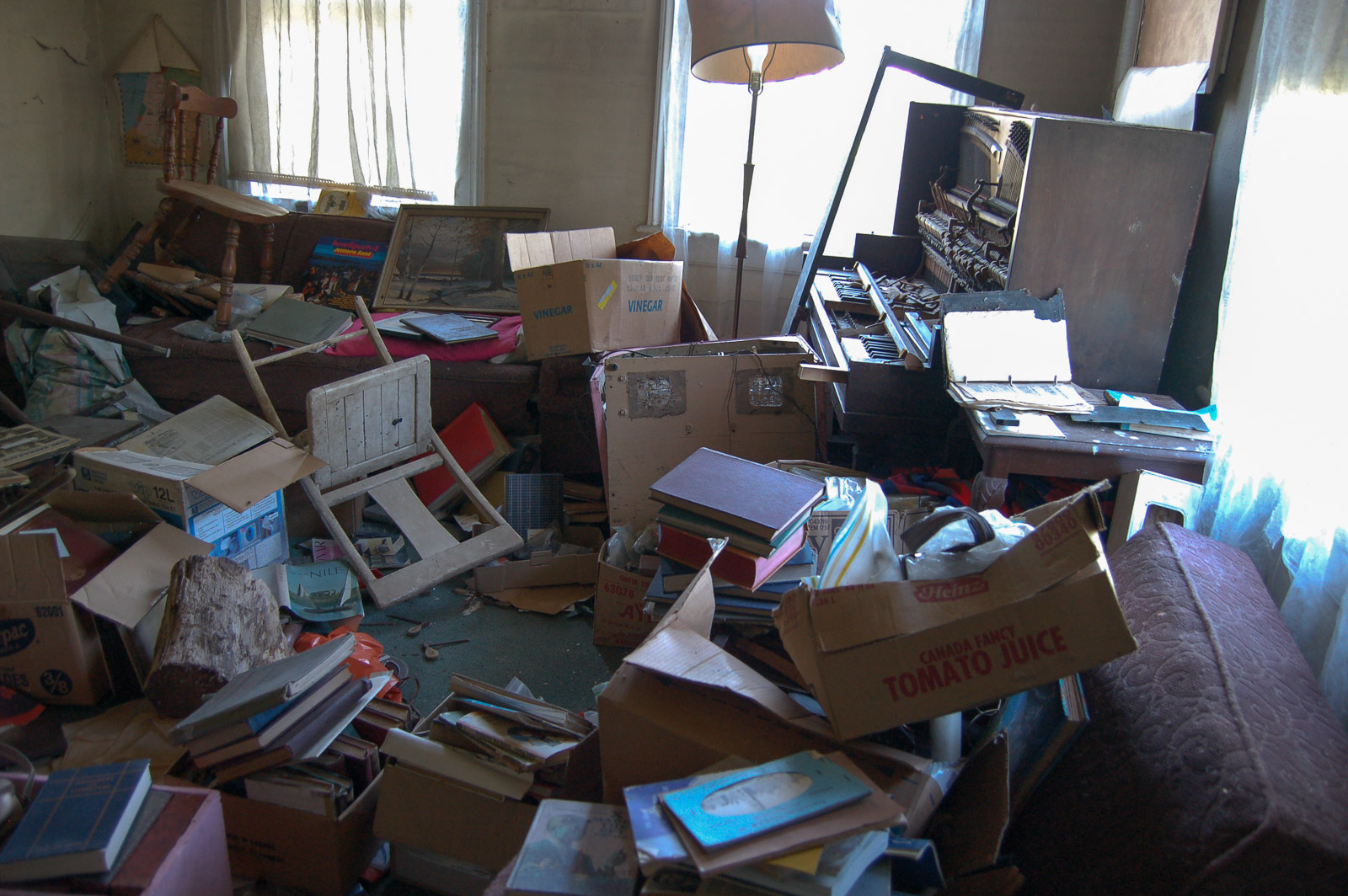
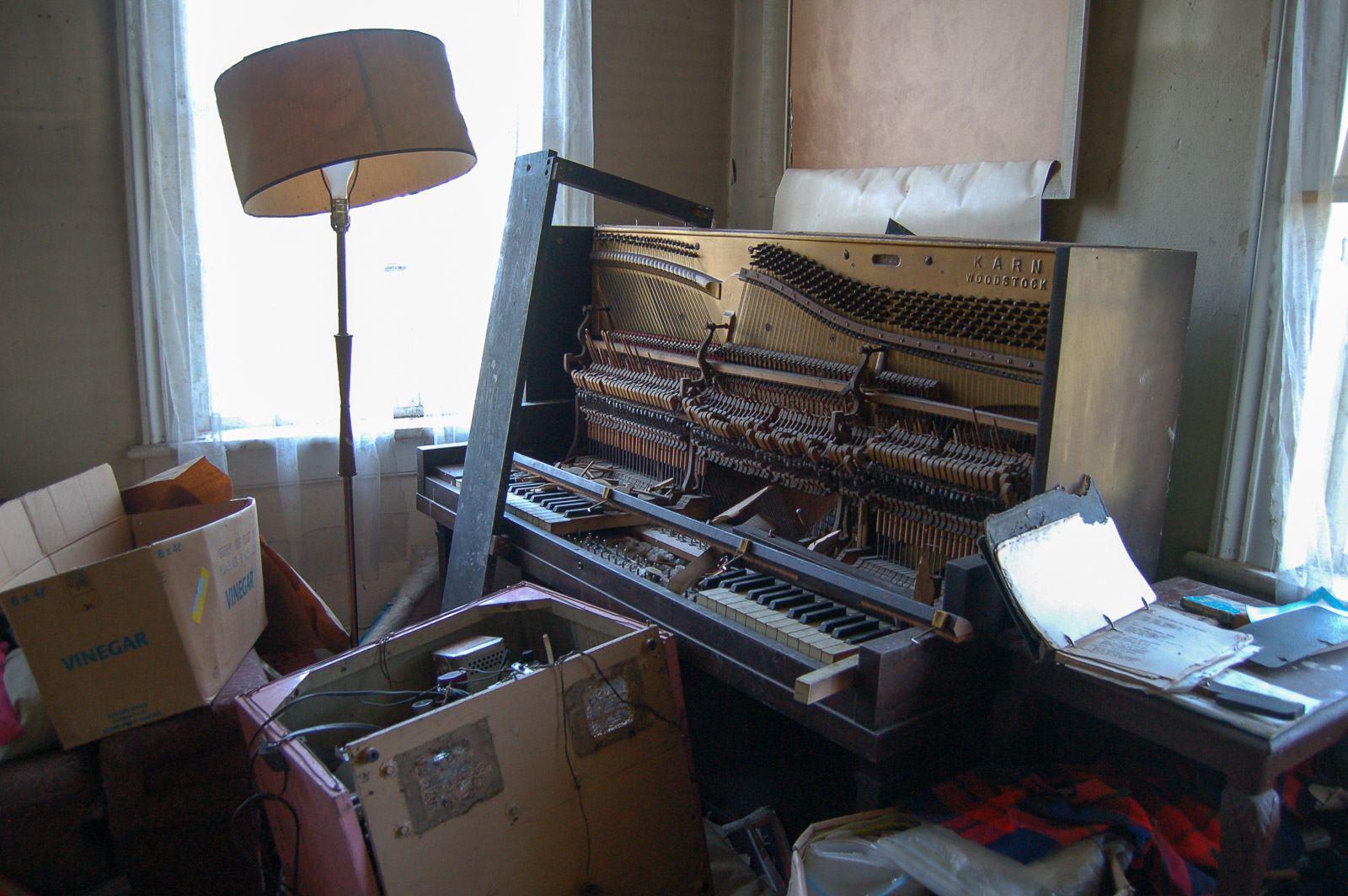
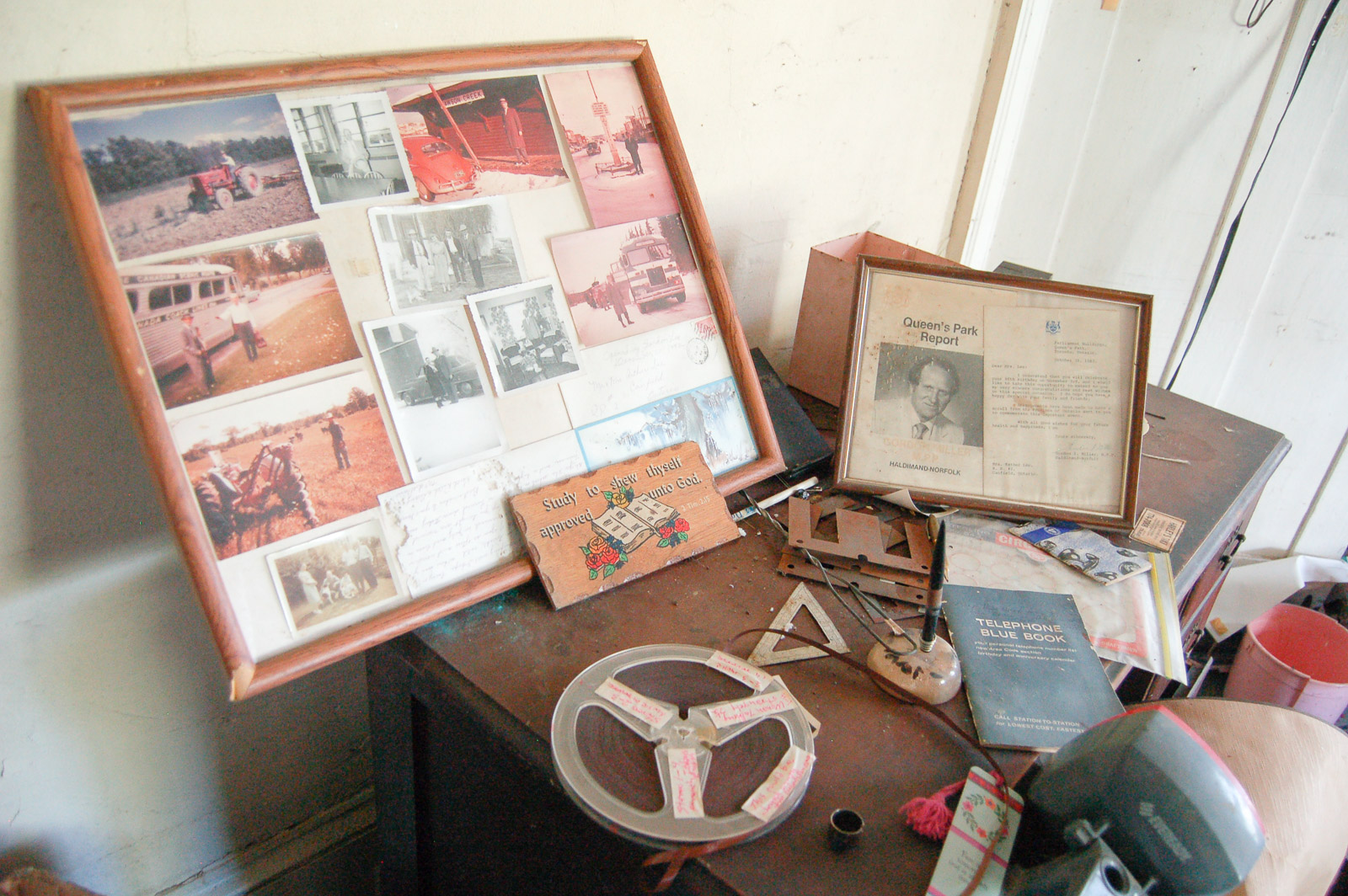
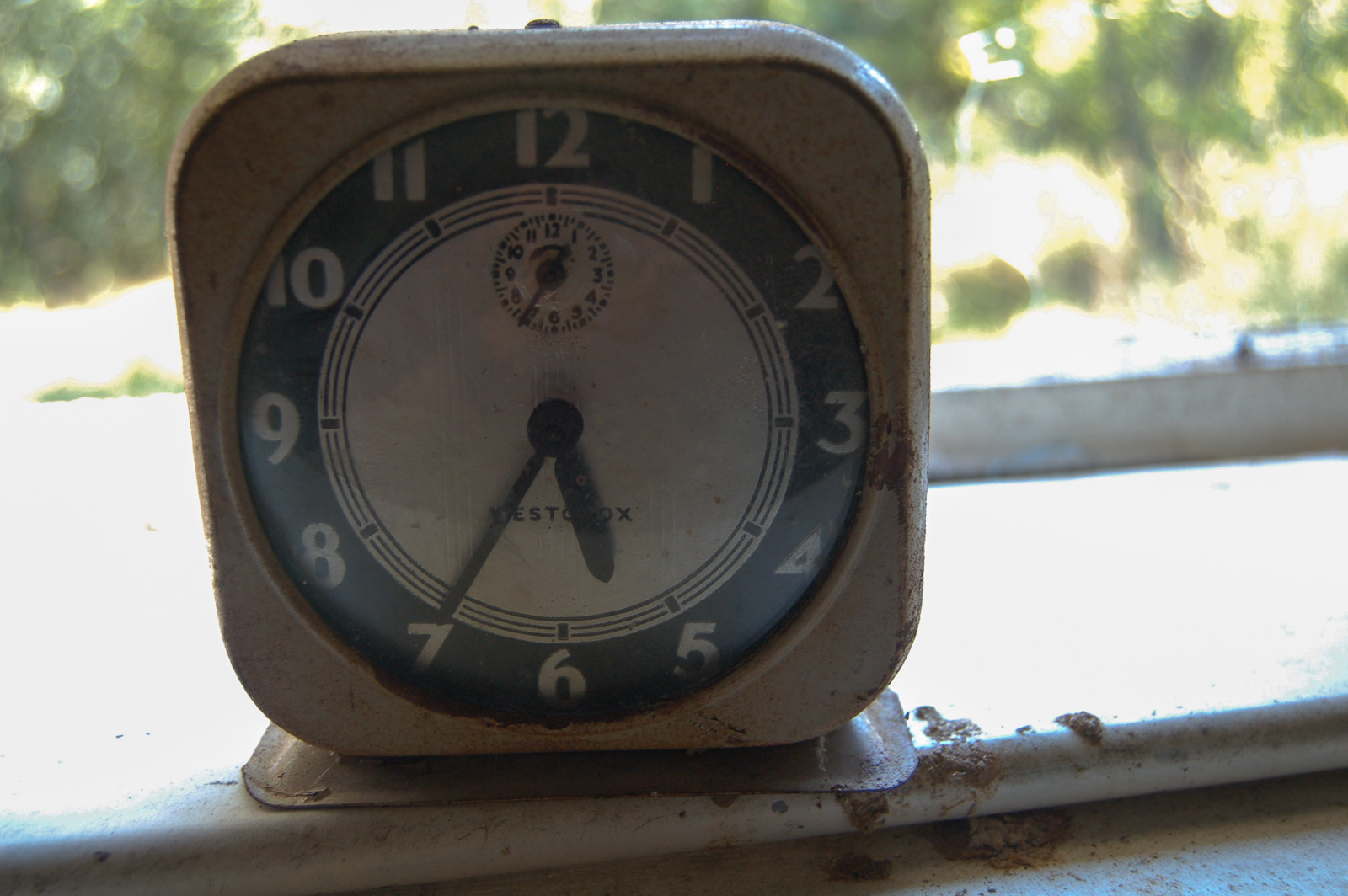
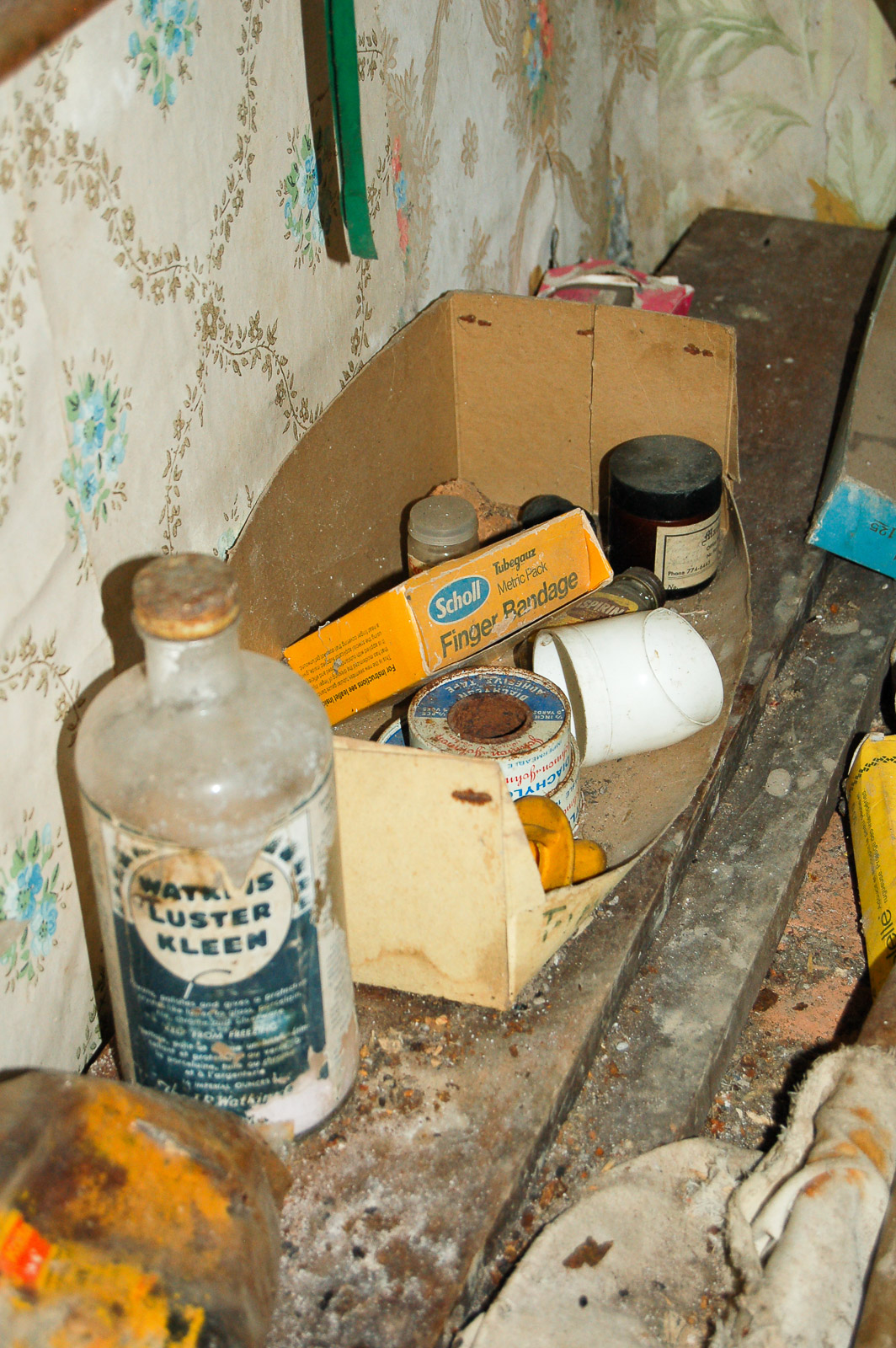
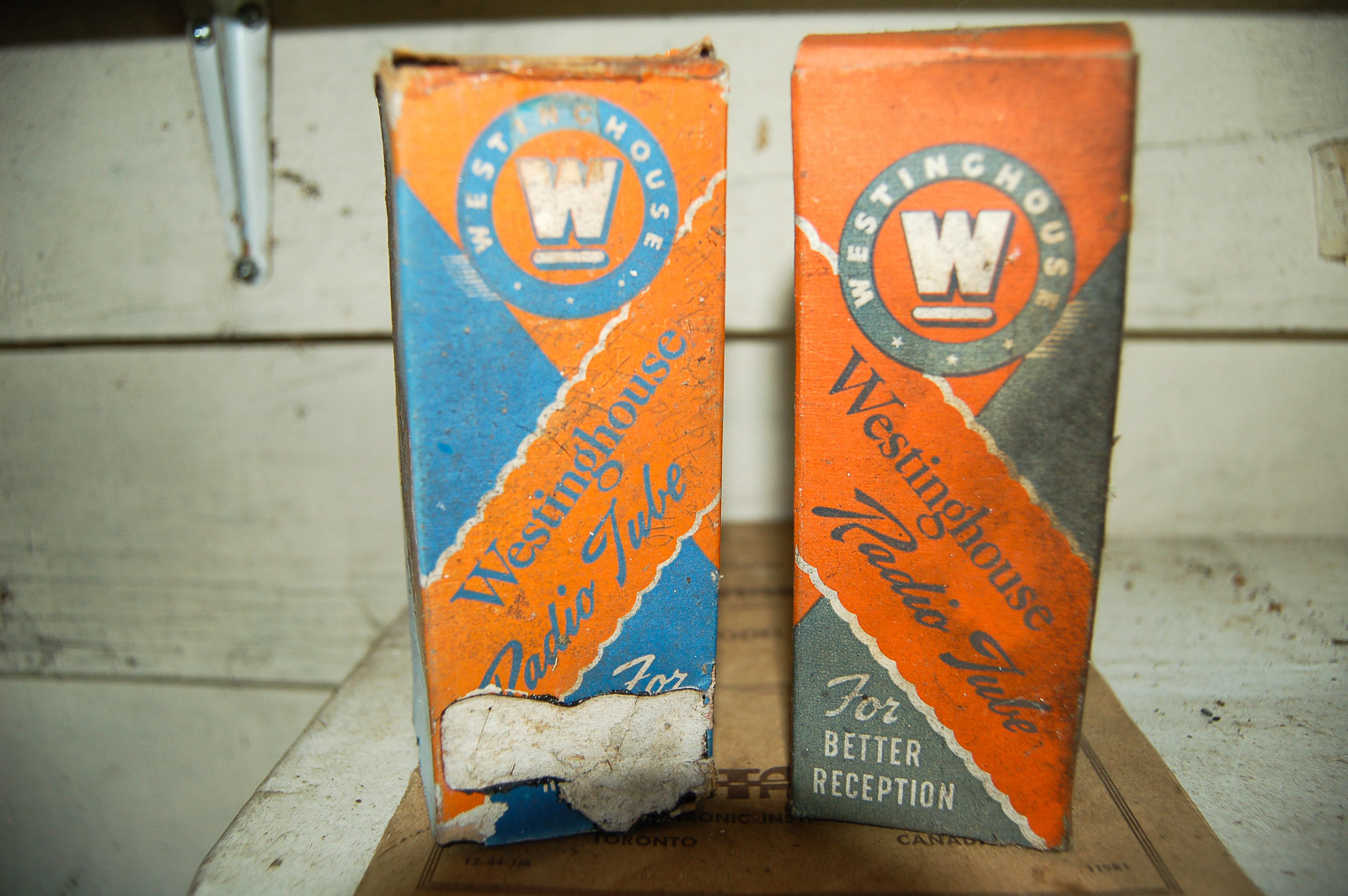
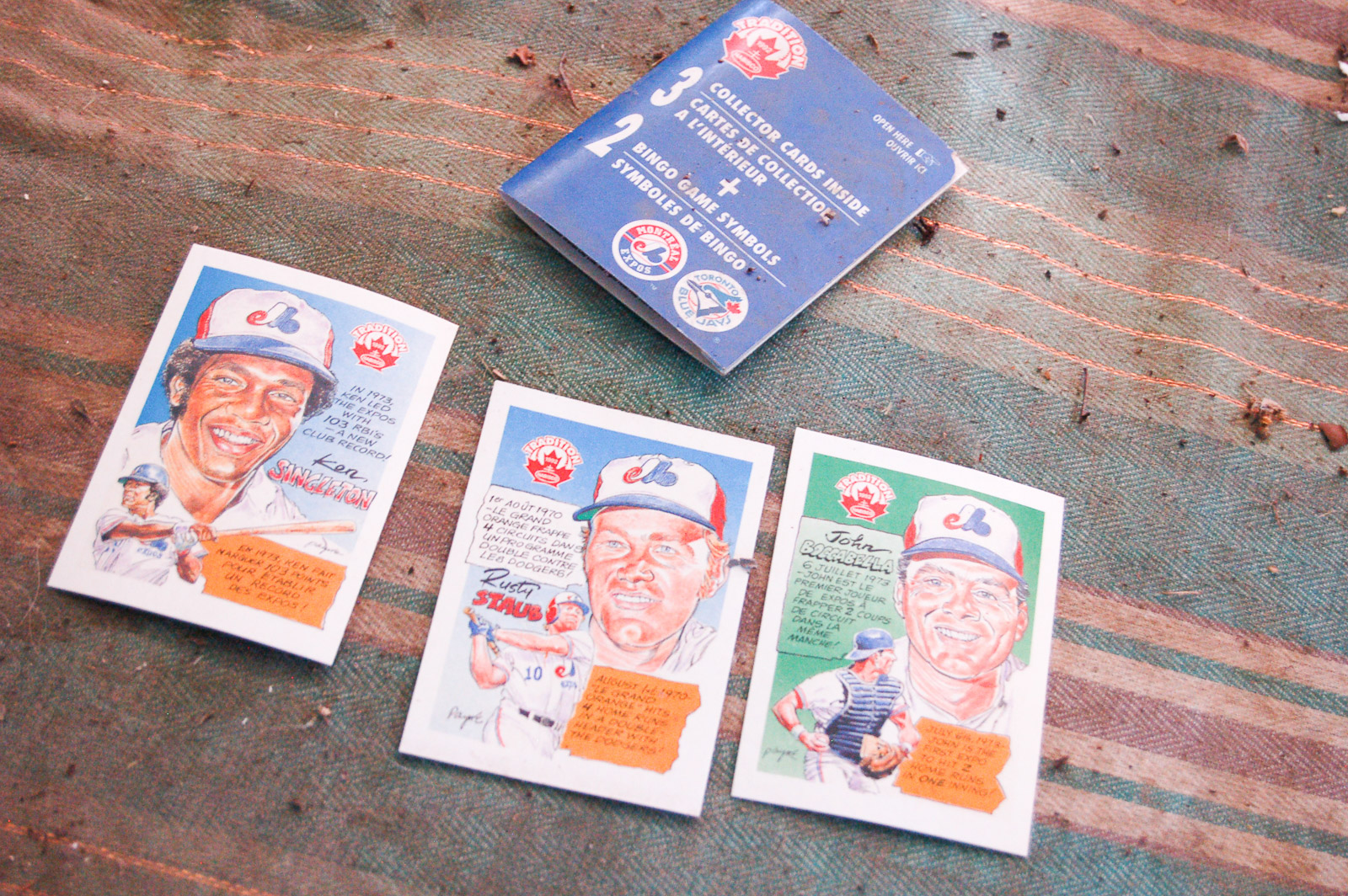
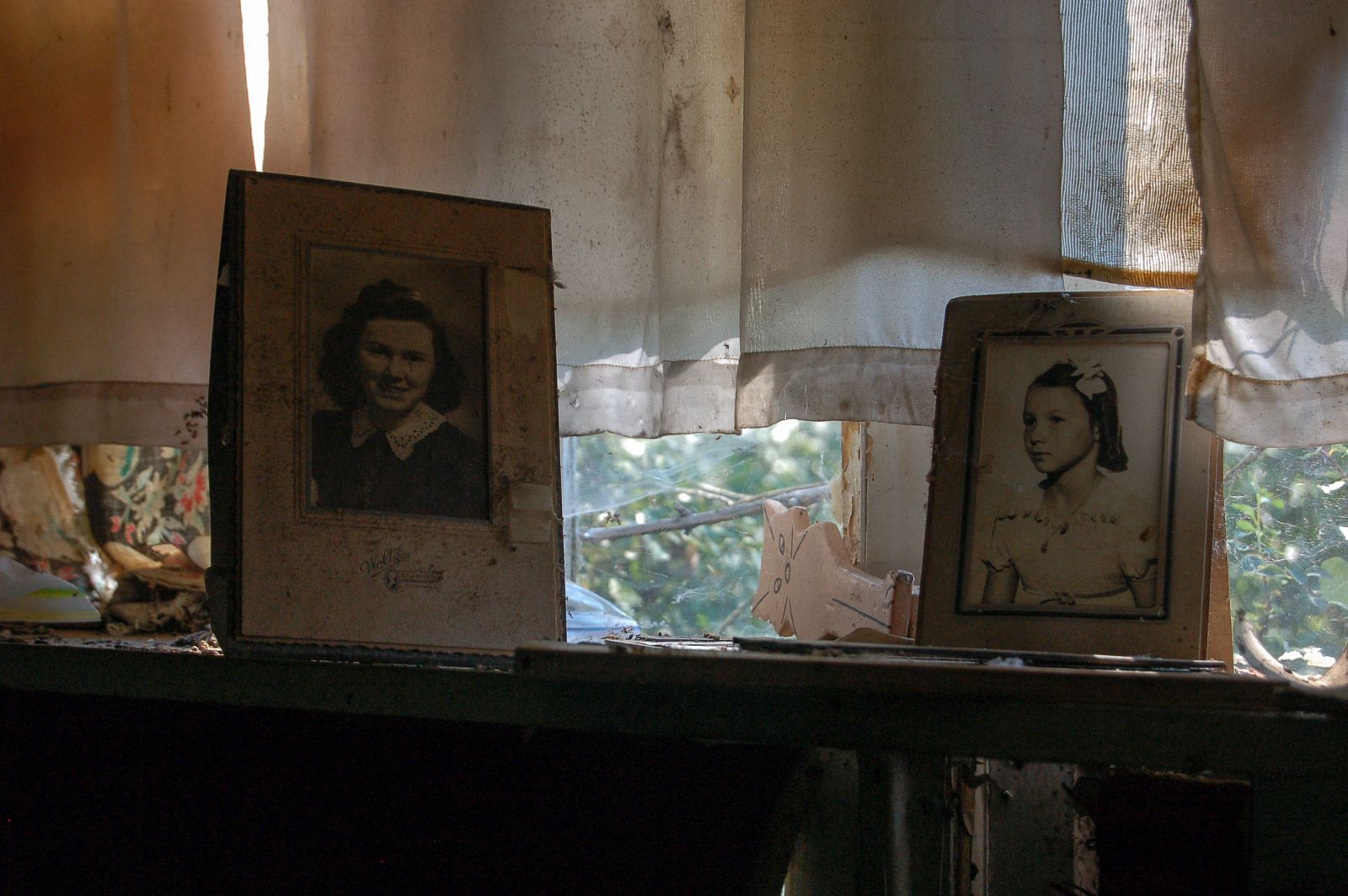
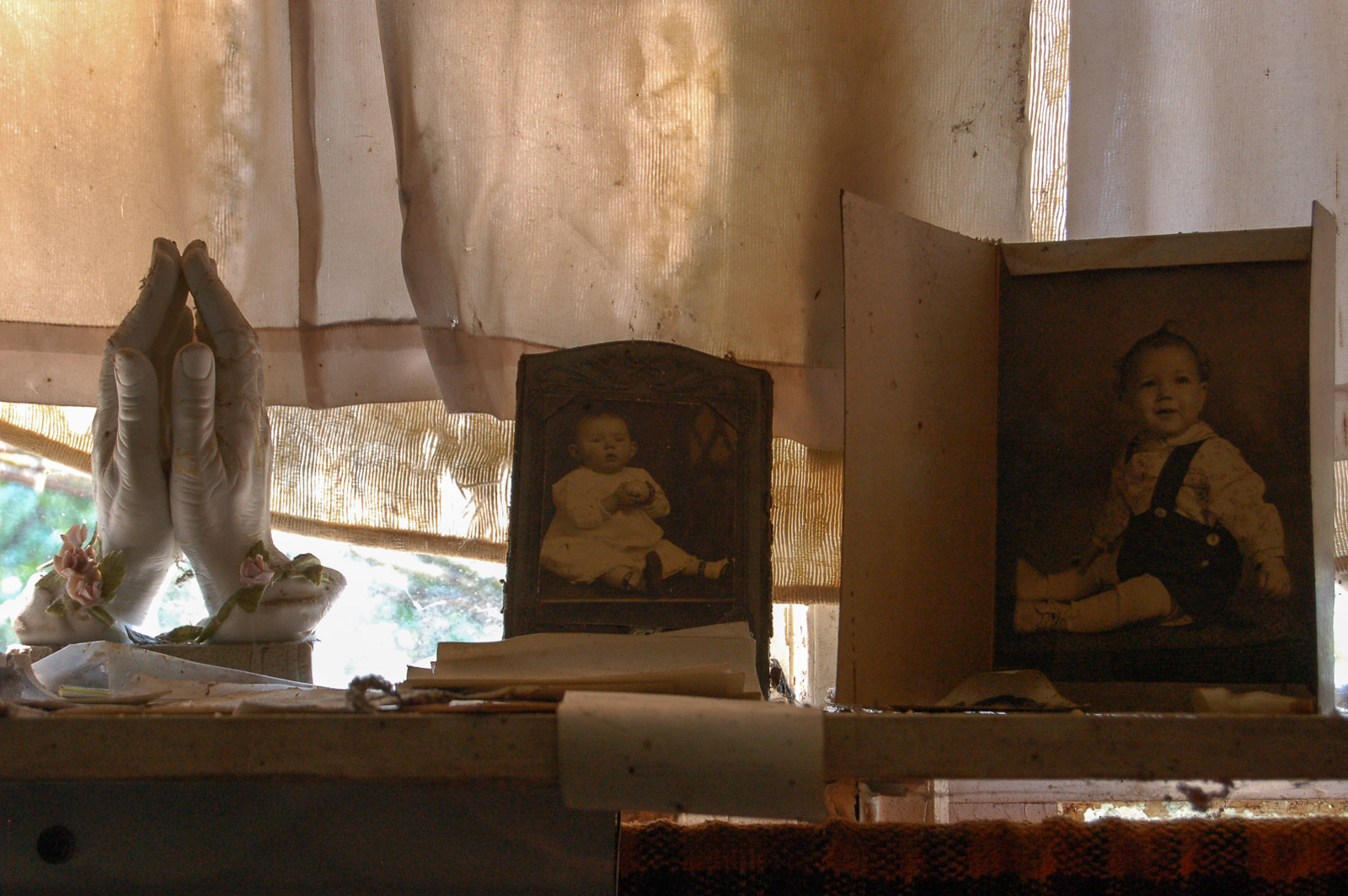
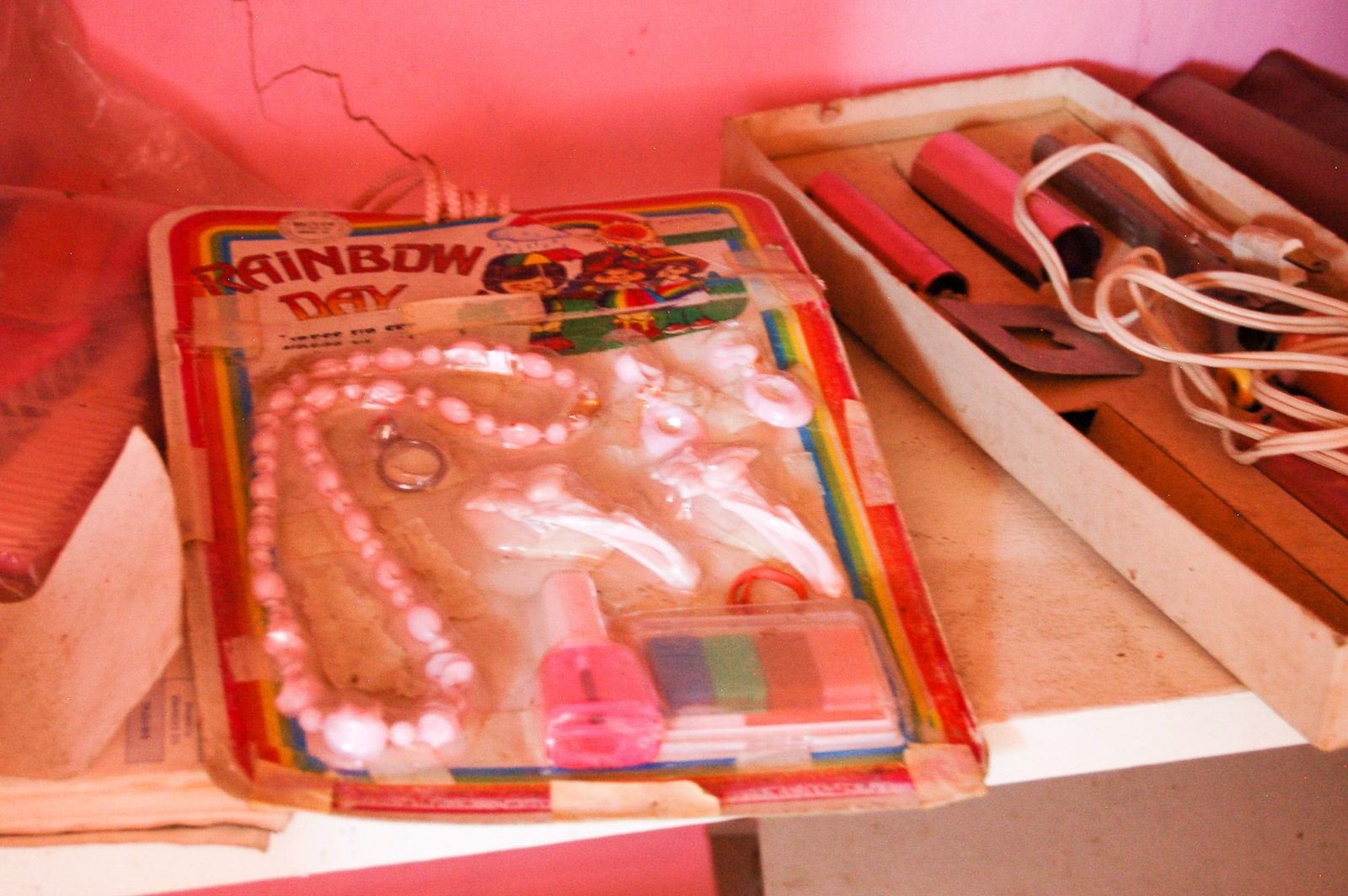
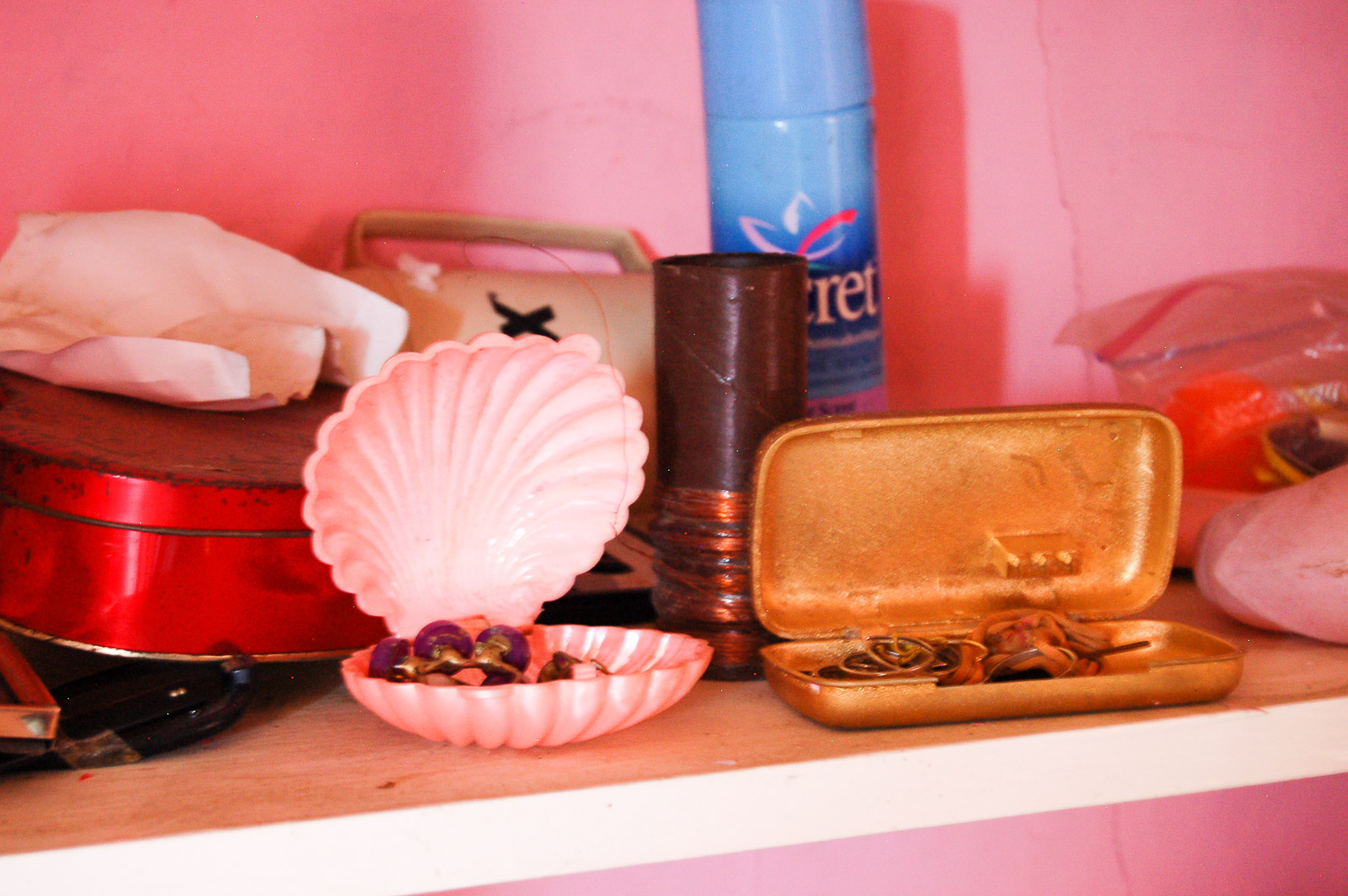
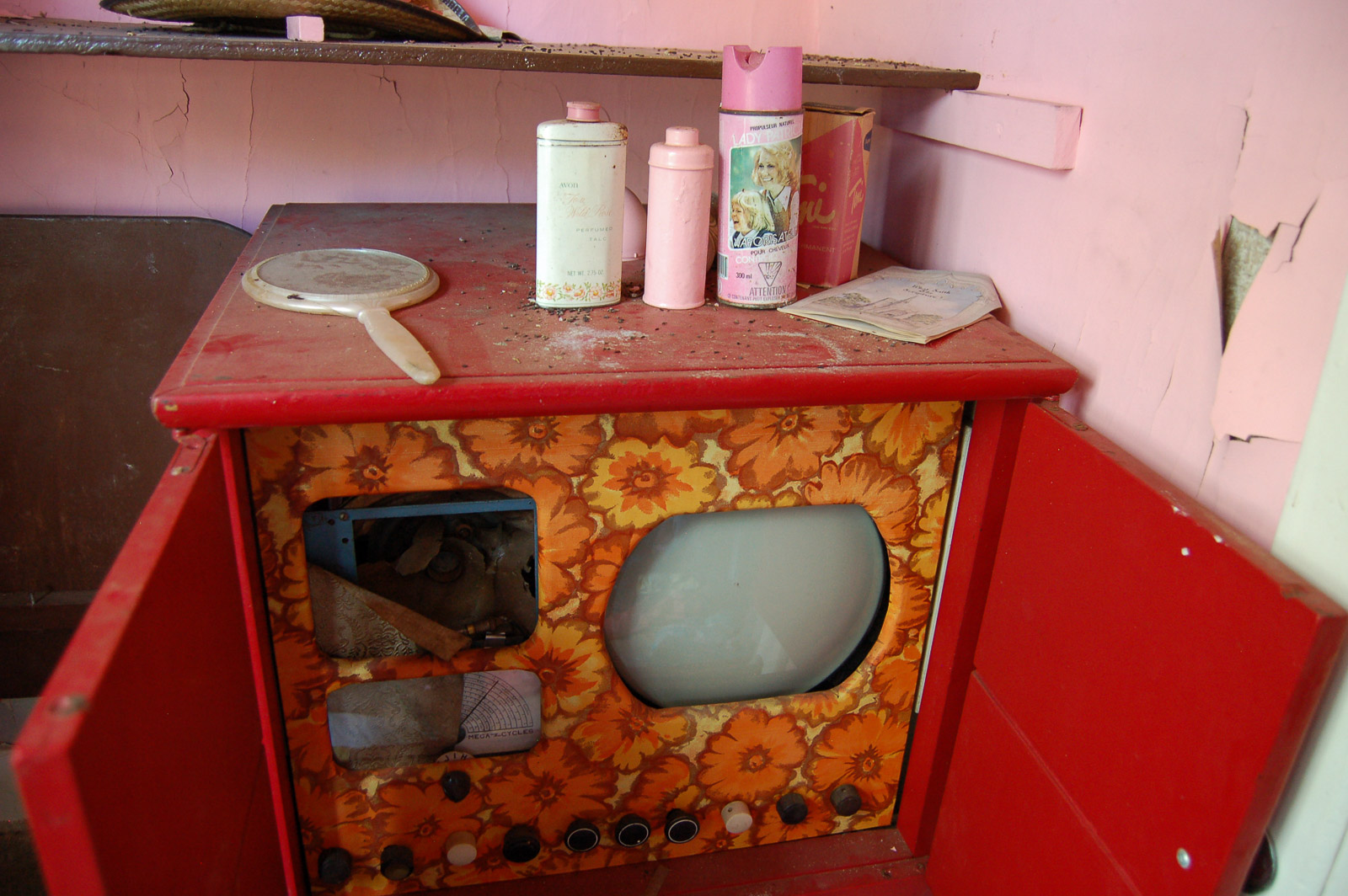
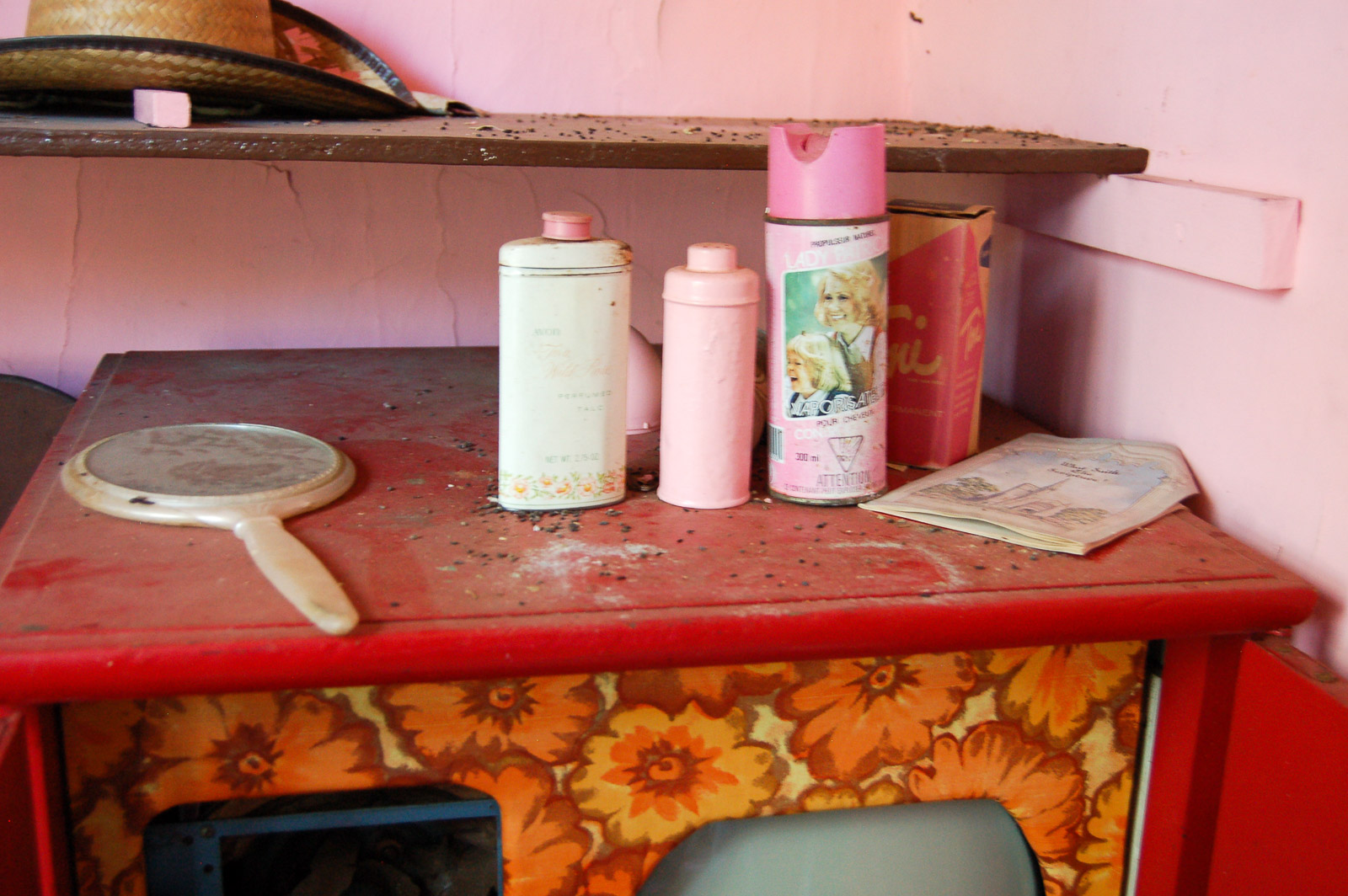
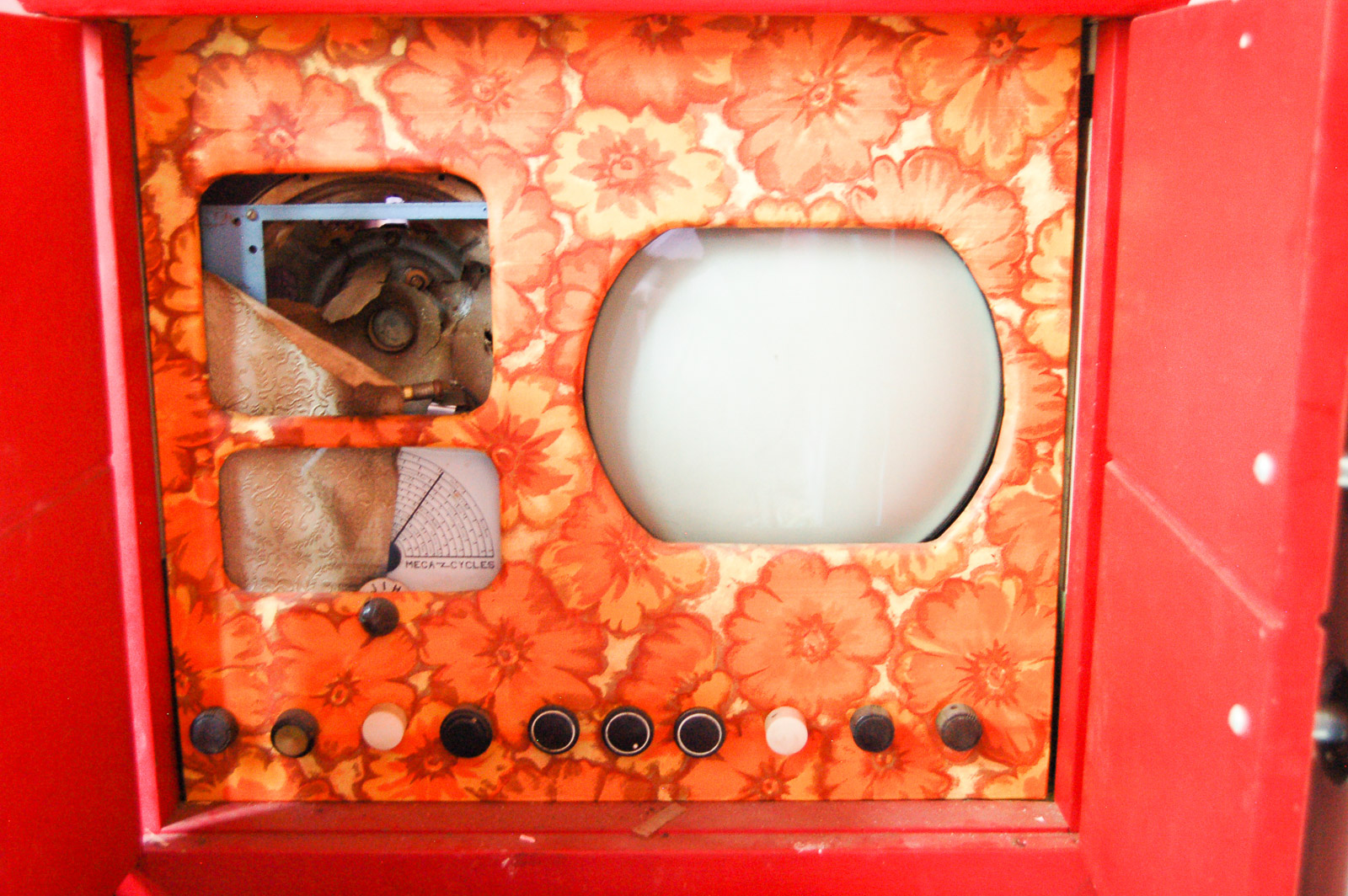
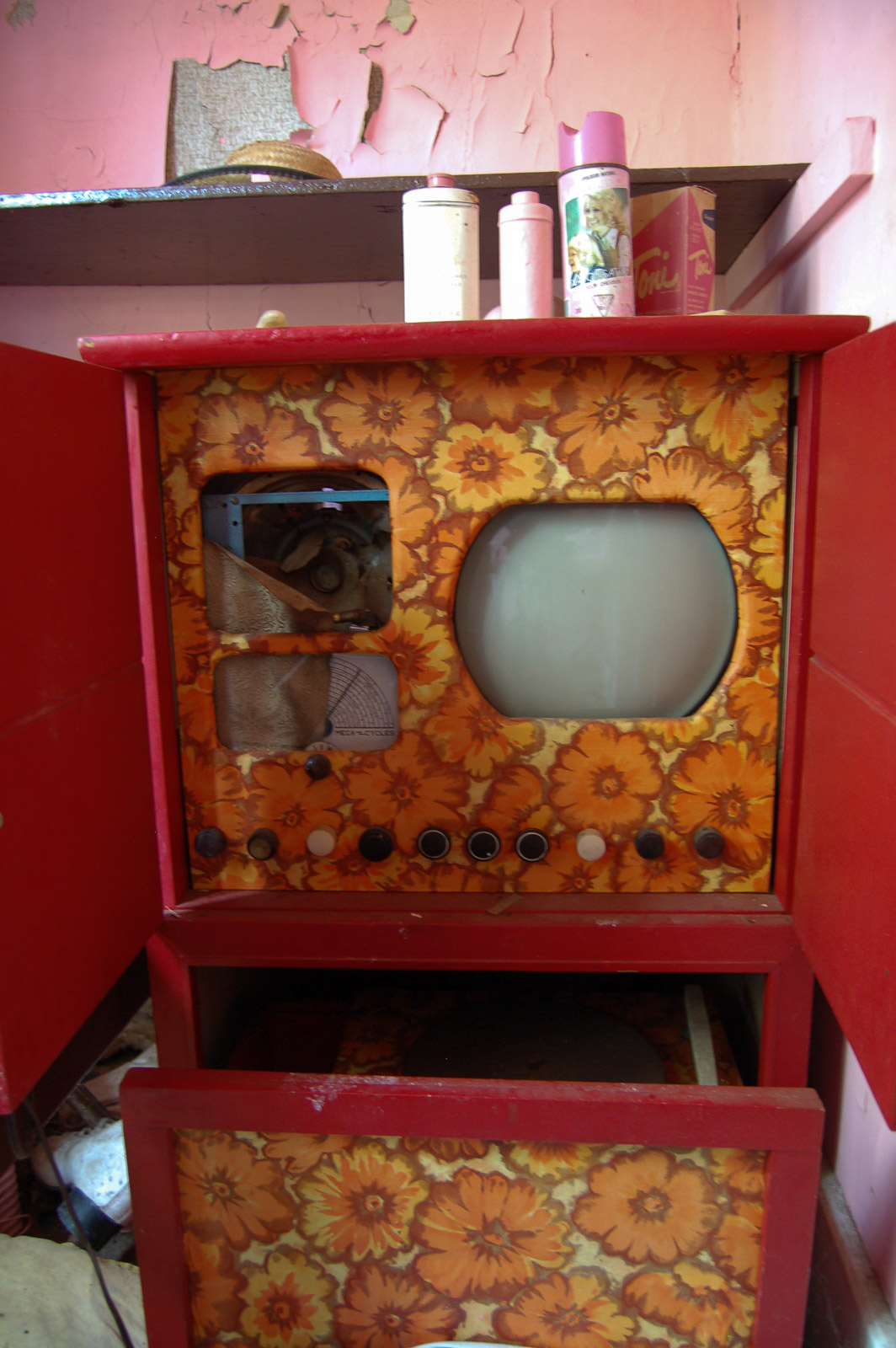
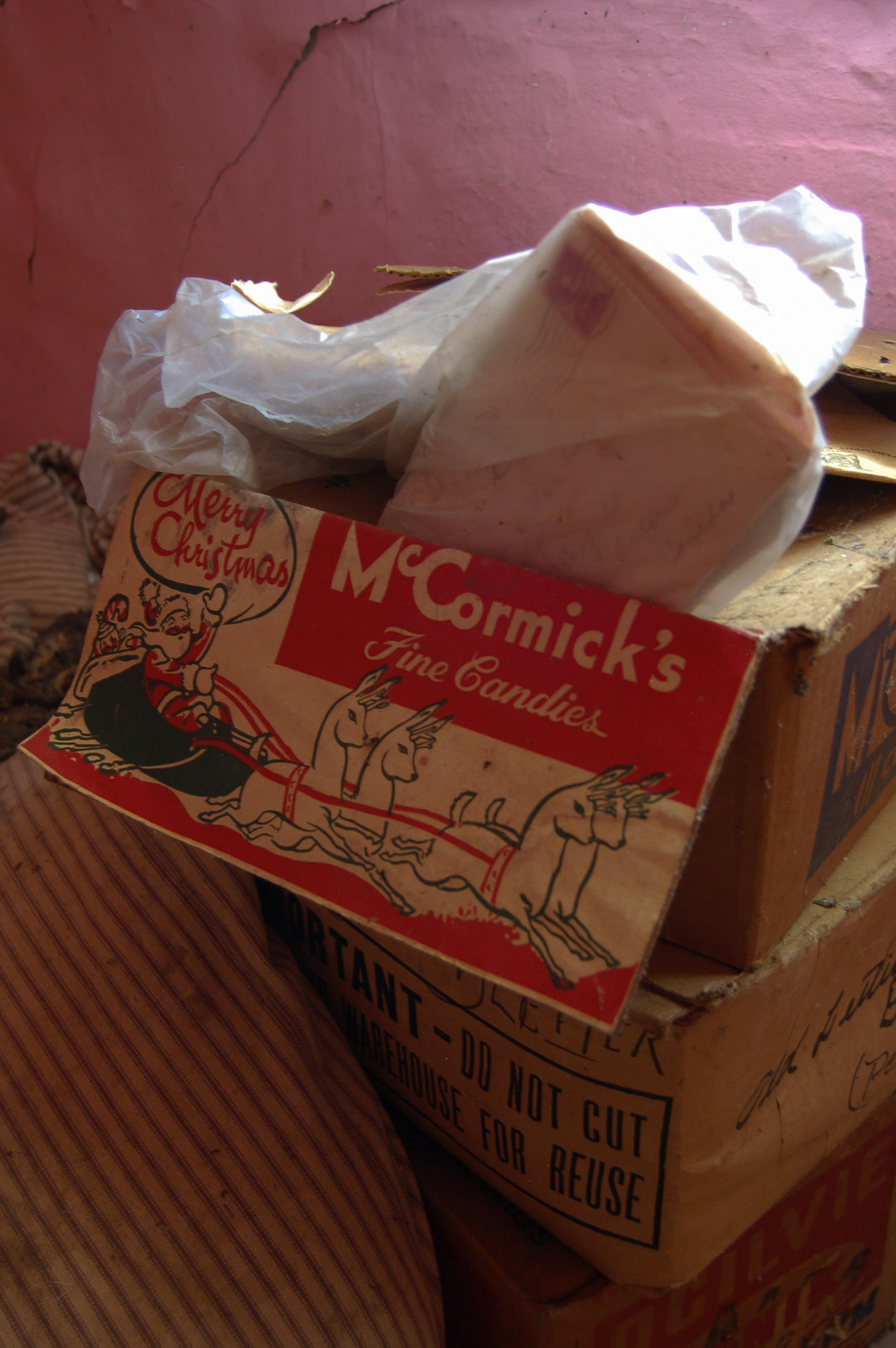
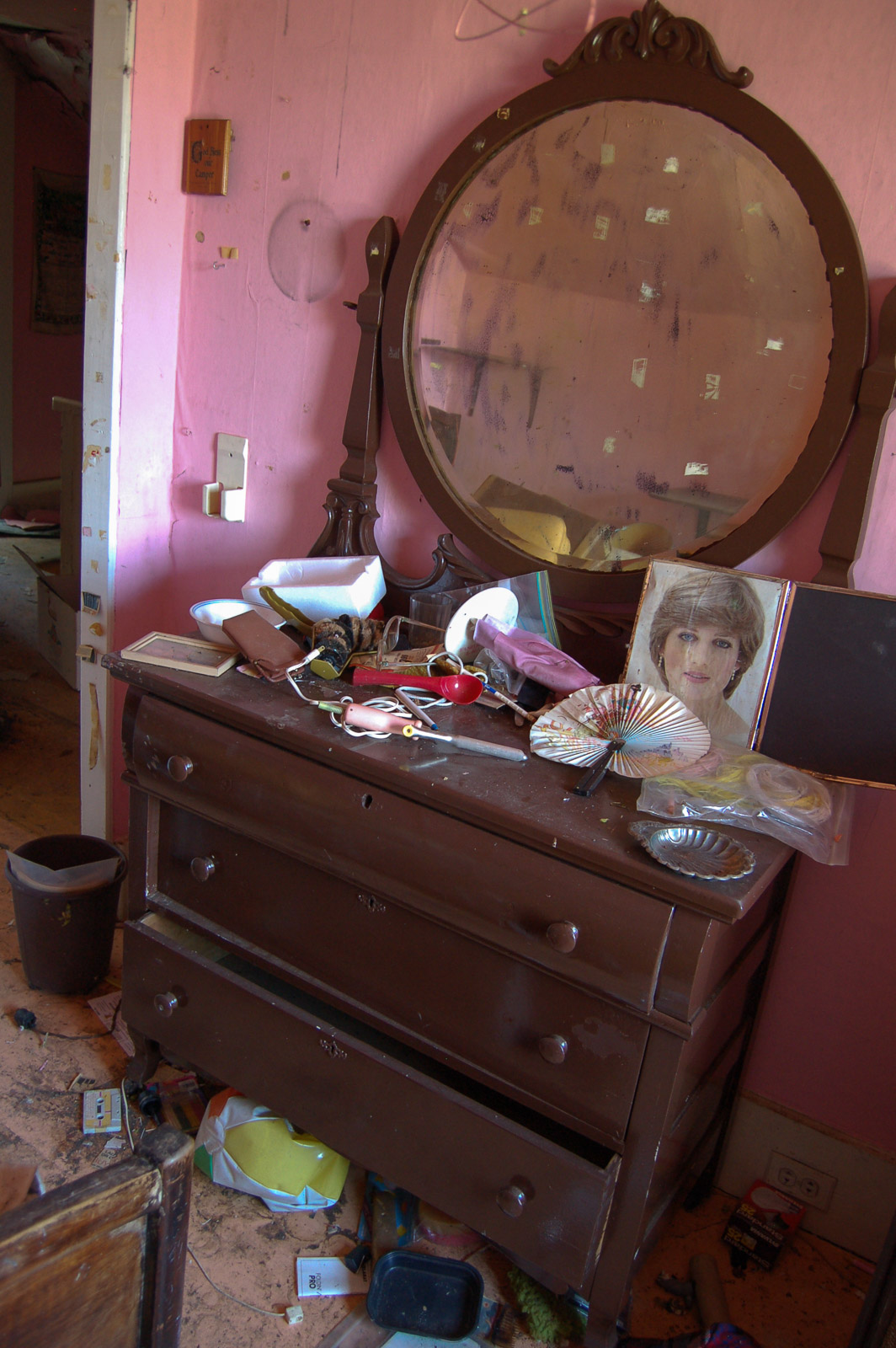
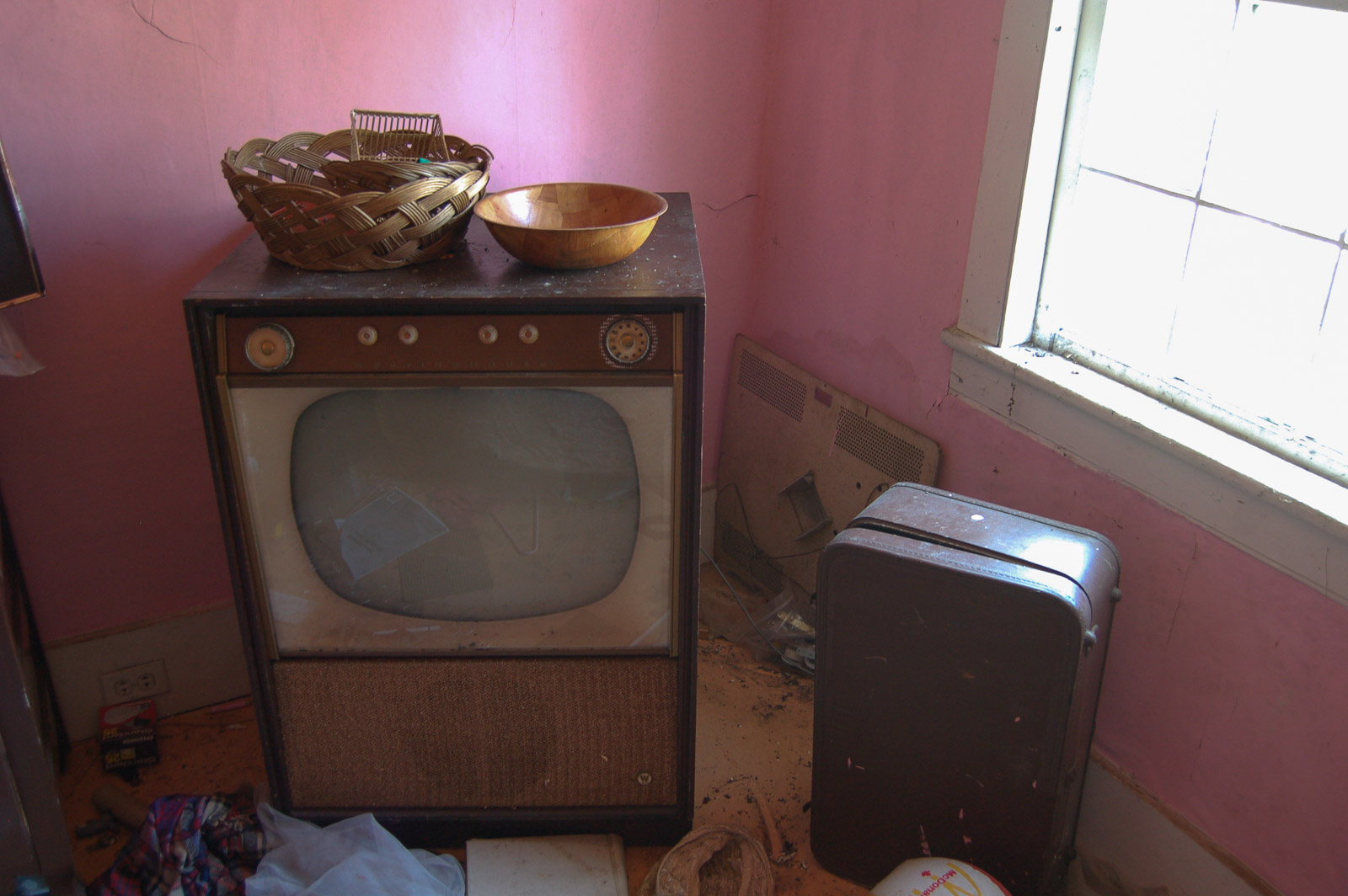
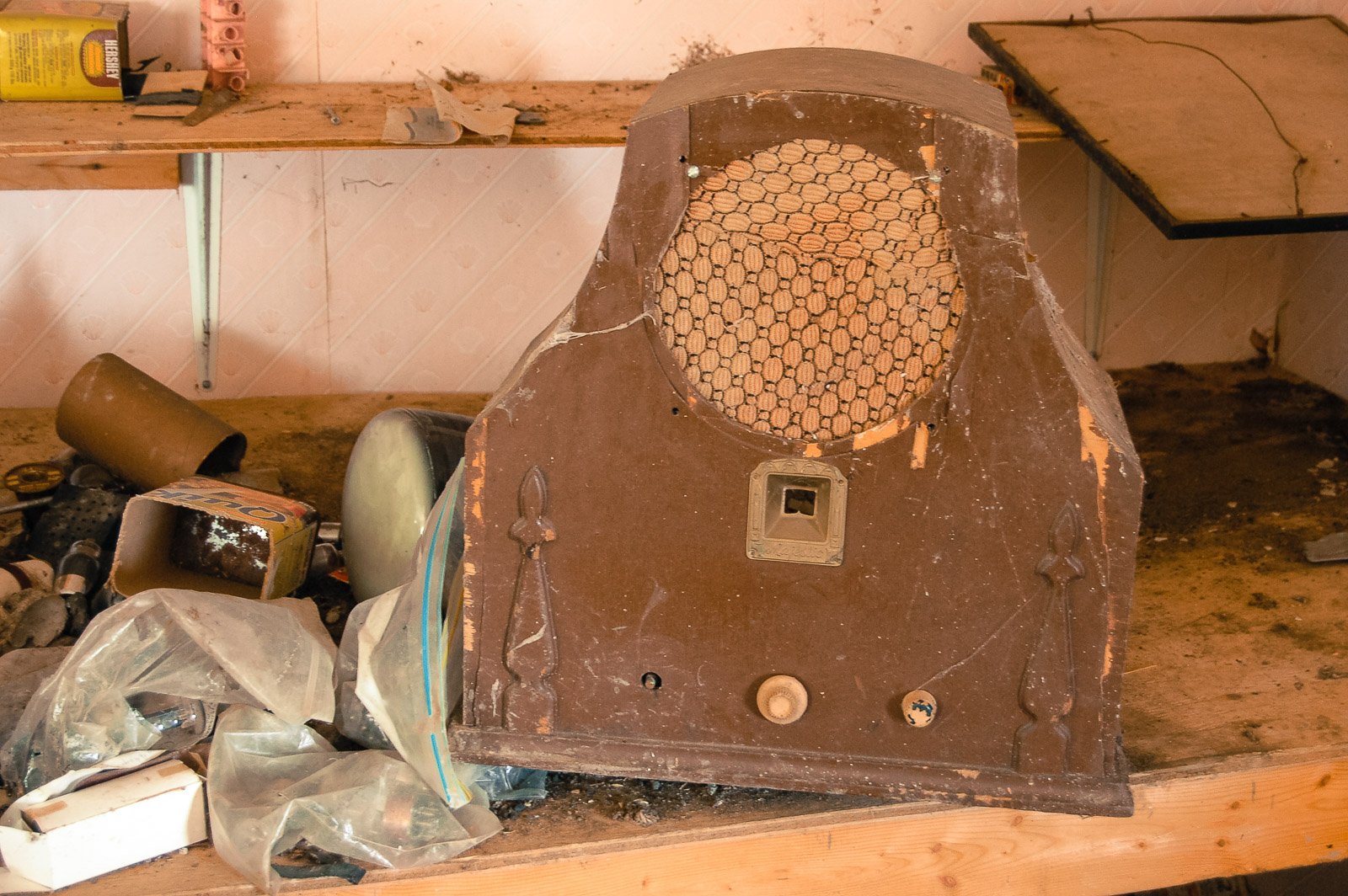
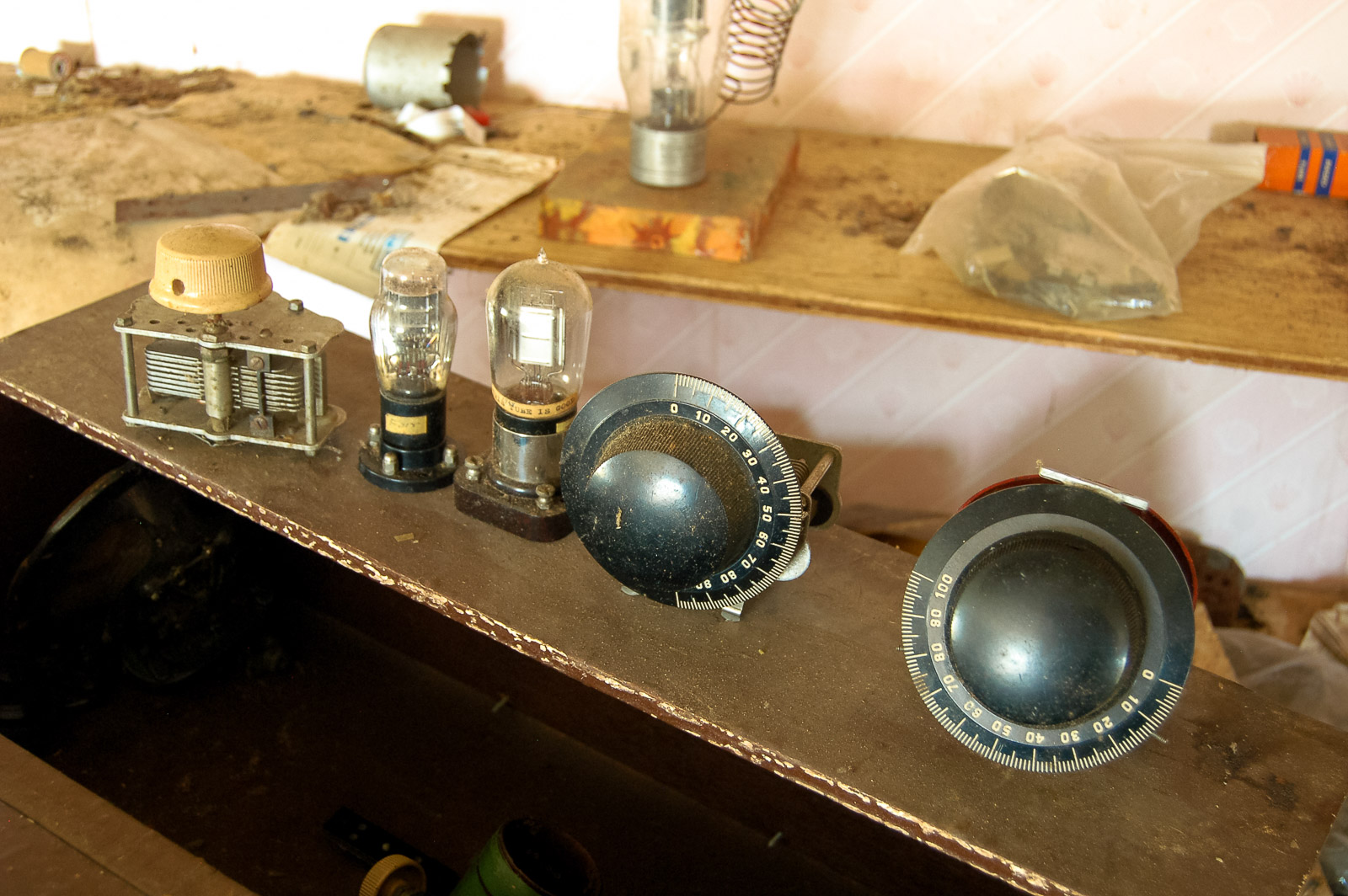
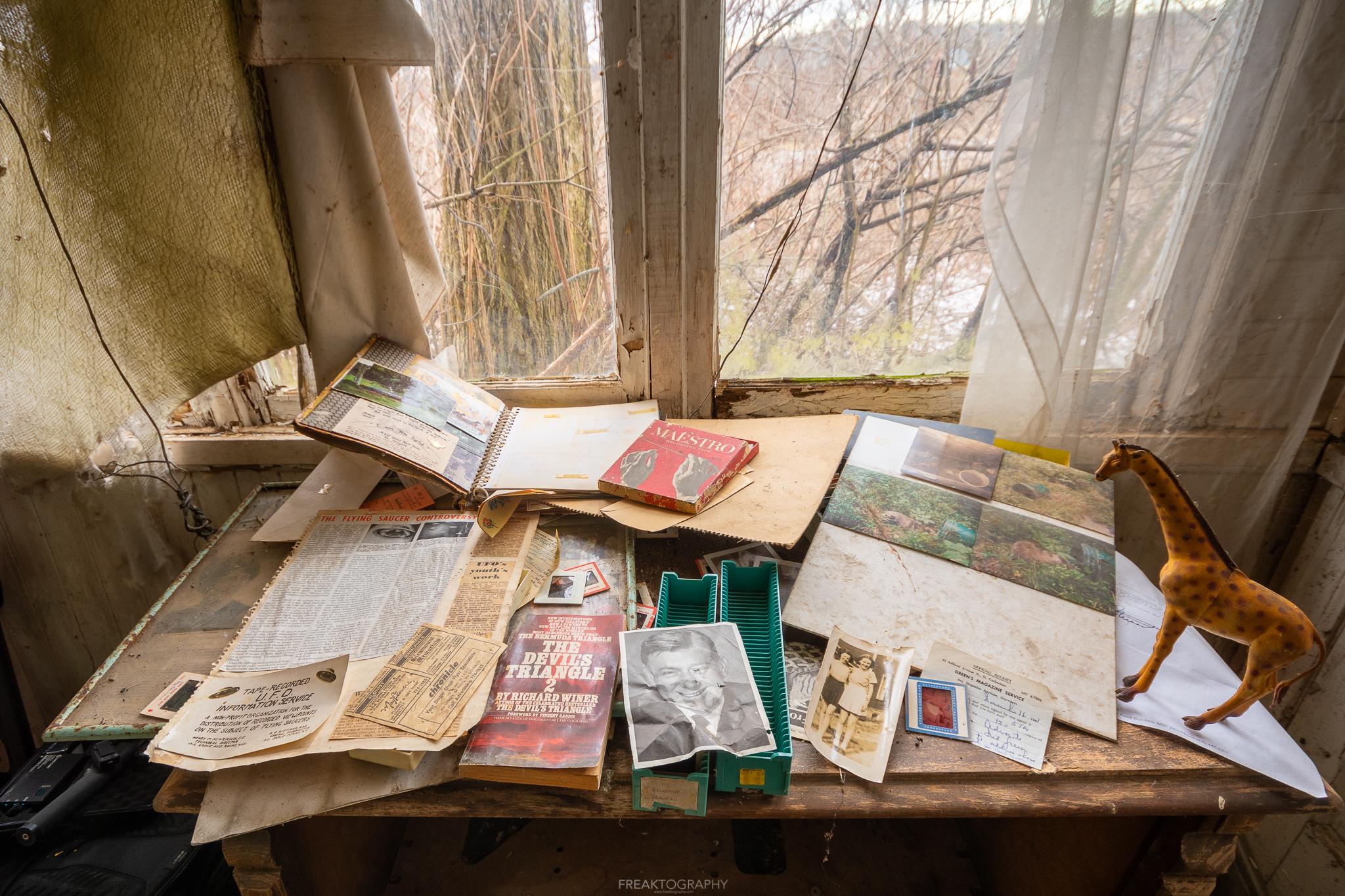
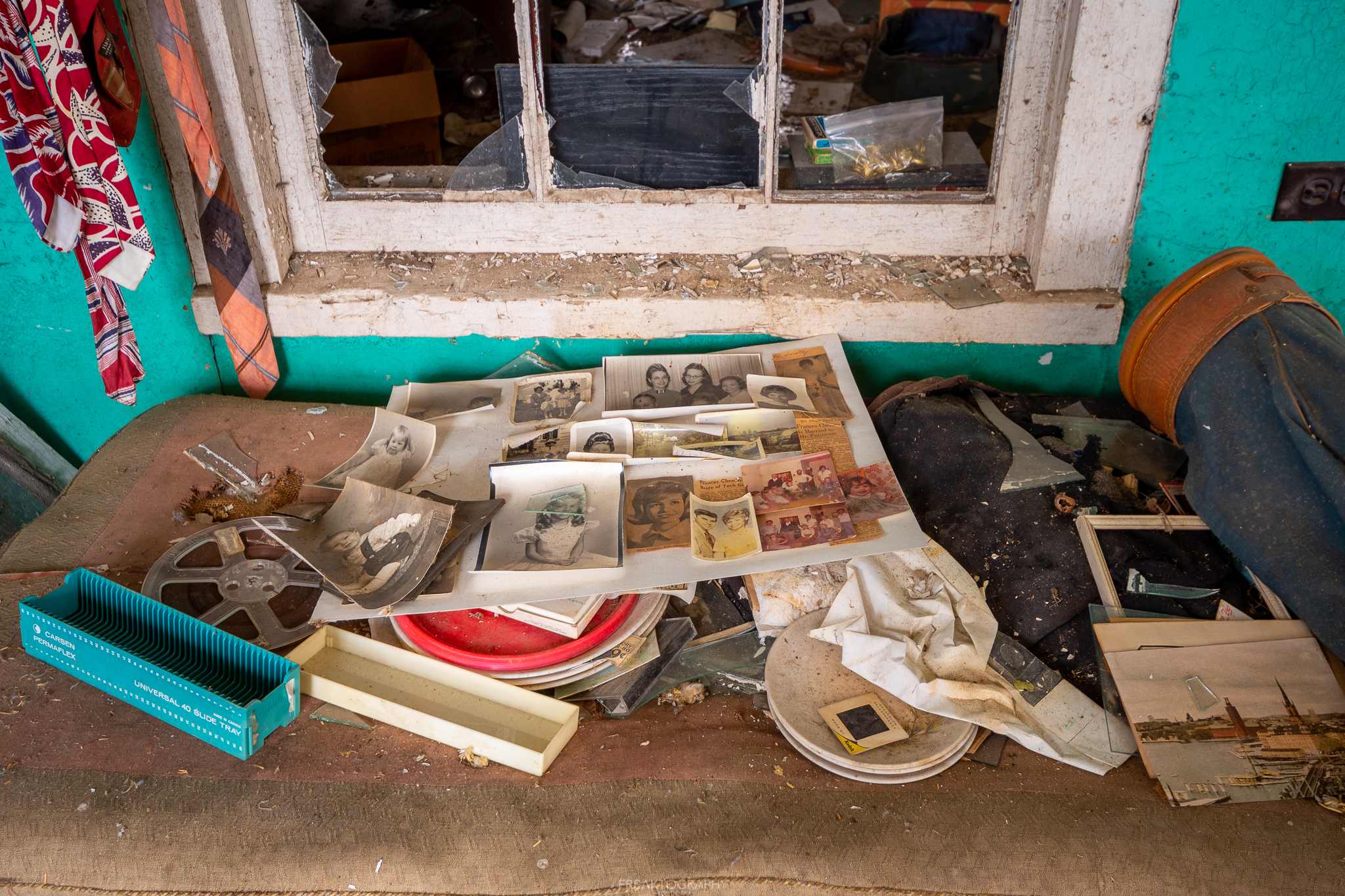
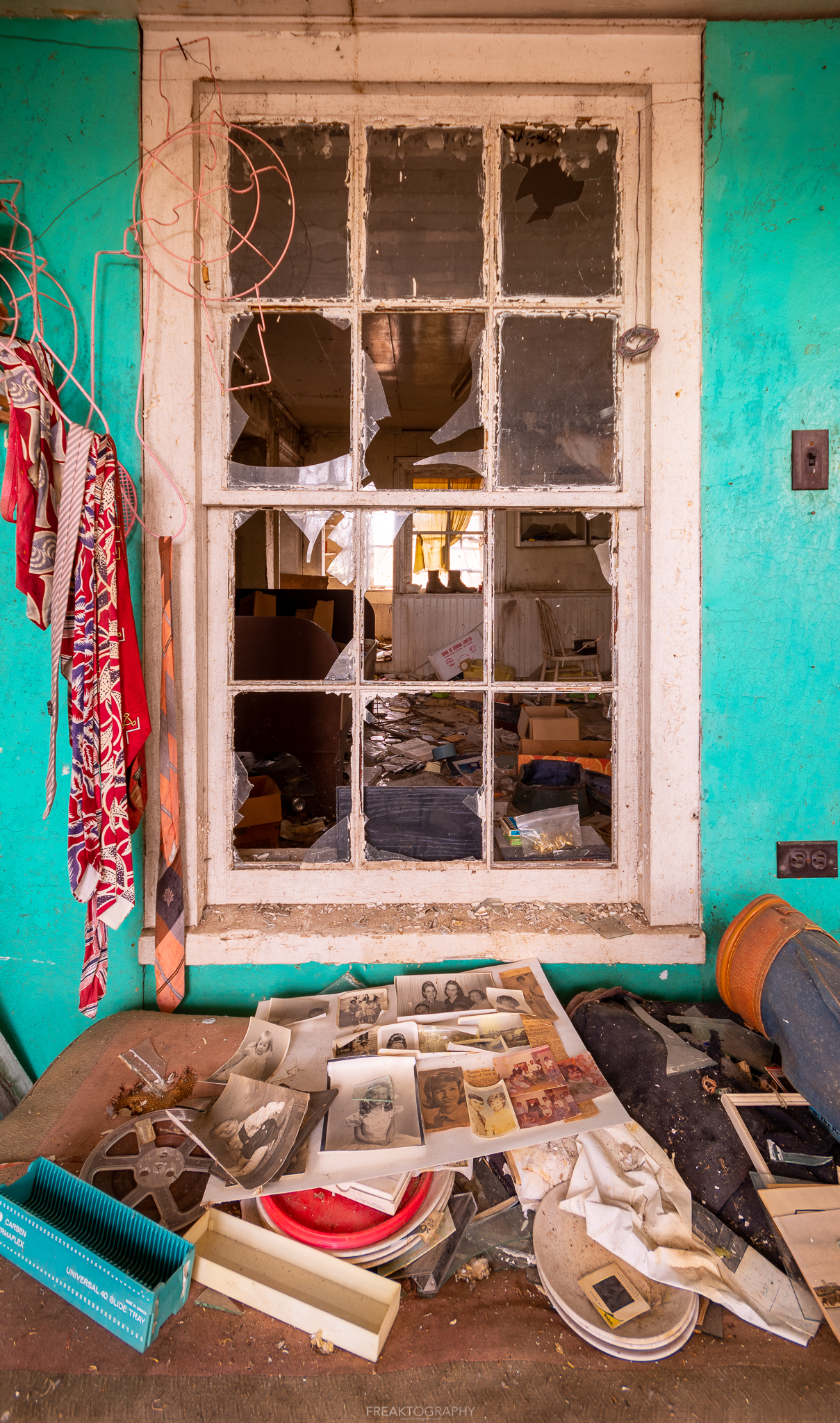
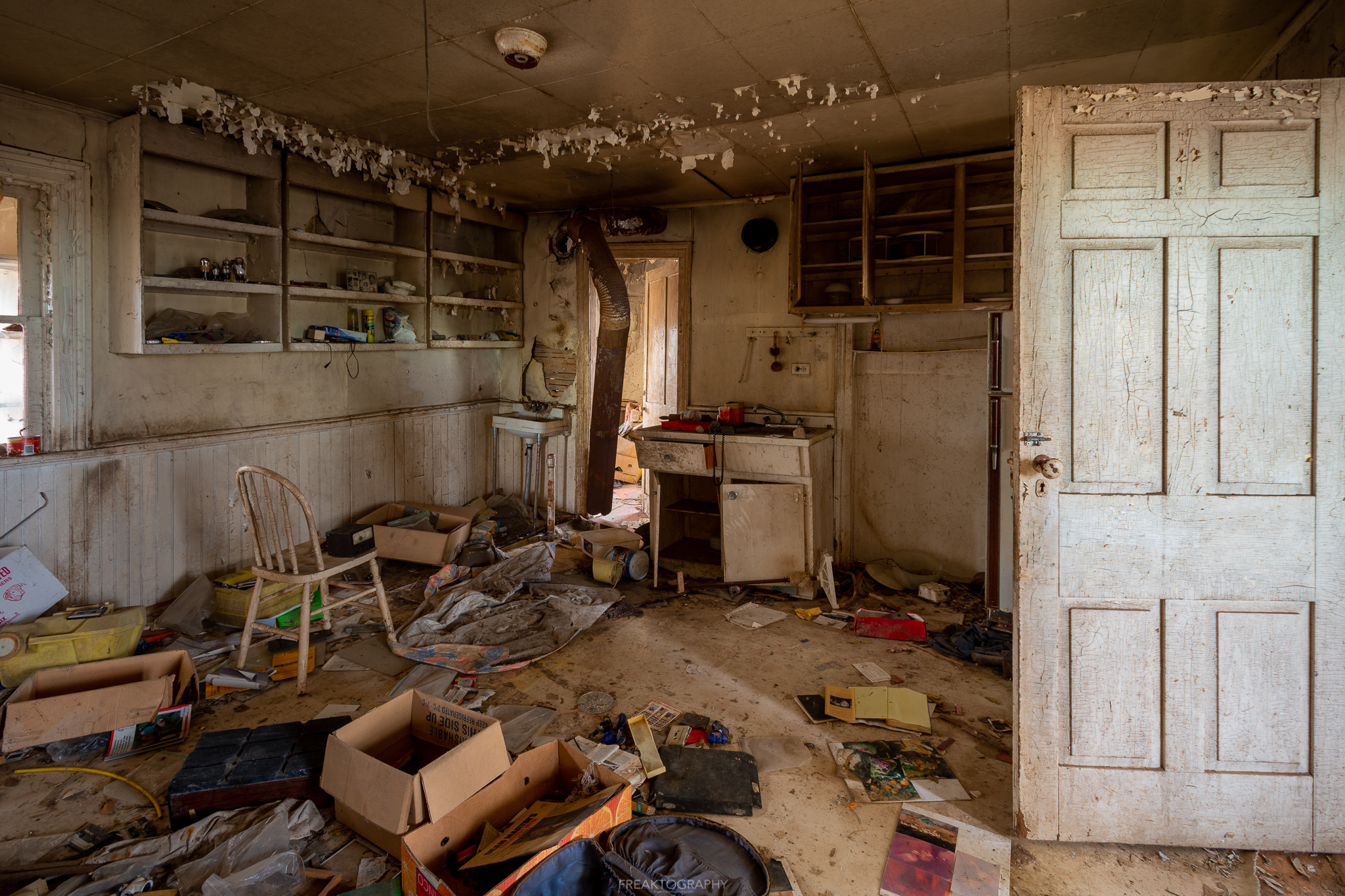
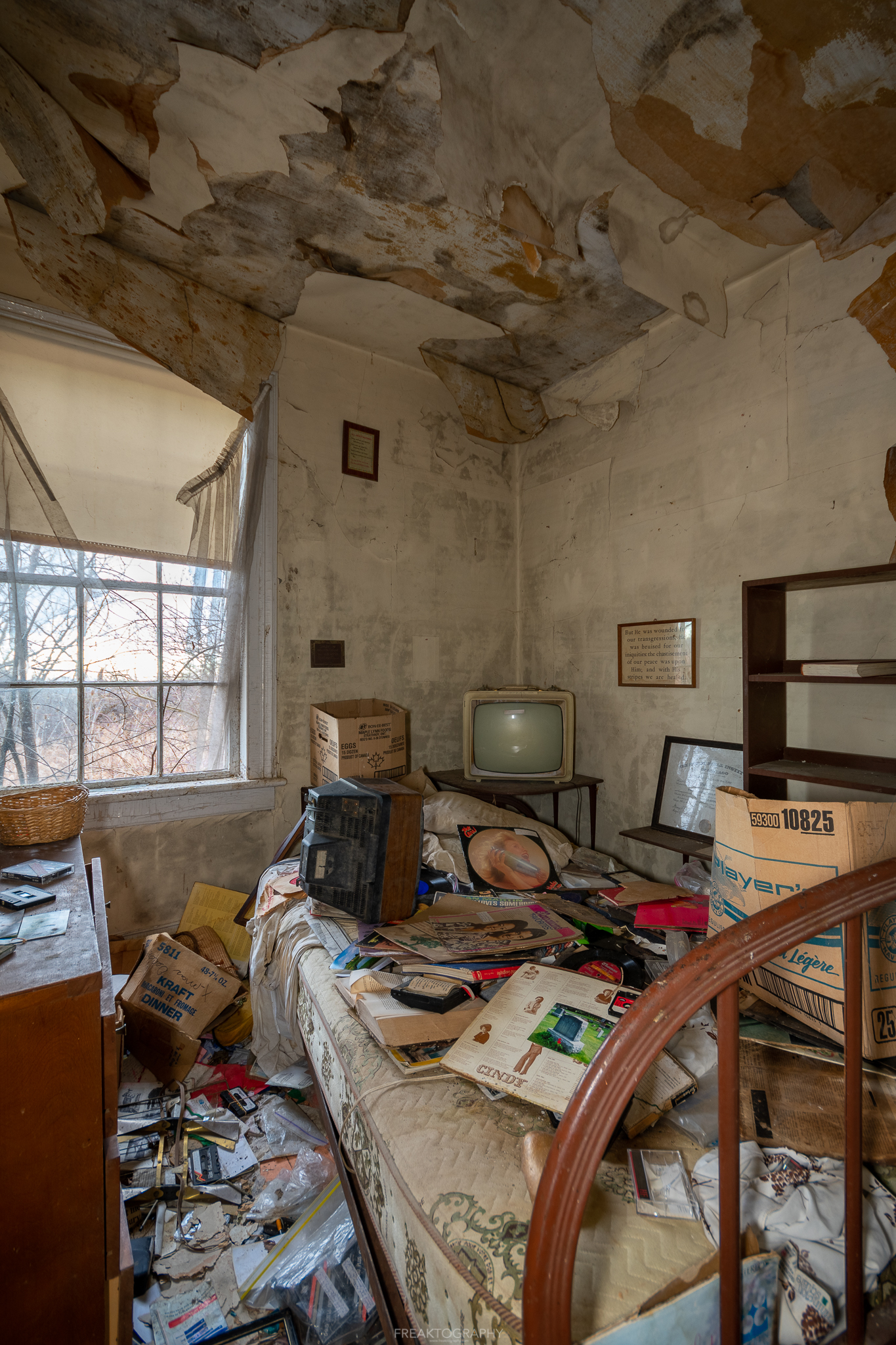
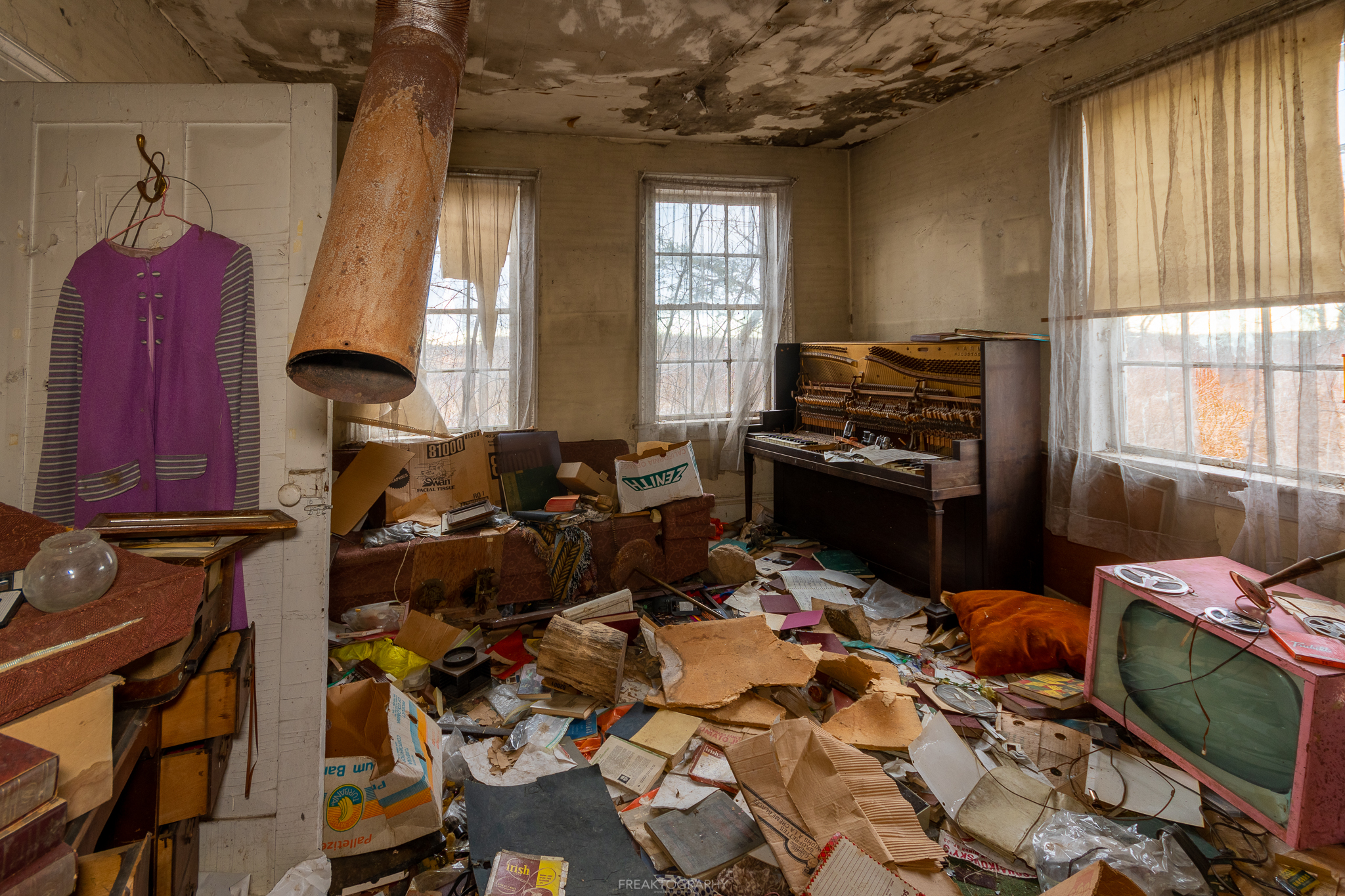
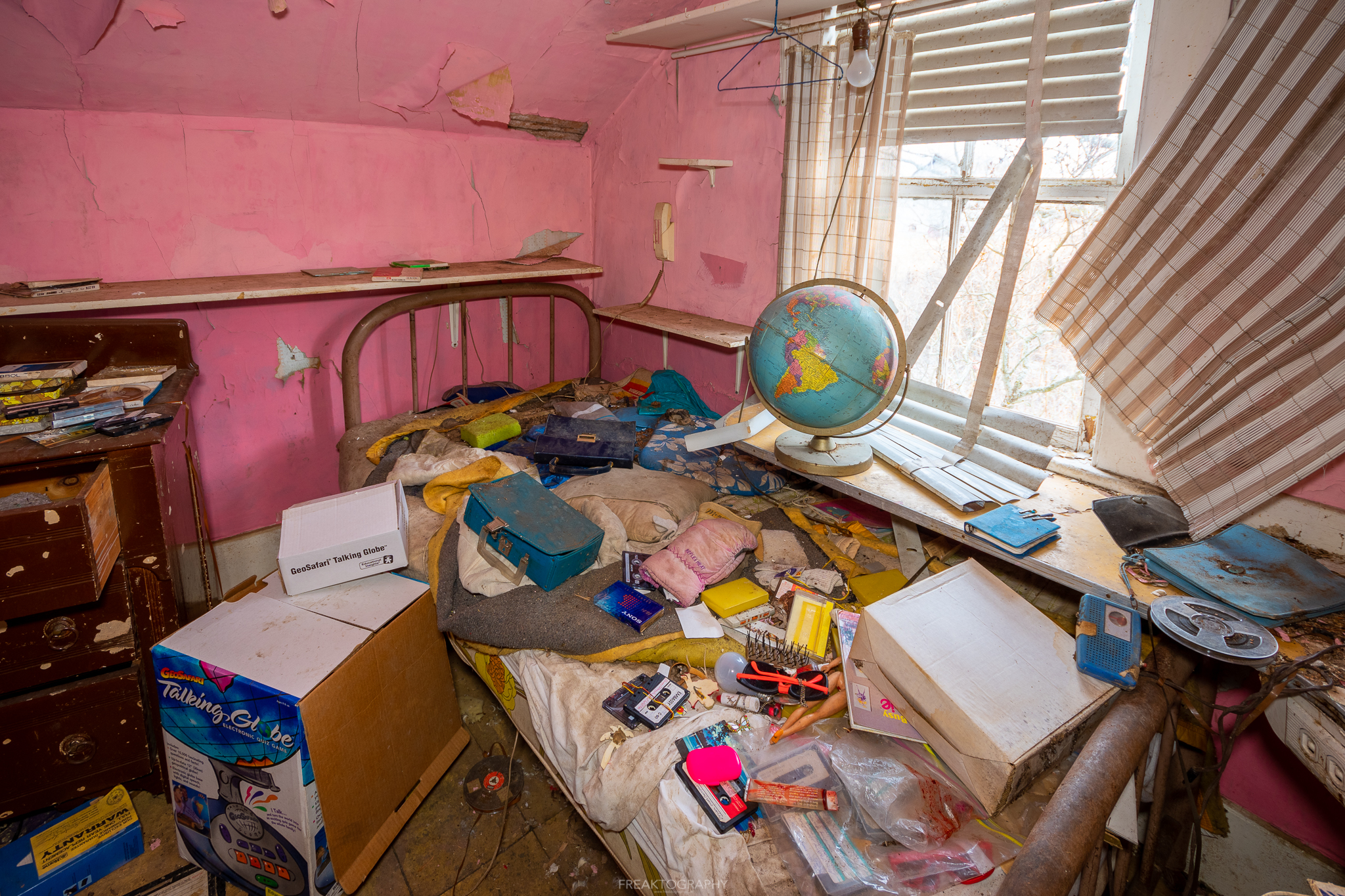
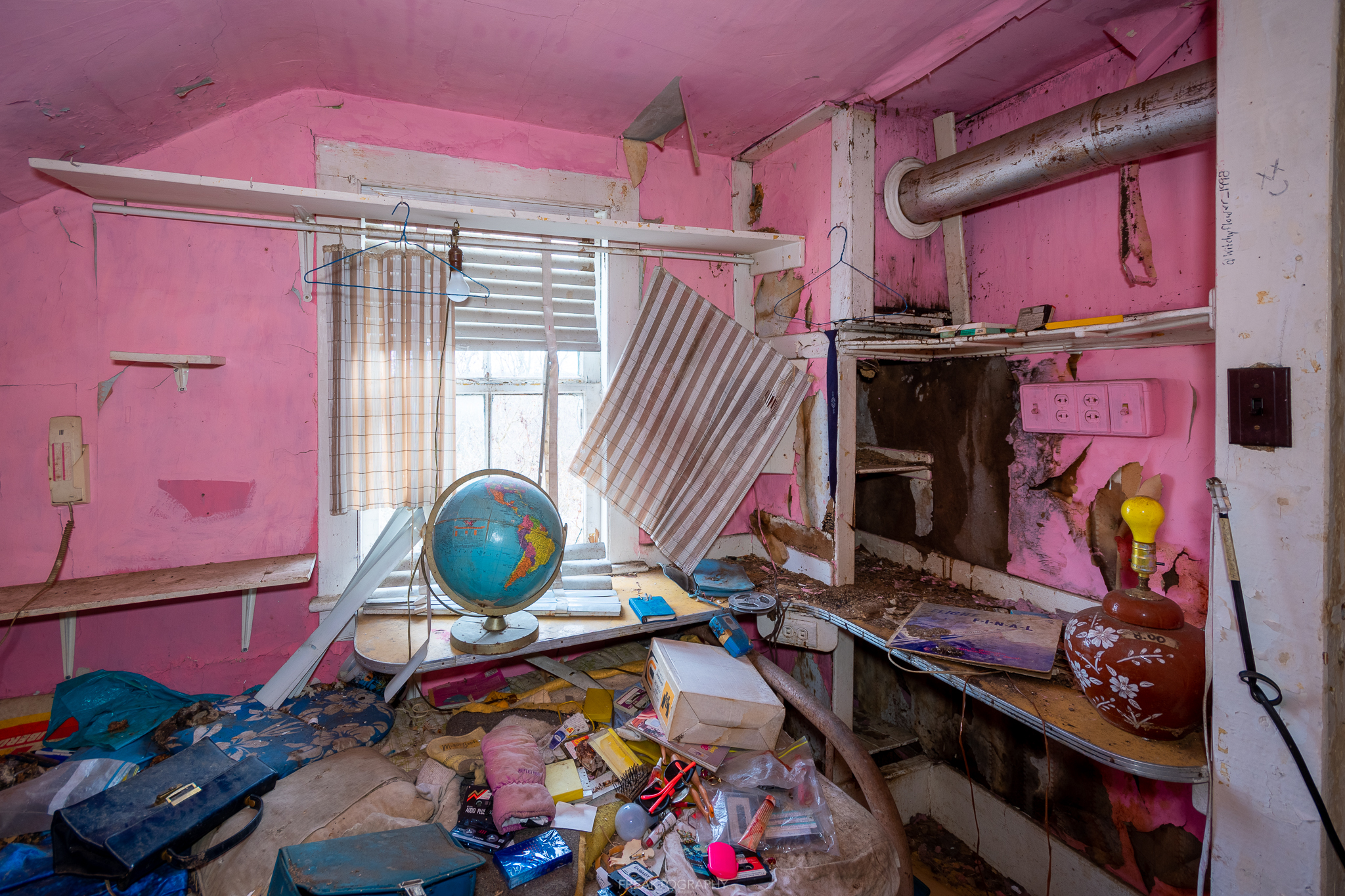
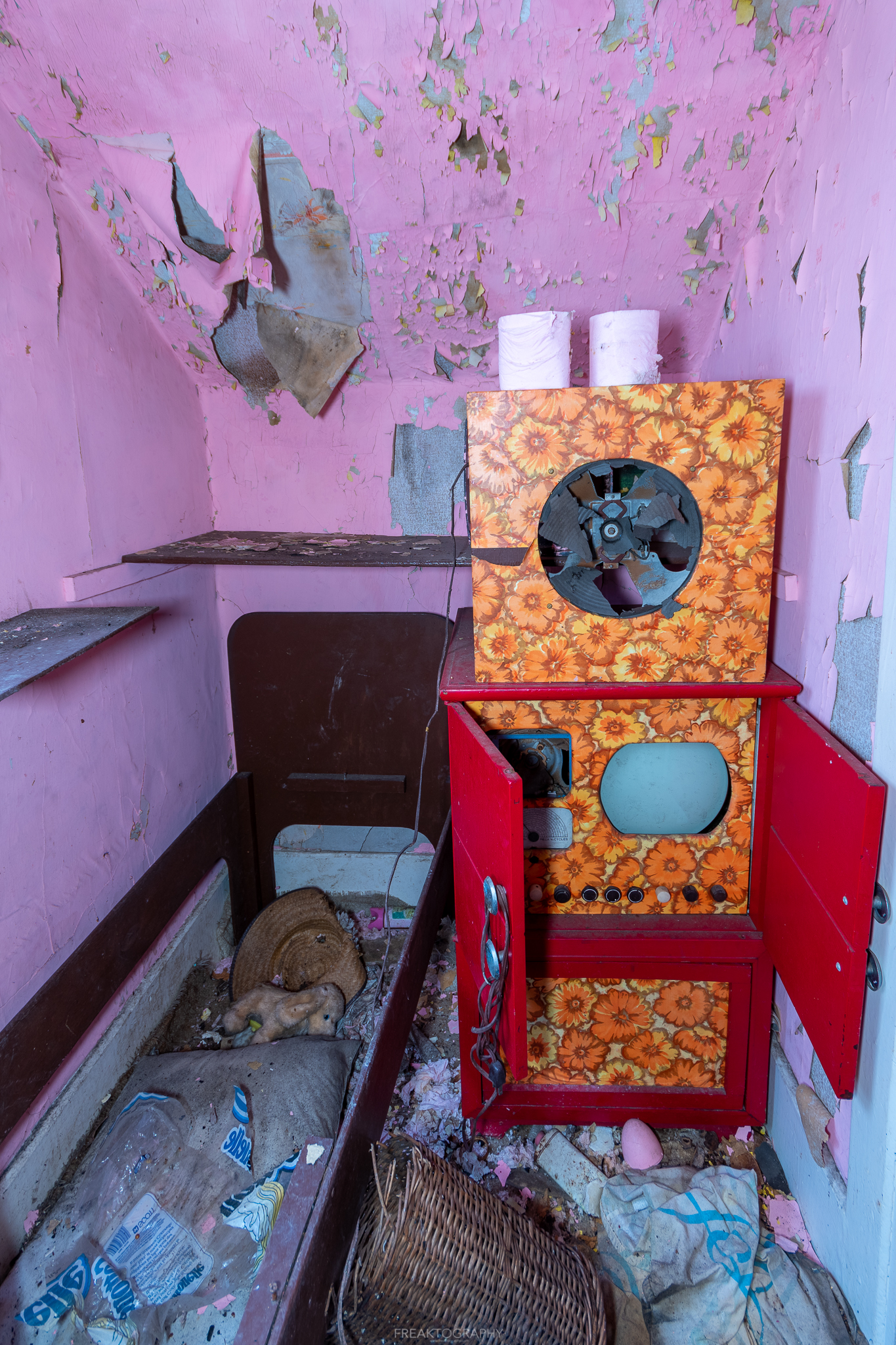
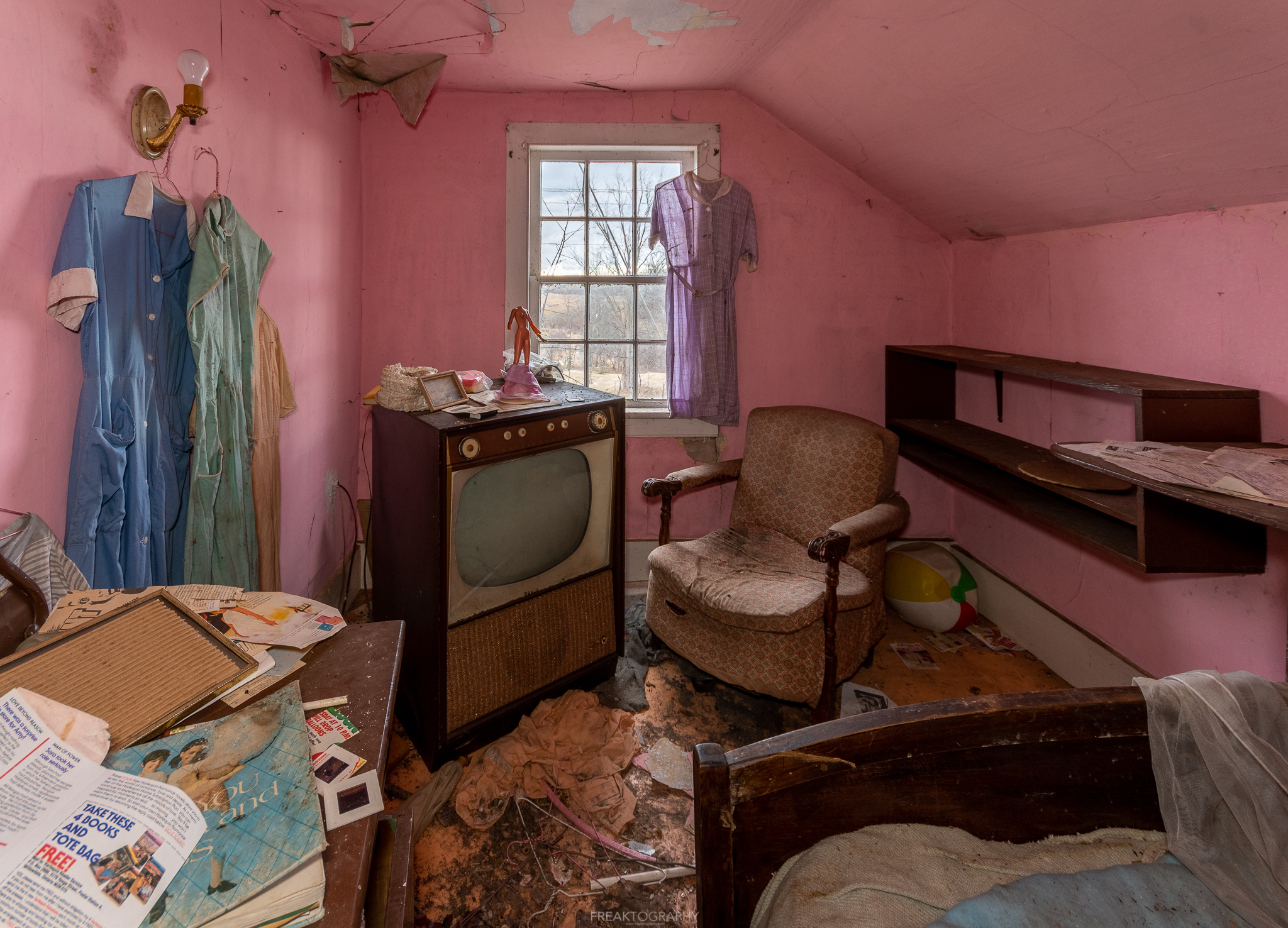
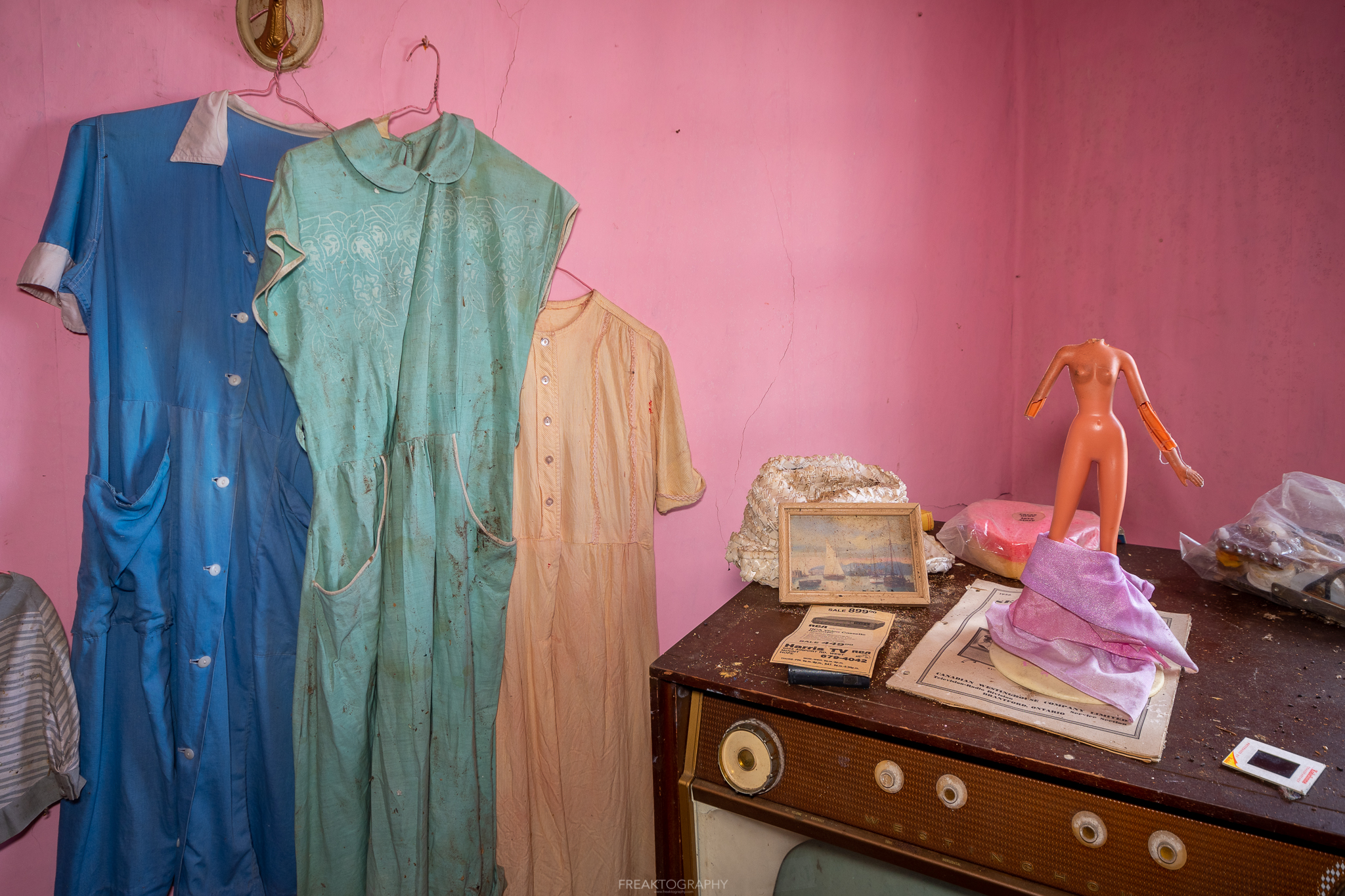
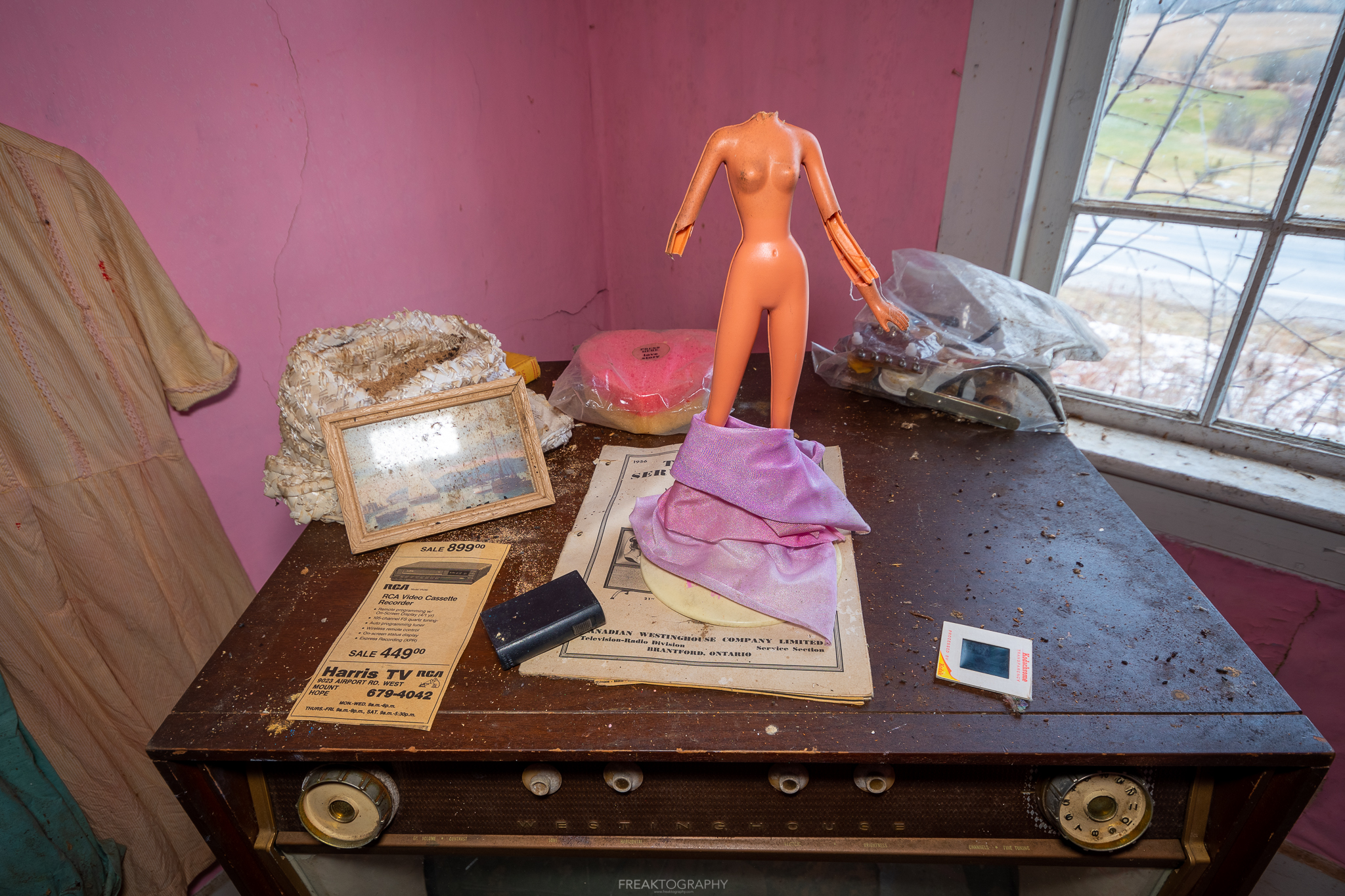
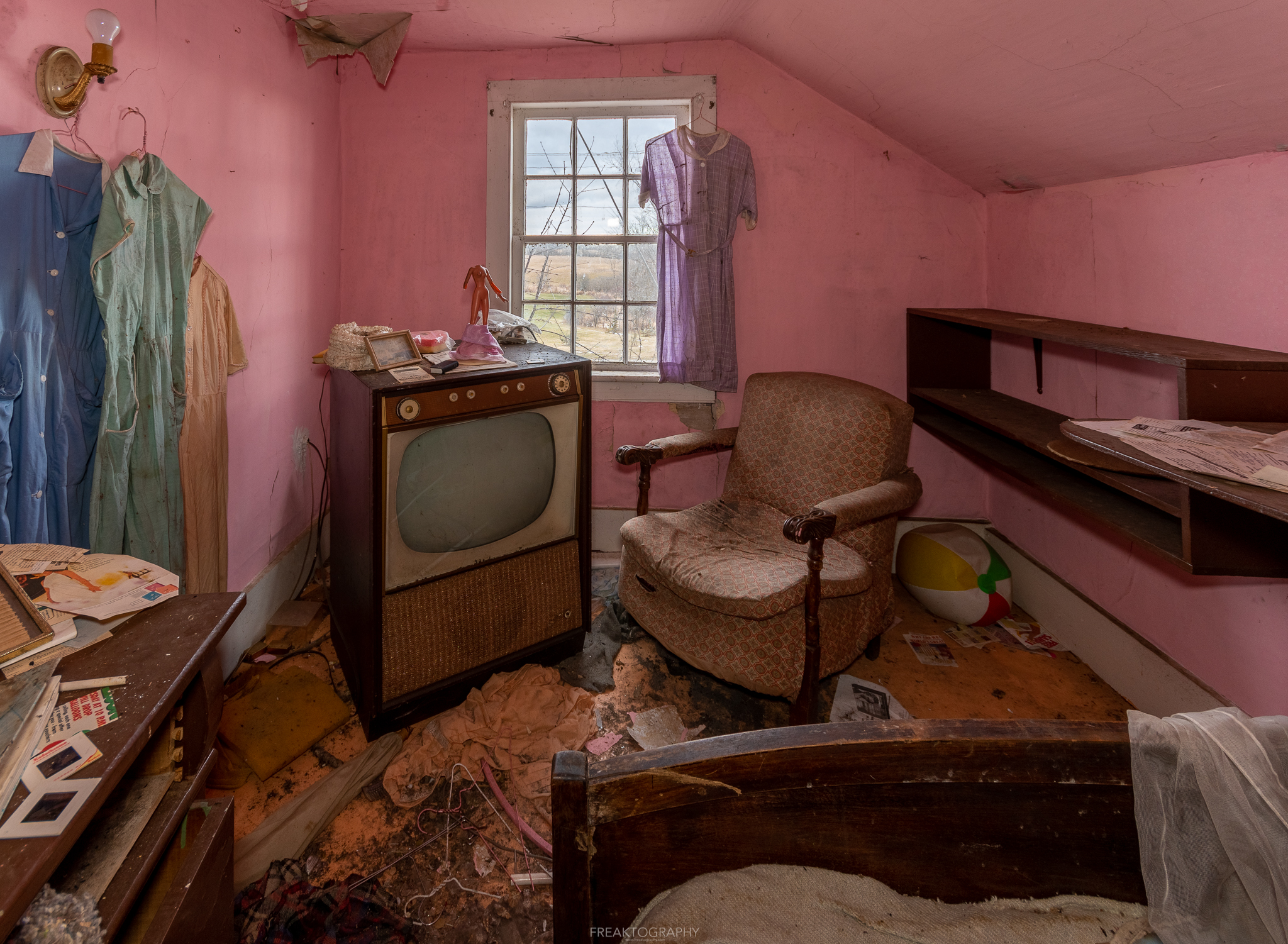
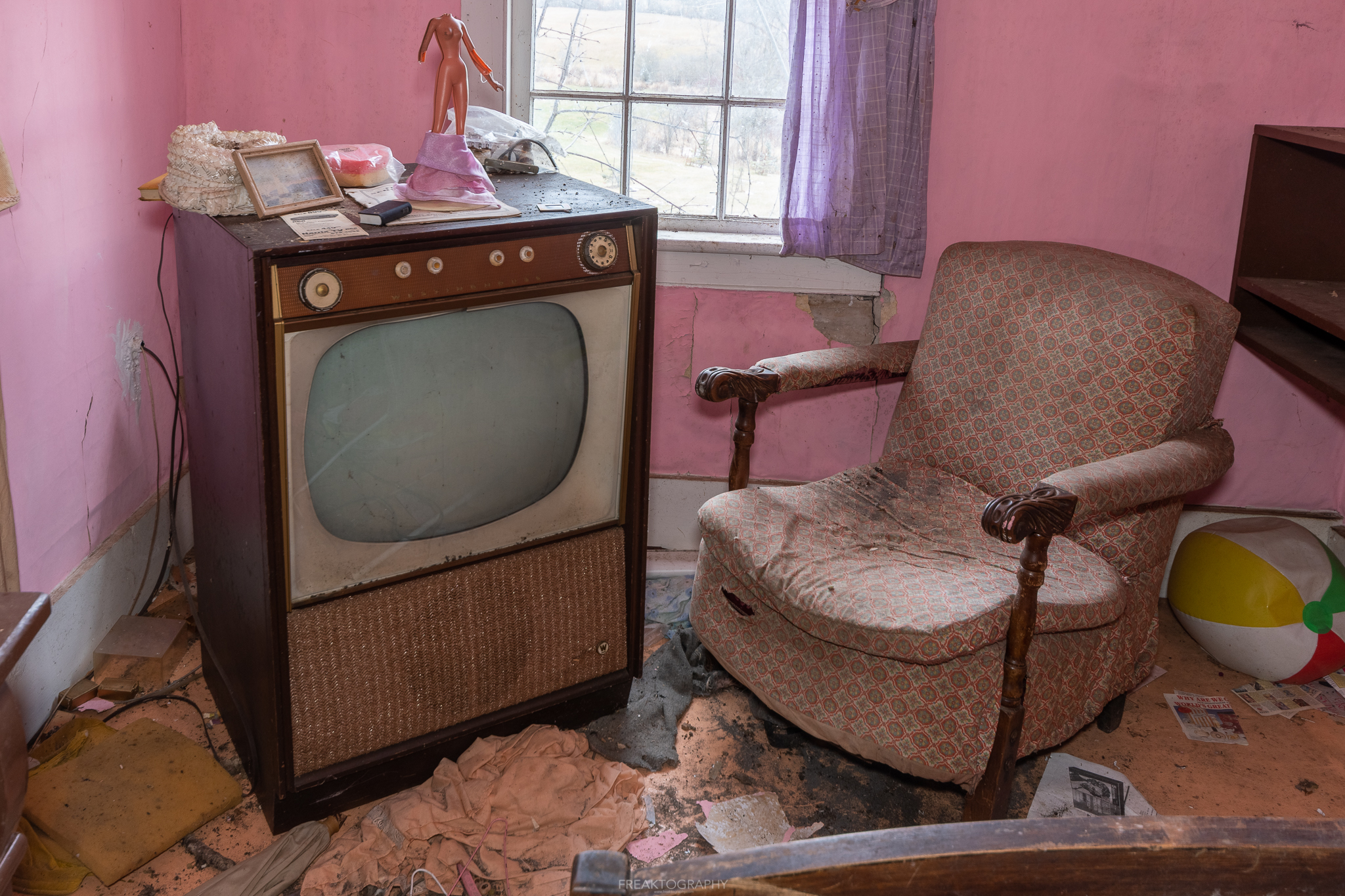
Of the three surviving children, it was Gordon who spent most — if not all — of his adult life in the family home. Walking through the property today, his presence is everywhere: stacks of old televisions, reels of film and cassette tapes, boxes of 35mm slides, and even a Cold War-era radiation-measuring instrument.
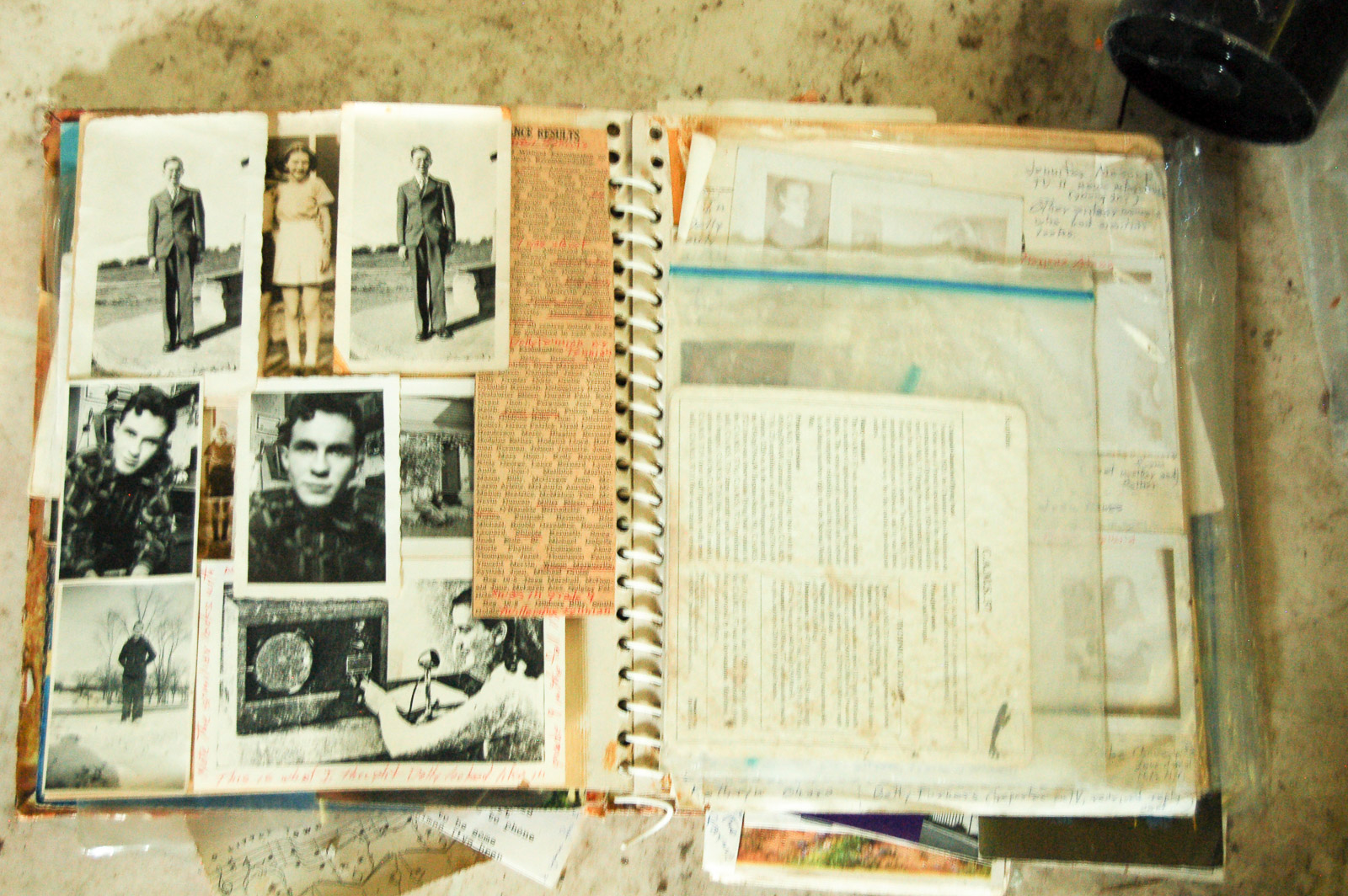
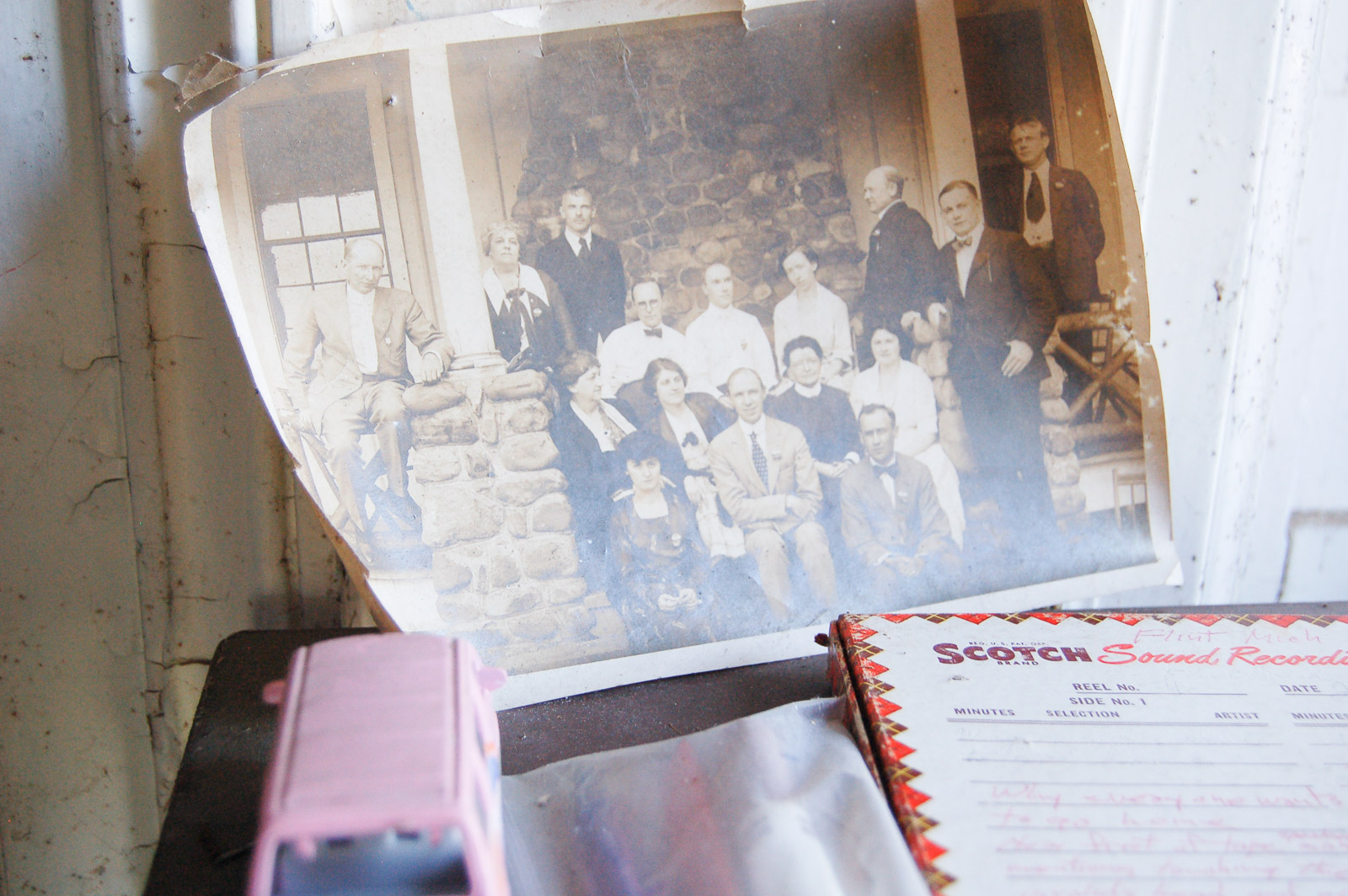
Gordon kept detailed scrapbooks on subjects that fascinated him — UFO sightings, lightning strikes, and unexplained phenomena, interests that were common among hobbyists throughout the mid-20th century. He also appears to have admired a television newscaster enough to correspond with her more than once, and among the photographs is a single wartime snapshot of a young woman he described as the only girl he ever kissed. By every account, Gordon remained a lifelong bachelor.
The Harder Images: Context, Not Conclusions
Among the scrapbooks are photographs of dead animals, including geese, raccoons, and opossums, some posed in unsettling ways. It’s easy to jump to dark conclusions, but the more likely explanation is far less sinister.
The nearby highway was once a major trucking route between Detroit and Buffalo, making roadkill common. Rabies among raccoons was also a well-documented concern in this part of Ontario at the time. Taken together, these photos look less like evidence of cruelty and more like the observations of a curious, if unconventional, man documenting the world immediately around him.
Why So Many Beds?
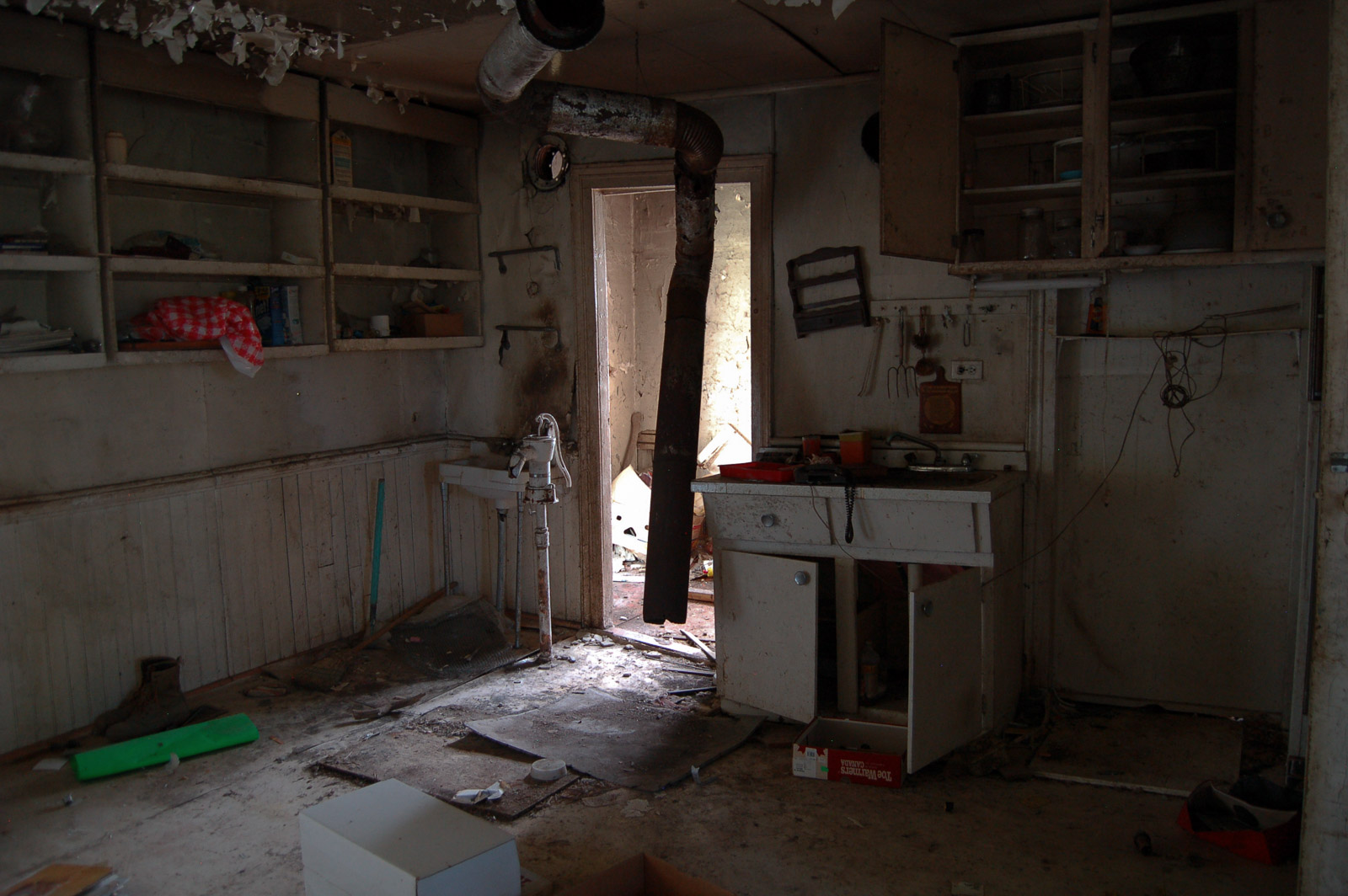
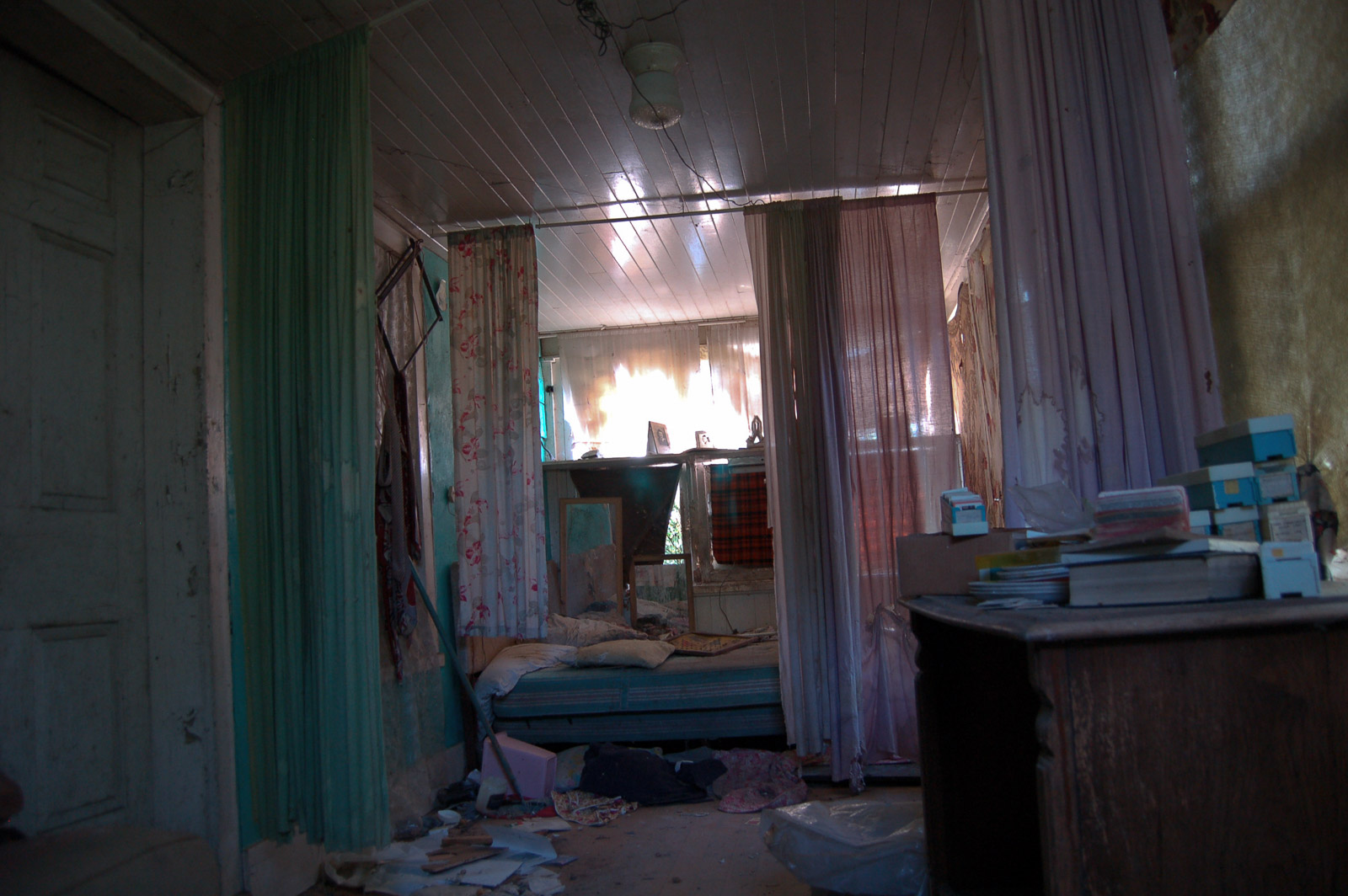
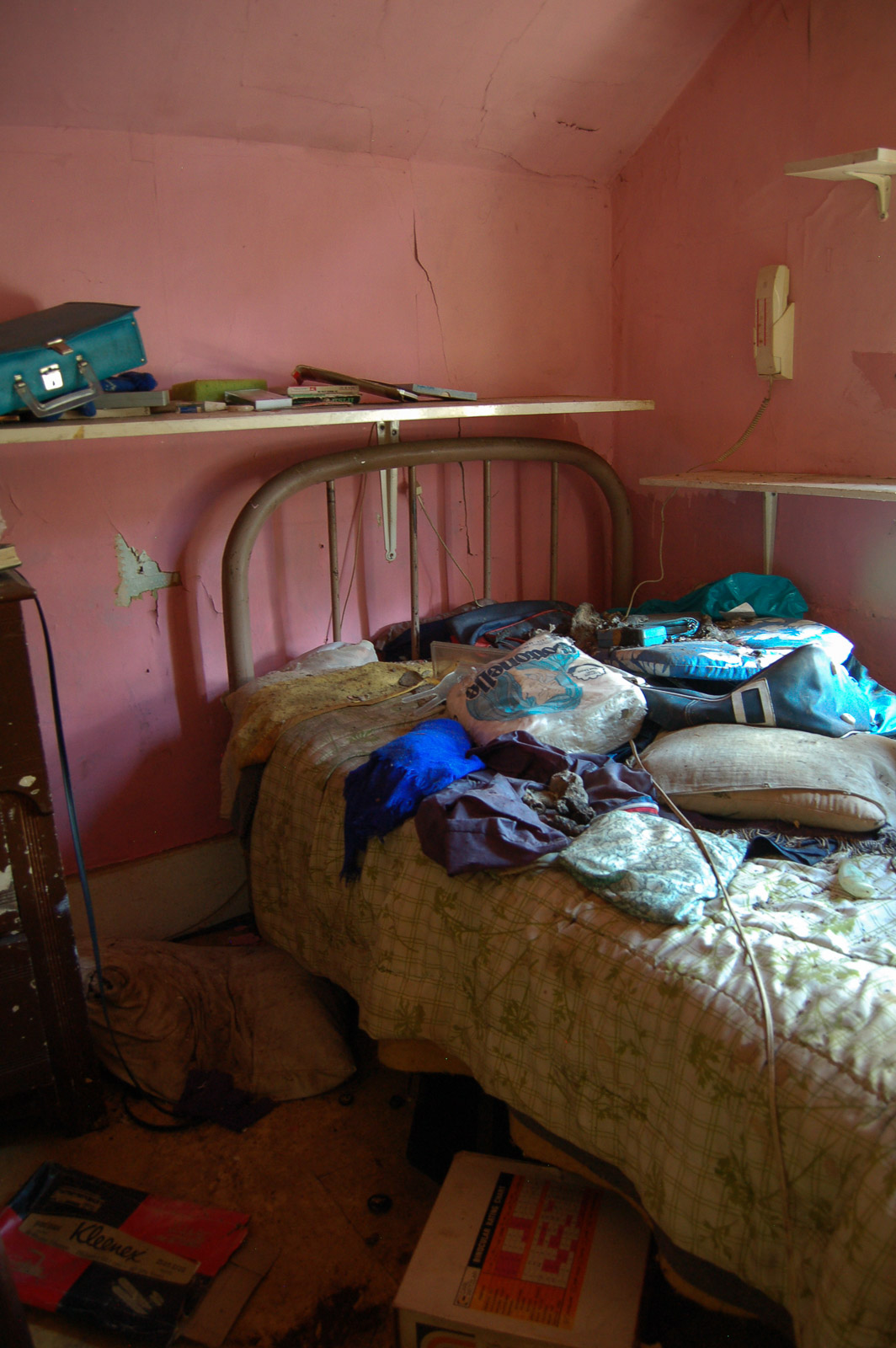
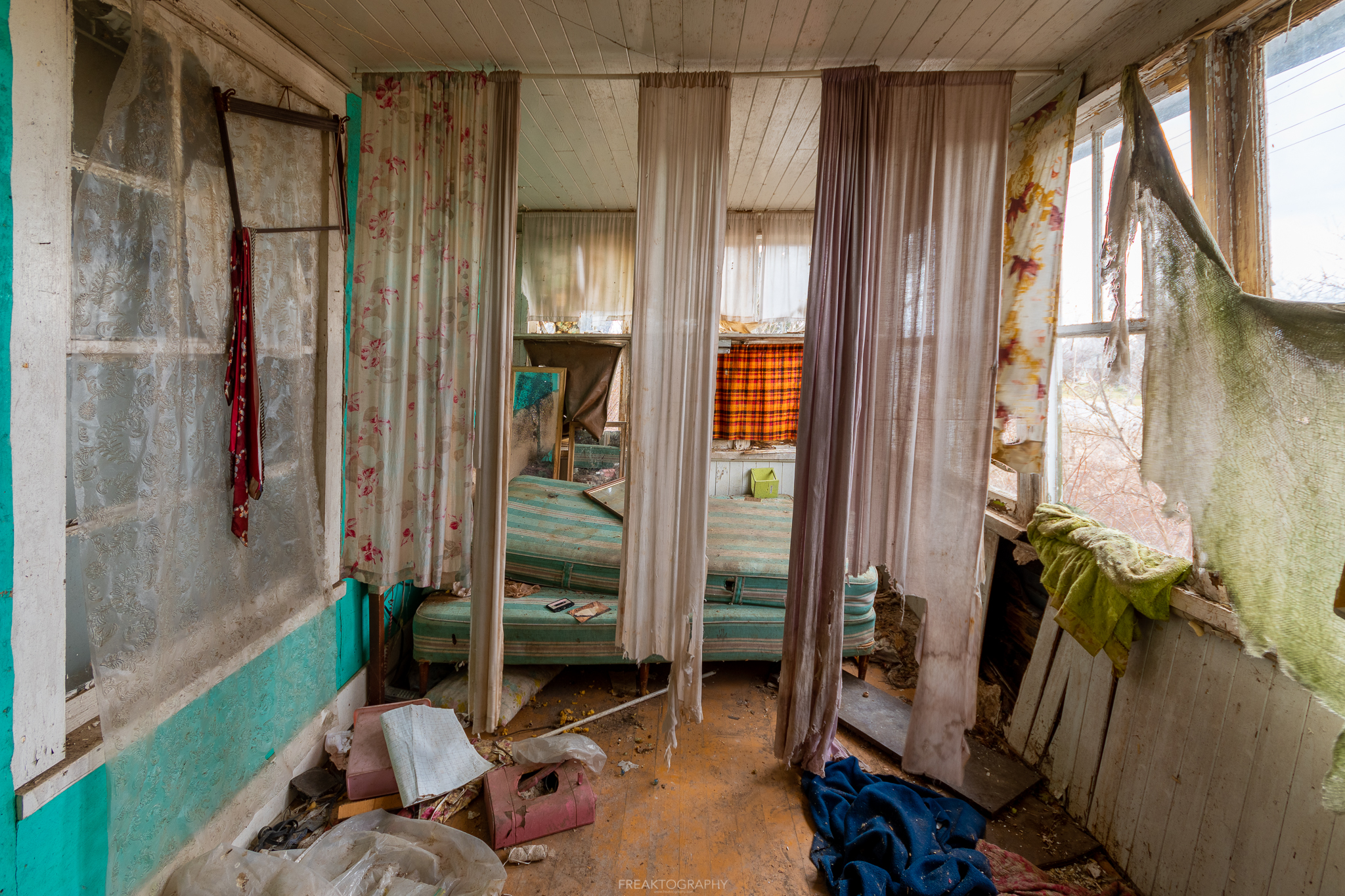
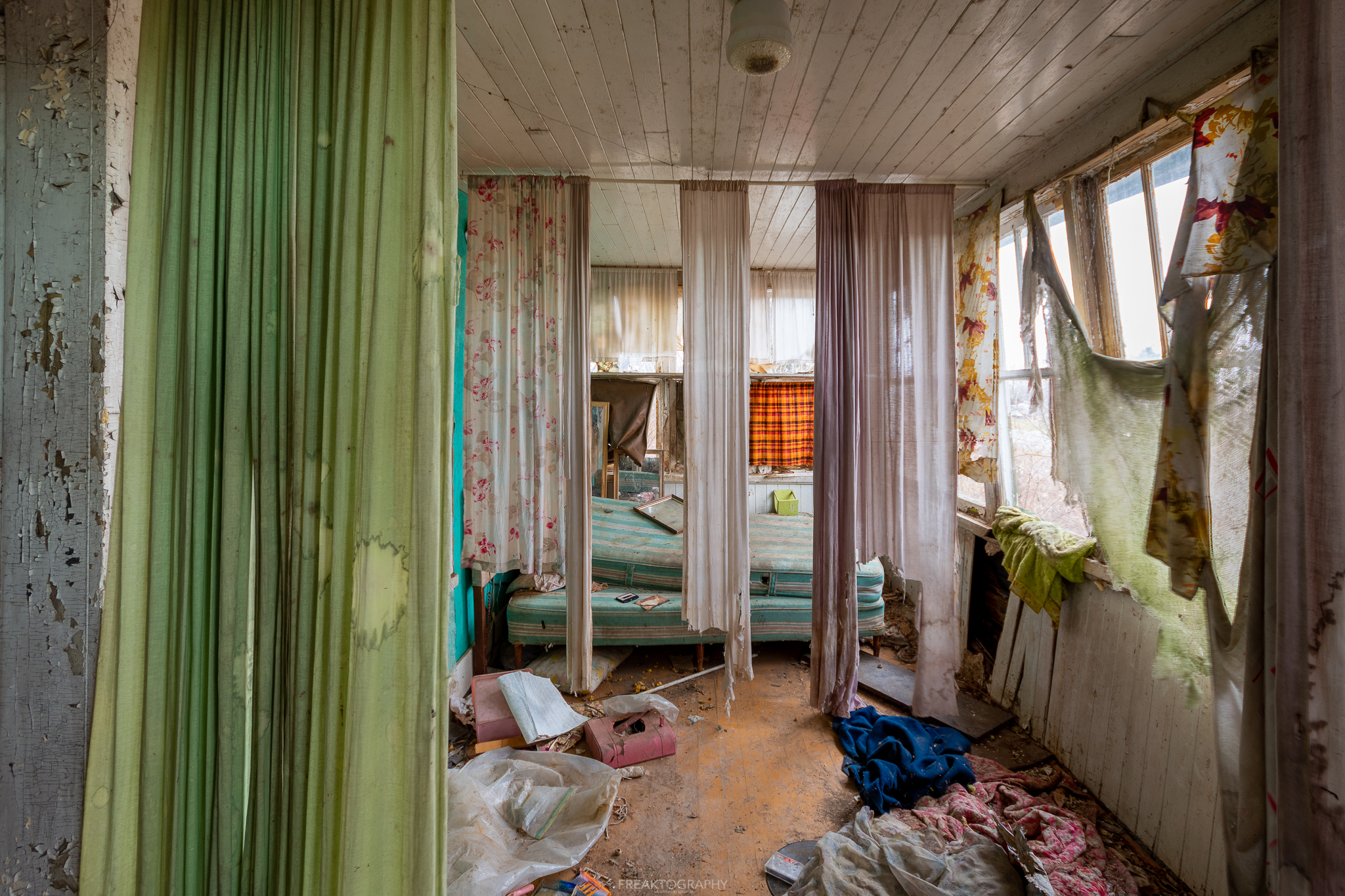
One of the strangest features of the house is the sheer number of sleeping spaces: three bedrooms upstairs, two beds in the enclosed front porch, handmade bunk beds in a rear addition, and even a bed set up directly in the kitchen, far more than a family of five would typically need.
The most plausible explanation connects back to who the Lees were. As a minister and his wife trained in missionary work, the family may have regularly hosted travelling preachers, missionaries on leave, or community members in need of a place to stay, a common practice among religious households in the early-to-mid 20th century.
Abandonment and Decline
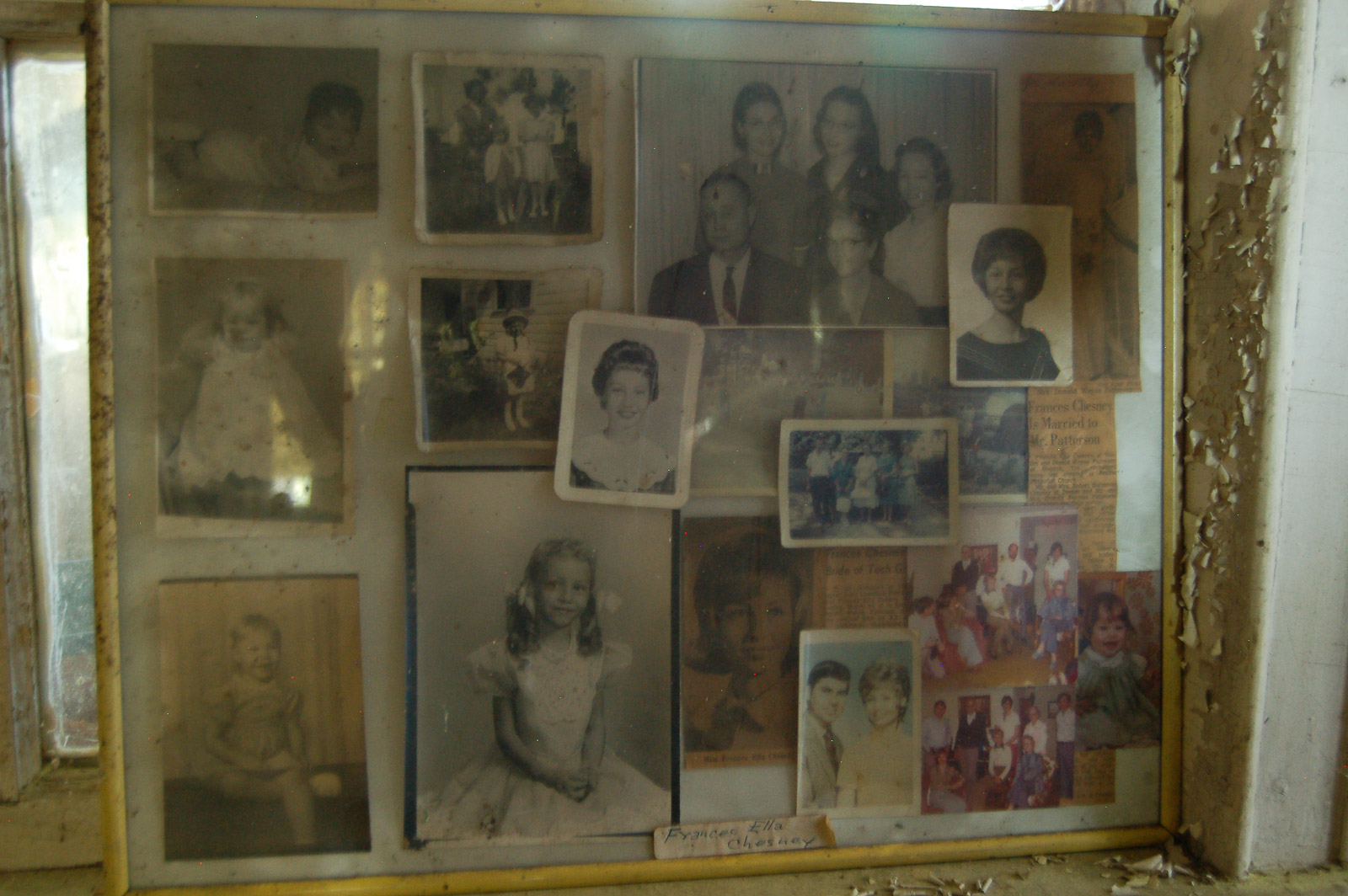
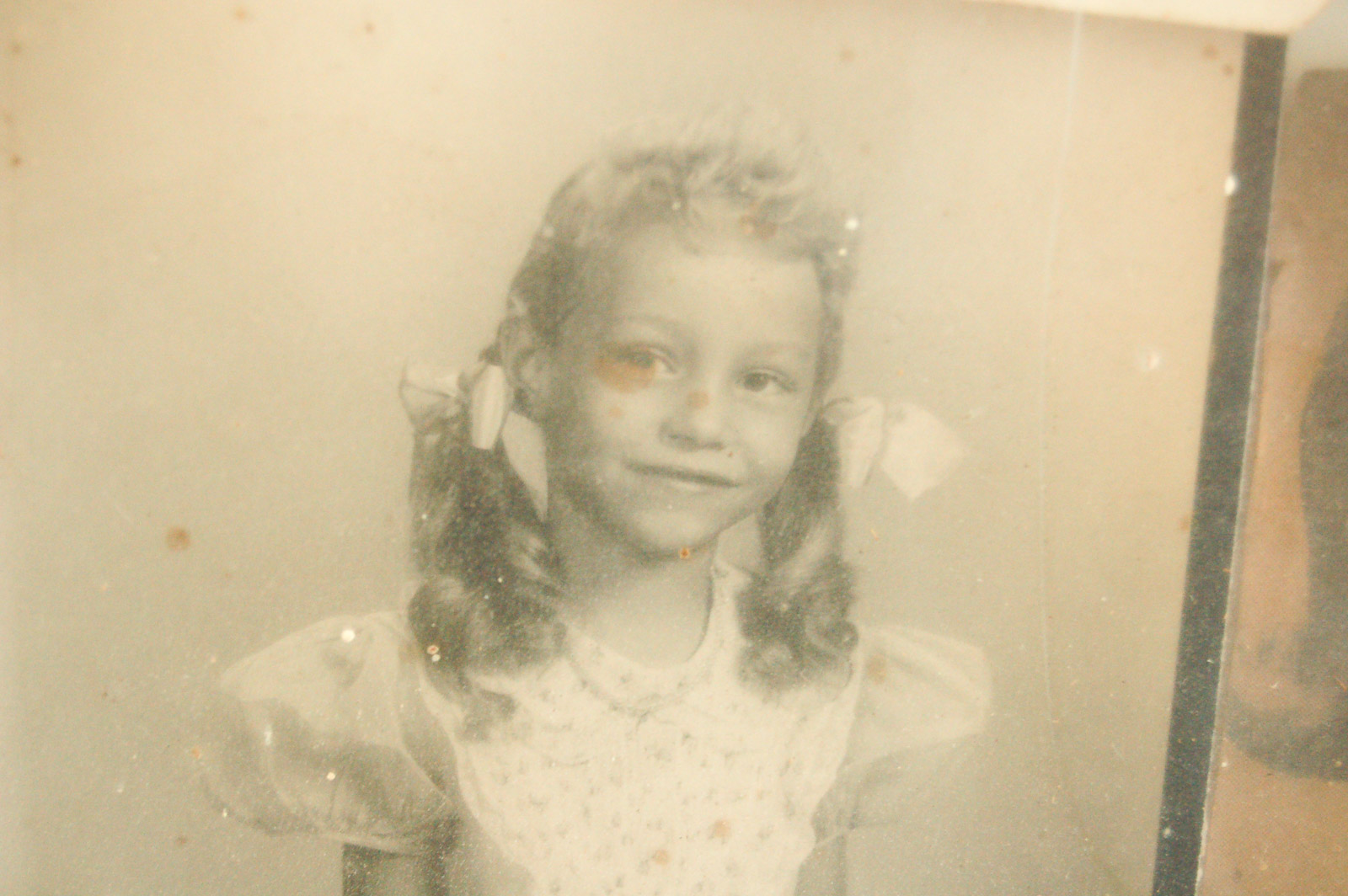
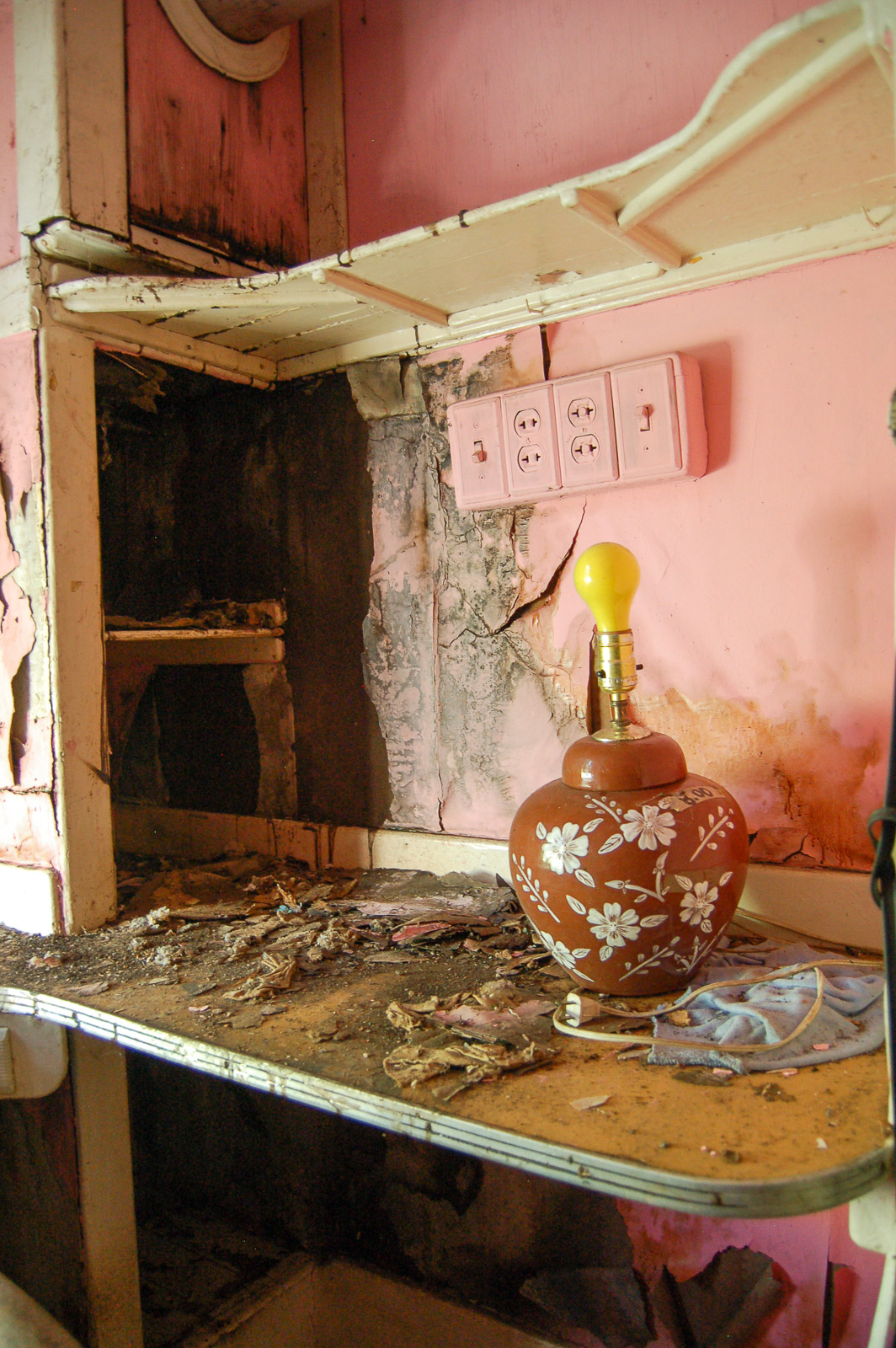
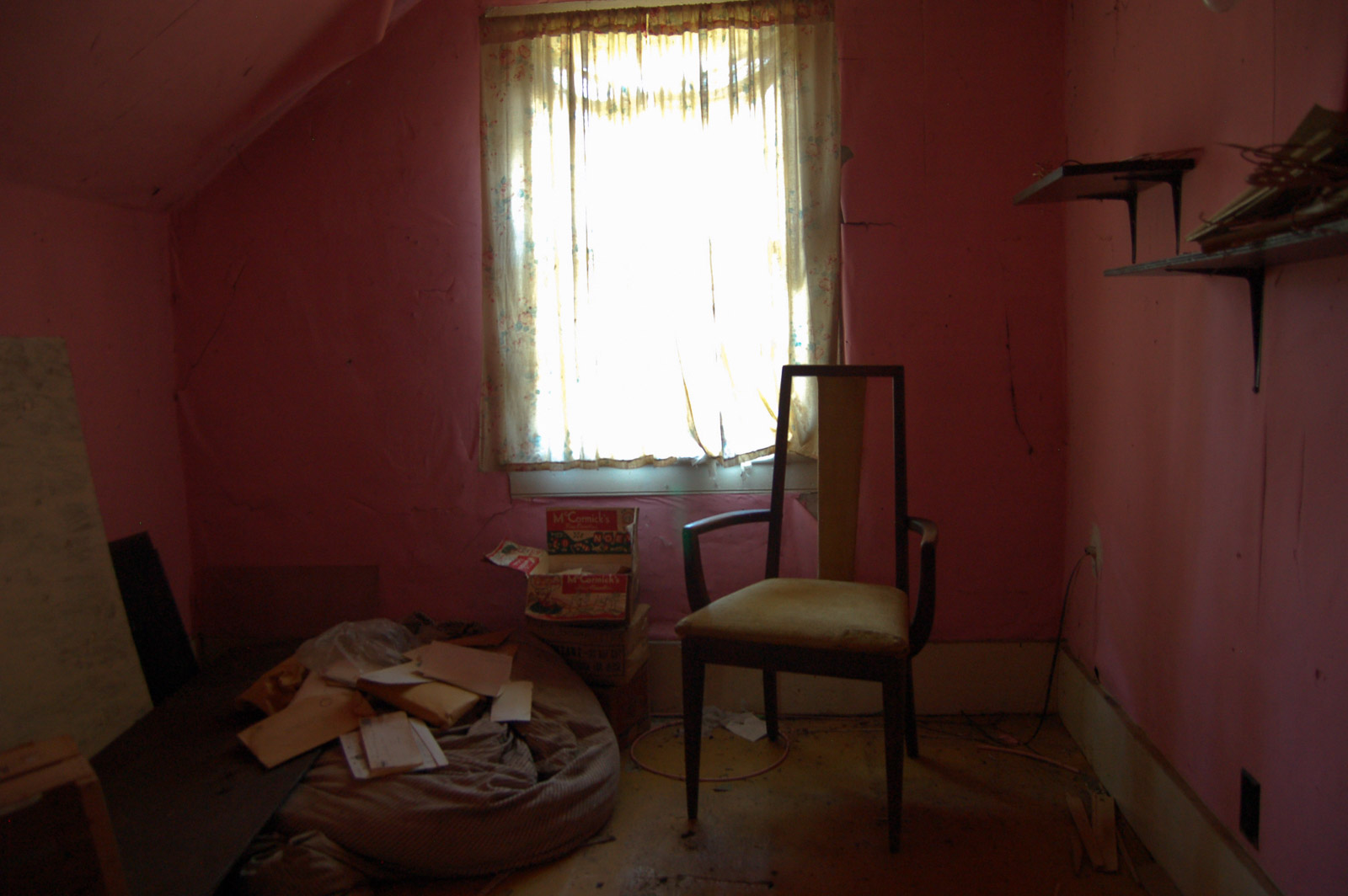
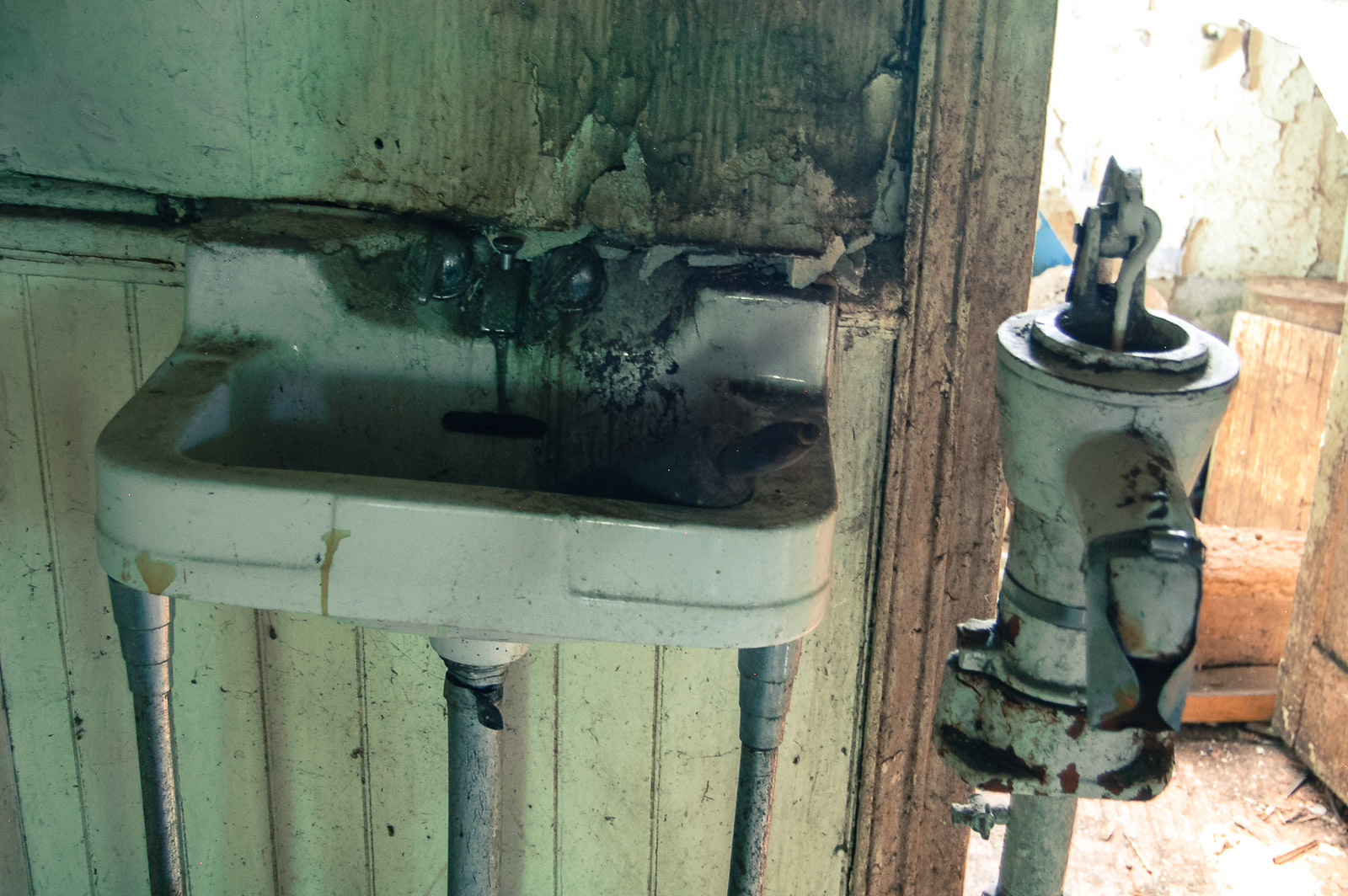
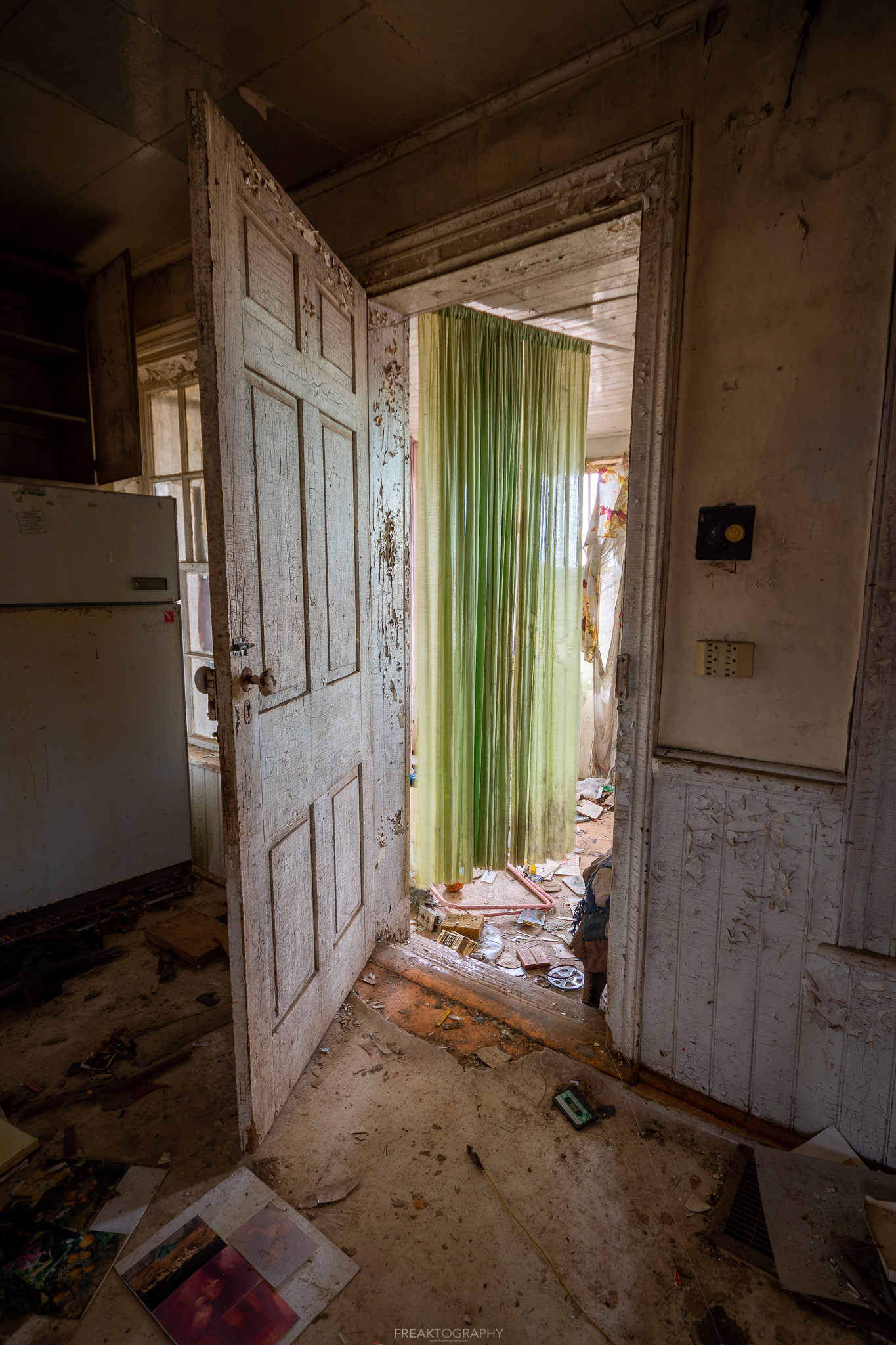
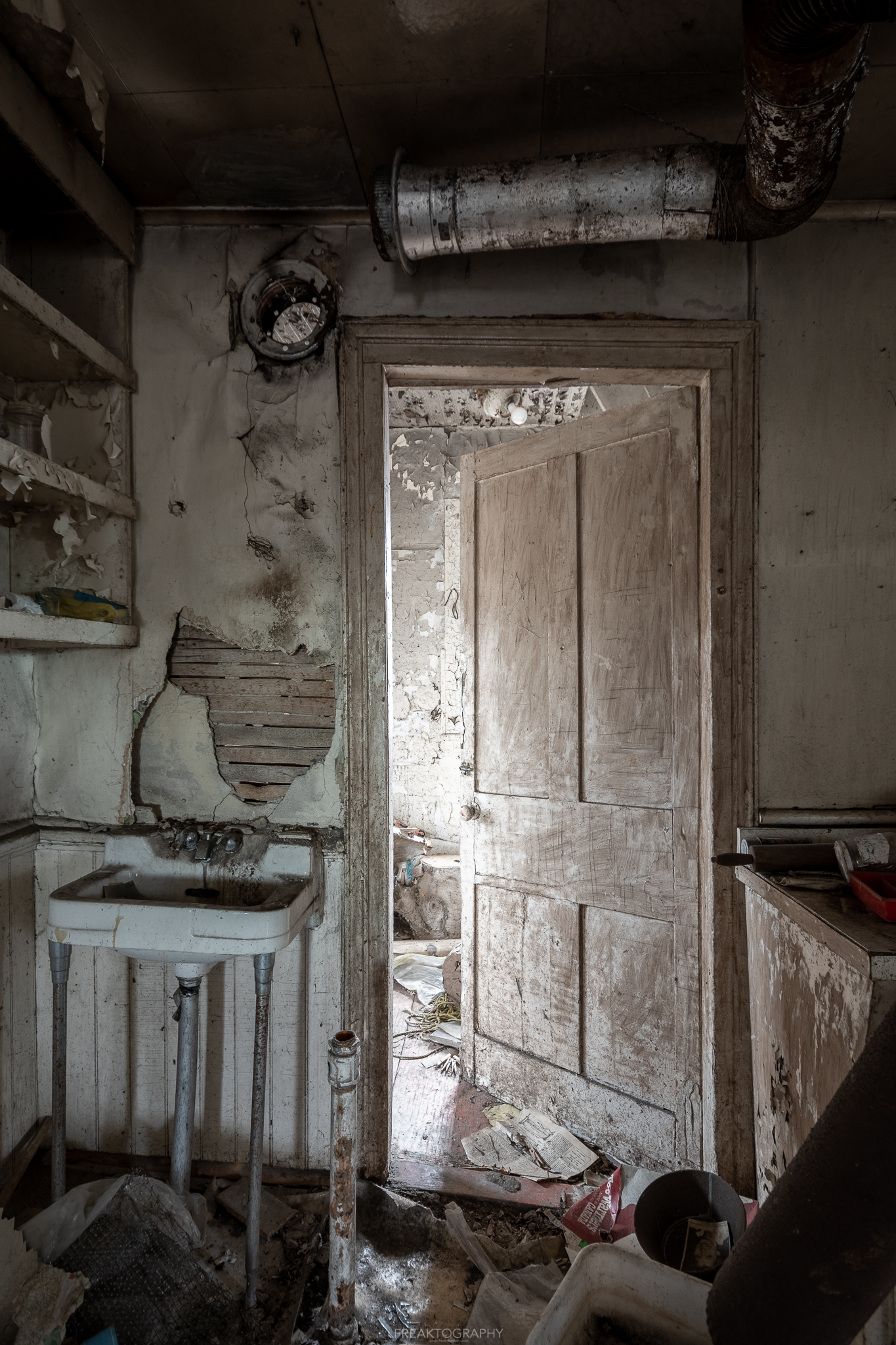
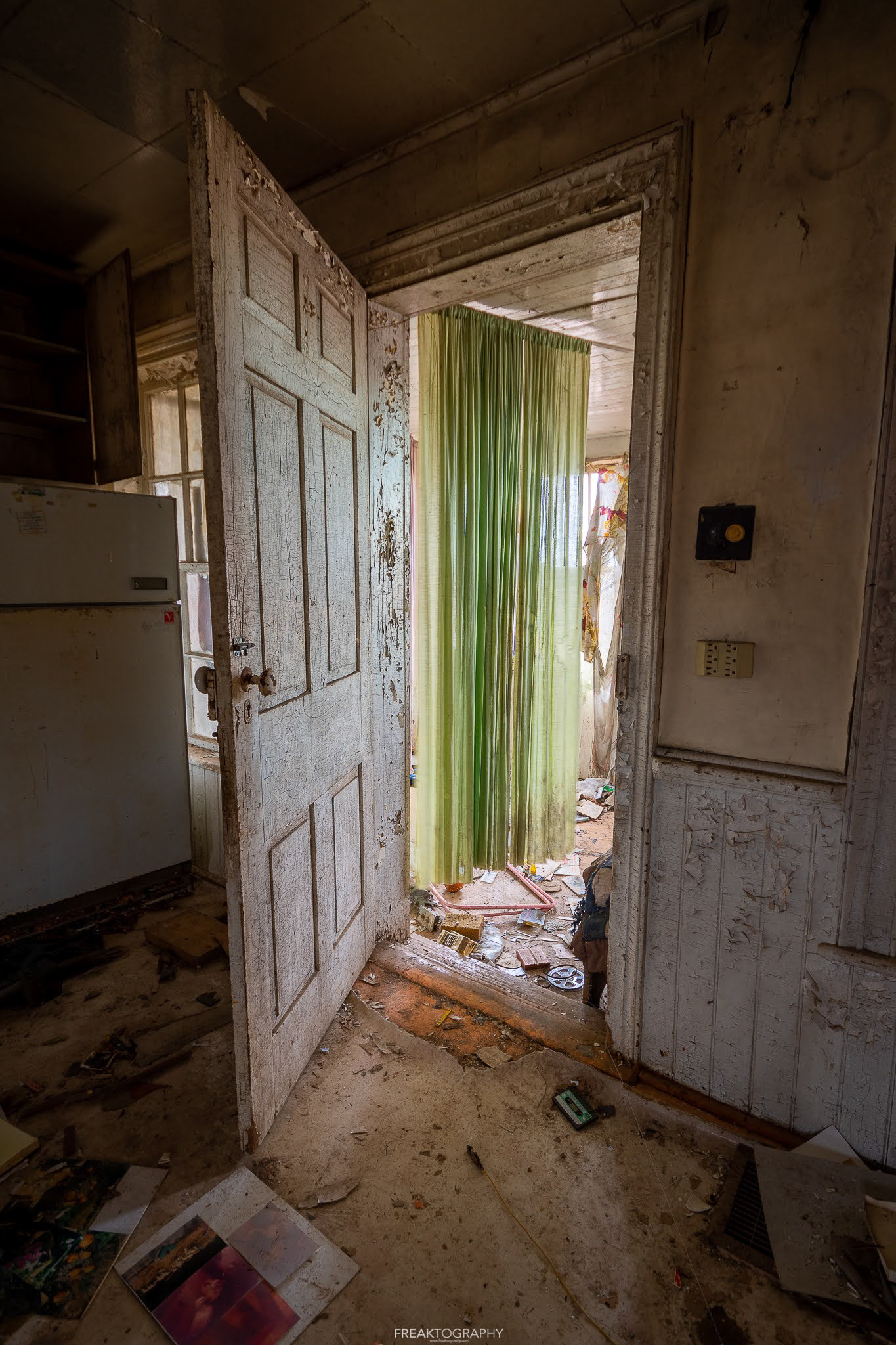
The house remained lived-in and largely intact into the 1990s. Donald Lee returned around 1994 to help maintain the property and paint some of the messages still visible on the outbuildings today. But sometime after 2012, repeated trespassing accelerated the property’s decline, and much of what had survived for over half a century, including personal letters, photographs, and family records, was lost, damaged, or scattered.
Today, what remains is fragments: a time capsule cracked open, left to the elements.
More Than a Ghost Story
It’s easy to label a place like this “creepy.” But spend enough time with the story of the Lee family, and a different feeling takes over, not fear, but a kind of quiet respect.
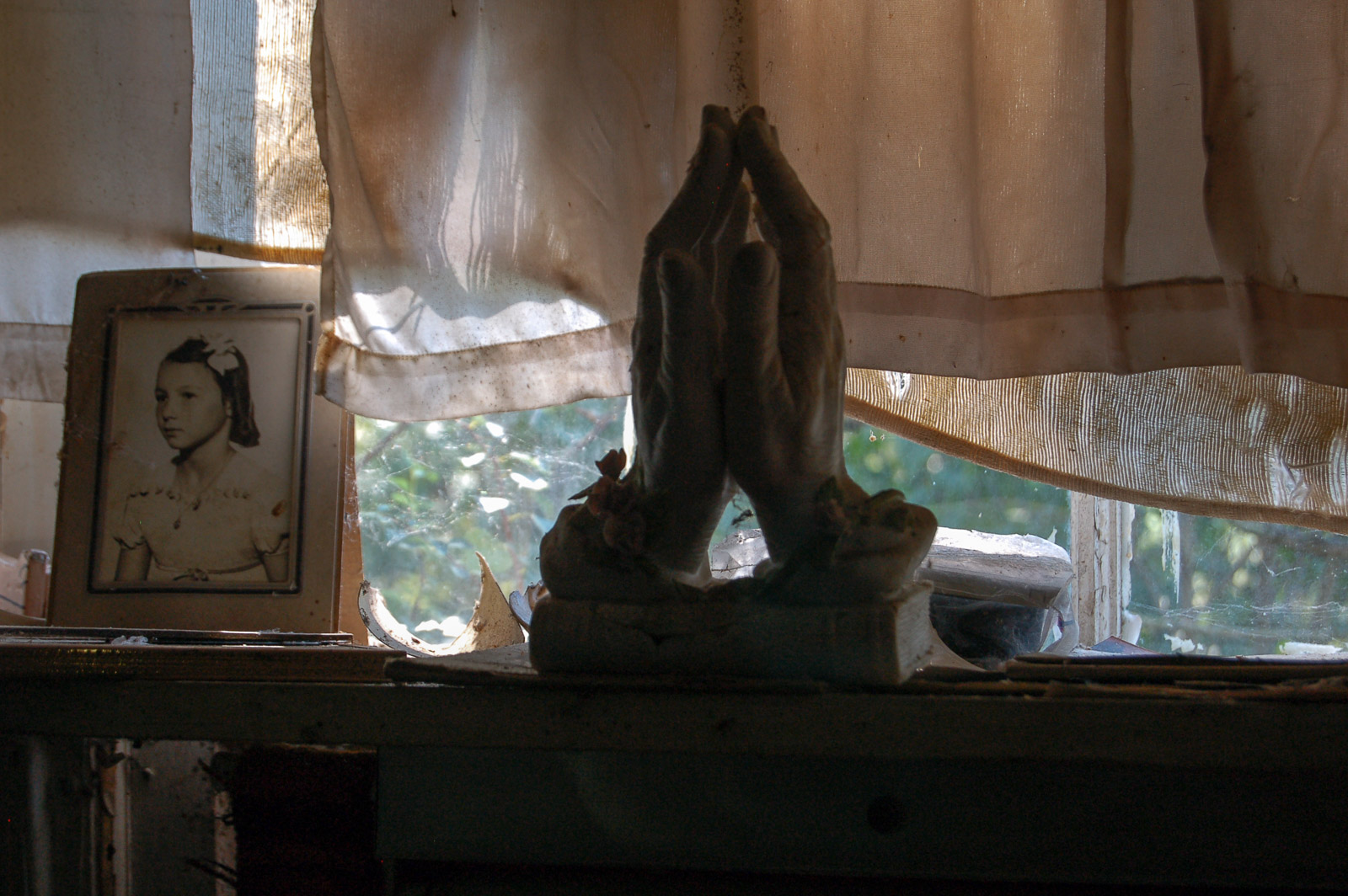
This was a home. A place where a missionary couple raised their children, where a son spent a lifetime chasing his curiosities, and where an ordinary family left behind an extraordinarily personal record of who they were.
The Pastor Lee House isn’t a horror story. It’s a reminder that behind every abandoned building is a life that was actually lived.