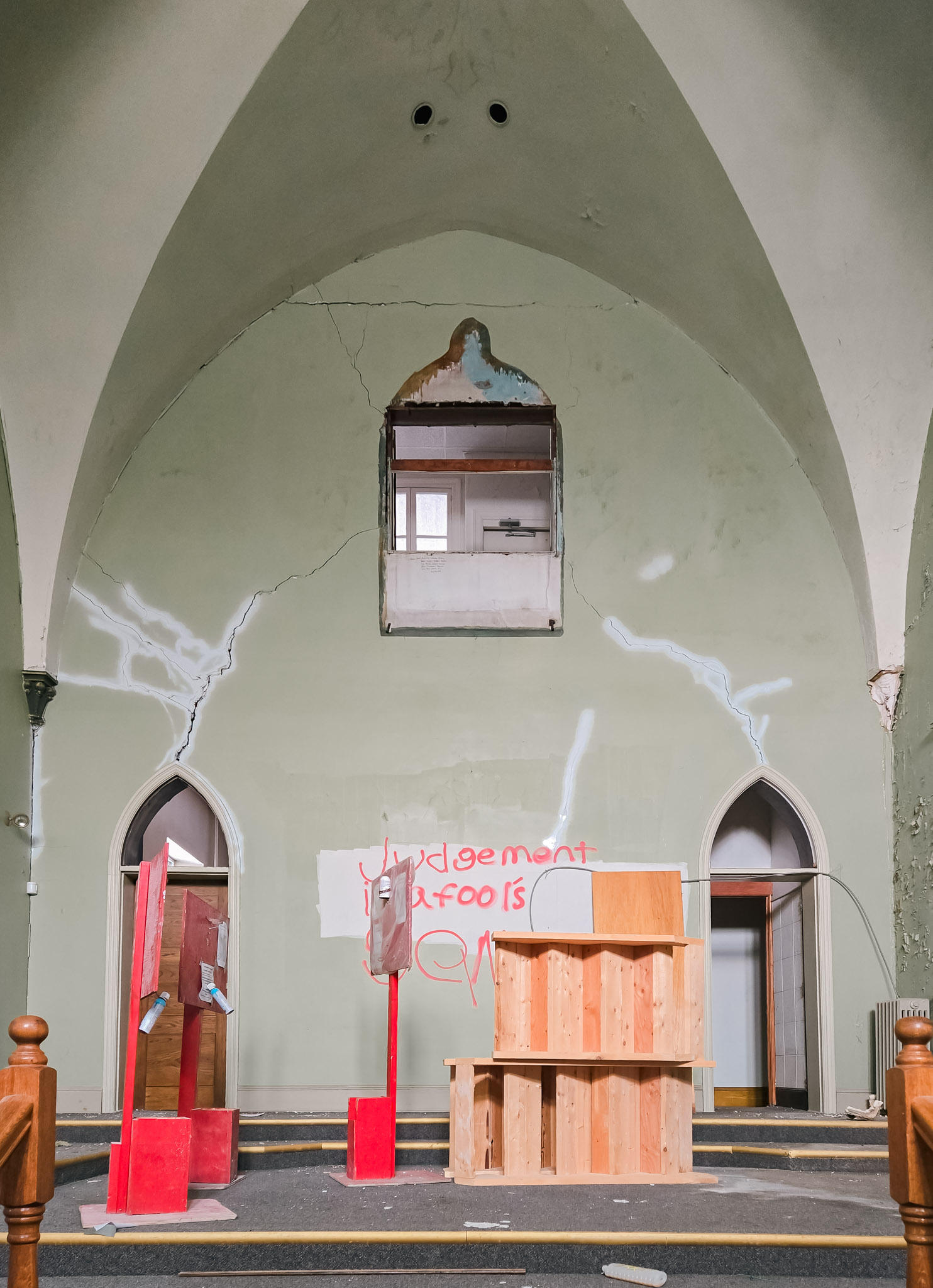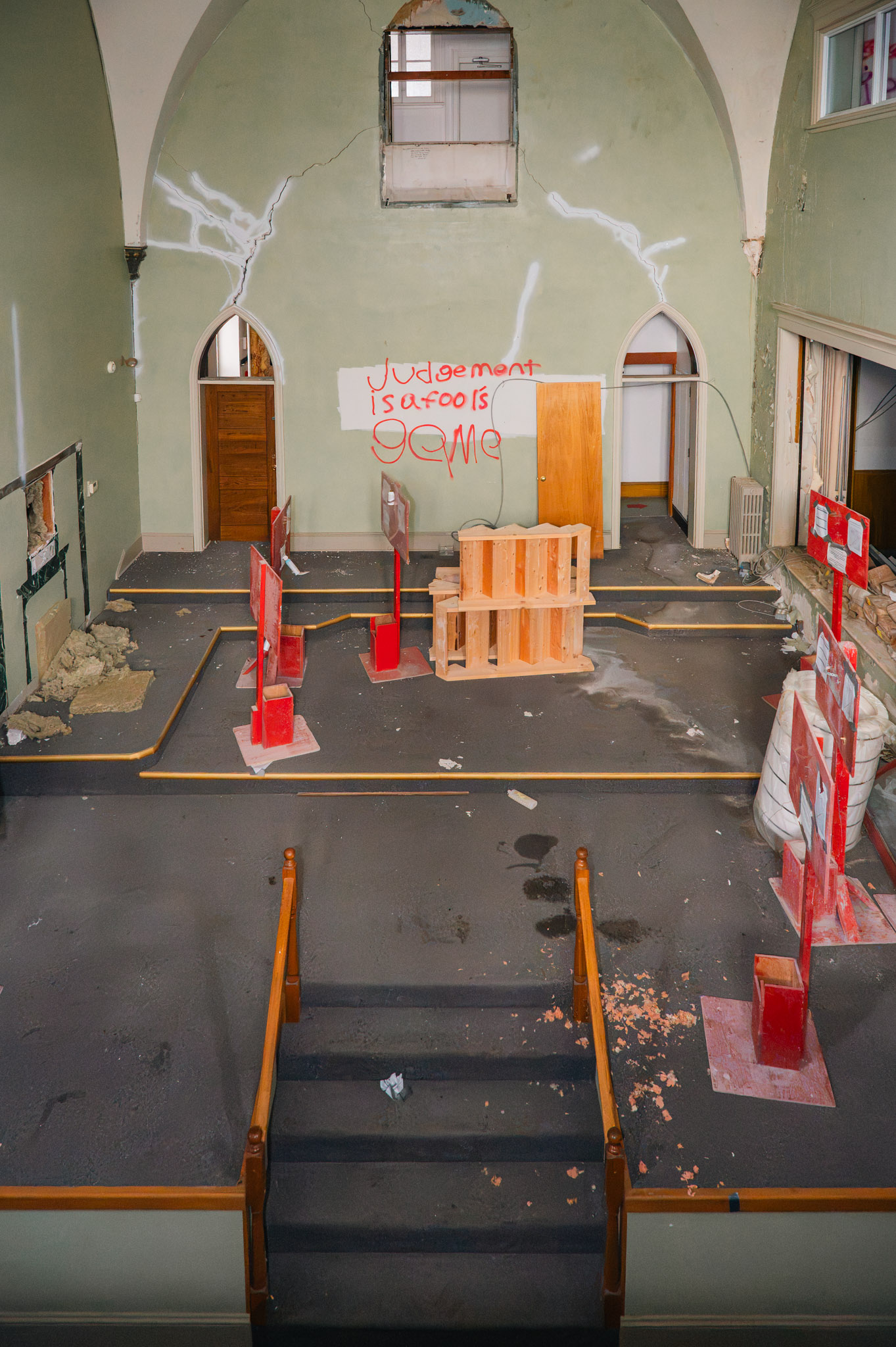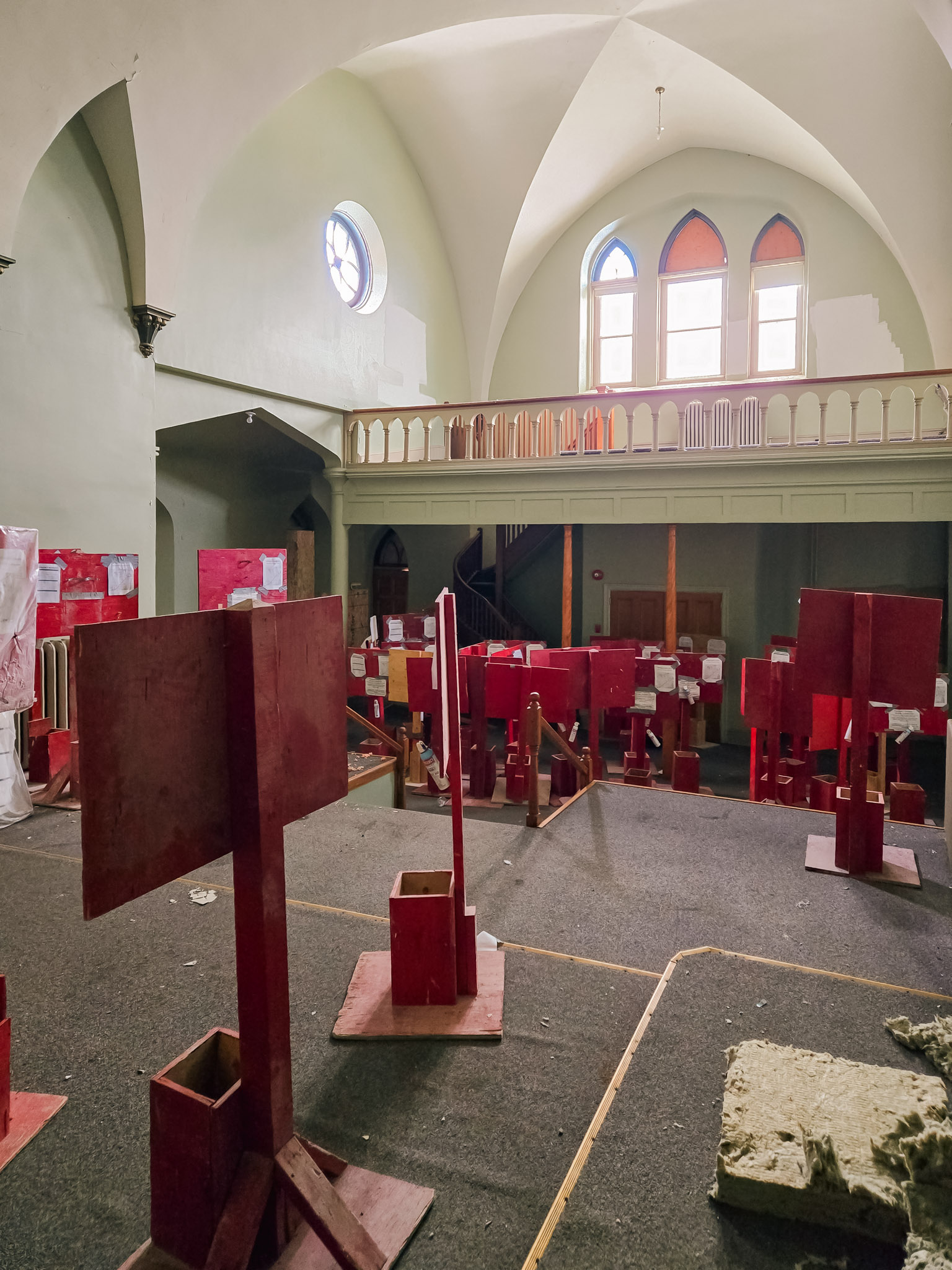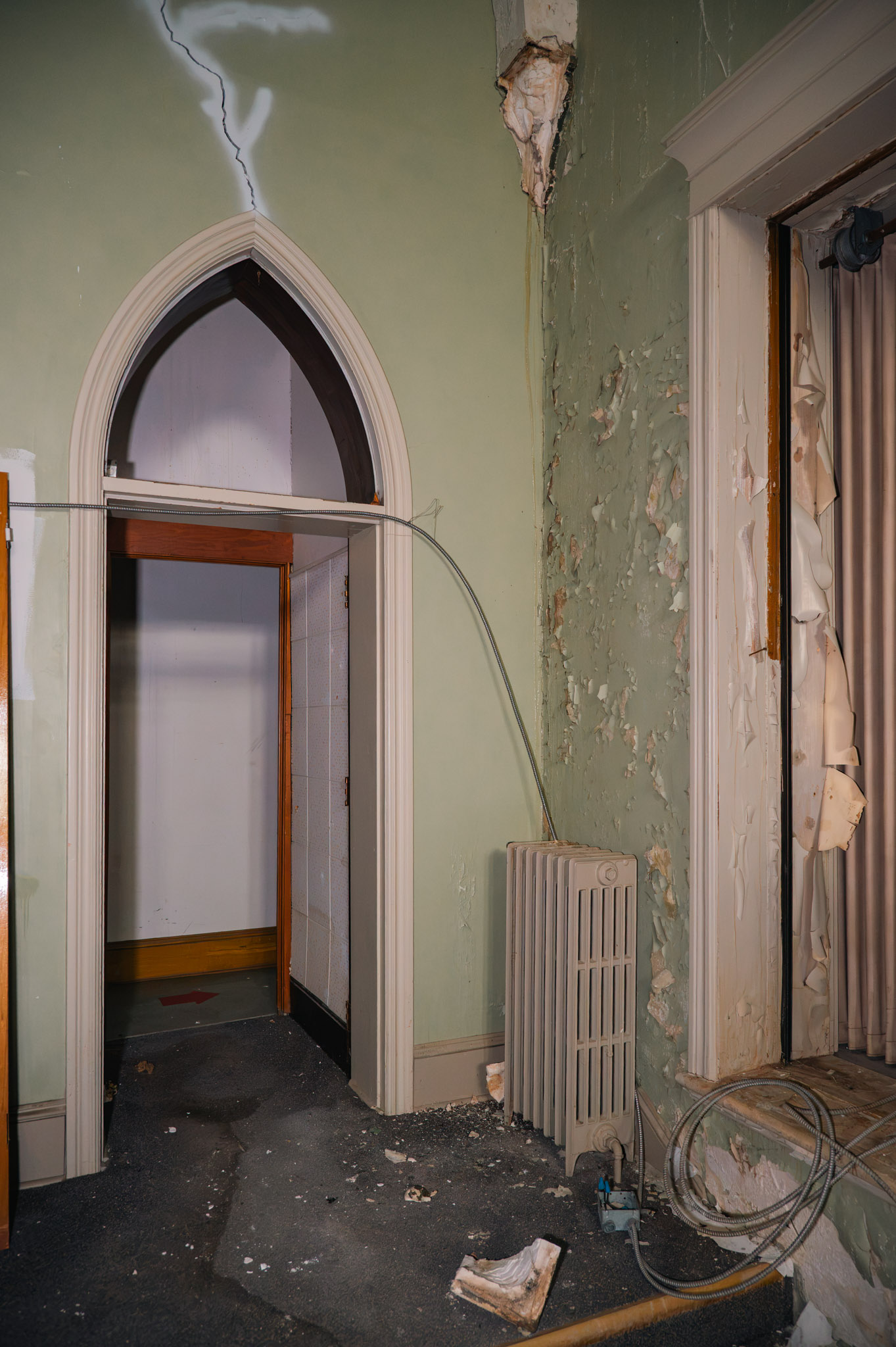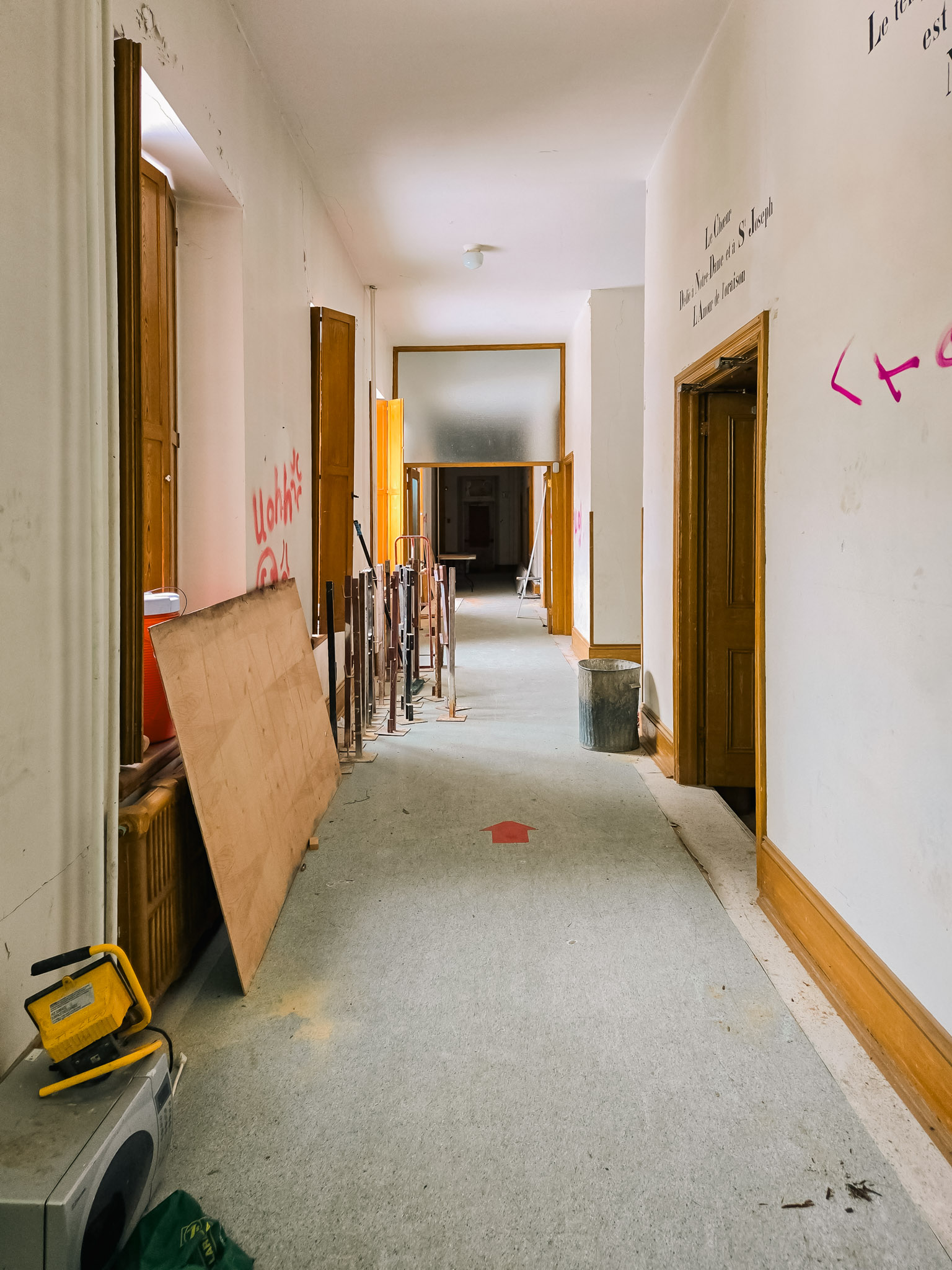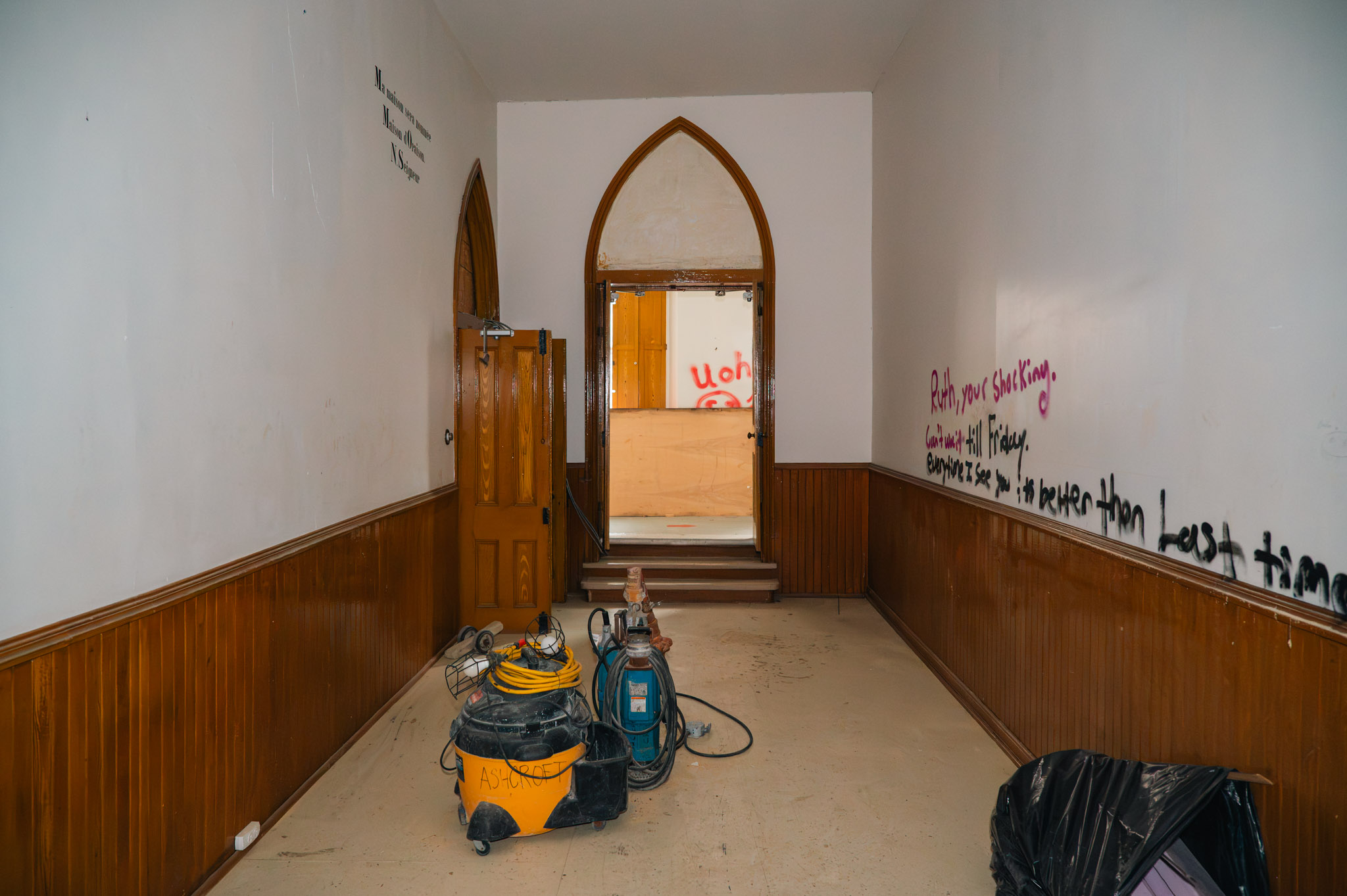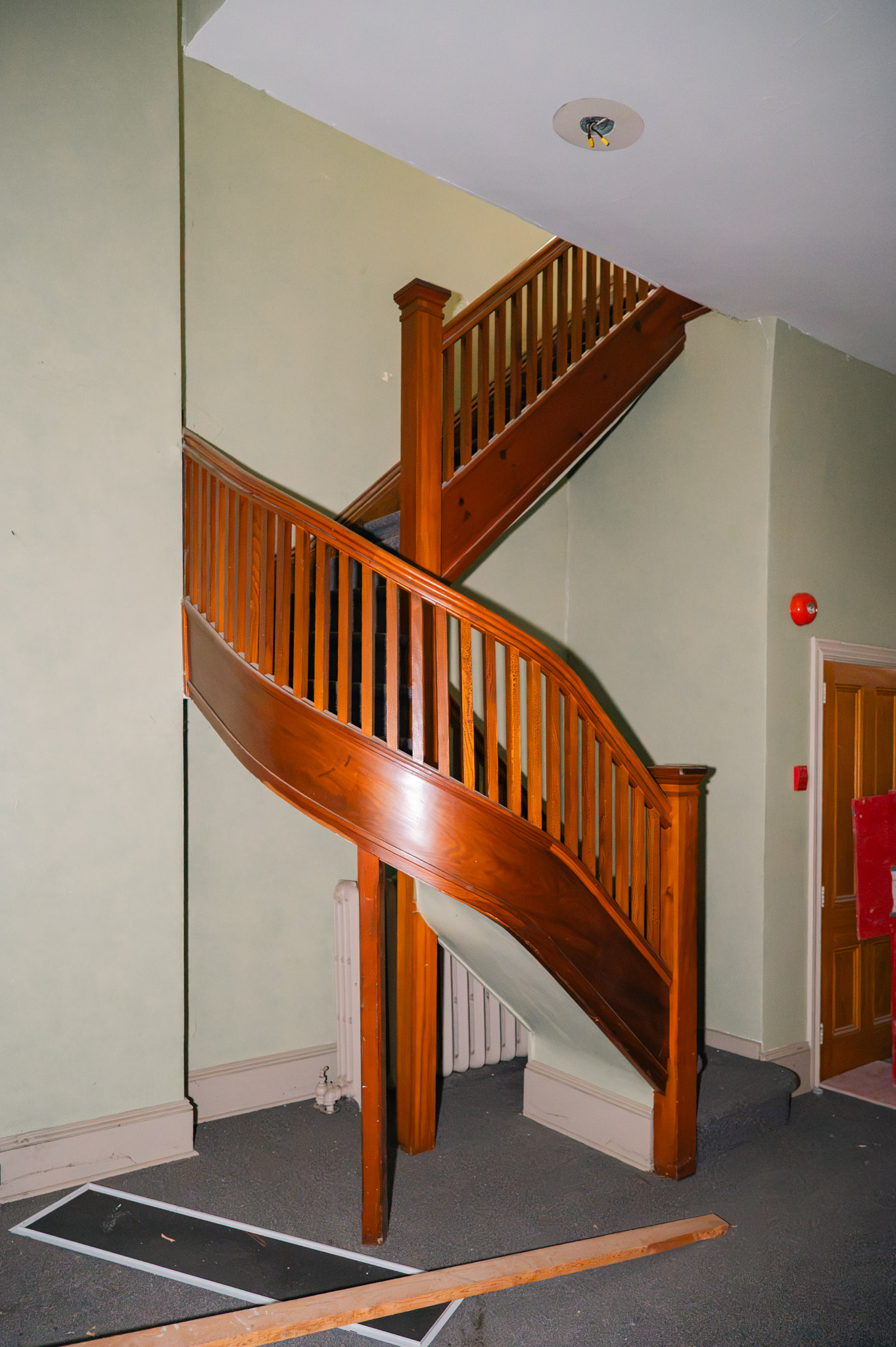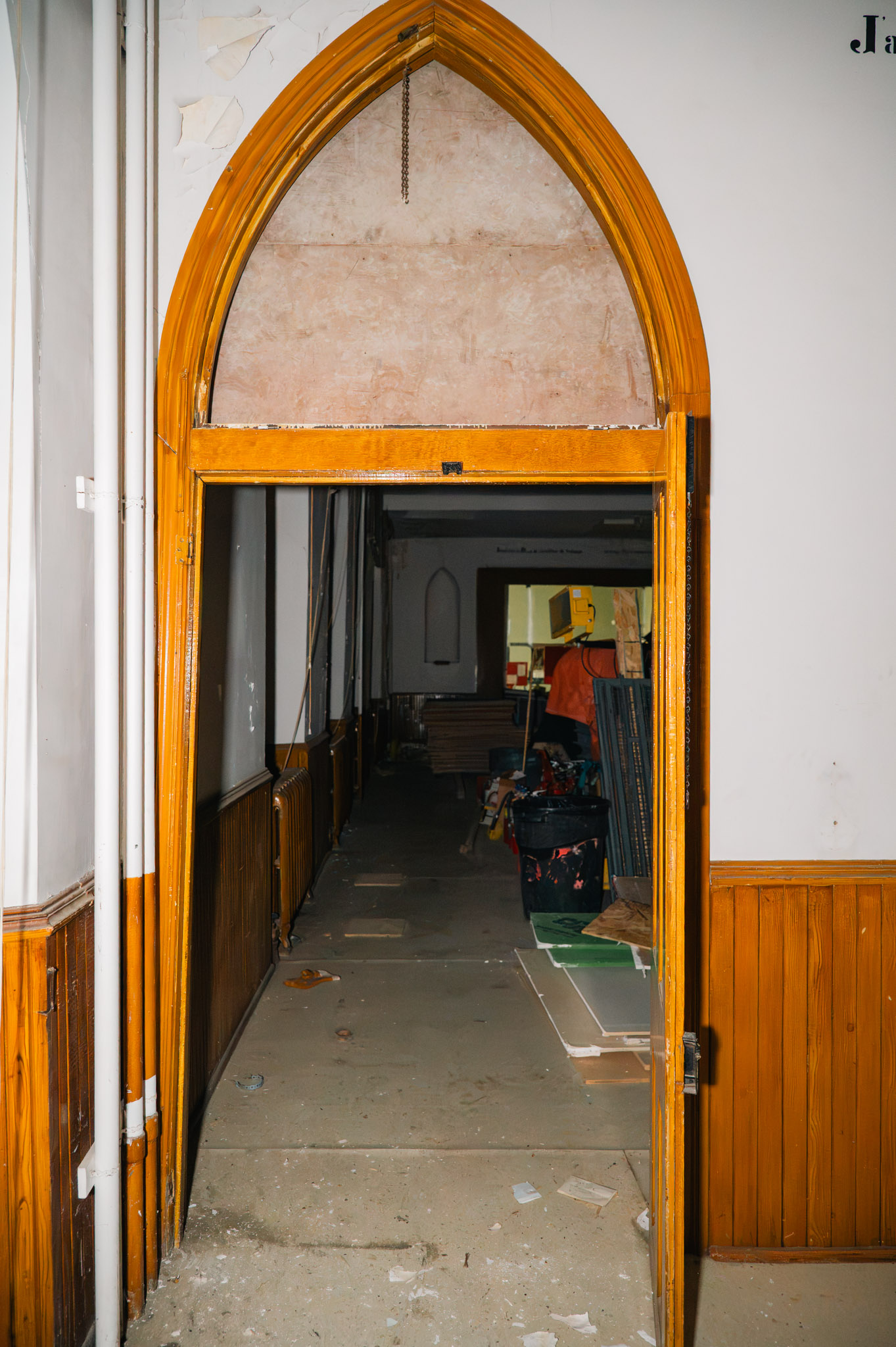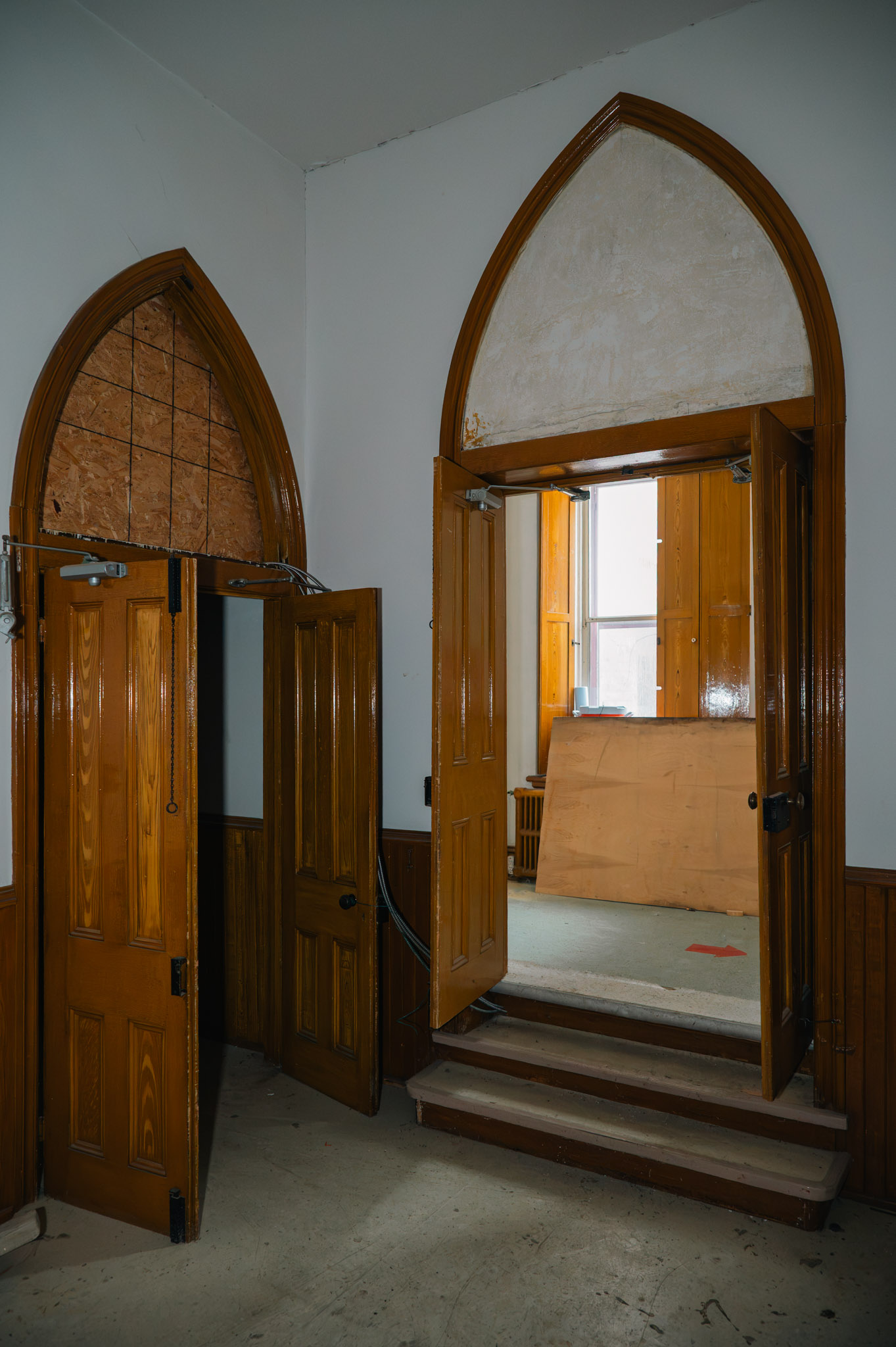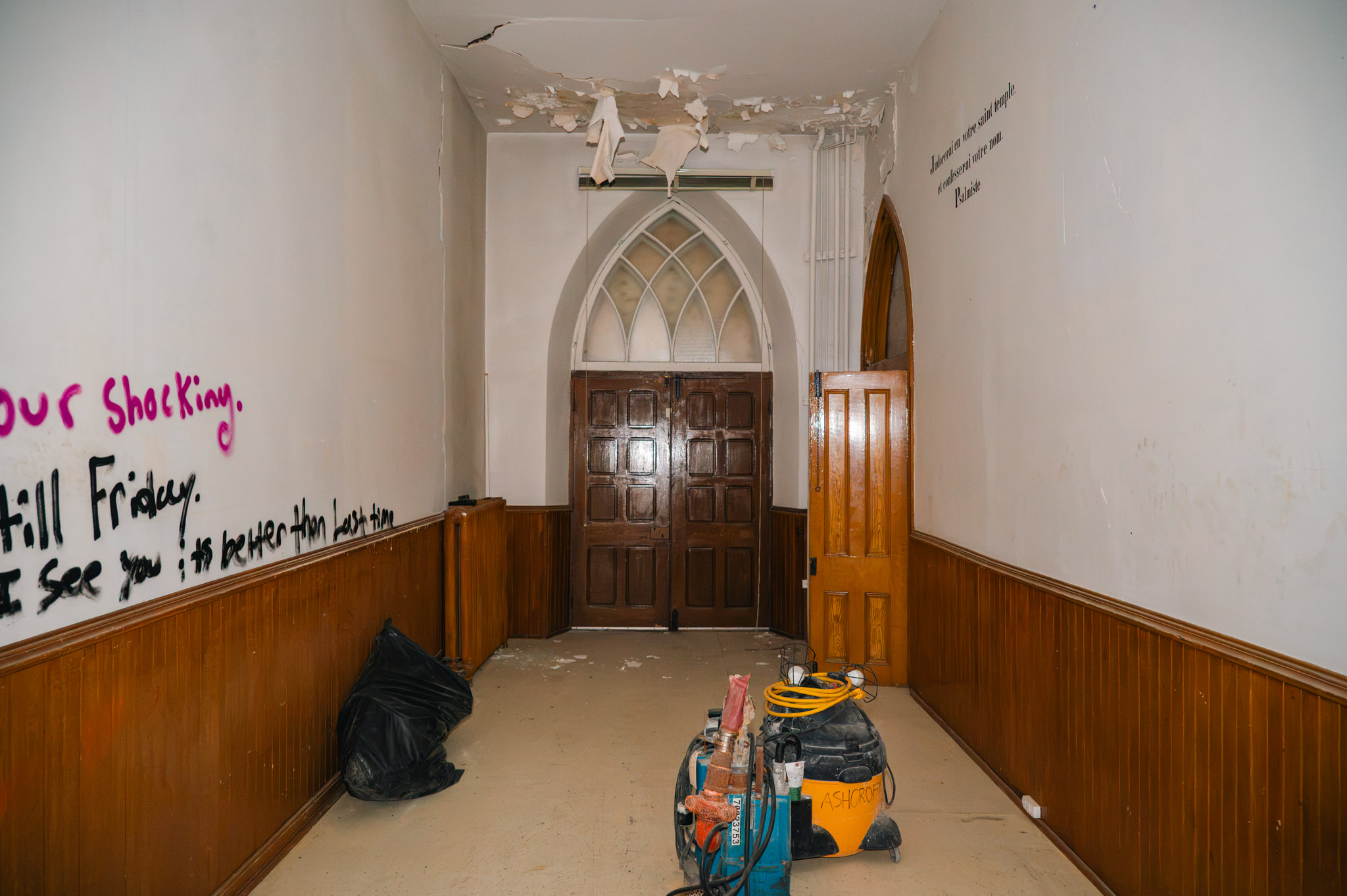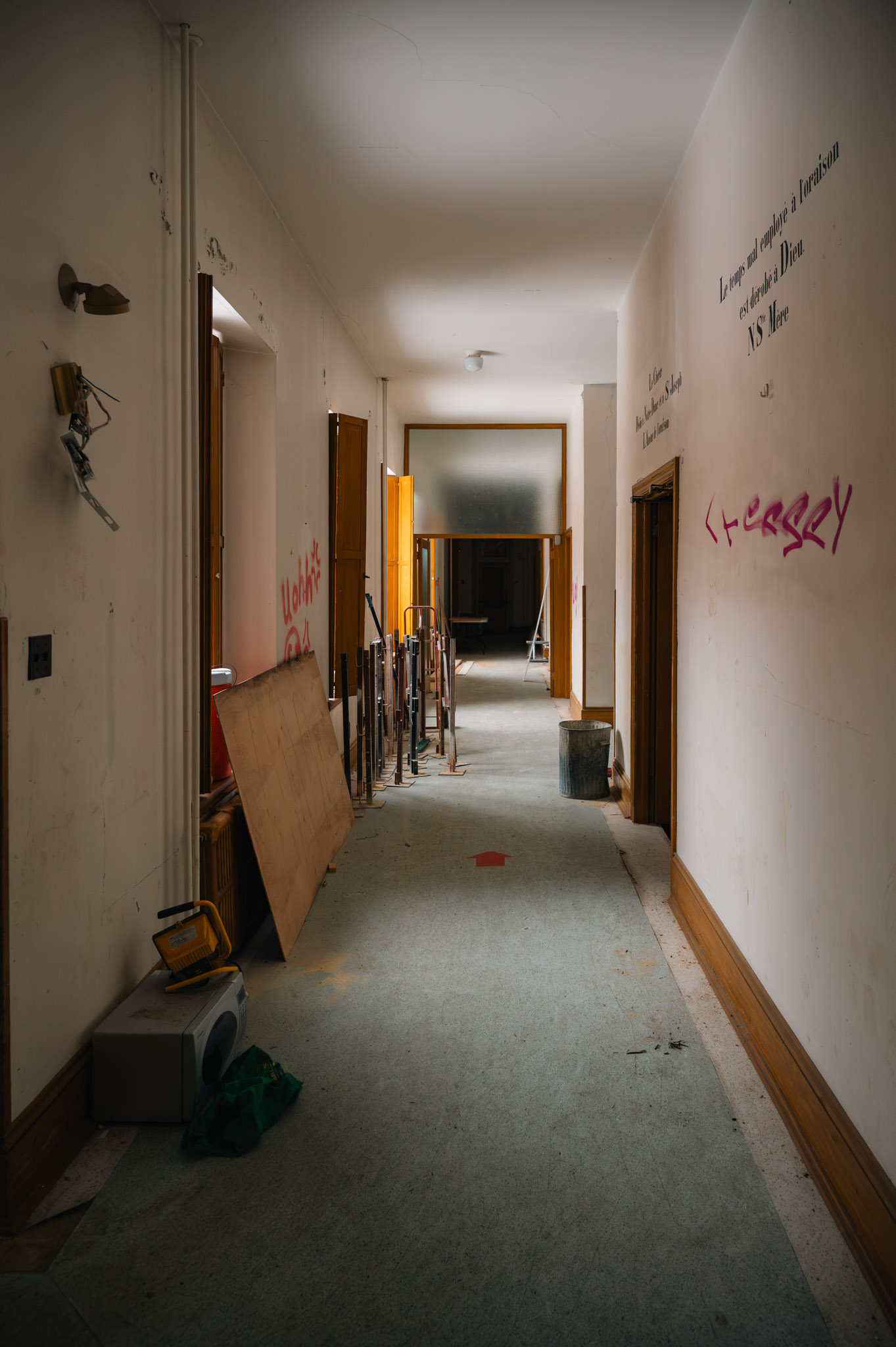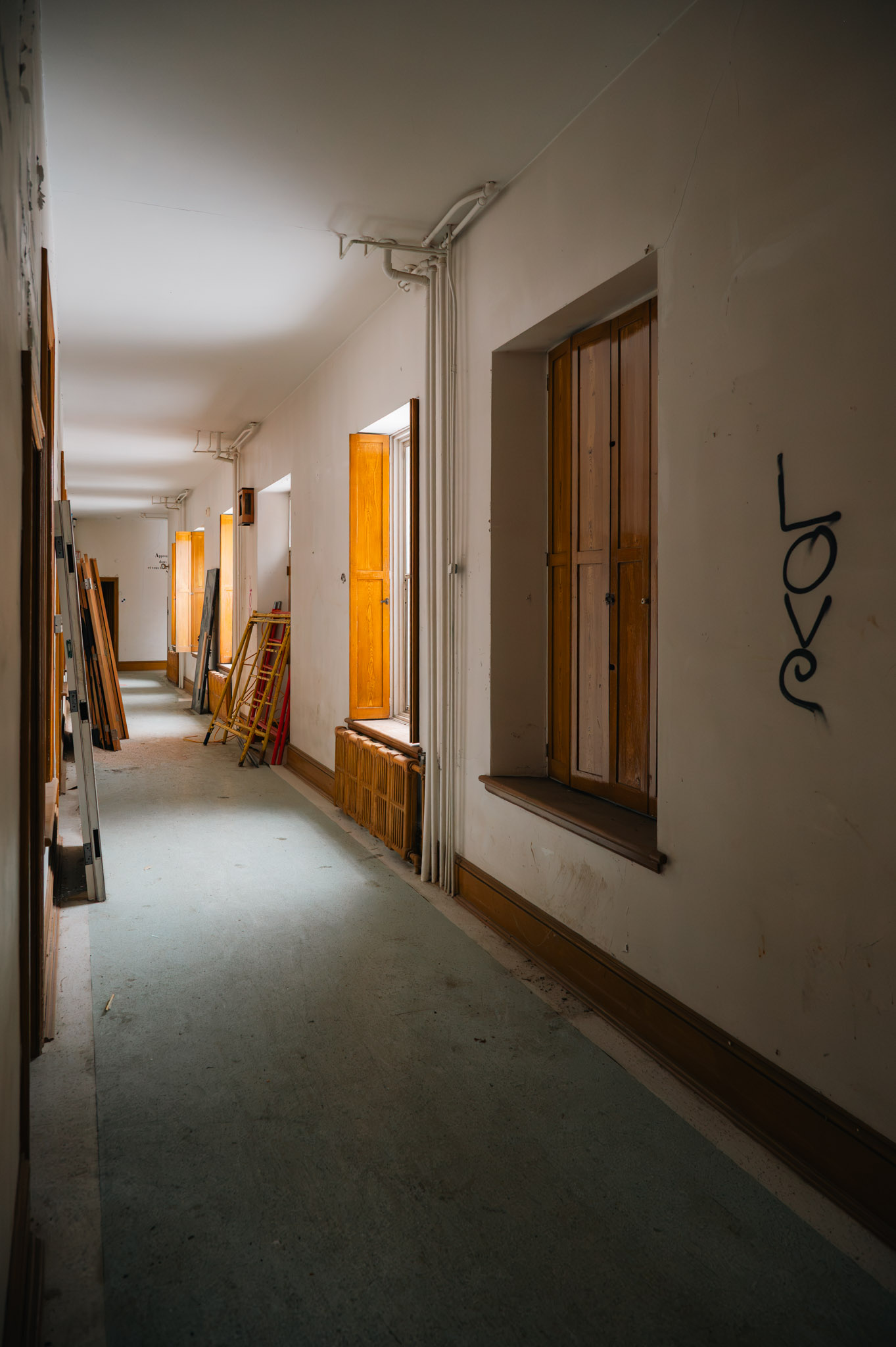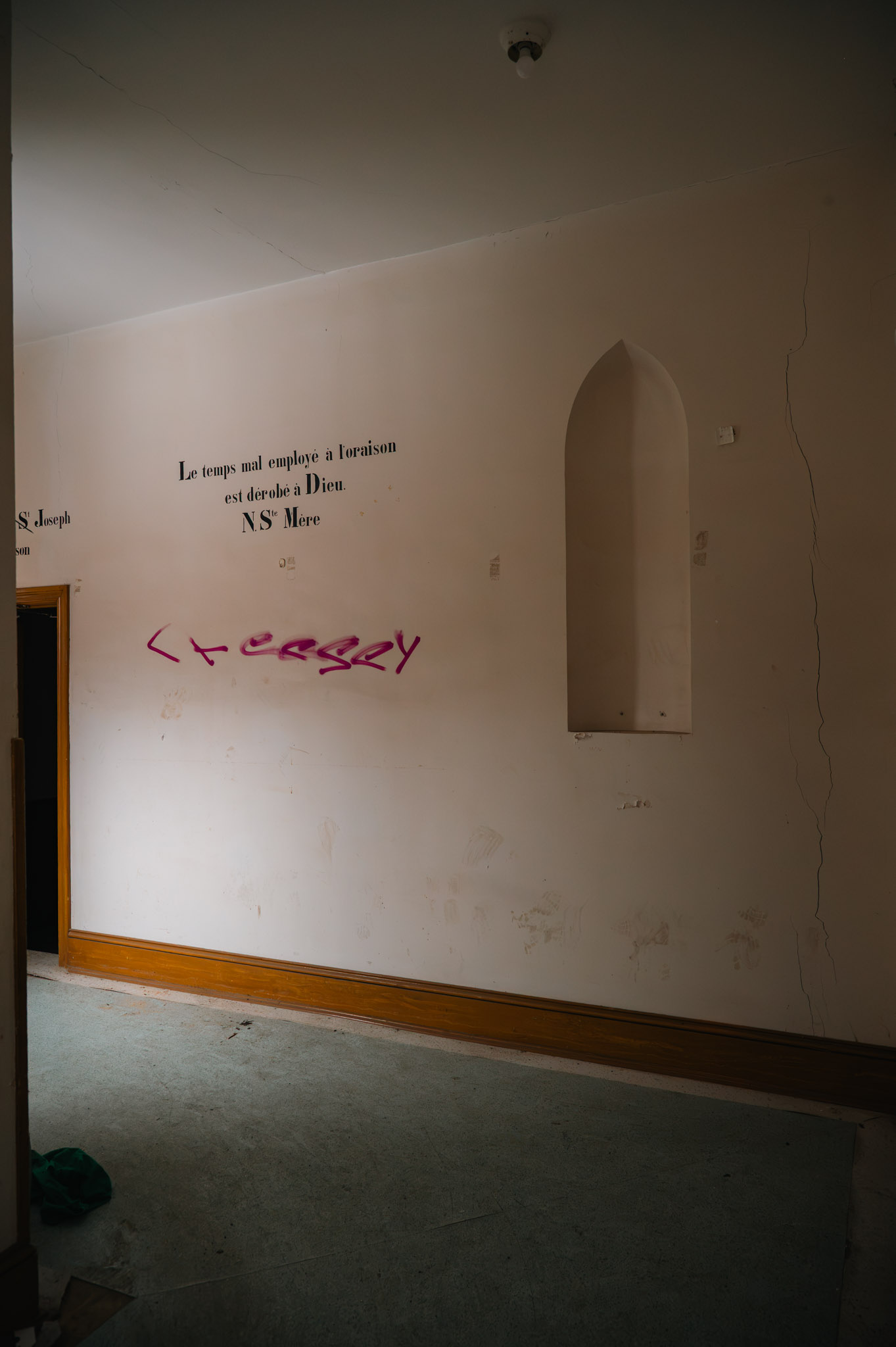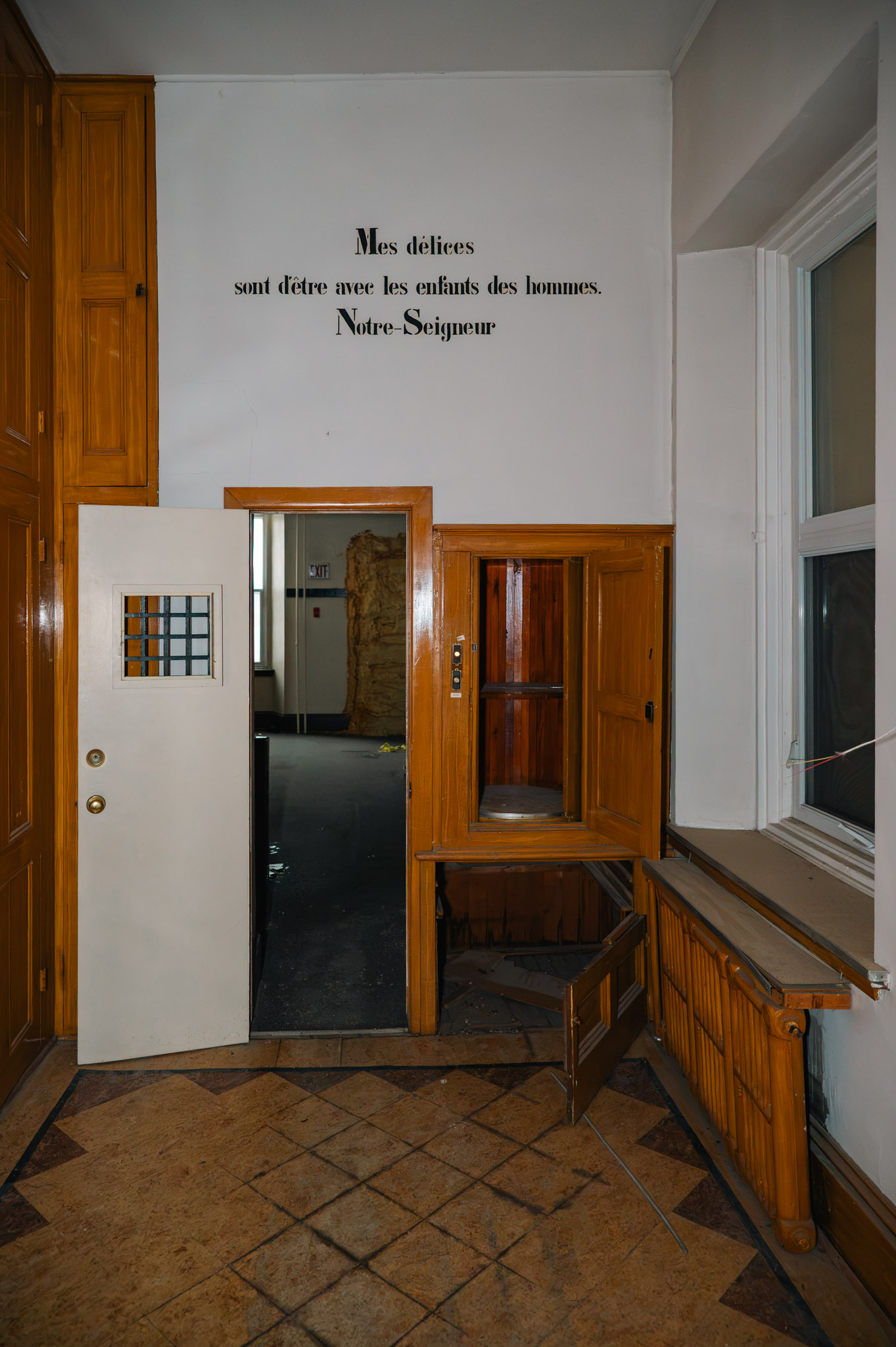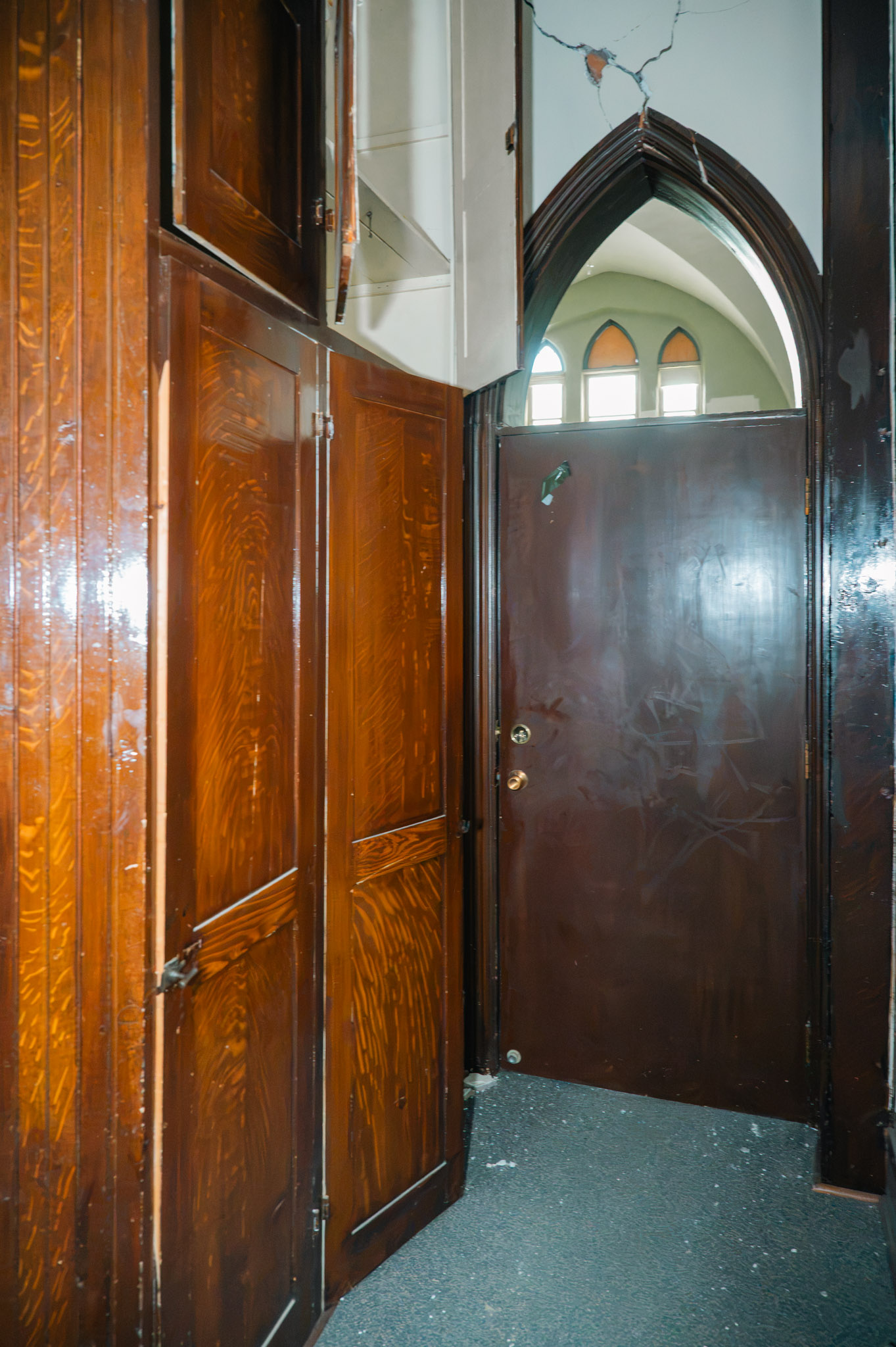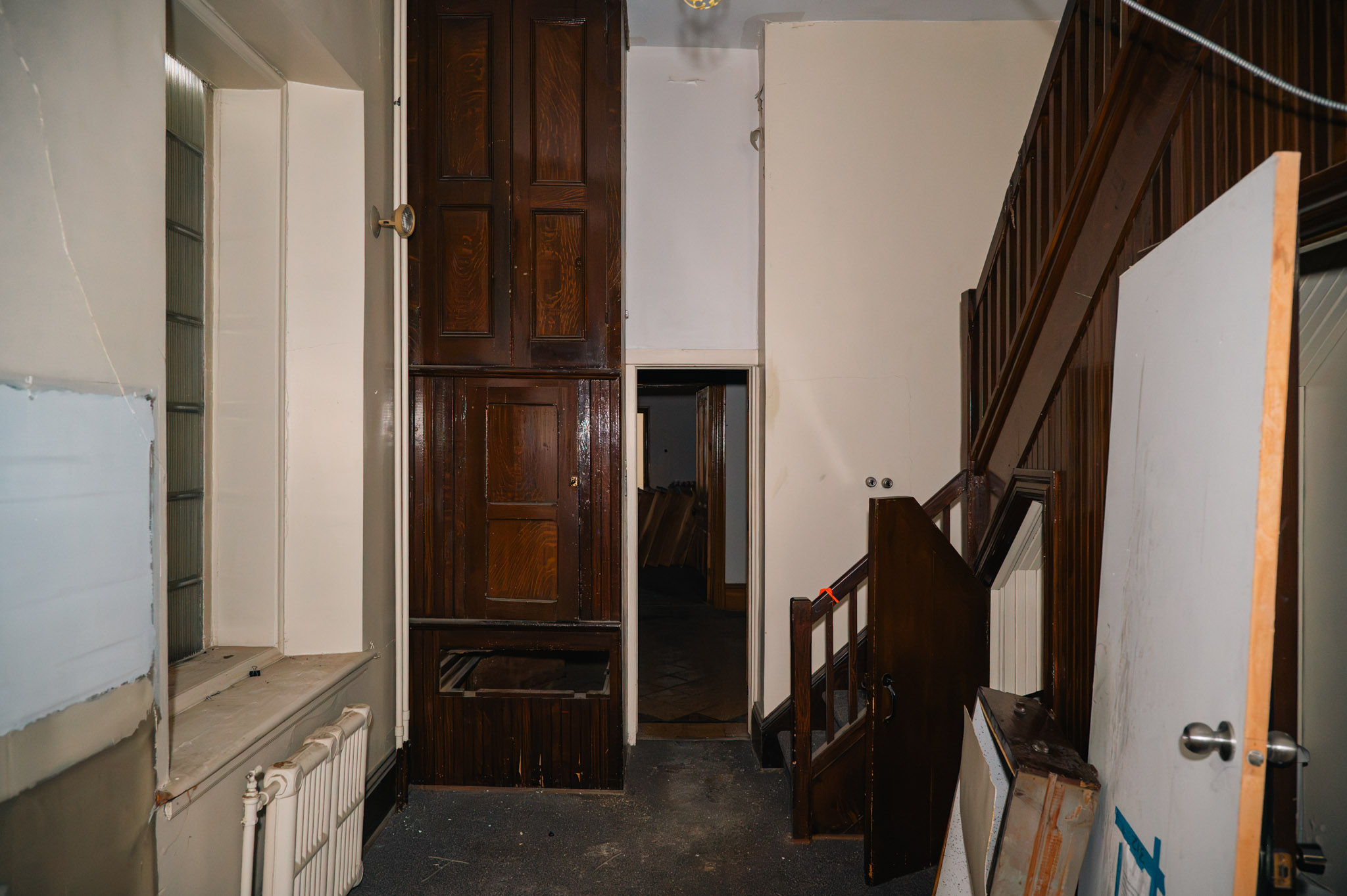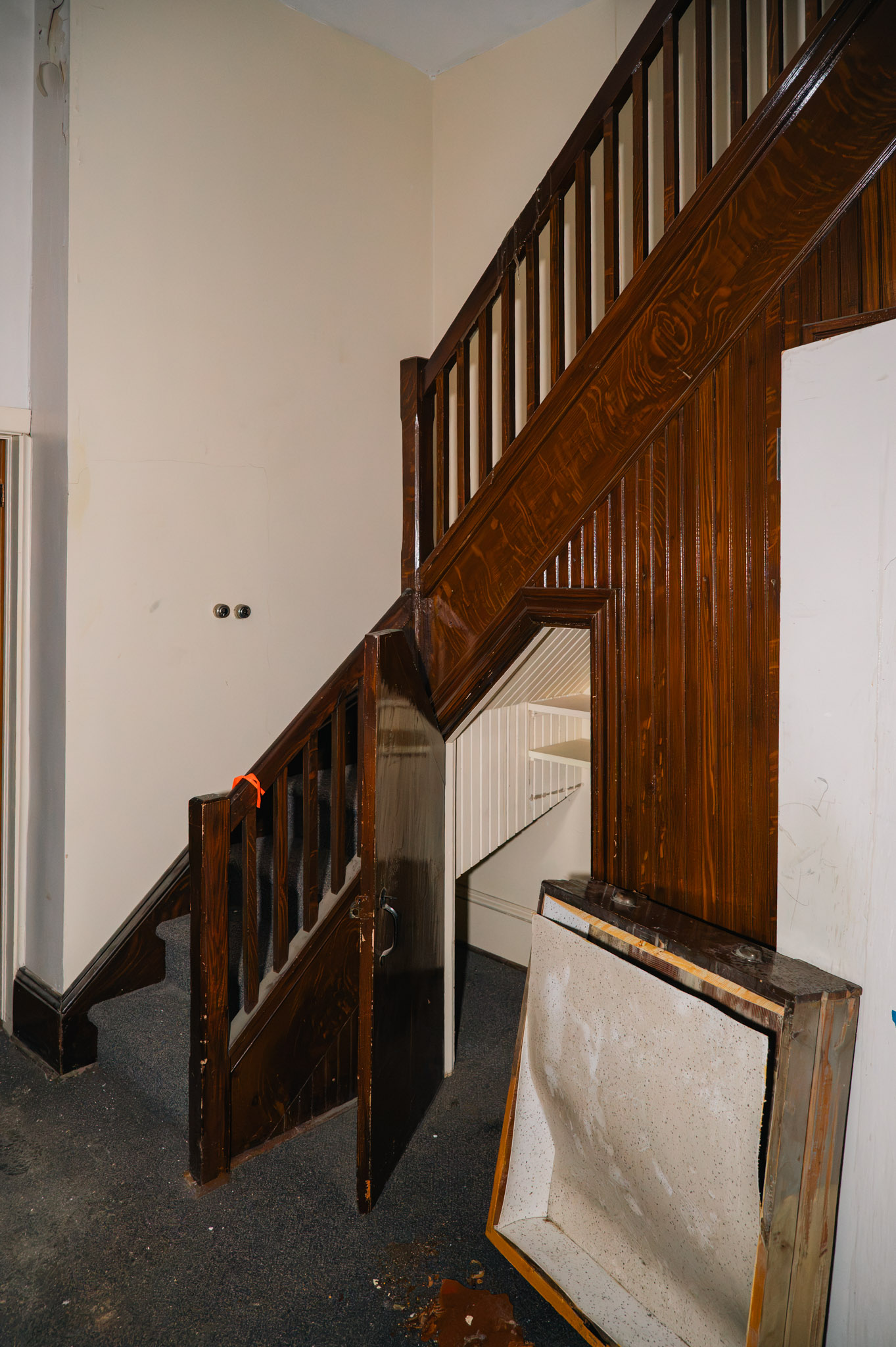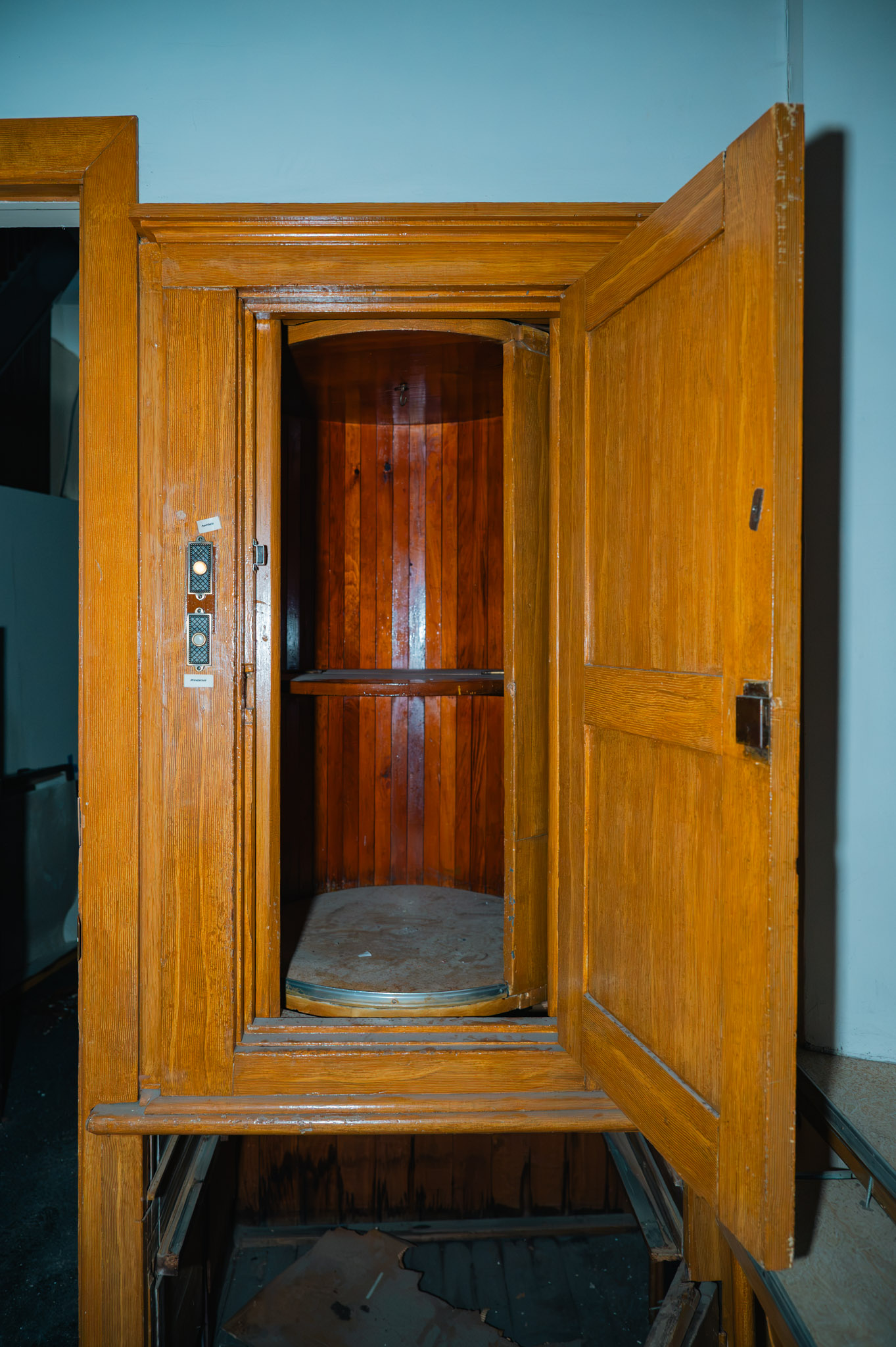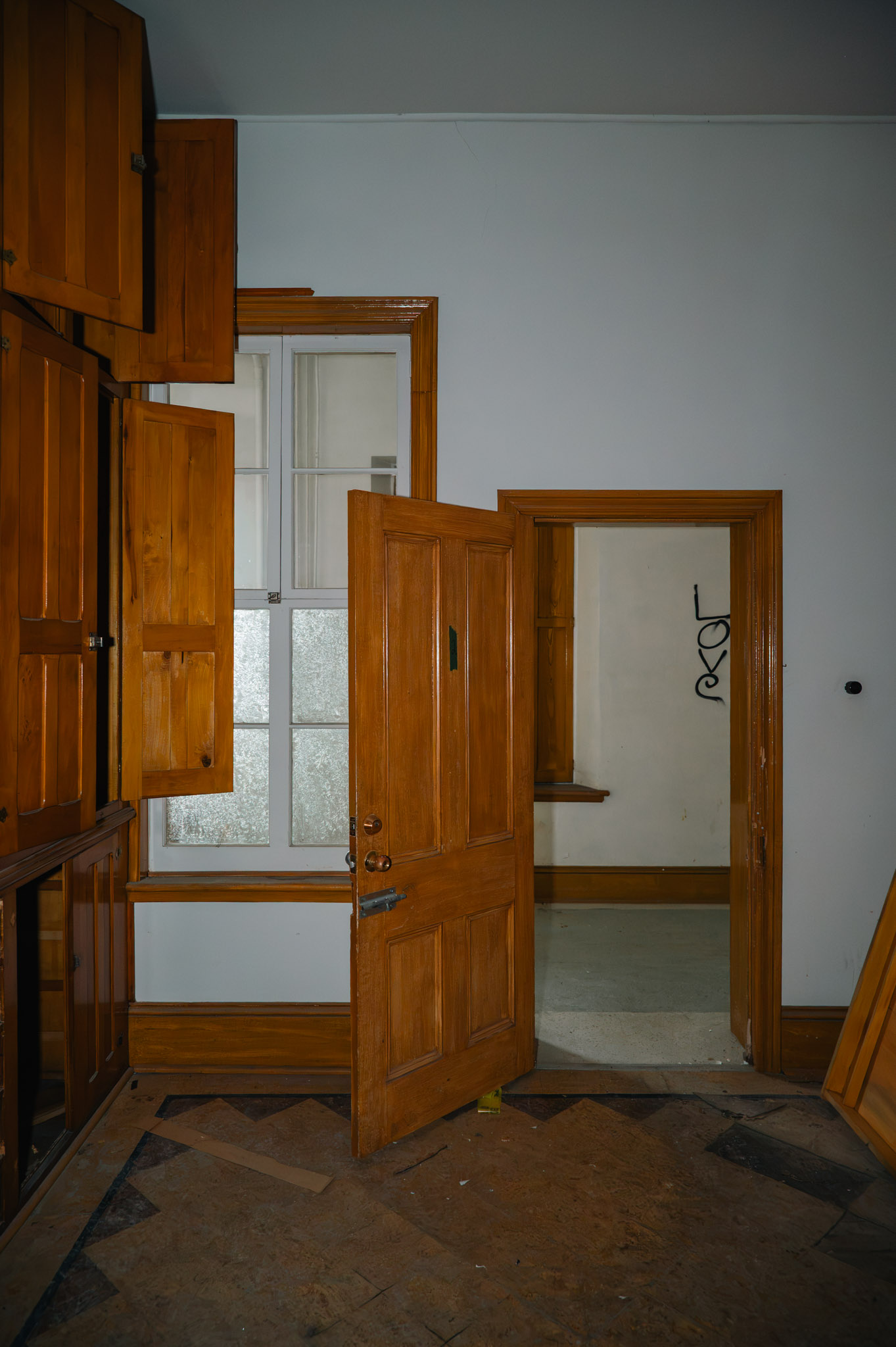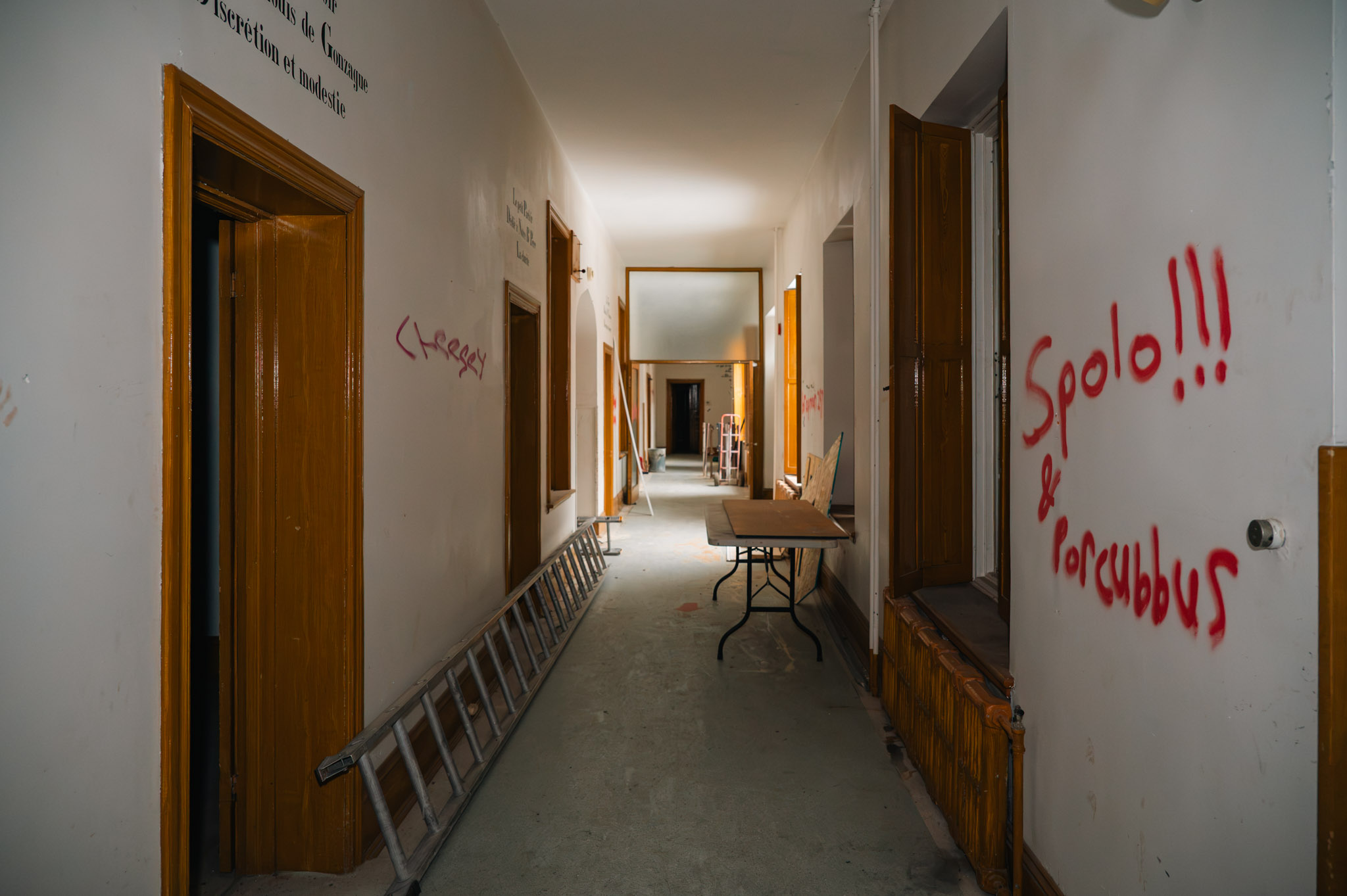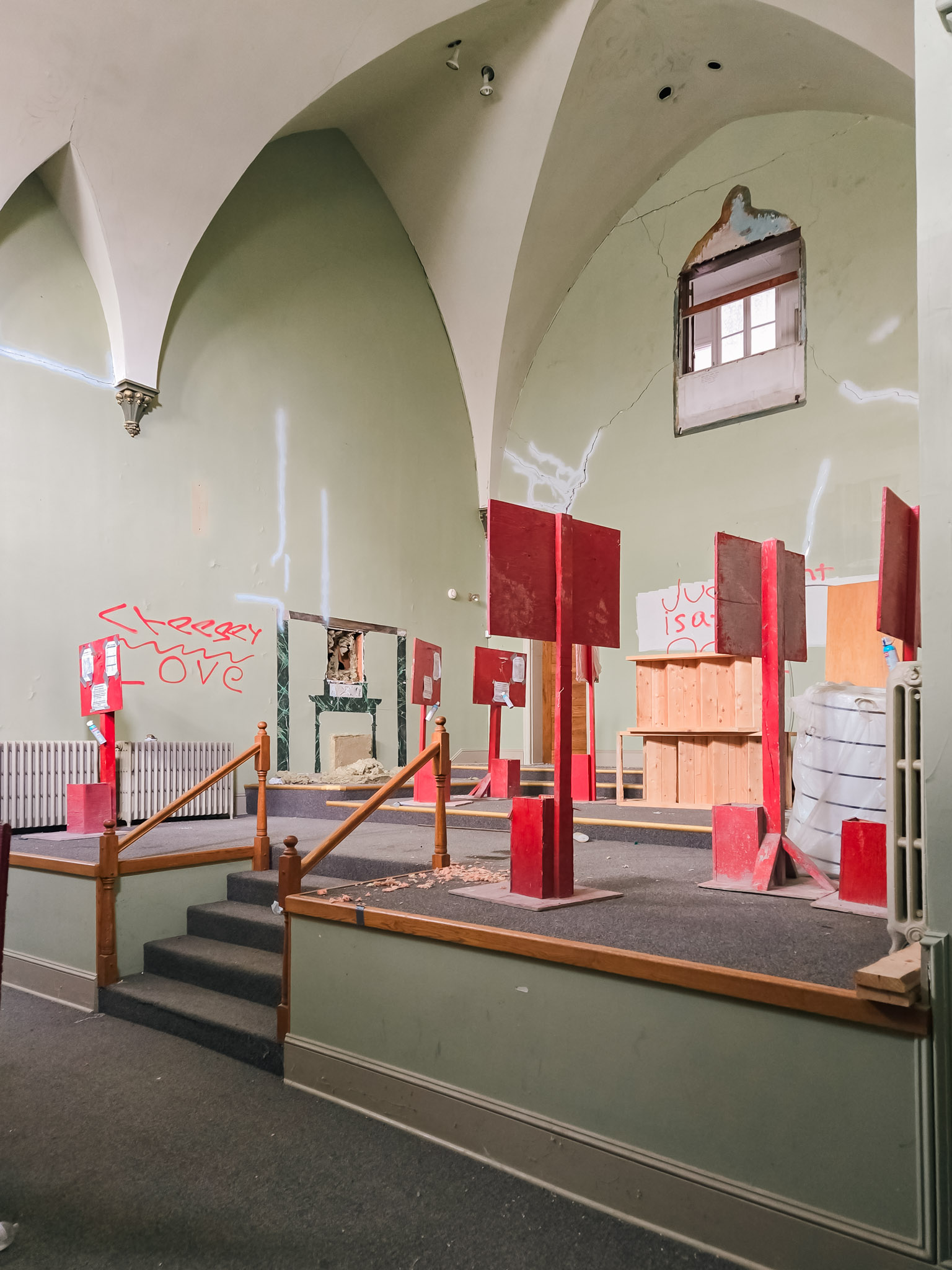
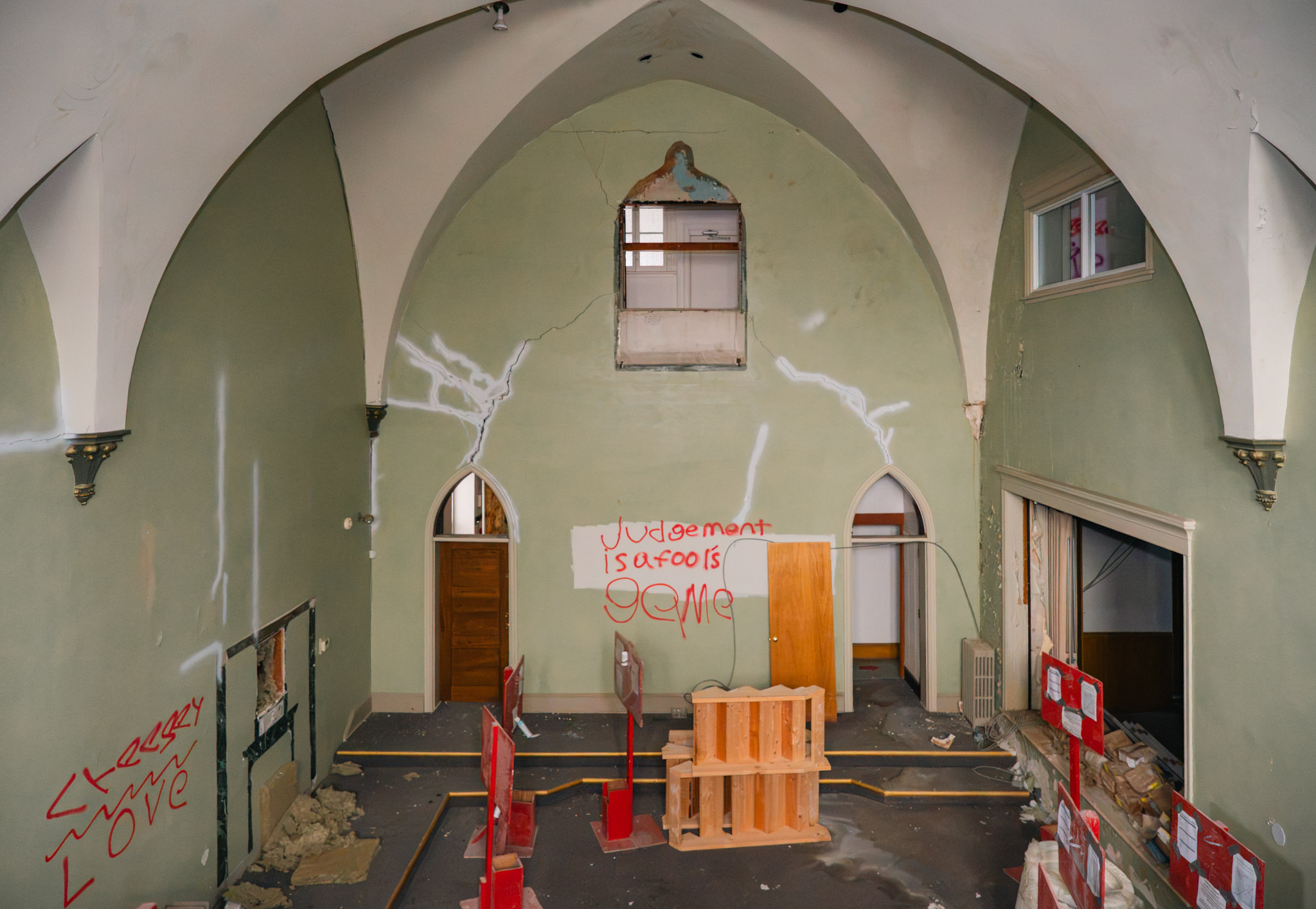
This is a low-effort run and gun scout of an abandoned convent that I got into earlier this year while on a solo road trip.
On one side, glass towers rise and traffic hums. On the other, a building that has spent more than a century and a half quietly turning in on itself.
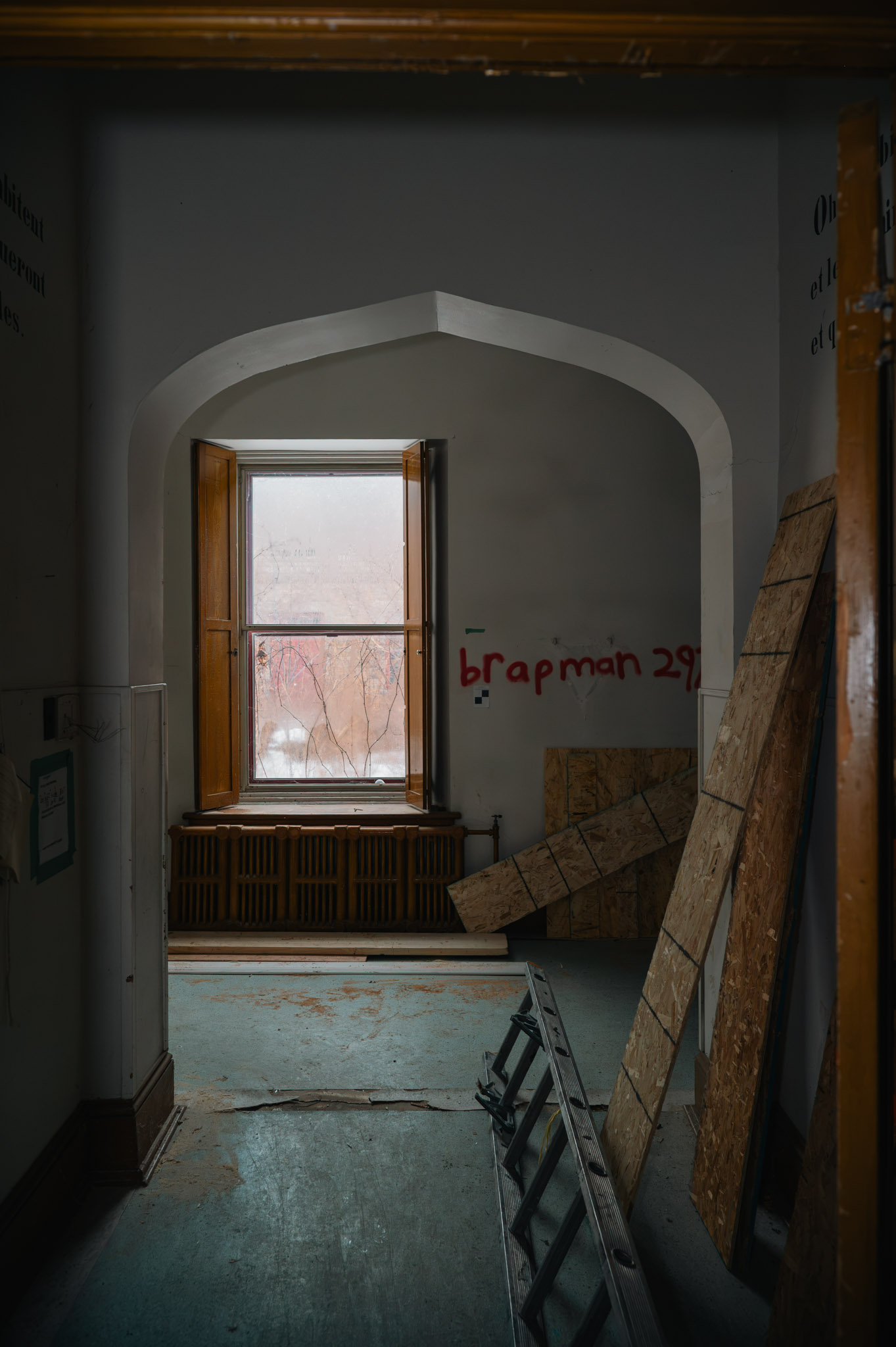
It began in the 1860s as a country mansion, Gothic and stately. Pointed gables, tall windows, the kind of home built by men who expected their names to last. Back then this road was lined with estates like it. Lumber barons and politicians looked out over open fields and imagined the city that would one day grow around them.
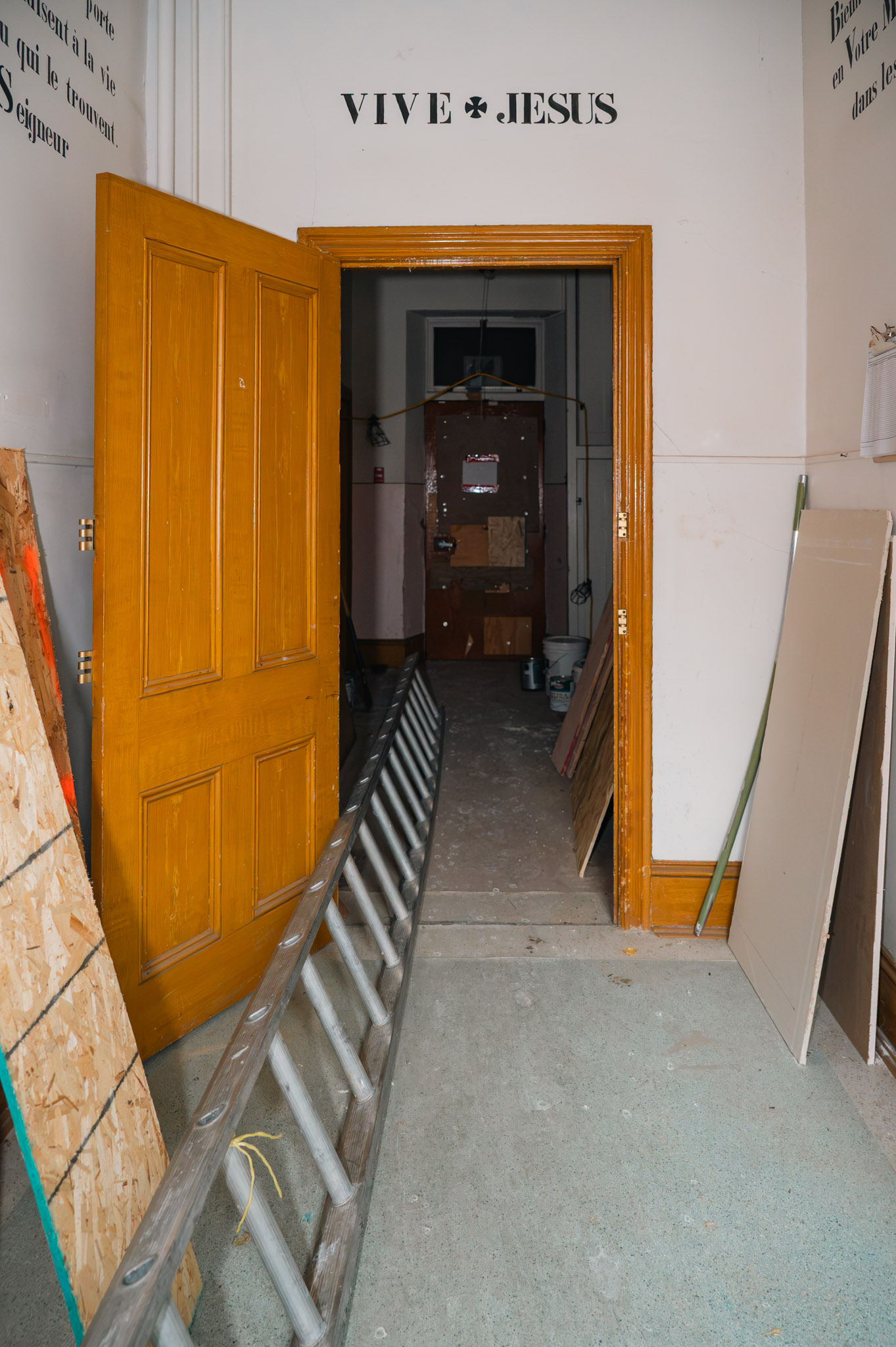
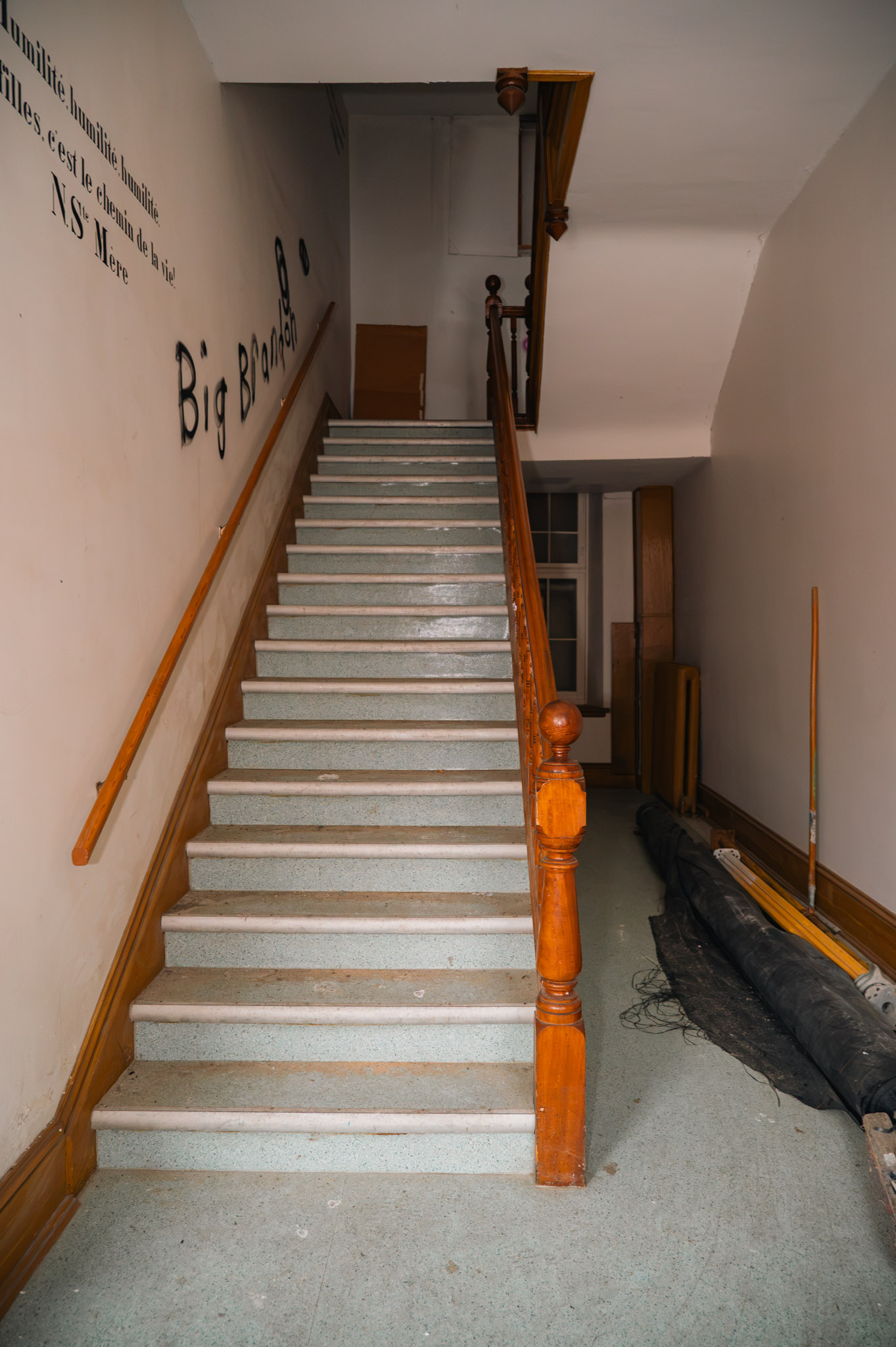
Then, just before the First World War, the house changed hands one last time. A cloistered order of nuns arrived and made it their monastery. They added wings of stone and a chapel, and raised the walls higher. For generations, the women inside lived lives of silence and prayer, sealed off from the world just beyond the gate. The city grew up around them, and they hardly knew it.
Eventually, the sisters left. The building was protected on paper, promised a new life, a place for the community. Plans were drawn, debated, and fought over. Towers were proposed and rejected. One condo went up beside it. The rest never came.
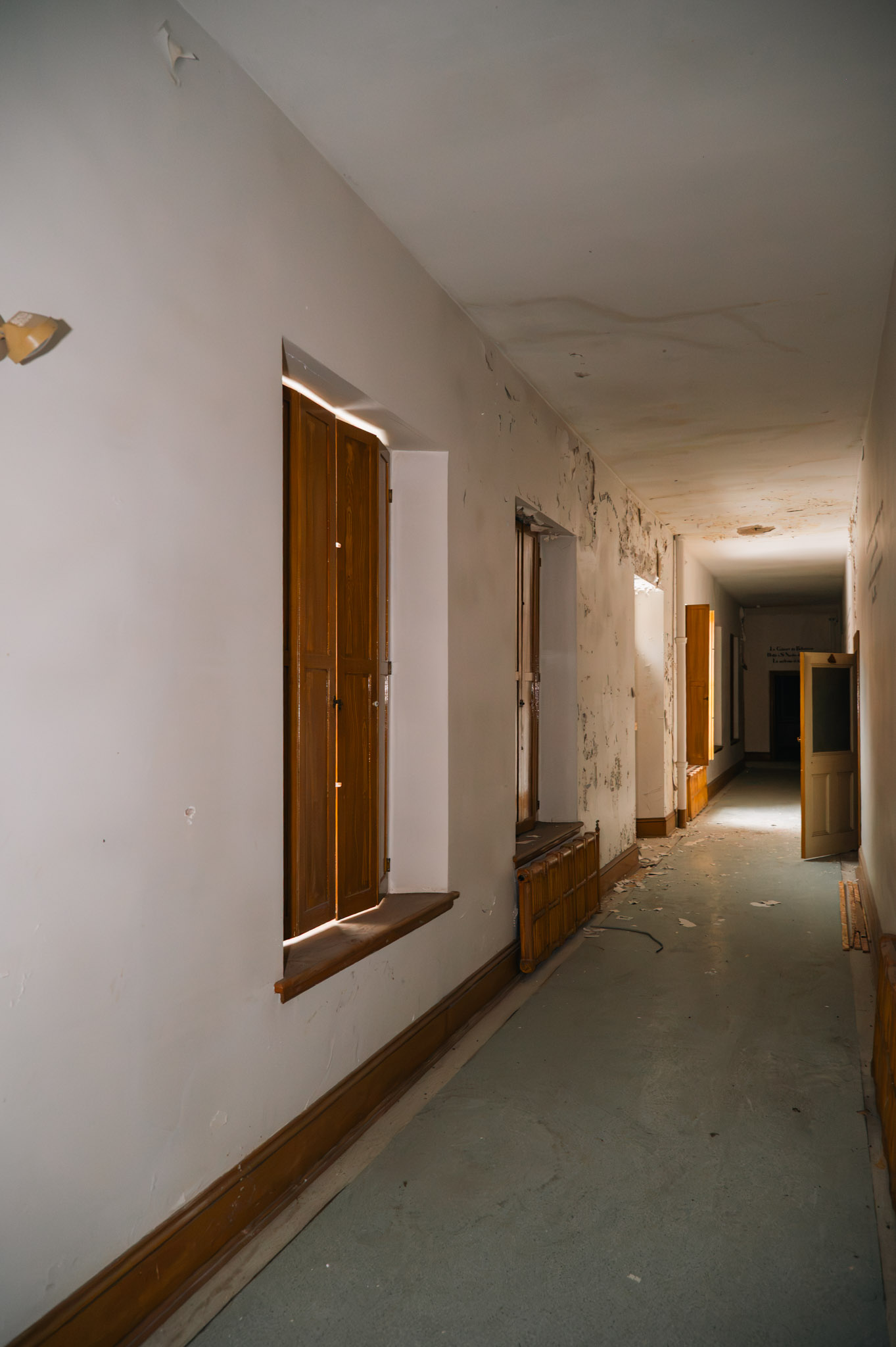
So the monastery waited. Windows were boarded. Paint peeled. Water found its way in. Every winter took a little more.
Today it sits in a strange limbo. It’s too important to tear down and too expensive to save, surrounded by new homes whose residents walk their dogs past it every morning. Most of them never wonder what happened here.
But the walls remember. The chapel remembers. And for now, at least, this quiet place still stands. It’s a monastery without its nuns, a mansion without its family, holding on.