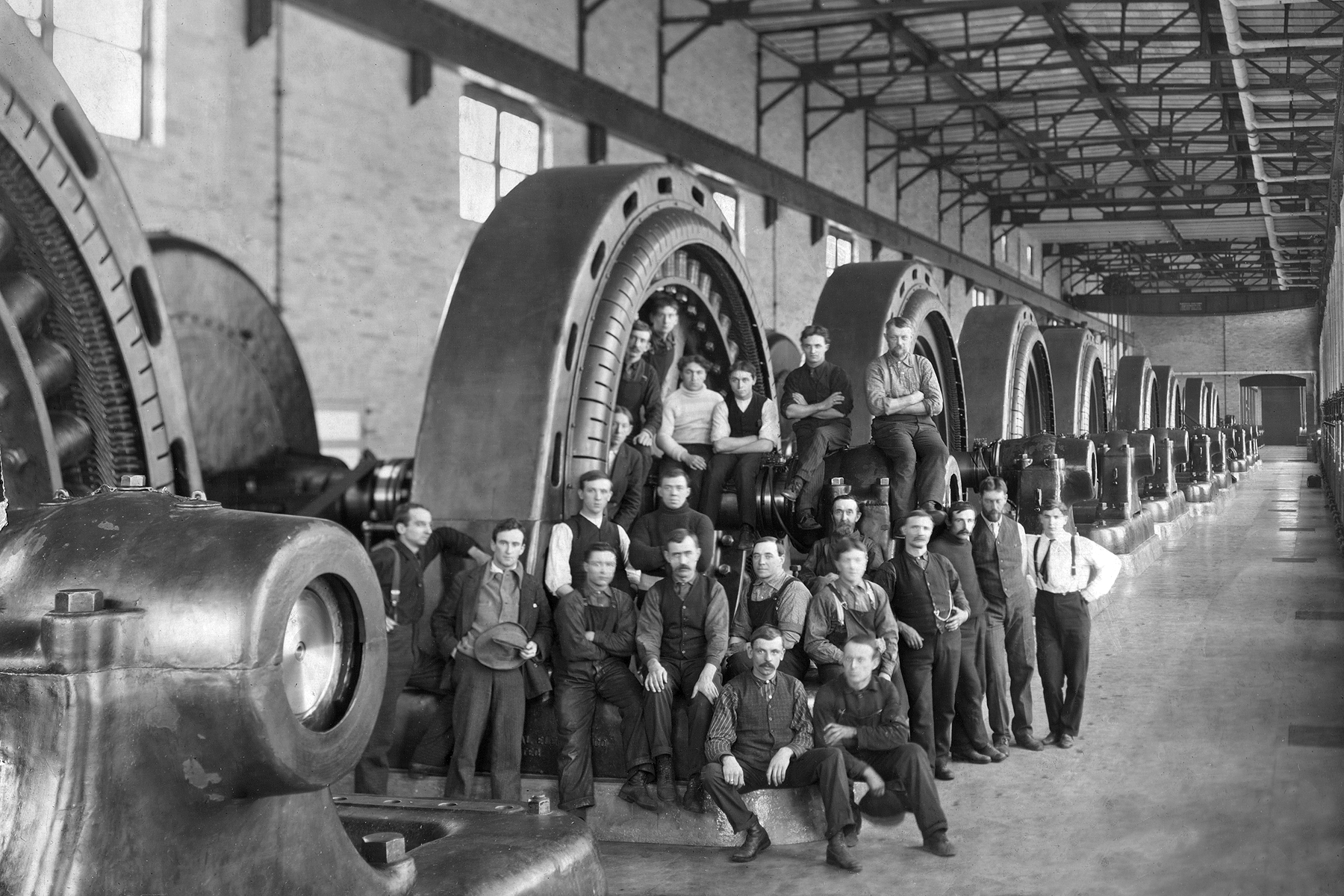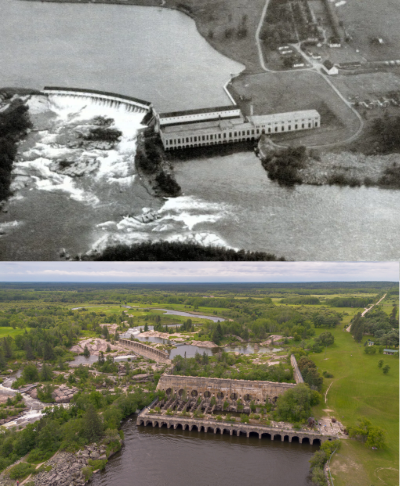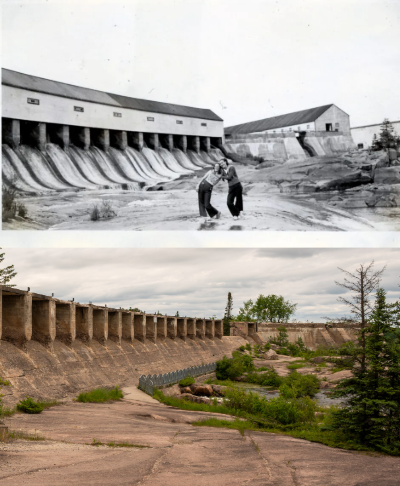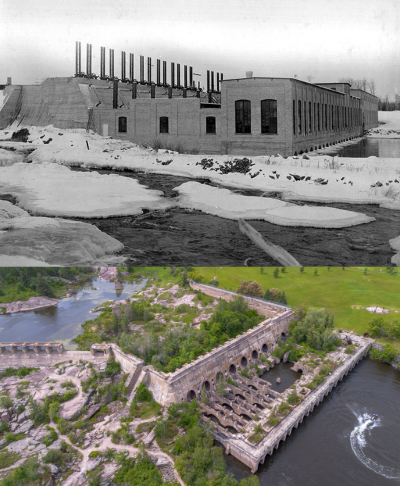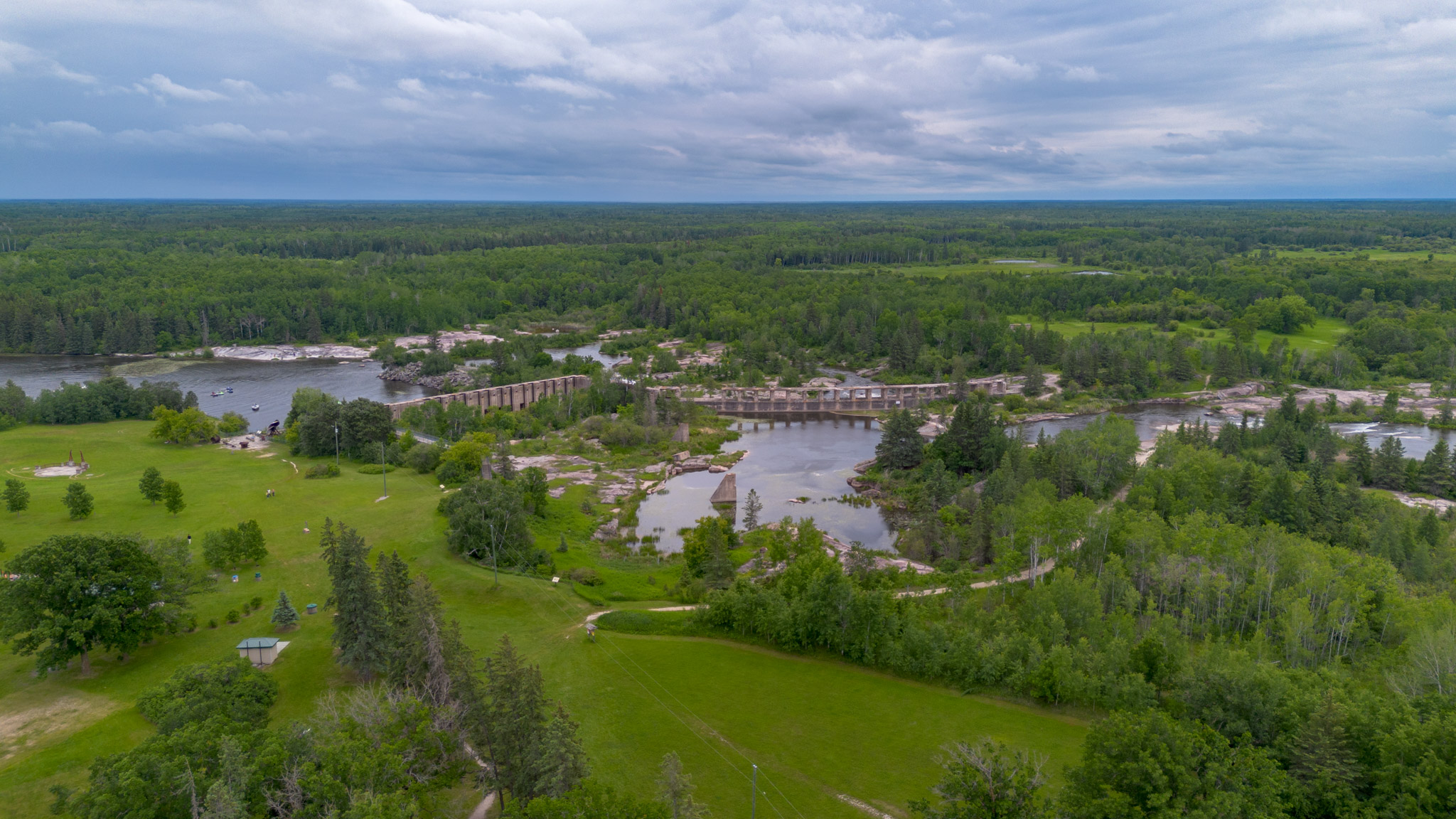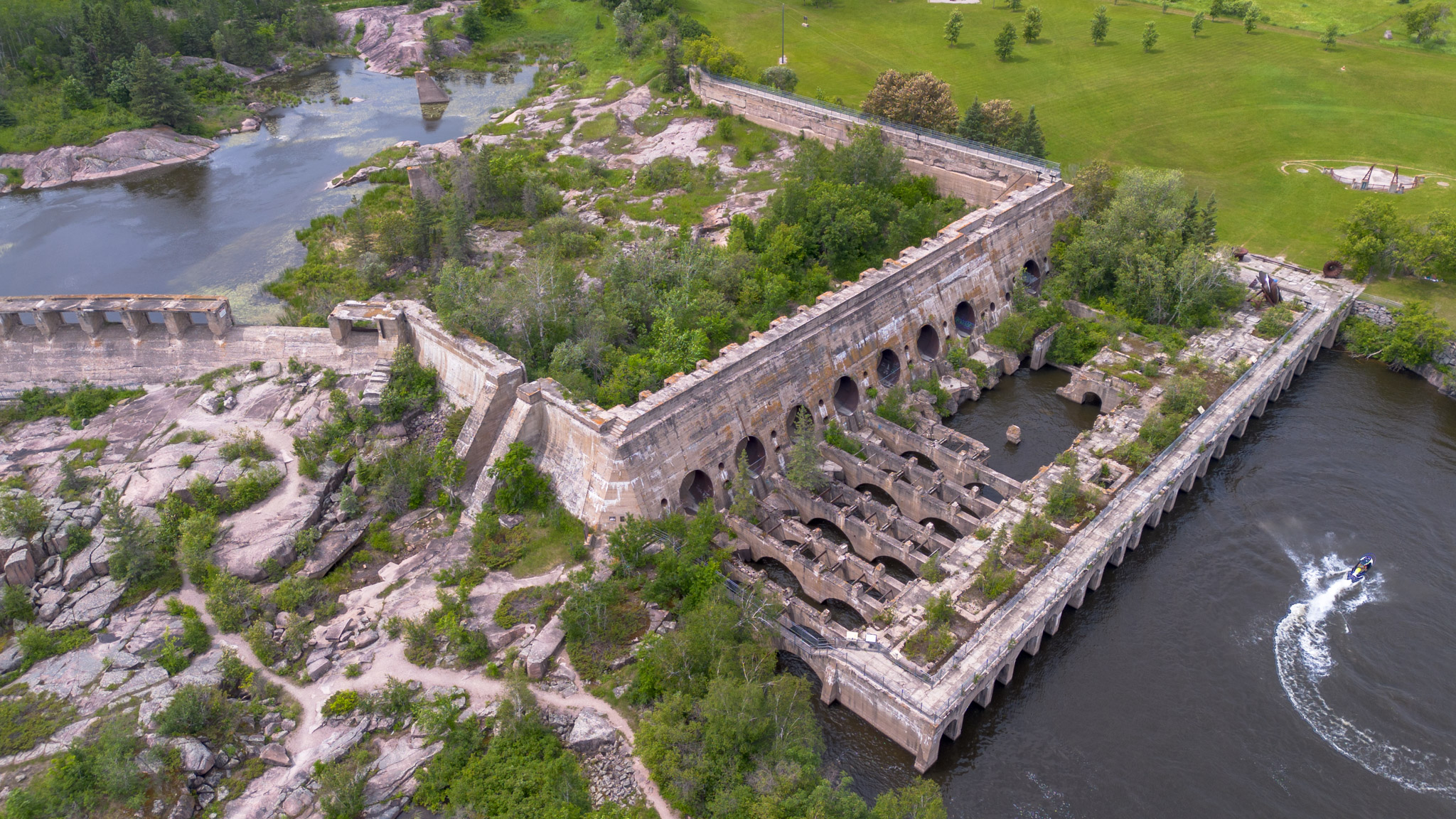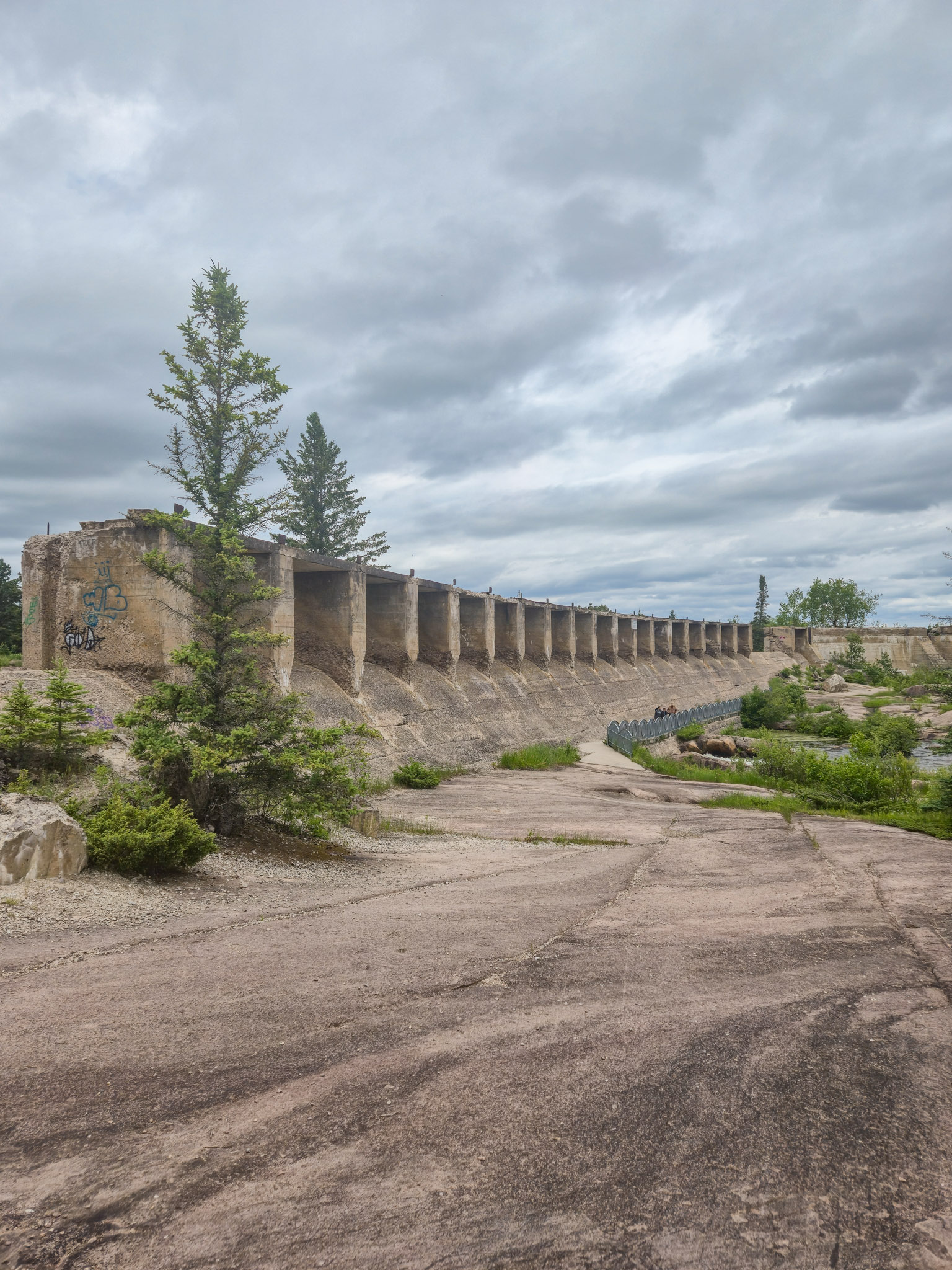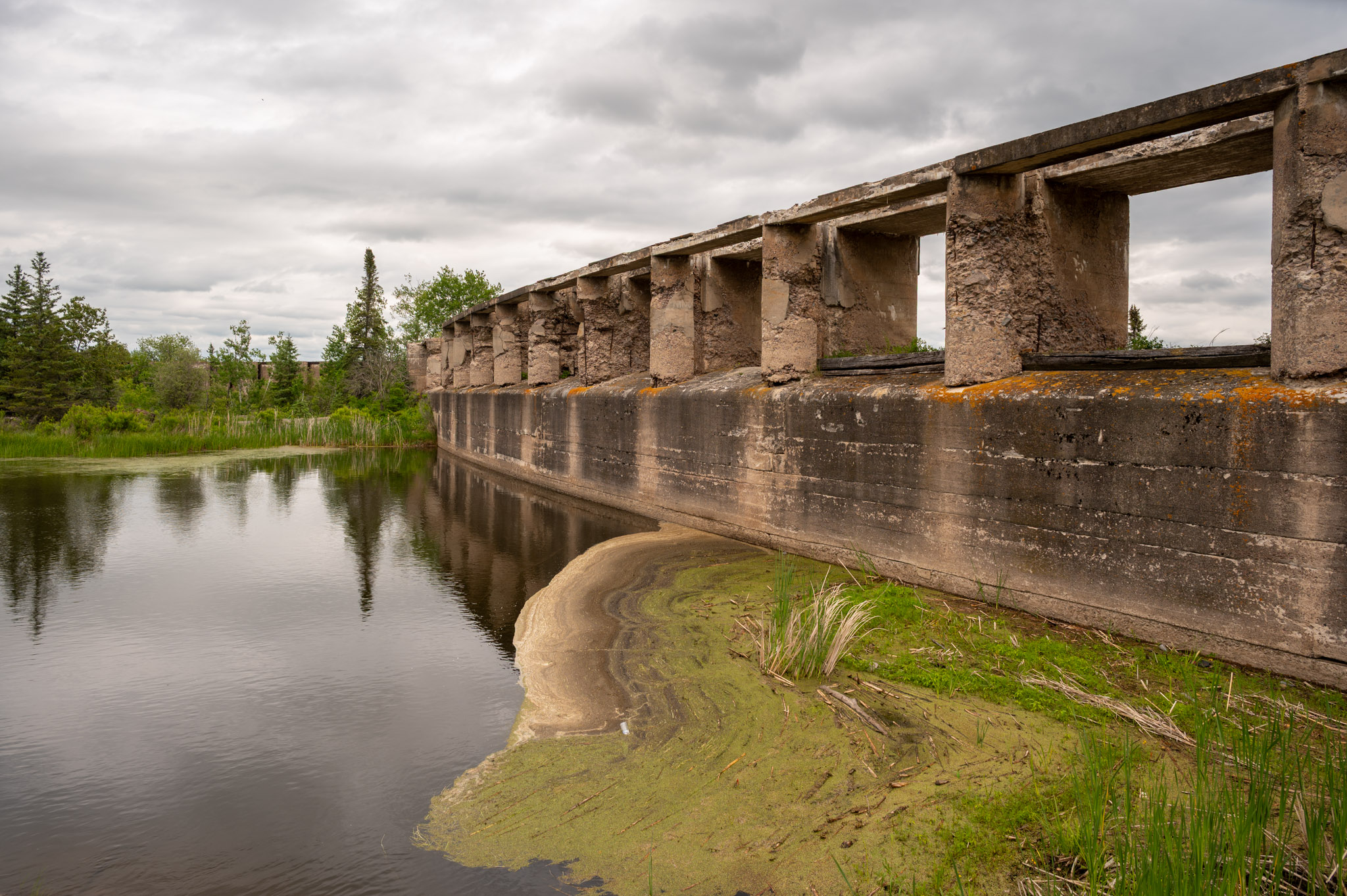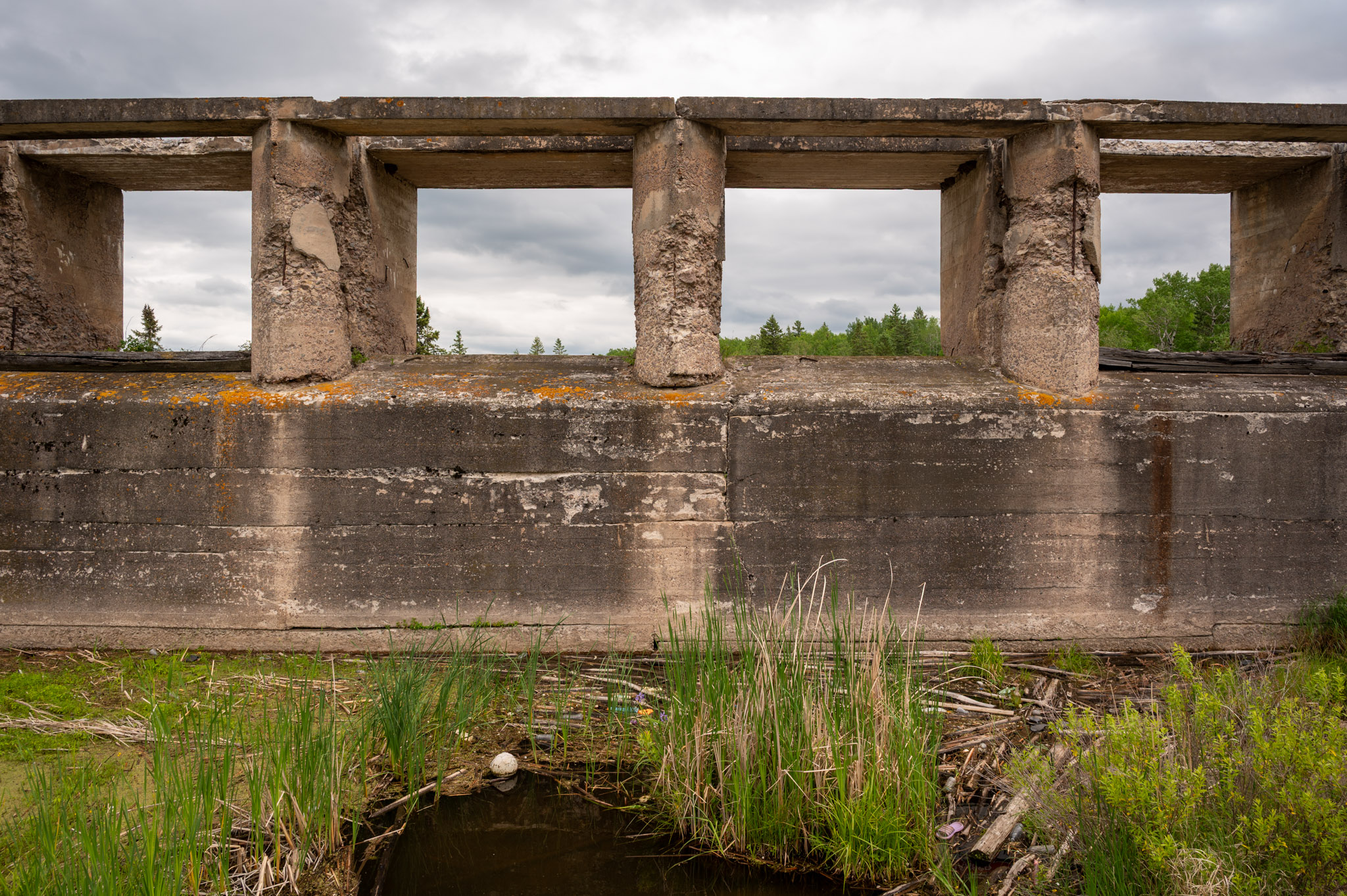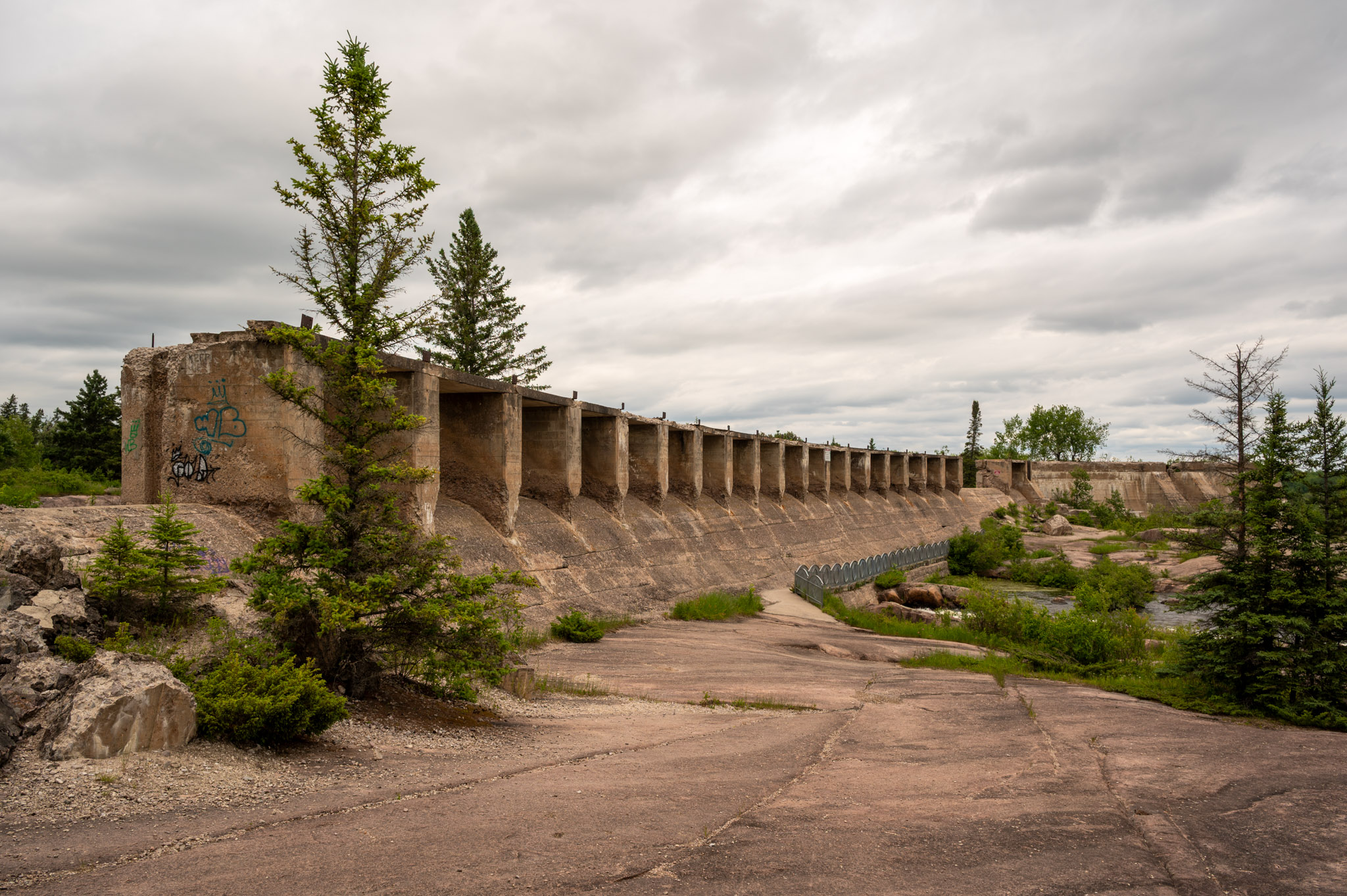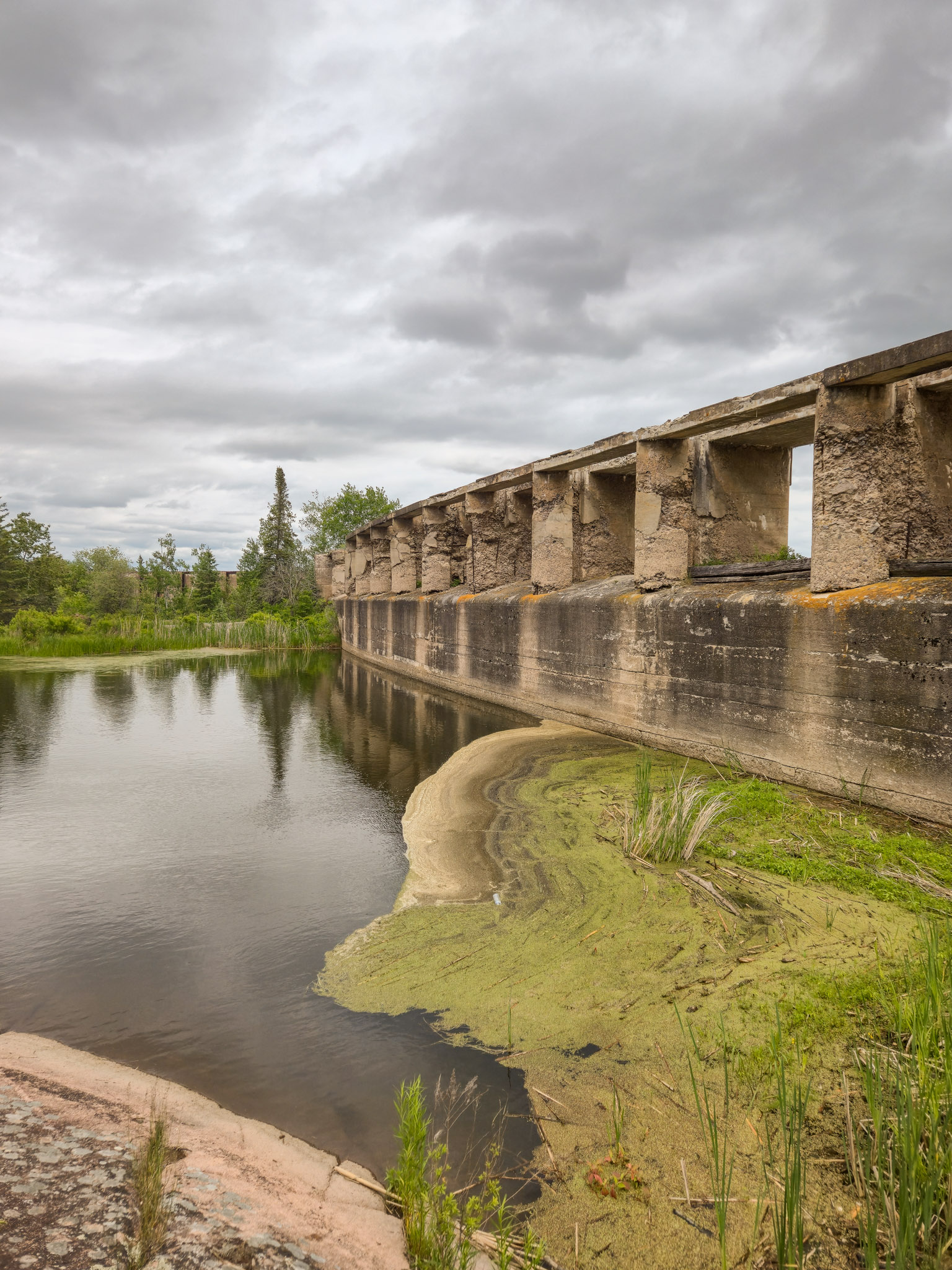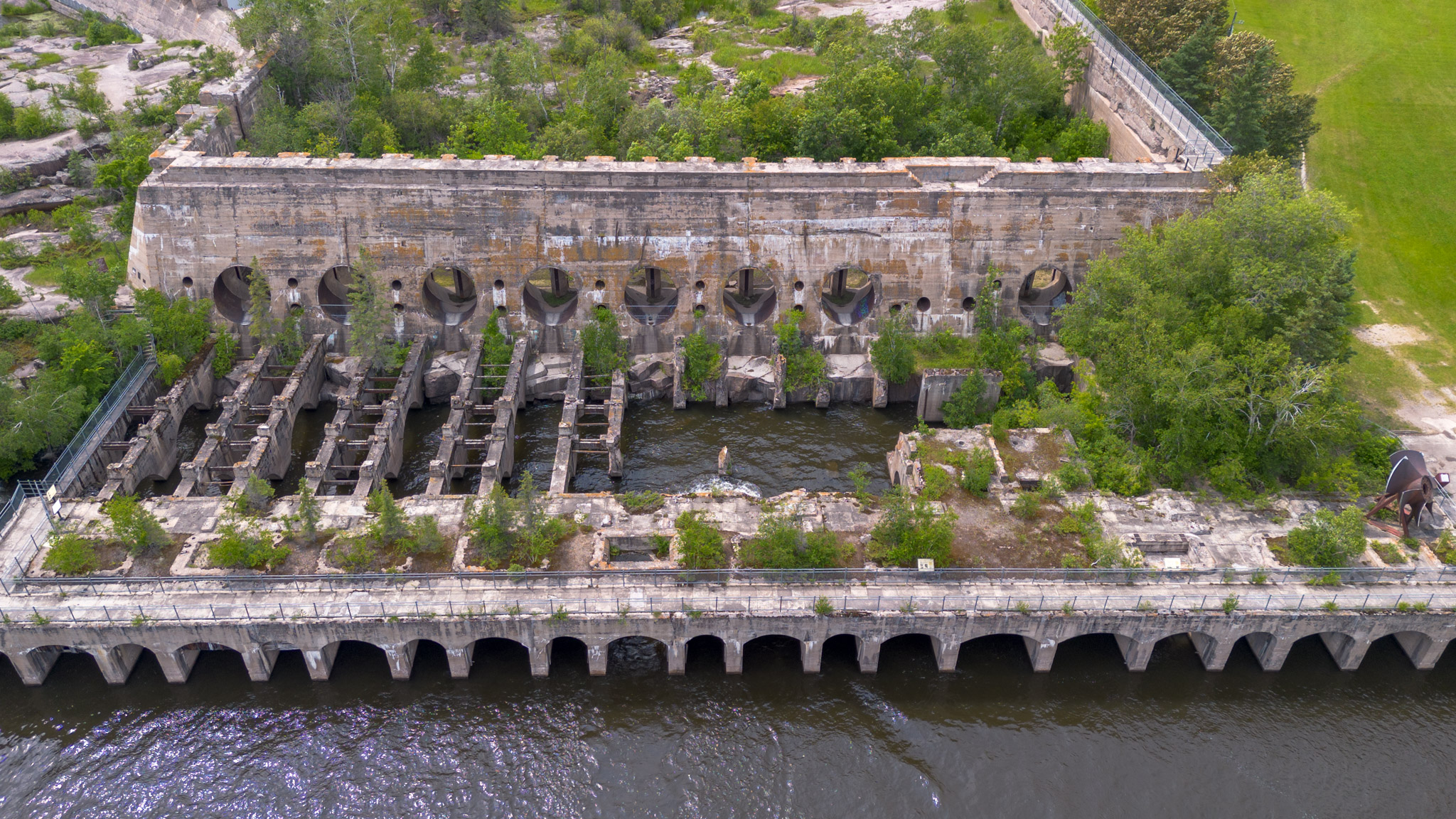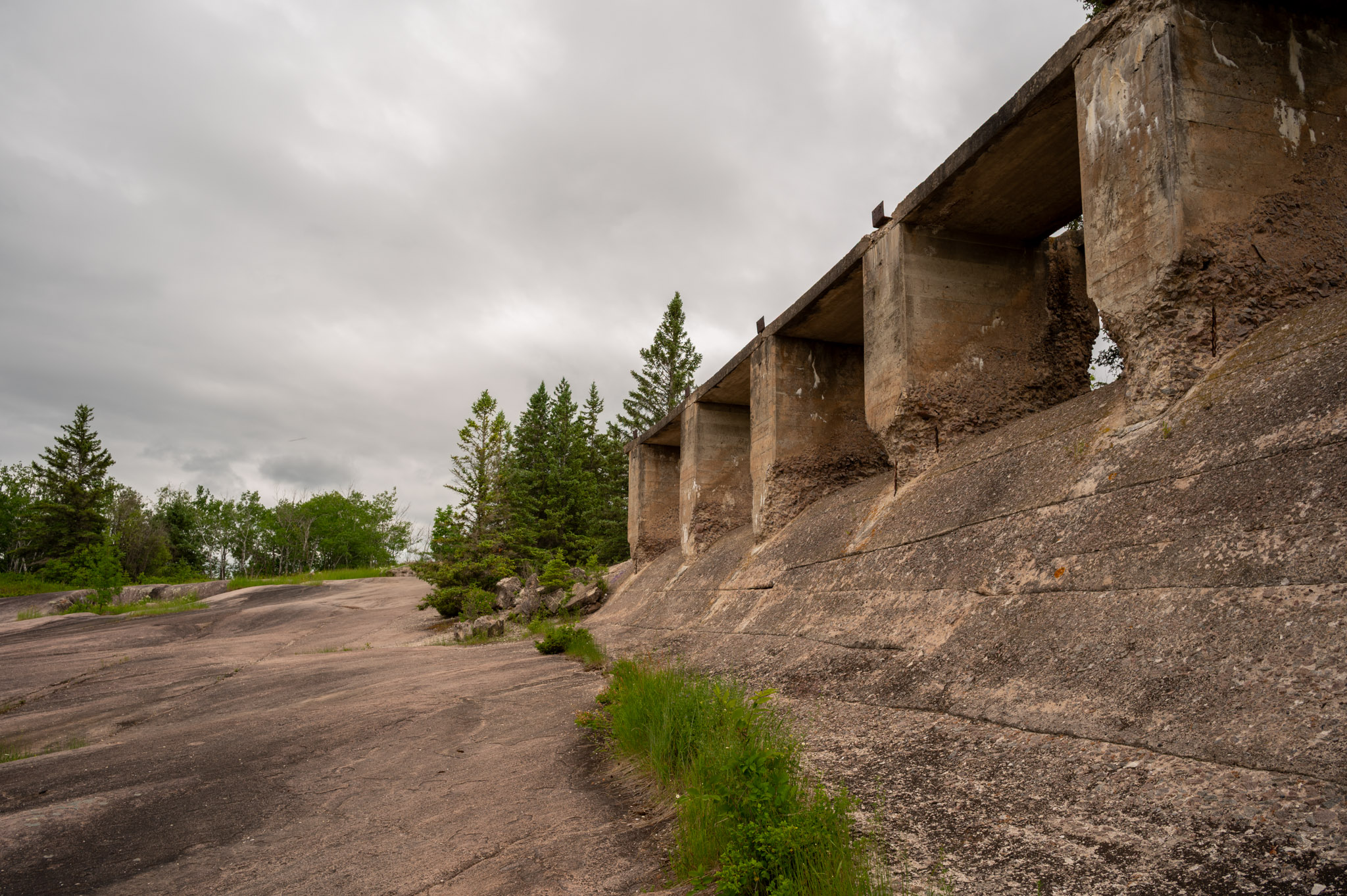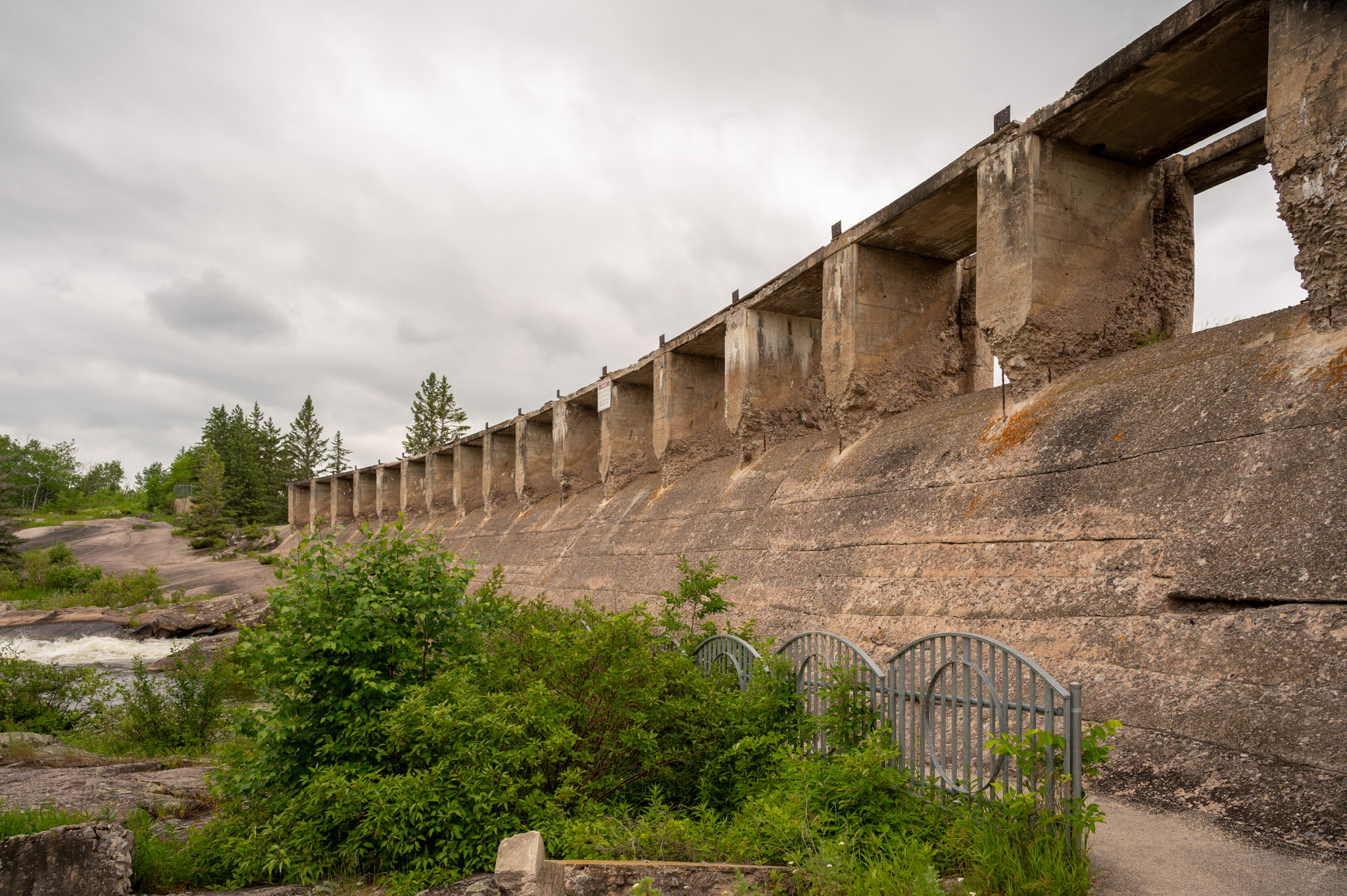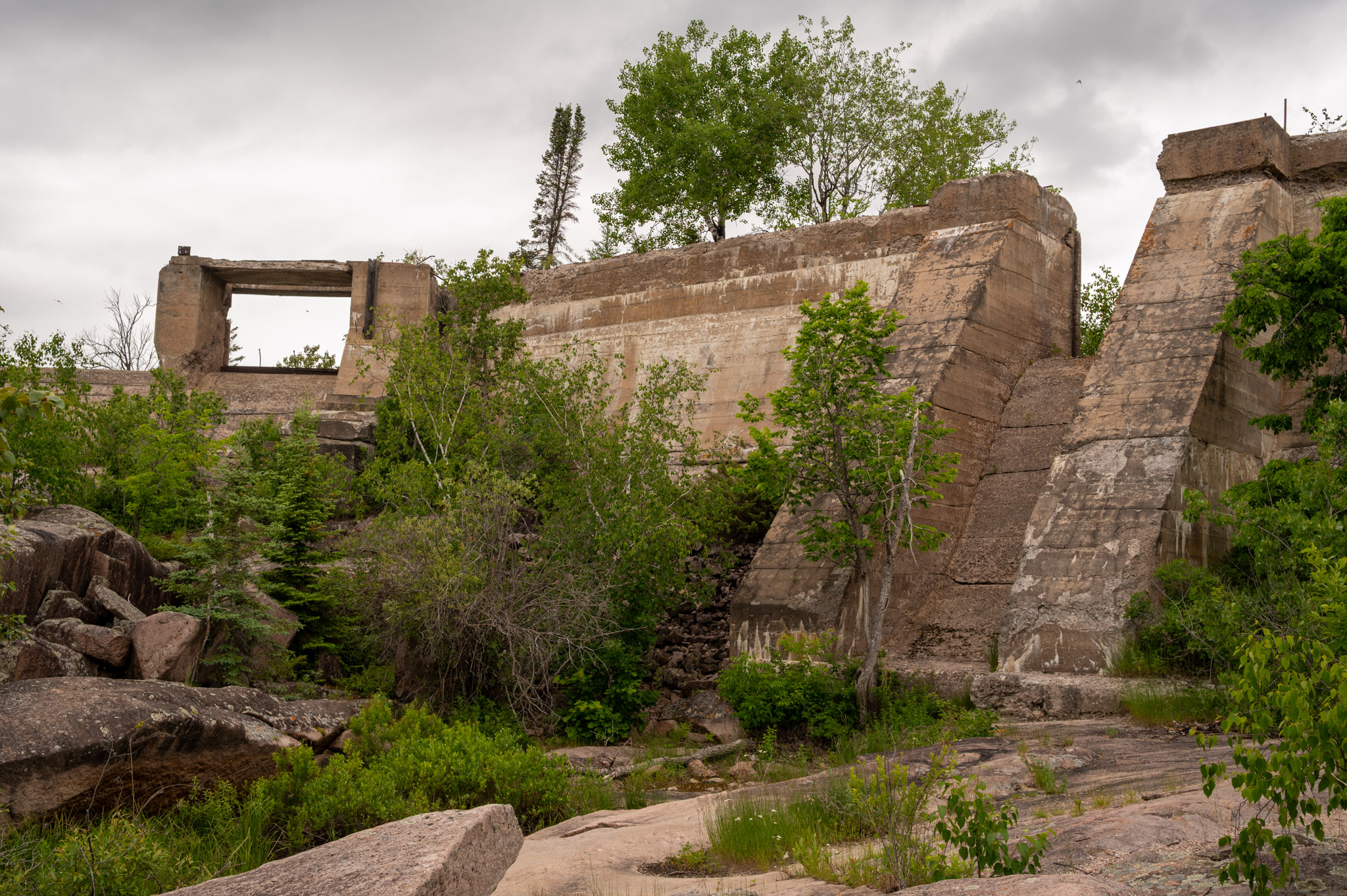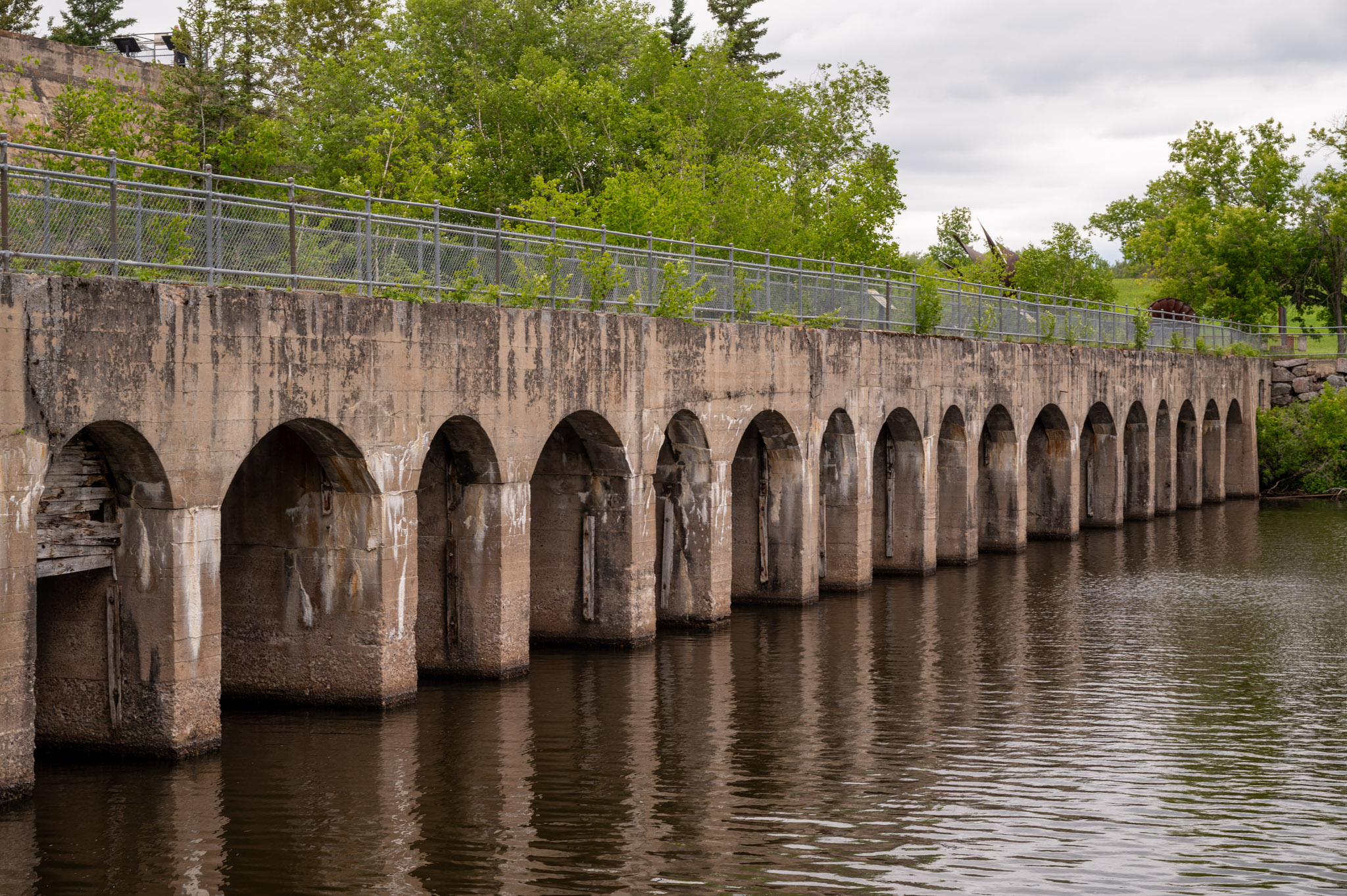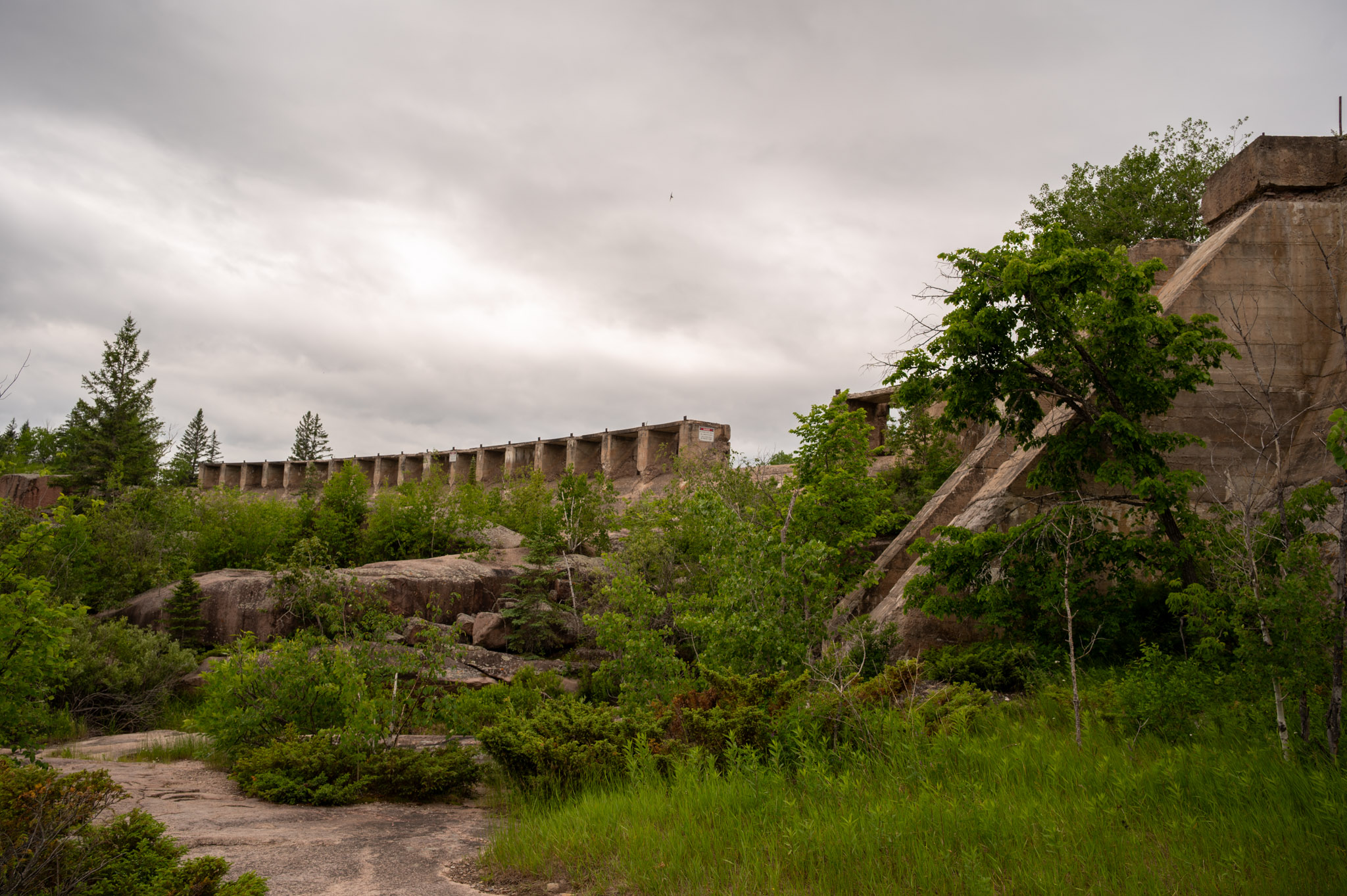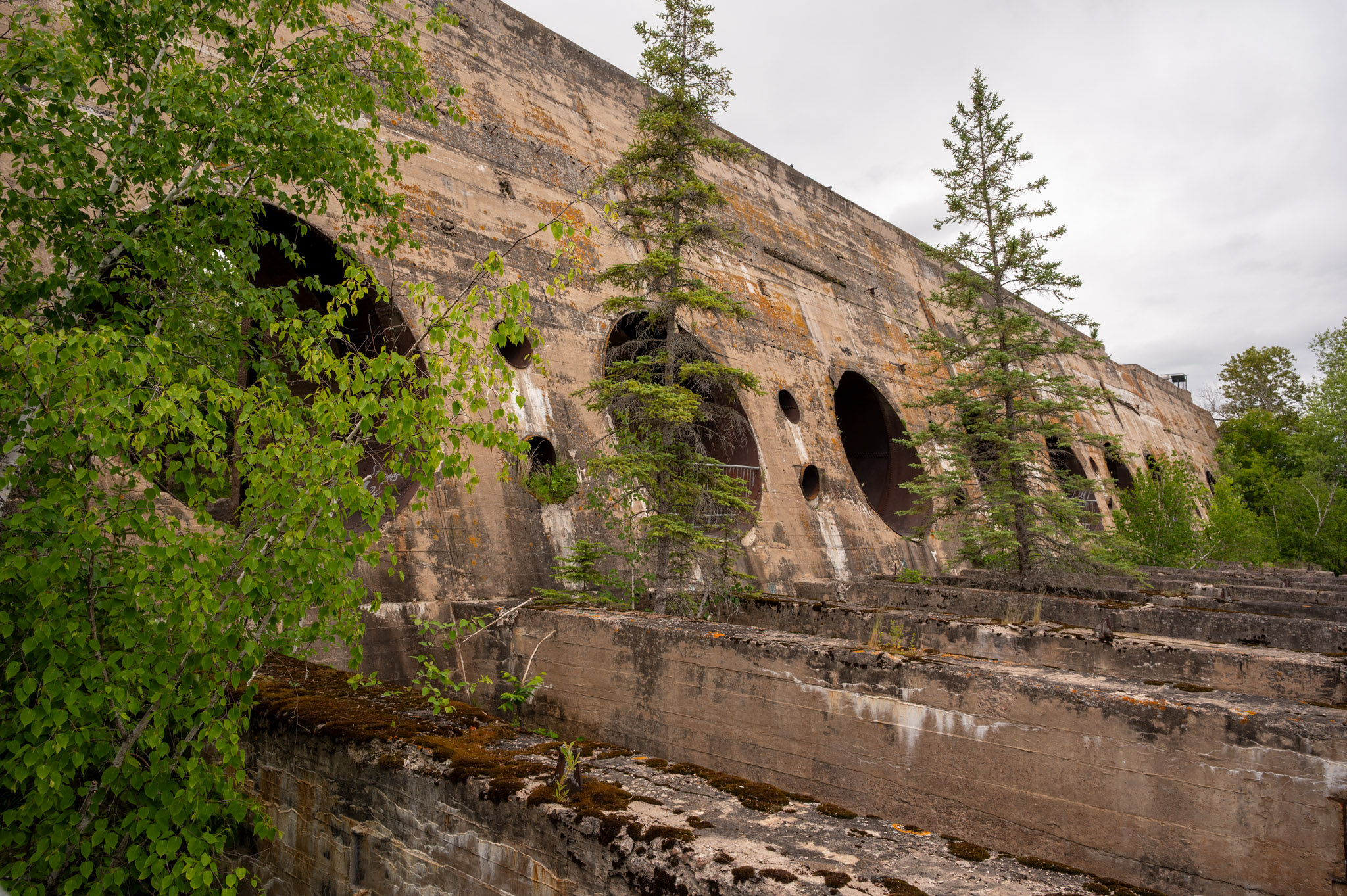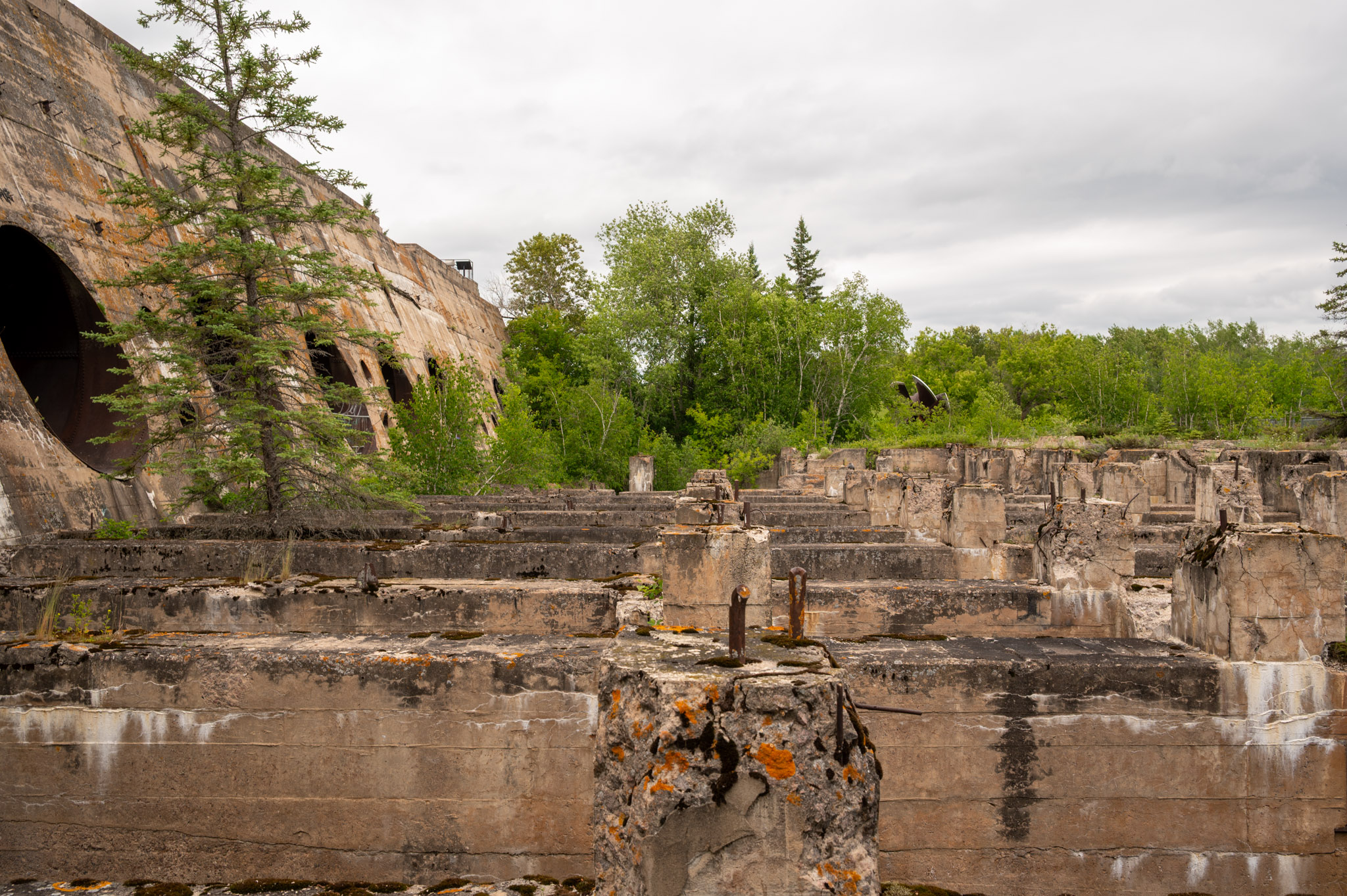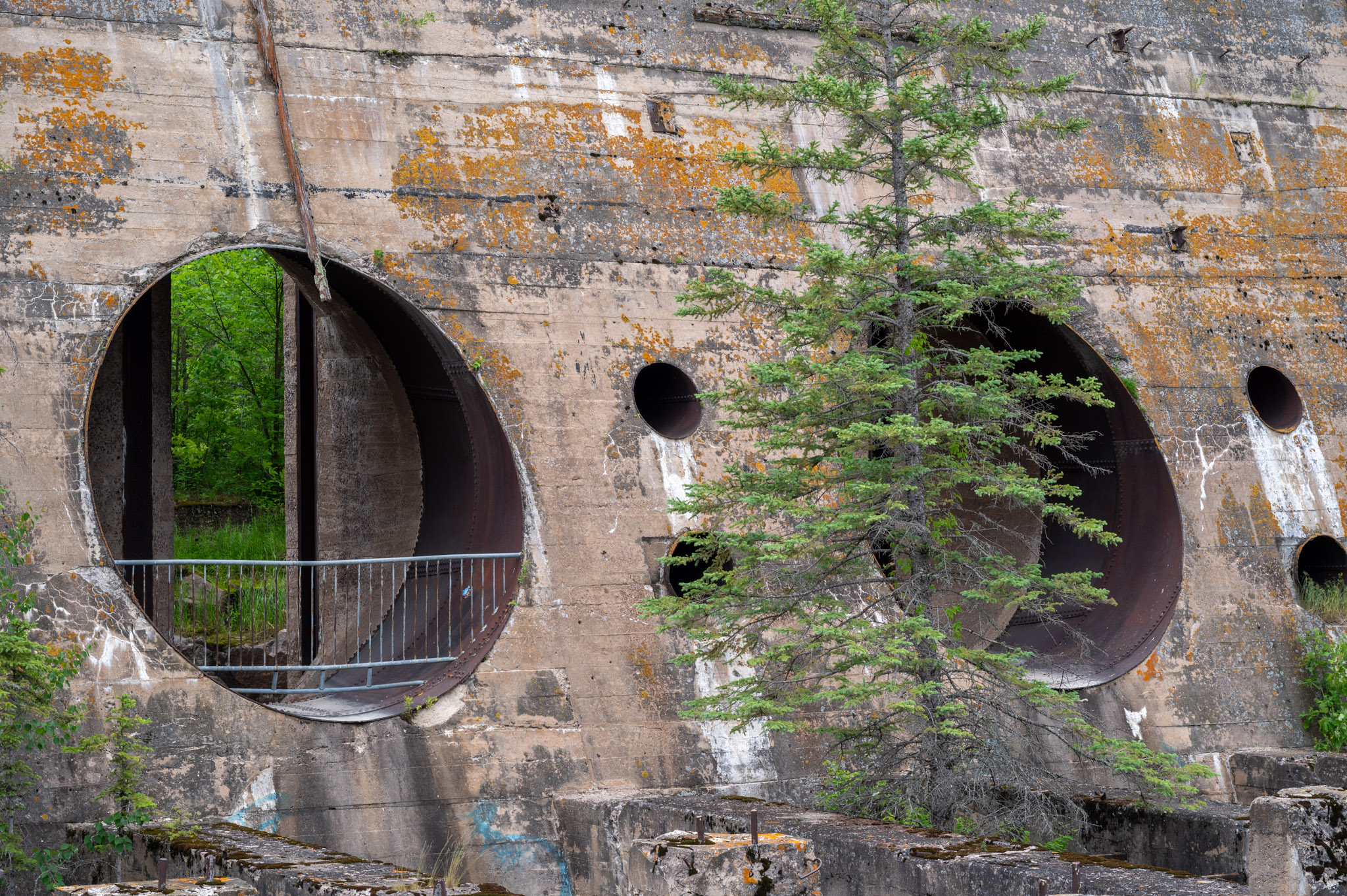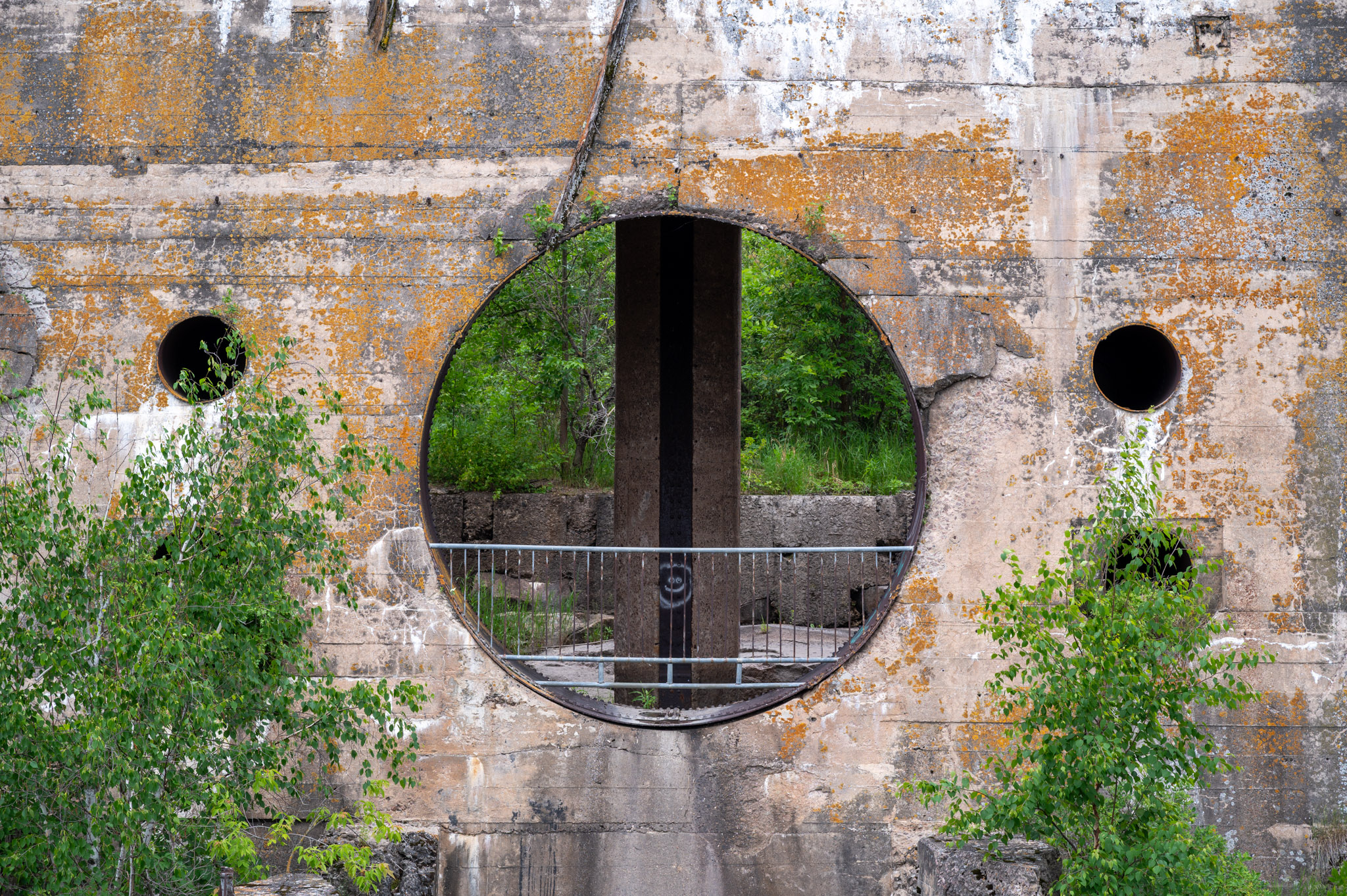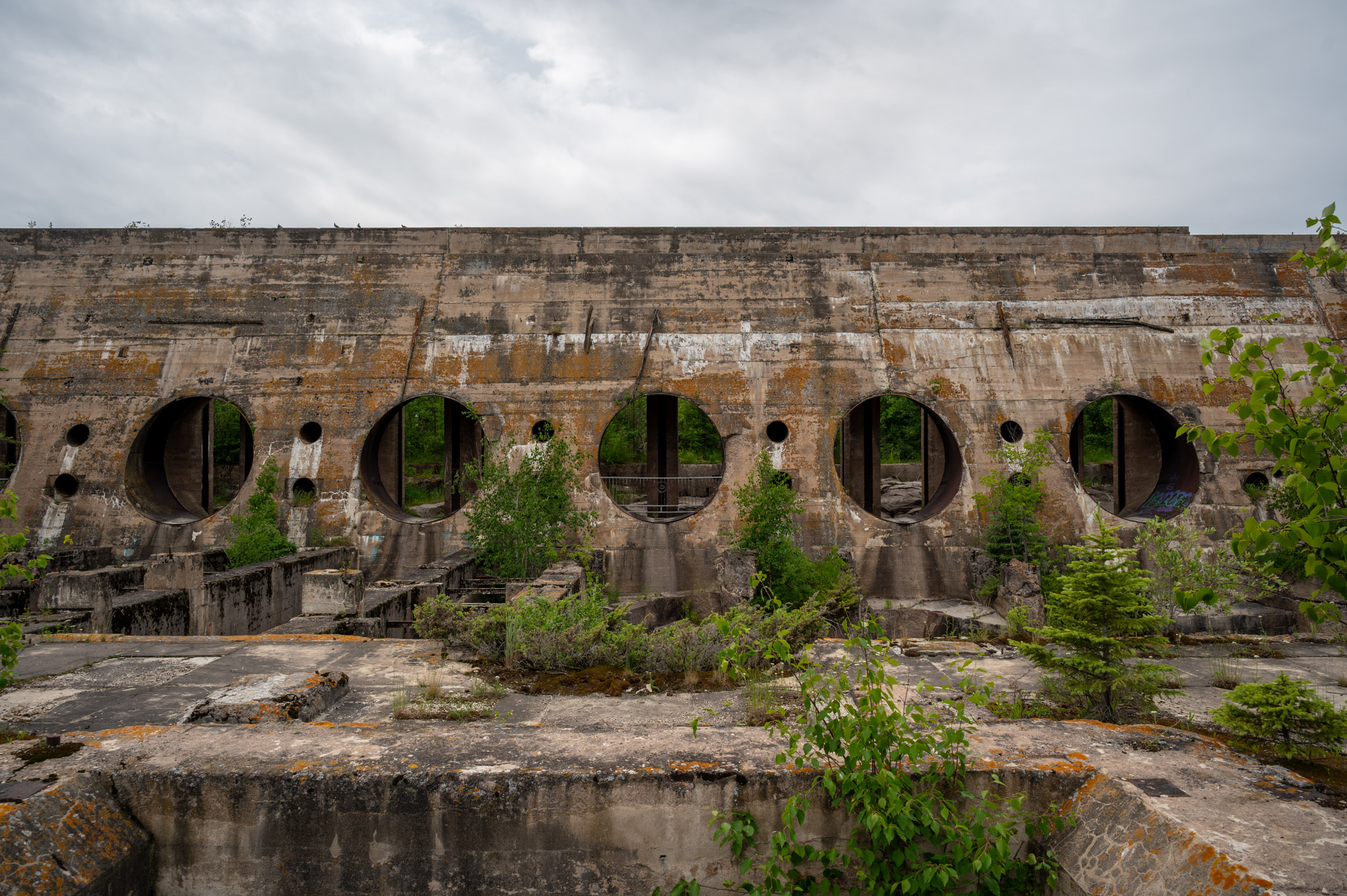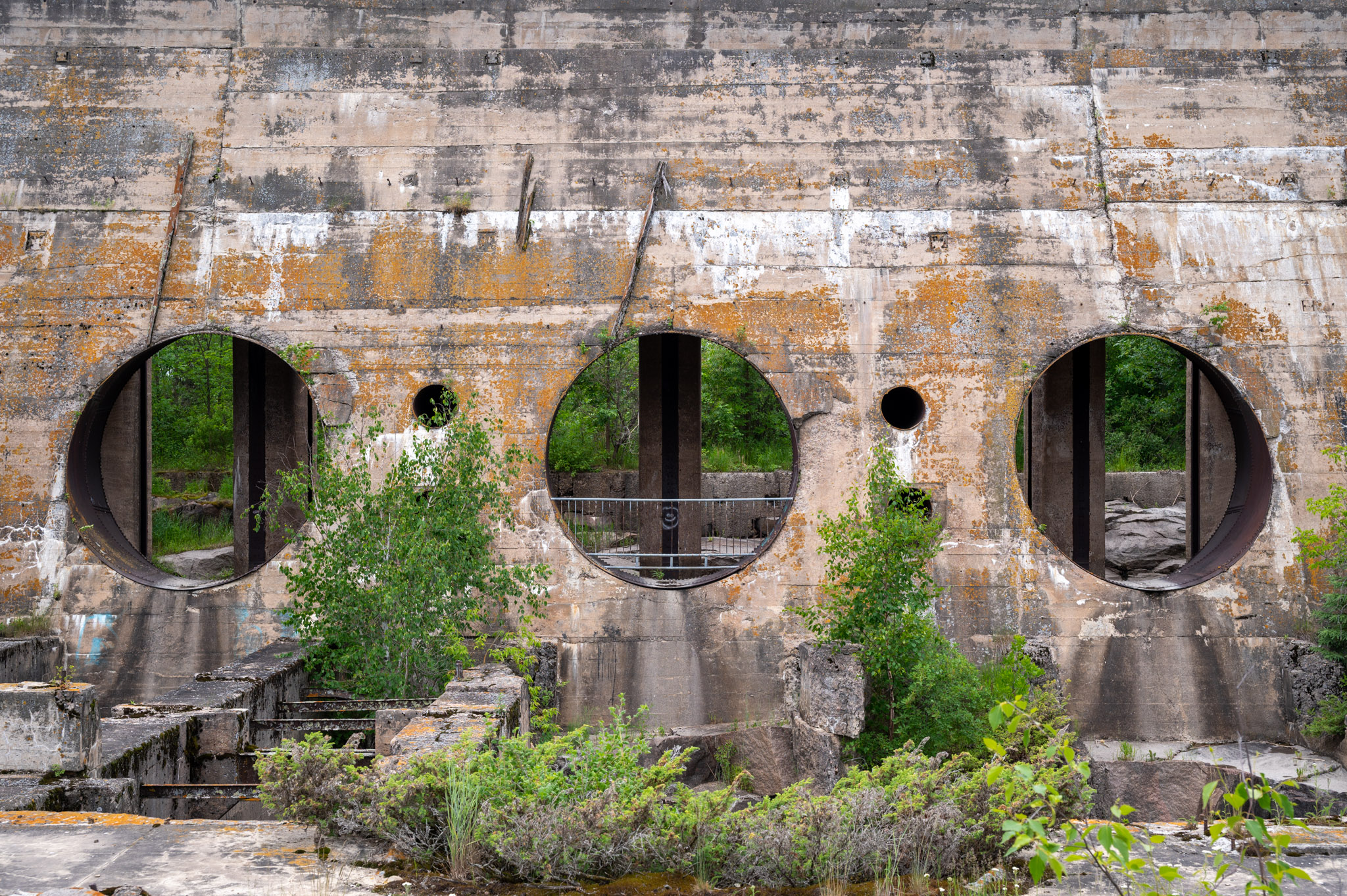
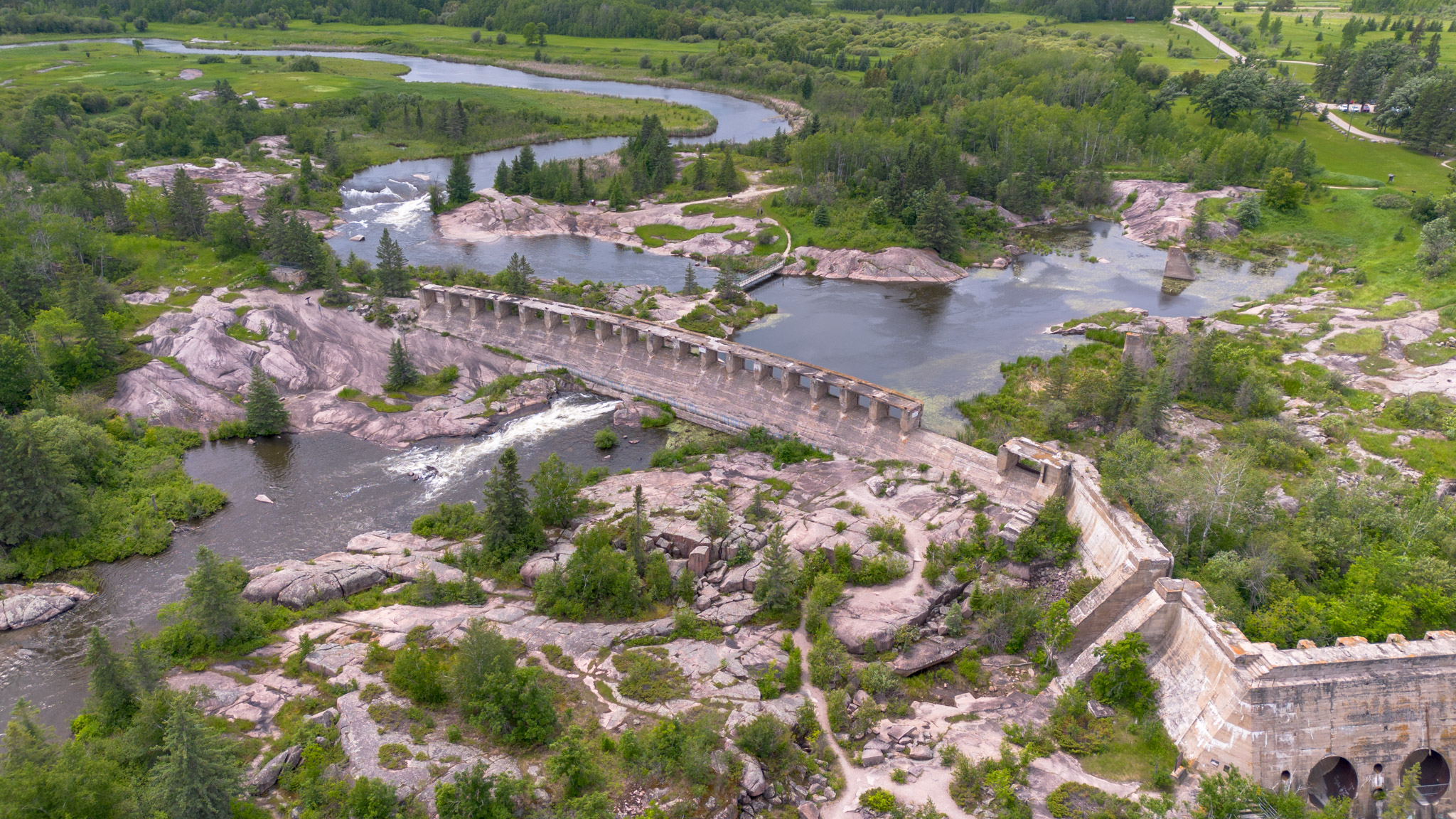
More than a hundred years ago, this spot on the Winnipeg River was the cutting edge of technology in Manitoba. Today, nature is slowly taking it back.
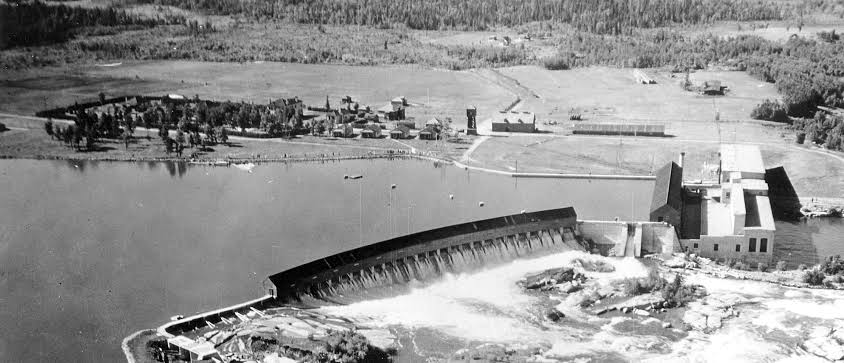
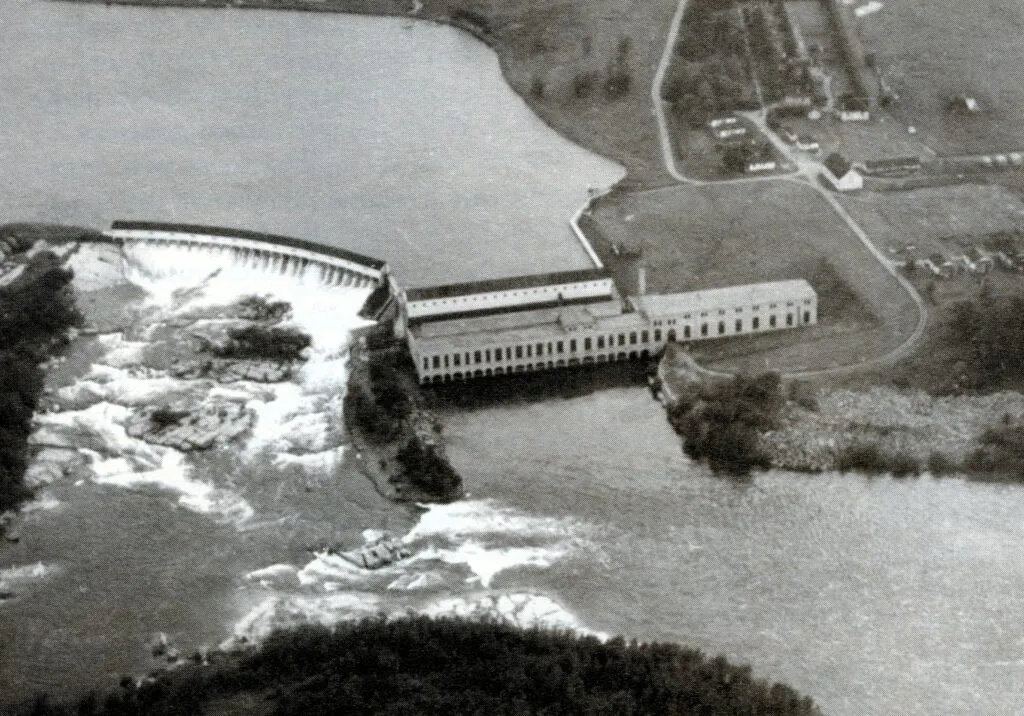
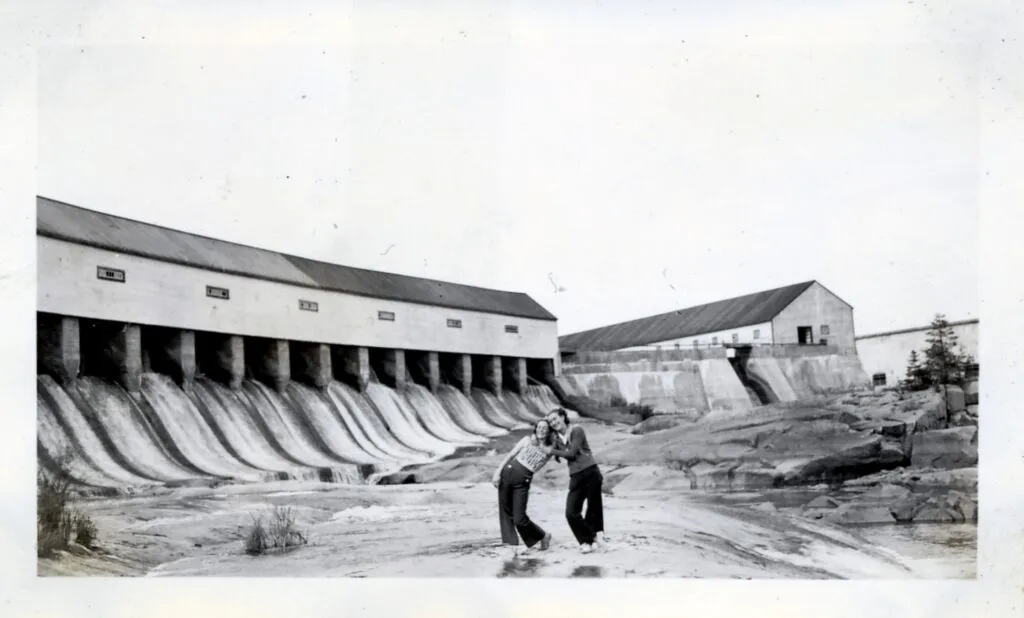
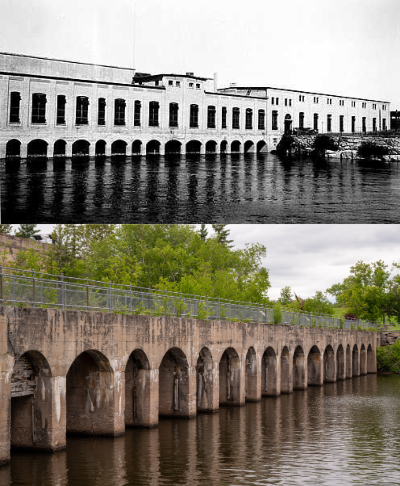
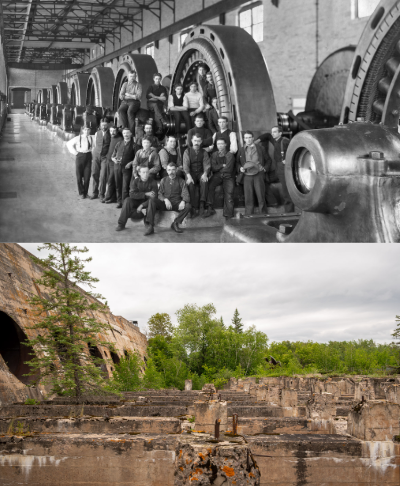
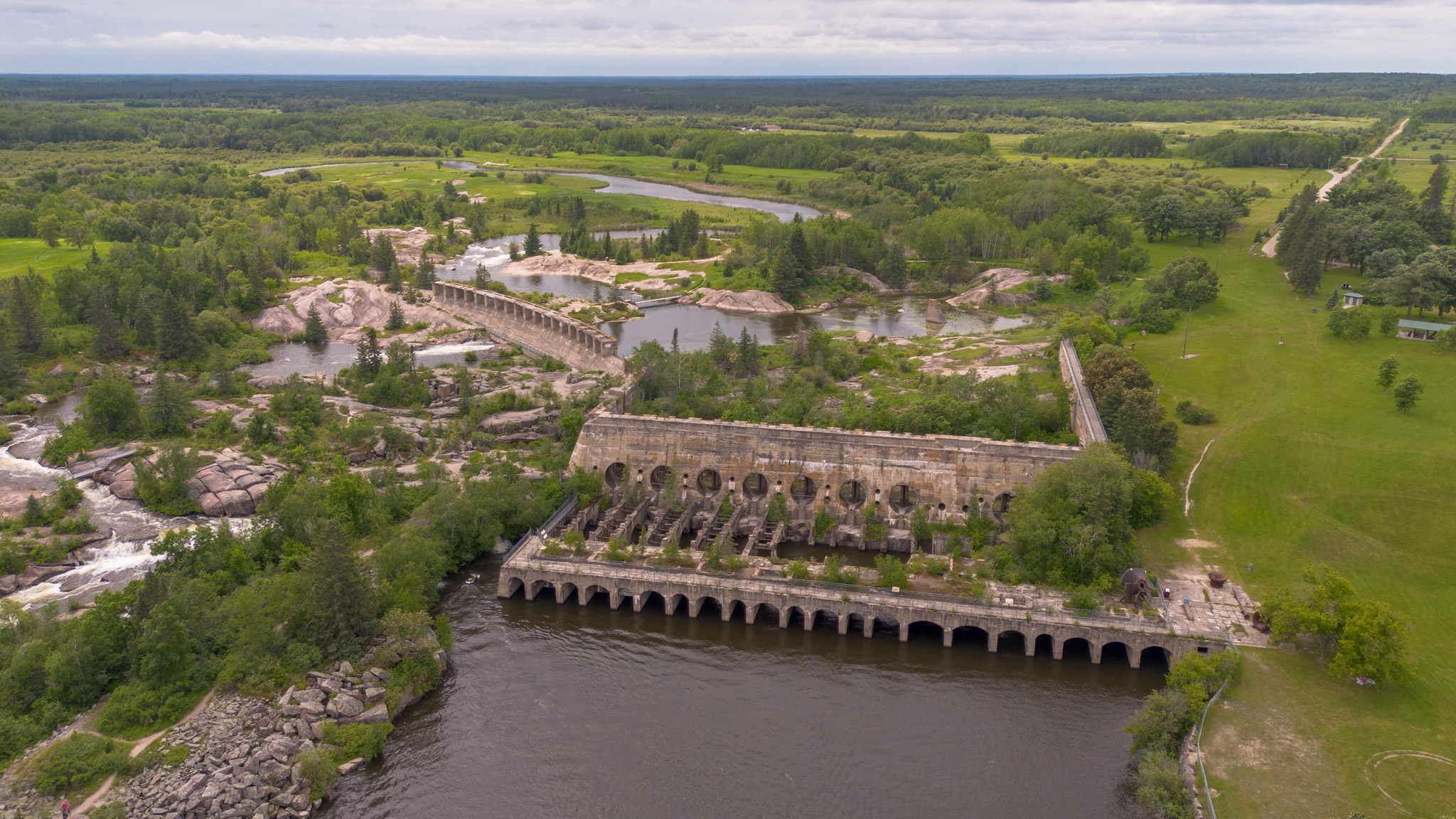
This is the Pinawa Dam. It started delivering power in 1906 and was Manitoba’s first hydroelectric generating station. It shut down in 1951, and what’s left is a ghost of a power plant you can walk right through.
Pinawa Dam, Manitoba: The Rise and Fall of Manitoba's Pioneering Hydroelectric Power Station
Located along the Winnipeg River in eastern Manitoba, approximately 100 kilometres northeast of Winnipeg, Pinawa Dam is a fascinating reminder of Manitoba’s early industrial history. Today, its enormous concrete structures sit surrounded by forest and rushing water, but more than a century ago, this remote location was home to one of the province’s most ambitious engineering projects.
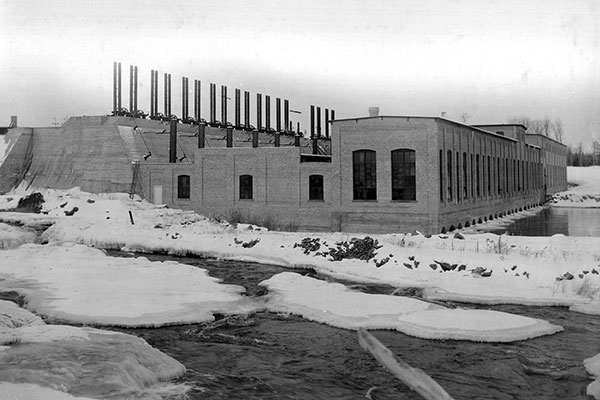
Construction of the Pinawa Generating Station began in 1903, driven by the growing demand for electricity in Winnipeg. At the time, the city was expanding rapidly, and a reliable source of power was needed to support its growing population, businesses and electric streetcar system. The Winnipeg Electric Railway Company selected the Winnipeg River for its tremendous hydroelectric potential.
Building the facility in such a remote location was an enormous undertaking. There were no proper roads or railway lines leading directly to the site, and transporting heavy equipment and construction materials required a combination of trains, horse-drawn wagons, boats and winter travel across frozen waterways. Workers excavated rock, constructed concrete dams and channels, and built the infrastructure needed to direct water toward the generating station.
The project also created an entirely new settlement. Known as Old Pinawa, the company town eventually included homes, a school, a general store, a staff house and recreational facilities. At its peak, approximately 100 people lived in the community. Many workers had immigrated from England and Scandinavia, bringing their families to this isolated corner of Manitoba.
Life in Old Pinawa was relatively self-sufficient. The company operated a large garden, greenhouse and livestock operation to provide food for residents. There were hockey rinks, tennis courts, a baseball diamond and a curling rink. The town hall served as a gathering place for dances, movies, church services and community celebrations.
The generating station officially opened in 1906, delivering its first electricity to Winnipeg on June 9. Initially producing approximately eight megawatts, additional generating units were installed over the following years, eventually increasing its capacity to approximately 22 megawatts. It became the first hydroelectric generating station on the Winnipeg River and Manitoba’s first facility designed to provide dependable, year-round hydroelectric power.
For nearly 45 years, the station supplied electricity to Winnipeg and played an important role in the province’s development. However, advancing technology and the construction of newer generating stations eventually made the original facility obsolete.
On September 21, 1951, the Pinawa Generating Station officially ceased operations. The water was redirected toward the newer Seven Sisters Generating Station, and the community that had grown around the original plant gradually disappeared. Workers moved elsewhere, homes were relocated or demolished, and the remaining buildings eventually fell into disrepair.
A new community called Pinawa was established in 1963 to support employees of Atomic Energy of Canada Limited, but it was separate from the original settlement.
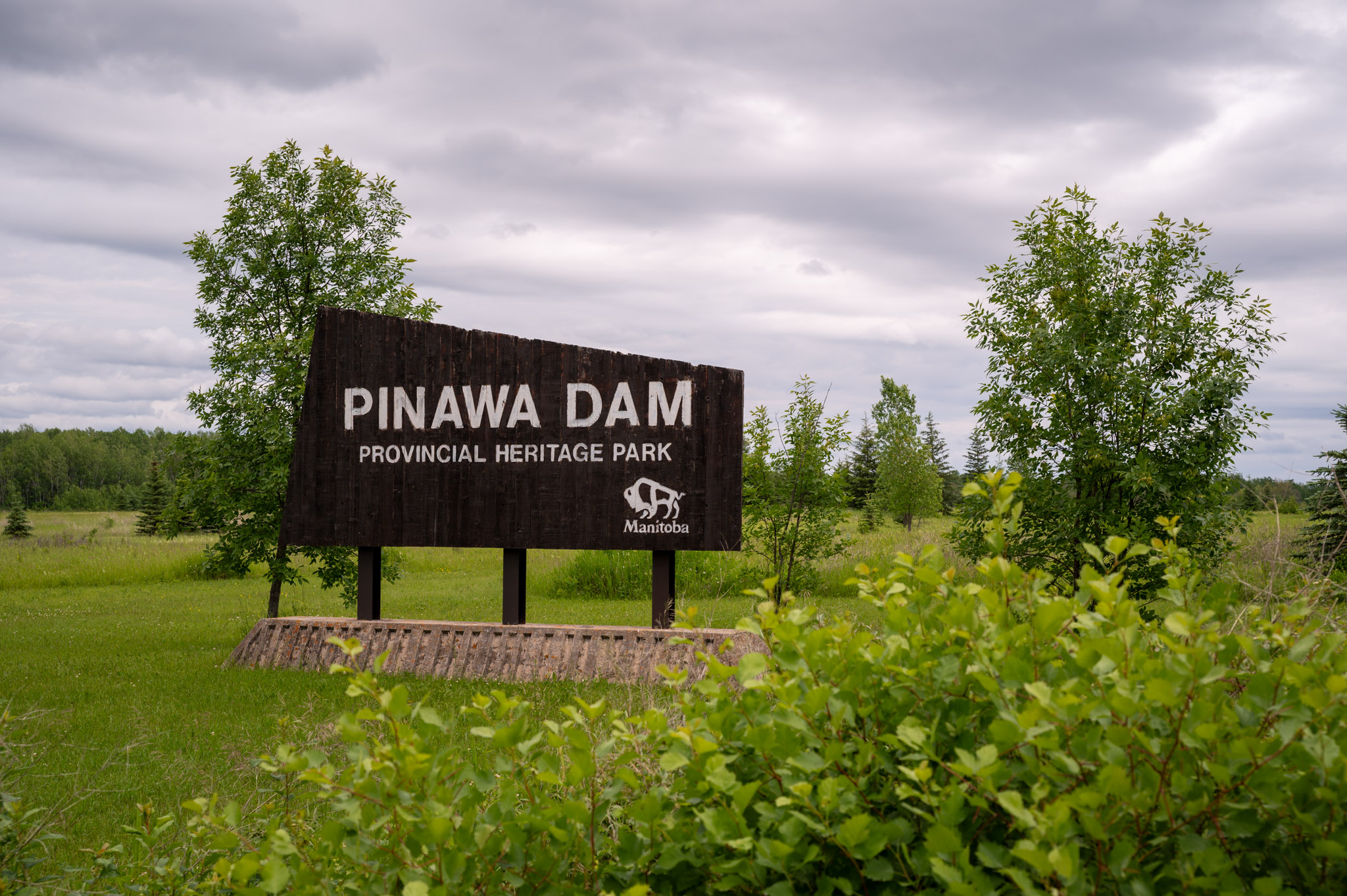
Today, the remains of the old generating station are preserved within Pinawa Dam Provincial Heritage Park. Visitors can explore the concrete ruins, walk through the former townsite and follow interpretive trails that reveal where the community once stood.
What remains is a remarkable piece of Manitoba history, a place where nature has gradually reclaimed an ambitious industrial project that once helped power an entire city.