A Forgotten Piece of Castle Glen History
Most visitors associate Castle Glen with the famous Osler Castle ruins and the expansive private lands surrounding them. However, scattered throughout the property are reminders of an even earlier chapter in the area’s history.
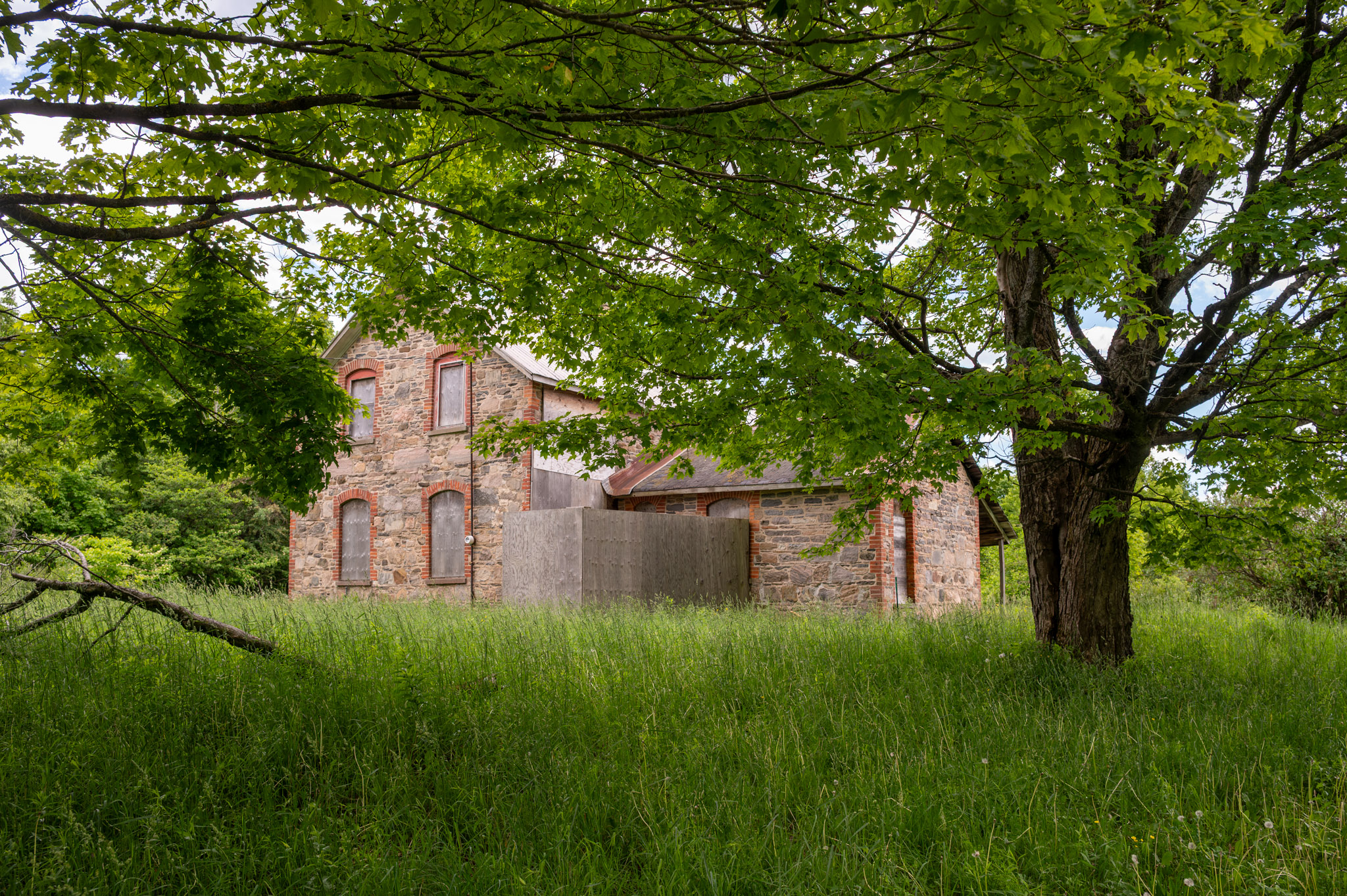
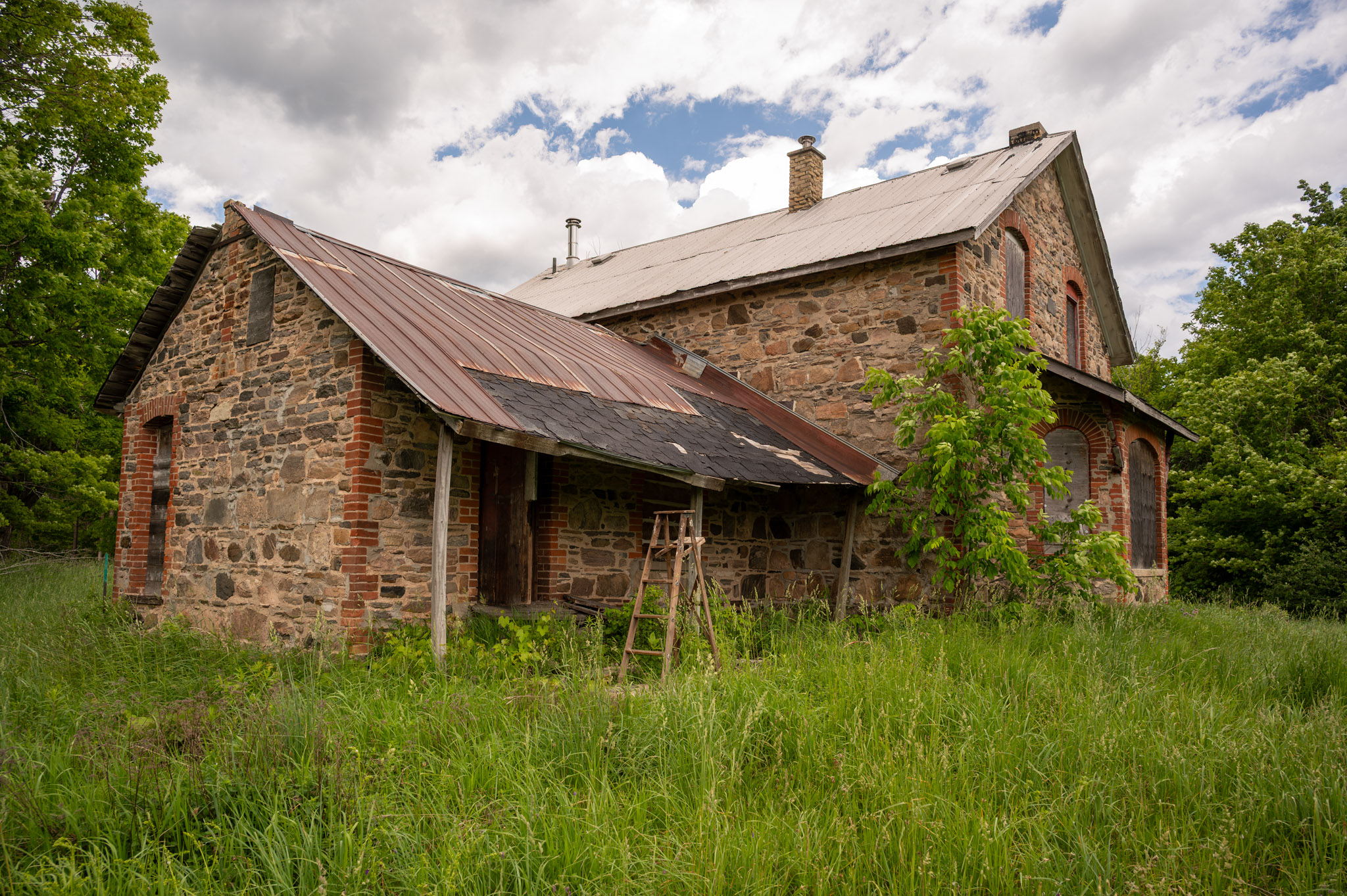
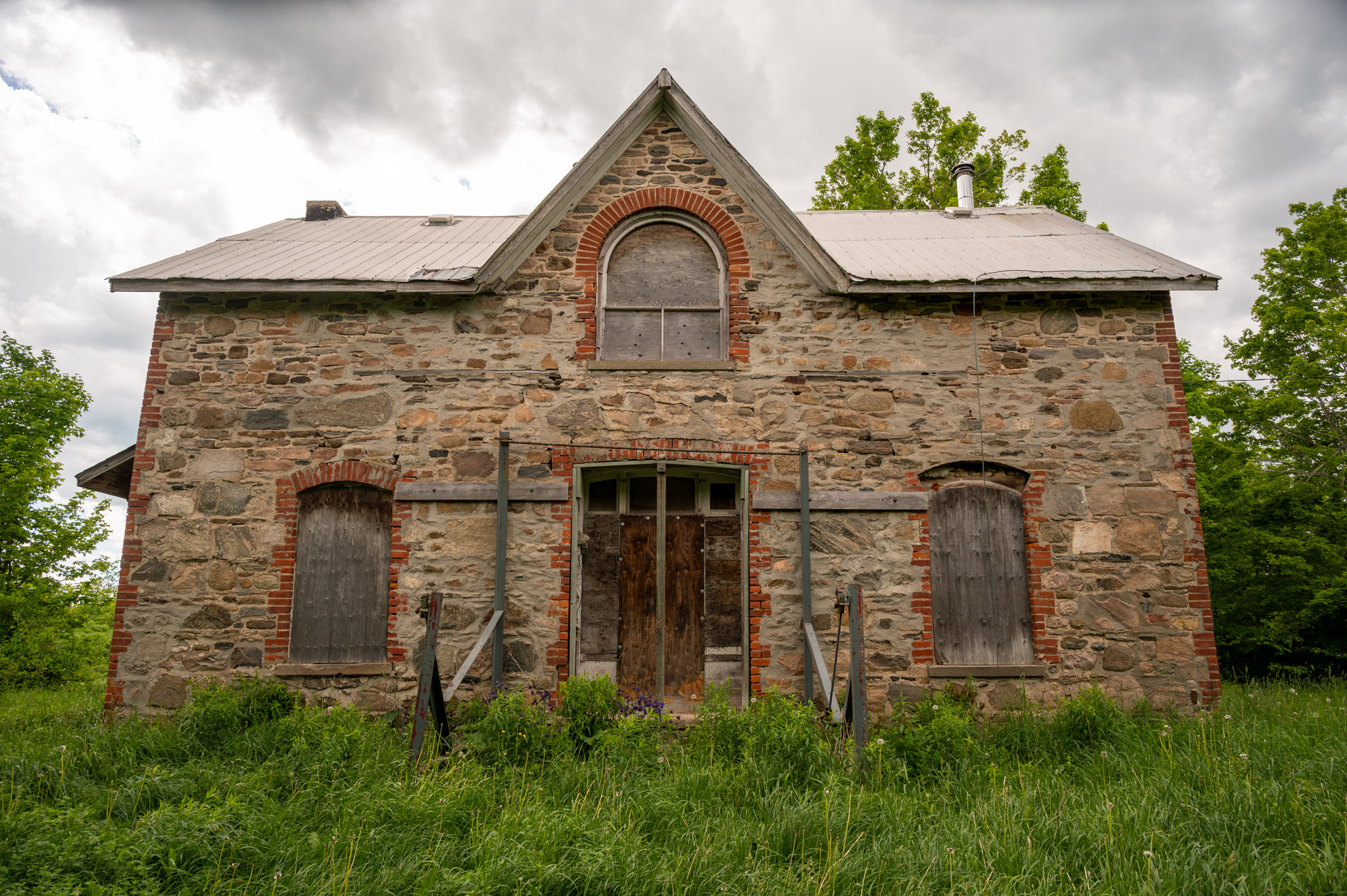
This abandoned stone farmhouse likely predates many of the developments that later made Castle Glen well known. Its construction reflects the prosperity and craftsmanship of Ontario’s nineteenth-century agricultural communities, where stone homes were considered both durable and prestigious.
The building remains one of the most visually striking abandoned structures found within the Castle Glen landscape.
Ontario Gothic Revival Architecture
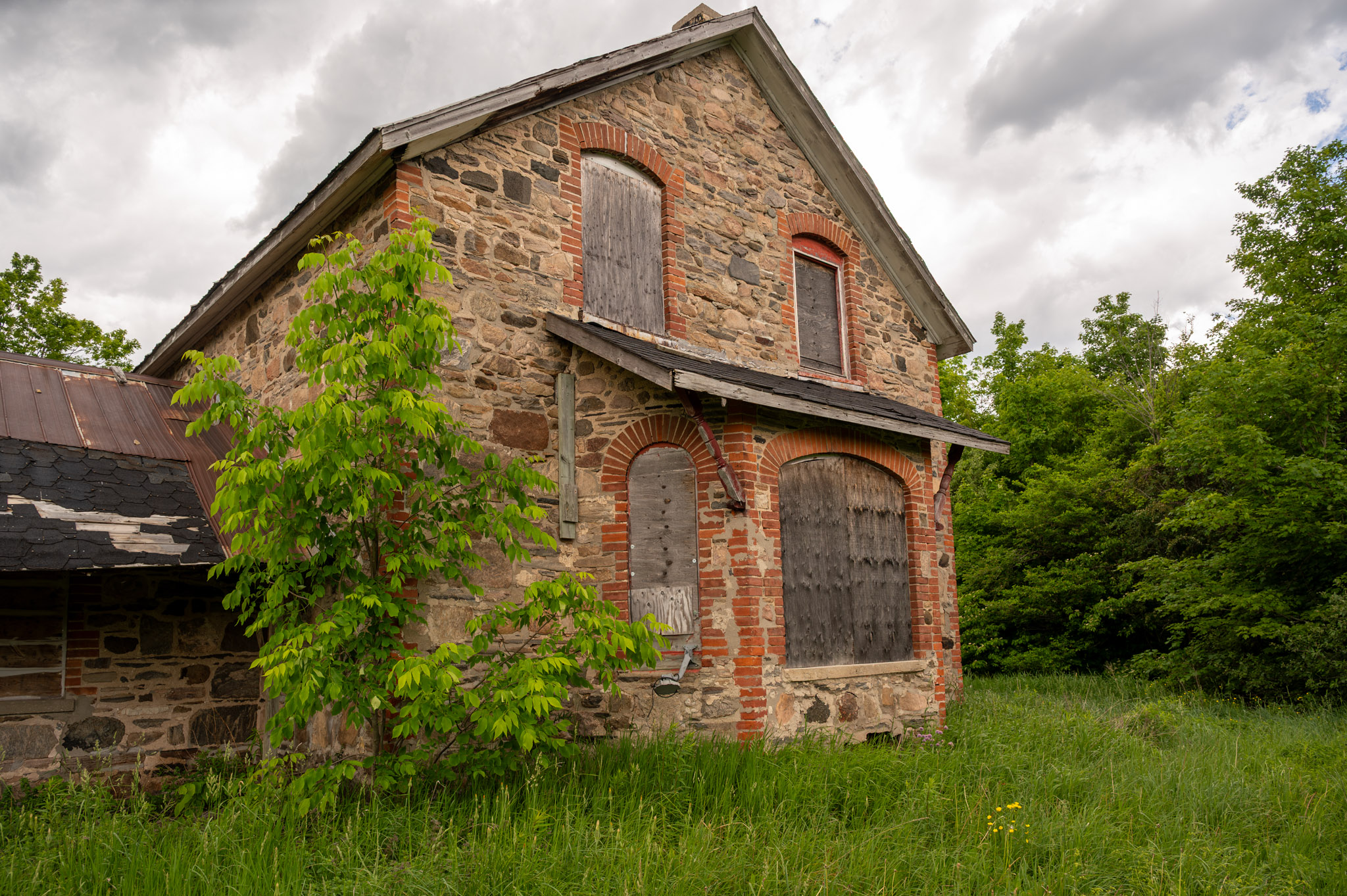
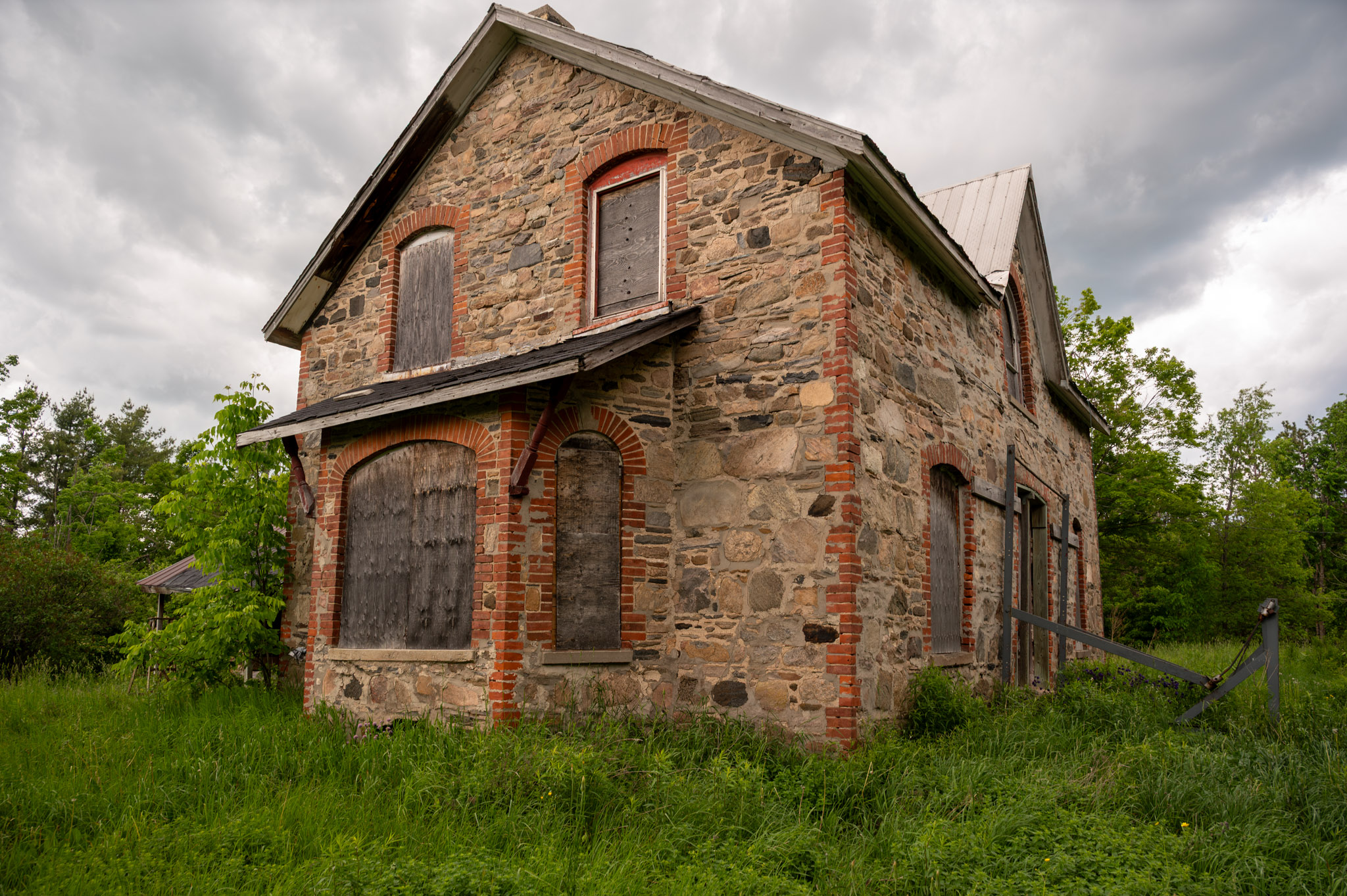
One of the home’s most distinctive features is the arched window set within the front-facing gable.
This design element is characteristic of Ontario Gothic Revival architecture, a style that became popular throughout rural Ontario during the mid-to-late nineteenth century. Influenced by European Gothic design, these homes often incorporated pointed arches, decorative brickwork, steep rooflines, and symmetrical facades.
The combination of fieldstone construction and Gothic detailing makes this farmhouse an excellent example of the style that once appeared across many of Ontario’s rural communities.
Built to Last
Unlike many wooden farmhouses that have long since disappeared, this structure was built using locally gathered fieldstone.
The thick masonry walls have allowed the building to survive decades of abandonment. Red brick accents surrounding the windows and doors provide both structural support and decorative contrast against the stone exterior.
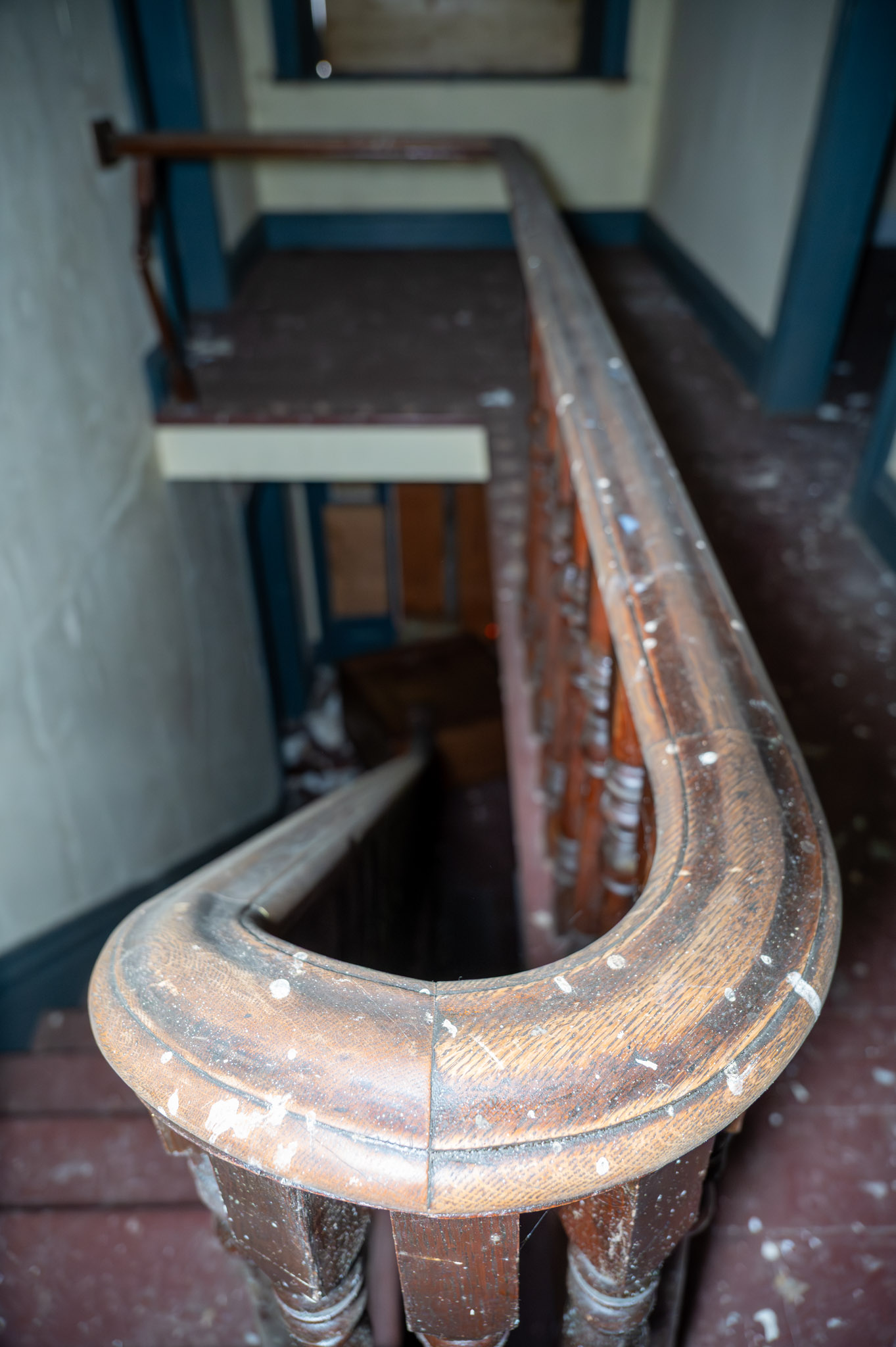
Although time has taken its toll, the craftsmanship remains evident in nearly every visible detail.
Exploring the Abandoned Farmhouse
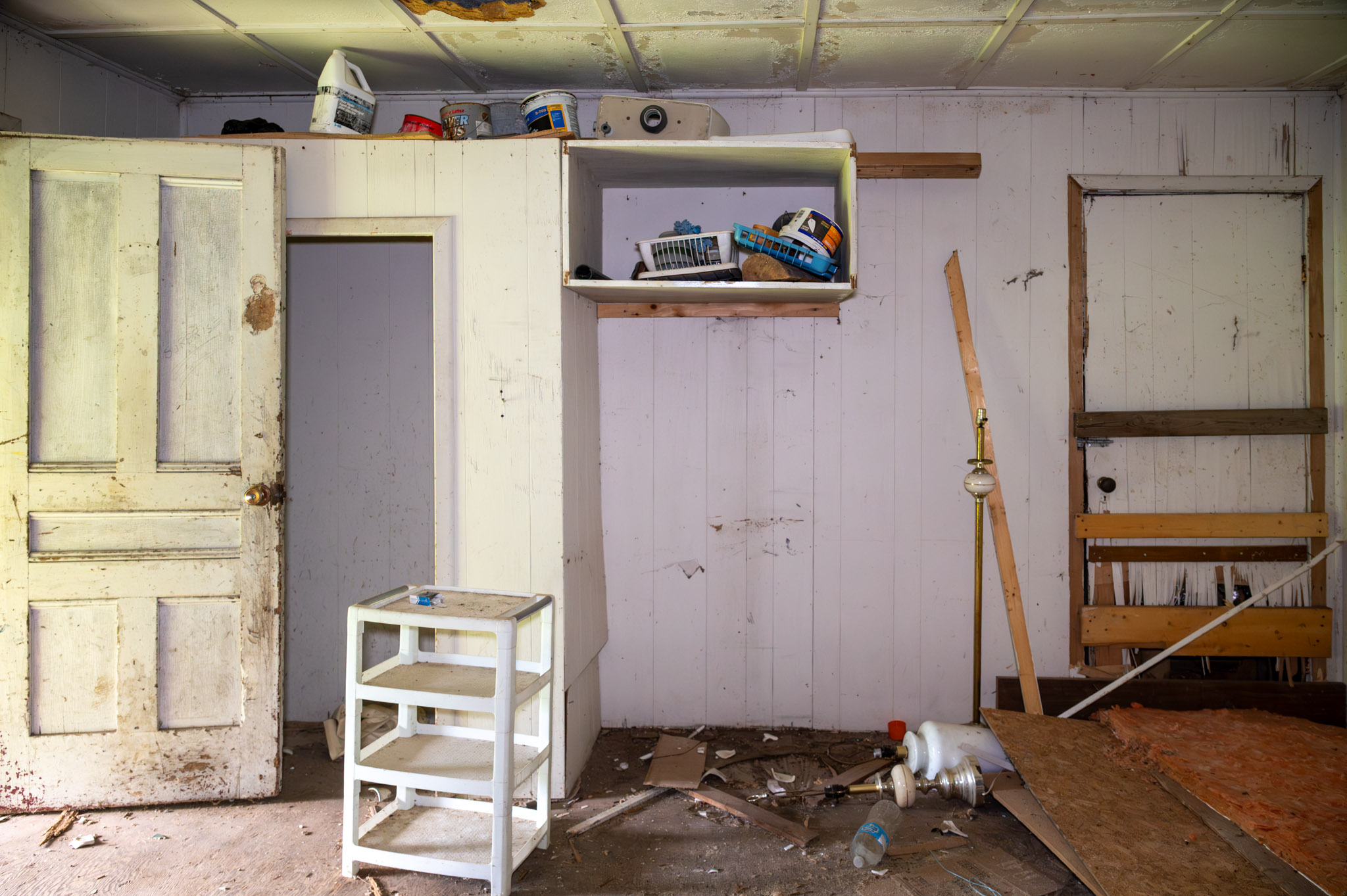
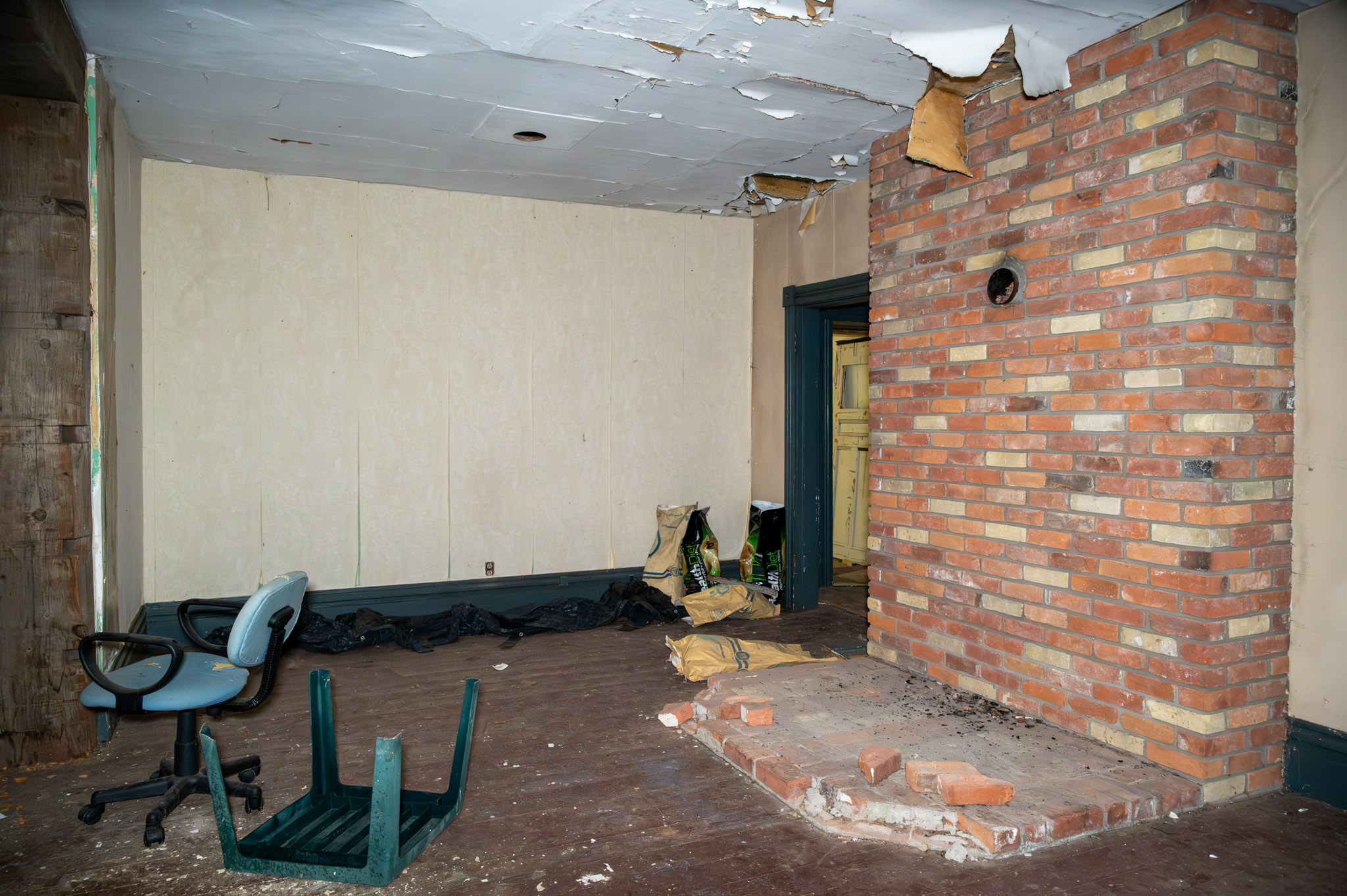
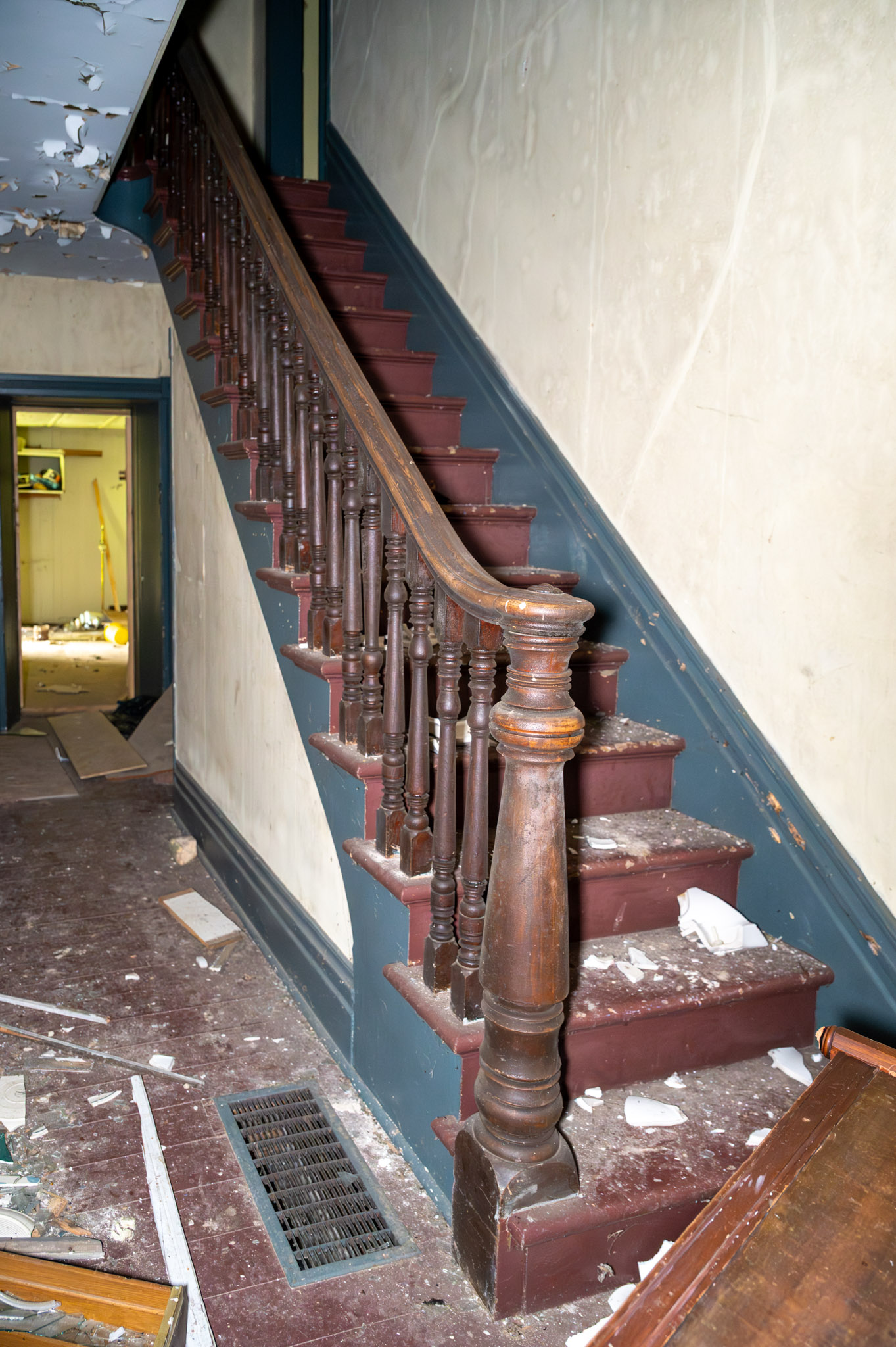
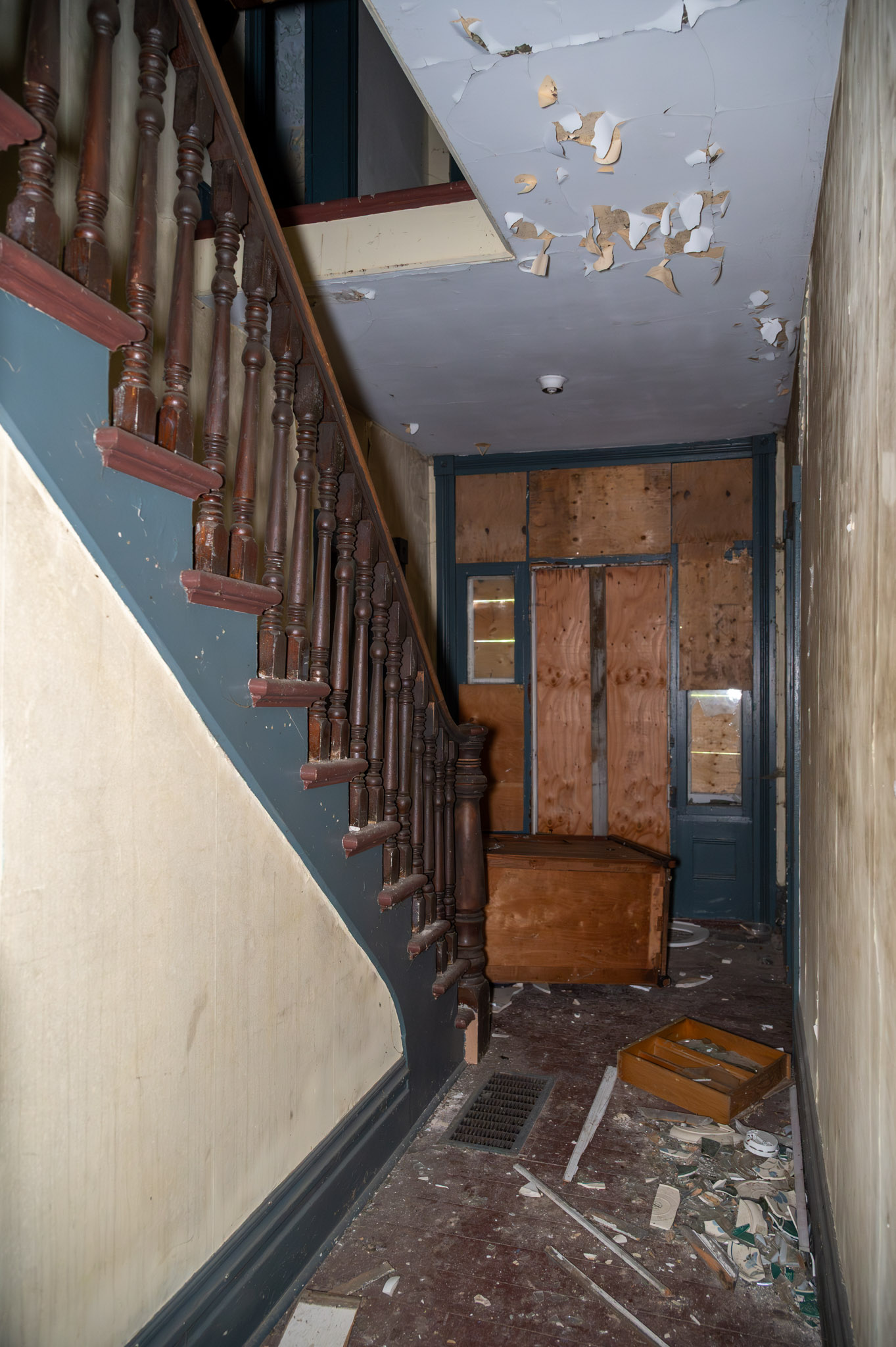
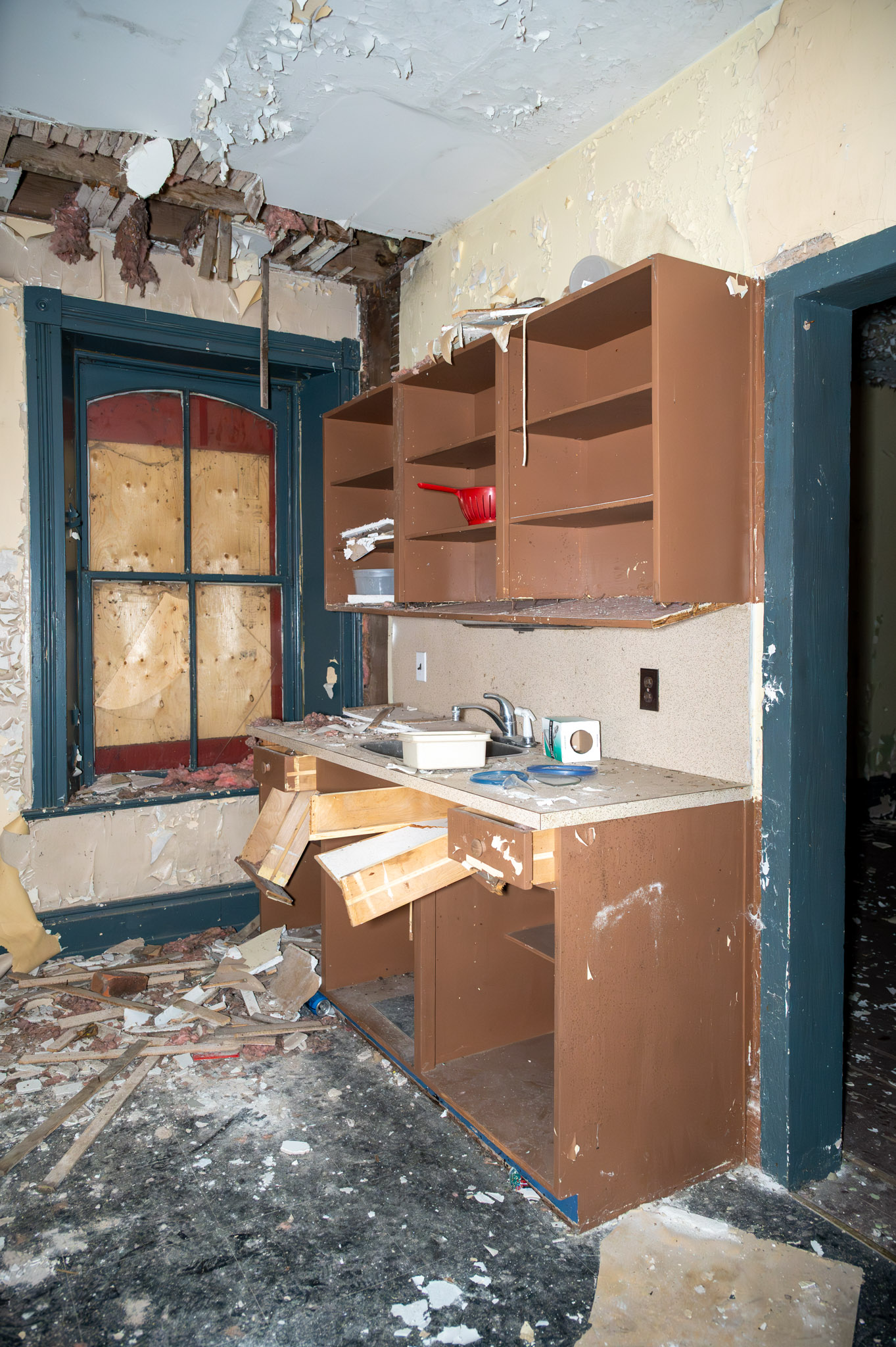
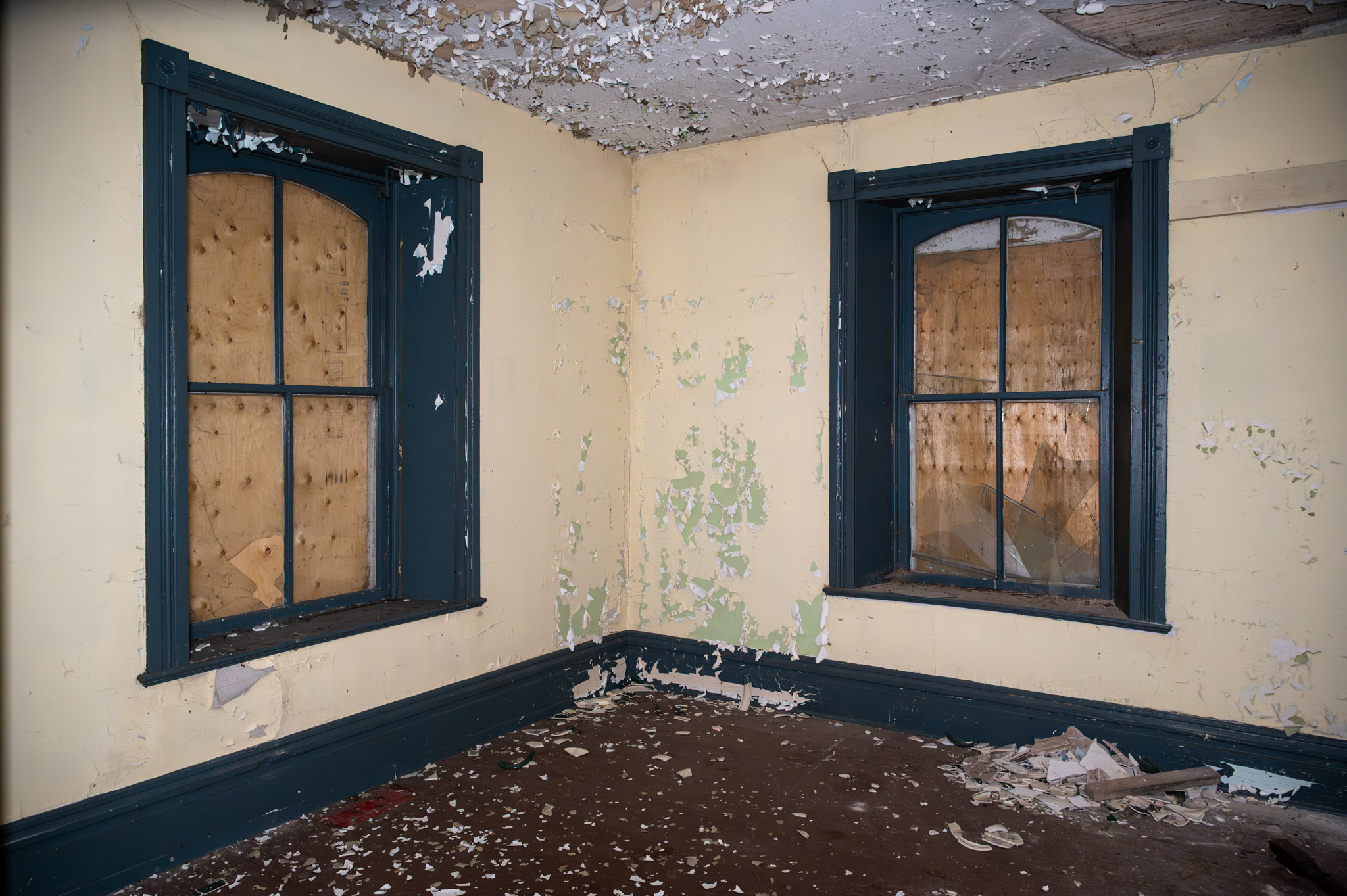
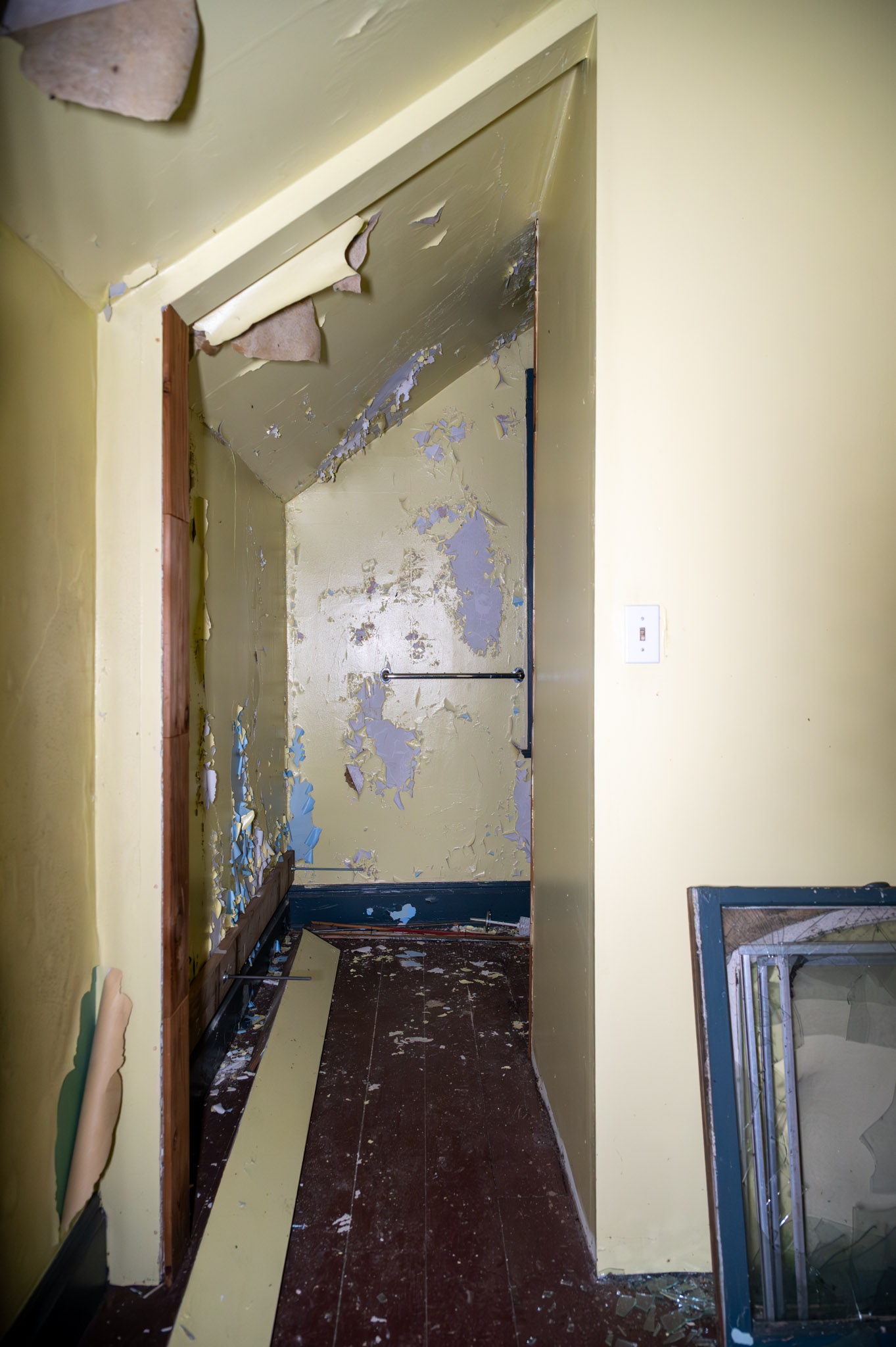
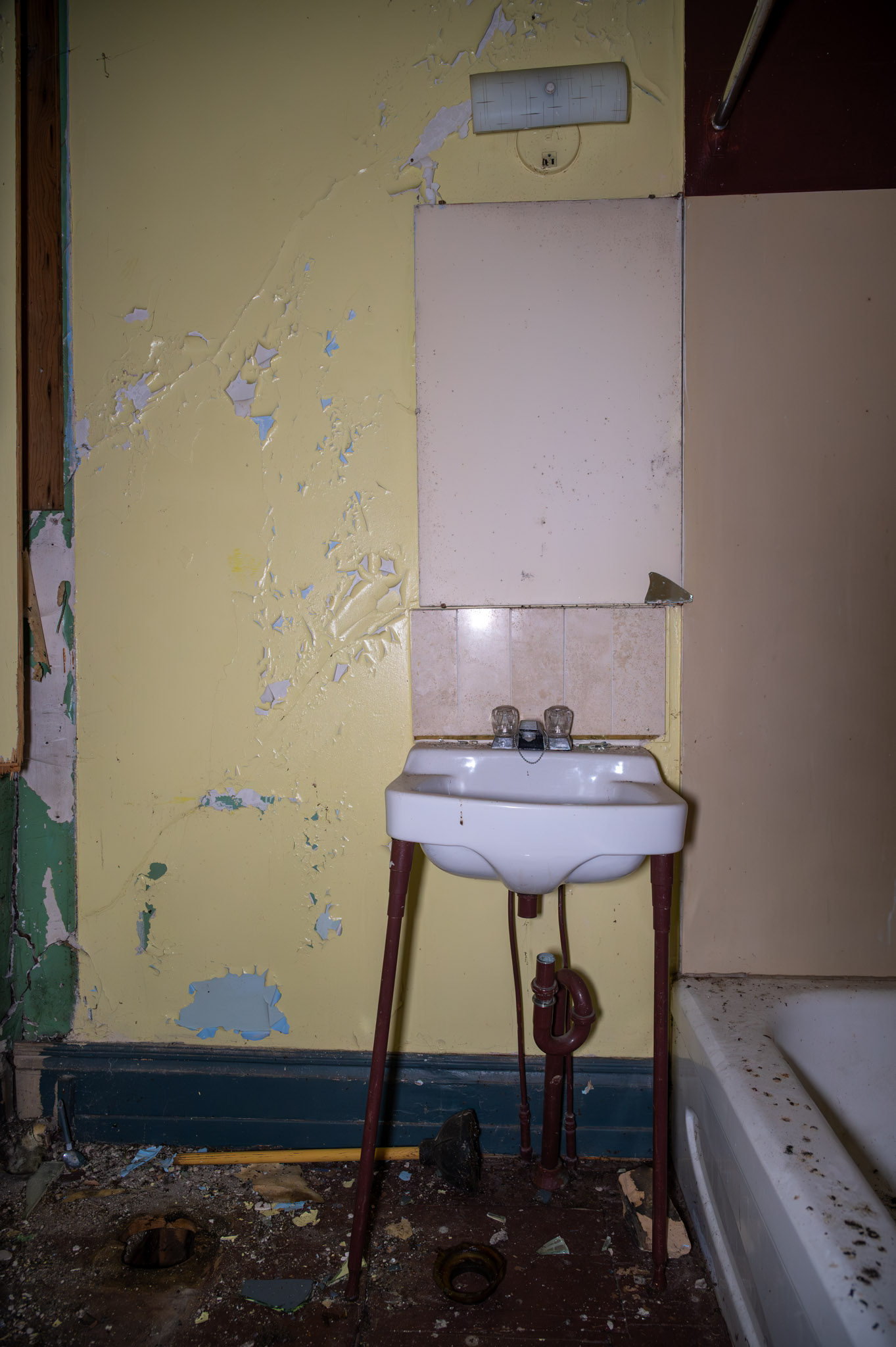
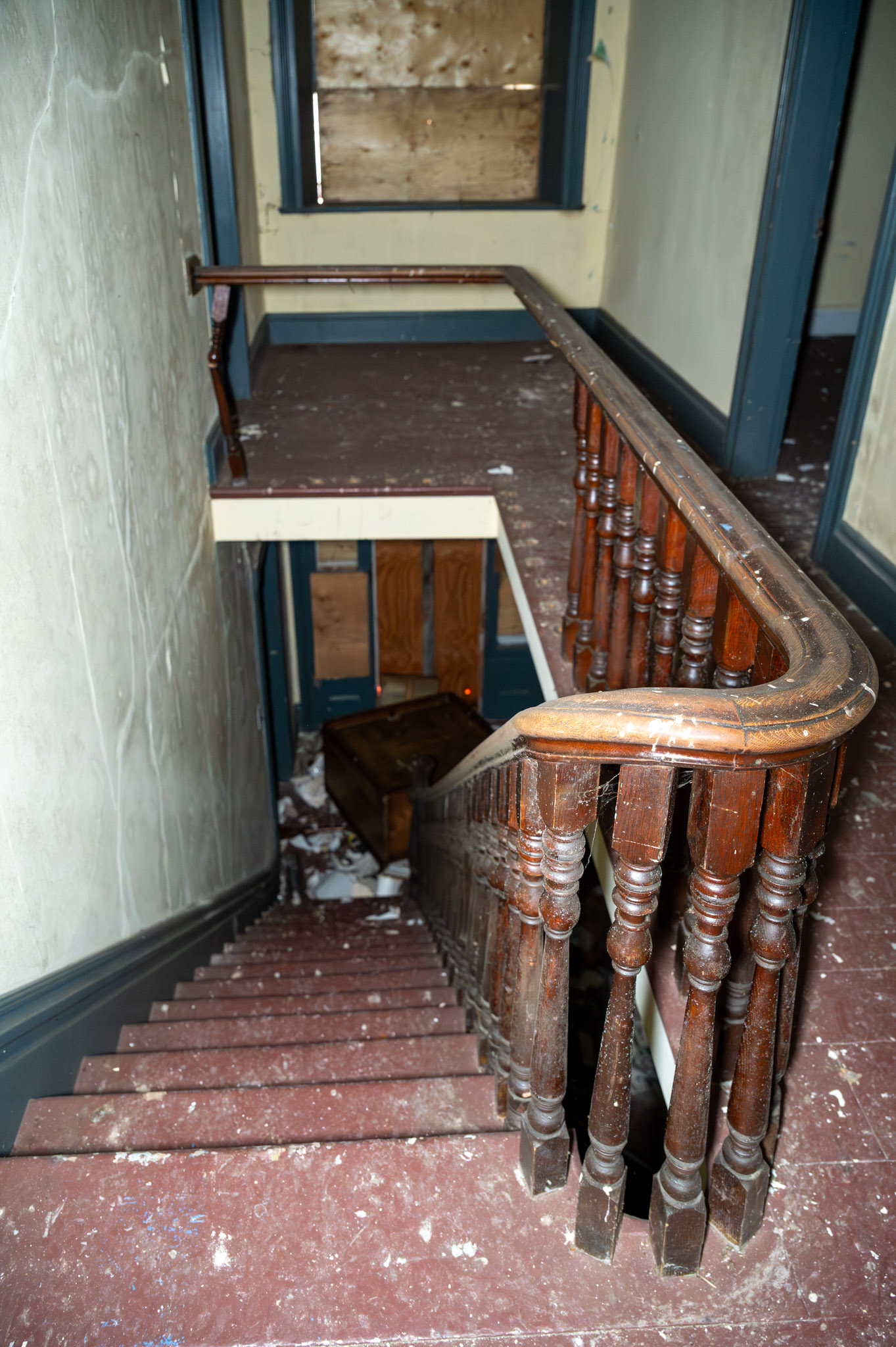
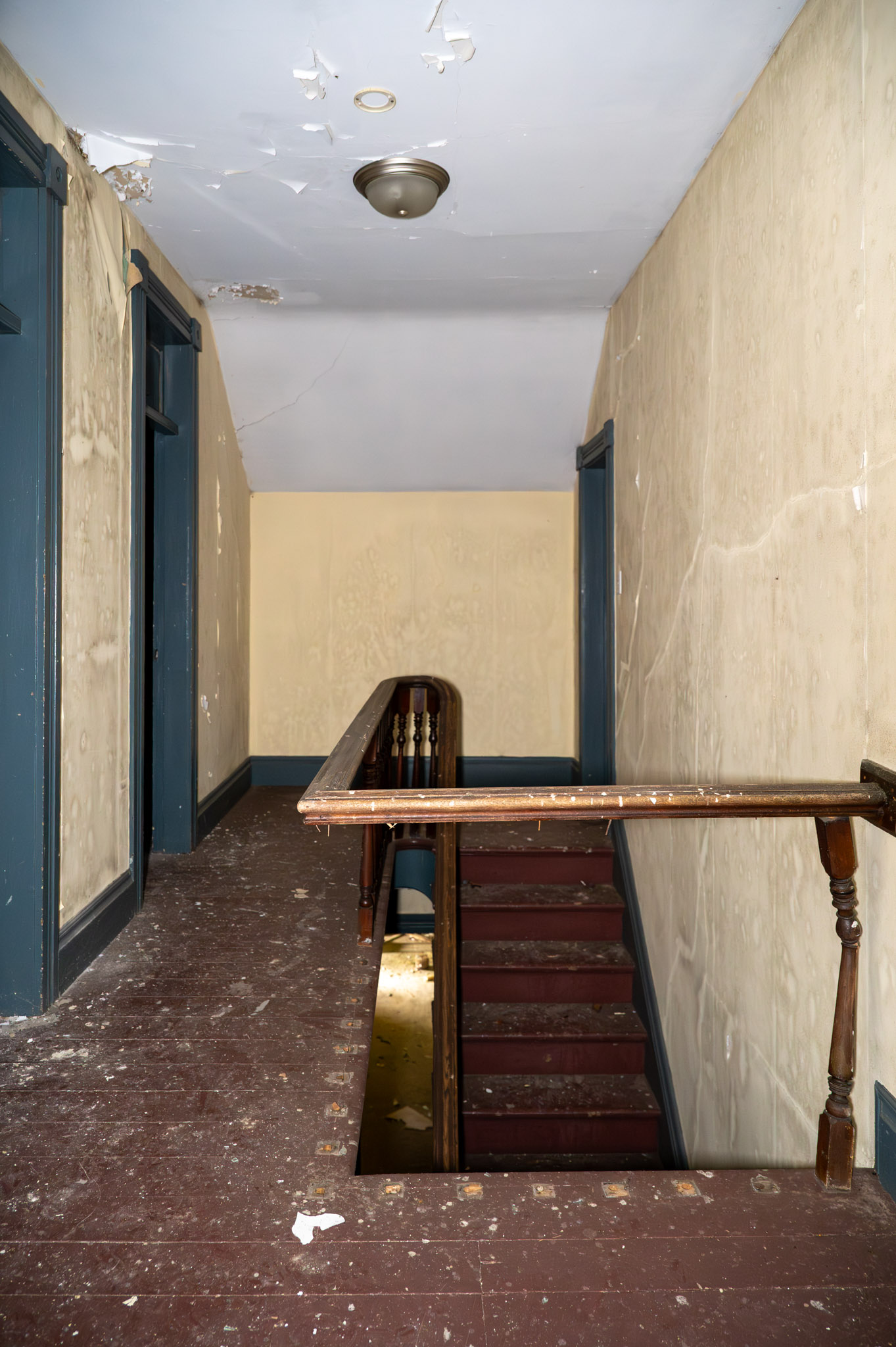
Walking around the property reveals evidence of a home that was once carefully maintained and occupied by a family with significant pride in their residence.
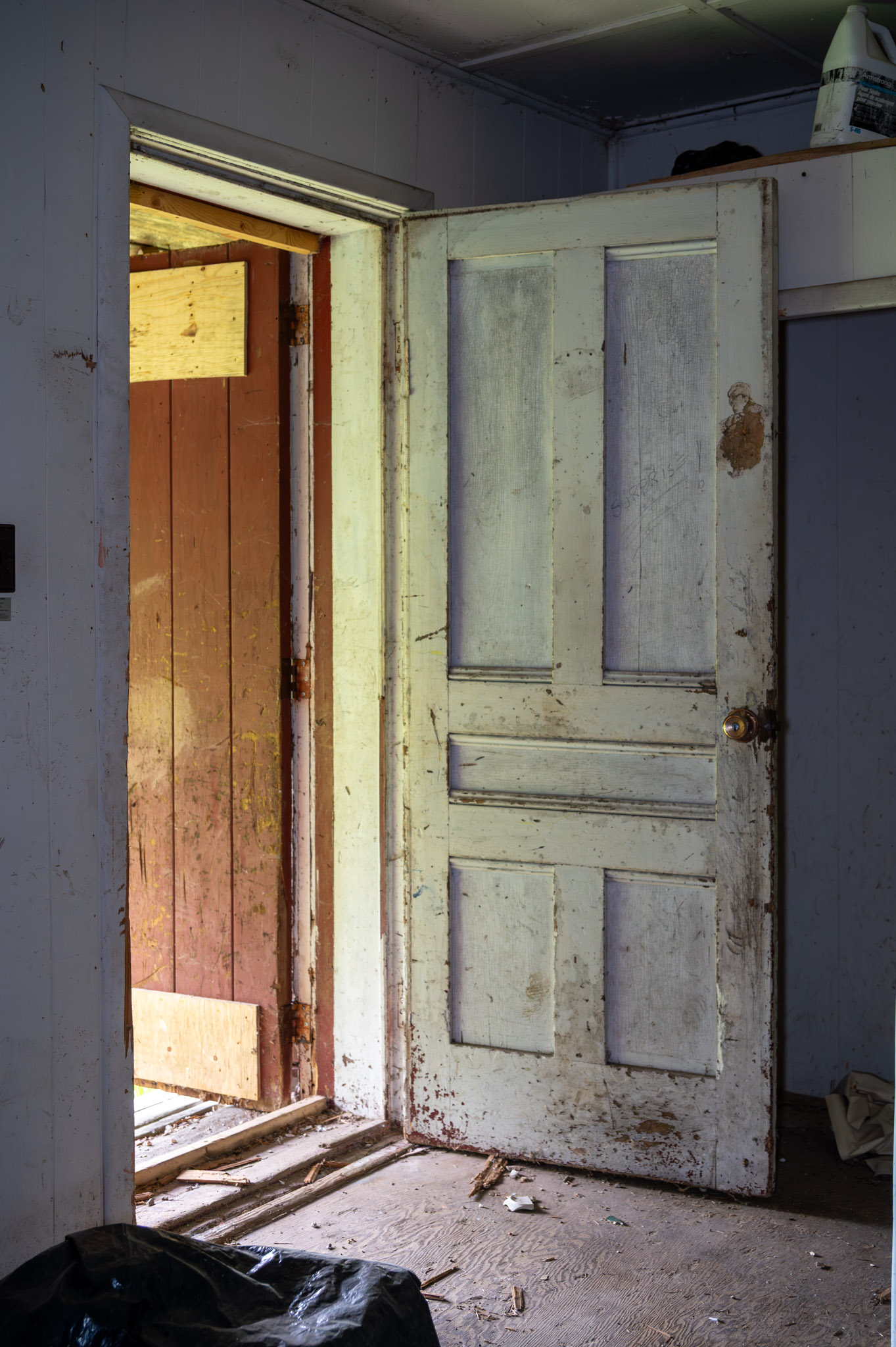
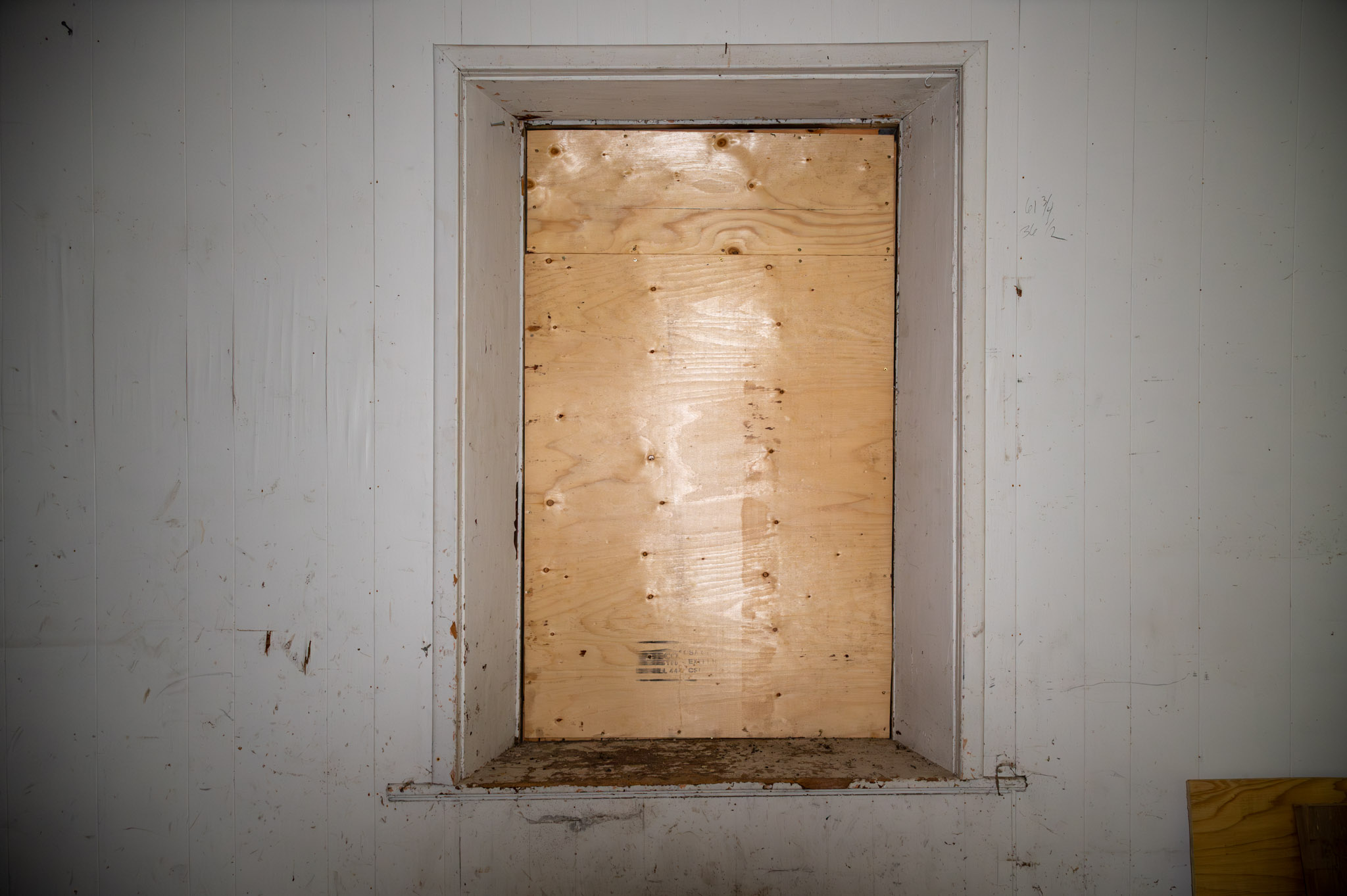
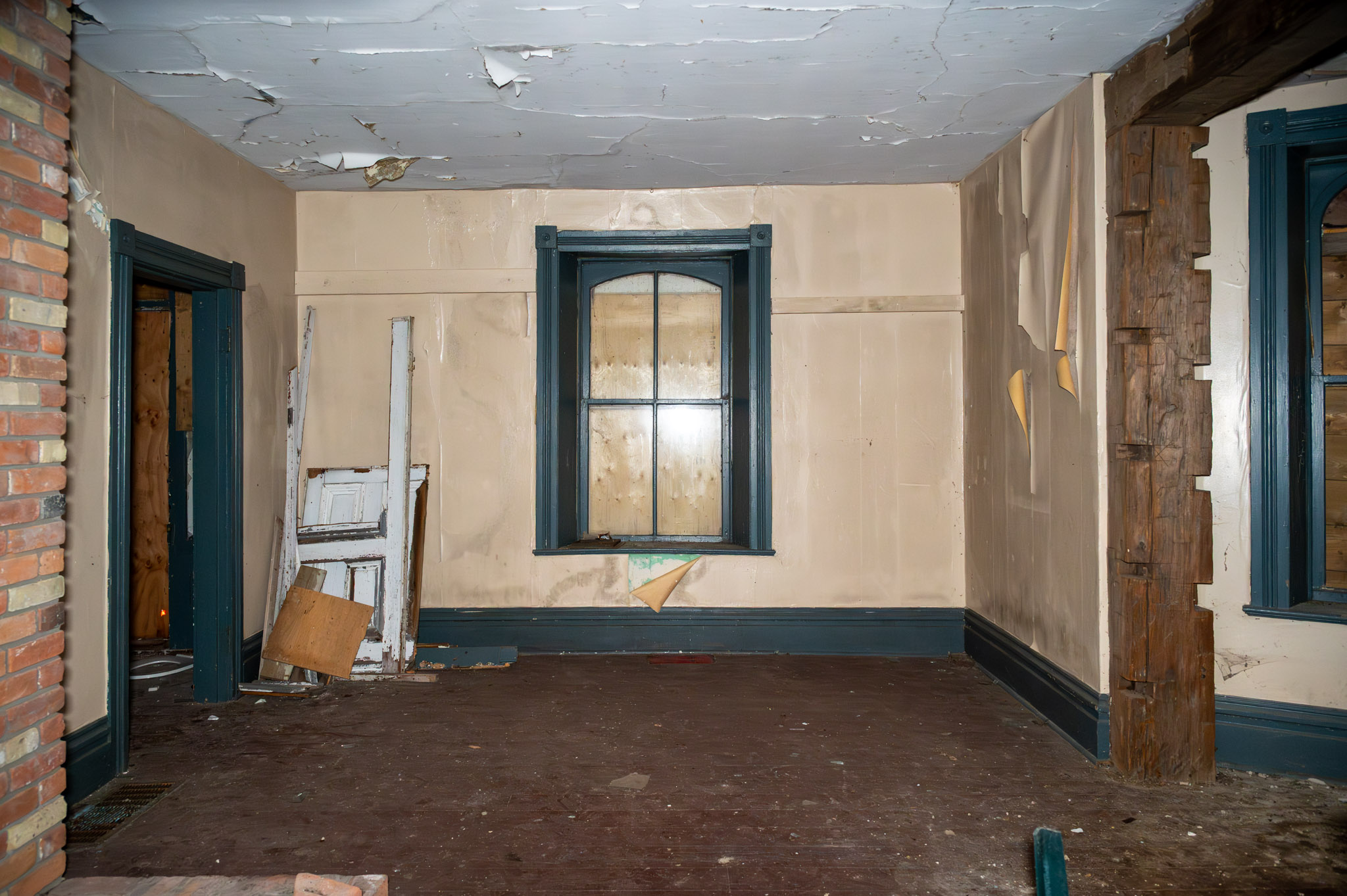
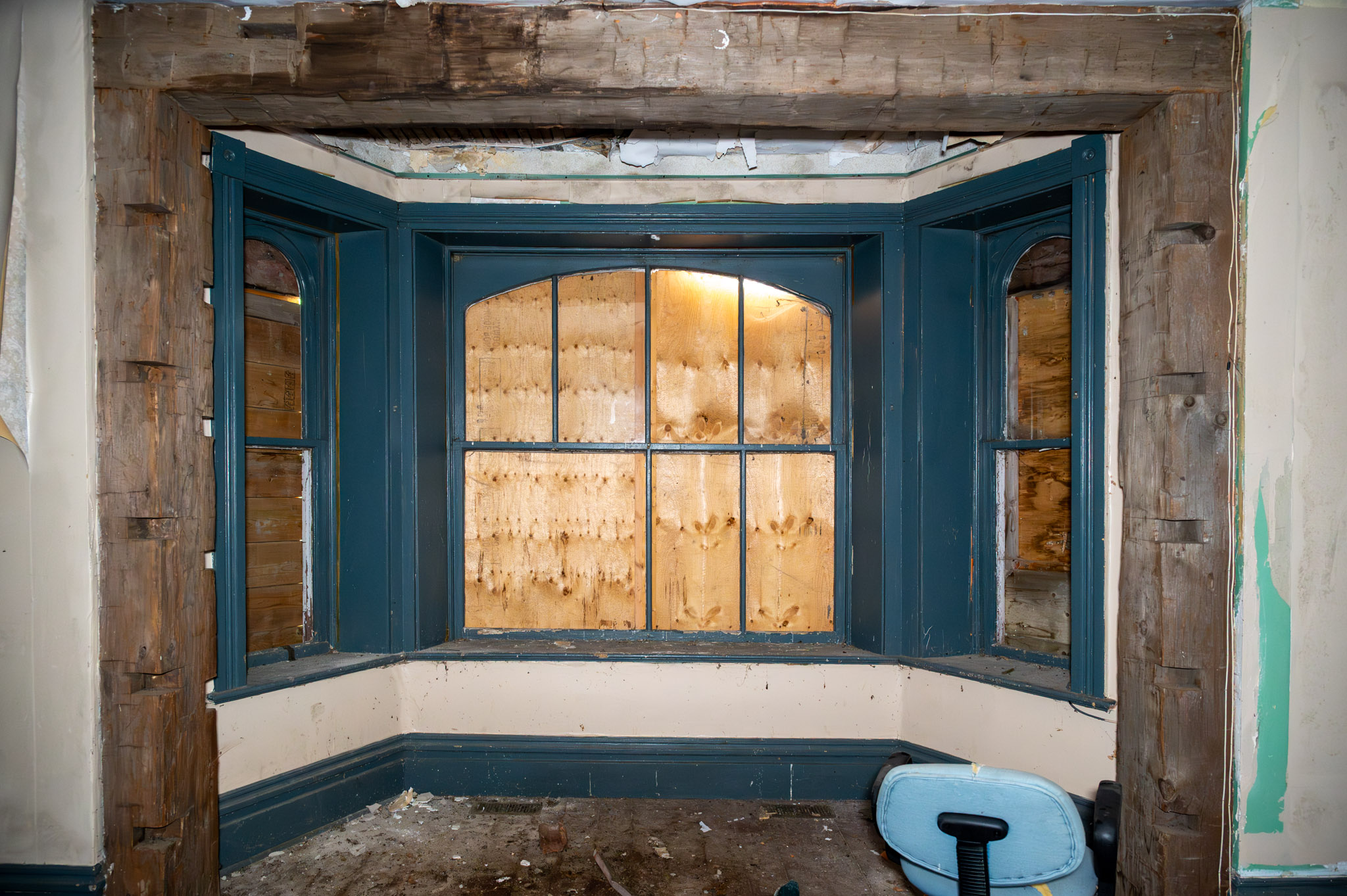
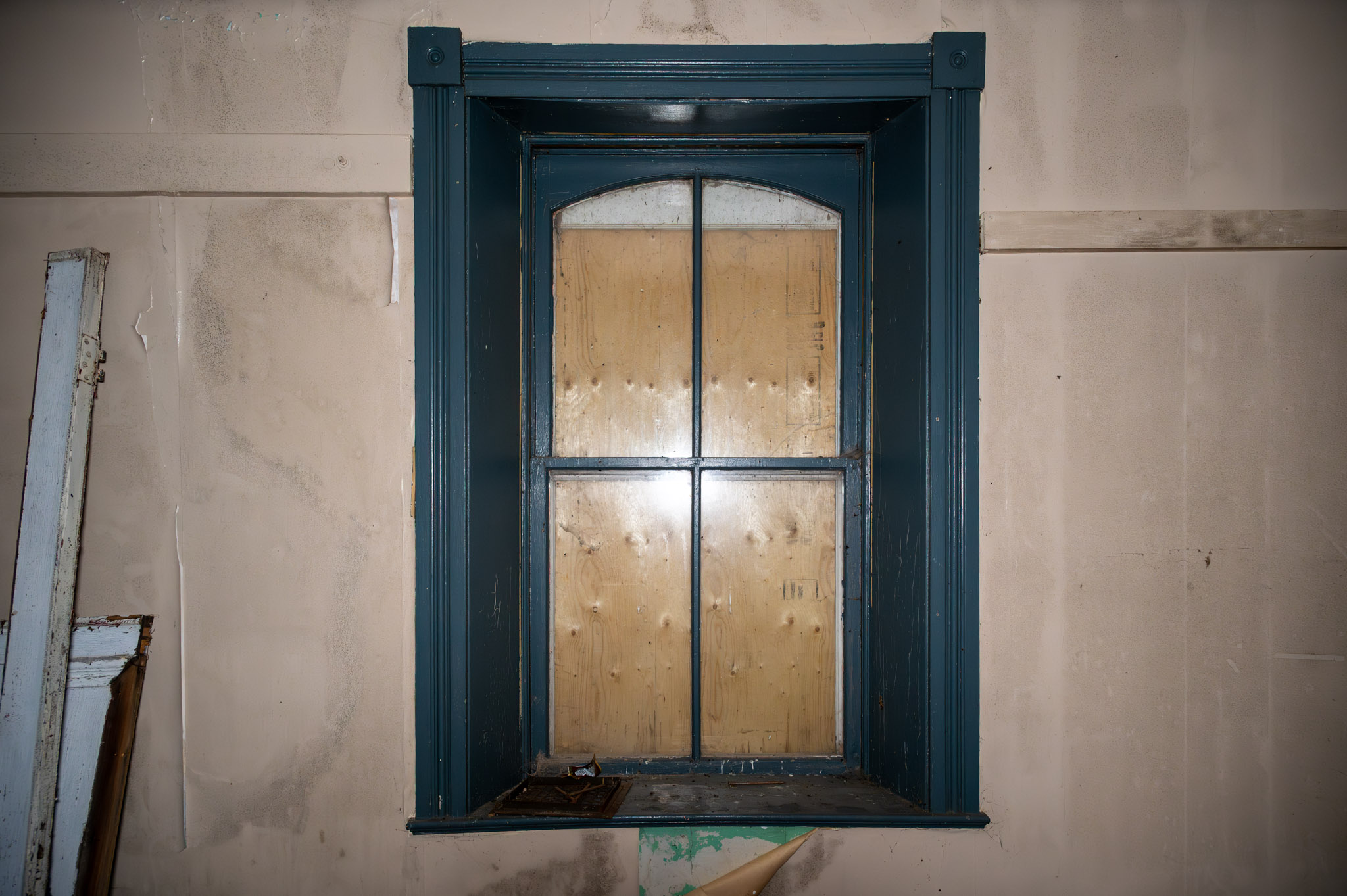
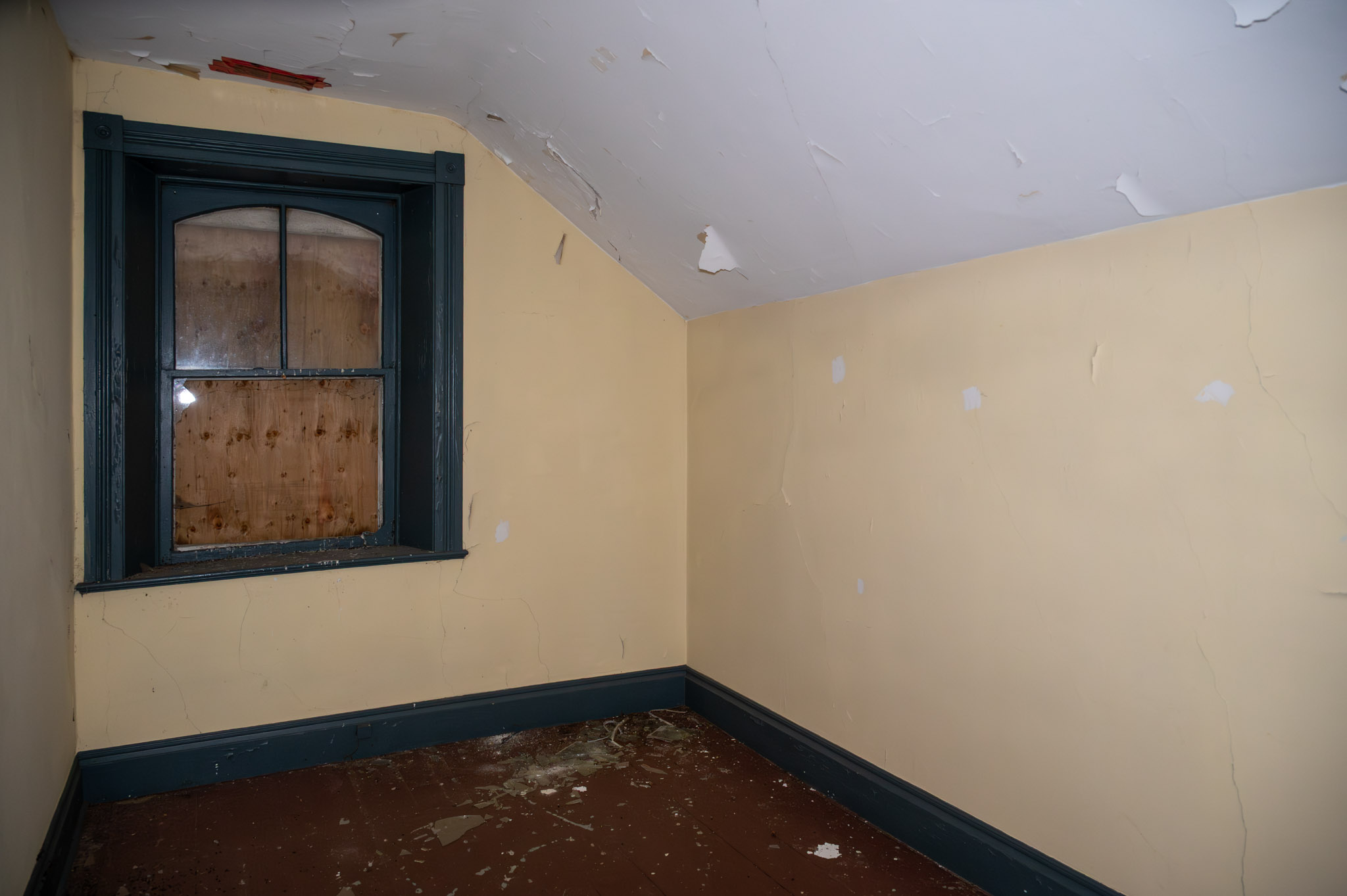
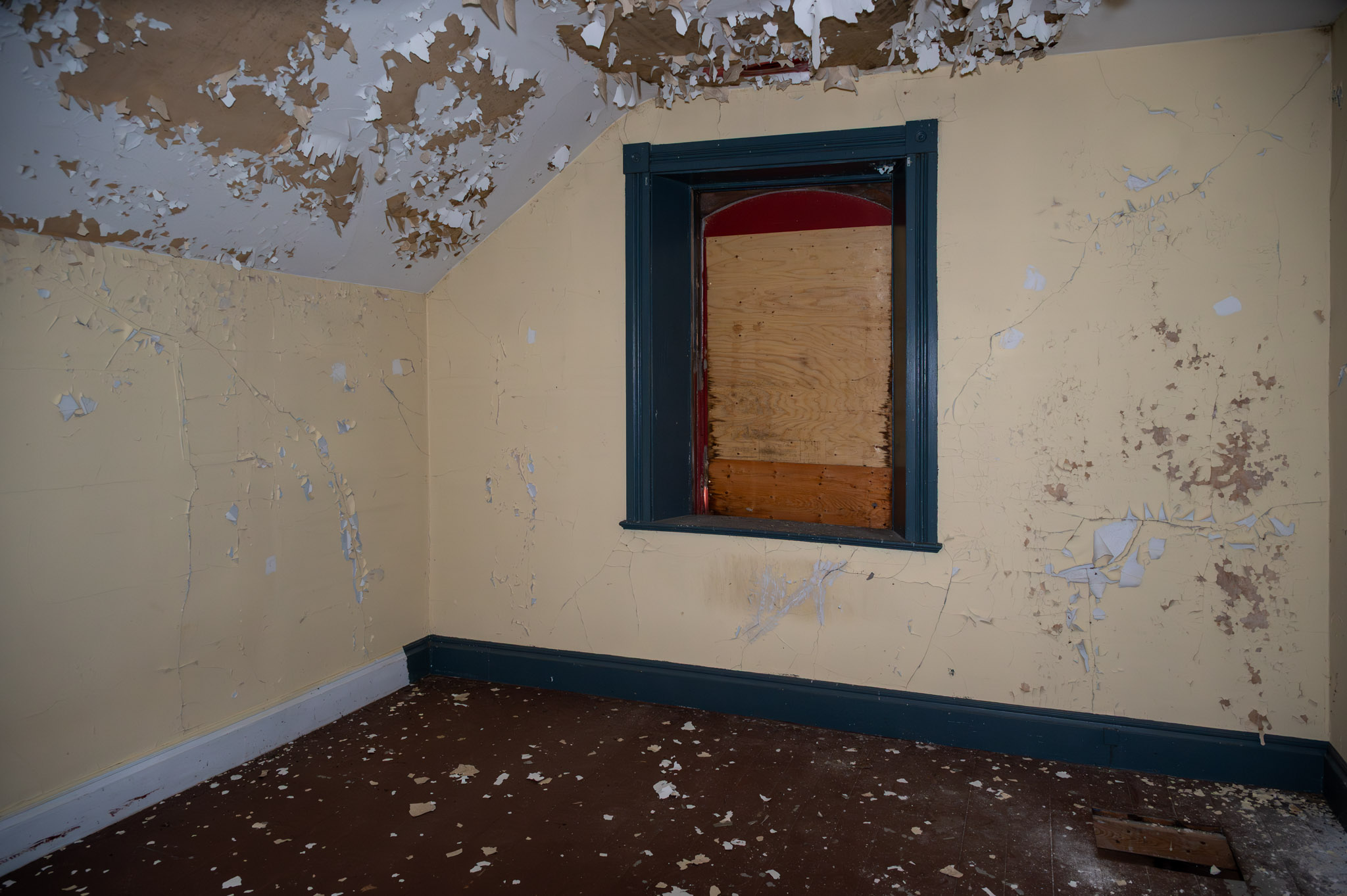
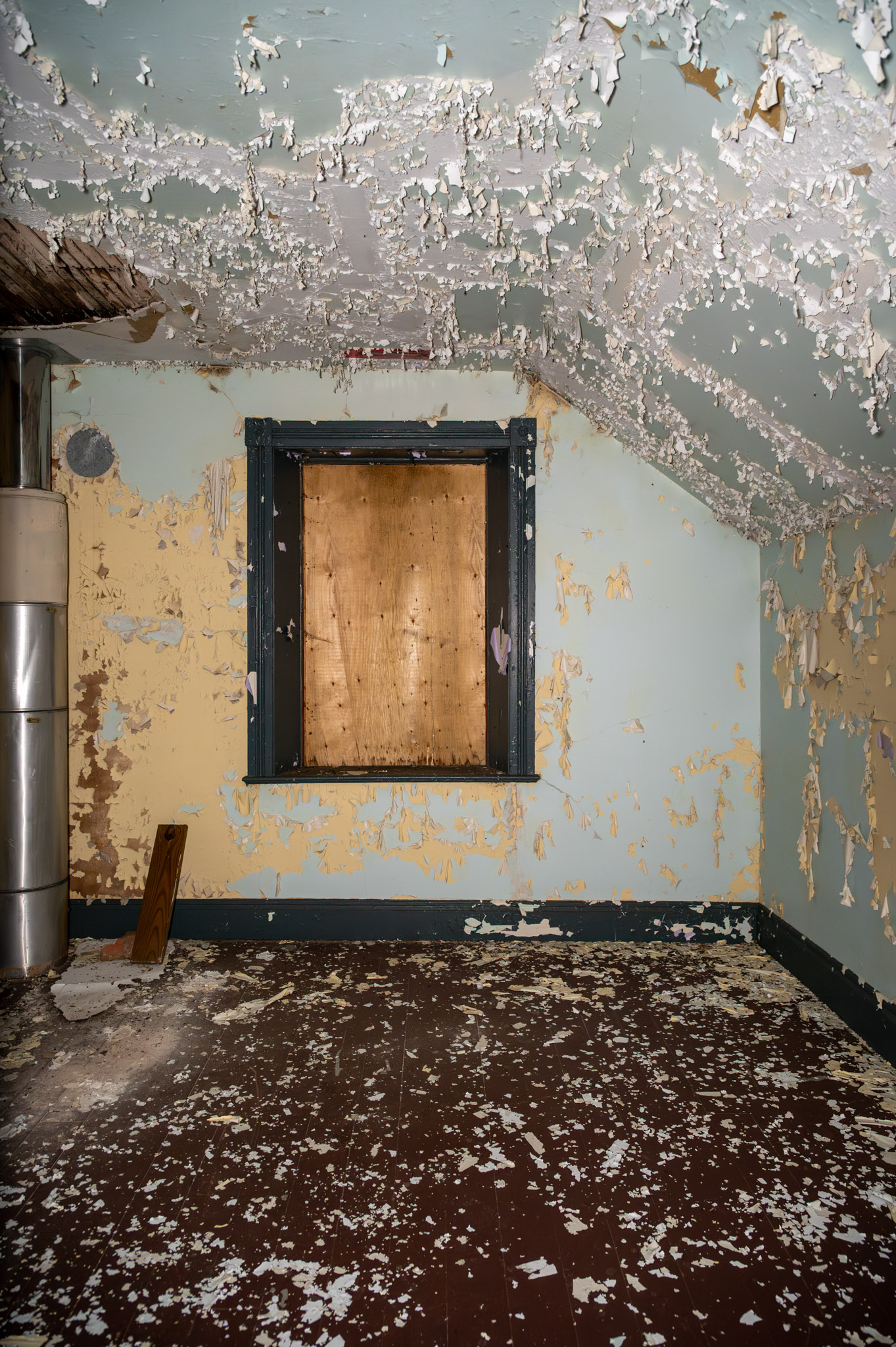
Boarded windows now protect empty rooms from the elements, while overgrown vegetation slowly reclaims the surrounding landscape. The weathered stonework, aging metal roof, and fading architectural details create a compelling visual record of Ontario’s rural past.
For photographers, historians, and urban explorers alike, the farmhouse represents an increasingly rare example of nineteenth-century rural architecture still standing in relative isolation.
Castle Glen Today
Today, Castle Glen remains one of Ontario’s most intriguing historic landscapes. Known for its natural beauty, escarpment scenery, and connection to the Osler family estate, the property continues to attract interest from historians, photographers, and outdoor enthusiasts.
While much of the area’s history has faded from public memory, structures like this abandoned stone farmhouse provide a tangible connection to the generations who lived and worked here long before modern development arrived.