The Abandoned TTC Streetcar in the Haliburton Forest: Full History
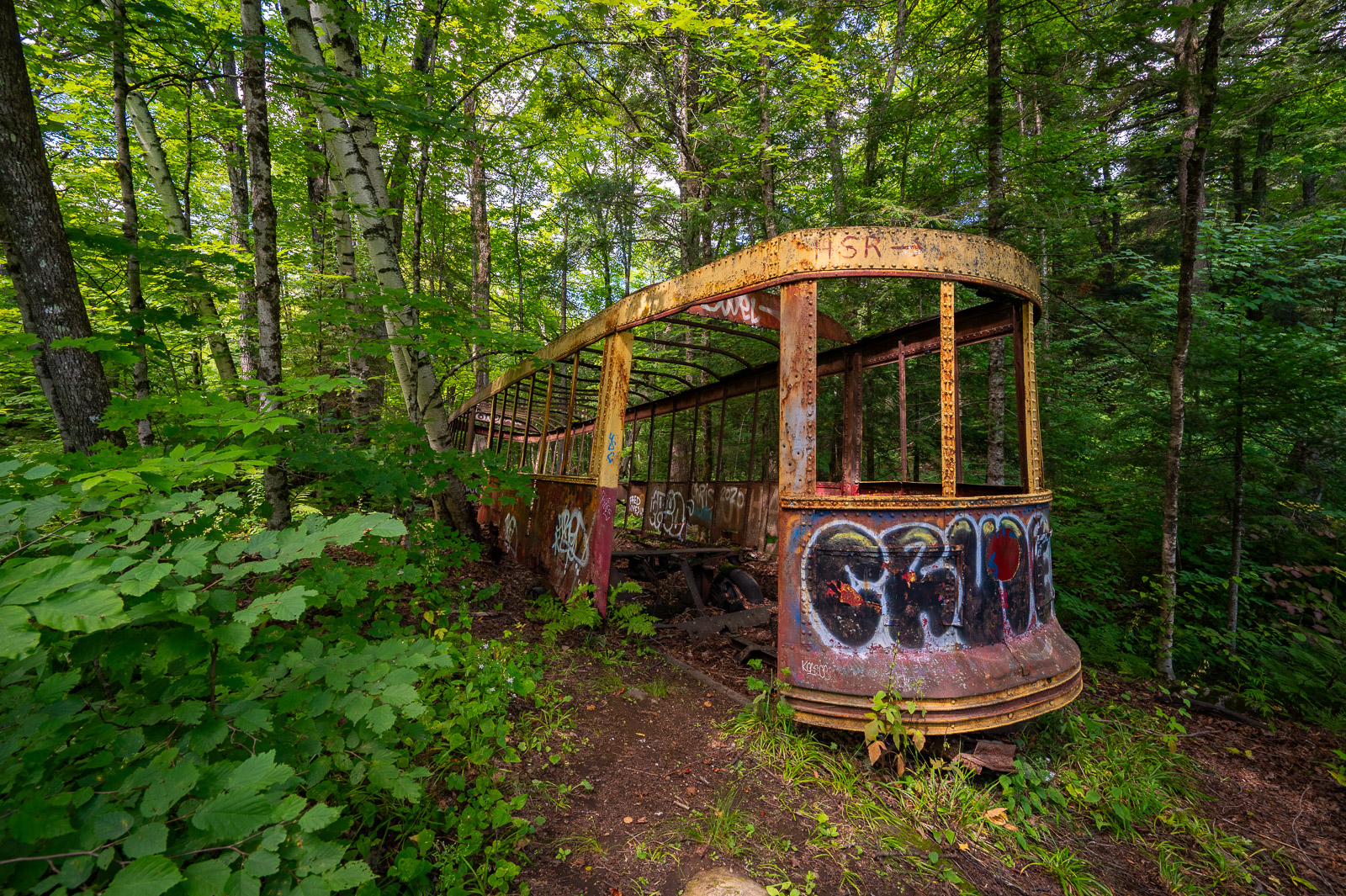
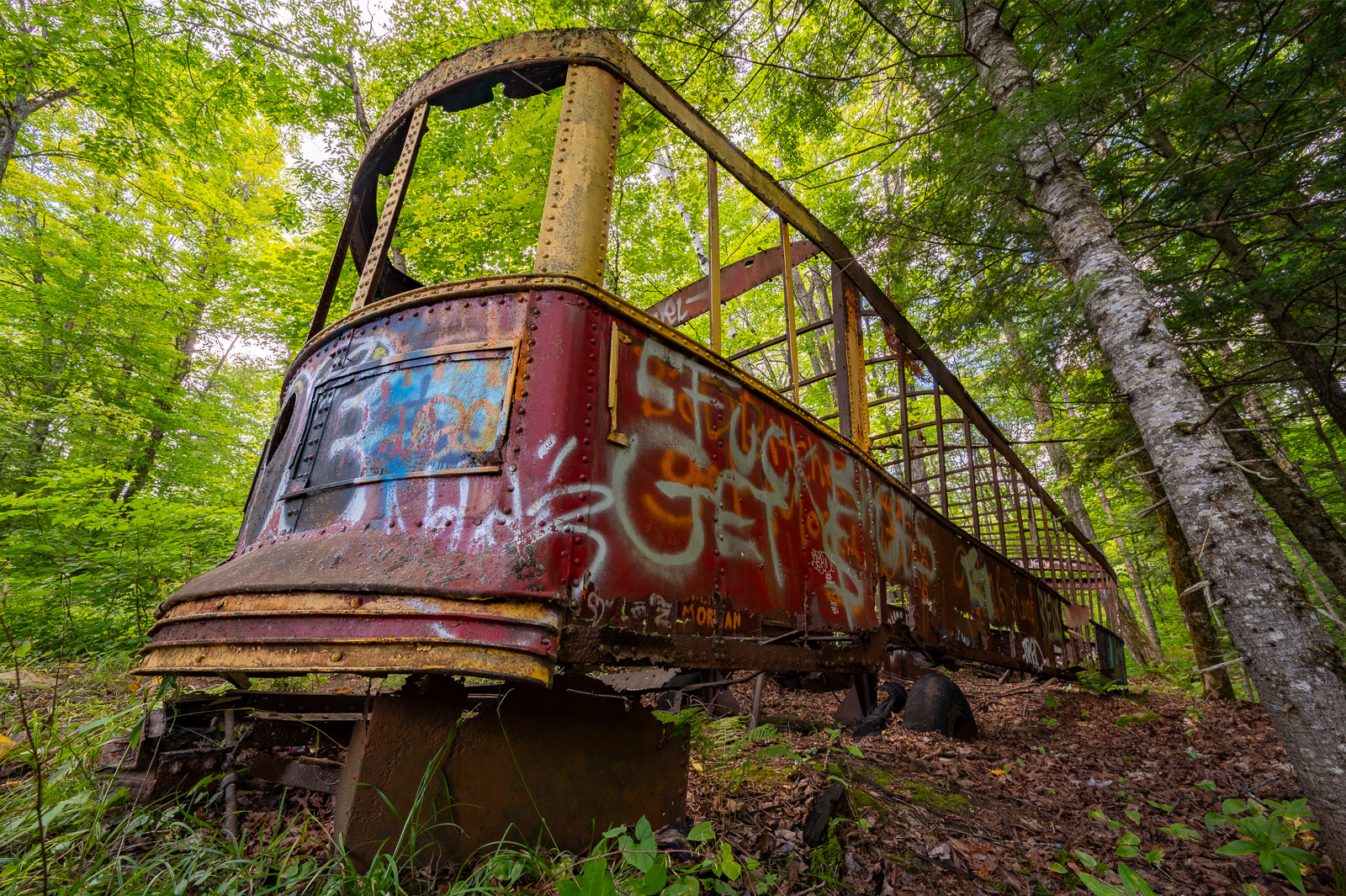
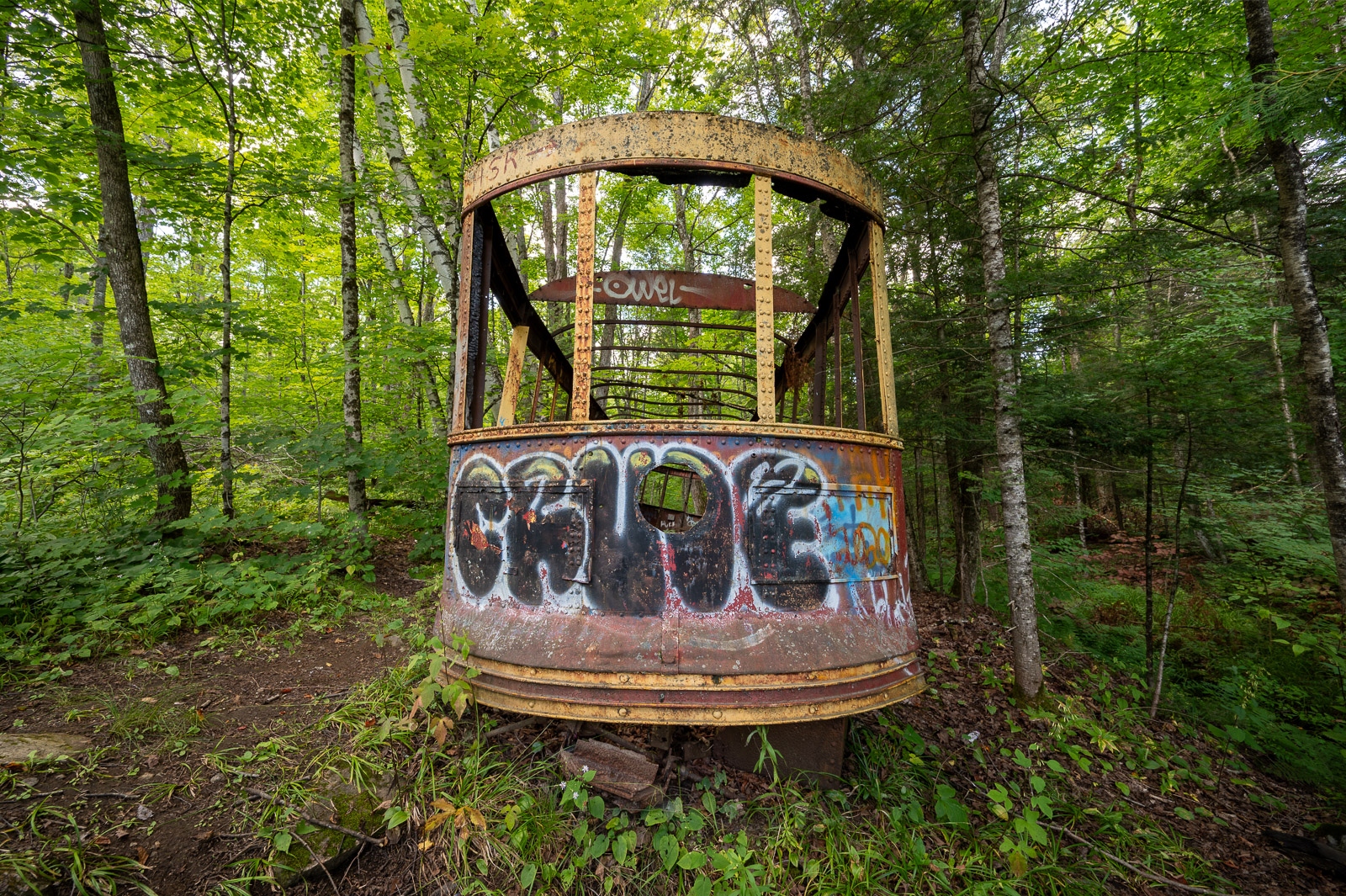
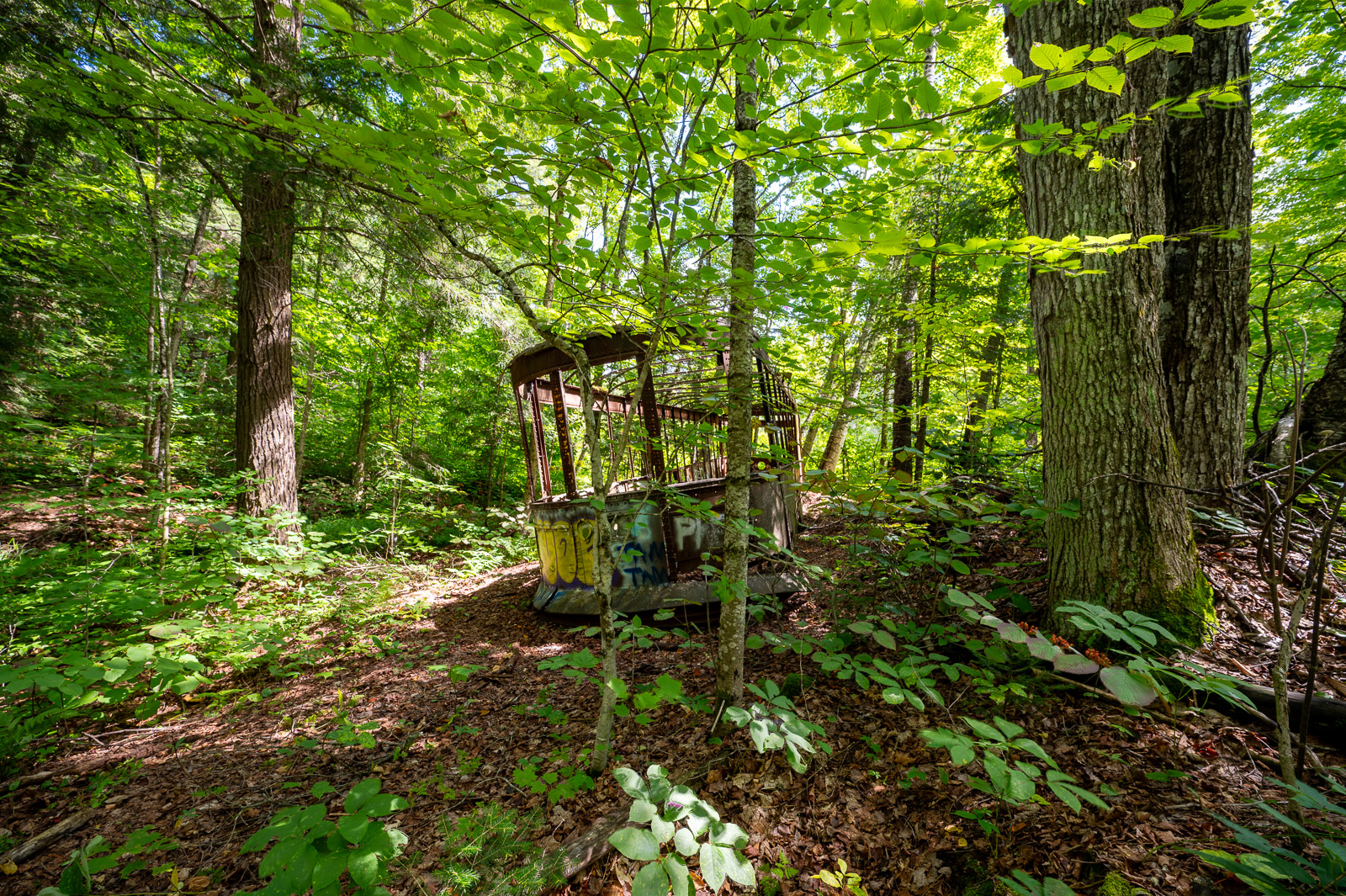
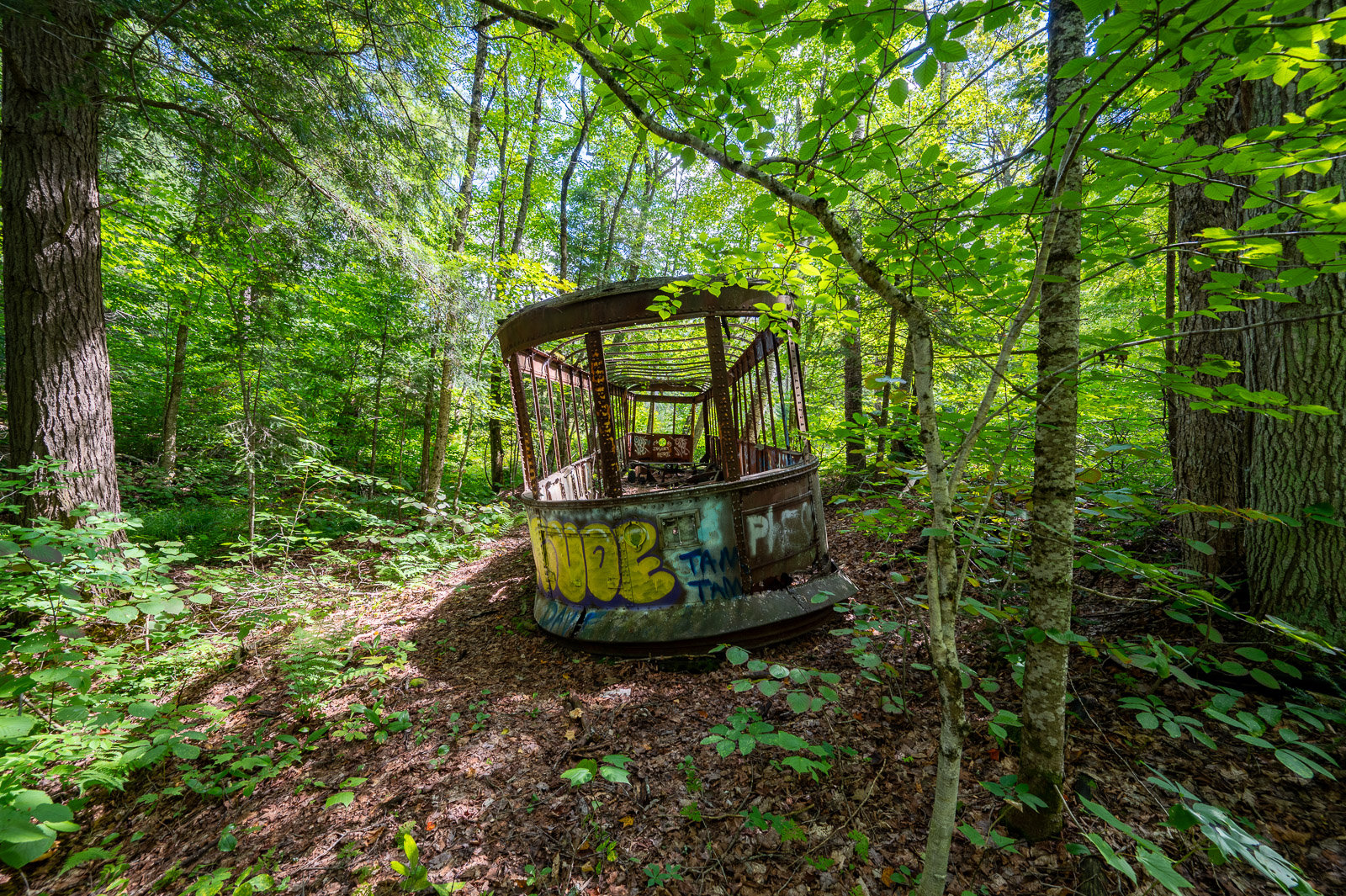
Deep in the woods off Kennaway Road in Haliburton County, Ontario, more than 200 kilometres from downtown Toronto, sits one of the strangest abandoned relics in the province. A rusted, hollowed out streetcar shell, swallowed by trees and moss, decades removed from any rail line it once ran on. This is the story of TTC streetcar 2500, how it ended up here, and why it still draws curious visitors nearly 70 years later.
What Is the TTC Streetcar in Haliburton?
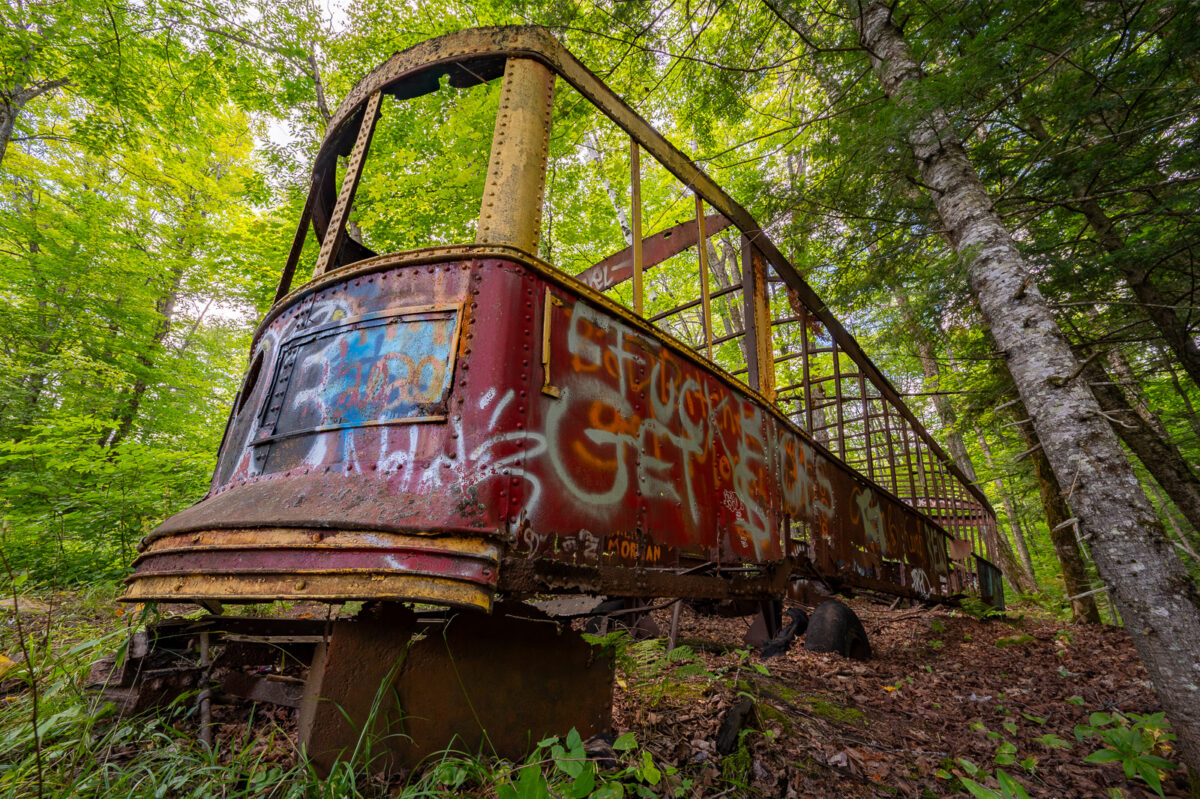
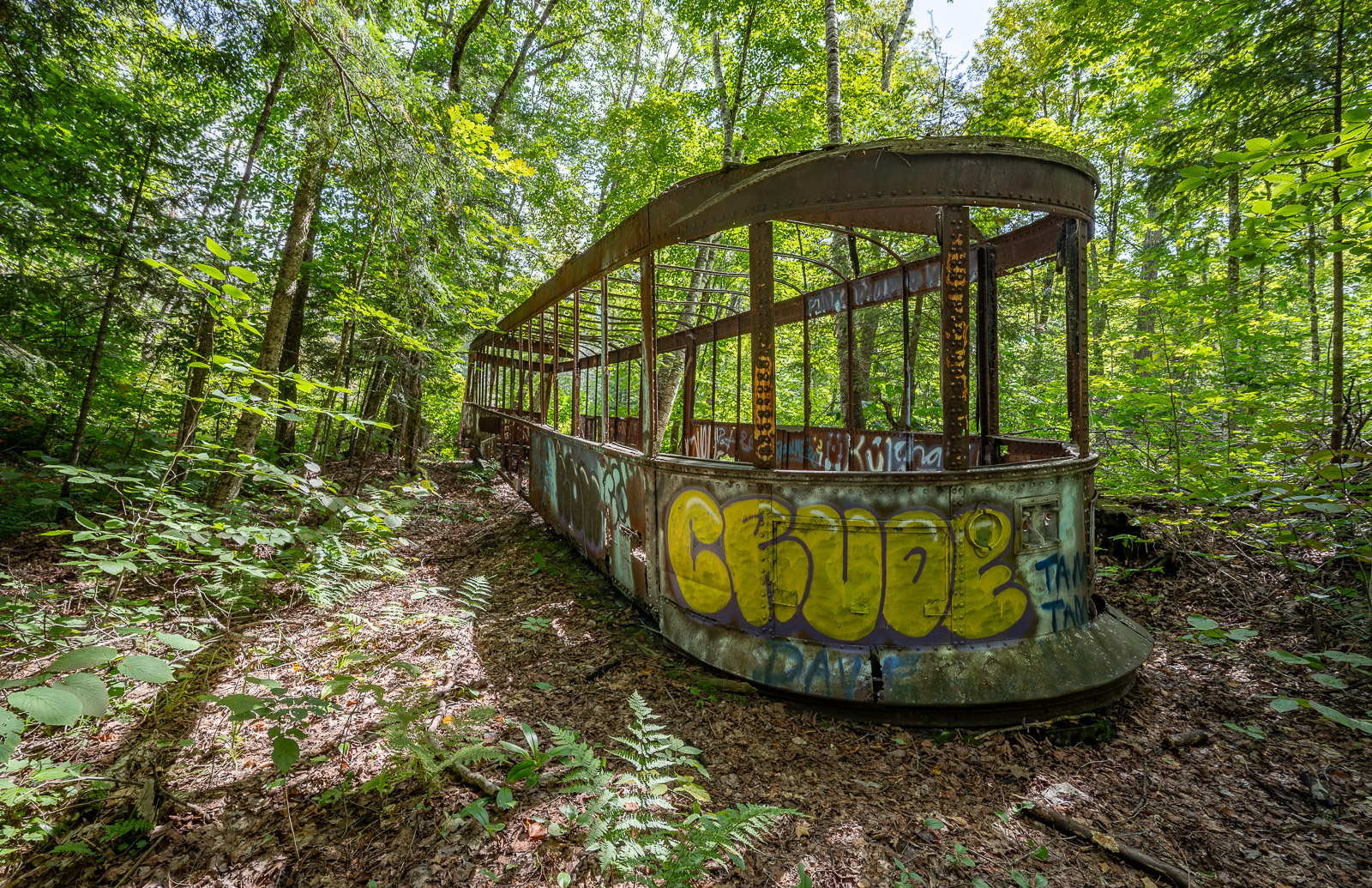
The vehicle in the forest is identified as TTC streetcar 2500, a Peter Witt car built in 1921 and retired from active service in 1954. According to TTC media relations specialist Stuart Green, the car was likely sold off by a scrapper as a body only, meaning it had no wheels, motors, or running gear by the time it left Toronto. Whoever purchased it then hauled the shell north to Haliburton County.
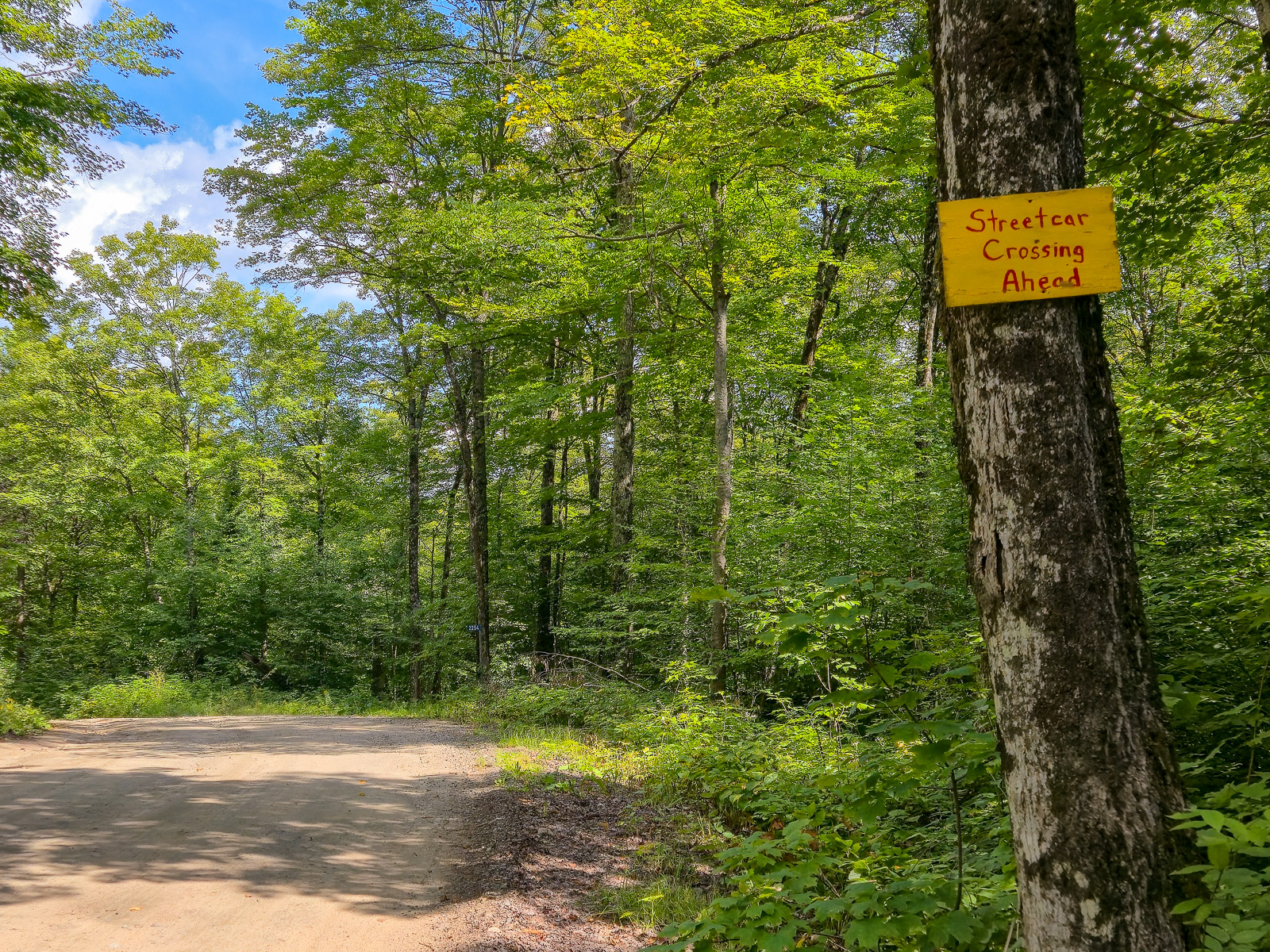
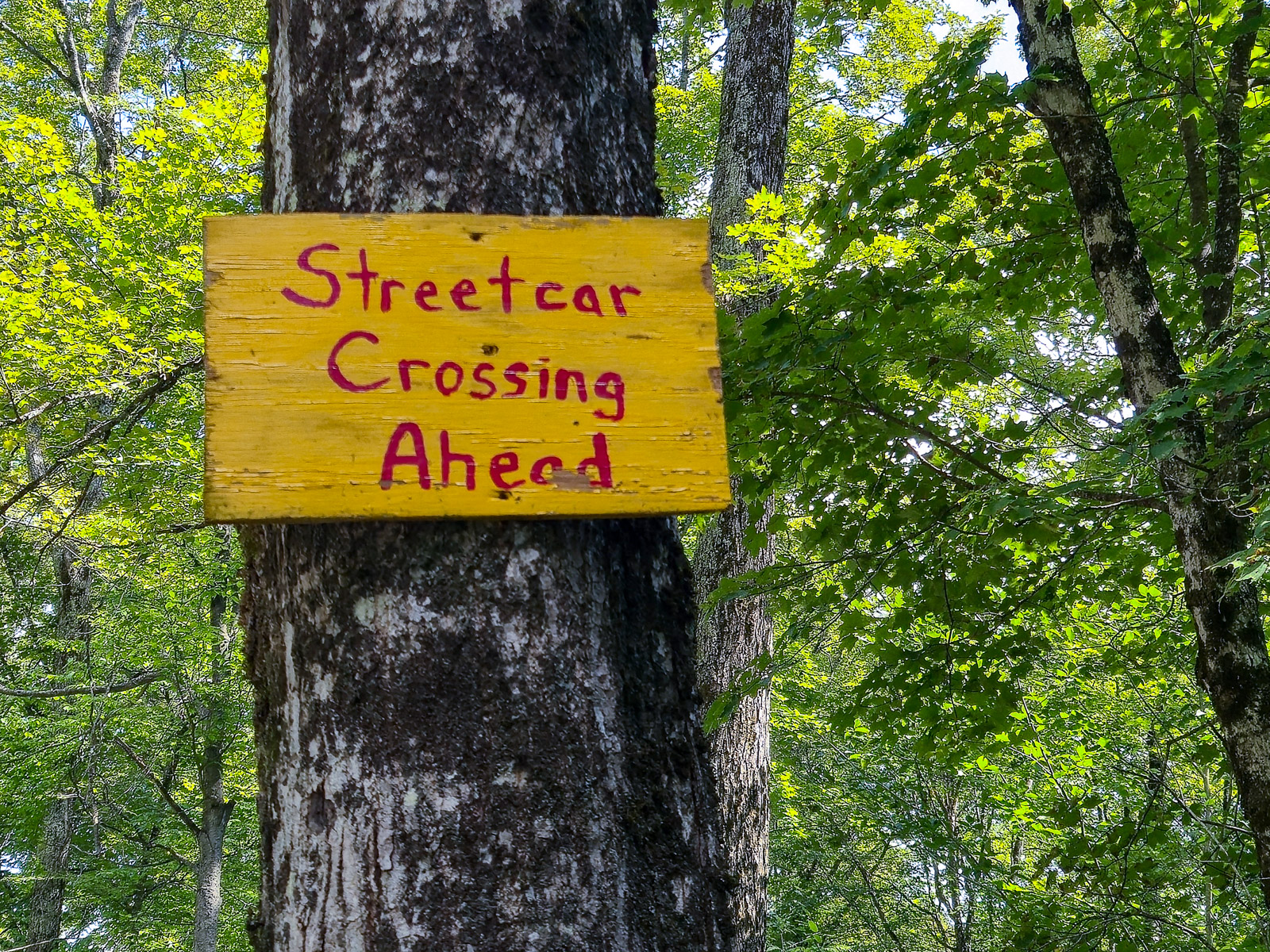
The streetcar now sits on private land near Camp Timberlane, close to the Haliburton Scout Reserve, off Kennaway Road, roughly a mile west of the Scout Reserve property.
The History of the Peter Witt Streetcar
To understand what this car once was, it helps to know where the Peter Witt design came from.
The Peter Witt streetcar was named after Peter Witt, a transit commissioner in Cleveland, Ohio, who in 1914 designed a streetcar that let passengers board at the front and exit through a centre door, paying as they passed a conductor stationed near the middle of the car.
This front-entry, centre-exit layout sped up boarding and became widely used across North America.
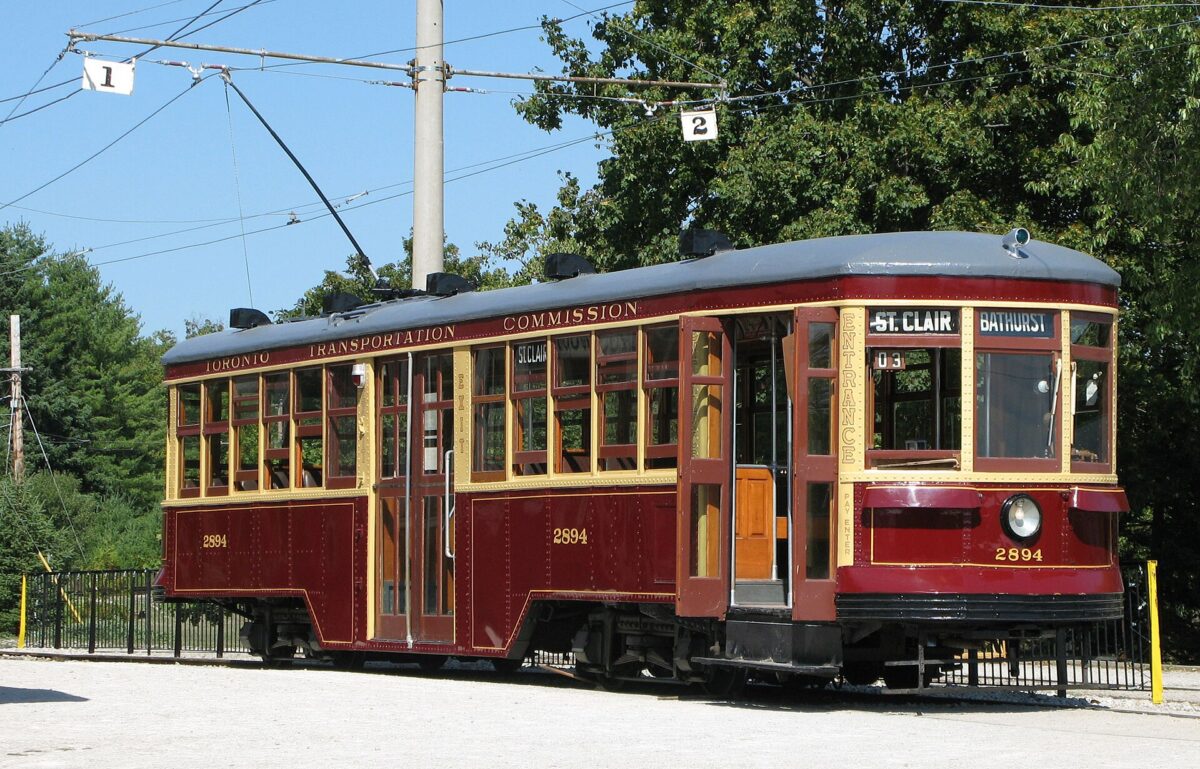
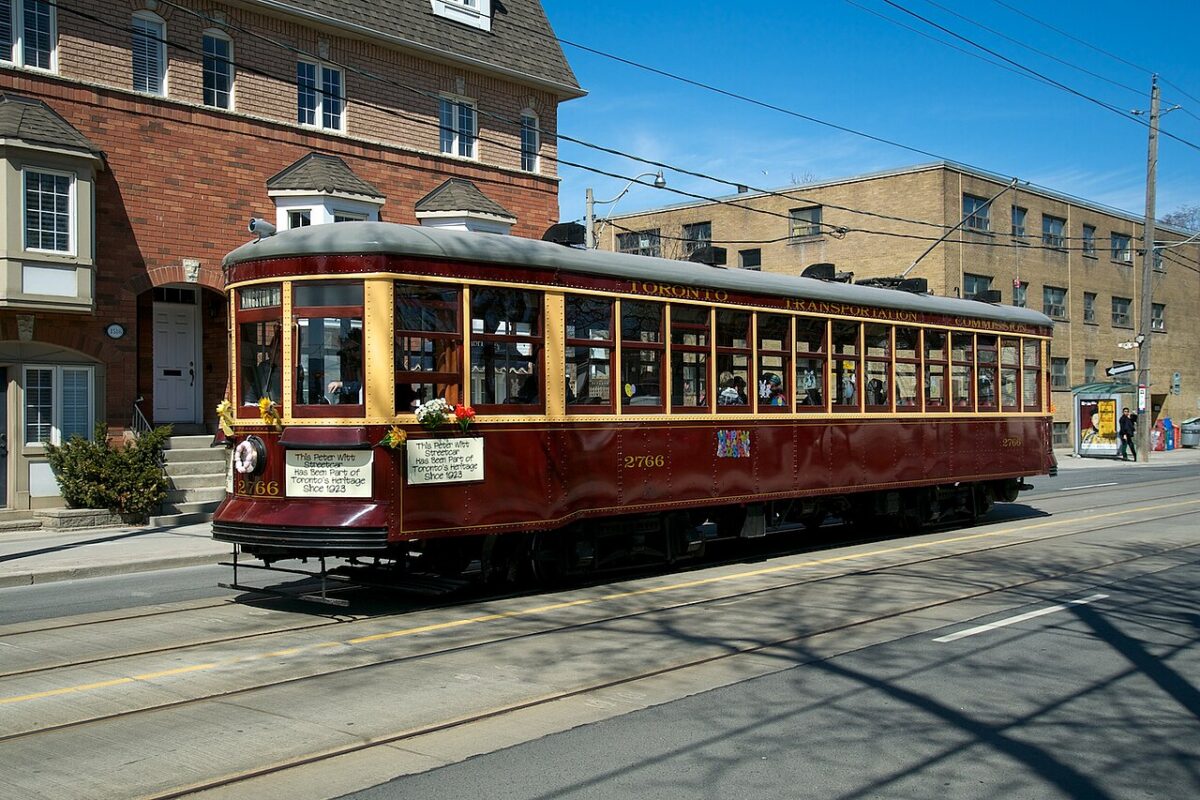
In 1921, the newly formed Toronto Transportation Commission (later renamed the Toronto Transit Commission) took over Toronto’s streetcar network from the old Toronto Railway Company.
The TTC placed a major order for new streetcars built on the Peter Witt design, ultimately acquiring 575 cars between 1921 and 1923, including 350 motorized cars and 225 trailers, built by Canadian Car and Foundry, the Ottawa Car Company, and the Preston Car Company.
These all-steel Peter Witt cars were wider than the streetcars they replaced, which actually forced the TTC to rebuild track across the system to widen the gap between parallel rails, known as the devilstrip, so the new cars could safely pass one another.
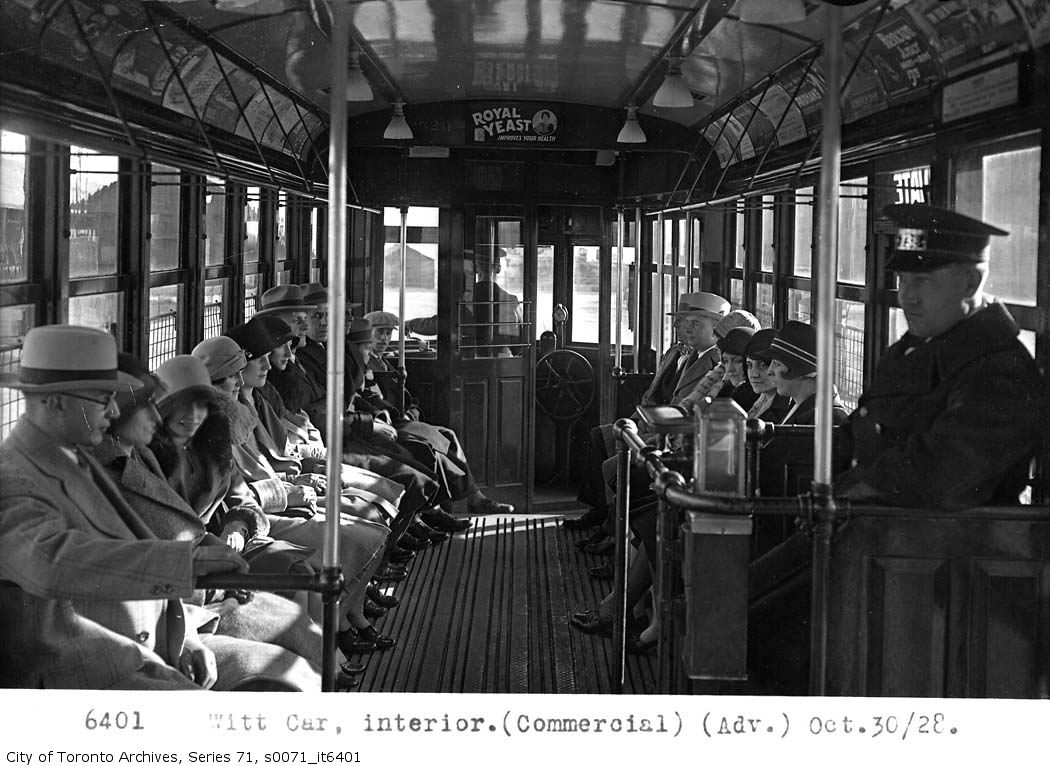
These all-steel Peter Witt cars were wider than the streetcars they replaced, which actually forced the TTC to rebuild track across the system to widen the gap between parallel rails, known as the devilstrip, so the new cars could safely pass one another.
Peter Witt cars became the backbone of Toronto’s streetcar system for decades. Many remained in daily service until 1963, and a handful continued running as tour trams into the 1970s and 1980s. Several Peter Witt cars have survived and are preserved today in museums, including the Halton County Radial Railway Museum in Ontario, the Seashore Trolley Museum, and the Shore Line Trolley Museum in Connecticut.
Streetcar 2500 is one of the ones that did not make it into a museum. Instead, it ended up in the woods of cottage country.
How the Streetcar Ended Up in the Haliburton Woods
The most detailed account of how the car arrived in Haliburton comes from historical notes tied to the Haliburton Scout Reserve. These notes, compiled in 1972 for the camp’s 25th anniversary, were originally written by J.C. Moore, the Scouts Canada field commissioner who had located and helped purchase the property back in 1946. Moore served as the camp’s Ranger from 1947 until his death in 1973.
According to those notes, the retired streetcar arrived in the area during the winter of 1955, brought in along Kennaway Road about a mile west of the Scout Reserve. Once there, it was put to use by lumber cutting contractors who were supplying the nearby Curry Mill. The streetcar served a practical, if unusual, second life: a dining hall for loggers in the winter, and a tool shed in the summer.
The Curry Mill was owned by W.R. Curry, and his grandson, Peter Curry, later confirmed the streetcar’s role as a makeshift dining car for the logging crews.
Locals who grew up in the area remember it fondly. Some who attended nearby scout camps recall it being nicknamed “Al’s Diner,” a nod to its brief career feeding lumber workers before the camp it was associated with eventually closed.
The Streetcar Goes Viral
For decades, the streetcar sat quietly in the forest, known mostly to locals, campers, and the occasional hiker who happened to stumble across it. That changed in August 2019, when Toronto city councillor Josh Matlow was visiting the Haliburton Highlands and came across the rusted car himself. He posted a photo to Twitter with the caption, “Deep in the forests of the Haliburton Highlands, a Toronto streetcar,” and the post quickly gained traction, racking up close to 1,500 likes within a day.
The photo sparked a wave of media coverage from Ontario outlets, along with plenty of online jokes about the TTC losing a streetcar or riders finally finding out where their late streetcar had been hiding all along. Global News sent a reporter up to Haliburton to track down the story in person, and local residents, including members of the Curry family, helped confirm the streetcar’s real history as a former logging camp dining hall.
What the Streetcar Looks Like Today
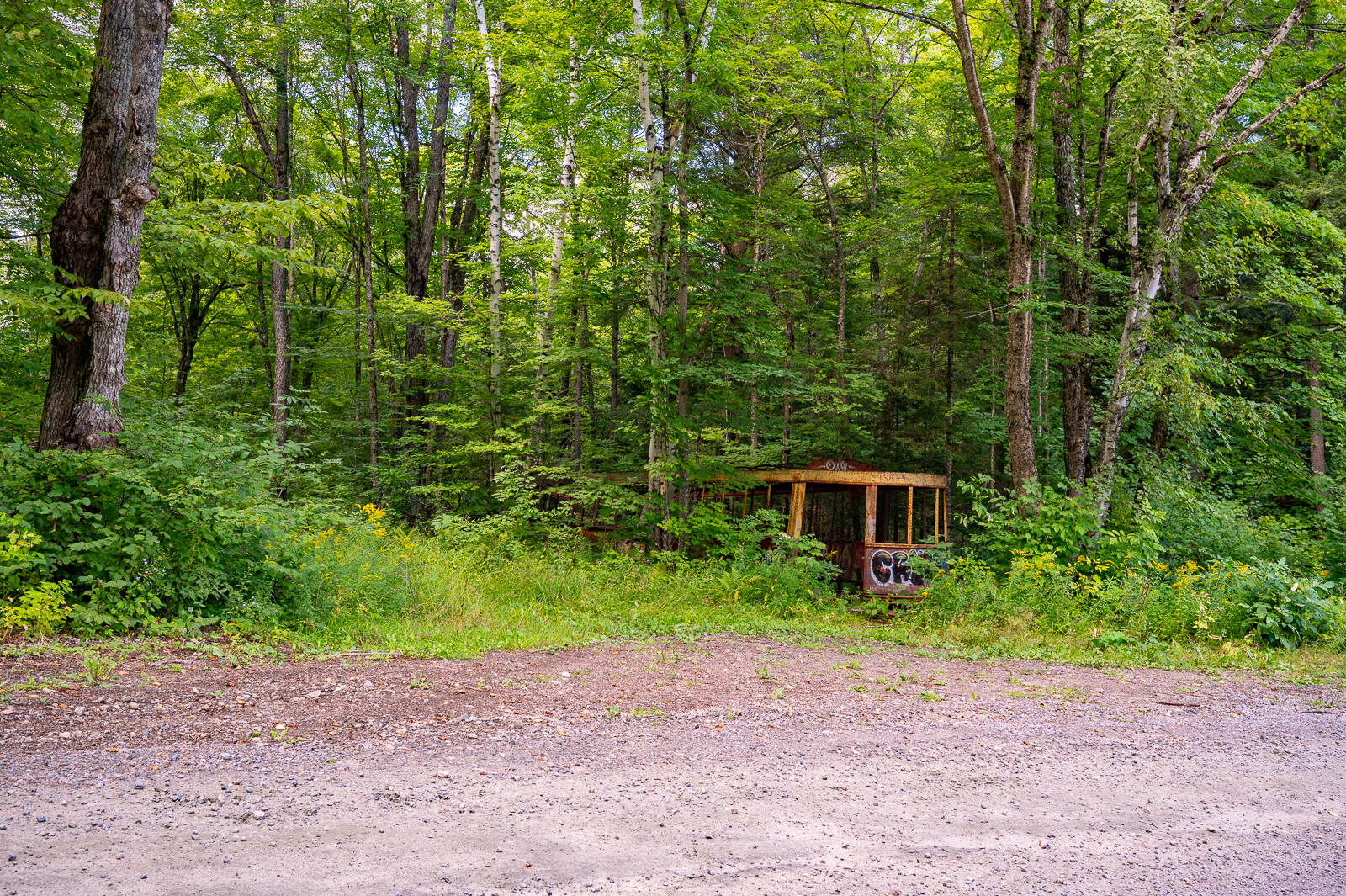
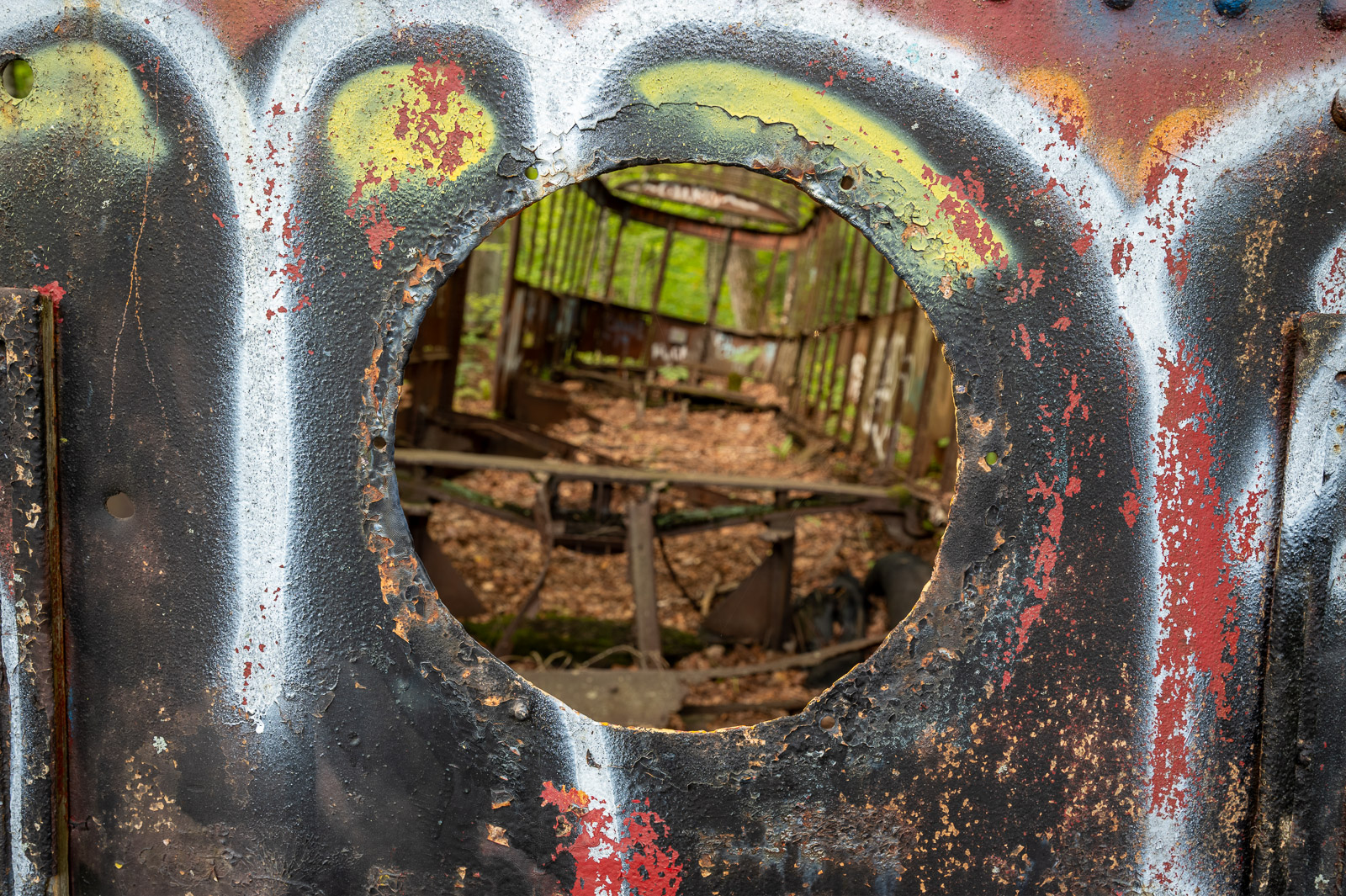
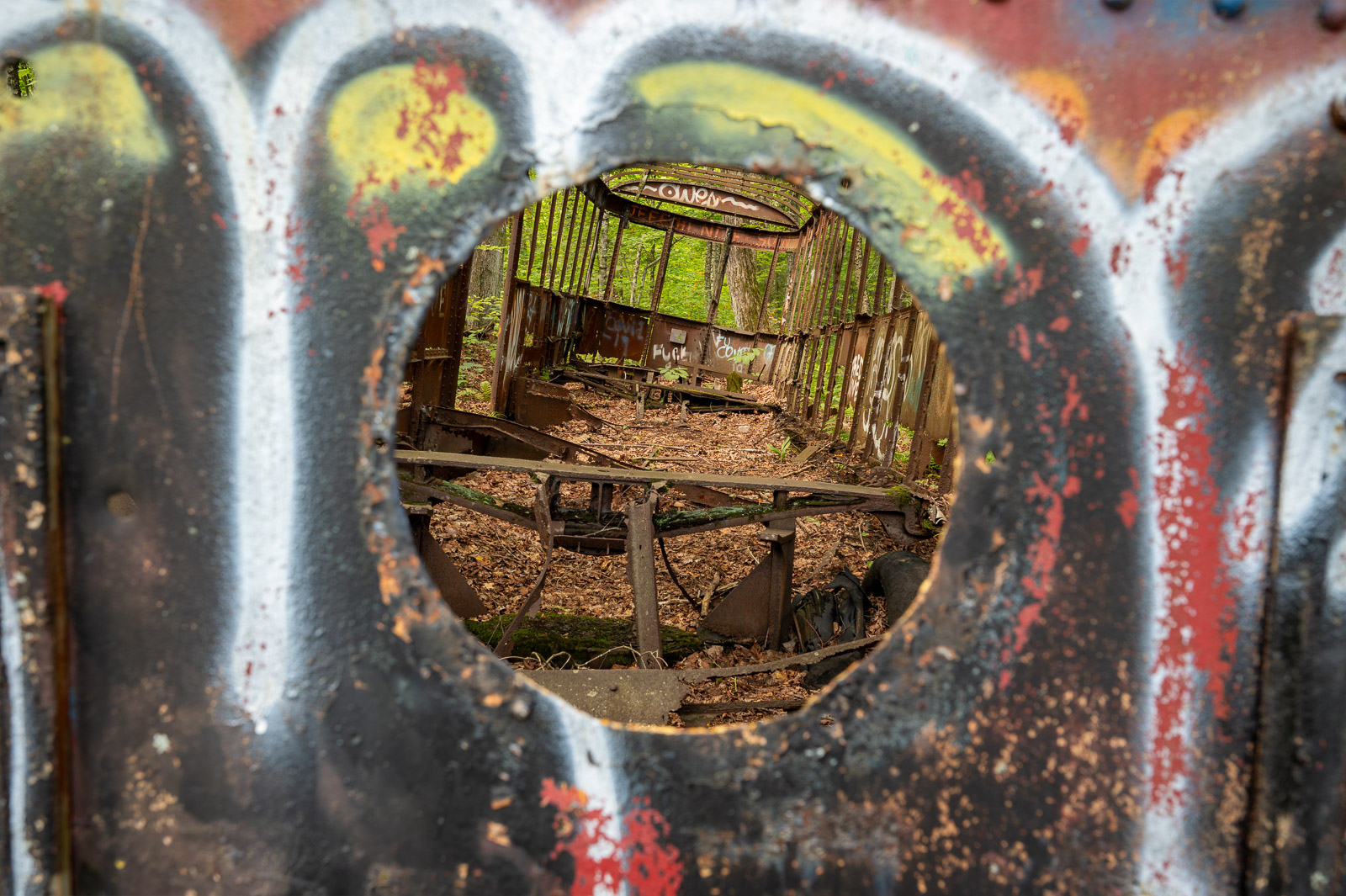
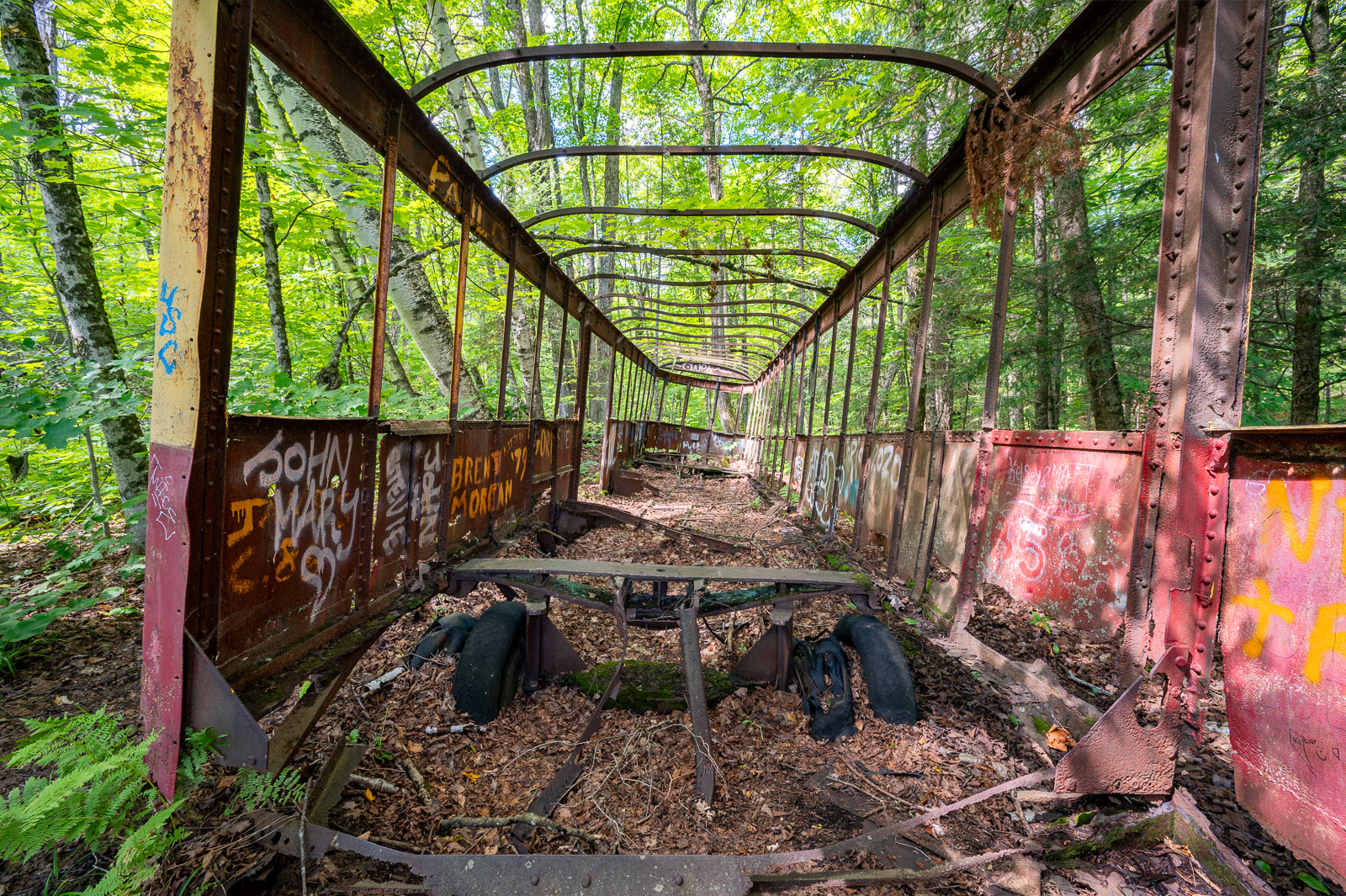
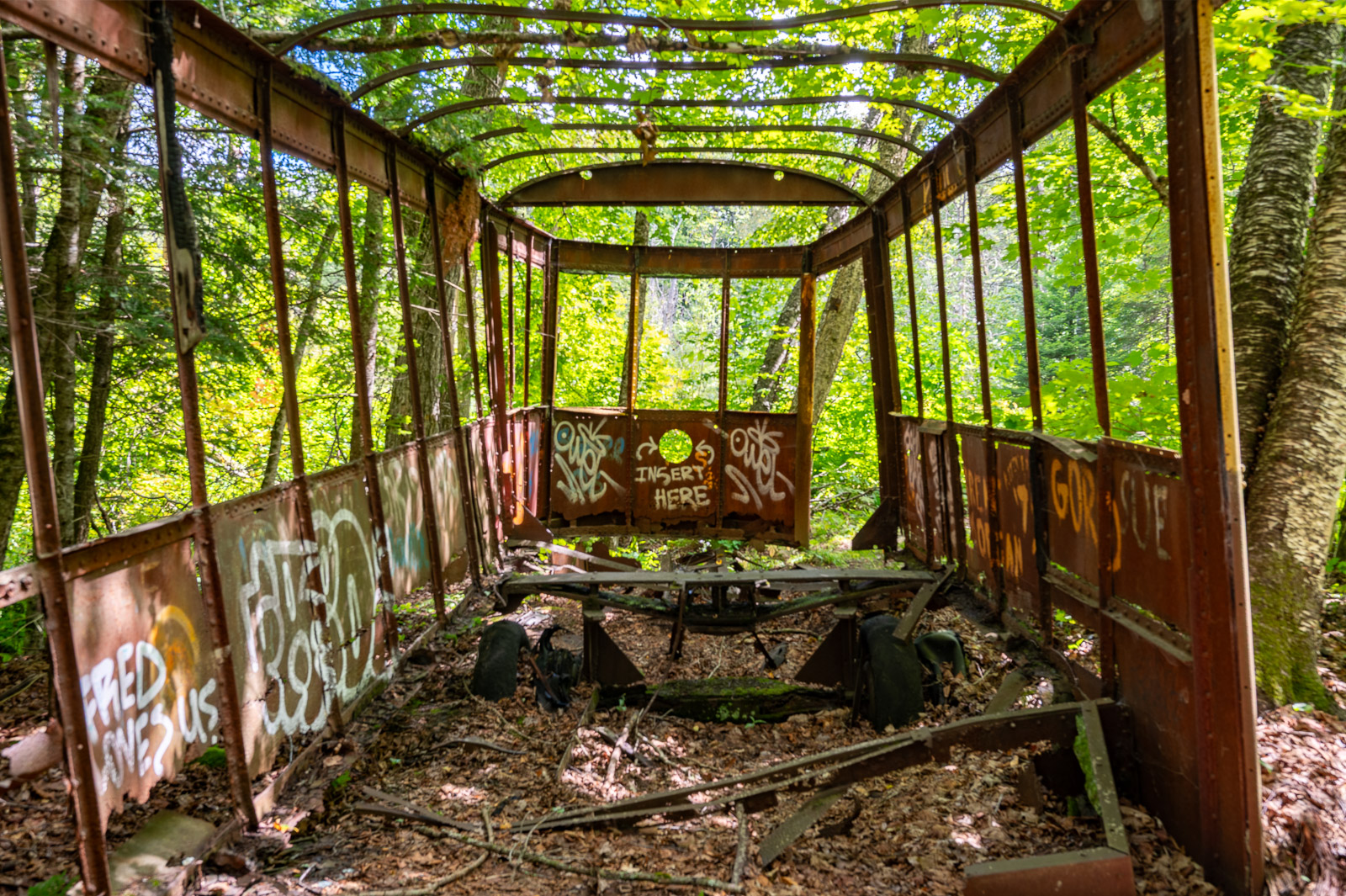
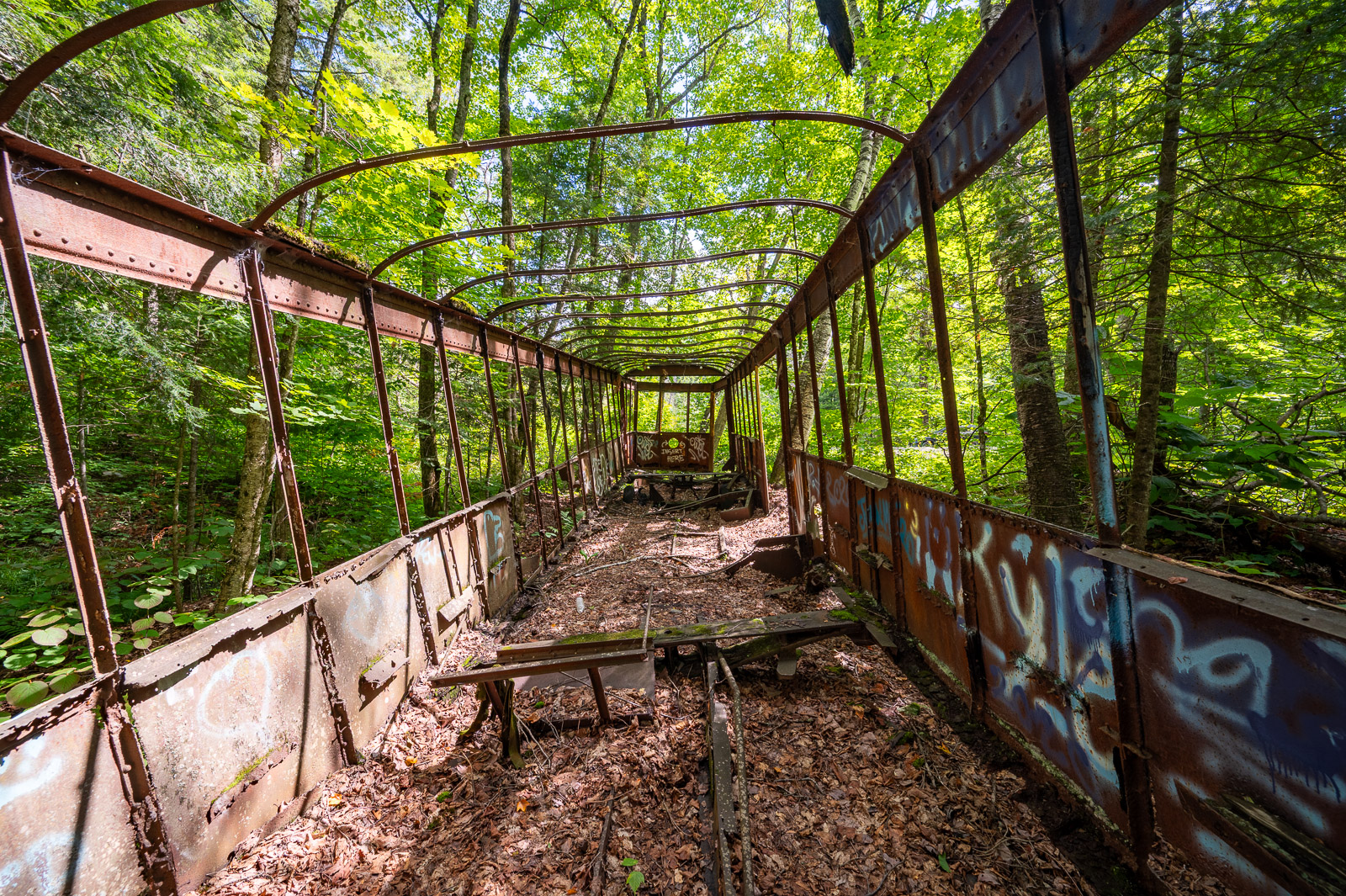
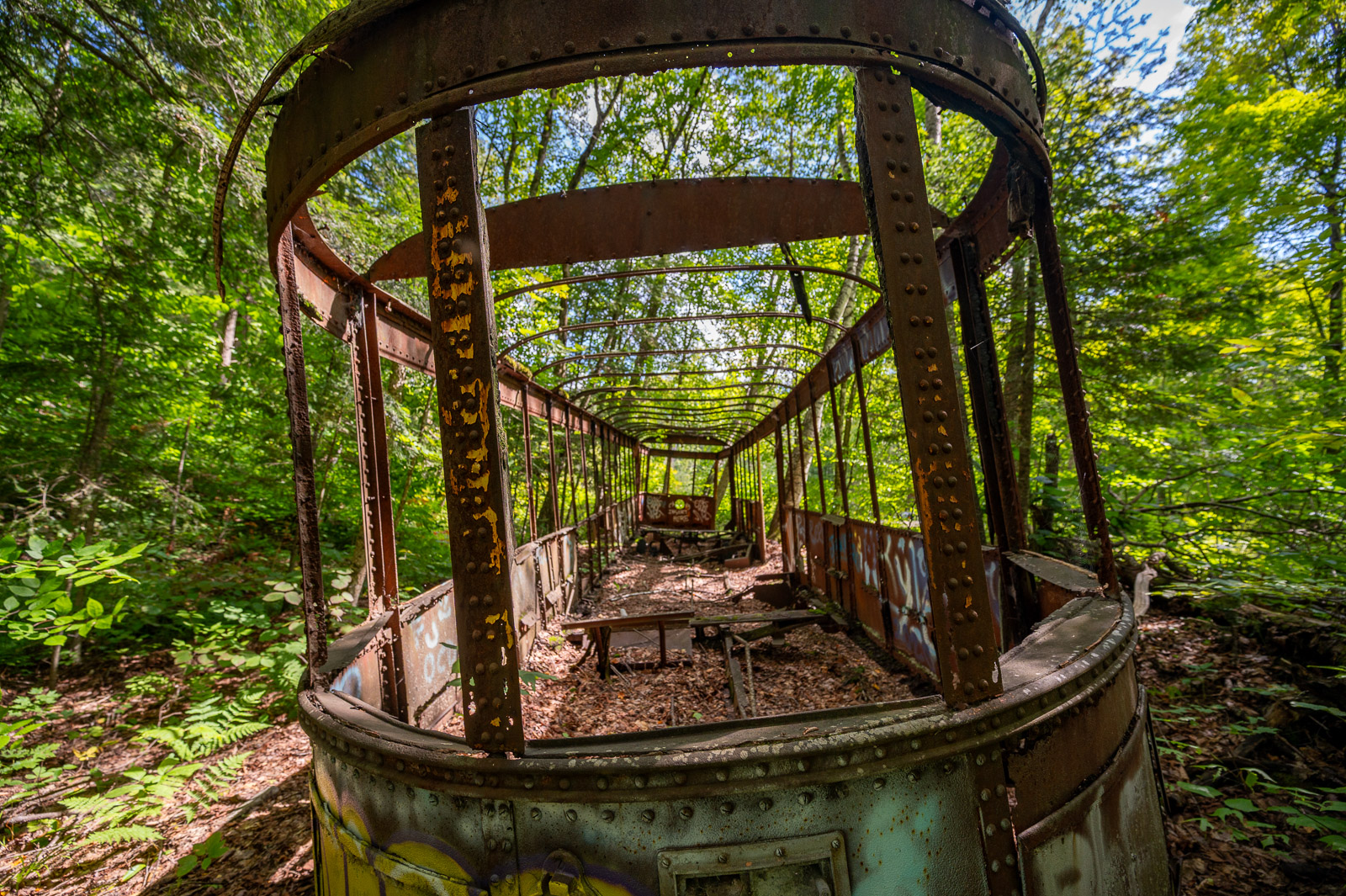
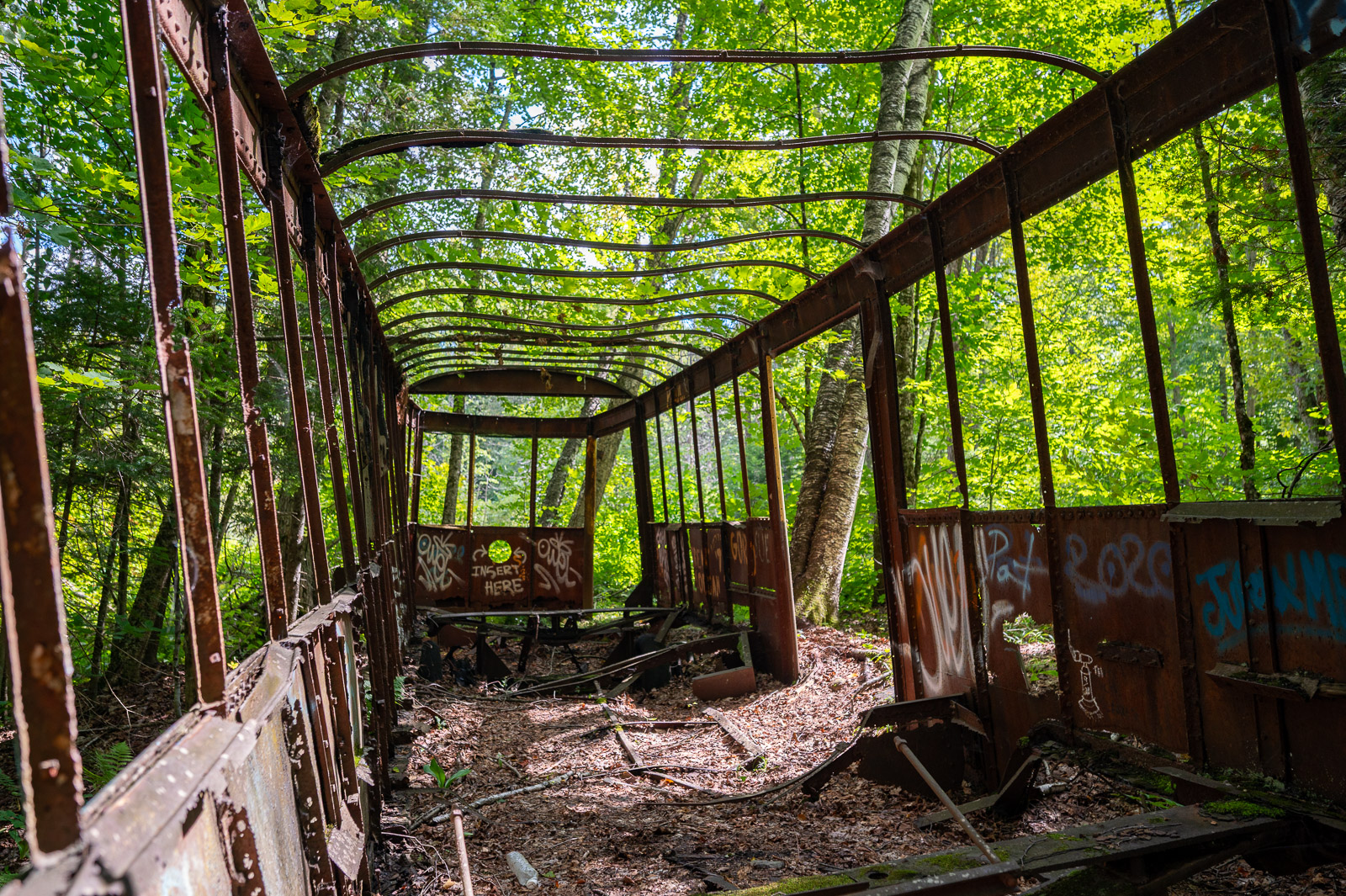
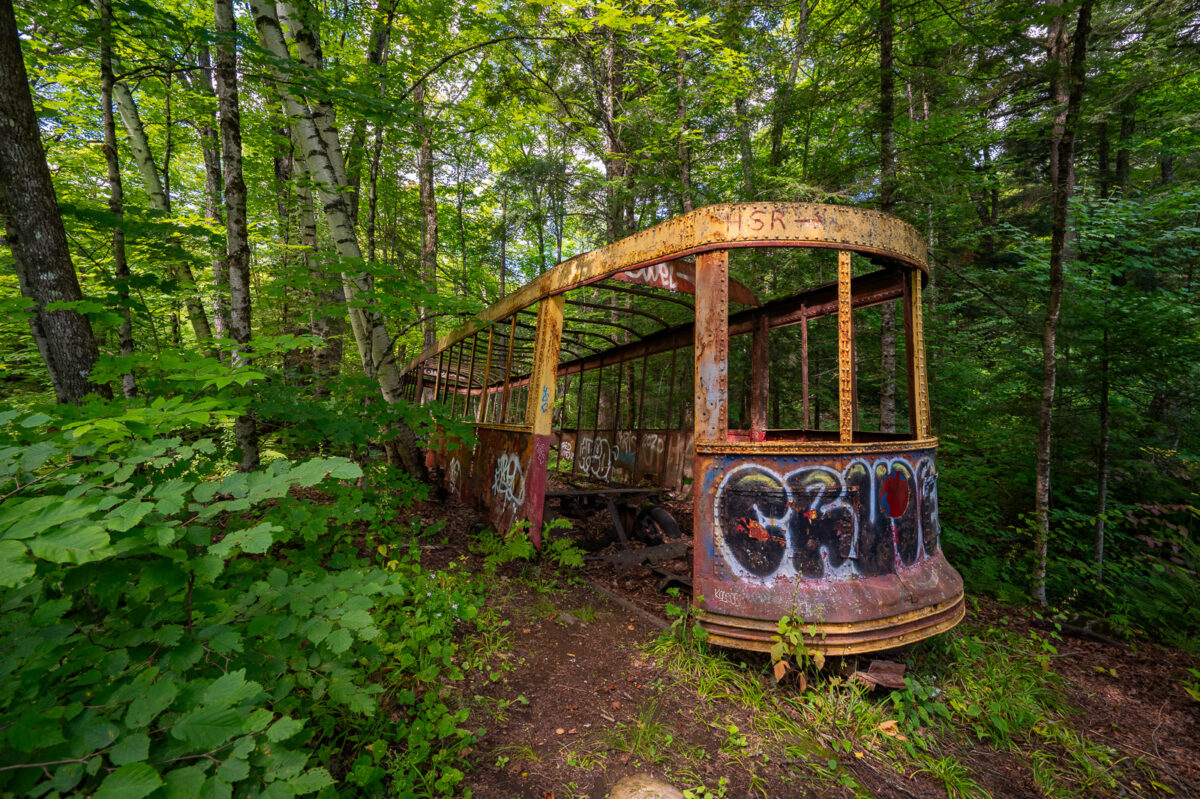
Nearly seventy years after it was hauled into the woods, the streetcar remains standing, though heavily deteriorated. Its windows are long gone, its steel body is deeply rusted, and the surrounding forest has grown up around and even through parts of the structure. Visitors who have made the trip describe climbing through the open frame and taking photos beside what remains of Toronto’s transit history, now more forest landmark than vehicle.
Because the site sits on private land near Camp Timberlane and the Haliburton Scout Reserve, anyone planning to visit should be respectful of the property and mindful that it is not an official public attraction.
Why This Abandoned Streetcar Still Fascinates People
Part of what makes the Haliburton streetcar so compelling is the contrast. A streetcar is, by design, meant to stay on rails within a city. Finding one motionless in a forest, hundreds of kilometres from the nearest track, breaks that expectation in a way that feels almost surreal. Add in the genuine, documented history behind it, a real logging camp, a real mill, a real Scout Reserve archive confirming the story, and it becomes more than just an odd photo. It is a small, physical piece of Toronto transit history that took an entirely unexpected second life in the Ontario wilderness.
Quick Facts
- Vehicle: TTC Streetcar 2500, Peter Witt class
- Built: 1921
- Retired from TTC service: 1954
- Arrived in Haliburton: Winter of 1955
- Original second use: Dining hall and tool shed for logging crews supplying the Curry Mill
- Location: Off Kennaway Road, Haliburton County, Ontario, near Camp Timberlane and the Haliburton Scout Reserve
- Went viral: August 2019, via a photo posted by Toronto city councillor Josh Matlow