
Reading the Visual Language of Canadian Slot Games
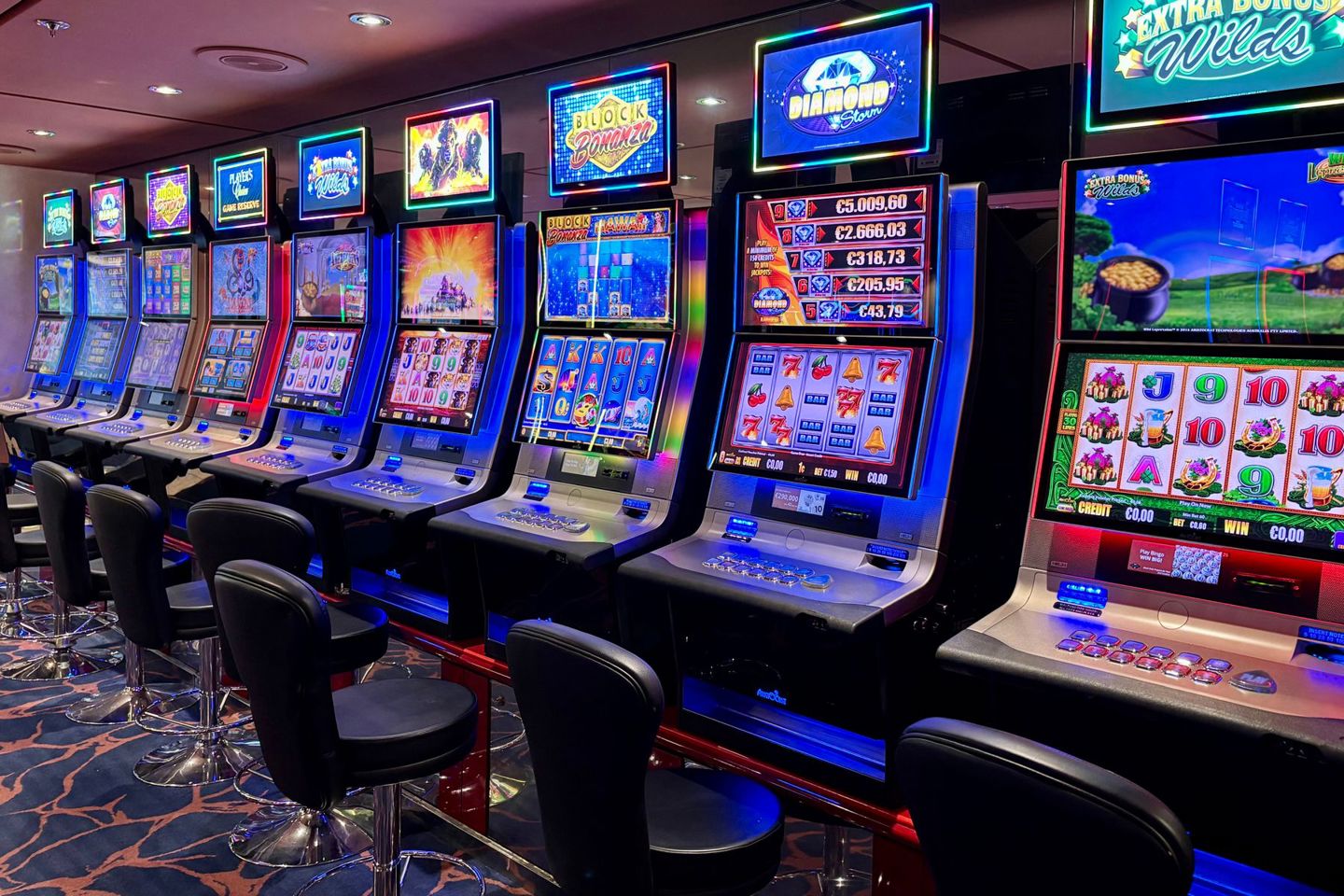
Slot games are designed spaces. Every reel layout and bonus screen gets sketched and reworked by an art team long before anyone loads it on a phone.
Photographers in dim factories will recognize parts of this – it’s framing and light, and a long list of decisions about where your eye goes first.
Open an online casino lobby like the one Betway Zambia offers and the first impression is visual. Betway Zambia sorts its games into categories, so a visitor can go straight to slots or live dealer tables, and every thumbnail has about a second to get noticed.
Why Slot Design Deserves Closer Attention
Online slots are casino games first, with results decided by a random number generator. Still, what a player sees from one spin to the next is almost all design work.
Read the screen the way you’d read a photograph and patterns come through fast. Pragmatic Play’s Gates of Olympus places a bearded Zeus beside the reels, framed by temple columns, while Sweet Bonanza goes for pastel candy on a sugary sky. Both games repeat their core motifs until a player could pick them out of a lobby at thumbnail size.
None of this art changes the math. It changes the feel of a session, which is why studios spend so much on it.
How Popularity Rankings Measure Engagement
In August 2026, a major operator’s monthly performance report tracked about 7,500 slot titles and split the results into three Canadian charts, as covered by Canadian Gaming Business. Its algorithm weighed revenue and stakes, plus session counts and engagement.
A chart position is a measure of play, not a verdict on artwork.
What the August numbers do point to is the pull of franchises. Pragmatic Play’s Sweet Rush Bonanza topped the national chart by merging two of the studio’s biggest series, Sweet Bonanza and Sugar Rush. Area Link Phoenix Firestorm led Ontario for a third straight month, and the operator noted Canada’s appetite for new releases and extensions of proven franchises, which gives designers licence to recycle a visual identity and still call the result new.
Themes Across Digital Reels
A slot’s identity comes down to a handful of choices. Character design is the loudest one. Lettering counts too, with chunky gold numerals on jackpot counters and carved-stone fonts on anything with a temple theme.
Settings and colour systems tie those pieces together. Relax Gaming’s Temple Tumble, which climbed 11 places to third in the August Canada chart, is a temple-ruin theme through and through.
Atmosphere has limits, though. A dark backdrop looks great in a thumbnail, but if a low-value symbol blends into it the player can’t read the grid at a glance, and at that point the mood is getting in the way. Anyone who has bracketed exposures in an unlit stairwell knows this trade-off pretty well.
Different Casino Game Audiences
Statistics Canada’s 2018 survey data found that 35% of women and 31% of men had played instant-win lottery or online games in the previous year. Casino table games came in at 10% for men and just 5% for women.
Those figures are getting on a bit now. But they’re a useful reminder that the slot audience isn’t one person, and it certainly isn’t the stereotype of a blackjack regular in a Niagara Falls casino.
Clear visual organization helps here. When a lobby separates game styles cleanly and each title uses readable symbols, a newcomer and a long-time player can both find their way around without guesswork.
Where Visual Design Meets Certification
In Ontario, the art and the software aren’t treated as separate things. Before a game goes live, the Alcohol and Gaming Commission of Ontario requires certification from a registered independent testing lab covering games and random number generators, plus the system components that display outcomes and log each bet.
Display is in there on purpose. What a player sees on the reels has to match what the system recorded, so the visible layer and the hidden one get checked together.
And if a studio modifies a certified game in a way that affects integrity or fairness, it has to be recertified.
Game Screens Through a Lens
Casino interfaces glow. They’re saturated and backlit, designed so nothing on screen ever looks tired or worn.
Abandoned places are the opposite, and this contrast is where a photographer can get creative. The control room in this abandoned coal power plant, its computer monitors still switched on, isn’t far off a slot bonus screen, glowing points of colour set against a dark field.
For your own experiments, focus on composition and graphic style. Shoot a phone screen in a blacked-out room so the interface becomes the only light source, or get in close on a single symbol and study its outline and shading. You could also set a game’s palette next to the rust and peeling paint in your last urbex gallery and see which tones line up.
Do these shoots legally and safely, with permission for any site you enter and no gear left balanced on rotten floorboards.