
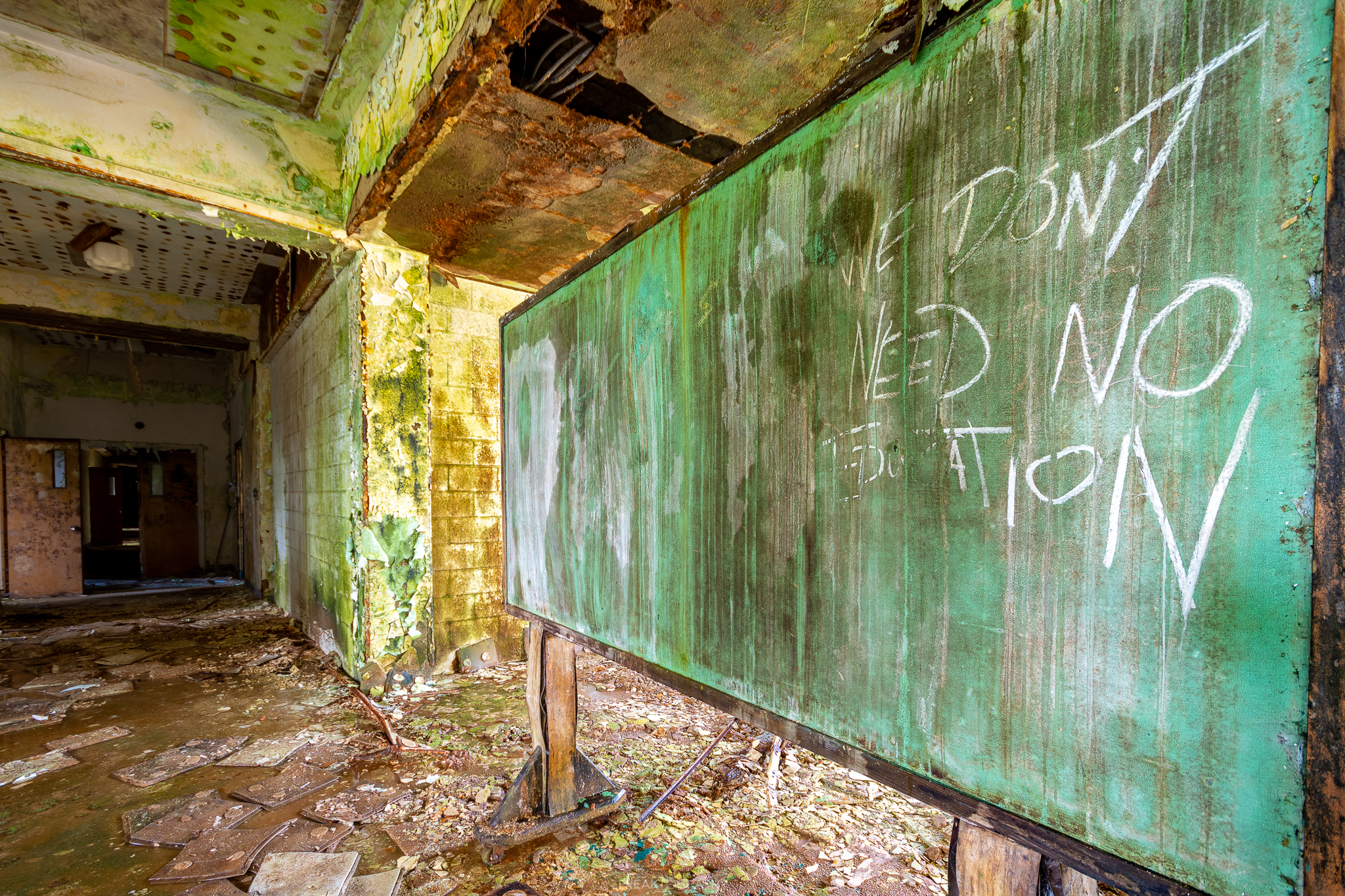
This abandoned location is one of my favourite types of places to explore.
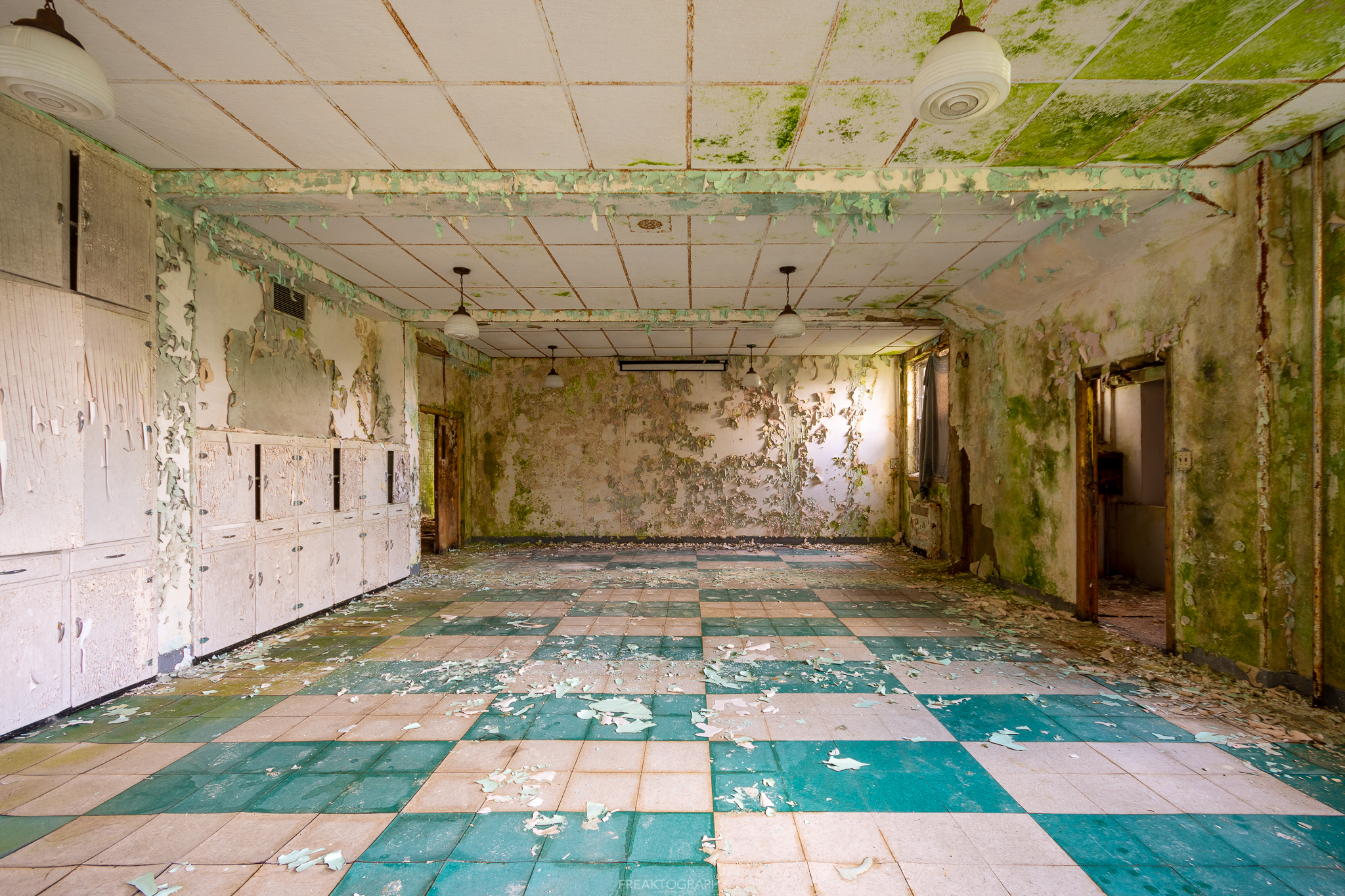
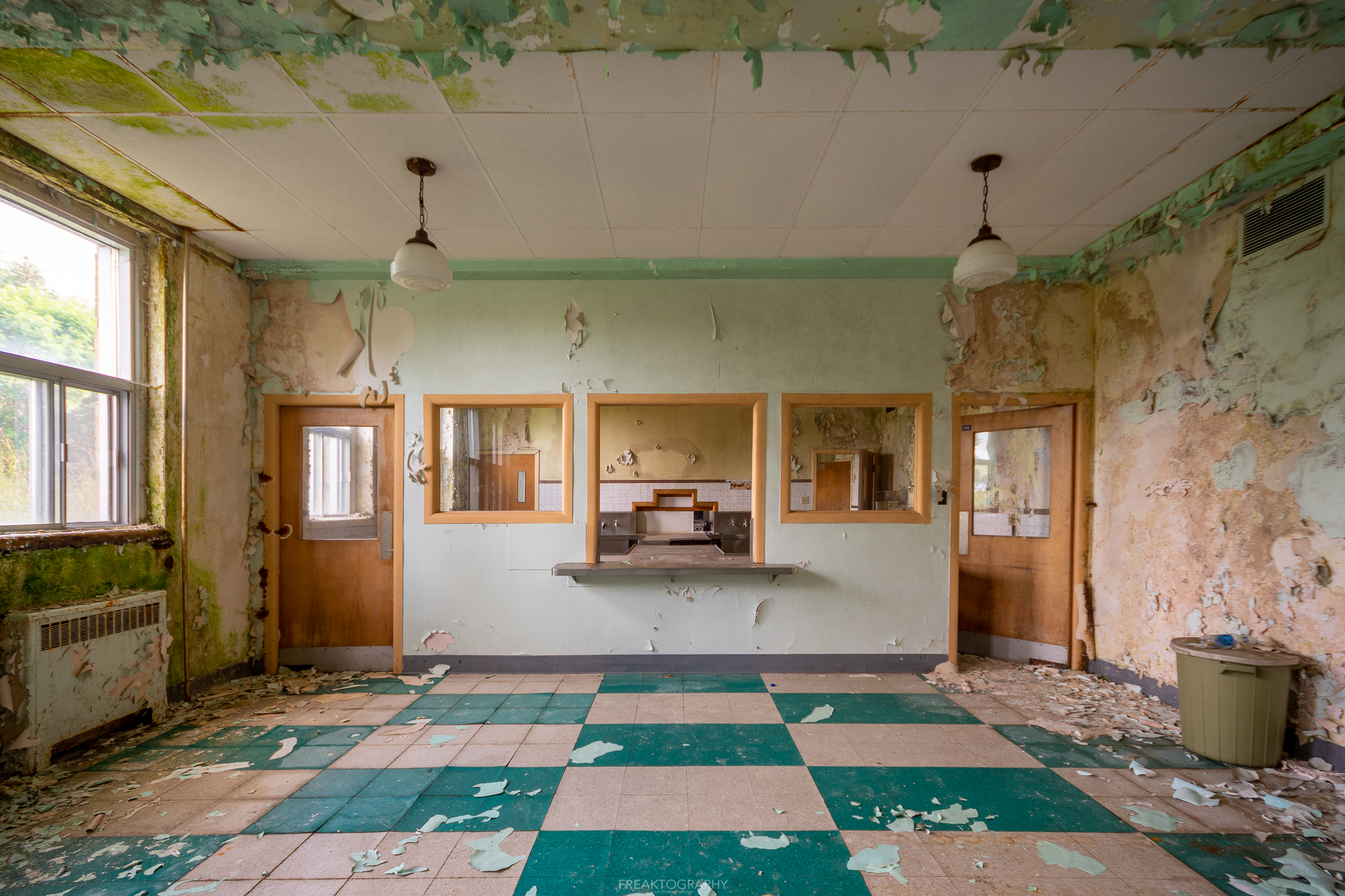
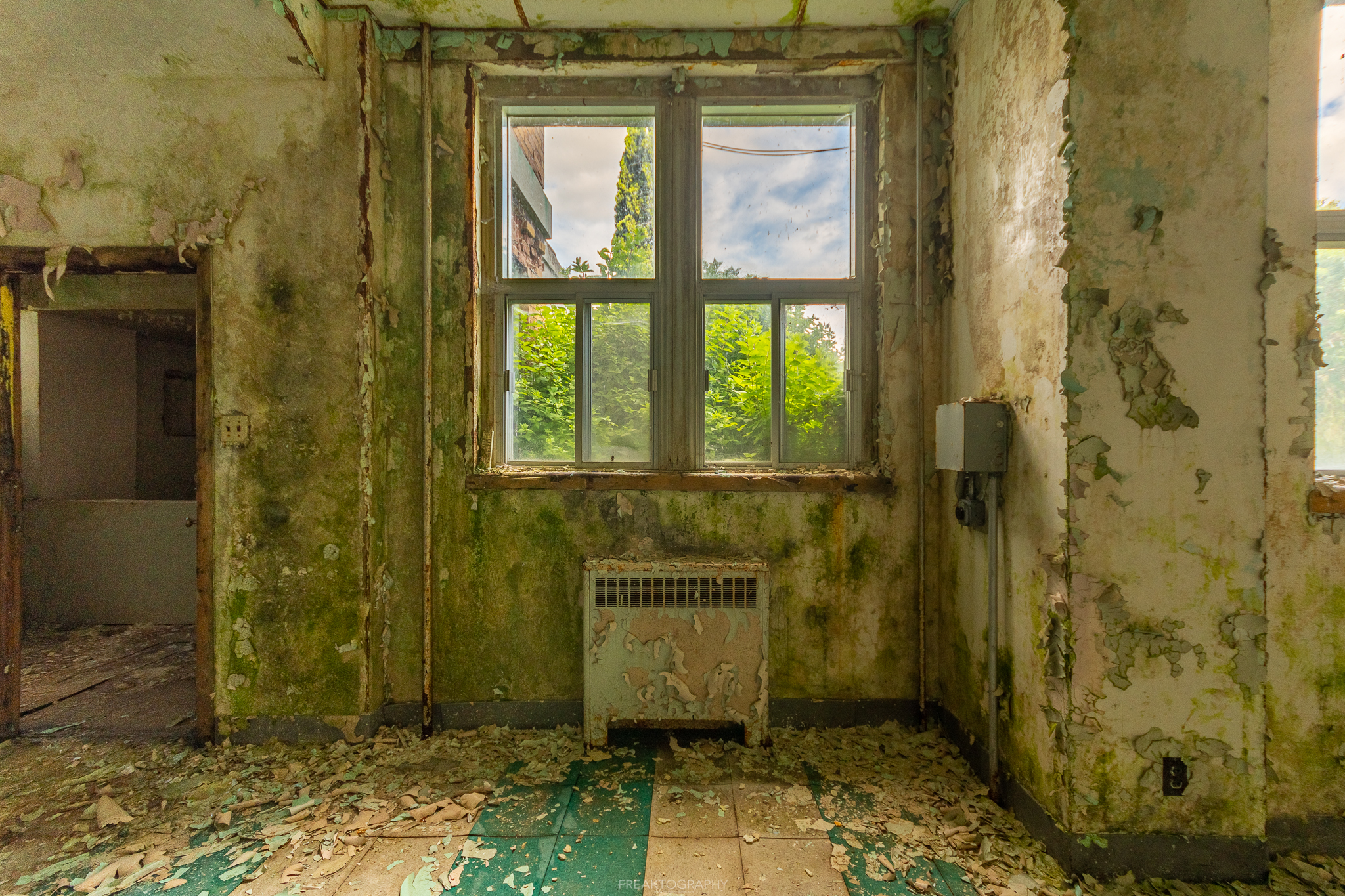
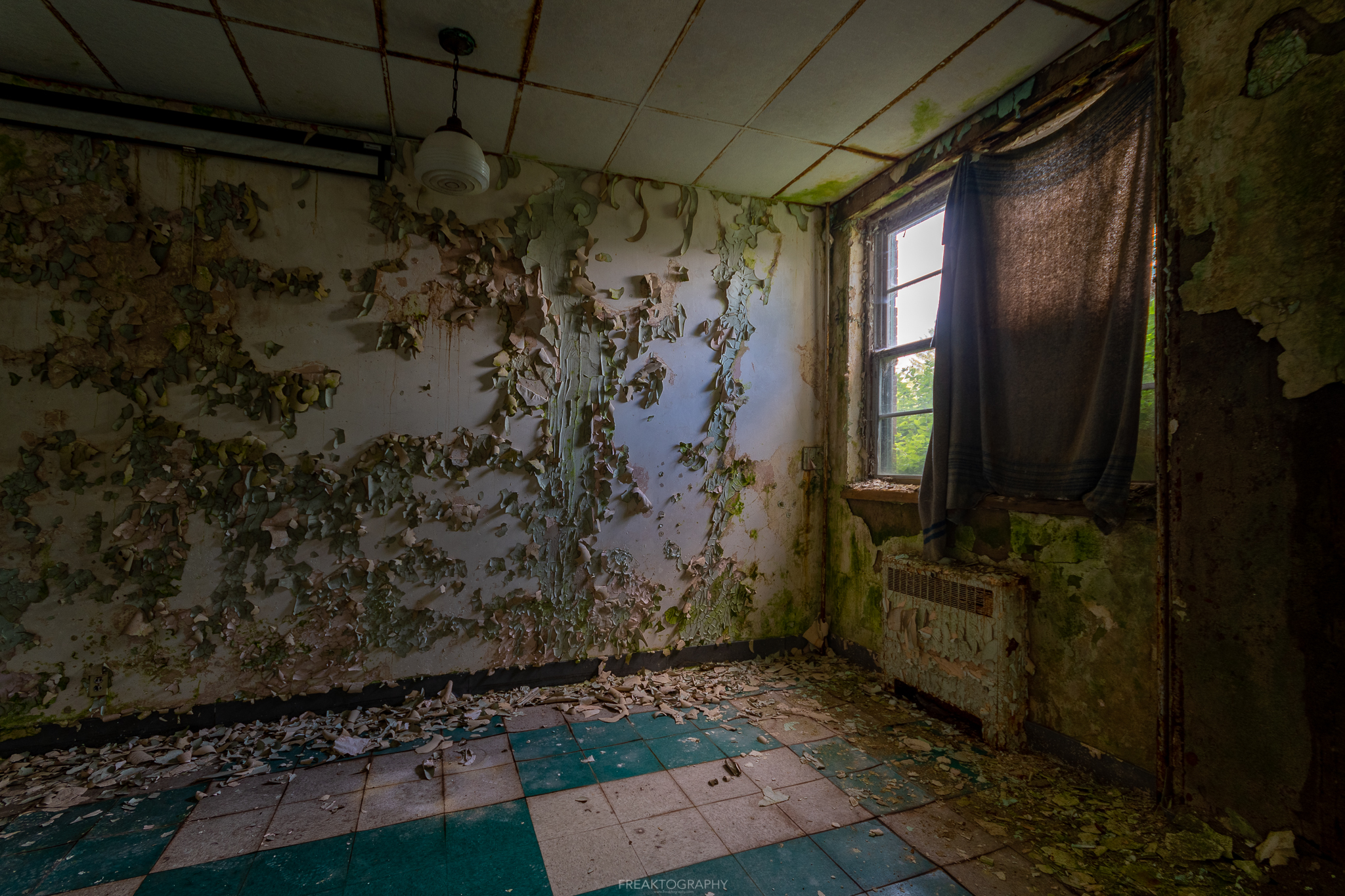
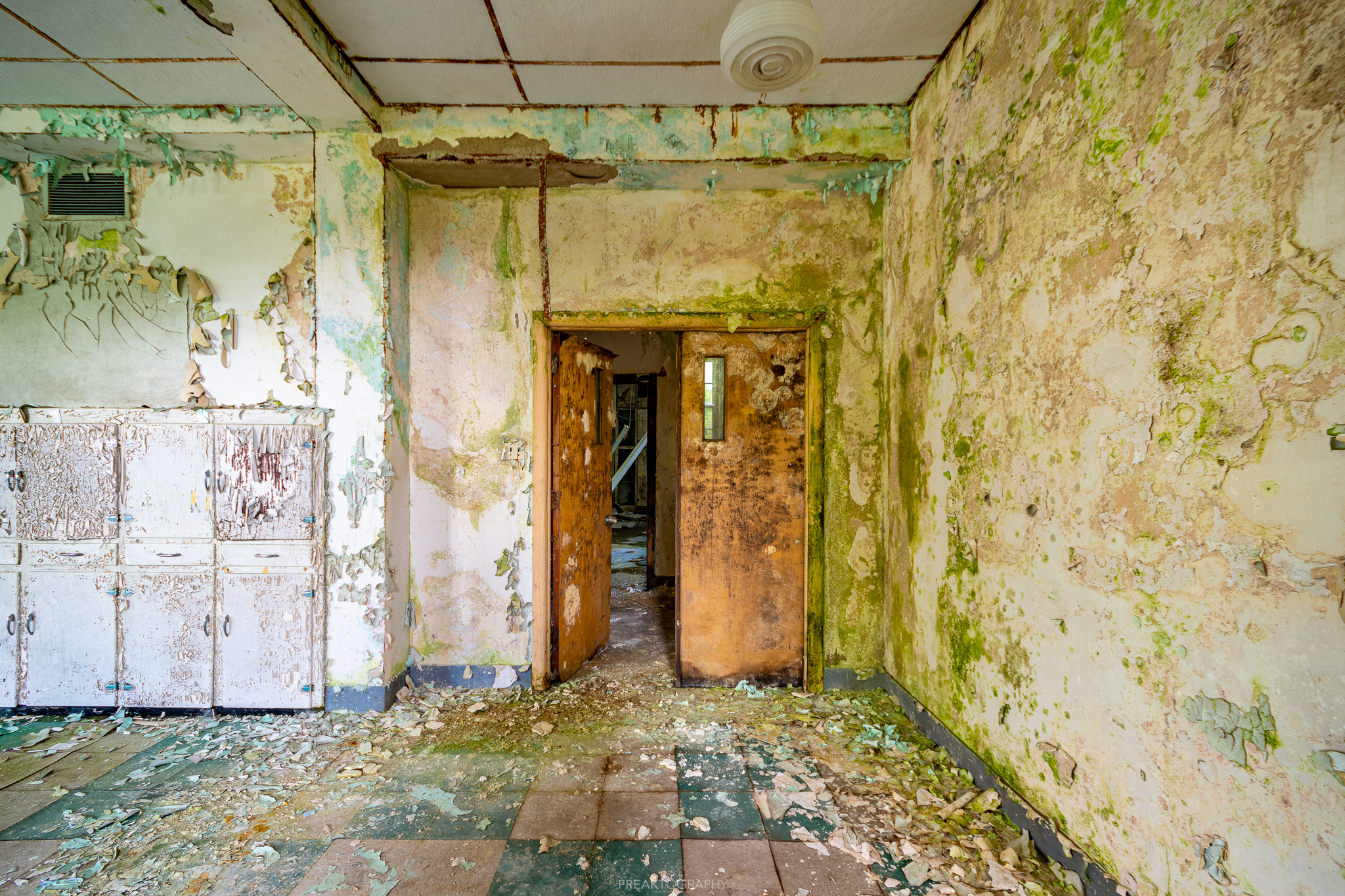
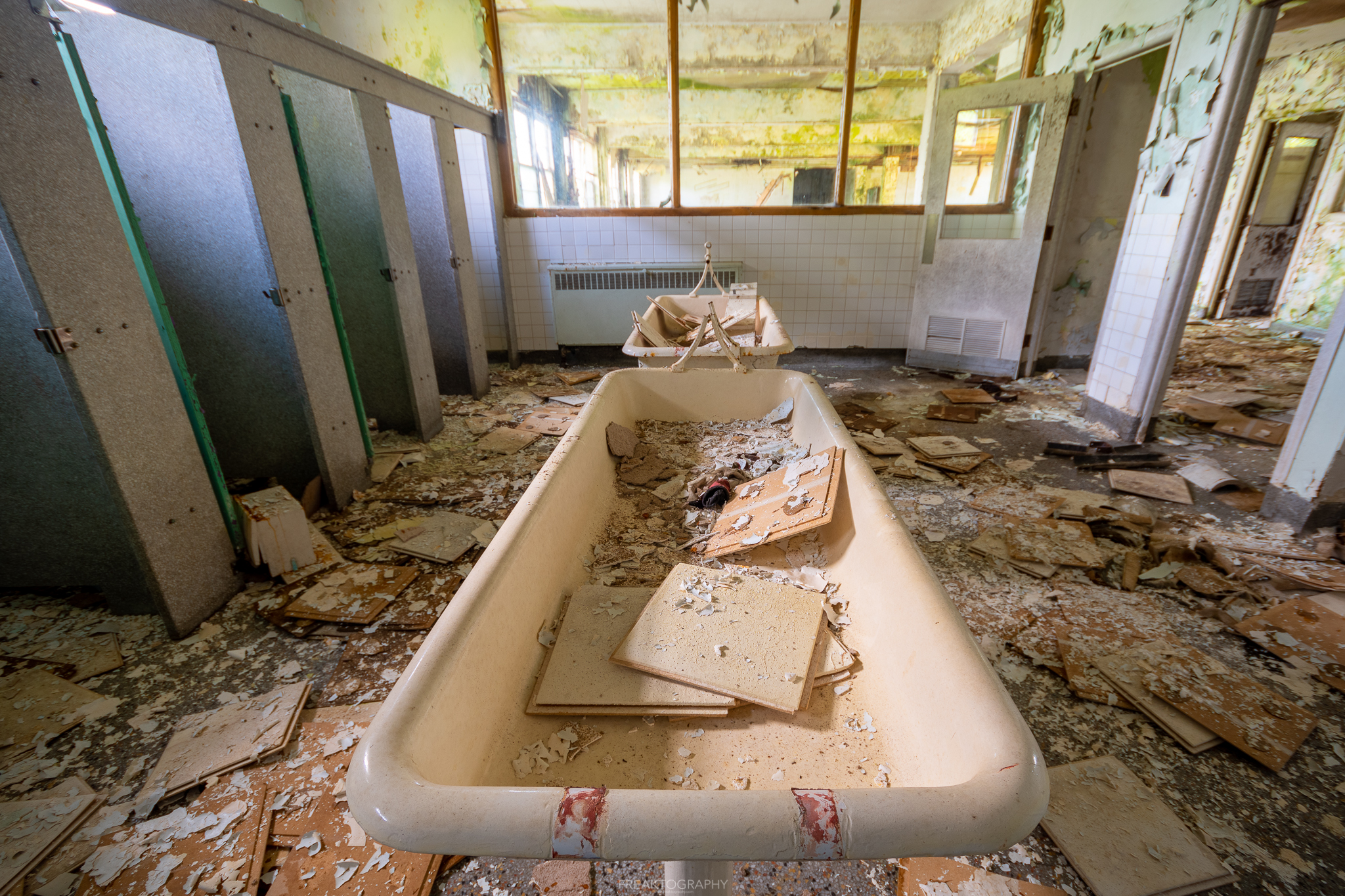
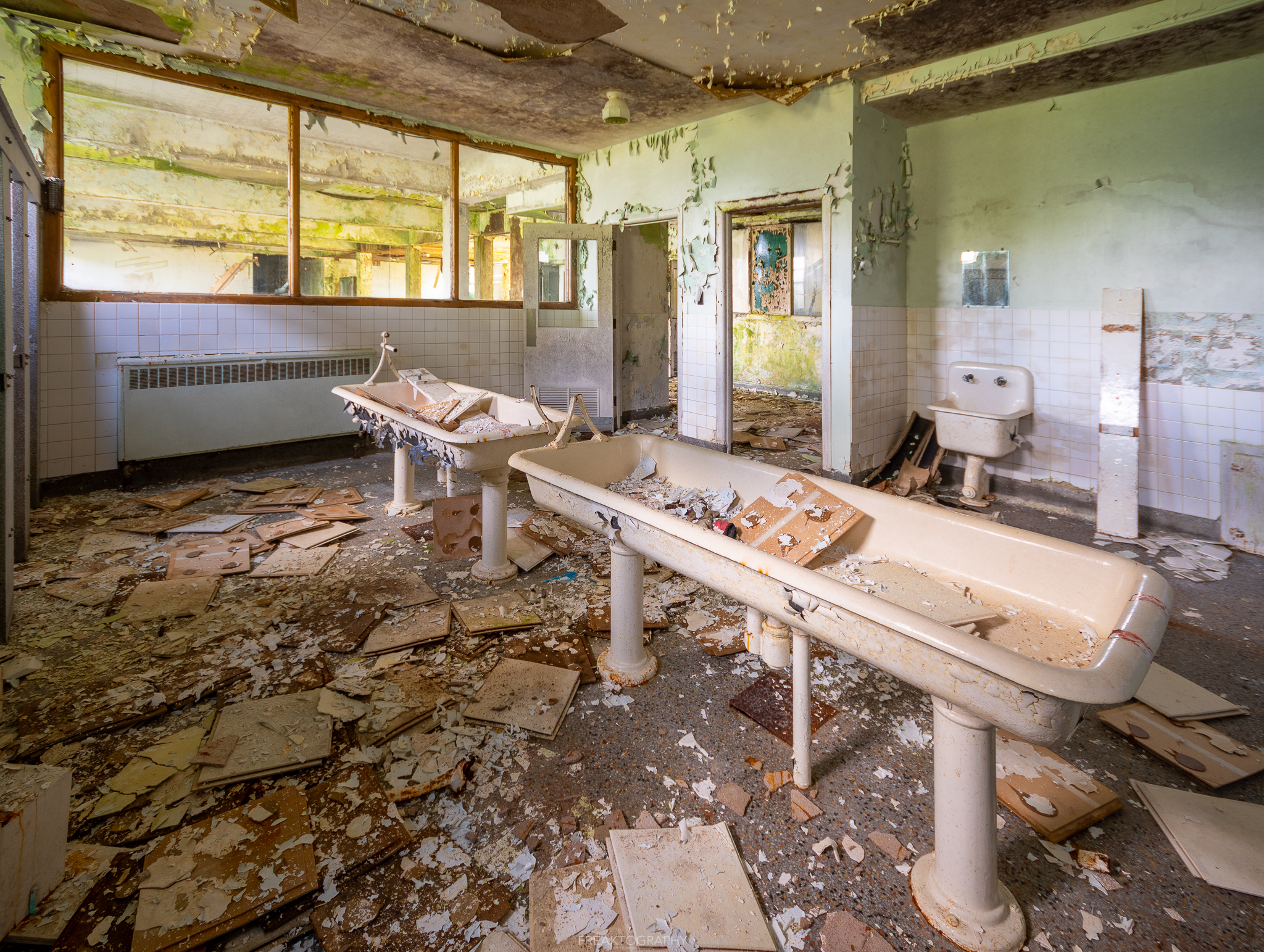
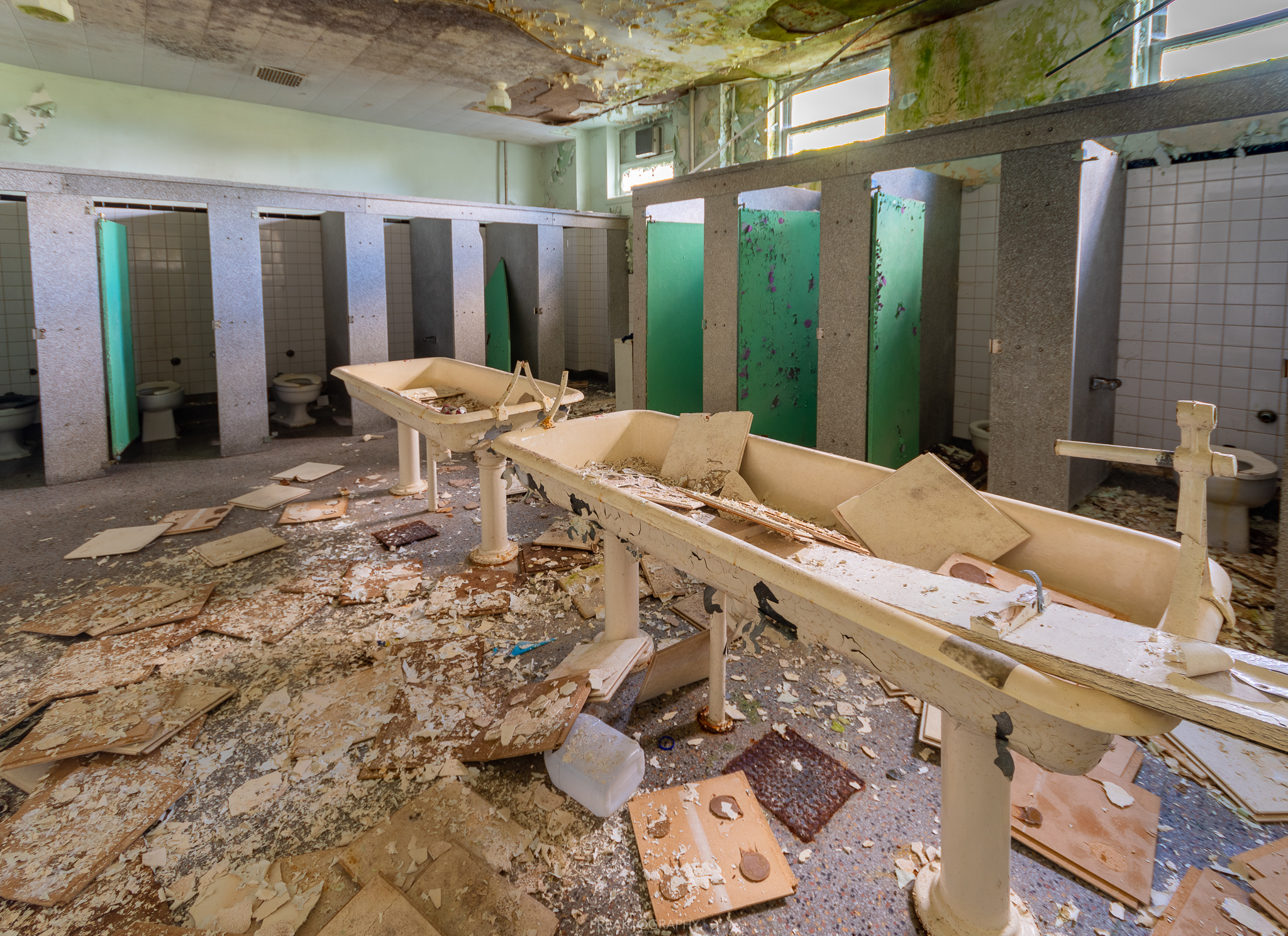
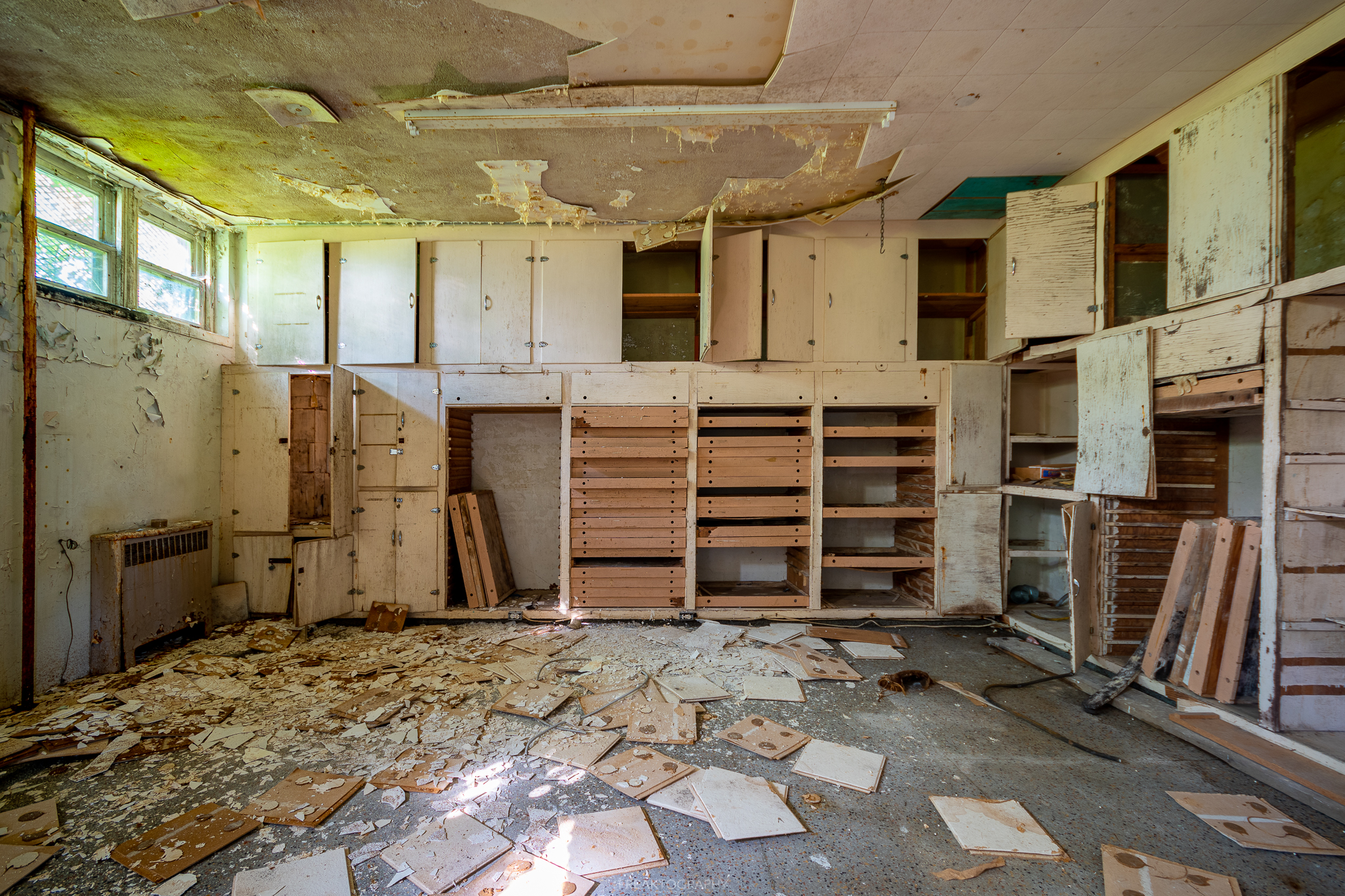
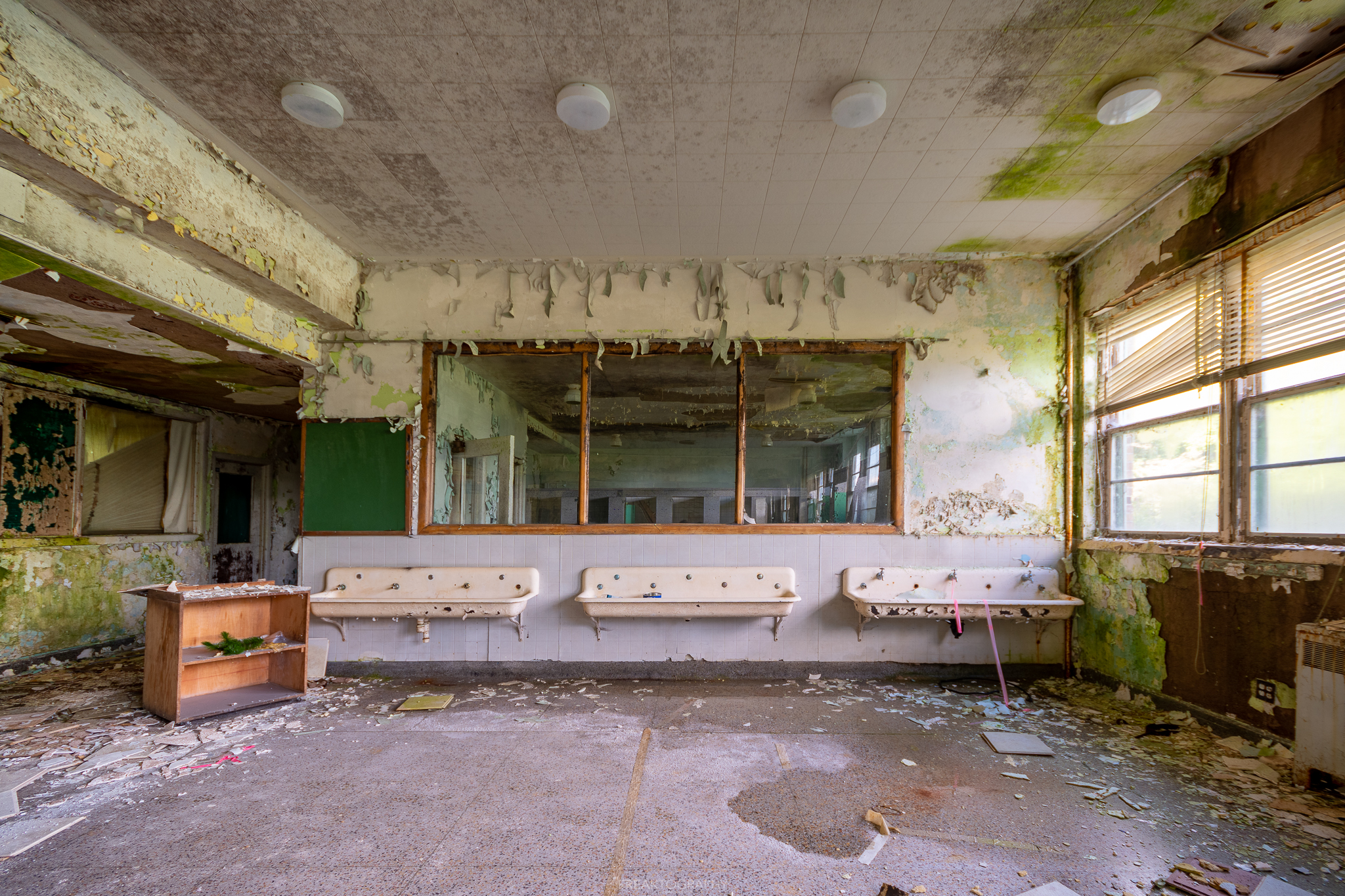
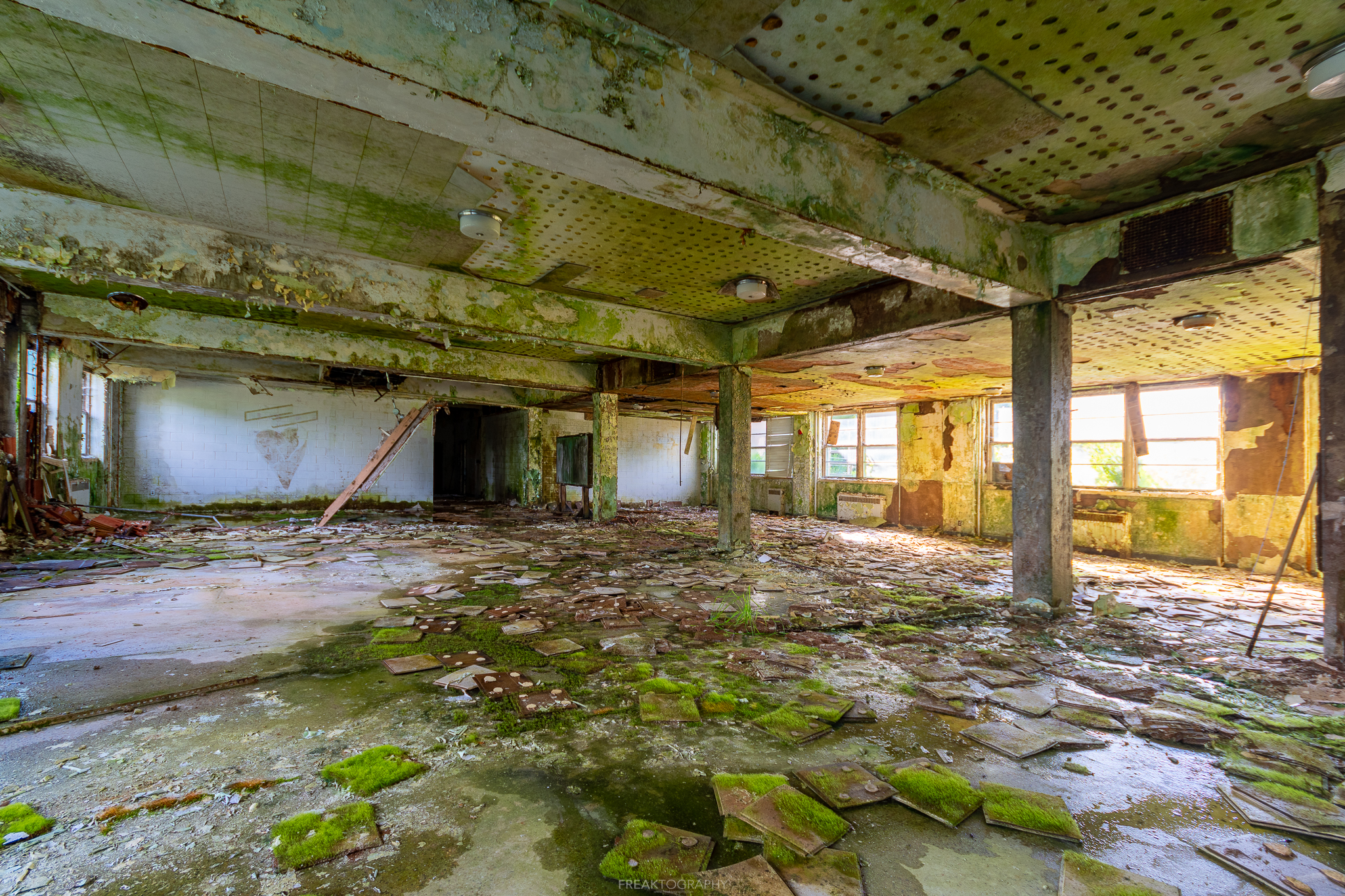
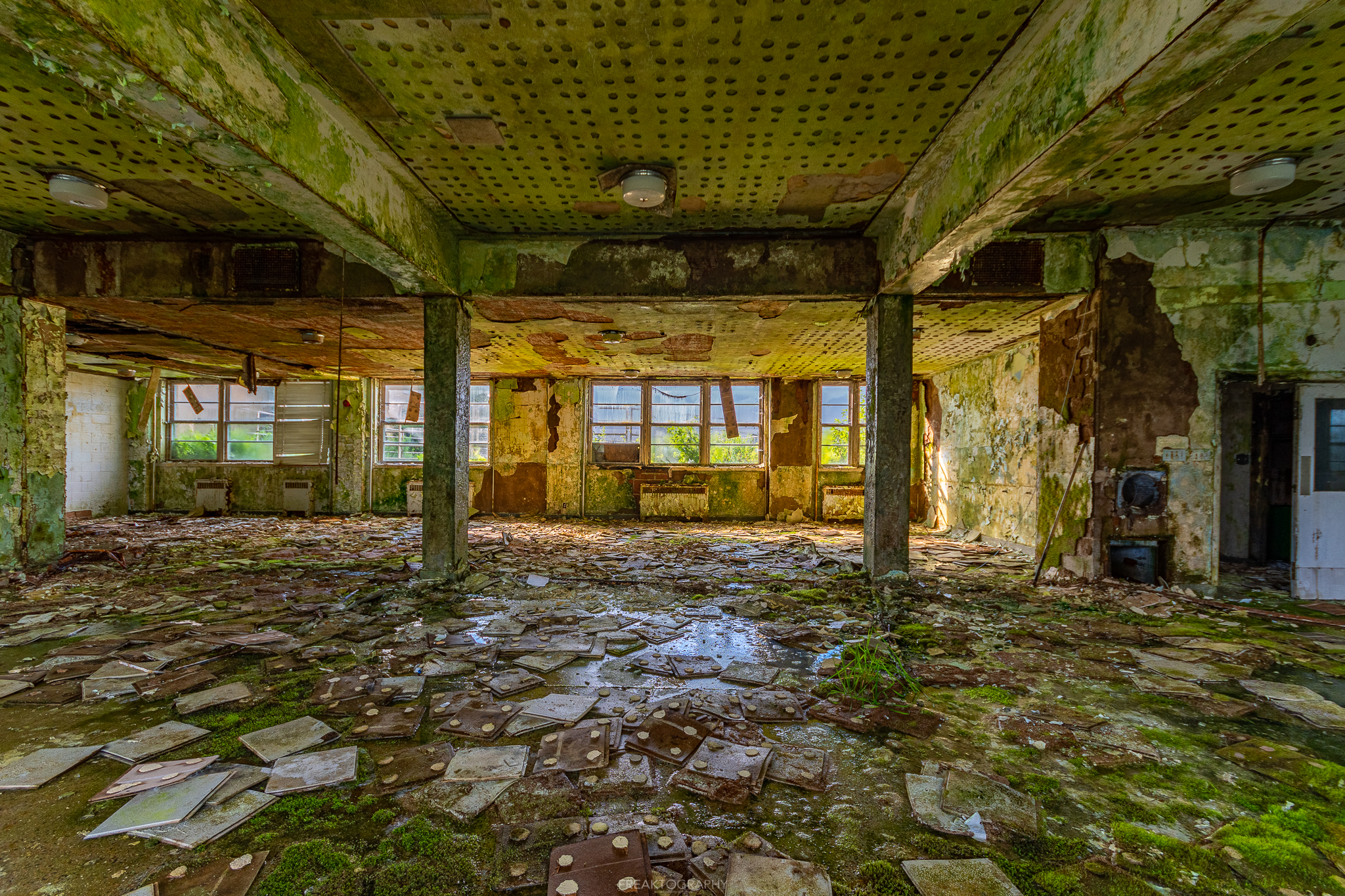
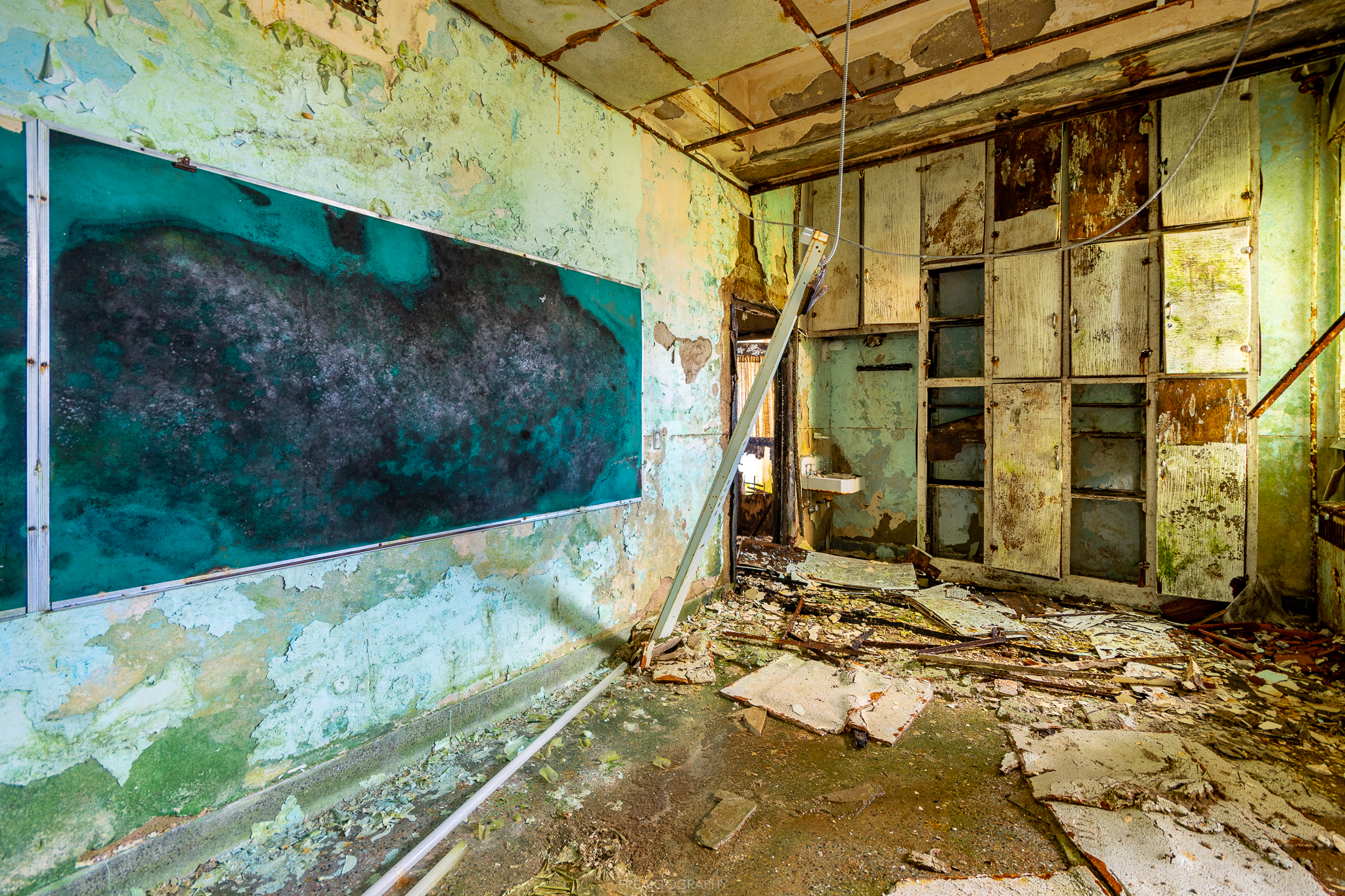
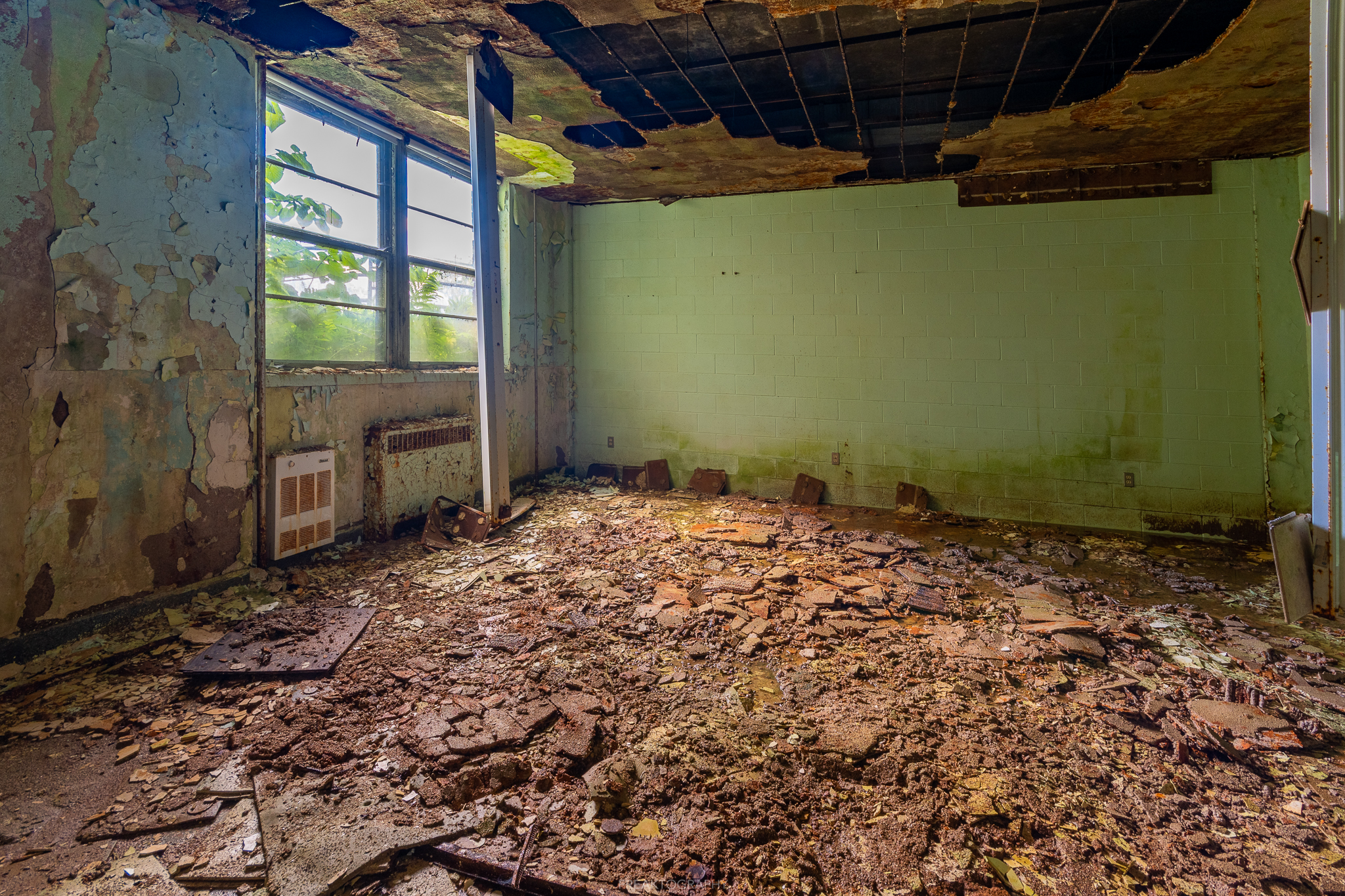
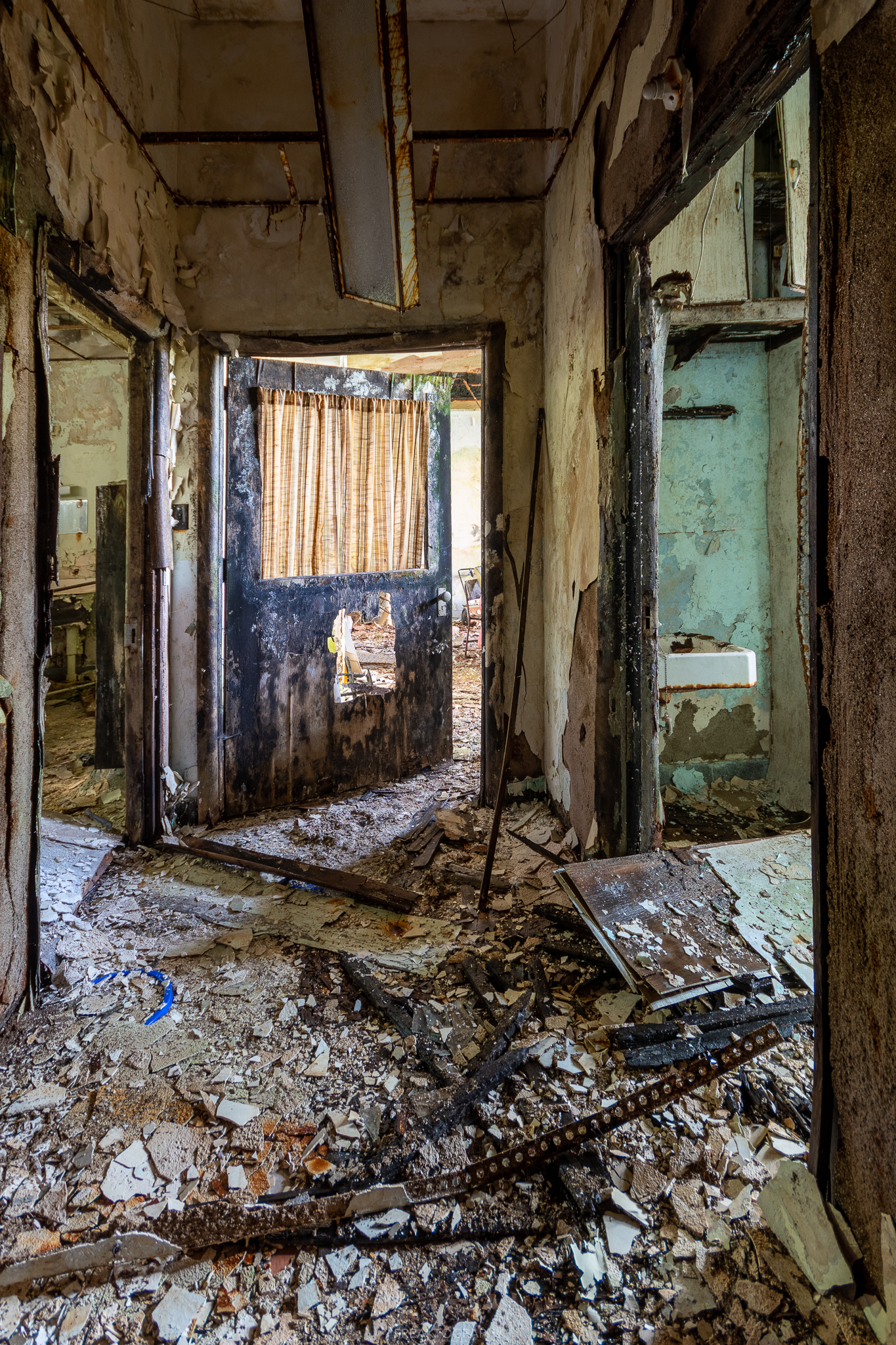
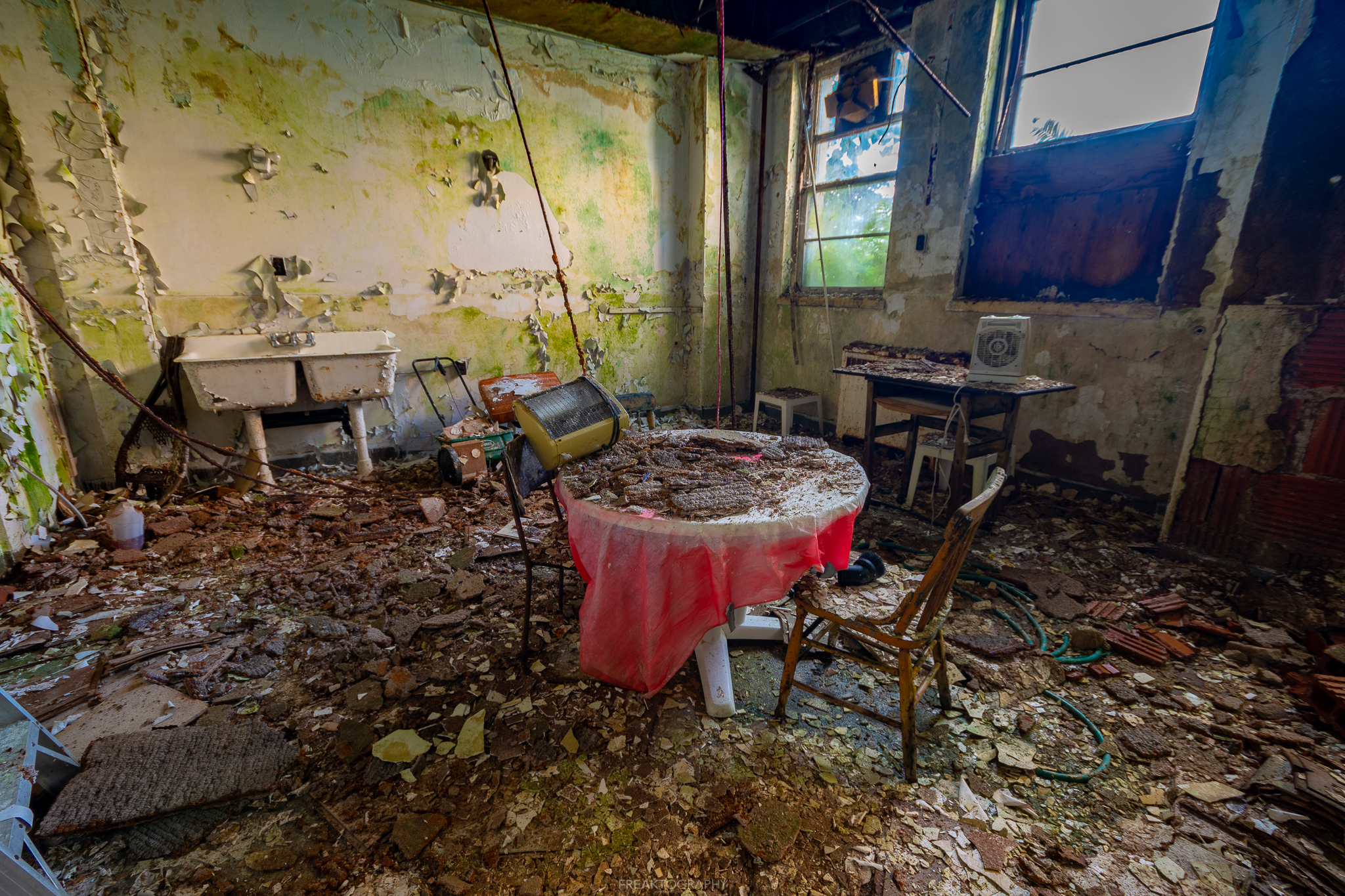
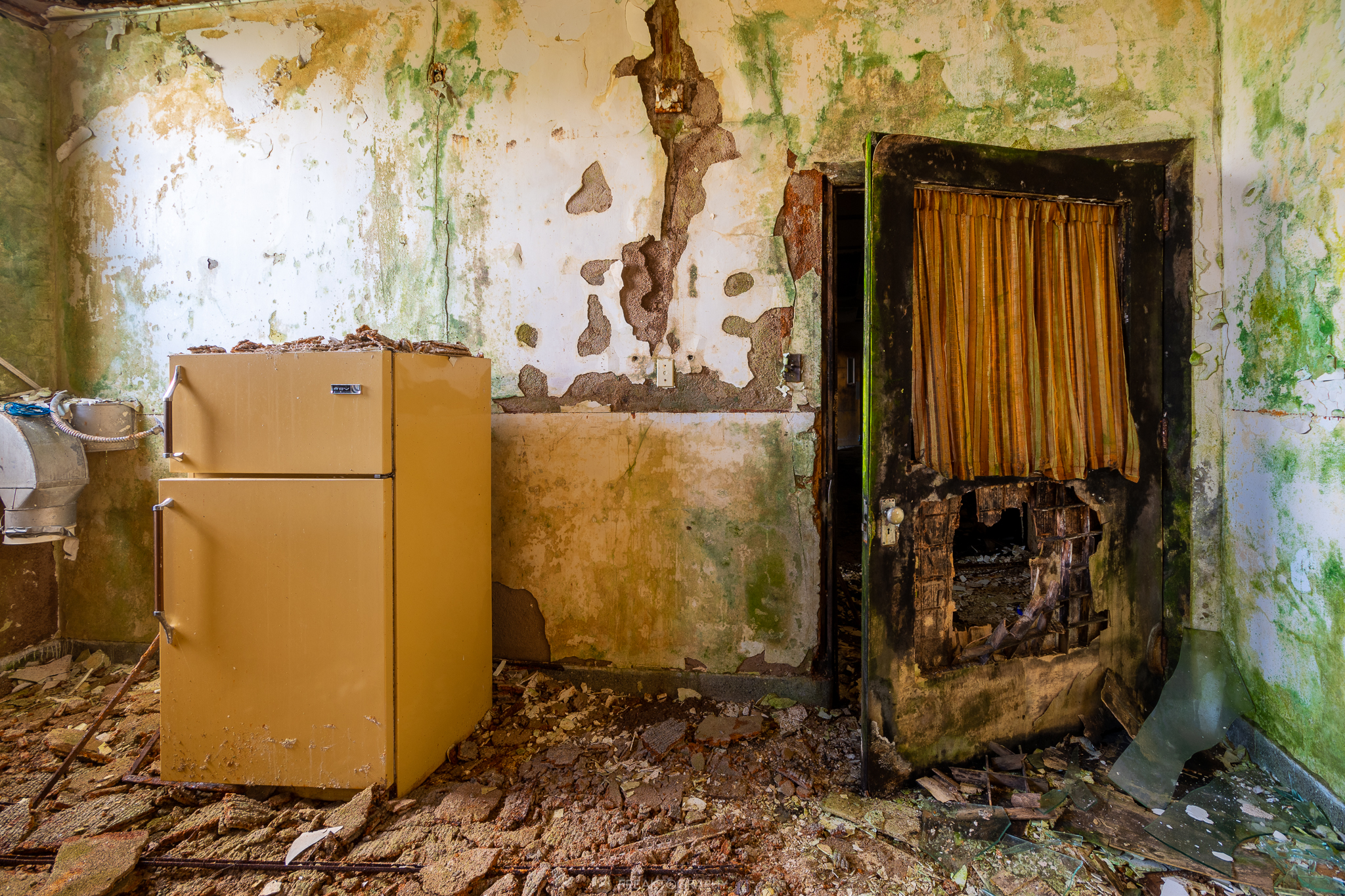
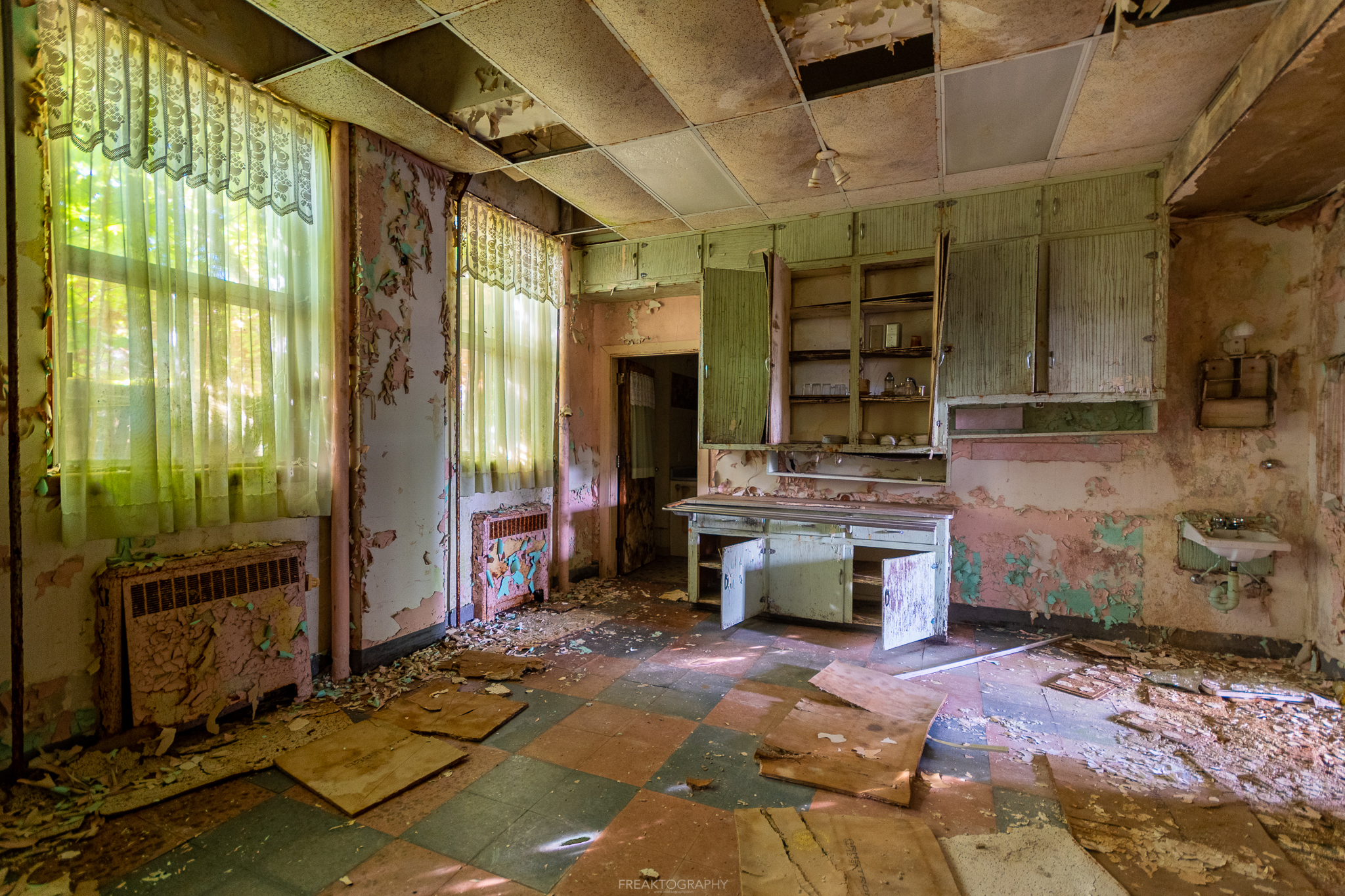
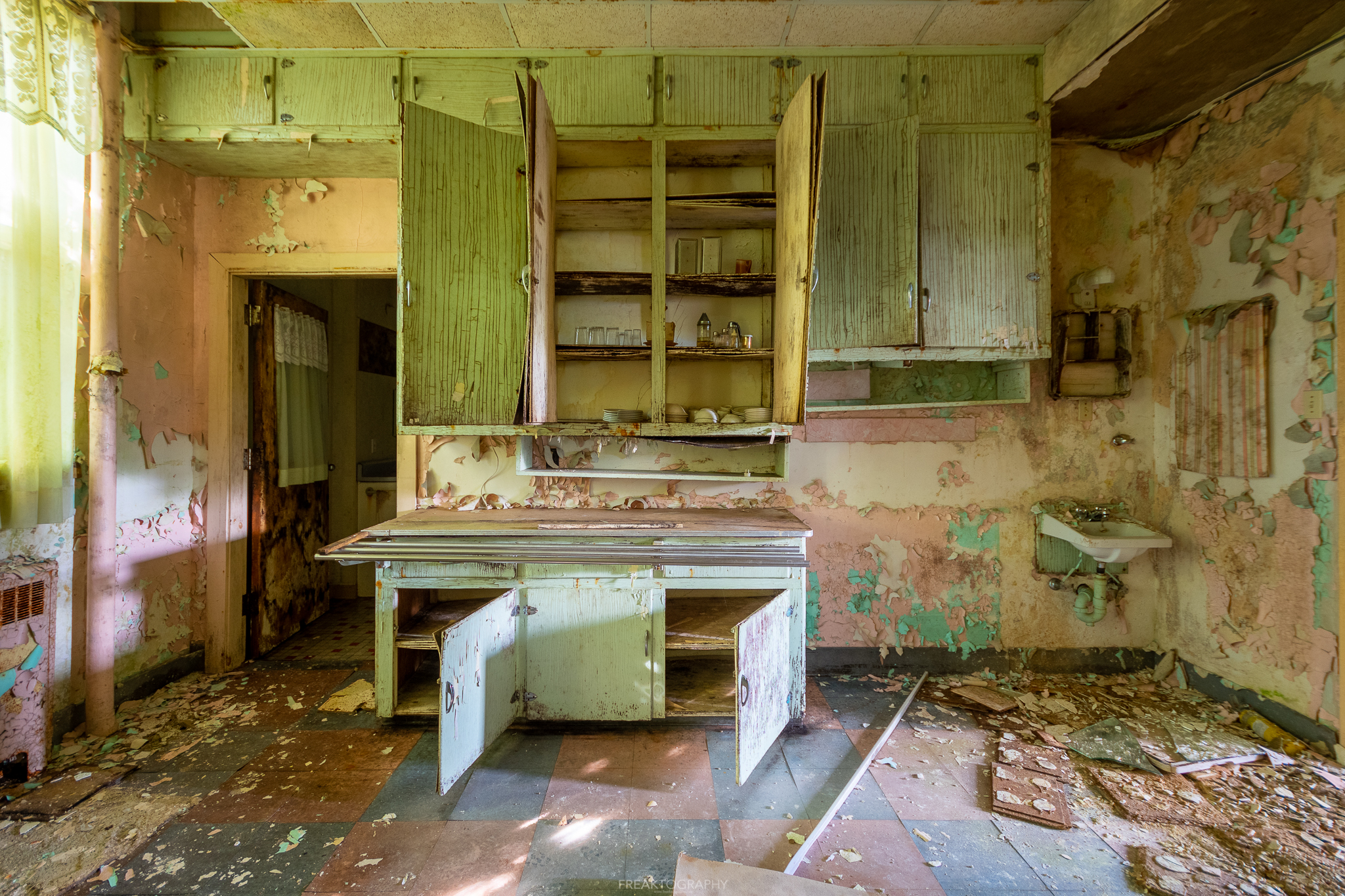
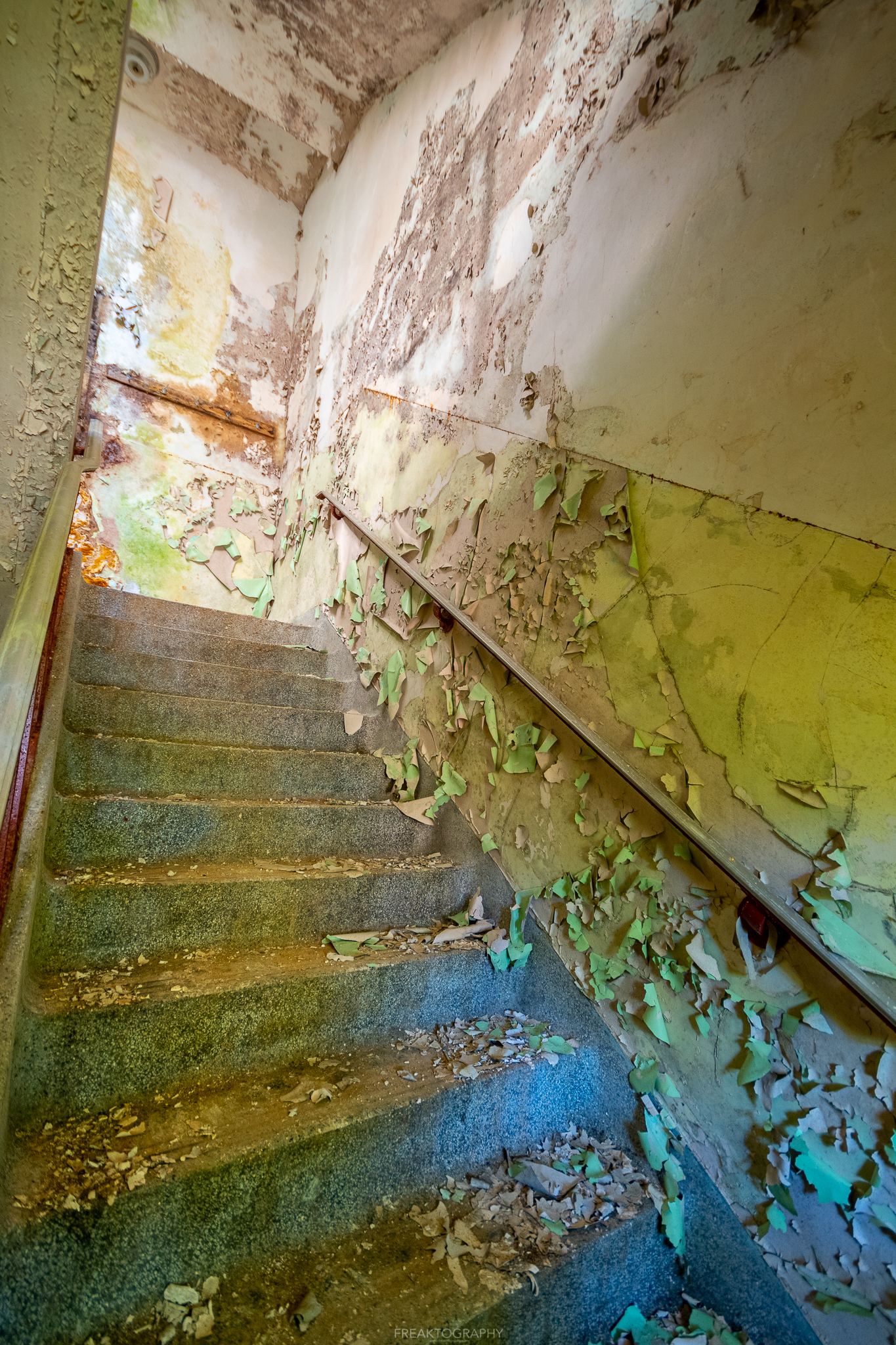
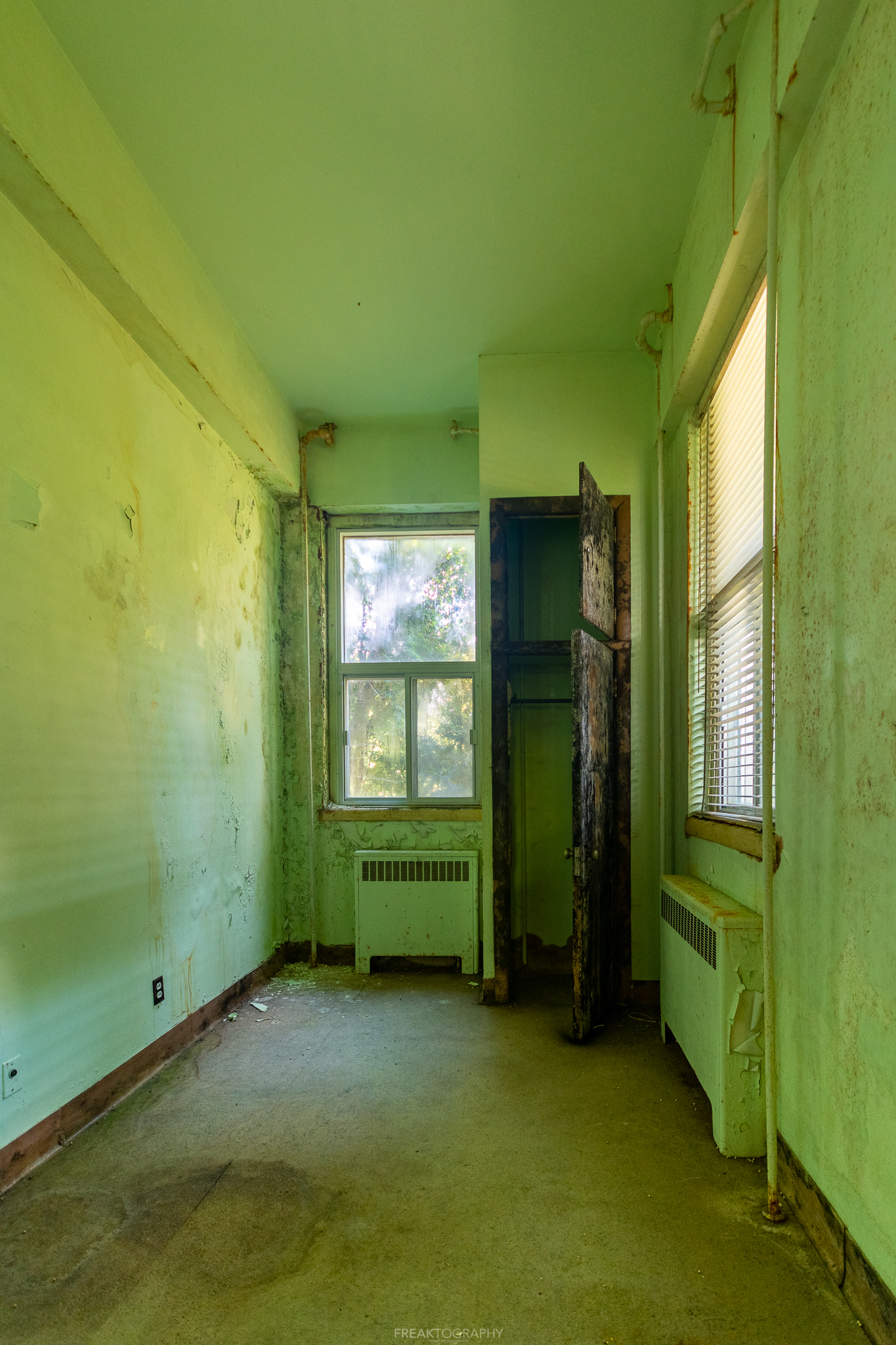
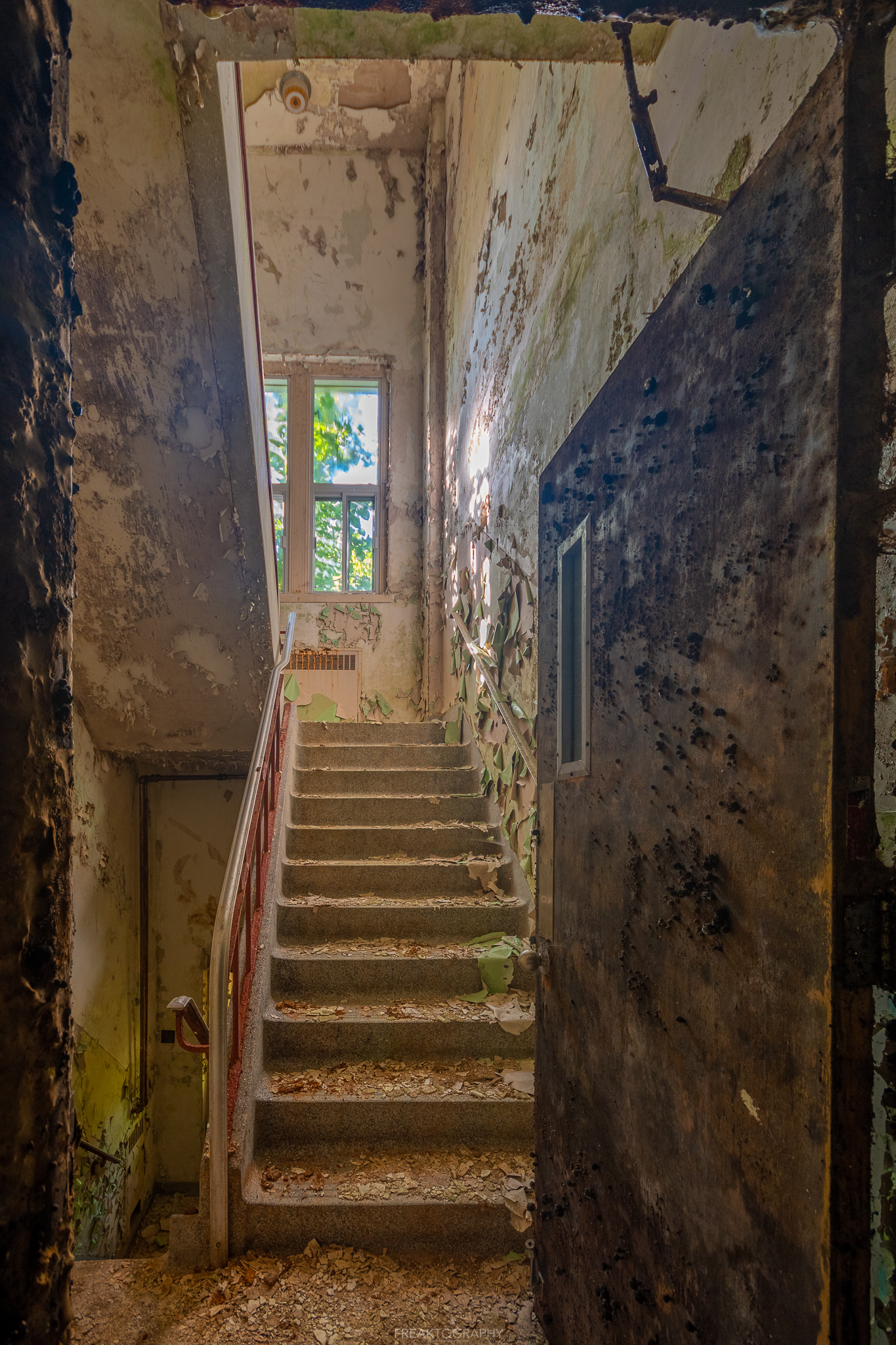
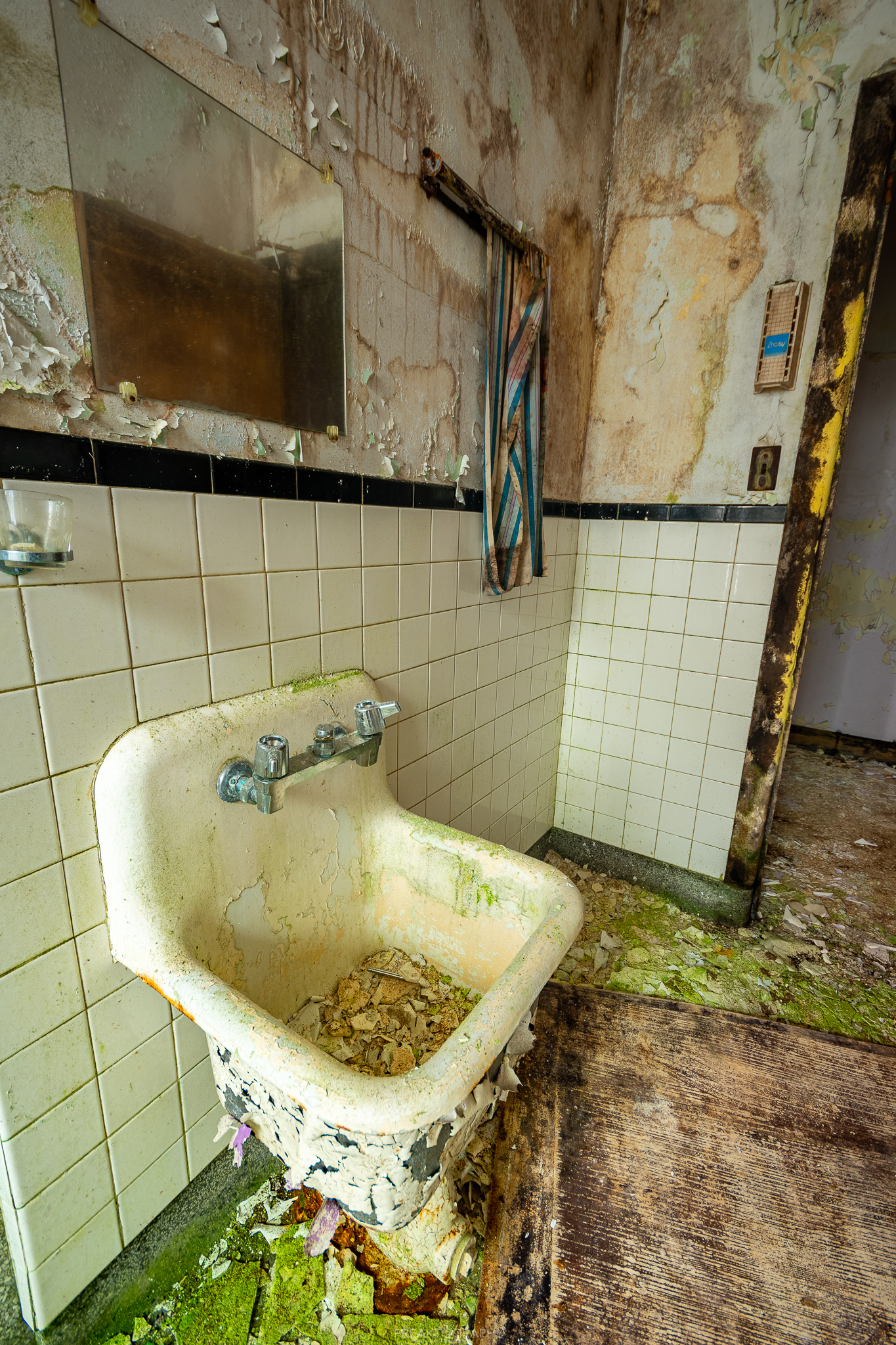
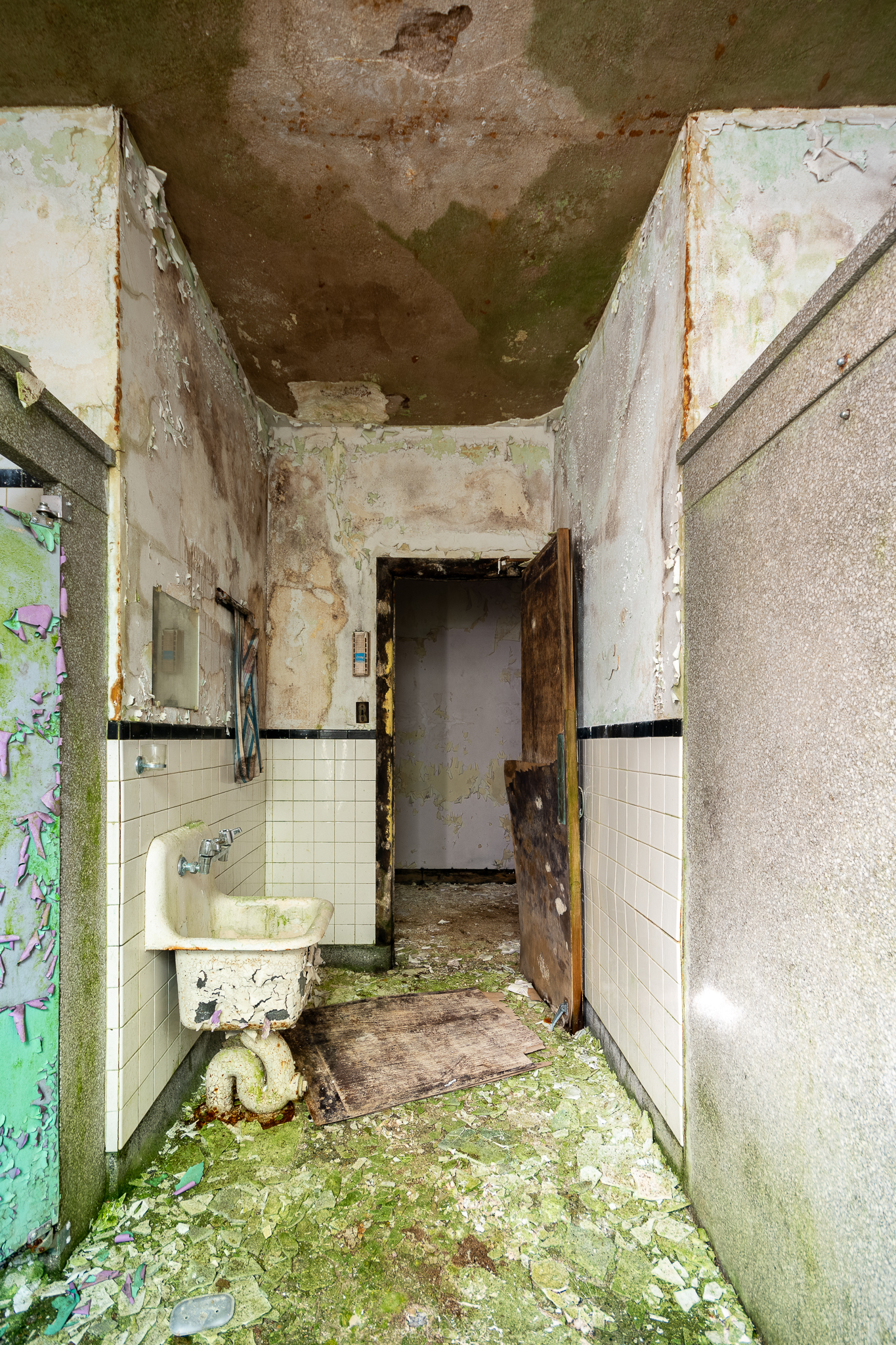
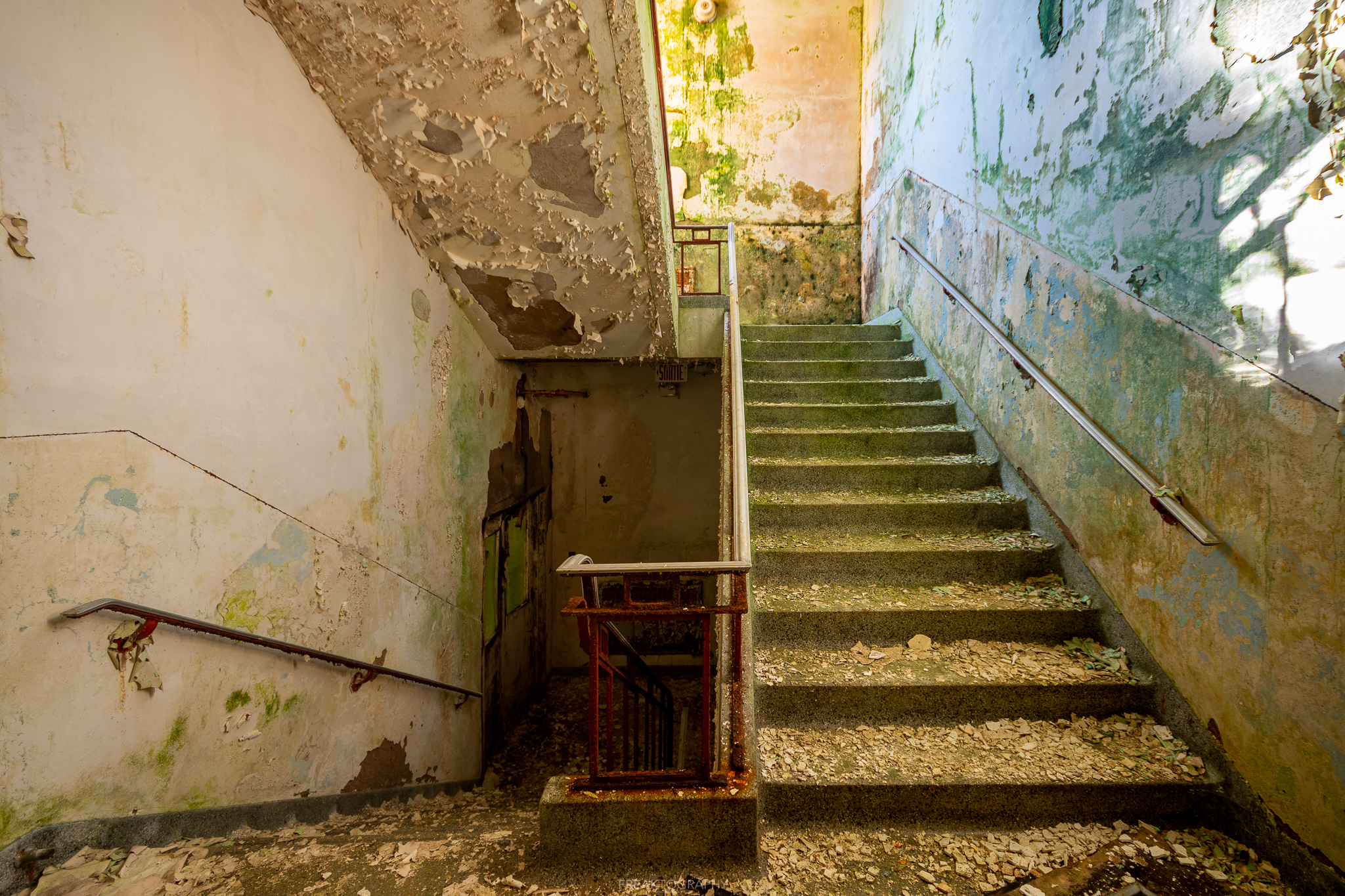
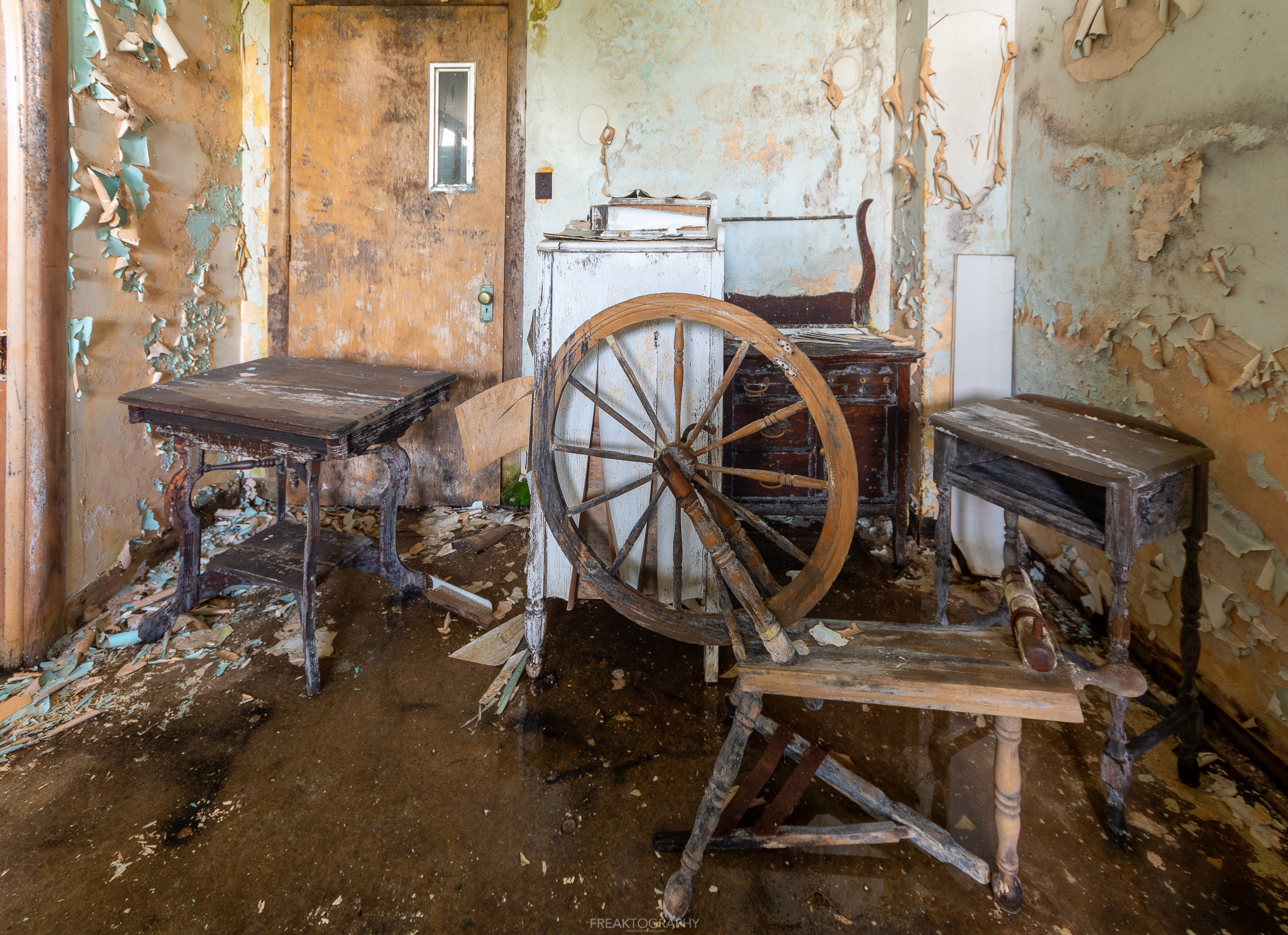
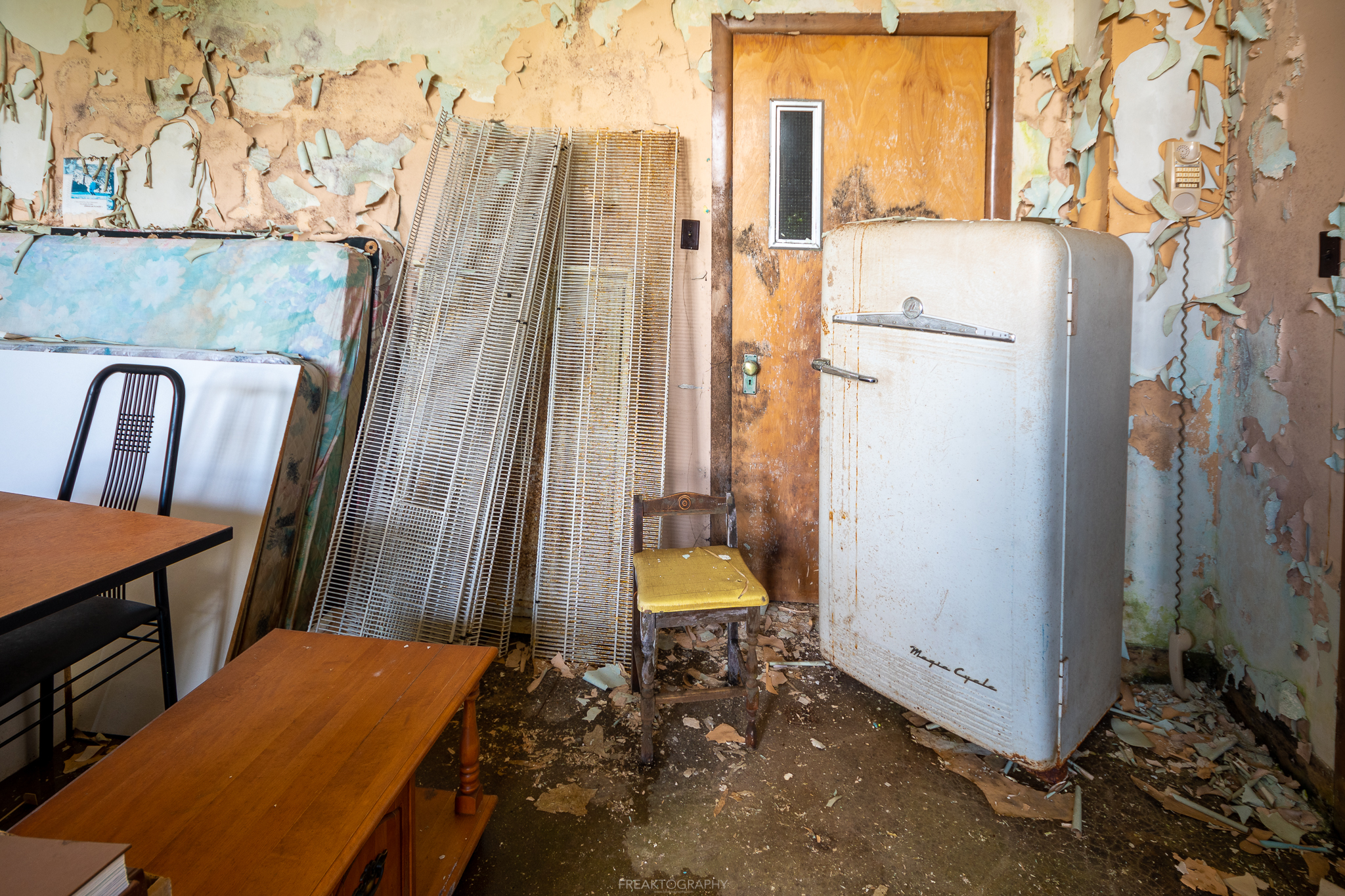
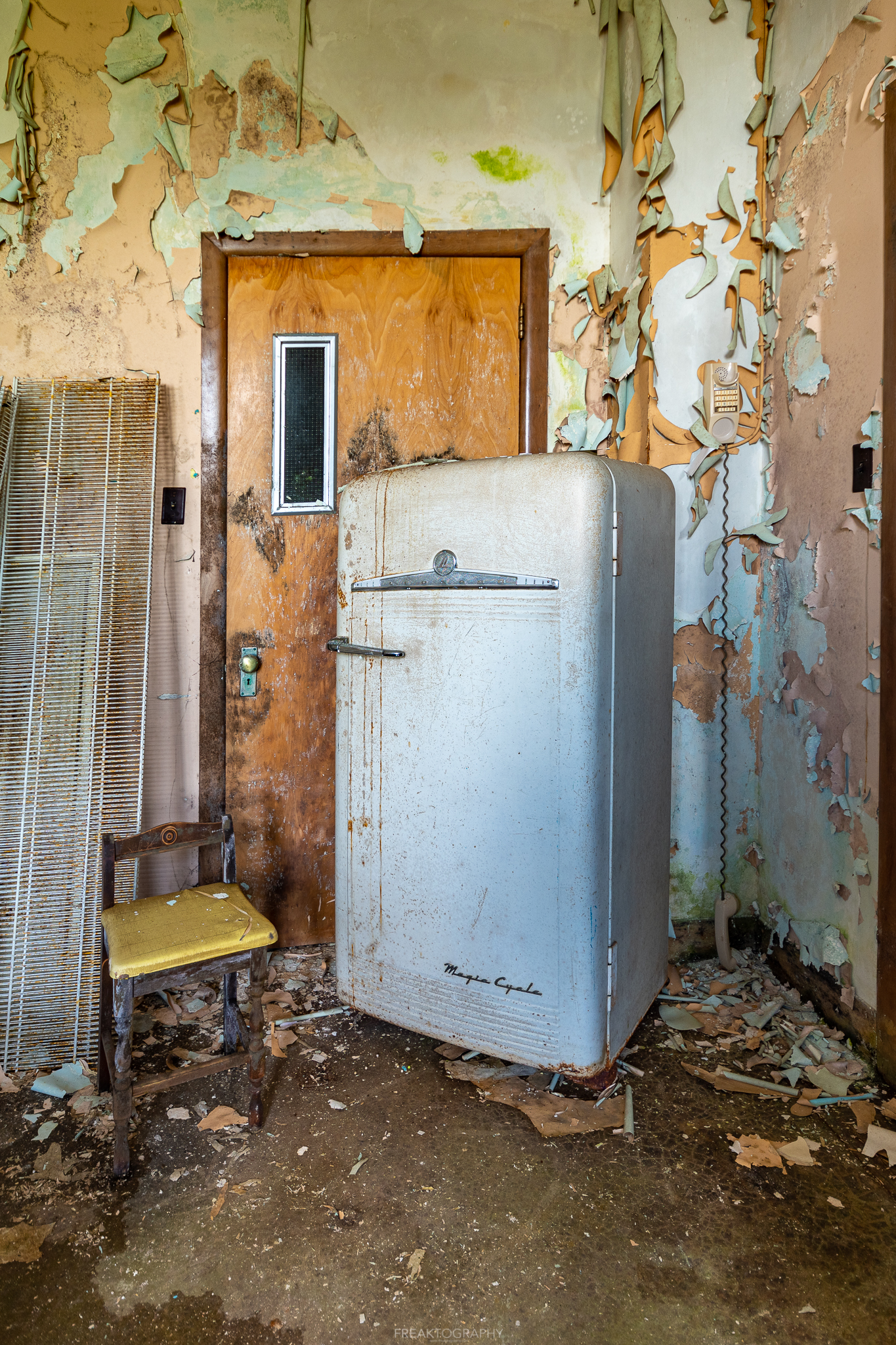
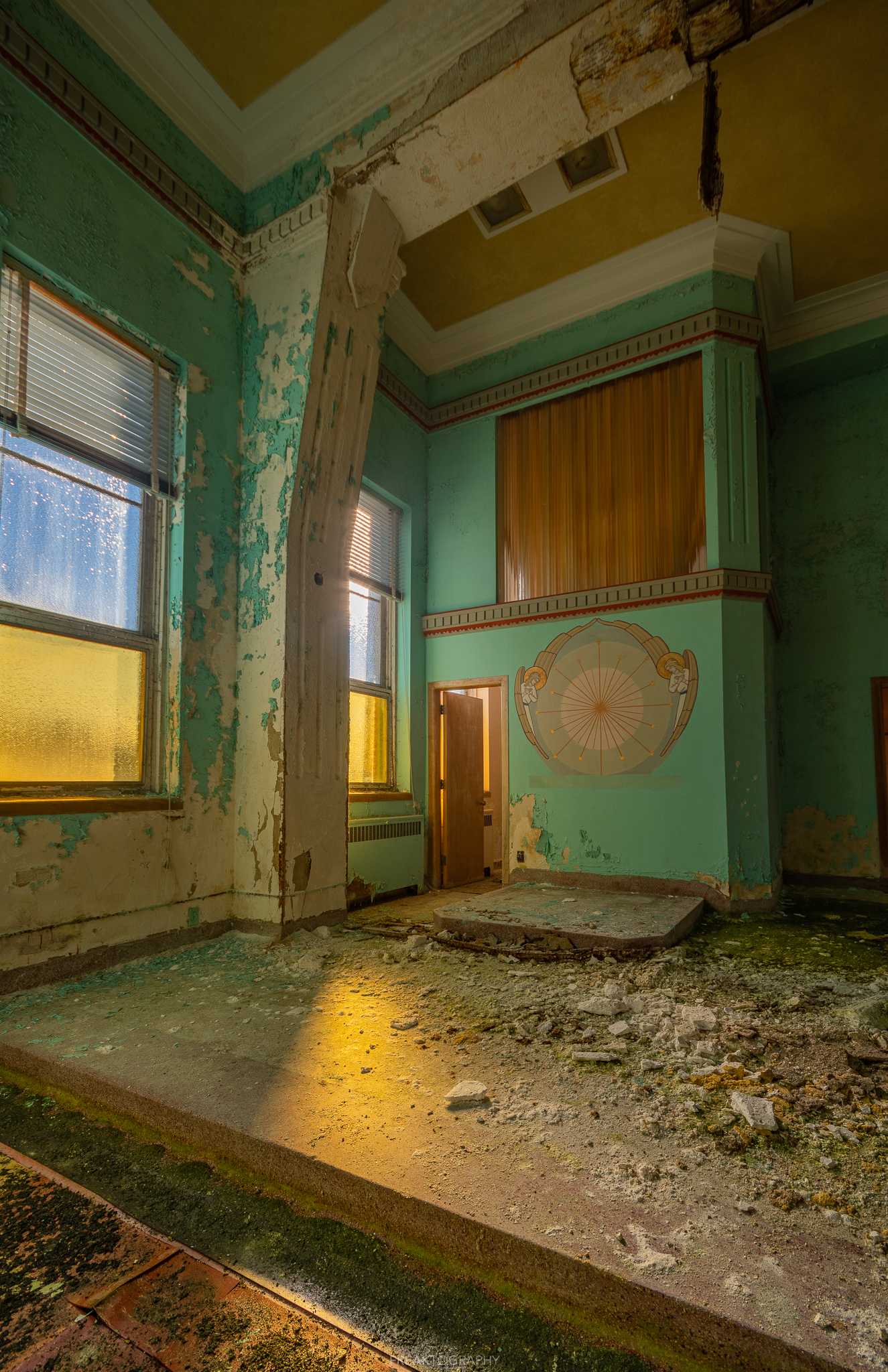
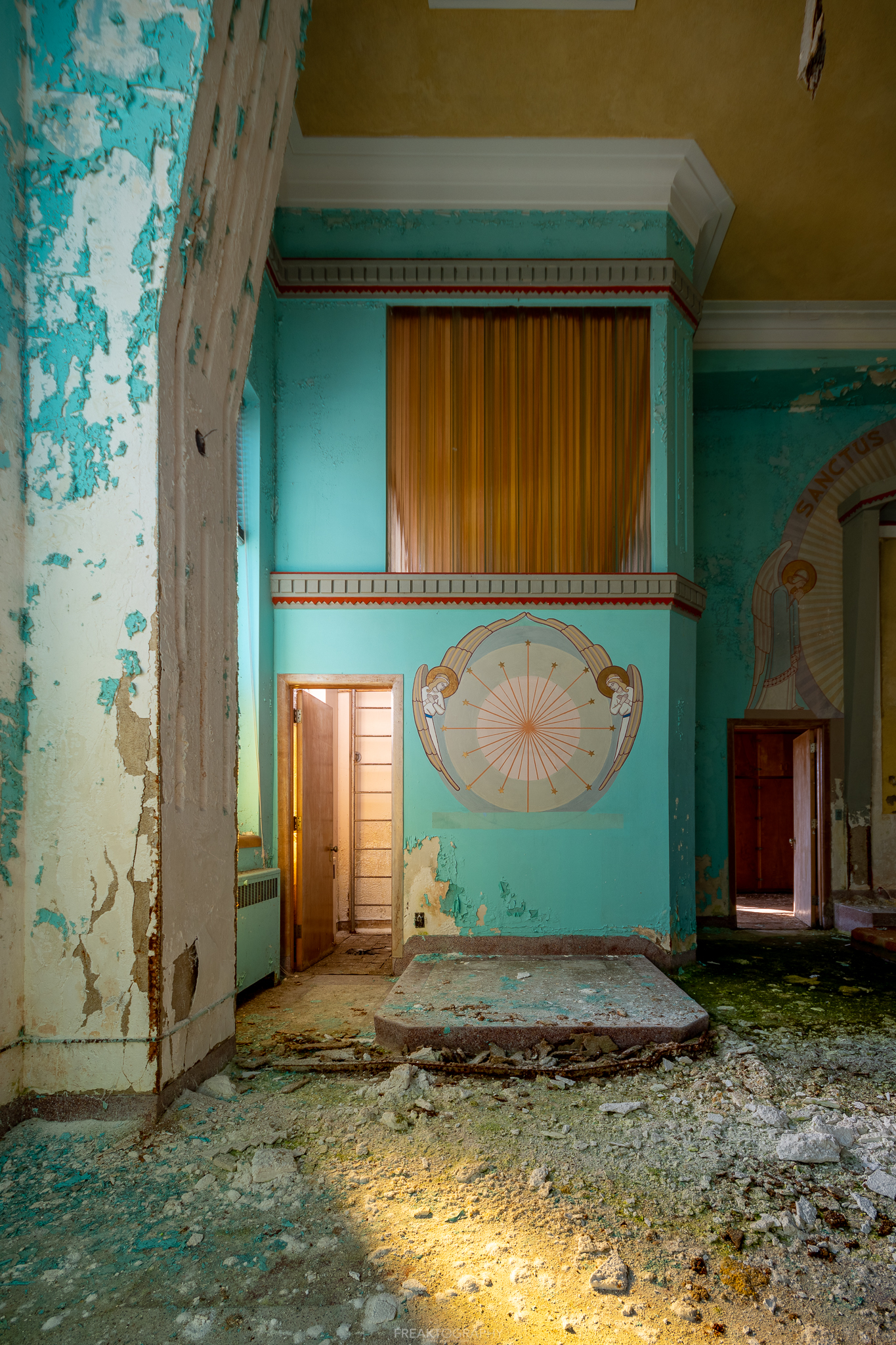
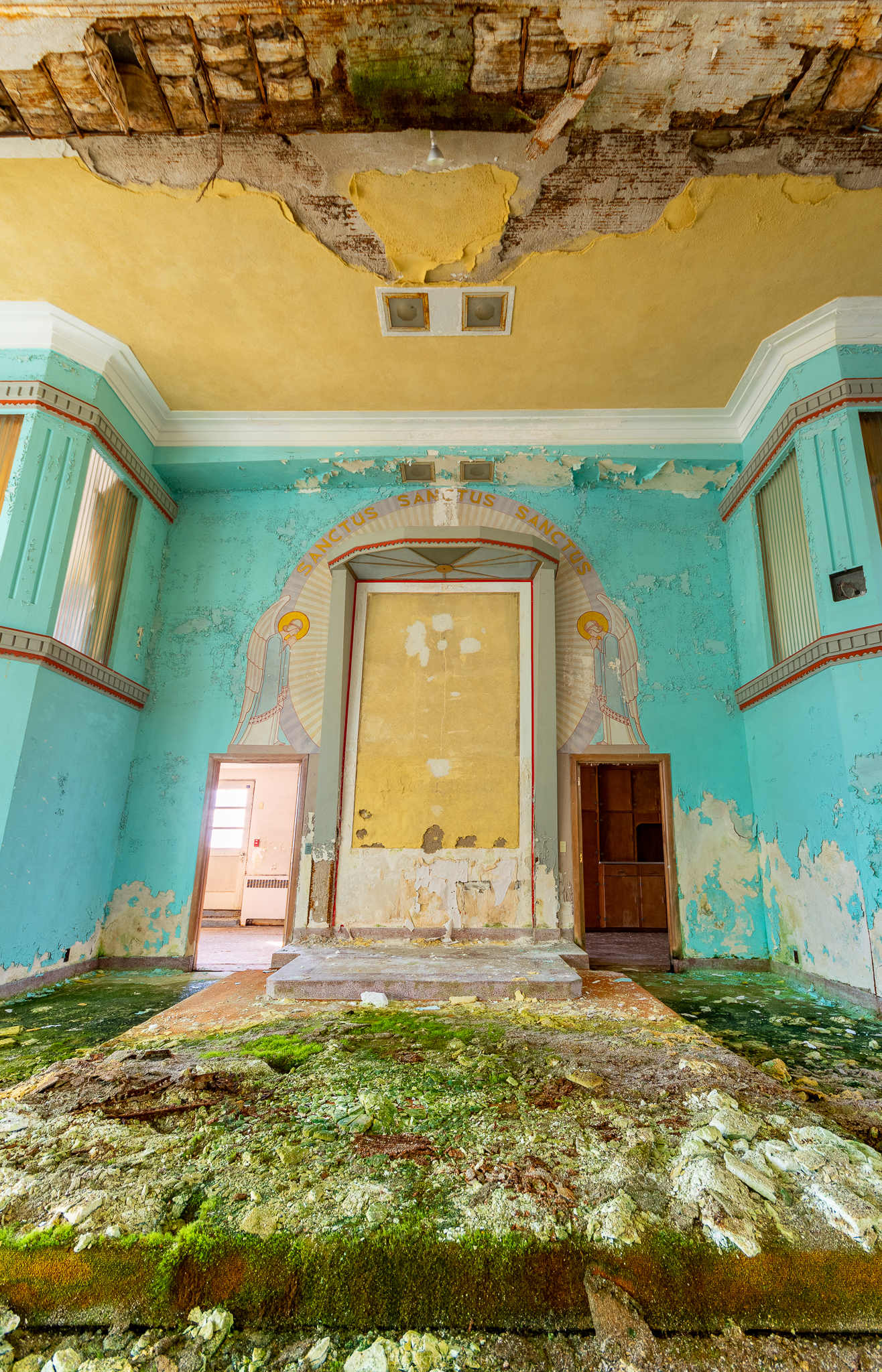
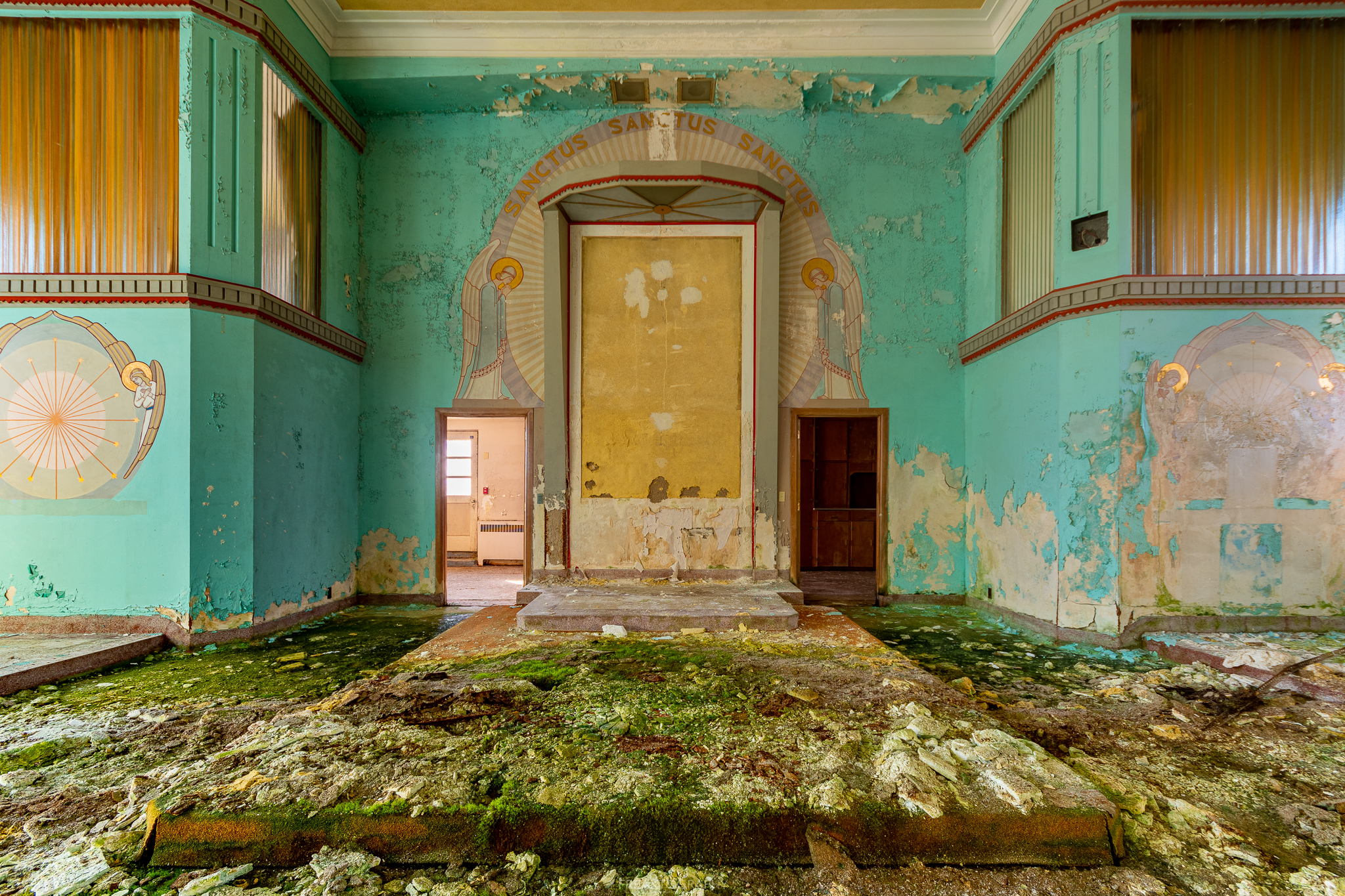
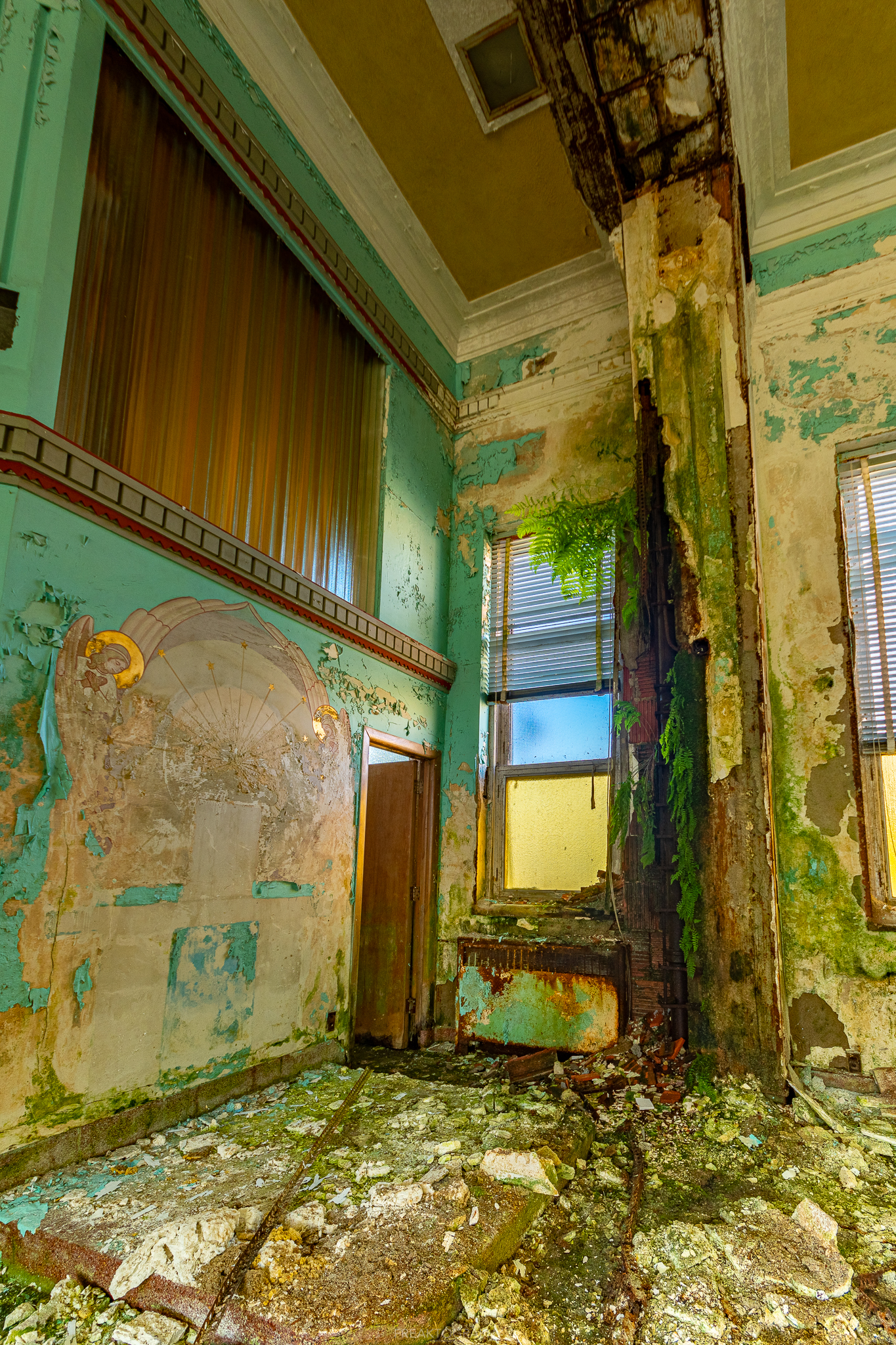
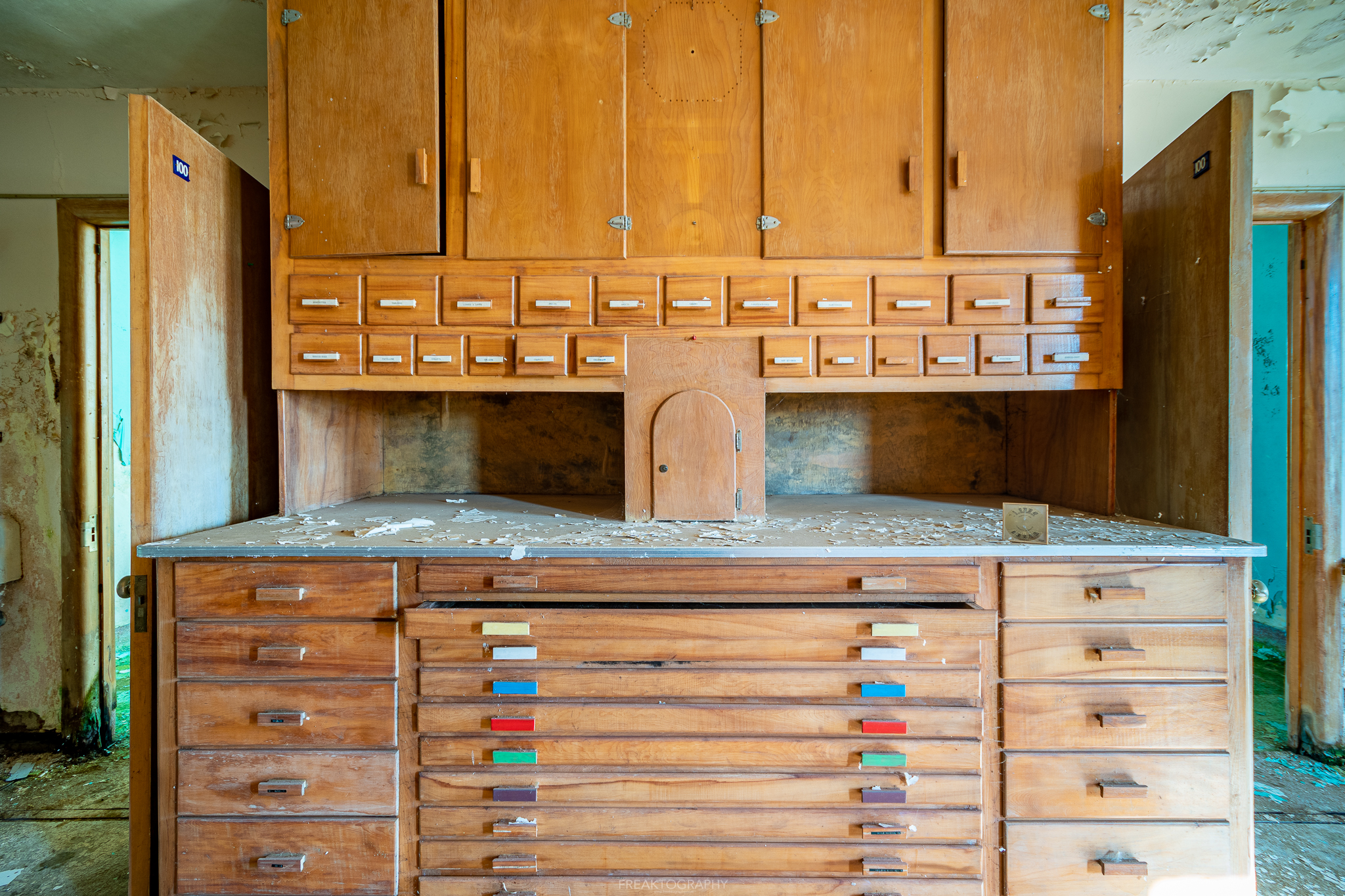
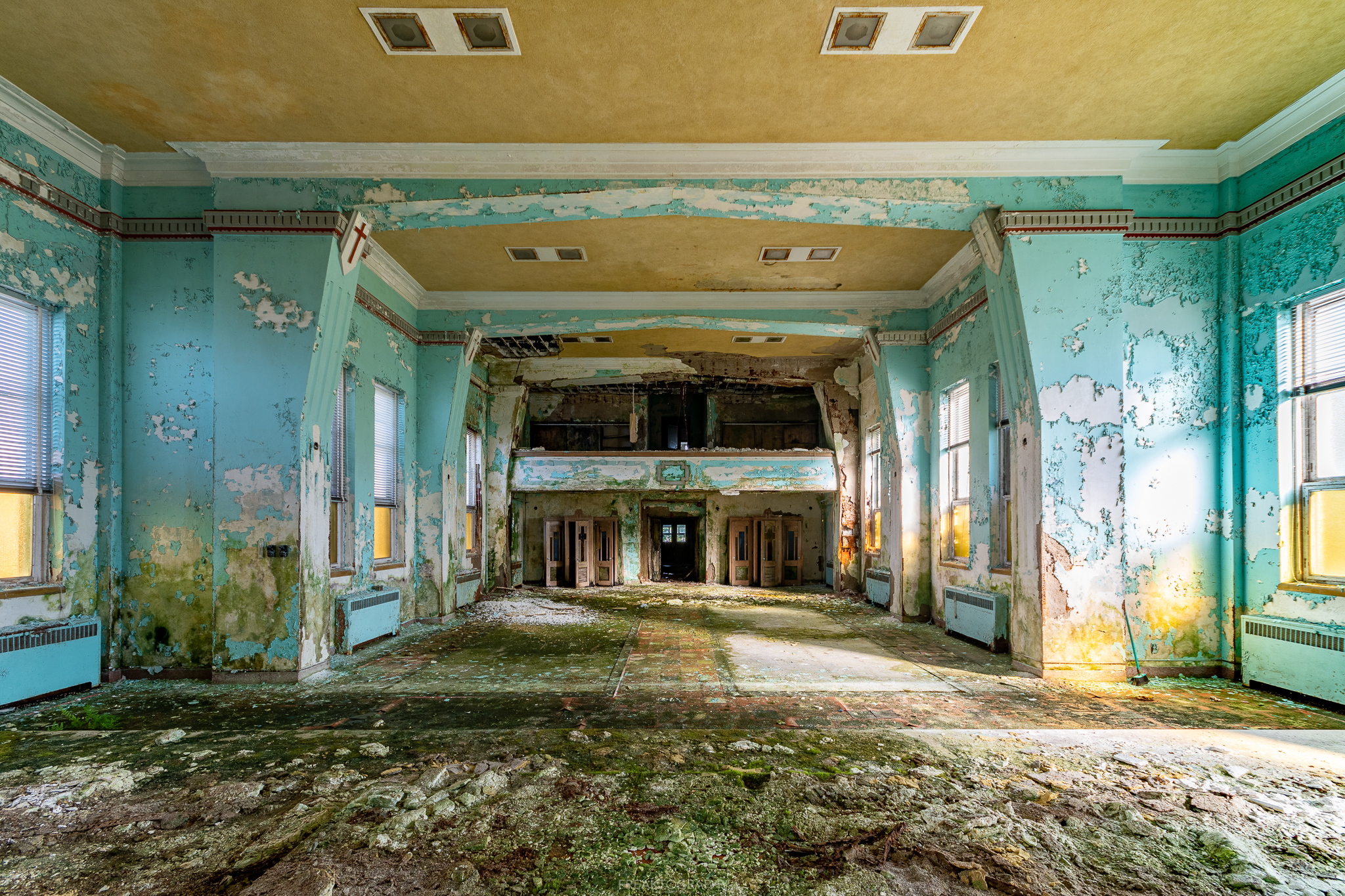
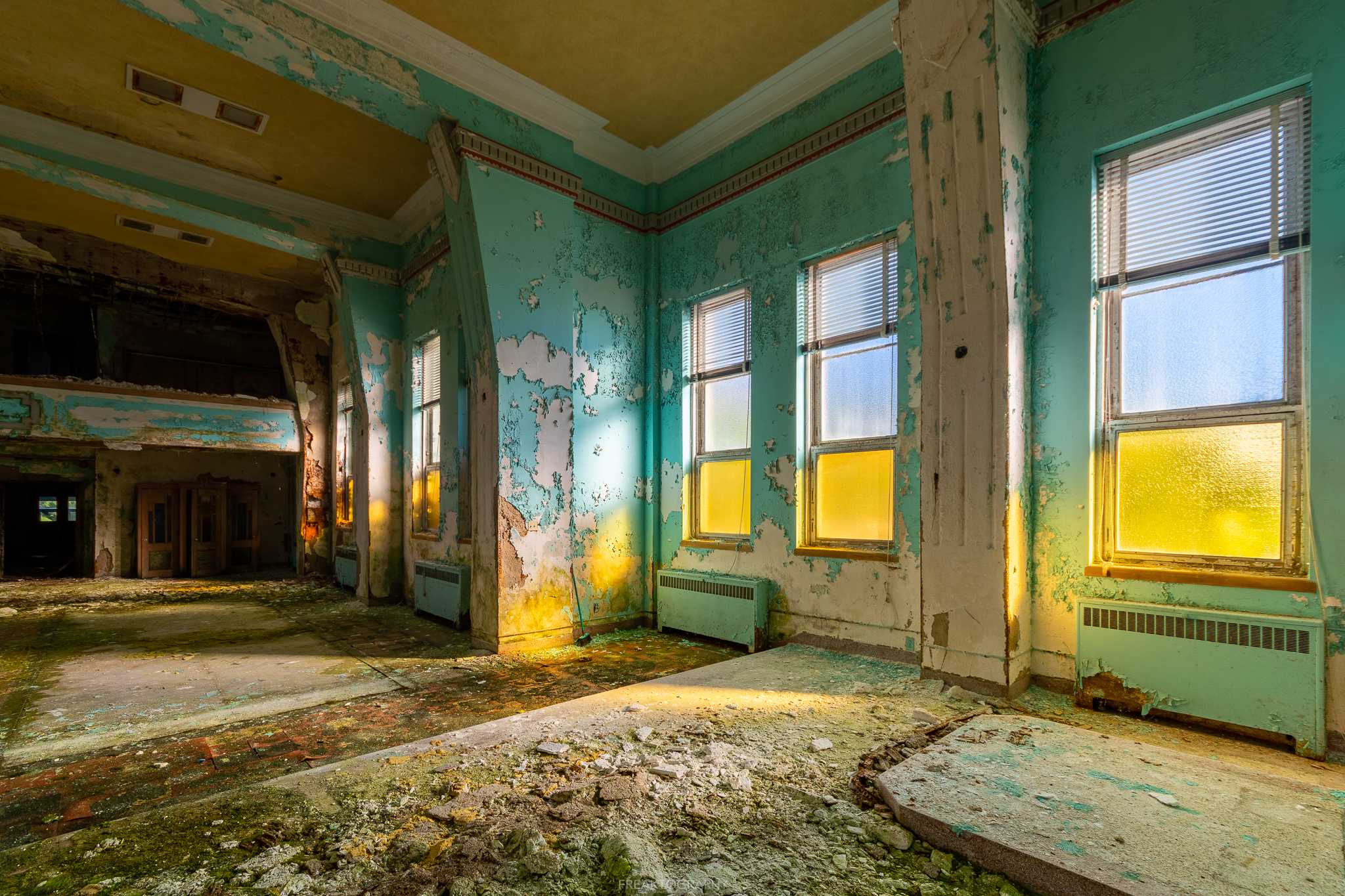
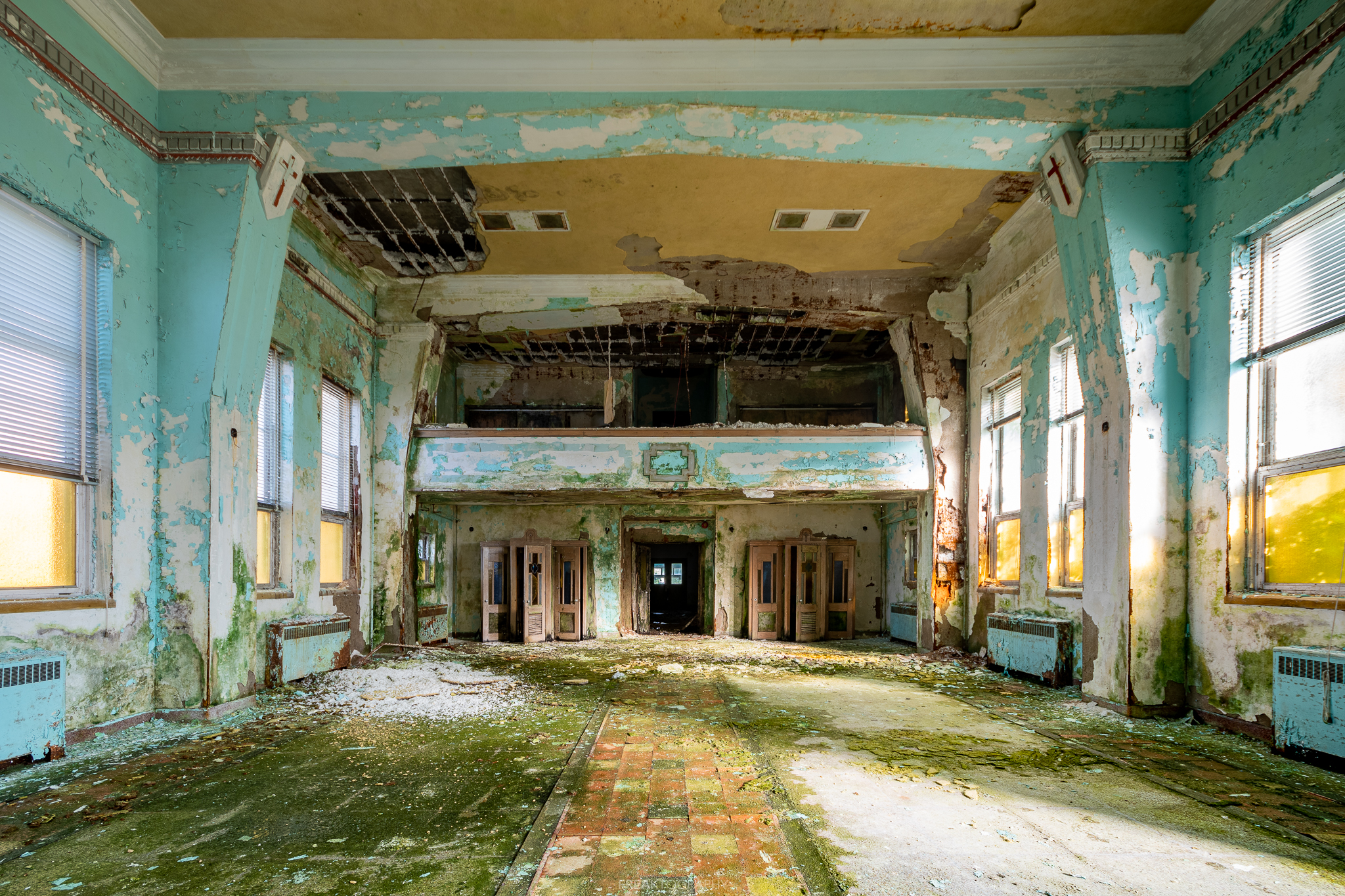
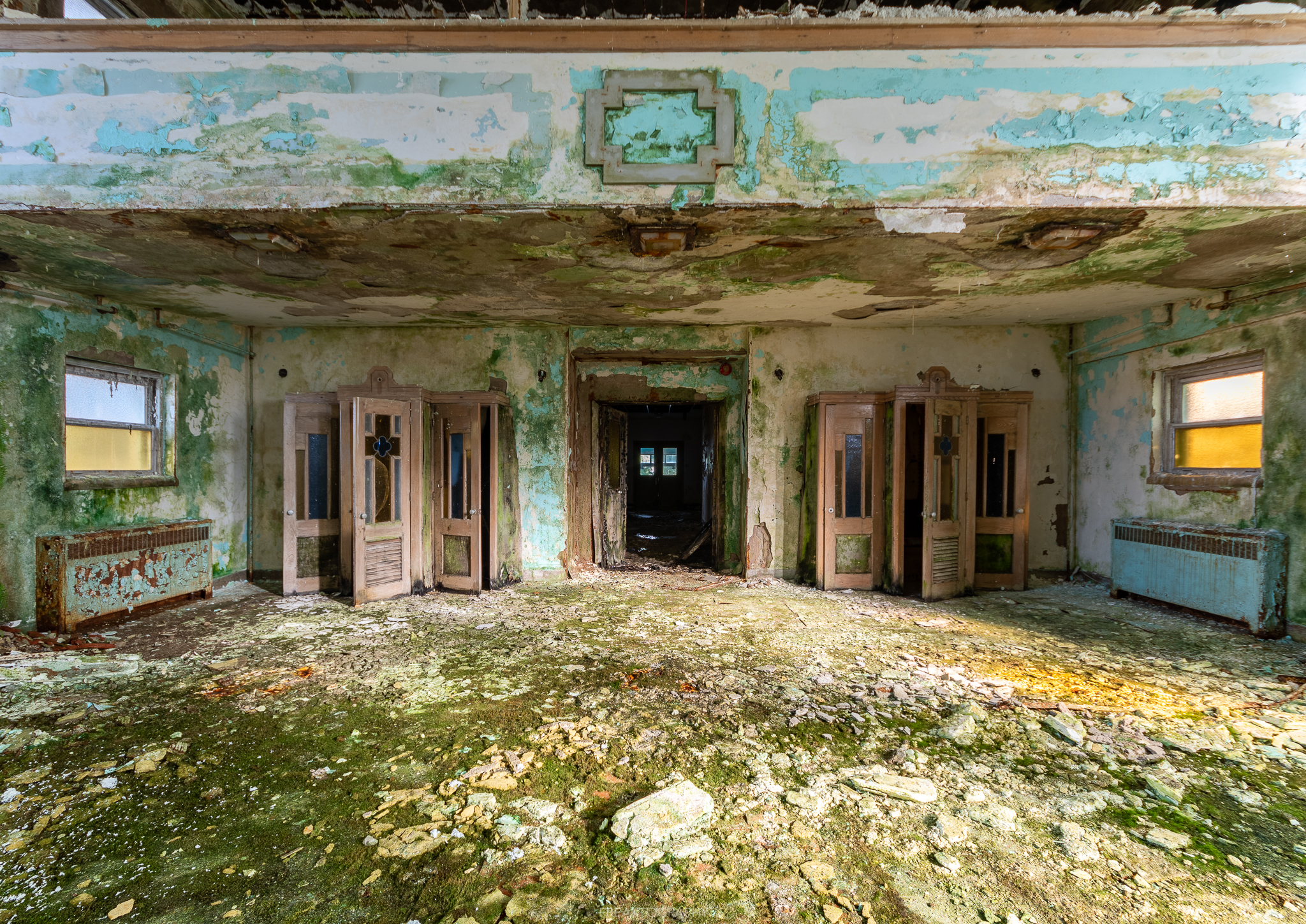
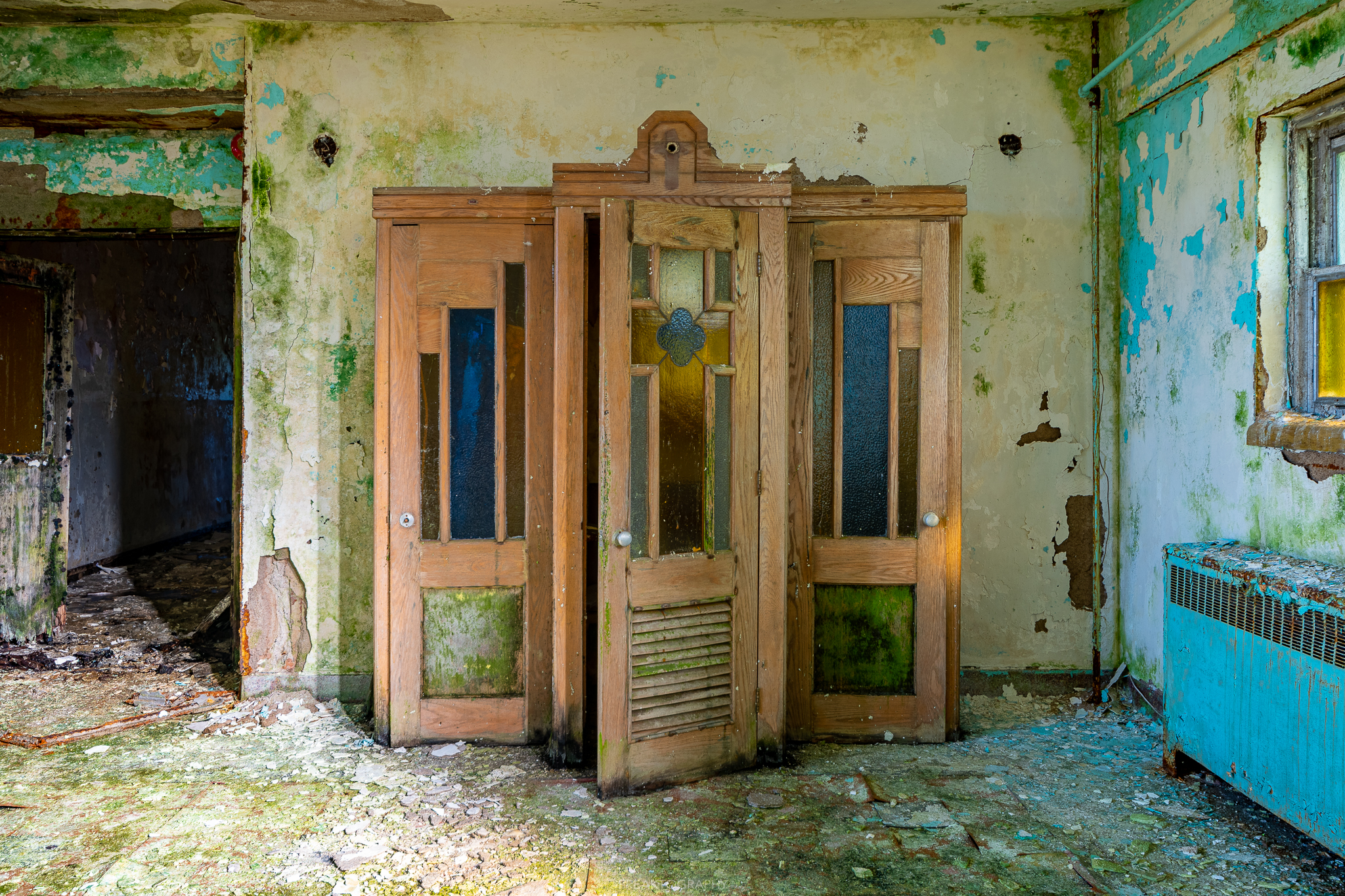
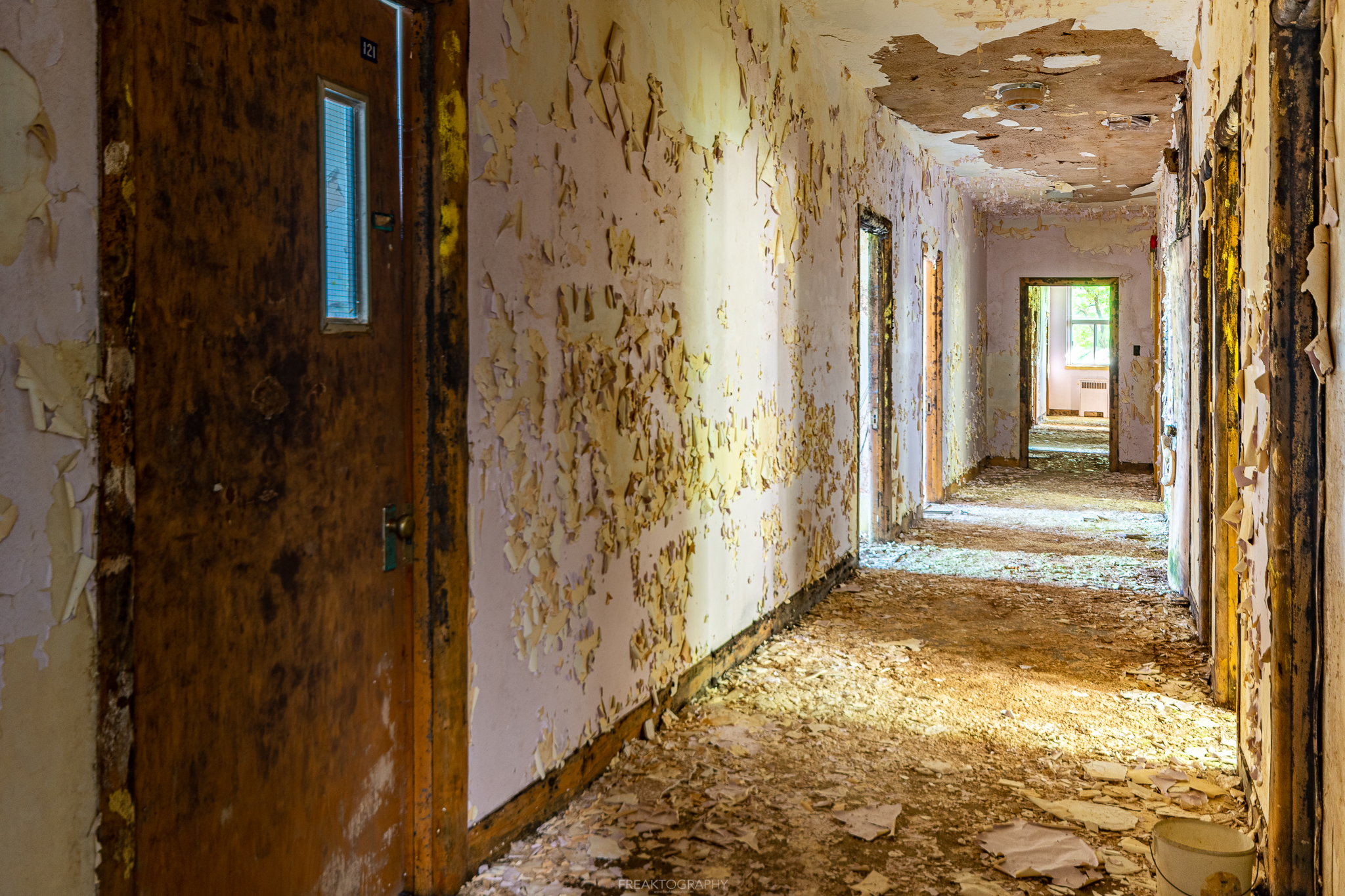
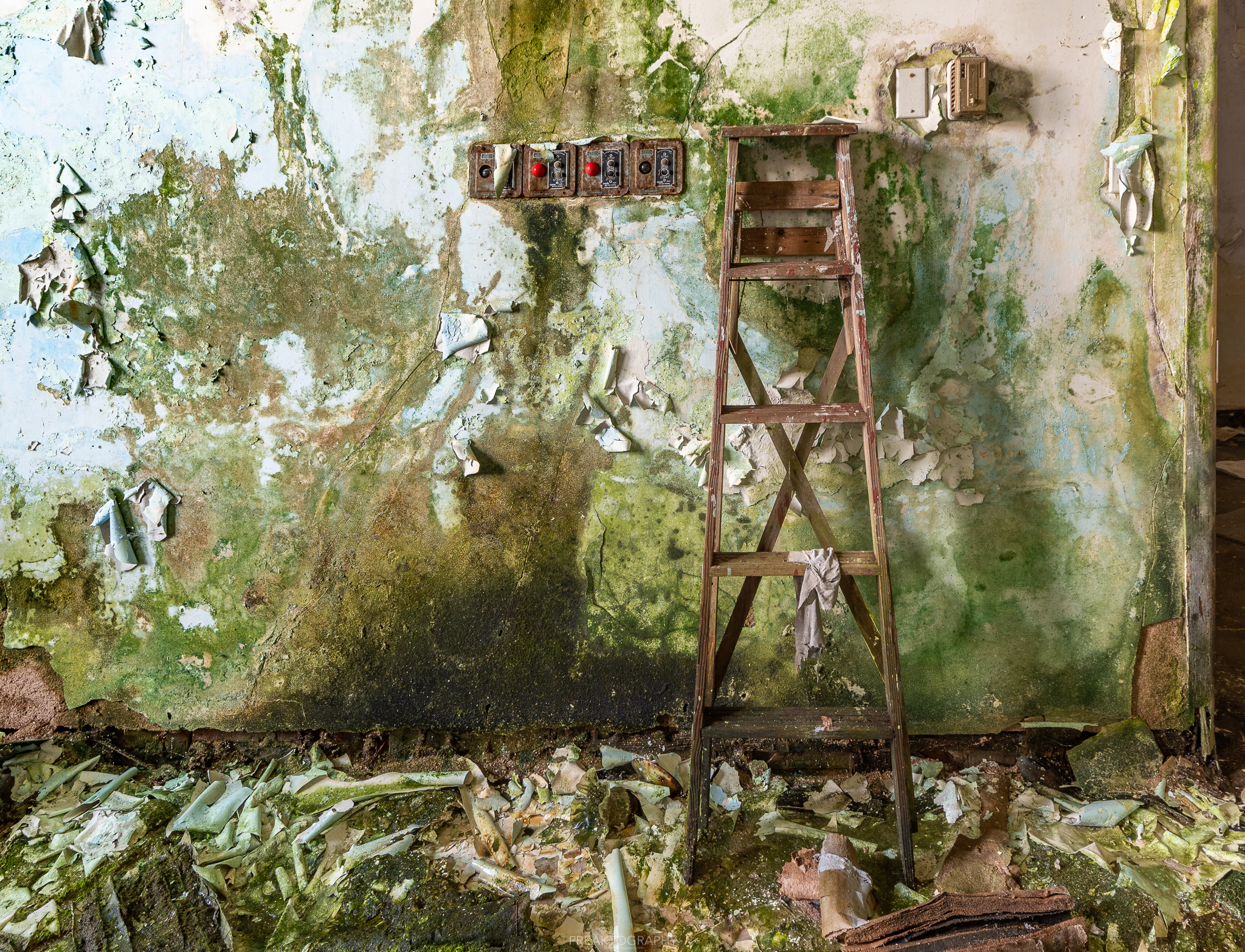
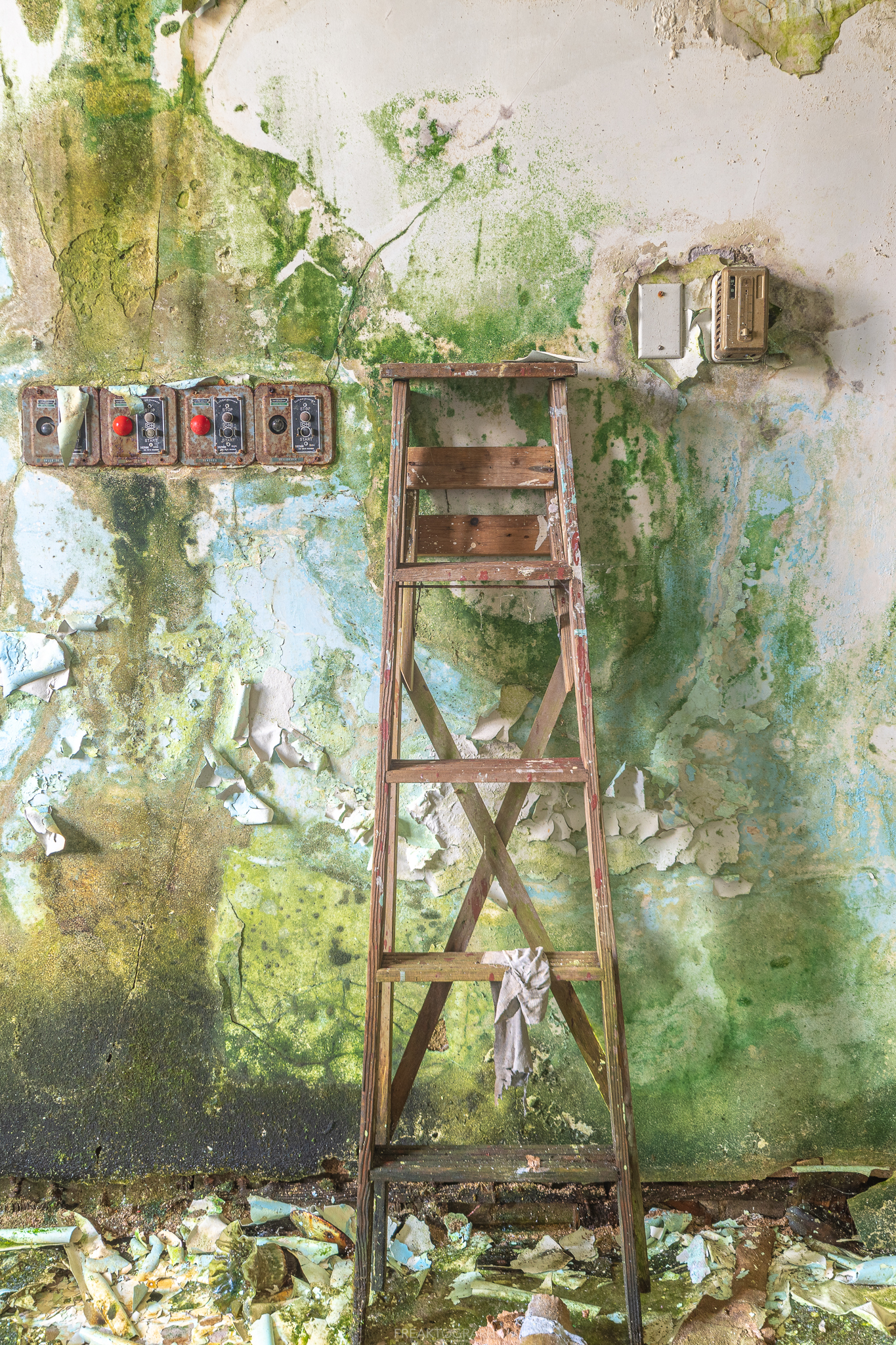
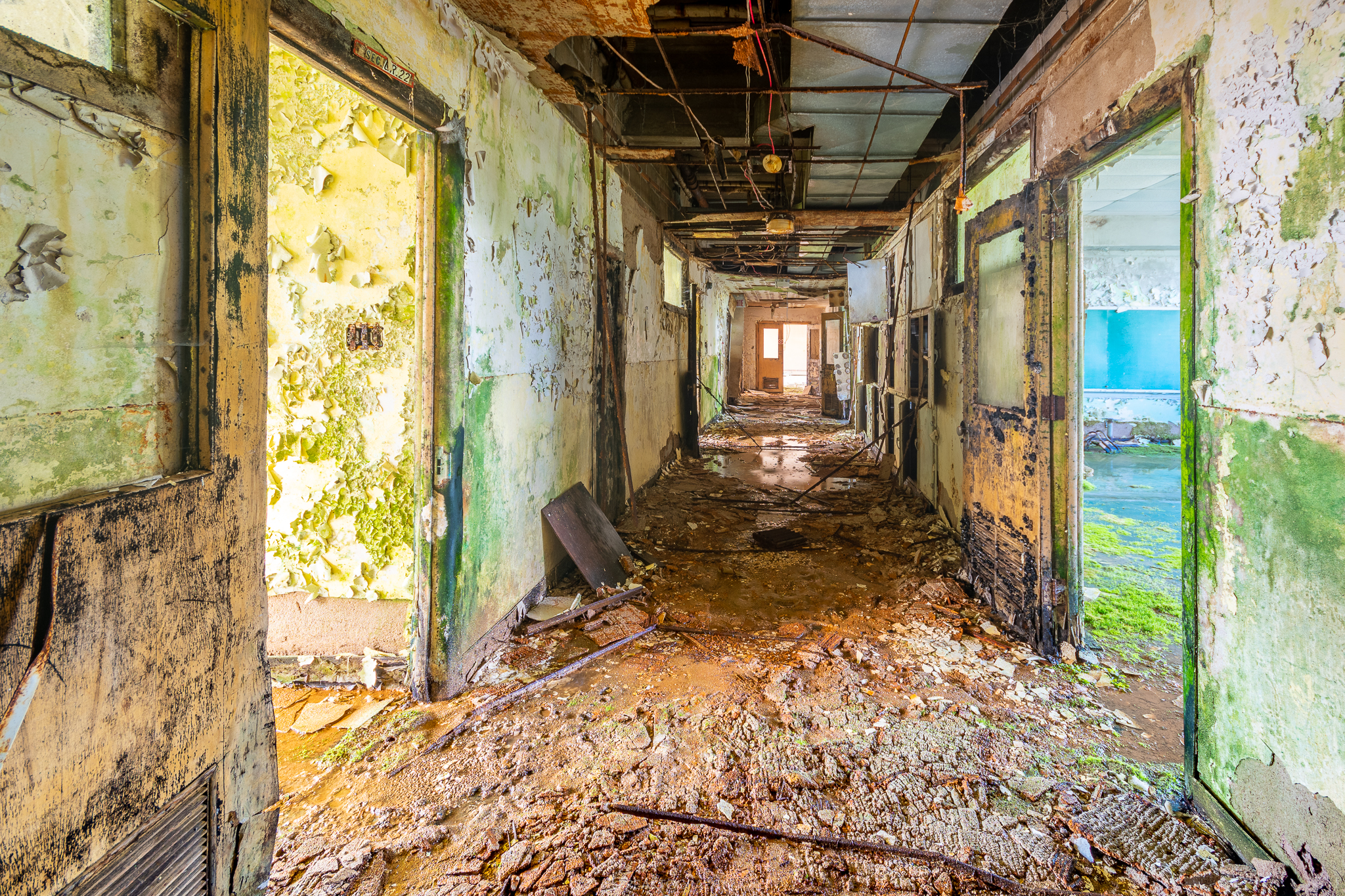
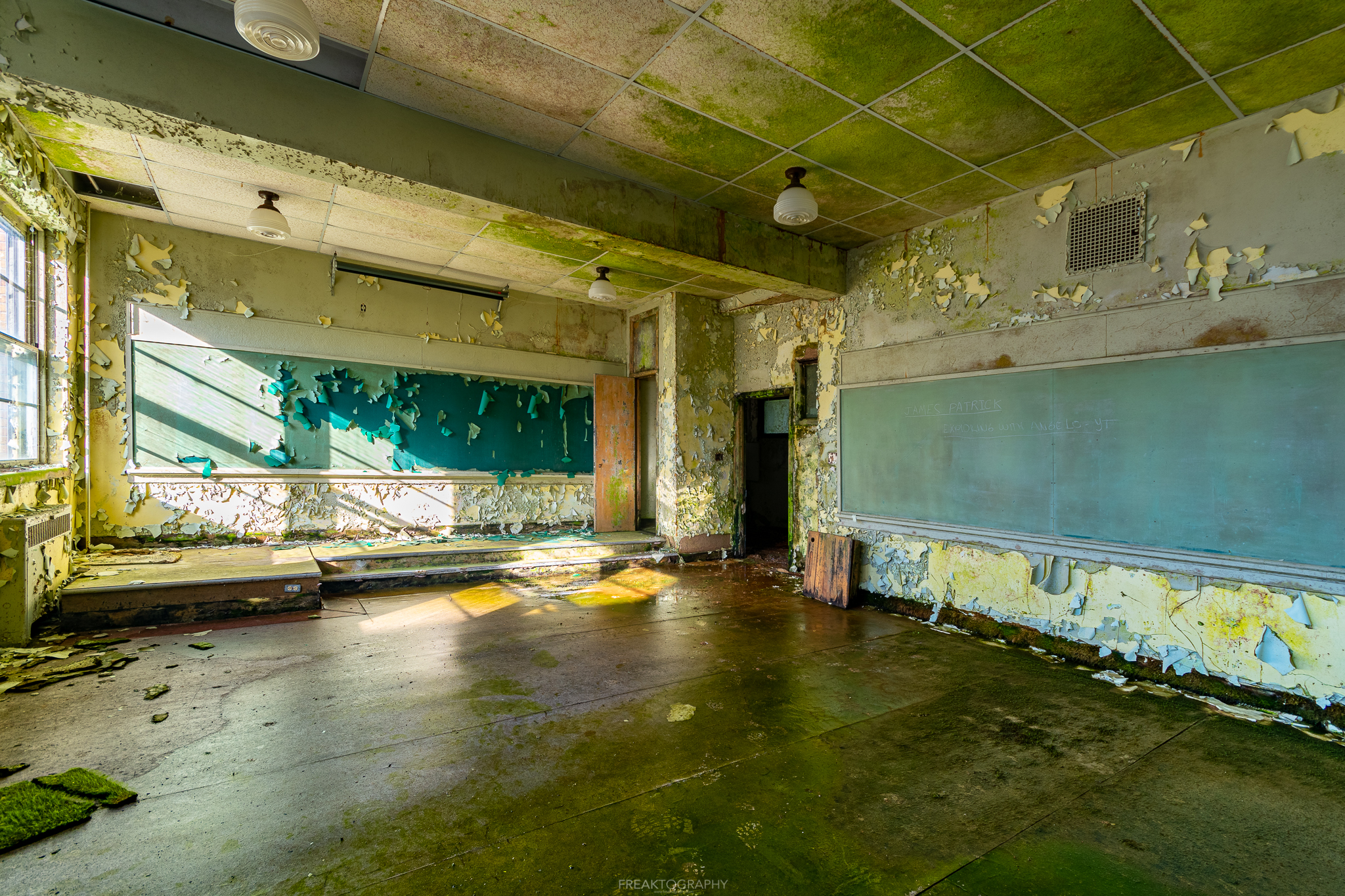
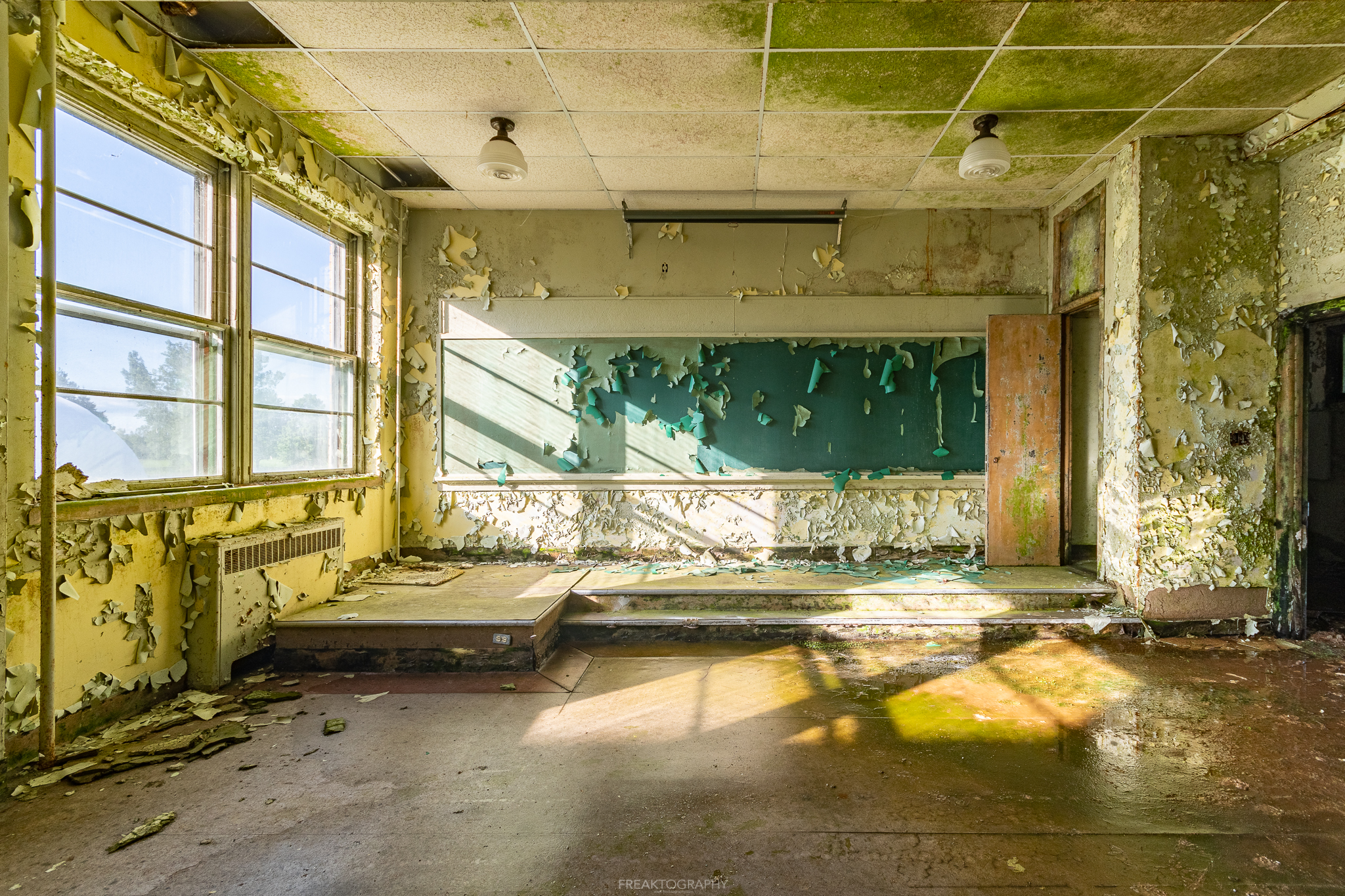
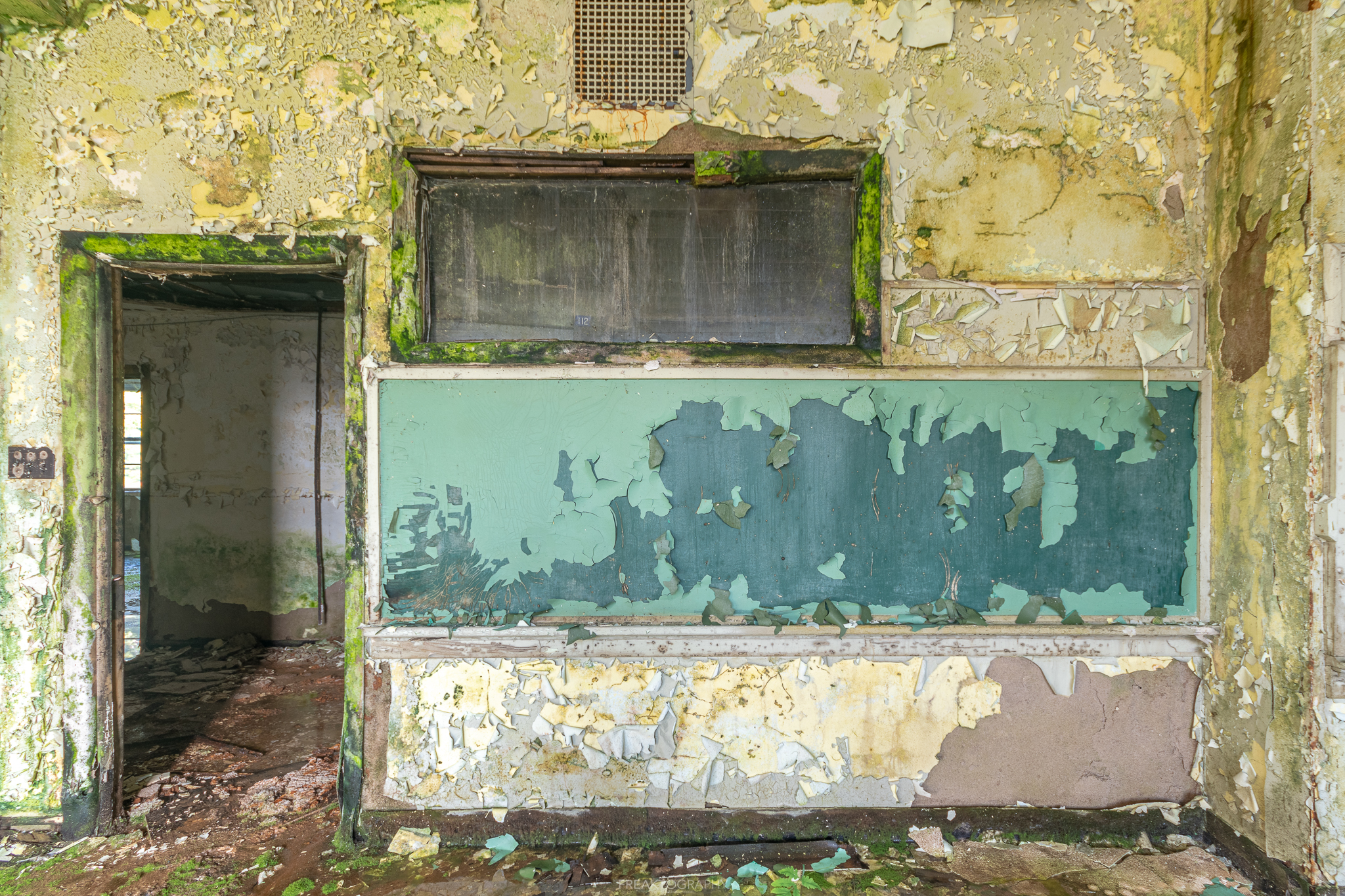
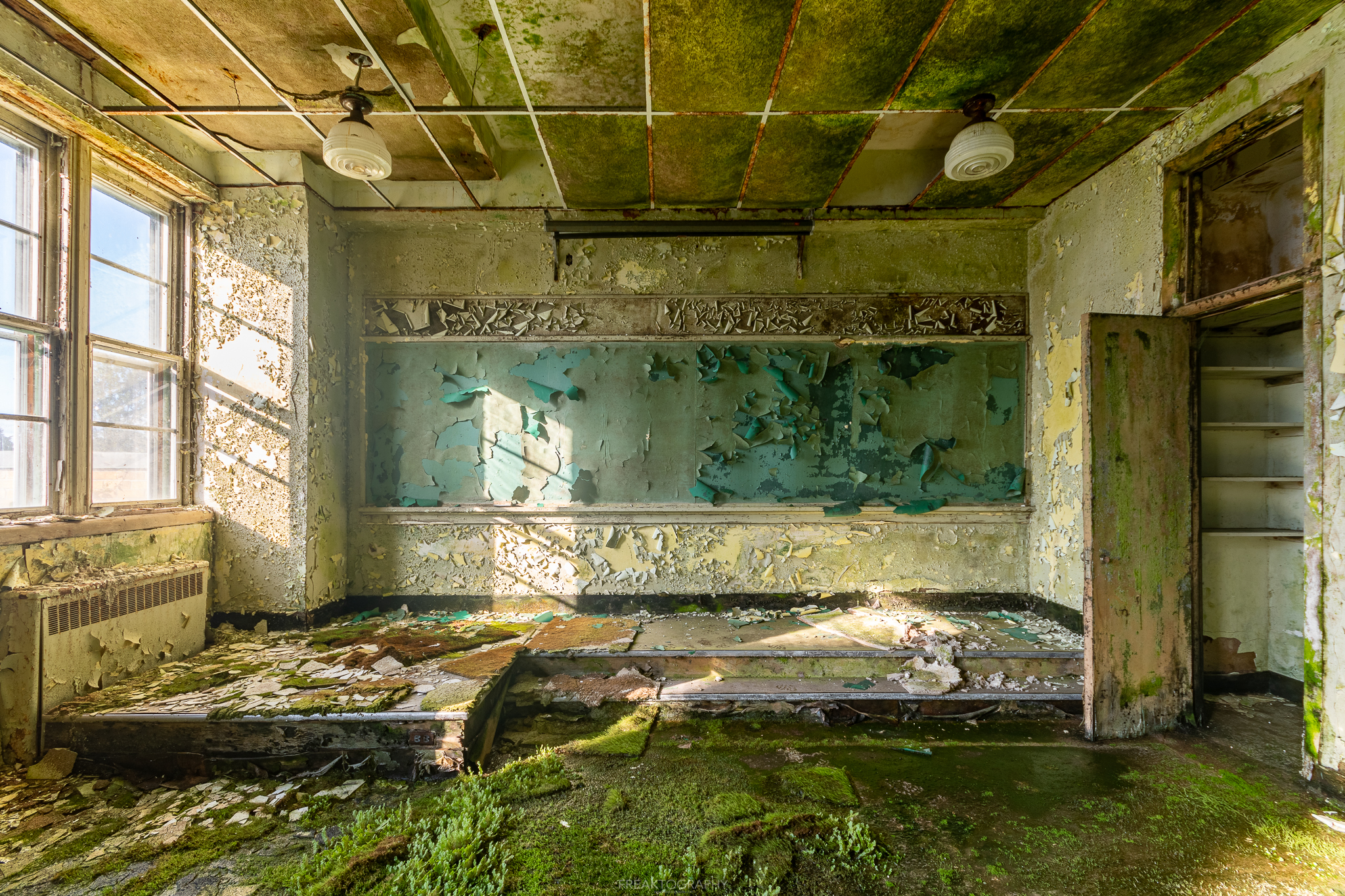
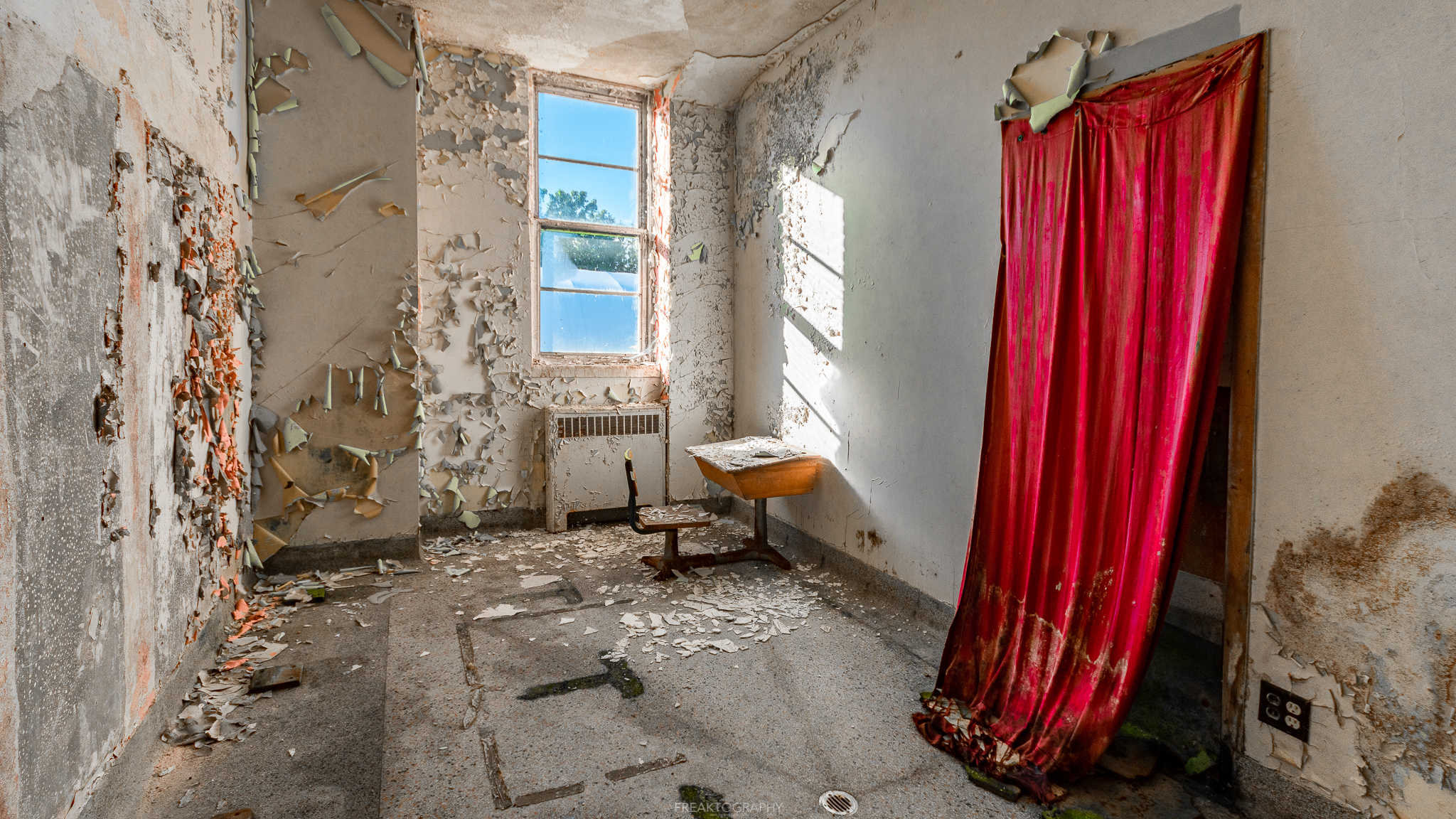
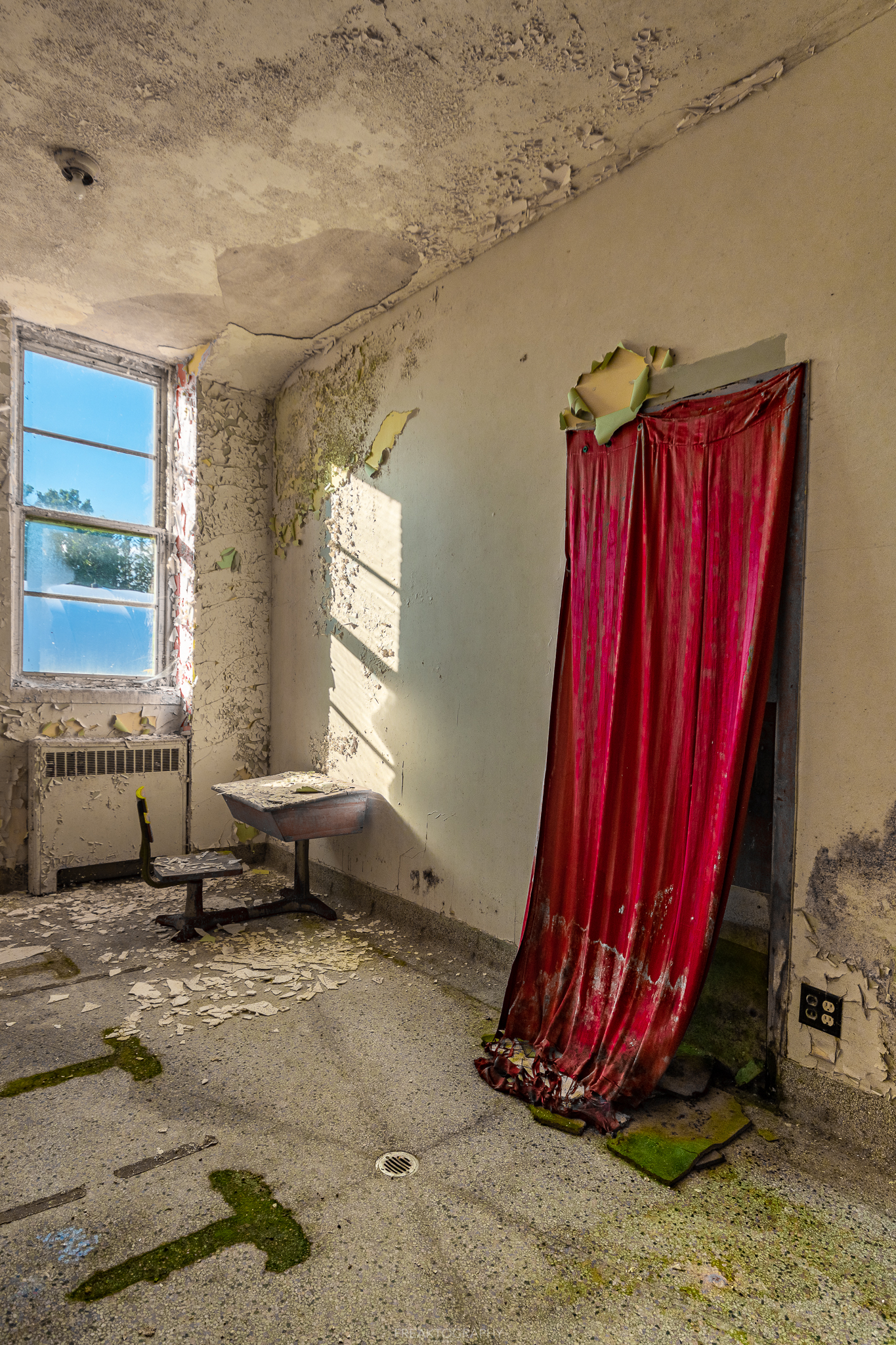
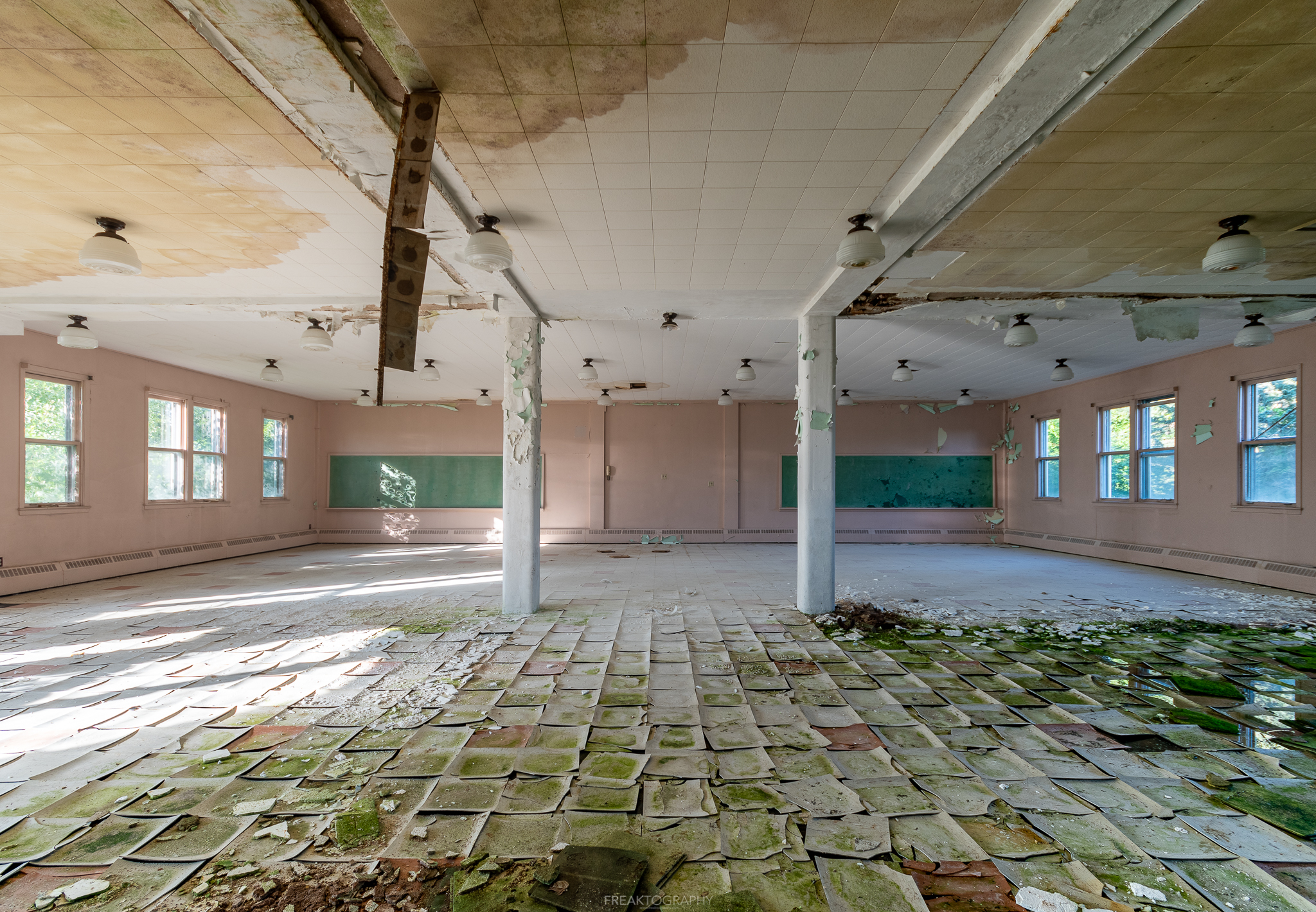
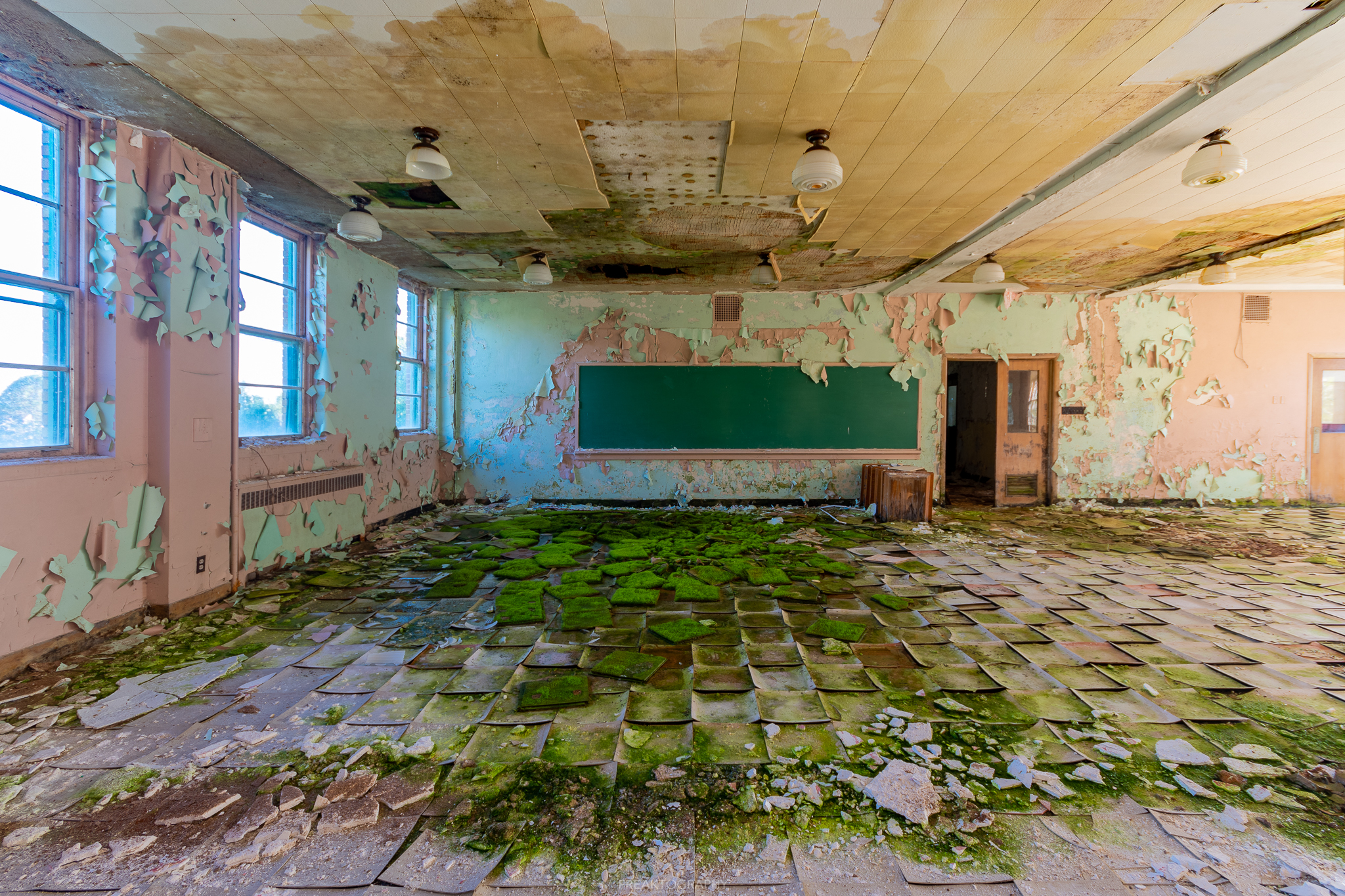
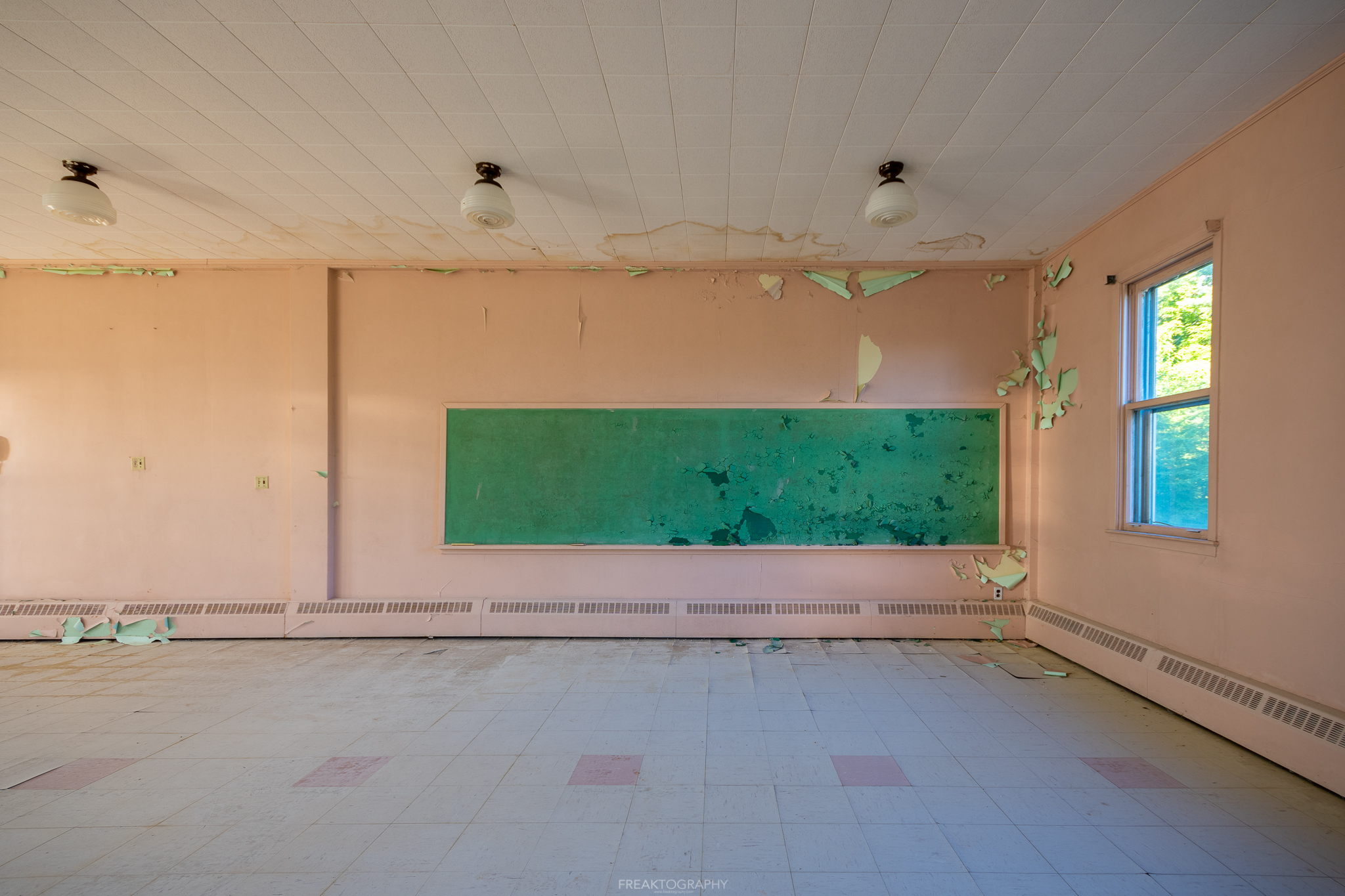
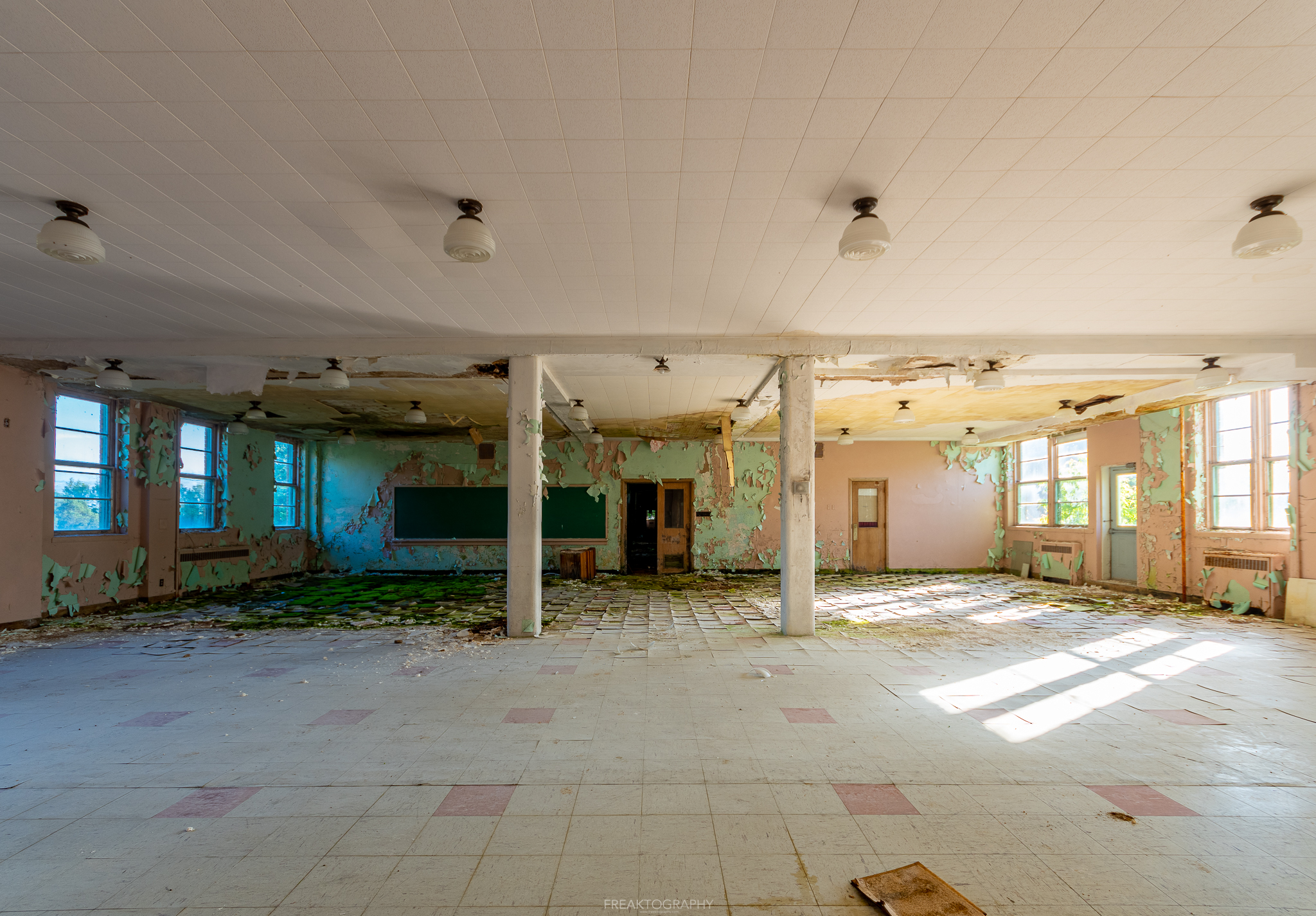
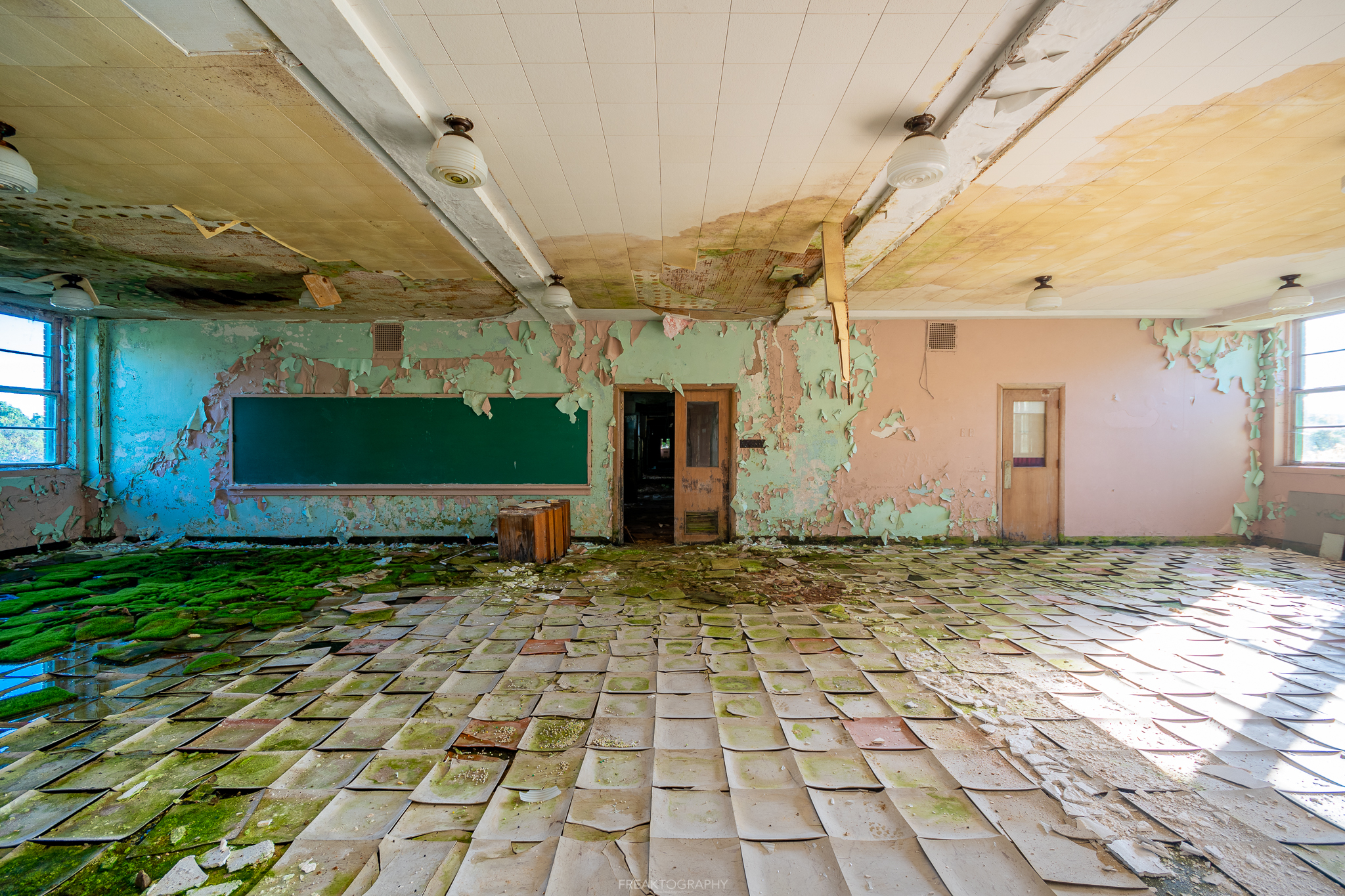
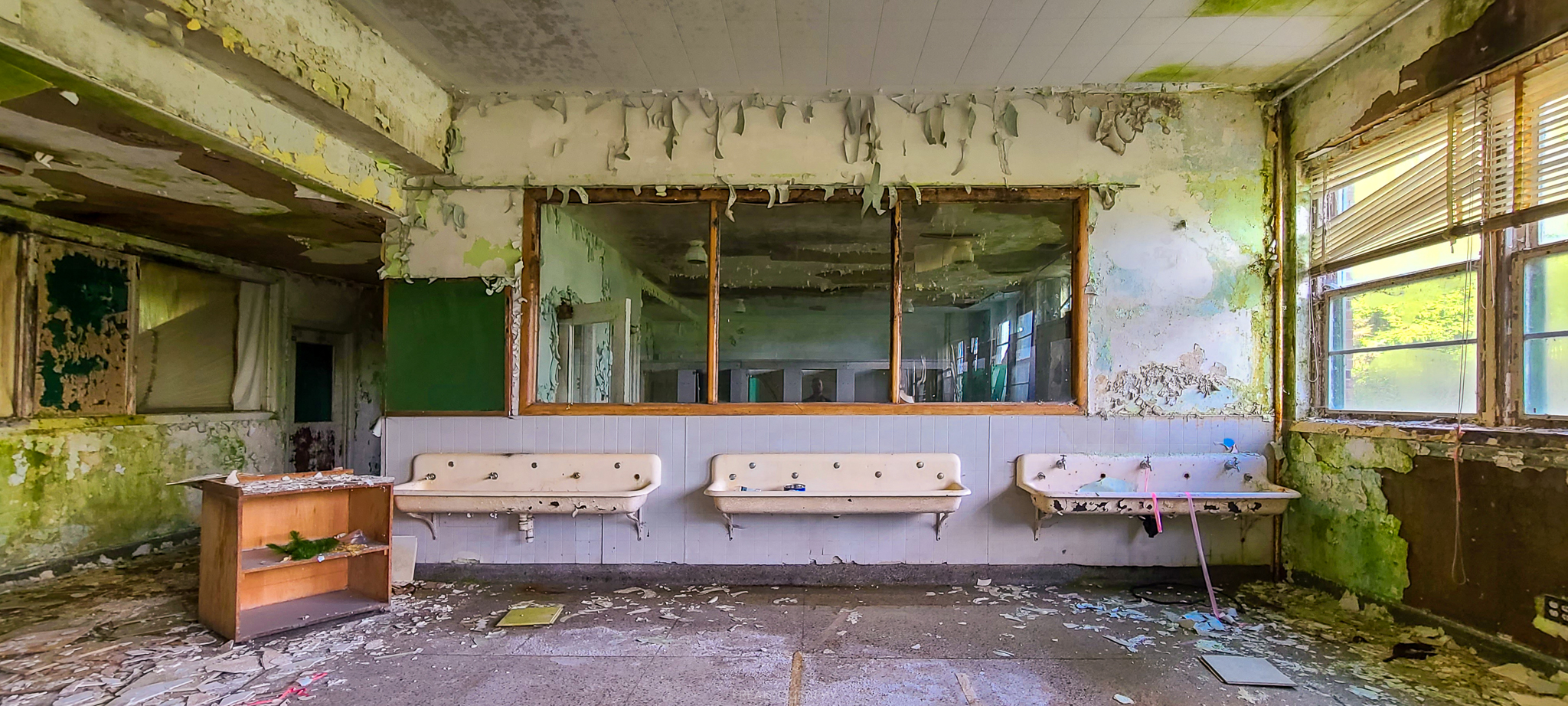
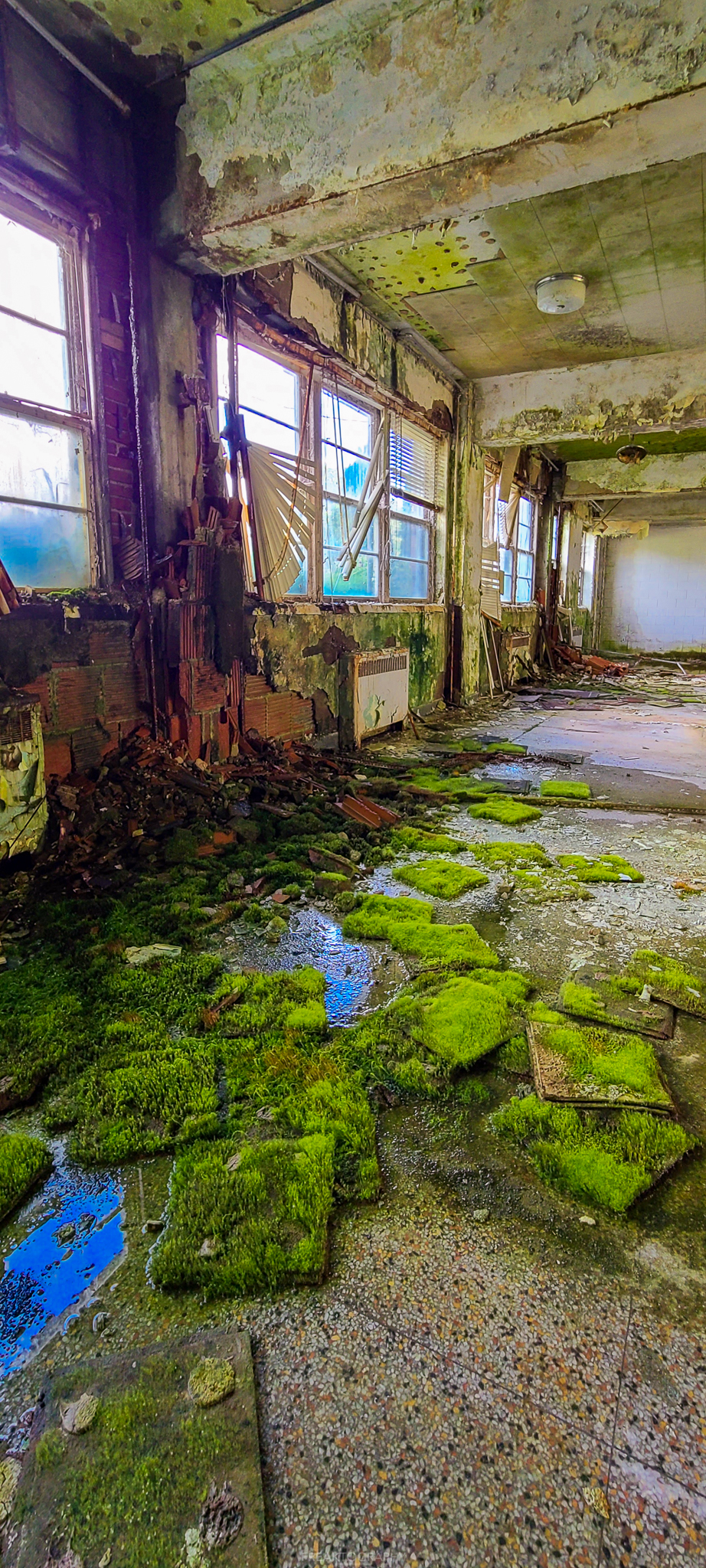
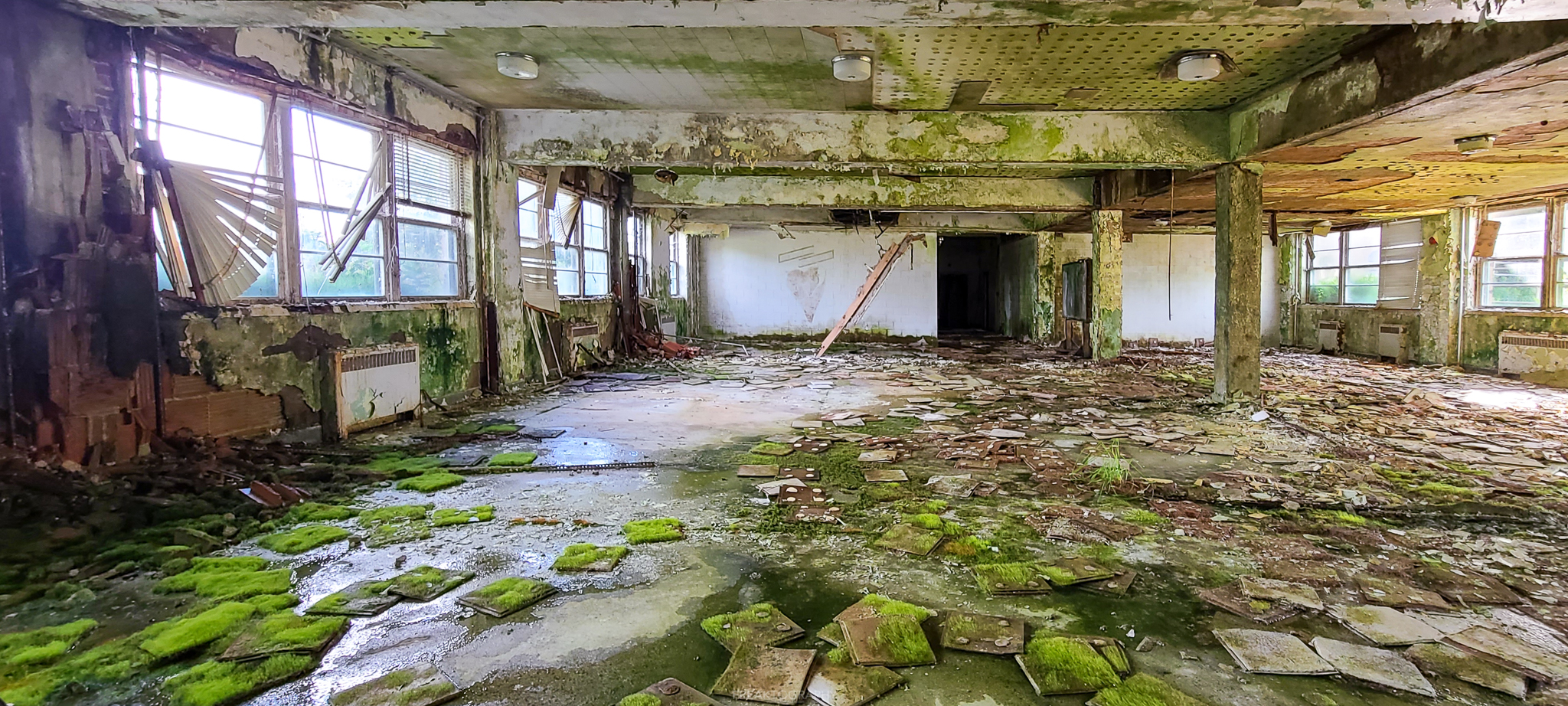
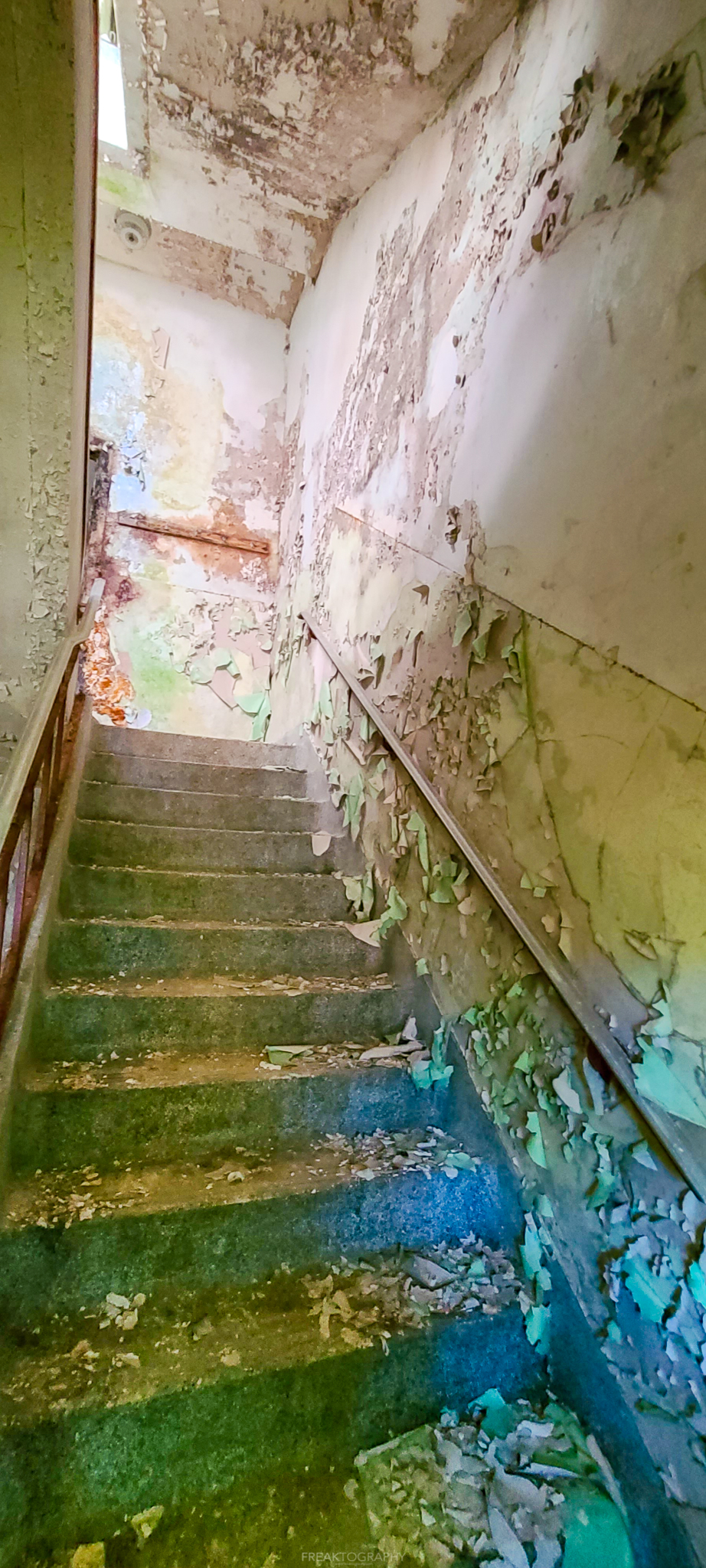
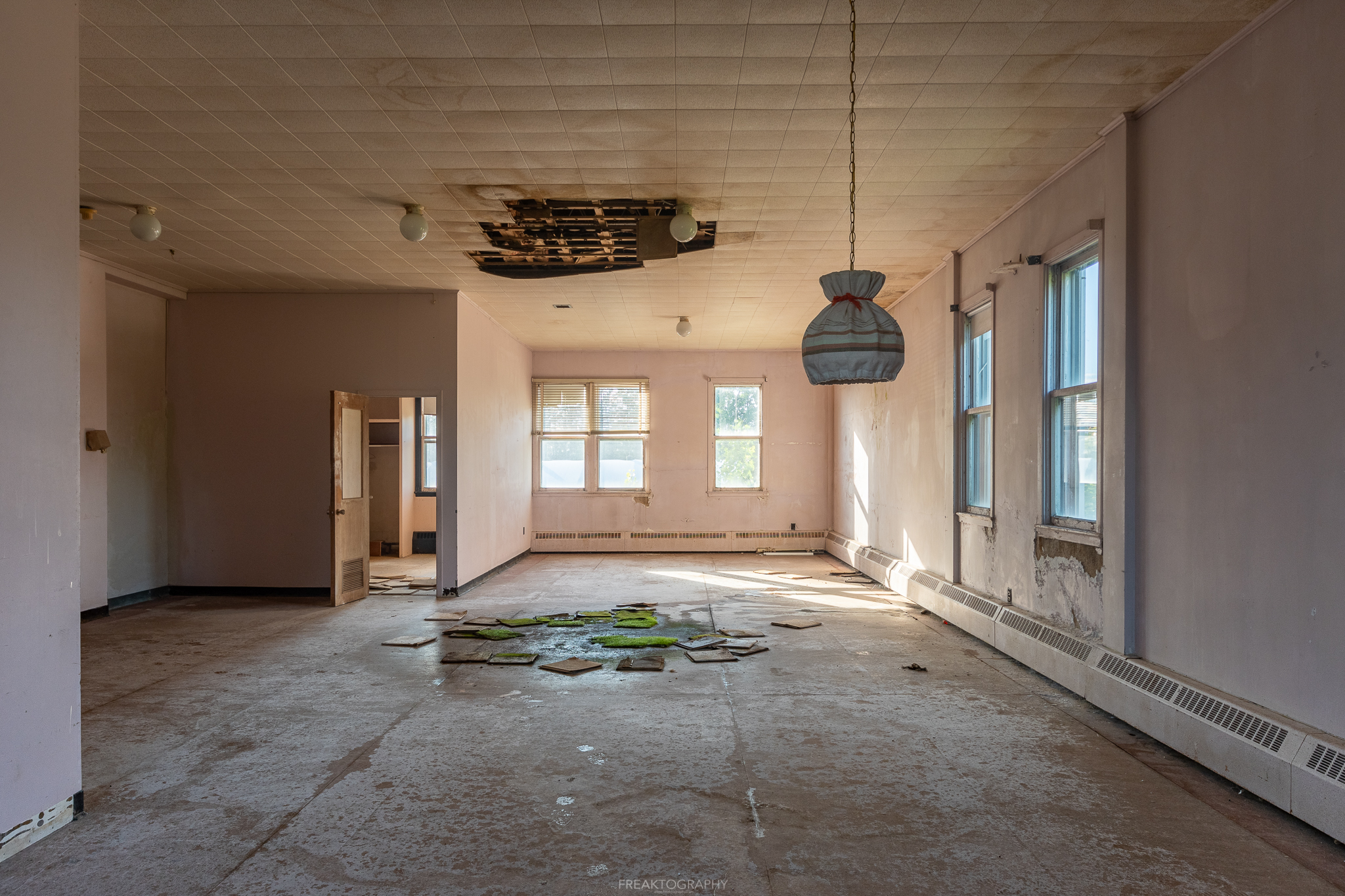
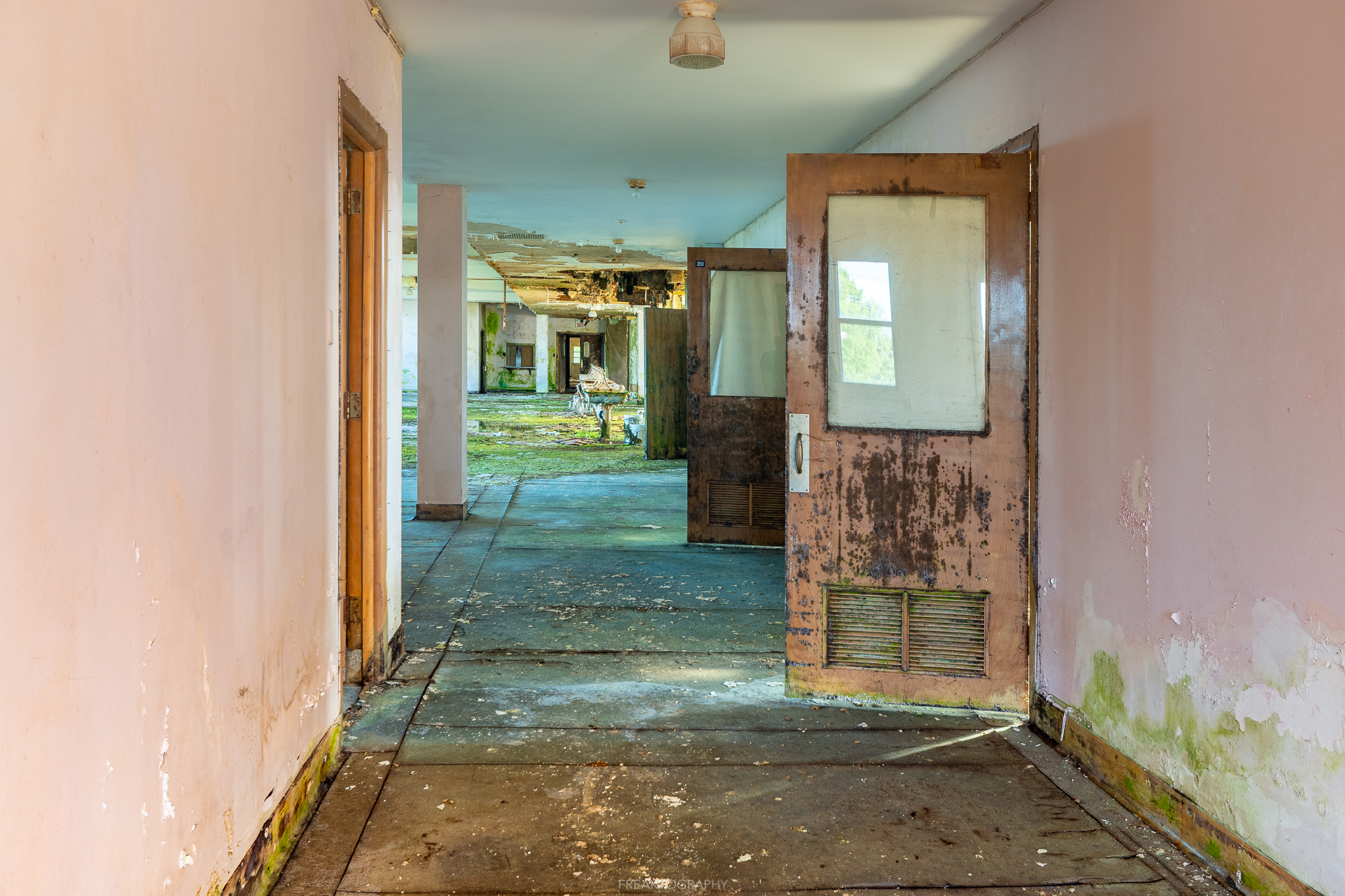
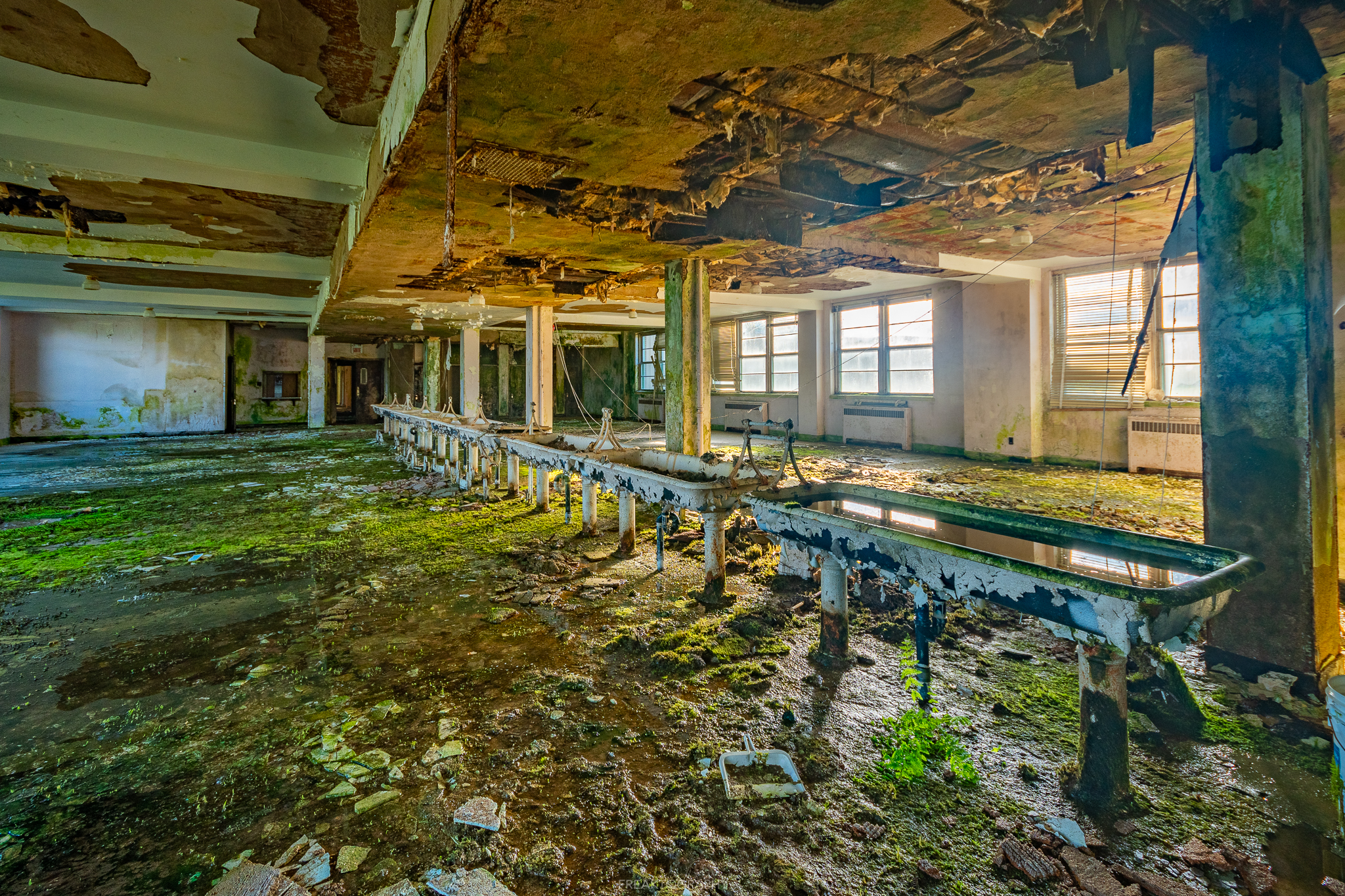
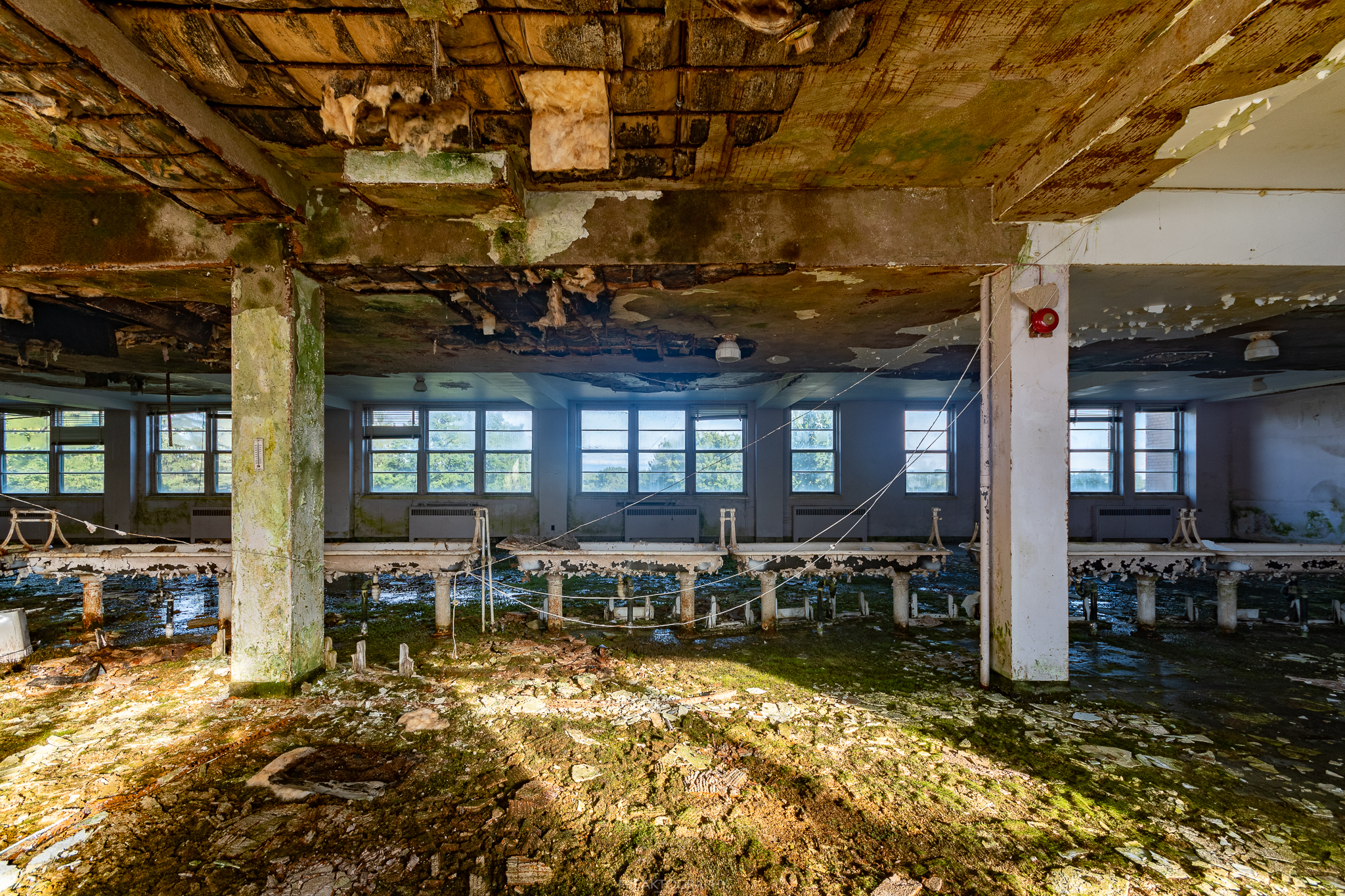
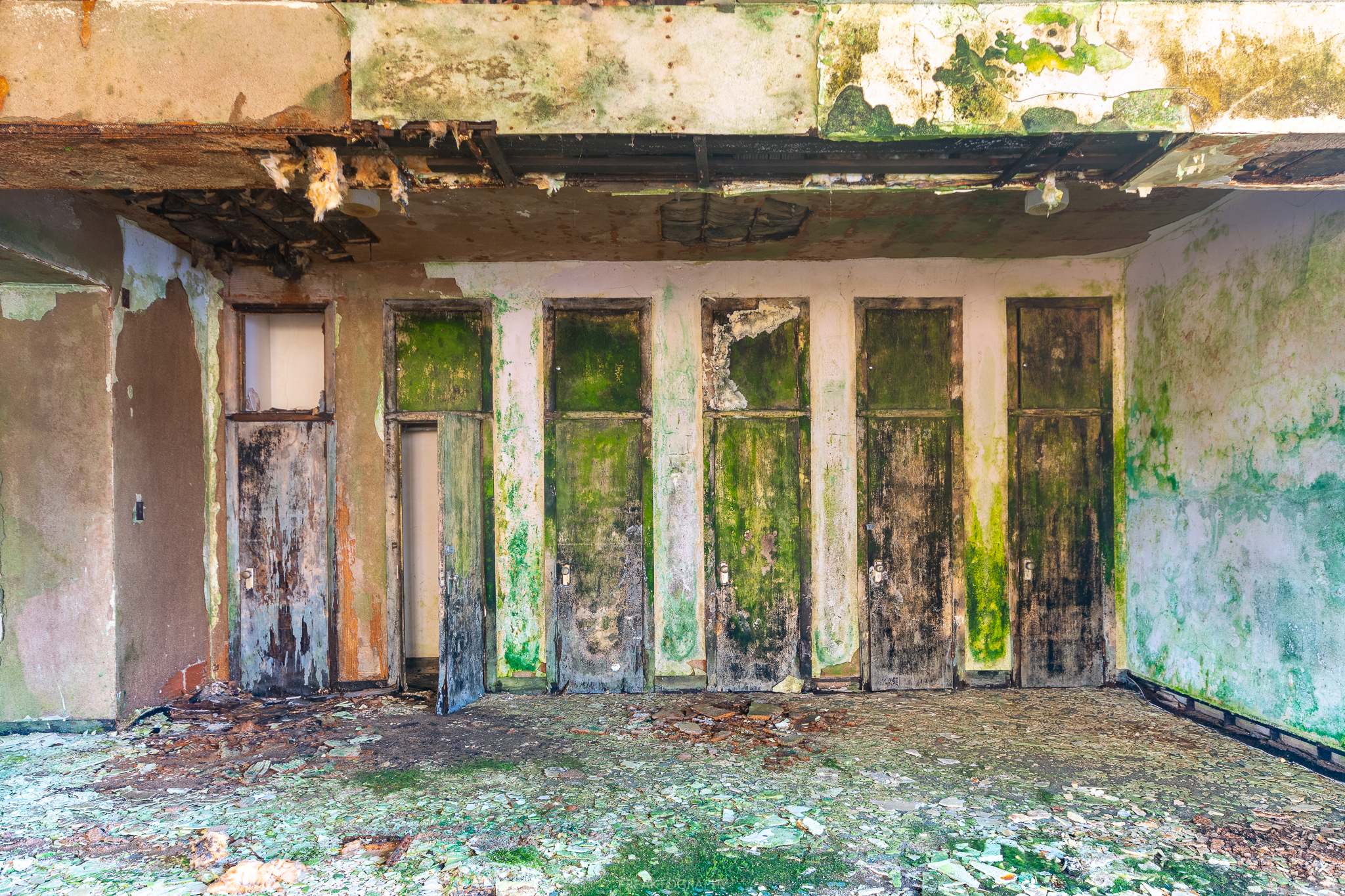
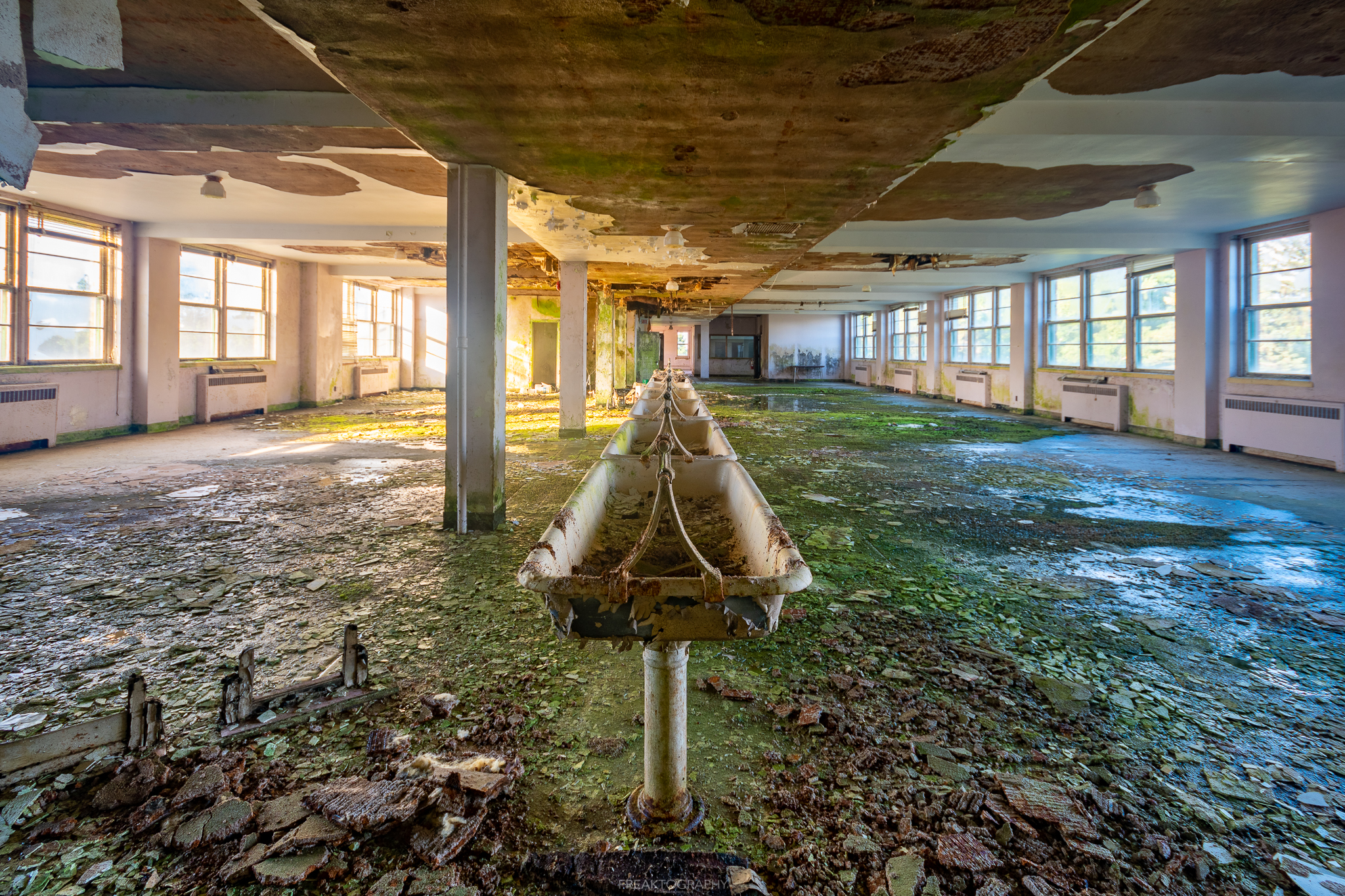
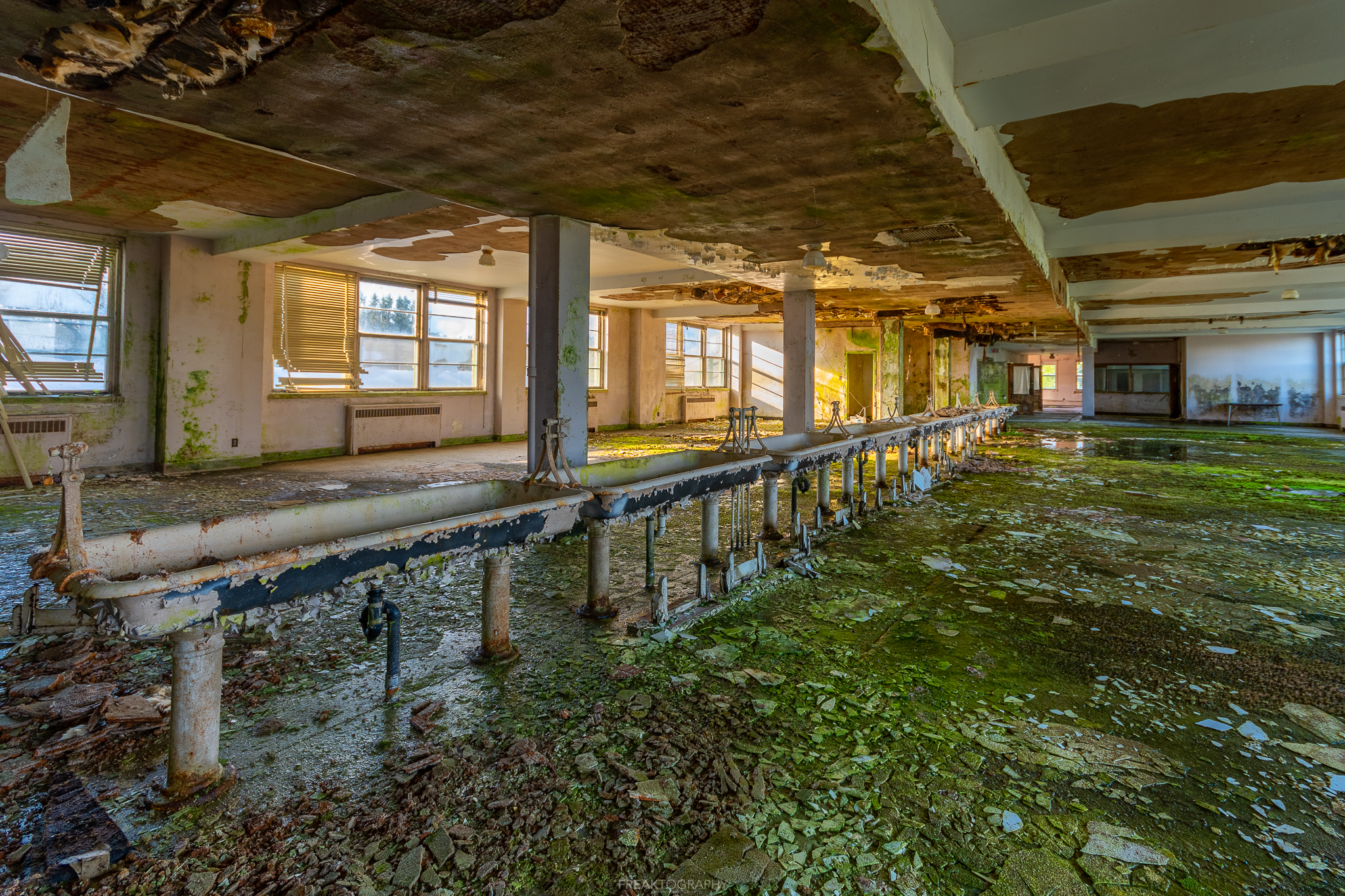
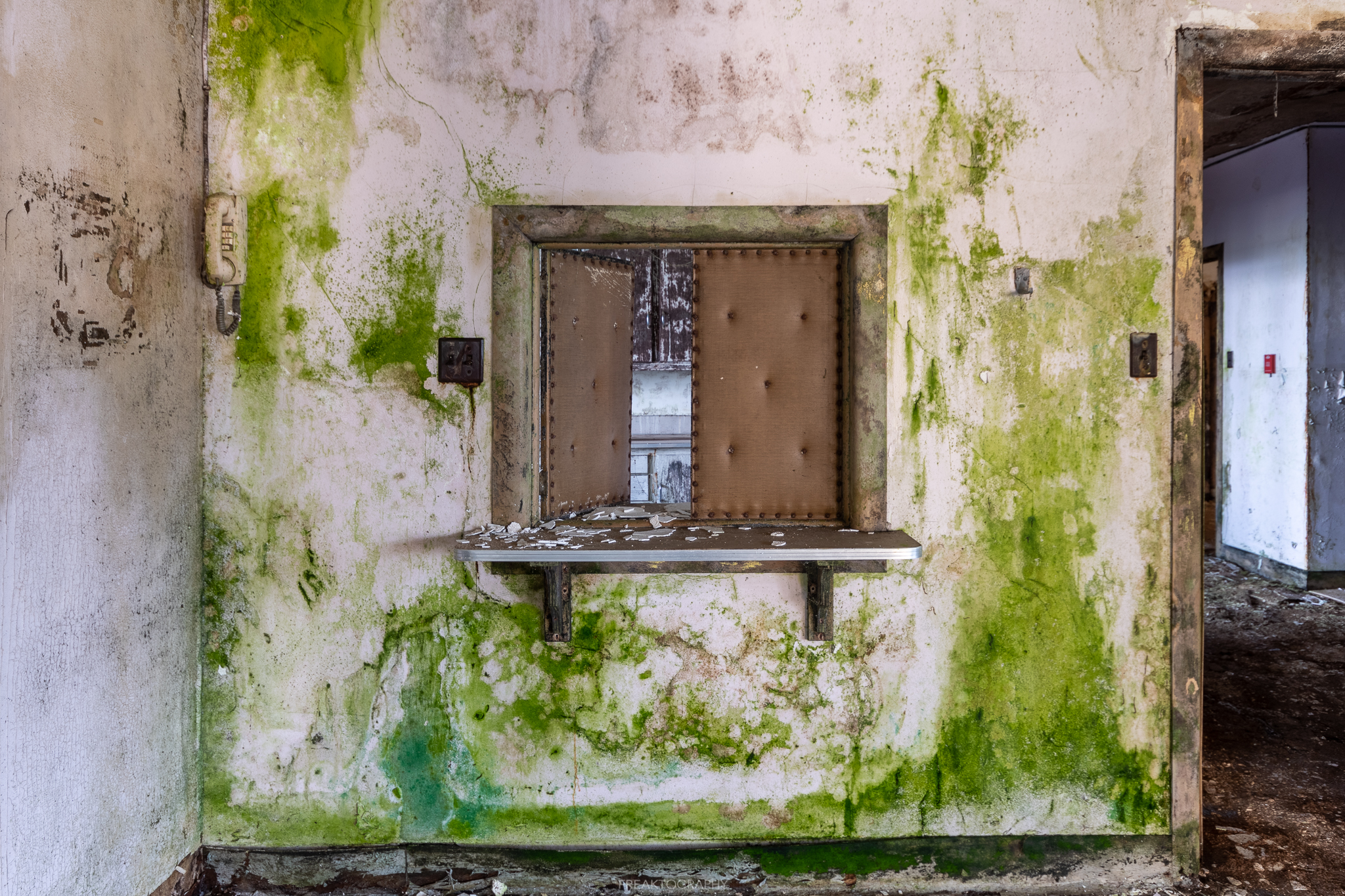
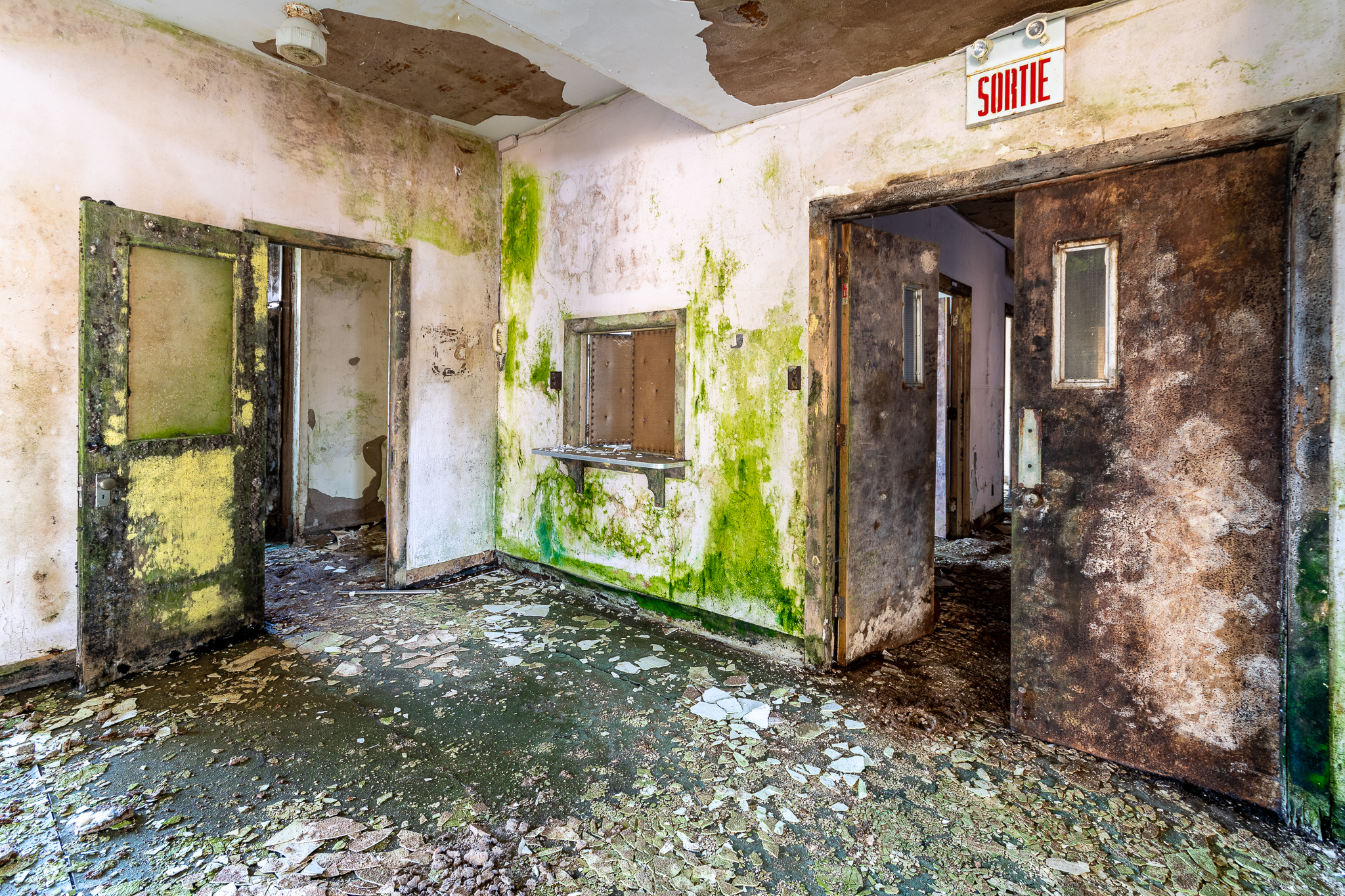
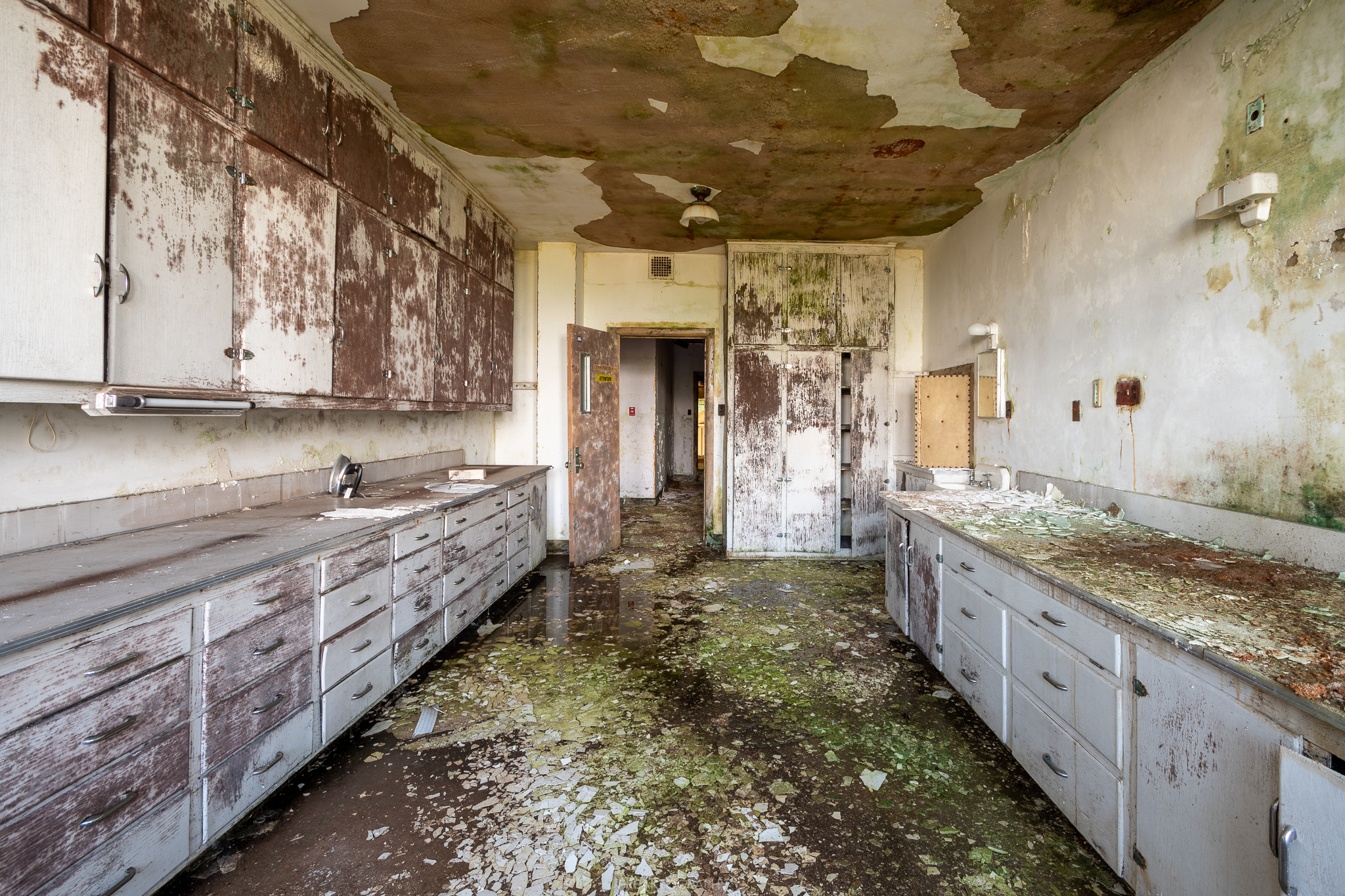
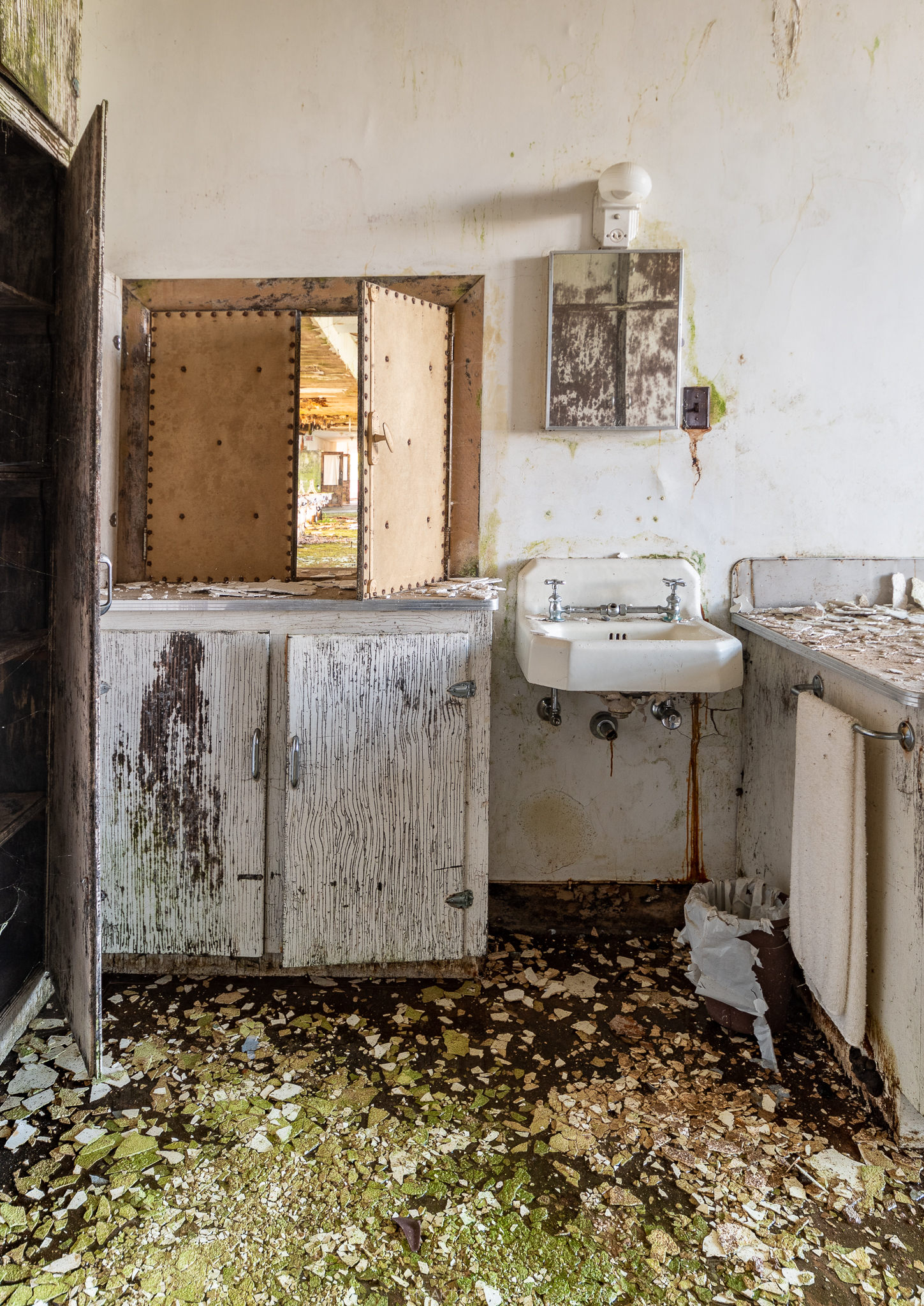
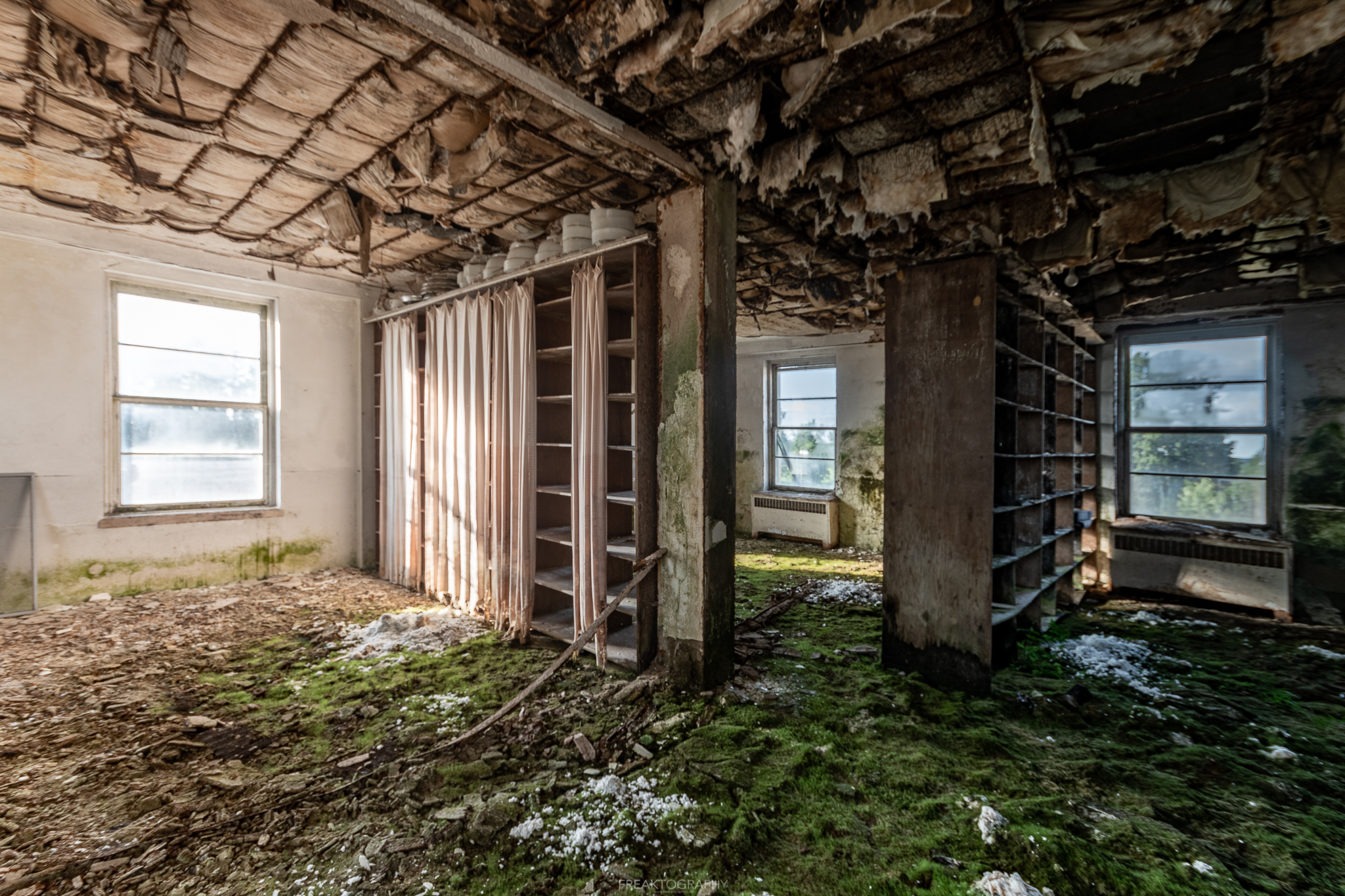
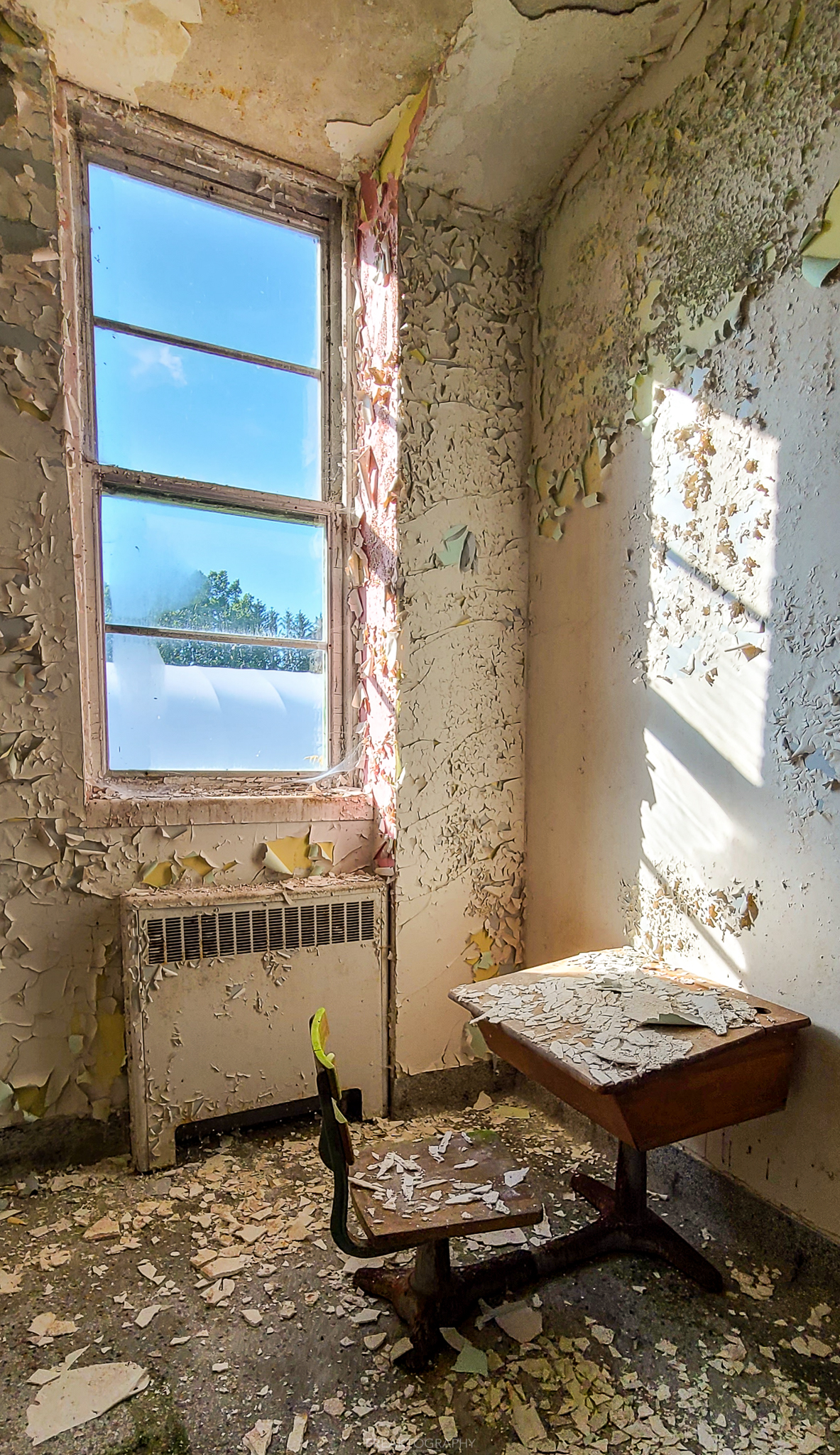
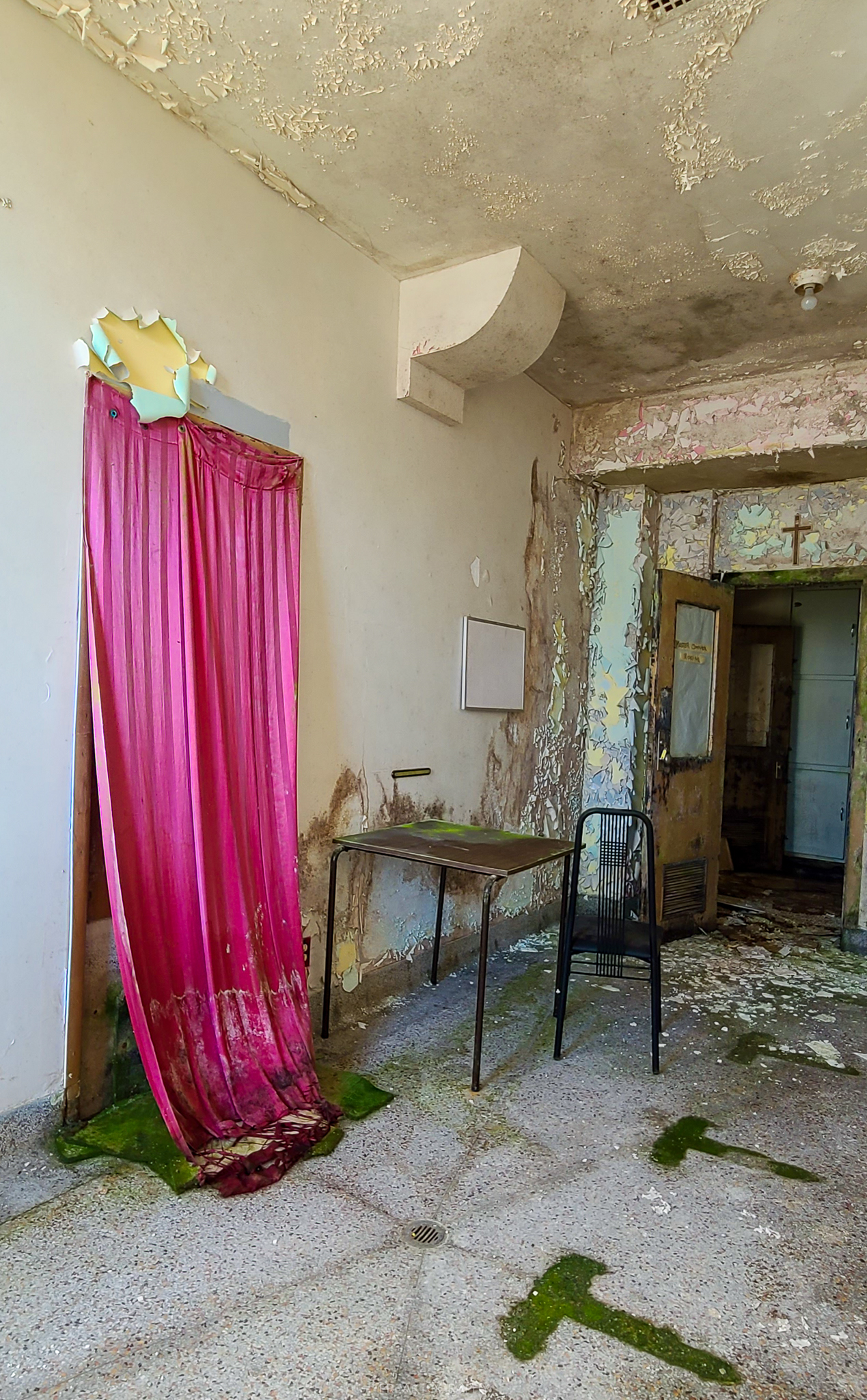
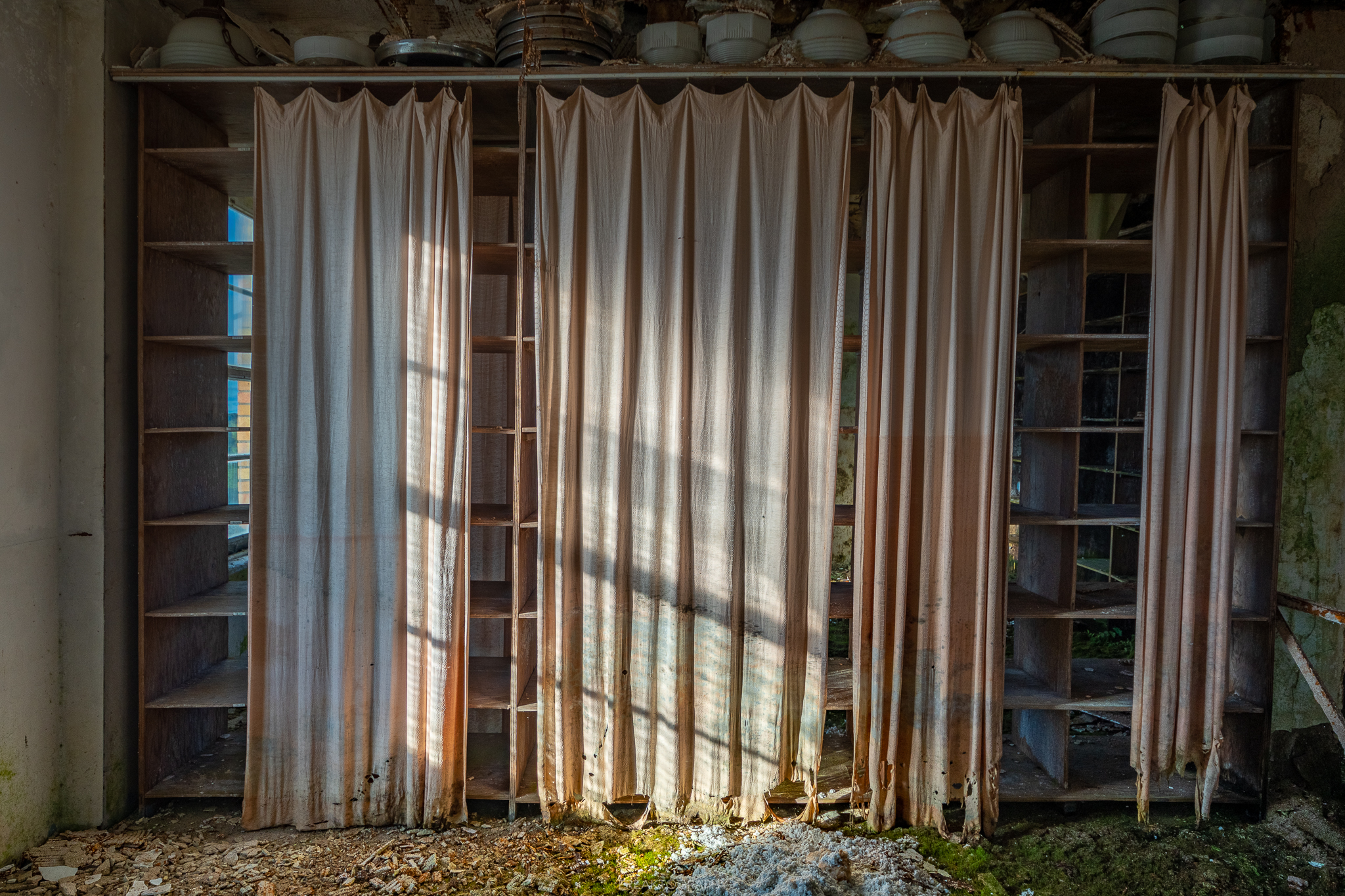
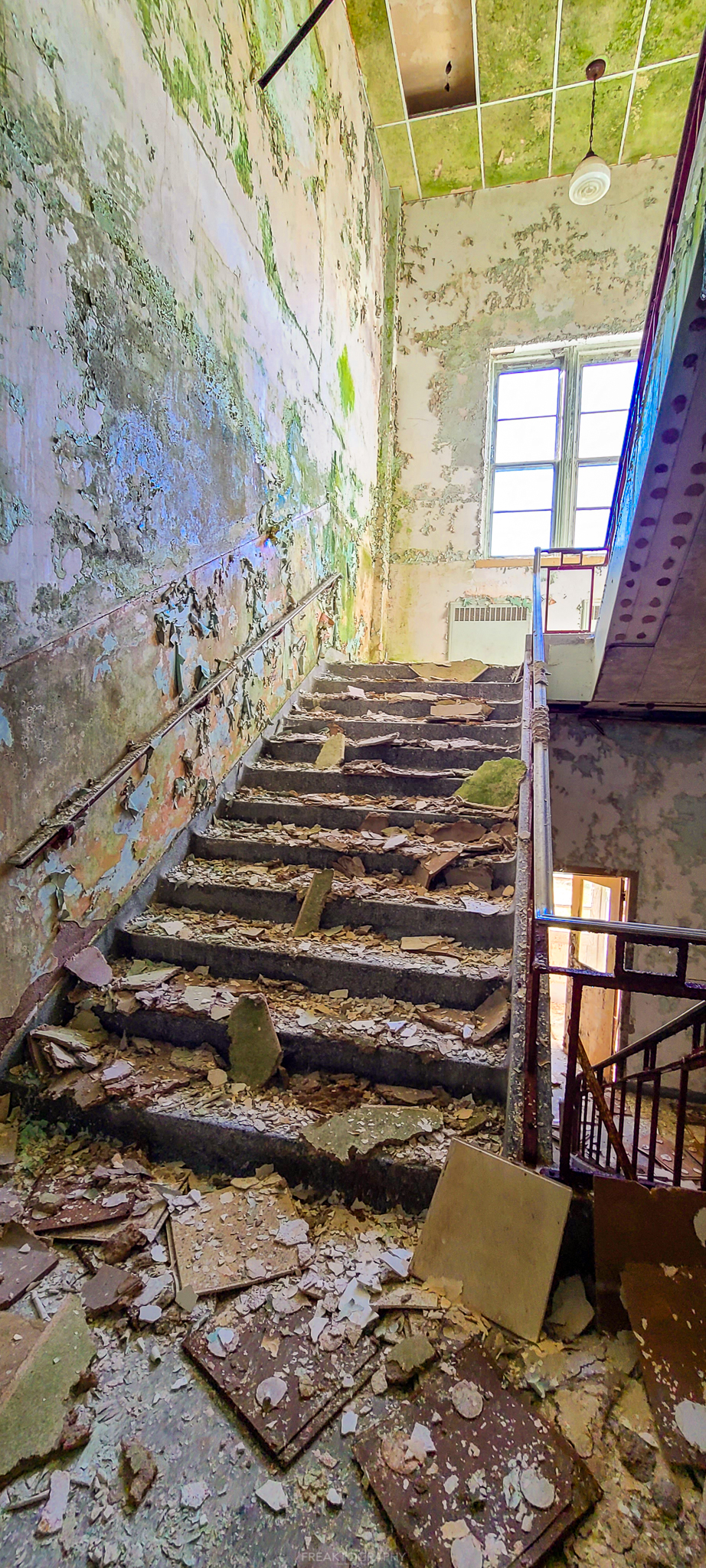
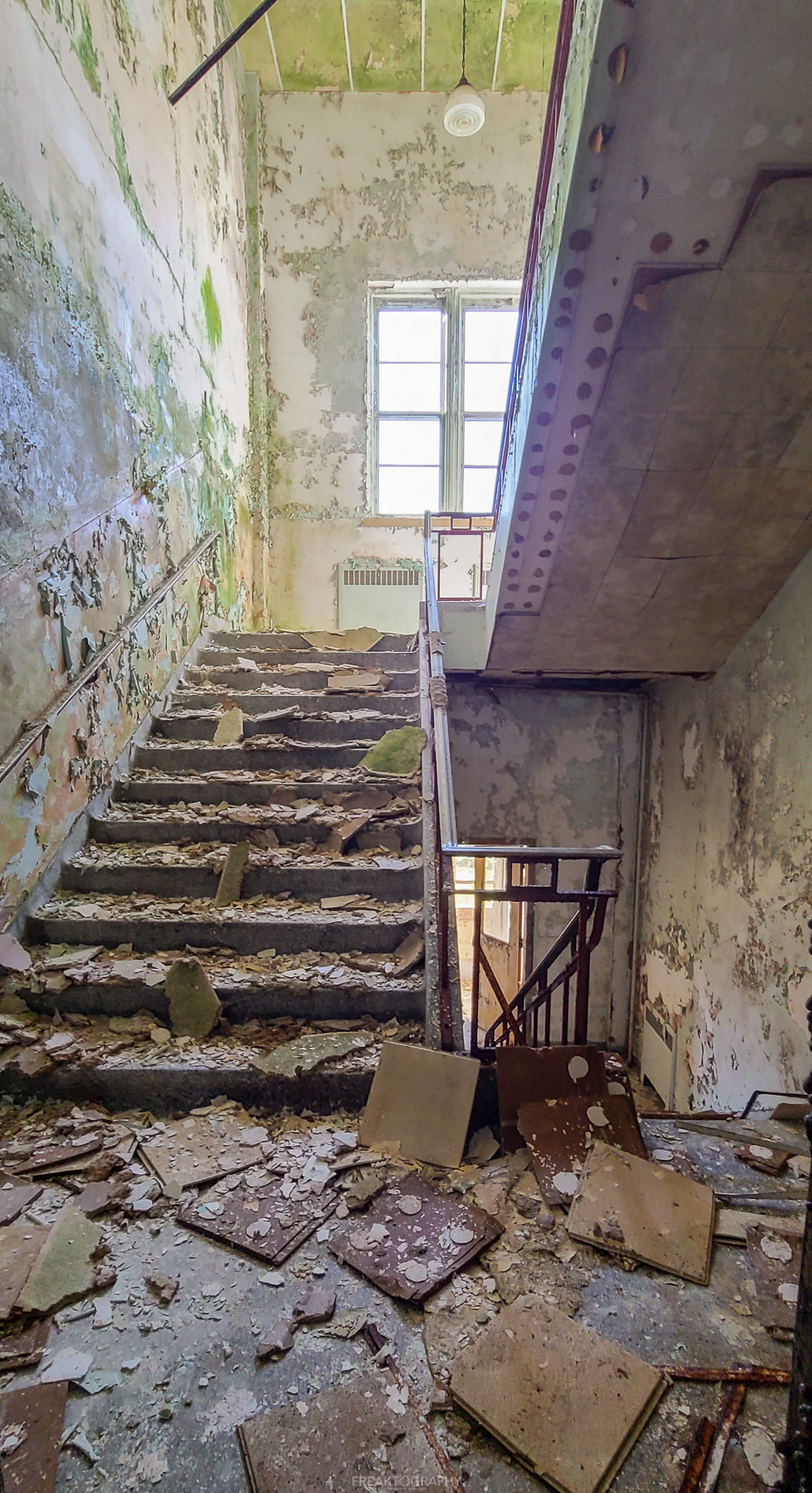
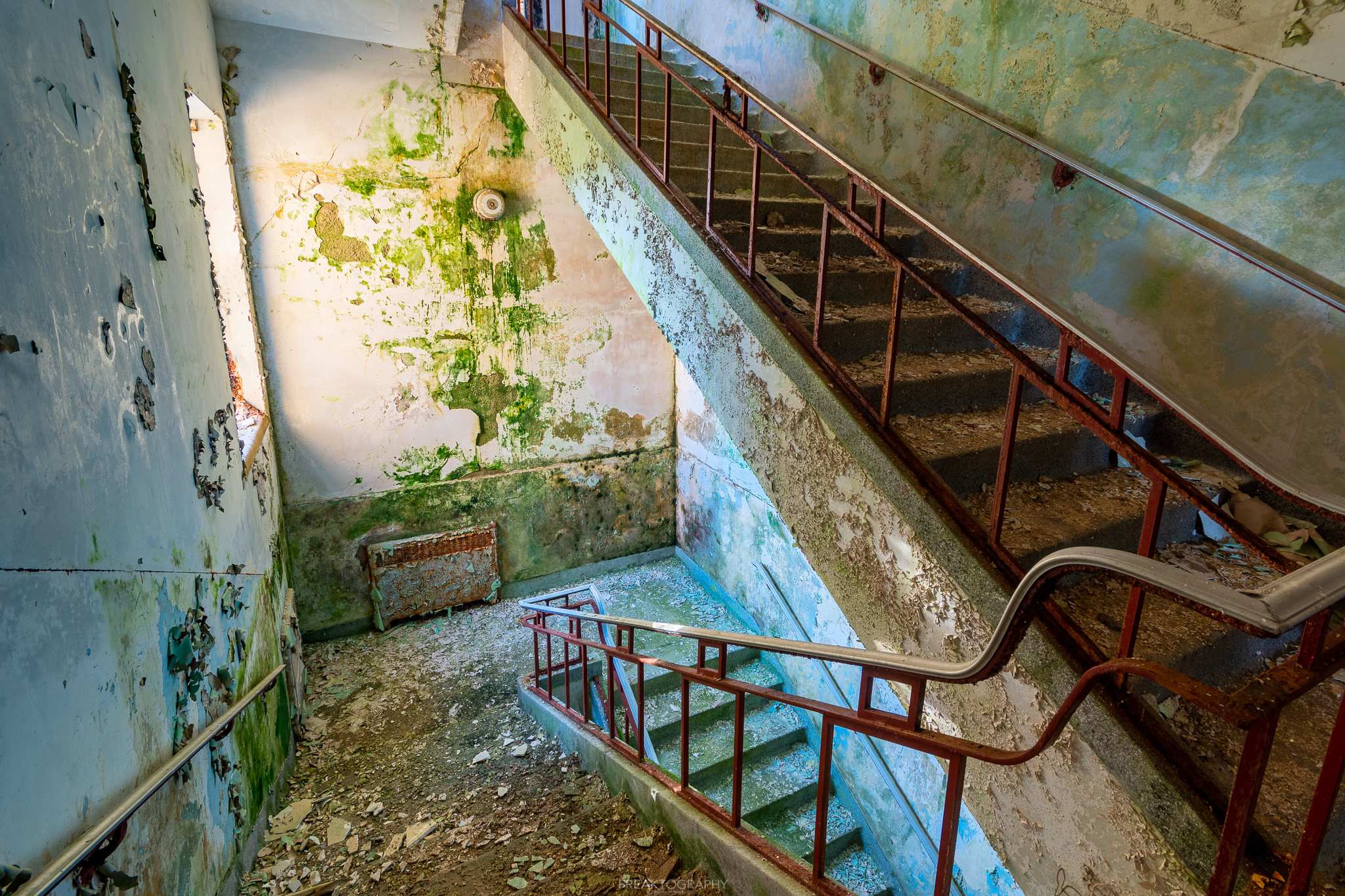
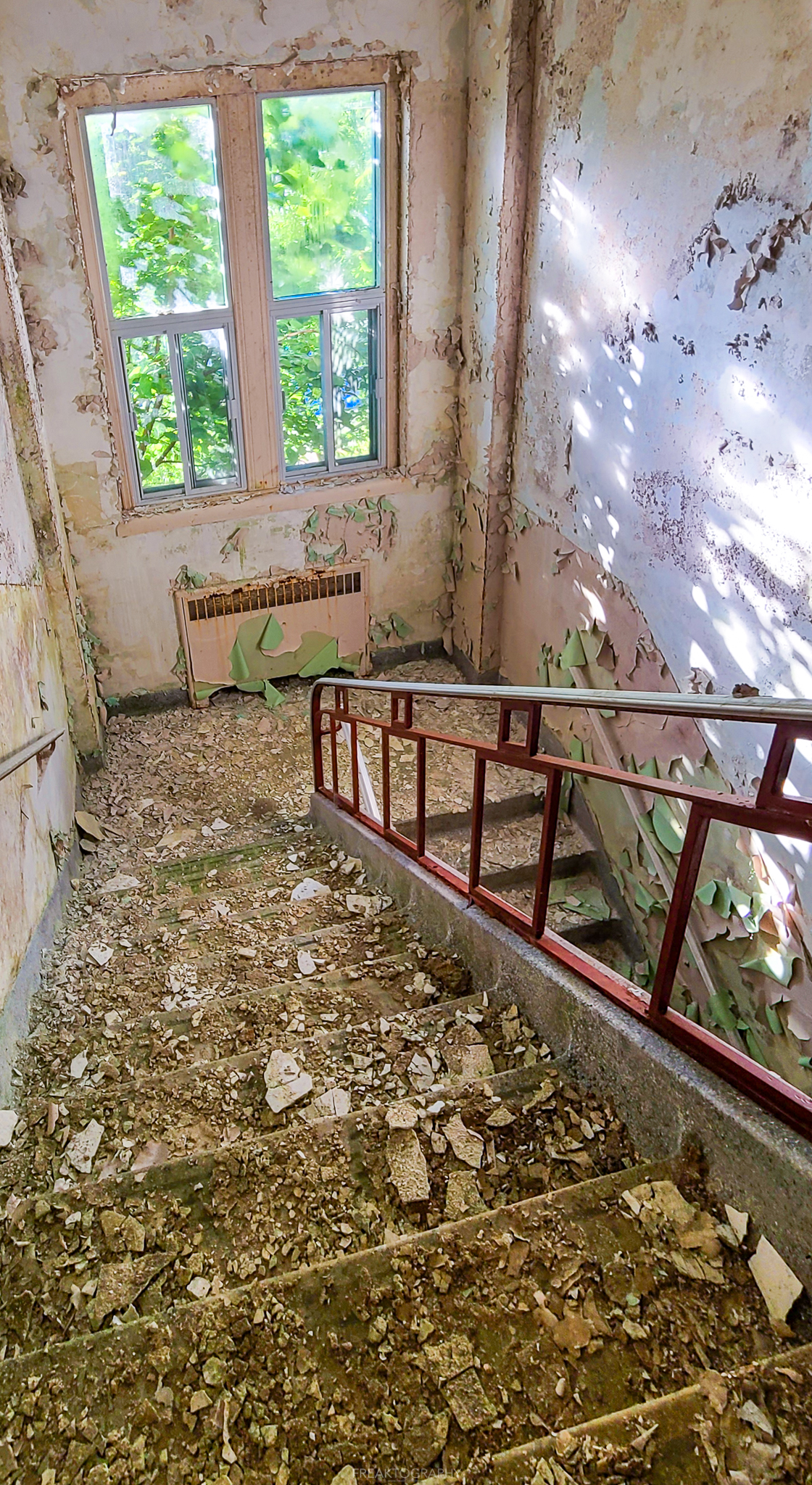
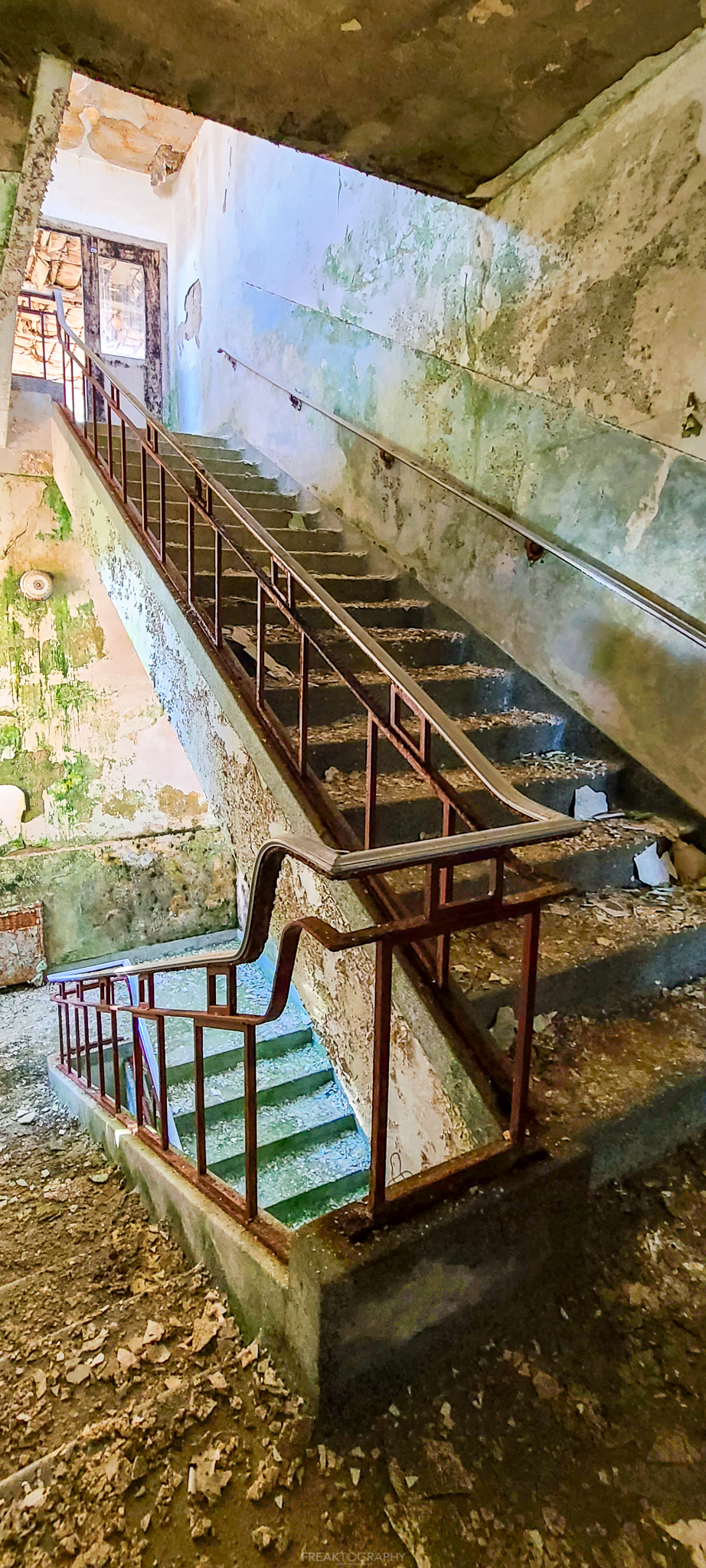
The decay inside was so advanced, every room was filled with so much texture and colour.
Getting to it and getting inside undetected was a challenge since the person who owns it lives right beside this building and he was out wandering the property while I was making my approach.
Add to that he had a dog and I had no idea how to get inside, it made for a very fun approach.
The way that I found to finally get inside was dangerously close to the house.
Once inside I was safe and very happy to spend several hours inside wandering, exploring and shooting.
Out of respect for the friends who were kind enough to share this one with me, I’ll not be telling any details or history of the facility.
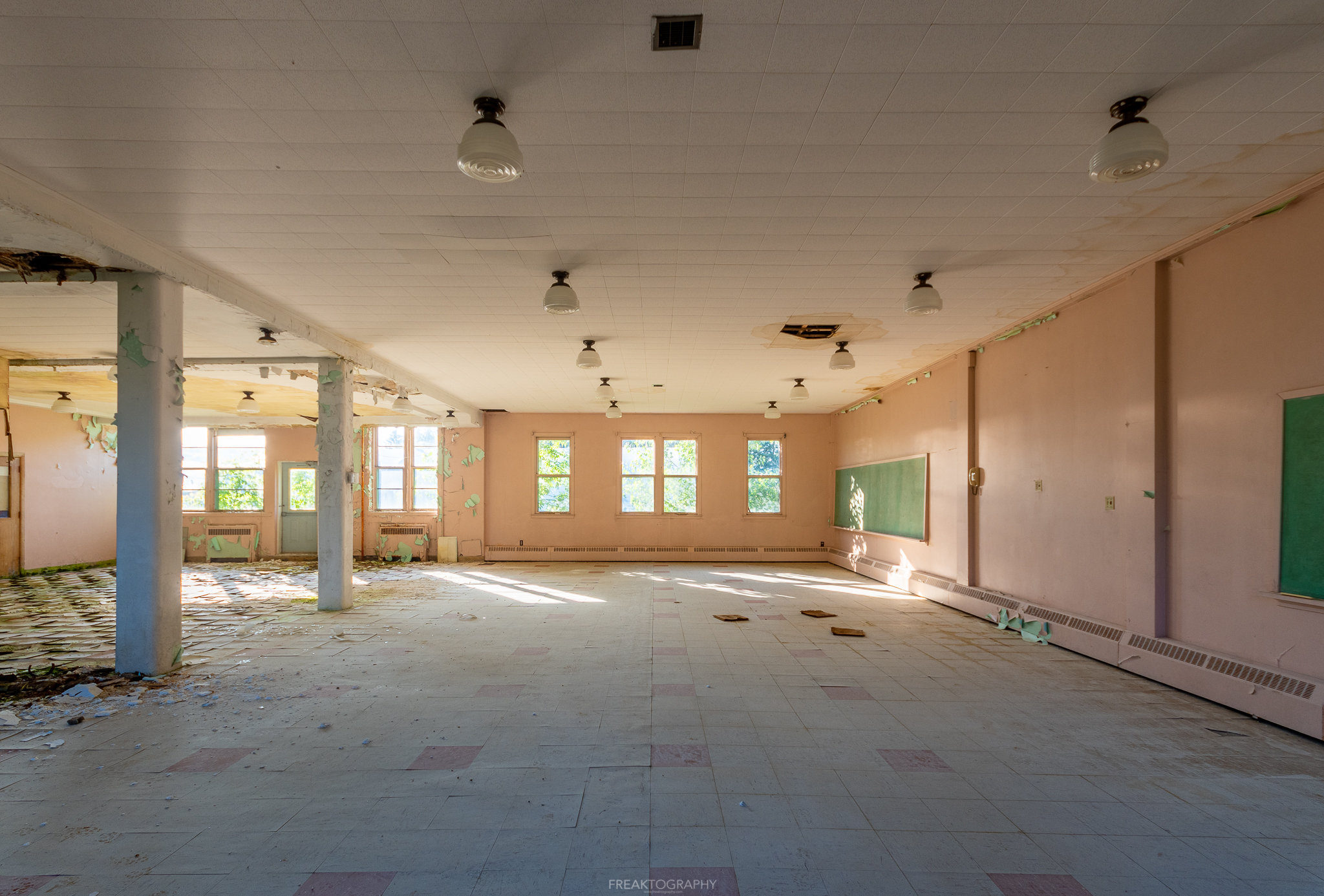
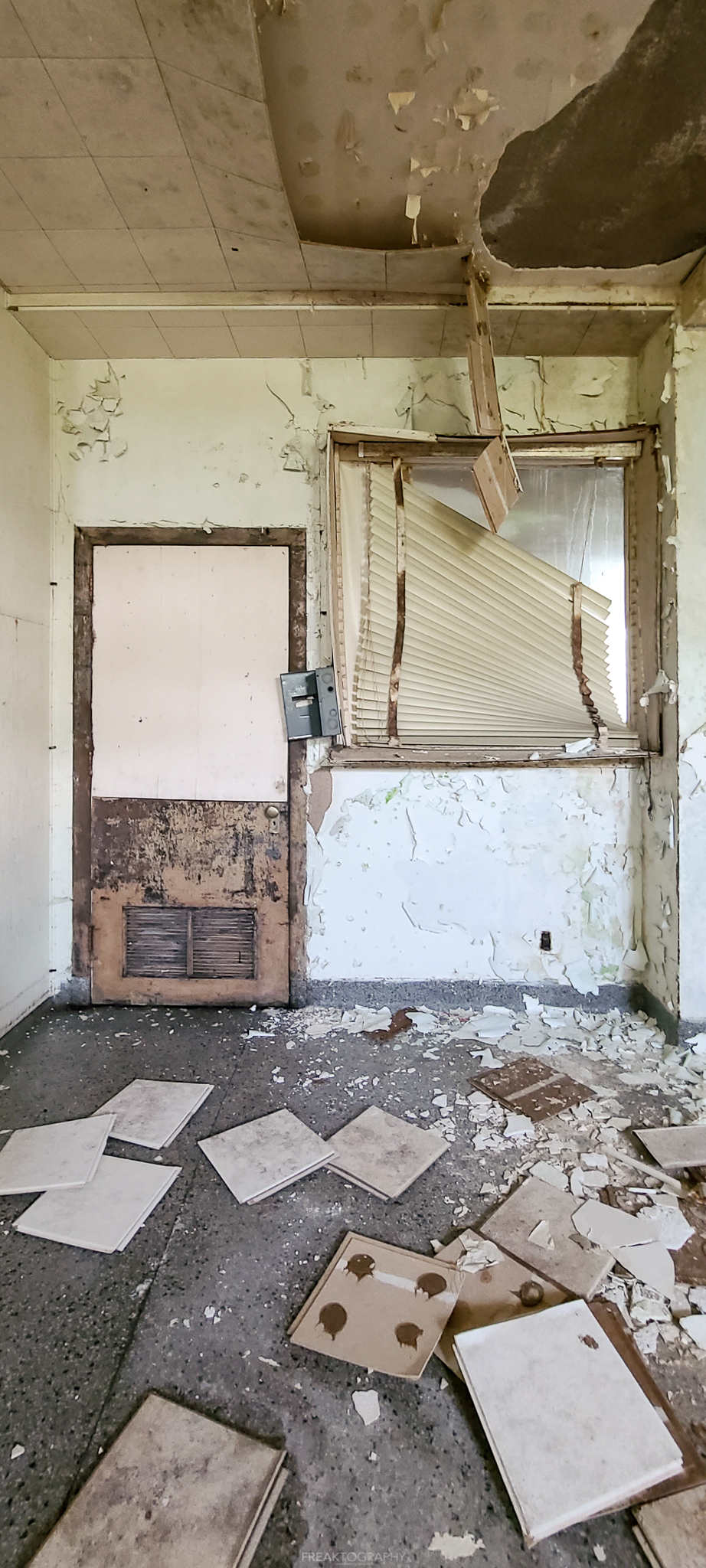
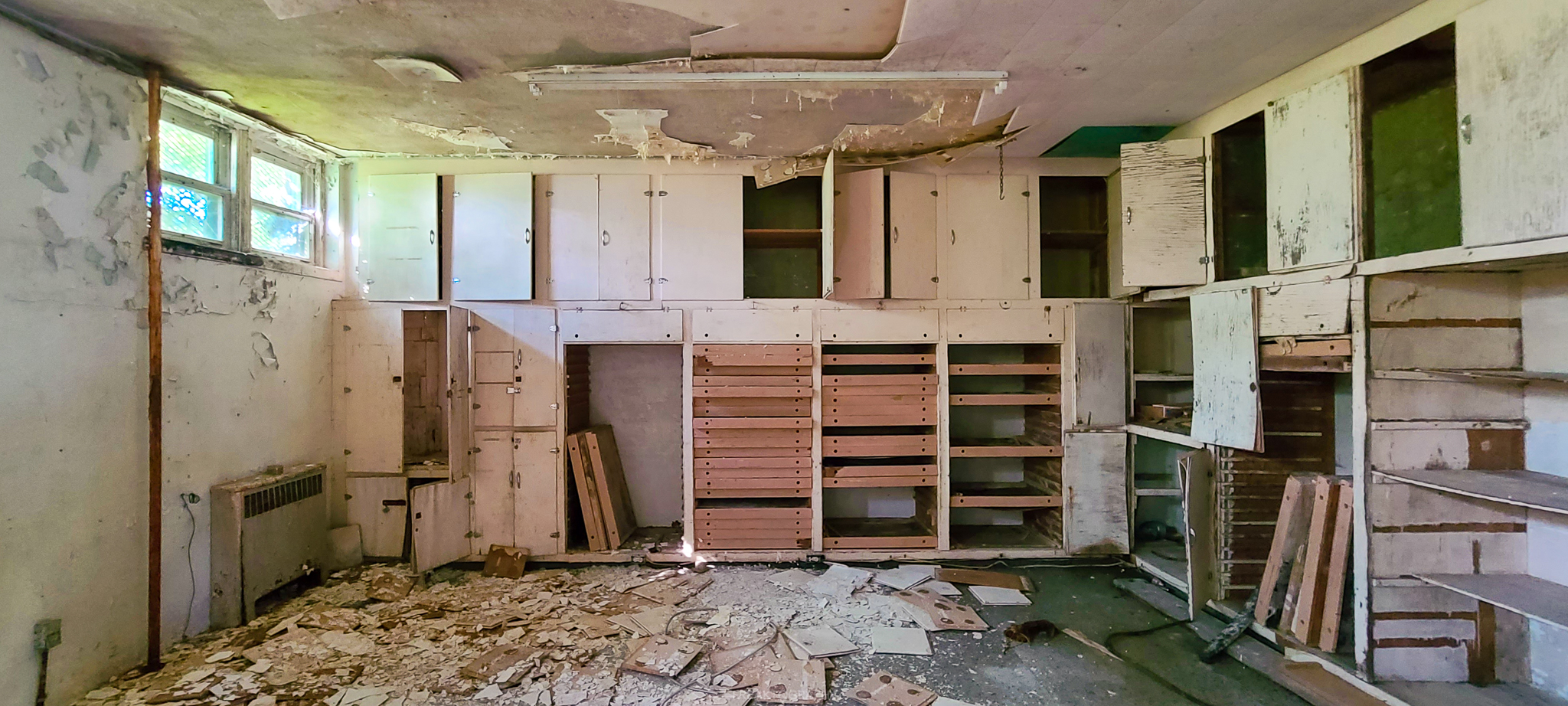
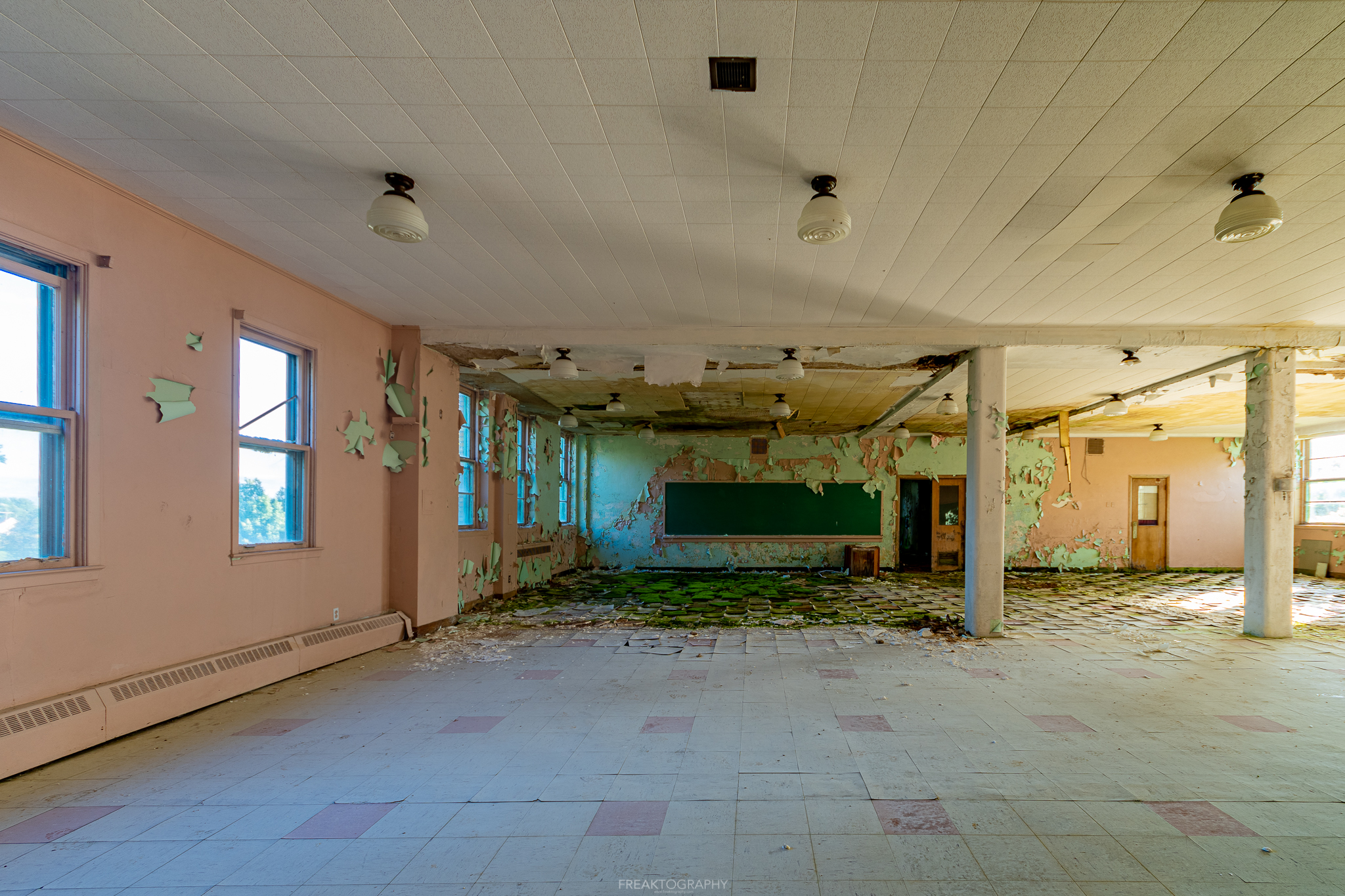
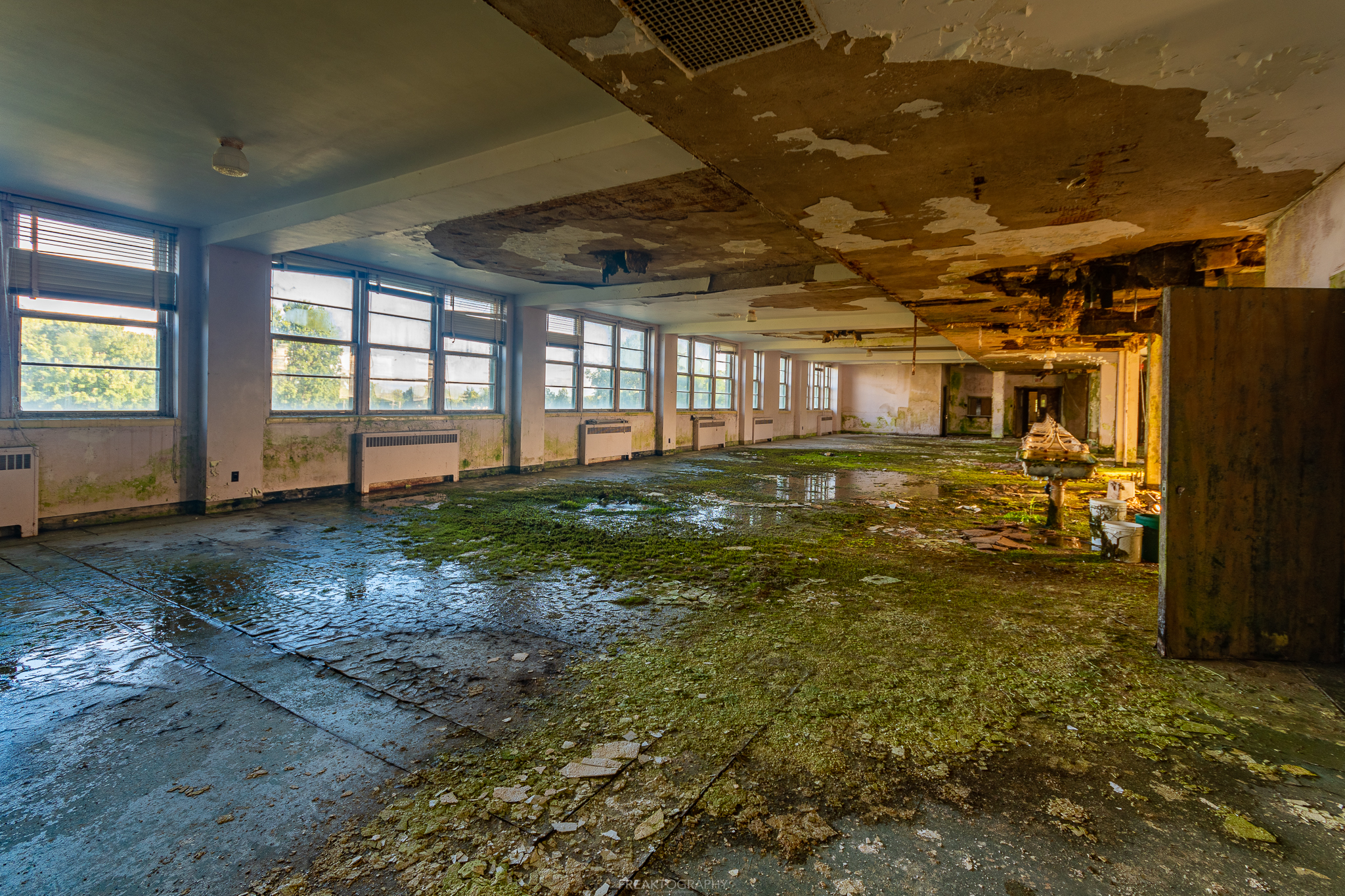
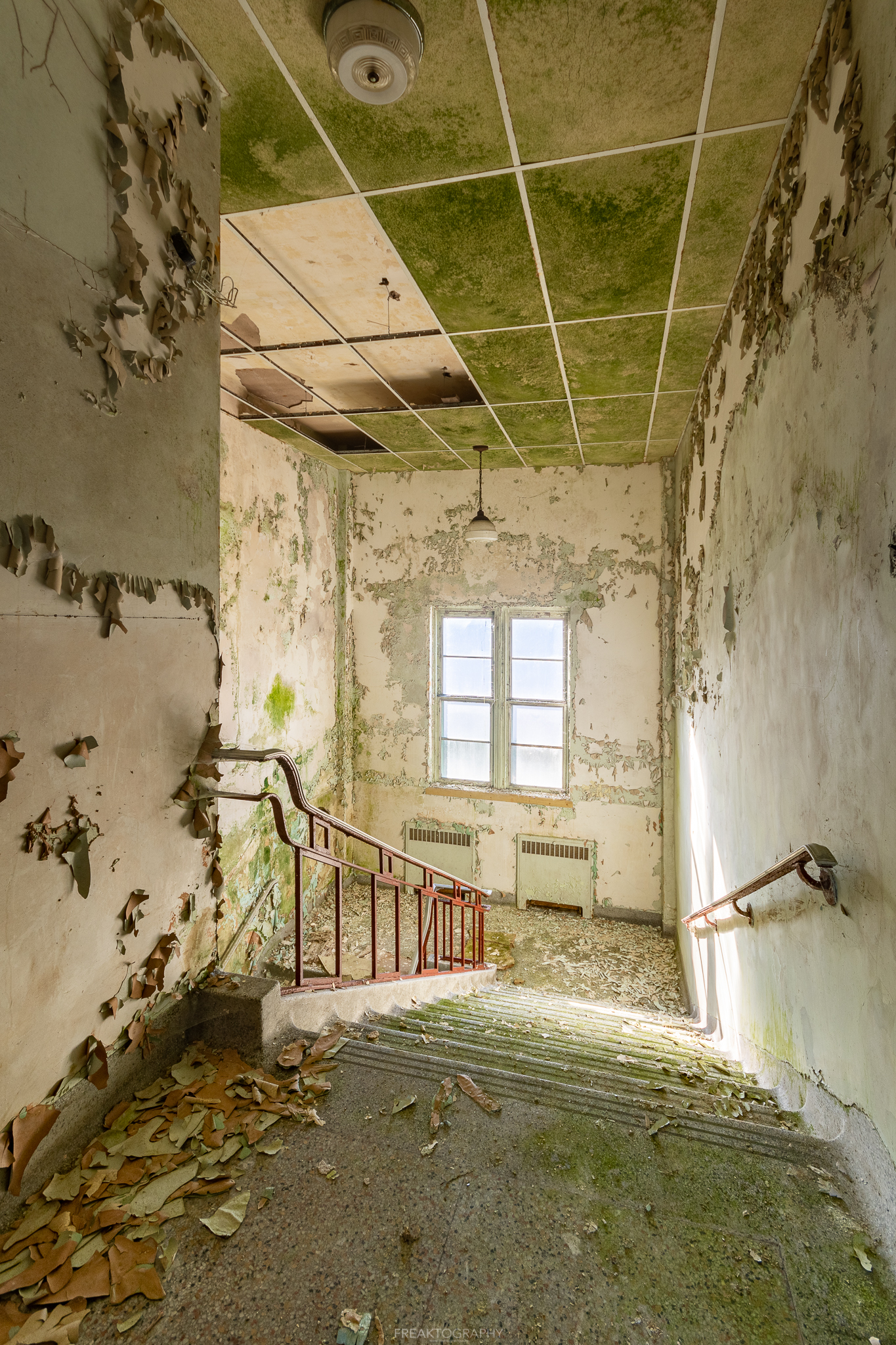
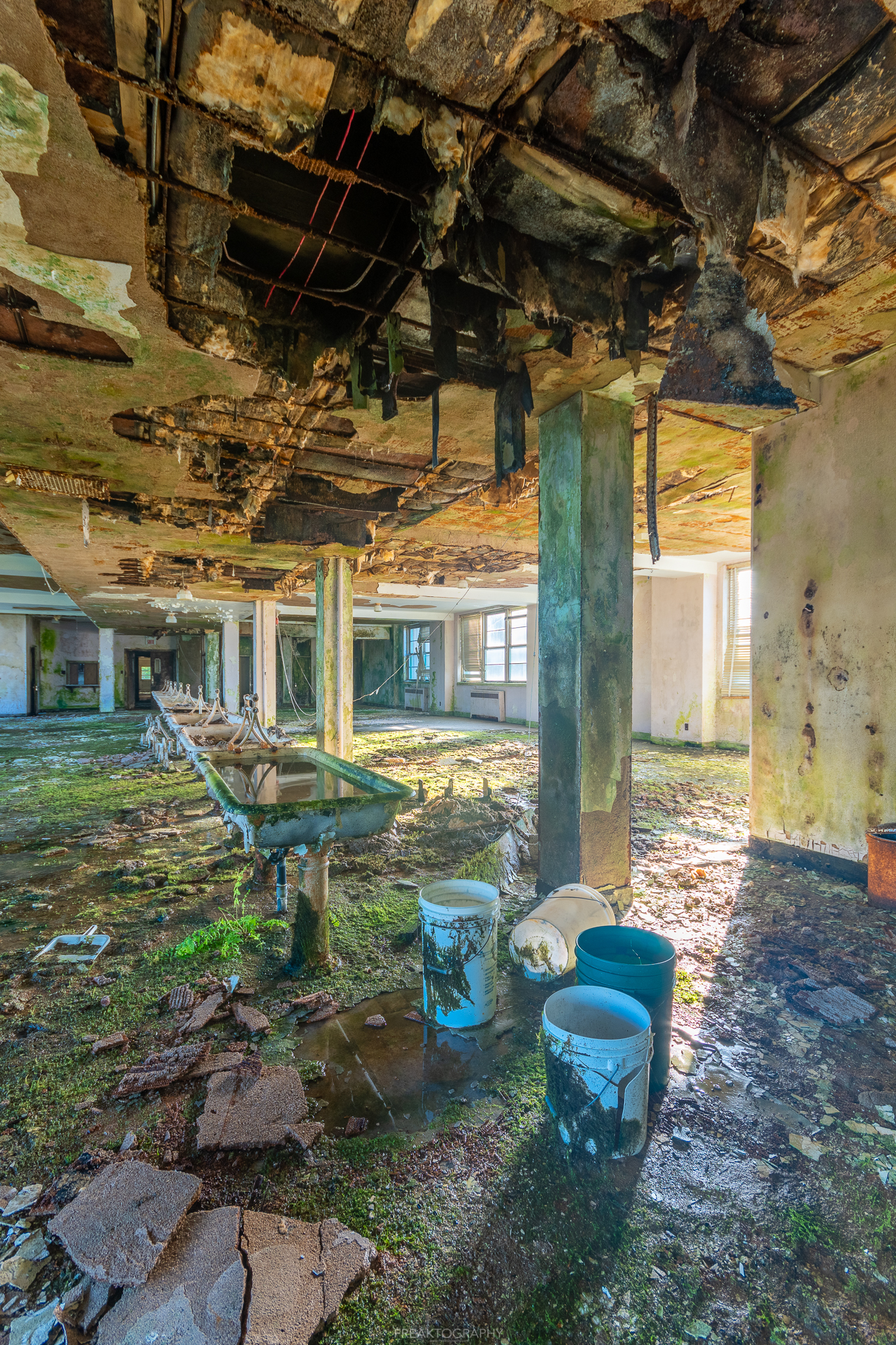
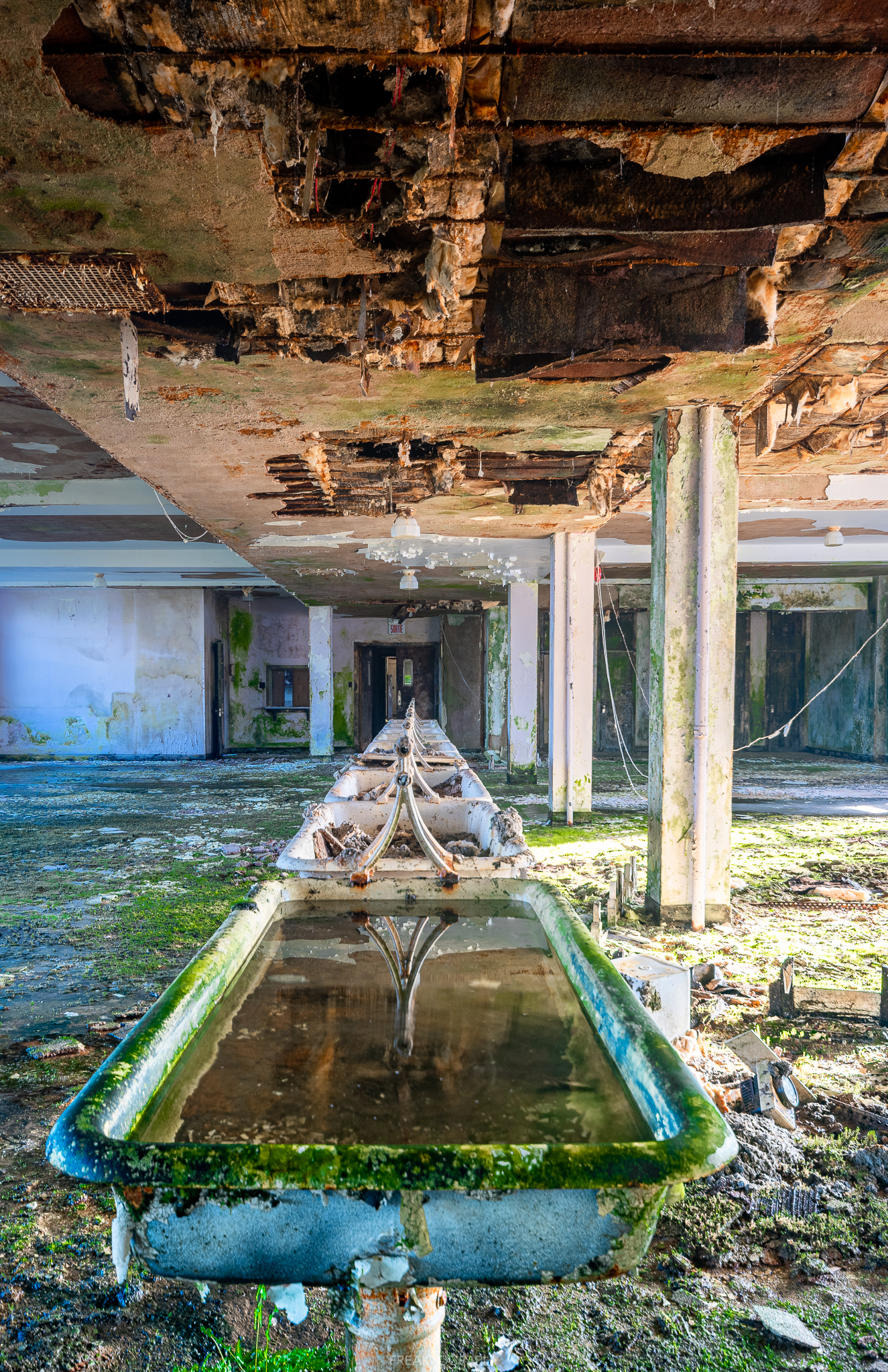
At the end of a long drive, set back from an old road, a large building sits quietly behind the trees. It doesn’t look like a ruin from a distance. Up close, it’s a different story.
This was once a juvénat, a boarding school for boys who had chosen, or been chosen, to become religious brothers. Most arrived in their early teens. They came from farms and small parishes, sent by their families, often recommended by a local priest or by the brothers who taught at their village school. Here they would study, pray, and live by the bell, preparing for the novitiate and a life of teaching.
The brothers who ran it belonged to a teaching order whose roots stretch back more than three hundred years, to a priest in western France who opened schools for poor children in the early 1700s. The order crossed the Atlantic in the late 1880s, when six brothers stepped off a ship and began opening schools, orphanages and training houses across the province. By the middle of the twentieth century, they had grown enough to need a regional headquarters, and a place to form the next generation.
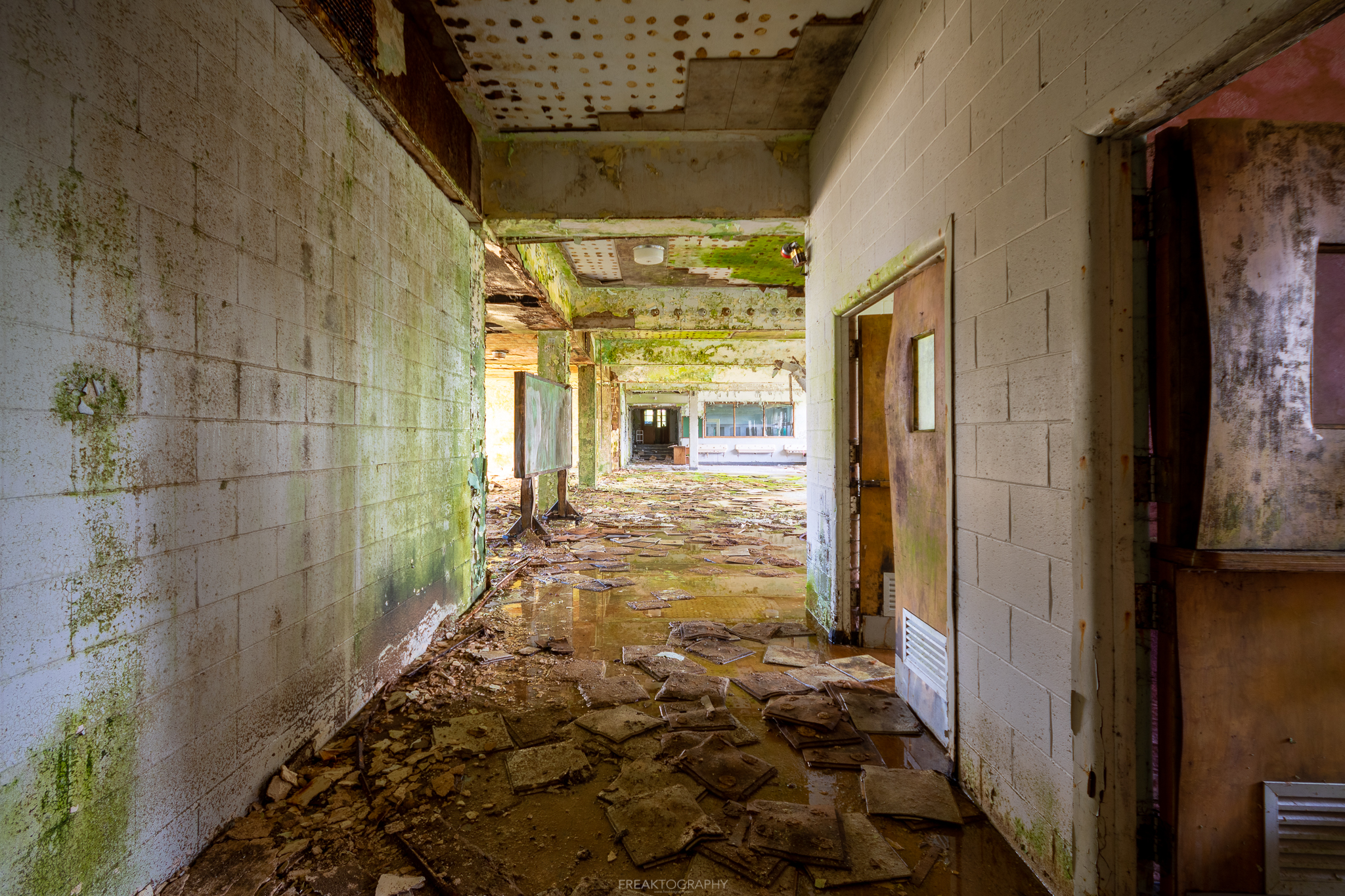
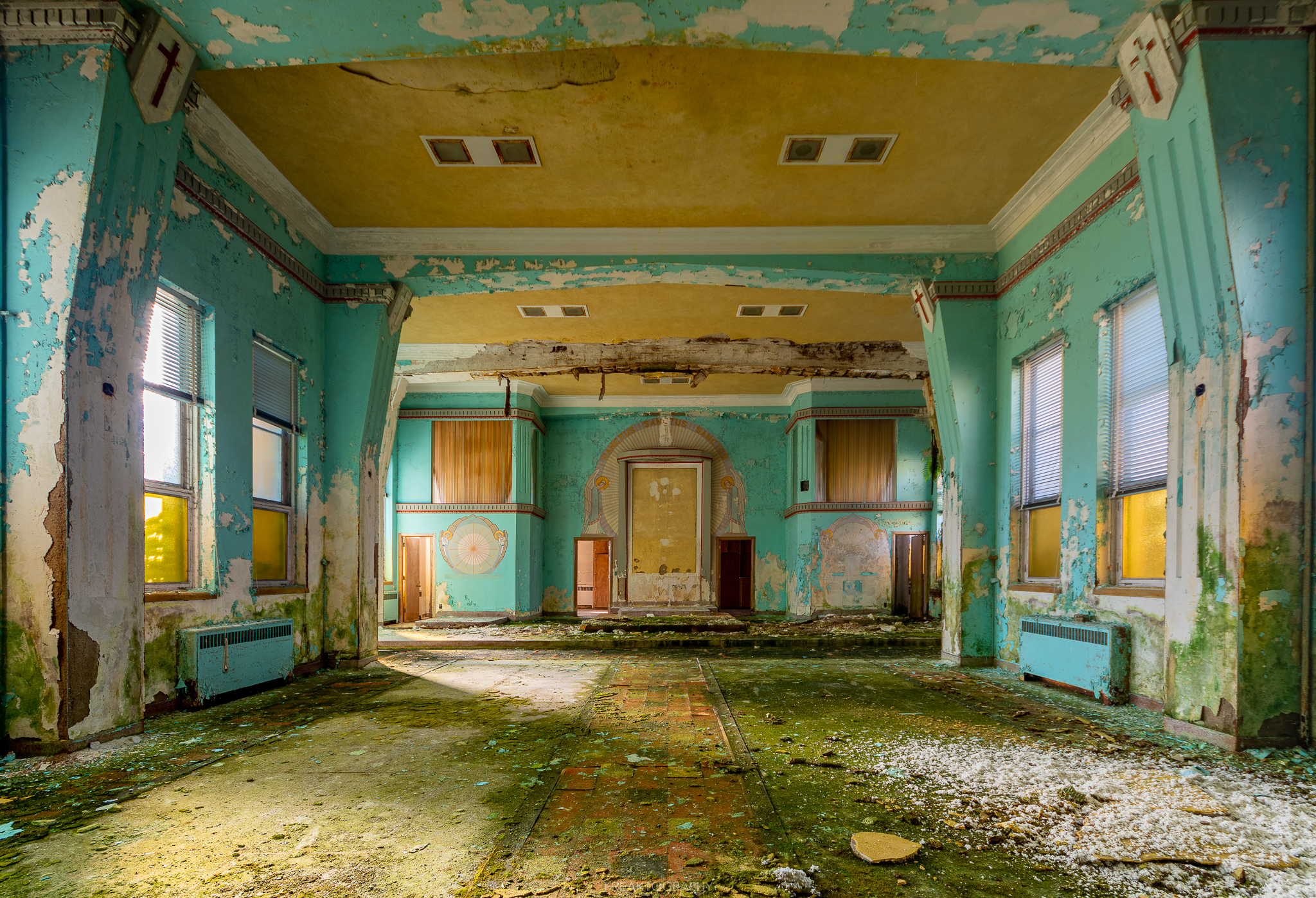
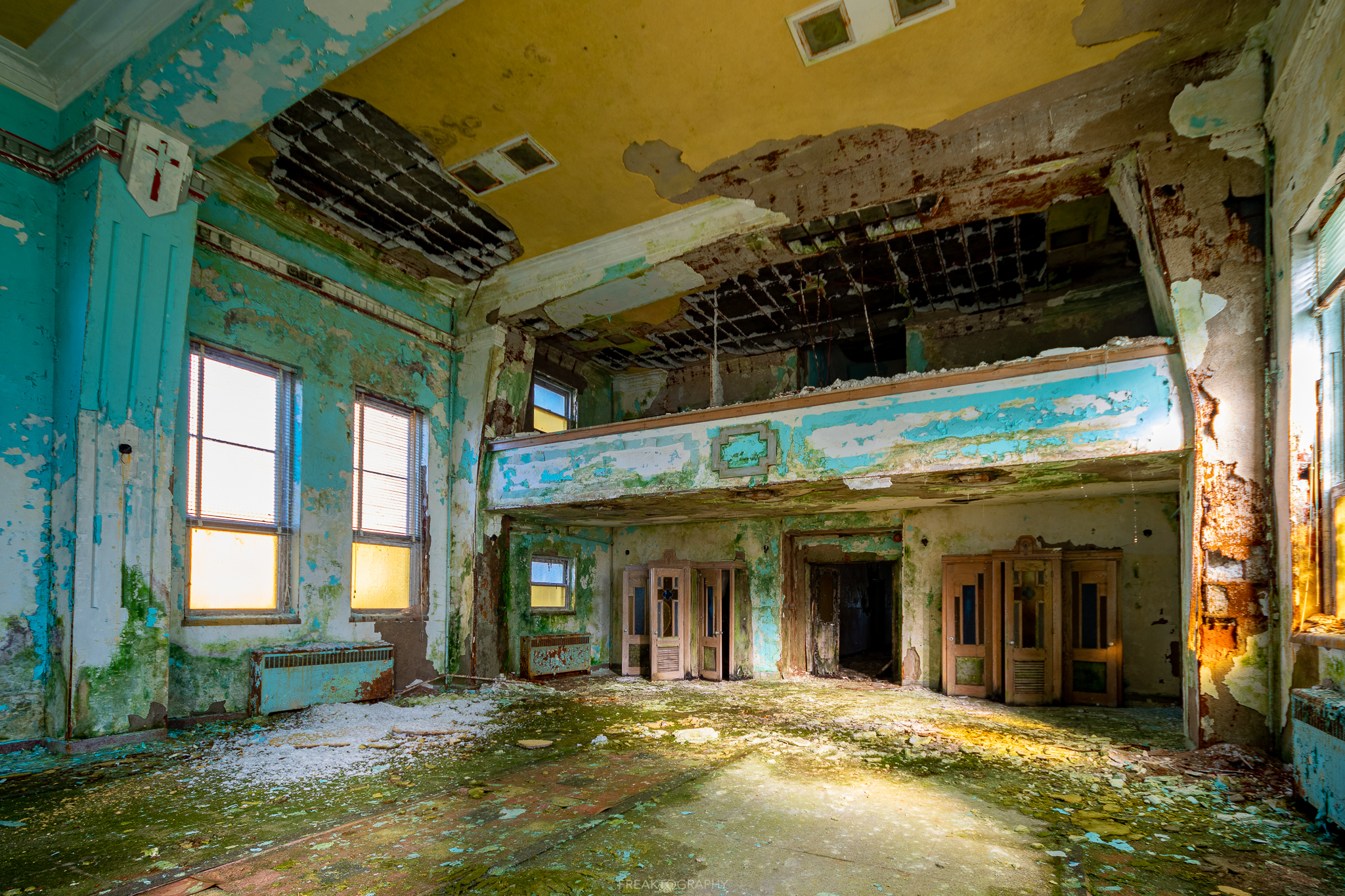
That place was this building. It went up in the early 1950s, at the height of religious life in Quebec. Vocations were plentiful, and congregations were building on a scale that seems hard to imagine today. Long corridors of dormitories, classrooms, a refectory, and at the heart of it all, a chapel.
Life here followed a strict rhythm. Mass in the morning, classes through the day, study hall, prayers at night, silence in the halls. In summer, many of these same boys were sent north to a camp the brothers bought in 1957, a lake and a stretch of forest where young people destined for religious life could swim, canoe, and sit around the campfire.
One of the brothers who led this school until the mid-1960s also served as the order’s regional superior, and founded that summer camp. His story didn’t end in the classroom. Years later, after losing his sight, he set up a telephone line for lonely and troubled people in the area, and spent his final years simply listening to whoever called.
But the world outside was changing. The Quiet Revolution of the 1960s transformed Quebec almost overnight. The province took control of education, churches emptied, and the steady stream of teenage boys choosing religious life slowed to a trickle. The classrooms here grew quieter year after year.
By the early 1990s, the juvénat had closed. The building seems to have found a second life as a home for the order’s aging brothers, men who had spent fifty years teaching in schools across the region and came back here to spend their final years together.
And when they died, they didn’t leave. The brothers had their own cemetery on the grounds, rows of identical headstones beside the building where many of them had first arrived as boys.
In 2002, with their numbers shrinking, the brothers sold the property to a private owner. They kept only the right to care for their cemetery. But the men tending those graves were elderly themselves, and the job became too much.
So in 2016, after nearly two years of paperwork, permits and death certificates, the order did something it had never done before. In September, more than fifty brothers were exhumed. Rather than cremate them and leave a single plaque, the community placed each man’s remains in his own box and reburied him in a public cemetery in a nearby city, under the same headstone he’d had here. The brothers said it was about respect, and about keeping their memory somewhere people could still visit.
What they left behind was churned earth and empty ground where the graves had been.
Since then, the building has been left to the weather. No restoration, no redevelopment, no plan. Water has found its way in, and nature has followed. Moss spreads across the floors. Ferns grow from the chapel walls. Mushrooms push through doors, ceilings and floorboards, as though the building itself has started to return to the forest around it.
Walking these halls today, it’s hard to picture them full of boys in pressed uniforms, footsteps and whispered prayers echoing off the walls. But they were here. Hundreds of them, over four decades, came through these doors to become teachers of the next generation.
The brothers who built this place are gone now, moved even in death. All that remains is the building, slowly letting go.