Inside The Historic Stark House Before Restoration Begins In Paisley Ontario
Exclusive Access Inside A 150 Year Old Ontario Farmhouse
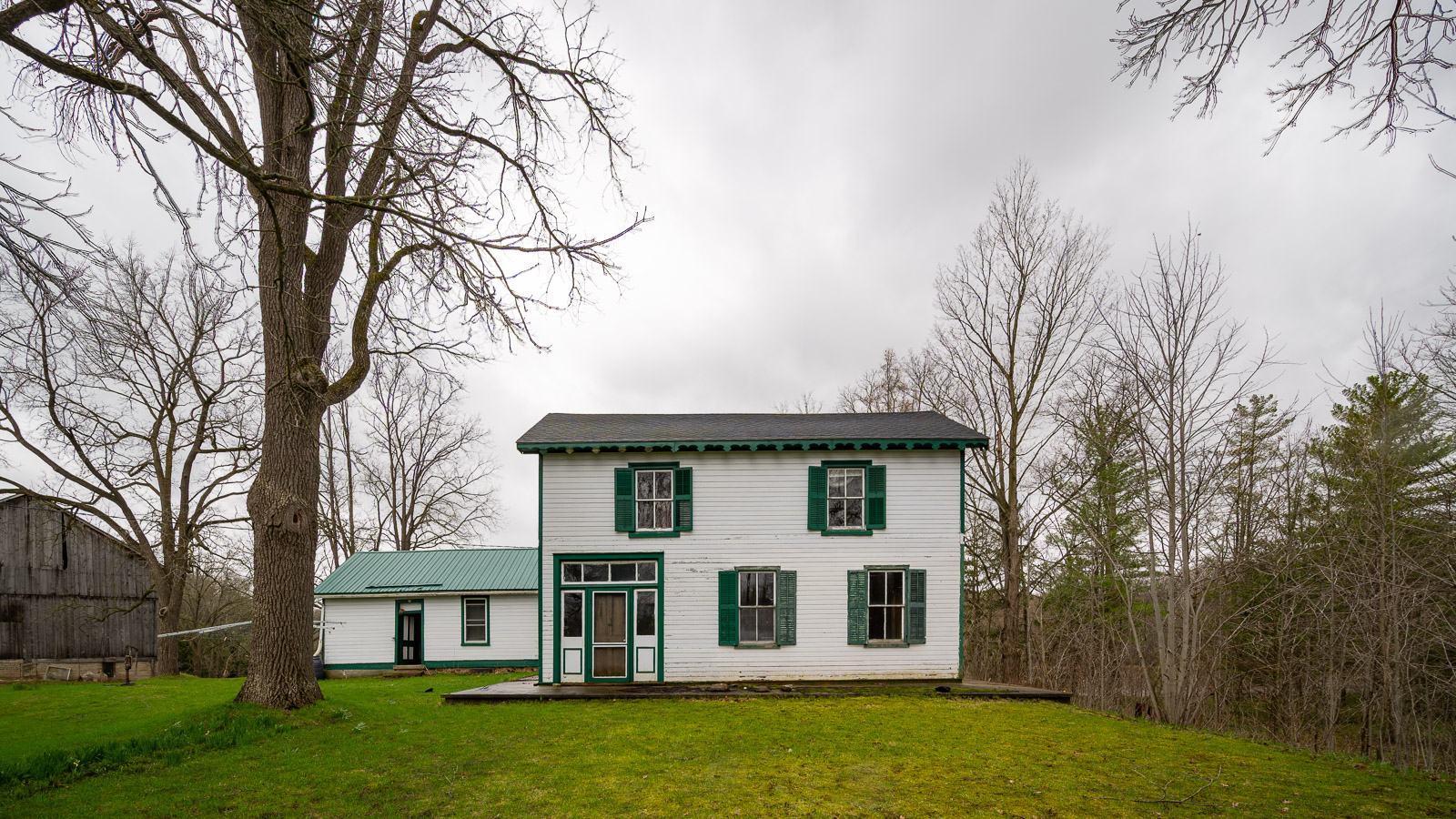
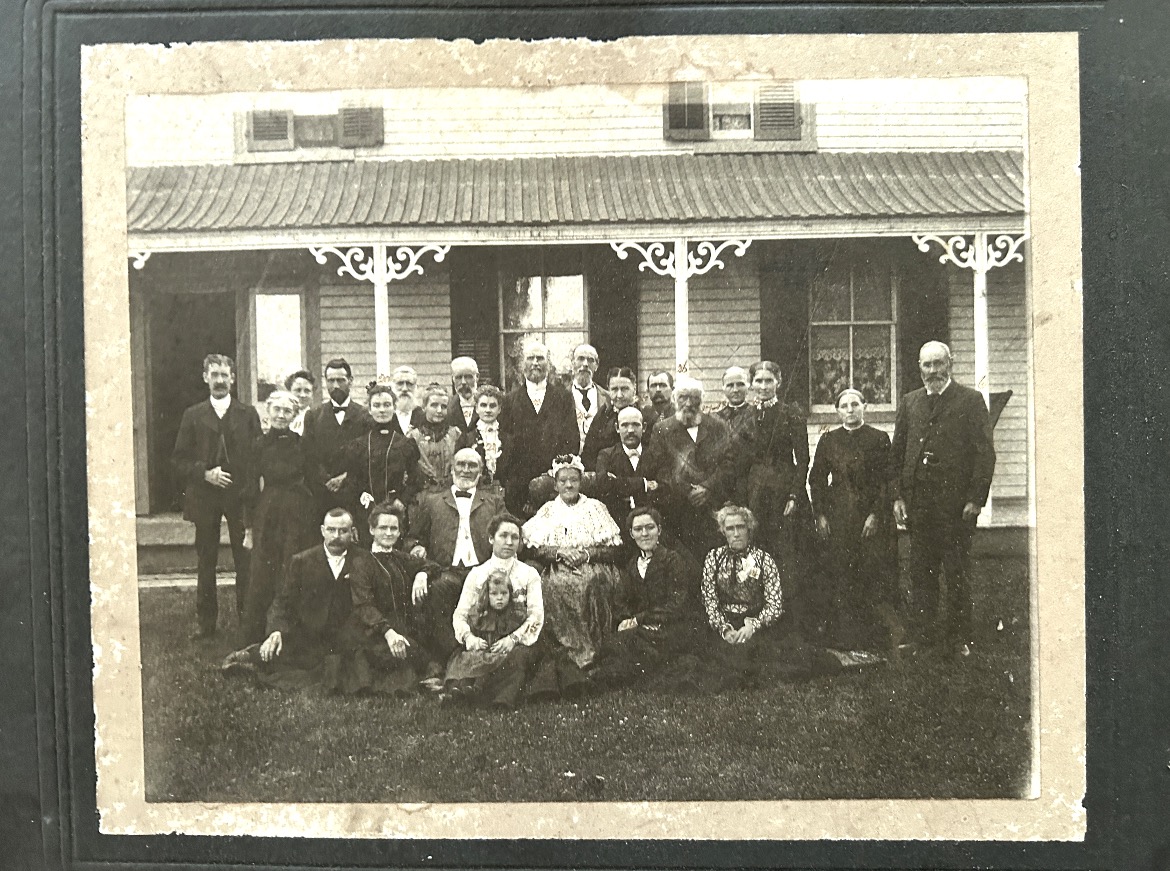
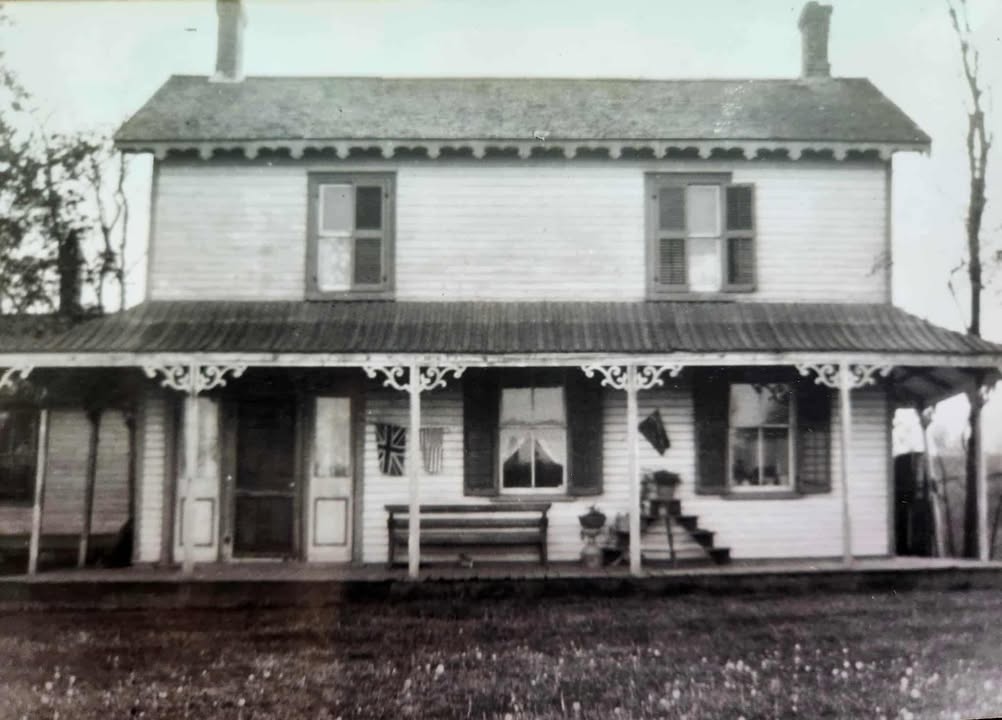
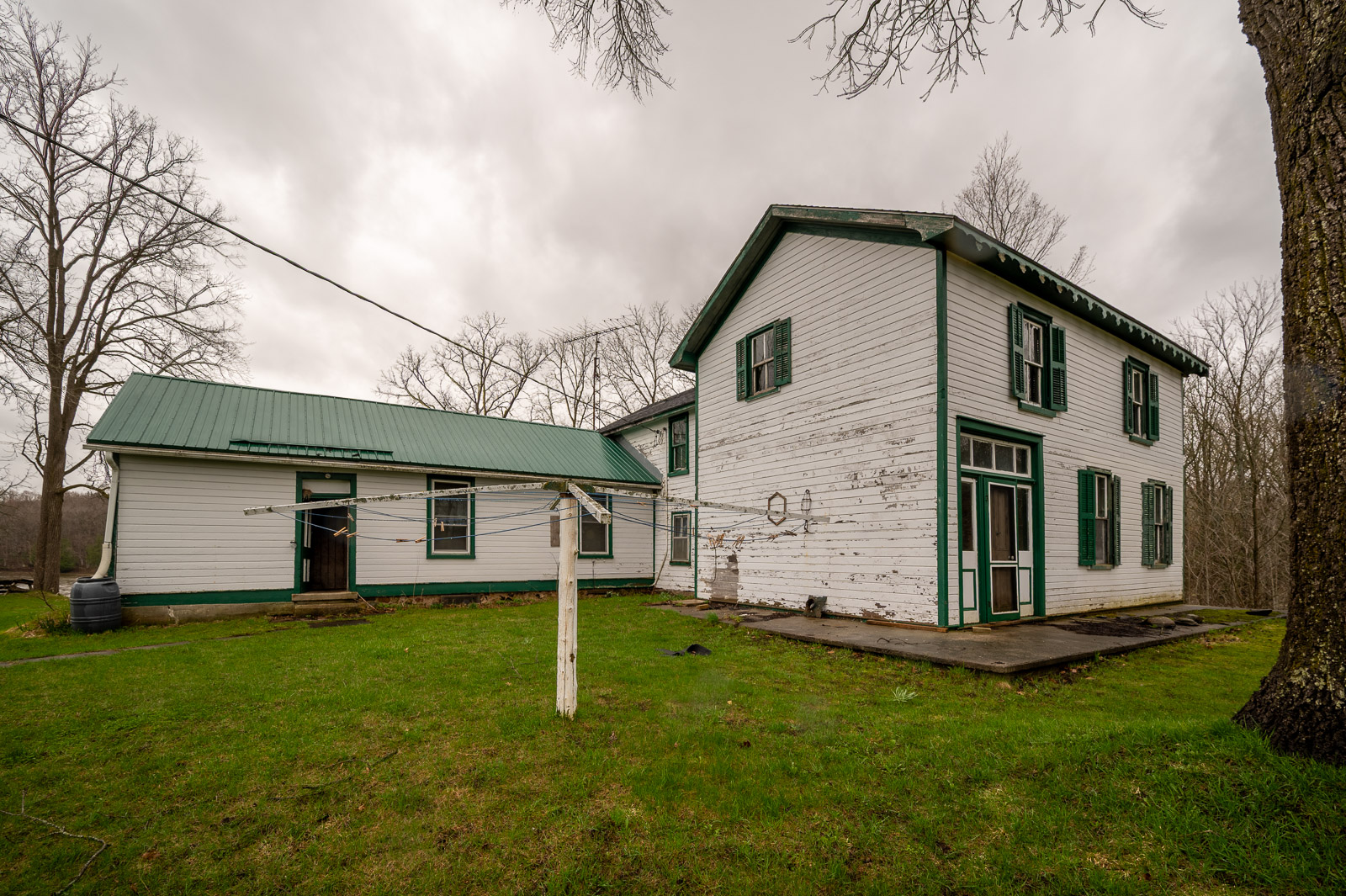
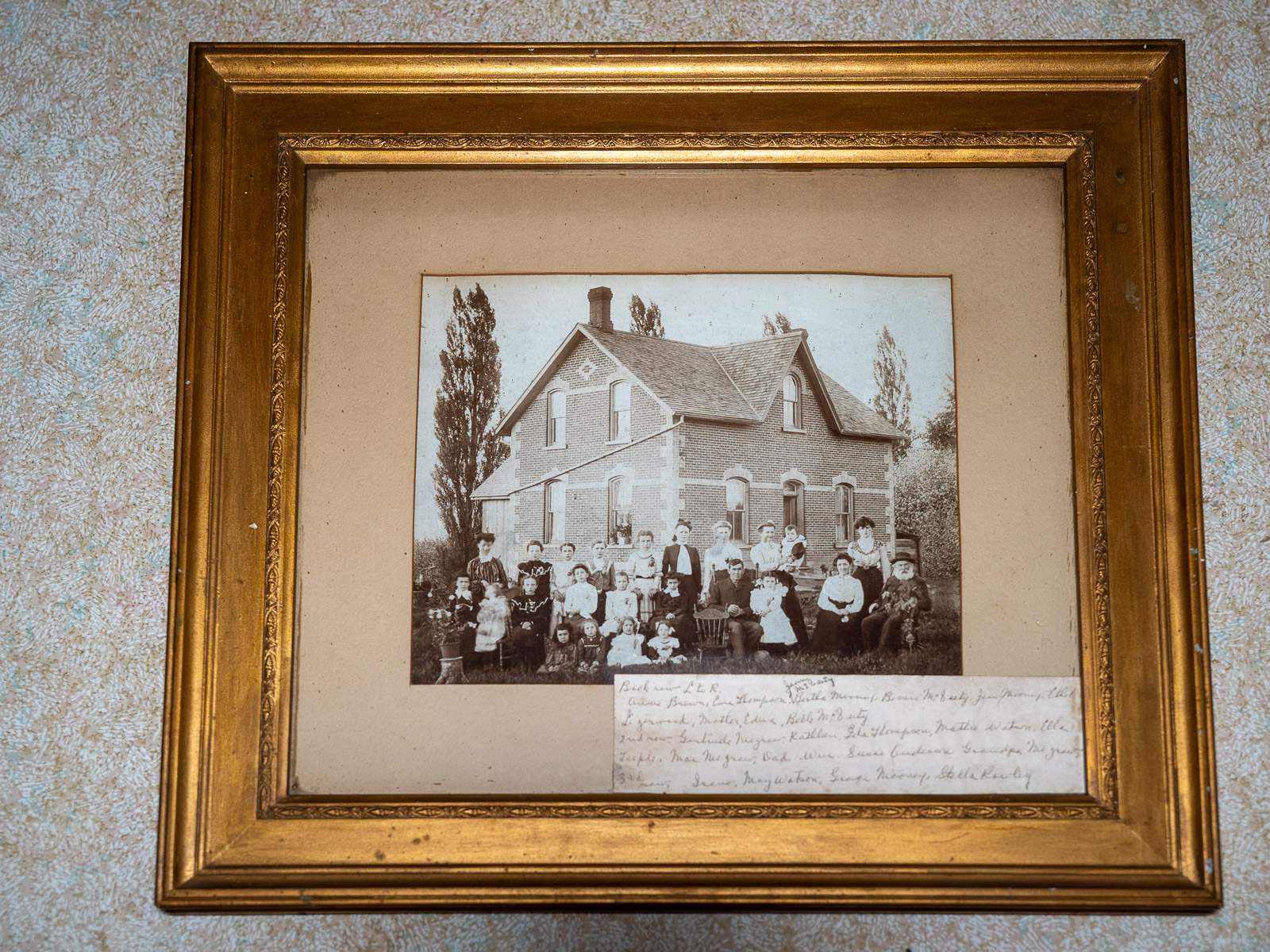
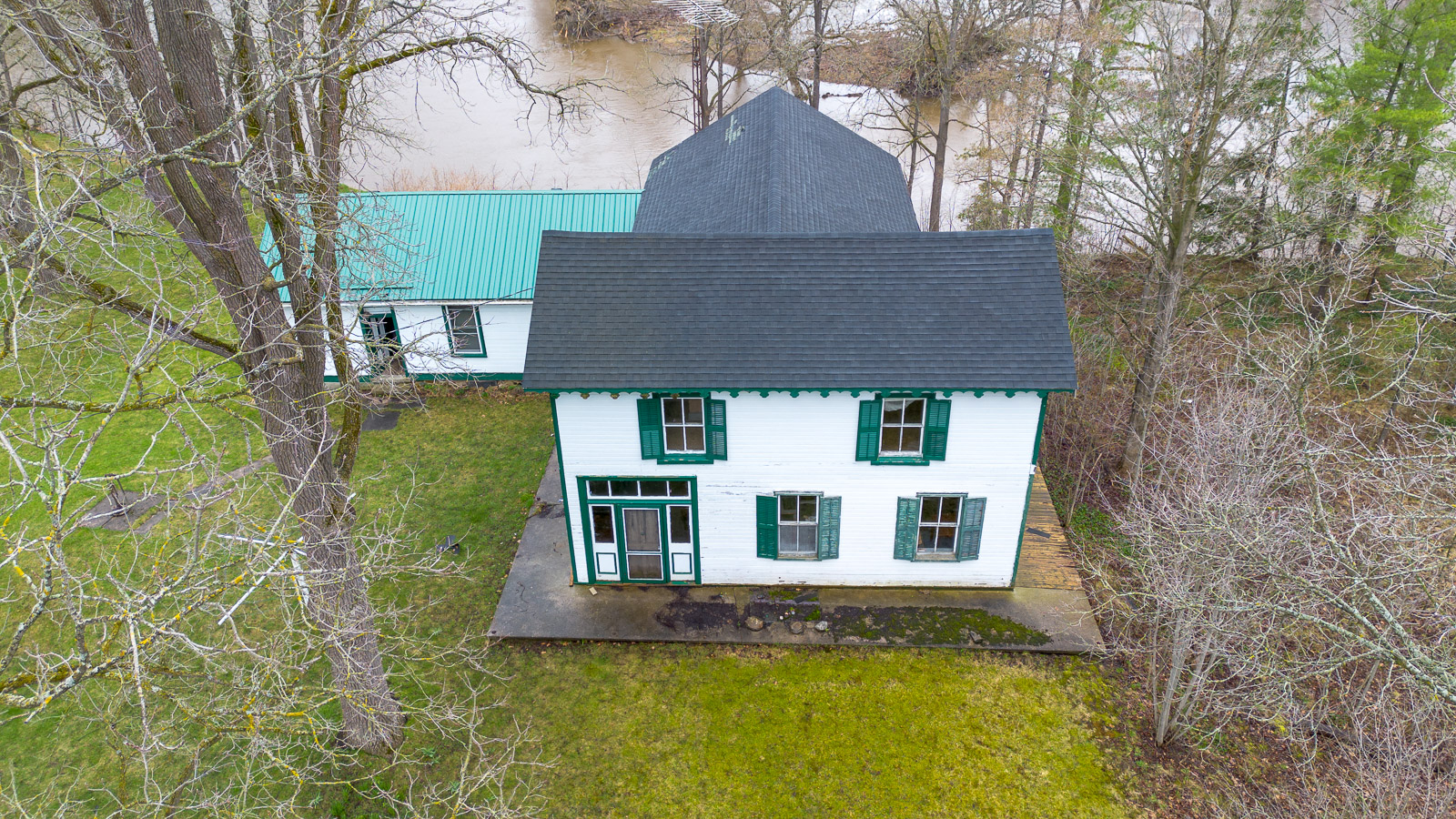
Tucked along the banks of the Teeswater River in Paisley sits one of the region’s most fascinating surviving historic properties, the Stark House. For more than 150 years, this farmhouse served as the home of the Stark family, one of the most influential industrial and agricultural families in the history of Paisley.
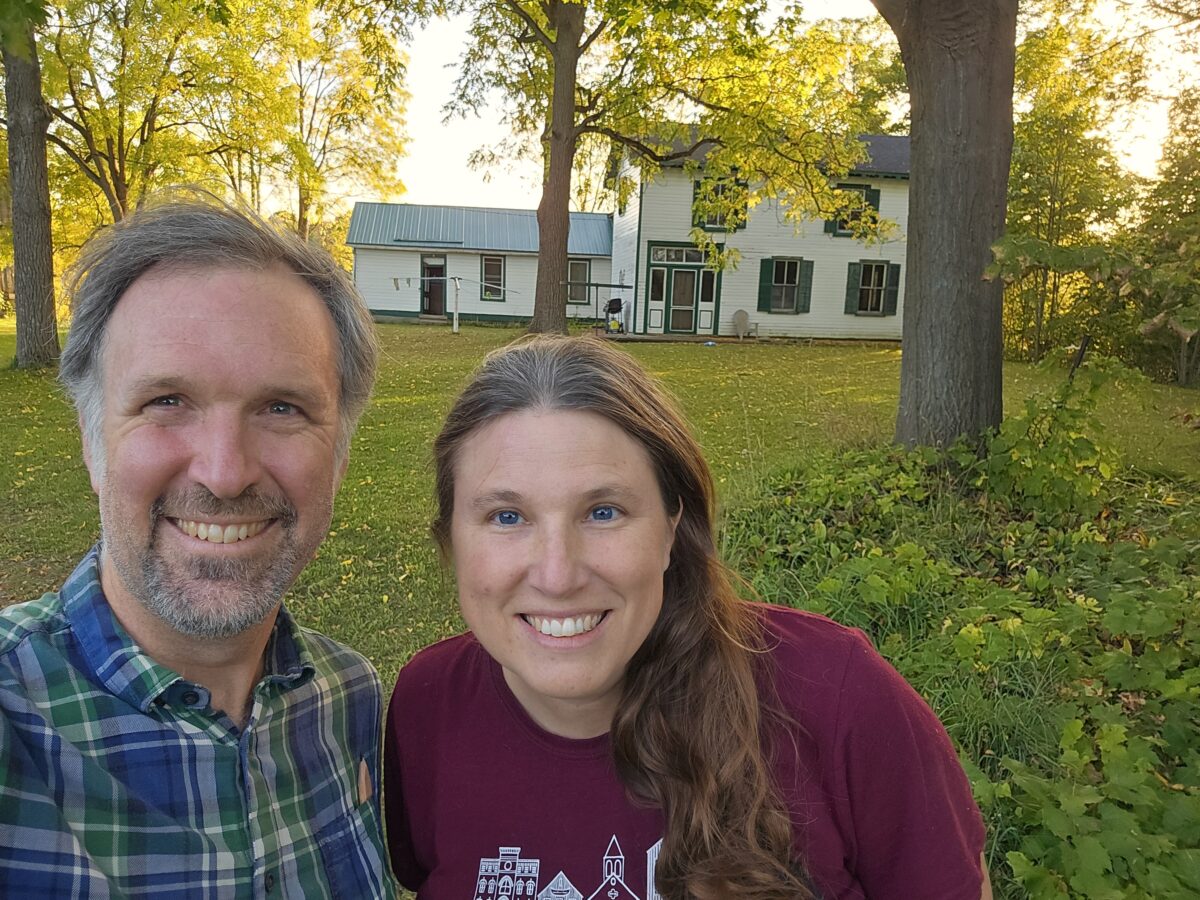
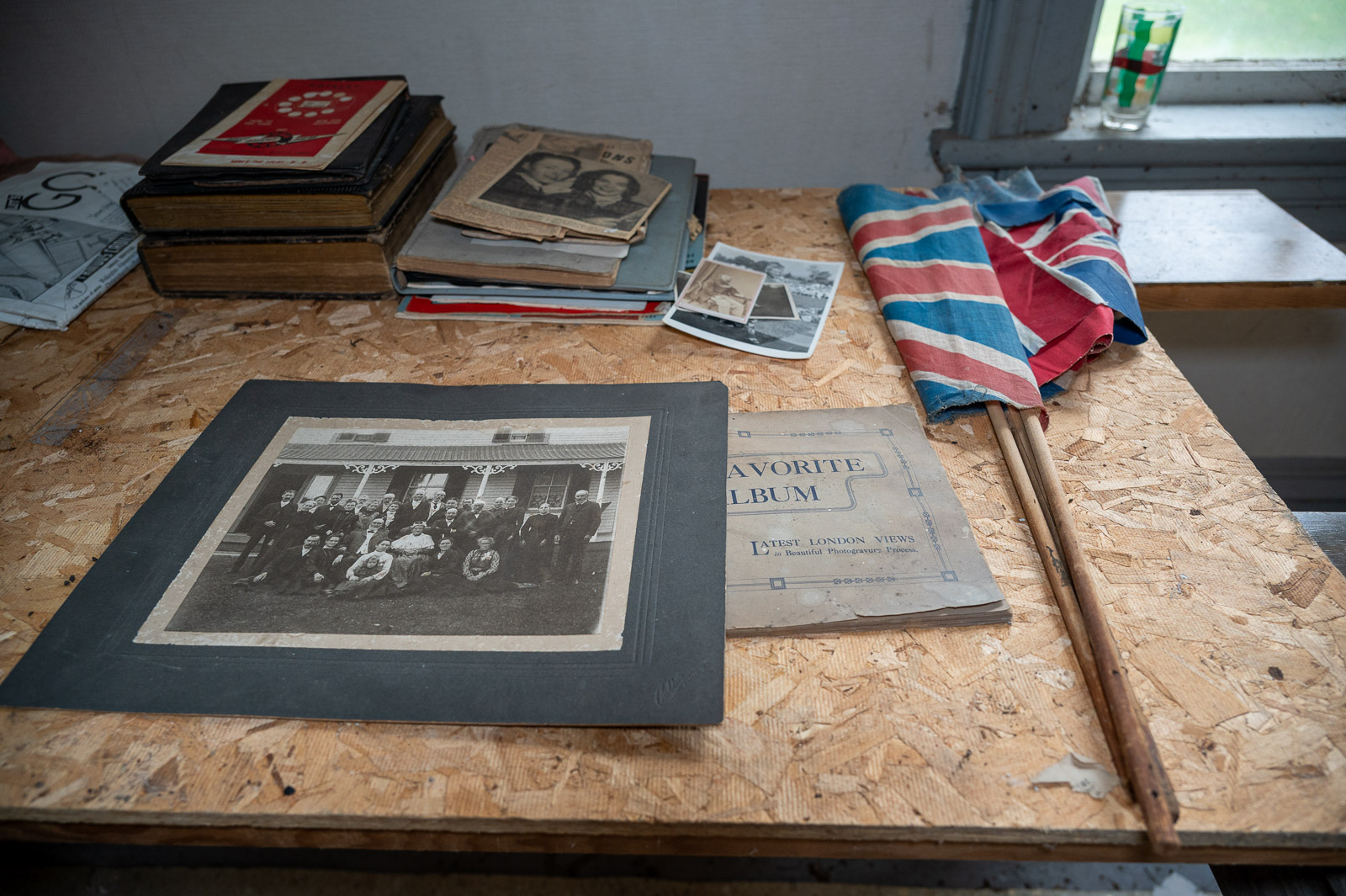
Just one week before a complete restoration began, I was invited by the new owners to explore, photograph, and document the house, surrounding property, and the nearby historic Paisley Mill. What remained inside was more than just an abandoned farmhouse. It was a time capsule of rural Ontario history.
The History Of The Stark Family In Paisley Ontario
The Stark family became deeply connected to the growth and development of Paisley during the late nineteenth and early twentieth centuries. Their influence extended far beyond the farmhouse itself and into nearly every aspect of local industry and agriculture.
Historical accounts describe the Stark family operating:
- flour milling operations
- livestock feed production
- grain elevators
- farming operations
- sawmills
- transportation and wagon teams
- commercial properties within the town
The nearby Stark Mill became one of the most important industrial sites in Paisley after the family acquired the property in 1872. Powered entirely by water from the Teeswater River, the mill operated for generations and remained active well into the twentieth century.
But while the mill became the public face of the family business, the Stark House remained the center of everyday life for generations of the family who lived and worked on the property.
A Farmhouse That Witnessed Generations Of Change
The Stark House stood through some of the biggest transformations in rural Ontario history.
Long before paved highways and modern machinery, this property would have been filled with:
- horses and wagons
- grain deliveries
- livestock
- workers and labourers
- farming operations
- river activity tied to the nearby mill
Family interviews recorded in 1972 describe a completely different world surrounding the house, including winters where snowshoes were often necessary for travel and summers spent performing manual road labour, harvesting crops, and managing the demands of a constantly active rural property.
The home survived devastating fires, floods, economic decline, and the gradual disappearance of small-town industry throughout the twentieth century.
The Barn Fire That Nearly Destroyed The Property
One of the most dramatic events connected to the Stark property occurred in the early 1930s when the original barn caught fire shortly after harvest season.
According to Neilson Stark, embers from the blaze blew directly over the roof of the farmhouse while neighbours formed a bucket brigade from the nearby river to prevent the house itself from catching fire. The barn and harvested crops were lost, but the house survived.
A replacement barn was later purchased from another nearby property, dismantled piece by piece, transported to the Stark property, and rebuilt before winter arrived.
Exploring The Stark House Before Renovation
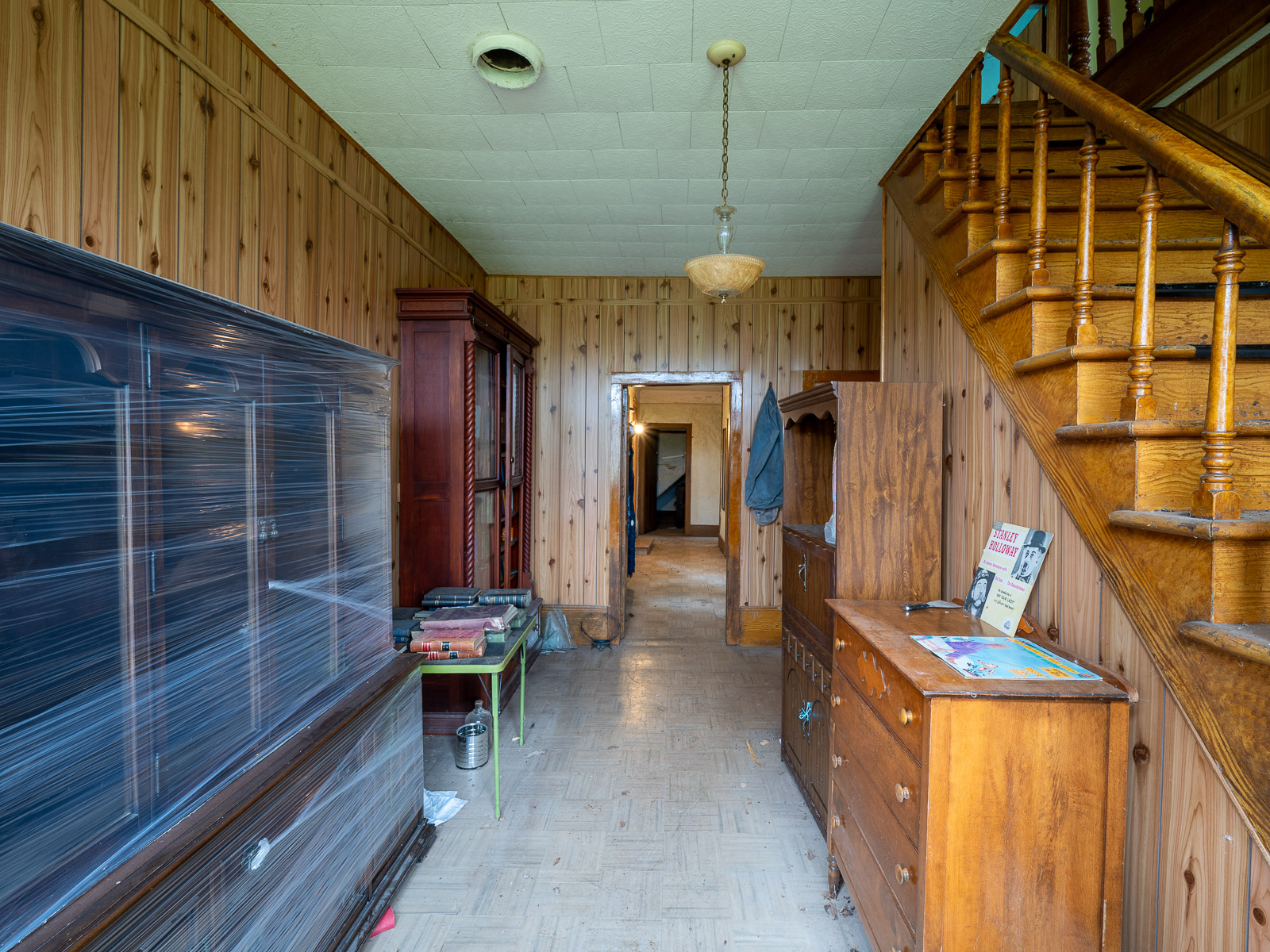
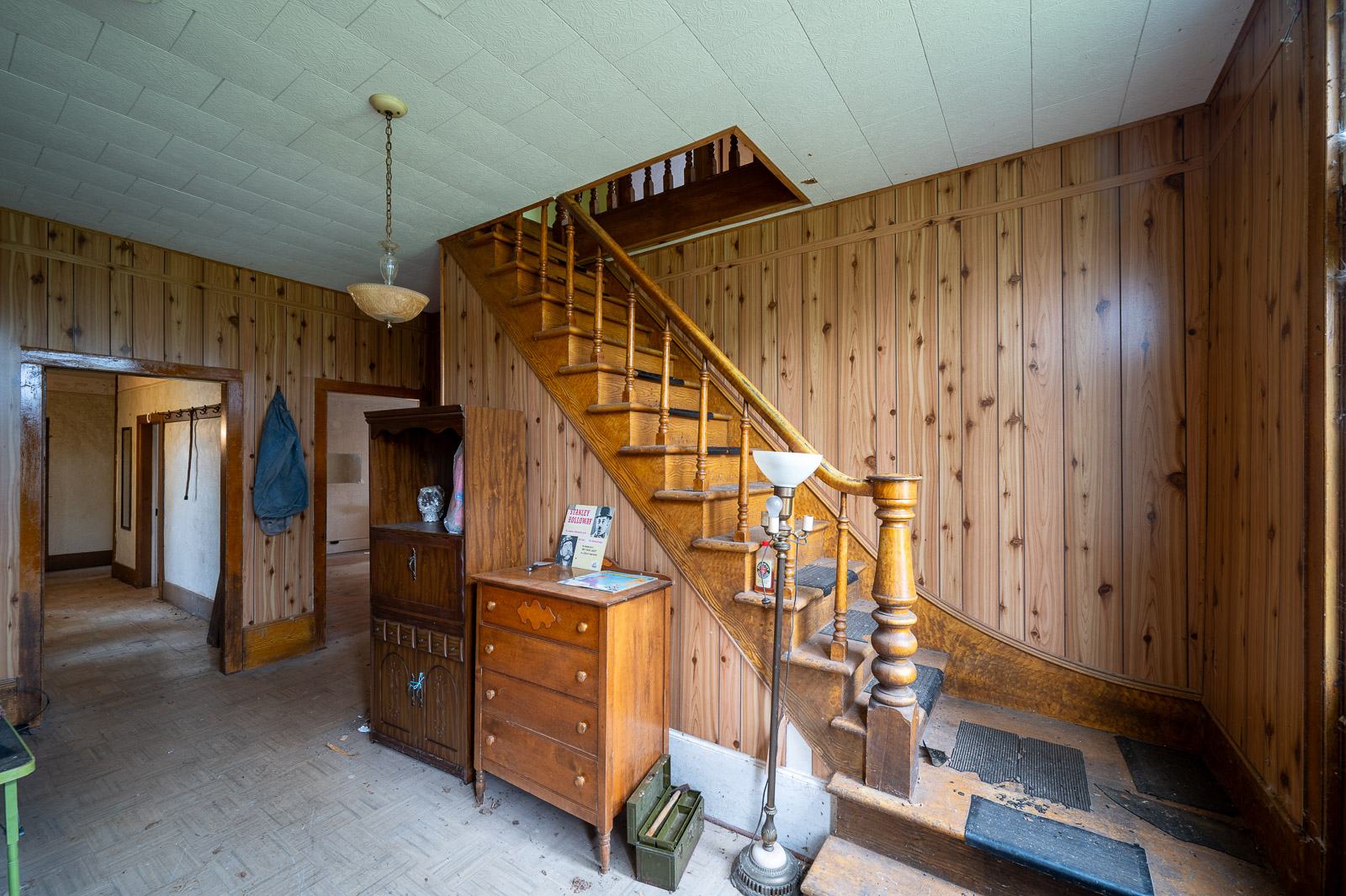
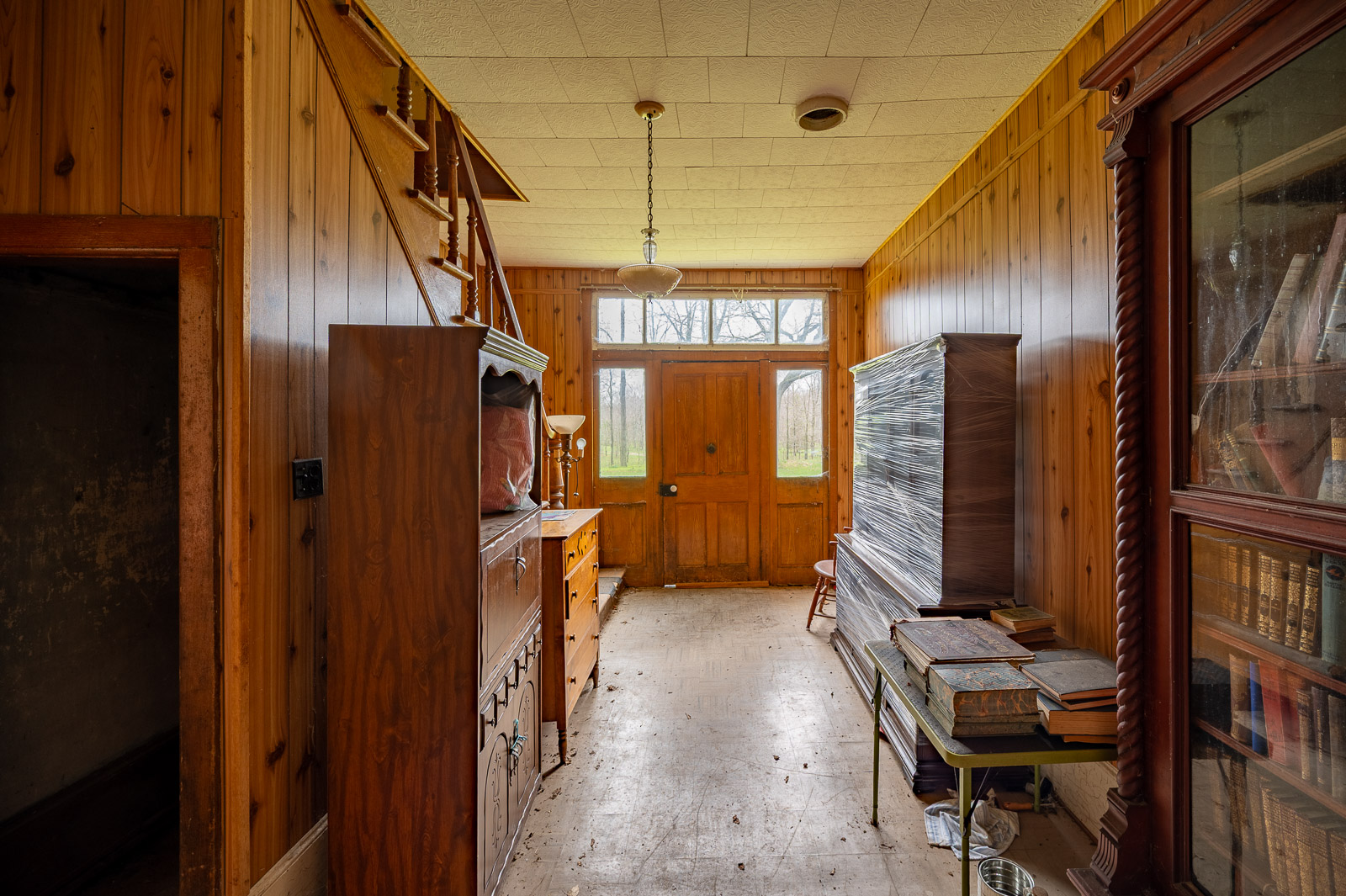
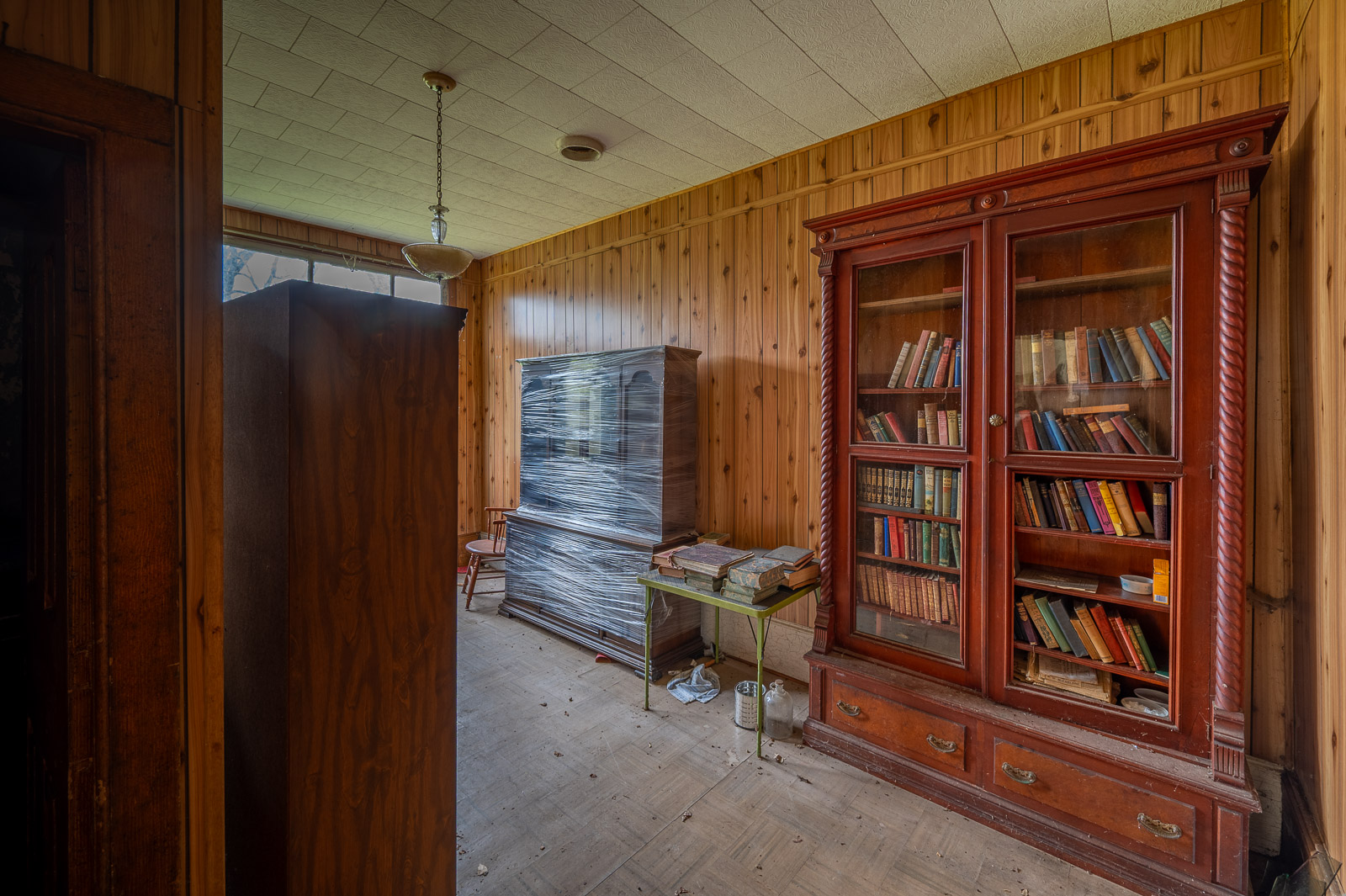
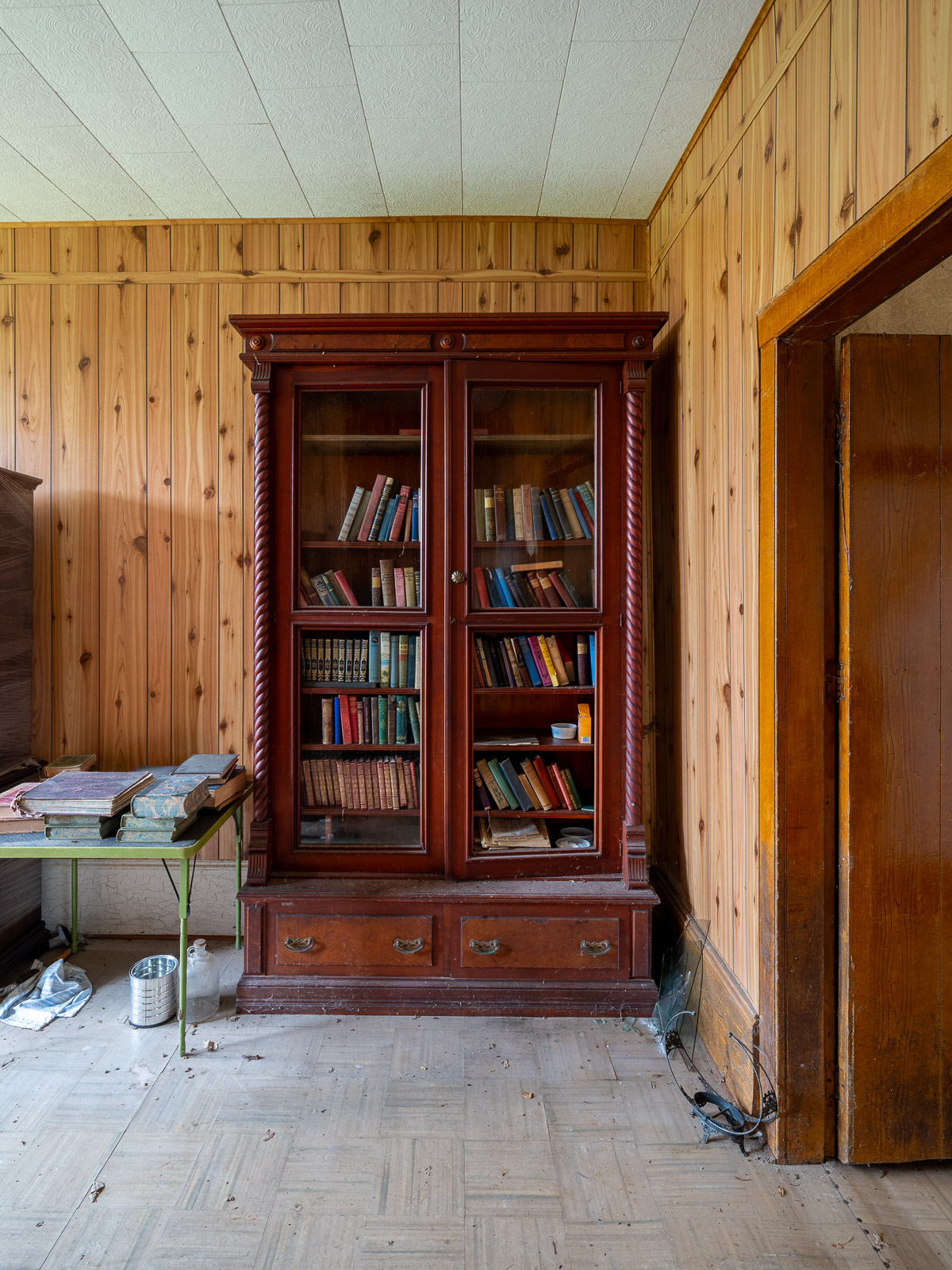
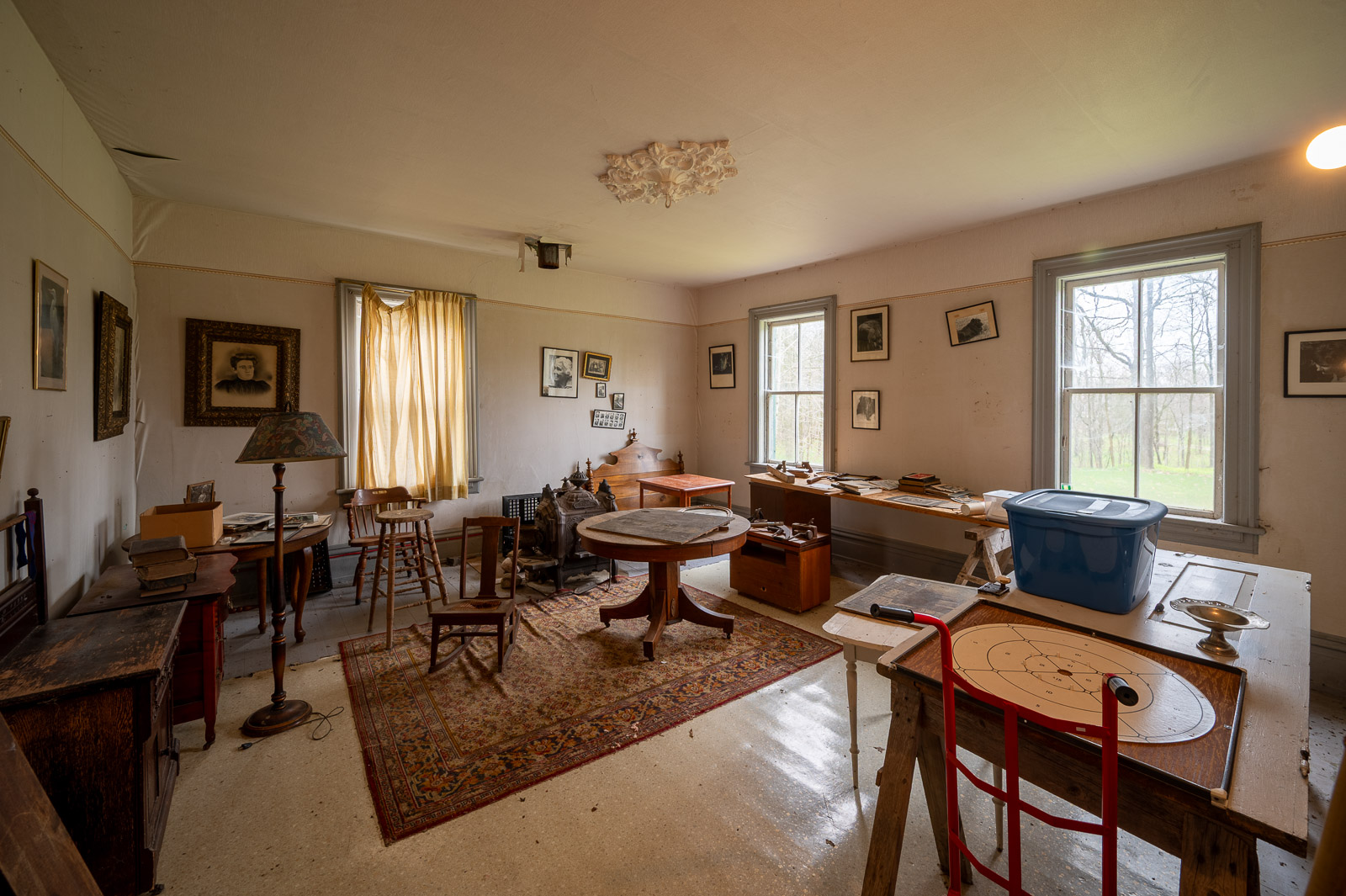
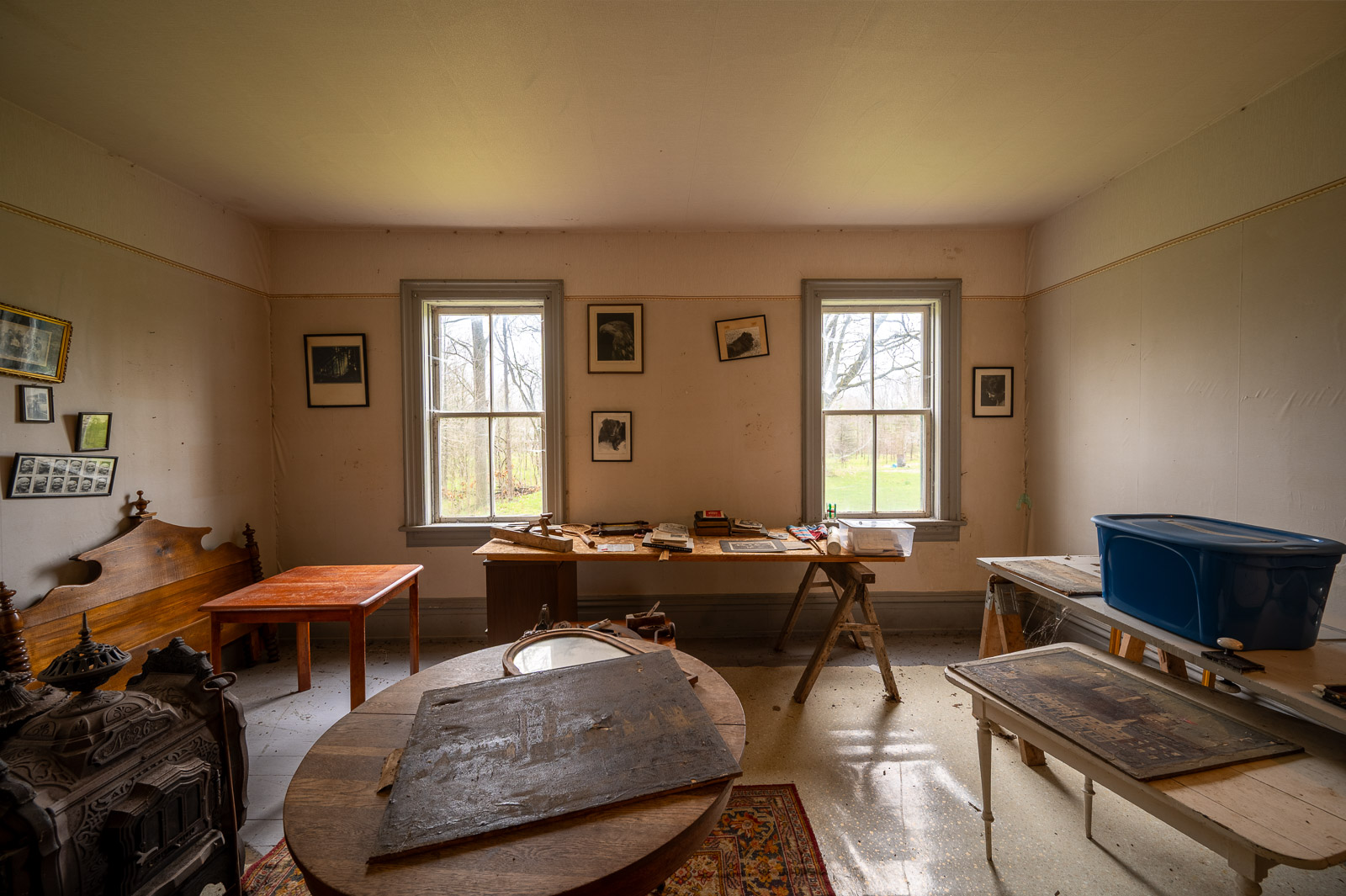
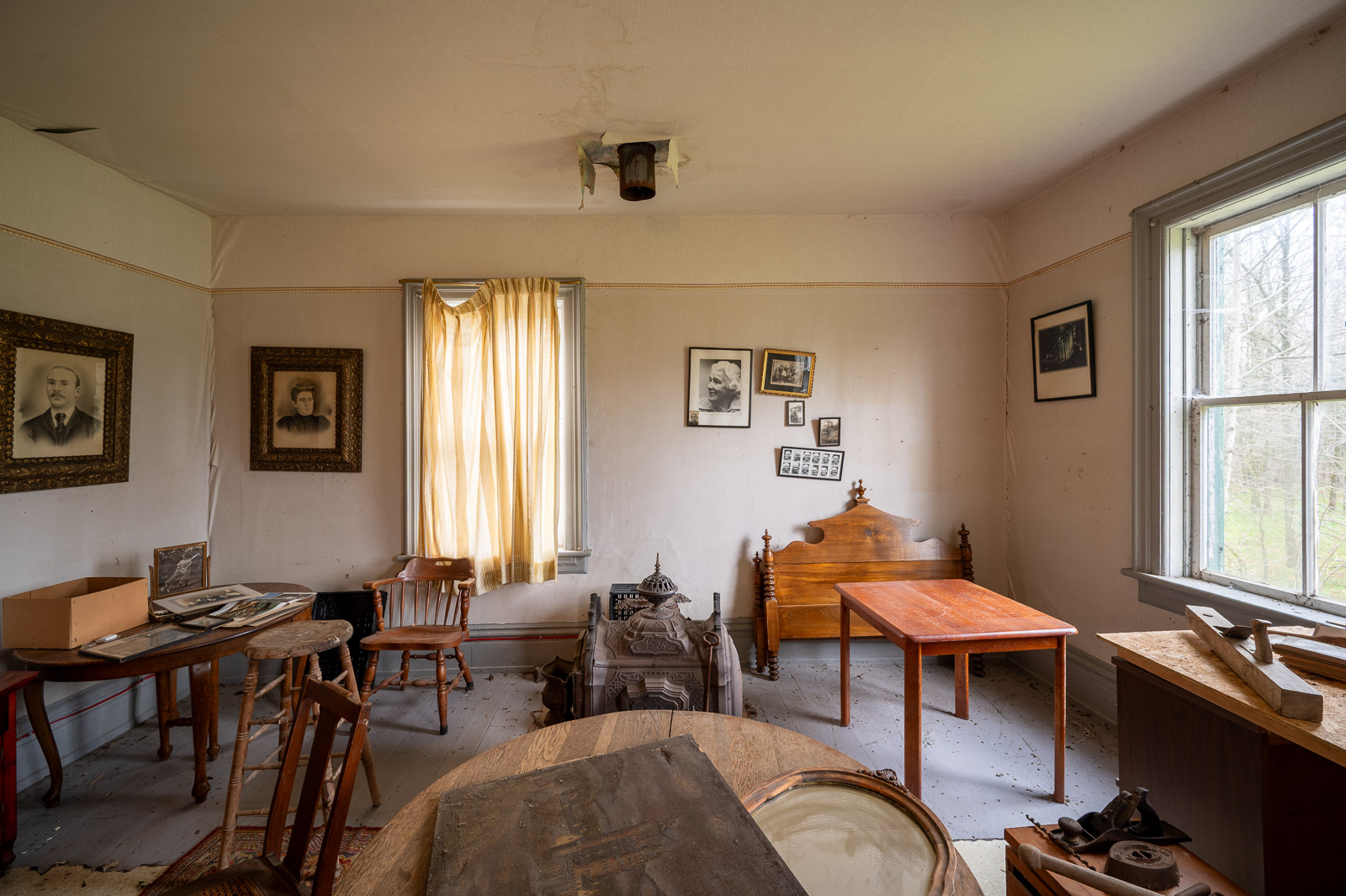
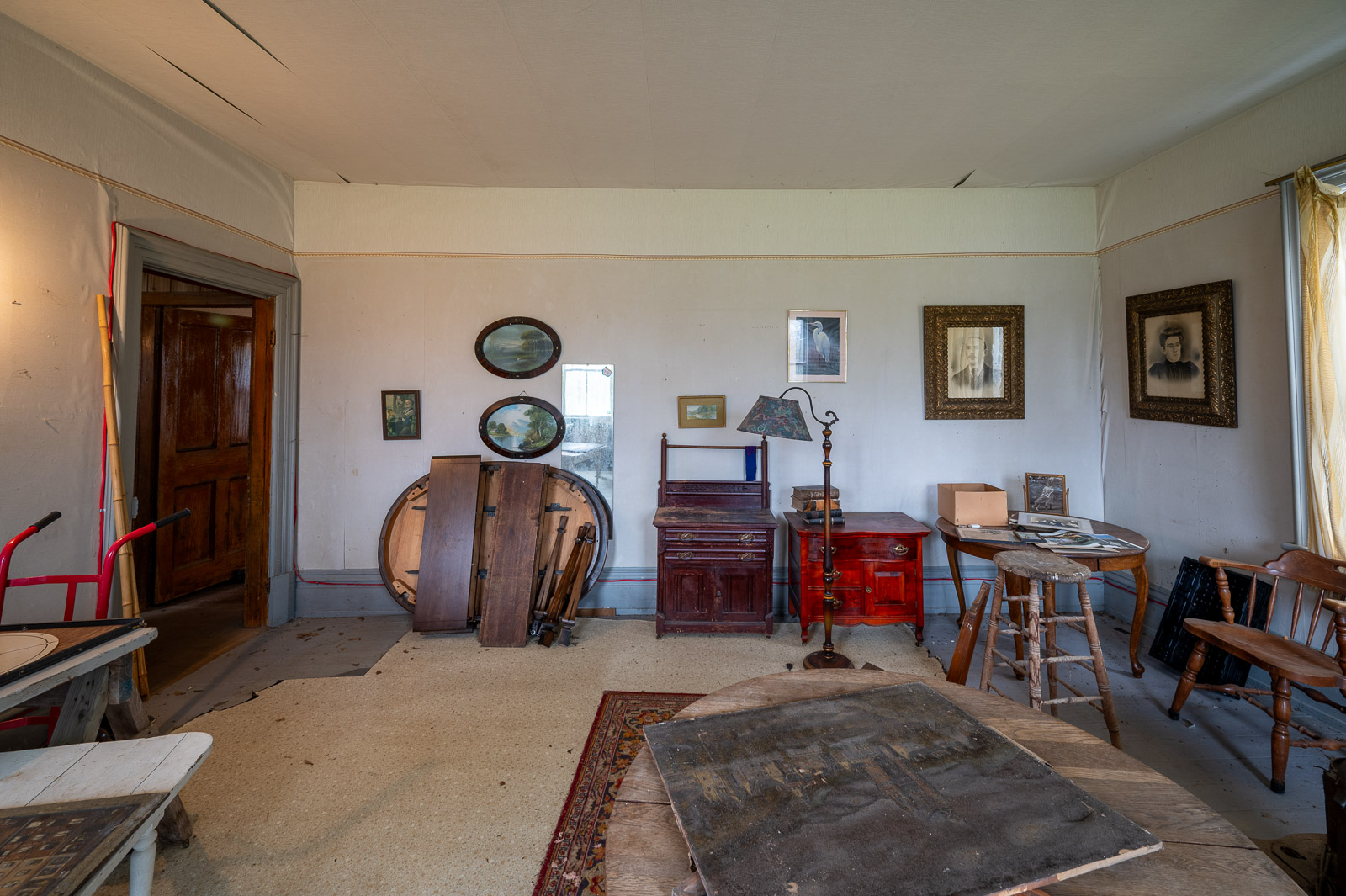
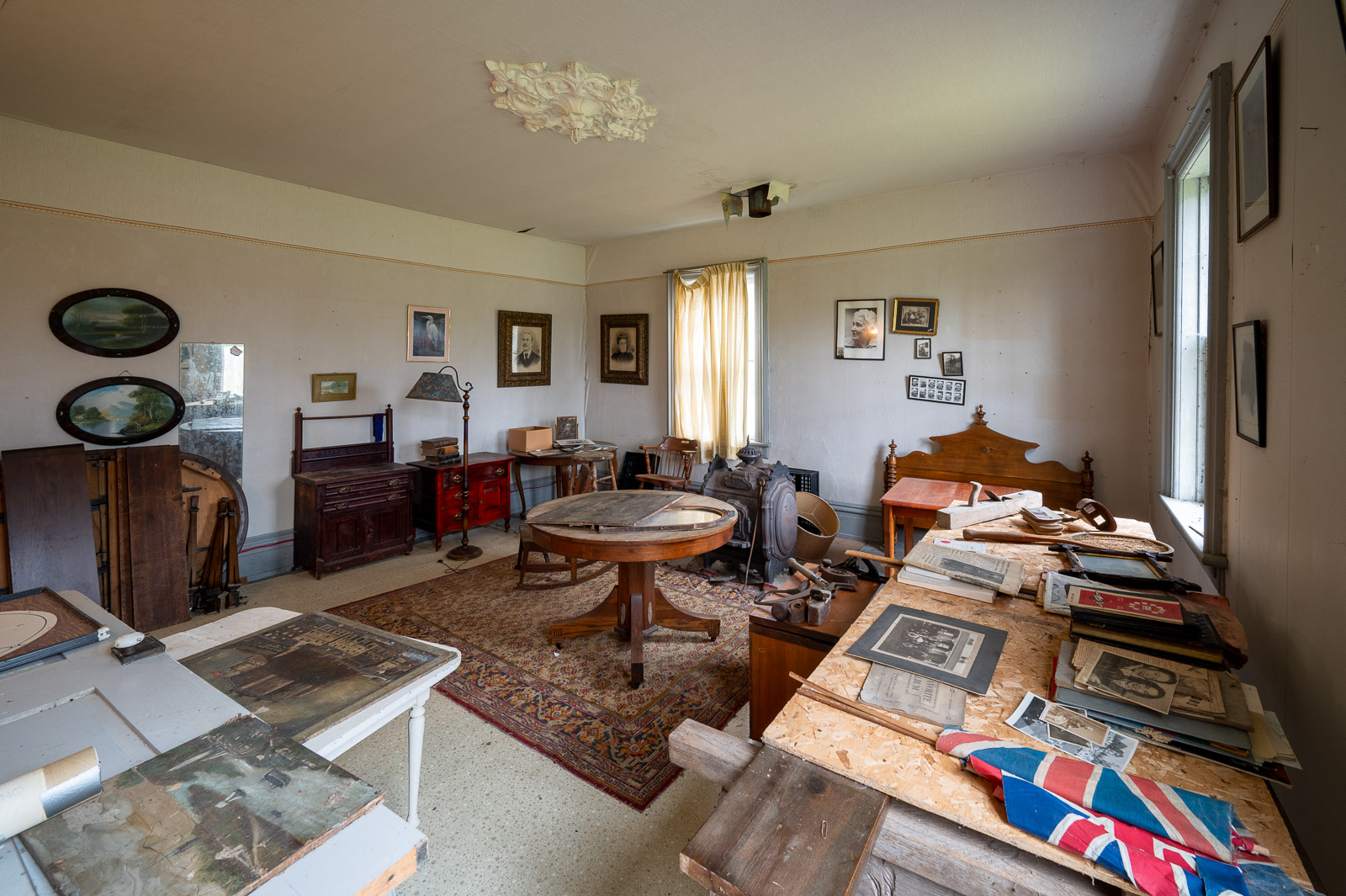
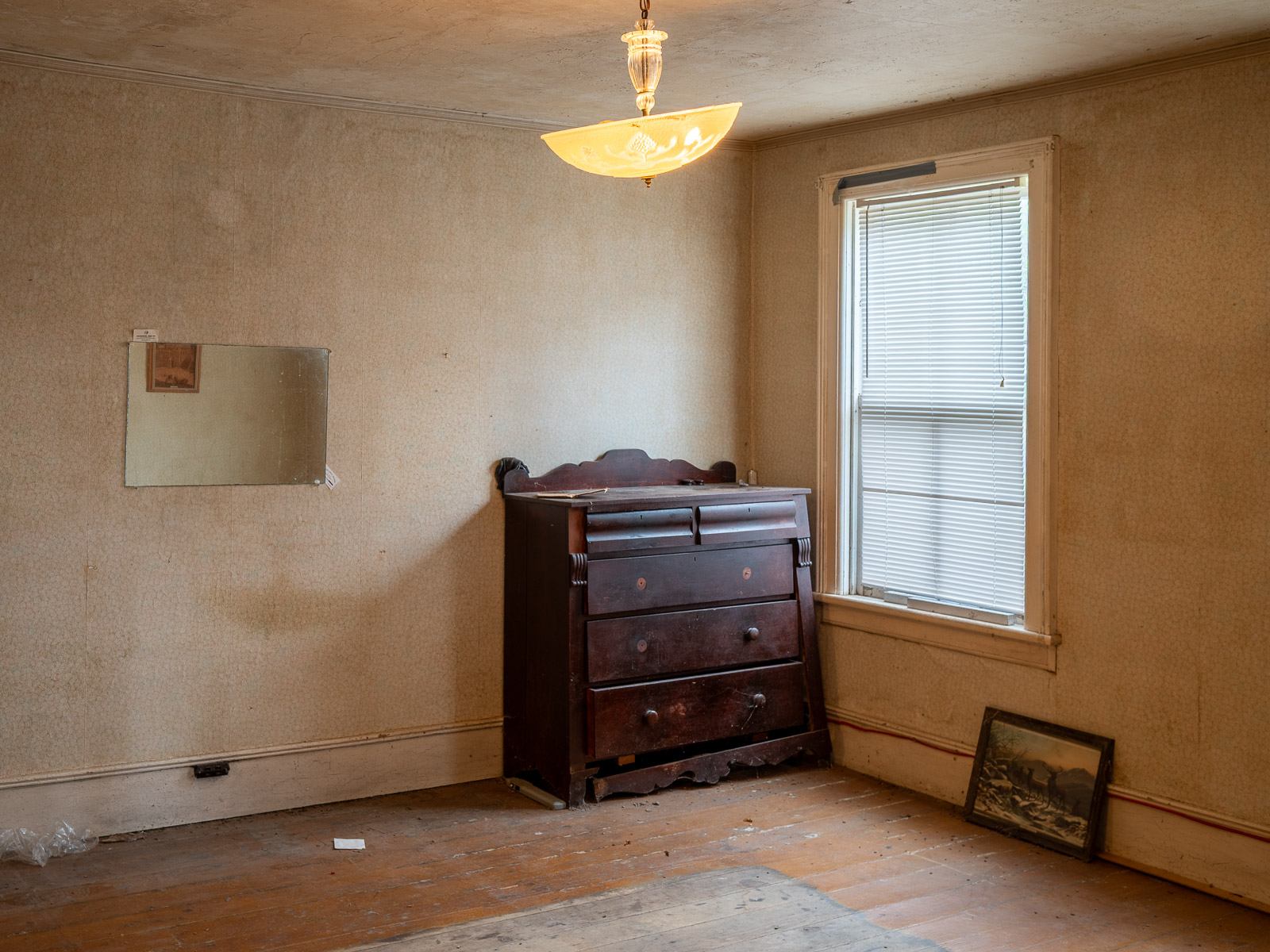
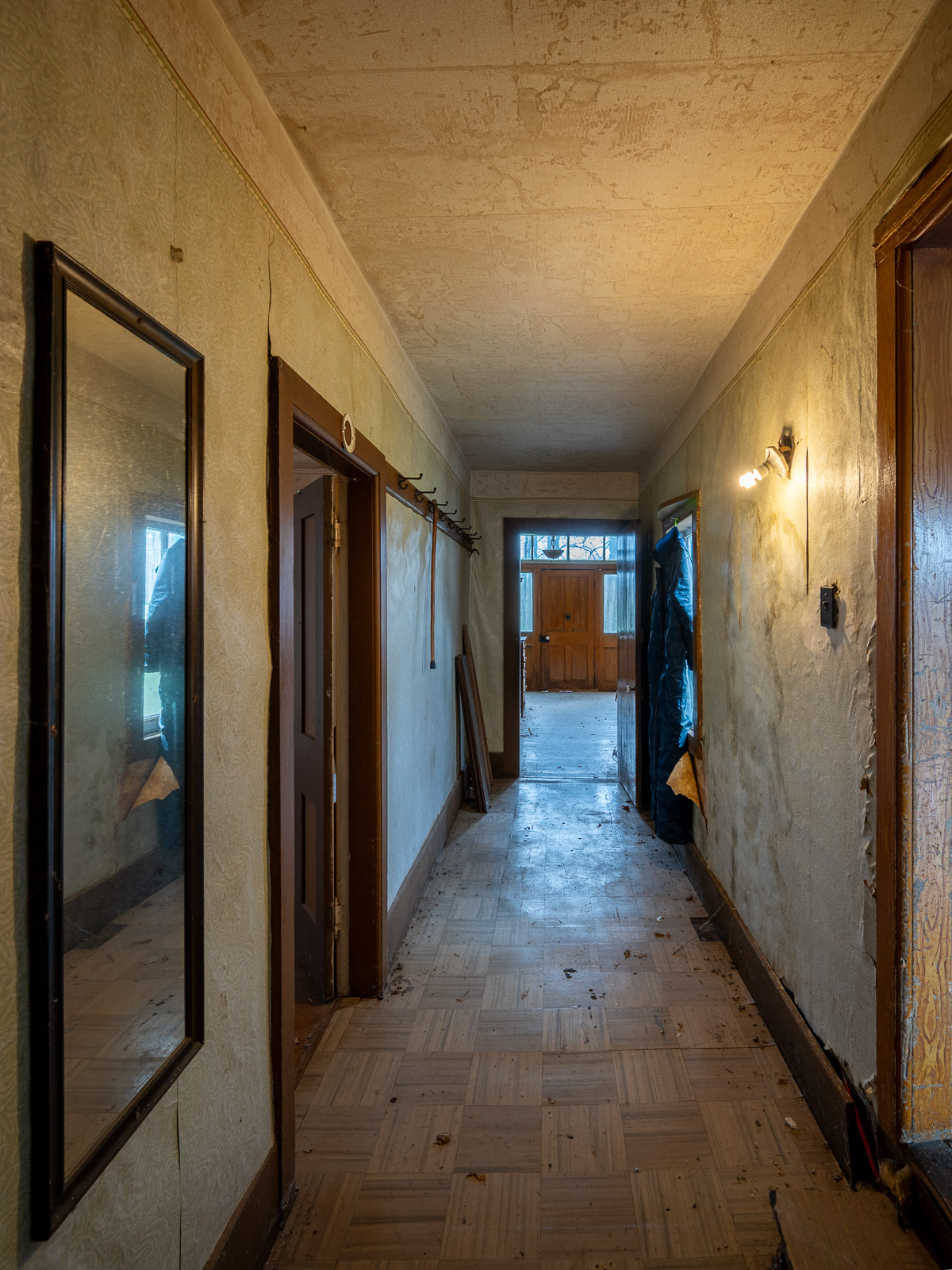
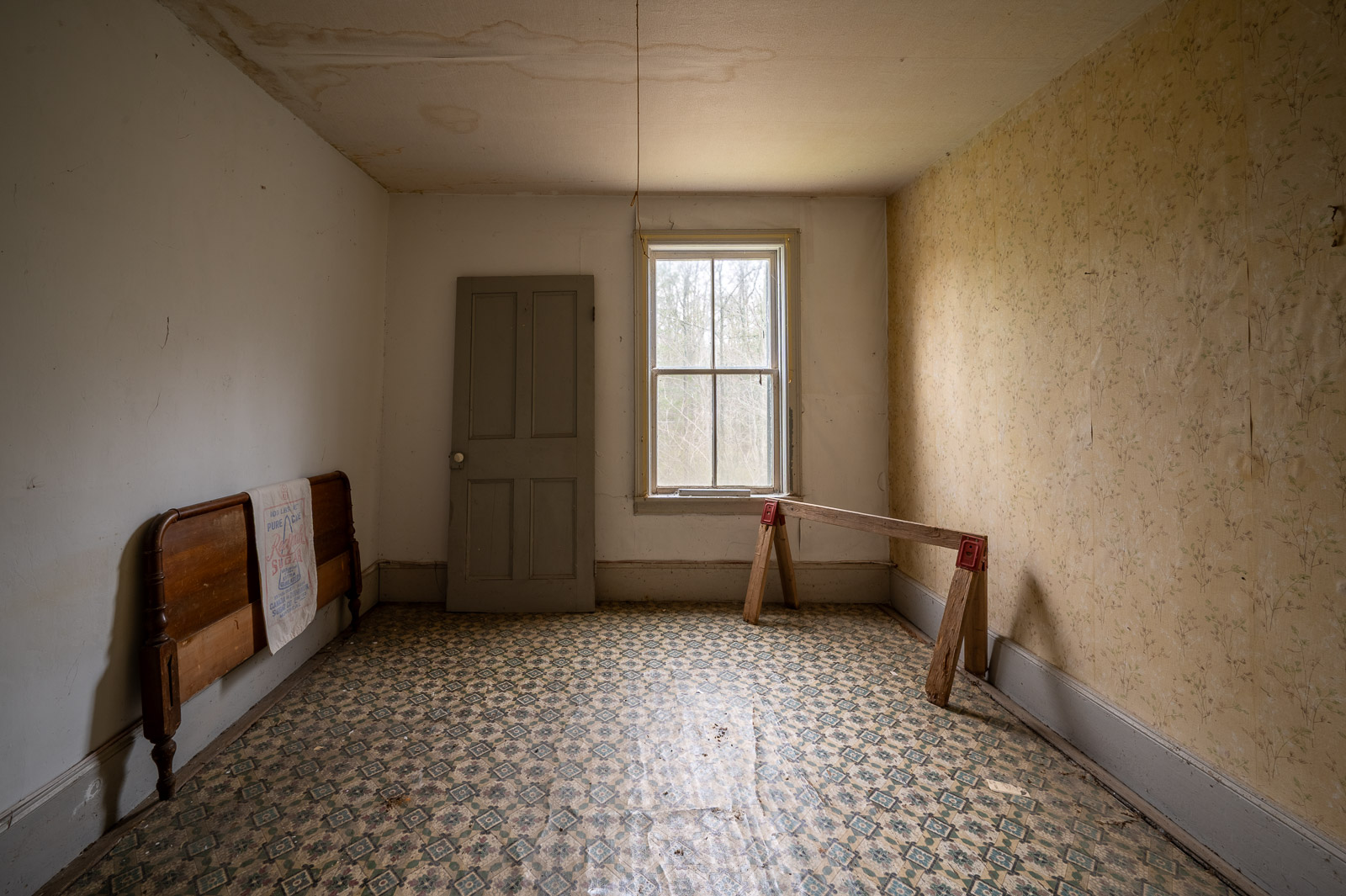
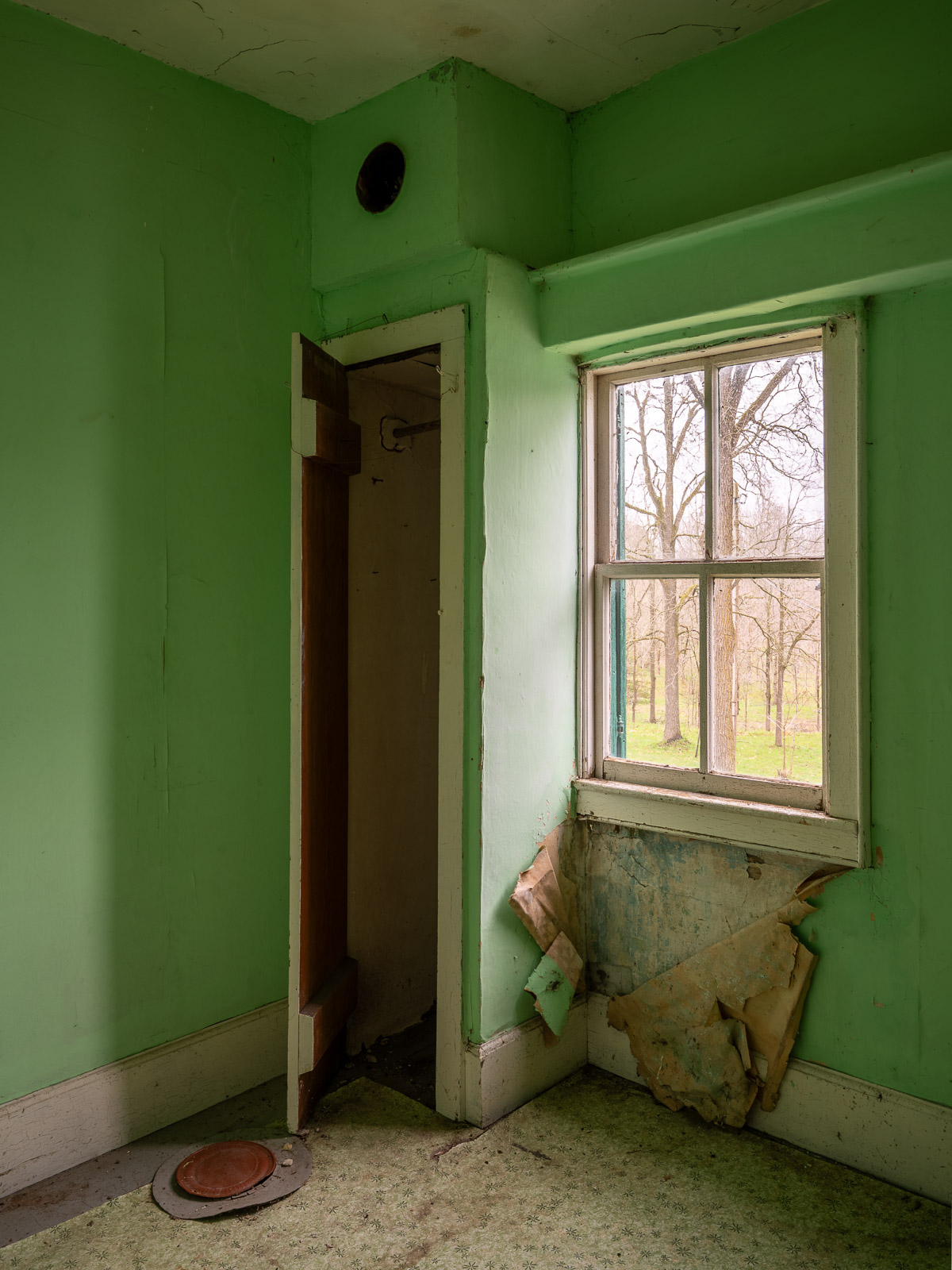
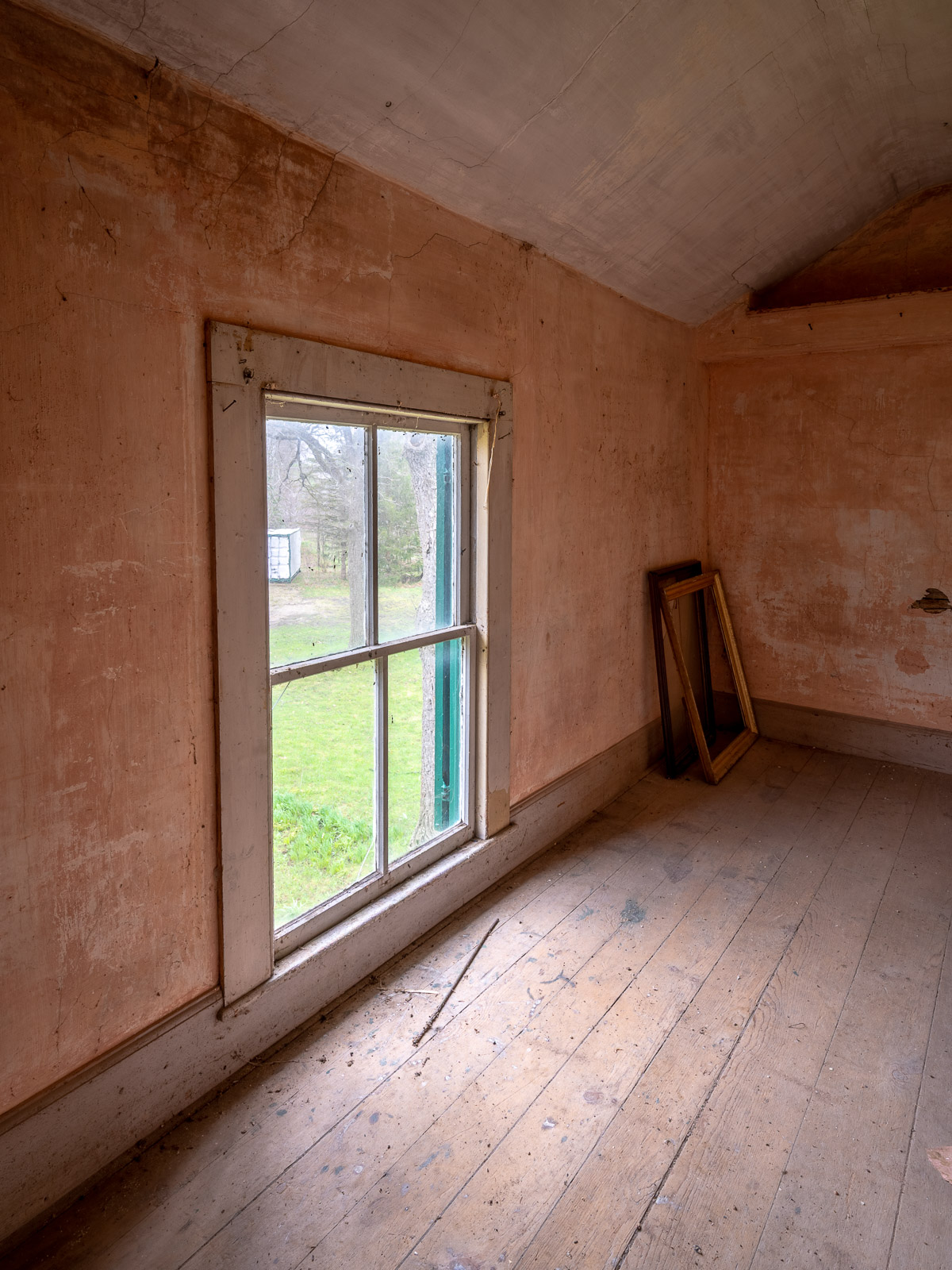
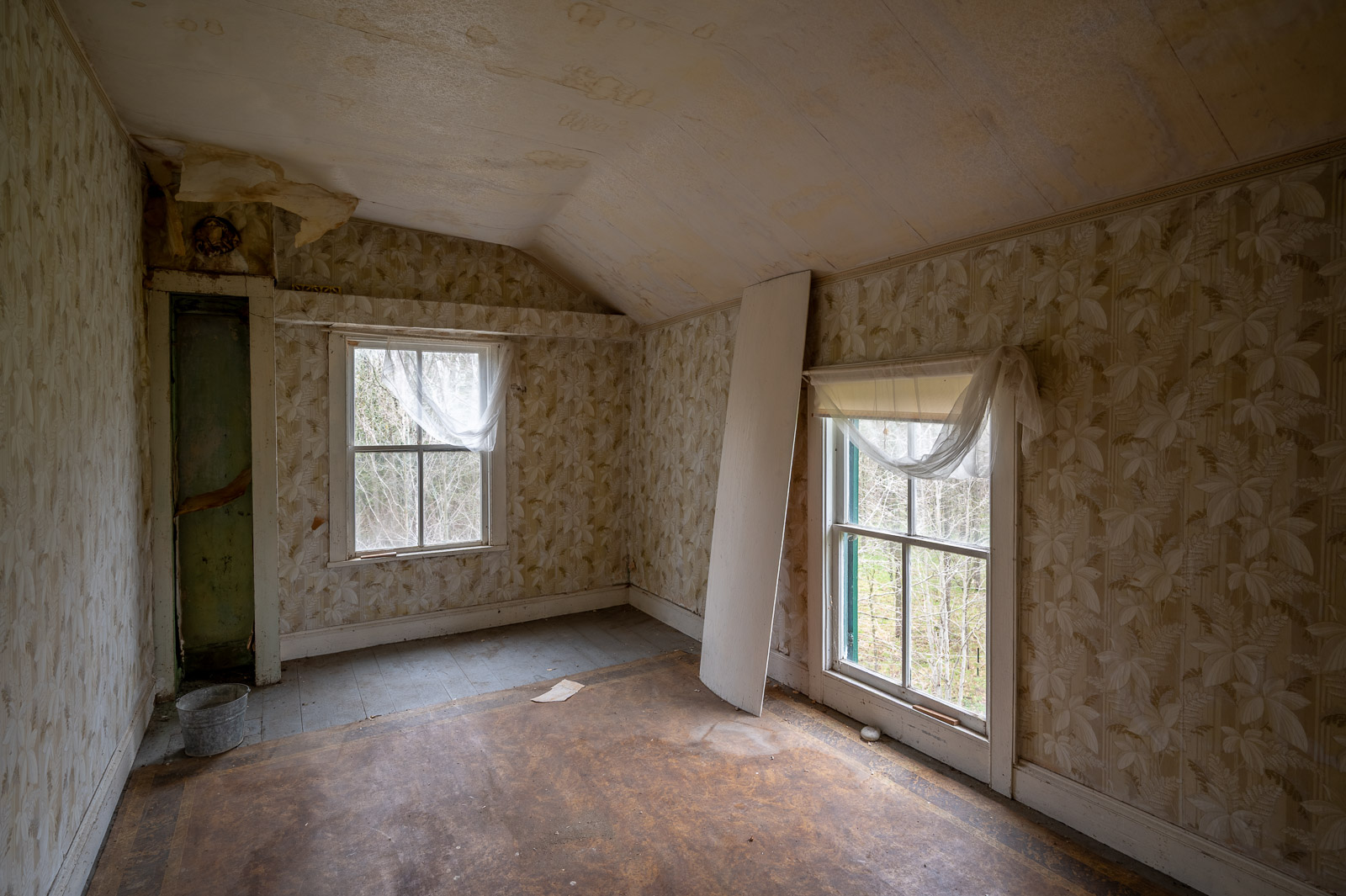
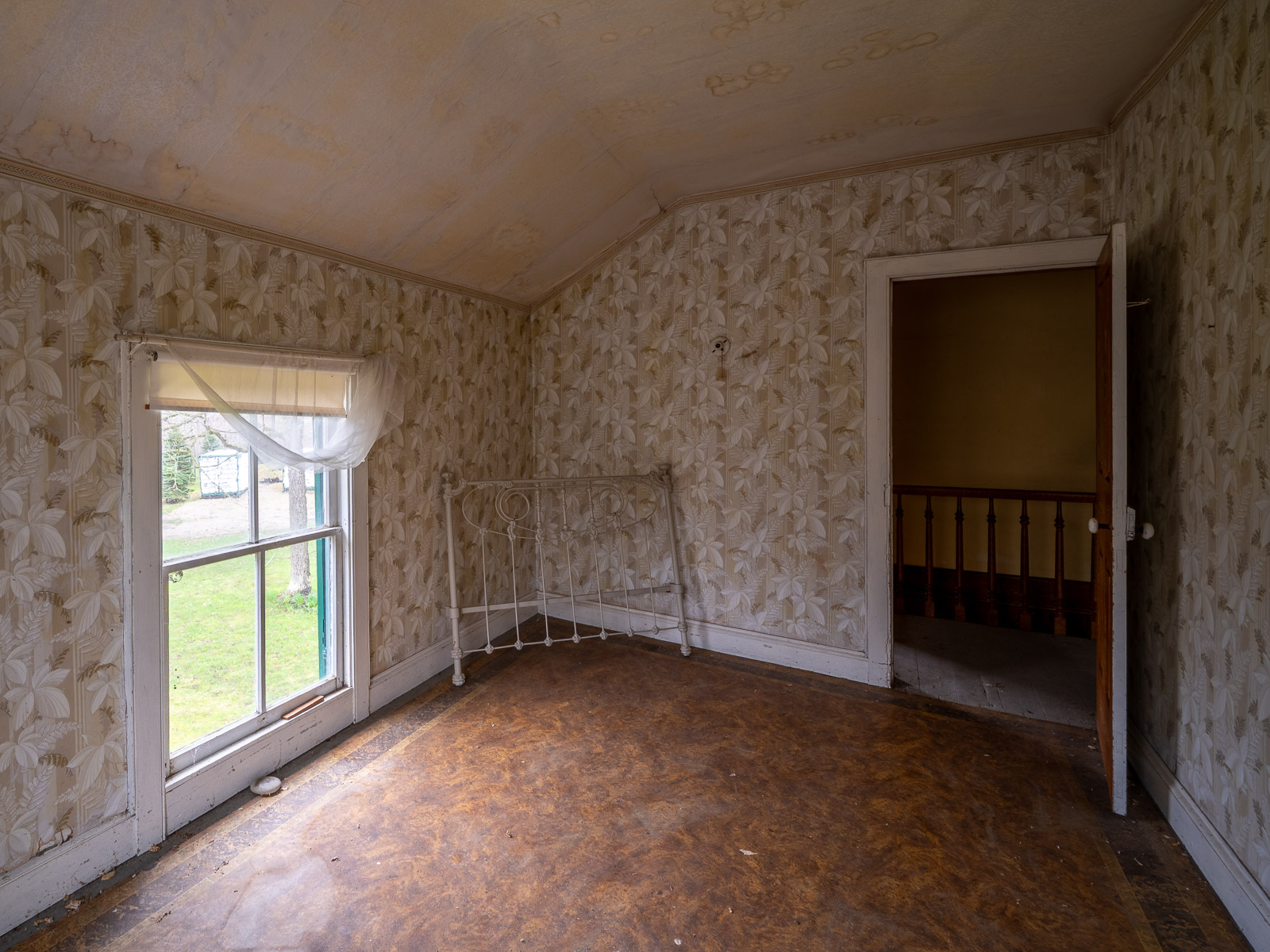
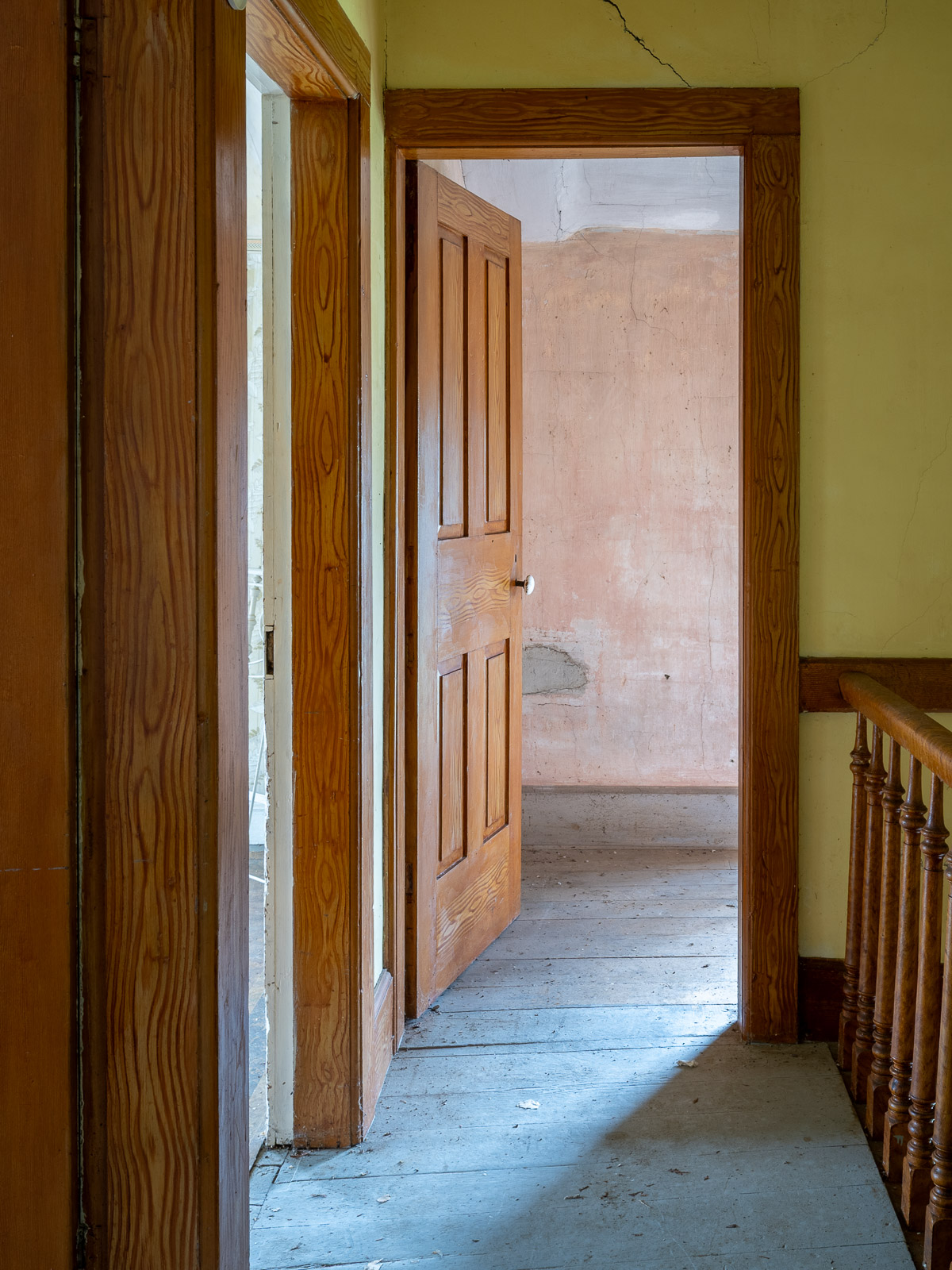
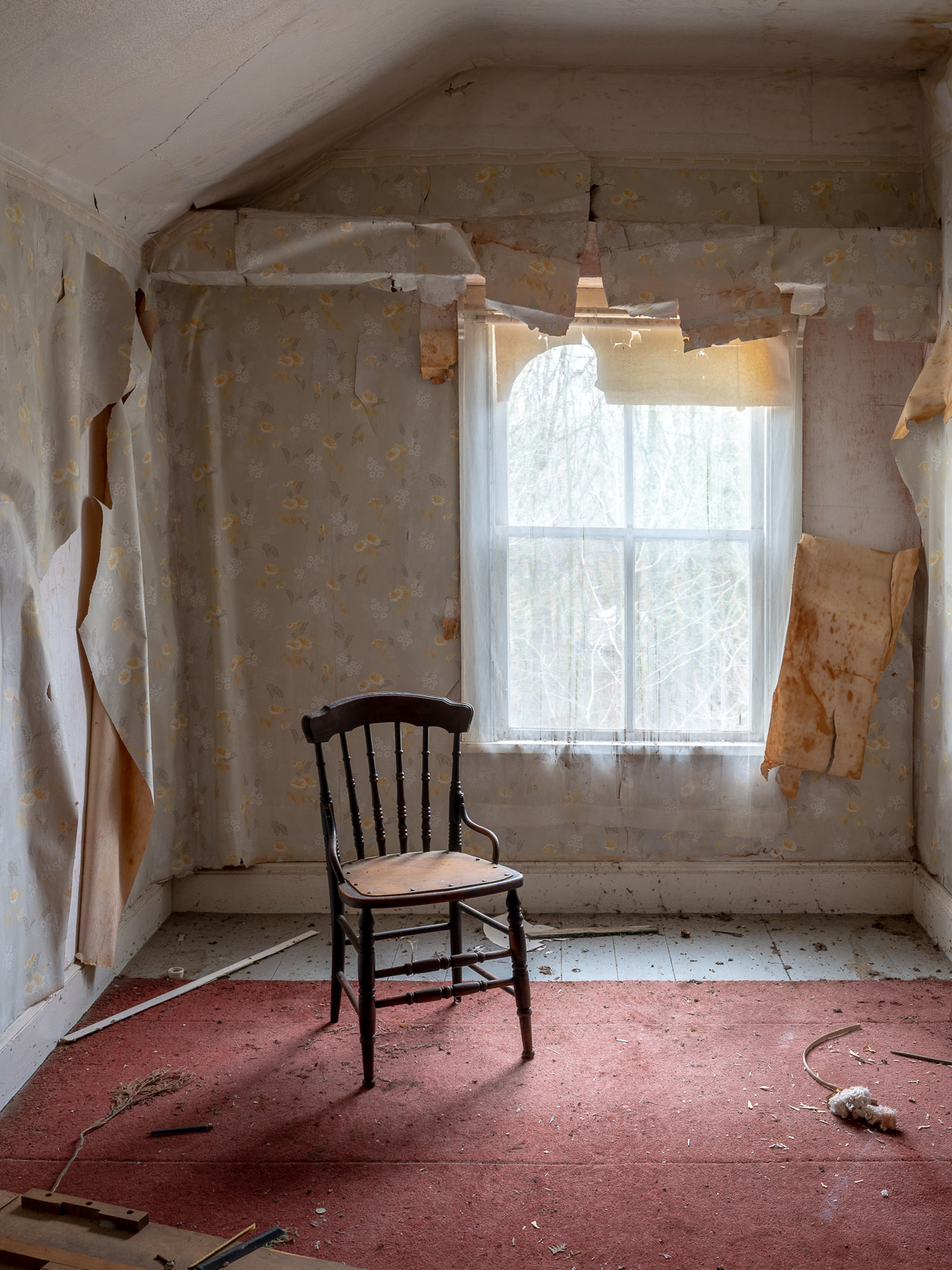
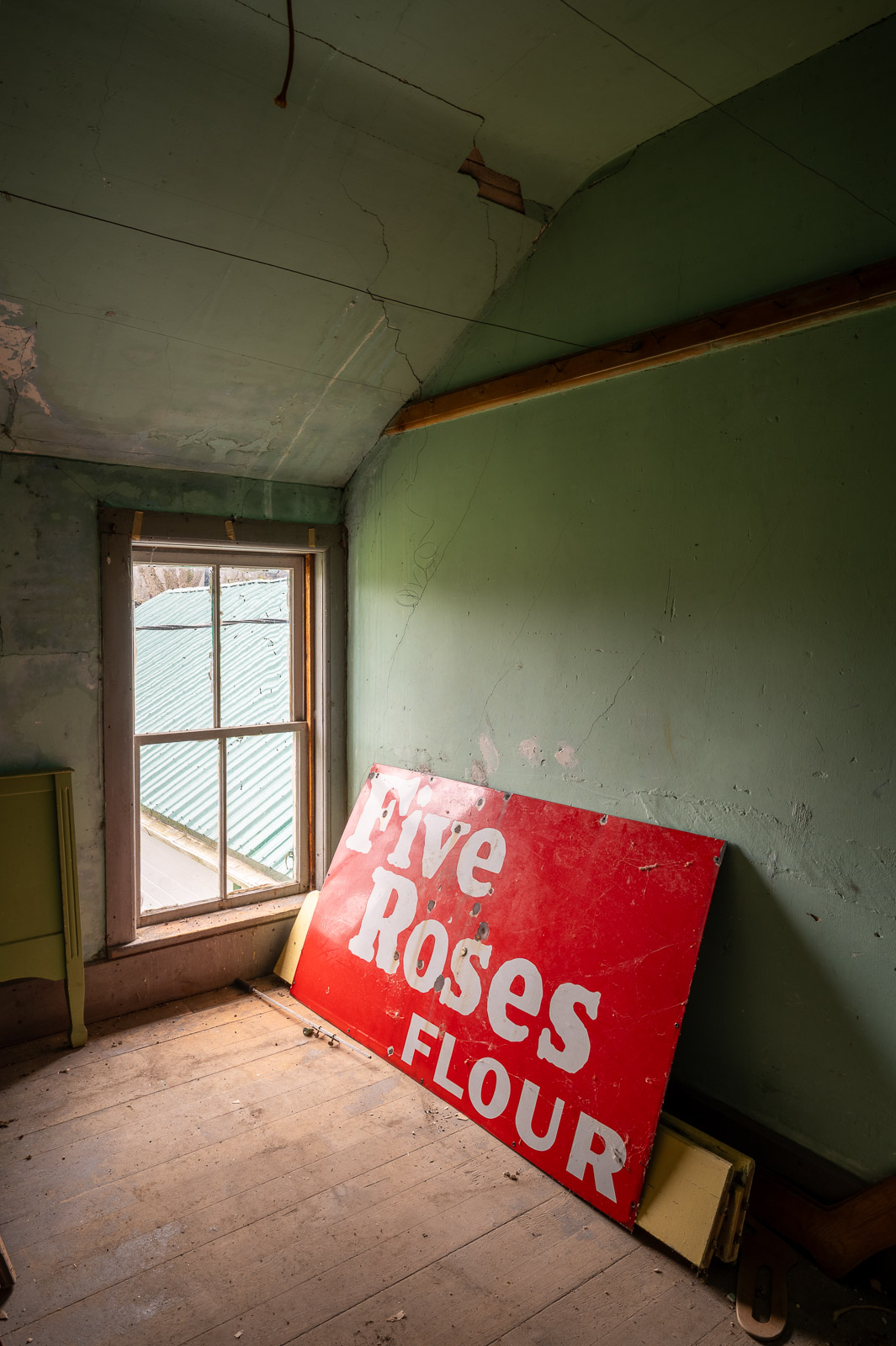
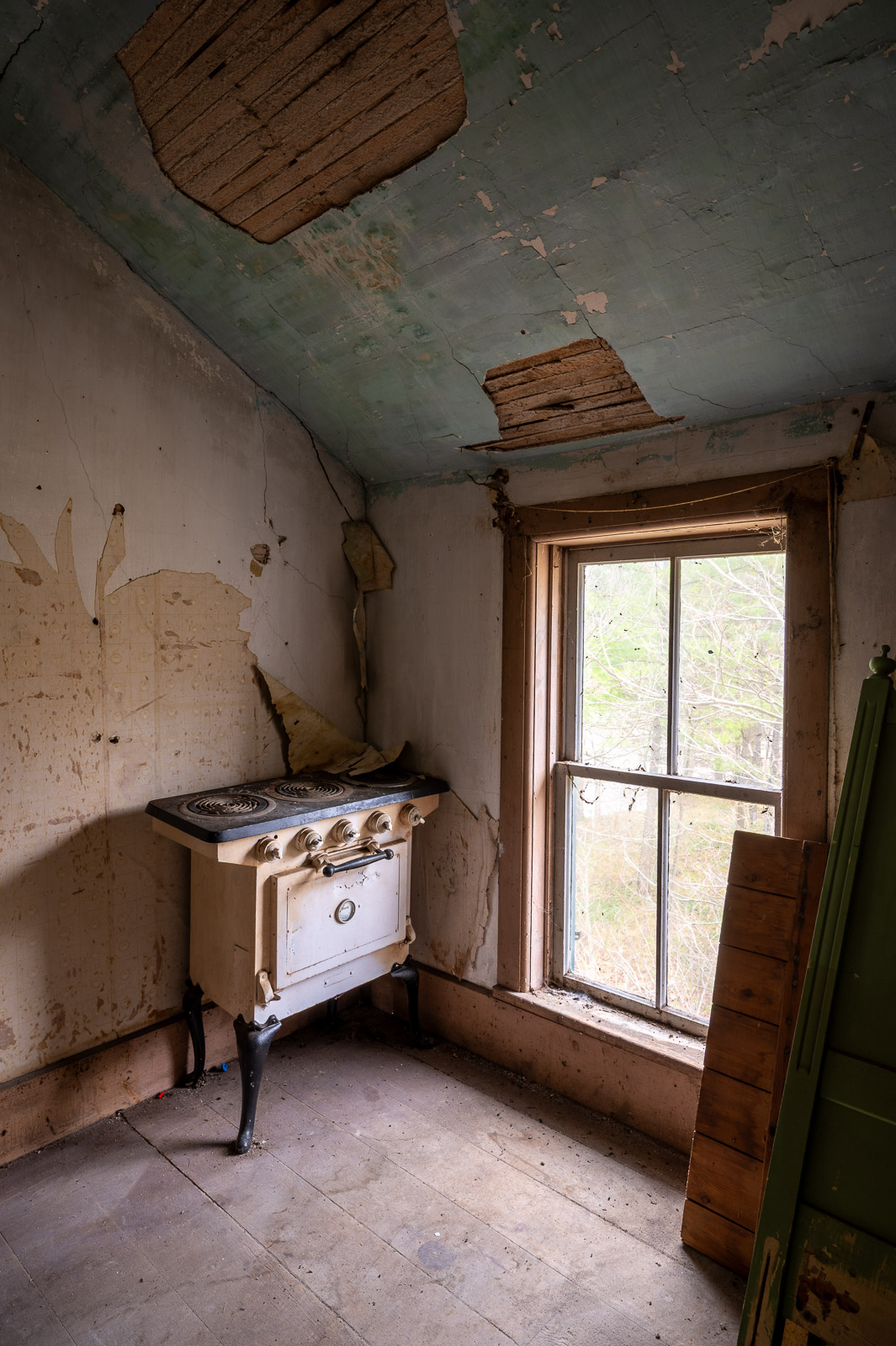
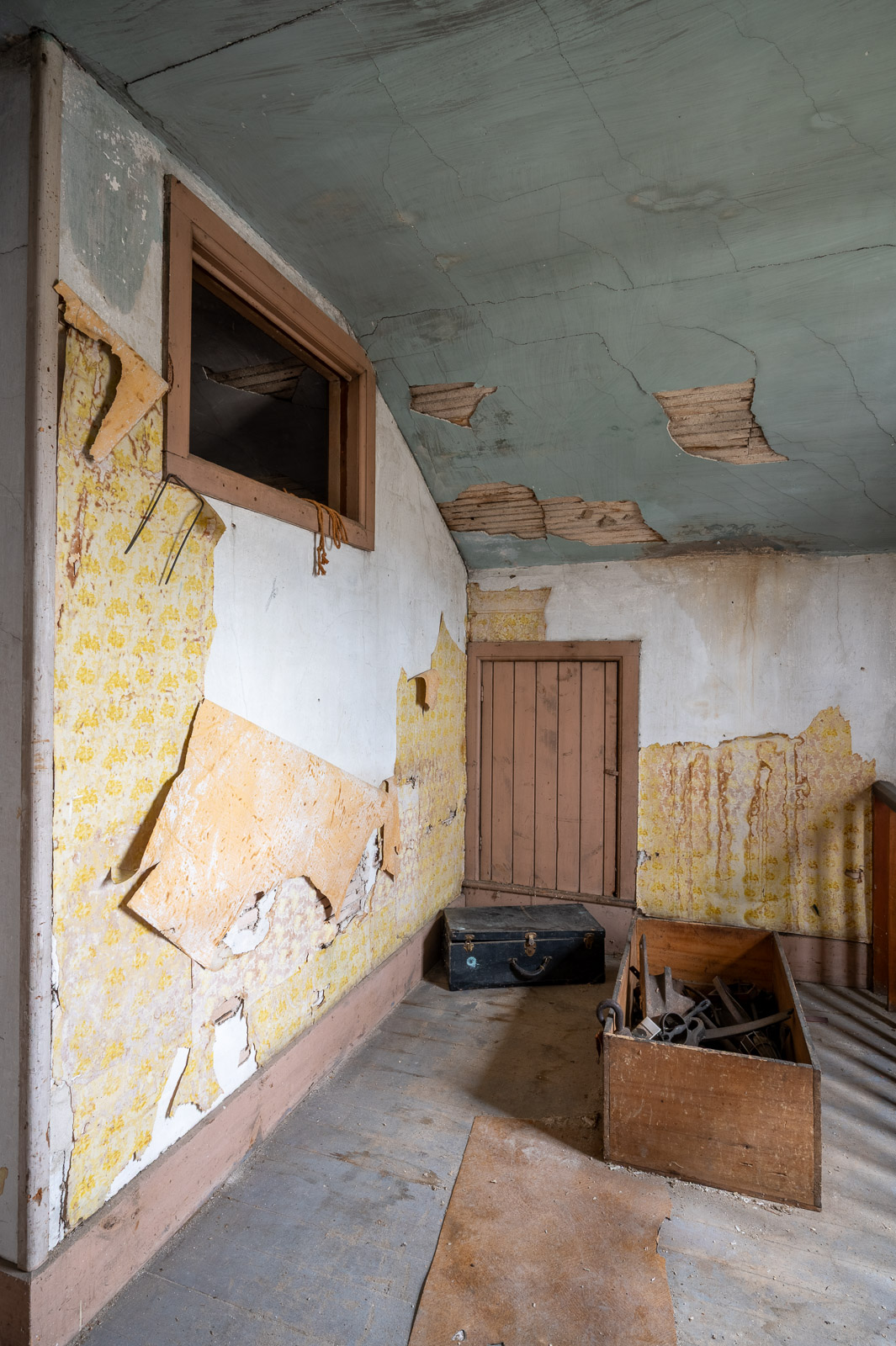
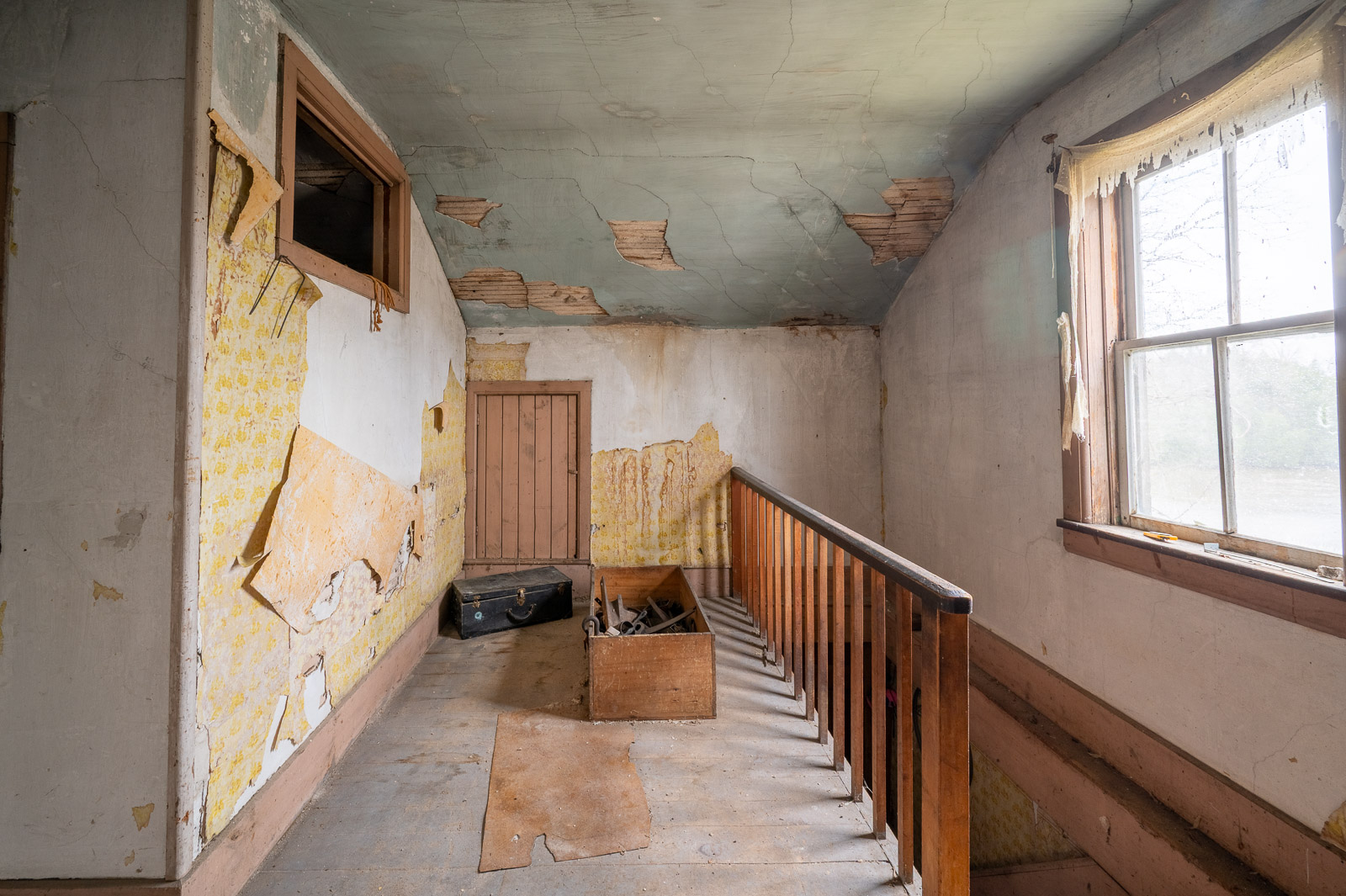
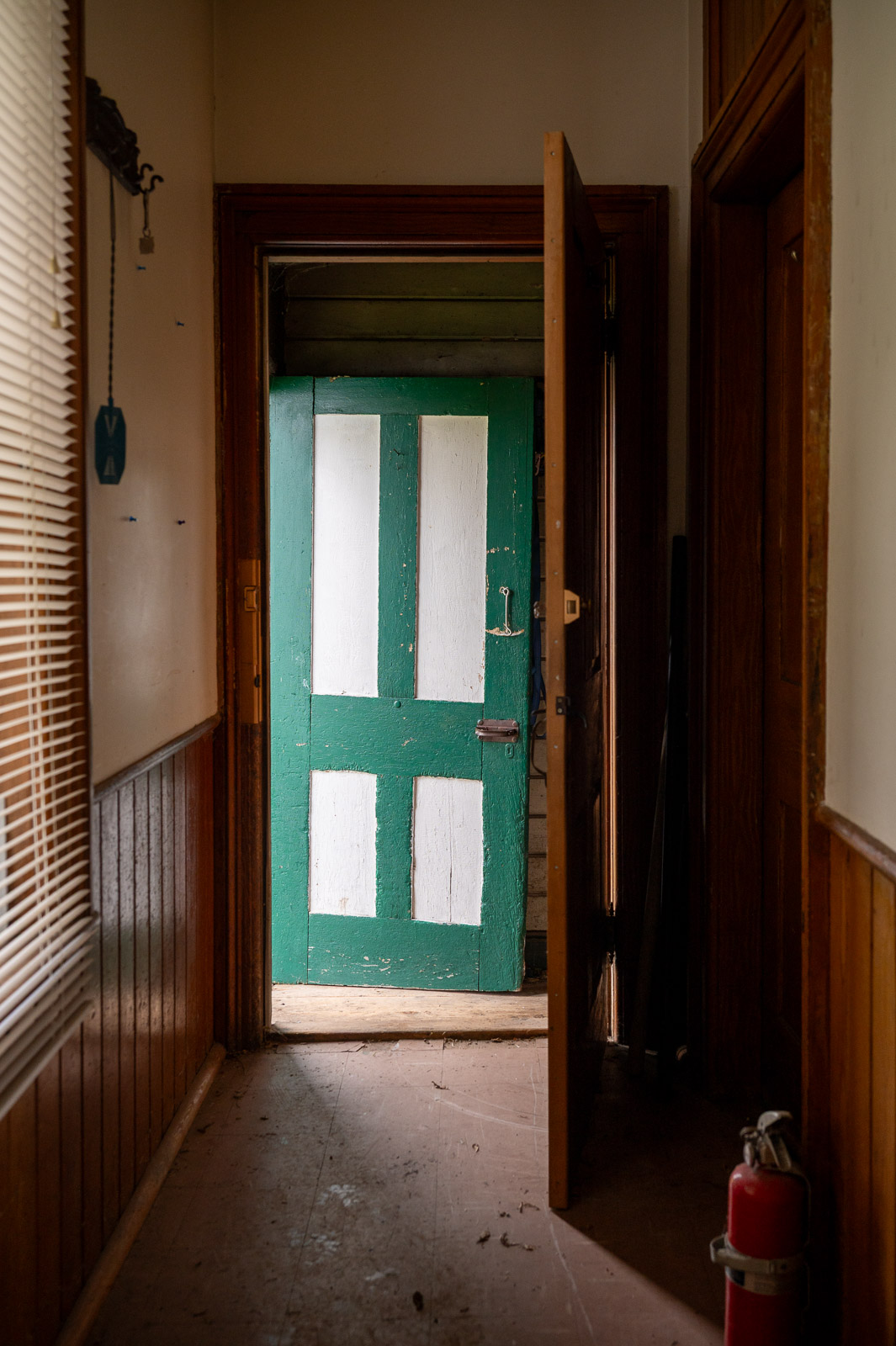
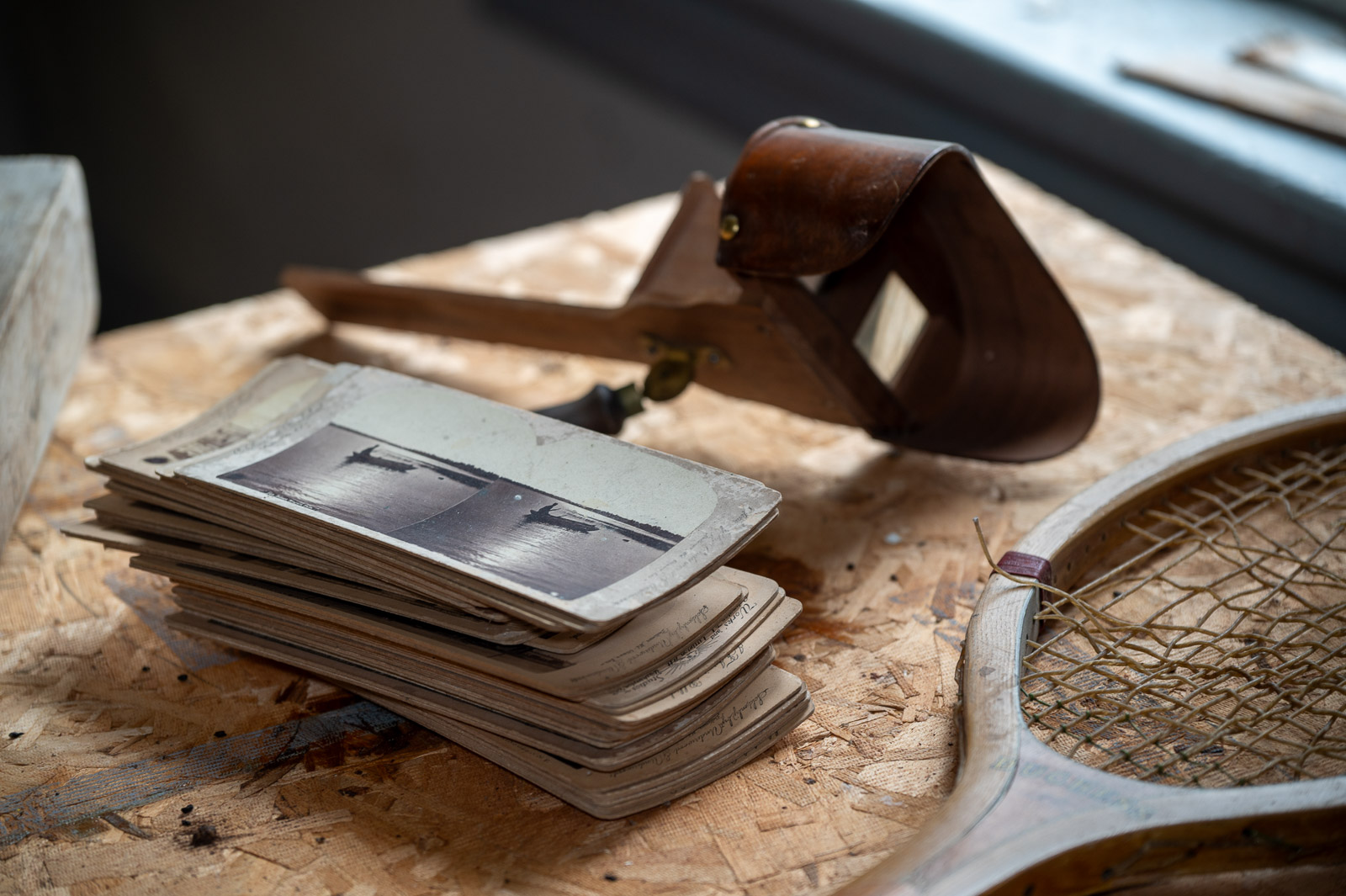
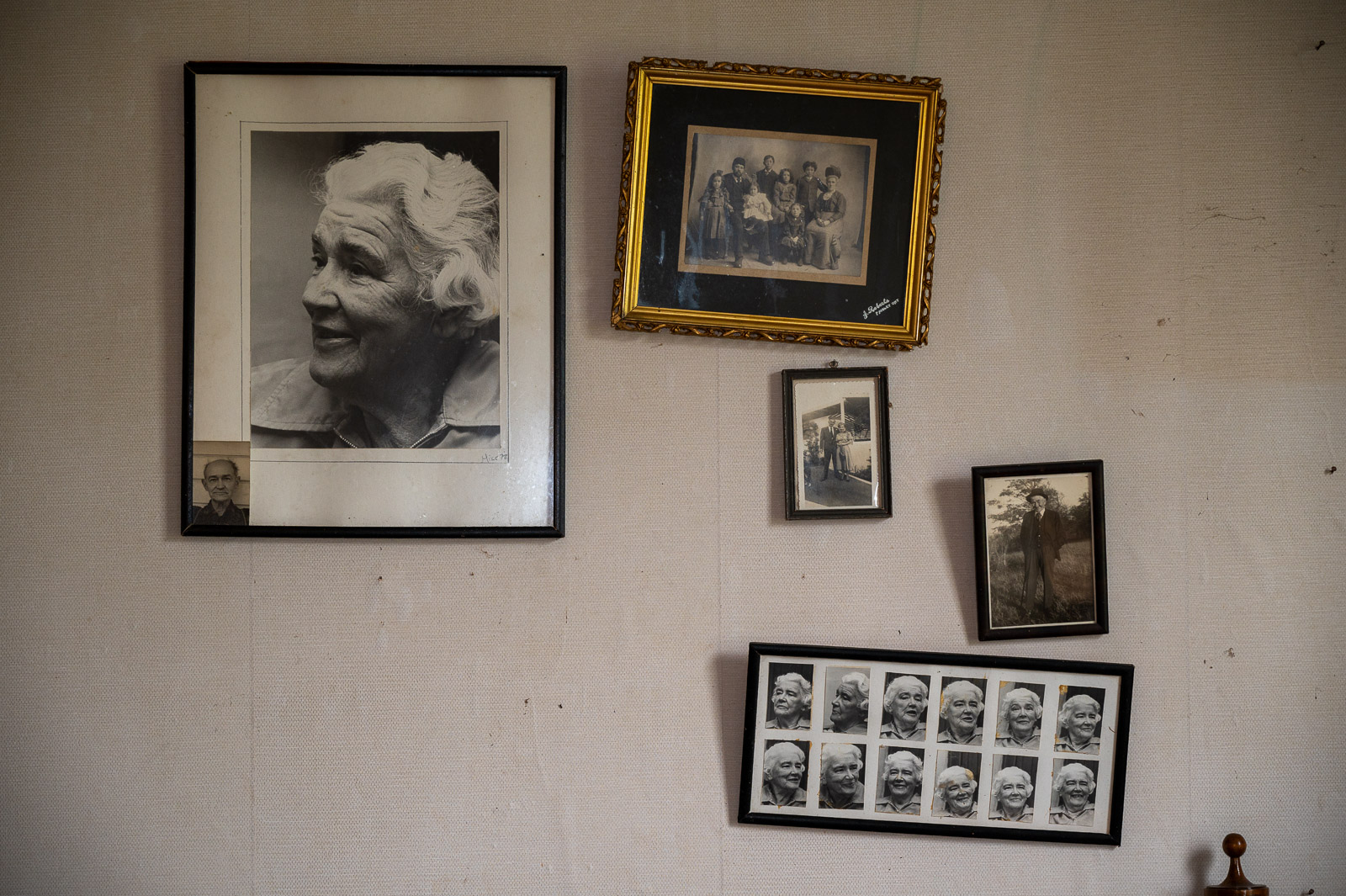
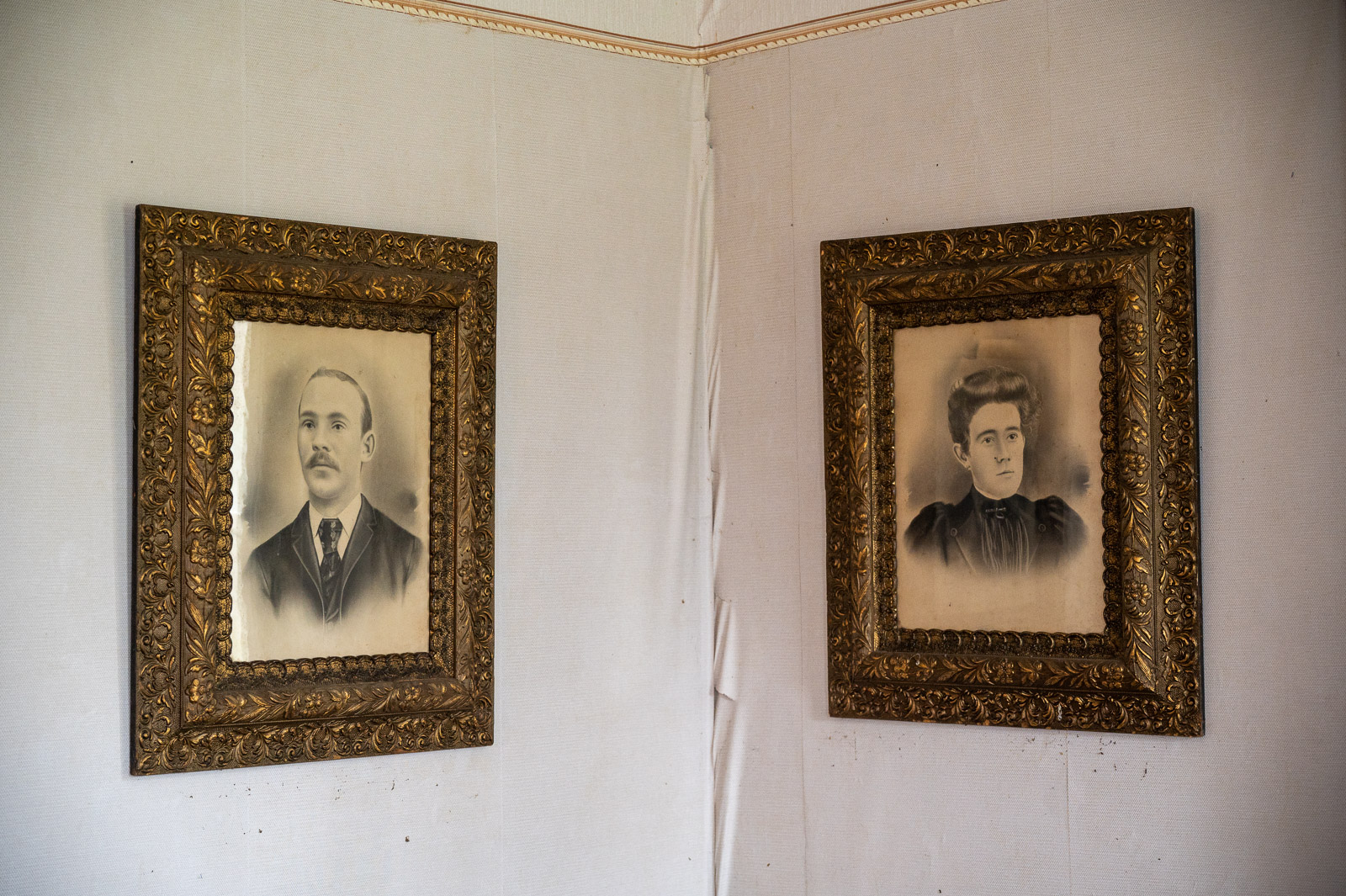
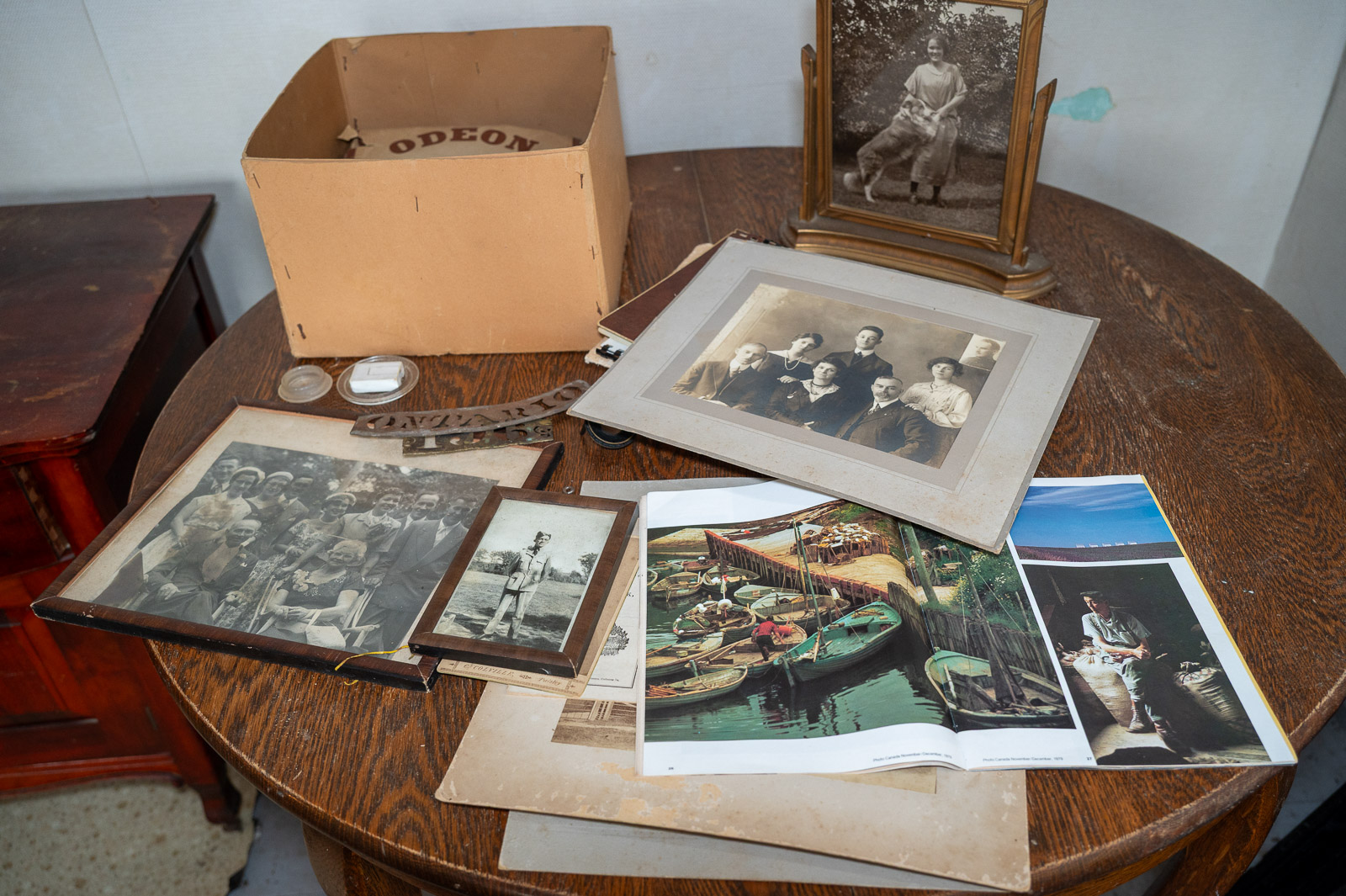
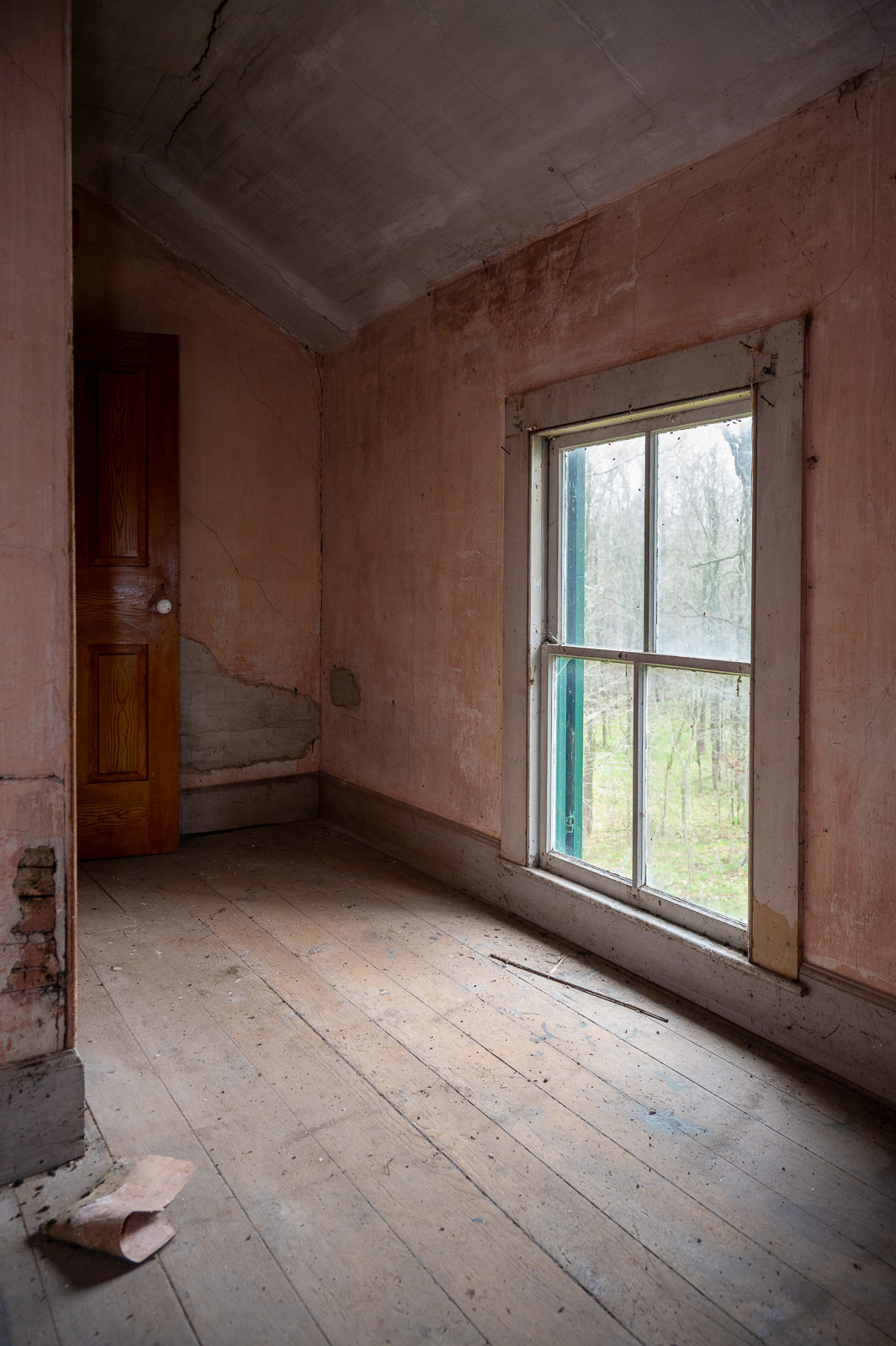
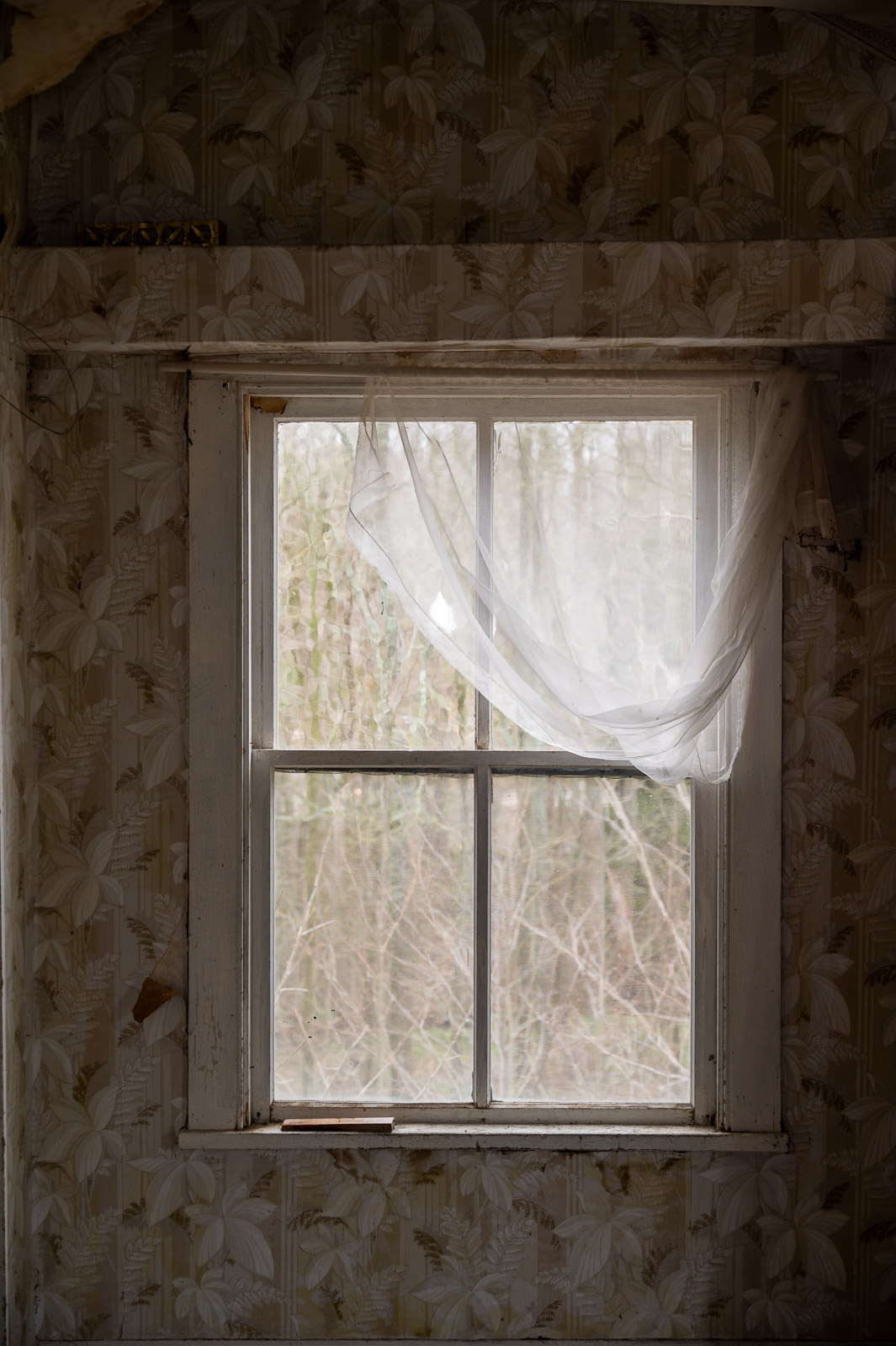
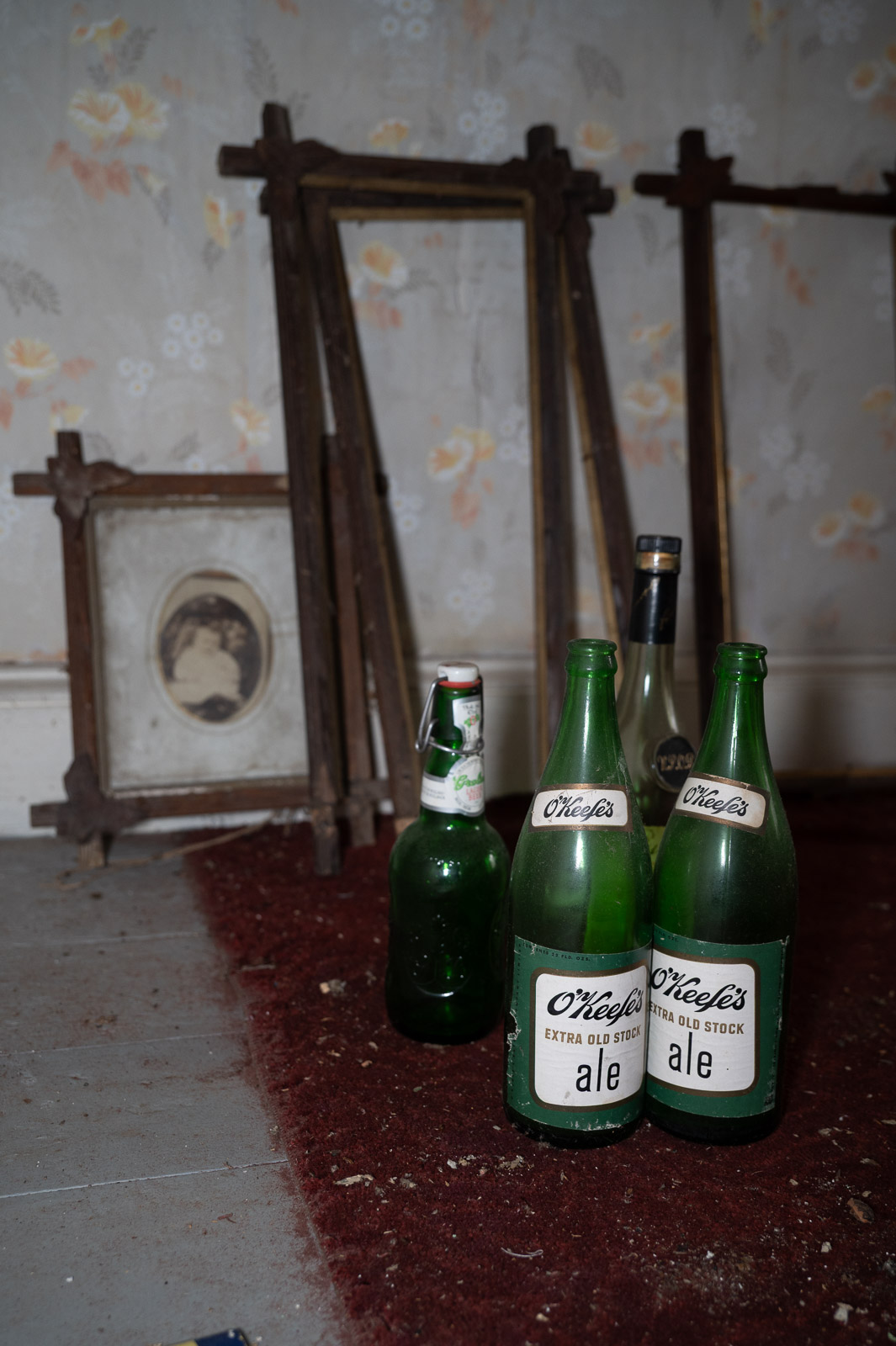
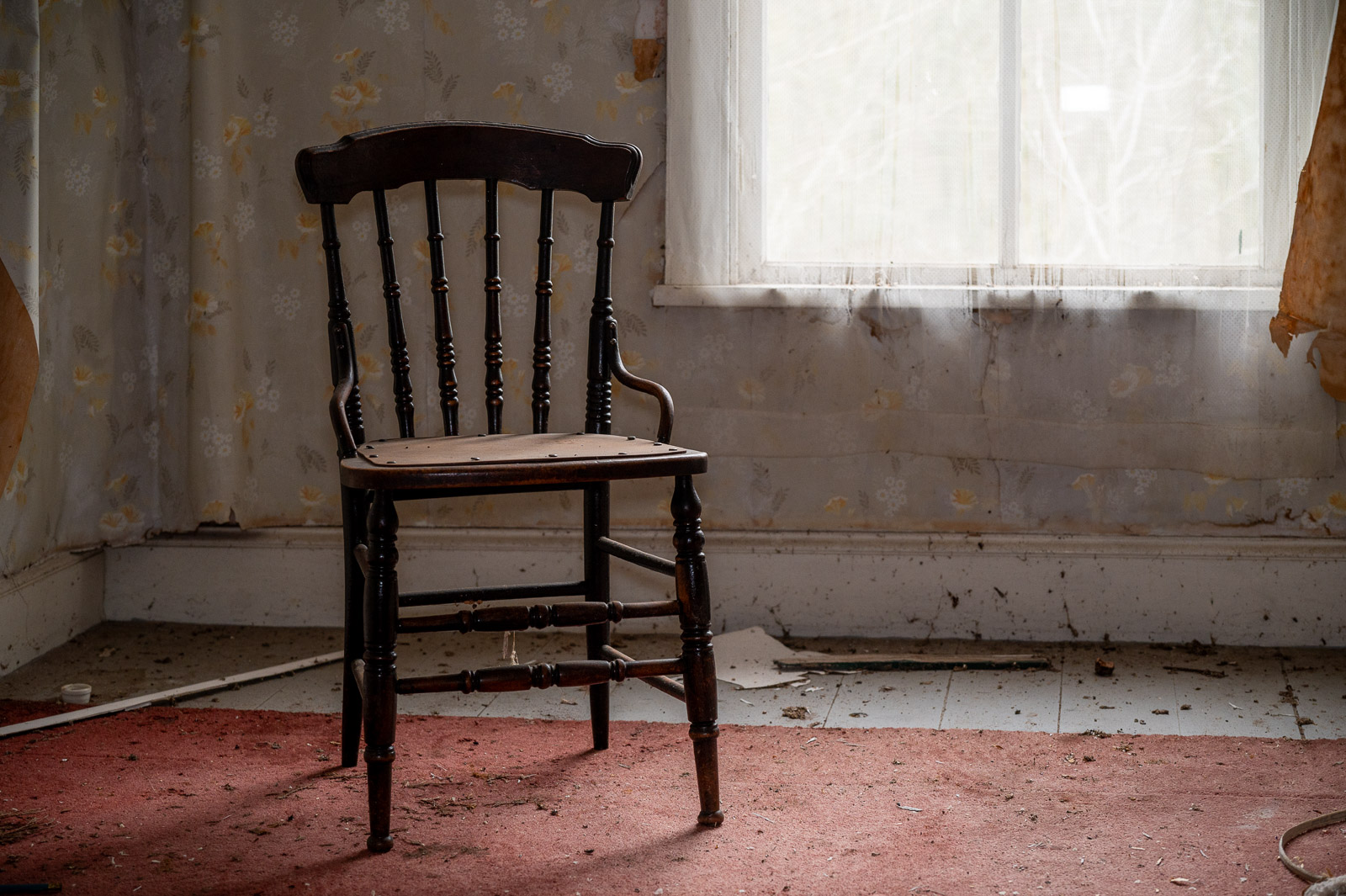
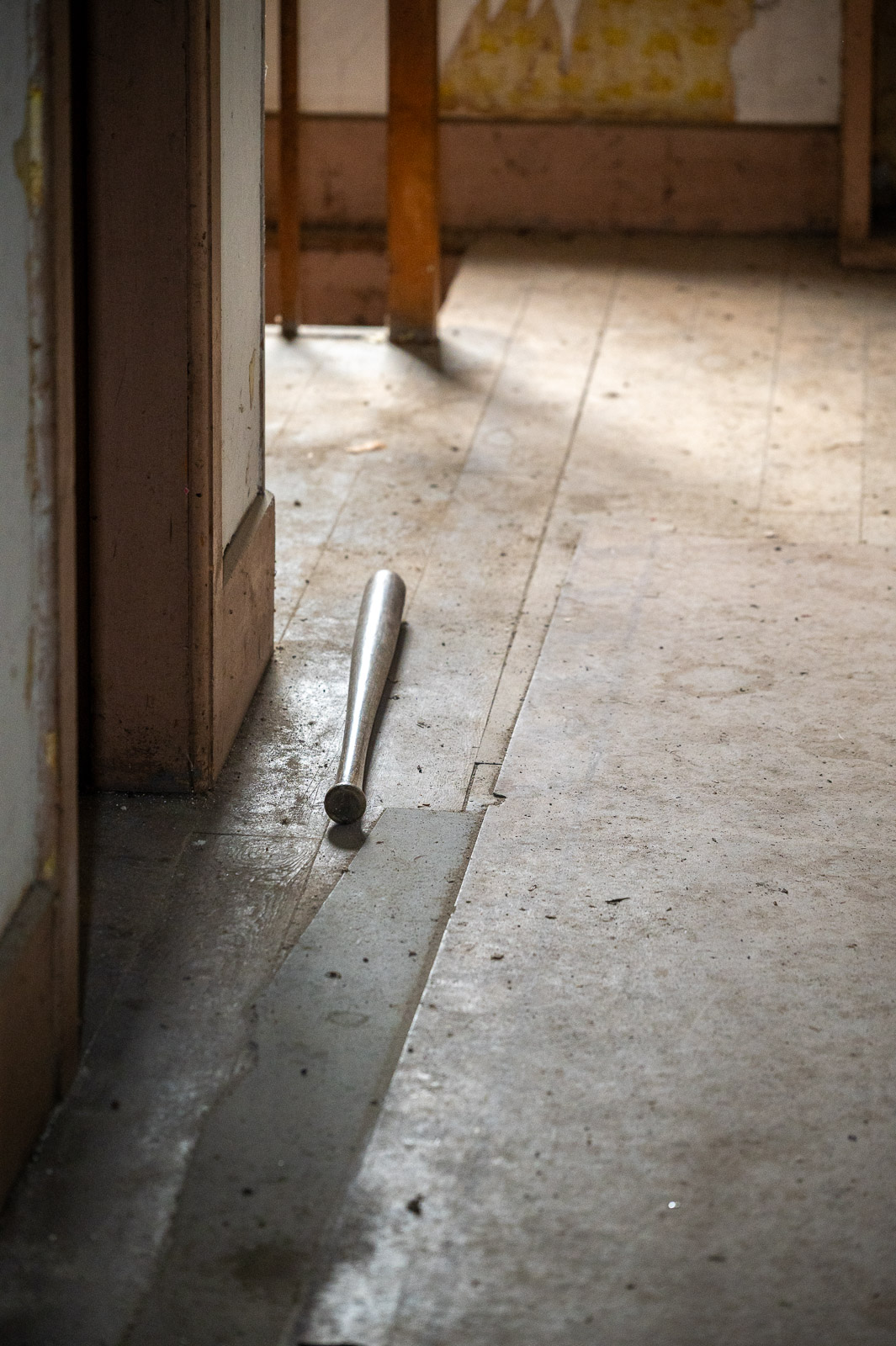
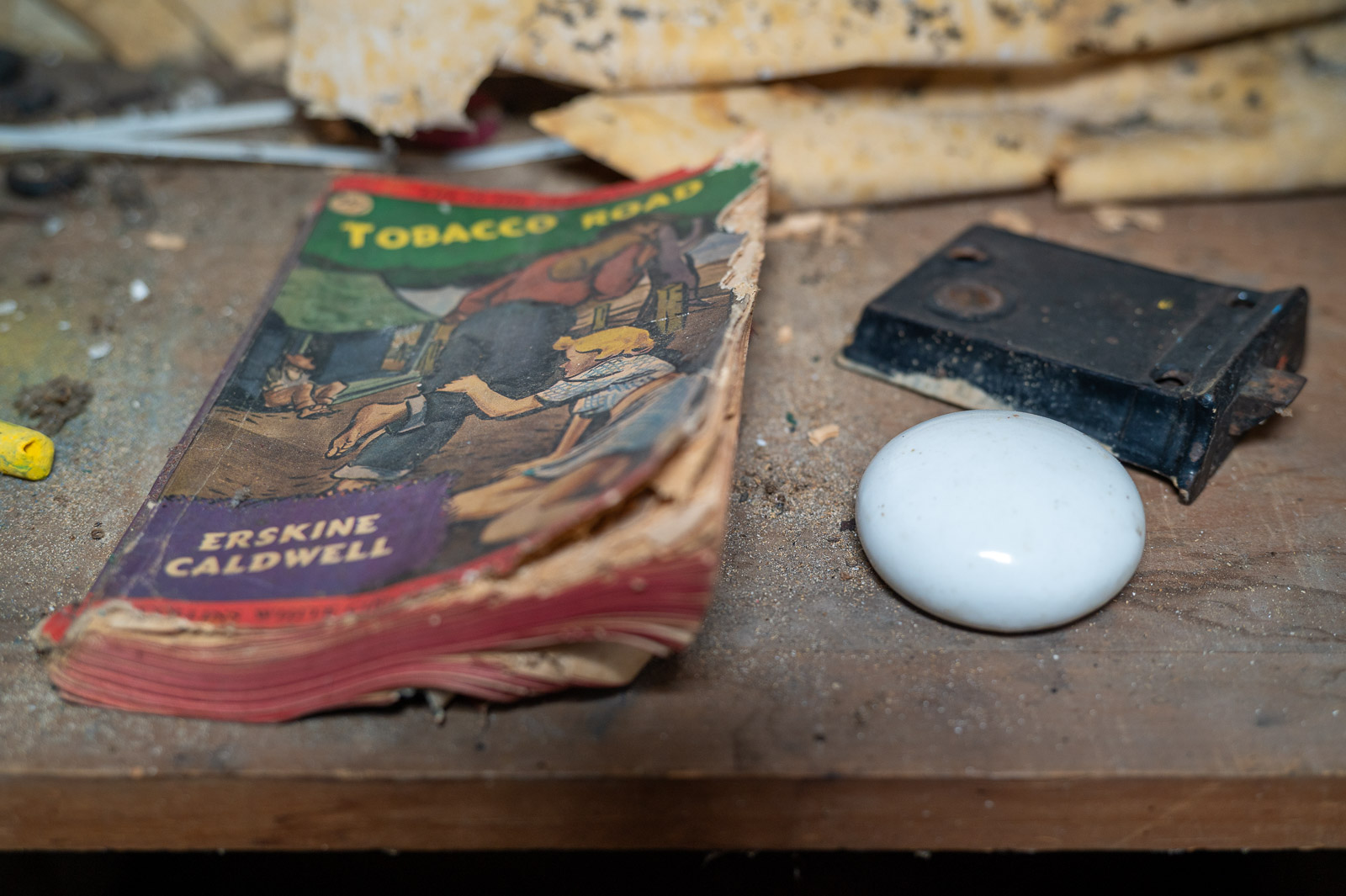
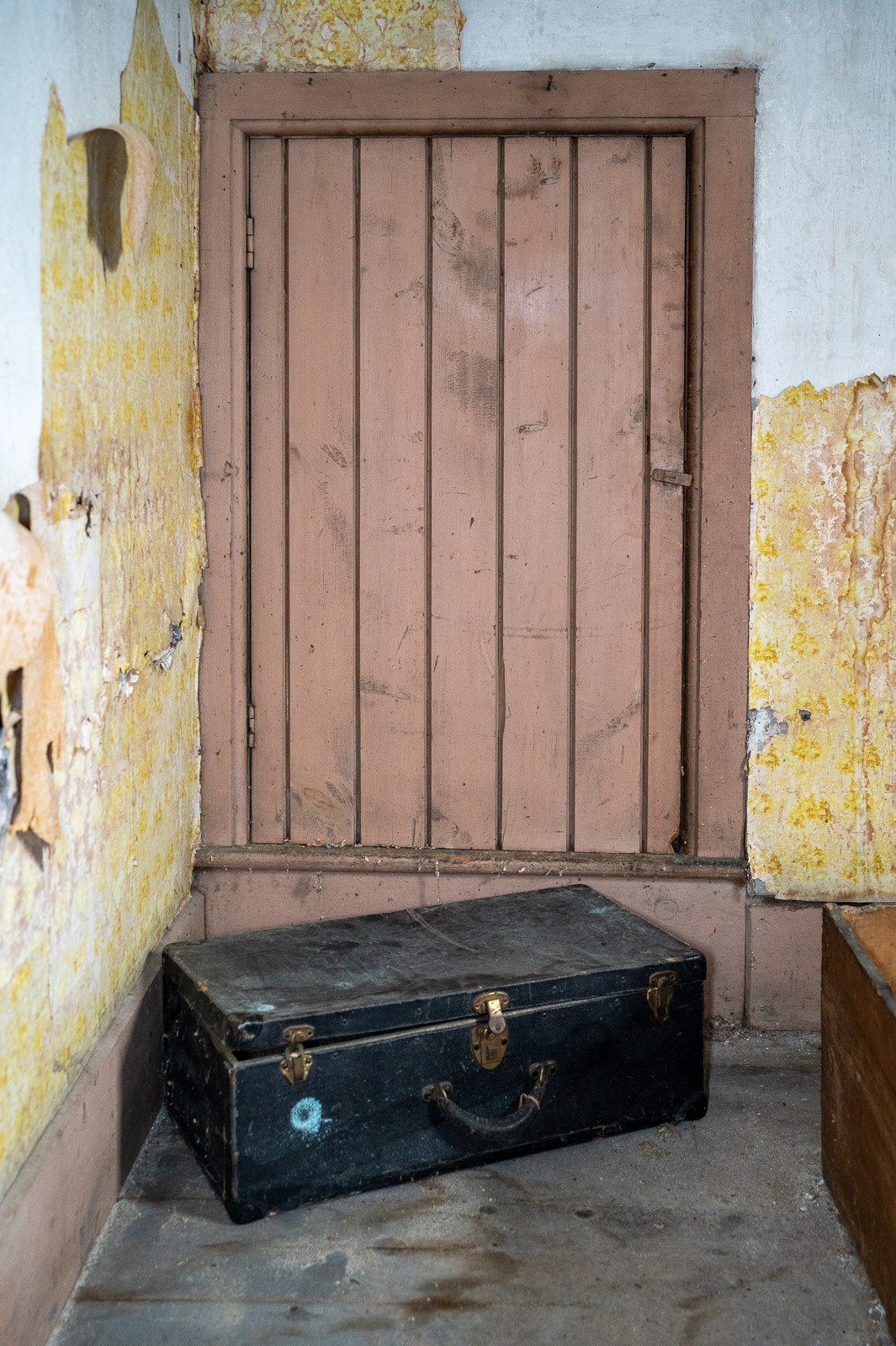
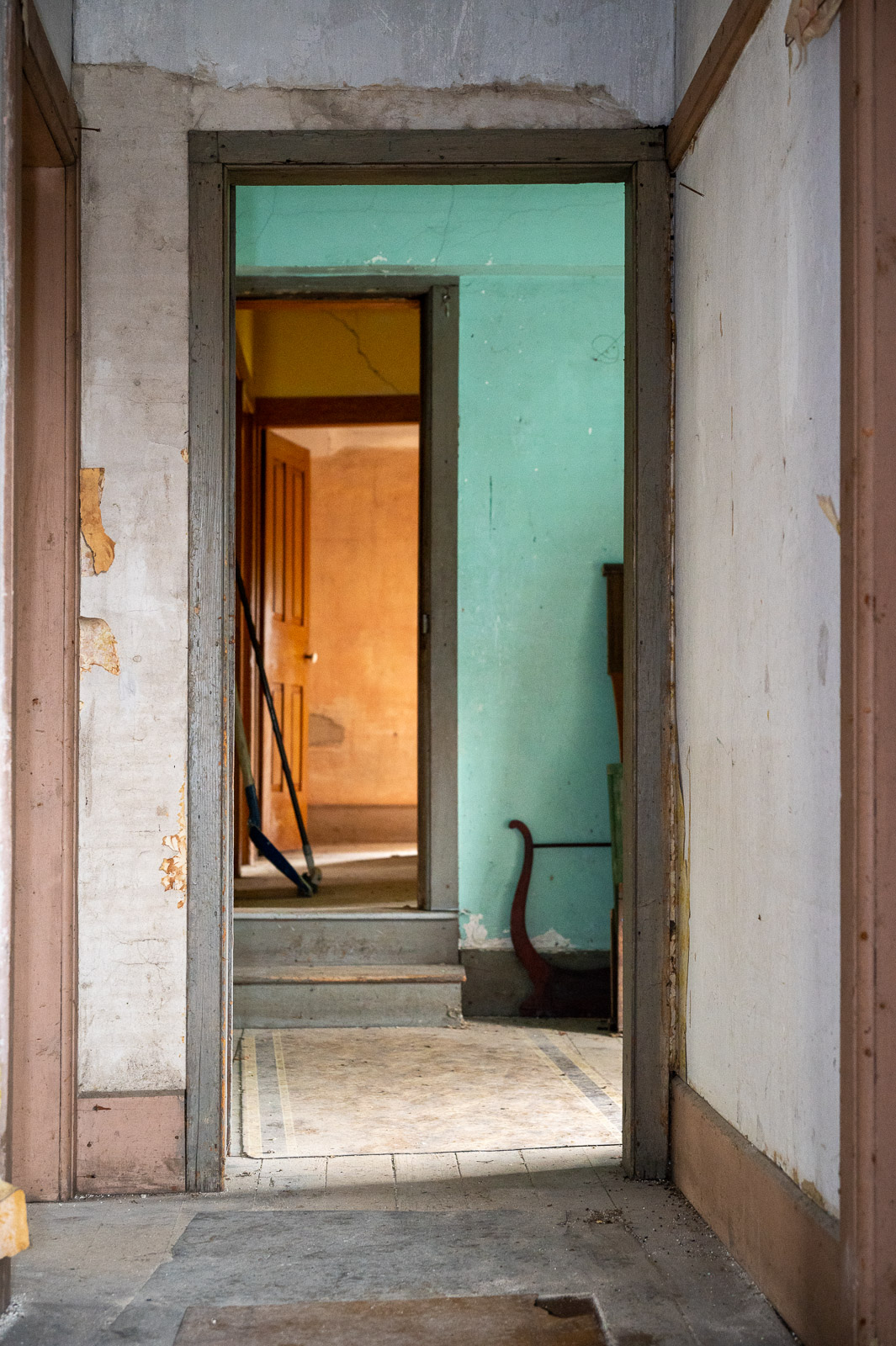
Walking through the Stark House today feels less like entering an abandoned building and more like stepping into a preserved chapter of Ontario history.
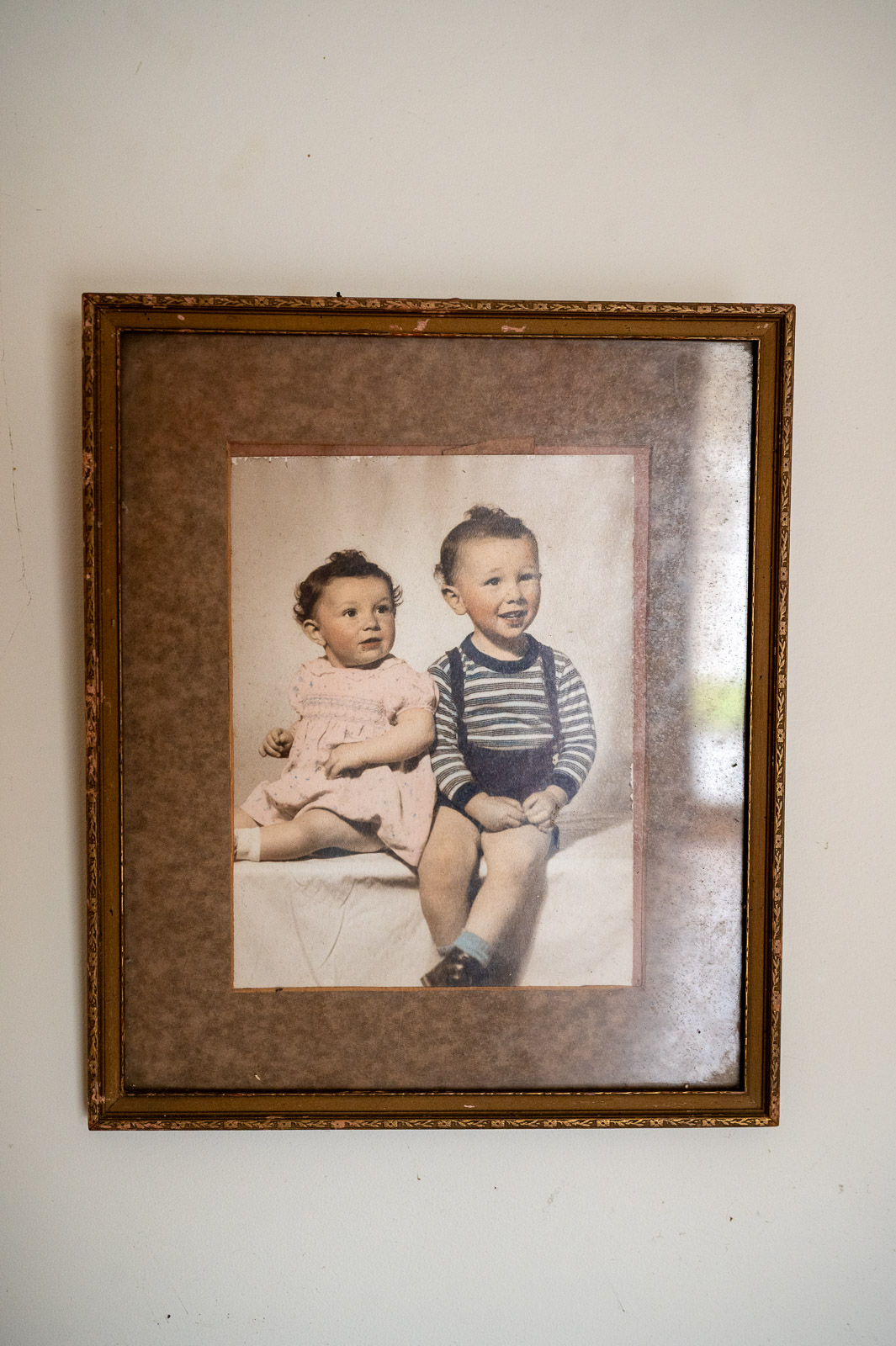
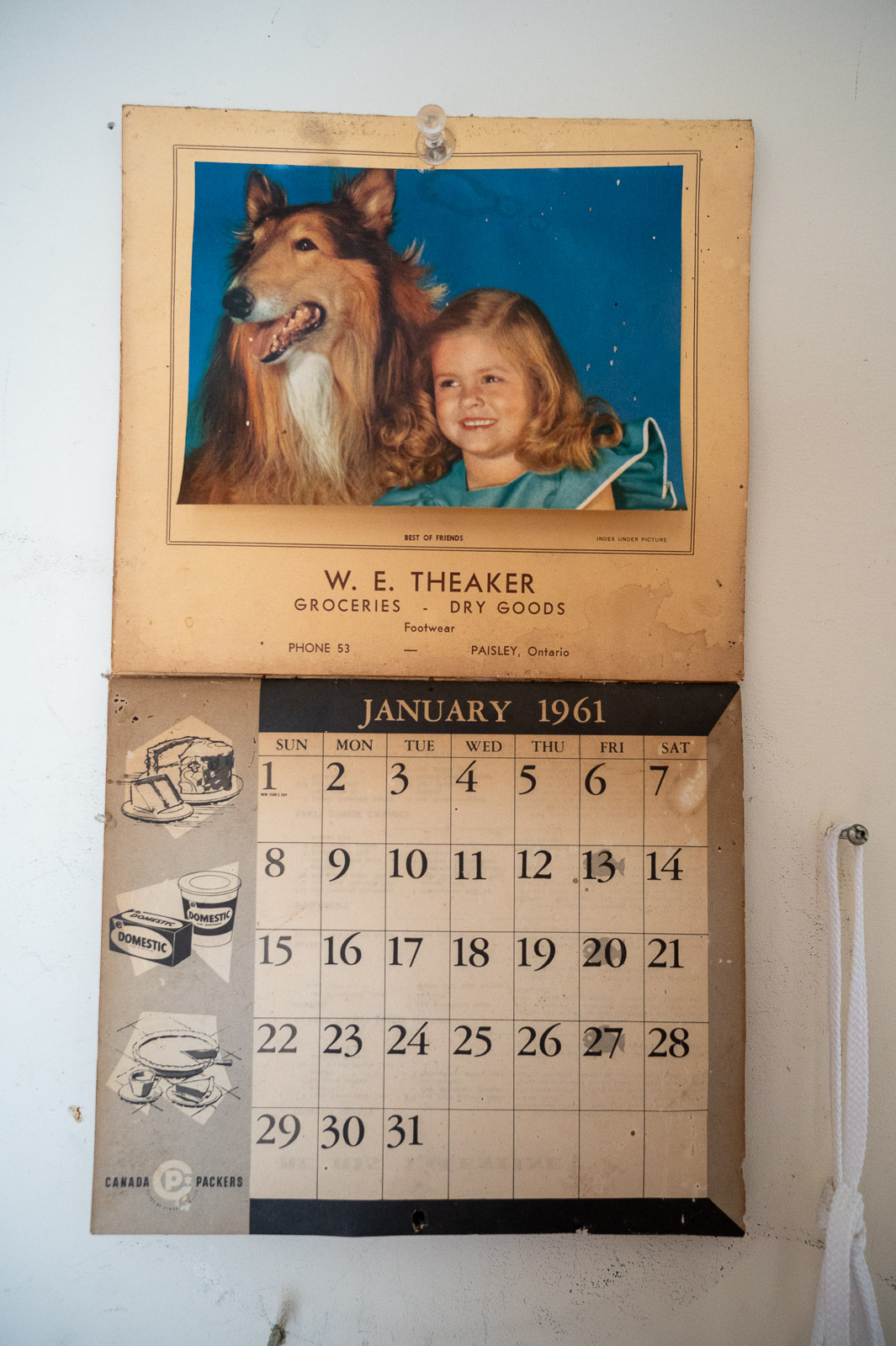
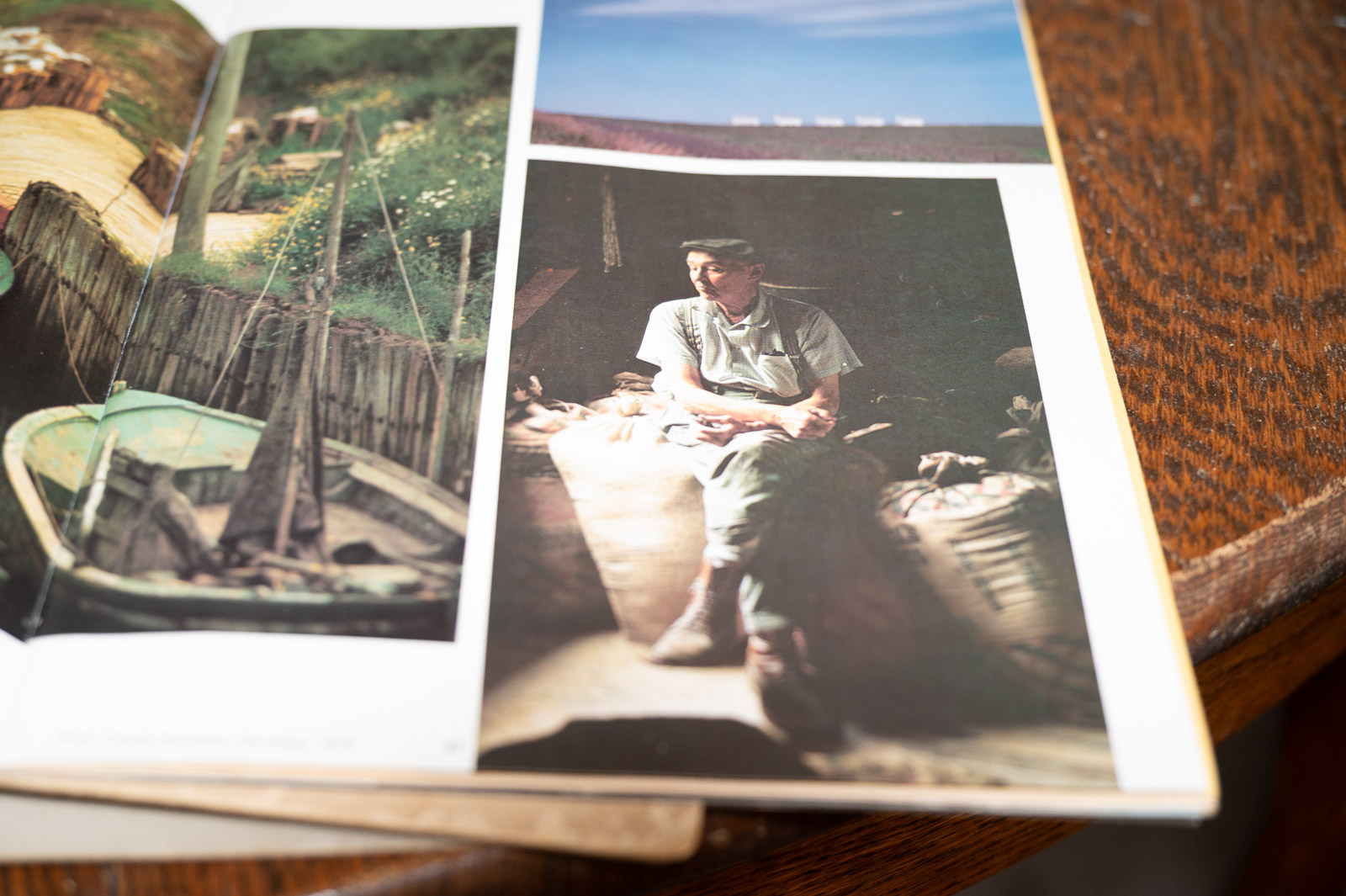
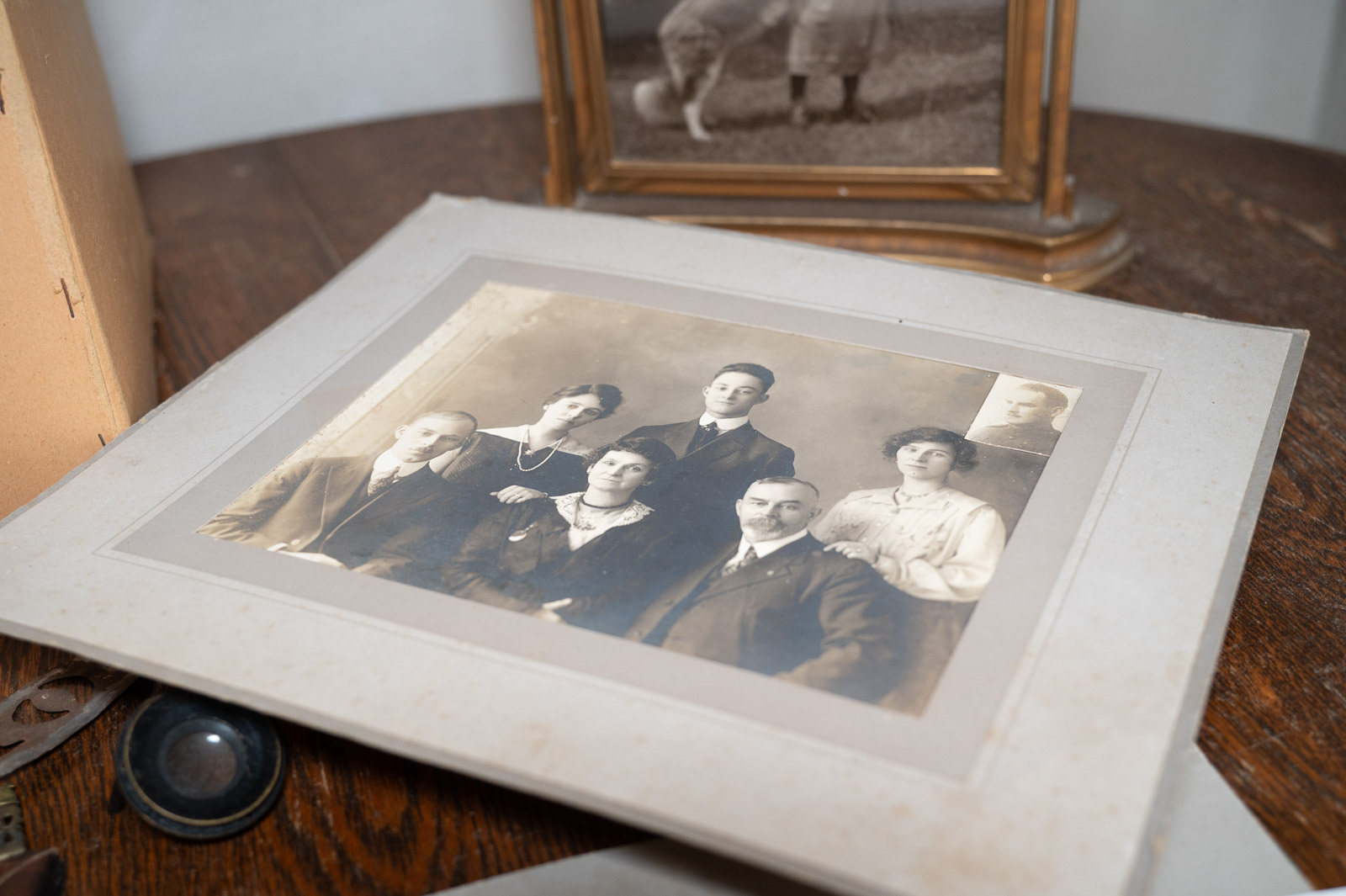
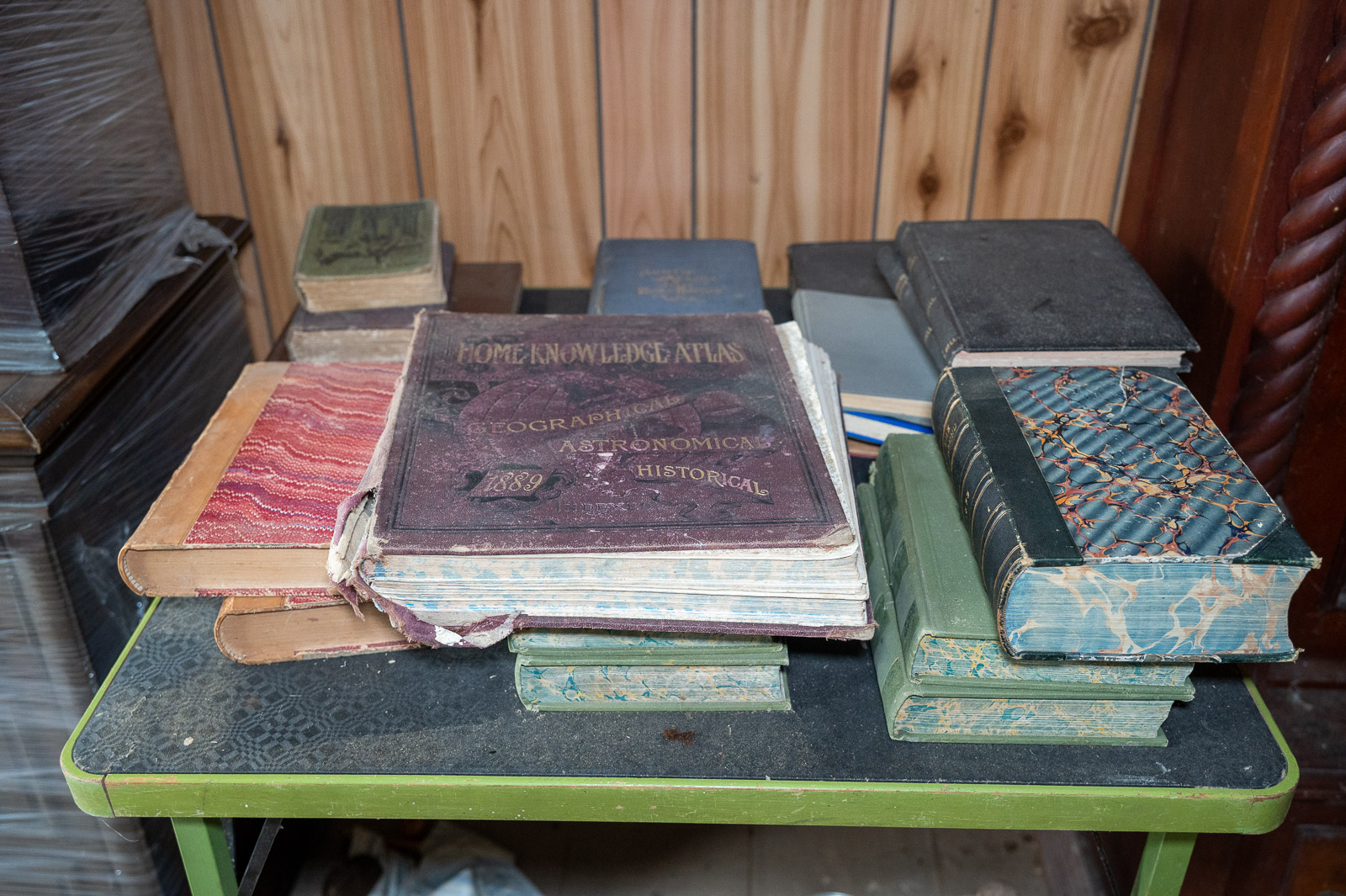
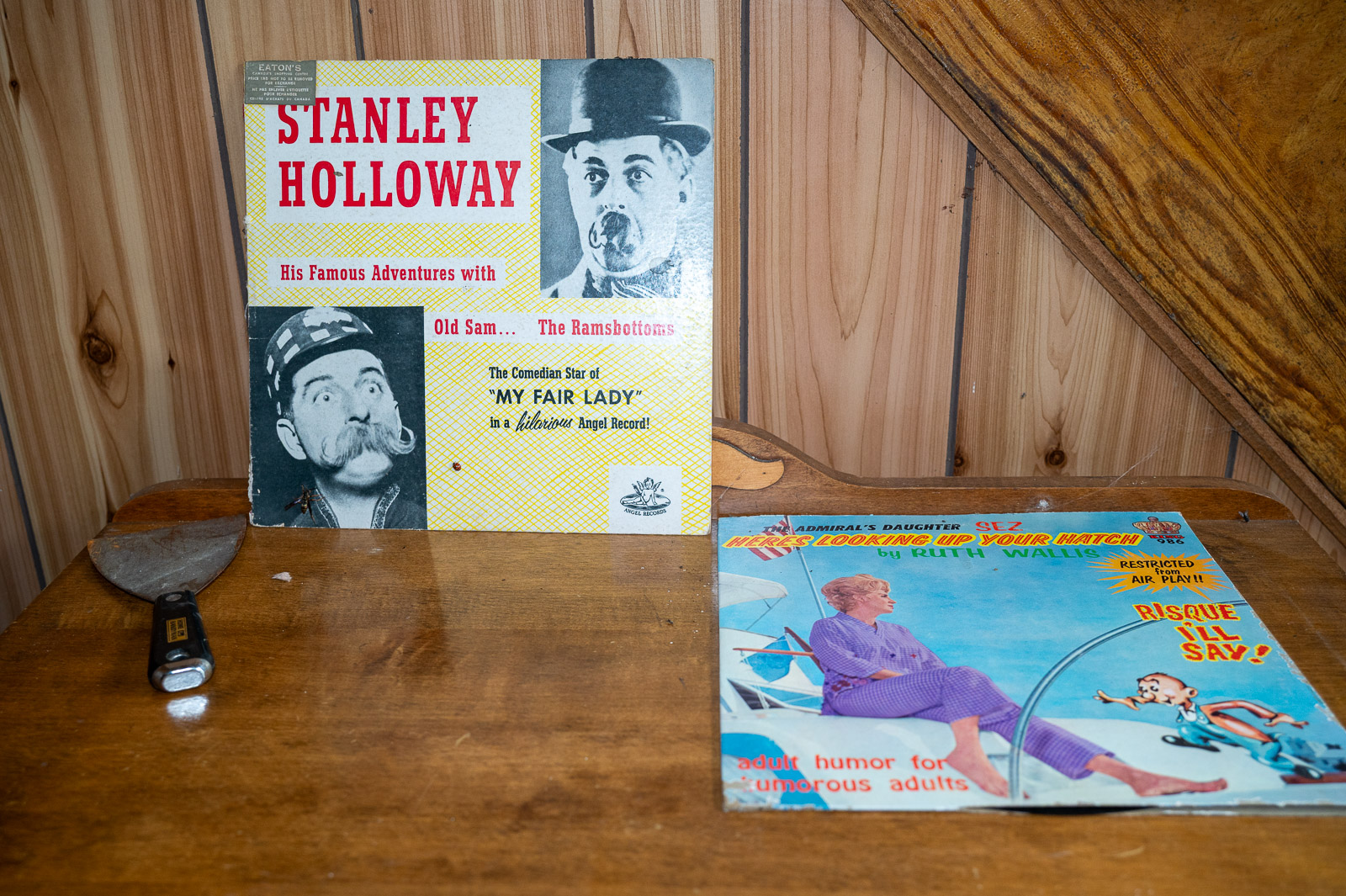
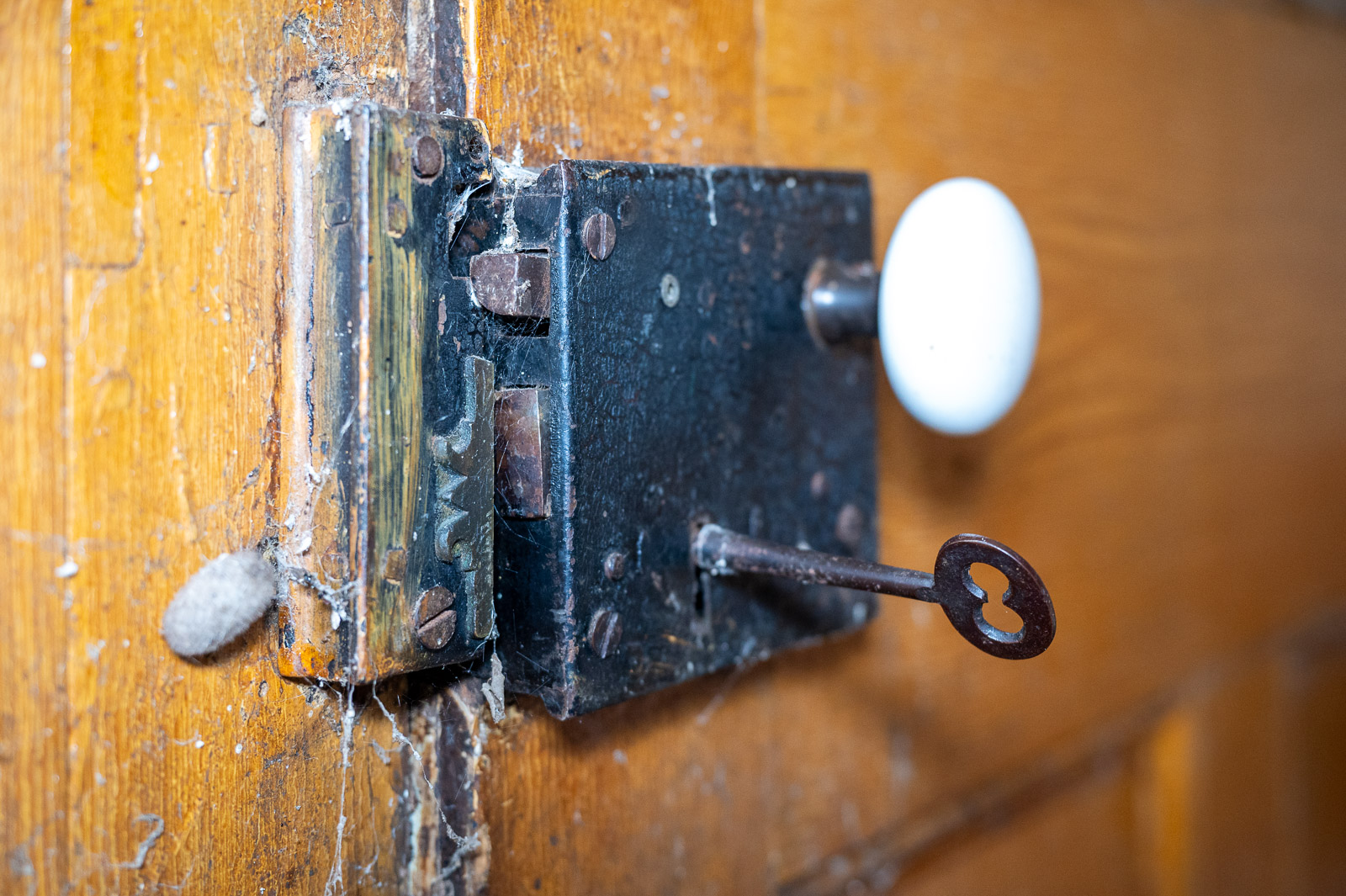
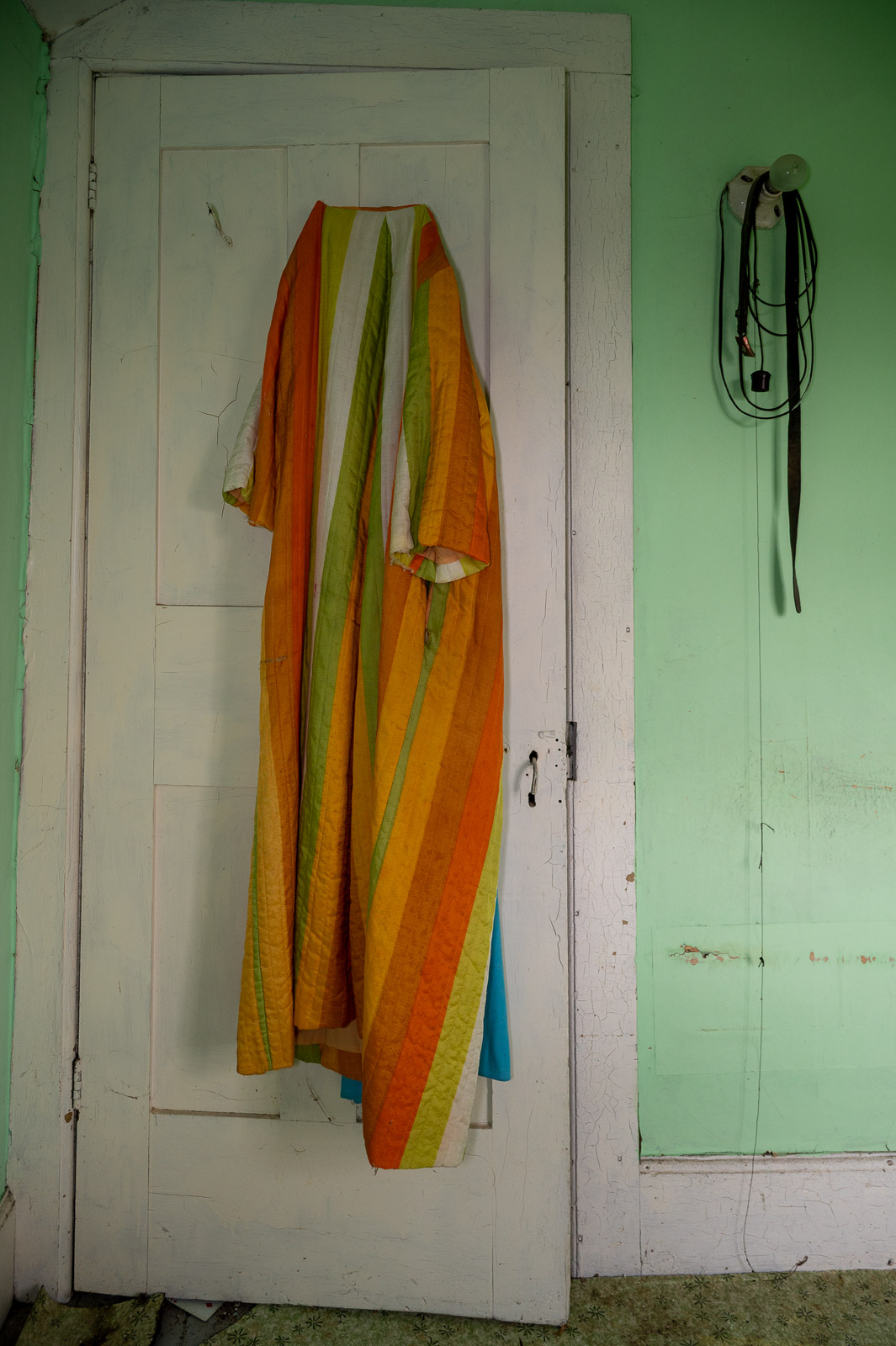
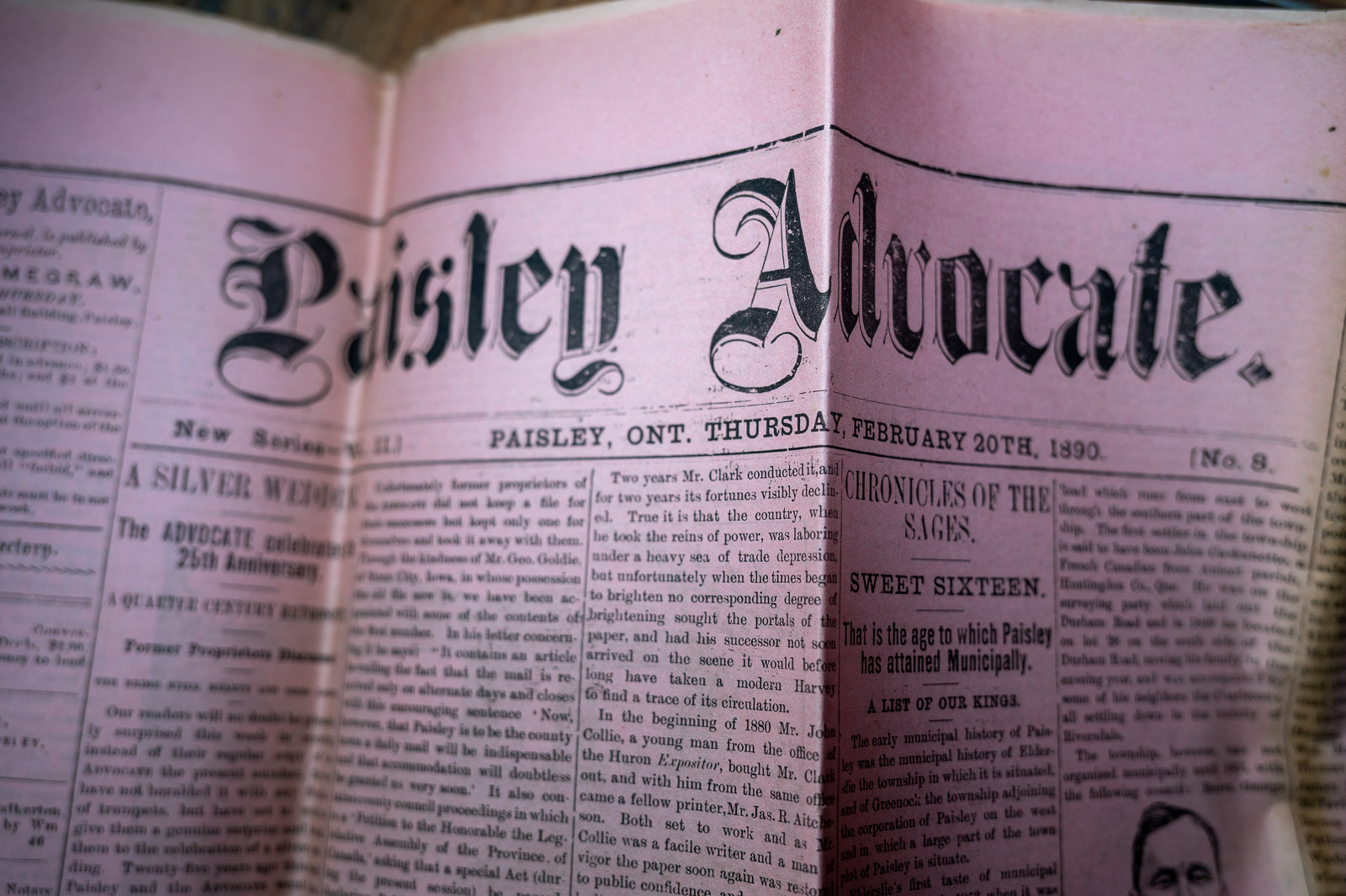
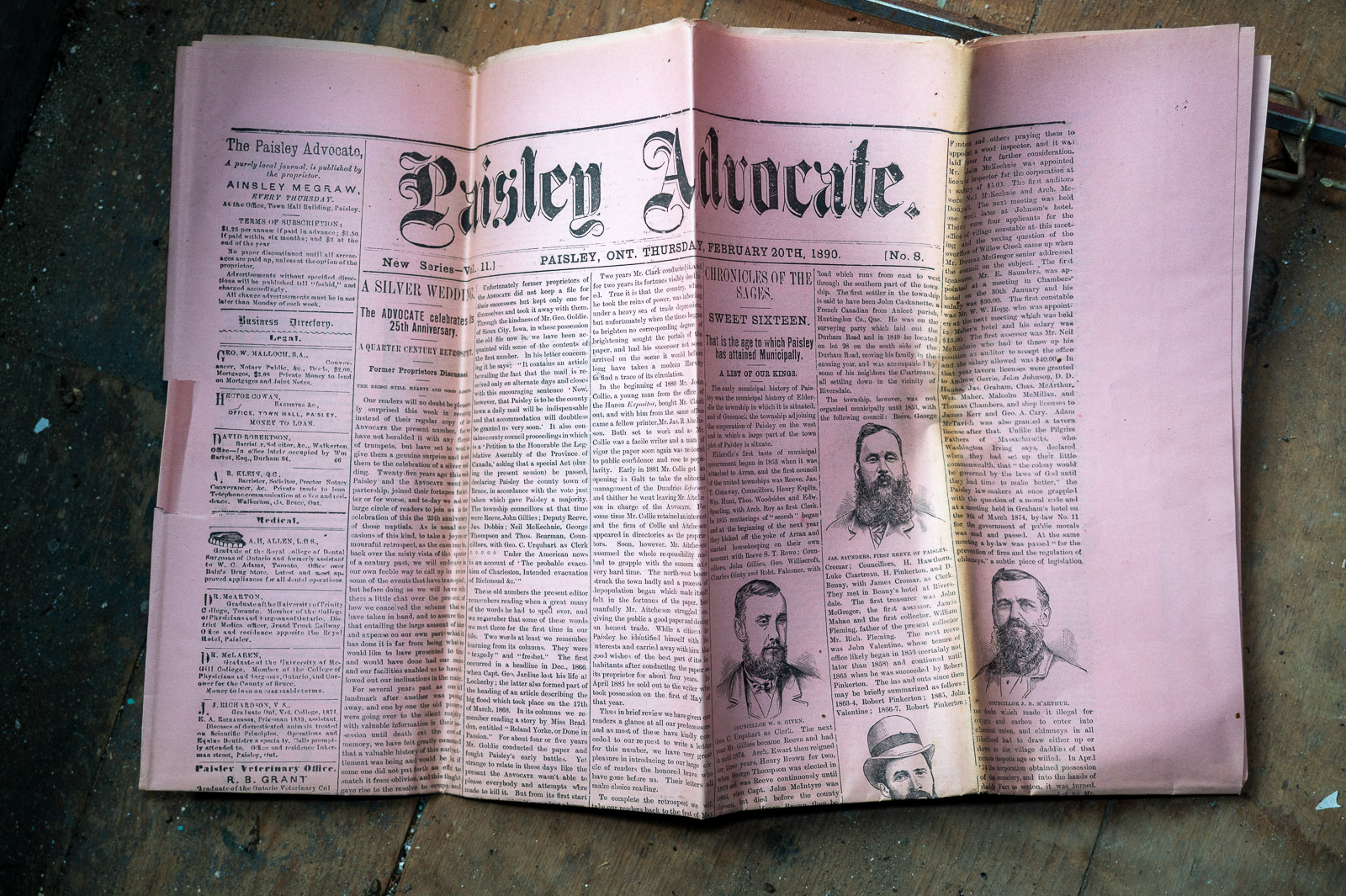
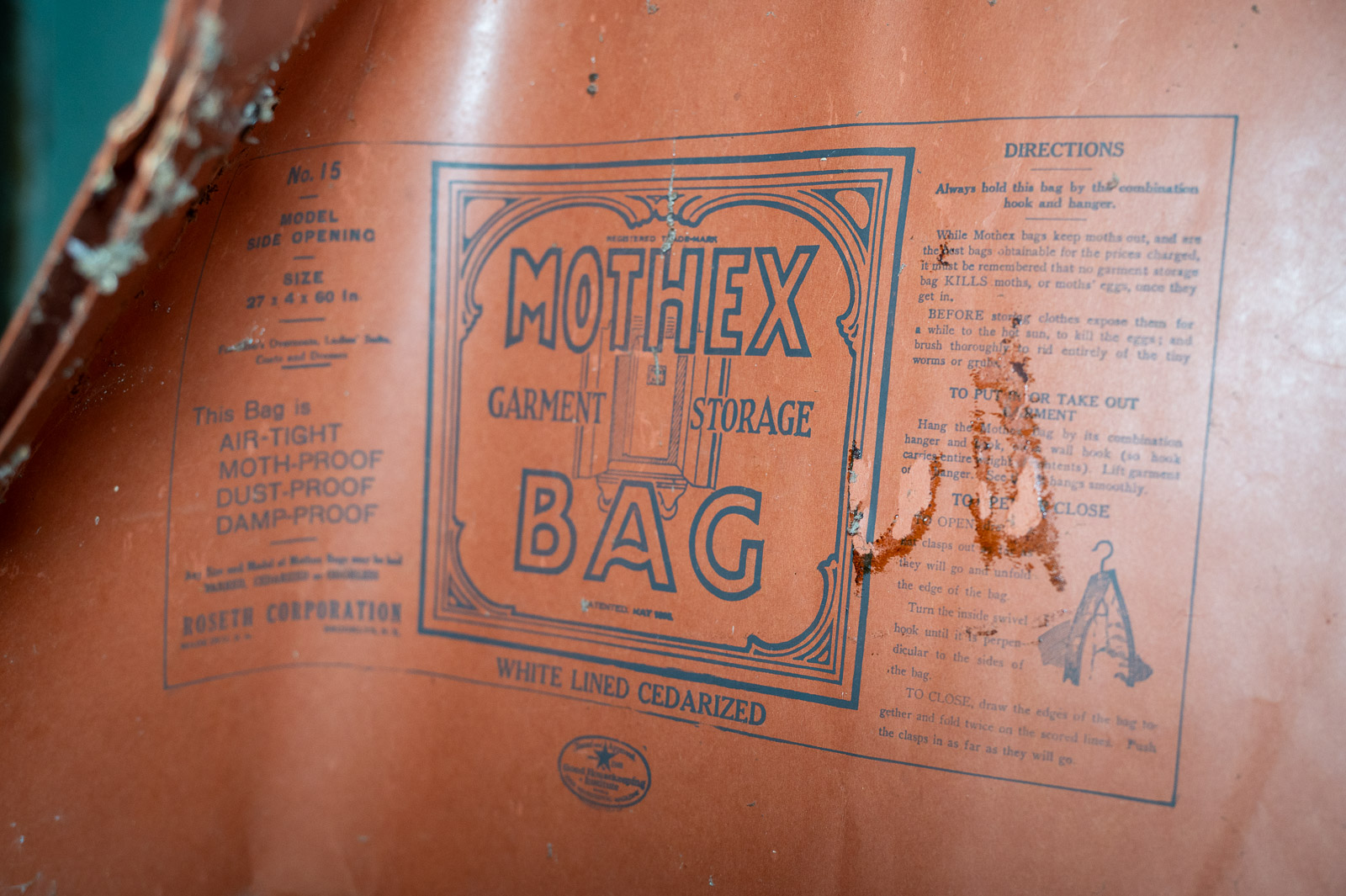
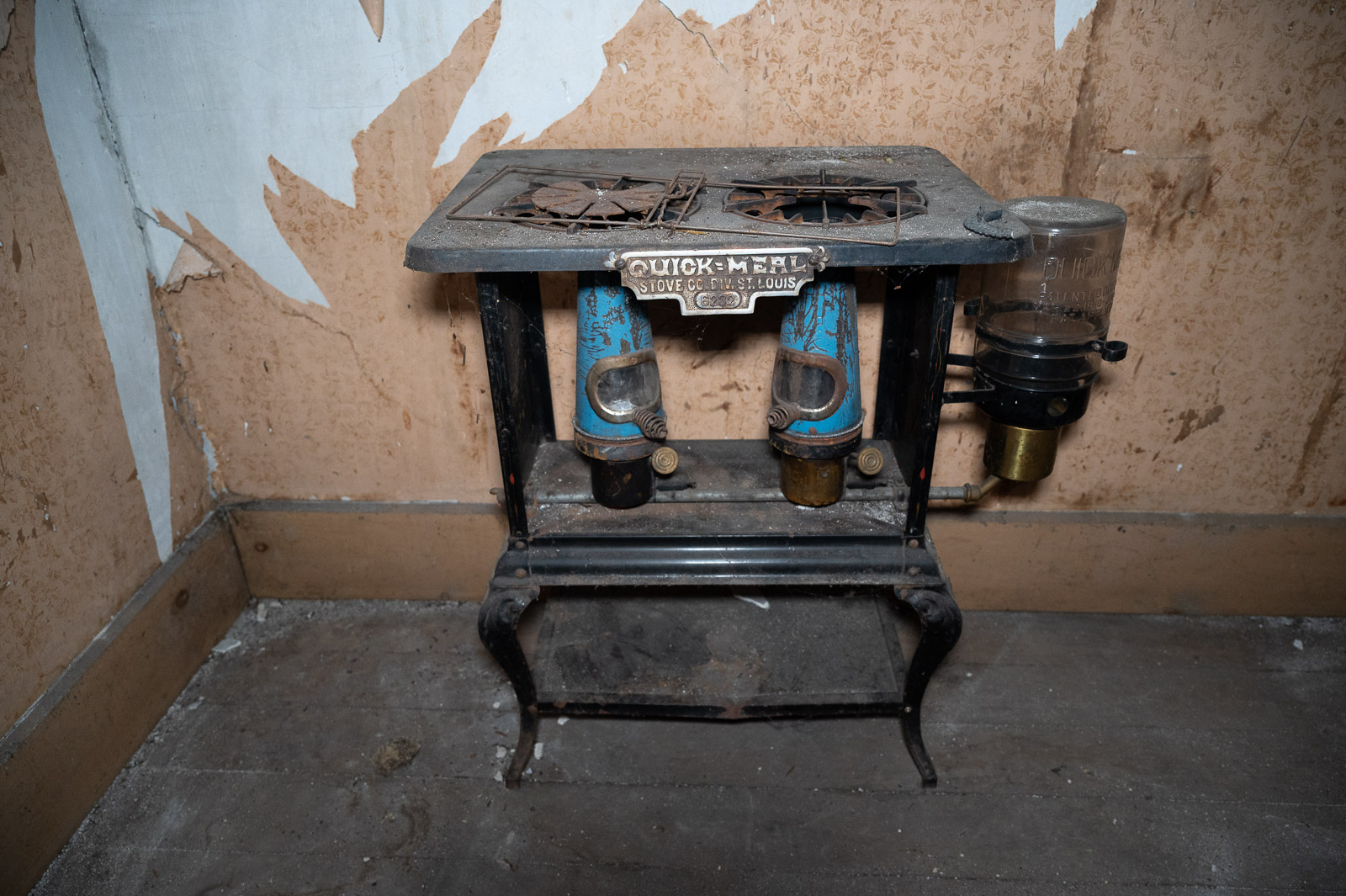
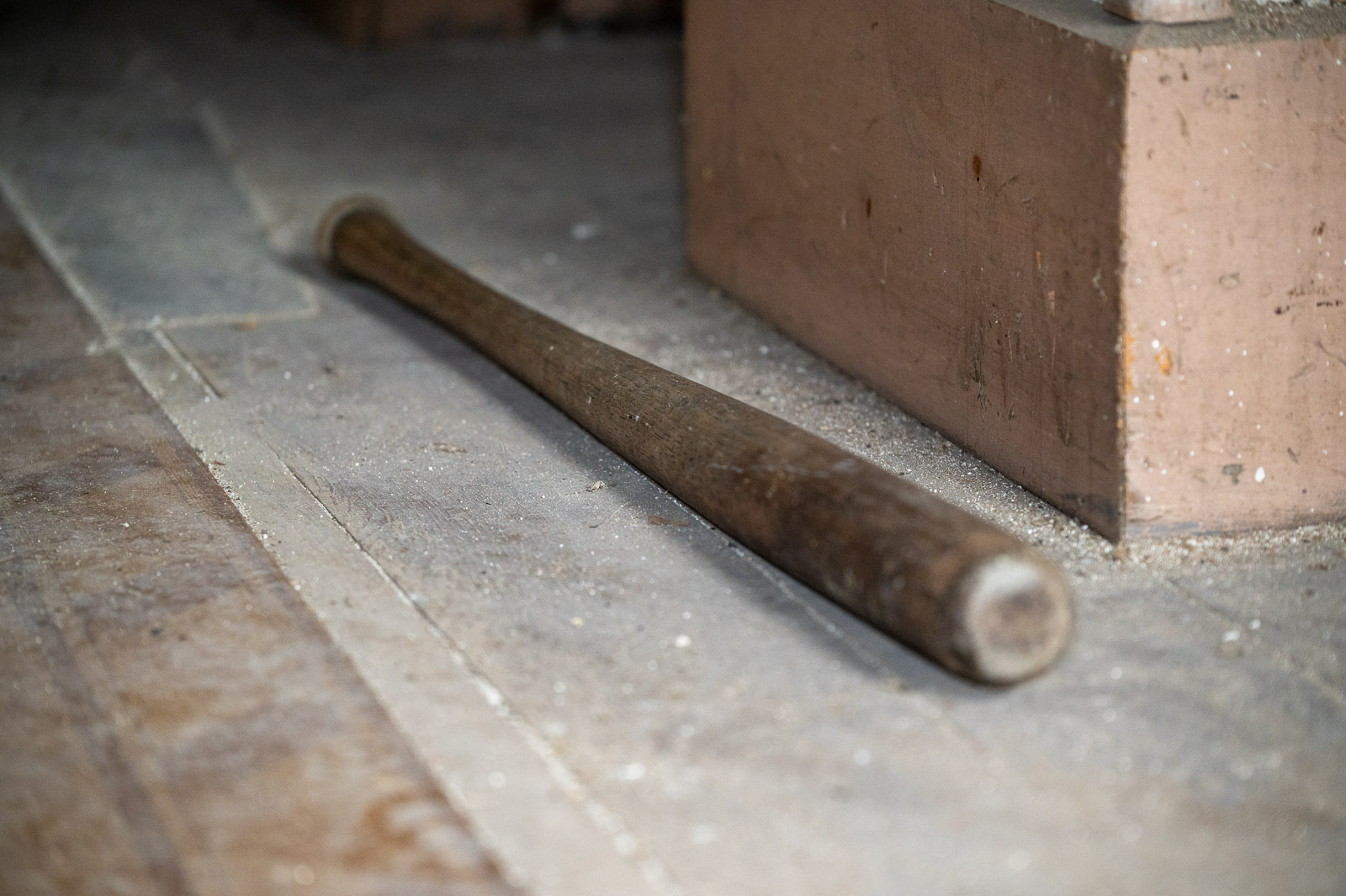
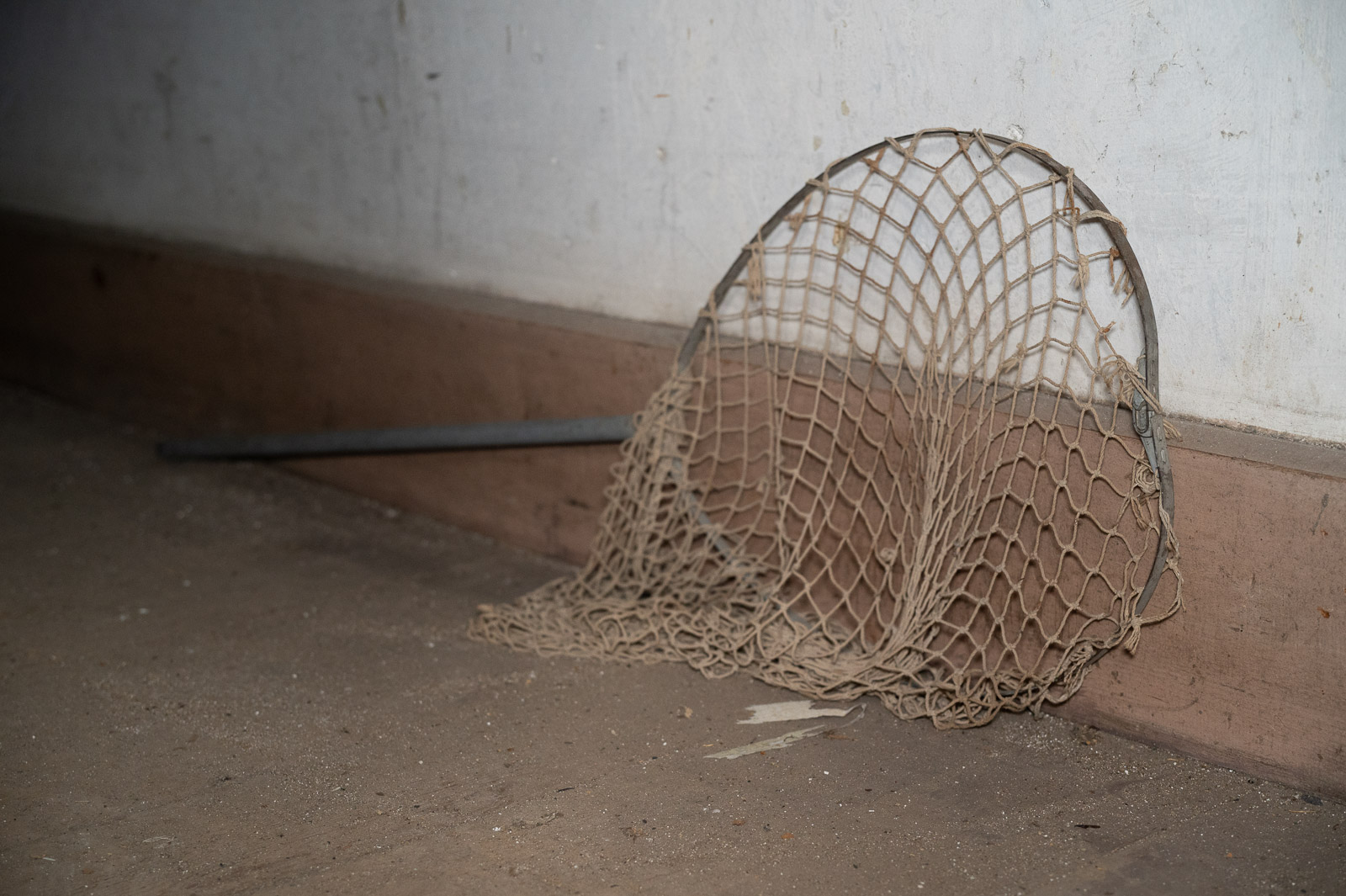
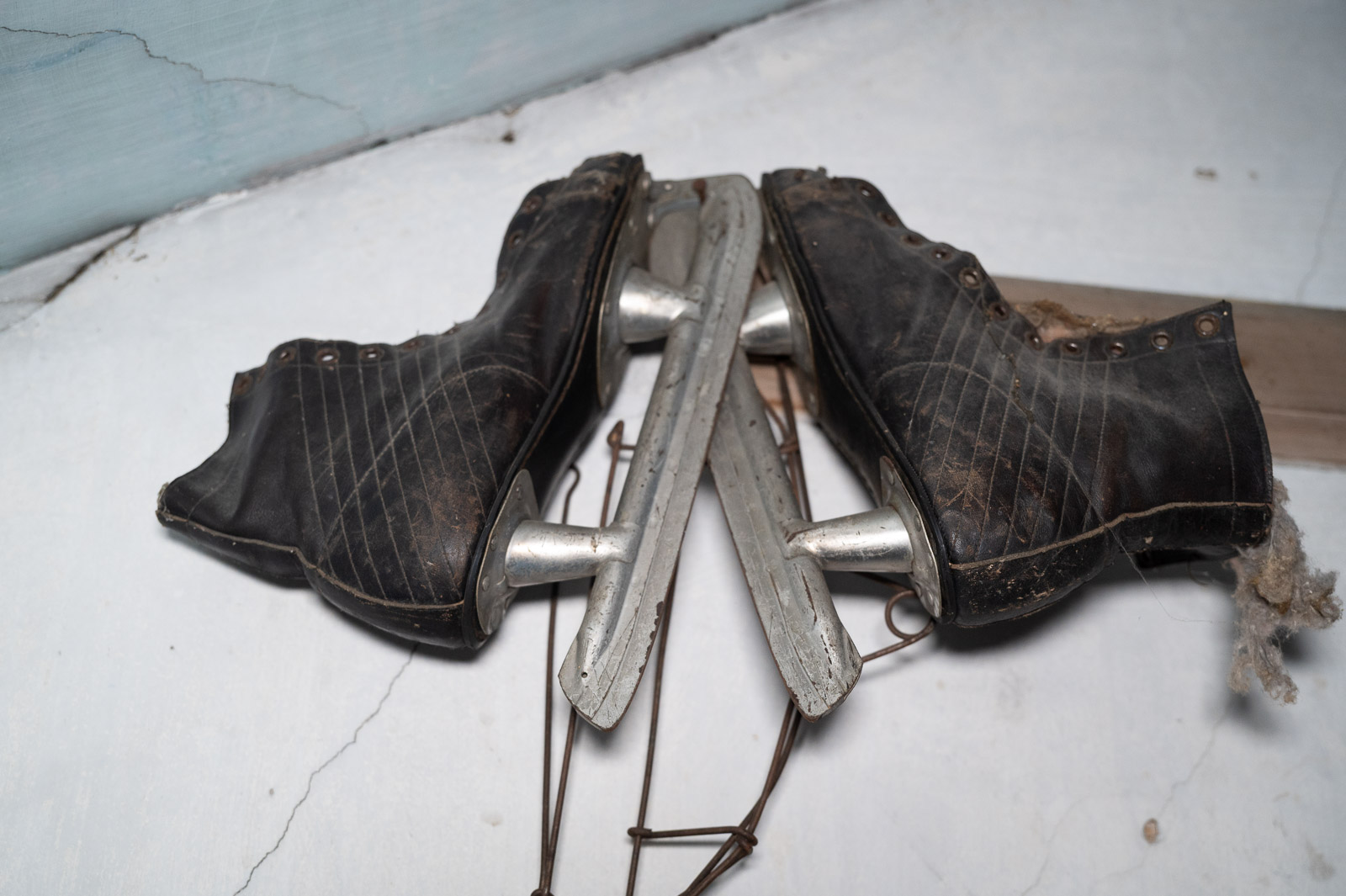
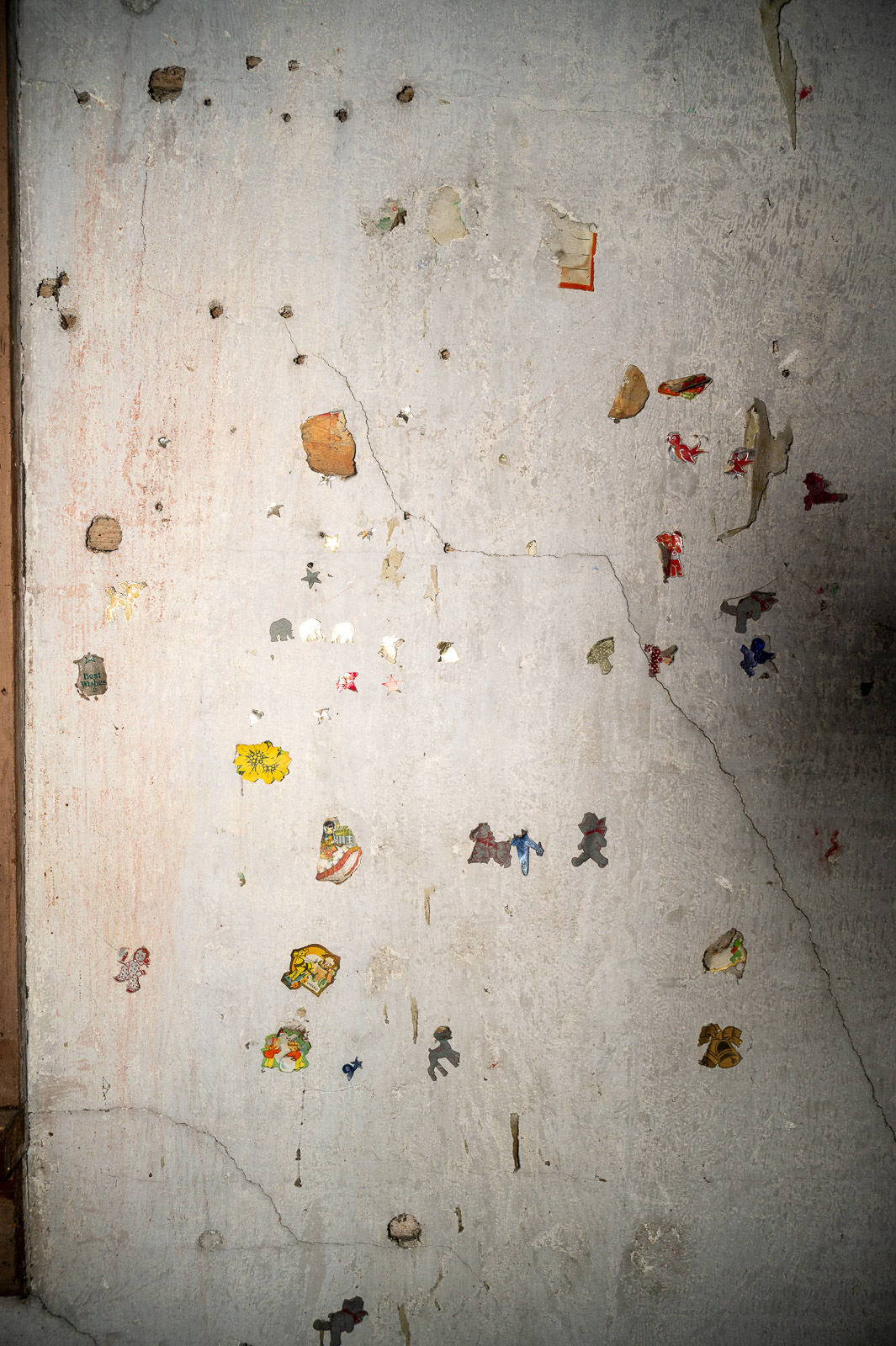
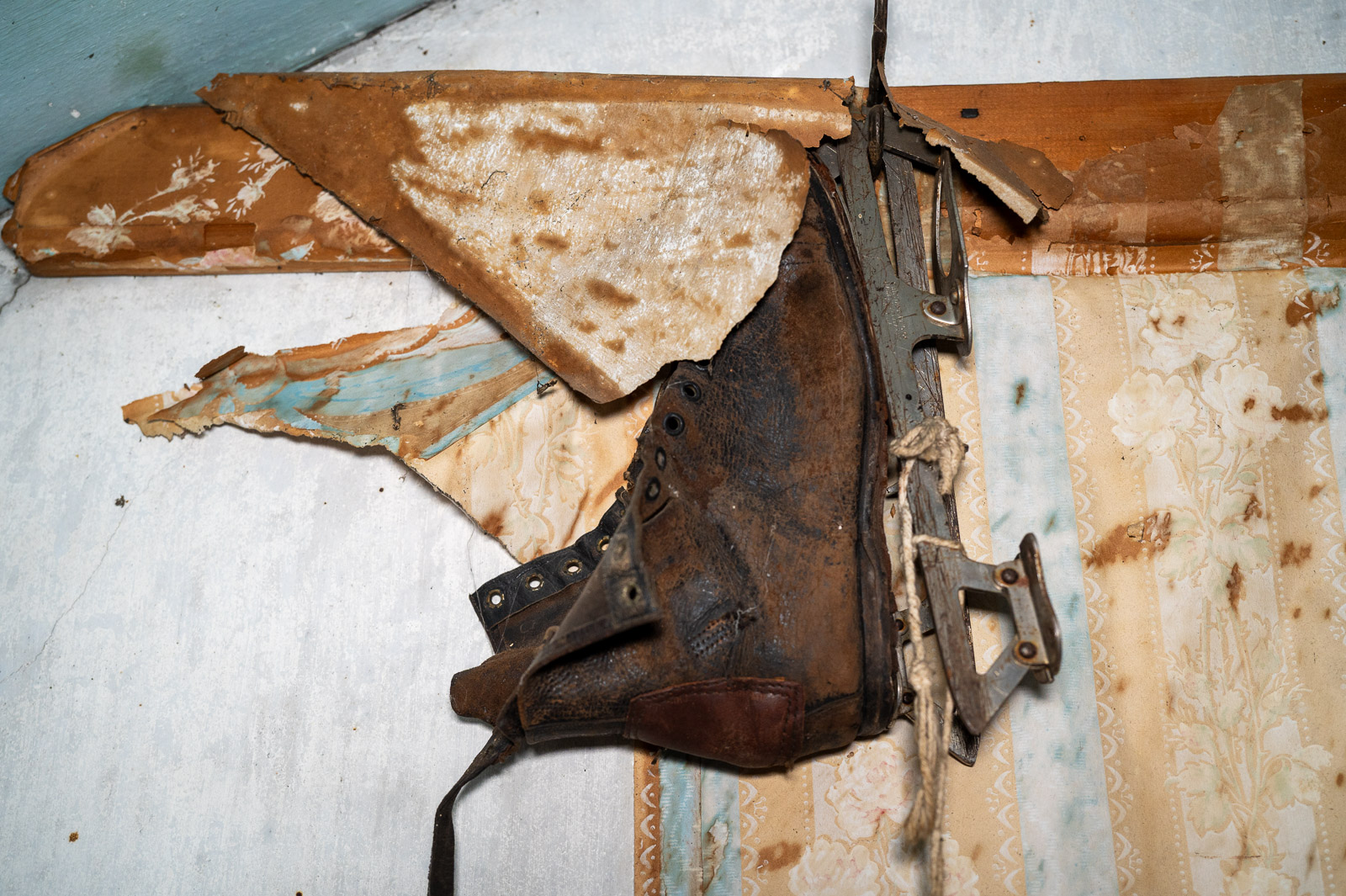
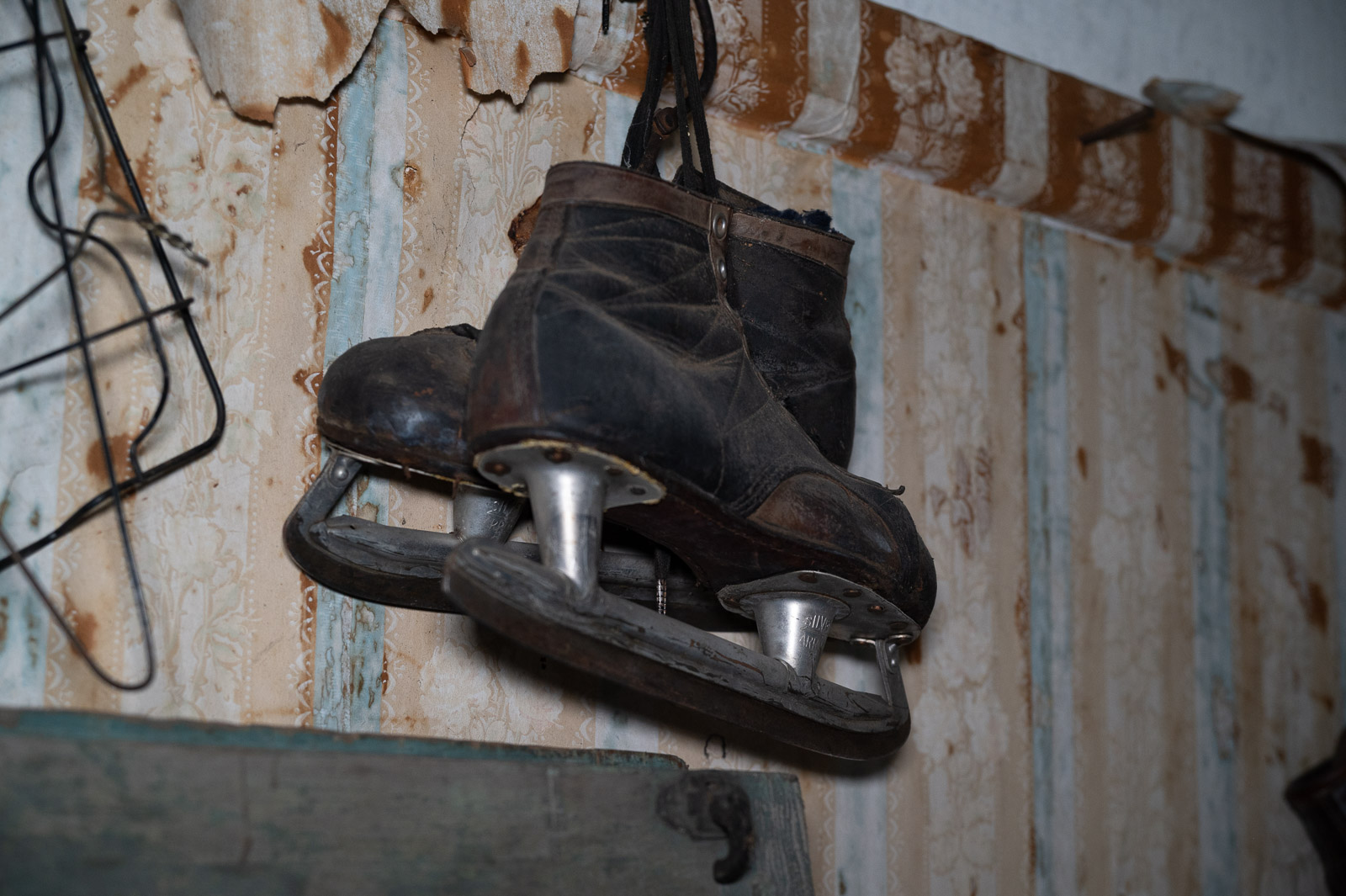
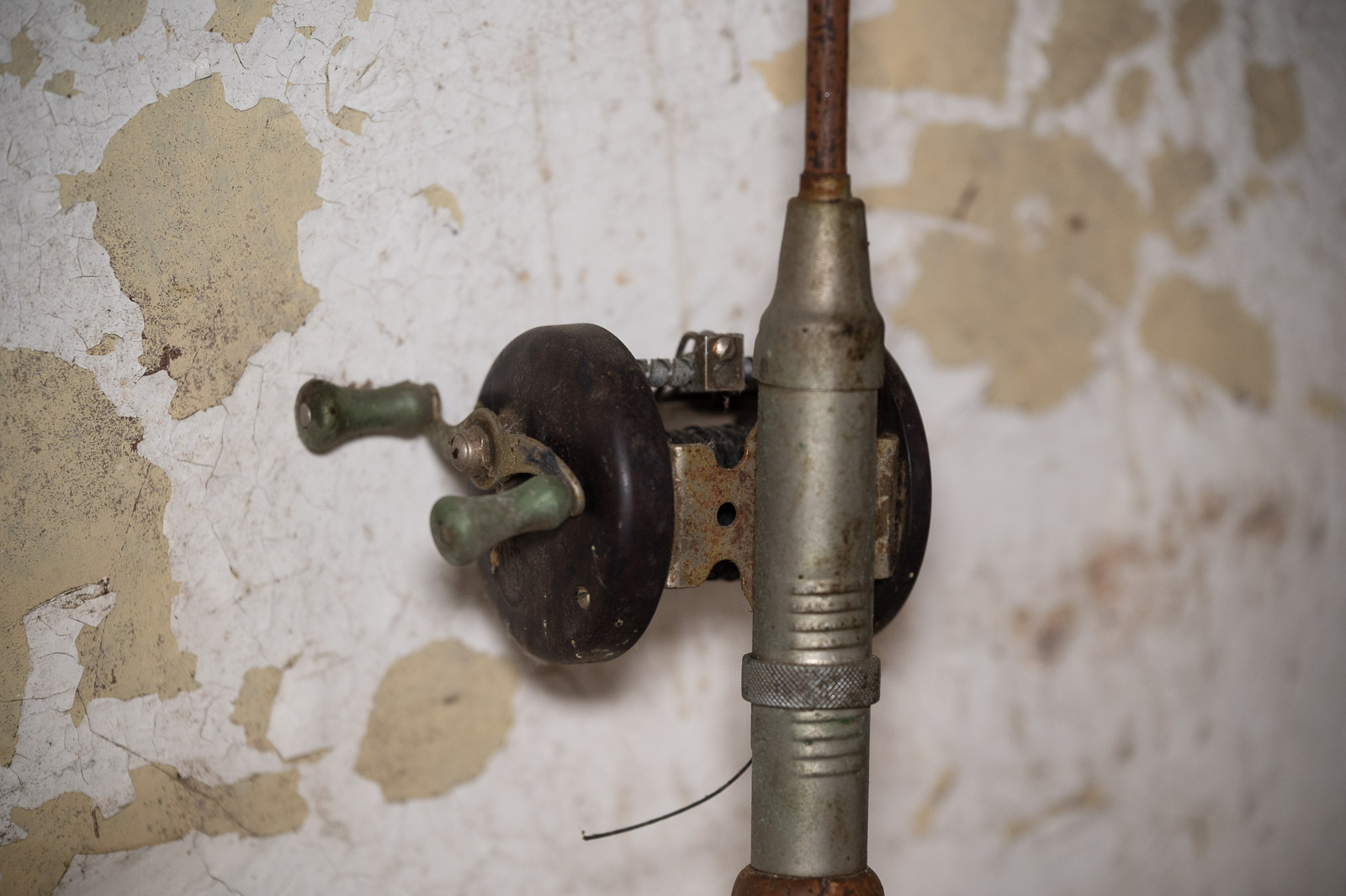
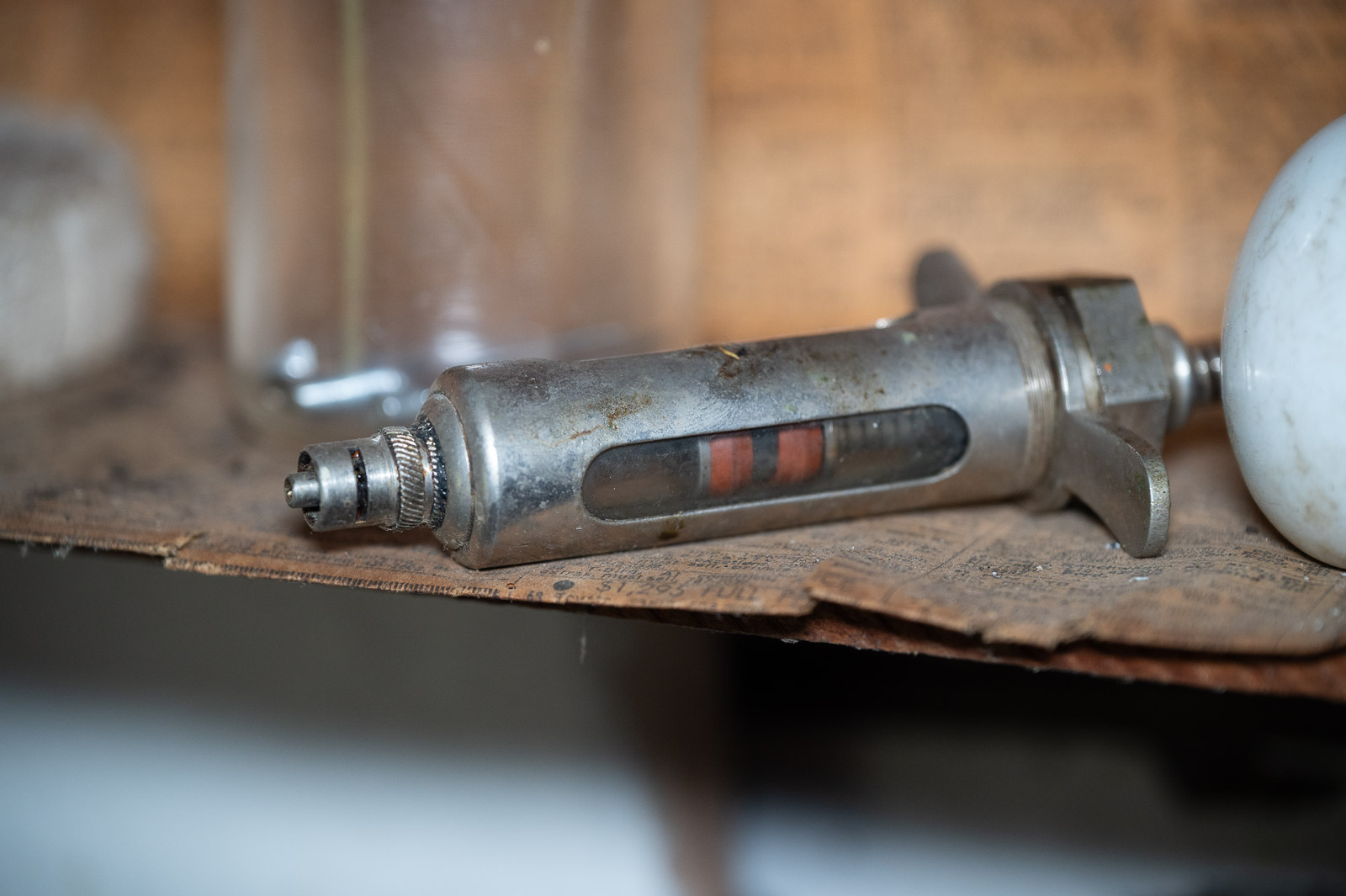
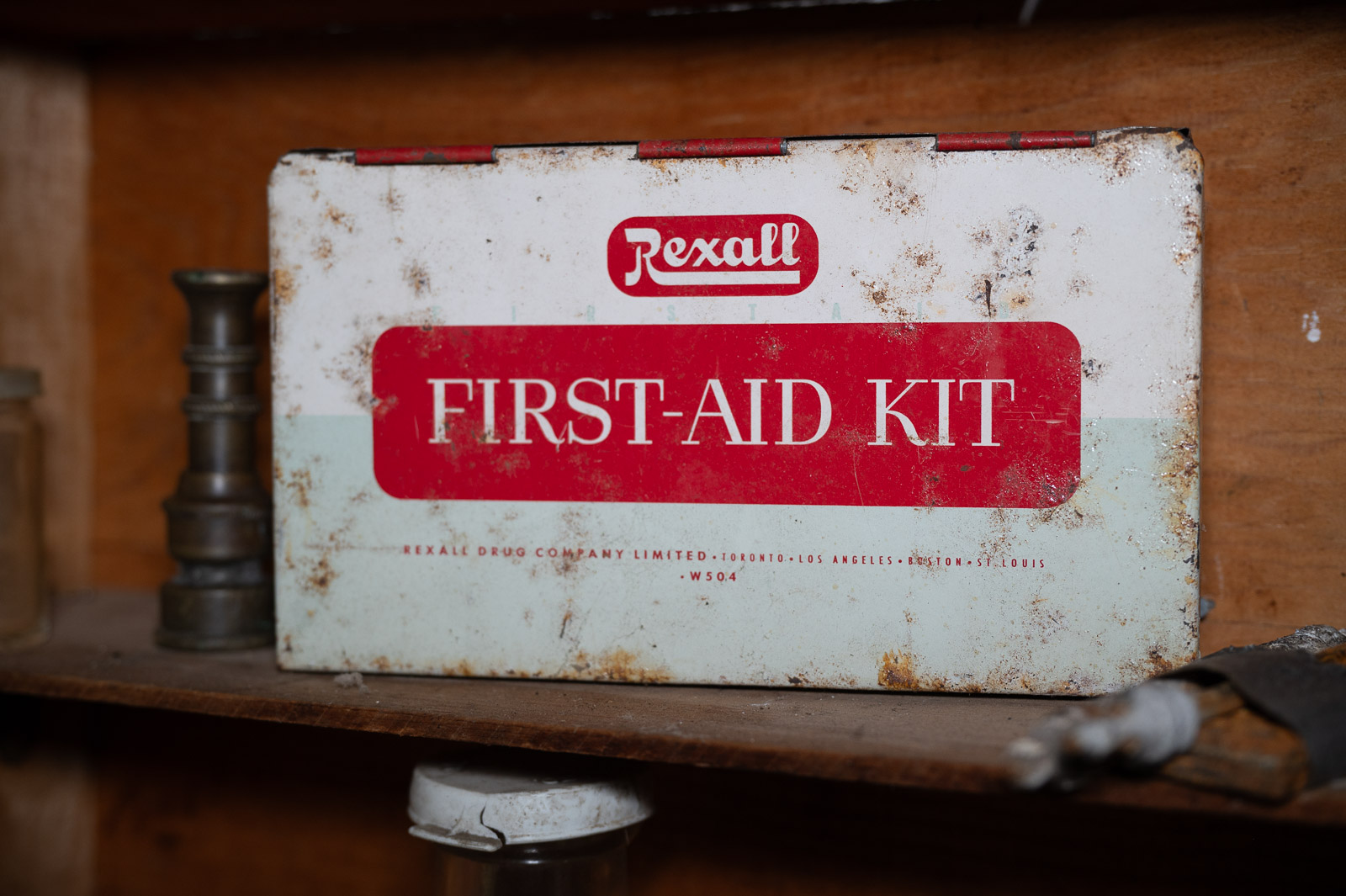
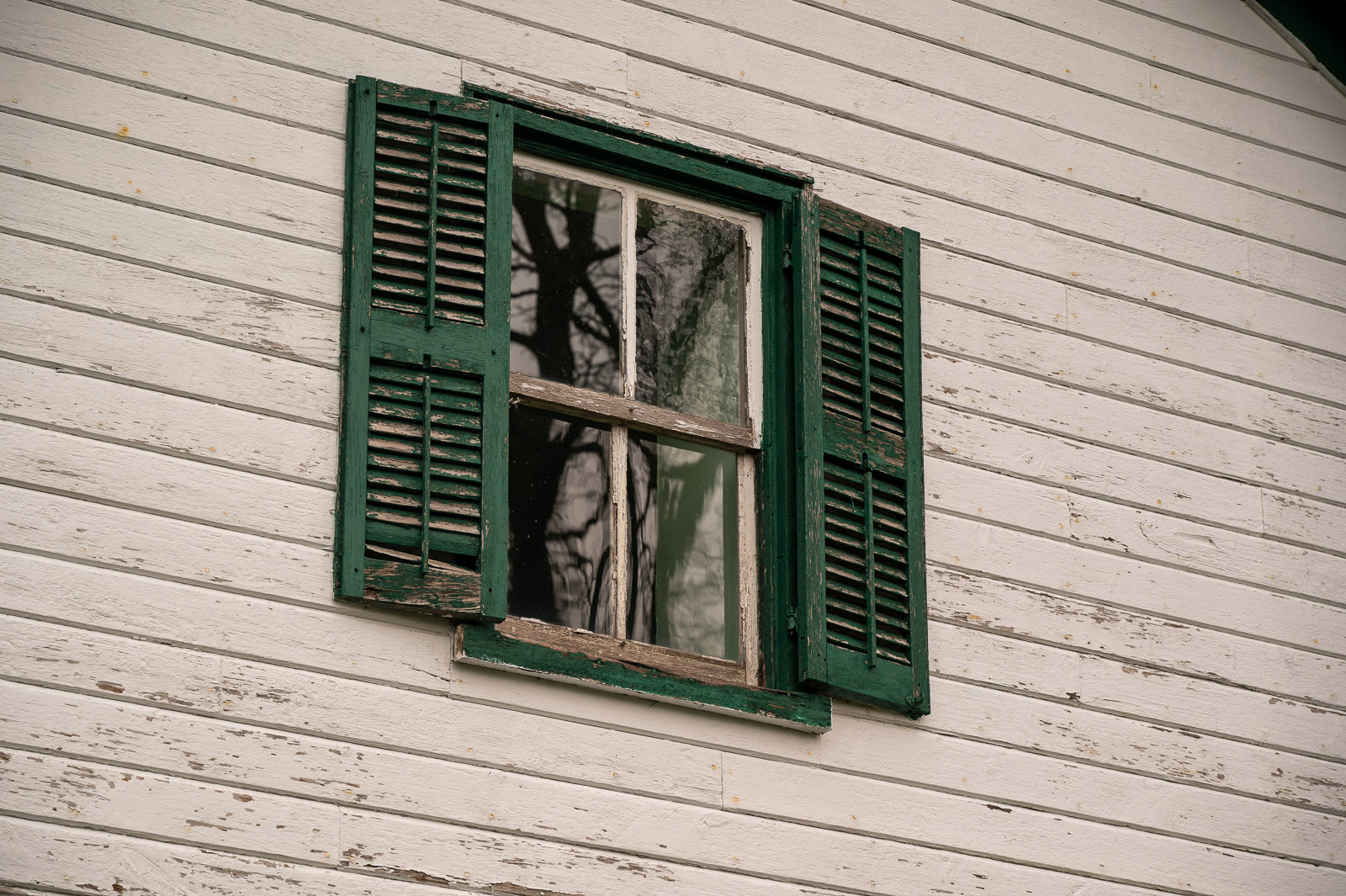
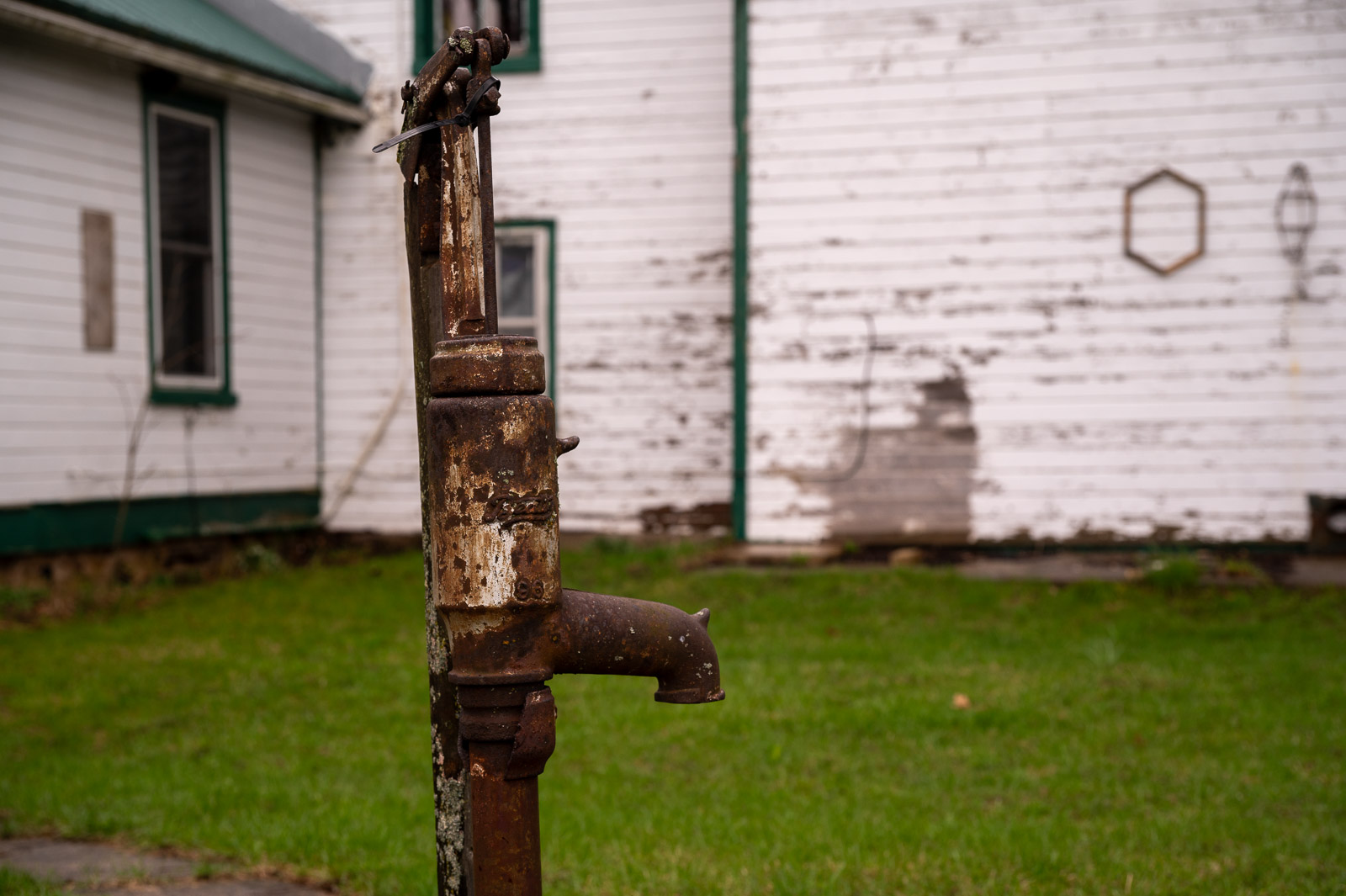
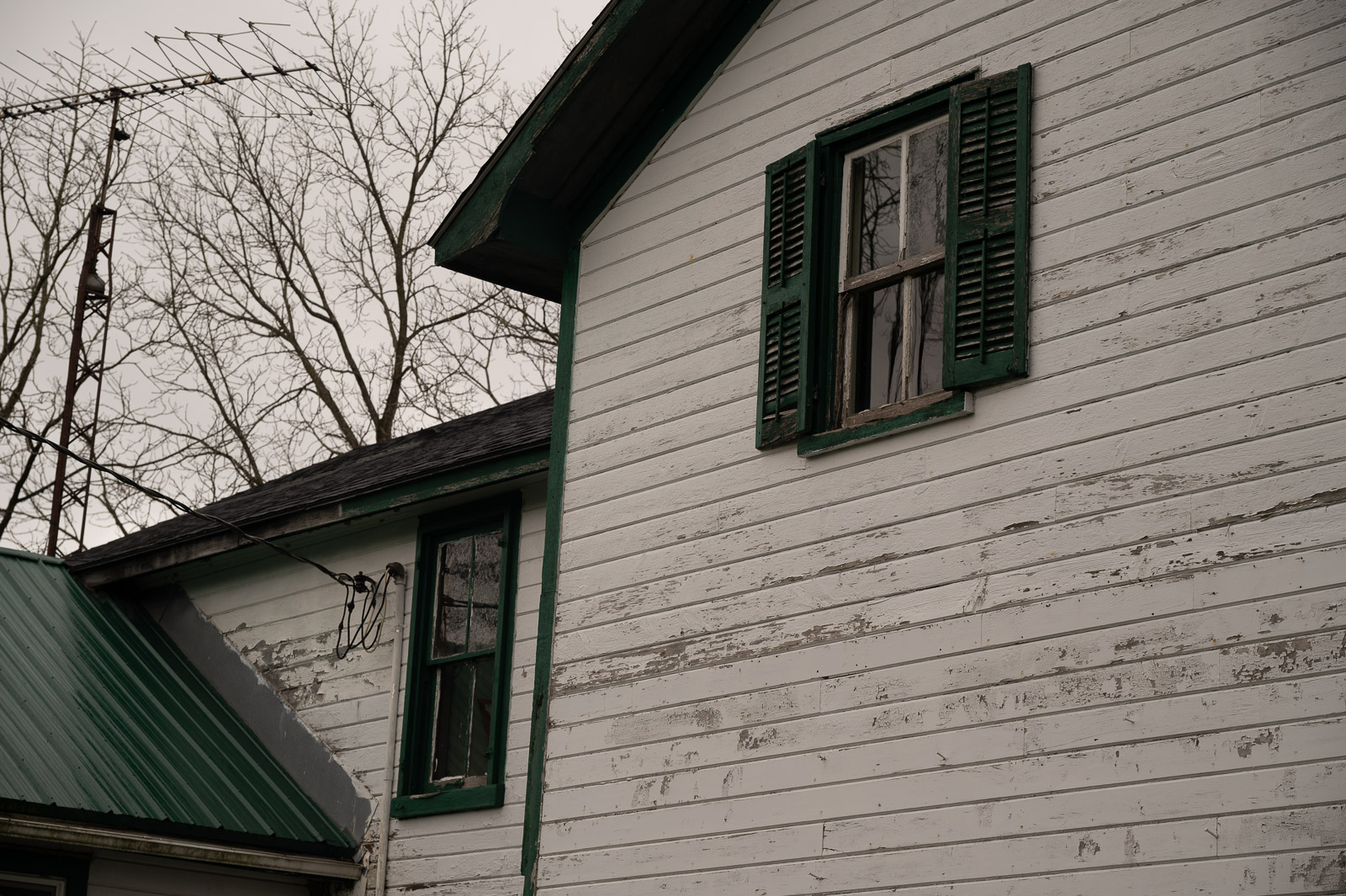
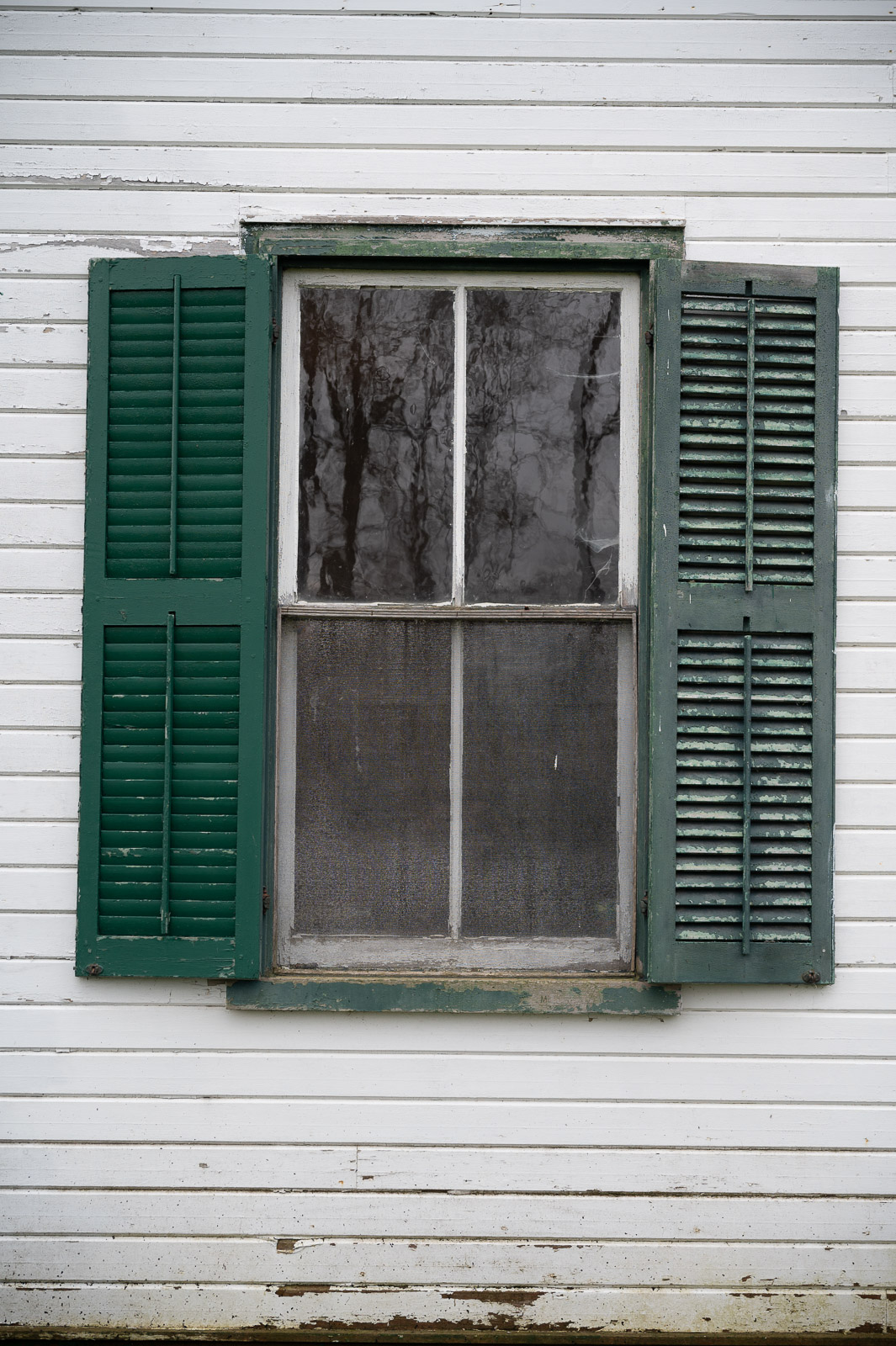
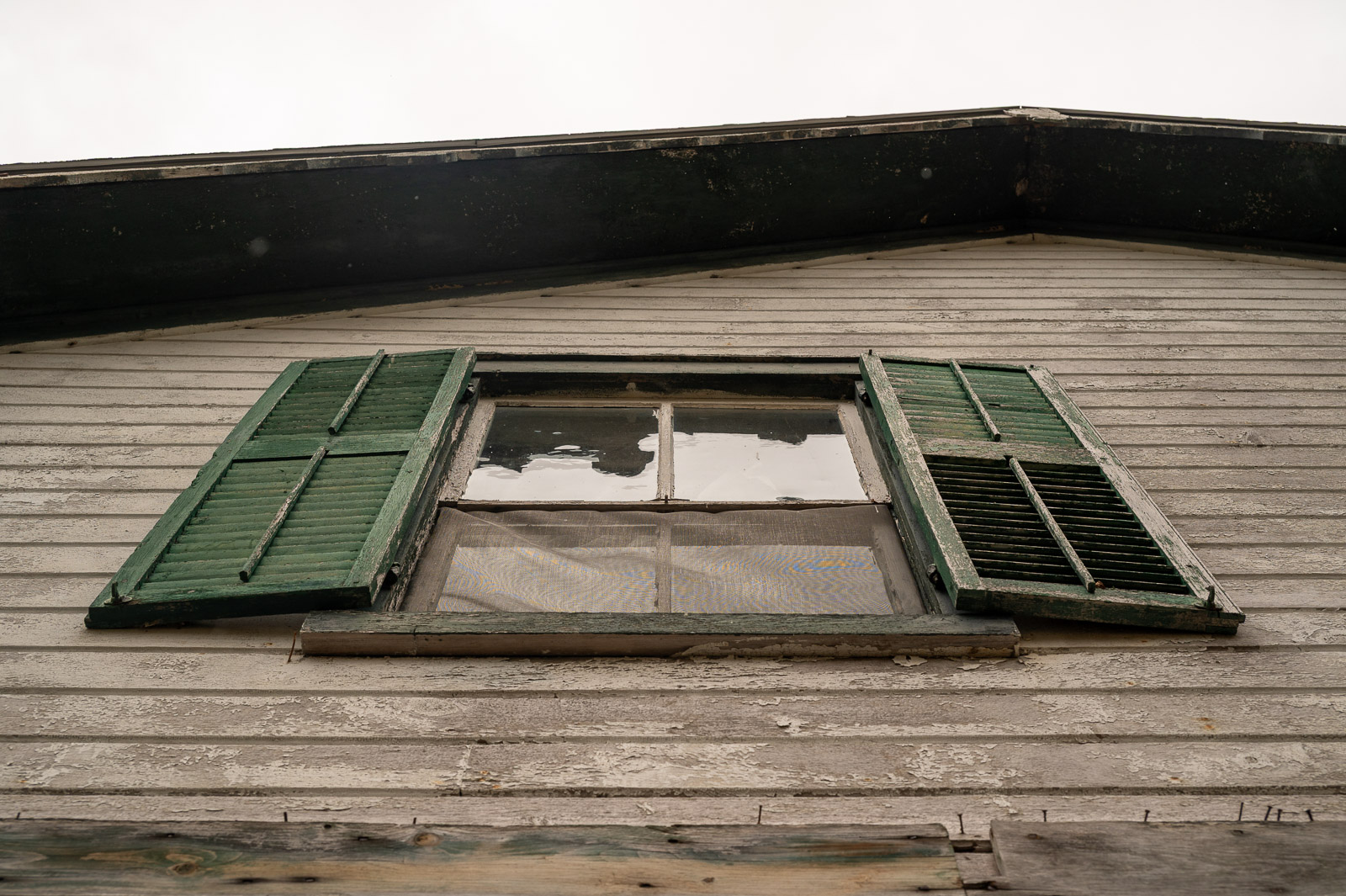
Original furnishings, architectural details, wallpaper, windows, and decades of accumulated belongings still remain throughout the property. According to the new owners, when the final member of the Stark family sold the house, the family removed the items they wished to keep and allowed the remaining contents to stay with the property.
Rather than discarding those pieces of history, the new owners plan to incorporate many of them directly into the final restoration of the home.
That decision gives the renovation a unique sense of continuity, preserving not just the structure itself, but also the atmosphere and history connected to generations of life inside the house.


The Future Of The Stark House And Paisley Mill
The owners of the property had already begun restoring the historic mill several years before acquiring the Stark House itself. Reuniting the farmhouse and mill property once again allowed them to reconnect two historic sites that had been tied together for generations.
Current plans for the Stark House include:
- preserving original heritage features
- restoring exterior siding and windows
- rebuilding the historic verandah
- converting the home into two separate living spaces
- offering short term and long term stays connected to the mill property
The future of the barn remains undecided, though the owners hope to eventually restore it as well.
Visitors can already book stays, retreats, excursions, and rural getaways through The Paisley Mill website while following ongoing updates about the Stark House restoration through the property’s Facebook and Instagram pages.