
Share This Story
Mountain Park Cemetery in Alberta: Canada’s Highest Elevation Resting Place
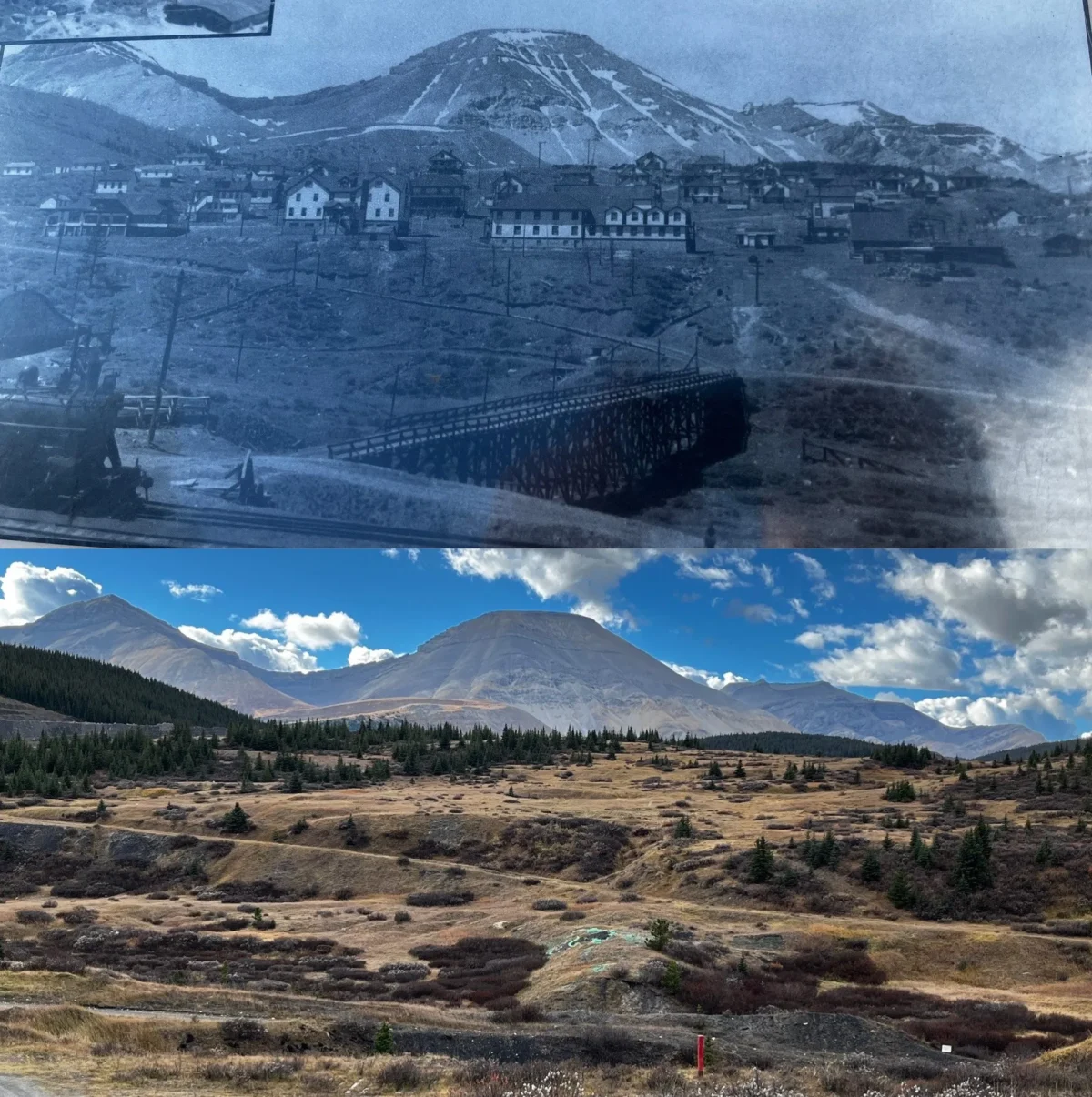
You are in midwestern Alberta on the edge of the Rocky Mountains inside Jasper National Park. The road to Mountain Park Cemetery is rough, rocky and slow. This is not a casual stop. You travel for hours across unpaved terrain to reach a hillside that holds the last physical trace of a vanished mining town called Mountain Park.
Mountain Park Cemetery sits at roughly 6,200 feet above sea level. Several sources identify it as the highest elevation cemetery in Canada. The graves overlook open space, wind worn slopes and the site where a full mining town once stood. Almost nothing remains except these fenced plots, a few markers and the view.
Below is the full story behind this remote and forgotten place.
The Rise of Mountain Park
A Coal Town at the Edge of the Rockies
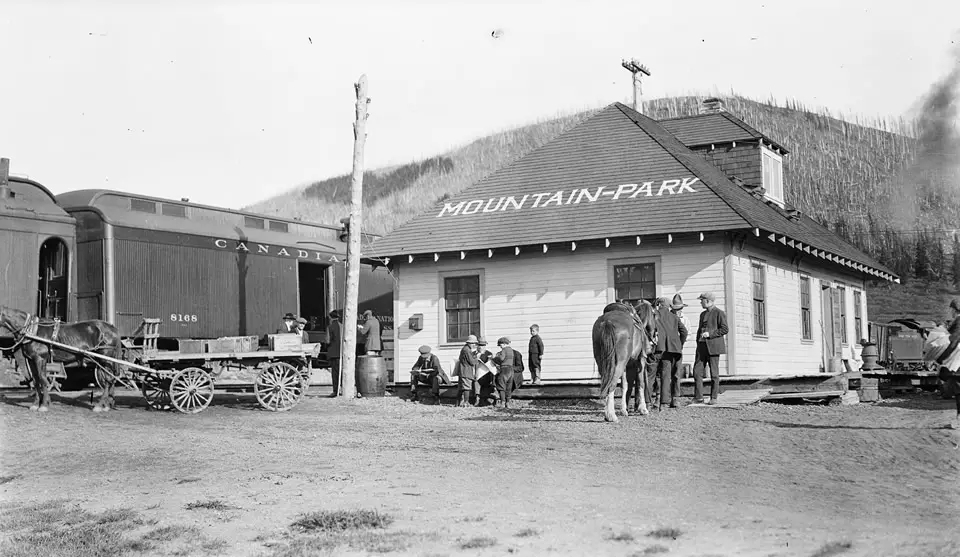
Mountain Park emerged between 1911 and 1914 as the Mountain Park Coal Company expanded the Coal Branch region. Steam locomotives needed coal, and this ridge above the Miette Valley held high quality seams.
A Town That Grew Quickly
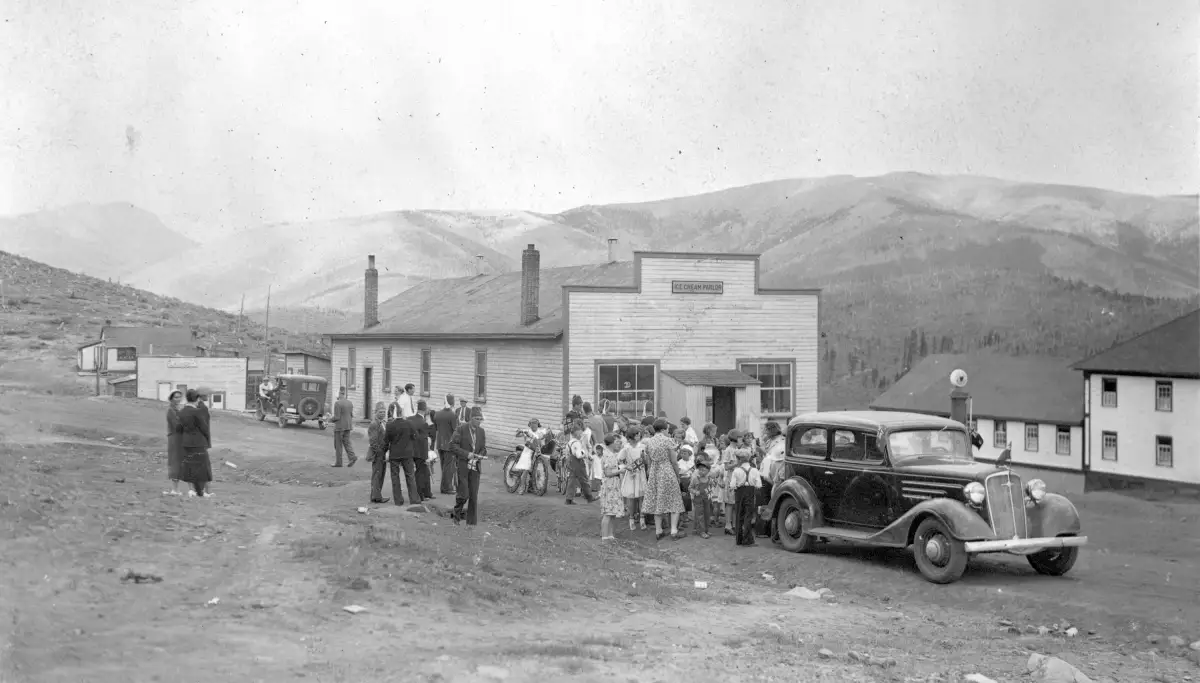
At its height, Mountain Park held roughly 1,000 to 1,500 residents. You would have found homes, a school, a hotel, a general store and all the basic services needed for life in a remote location. The railway connected Mountain Park to other Coal Branch towns and delivered supplies to residents through harsh Alberta winters.
Life in Isolation
A Community Built Against Harsh Conditions
Isolation shaped daily life. Winters were long, travel was limited and weather shifted without warning. Residents built clubs, gatherings and social events to keep morale steady.

A Cemetery Chosen for the View
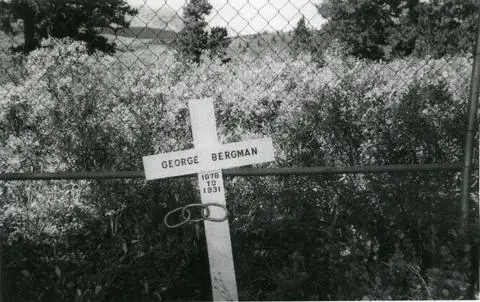
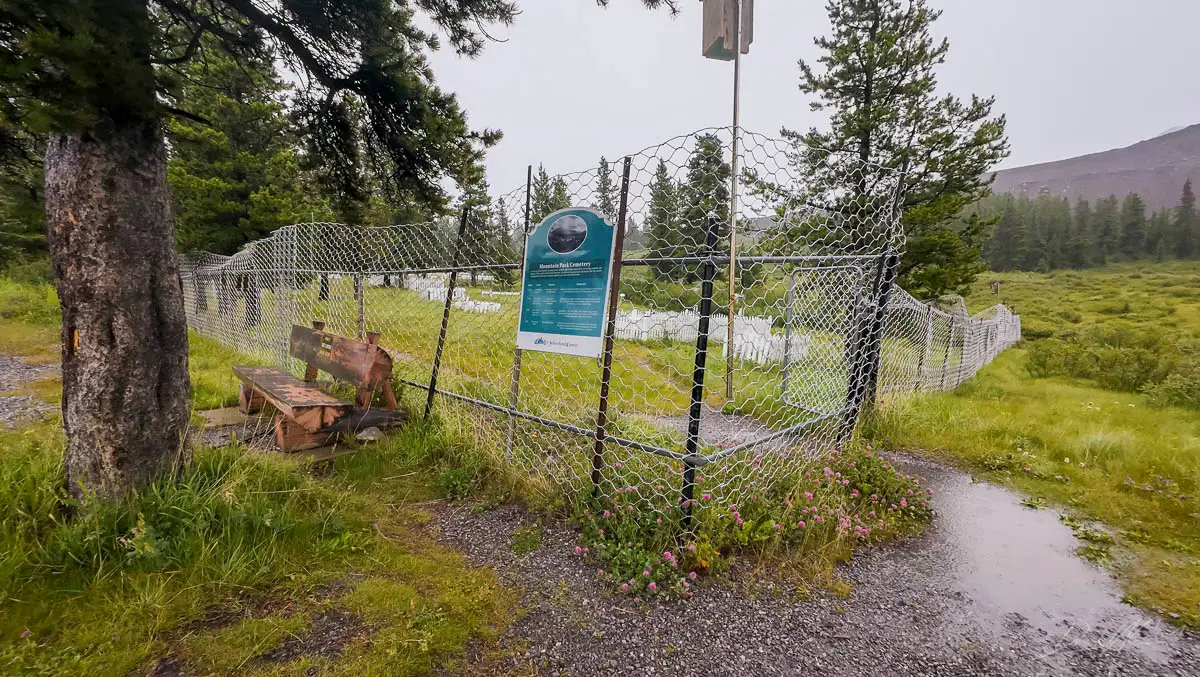
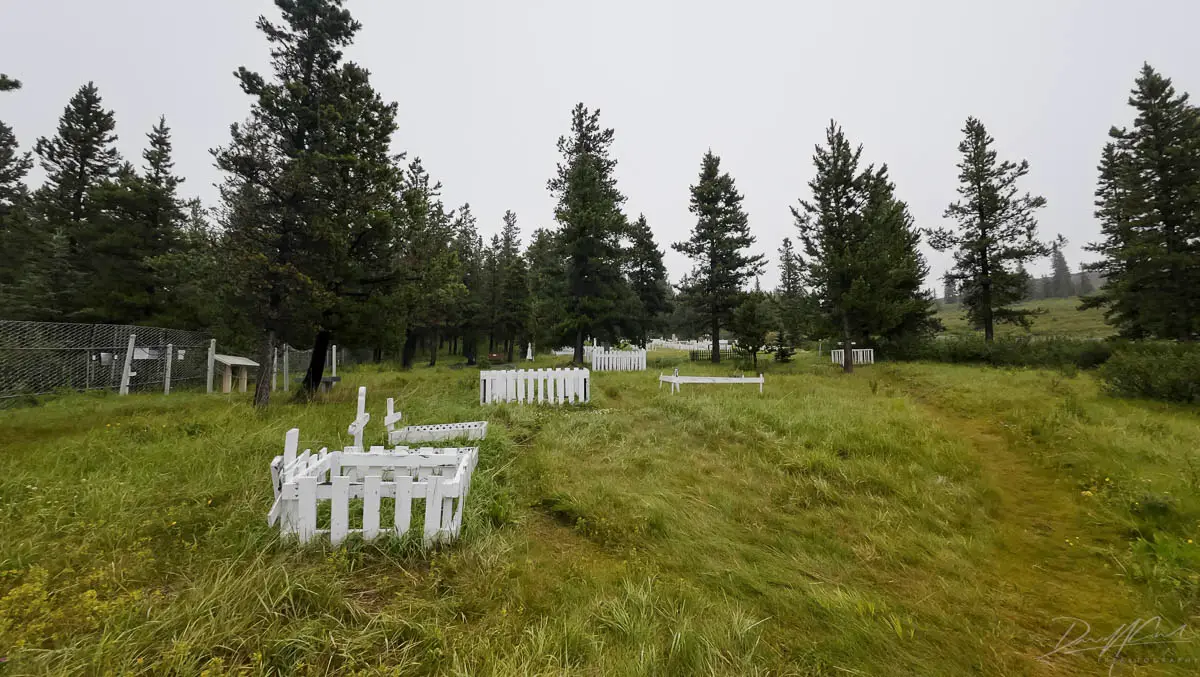
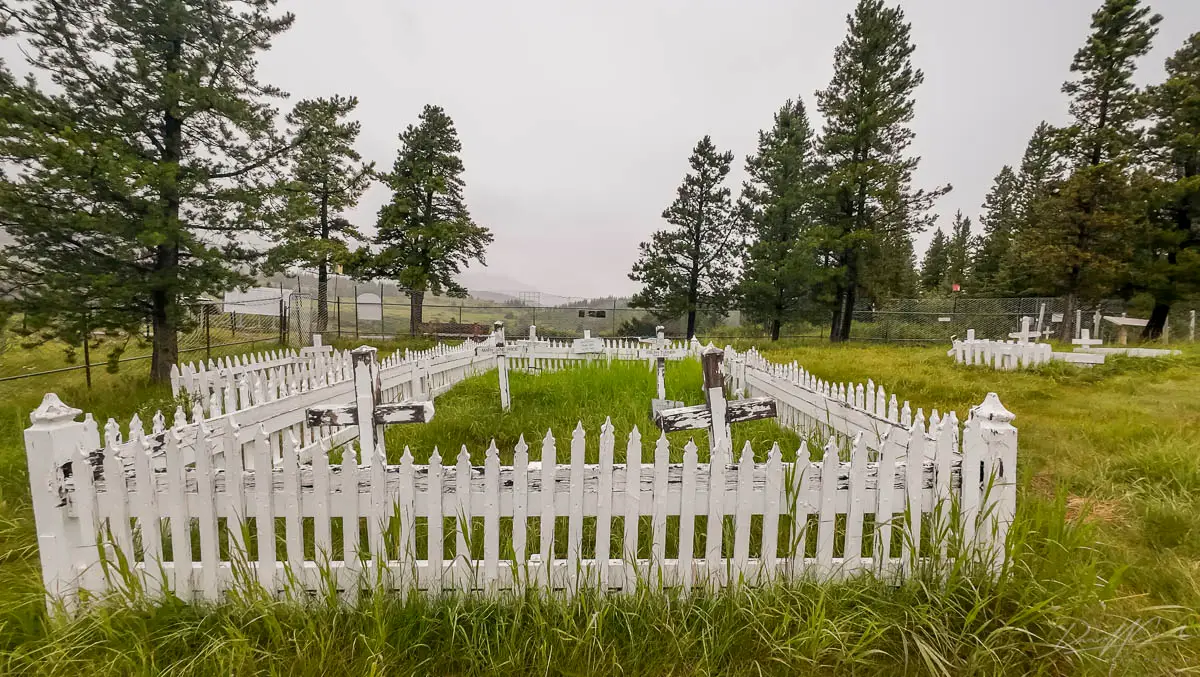
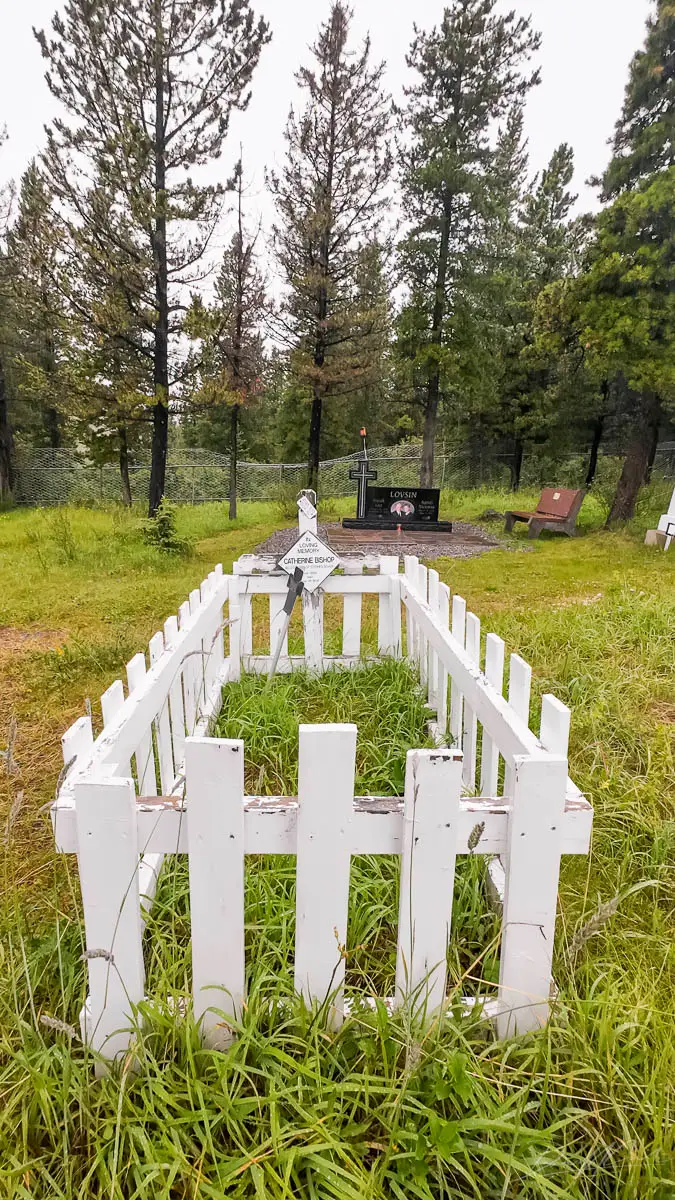
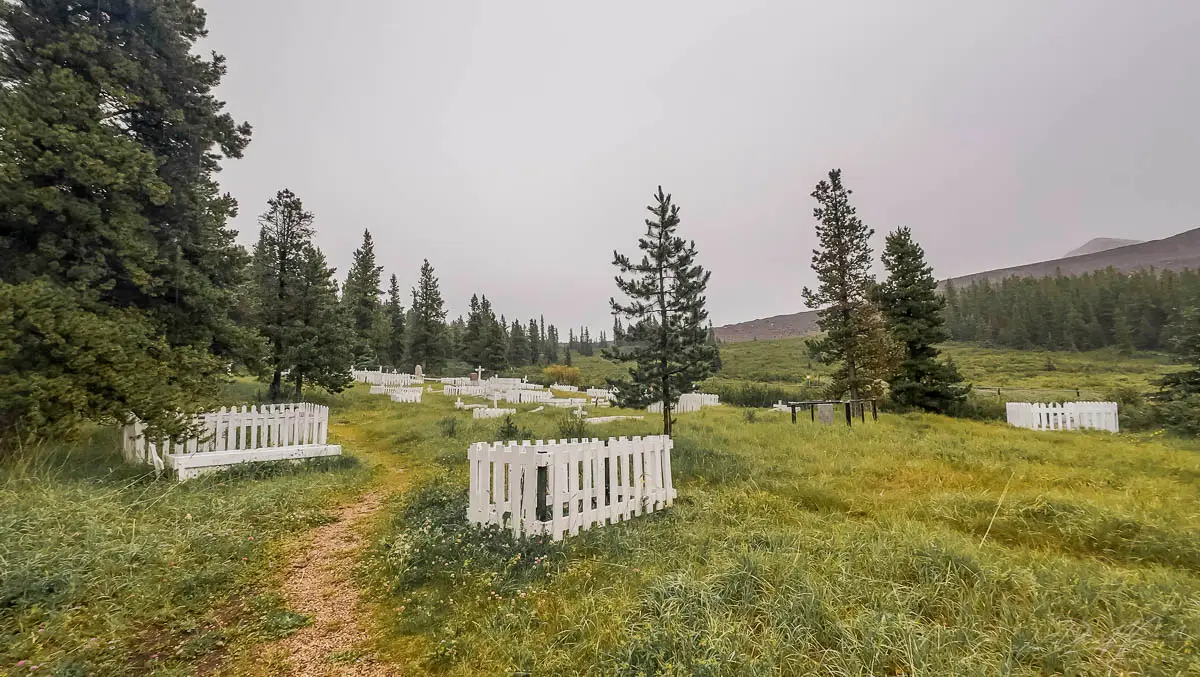
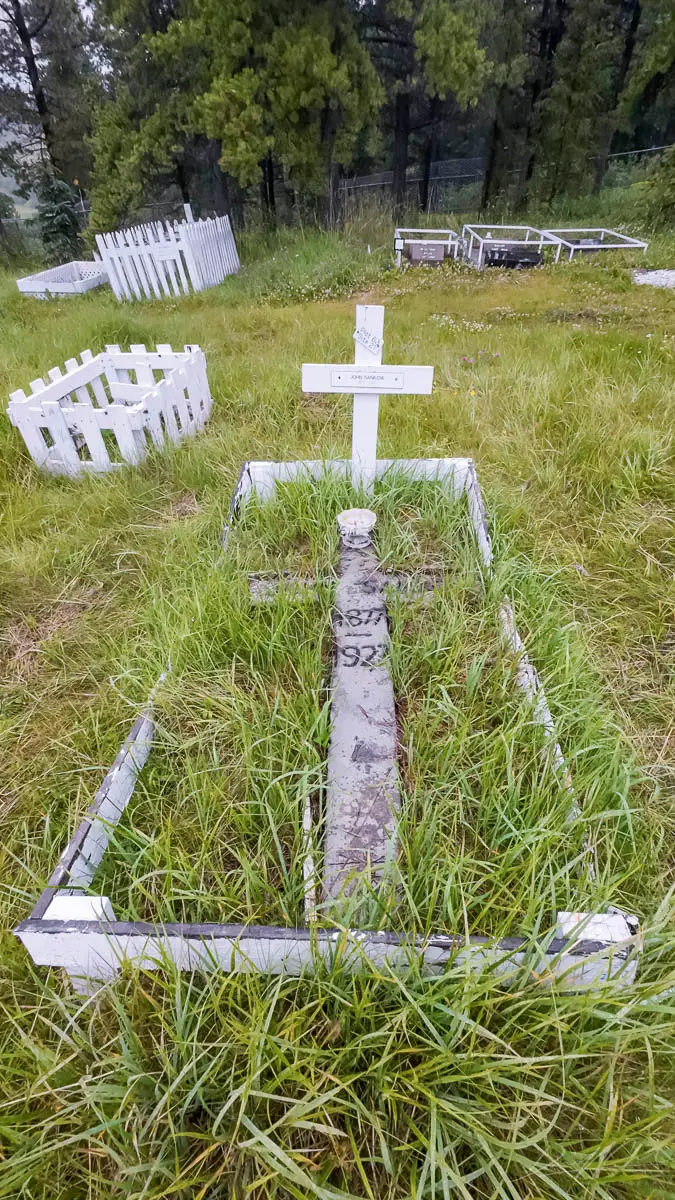
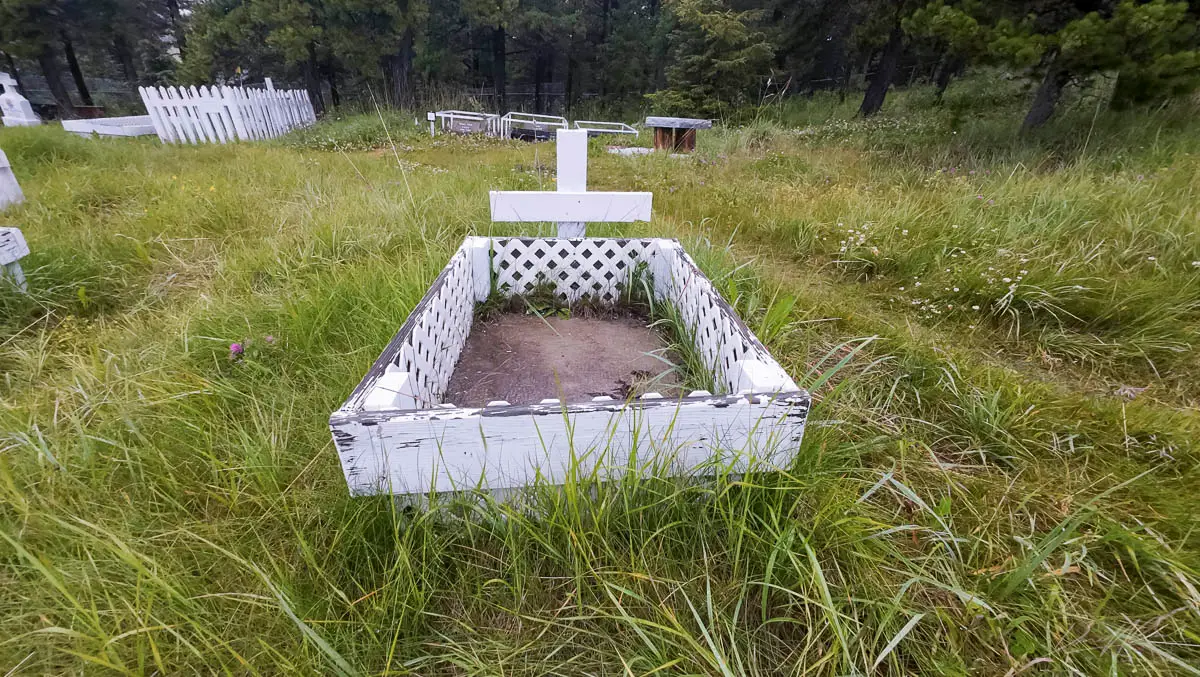
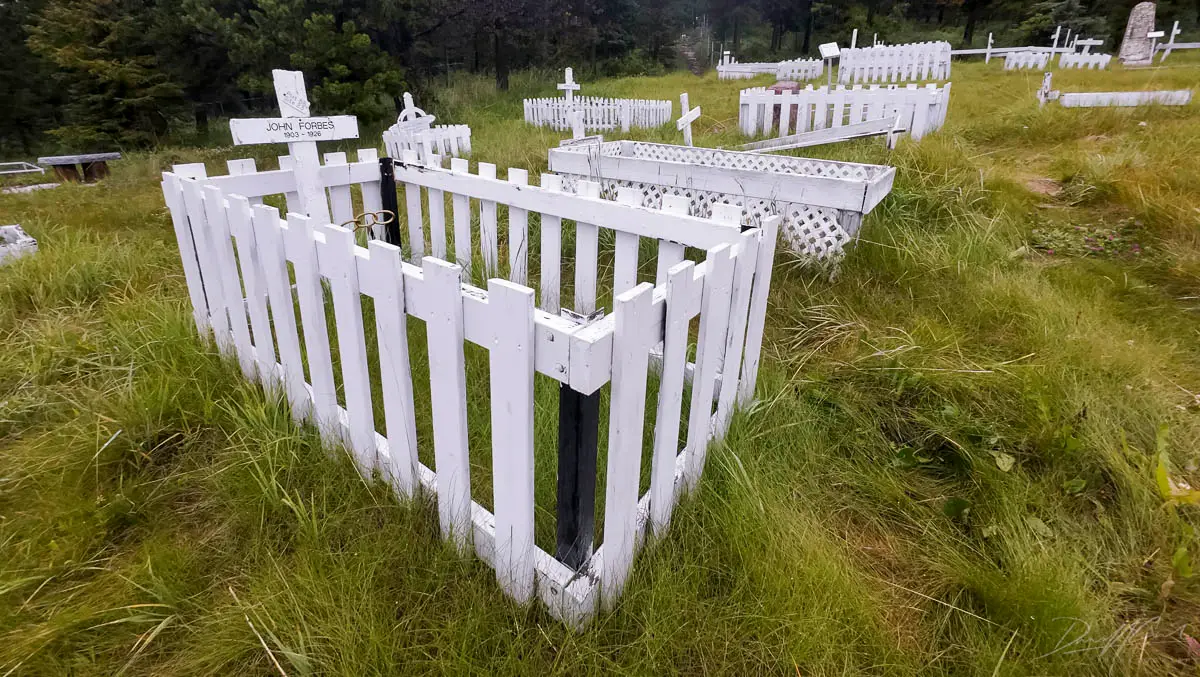
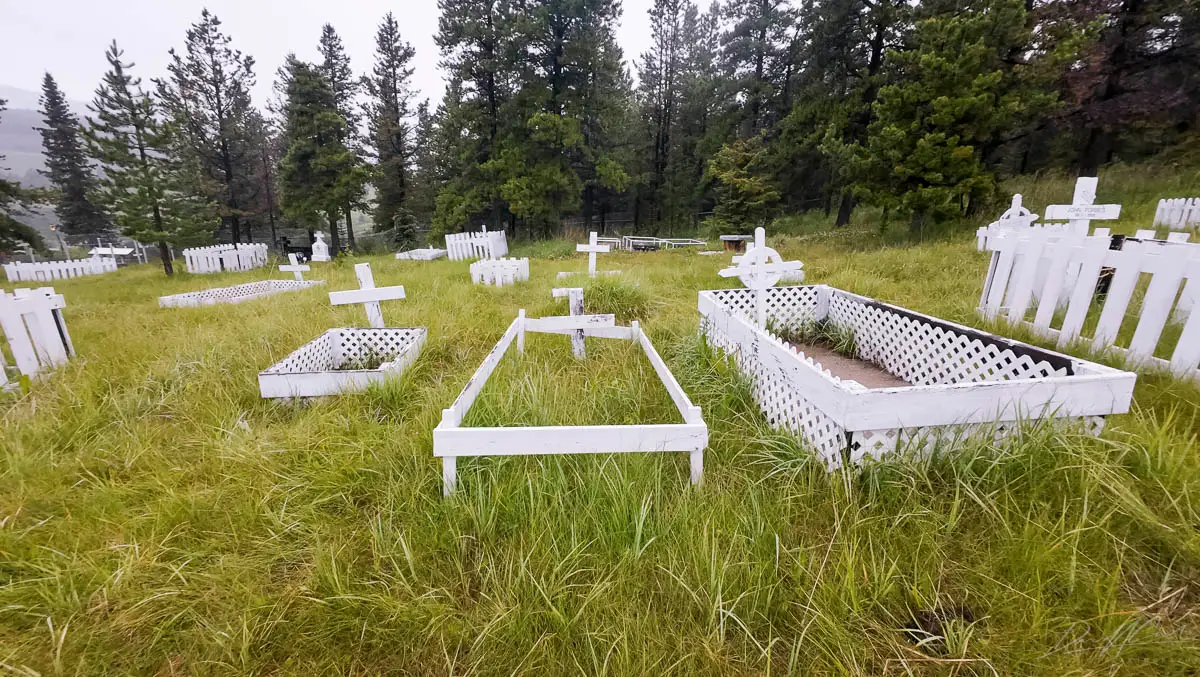
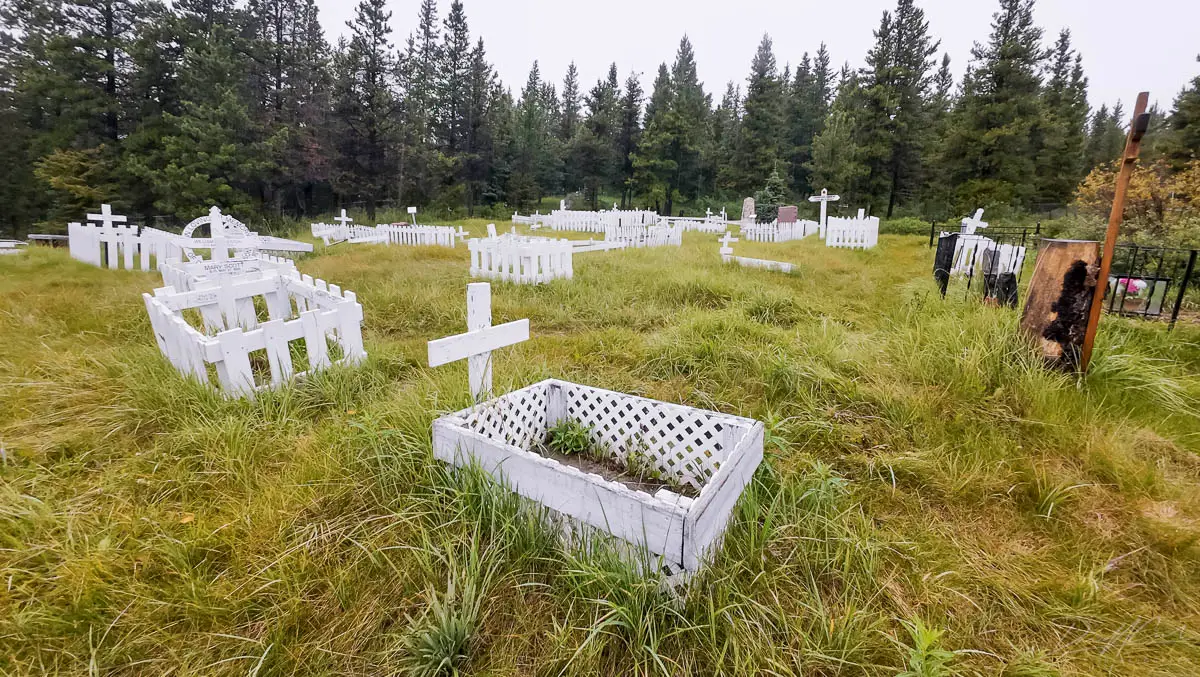
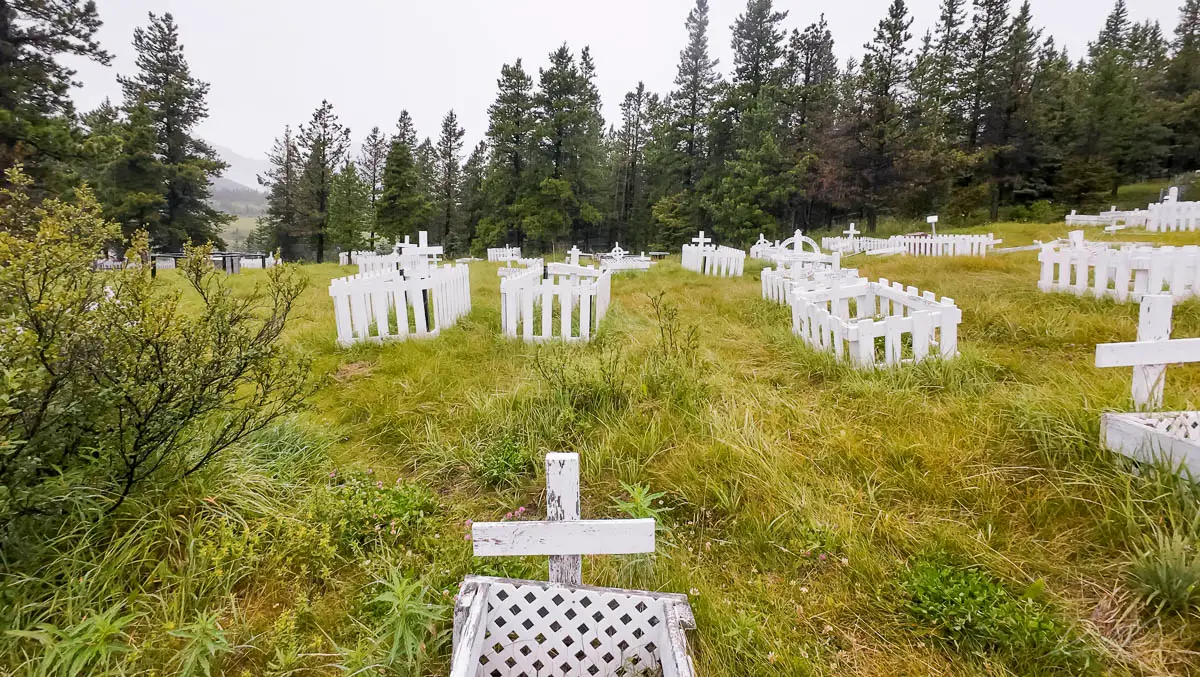
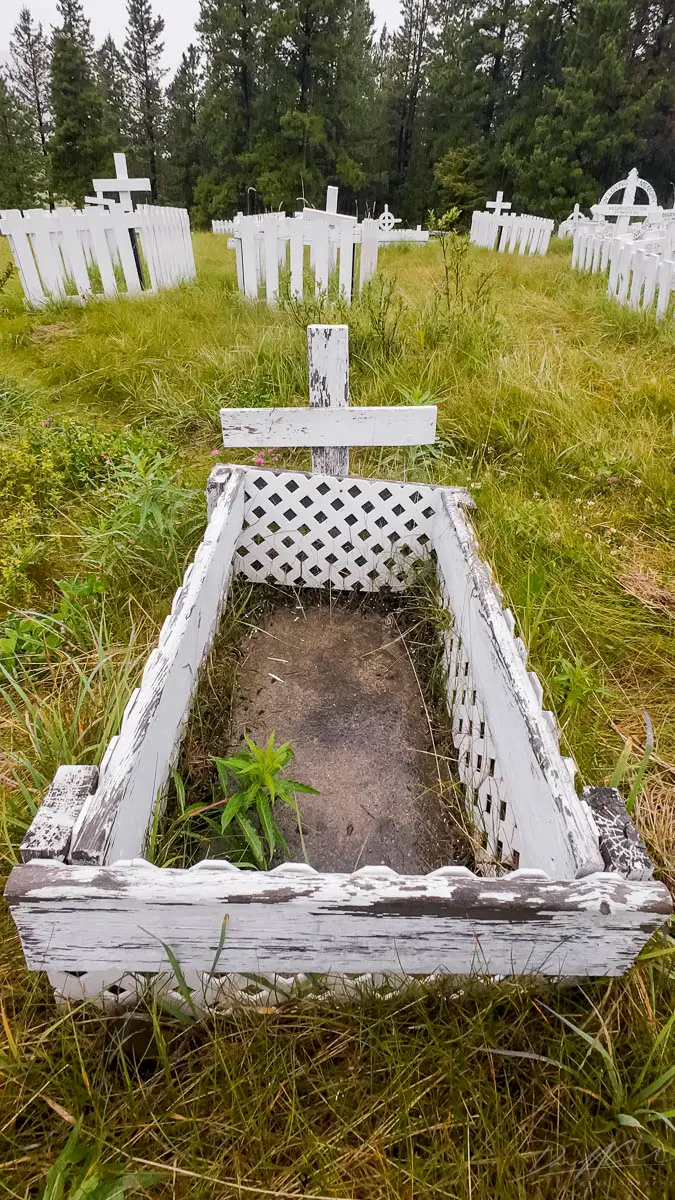
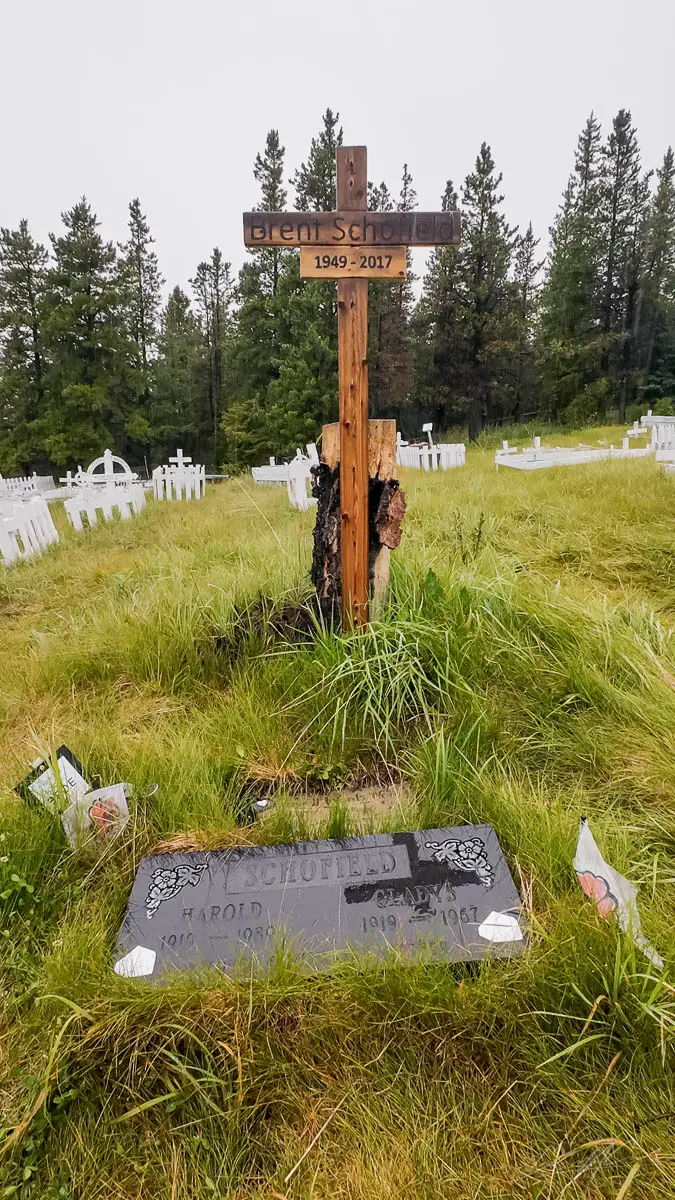
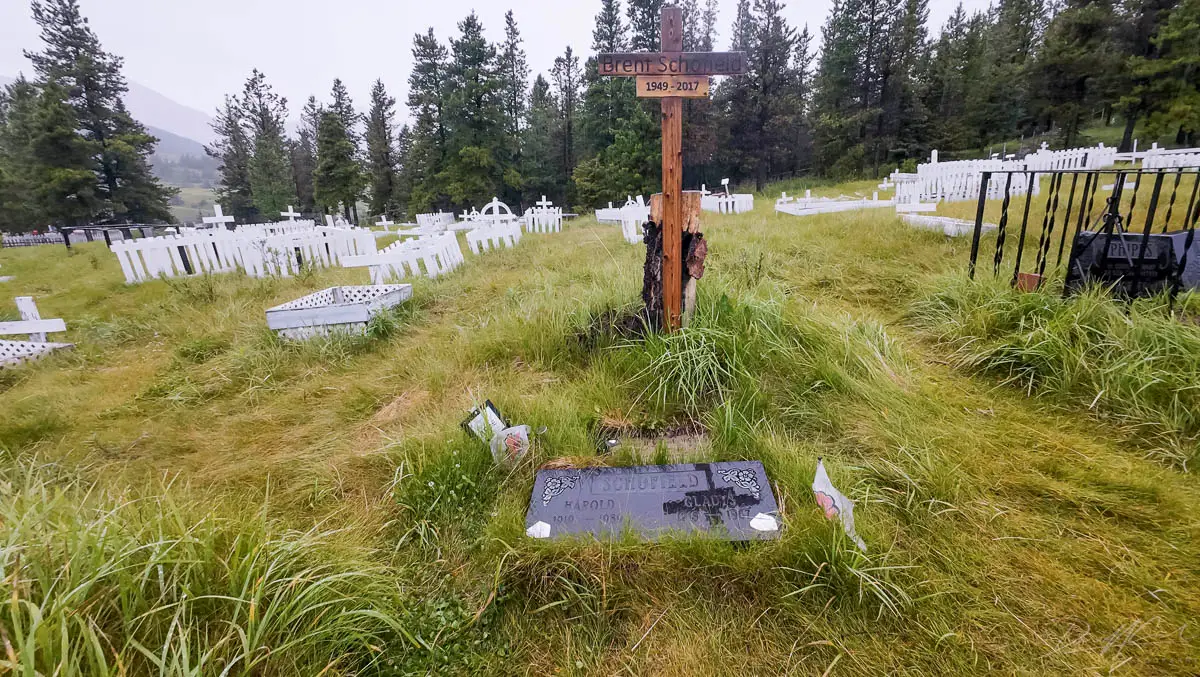
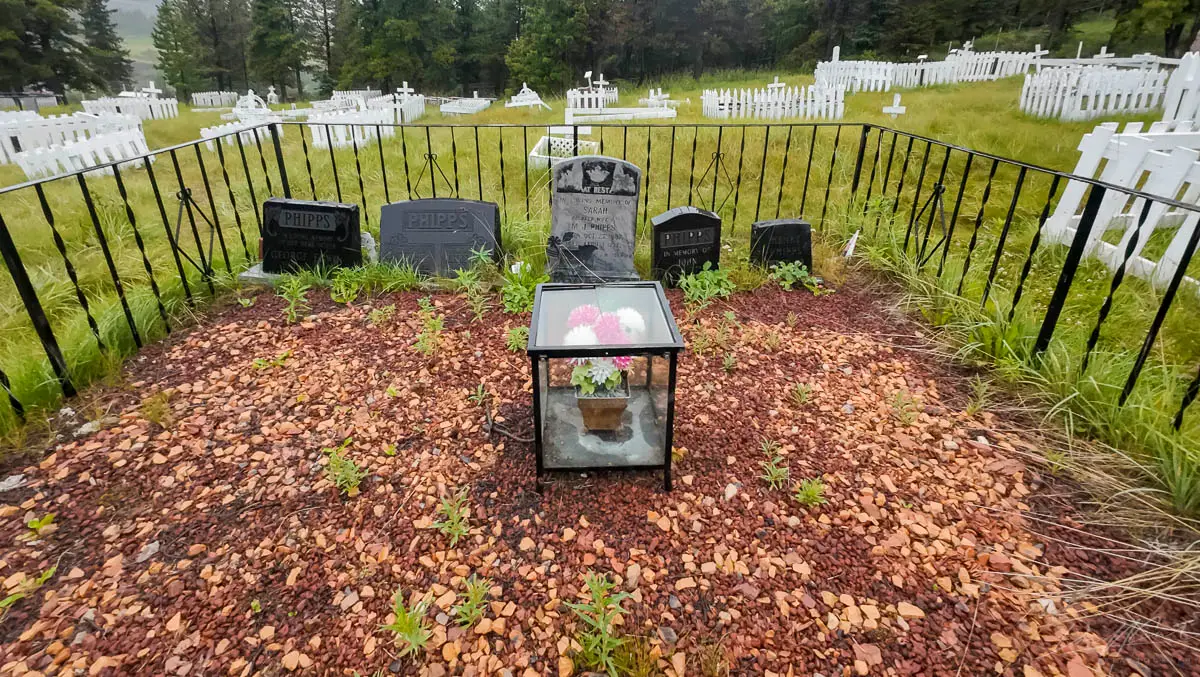
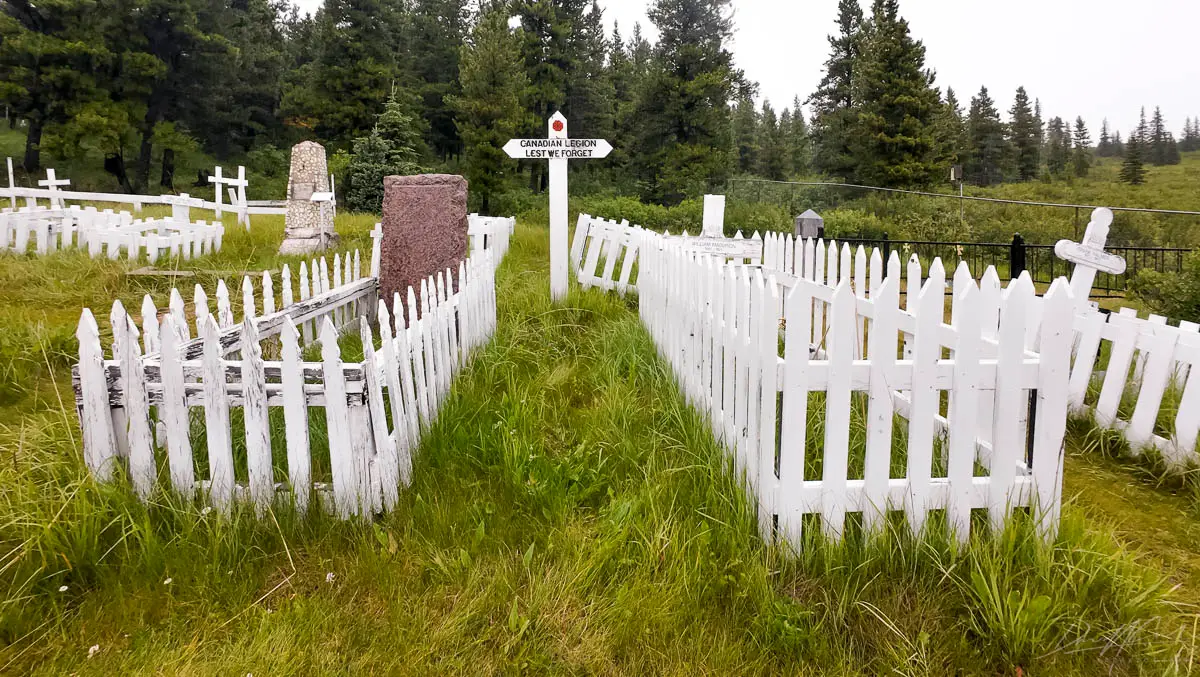
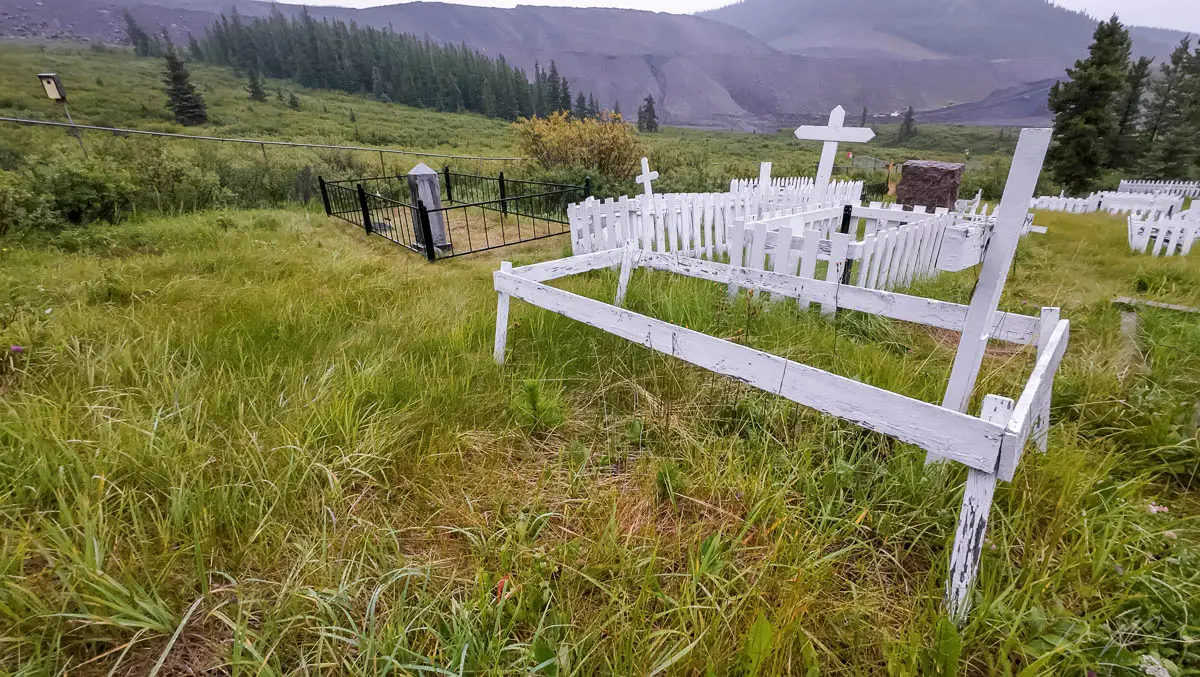
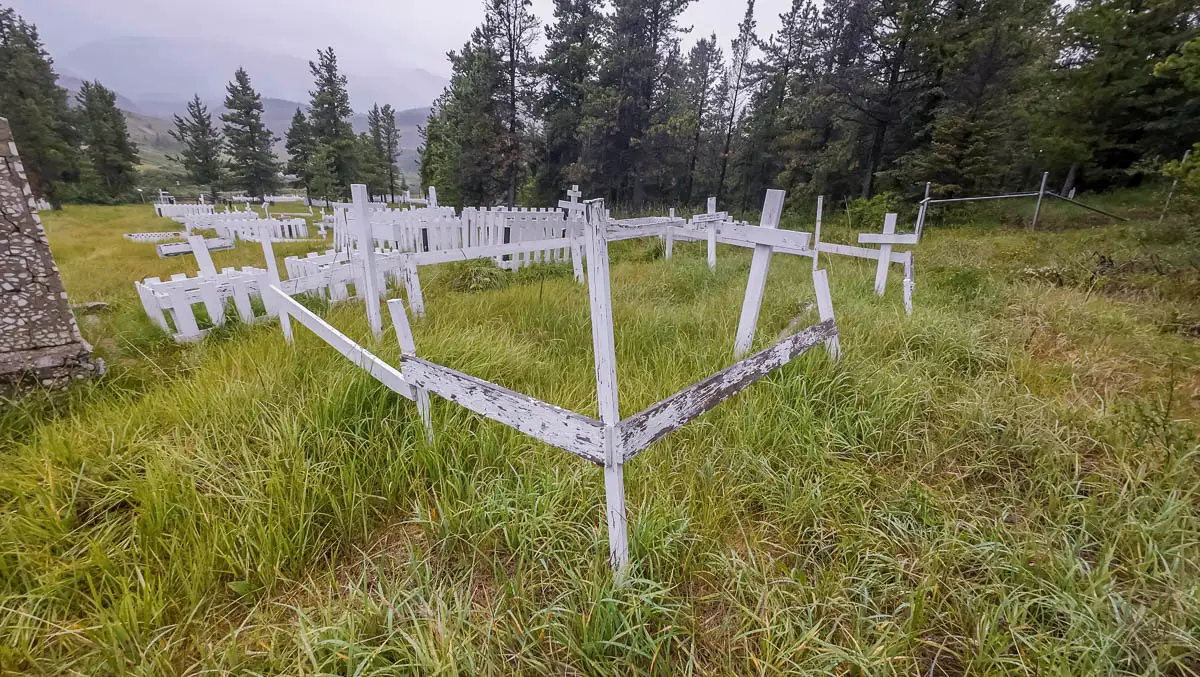
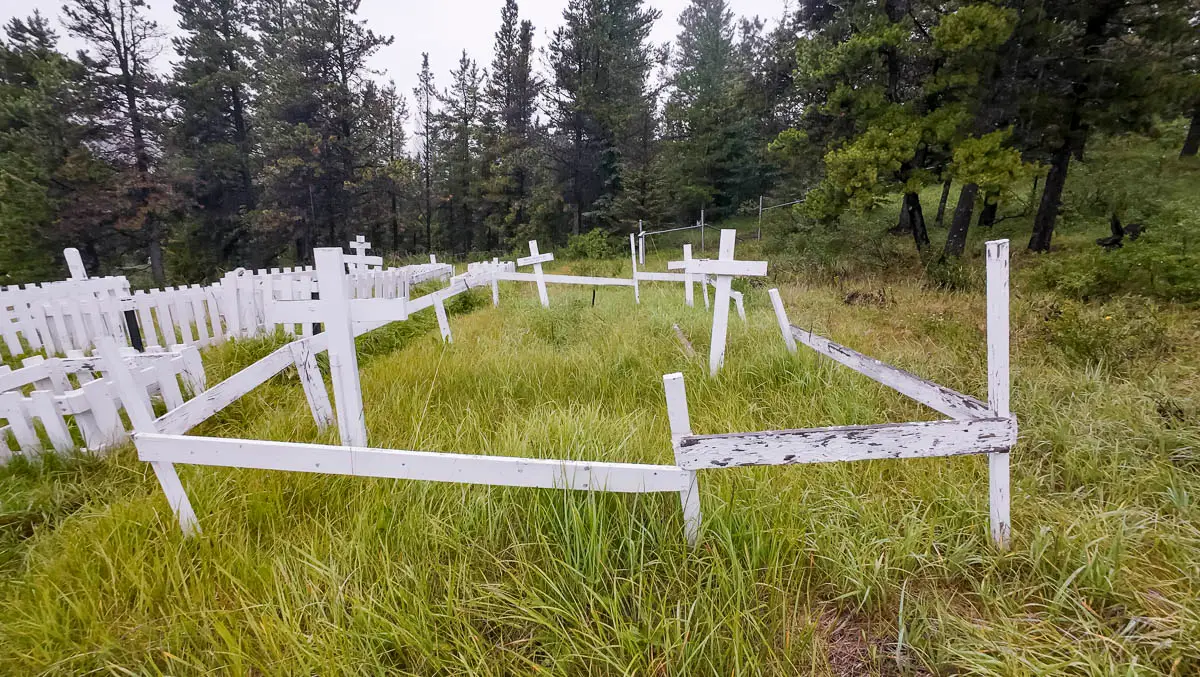
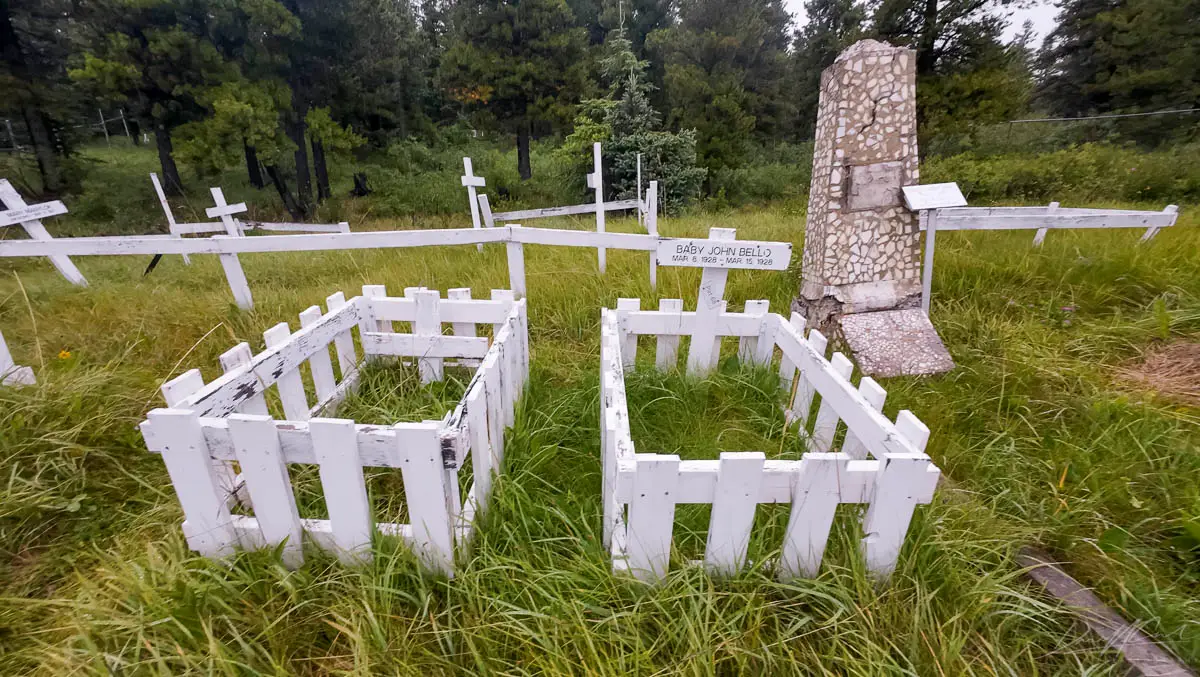
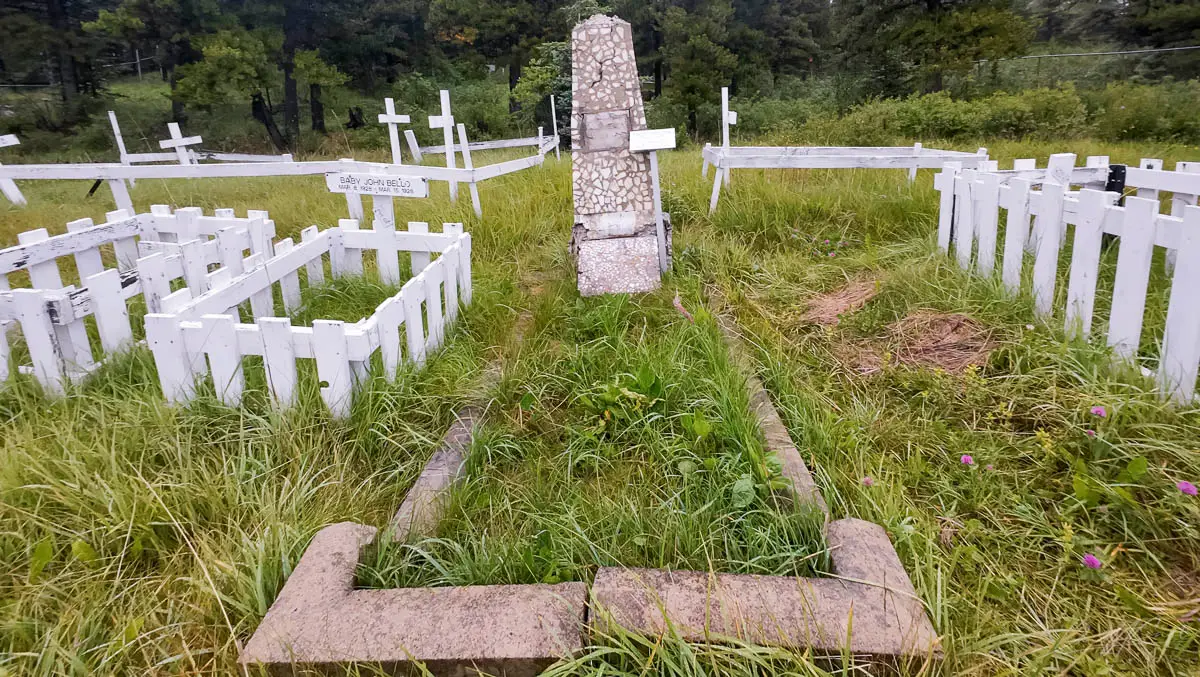
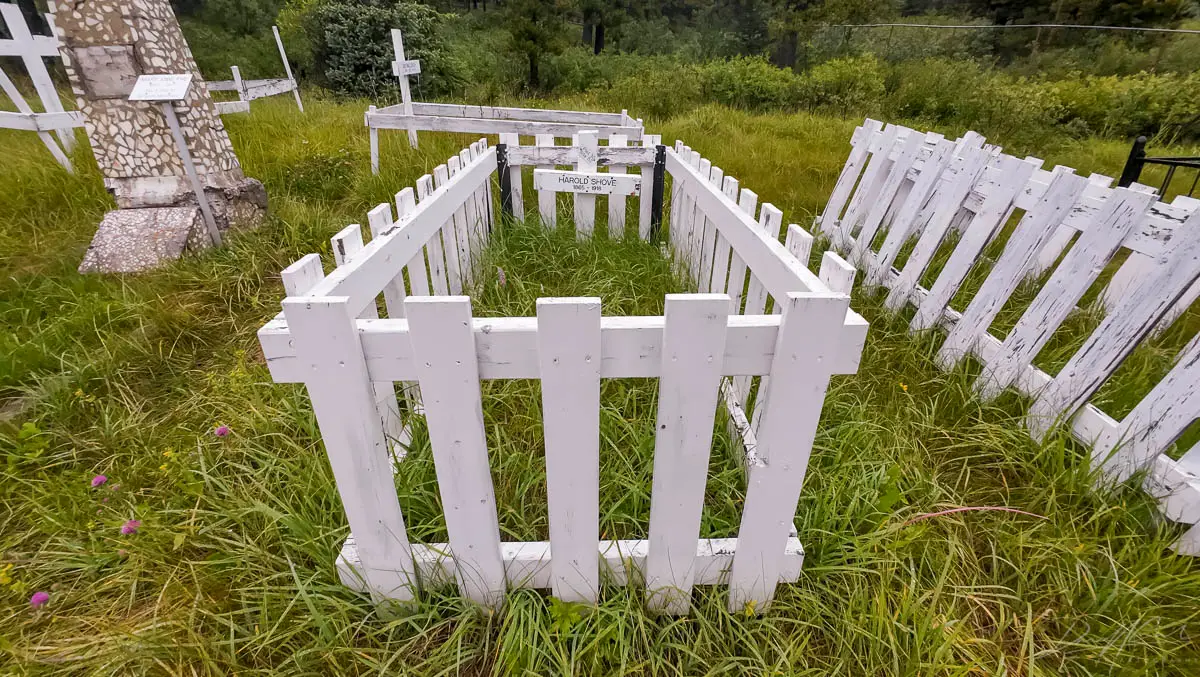
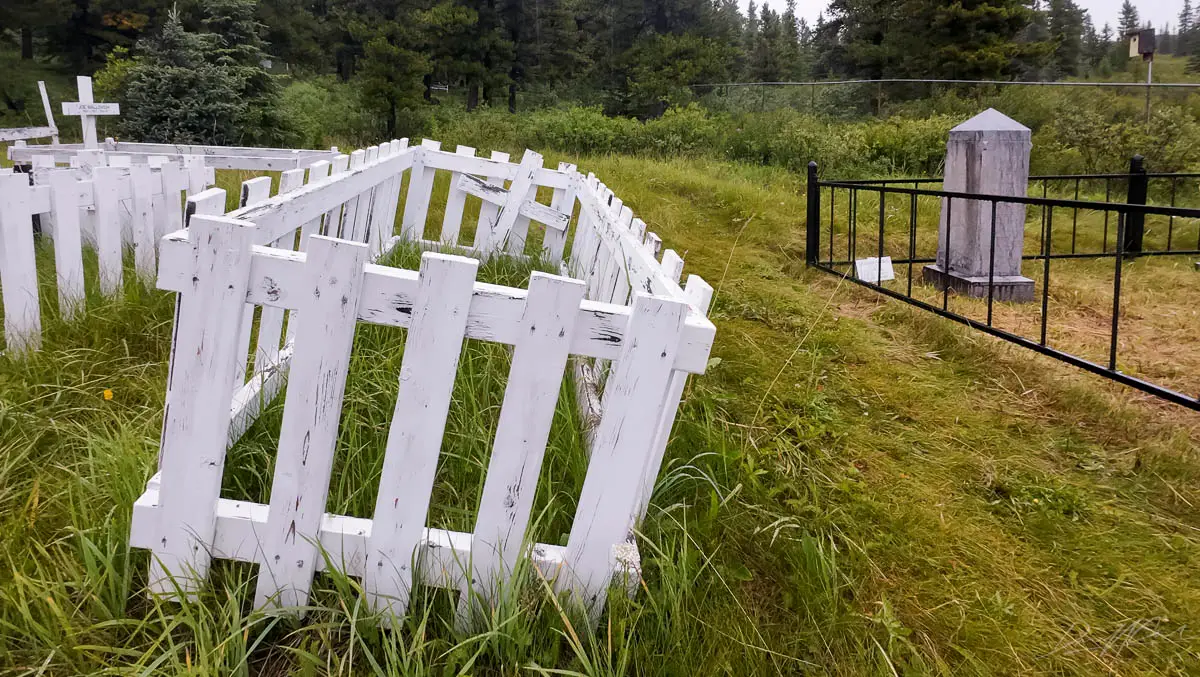
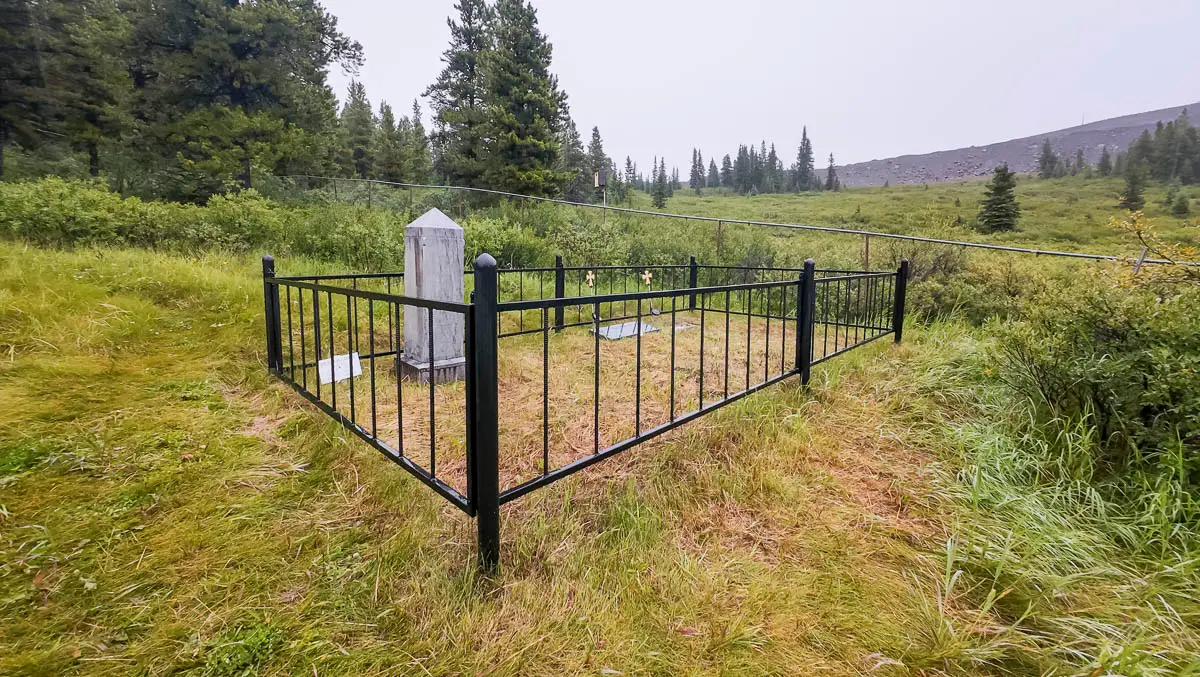
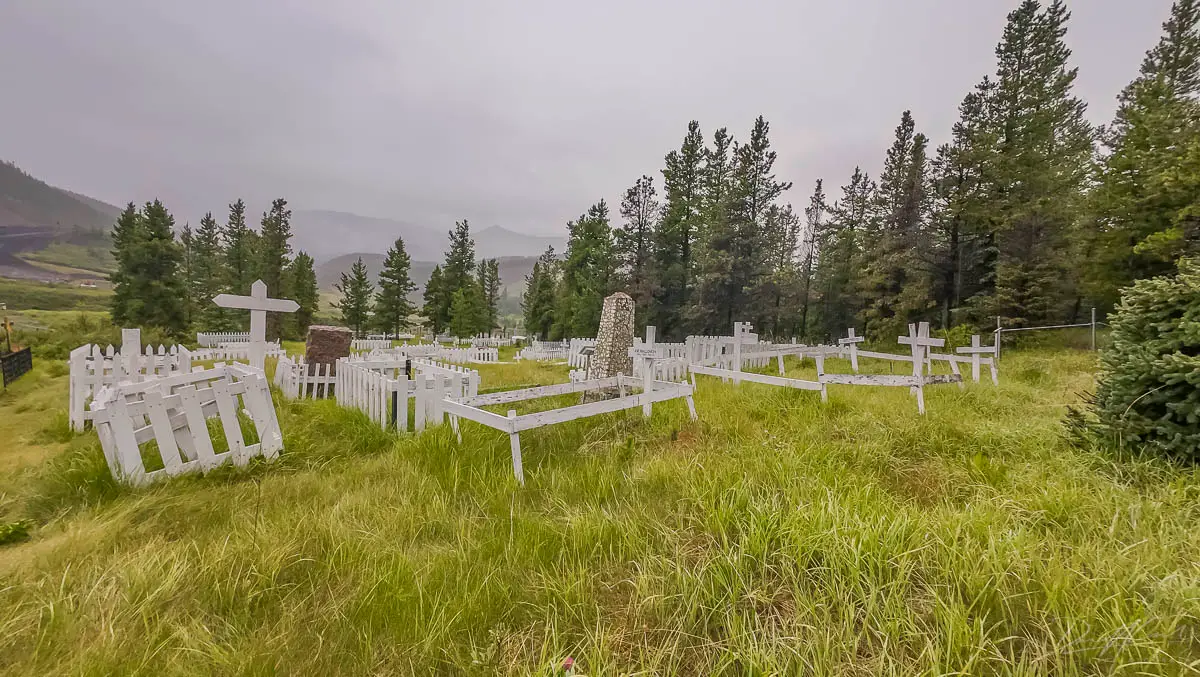
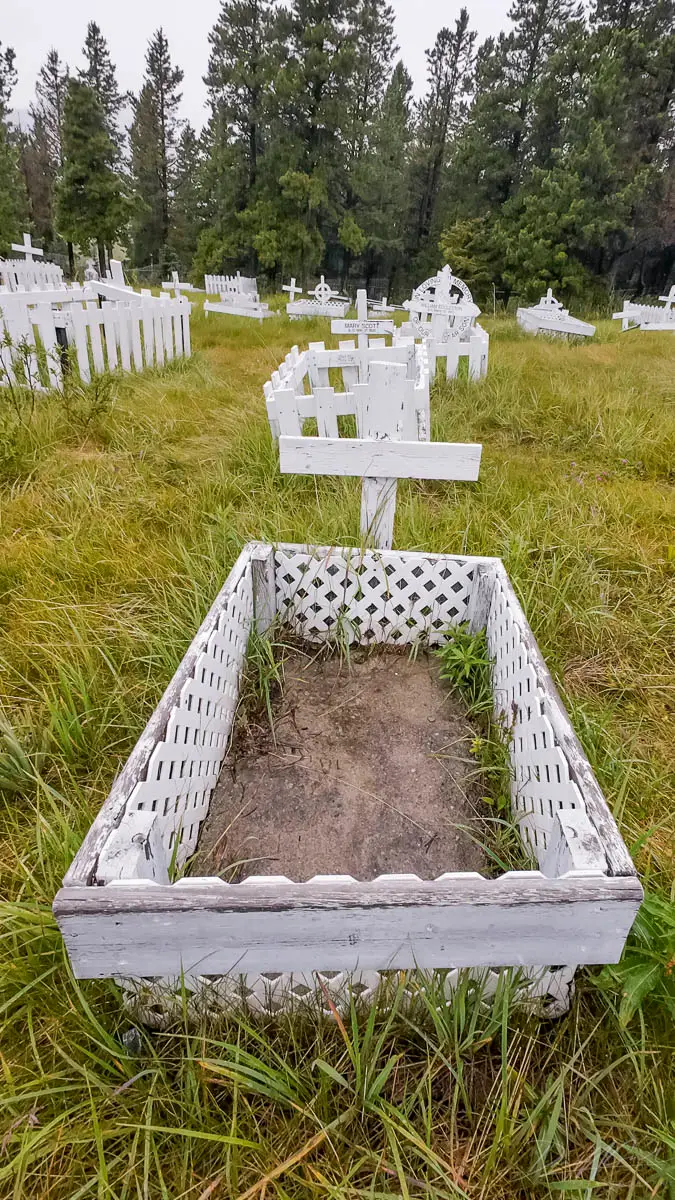
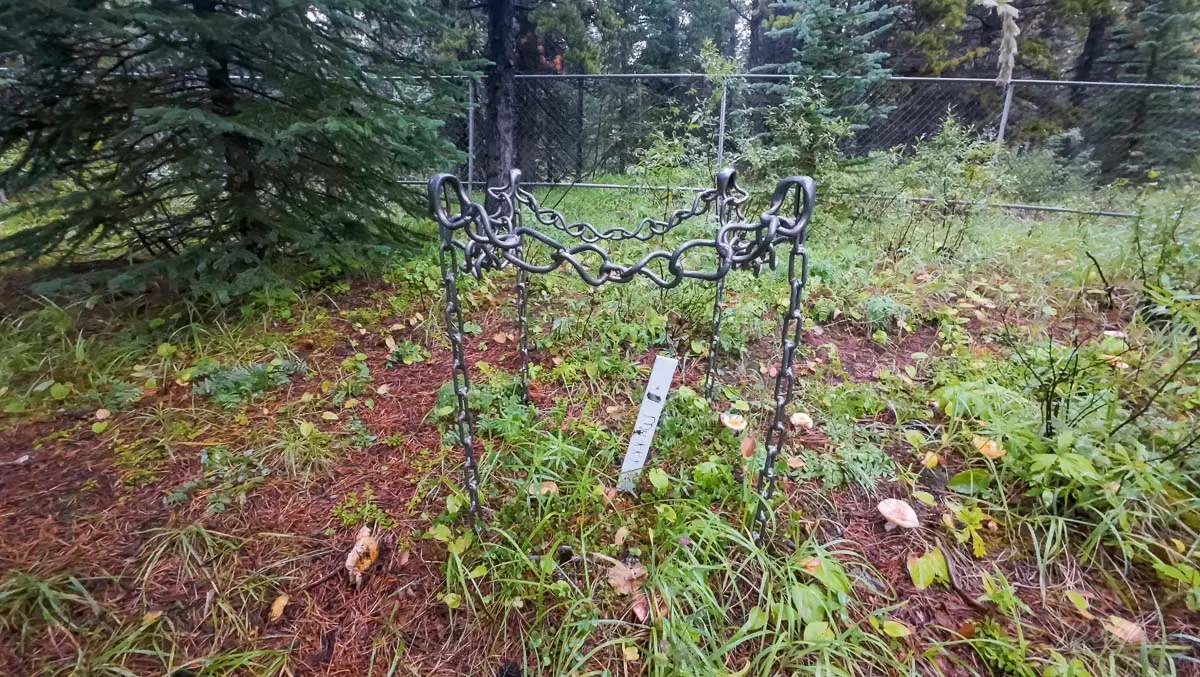
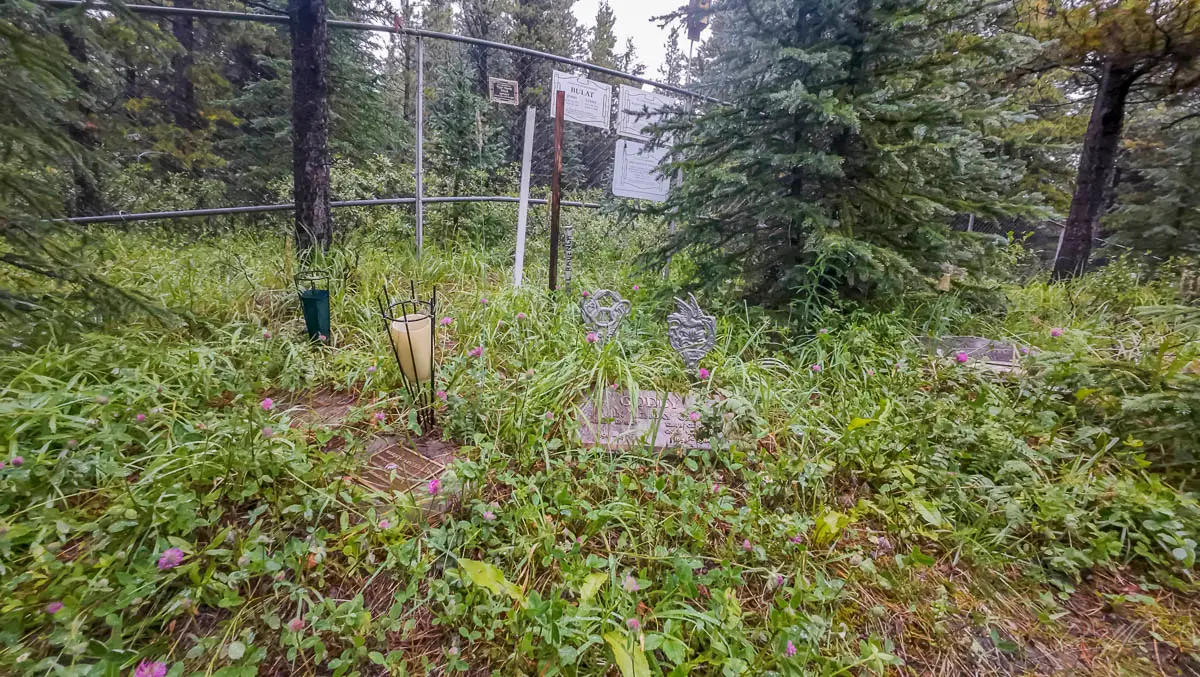
Families chose a hillside above the townsite as the final resting place for loved ones. Several graves have white picket fences. Others have simple markers or family style enclosures. Veterans from the First and Second World Wars are buried here, and descendants return to care for their graves.
The Fall of Mountain Park
Rail Change and Market Collapse
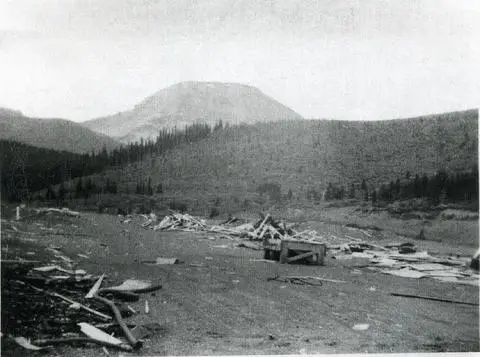
After World War Two, diesel locomotives replaced steam. Coal demand dropped across the region. A major flood damaged the railway line that Mountain Park relied on for shipping and supply.
Closure and Removal
By 1950, Mountain Park closed. Buildings were dismantled or left to collapse. Almost all physical traces of the town disappeared in the decades that followed. Only the cemetery remained.
My personal notes and experience at Mountain Park Cemetery
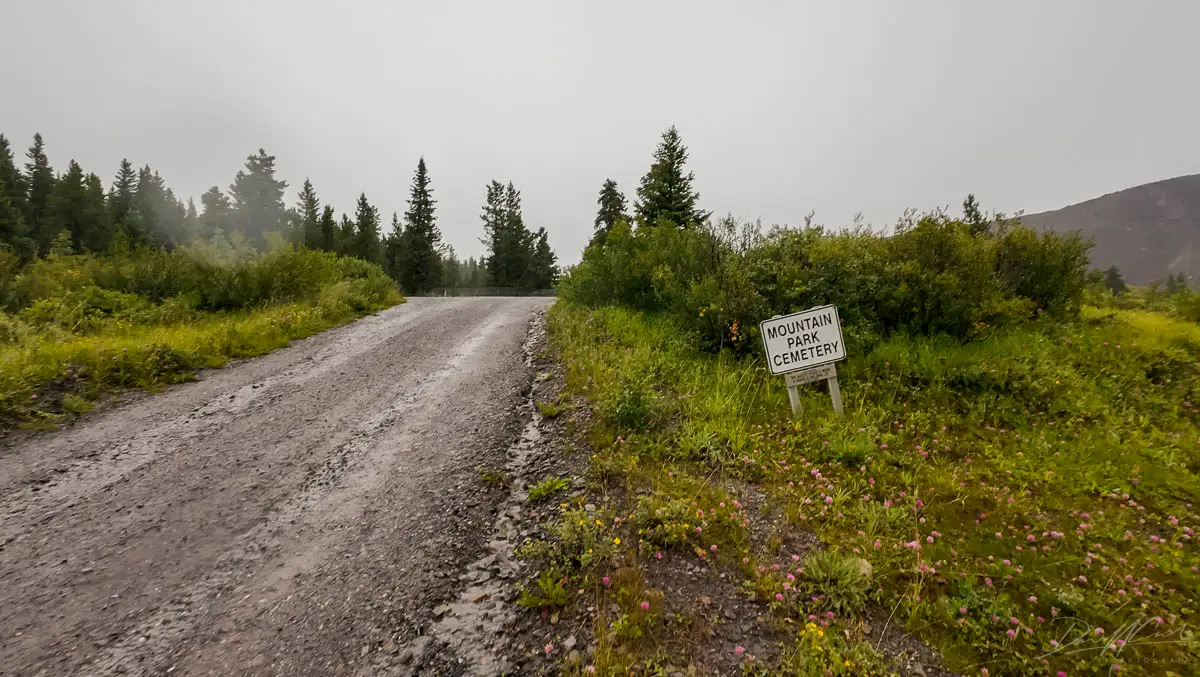
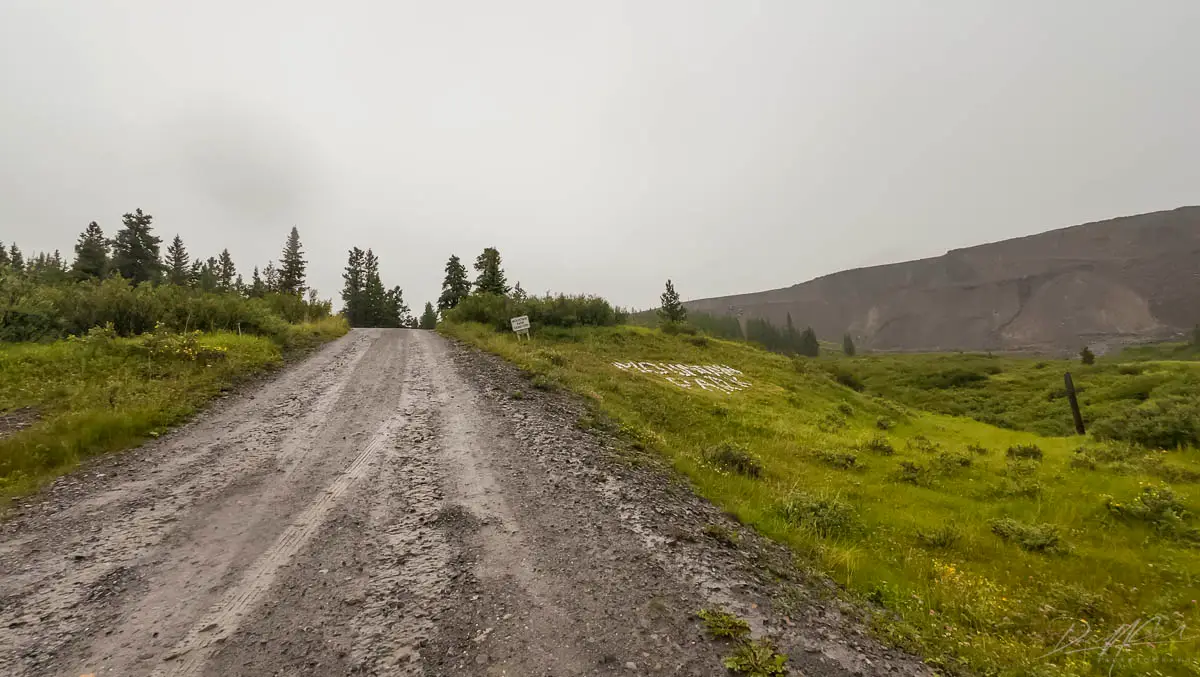
My daughter Victoria and I spent almost five hours driving from the Icefields Parkway to reach Mountain Park Cemetery.
The route was almost entirely unpaved, and we followed dirt roads that climbed, dropped and curved around mountain ranges in steady rain that made the surface slippery and filthy.
I expected to see a lot of wildlife in such a remote area, but in nearly five hours we saw only one deer and one rabbit, although we did spot several mountain goats just after we left the Icefields Parkway.
I am fairly certain that parts of the route were not meant for public access because we passed active mining and rail operations, and more than once I felt like we were in the wrong place.
When we finally reached the cemetery the rain still had not let up. Victoria, who was very supportive in letting me make this long detour to visit a place she had zero interest in, stayed warm in the car watching Love Island on the tablet I brought for this exact situation.
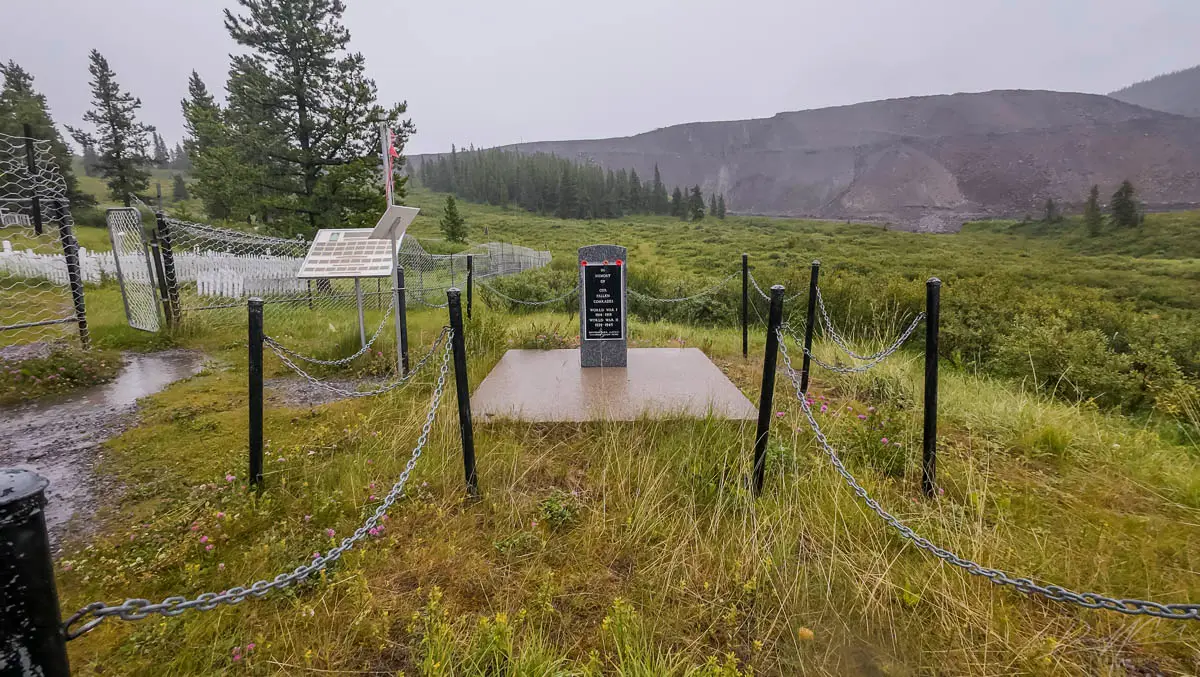
The cemetery was everything I hoped to find. It sits on a hill overlooking the former ghost town, surrounded by mountains and complete silence.
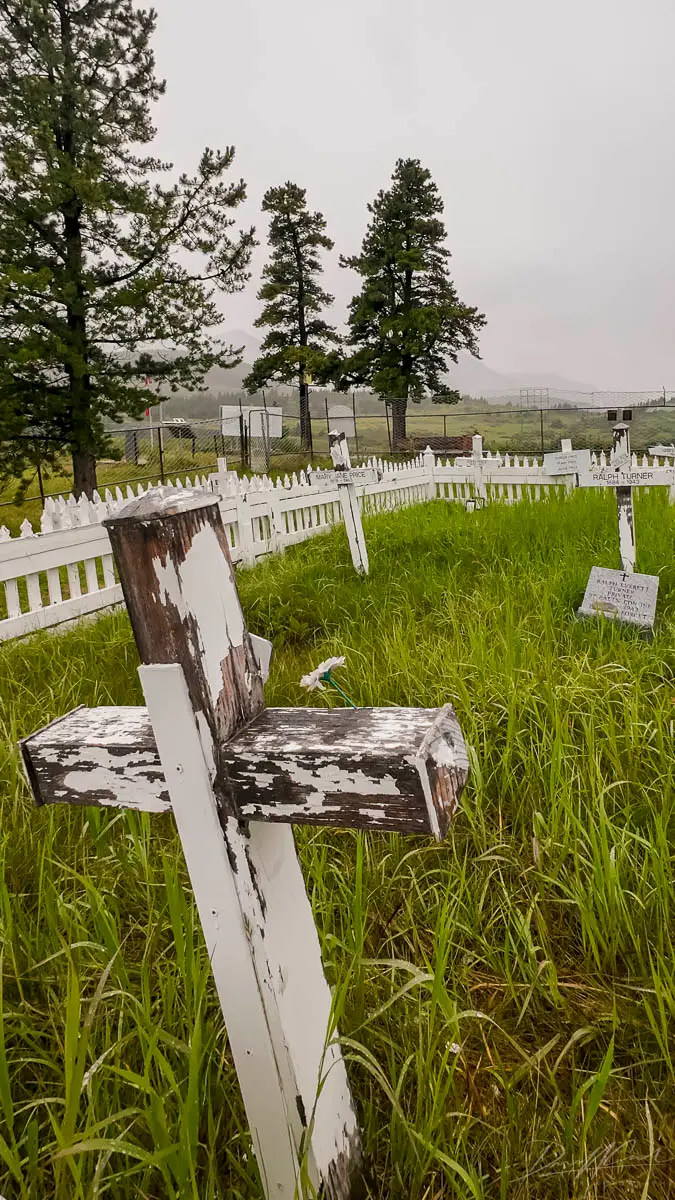
It is restored and maintained, but it still looks like a very old and forgotten burial ground.
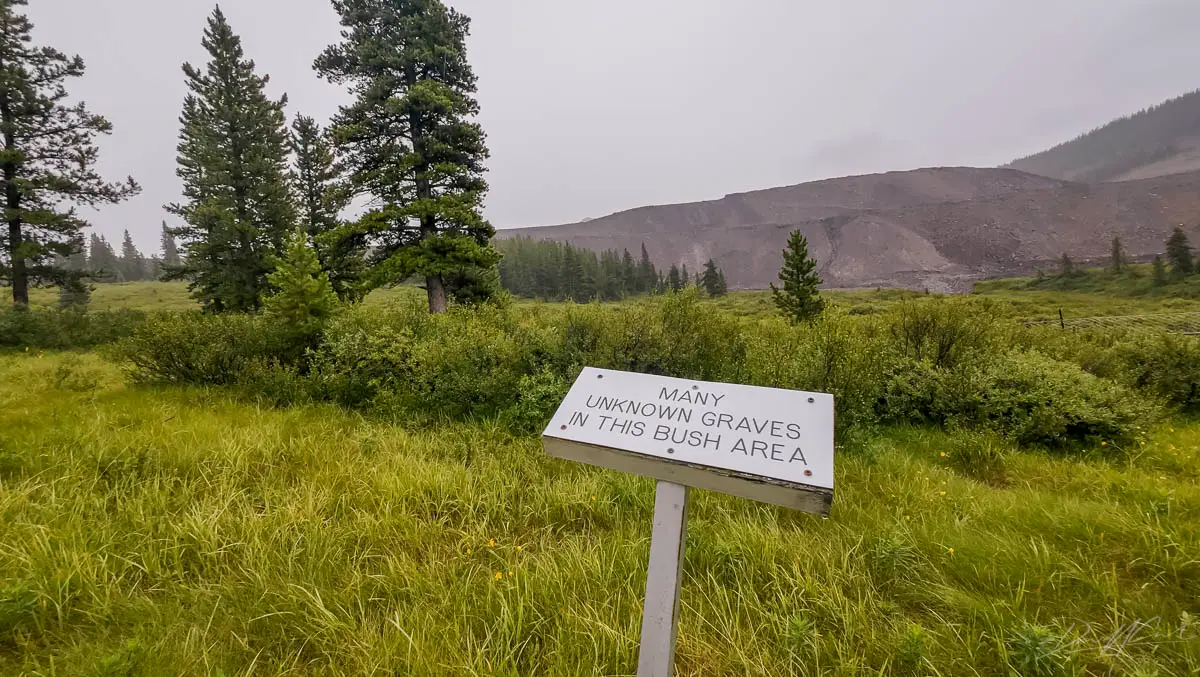
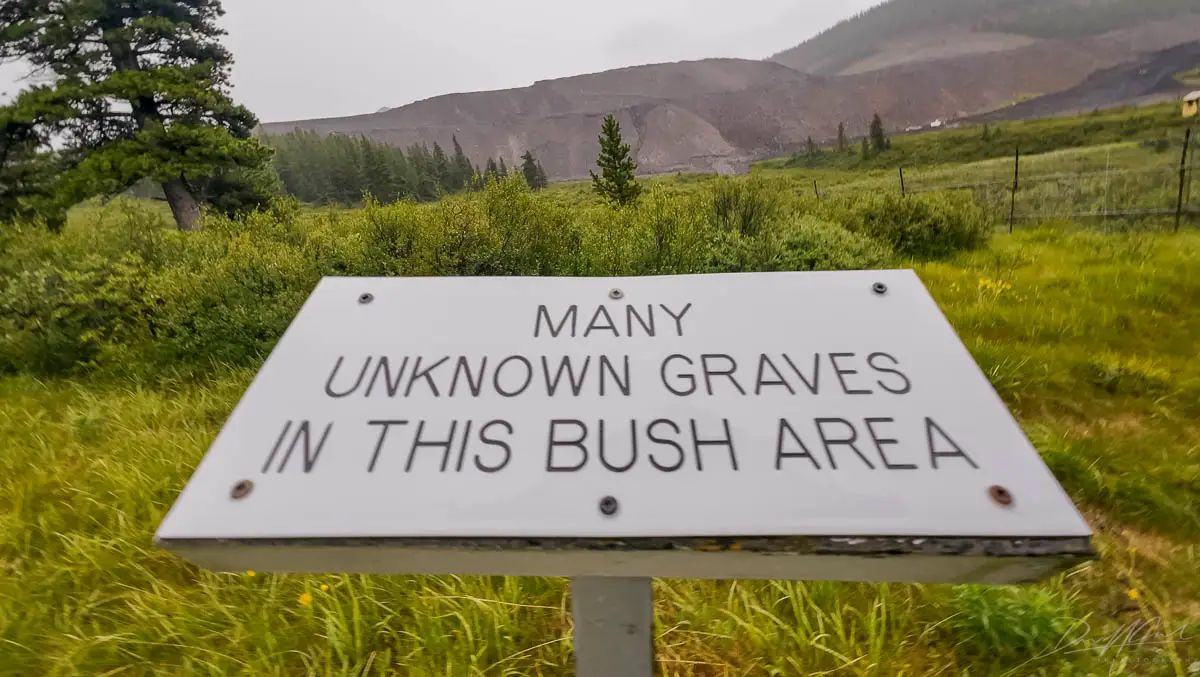
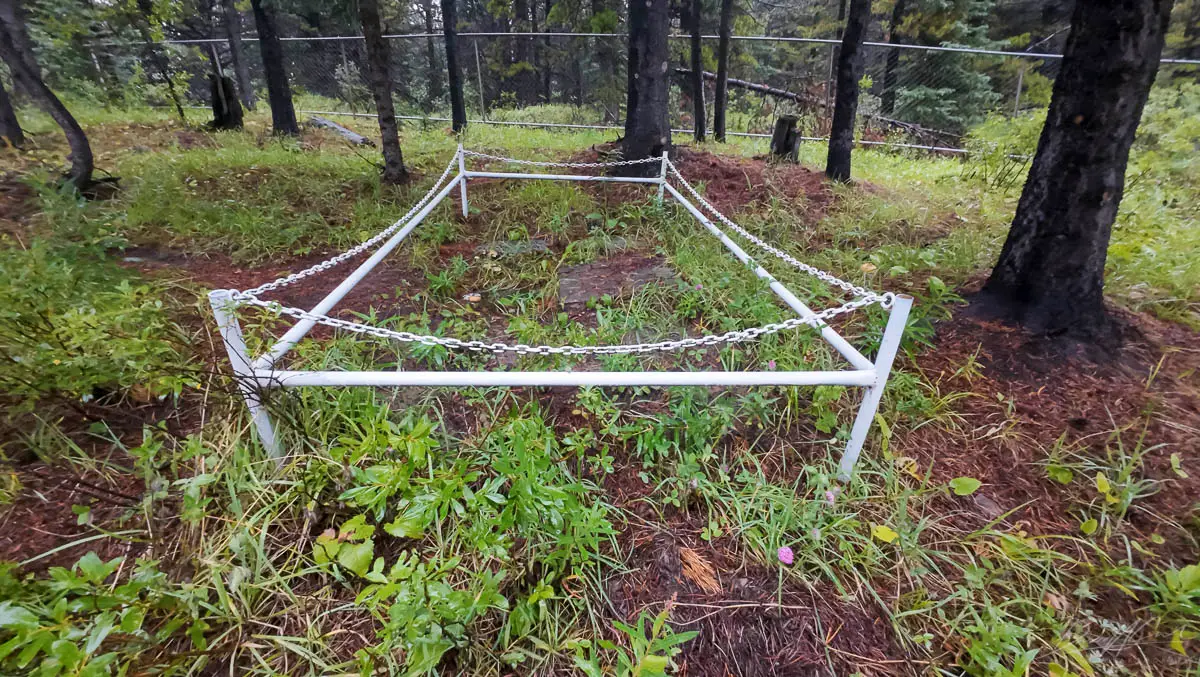
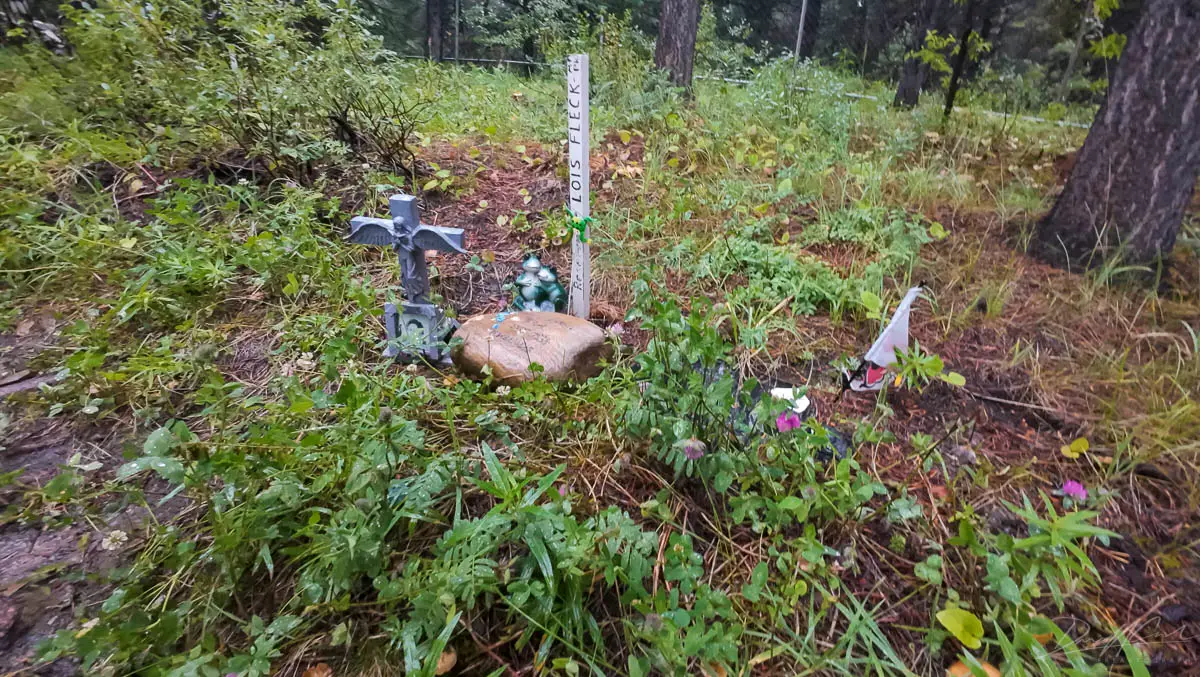
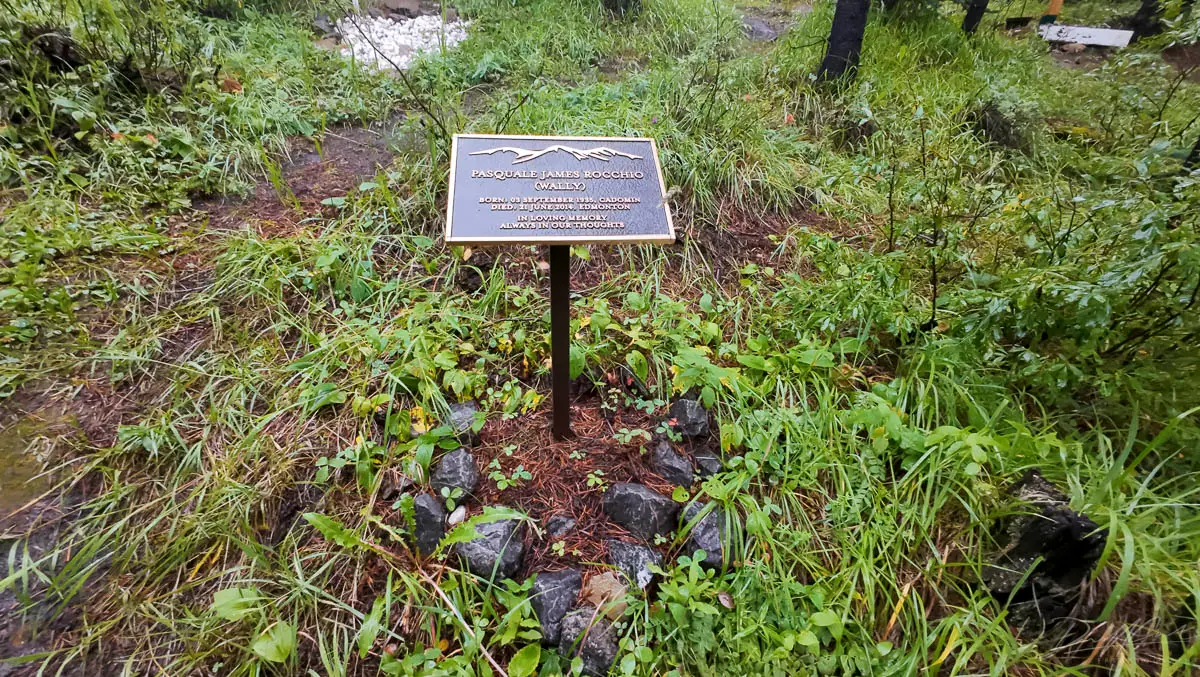
Many graves sit in random places across the land, and signs point out that many unknown graves are hidden in the bush.
The visit was worth the time and effort, and it is exactly the kind of unique, off the beaten path location and piece of little known Canadian history that I look for in my travels across the country.
Mountain Park Cemetery Alberta Photo Gallery
Mountain Park Cemetery History
The Rise and Fall of Mountain Park
In the early 1900s, Mountain Park was a coal mining community set high in the Rocky Mountains of Alberta. Around 1,500 people lived here at its peak. The town had a school, a hospital, a library, recreation spaces, a butcher shop, a hockey rink and all the services needed for families who lived in this remote area.
Everything changed when coal demand declined and flooding damaged the railway line that connected Mountain Park to the outside world. Once the railway was lost, the town had no future. By 1950, it was abandoned. Buildings were removed or left to disappear into the hillside and the entire community faded from the landscape. The cemetery is the only surviving physical record of the people who lived and worked here.
Neglect and Restoration
After the town was abandoned, the cemetery was left unattended for decades. Trees and brush grew through the grounds and many of the graves became difficult to find. In the 1990s, former residents and descendants of families from Mountain Park organized a restoration initiative. Volunteers cleared the overgrowth, repaired fences, documented graves and identified many veterans who had been buried without recognition for years.
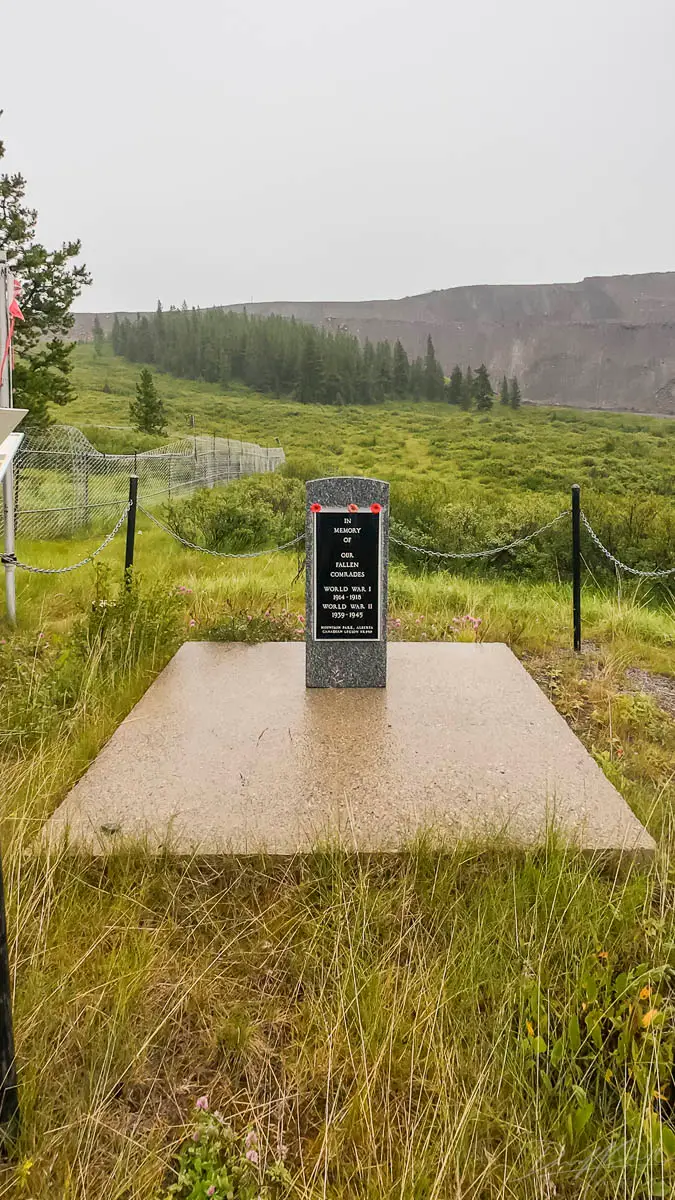
A cenotaph was later added to honour men and women from the community who served during wartime. Their names and service are now part of the preserved history of the site.
A Cemetery in the Mountains
Mountain Park Cemetery sits at more than 6,000 feet above sea level, making it the highest elevation cemetery in Canada. The location remains extremely remote. Weather conditions can change quickly, the surrounding landscape is rugged and the silence is constant. No structures from the original town remain. The cemetery is the final link to a community that once stood here.
The graves are scattered across the hillside, some marked and some unknown. They represent miners, their families, children and veterans who lived in one of Alberta’s most isolated communities. The site is peaceful, quiet and deeply connected to the history of the region.
Why This Story Matters
Mountain Park Cemetery preserves the memory of a town that vanished long ago. It reflects the challenges of remote mountain living, the strength of early mining communities and the importance of volunteer efforts that protect endangered historical sites. For photographers, historians and explorers, it offers a rare opportunity to experience a piece of Canadian history that very few people ever visit.
The landscape surrounding the cemetery is dramatic, the markers are worn by time and the silence tells the story just as strongly as the records do. This is a place shaped by human effort, loss, change and memory. Visiting Mountain Park Cemetery is a chance to connect with a part of Alberta’s past that most Canadians never learn about.
Comments and messages I have received since posting this story
@karyn1147
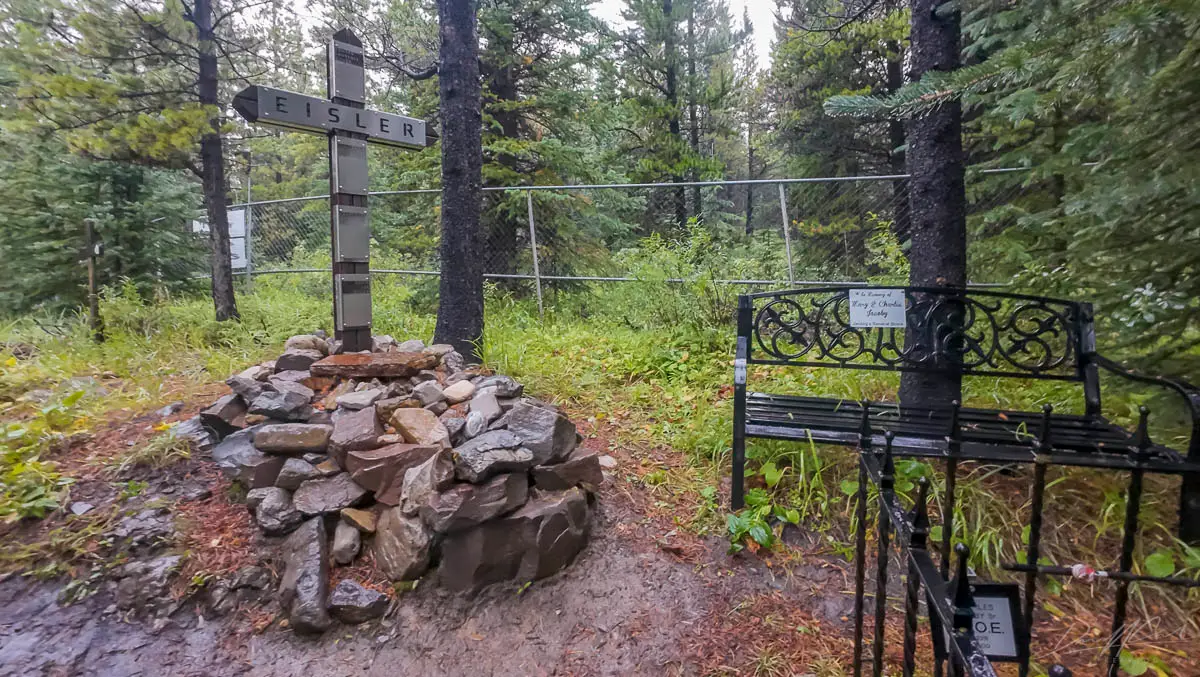
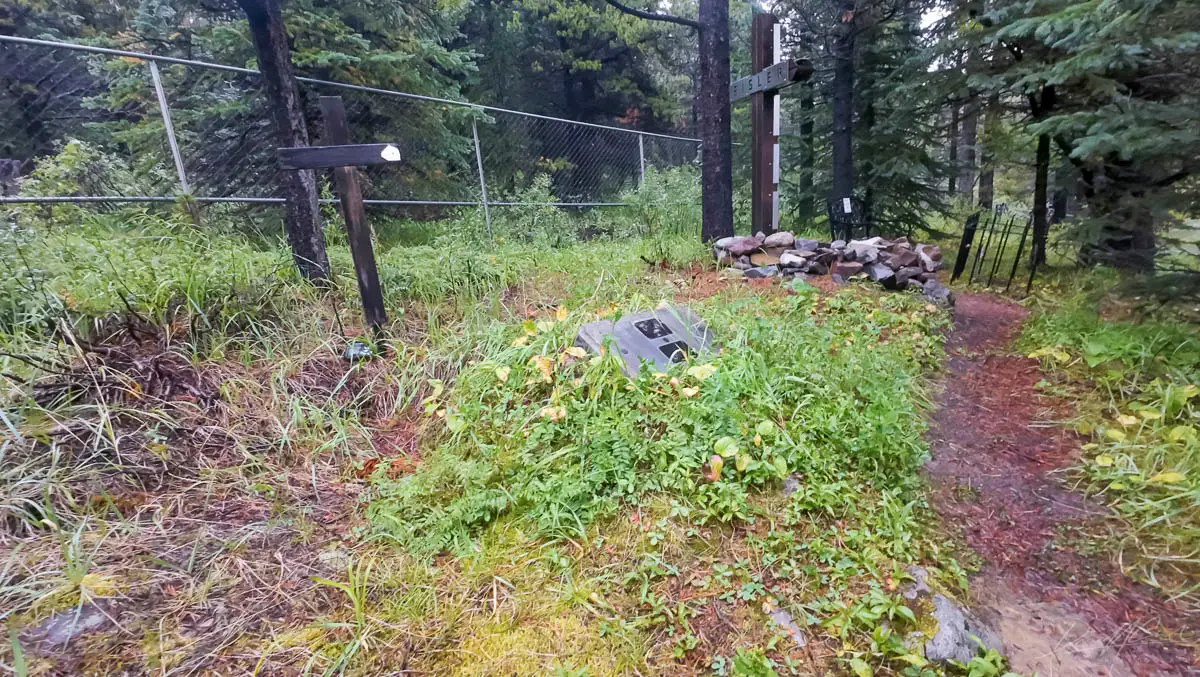
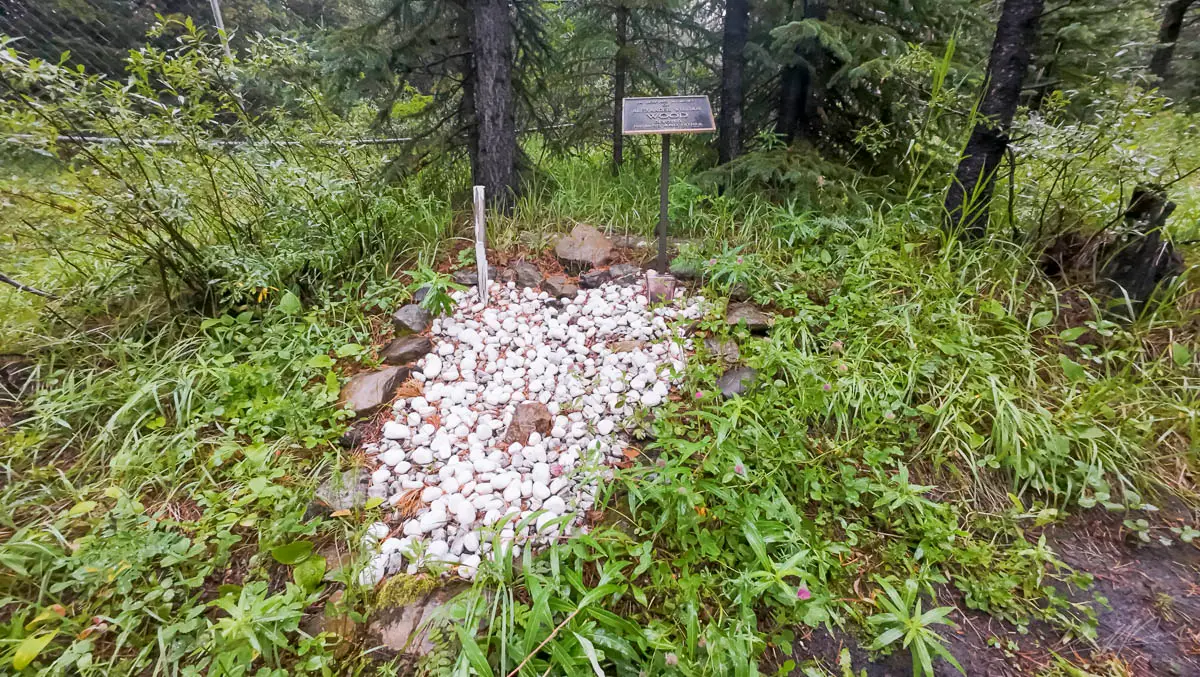
Can’t believe this came across my feed this morning 😮 My parents are buried in the plot at the highest point in that cemetery — the huge ‘Eisler’ cross with the large mound of river rocks at the base. It was quite the job to haul that massive heavy steel cross to the top, and to drag all those heavy stones up from the river in Cadomin. Digging the grave through thick roots and navigating mountain stone was … a feat in itself! So amazing to see this through your eyes in heavy rain 🌧️! Thank you SO much for this 🙏This video — and the cross appearing prominently, two times, makes it just wonderful — and easy — to ‘virtually’ visit my parents’ gravesite year round, without actually making the long trek there 🙏
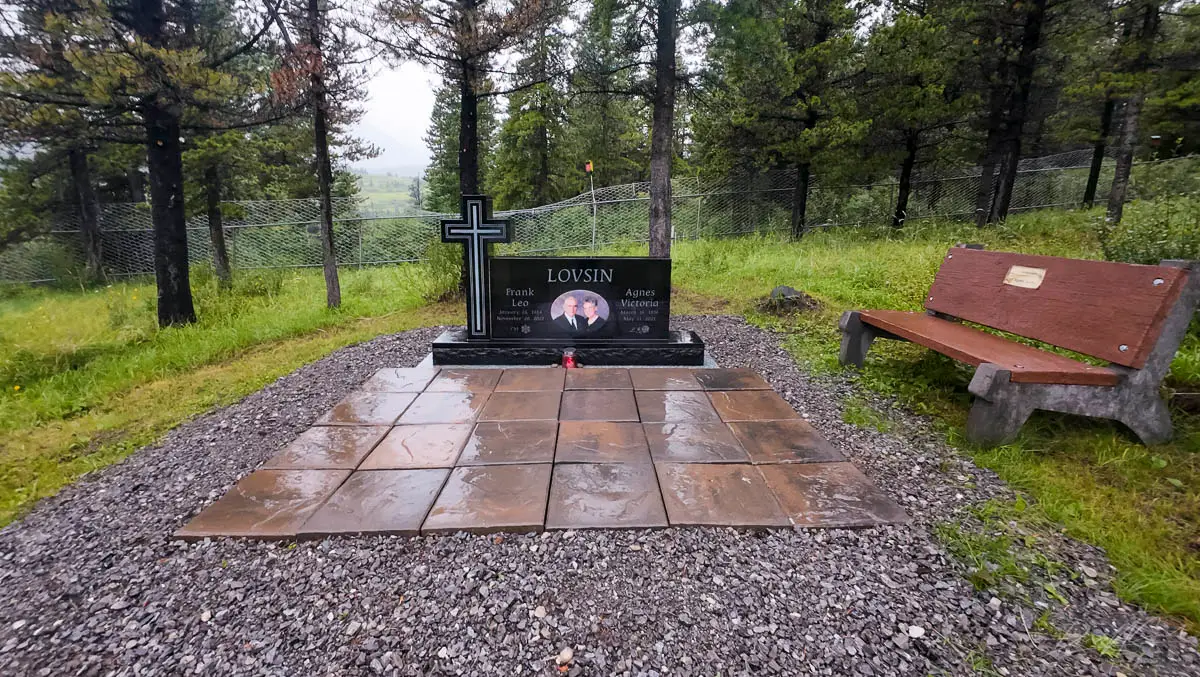
Interestingly, you also featured the gravesite of my aunt and uncle — the new one near the bottom with the photos on the upright stone, and the solar powered light 🕯️
That cemetery has seen a lot of action from my family over the past few years, since all four of them — mother, father, aunt, uncle — died around the same time.
From the bottom of my heart, thank you, again, for this 😊❤
@dianafleck7857
This is were my parents are buried and some other relatives
voitlander
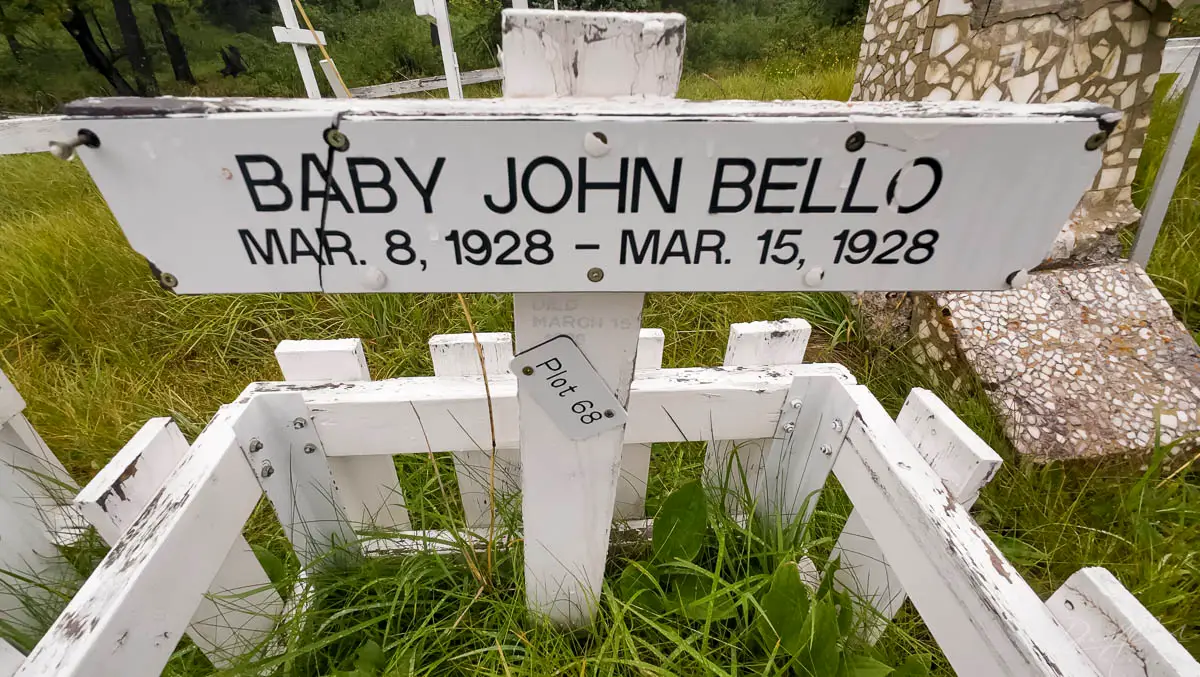
My grandfather and grandmother owned the restaurant in Cadomin. My father lived in Cadomin for 5 years when he was younger. I’m asking him if he knows about baby John.
Mountain Park was just above them.
TrollToll7419
I was browsing your pics and was surprised to see the resting place of Frank and Agnes Lovsin. Frank was a fixture in the Peace Country for decades. https://www.dignitymemorial.com/en-ca/obituaries/stony-plain-ab/frank-lovsin-11030280
BrotherTobias
I worked on that graveyard! I joined the Alberta Junior forest rangers in highschool and one of our work projects was to do brush removal, fence and stairs rebuild, and cleaning of some of the grave sites ( if we were comfortable to do so).
Im dont remember her name, but ill call her the Care taker. She was a sweet grandma who is/was a historian of the area. As we worked she told us stories about some of the folks out there that had been laid to rest and the bootleg Gin industry in the area due to the prolific amount of juniper bushes.
Looks like they did some updating. Those white picket fences, black fencing and benches werent there at the time. Only some grave markers and the exterior fencing. Its a pretty somber place and if i remember right there is a geological site as part of the Great Divide nearby that we went to that is even higher in elevation with some of the oldest living fauna that can be traced back to the dinosaurs. Pretty cool area even if the wind was basically non stop. If you look into how the continents formed out of Pangea, the area becomes that much more astonishing.
I remember at one point in the day she was telling us a story about how a local bear loved coming to the area and would rip up the fence so he could get to the flowers, berries and any other food he could find and how even though he was a pain in the ass, he seemed to know to leave the marked graves alone especially Baby John. While not outright scary, we certainly worked faster and paid more attention to the way the wind blew as bears be stinky.
As the day went on, i started finishing up some of the fence line by myself on the farside opposite of the entrance. I had just hacked off the last piece of pipe and was tying it in when the wind stopped. It was one of the most uncomfortable sensations being near a wooded area i couldnt see into with the absolute silence. I couldnt see the rest of my crew despite being in bright yellow nomex overalls and quickly finished up only to find the Caretaker sitting on the bench near the front drinking tea ever so sweetly. She looked over at me and asked if i heard it; I just nodded and kept putting my tools away. She talked about how she was very proud of us and that the spirits were always happy to have visitors. Im not a spiritual guy or believe in the spooky spooks but that place certainly felt special and Im happy to have helped maintain that graveyard. Will have to make a trip there one day with my family.