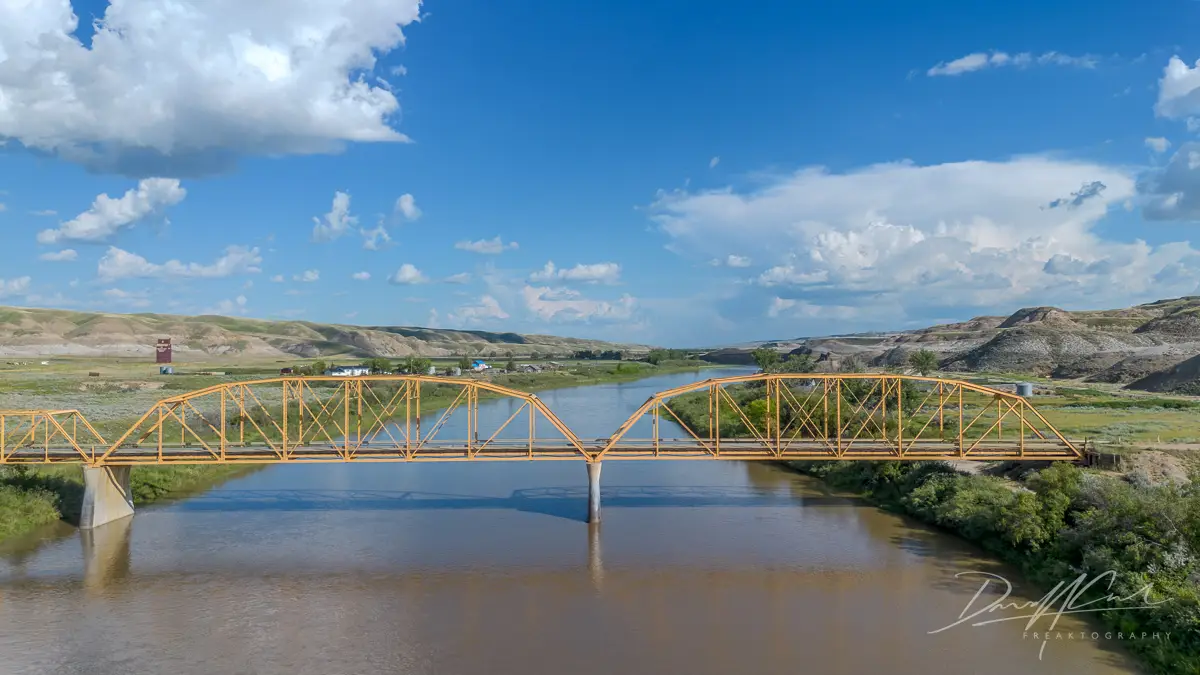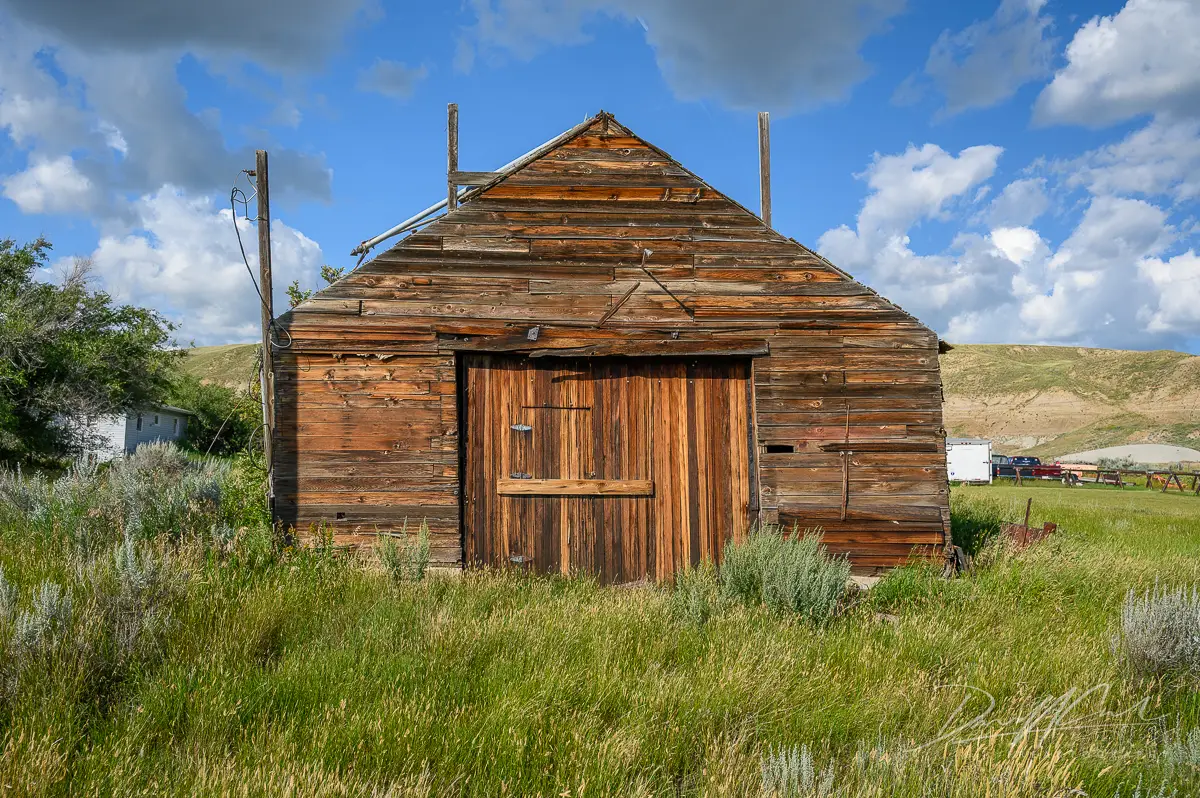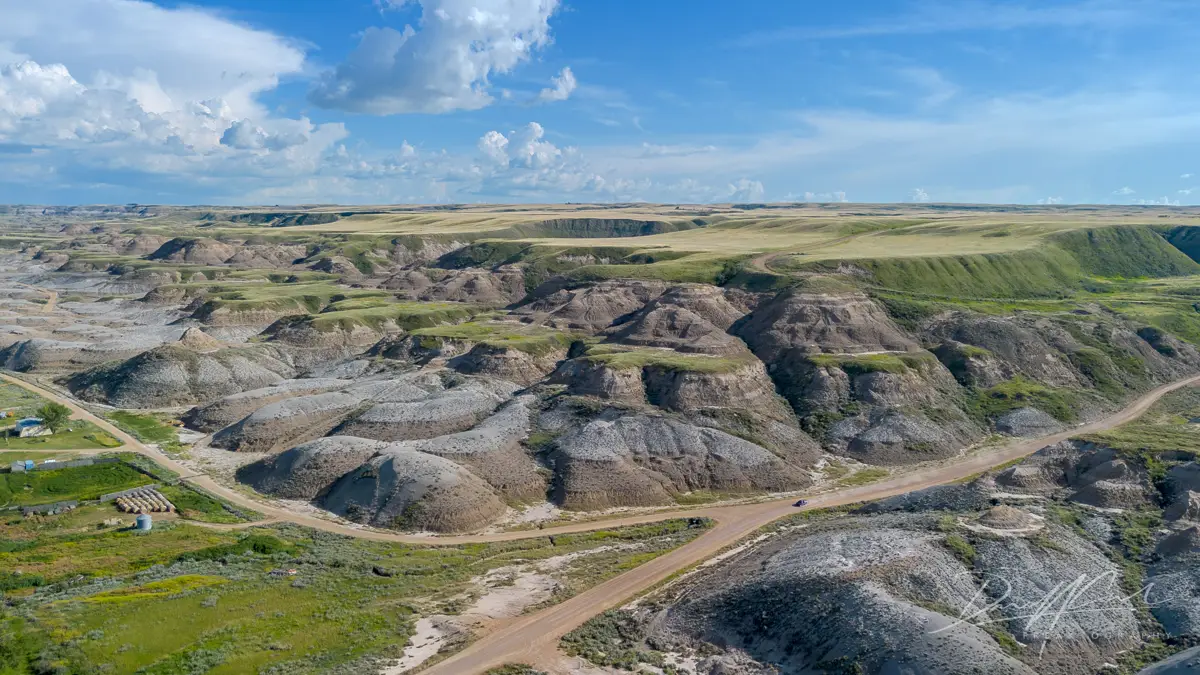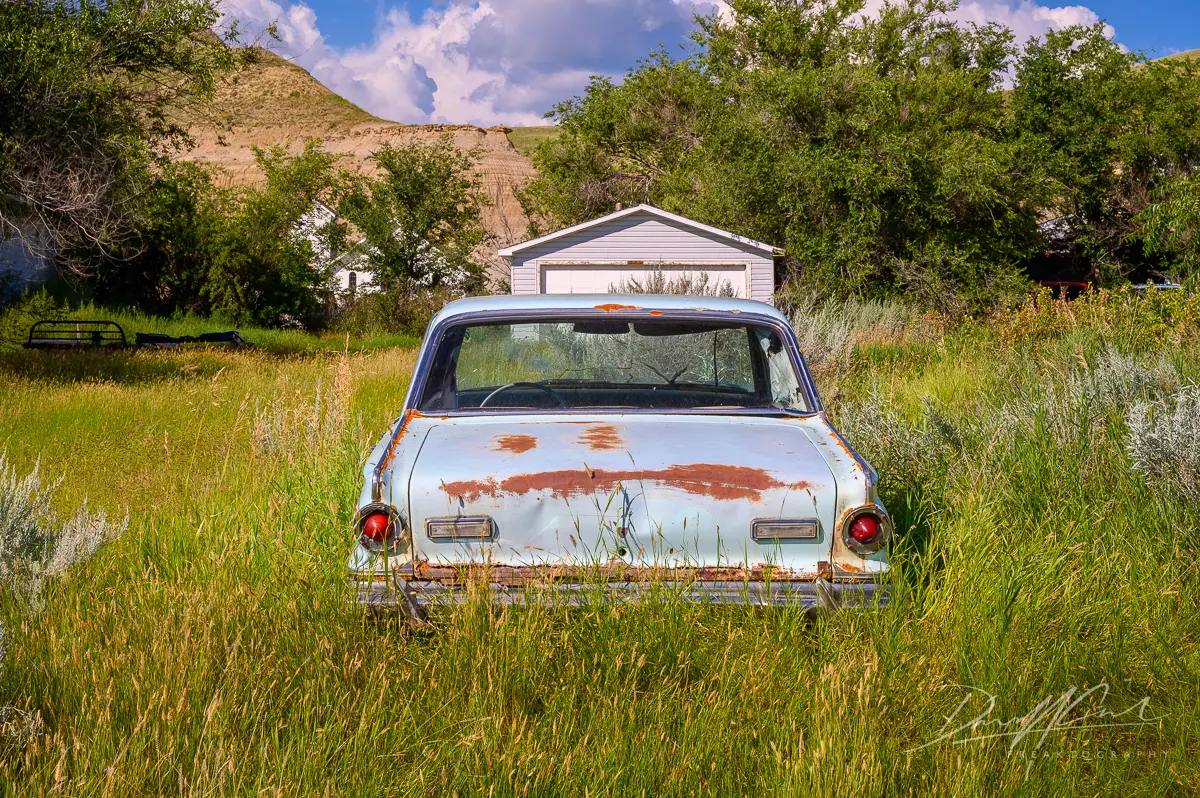
Dorothy, Alberta, A Prairie Ghost Town East of Drumheller
Dorothy, Alberta is the kind of place you can drive past without realizing a town ever existed here. It sits on open prairie east of Drumheller, far from the crowds and viewpoints. What you see today is small, quiet, and weather-worn, but it tells a bigger story about how prairie towns formed, how they functioned, and how quickly they could disappear.
In this feature, you will see what remains in Dorothy, including the churches and the grain elevator, plus the key facts behind why this community rose and faded.
The quick story of Dorothy, Alberta
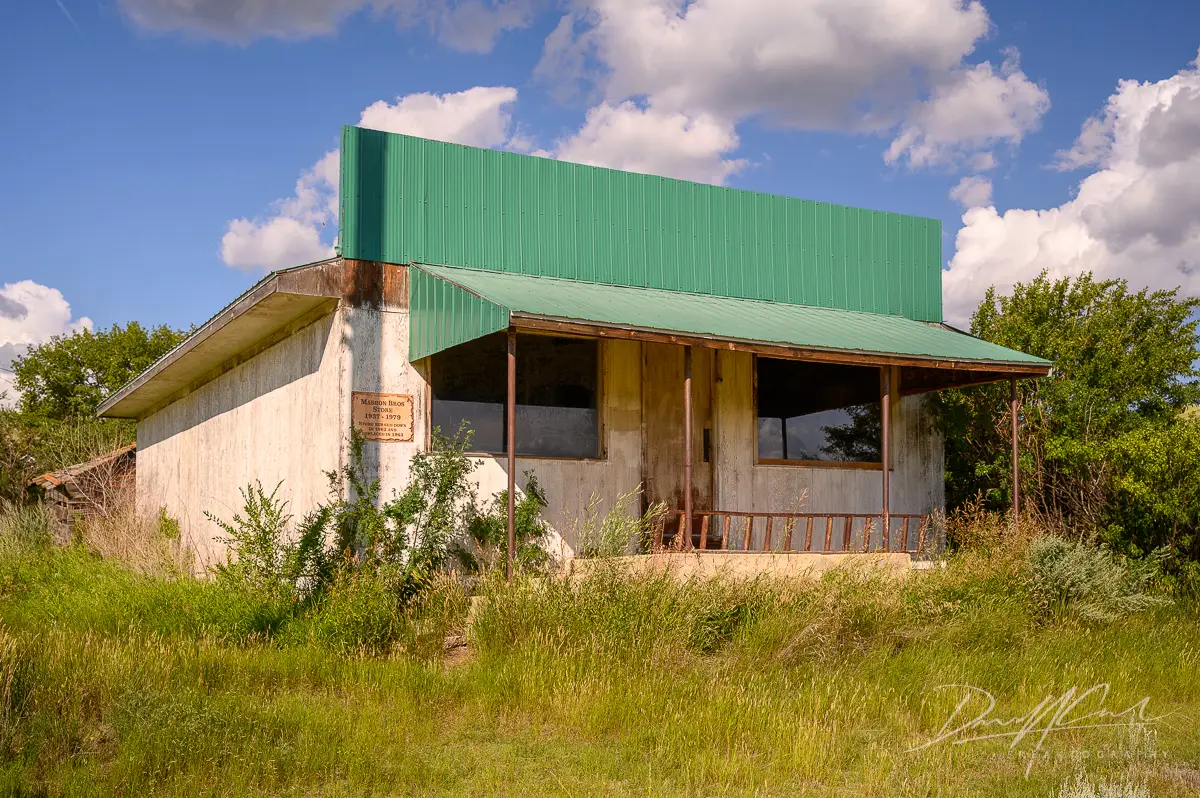
Dorothy was founded in 1911 during Alberta’s settlement and railway expansion era. Like many prairie communities, it existed to serve nearby farms with the basics that rural families depended on, including a post office, a school, local services, and places of worship.
Over time, life changed across the prairies. Farming required fewer people, families consolidated into larger towns, and local services gradually disappeared. When rail service ended in the late 1960s, Dorothy lost its main reason to exist as a service point for the surrounding area, and the community continued to empty.
On-screen pan lines you can use on this page:
Dorothy was built for rail and agriculture, and when those needs shifted, the town did too.
What remains is small, but the story behind it is huge.
What you can still see in Dorothy today
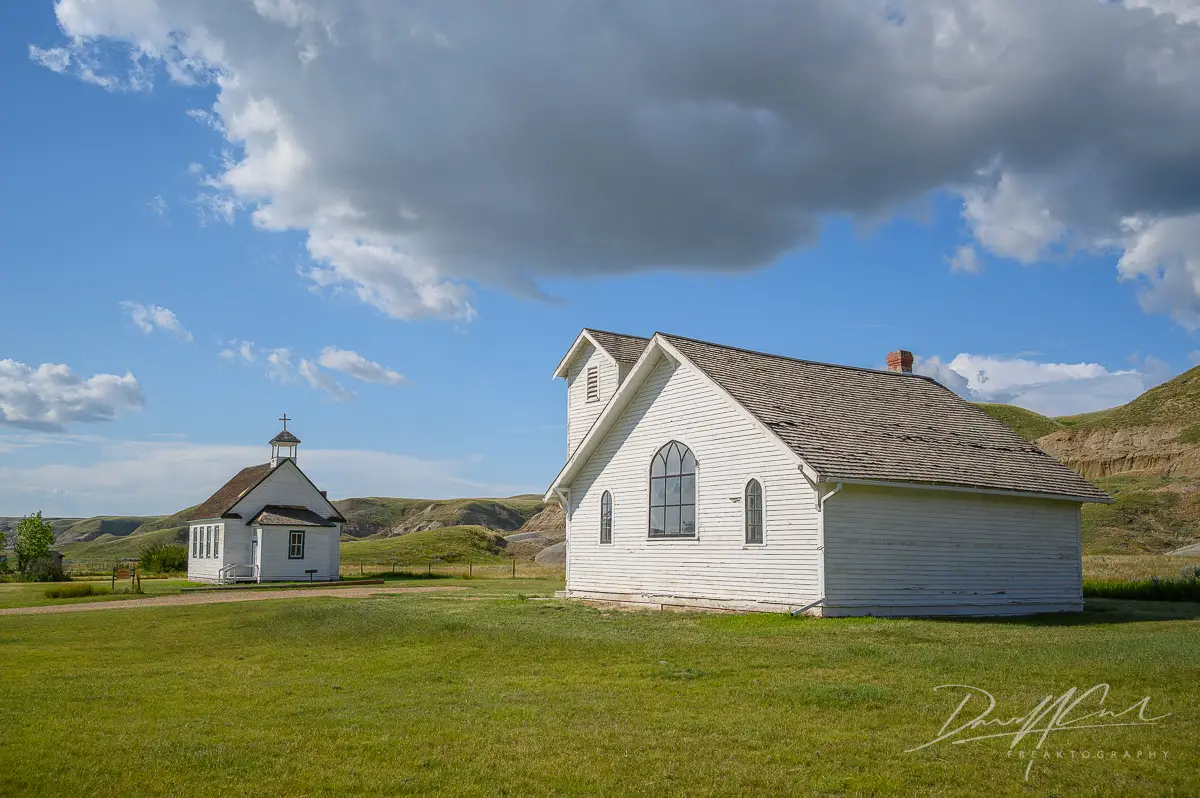
The churches
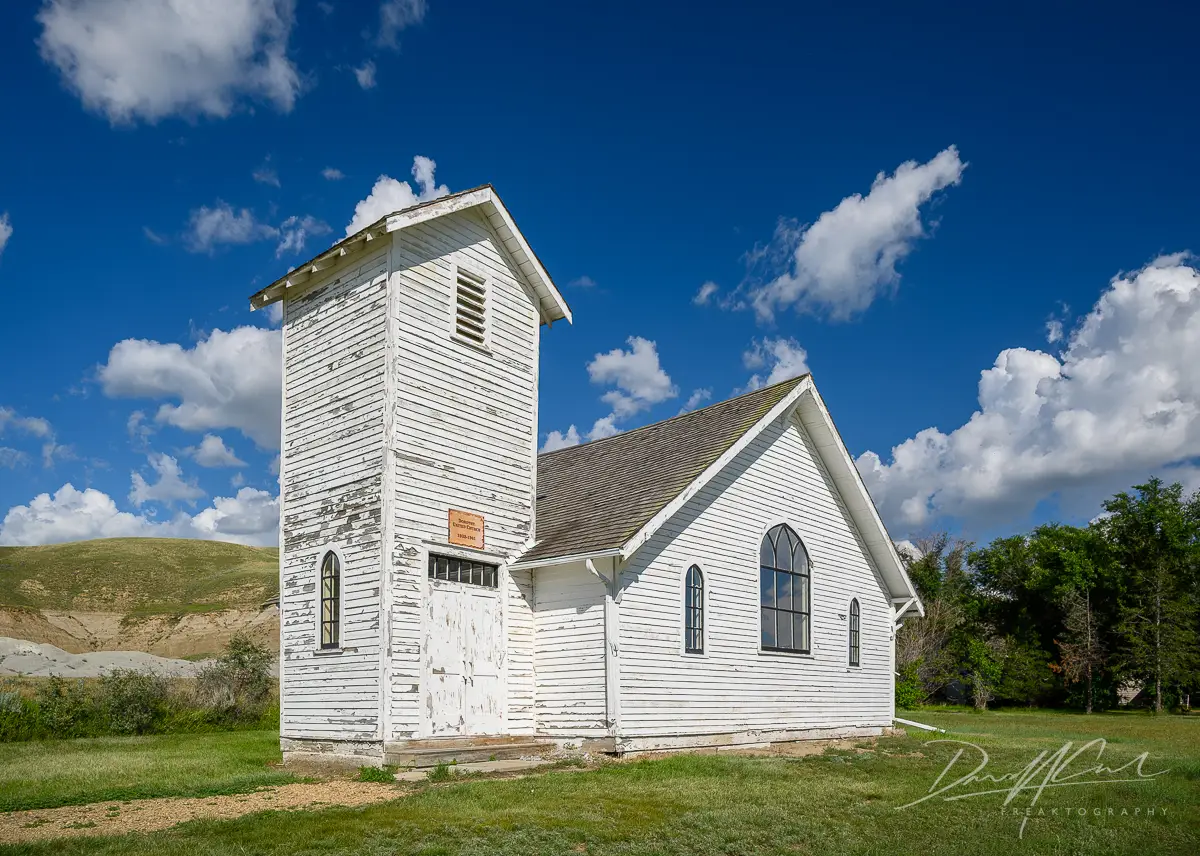
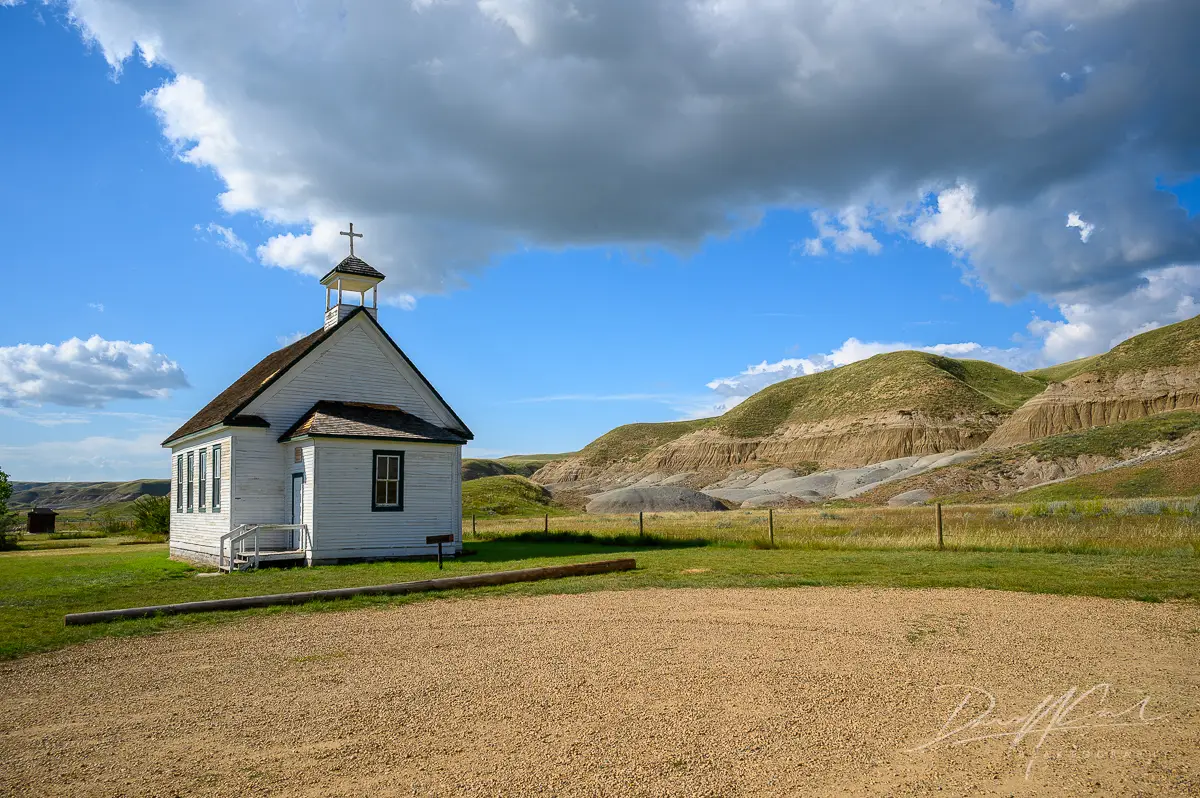
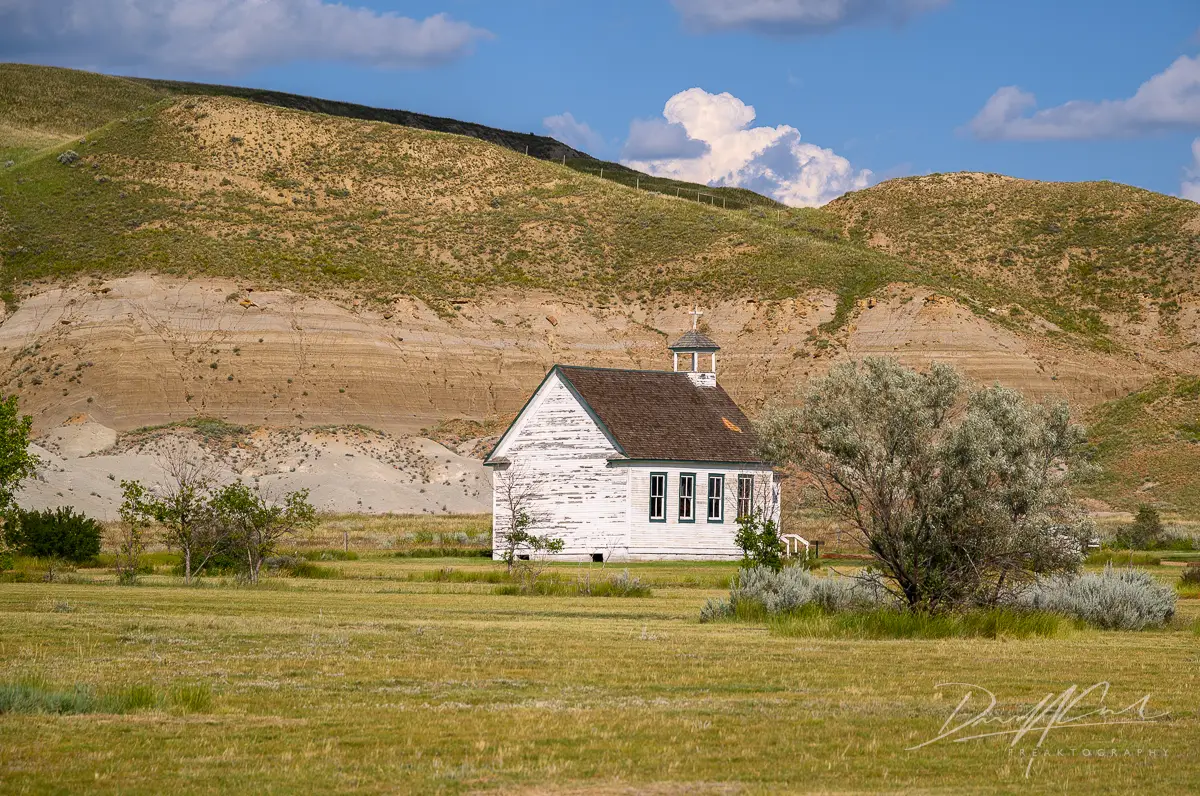
The churches are the most human part of Dorothy’s story because they represent daily life, gatherings, and community memory. In small prairie towns, churches often doubled as social hubs, where people met, supported each other, and marked major life moments.
When you photograph the churches, focus on the practical details that show age and use, window frames, weathered wood, hardware, and signs of repairs over the years.
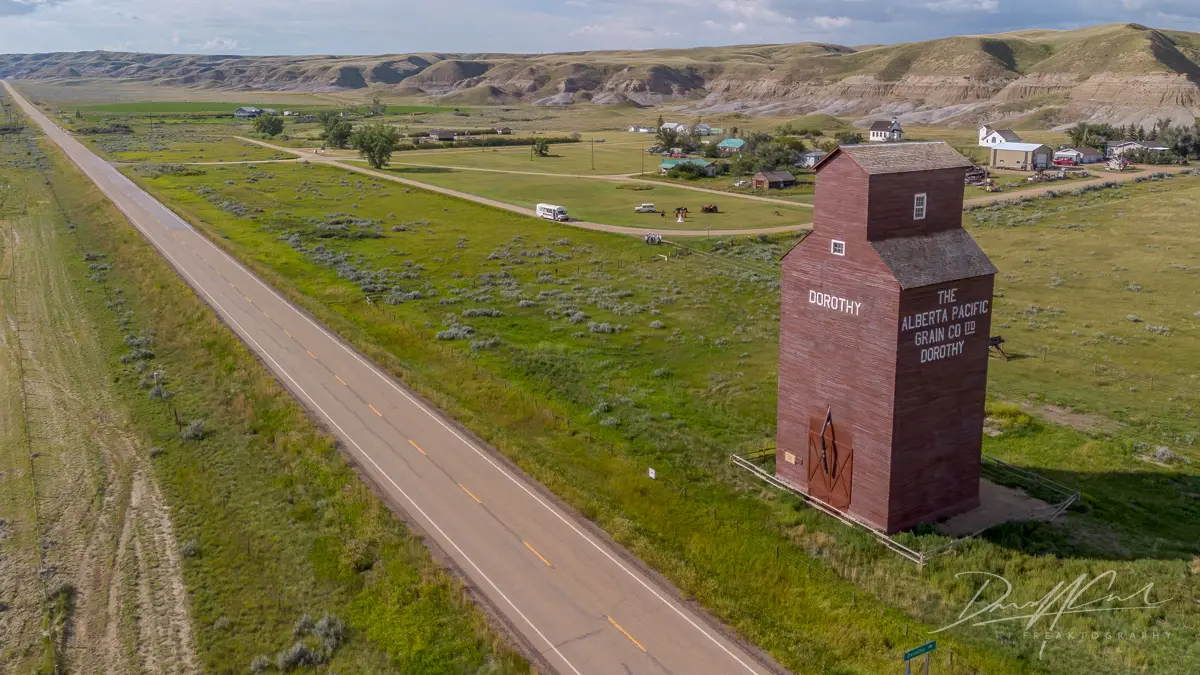
The grain elevator
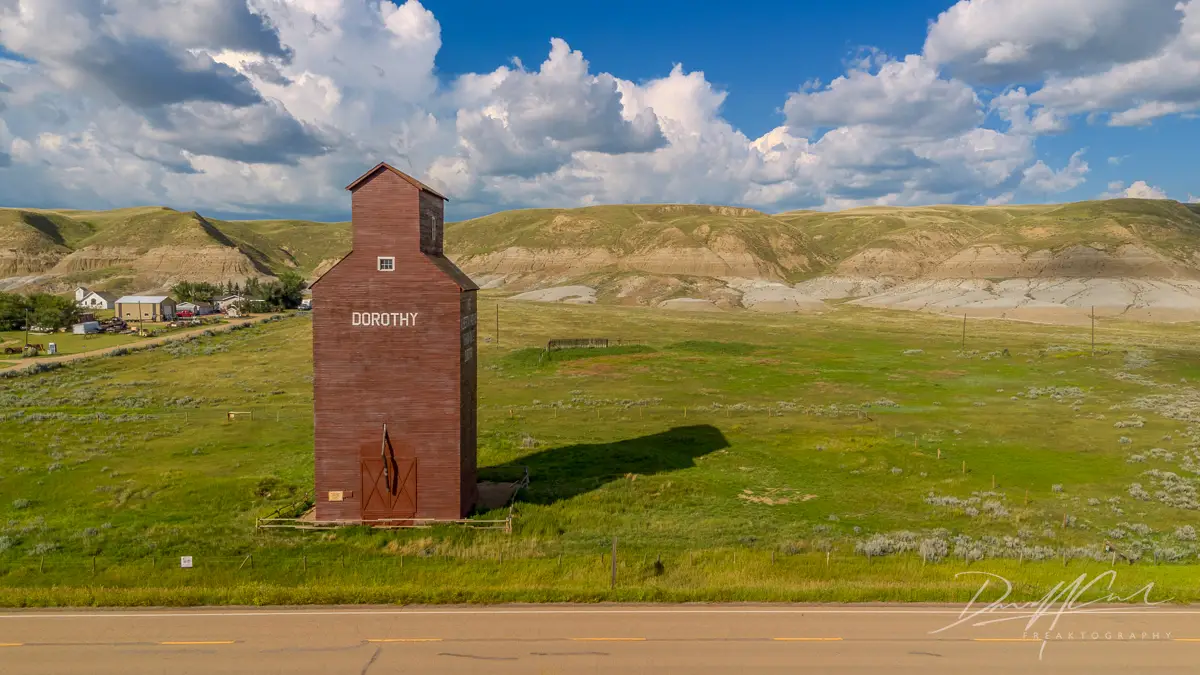
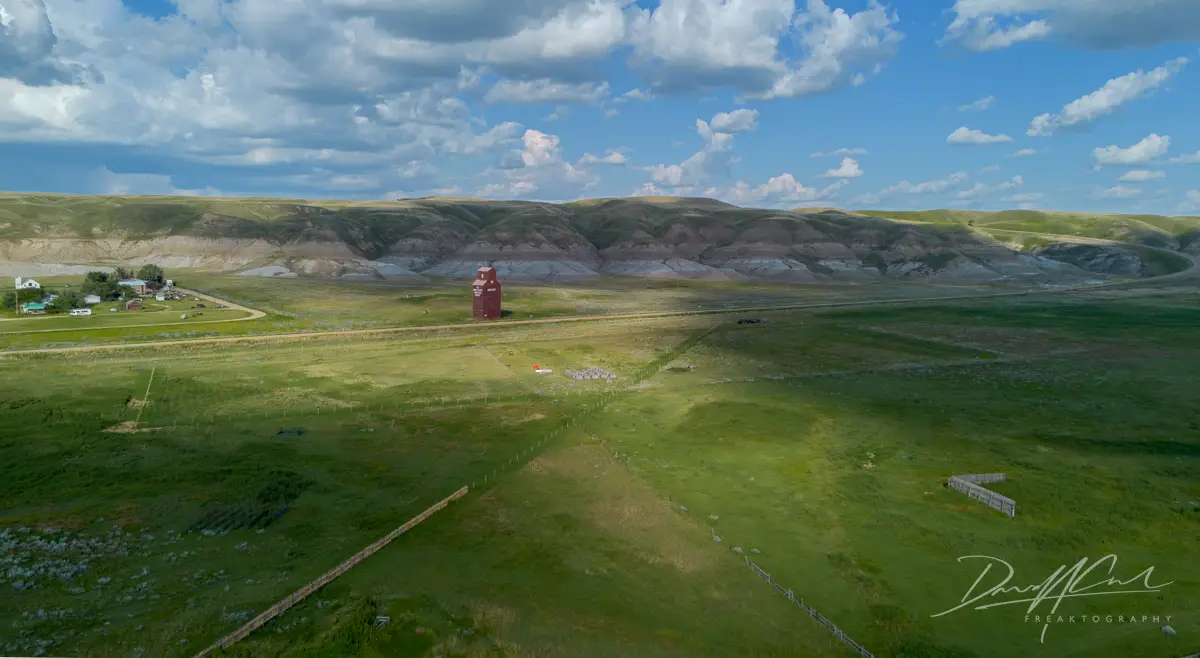
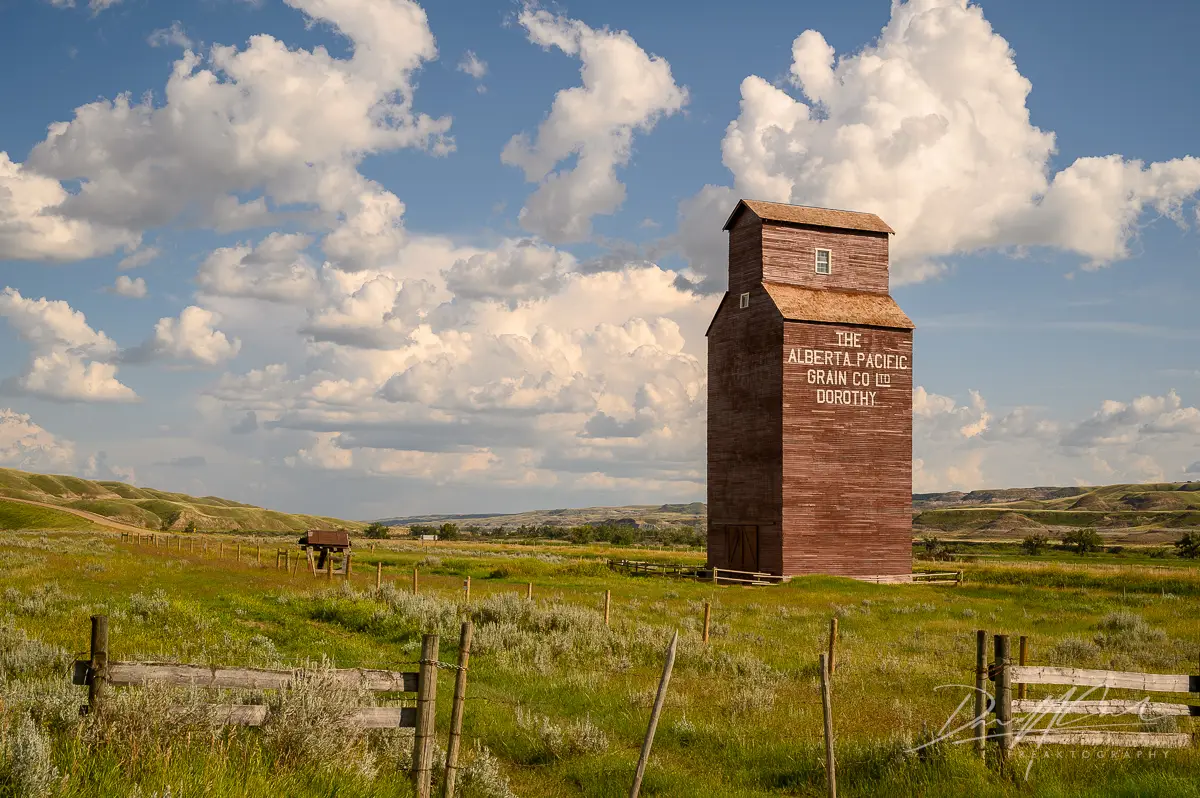
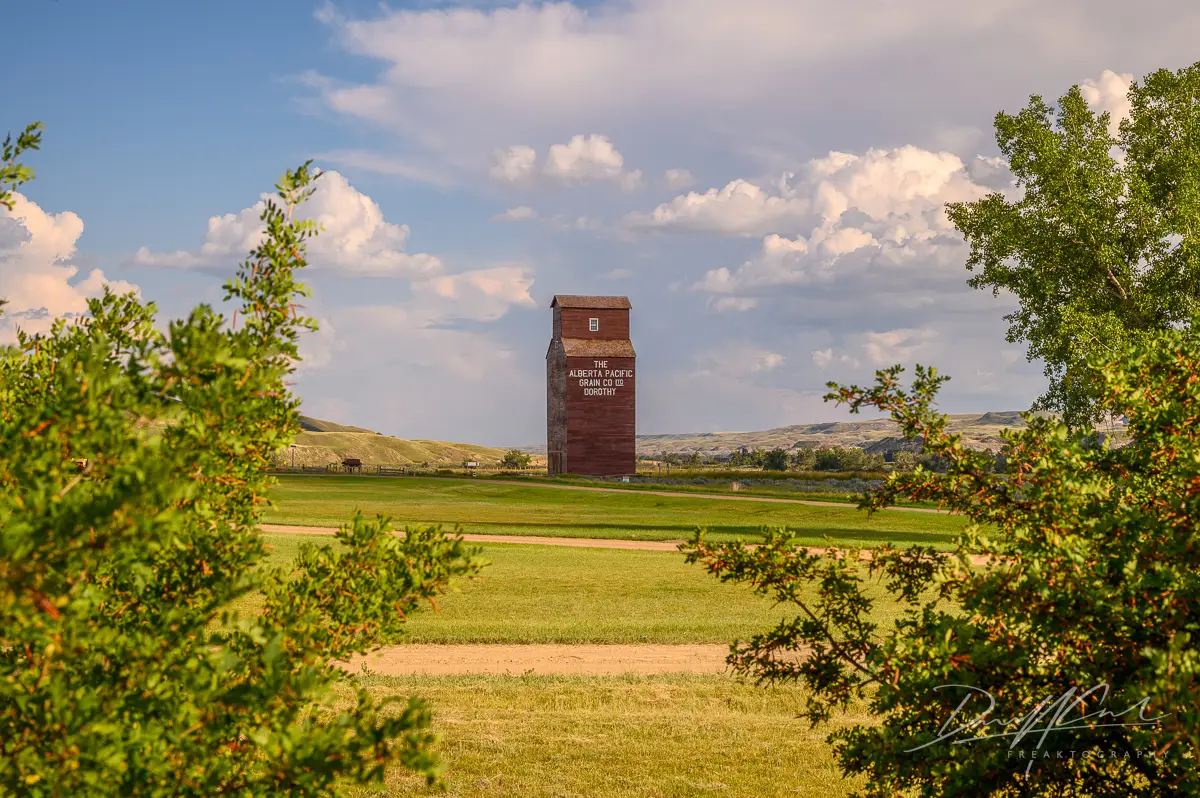
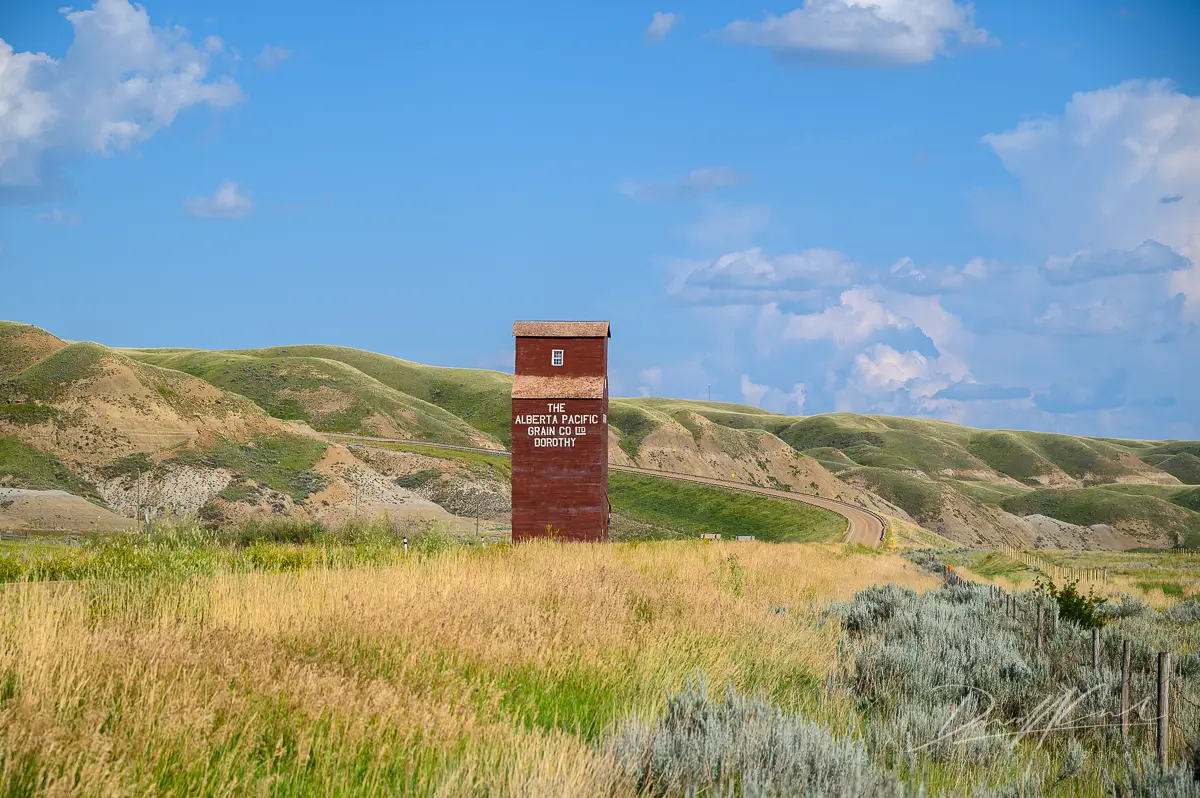
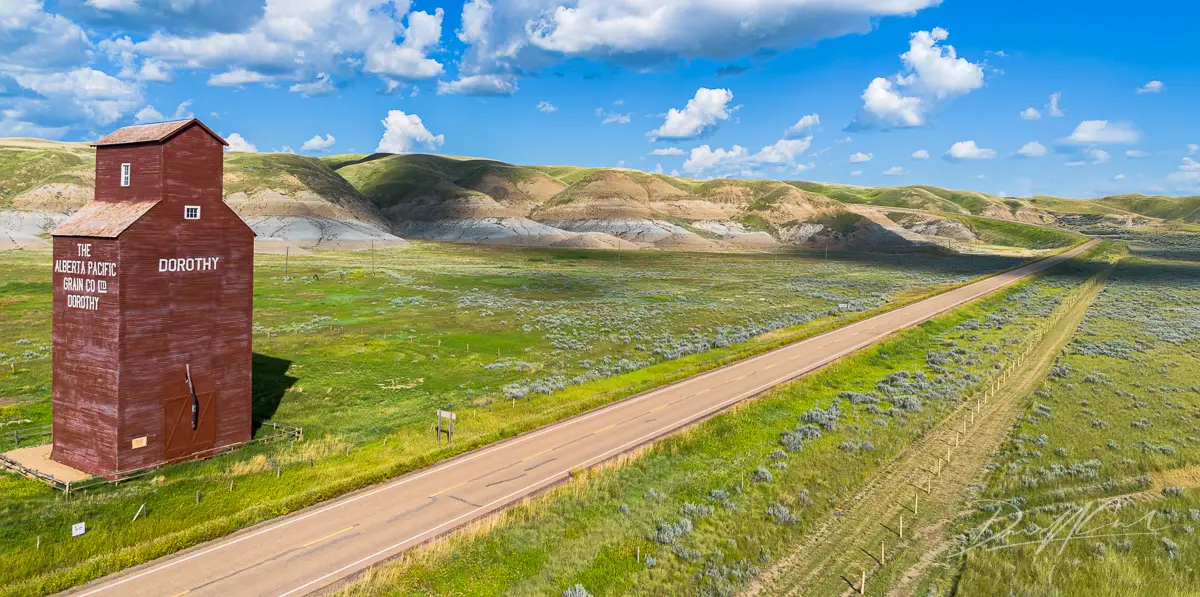
The grain elevator is the most recognizable symbol of prairie towns. Even when nearly everything else disappears, an elevator can remain as a marker of what the town was built around, farming, hauling, and the rhythm of harvest seasons.
If you are filming, wide shots work best here. Keep a person in frame for scale, then cut to detail shots of boards, paint, and signage if any remains.
The town site and surrounding prairie
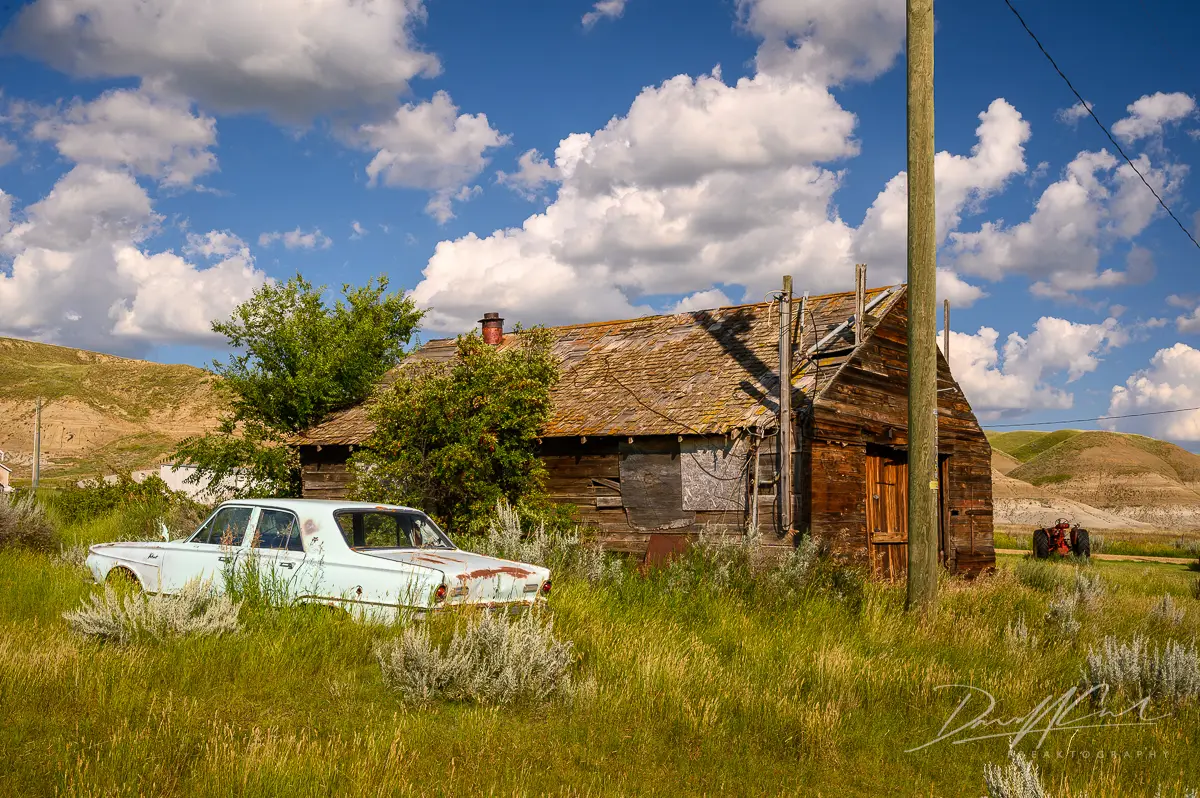
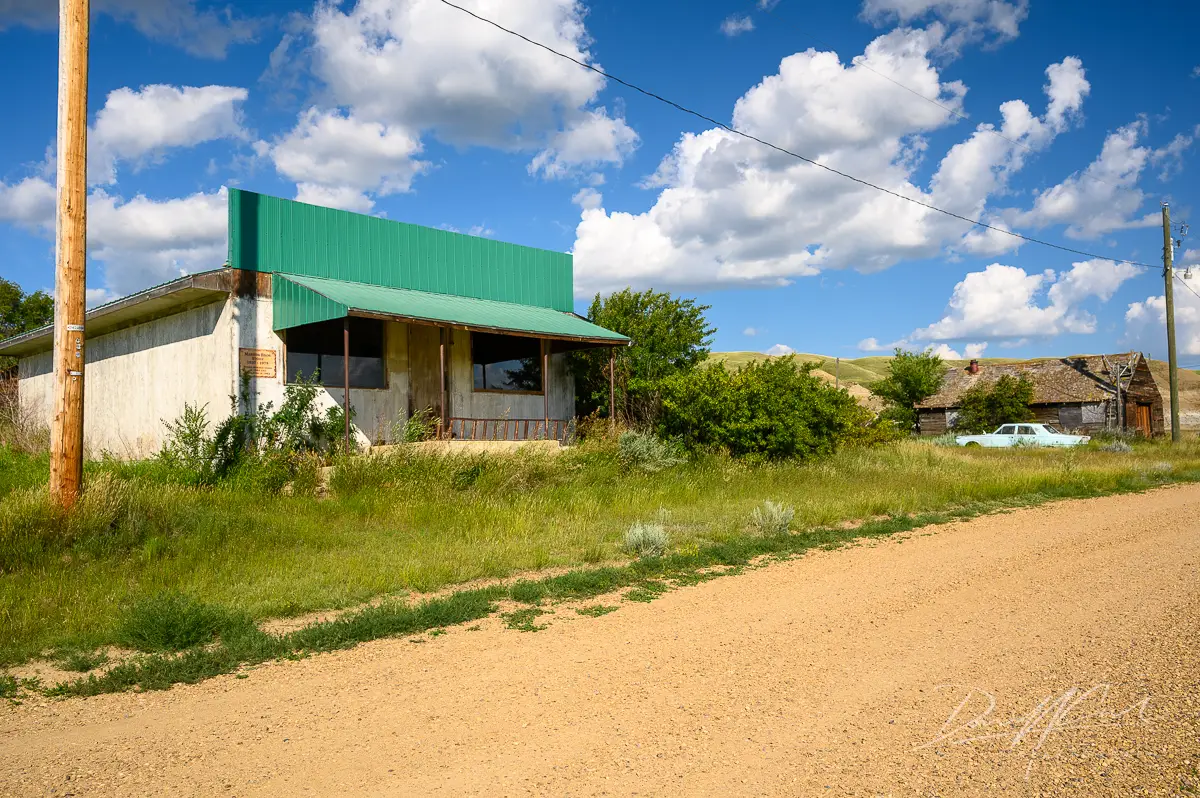
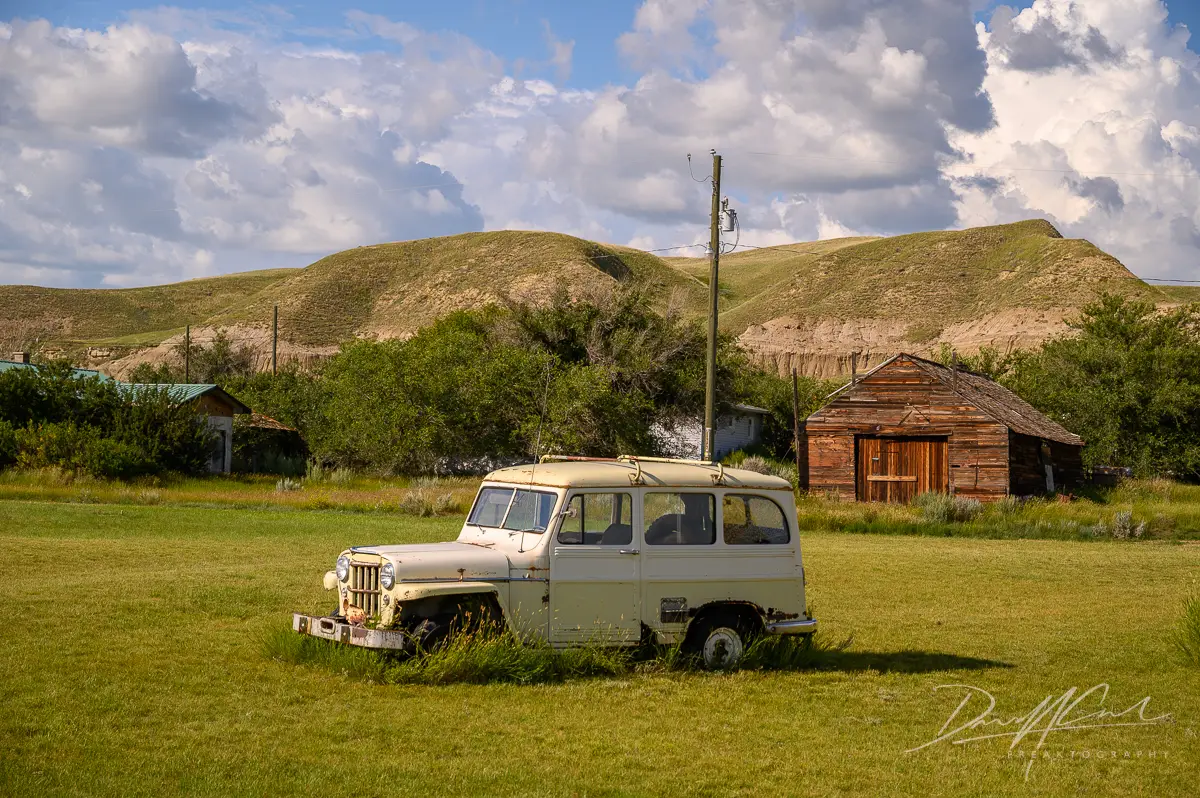
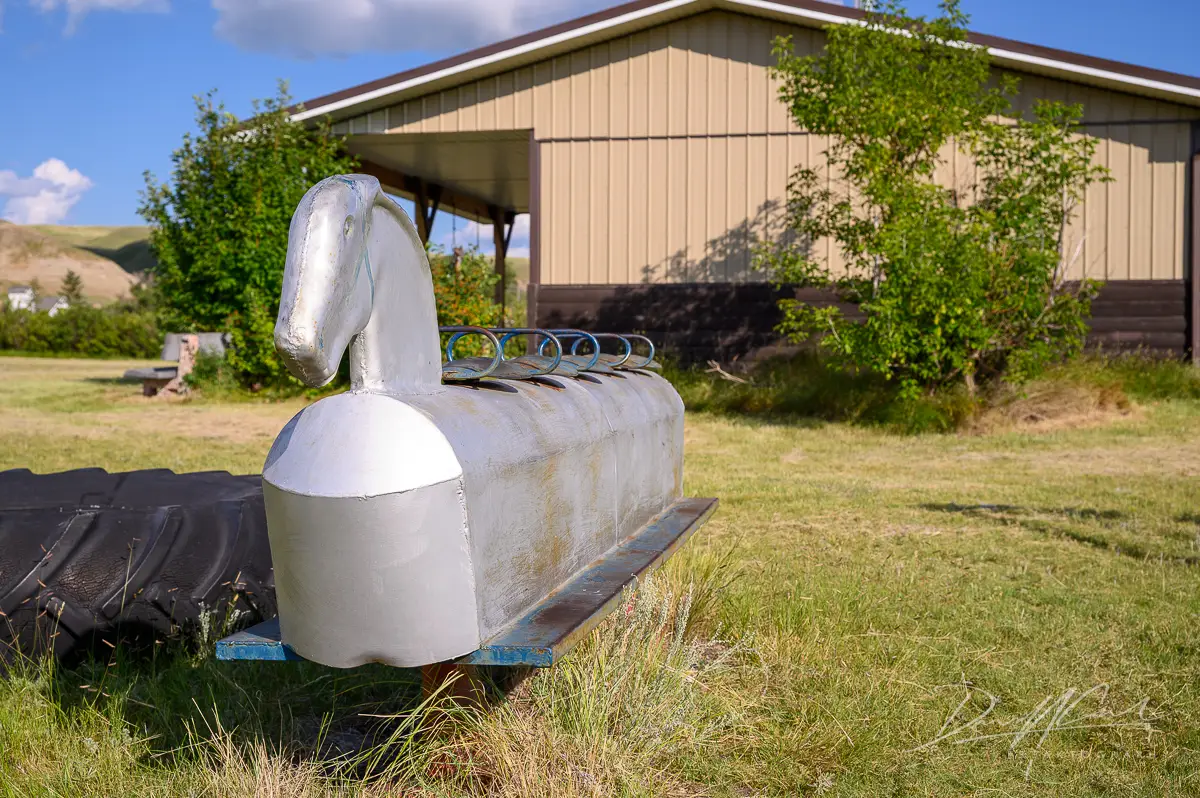
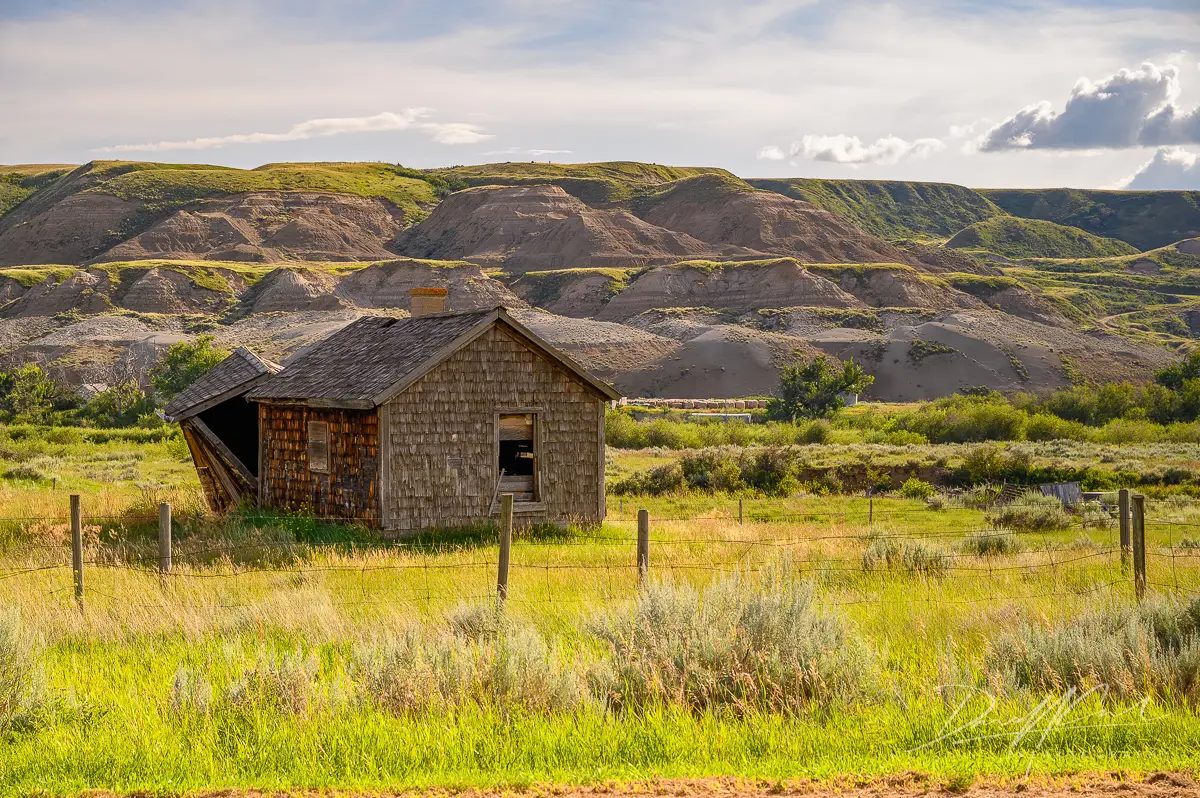
Dorothy is also about what is not there anymore. As you walk and pan, look for subtle signs like foundations, old paths, fence lines, and the spacing between structures that hints at how the town was laid out.
Visiting Dorothy
Dorothy is remote, exposed, and easy to underestimate. Treat it like any rural location.
Stay on public access areas and respect private property
Leave everything as you found it
Watch the weather, wind, and visibility
Plan your fuel and timing, services can be far apart
If you are building this into a Drumheller day, Dorothy fits well as a quiet contrast to the busy badlands stops.
Dorothy, Alberta in context
Dorothy is one of many prairie towns that formed quickly during settlement expansion and later declined as transportation, economics, and rural life shifted. When you visit places like this, you are not just seeing abandoned buildings. You are seeing a record of how communities were built to meet local needs, and how those needs changed.
If you have visited other prairie ghost towns, Dorothy will feel familiar. If you have not, it is a strong first example because the remaining structures are clear, and the setting shows the scale of the landscape.
FAQs
What is left in Dorothy, Alberta today?
You can still see a small number of structures, including churches and the grain elevator, plus traces of where other buildings once stood.
Is Dorothy, Alberta a real ghost town?
It is often described that way because the town no longer functions as a community and only a few structures remain.
How far is Dorothy from Drumheller?
Dorothy is east of Drumheller, and it is typically a short drive once you are already in the area.
Can you go inside the buildings in Dorothy?
Access can vary and some structures may be unsafe or on private property. The safest approach is to photograph from the outside and respect all posted signs.
What is the best time of day to photograph Dorothy?
Golden hour is usually best for texture and mood, but overcast conditions can work well if you want an even, documentary feel.
Are there historic photos of Dorothy from when it was active?
Yes, there are archived photos from the mid-20th century that show people and daily life in the area, including records held in Alberta archives.