
Shantz House, Abandoned Mansion on Ottawa Street in Kitchener Ontario
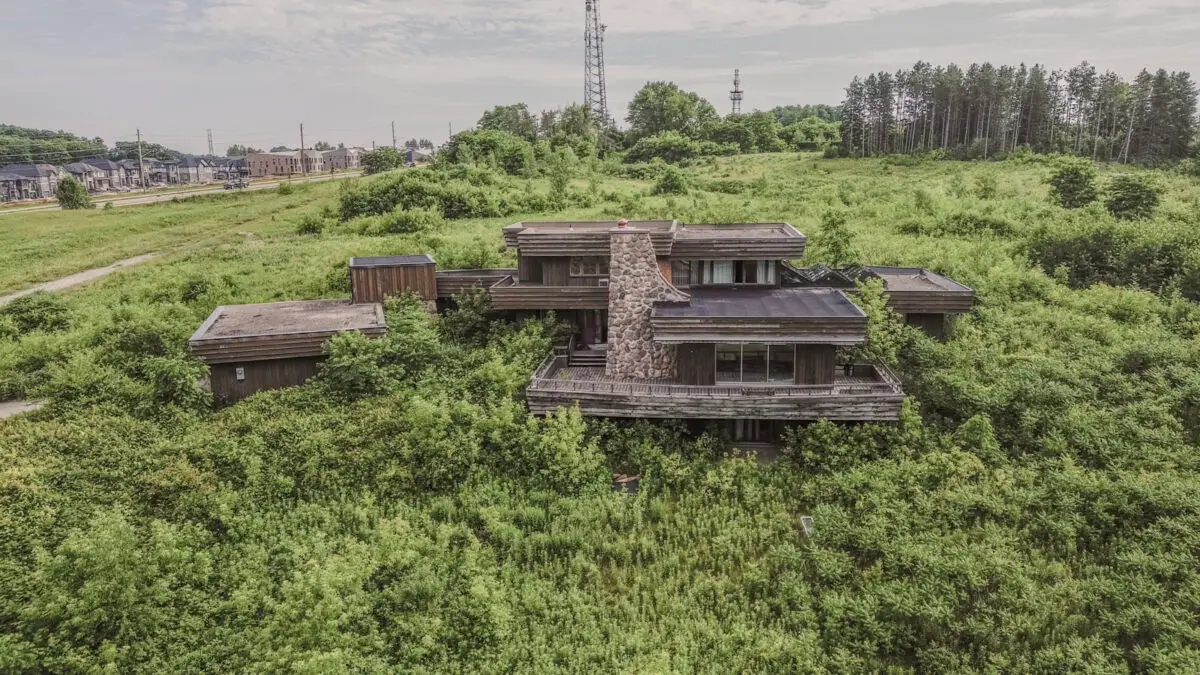
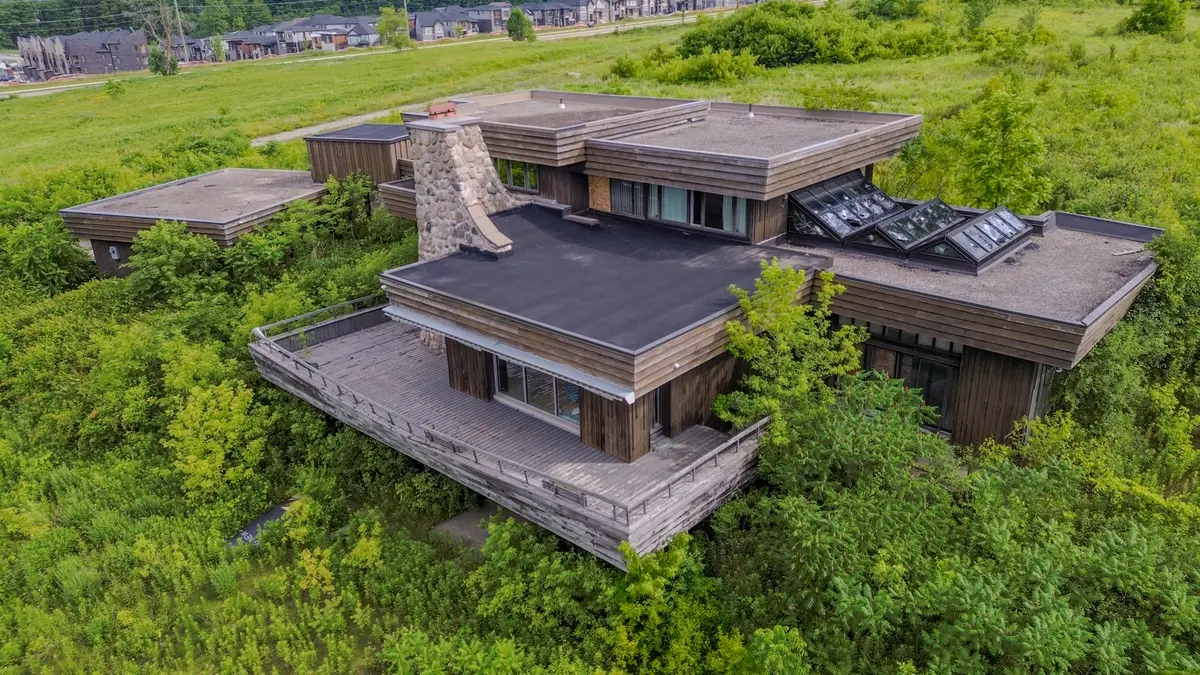
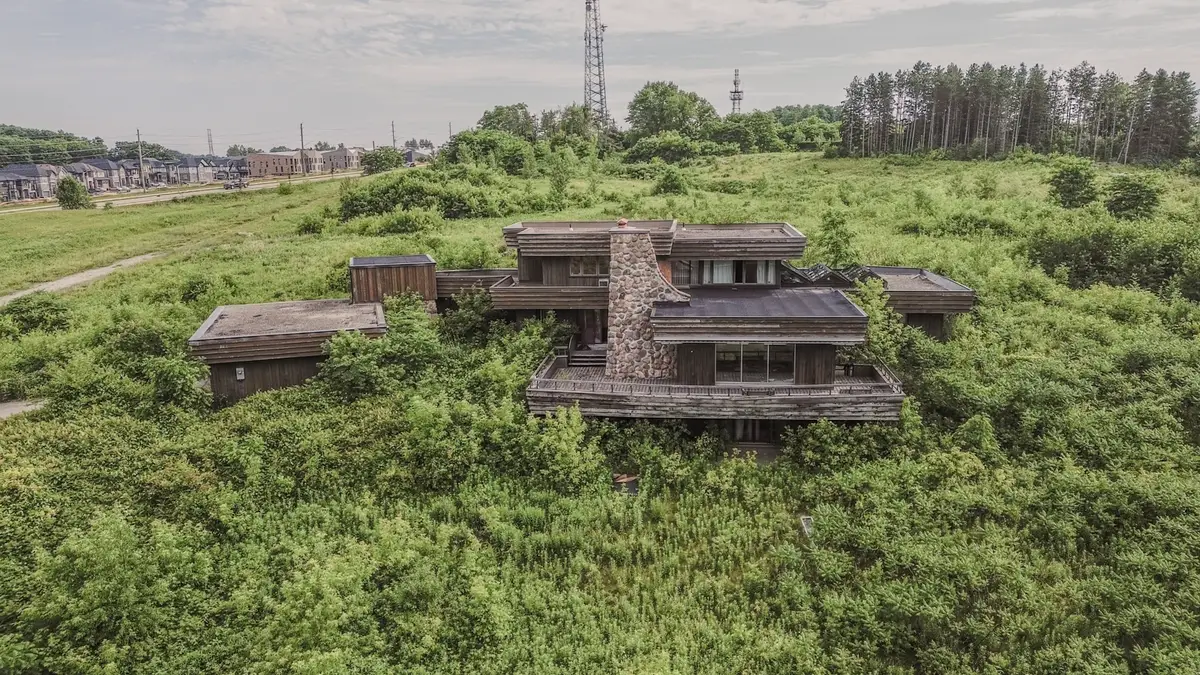
If you drive along Ottawa Street in Kitchener, you have probably noticed it. Set back from the road, partially hidden by trees, sits a large stone and brick home that feels out of place in its surroundings. This is the Shantz House, one of Kitchener’s most recognizable abandoned properties and a reminder of the city’s early industrial and agricultural roots.
Once a symbol of prosperity and permanence, the house now stands empty, slowly deteriorating while questions about its future remain unanswered.
Location and Property Overview
The Shantz House is located at 2219 Ottawa Street South, Kitchener, Ontario, on a sizeable parcel of land that was once part of a much larger rural estate. As Ottawa Street developed and traffic increased, the house transitioned from a private family residence to a highly visible landmark surrounded by modern infrastructure.
Despite its location on a busy corridor, the property retains a sense of isolation, which only adds to its abandoned atmosphere.
Who Built the Shantz House and Why It Mattered
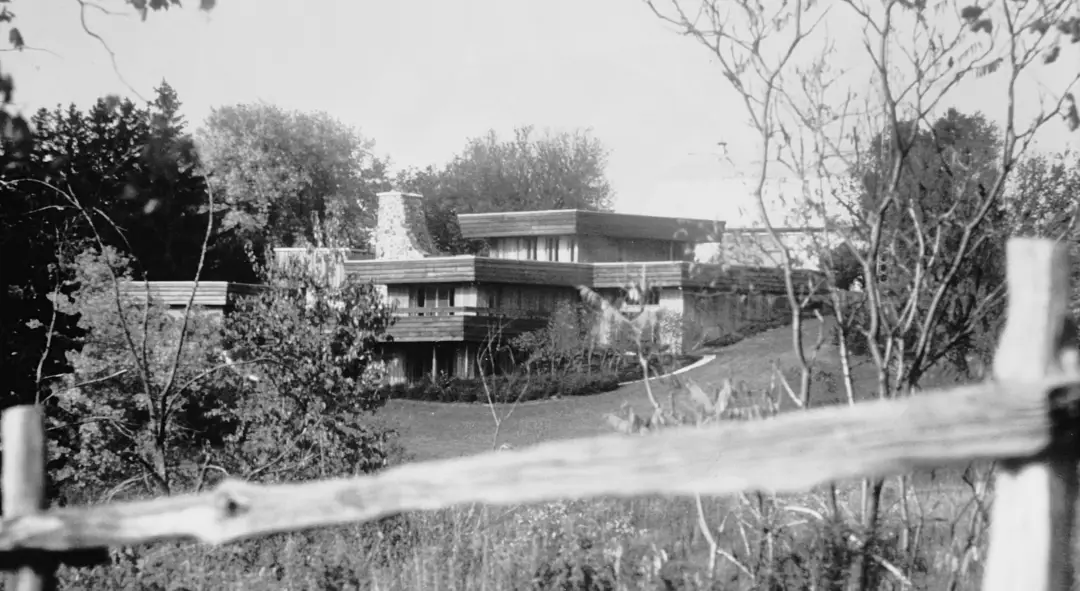
The home is associated with the Shantz family, a name tied closely to early settlement, farming, and business development in the Waterloo Region. During the late 19th and early 20th centuries, families like the Shantzes played a significant role in shaping the area’s economy through agriculture, milling, and land ownership.
Large homes like this were not built casually. They were designed to reflect stability, success, and long-term family legacy. The scale of the house, its materials, and its placement on the land all point to a family with both financial means and social standing.
Architectural Style and Materials
The Shantz House was constructed using durable stone and brick, materials chosen not just for appearance but for longevity. At the time, this type of construction was meant to last for generations.
Key architectural features include:
Thick masonry walls
A symmetrical exterior layout
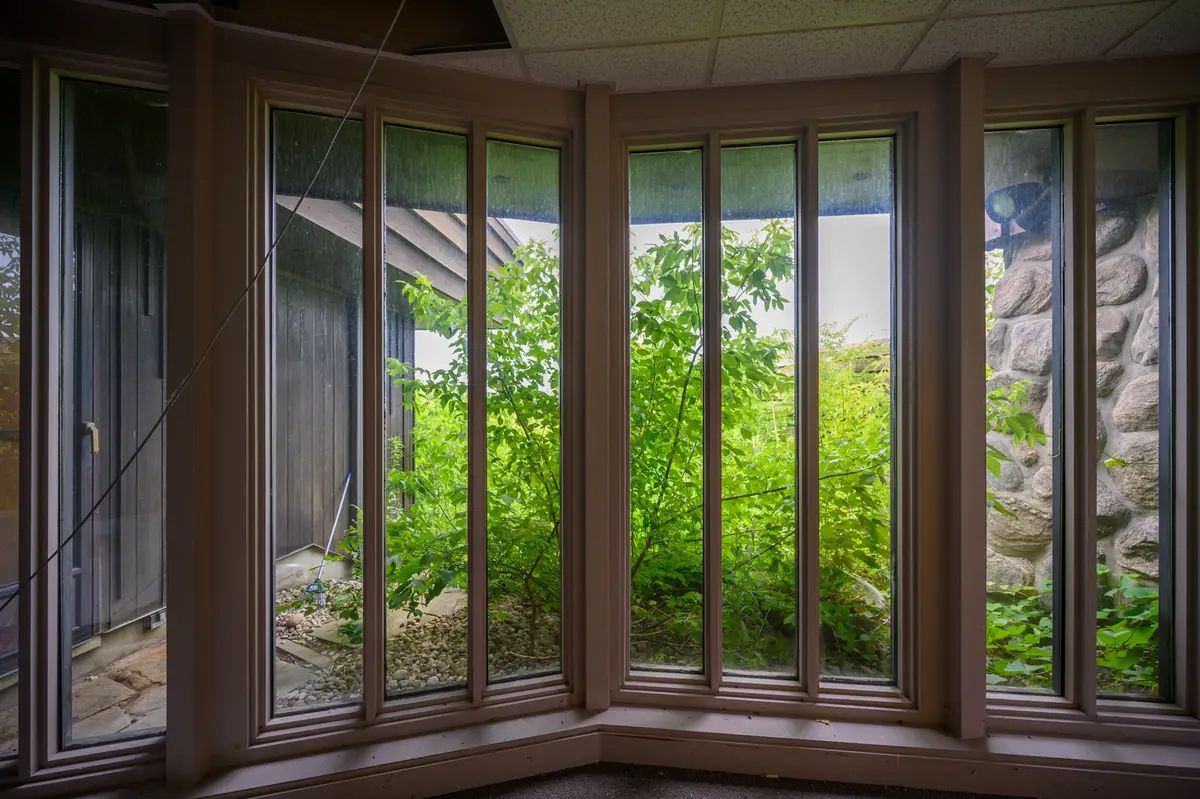
Large window openings designed for natural light
A footprint far larger than typical homes of its era
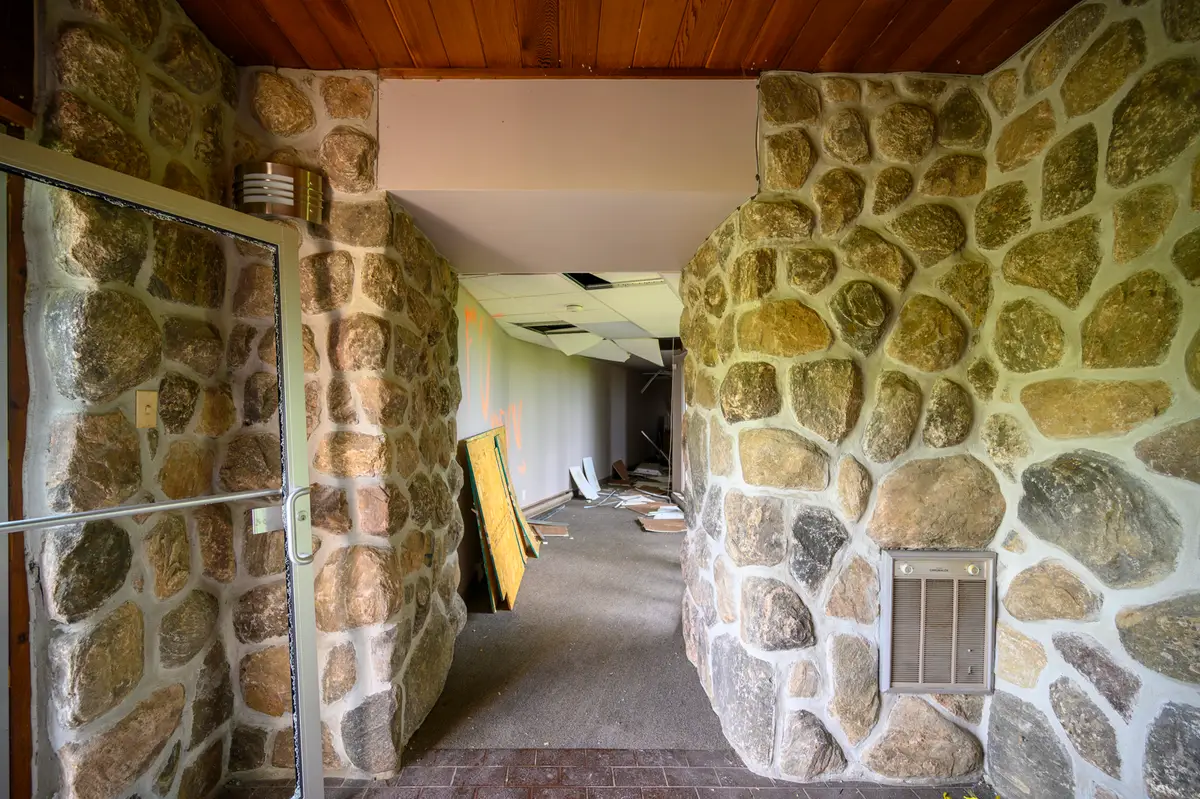
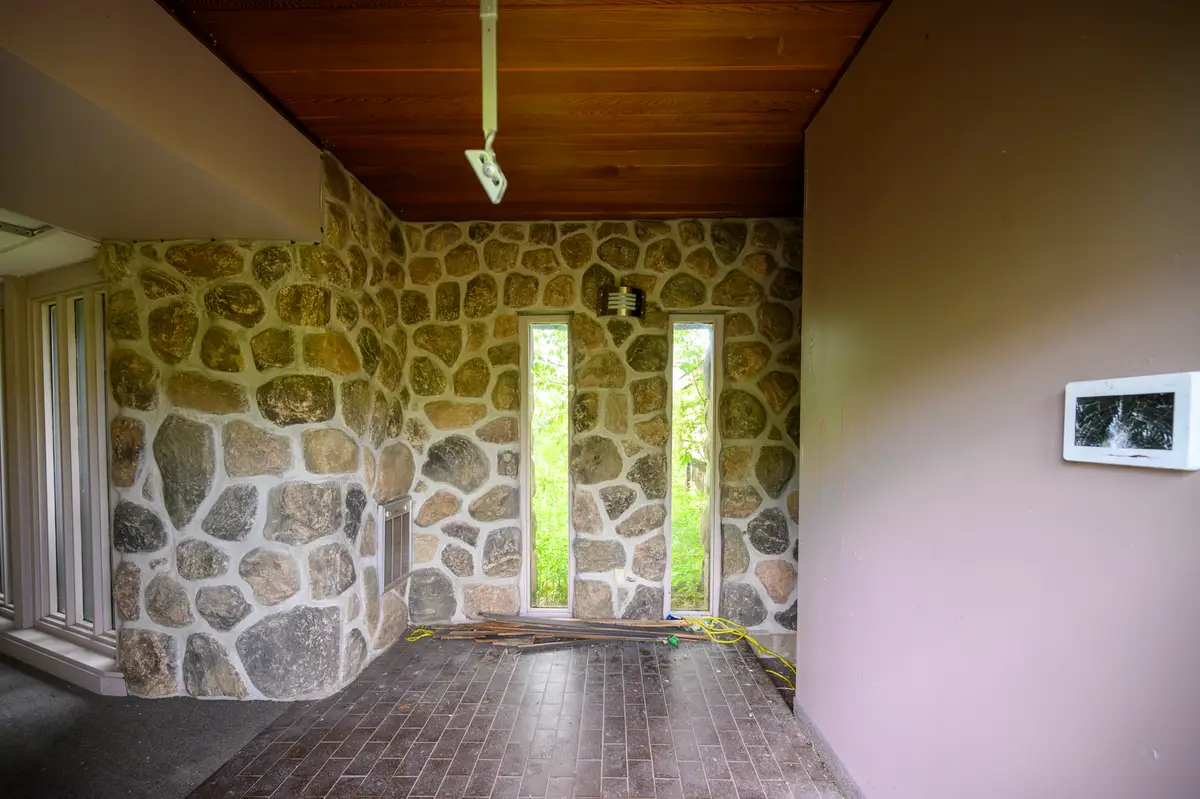
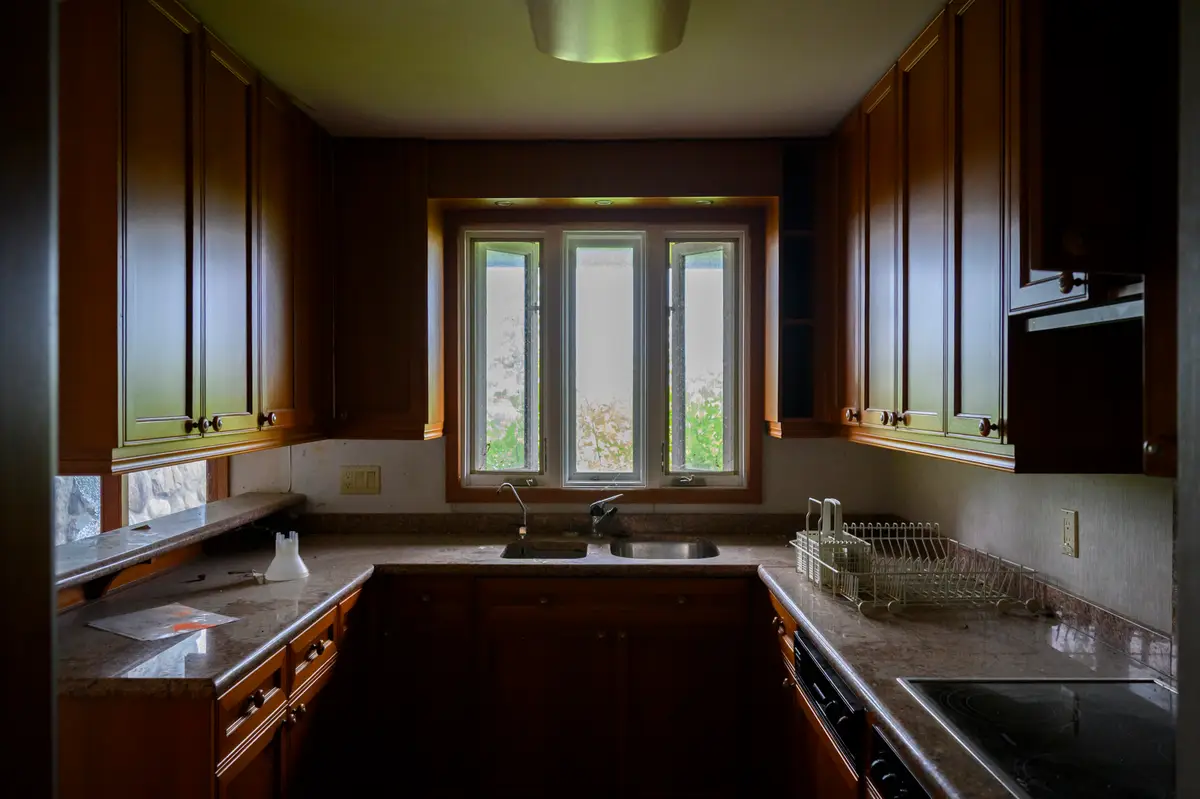
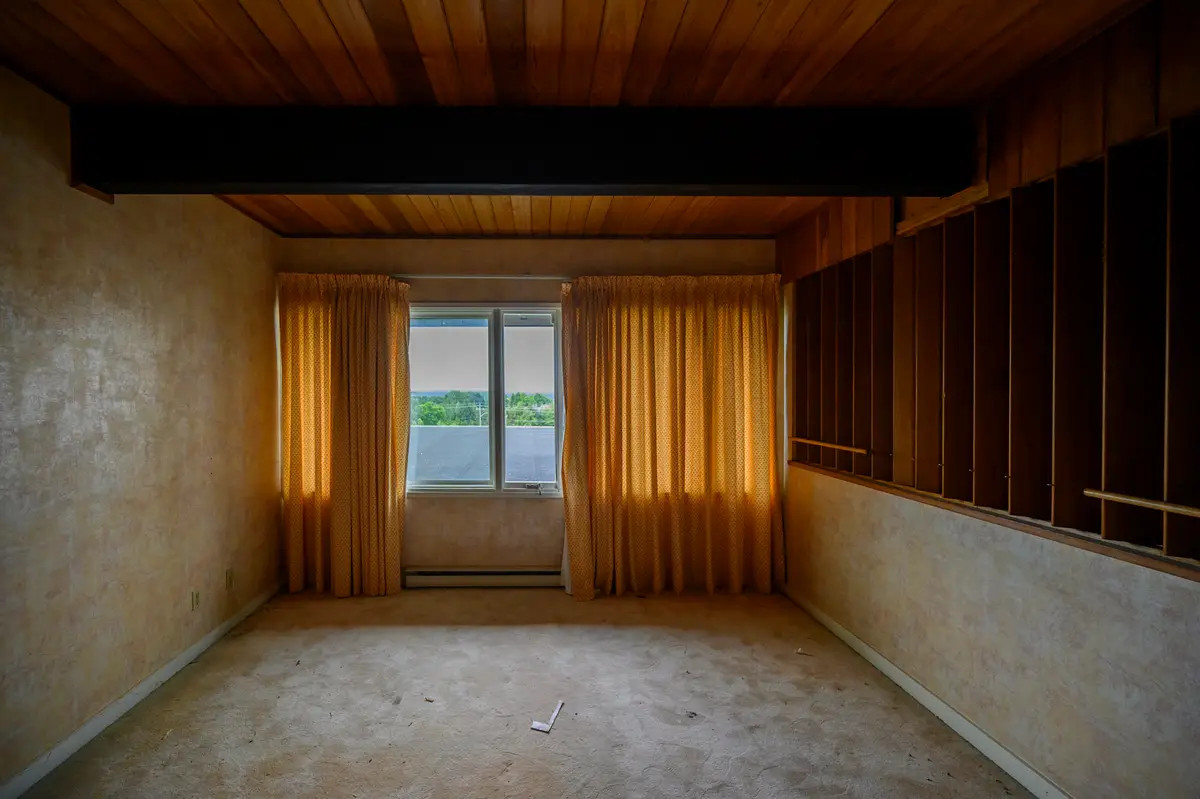
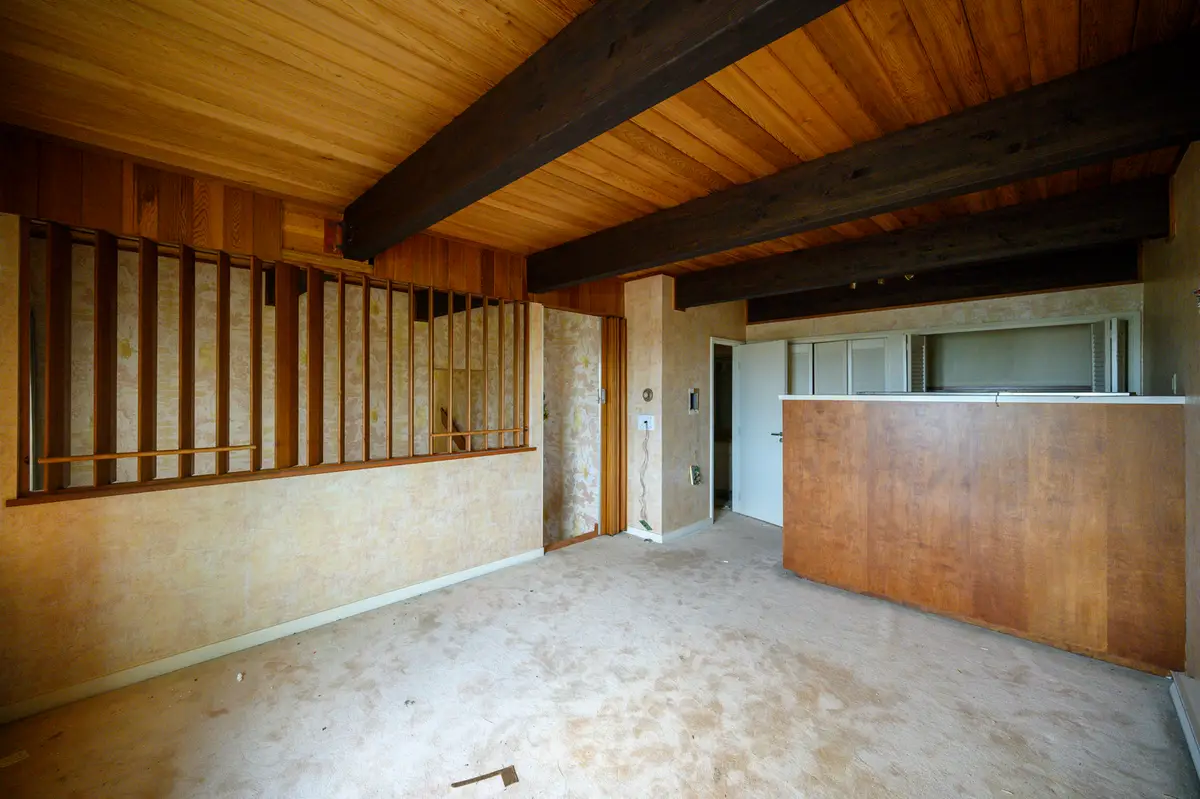
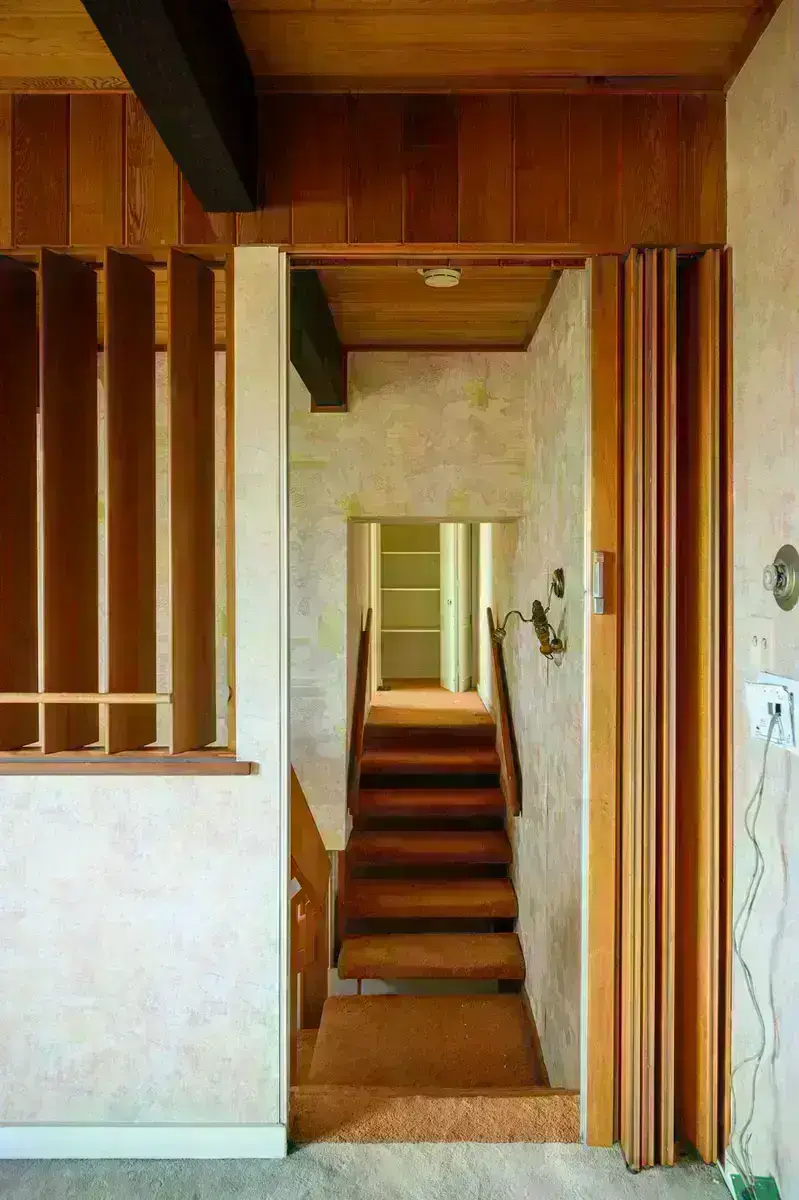
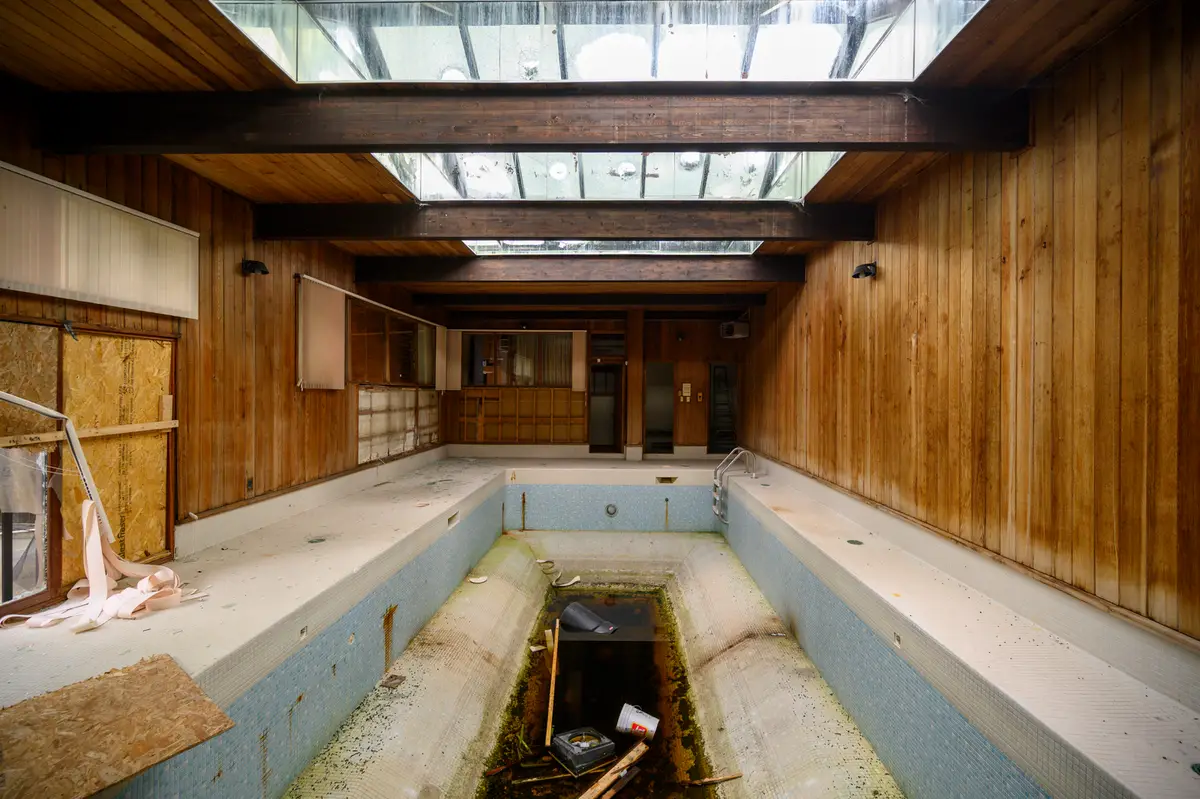
Inside, remnants of original finishes suggest formal rooms, generous ceiling heights, and a layout intended for both family life and hosting guests.
Even in its deteriorated state, the quality of craftsmanship is still visible.

From Family Home to Abandonment
As Kitchener expanded, properties like the Shantz House became increasingly difficult to maintain. Rising land values, zoning changes, and development pressure often made preservation financially challenging.
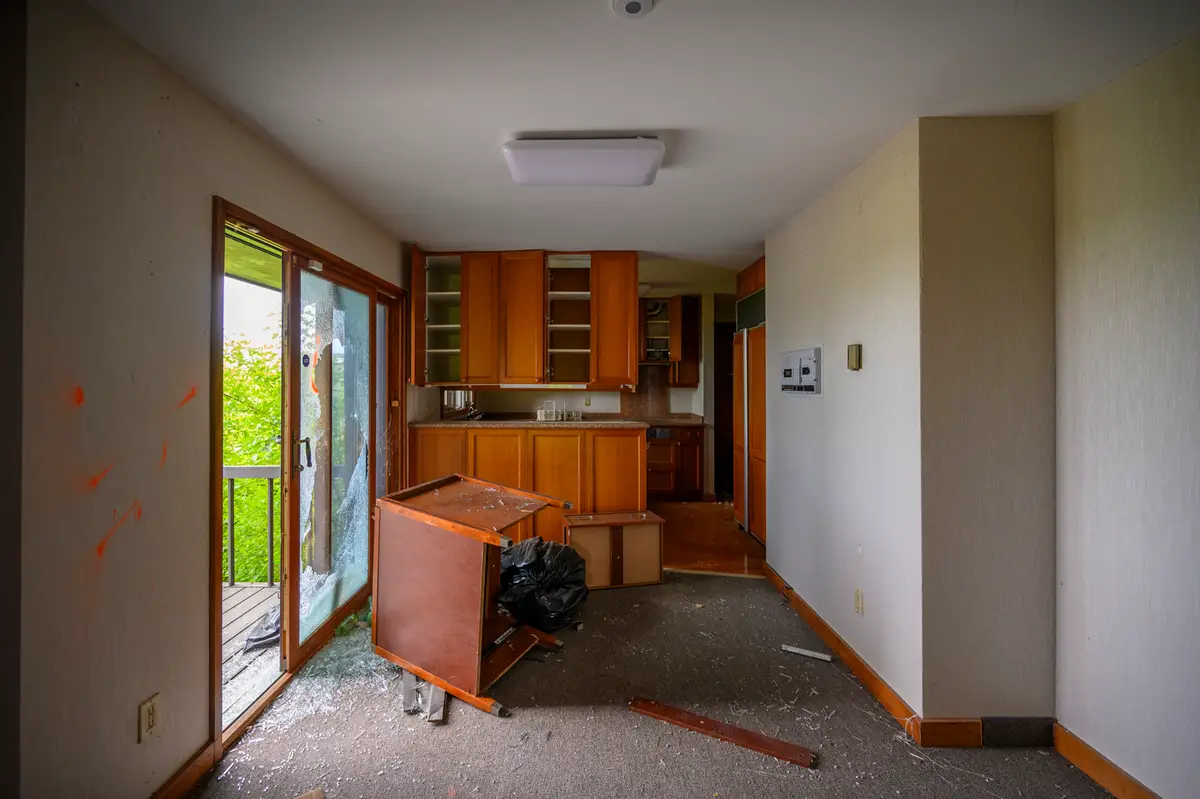
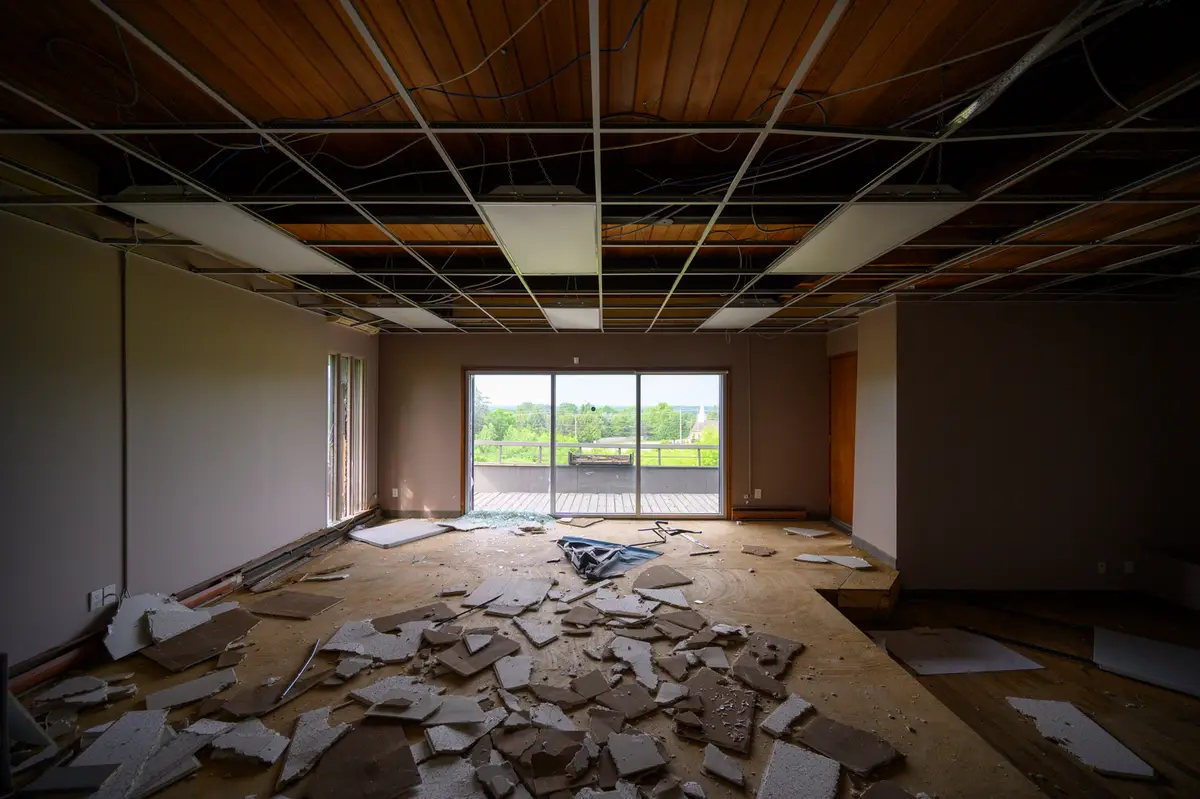
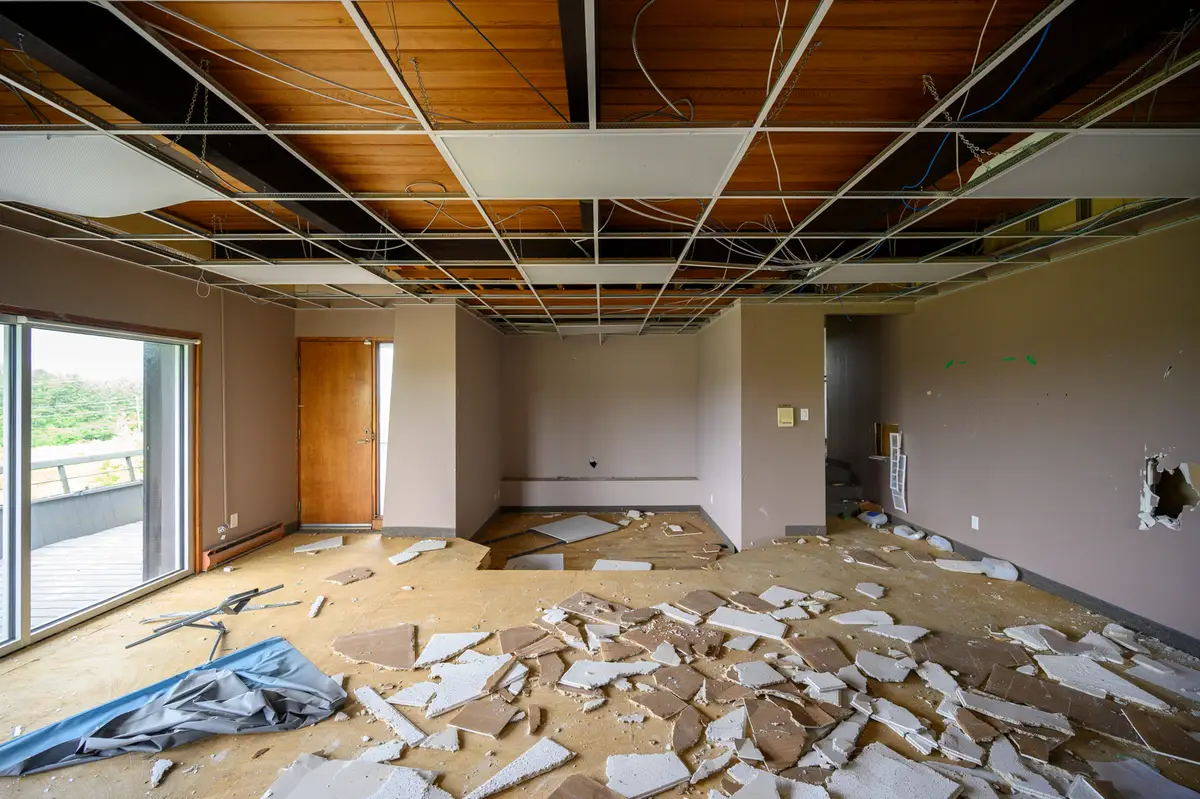
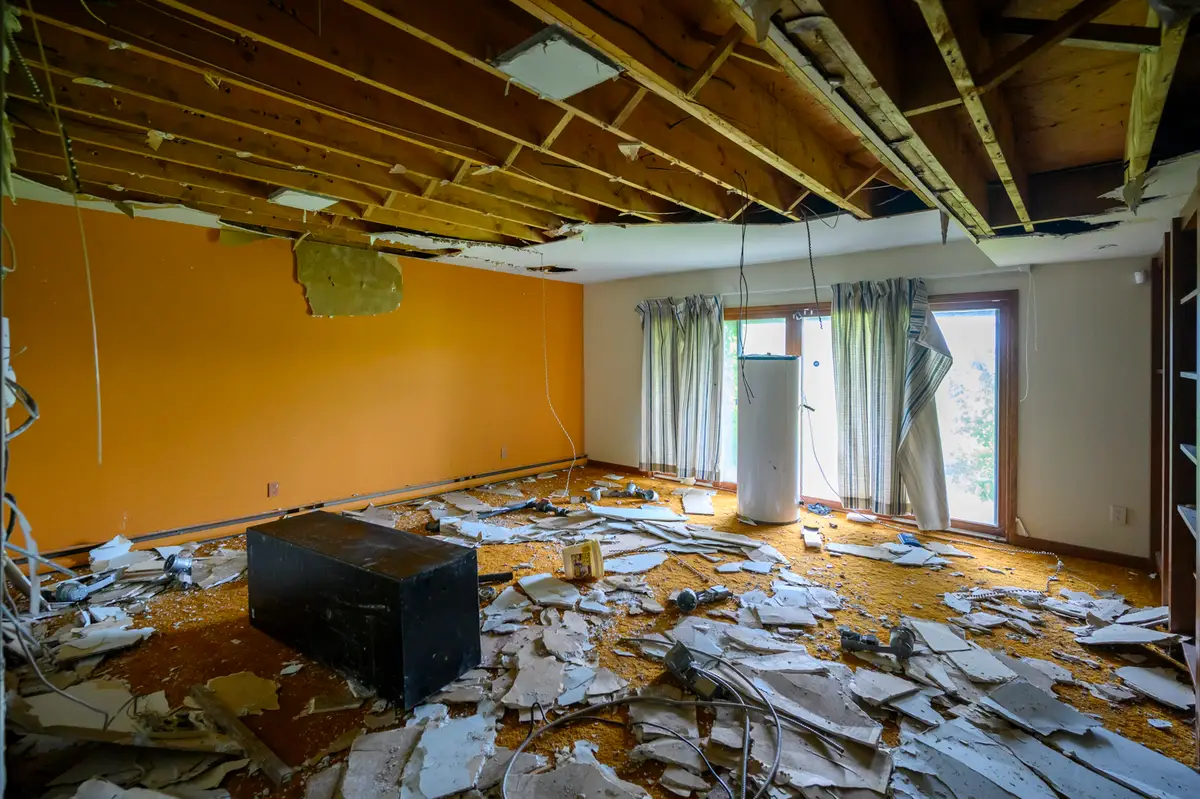
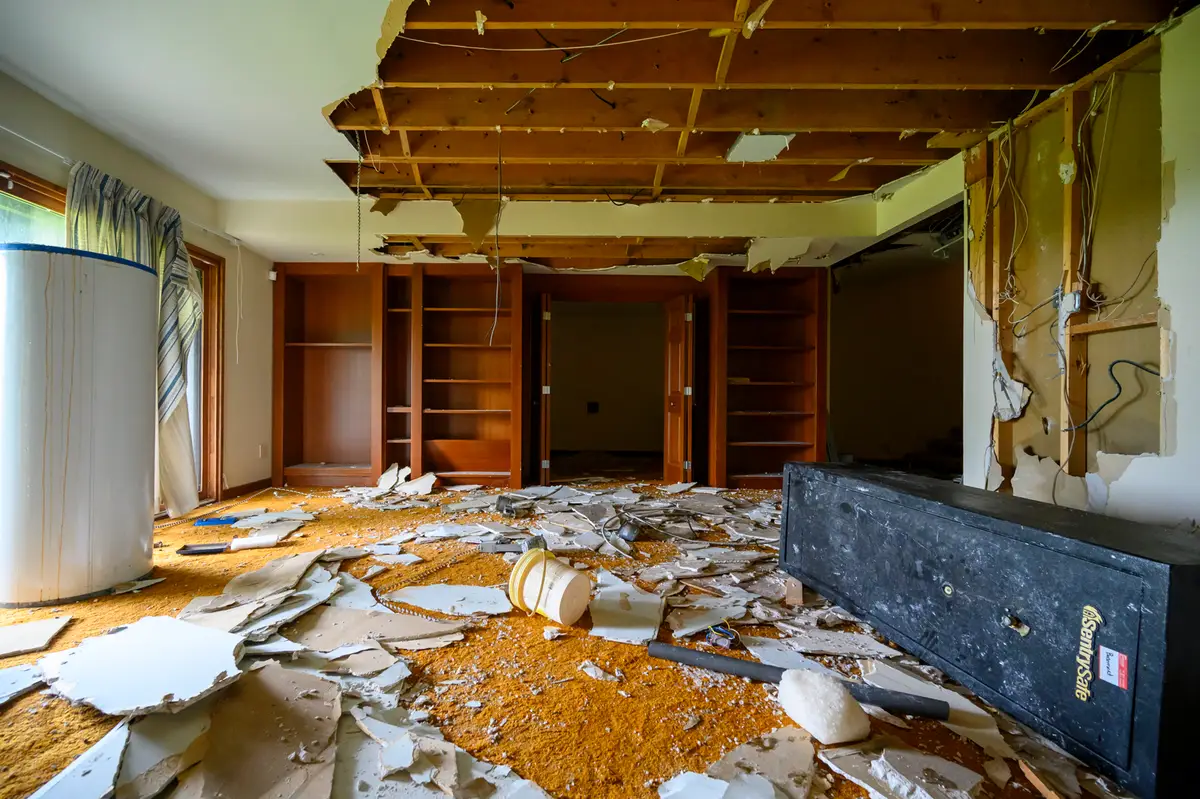
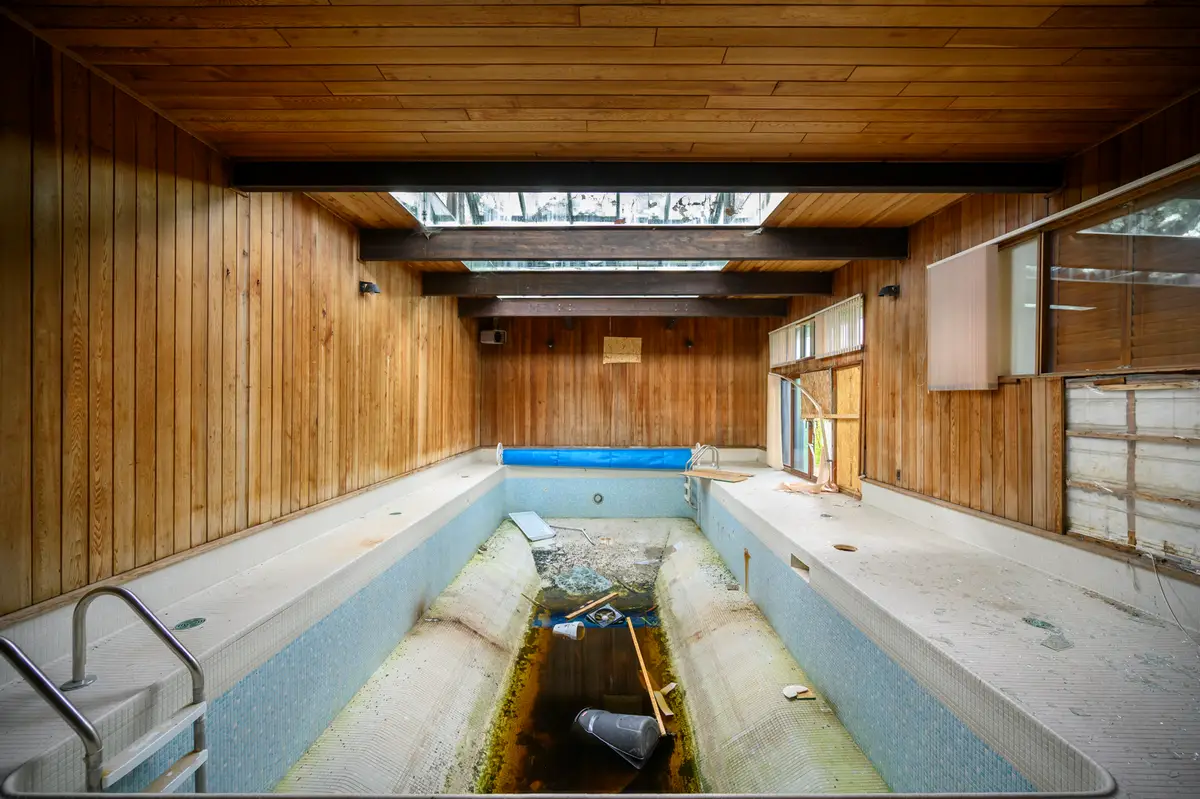
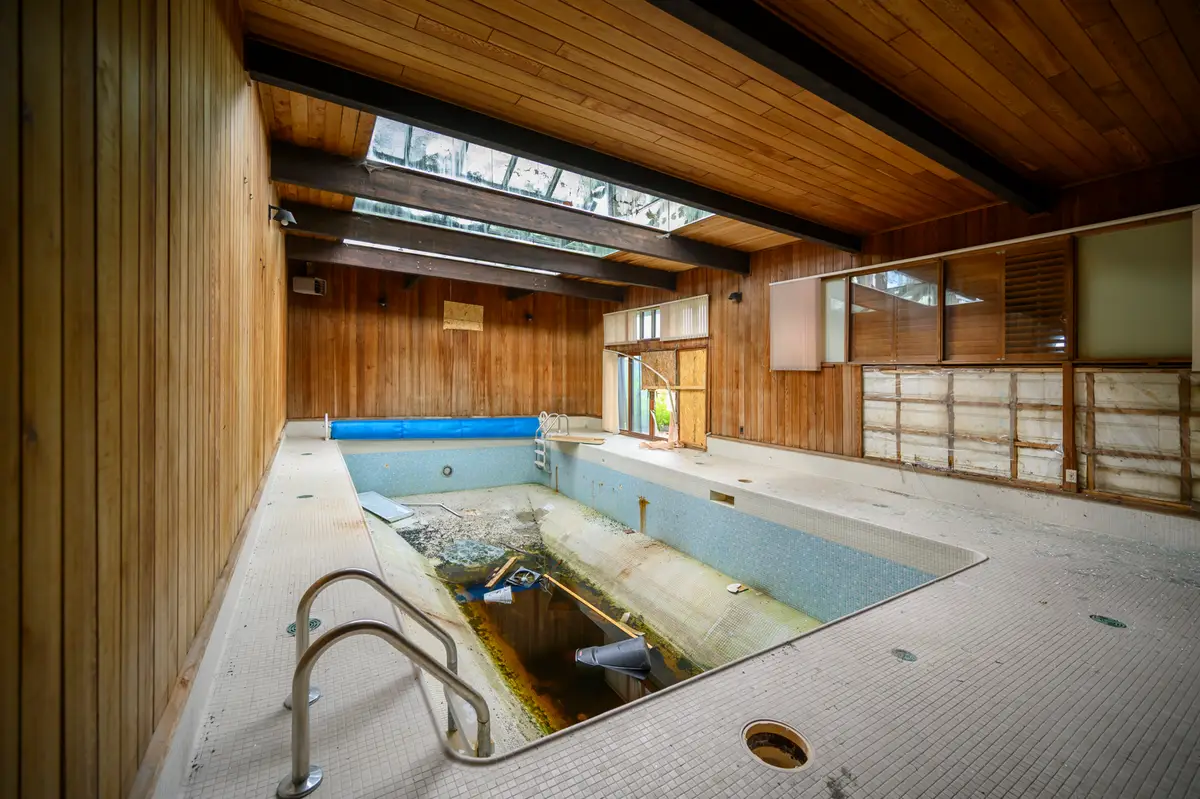
Over time, the house fell vacant. Without regular maintenance, water intrusion, weather exposure, and vandalism began to take their toll. What was once a proud residence slowly transitioned into an abandoned structure, its future uncertain.
This story is not unique, but the visibility of the Shantz House makes its decline especially noticeable.

Heritage Status and Preservation Efforts
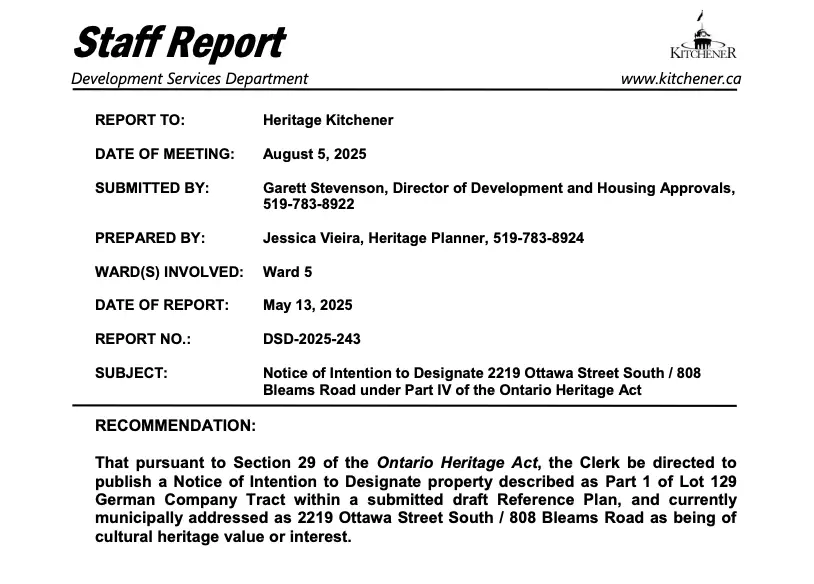
The Shantz House has been recognized for its historical and architectural significance, and it has been referenced in discussions around heritage preservation in Kitchener. Heritage designation is intended to protect properties that contribute to a community’s historical identity, but designation alone does not guarantee restoration.
Preserving a structure of this size requires substantial investment, clear ownership direction, and a viable long-term use. Without those elements aligned, even protected properties can remain in limbo for years.
Current Condition of the Shantz House
Today, the Shantz House shows clear signs of long-term neglect:
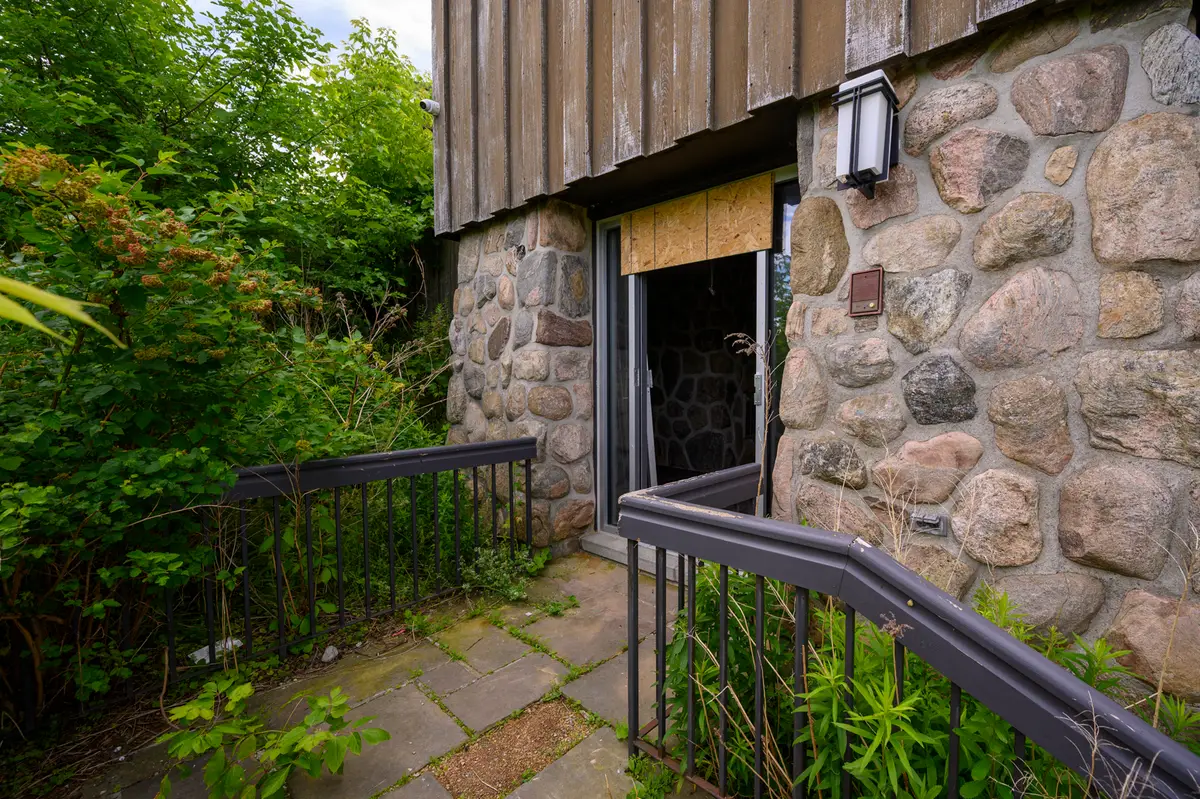
Exterior weathering and masonry deterioration
Broken or boarded windows
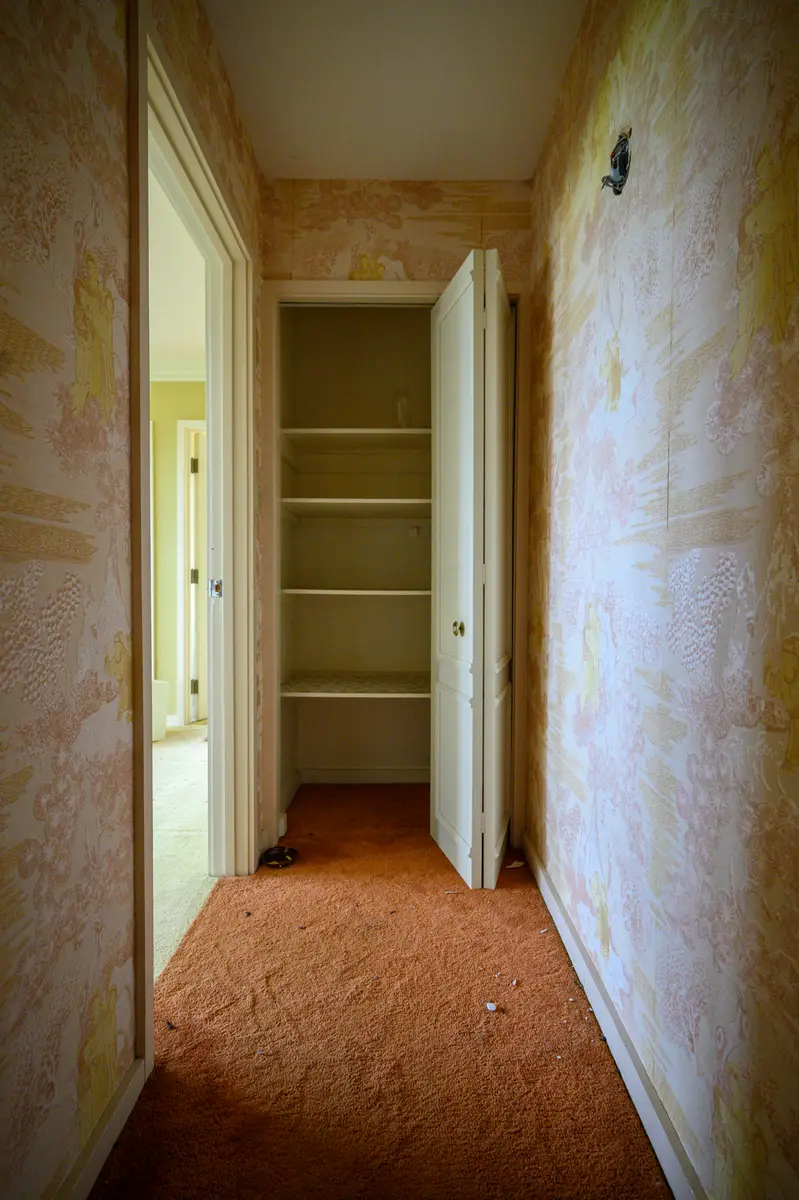
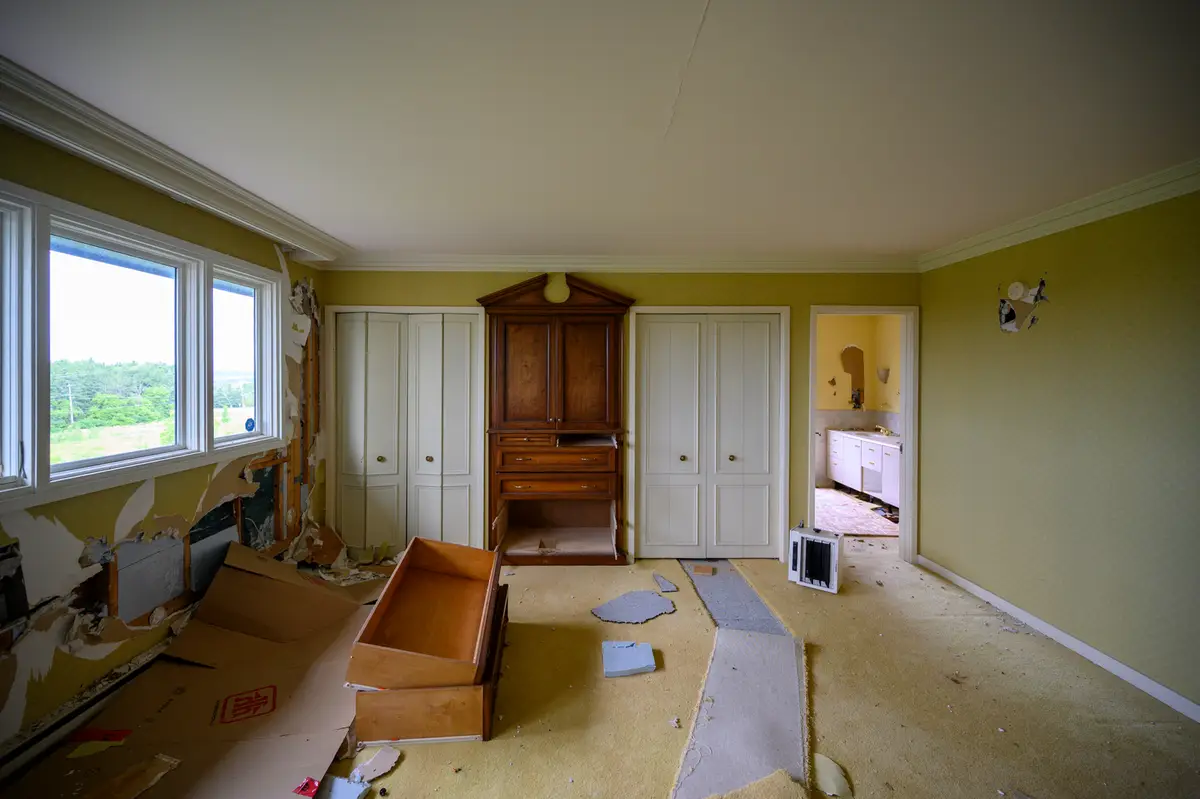
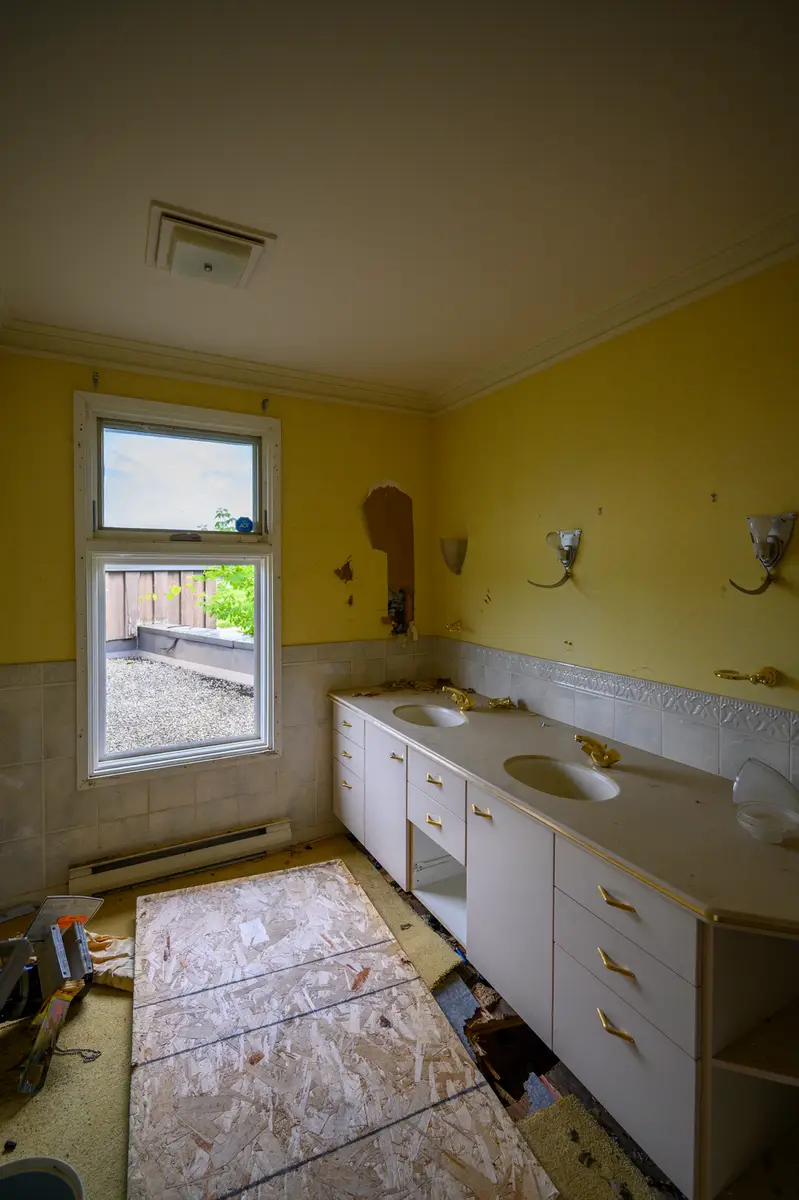
Interior damage caused by moisture and time
Overgrown vegetation encroaching on the structure
Despite this, the building remains structurally impressive, a testament to the strength of its original construction.

Future Plans and Uncertainty
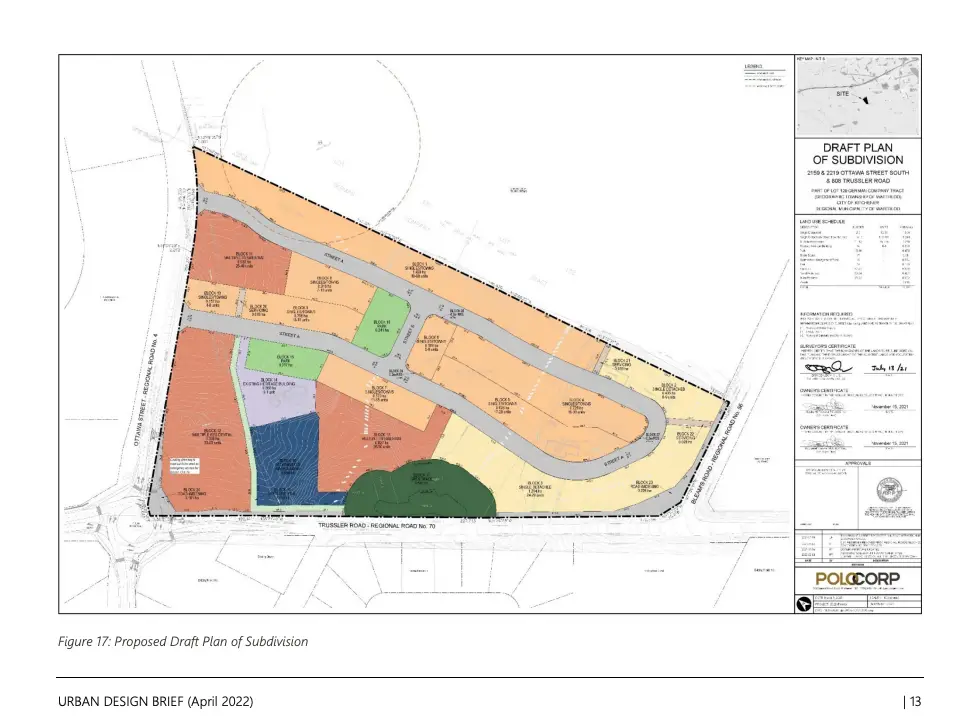
As of now, the future of the Shantz House remains unclear. Proposals for redevelopment, restoration, or adaptive reuse have circulated over the years, but no definitive plan has moved forward publicly.
Properties like this sit at the intersection of heritage preservation and modern development. Restoring the home would require significant funding, but demolition would erase a tangible piece of Kitchener’s history.
For now, the house waits.

Frequently Asked Questions
Is the Shantz House legally protected?
The property has been identified for its heritage value, but protection does not automatically ensure restoration or public access.
Can the public visit the Shantz House?
No. The property is privately owned, and entry without permission is not allowed.
When was the Shantz House built?
Exact construction dates vary by source, but it dates back to the late 1800s or early 1900s.
Why has the house been left abandoned?
Maintenance costs, development pressure, and lack of a clear redevelopment plan are common contributing factors.
Could the house be restored?
Yes, but restoration would require substantial investment and long-term planning.