
This extensive ranch in Southern Ontario is described as one of the greatest influences in Canadian equine history.
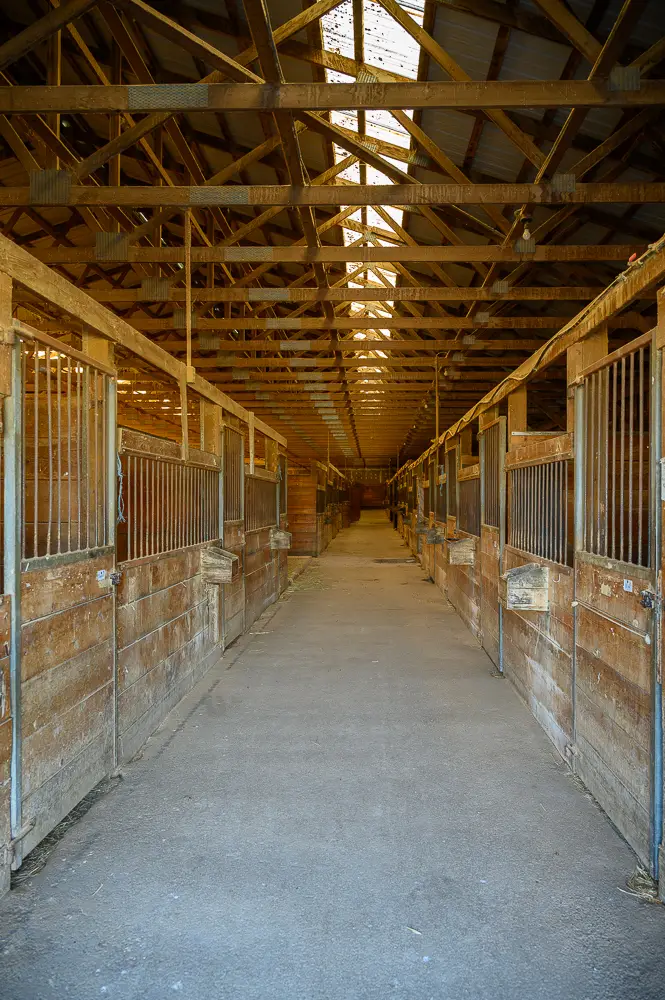
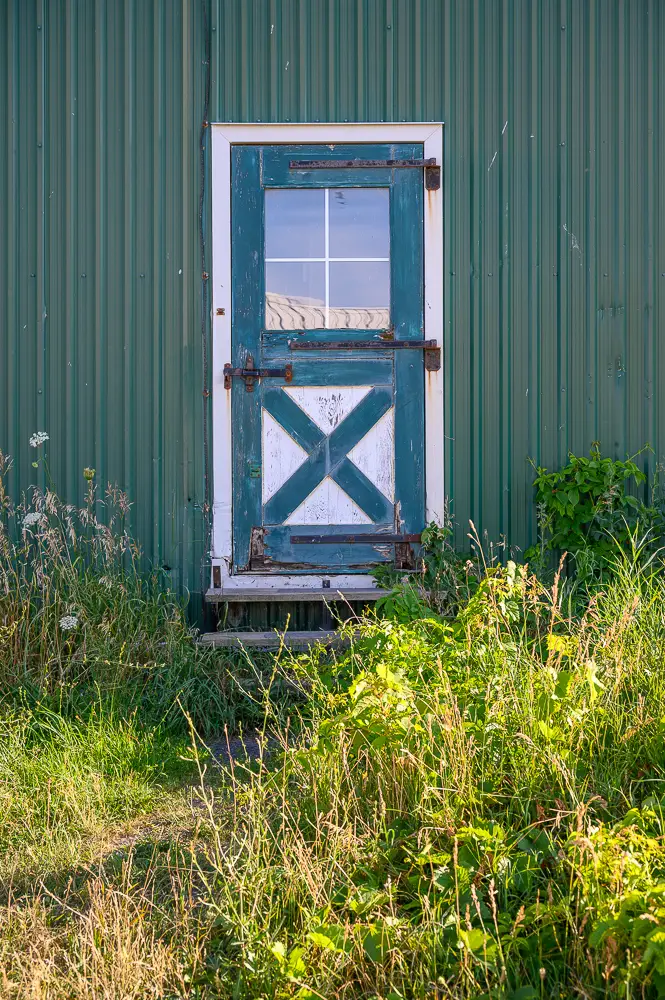
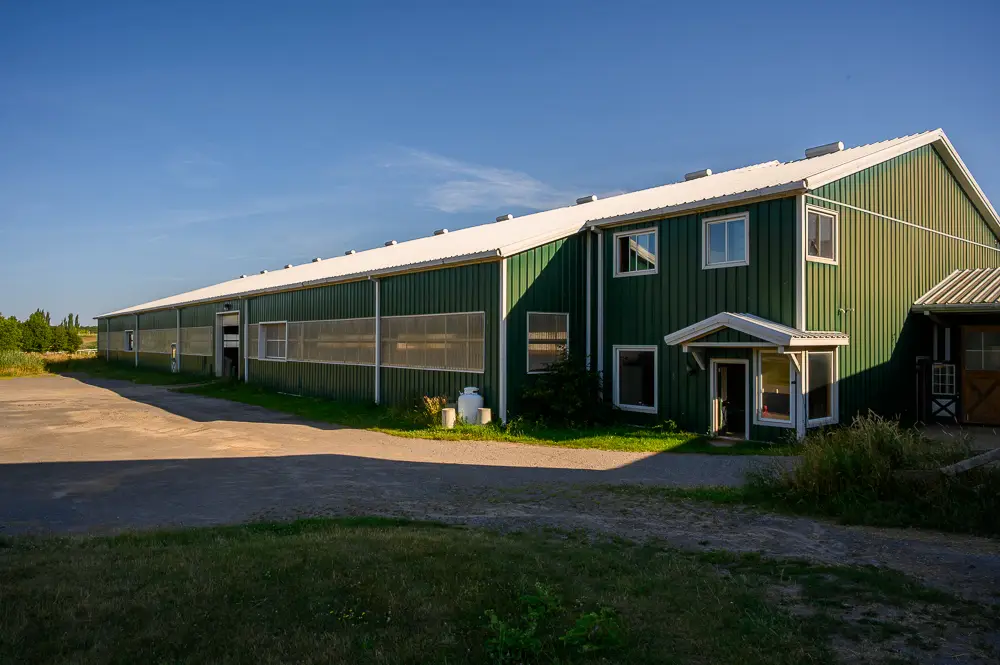
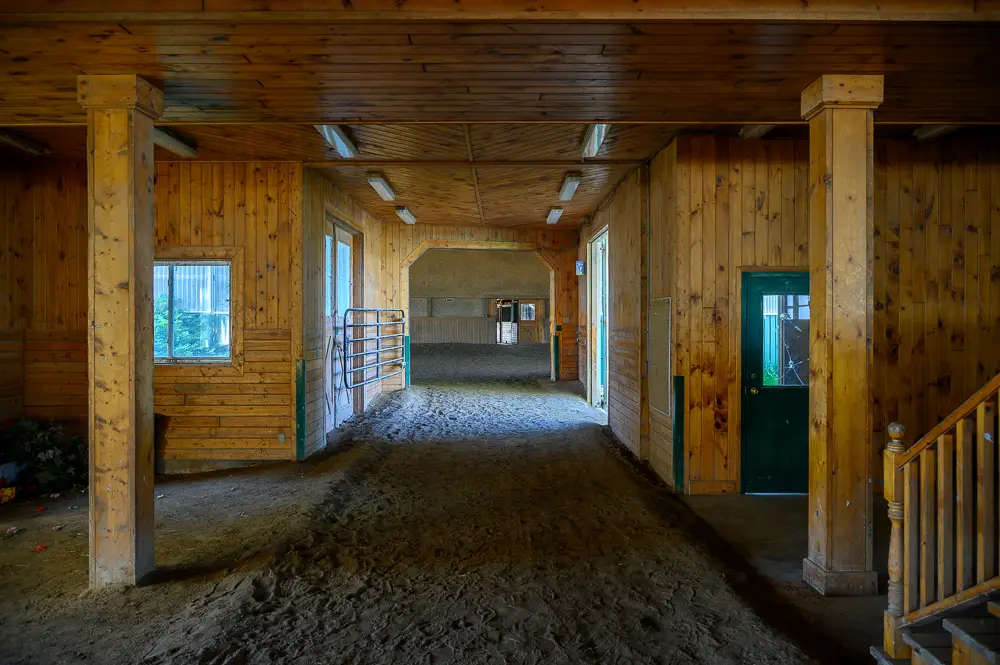
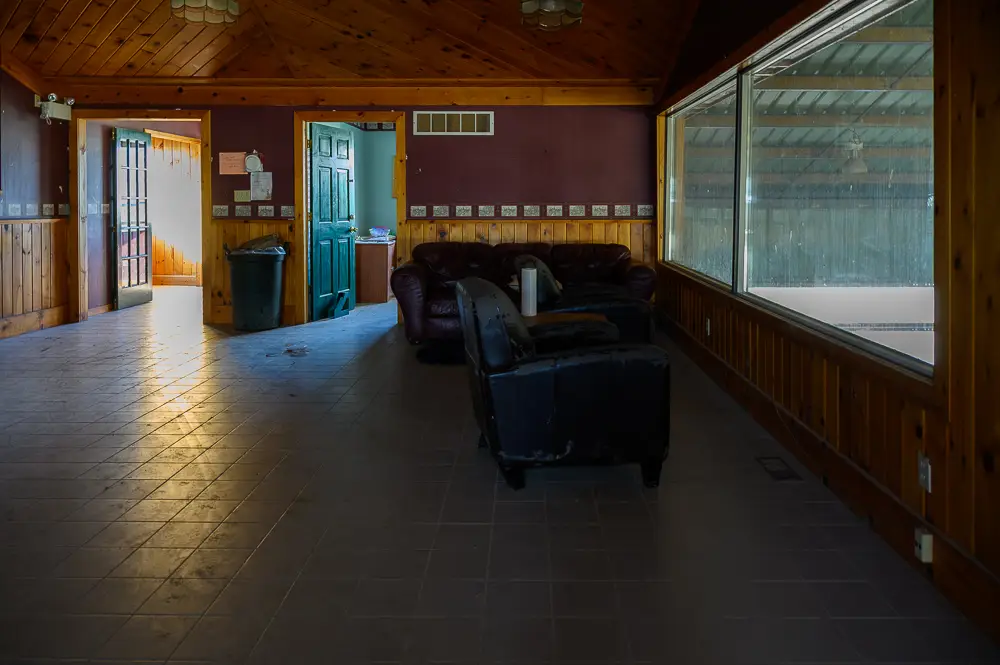
What once was a vibrant horse stable and home to top-level competitions and training sessions now sits abandoned, yet with remnants of what once was, such as the farmhouse, residence, and stables, pending what may be next for this property.
Abandoned Equestrian Estate Video
Hendervale Farm: Roots & Reputation
Prior to its subsequent iterations, this facility existed as Hendervale Farm, a reputable involved member of the Ontario horse community. Although historical documentation of its first few decades of operation is scarce, Hendervale was well known within its area of operation as a facility involved with regional hunter/jumper equine events and activities.
In rural Ontario, there were properties like Hendervale that acted as centers that brought together riders, trainers, and families who took part in shows, schooling events, and training sessions. The farm was a representation of a rural heritage that existed in connection with horses in Ontario.





Iron Horse Equestrian Complex: Ambition & Expansion
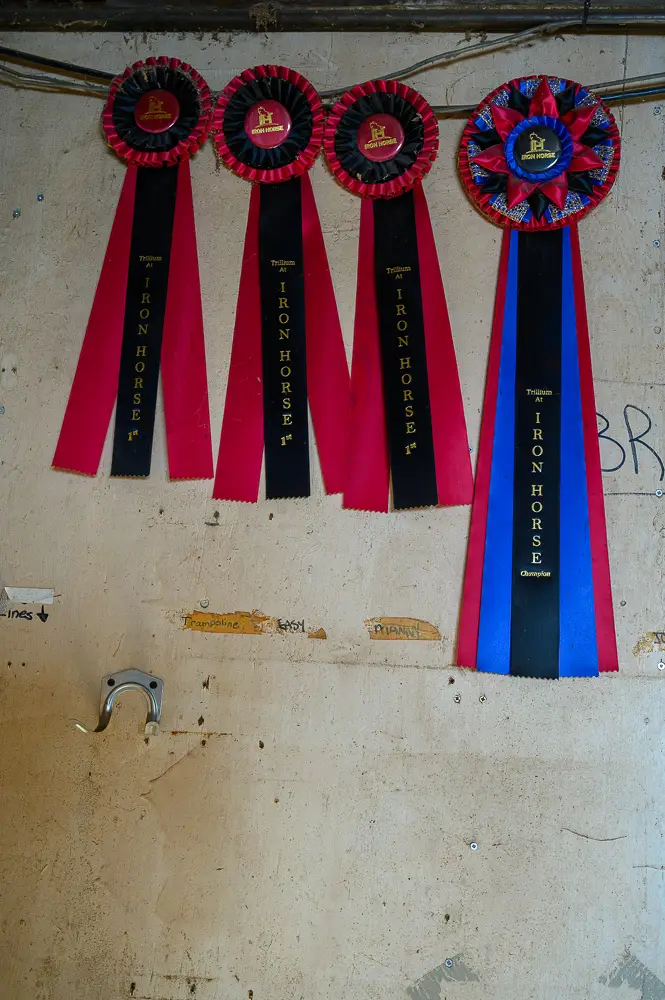
Iron Horse Equestrian Complex, owned by Ken & Susy Niles, officially acquired the old Hendervale Farm on November 1st, 2009. The location is at 5244 No. 1 Side Road, Milton, Ontario. There was no question regarding the intentions of the new ownership. The site would be developed into one of the best show arenas in Canada.
The existing infrastructure of the property at the time of the acquisition included:
- Multiple Sand Riding Rings
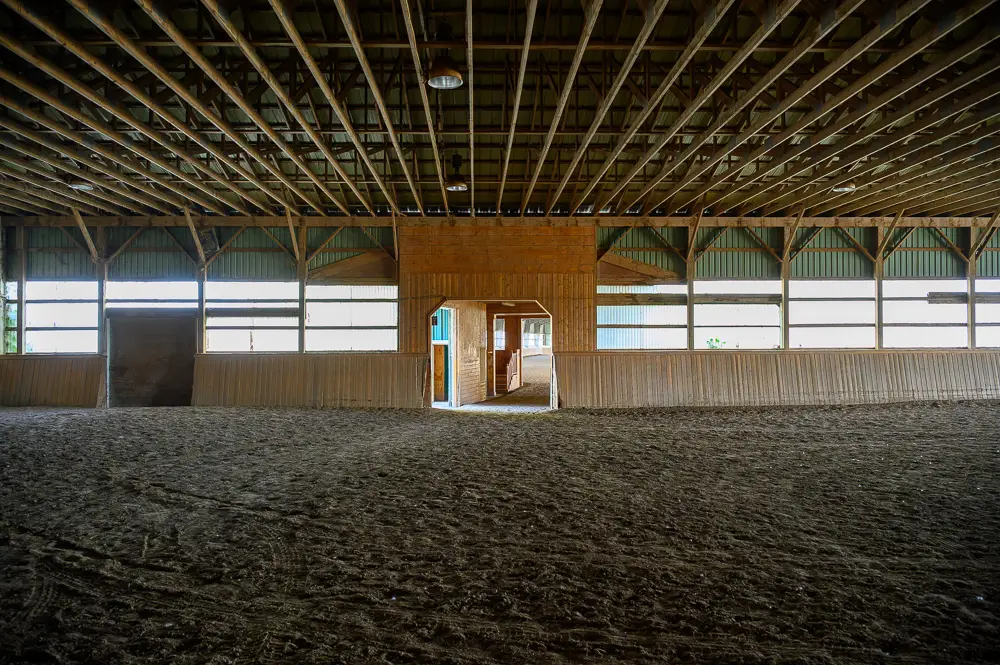
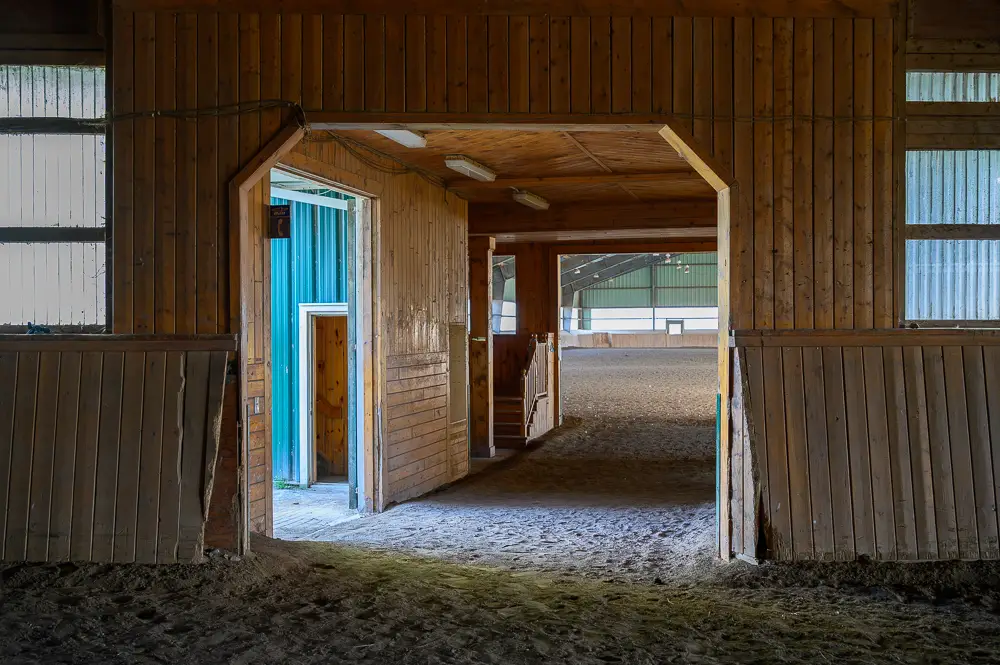
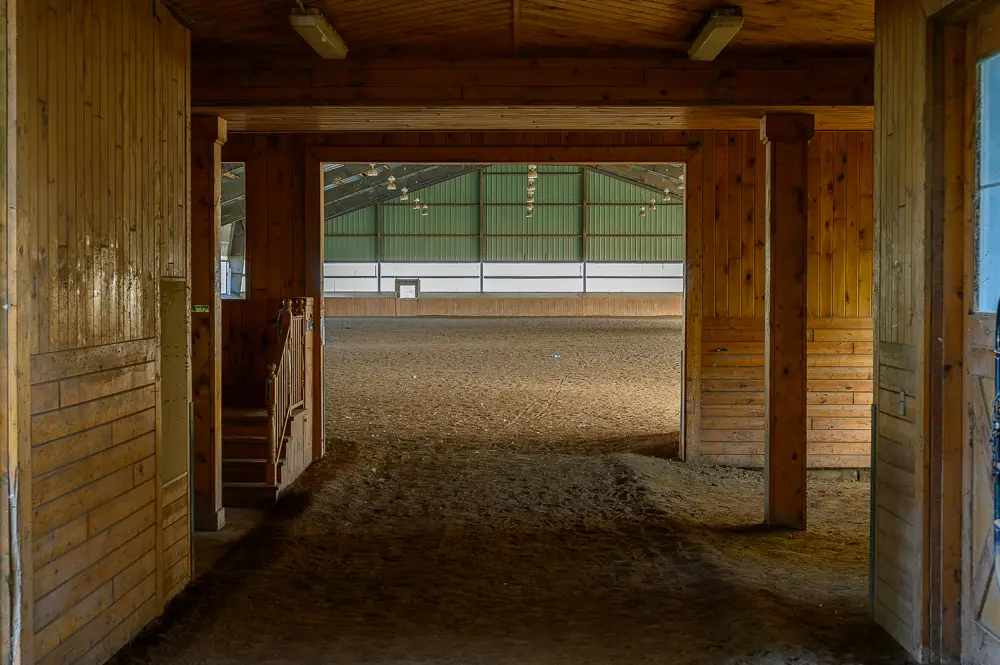
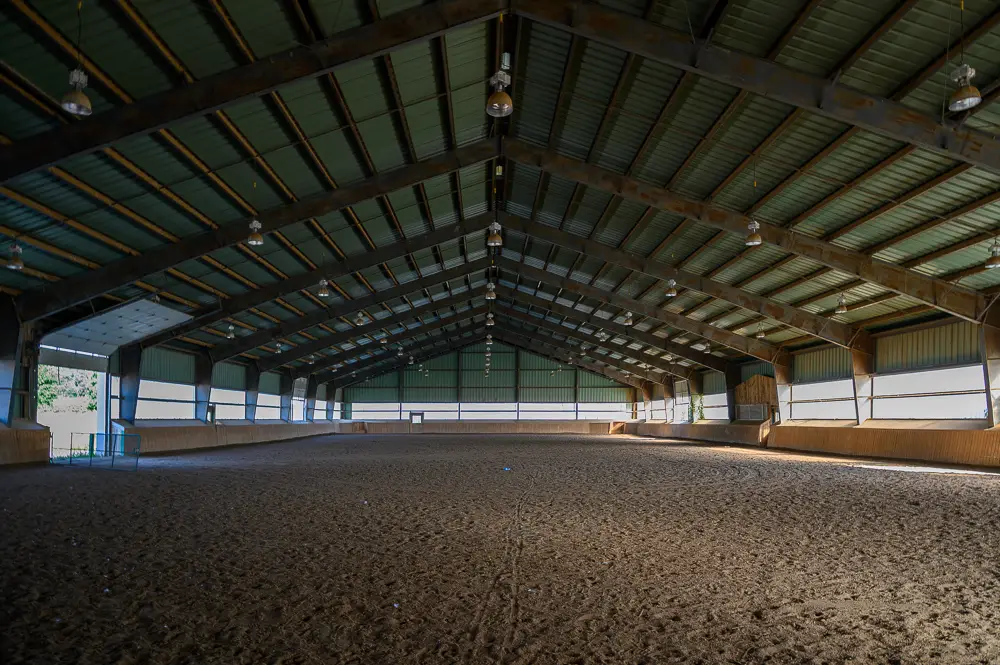
- A 24,000-square-foot indoor
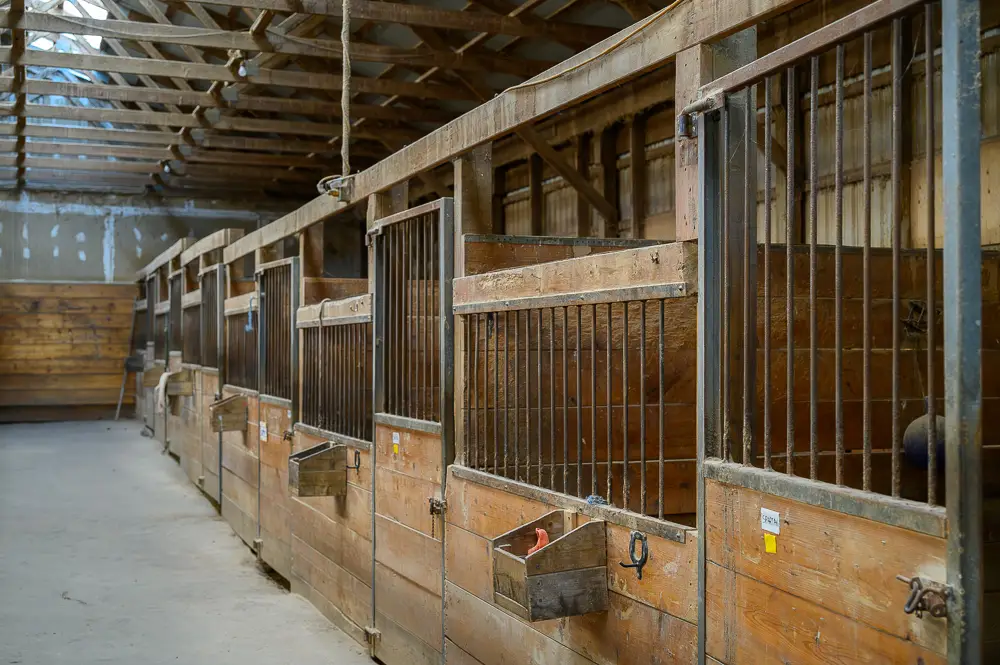
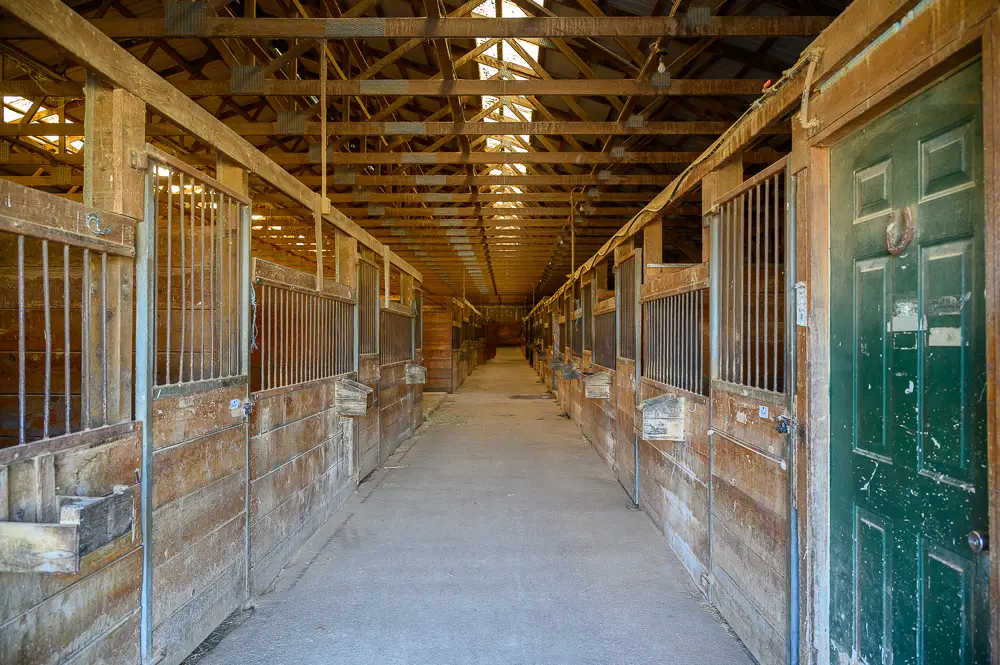
- About 240 outdoor stalls
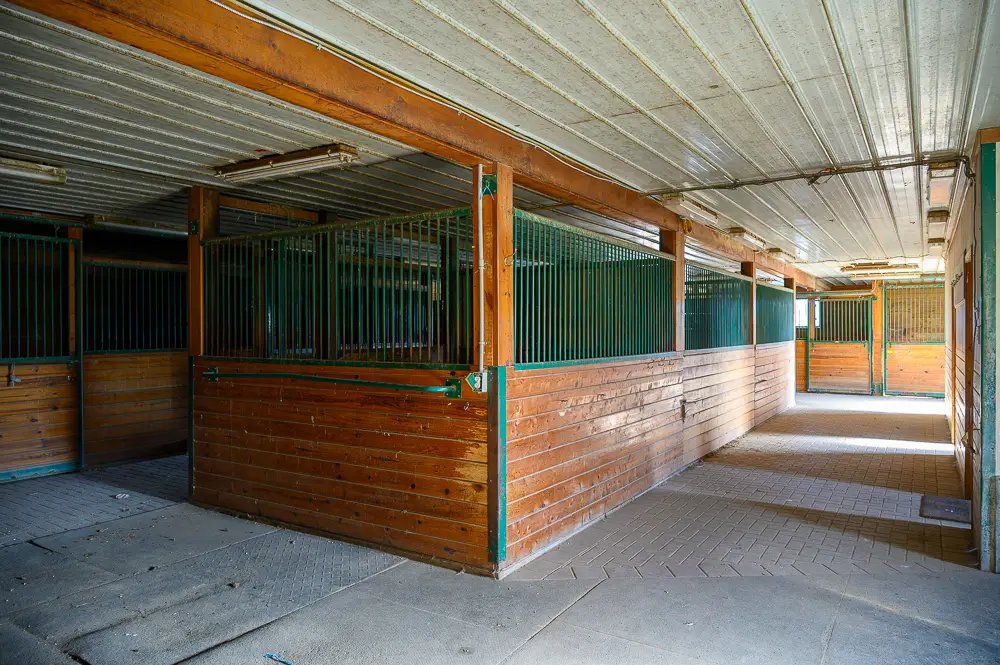
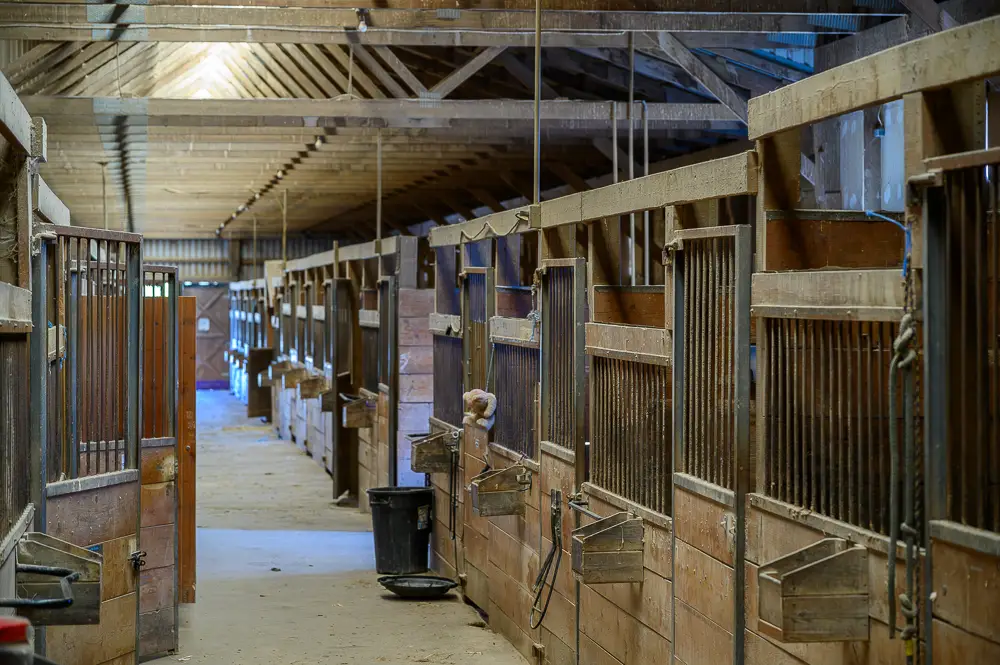
- Approximately 110 enclosed stalls
- One of the largest Grand Prix rings in Eastern Canada
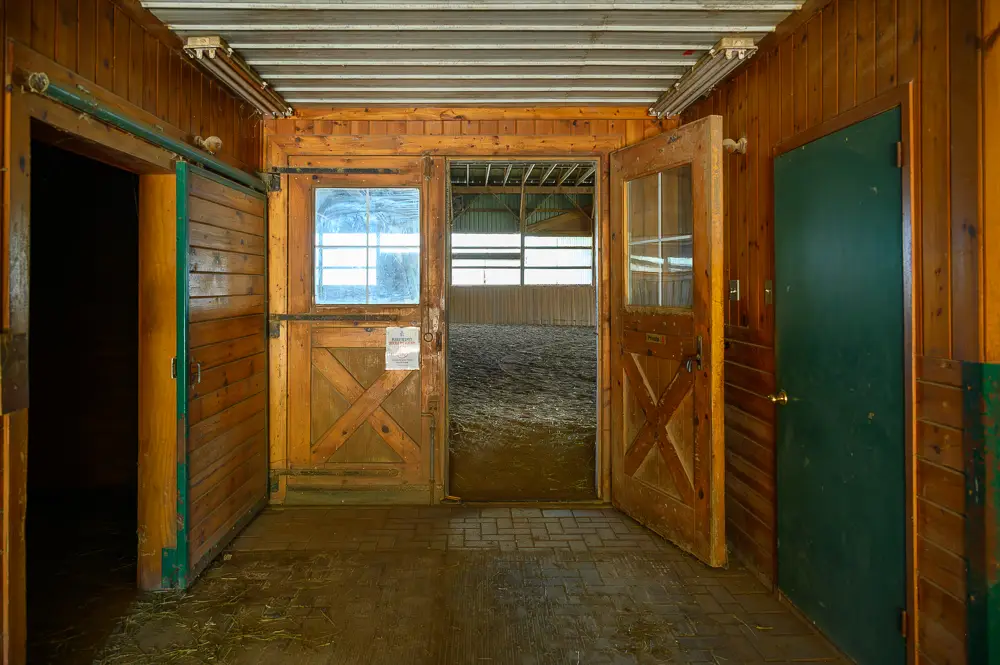
These characteristics made it one of the best-equipped arenas in the country for hunter and jumper shows. Ken and Susy relocated their existing business of horse schooling and showing their 100 horses on the land, improving paddocks, surfaces, jumping facilities, and boarding. This period represents the height of the property as an operating equestrian facility, as the property drew riders who sought competitive professional-level opportunities.





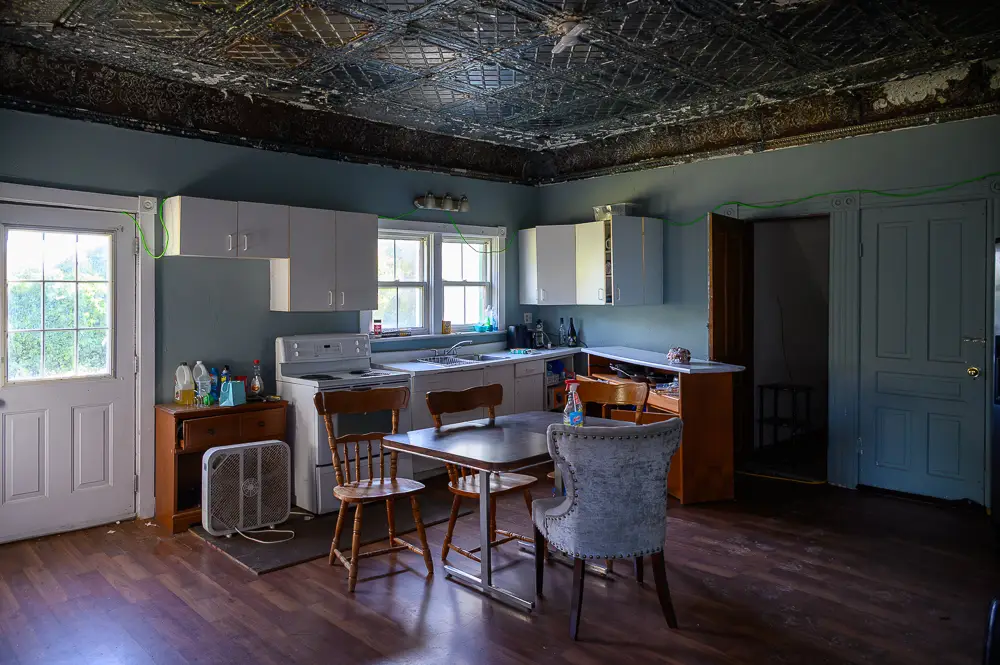
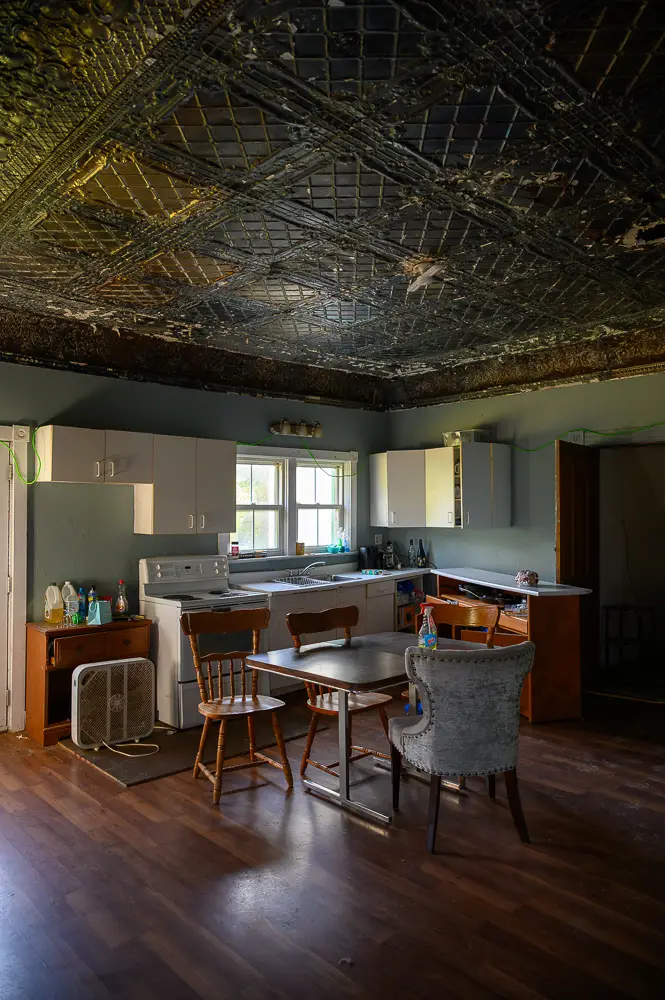
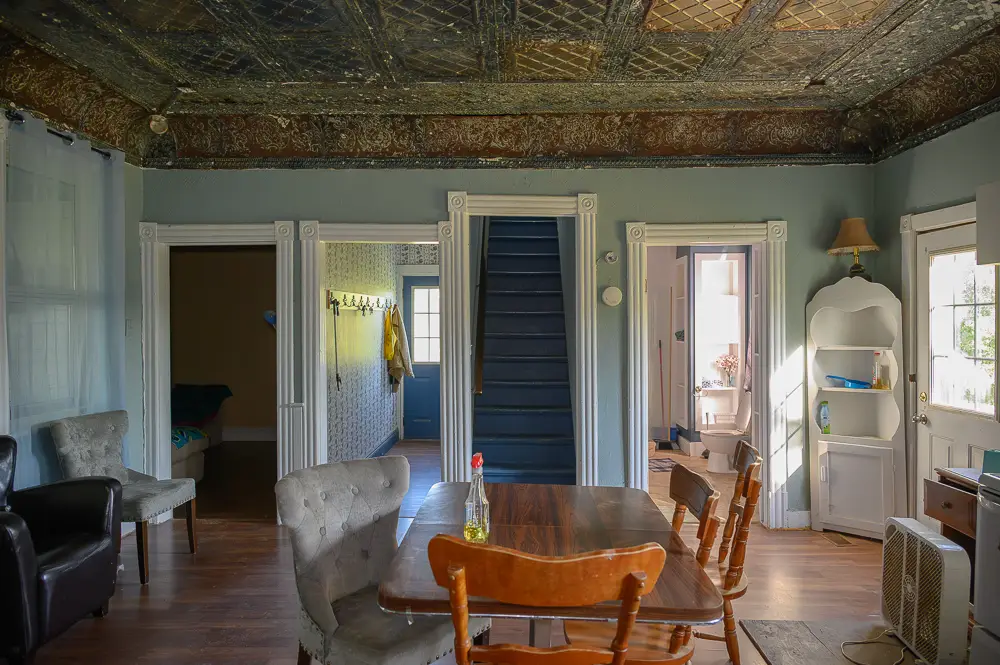
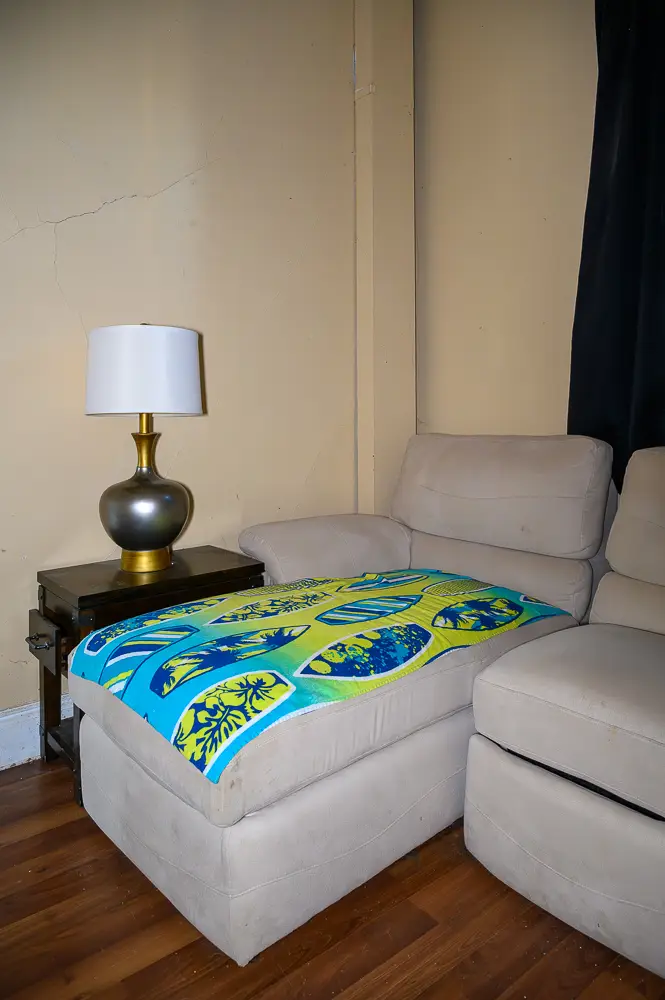
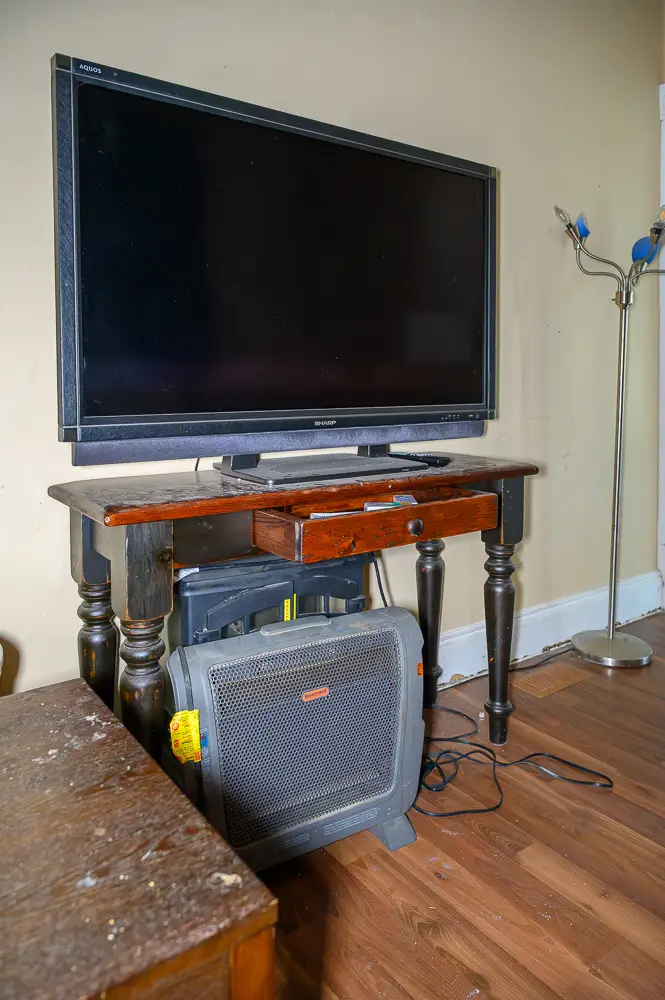
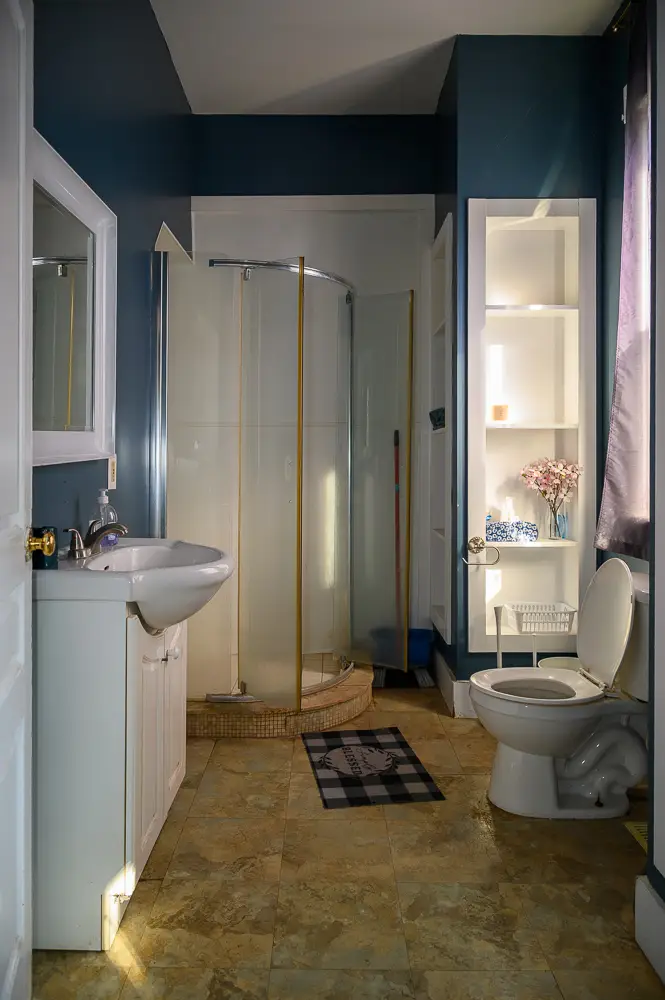
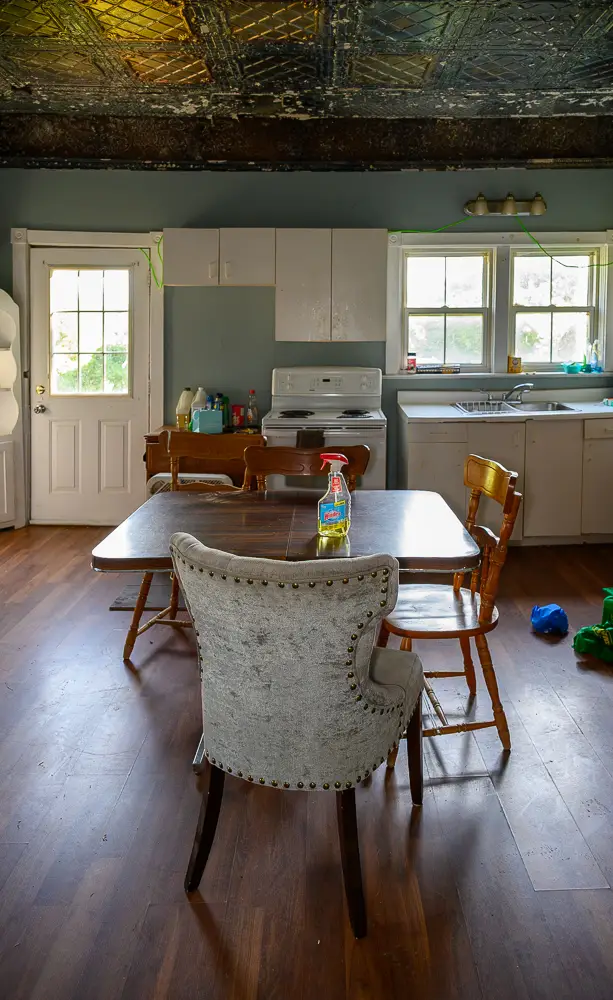
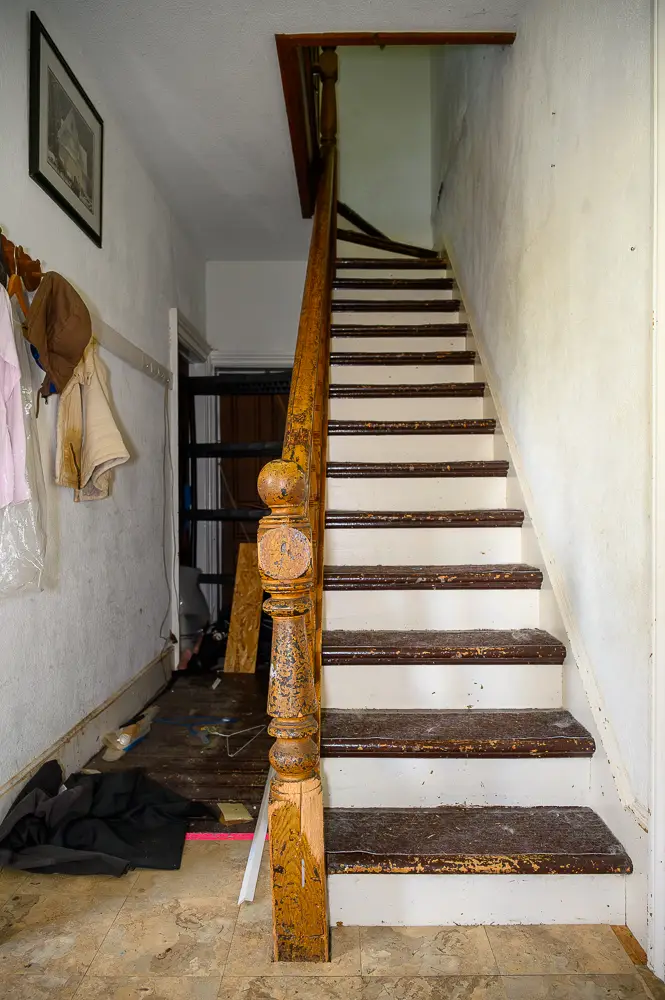
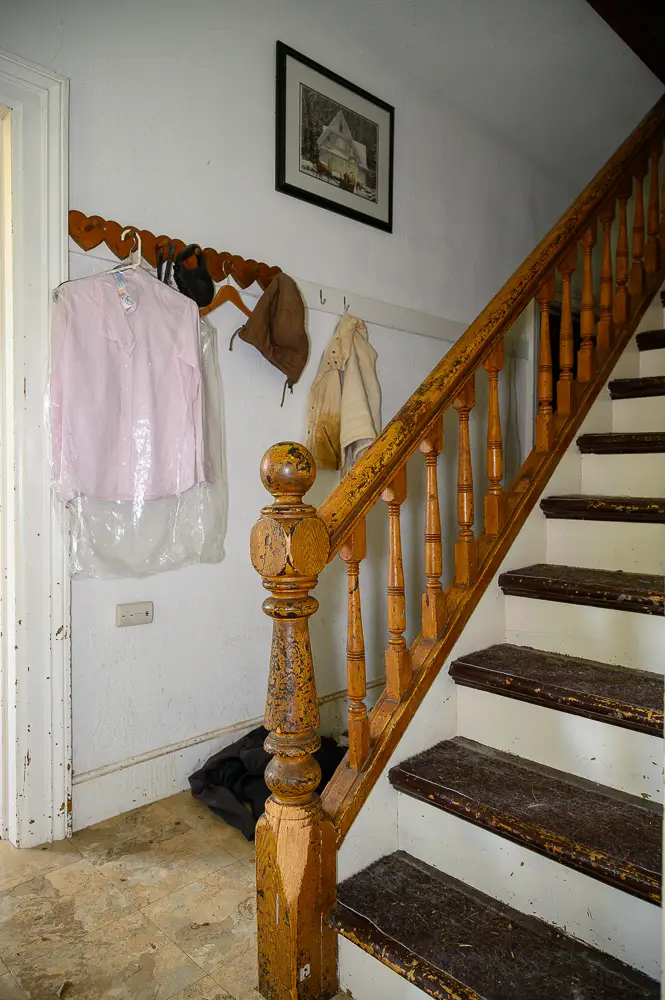
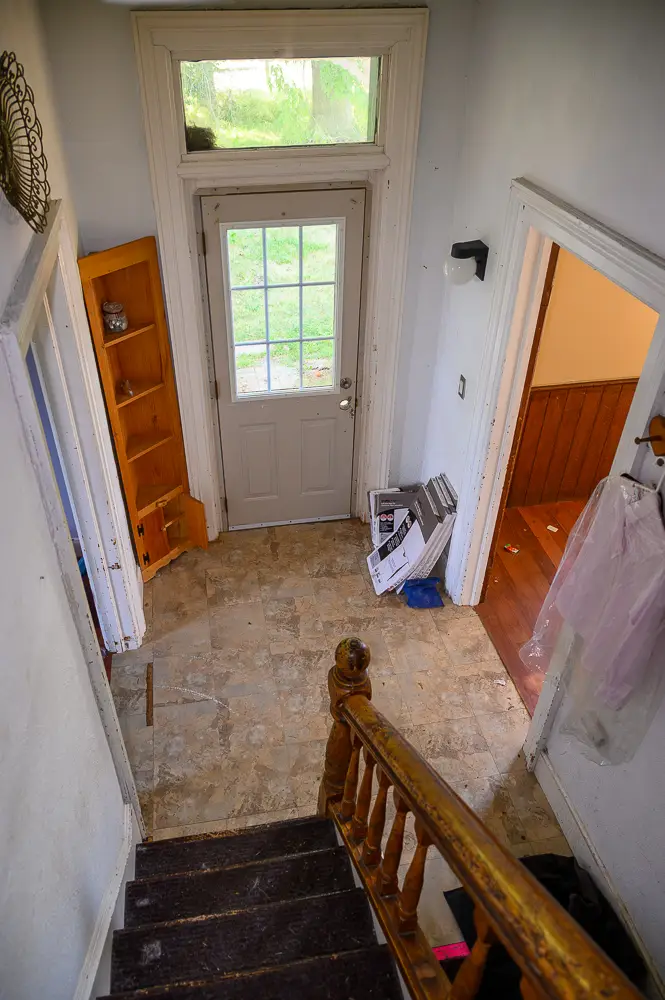
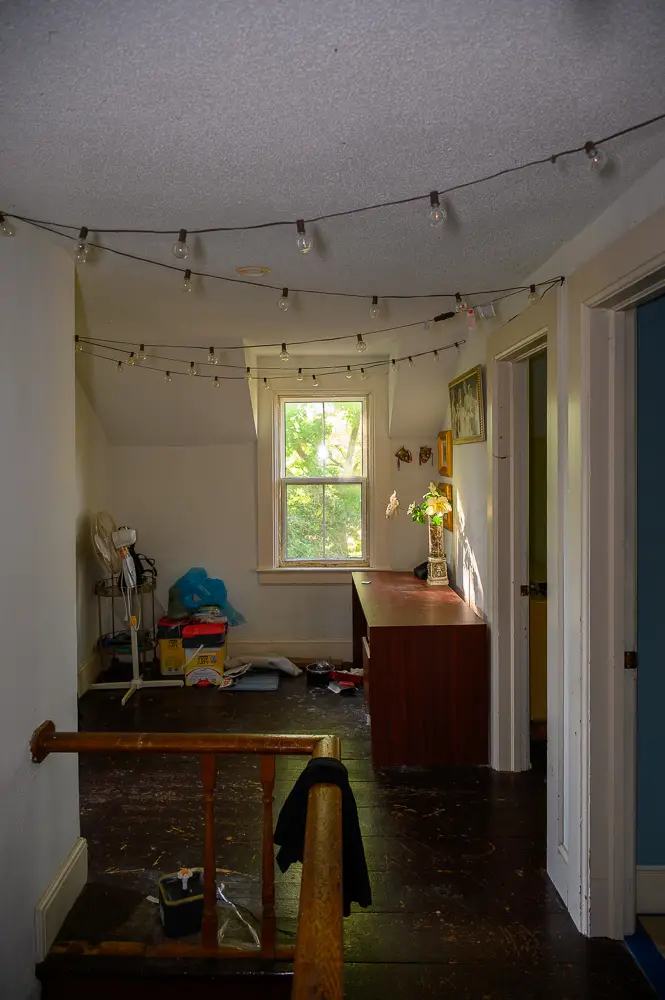
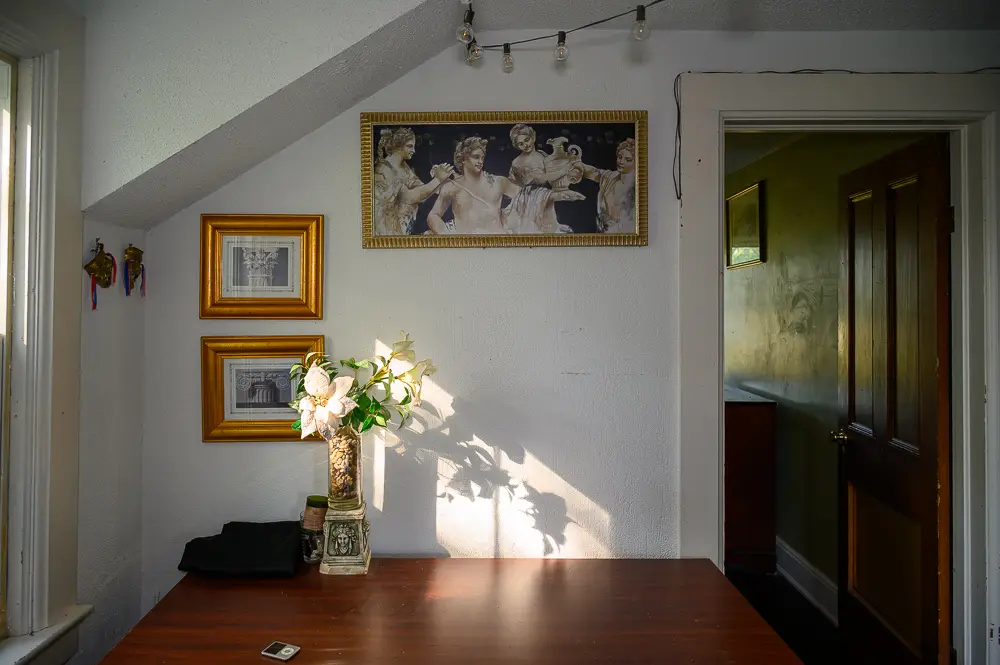
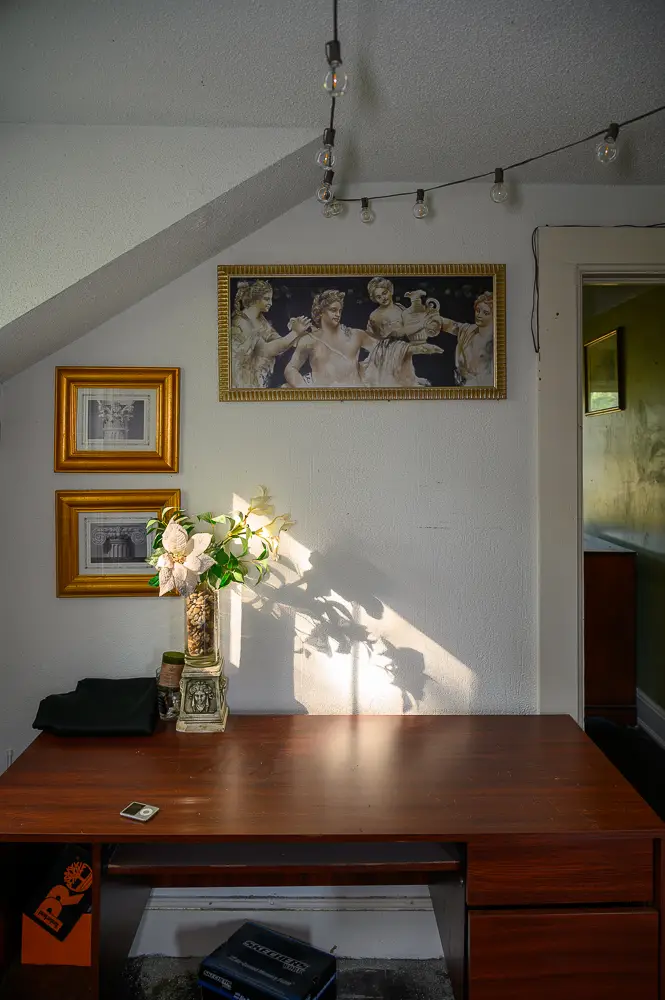
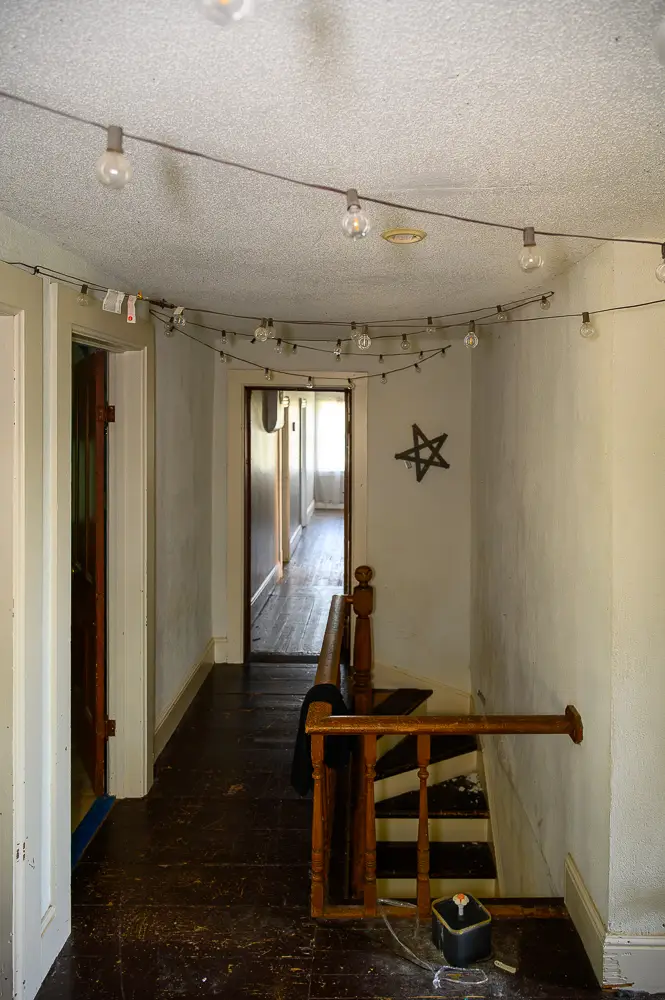
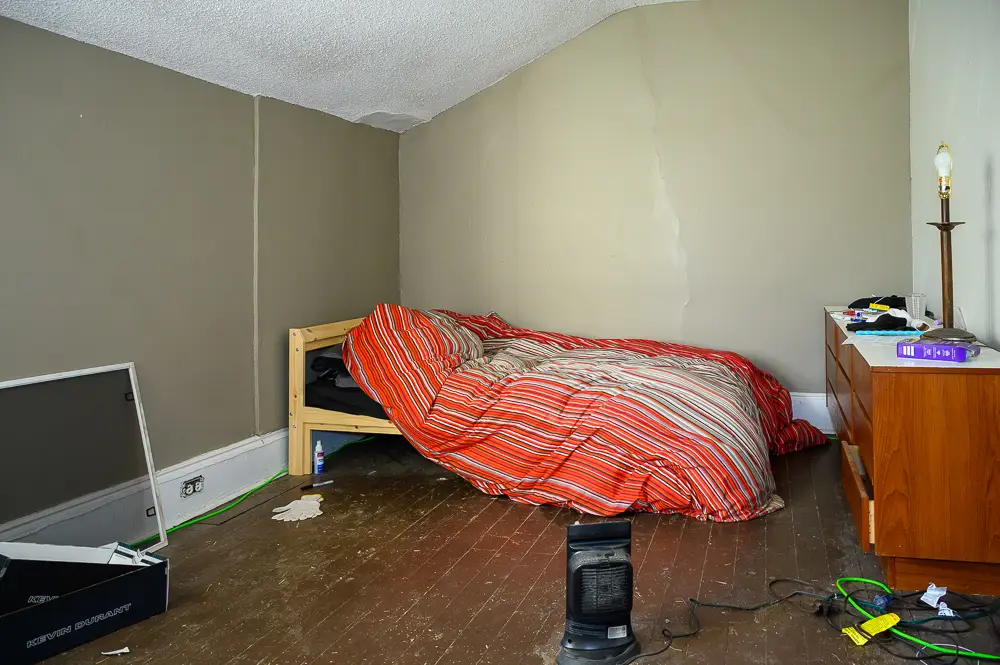
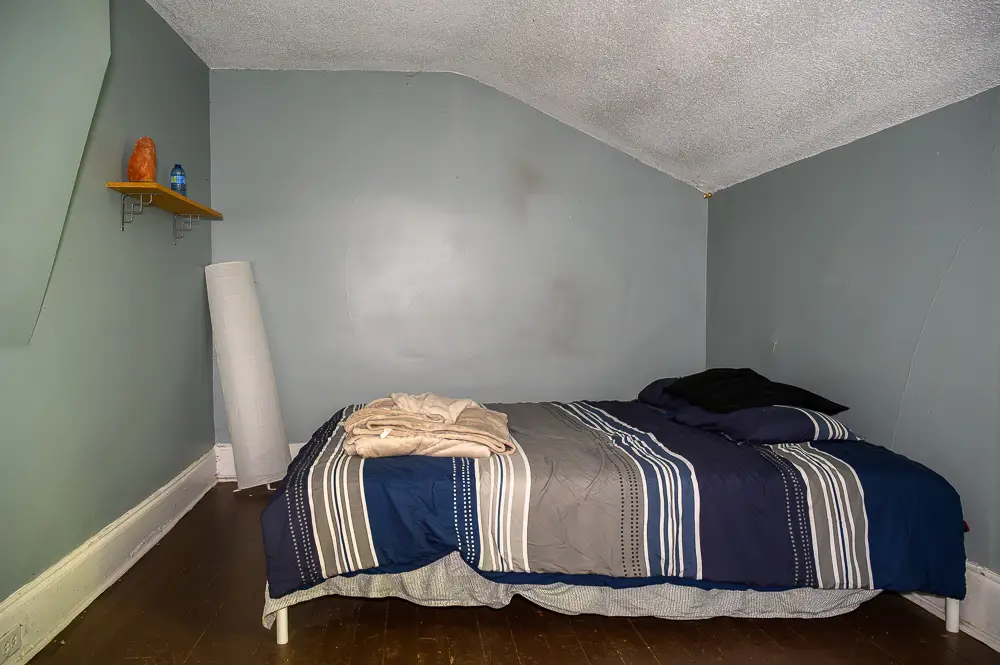
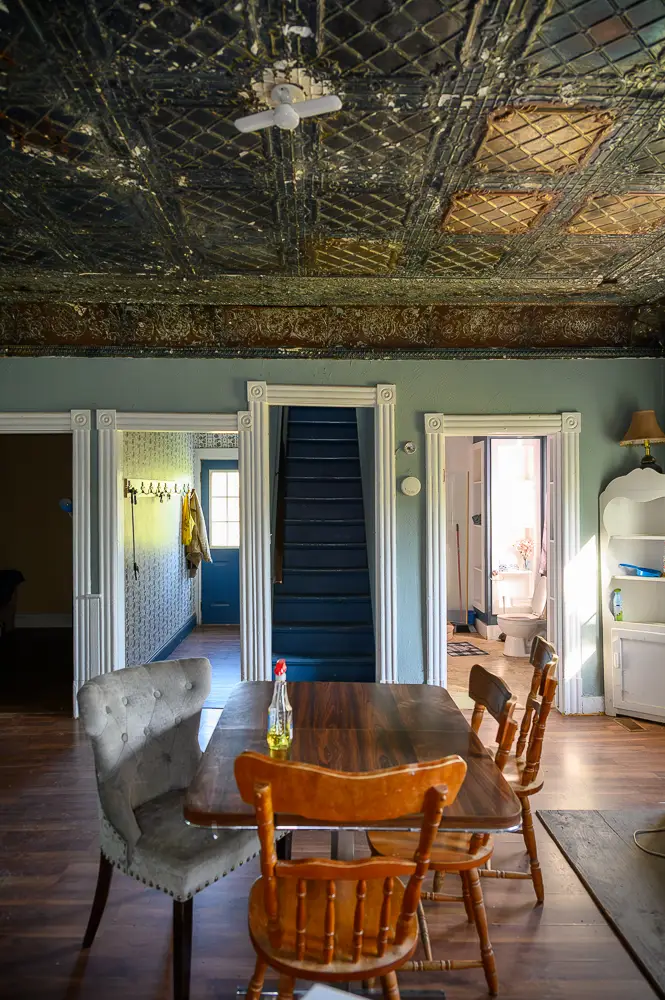
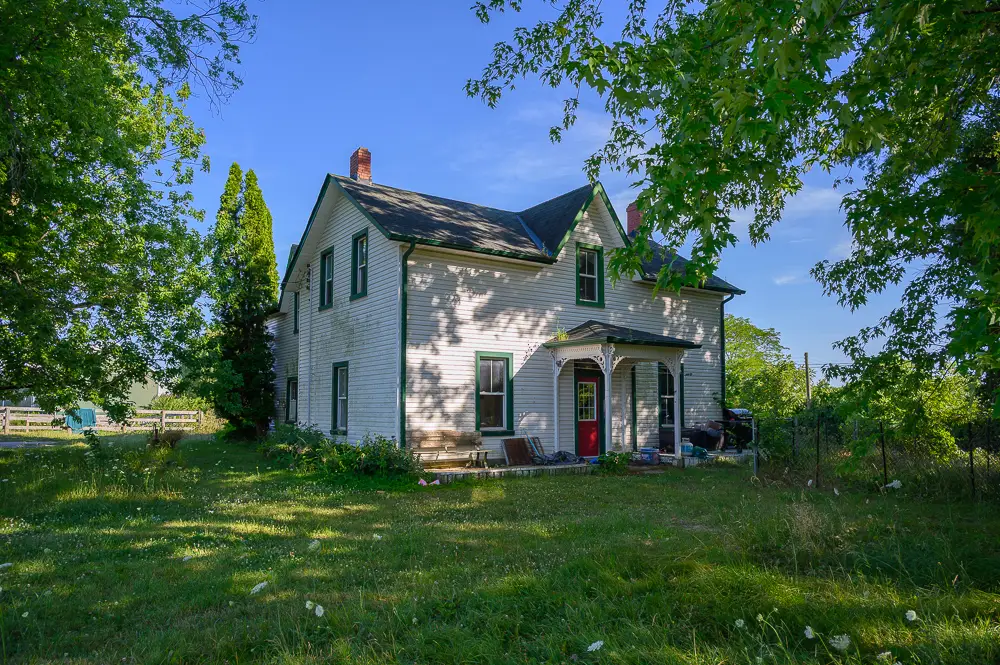
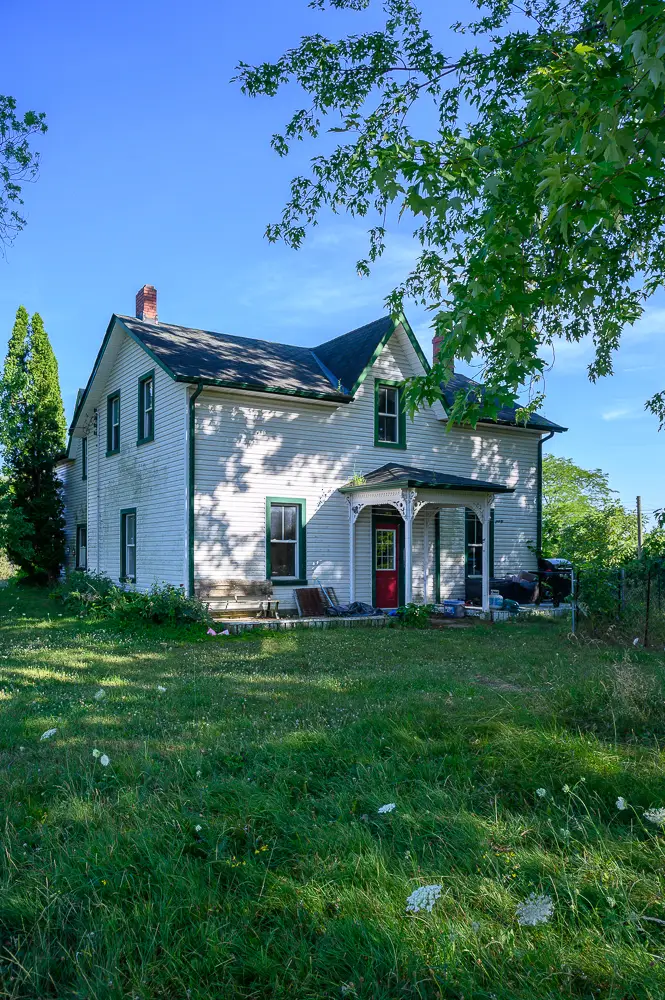
Farmhouse and Main Residence
The estate was more than stables and arenas. The property also contained two main homes:
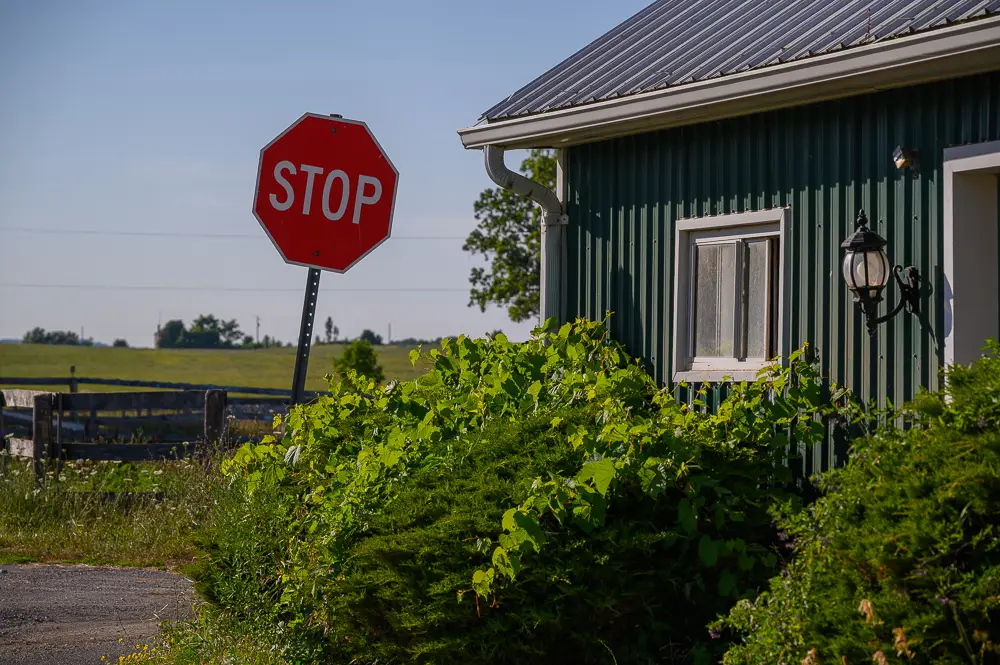
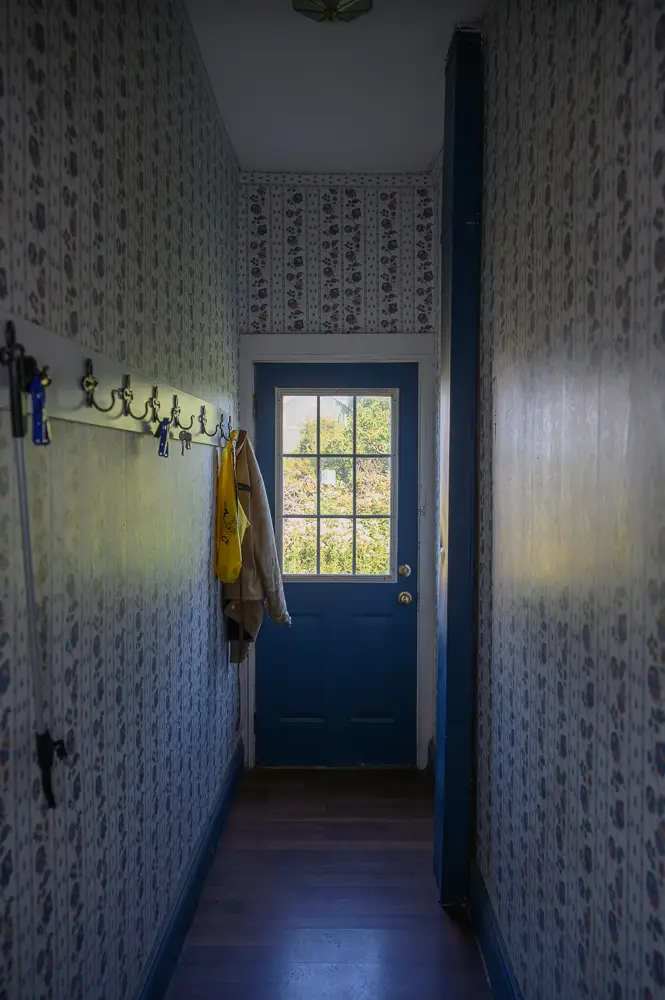
- Historic farmhouse: reflecting the agricultural origins of the area, long before horse sports came onto the scene.
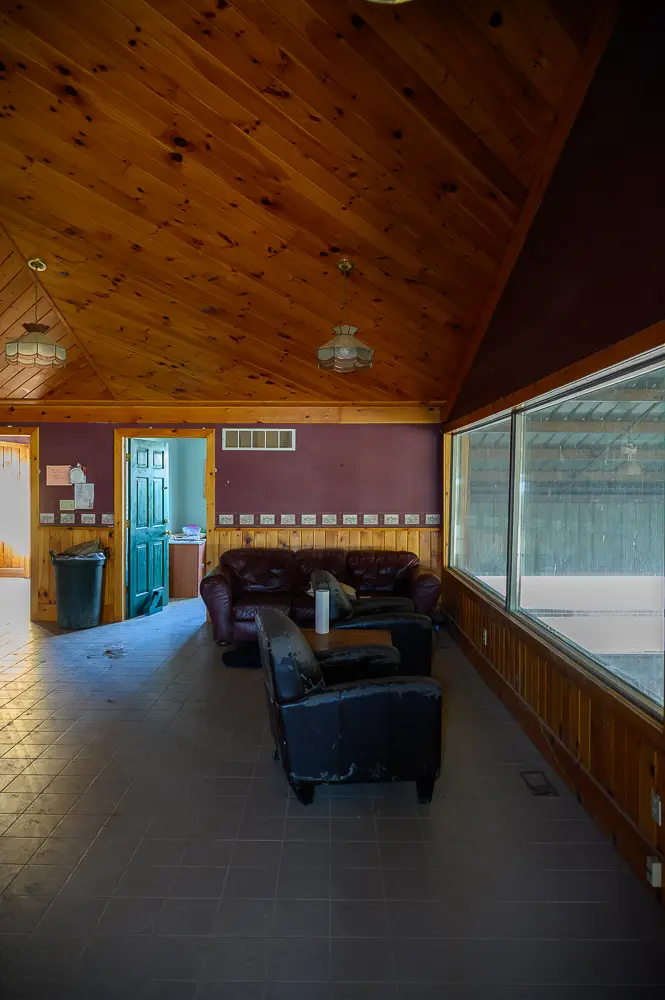
- A large main residence, a substantial country home for the operators and their families when the installation was in operation.
It is all a part of the human history on the site, where the everyday activities, planning, and maintenance for the horses occurred.









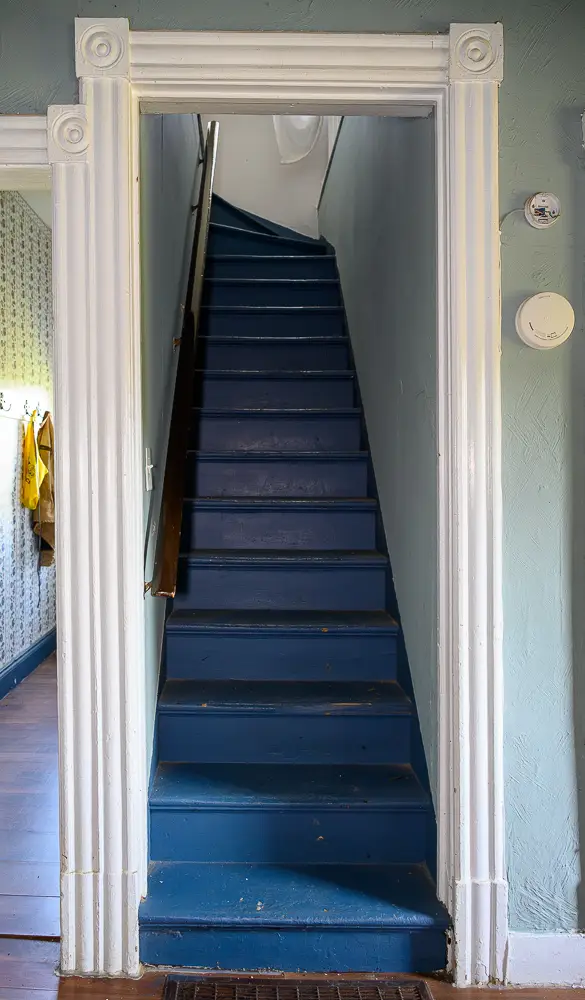

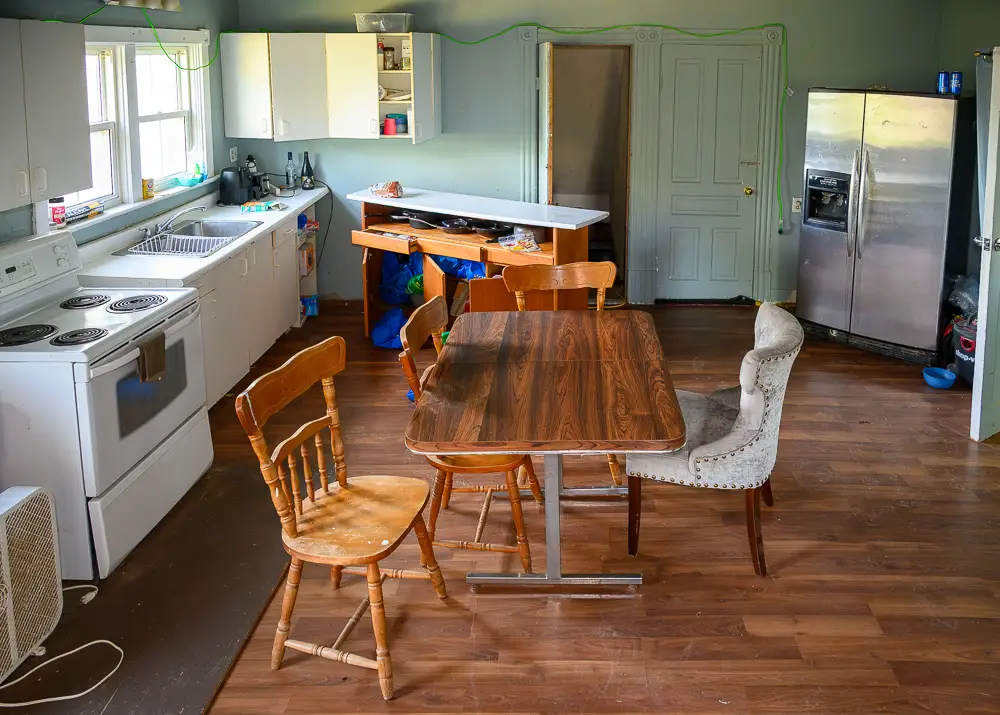
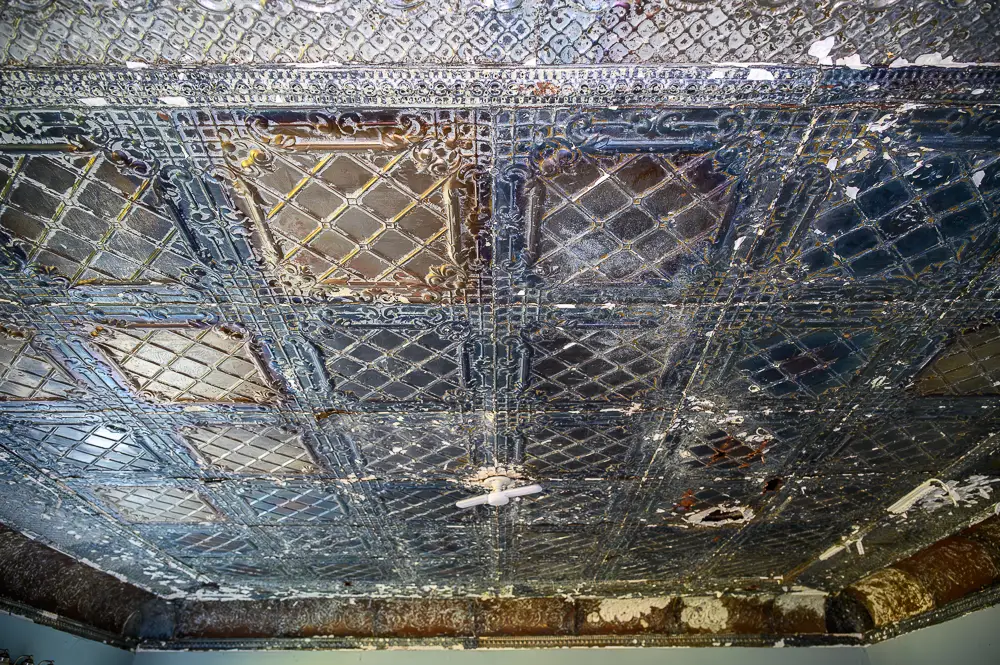
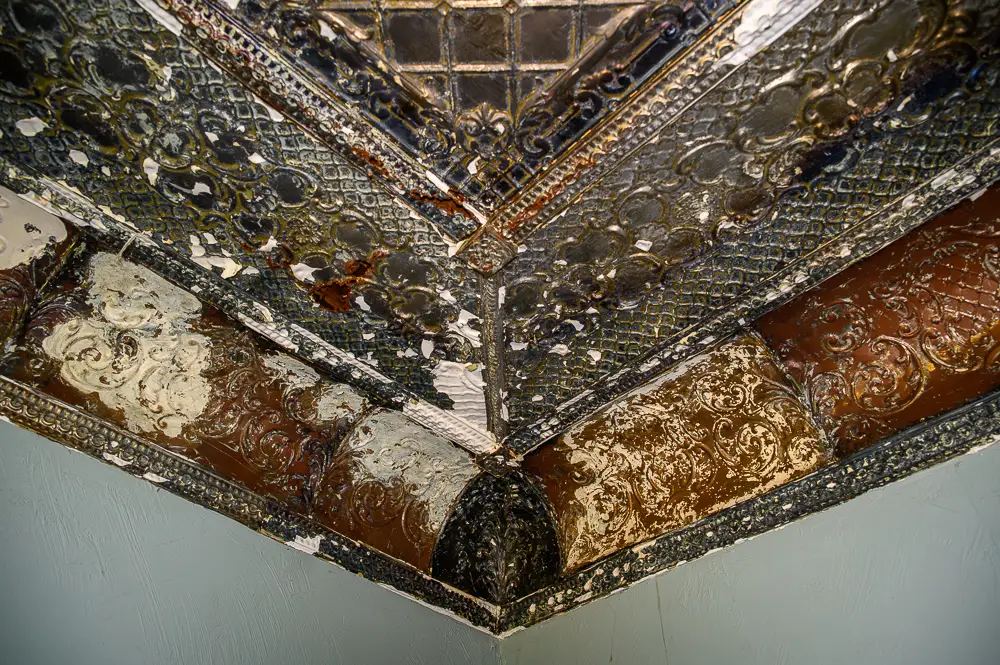

The Stables and Grounds
At its operational height, the property was designed for scale and versatility:
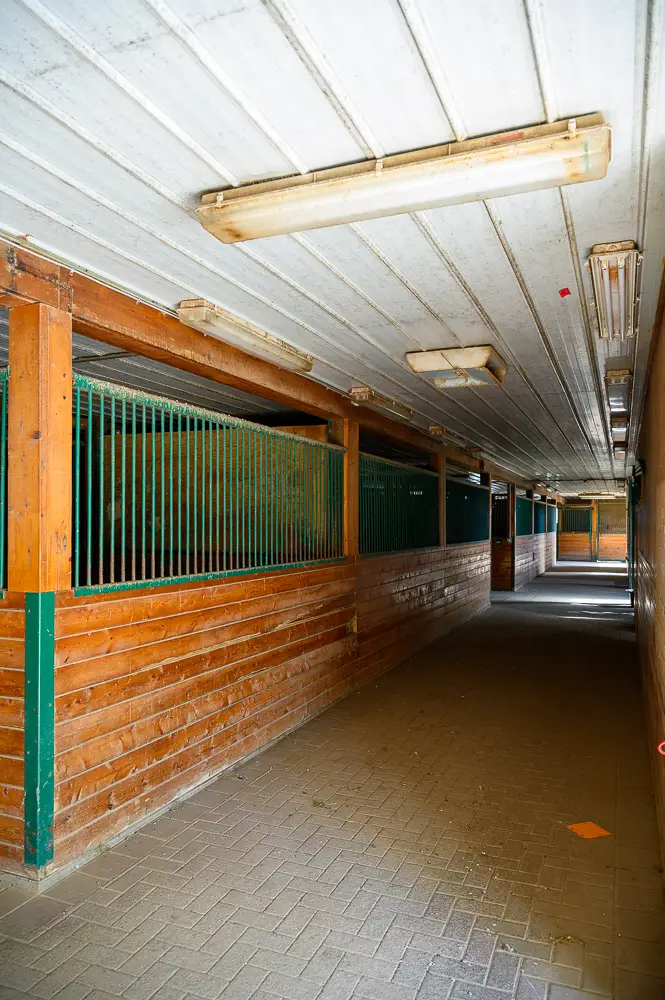
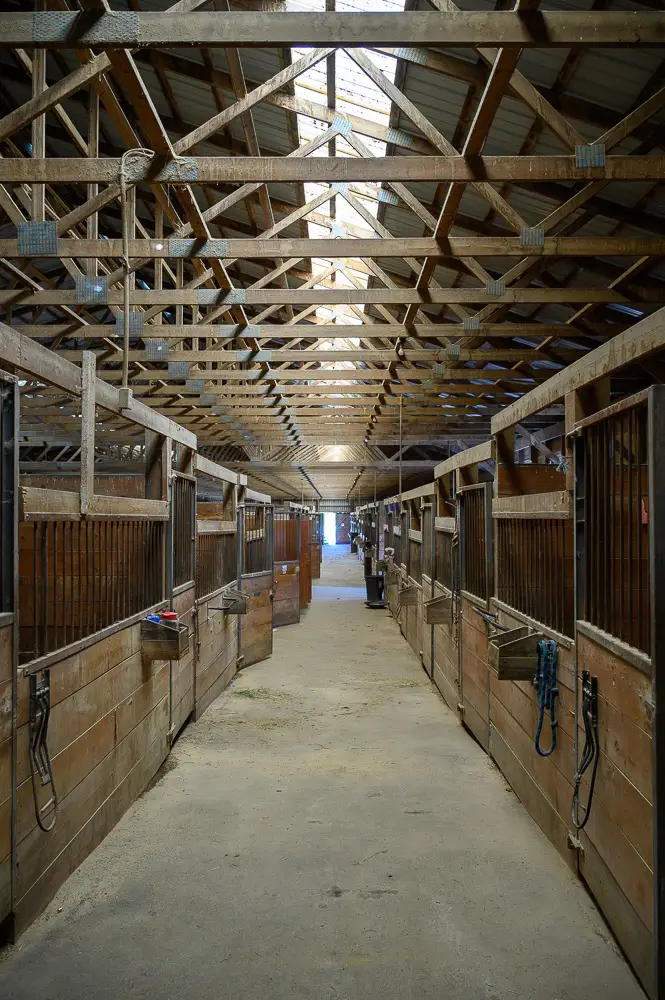
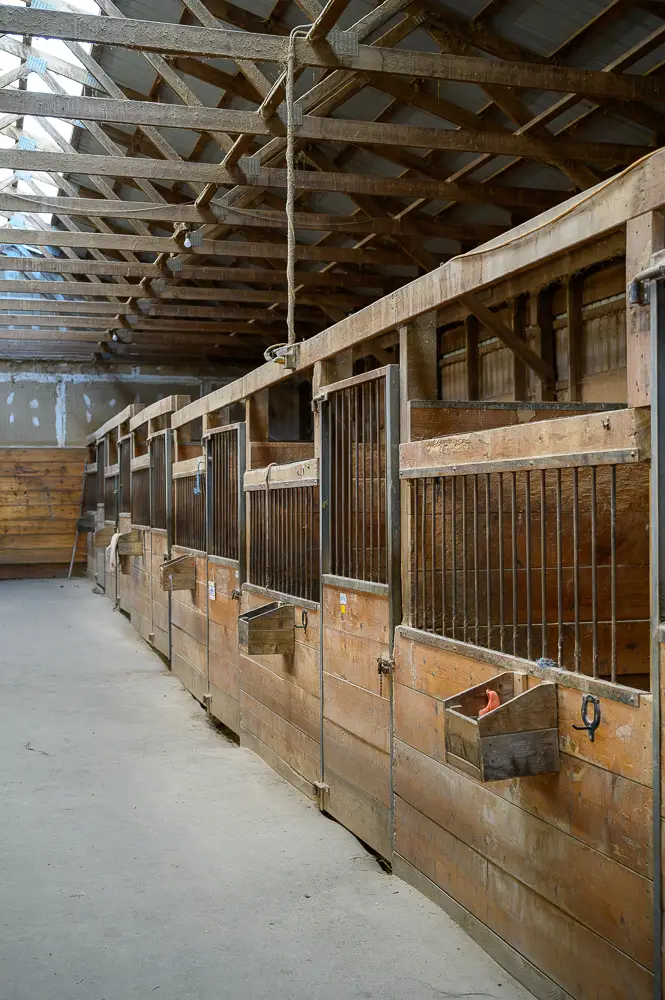
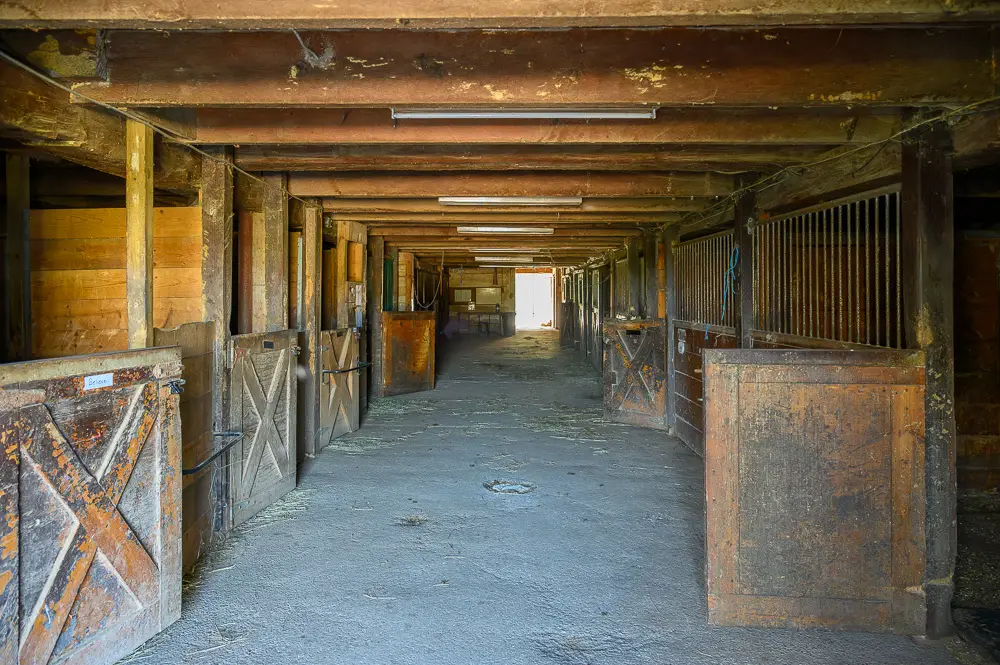
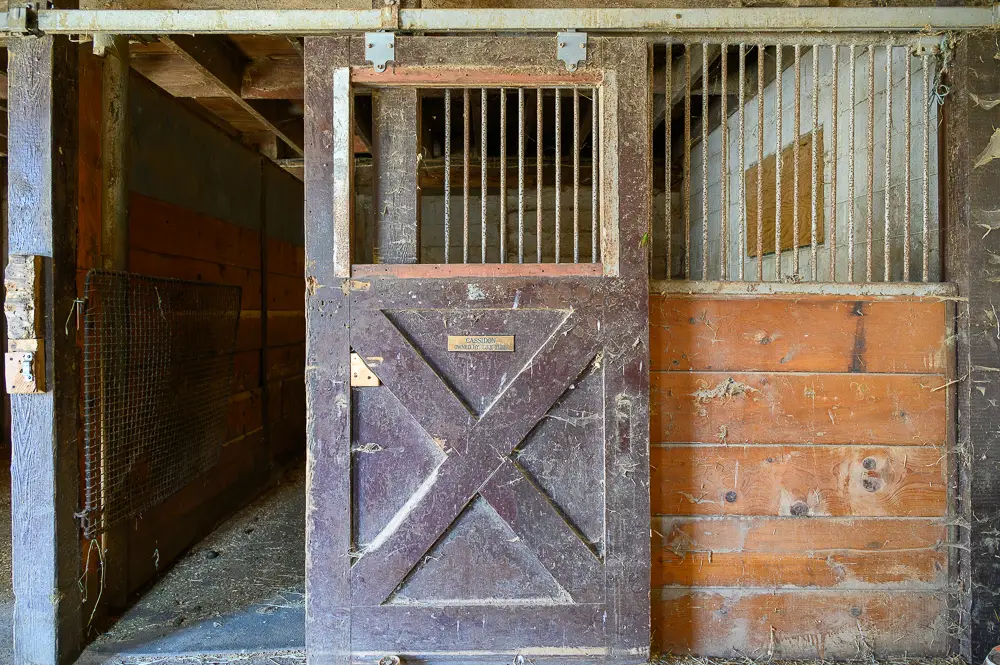
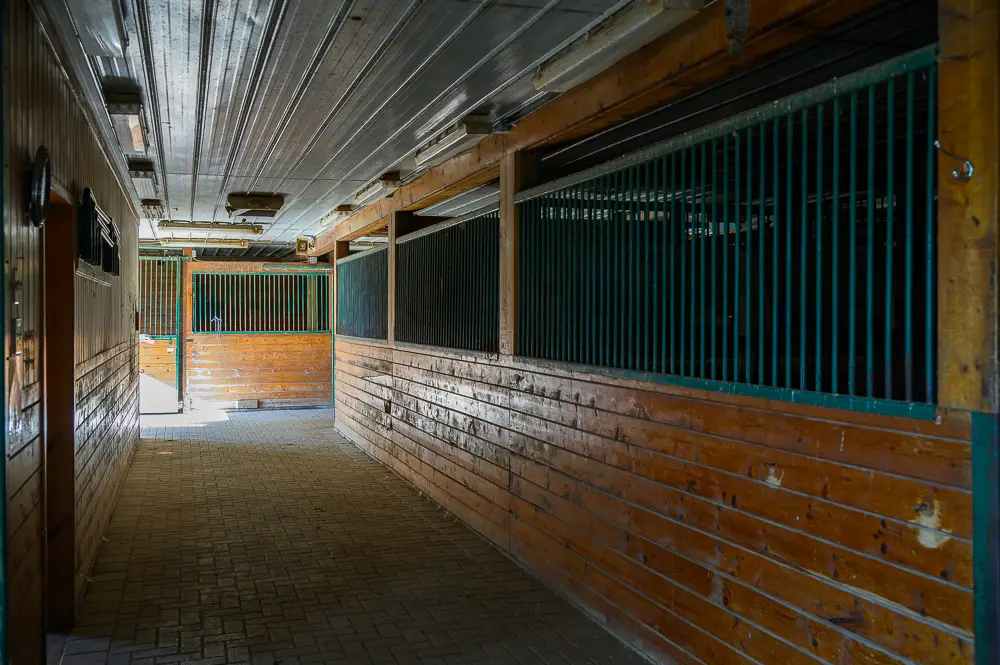
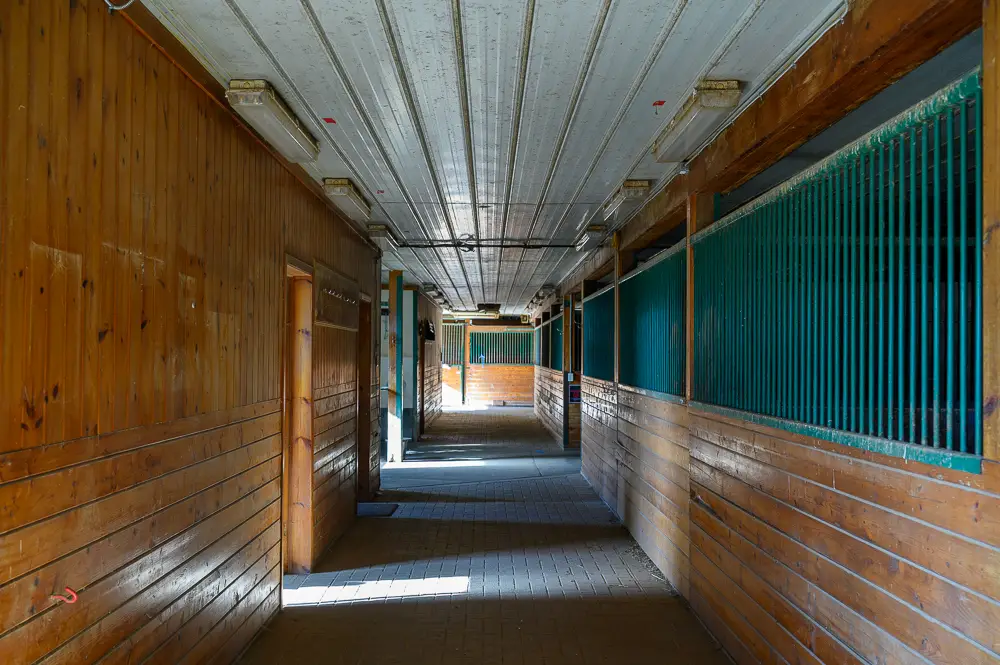
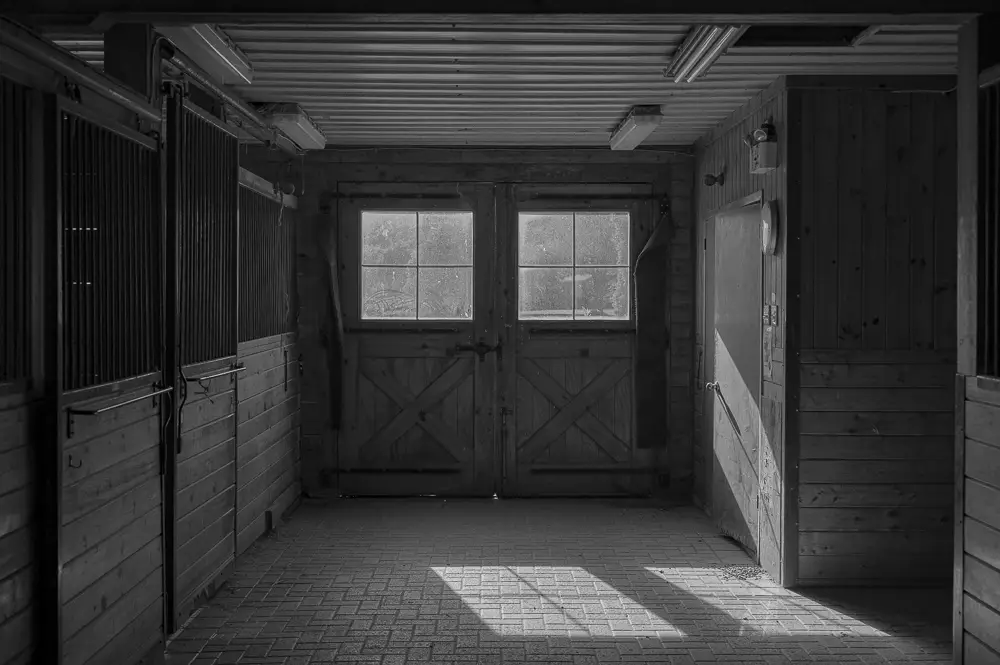
Extensive barns and enclosed stalls
Outdoor paddocks for turnout and training
A viewing area above the newer barns for spectators
Multiple rings and competition fields
It was easy to imagine 100 horses or more stabled here regularly, with riders and trainers bustling around routines of care and practice.
Current State: Vacant, Not Forgotten
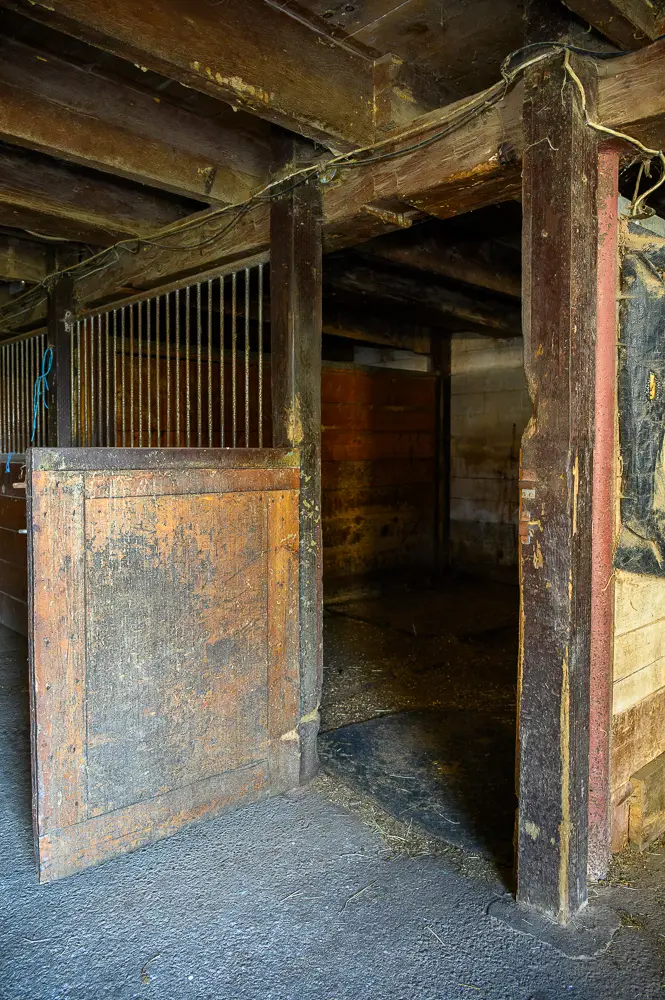
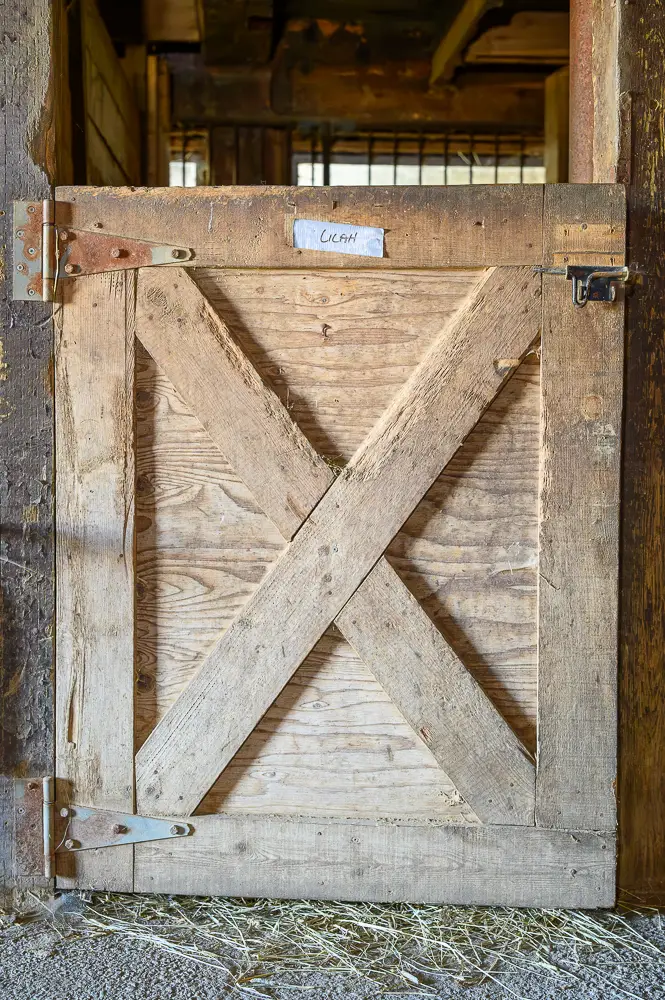
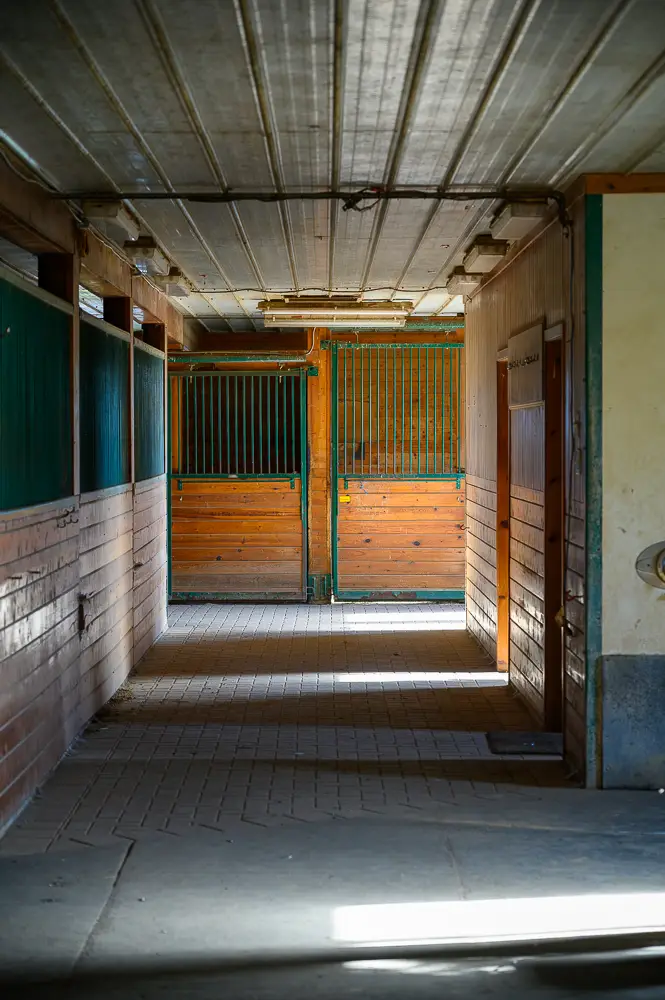
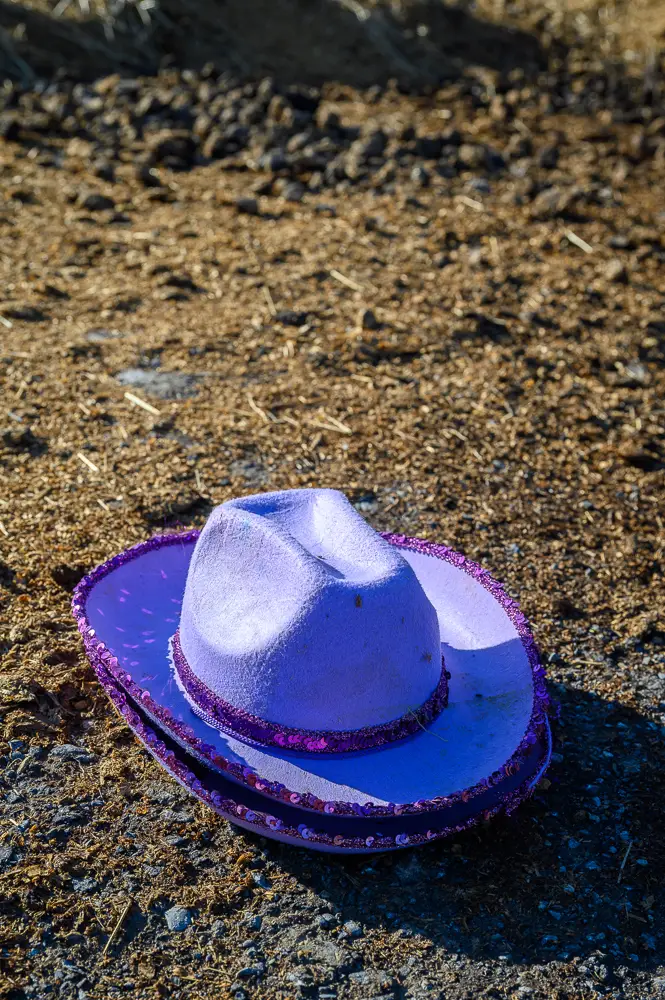
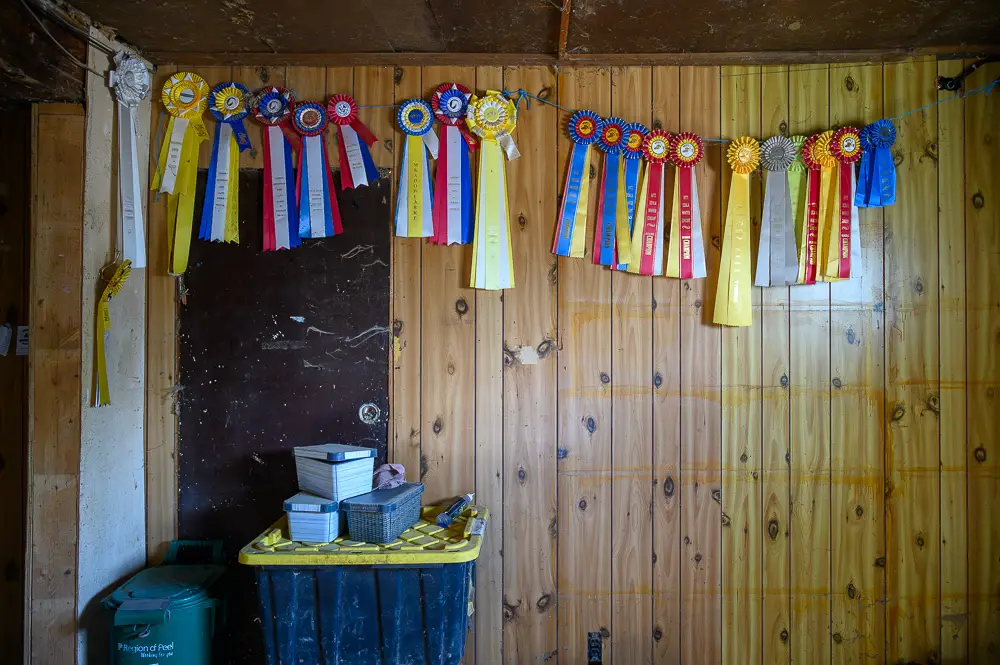
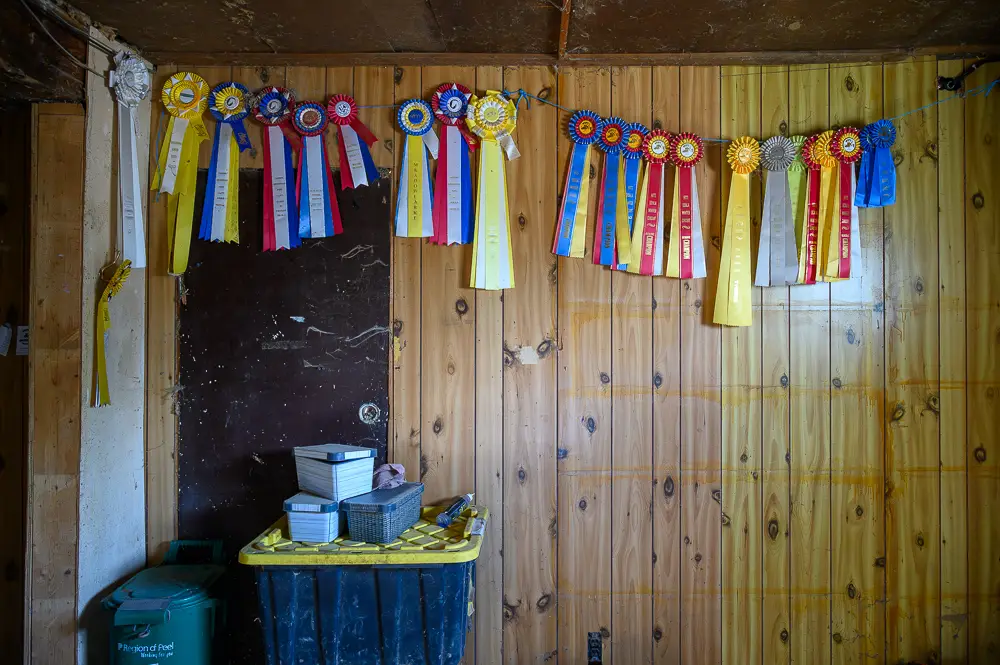
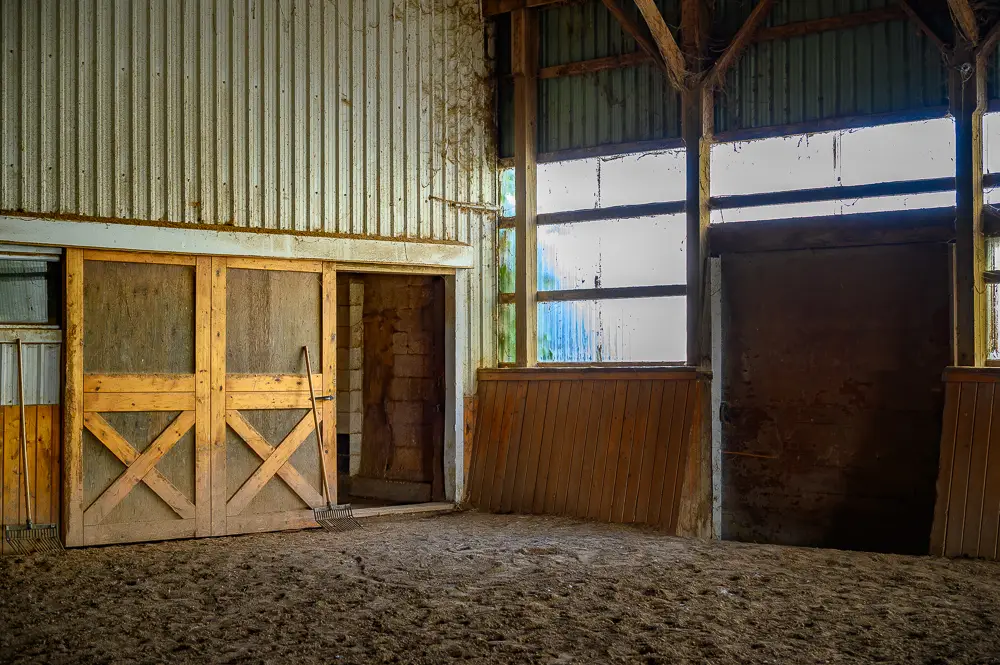
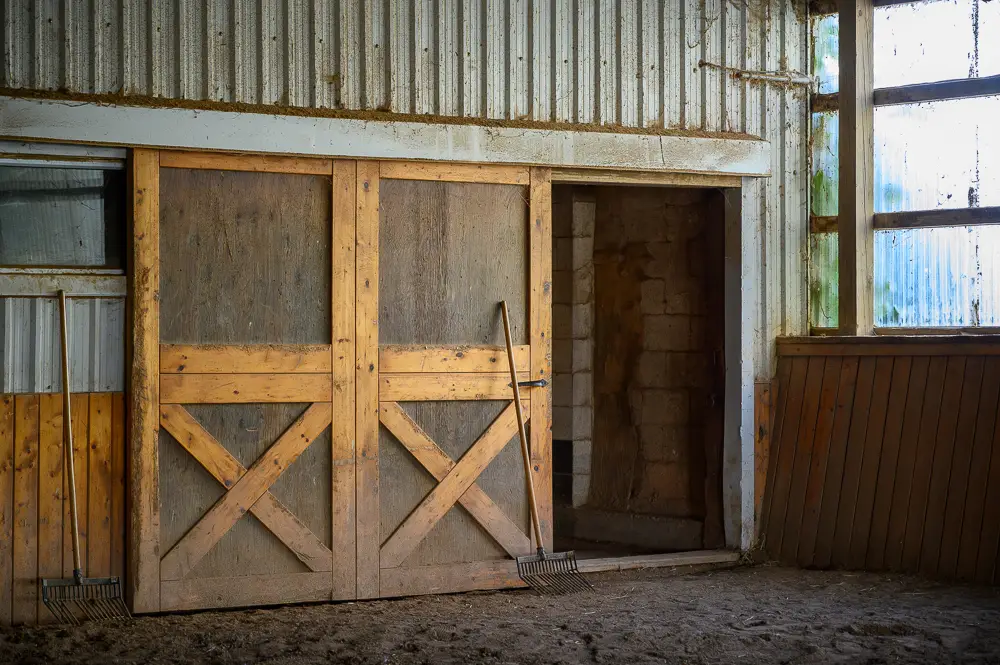
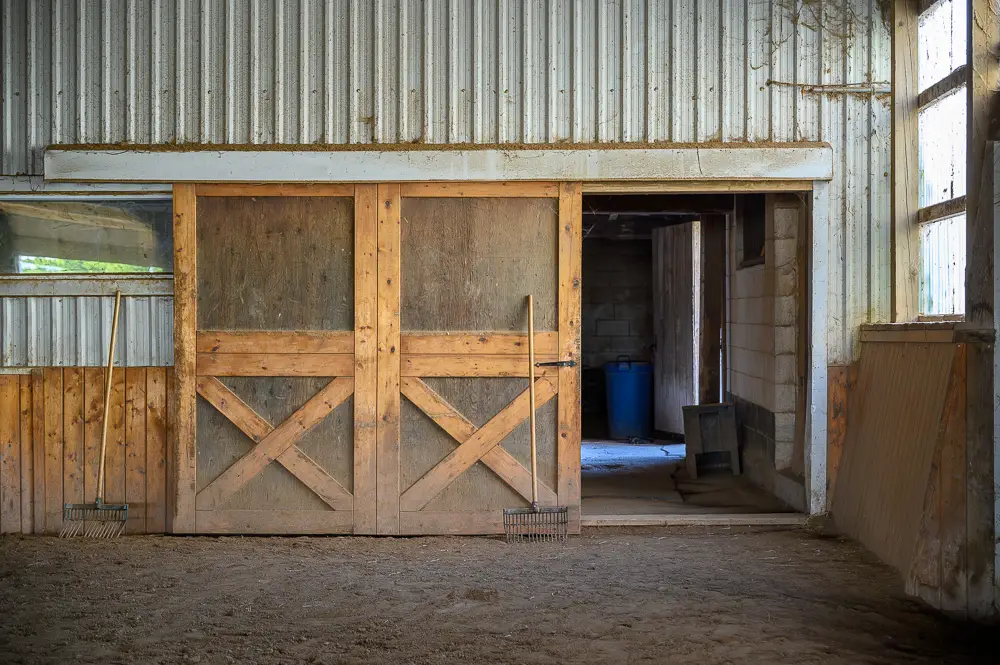
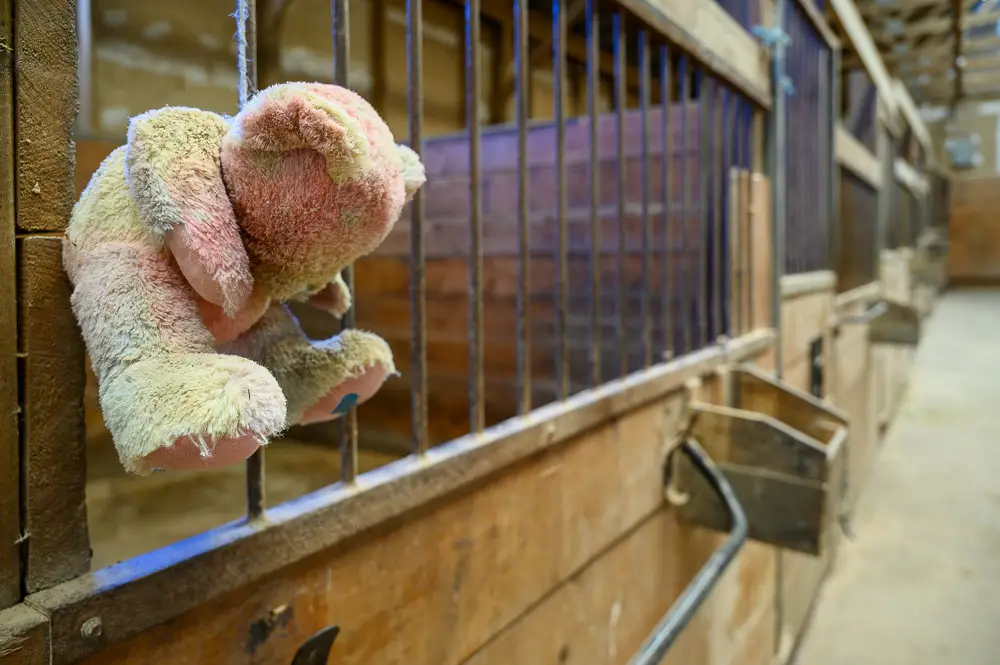
Today, the property is vacant. The barns stand quiet, the arenas are empty, and the living spaces have been left untouched since operations ended. Some equipment — buckets, blankets, and jump stands — remains behind, capturing a moment frozen between chapters.
The transition from a working facility to vacant land did not happen because the business failed — it happened because of a change in ownership and land designation, reflecting shifting priorities as urban growth expanded around it.
Future Plans and Development Pressure
Milton, Ontario, is one of Canada’s fastest-growing communities, and land like this has compelling development potential. In recent years, similar parcels in the region have been designated for employment and mixed uses under updated planning documents, reflecting provincial and municipal planning trends.
While no specific development plan has been publicly adopted for this exact site, zoning changes after the sale changed its permitted uses, which could reduce the likelihood of commercial equestrian reuse and open the door to residential or mixed-use redevelopment in the future.
Local development applications in Ward 3 reflect broader interest in maximizing land use in the area, with plans often emphasizing housing, employment, or commercial opportunities rather than agricultural or specialized recreational uses.
Legacy and Cultural Context
Though no longer active, the estate remains significant in the narrative of Ontario’s rural evolution. Sites like this reflect:
The region’s agricultural past
The prominence of equestrian sport in local culture
The pressures of suburban expansion on historic properties
As Milton continues to grow and change, places like this serve as reminders of what came before and what may be lost as development reshapes the landscape.
This abandoned equestrian estate tells a layered story of land, sport, people, and change. From Hendervale Farm’s local roots through Iron Horse’s ambitious era to its current vacant state and uncertain future, the property encapsulates the tensions between heritage and progress in one of Canada’s most dynamic regions.
Frequently Asked Questions
Is this equestrian estate actually abandoned or just vacant?
The property is currently vacant. While it has not been abandoned for decades, operations have ceased and the buildings are no longer maintained or occupied, giving it the appearance and atmosphere of abandonment.
What was this property originally called?
The site was originally known as Hendervale Farm, a respected equestrian facility in Ontario that hosted competitions and training before later ownership changes.
Who operated Iron Horse Equestrian Complex here?
Iron Horse Equestrian Complex was operated by Ken and Susy Niles, who took over the property in 2009 and ran it as a large-scale hunter and jumper facility for several years.
Why did Iron Horse leave this location?
Iron Horse did not close due to business failure. The operation relocated after the land was sold, later continuing at a new facility in Nassagaweya under the name Iron Horse Performance.
How many horses were kept here when it was active?
At its peak, the facility was capable of housing over 100 horses, with hundreds of stalls, multiple barns, paddocks, and both indoor and outdoor riding arenas.
What is a paddock?
A paddock is a fenced outdoor area where horses are turned out to move freely, graze, and rest. Paddocks are essential for a horse’s physical and mental well-being.
What kind of equestrian discipline was practiced here?
The property was primarily used for hunter and jumper disciplines, which focus on jumping courses and technical riding rather than racing or western riding.
Why are there two houses on the property?
Large equestrian estates often include multiple residences. This property has an older farmhouse reflecting its agricultural past and a larger main residence used by owners or operators during its active years.
Is it legal to explore abandoned places in Ontario?
Most abandoned or vacant properties in Ontario are privately owned. Entering without permission is trespassing. Documenting these locations is best done from public viewpoints or with proper authorization.
Why are so many abandoned properties found in Ontario?
Ontario has experienced rapid urban growth, zoning changes, and shifts in land