
Abandoned Prince Edward Heights in Prince Edward County, Ontario
Hidden in Prince Edward County, Ontario, the abandoned Prince Edward Heights complex is one of the province’s most fascinating large-scale forgotten sites. What many people know today as an urban exploration landmark began as part of Camp Picton, a major military installation built during the Second World War. After the military era ended, parts of the property were repurposed into Prince Edward Heights, a provincially funded residential facility that operated for decades before closing in 1999. Today, the remaining buildings, empty roads, and deteriorating infrastructure tell the story of a site that lived many very different lives.
The History of Abandoned Prince Edward Heights
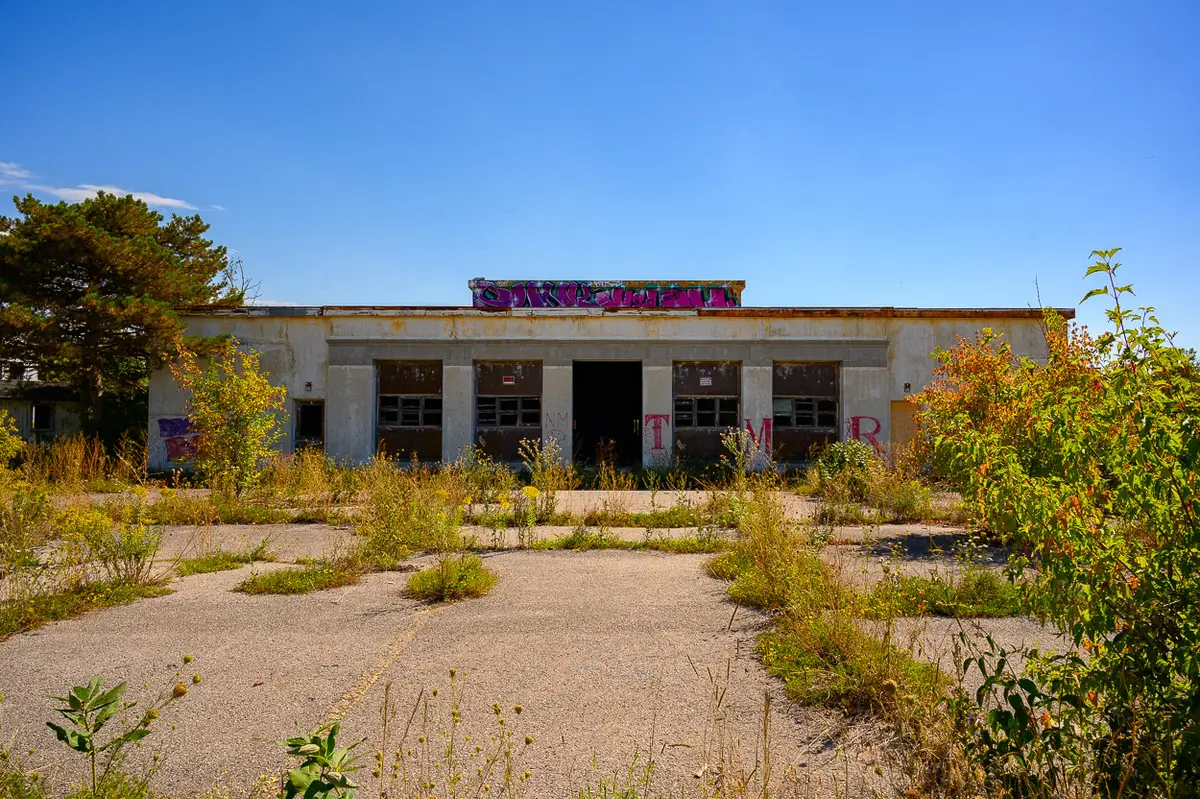
Prince Edward Heights sits on land tied to the larger history of Camp Picton, a military training base developed during the Second World War. Camp Picton played an important role in Canada’s wartime efforts, and the layout of the property still reflects that military planning, with orderly roads, barracks-style structures, support buildings, and hangars spread across the site.
After the military base was closed and the land was sold off in 1969, part of the property entered a new chapter. Beginning in 1971, Prince Edward Heights operated as a provincially funded medical and residential facility for people with severe developmental delays. The institution remained in use until 1999, when it closed as Ontario moved away from large institutional care models.
That long history is what makes this property so compelling. It is not just an abandoned site, it is a place where military history, social history, and the passage of time all overlap.
From Camp Picton to Prince Edward Heights
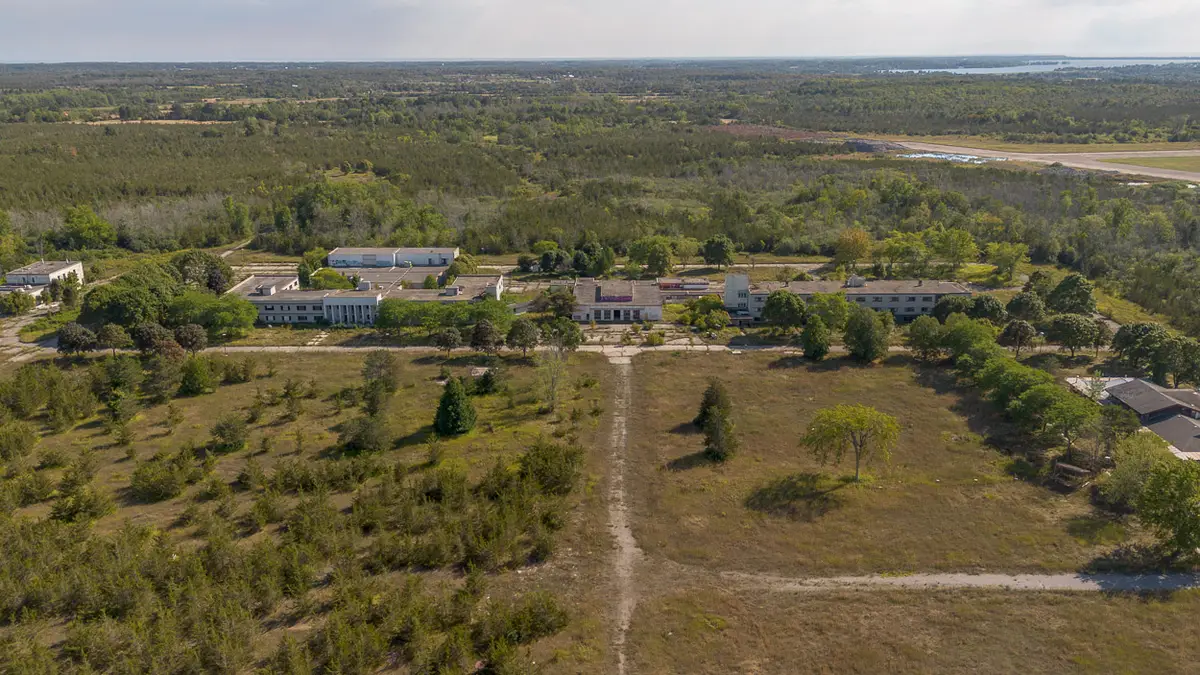
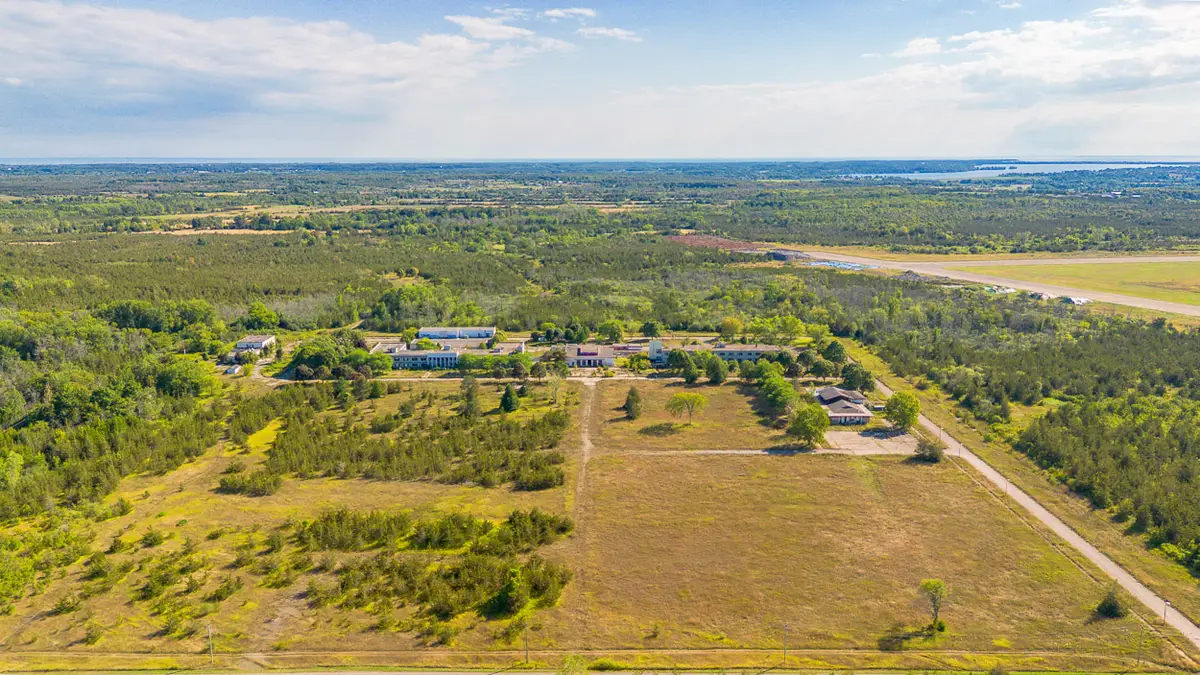
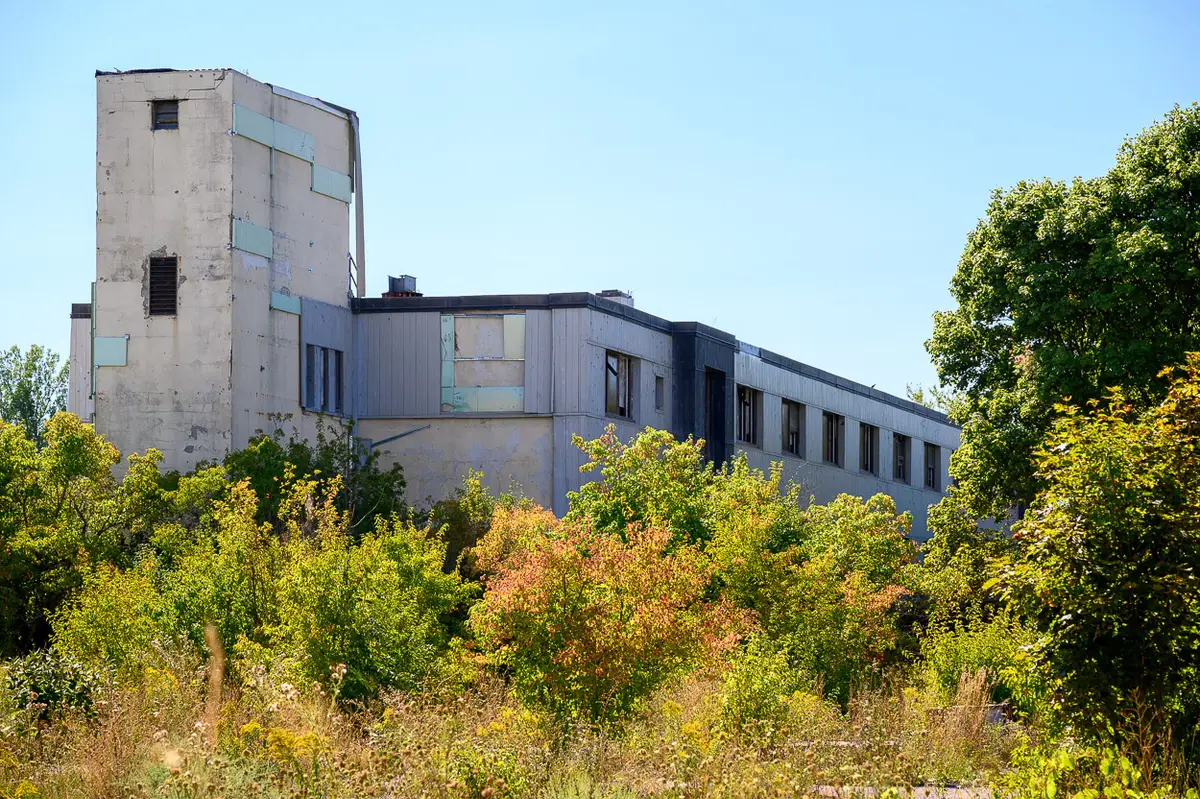
The earlier Camp Picton period gives this site a scale that is still obvious today. Even in abandonment, the property feels expansive. Long access roads connect multiple buildings, and the surviving structures still hint at how active the grounds once were.
When the land was repurposed, some existing military buildings were adapted for the next phase of use. Over time, Prince Edward Heights developed into a working institutional complex with residential, administrative, and support functions spread across the property. For years, this hilltop site operated like a self-contained community.
That layered evolution is one of the reasons abandoned Prince Edward Heights stands out from other Ontario urbex locations. You are not looking at a single abandoned building. You are looking at the remains of an entire system that changed purpose more than once.
Why Prince Edward Heights Matters
There are many abandoned places in Ontario, but few combine wartime history, provincial institutional history, and such a large surviving footprint in one location. A recent cultural heritage assessment noted Camp Picton’s significance as a representative 1940s military establishment and described it as one of the last intact examples of its kind in Canada. It also linked the broader property to Canada’s wartime contribution and to the later history of care for people with developmental disabilities.
For photographers, historians, and urban explorers, that makes Prince Edward Heights more than visually interesting. It makes it historically important. The site reflects not only abandonment and decay, but also changing attitudes toward war, care, infrastructure, and land use in Ontario.
What the Site Looks Like Today
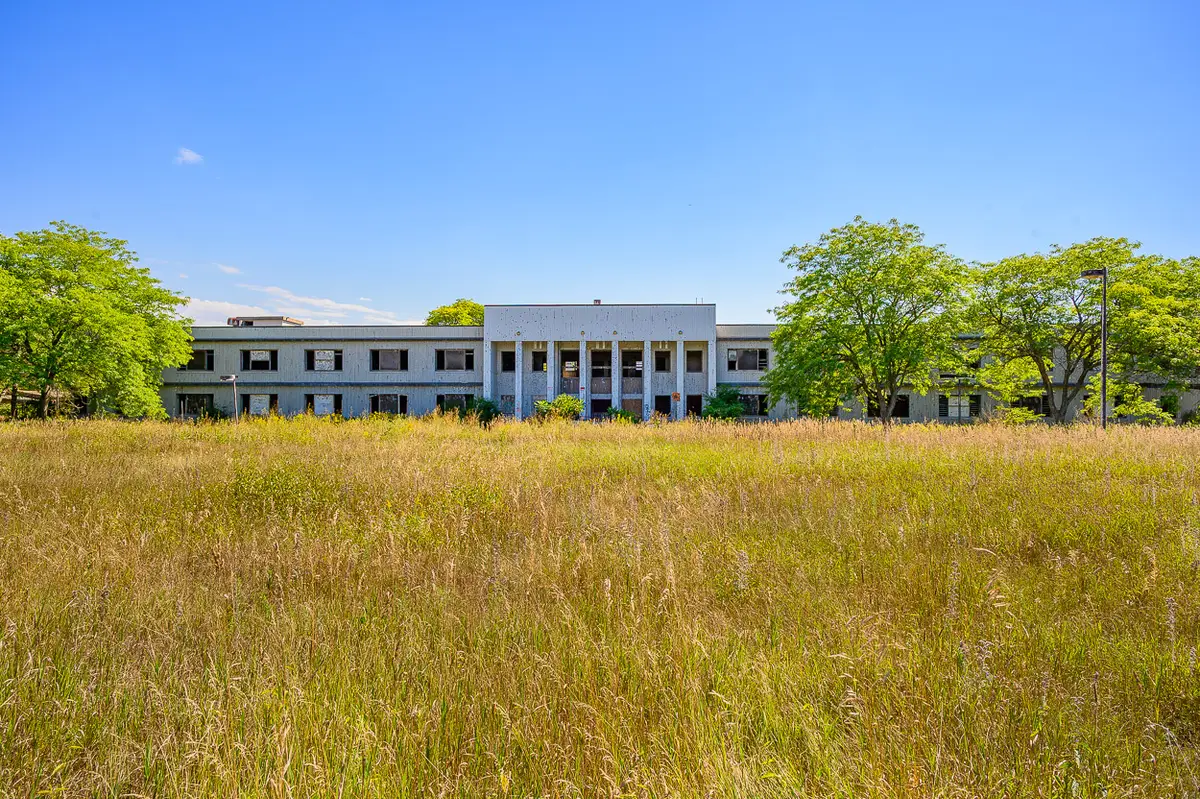
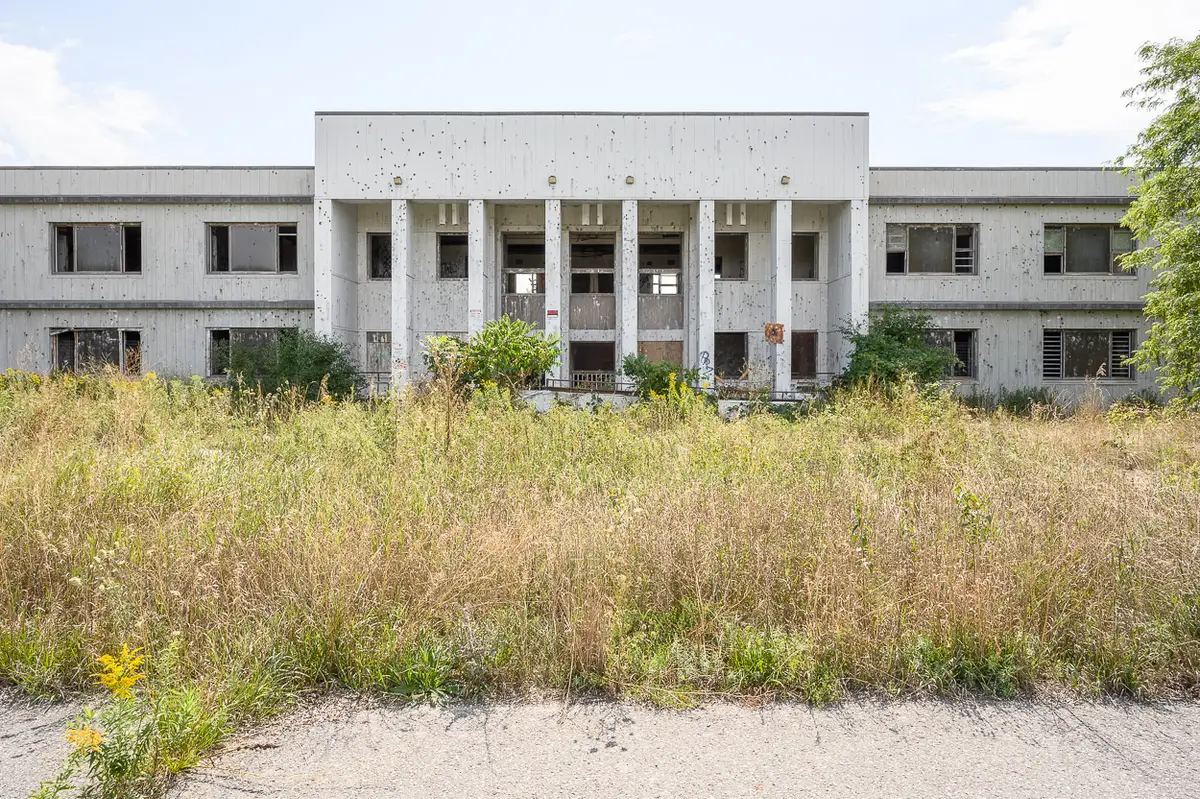
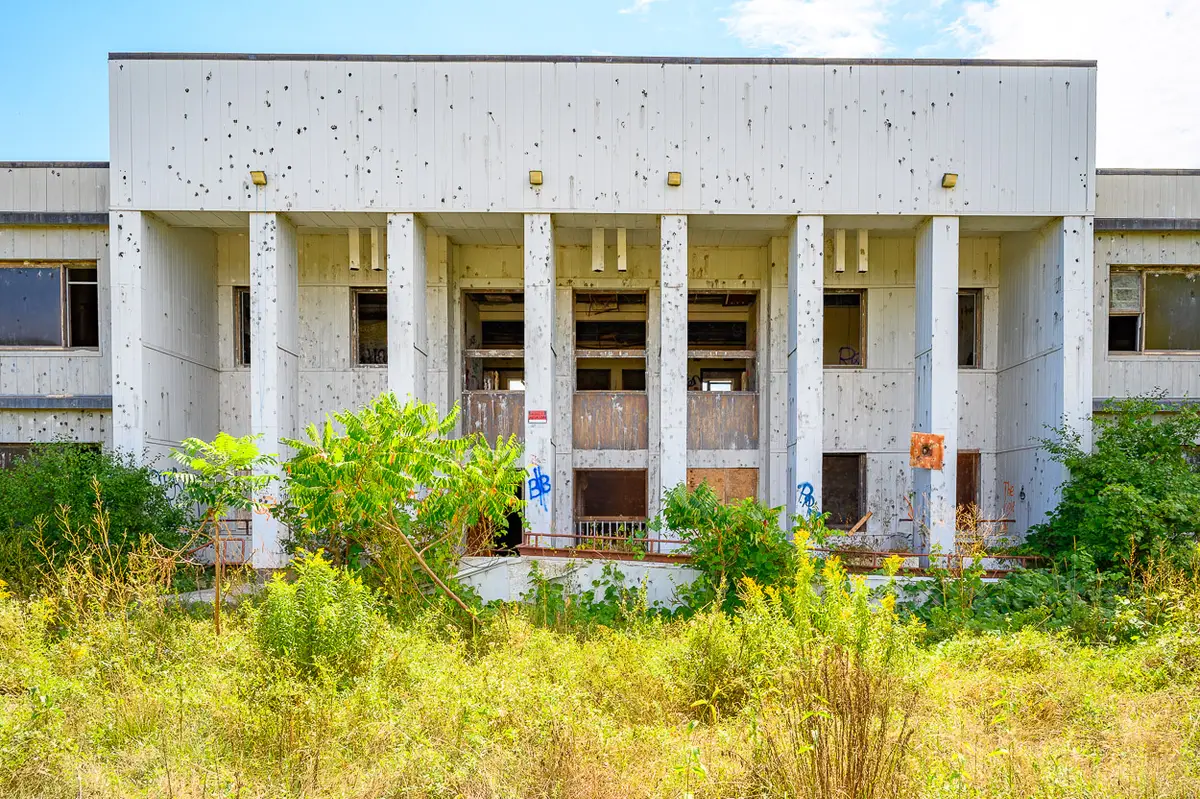
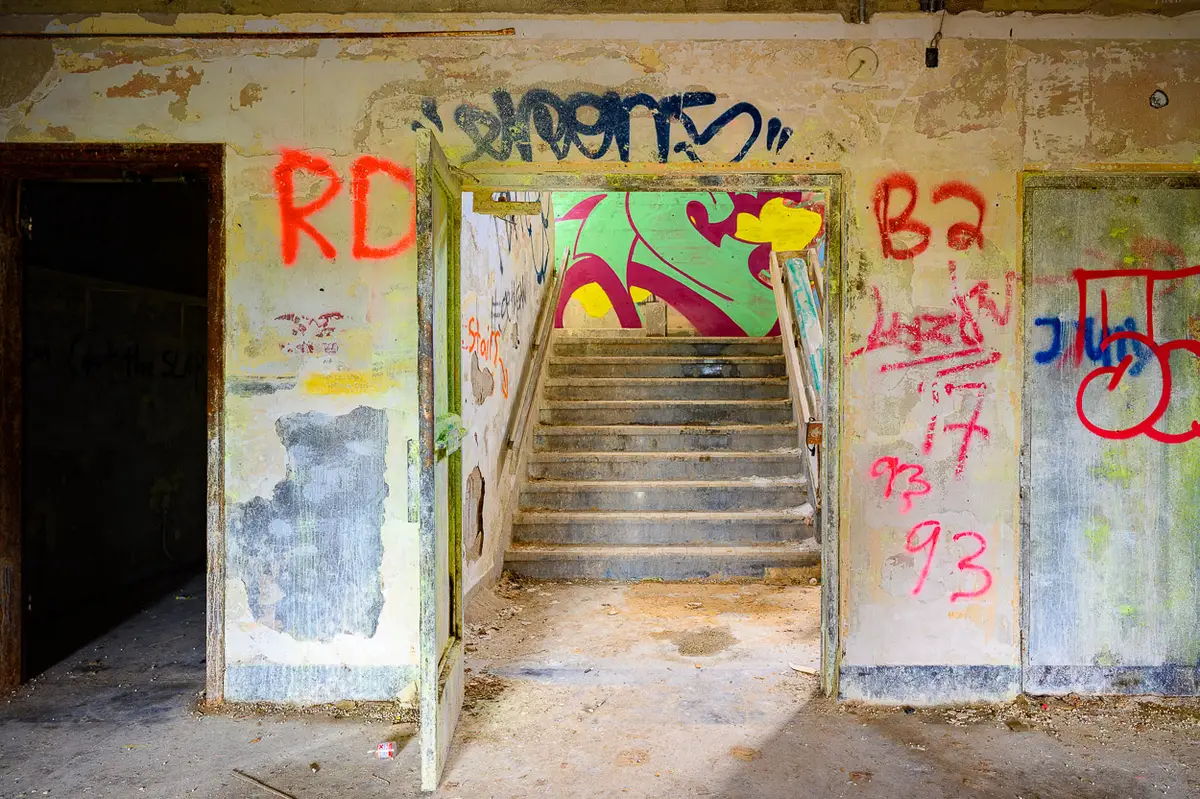
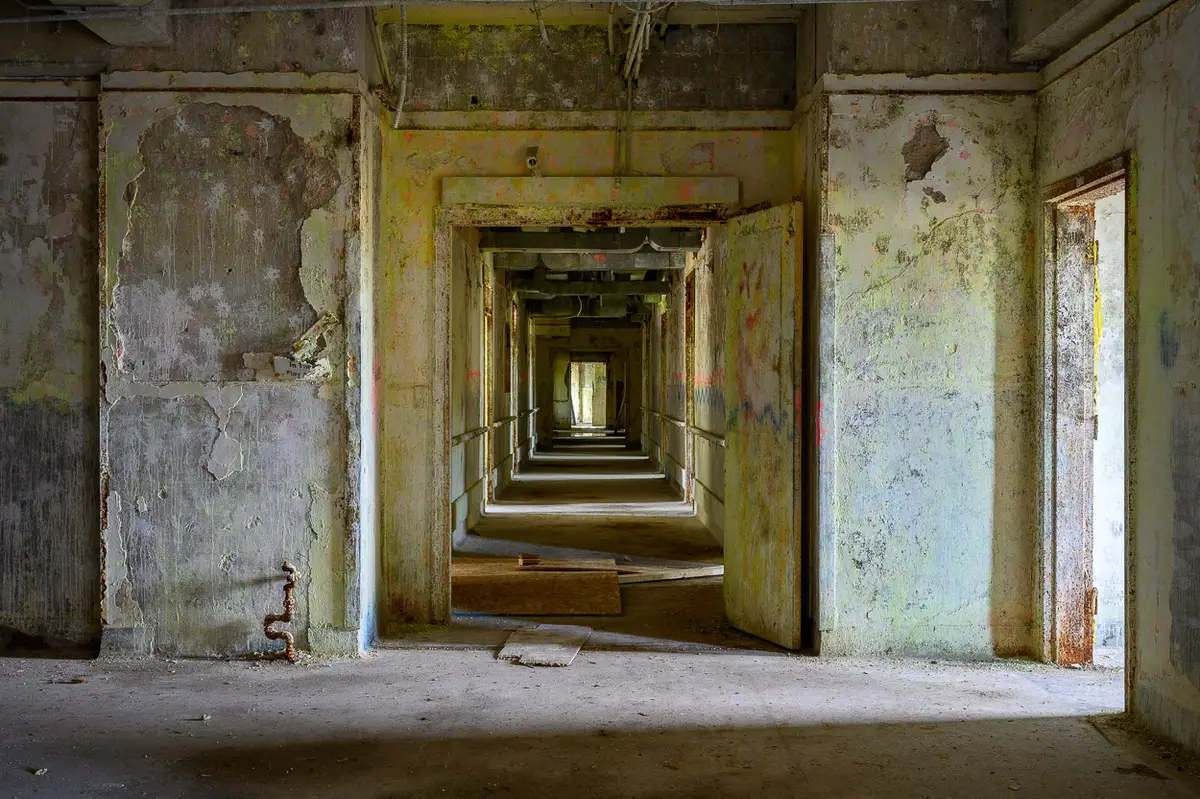
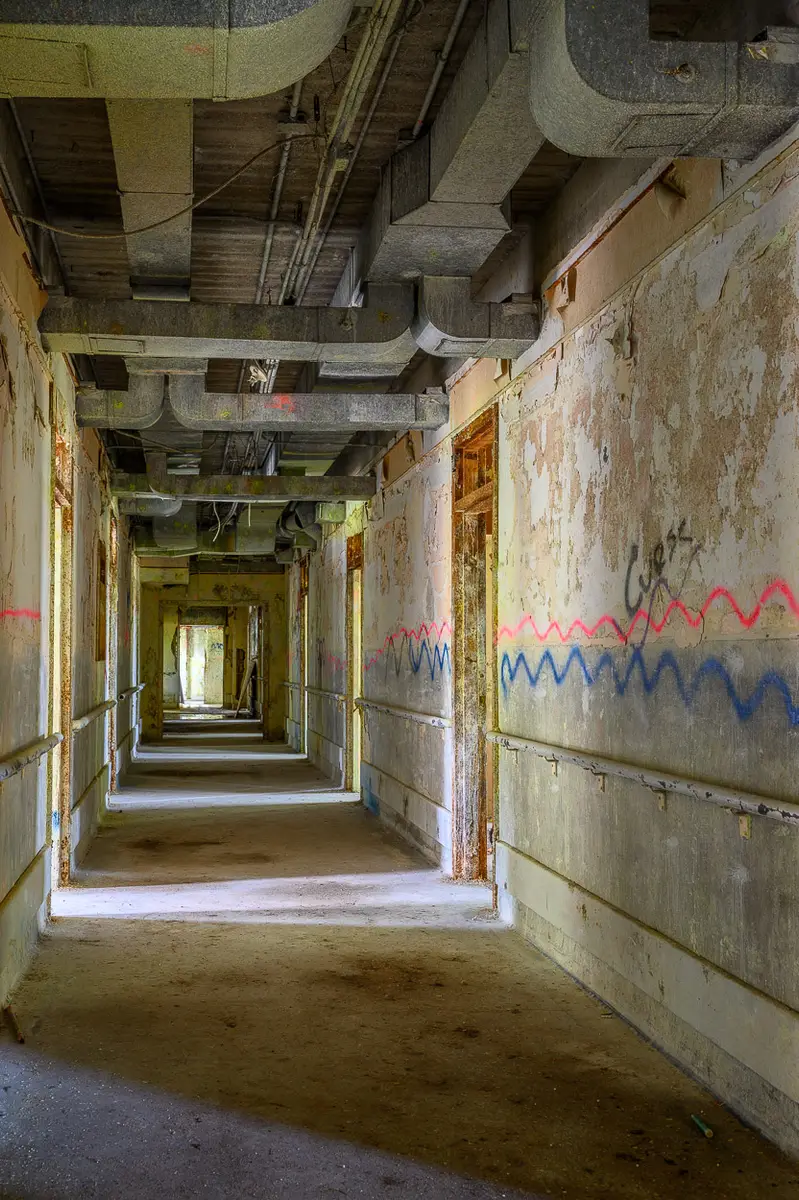
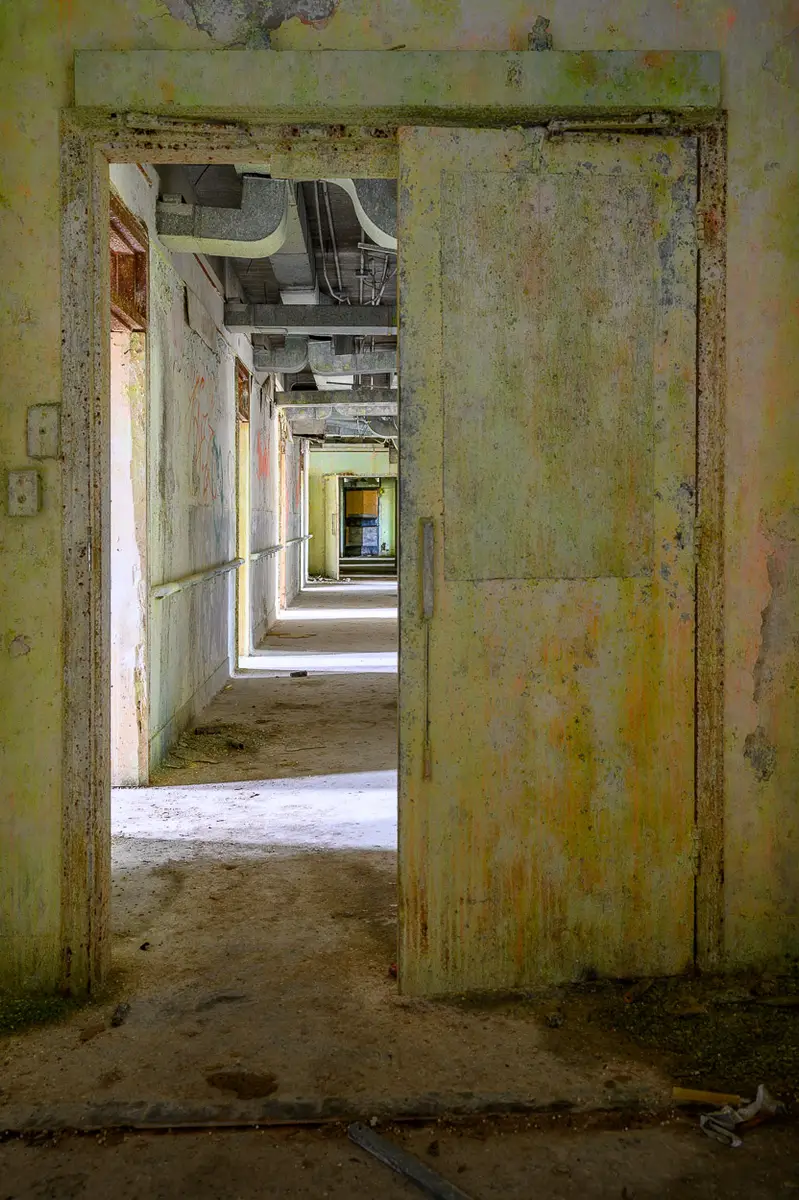
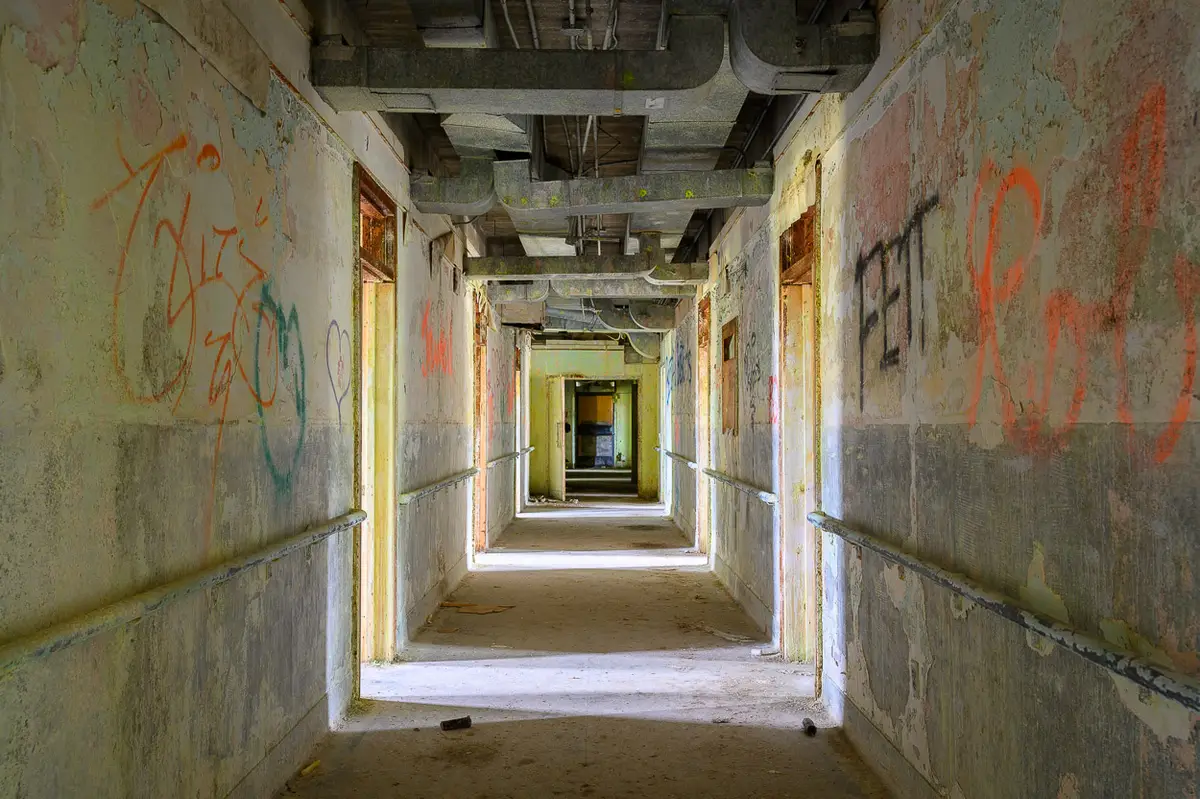
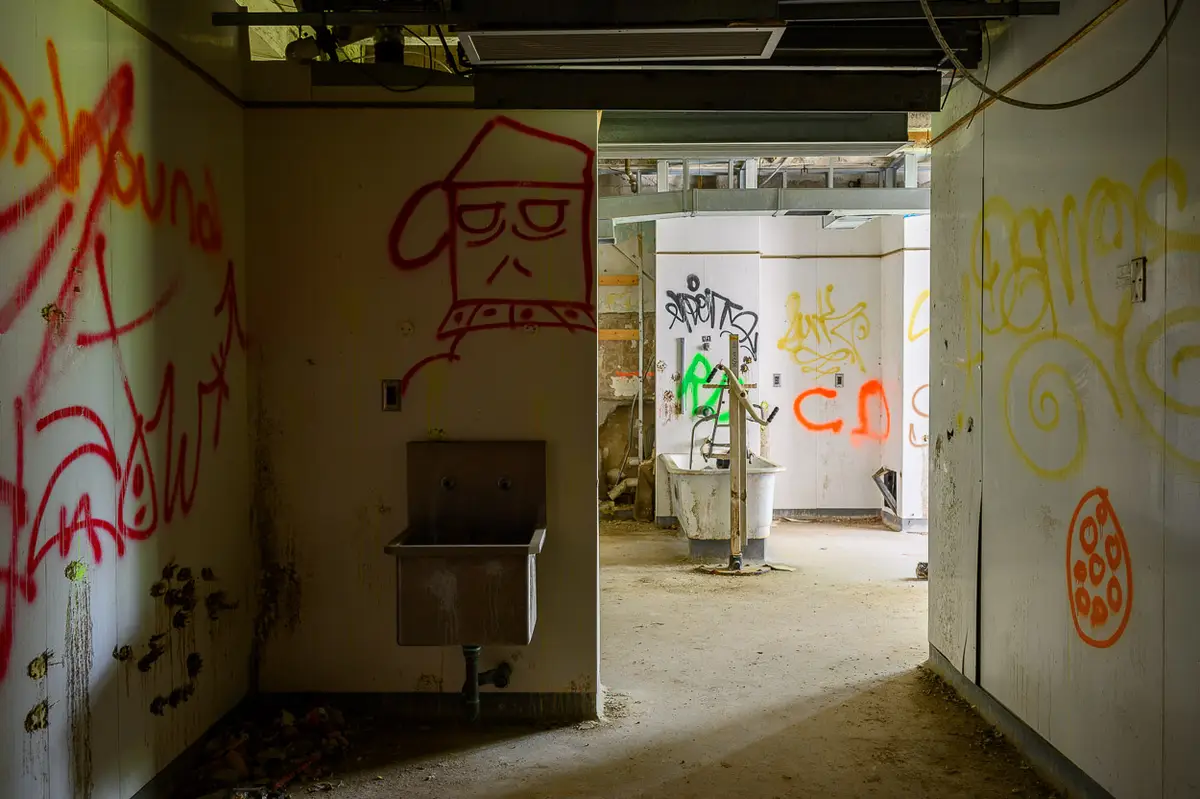
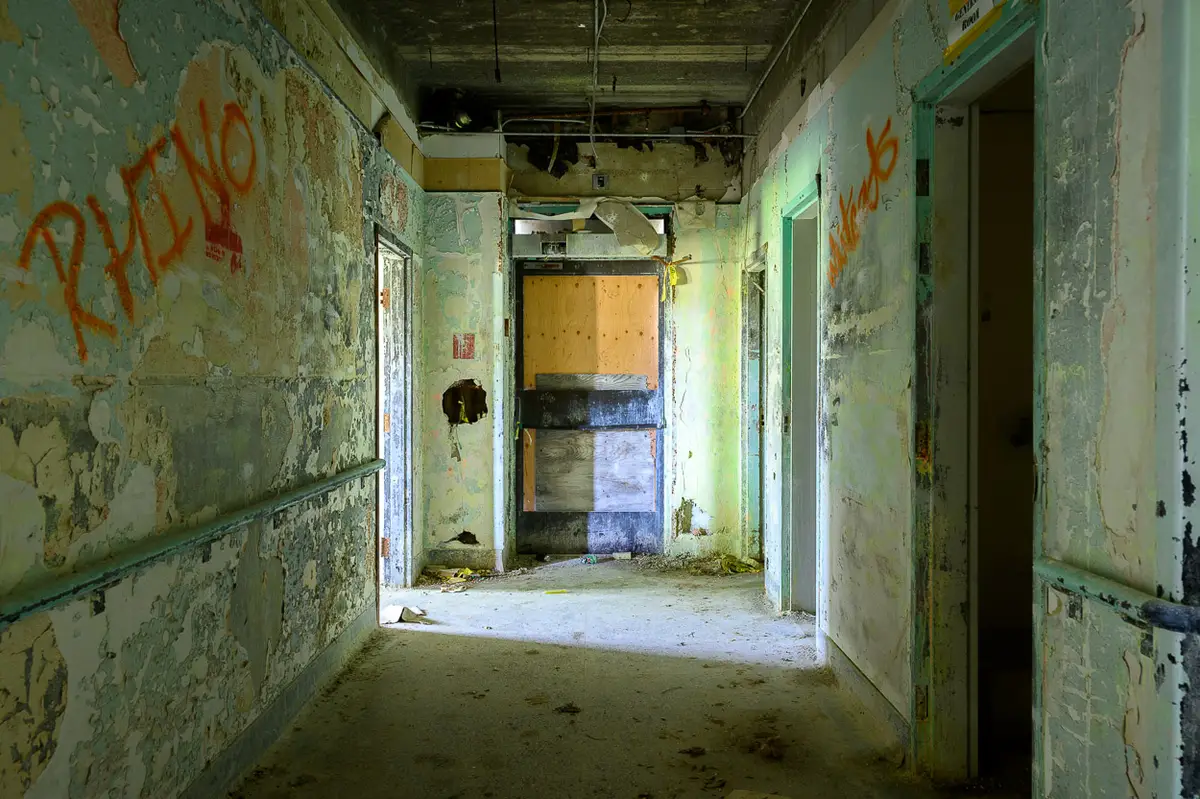
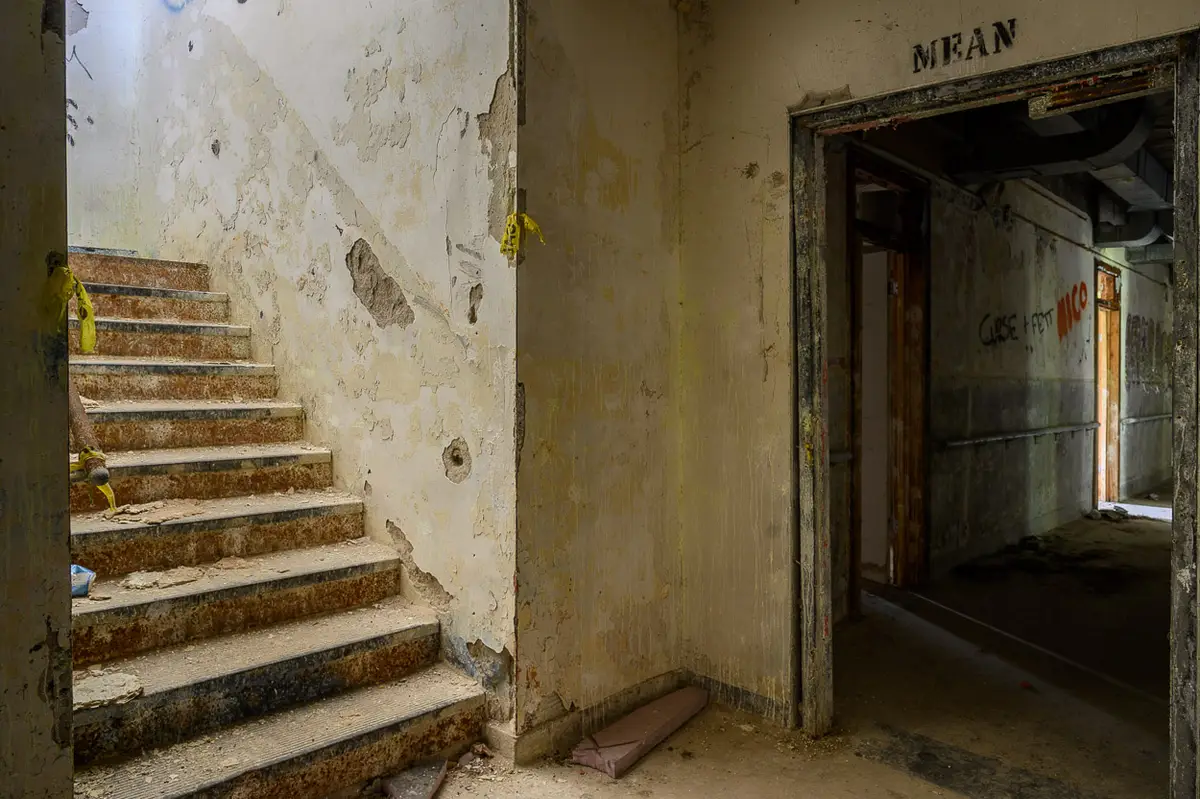
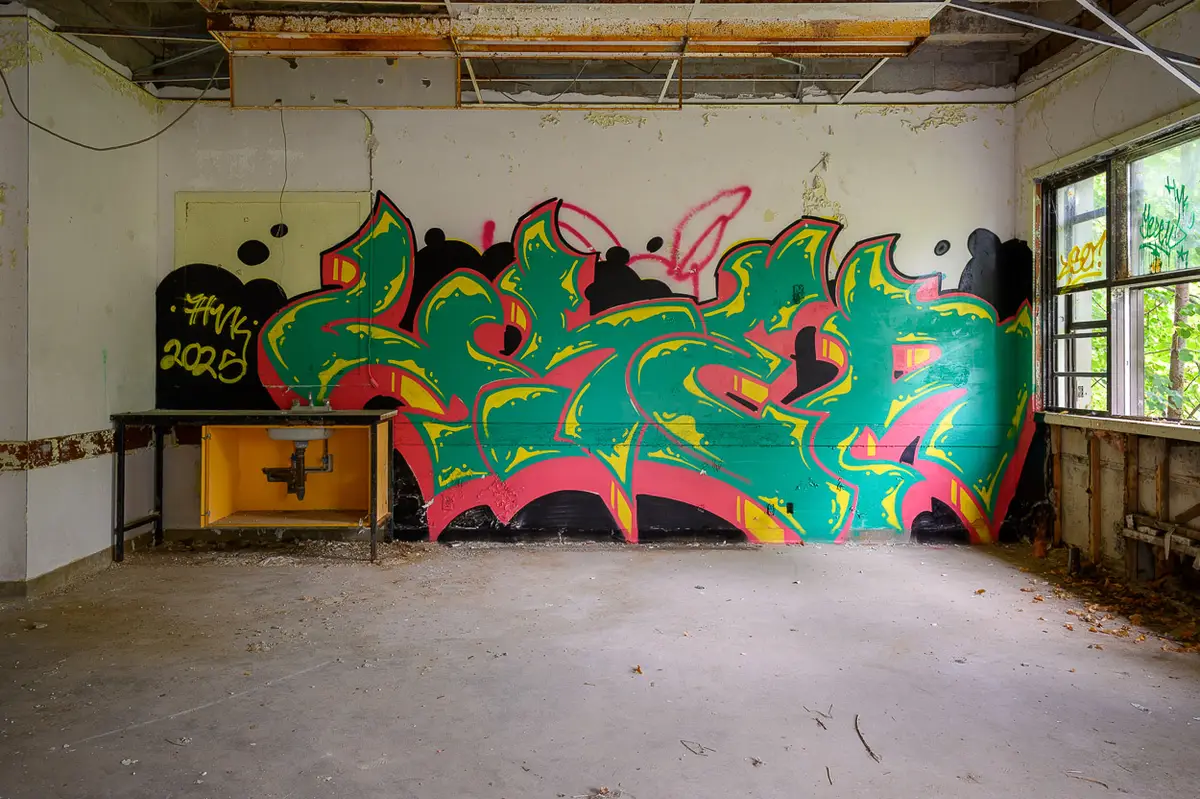
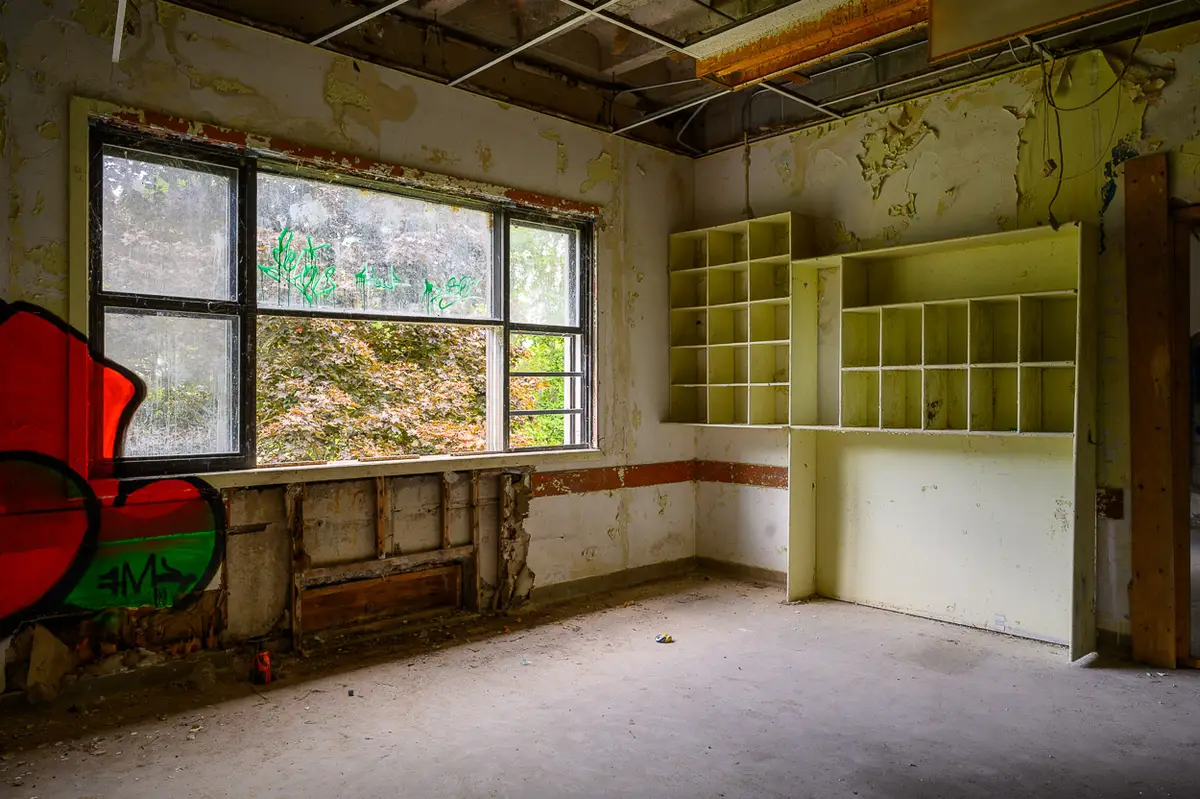
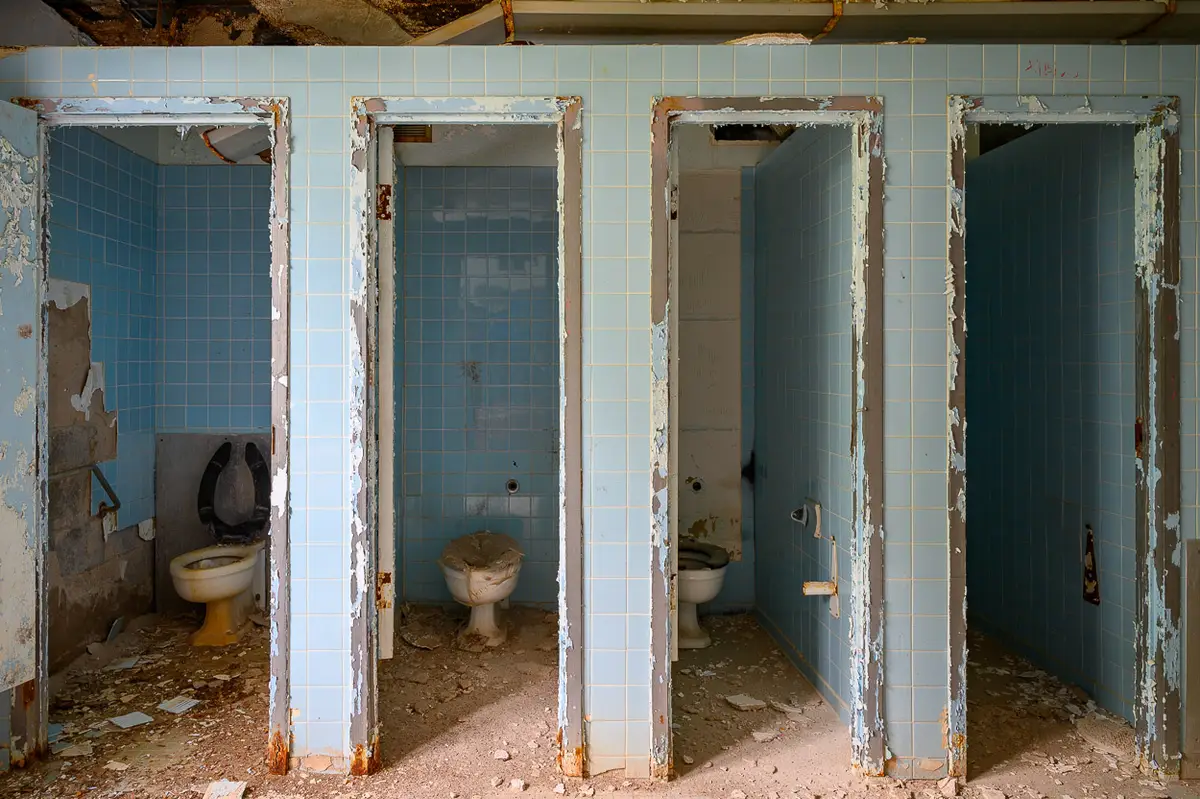
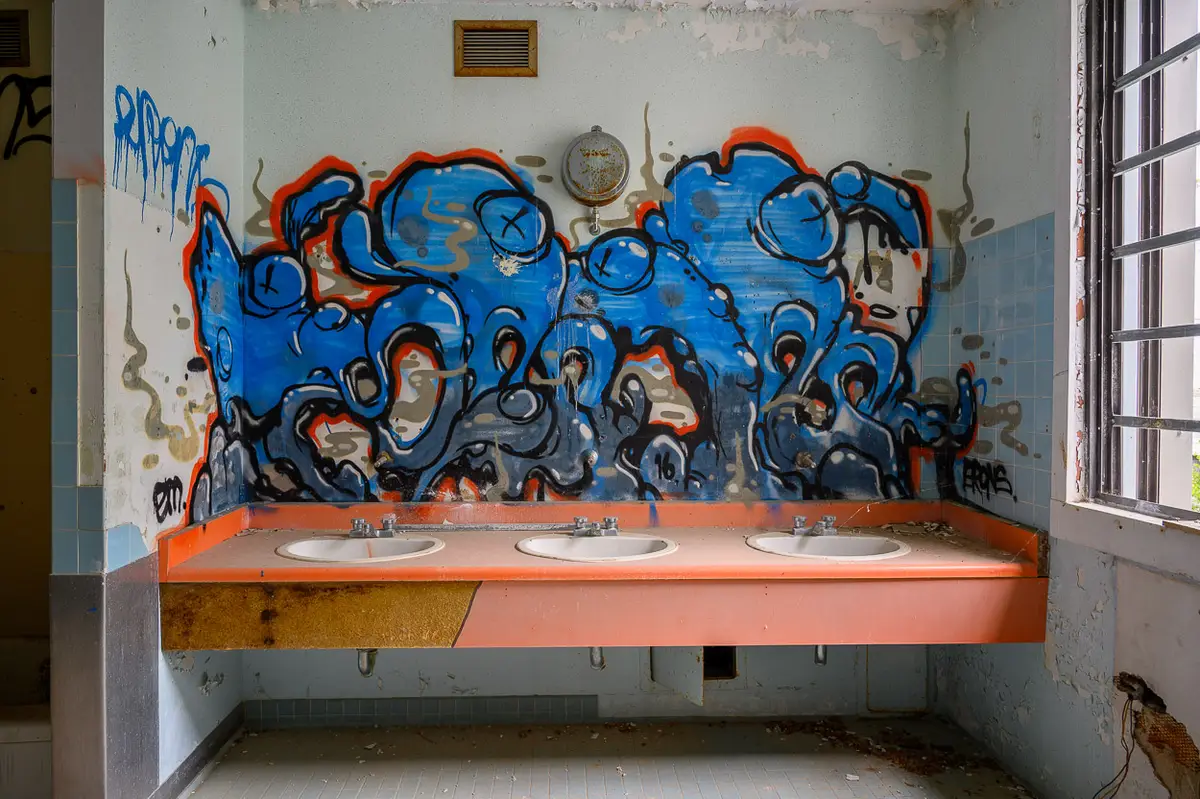
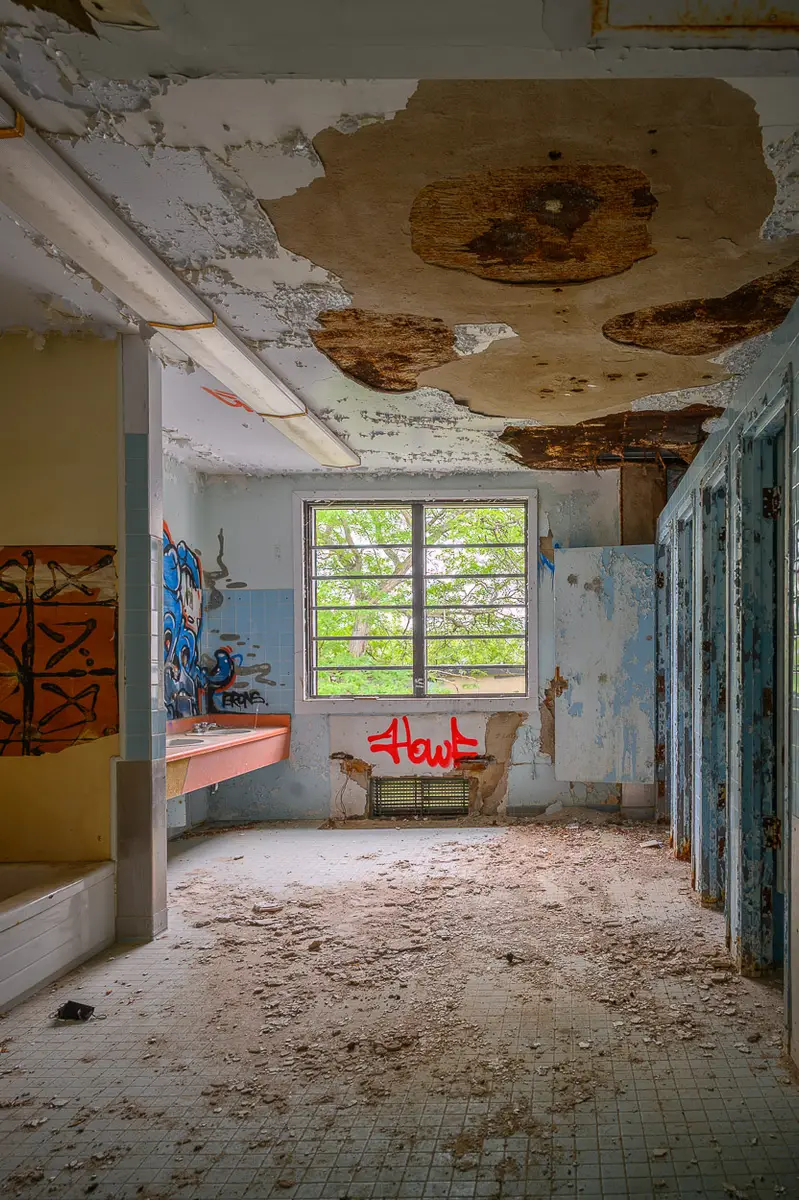
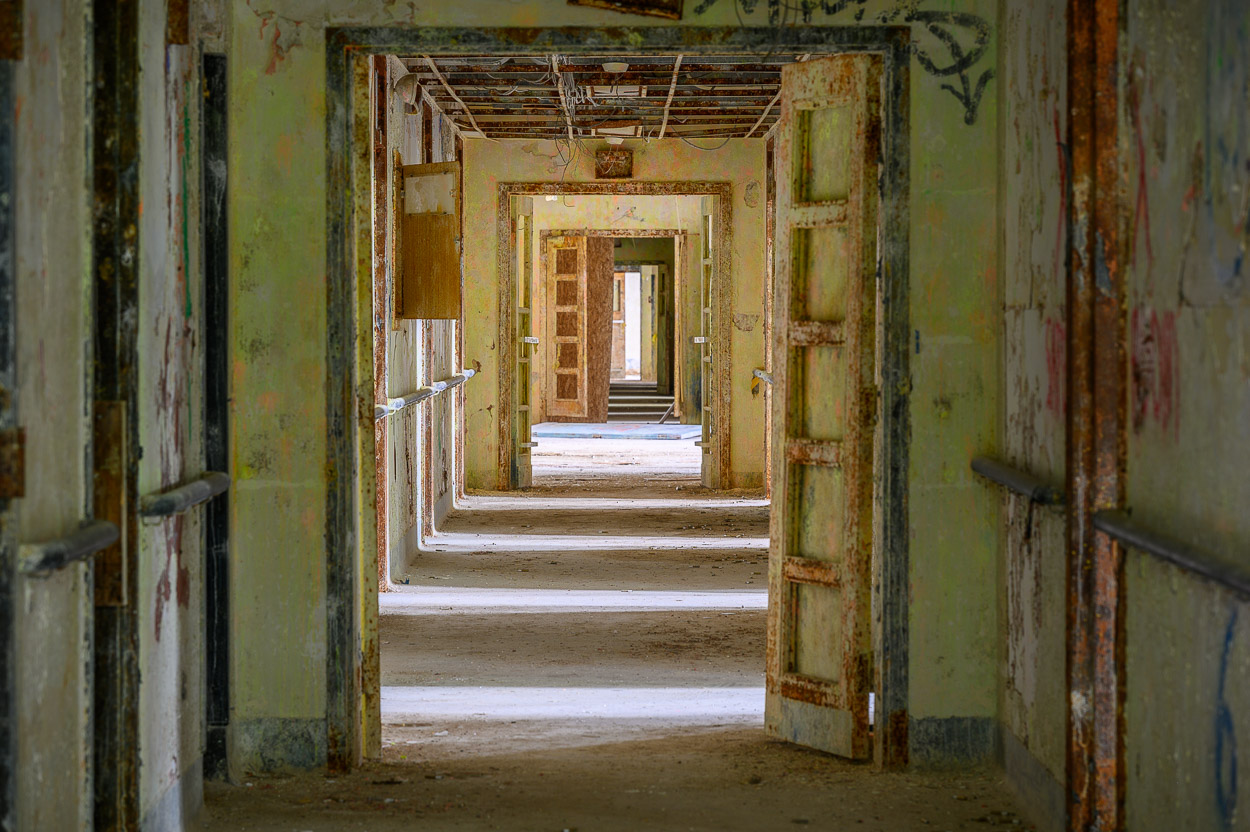
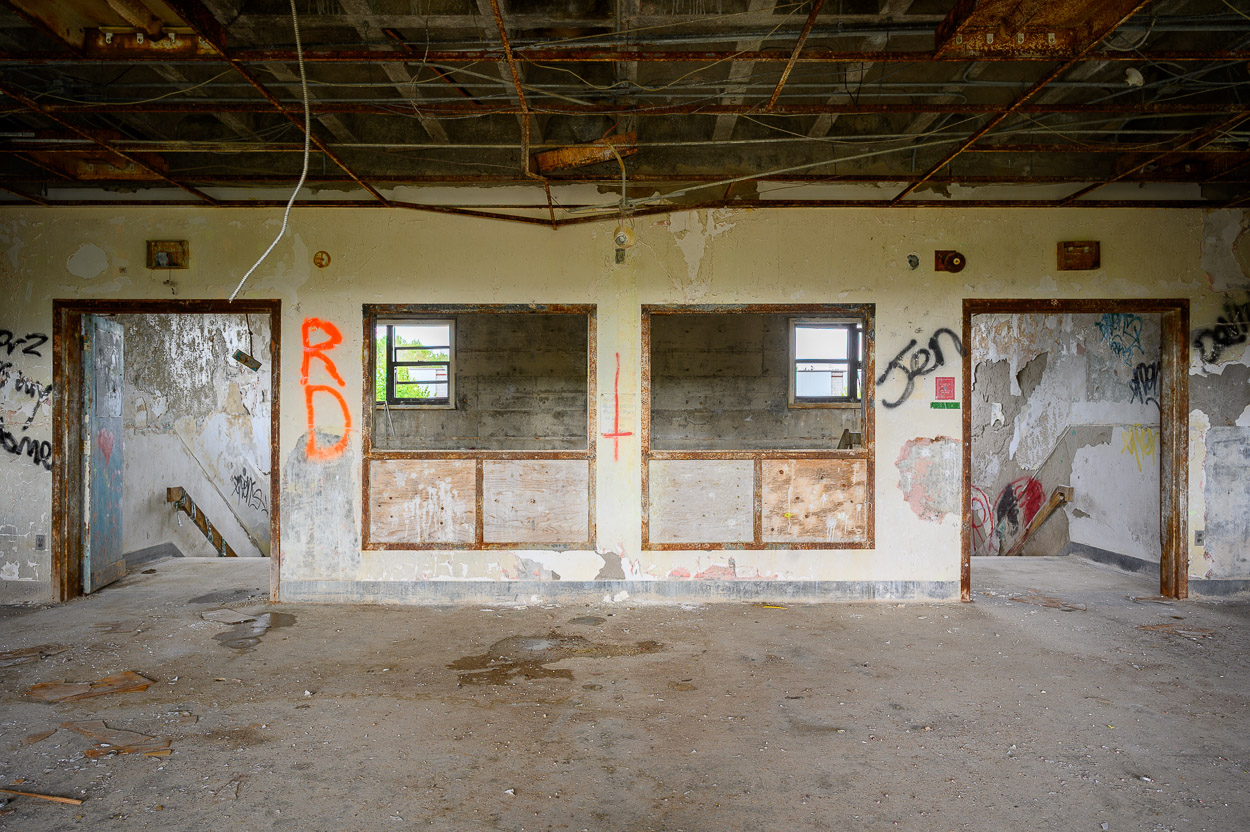
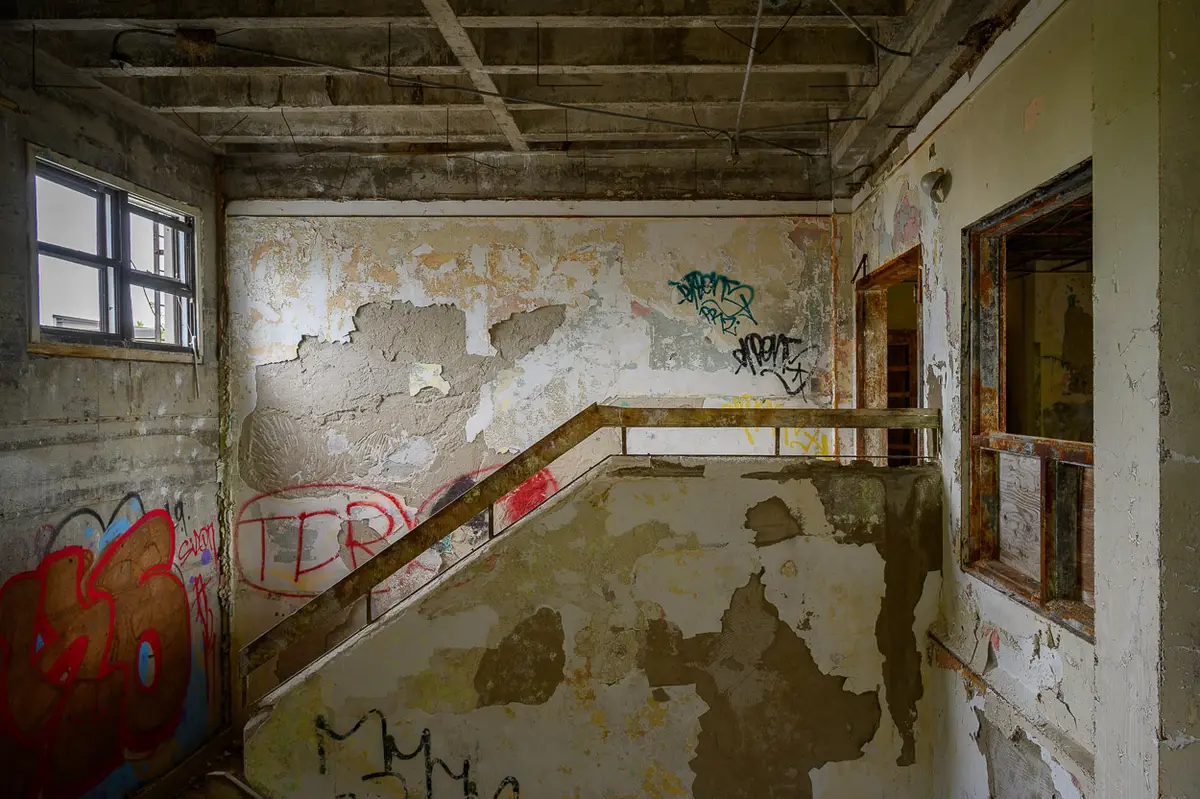
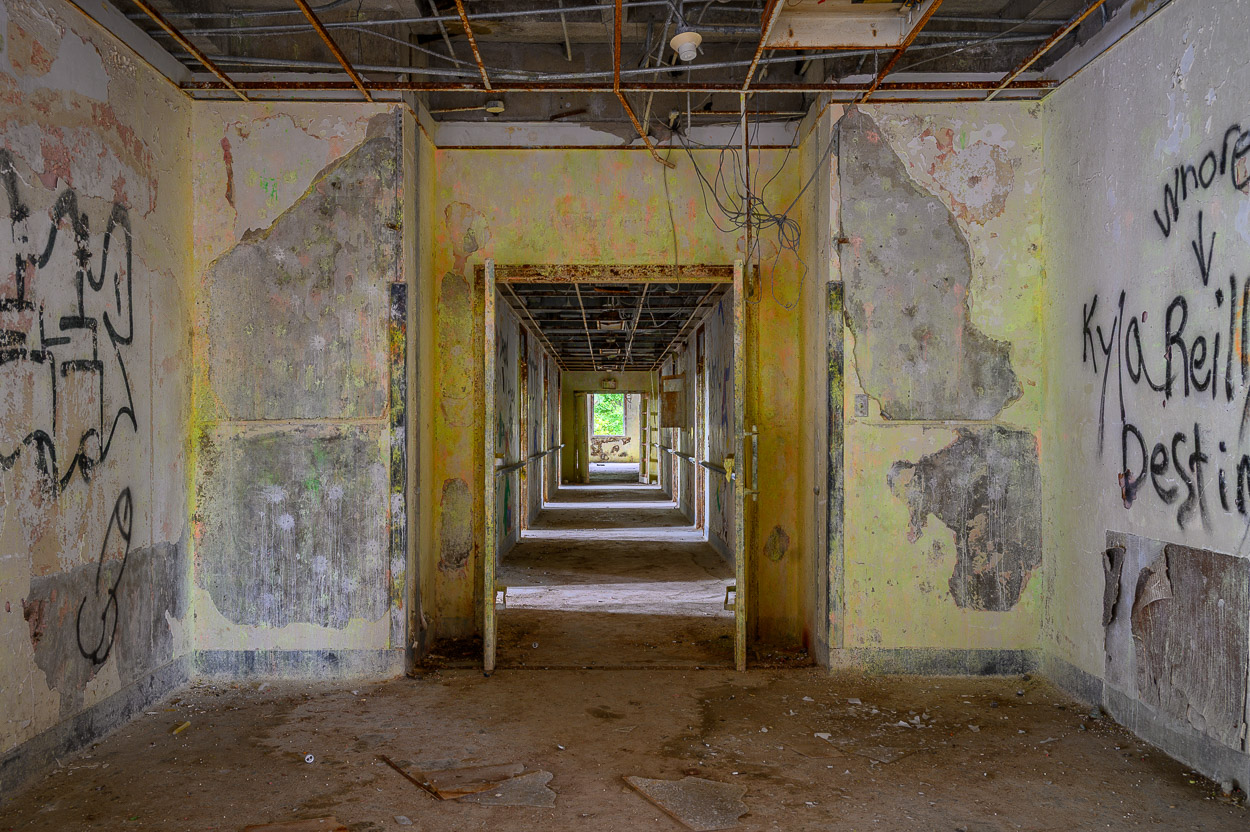
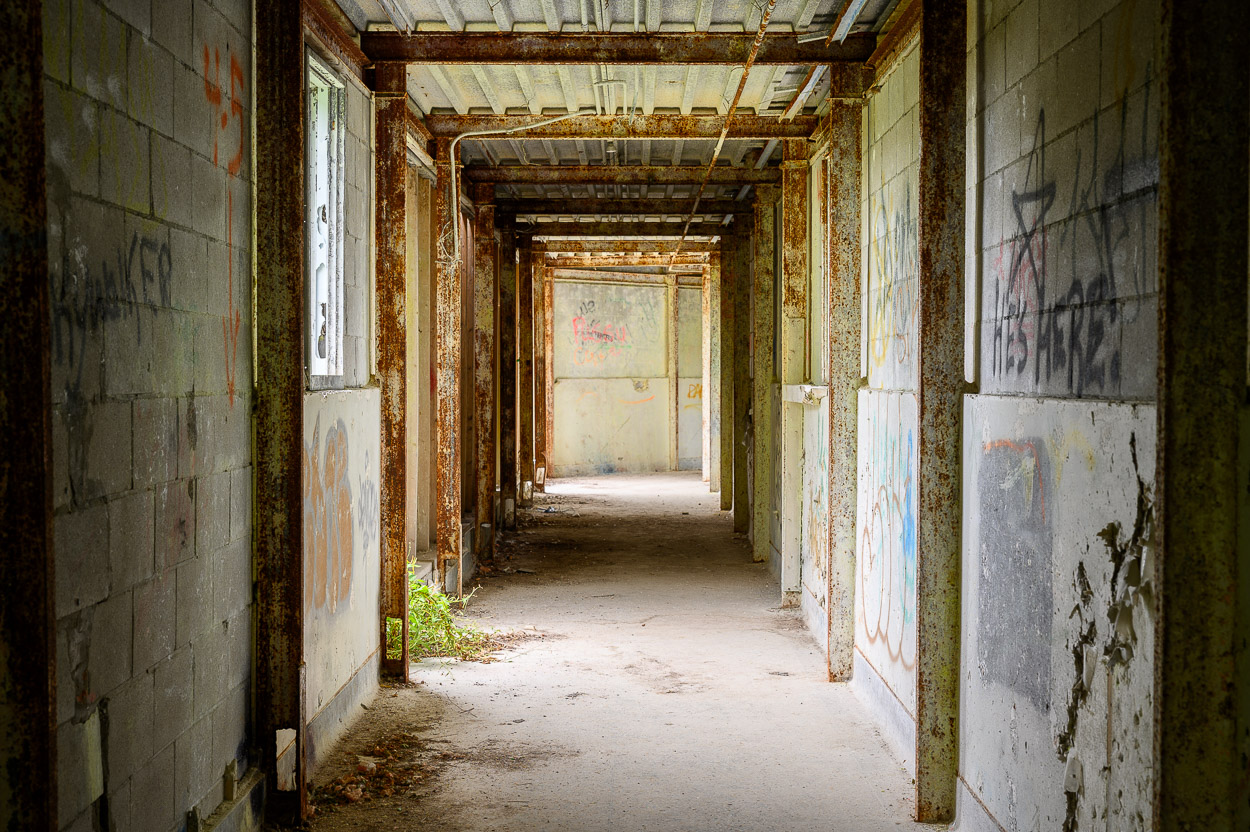
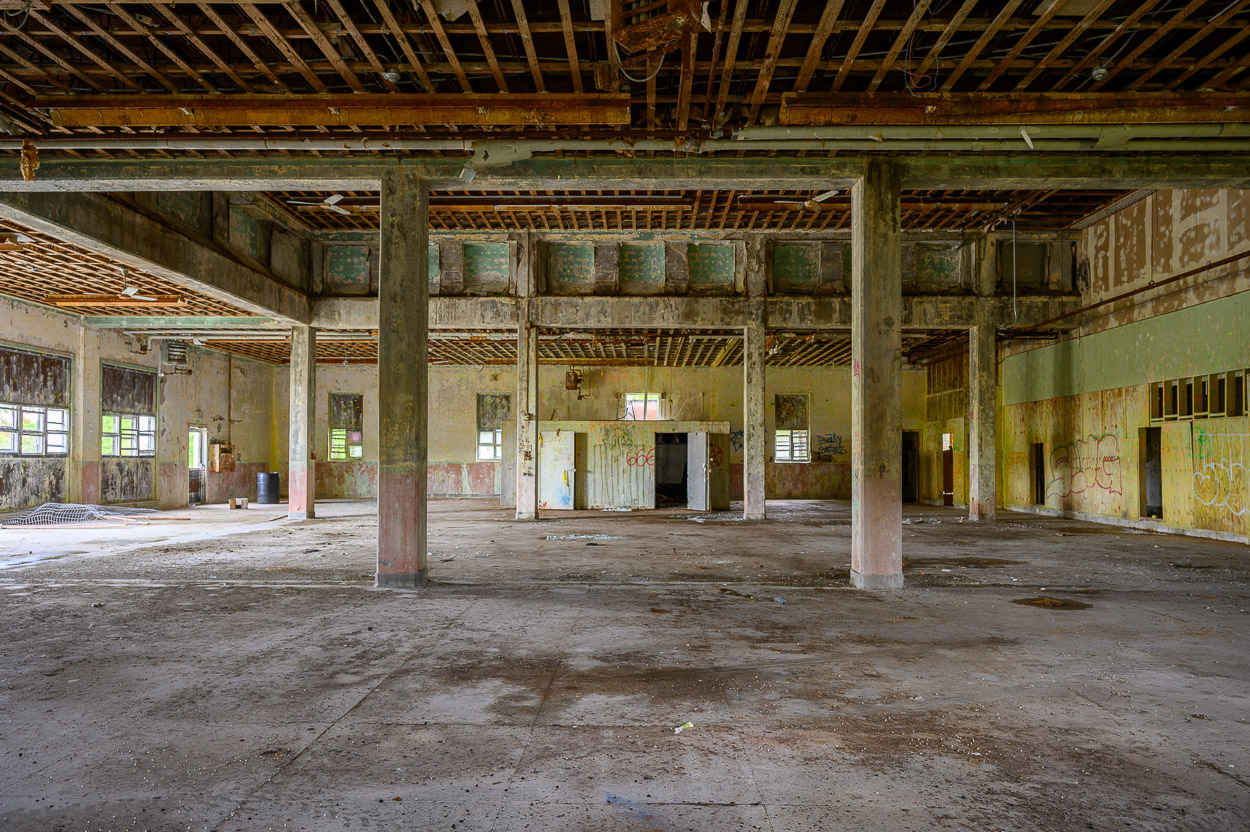
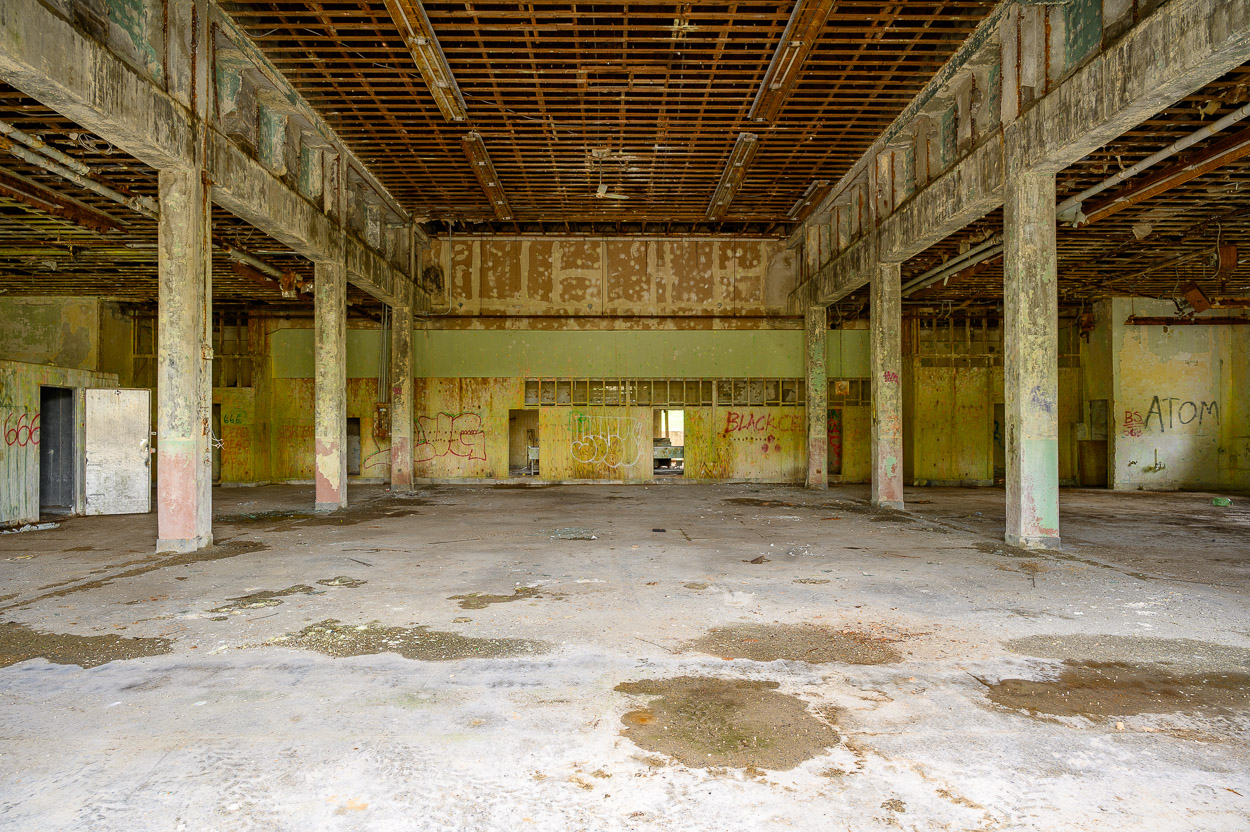
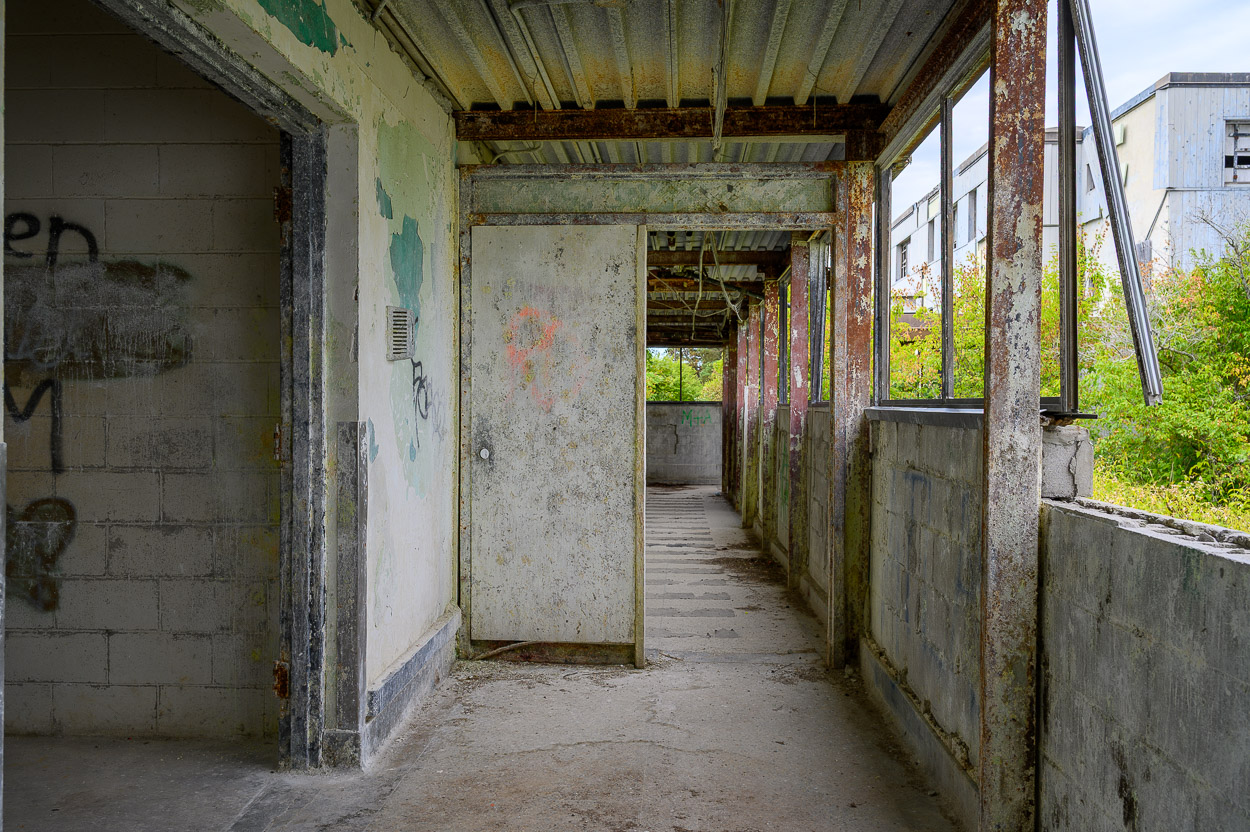
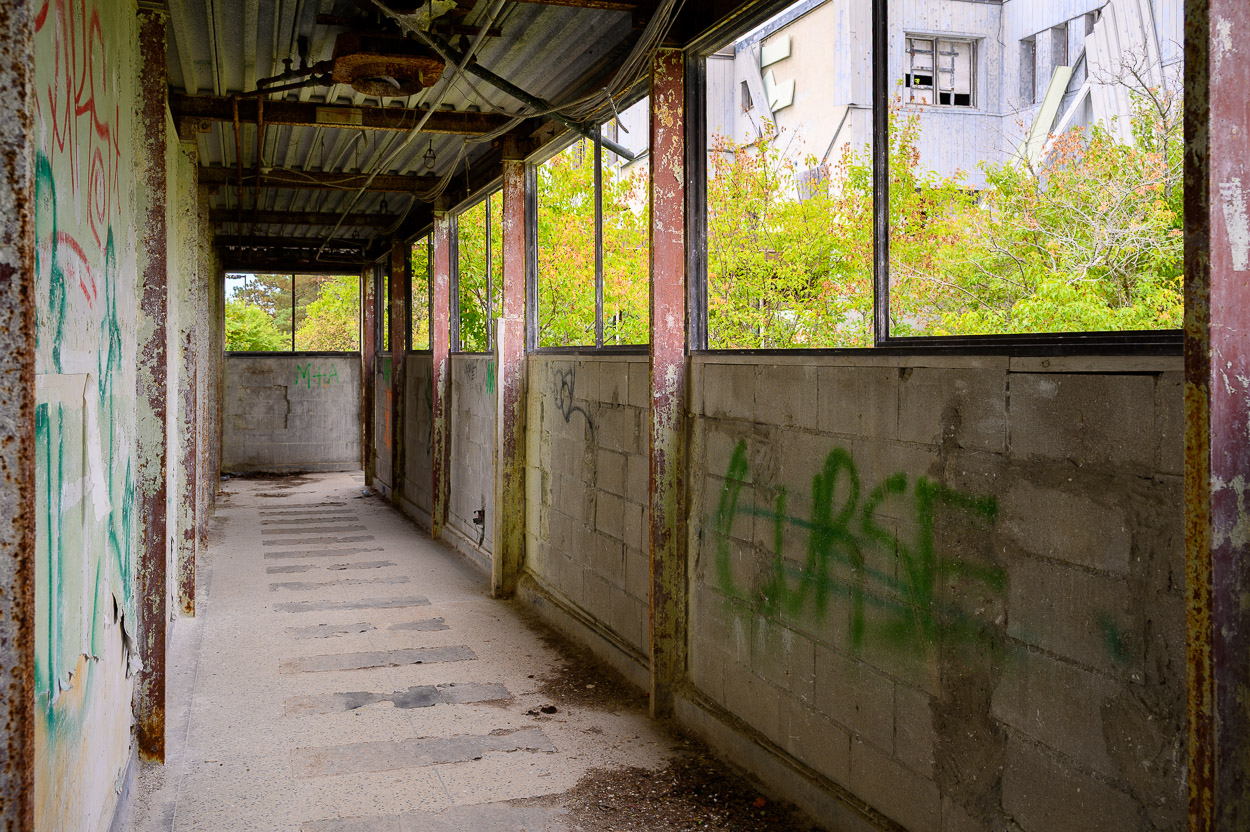
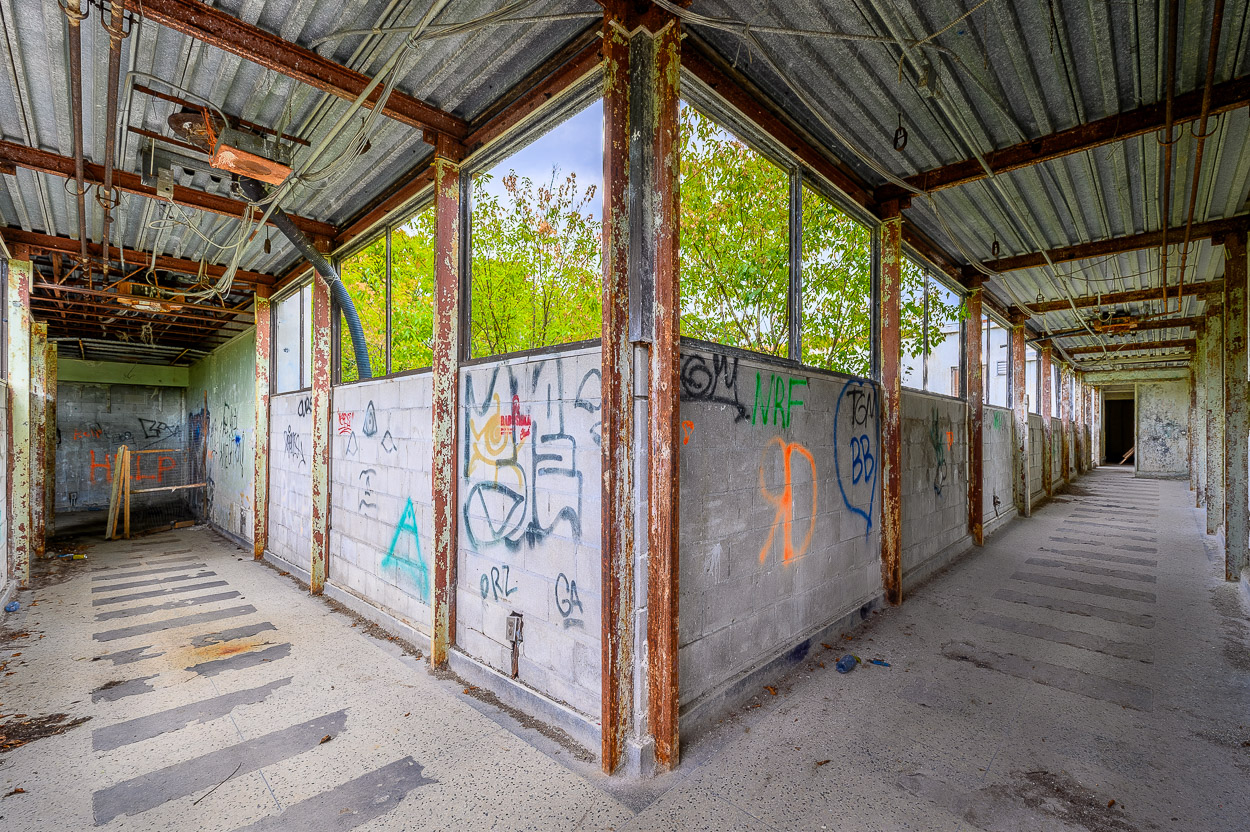
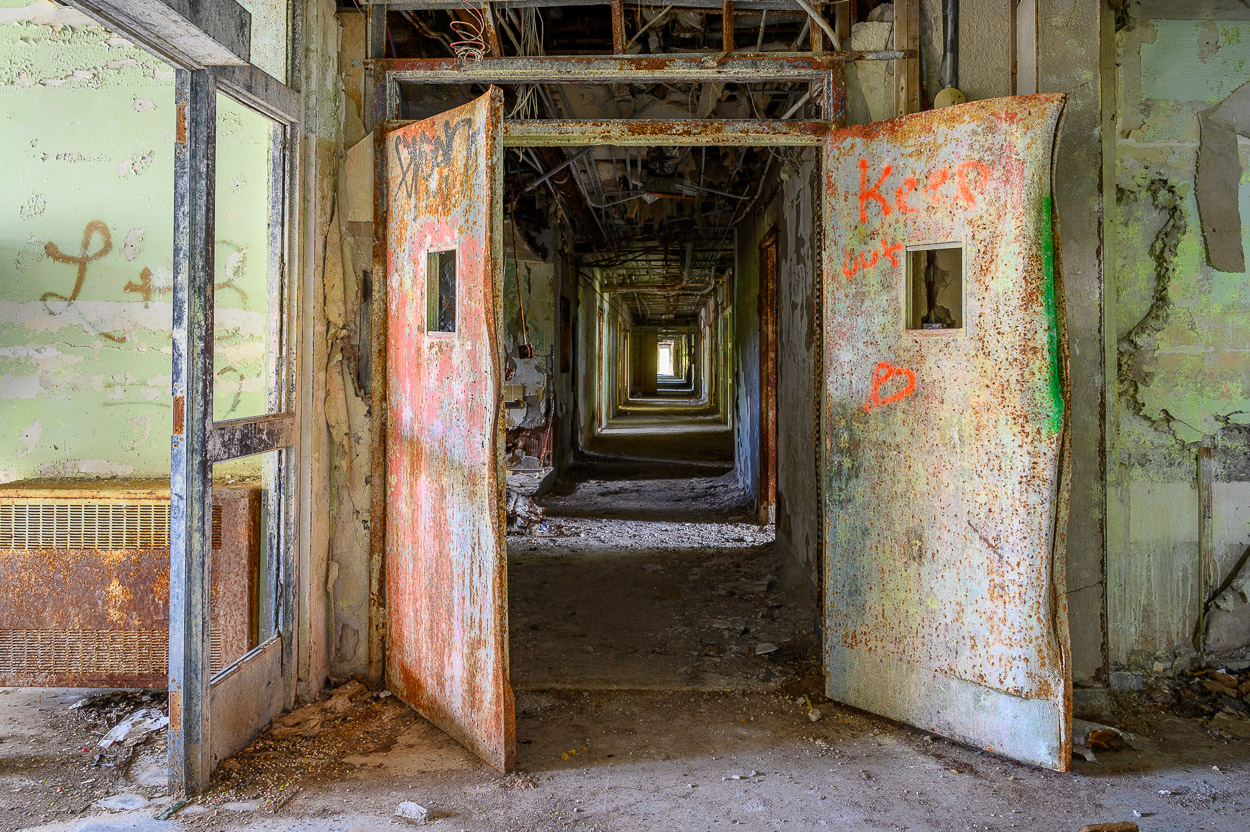
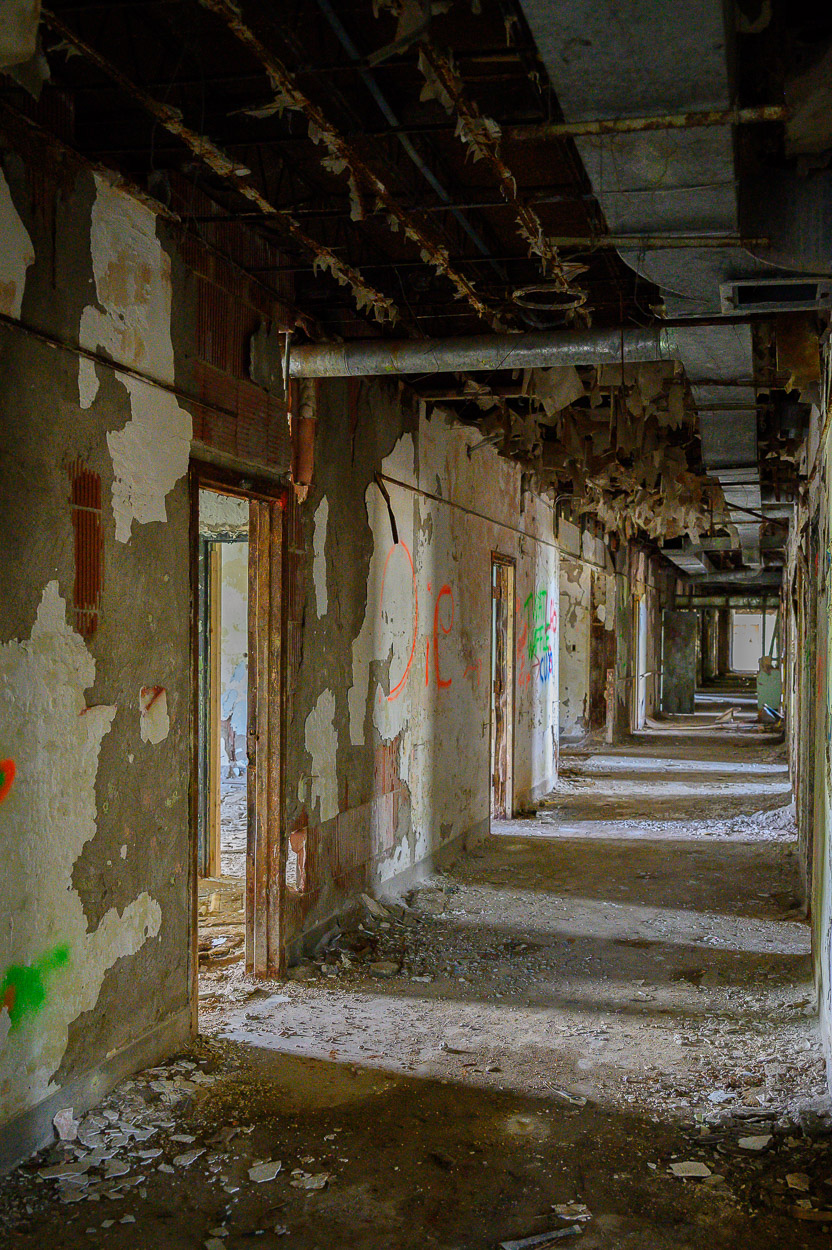
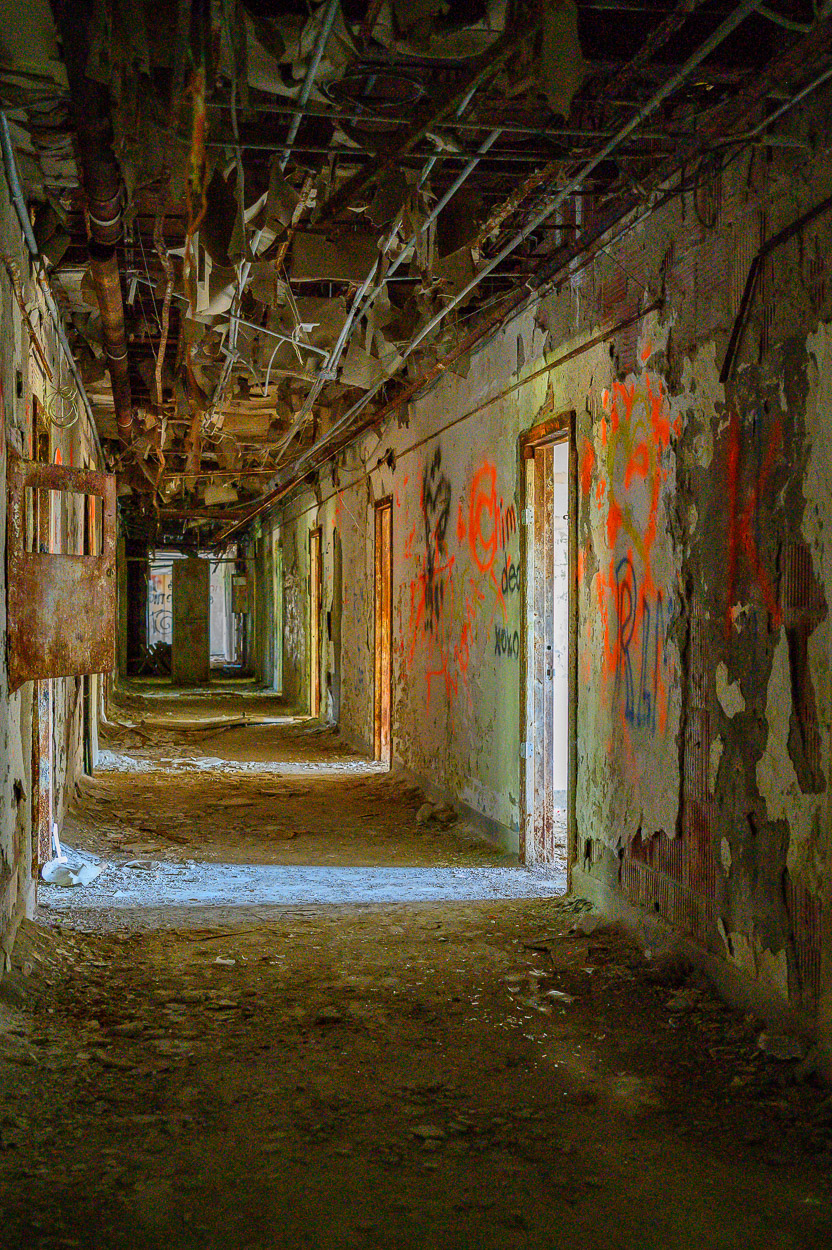
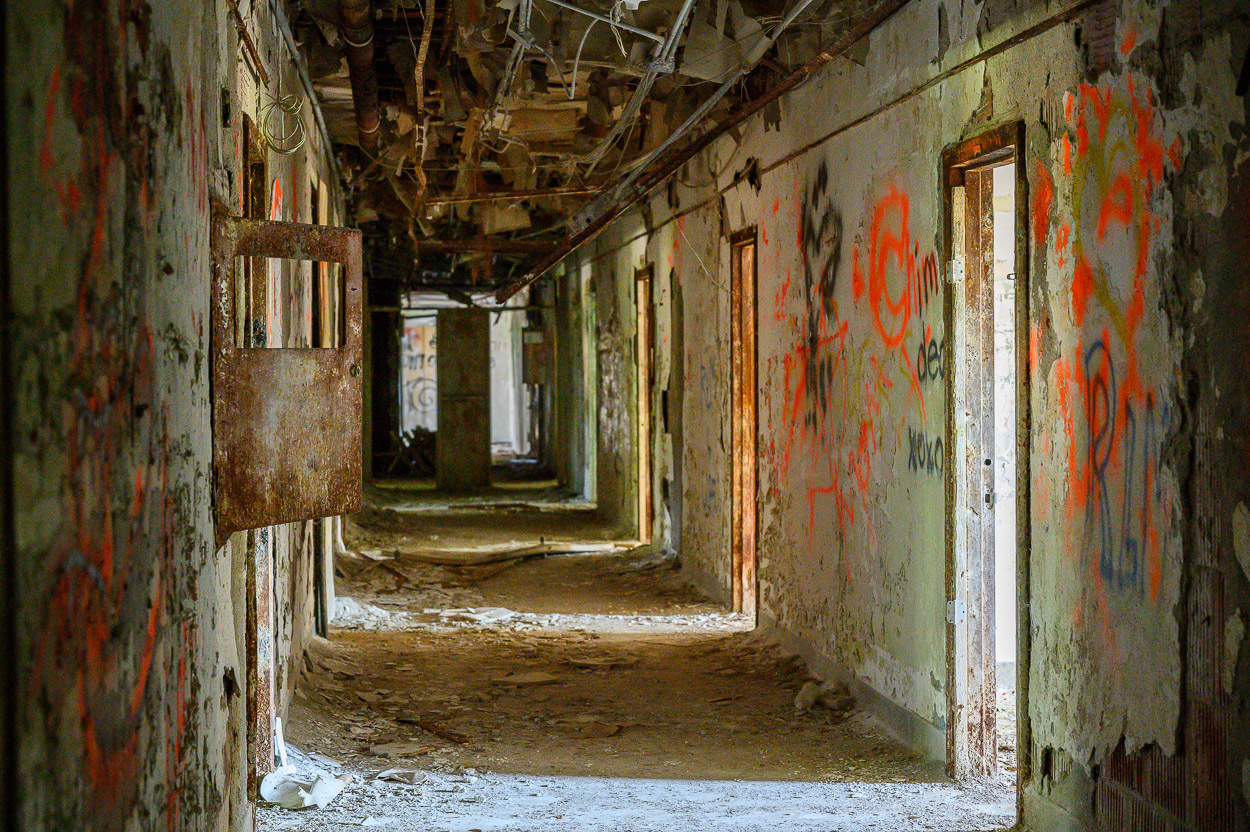
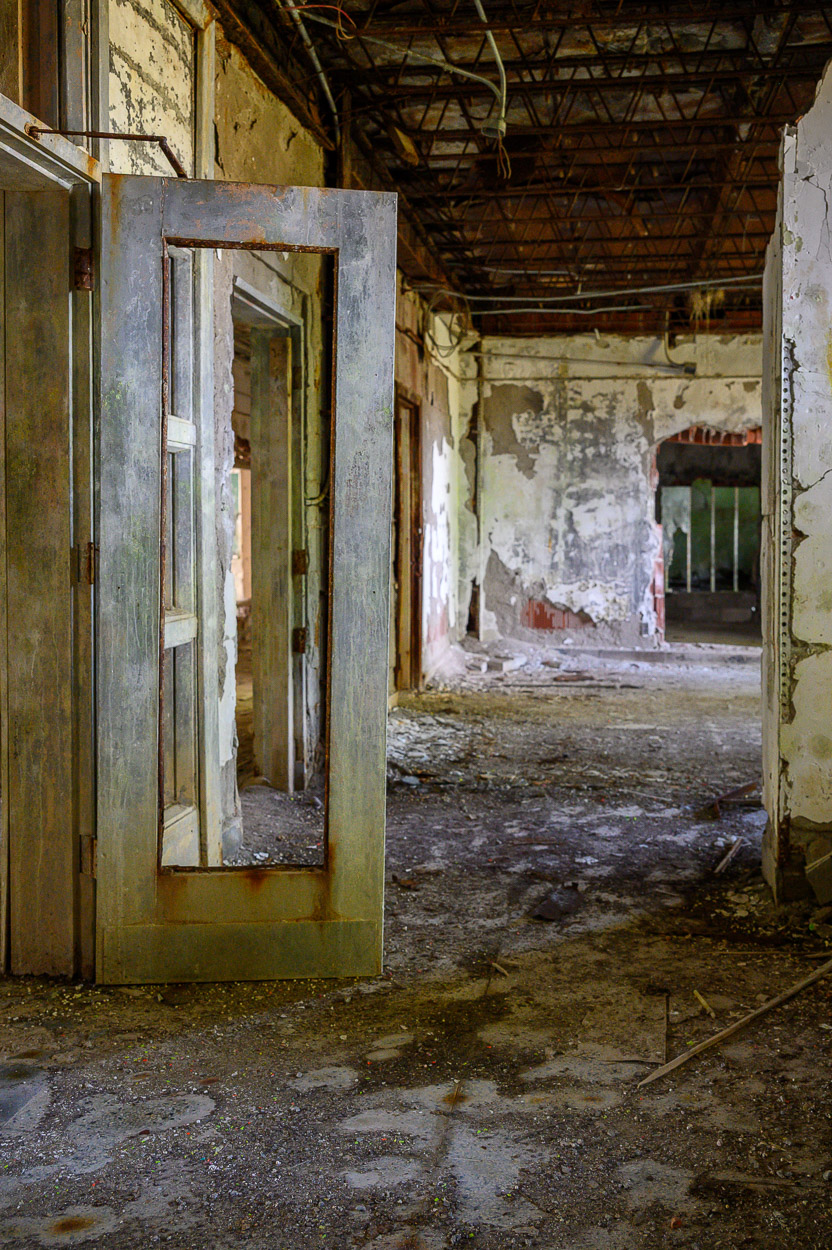
Today, abandoned Prince Edward Heights is defined by silence, scale, and deterioration. Some buildings remain standing in rough condition, while others show severe damage from neglect, vandalism, and weather. Forest growth continues to reclaim edges of the property, and the road network cuts through a landscape that feels suspended between past and present.
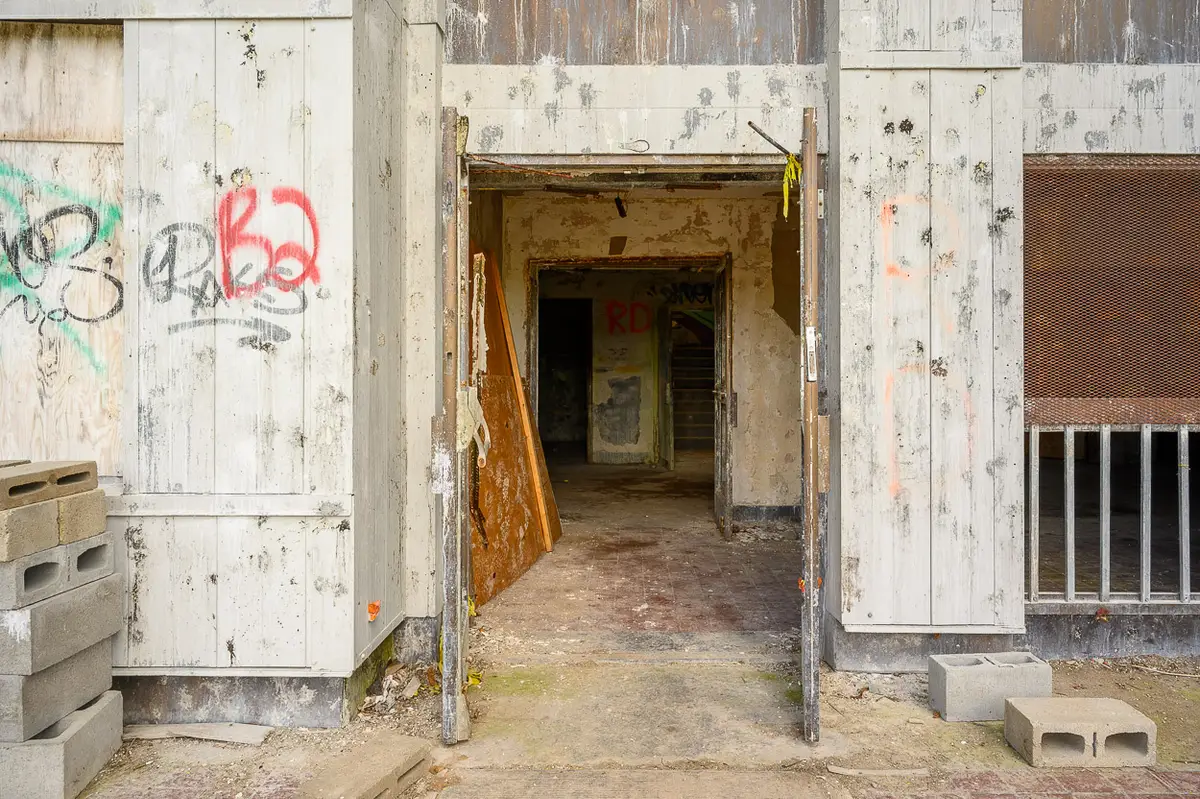
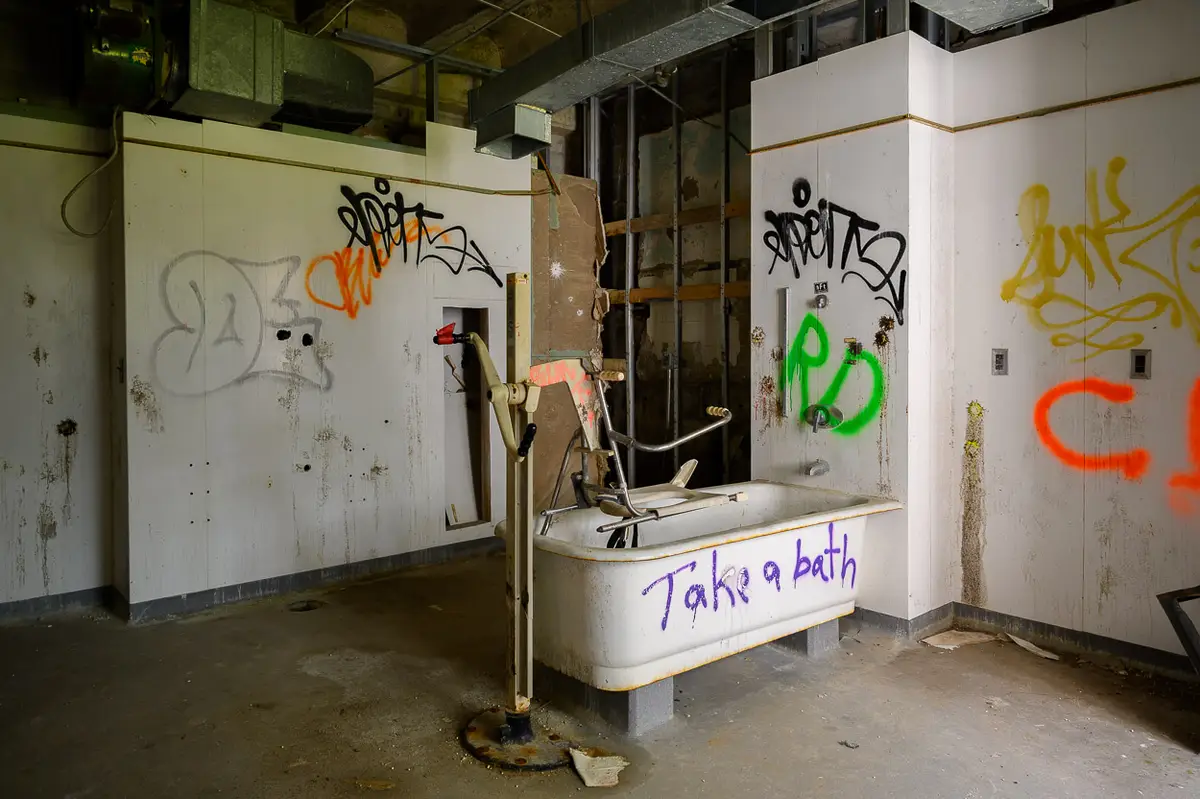
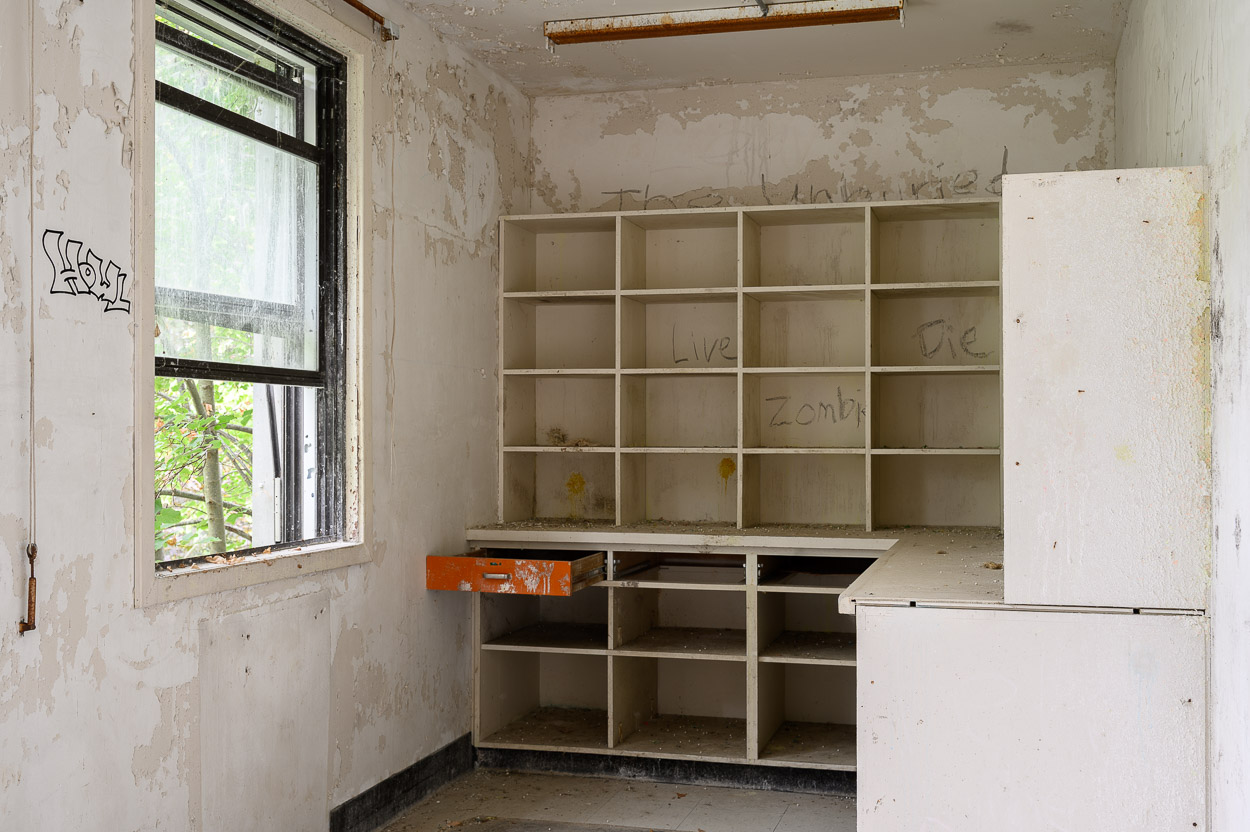
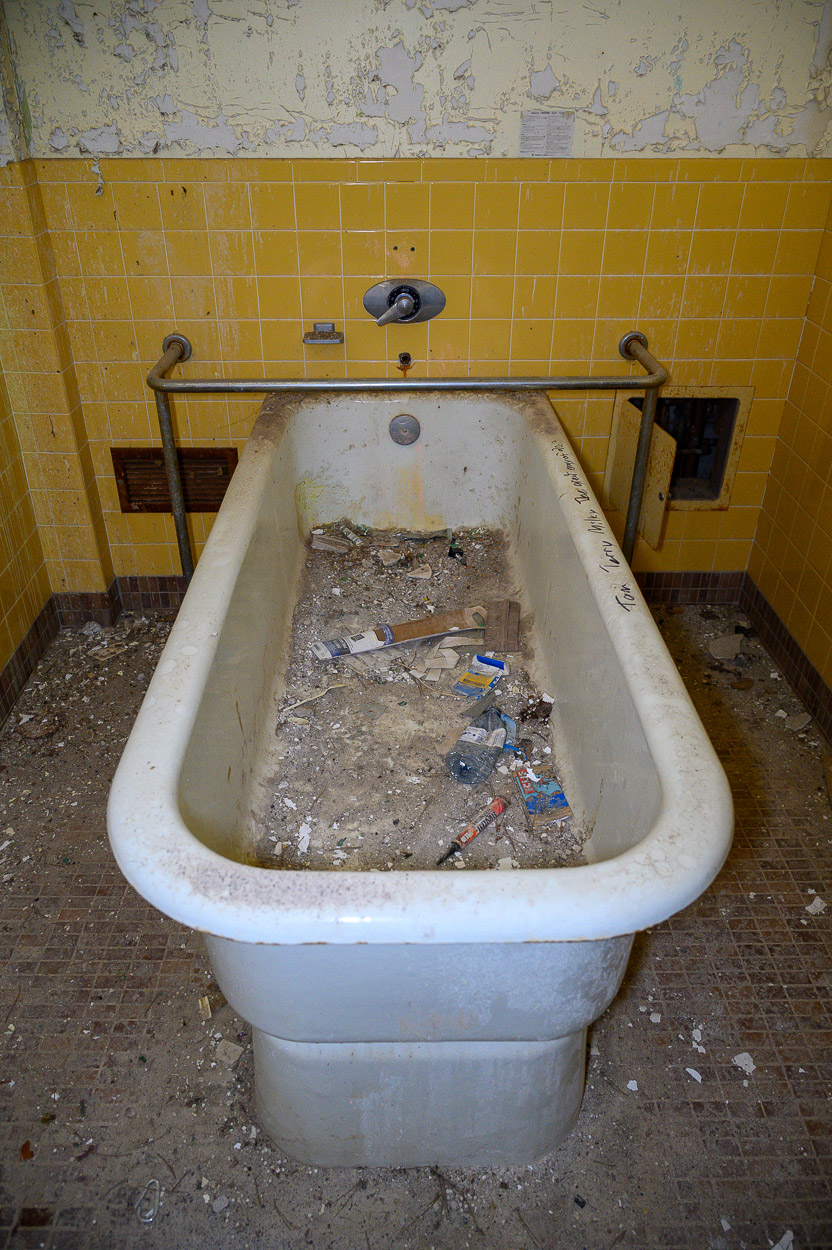
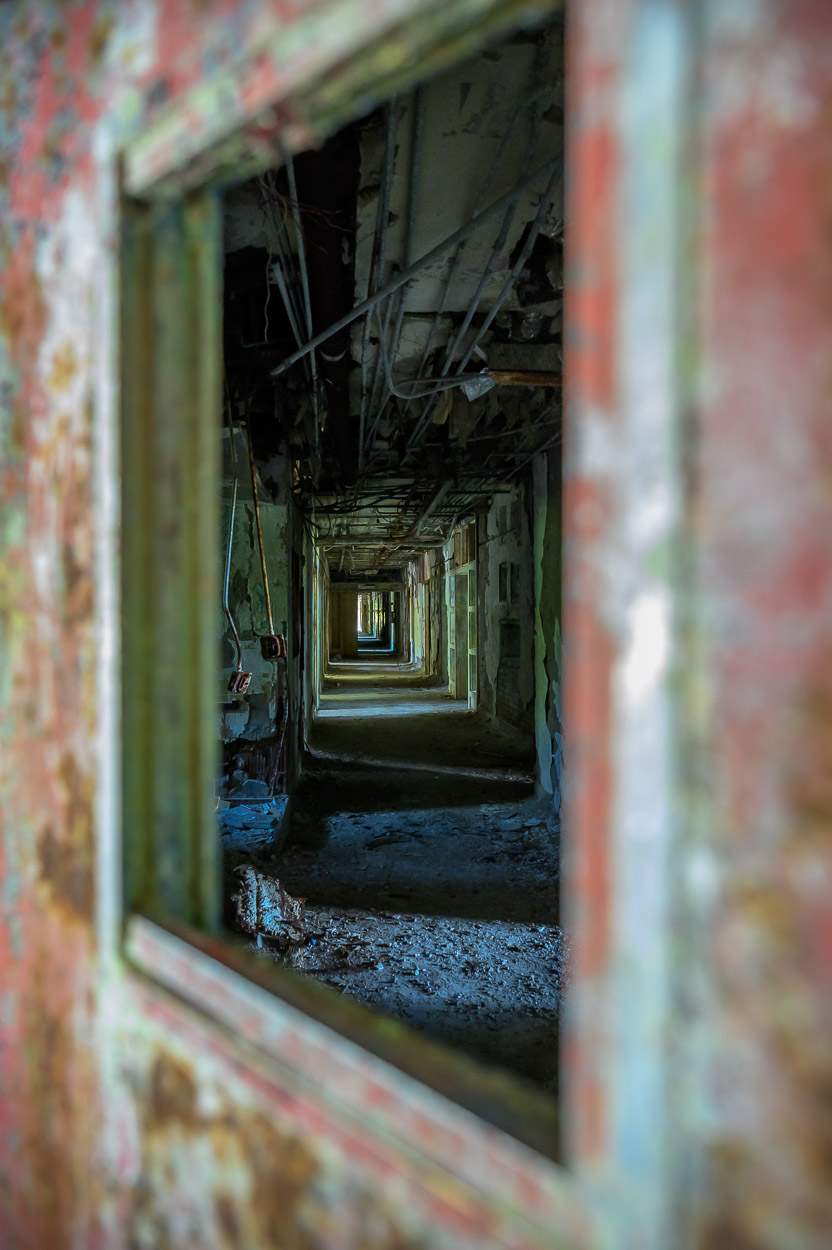
Inside, the surviving structures vary widely. Some spaces are stripped and empty. Others still carry traces of their former use in their layout, construction, or materials. That contrast is part of what makes exploring and photographing the site so compelling. Every hallway, doorway, and room feels connected to a much larger story.
Exploring Abandoned Prince Edward Heights Responsibly
Places like Prince Edward Heights draw interest because they are rare, complex, and visually powerful. But they also deserve context and respect. This is a site with a real history, tied to wartime training, institutional care, and decades of change in Prince Edward County.
If you are documenting the location through photography or video, accuracy matters. So does restraint. The strongest storytelling comes from presenting the site for what it is, a layered historic property shaped by many people and many eras, not just a backdrop for shock value.
Frequently Asked Questions
What was Prince Edward Heights?
Prince Edward Heights was a provincially funded residential and medical facility in Prince Edward County, Ontario. It operated from 1971 until 1999 and housed people with severe developmental disabilities.
Was Prince Edward Heights originally a military base?
The site sits on land that was originally part of Camp Picton, a large military training installation built during the Second World War. After the military closed the base, parts of the property were repurposed for civilian uses including the Prince Edward Heights institution.
When did Camp Picton close?
Camp Picton officially closed as an active military base in 1969 when the Canadian military began consolidating several installations across the country.
When did Prince Edward Heights close?
The Prince Edward Heights facility operated for nearly three decades before closing in 1999 as Ontario transitioned away from large institutional care facilities.
Why is Prince Edward Heights well known today?
The property became widely known among photographers and urban explorers because of its large footprint, numerous buildings, and the layered history connecting both military and institutional uses.
Is Camp Picton historically significant?
Yes. Cultural heritage assessments have recognized Camp Picton as an important example of a Second World War era military installation in Canada and as part of the wartime training infrastructure used by Allied forces.