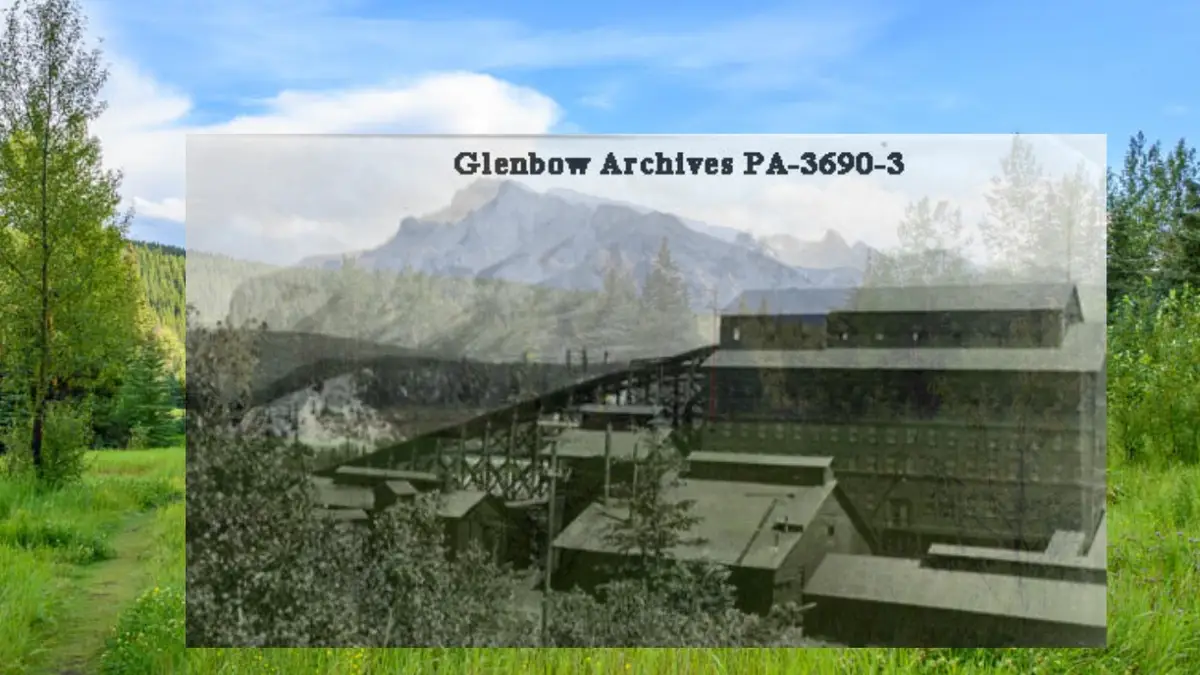
Bankhead, Alberta
I visited Bankhead in August 2025 while travelling across Canada documenting ghost towns, abandonments, and forgotten places. It was a short drive from Banff, and on paper it sounded like a classic ghost town stop.
It isn’t.
At least, not in the way most people expect.
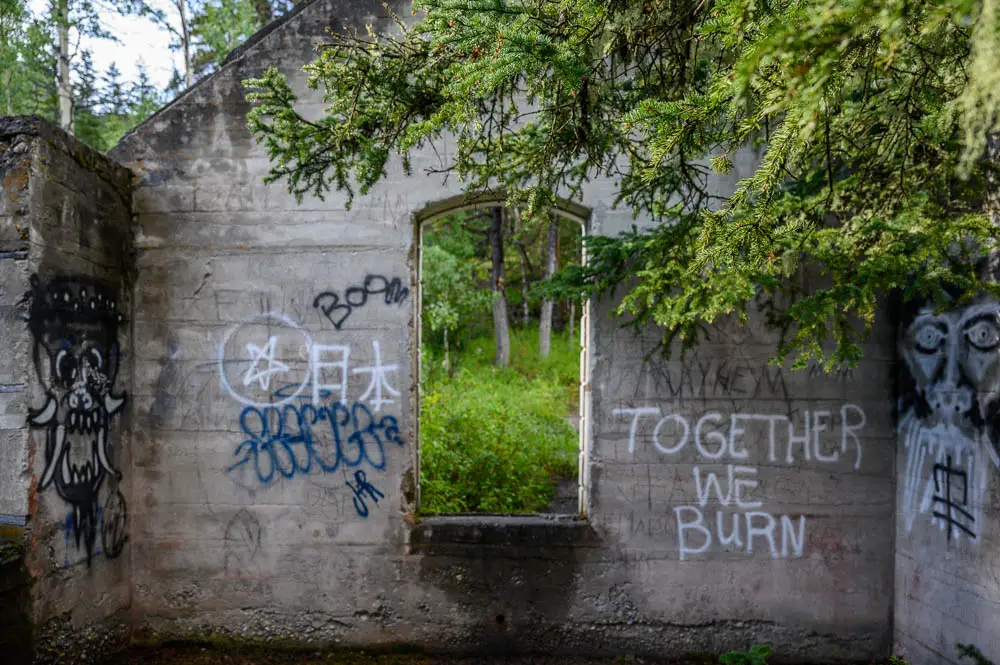
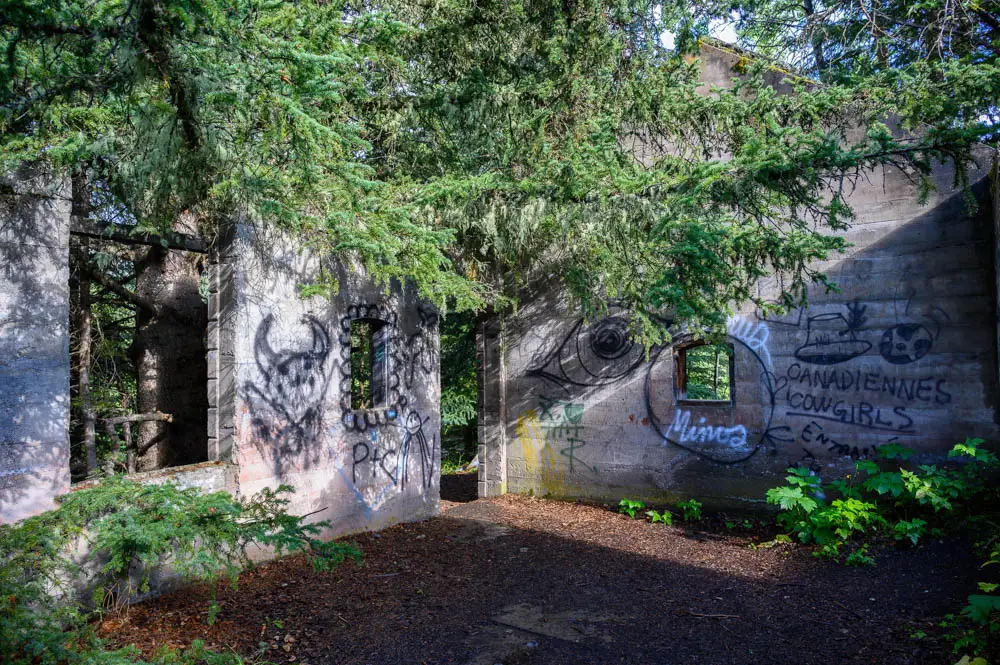
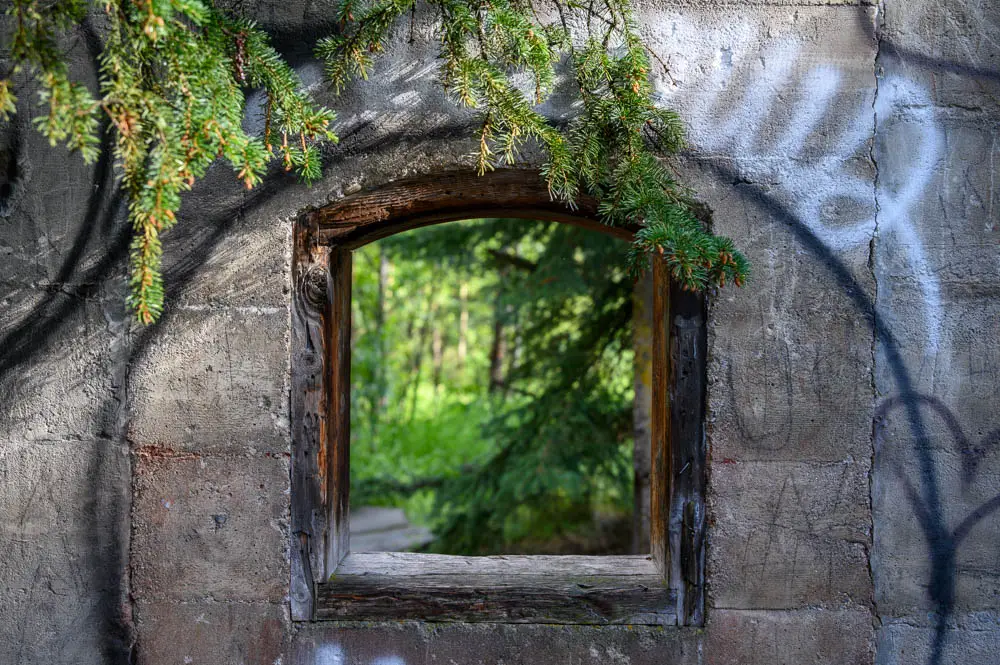
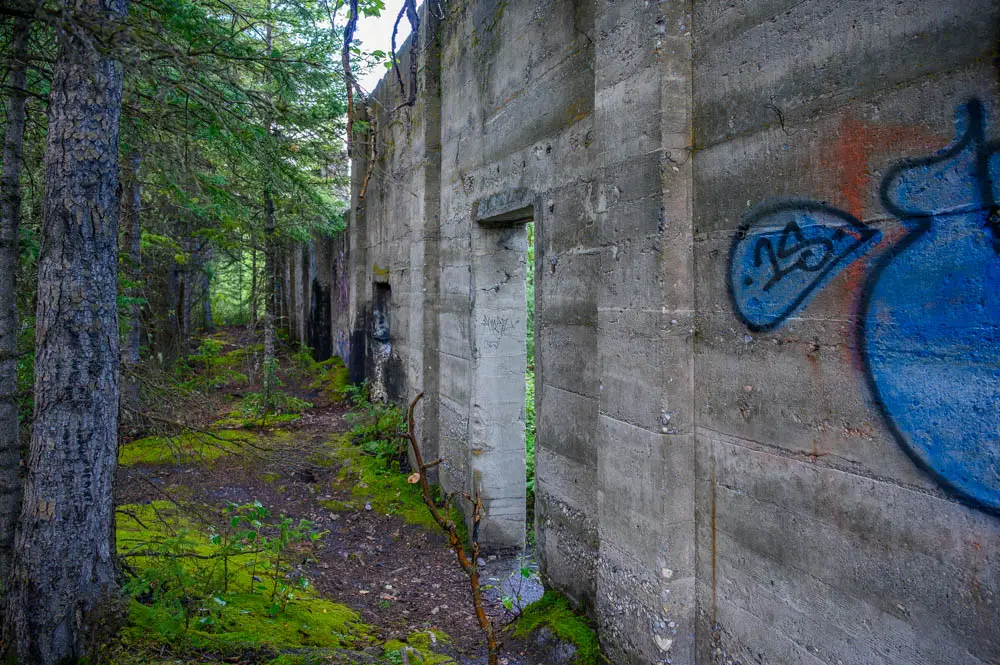
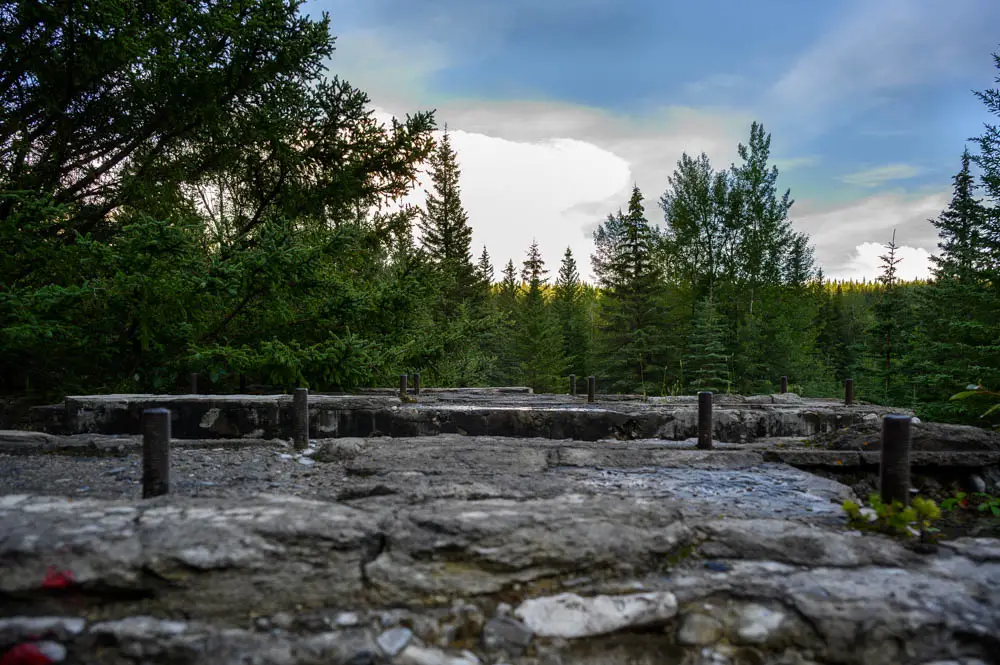
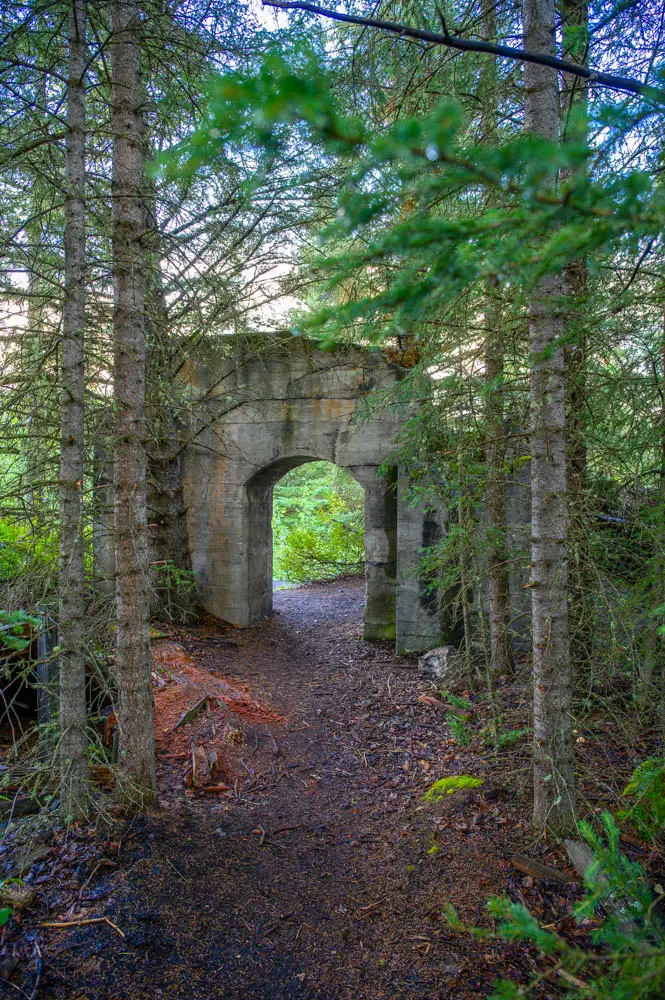
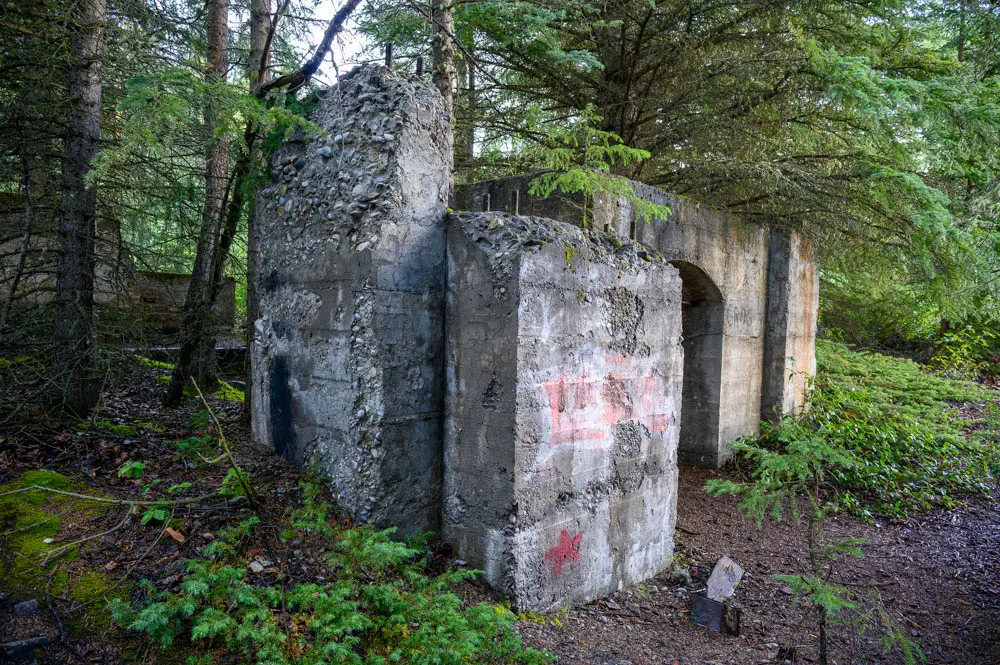
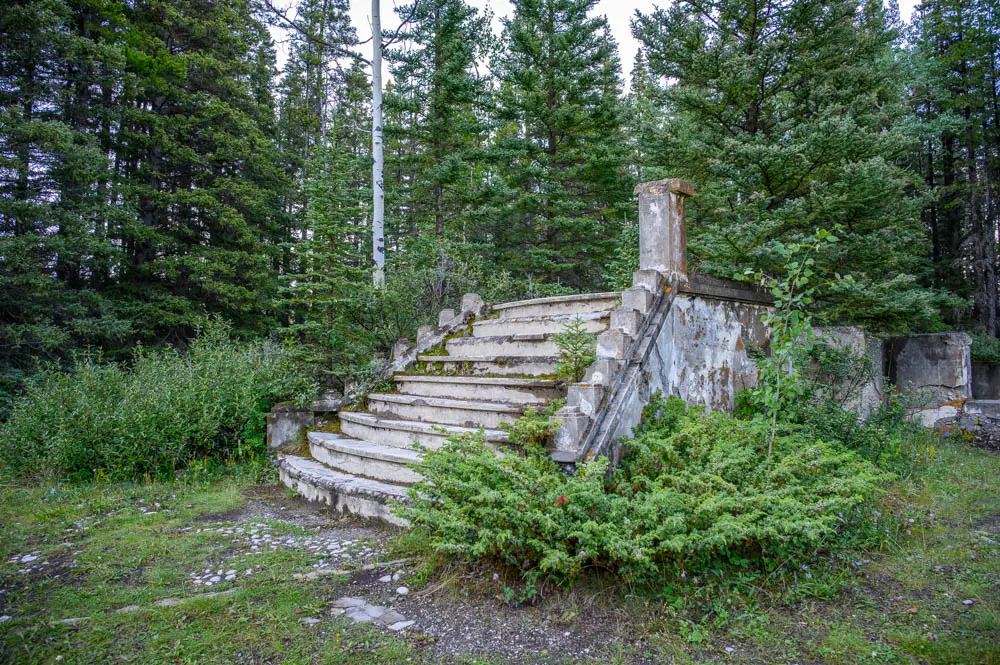
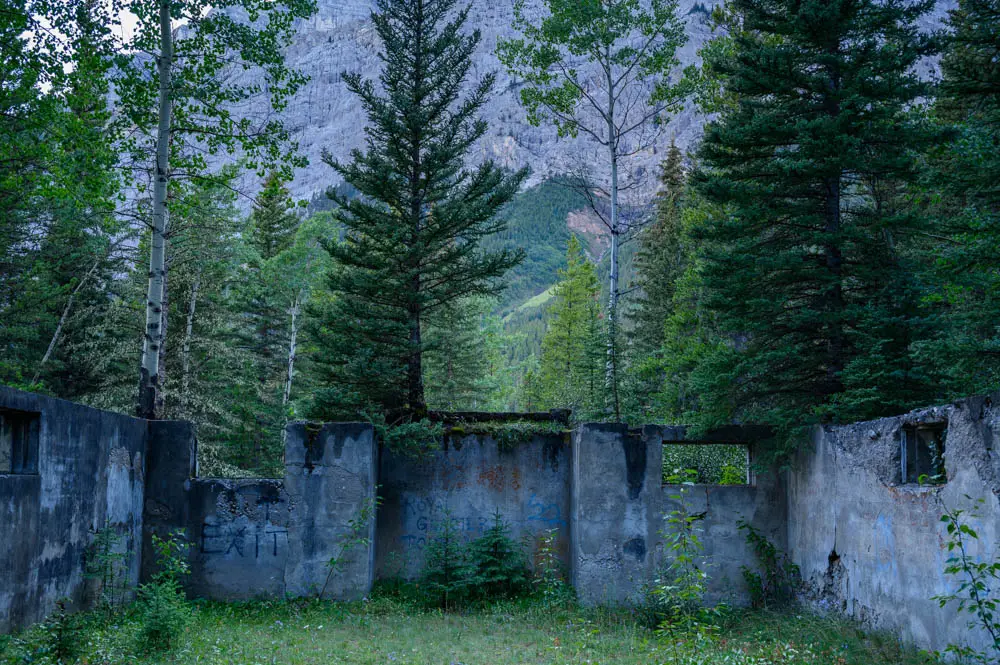
When you arrive, there are no collapsing houses or standing streets. What you mostly see are concrete foundations, scattered industrial remains, and one surviving structure. Without context, it barely reads as a town at all.
That changes once you understand what Bankhead was.
Where Bankhead Is
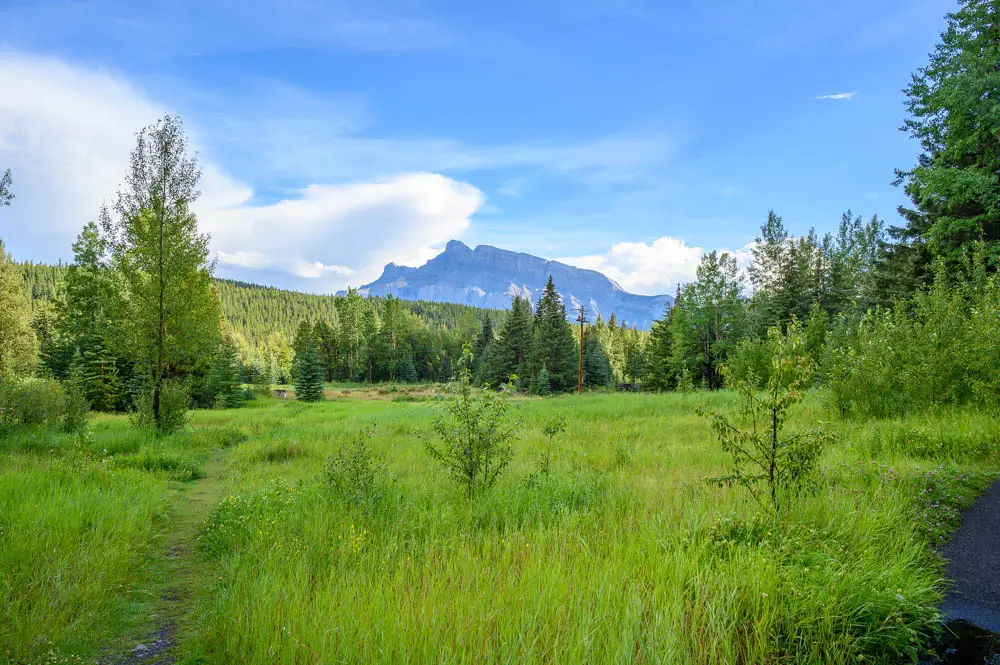
Bankhead sits inside Banff National Park, on the slopes of Cascade Mountain, just minutes from the town of Banff. Today, it exists as an interpretive area with walking trails that pass through what was once a busy industrial site.
The setting is quiet and forested, which makes it difficult to imagine that this was once one of the most active places in the region.
Why Bankhead Existed
Bankhead was founded in 1903 by the Canadian Pacific Railway as a coal mining town. The mine was built to supply fuel for CPR steam locomotives and other major operations in the Bow Valley, including heating for the Banff Springs Hotel.
This was not a makeshift settlement. It was a planned company town, built quickly and equipped with modern infrastructure for the time.
At its peak, Bankhead had close to 1,000 residents. It had electricity and sewers at a time when nearby Banff did not yet have those services.
Life in the Town
Bankhead functioned as a full community. It had homes, shops, a hotel, a theatre, and a pool hall. Families lived here year-round, and daily life revolved around the mine’s shift schedule.
The town also had a distinct Chinatown district, where many Chinese workers lived and worked. Their presence is an important part of Bankhead’s history, even though little physical evidence remains today.
This was a working, industrial town that felt established and permanent.
The Mine and the Coal
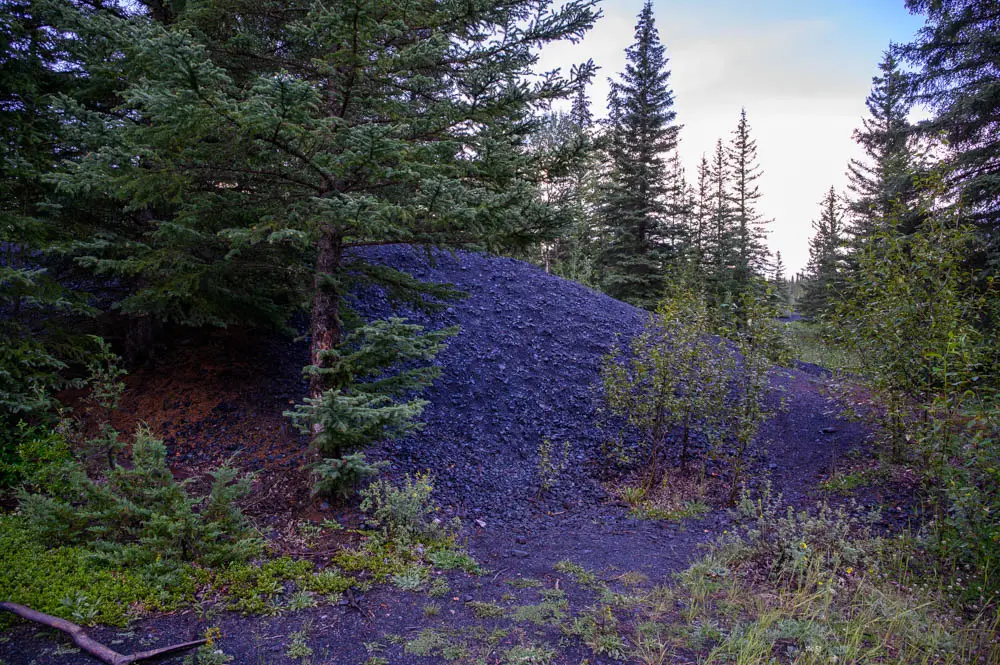
The coal at Bankhead was anthracite, a hard, high-energy fuel. The problem was that it was extremely brittle. Once exposed to air, much of it broke down into dust, making a large portion unsellable.
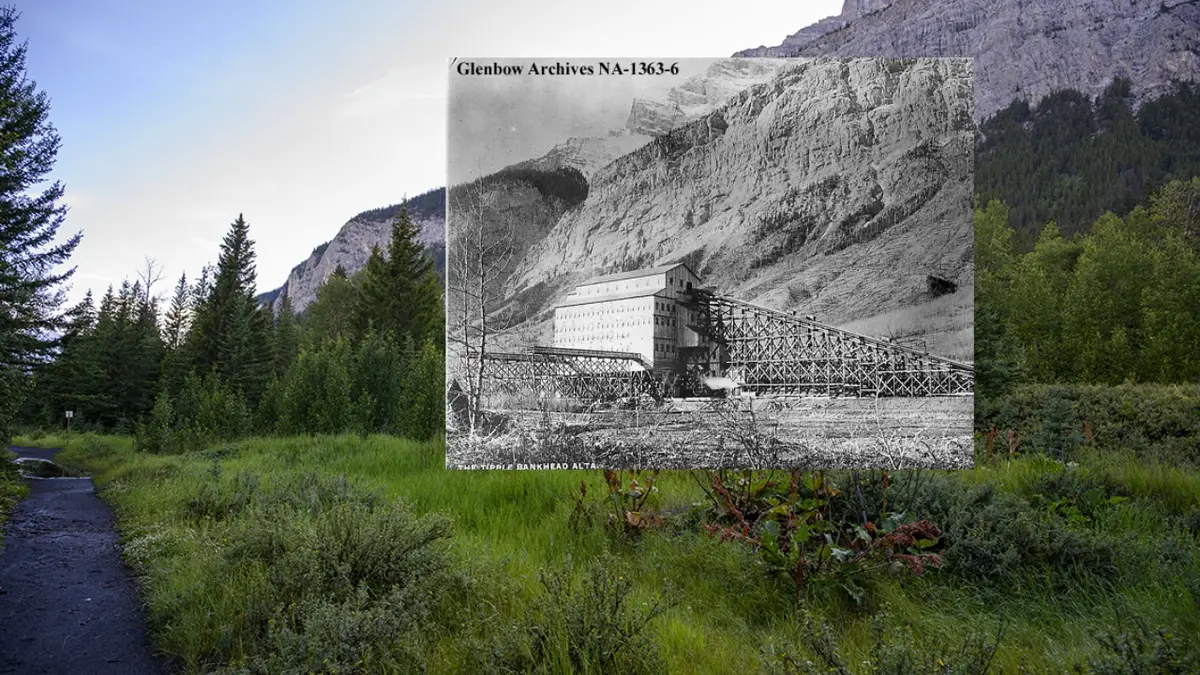
Mining conditions were also difficult. The coal seams ran through steep, folded rock, requiring an extensive network of tunnels driven deep into Cascade Mountain. The operation was costly and complex, even during productive years.
To make use of the coal dust, it had to be mixed with pitch and compressed into briquettes. Even then, it often needed to be blended with coal from other mines to be usable for locomotives.
Why Bankhead Failed
Bankhead did not collapse suddenly. It failed for practical reasons.
Mining was expensive and dangerous. The coal was fragile. Labour disputes increased through the 1910s. In April 1922, a major strike shut down operations entirely.
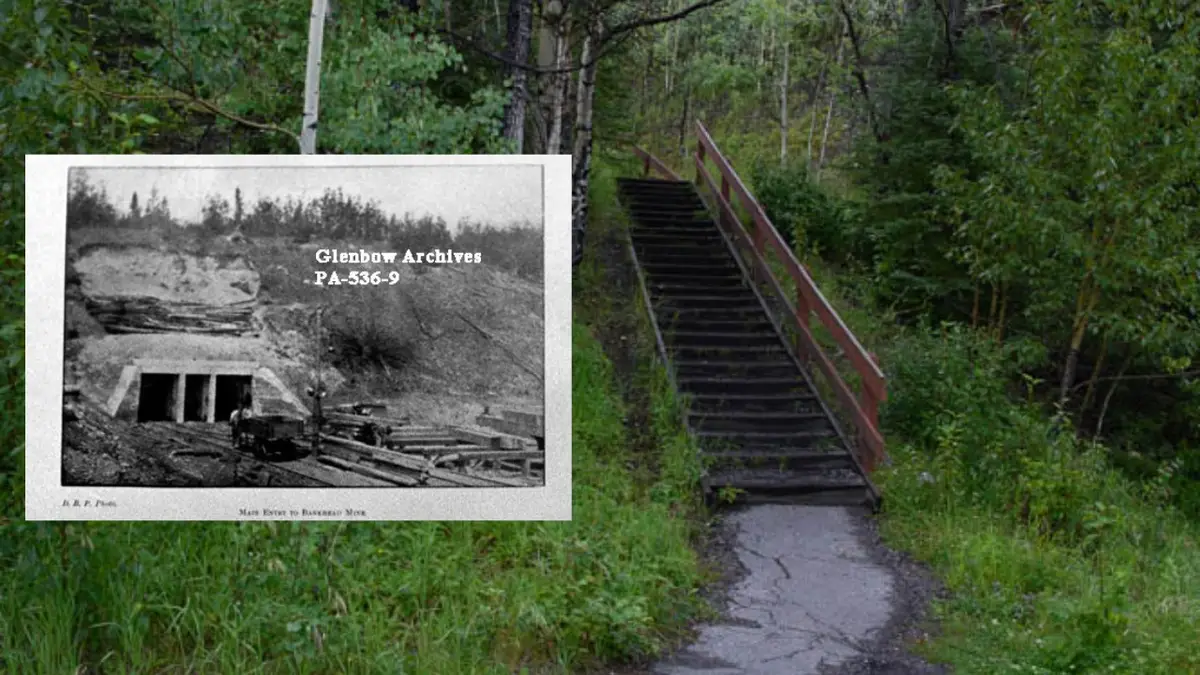
By June 1922, the main mine entrance was sealed. The mine never reopened. On July 15, 1922, the Canadian Pacific Railway officially closed the operation.
Without the mine, the town had no purpose.
A Ghost Town That Was Removed
What makes Bankhead different from most ghost towns is what happened next.
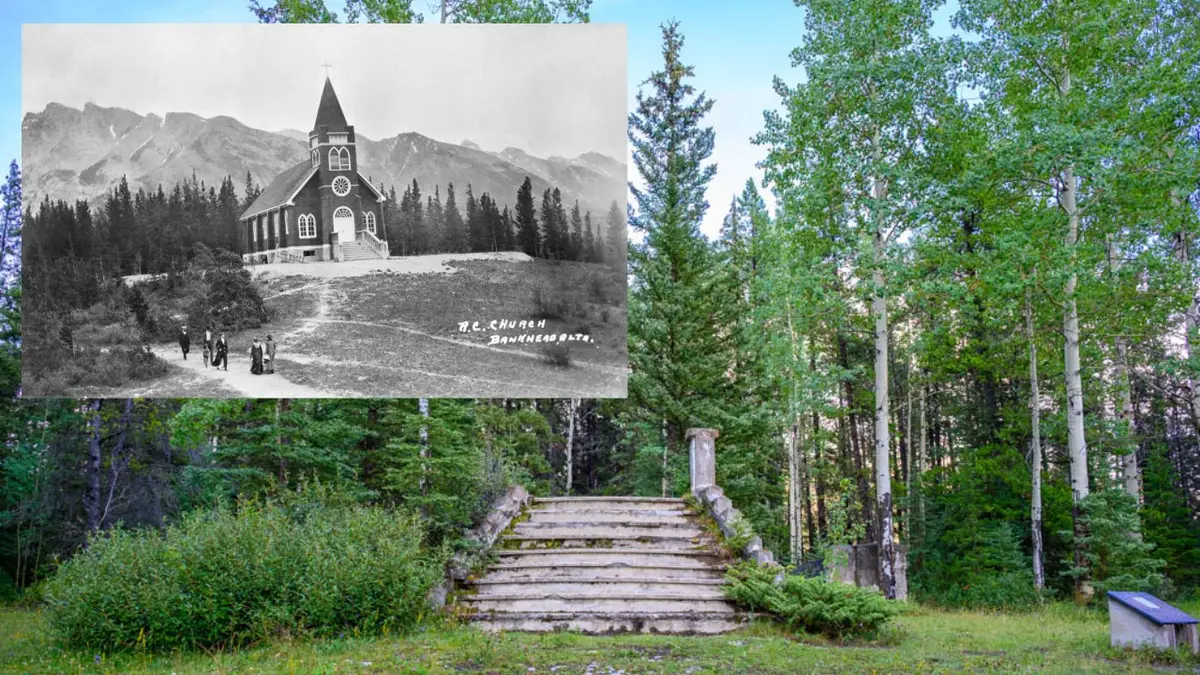
Instead of being abandoned and left to decay, the town was dismantled. Dozens of houses were lifted off their foundations and moved to Banff, Canmore, and Calgary. The church was cut in half and hauled away to be reused elsewhere. Other buildings were demolished or relocated.
This is why so little remains today.
You are not walking through ruins.
You are walking through what was left behind.
What You See Today
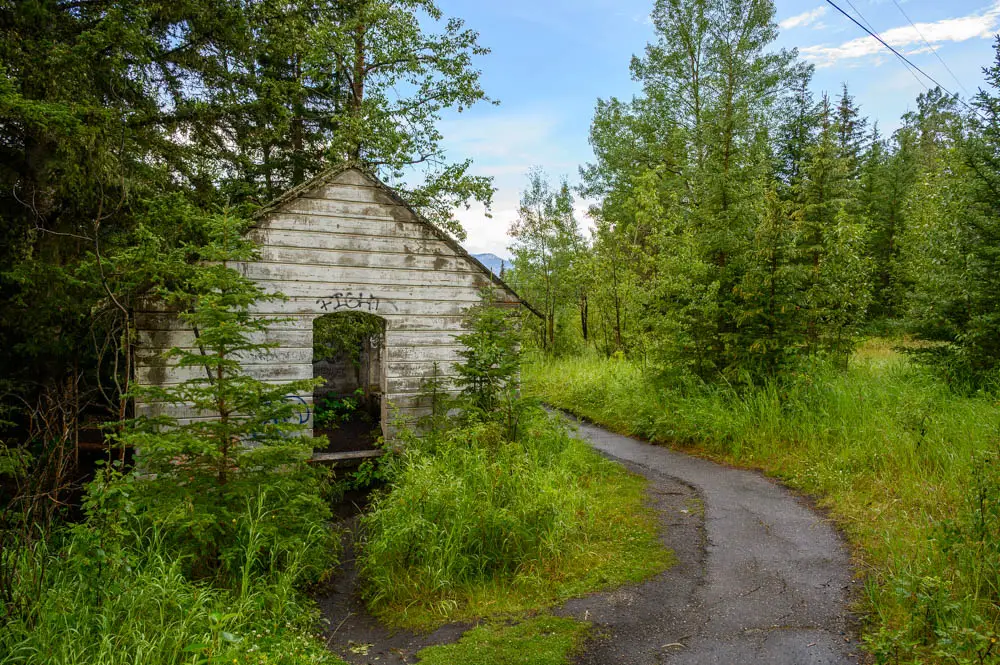
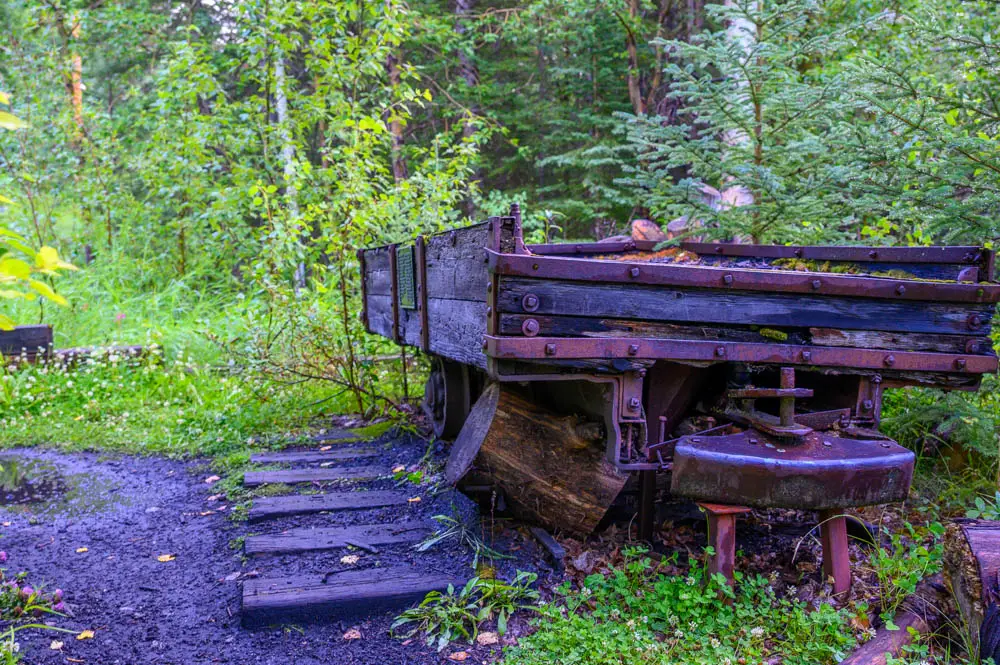
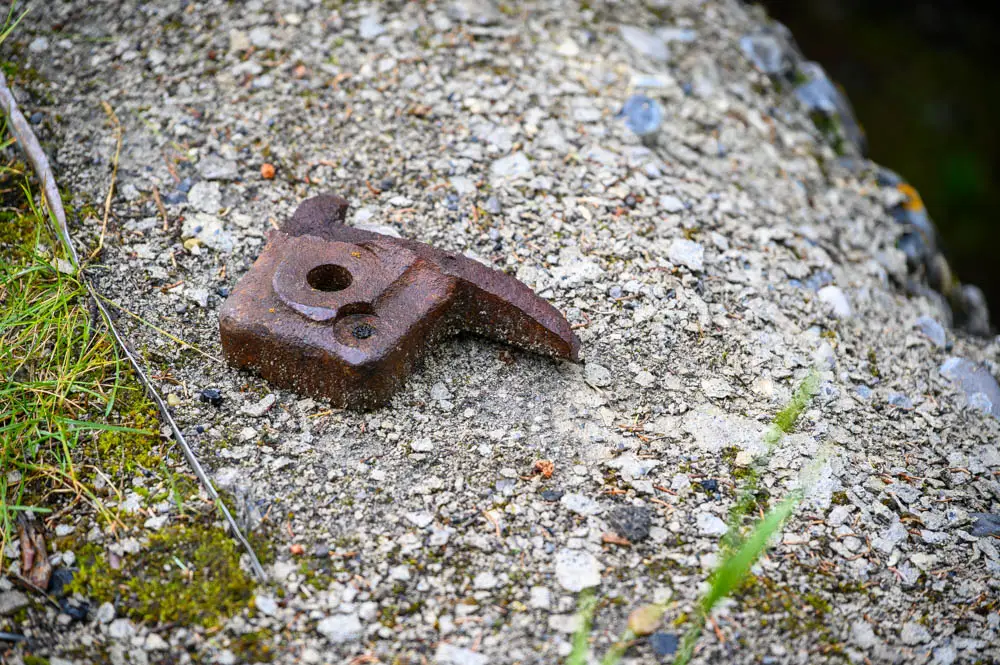
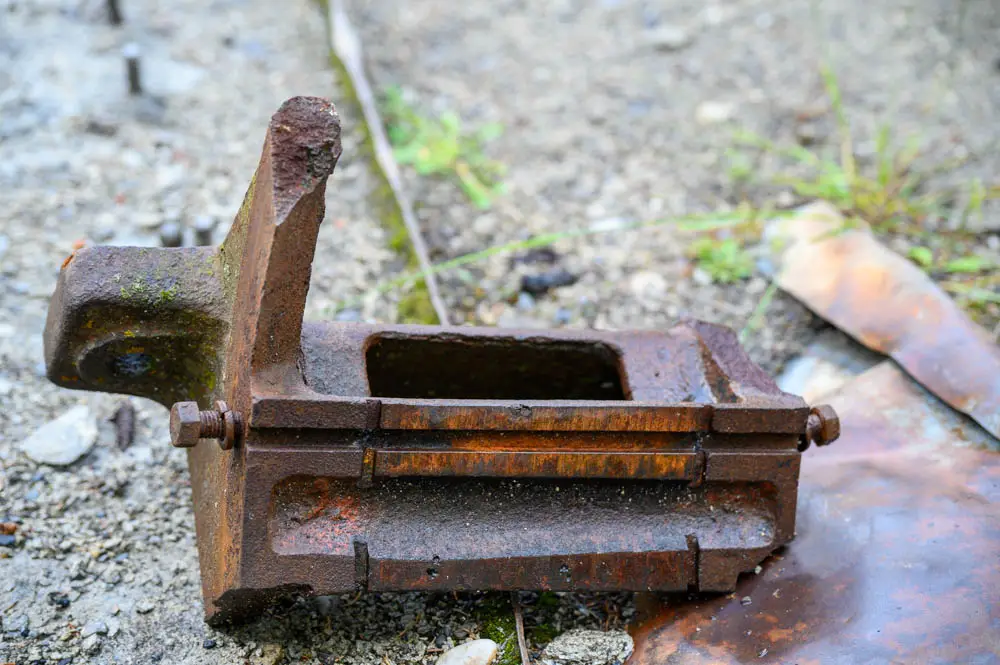
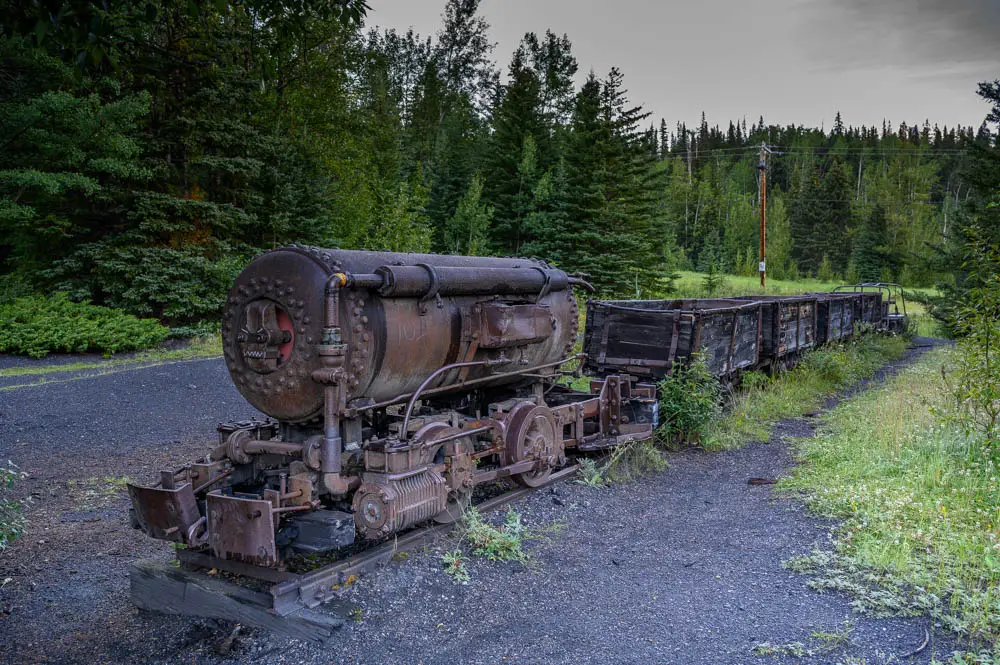
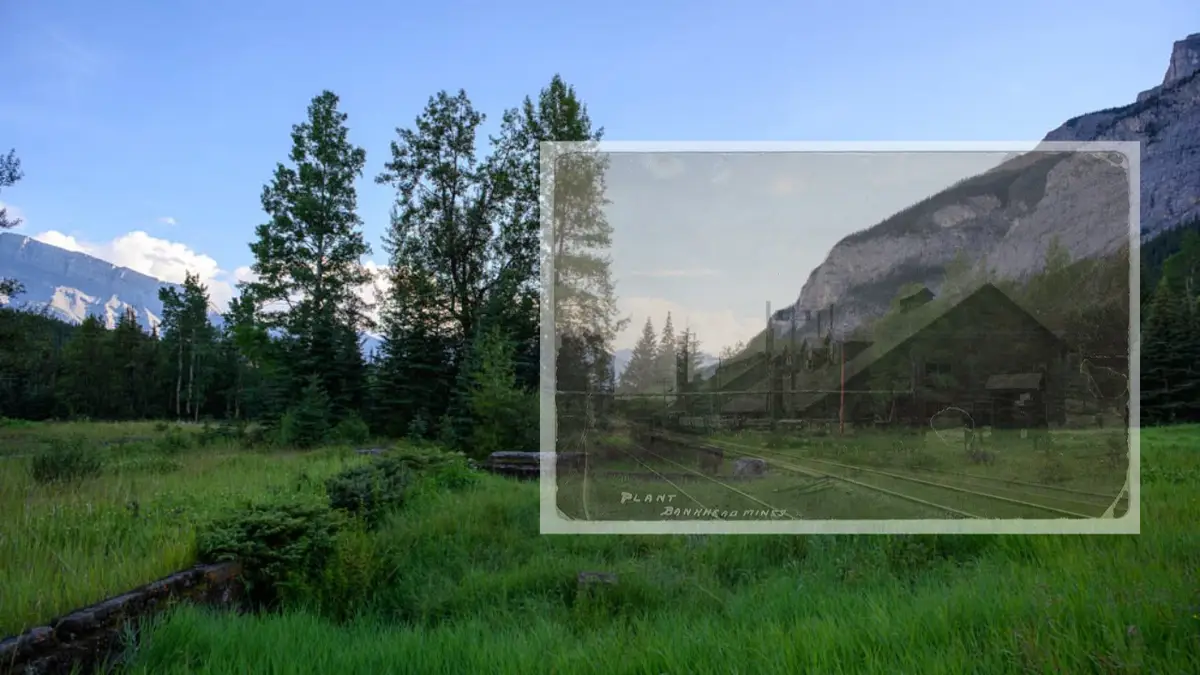
Today, Bankhead is defined by absence. Concrete foundations trace the outlines of homes and streets. Industrial remnants hint at the scale of the operation. The Lamphouse still stands, marking the spot where miners once lined up to collect their safety lamps before heading underground.
Walking the site with historic photos changes everything. The empty spaces start to make sense. The scale returns. The town reappears, briefly, in your head.
Visiting Bankhead Today
Bankhead is best approached as a historical site, not a traditional ghost town. The interpretive signage provides useful context, but understanding the town’s story before you arrive makes the experience far more rewarding.
It is a place that only reveals itself once you know what used to be there.