Share This Post
Why Brookside Was Built and How It Fit Into Ontario’s Youth Justice System
Brookside opened in the early 1950s as part of Ontario’s network of training schools for boys. At the time, the government promoted these institutions as places where troubled or delinquent youth would receive structure, schooling and vocational education. In reality, many boys were sent for reasons that would not meet modern legal standards. Some were labelled incorrigible for skipping school. Others lived in poverty or unstable homes and ended up in the system without formal criminal convictions.
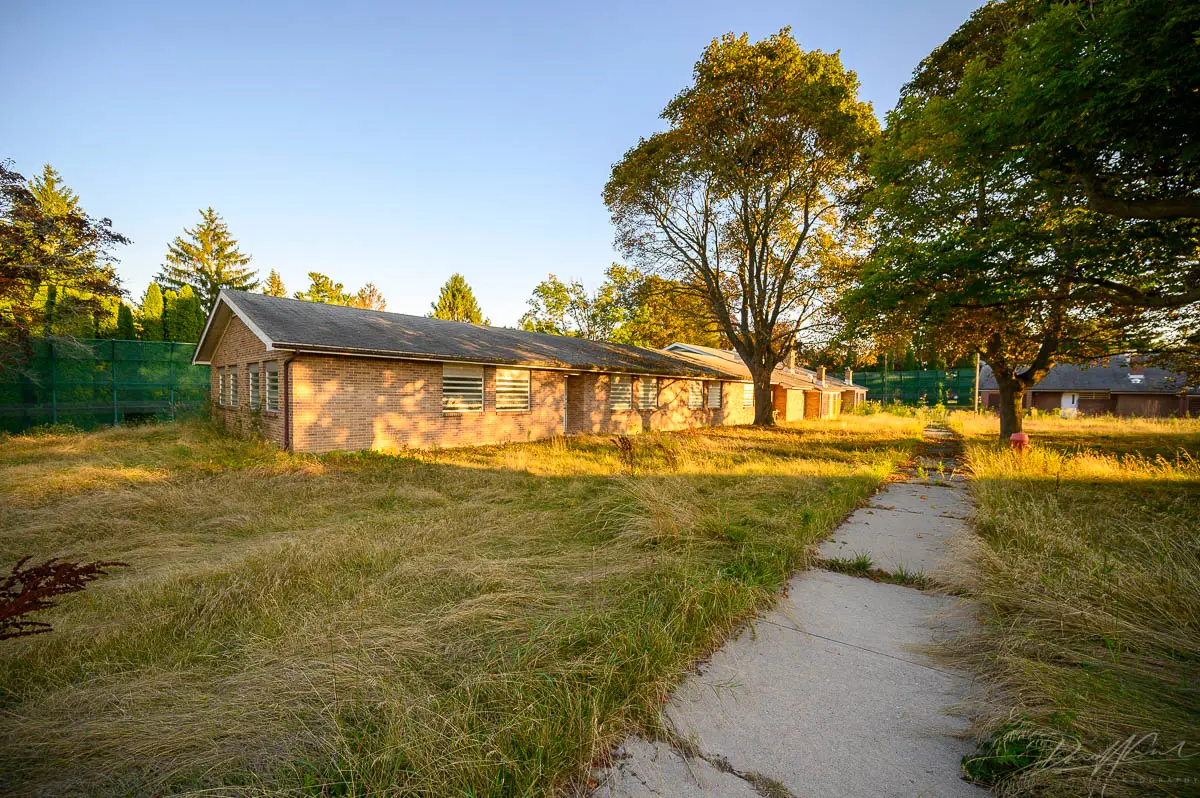
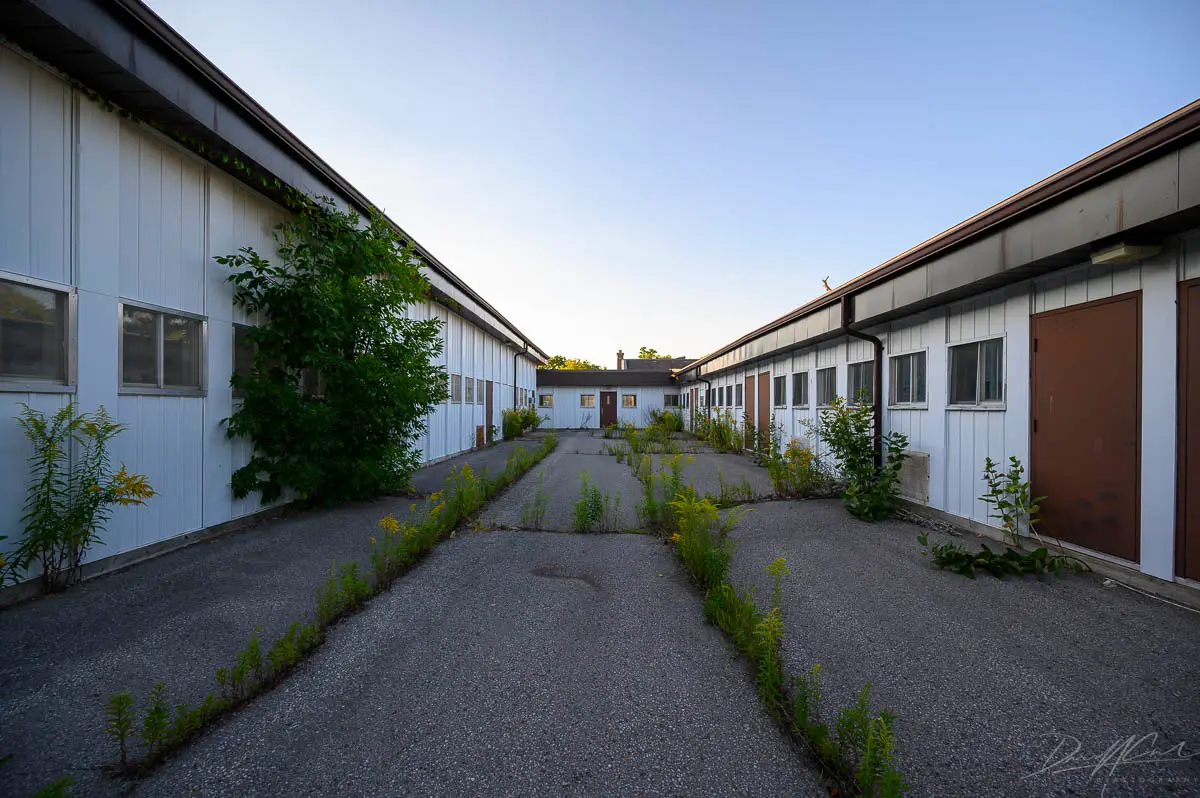
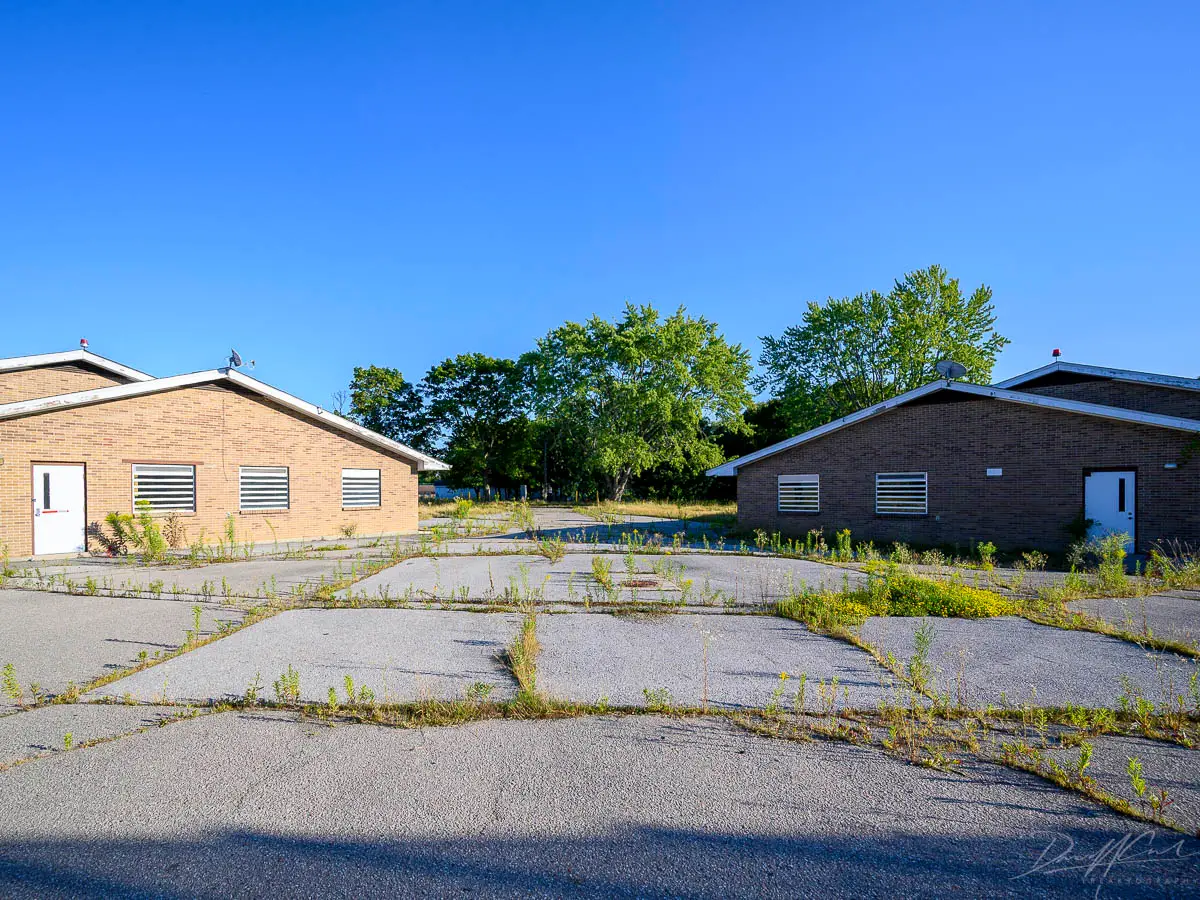
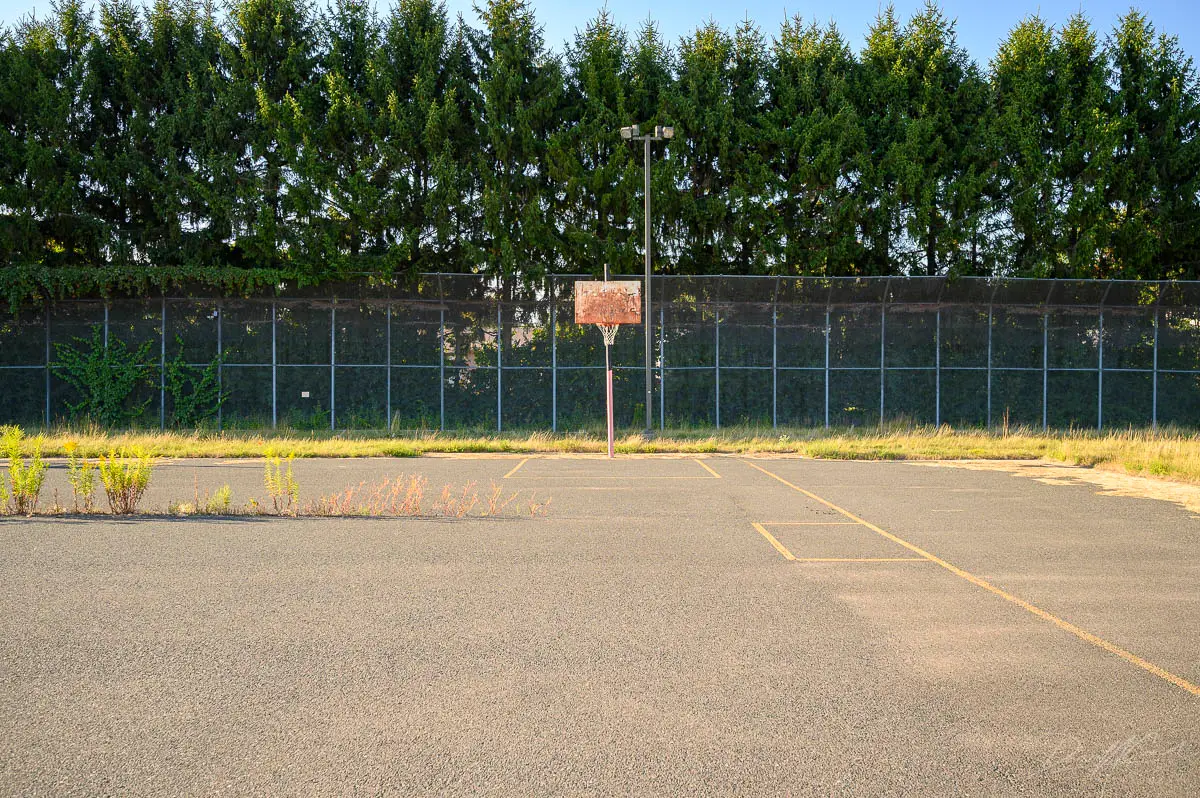
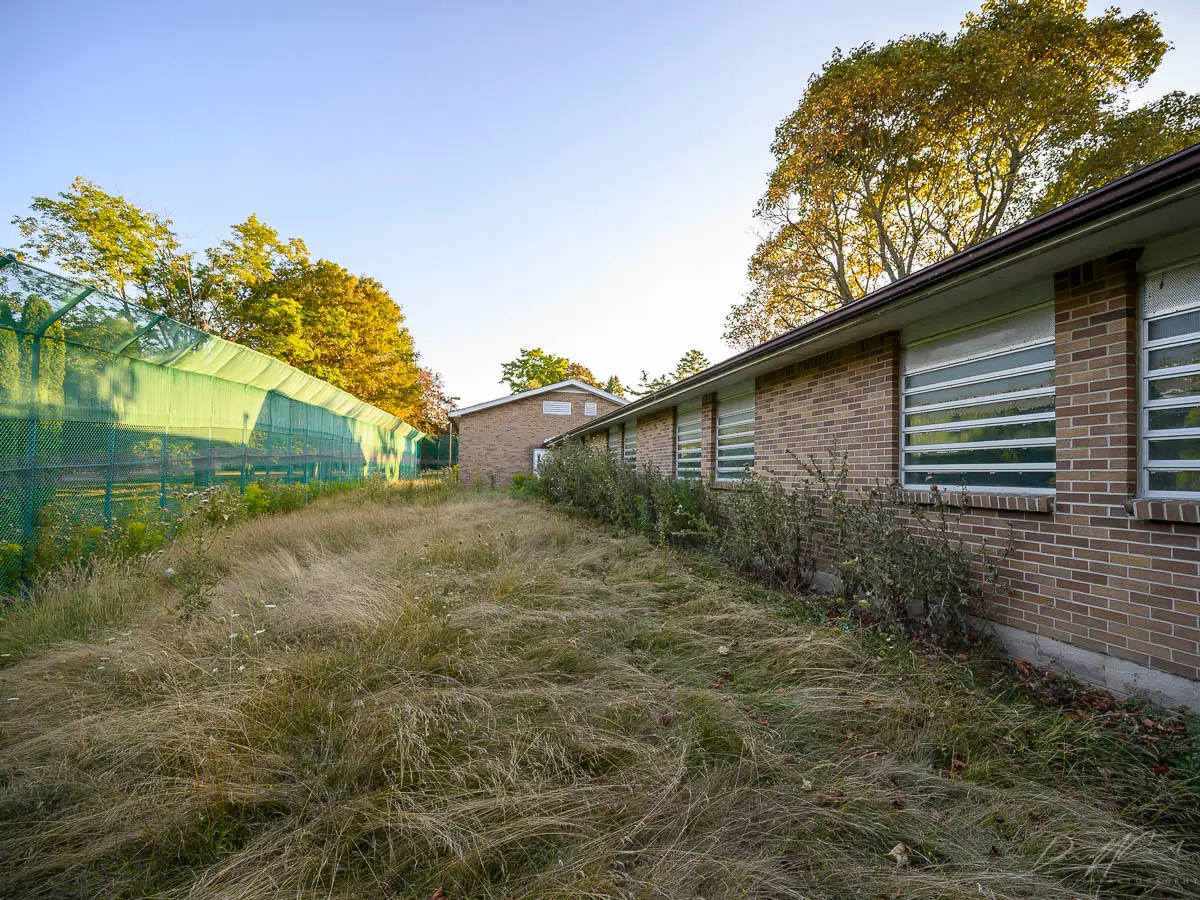
Ontario eventually operated 13 training schools across the province. Brookside was one of the largest. Its campus style layout included residential cottages, a central school, workshops, administration buildings, a gym and recreational spaces. The model looked orderly and progressive on paper. The day to day reality for many residents was very different.
Life Inside the Early Brookside Cottages
In the 1950s and 1960s, boys lived in cottage units run by cottage supervisors. Rooms often had iron-framed beds, minimal personal space and strict routines. Lights on, meals, schooling, work duties and lights out were all controlled by staff. Daily life revolved around the idea of discipline and obedience.
Former residents describe early morning wake ups, relentless cleaning rotations, silence during meals and a list of rules that shaped every moment. Many boys have said that minor misbehaviour led to loss of privileges, work details or isolation.
Survivor Quotes on Early Life at Brookside
“You were told you were being helped, but you learned very fast that you were there to follow orders and stay quiet.”
Former resident, 1960s
“Brookside felt like a machine. You were just another boy in the system. You did what you were told or you paid for it.”
Former resident, 1970s
“The cottages were watched by staff who believed punishment was the only way kids would learn.”
Former resident, 1970s
Staff Perspective Quotes (Publicly Reported)
Former staff members rarely spoke publicly, but a few accounts exist.
“Most of us were doing the job the way we were trained. It was strict, controlled and not always right by today’s standards.”
Former Brookside employee, quoted in a regional news feature
“Looking back, the system failed the kids. But inside the walls, this was considered normal practice.”
Former youth worker discussing the training school model
Brookside’s Education and Vocational Training
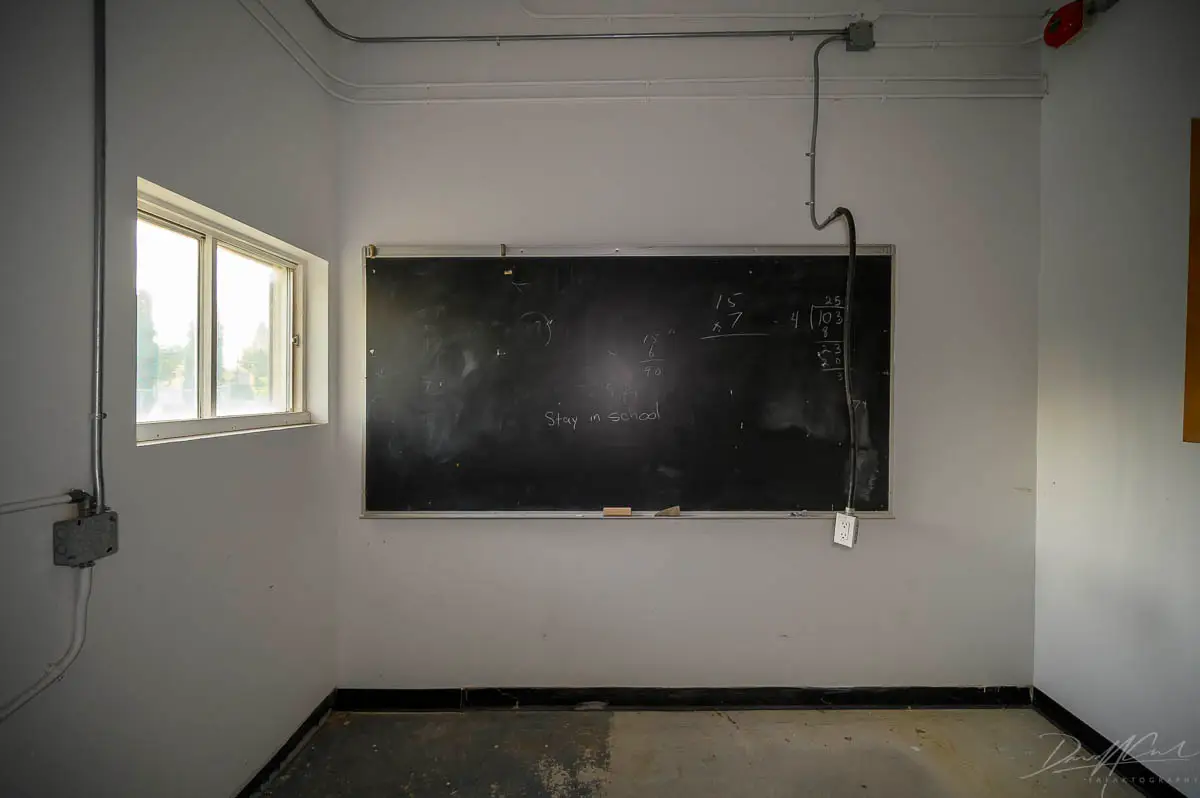
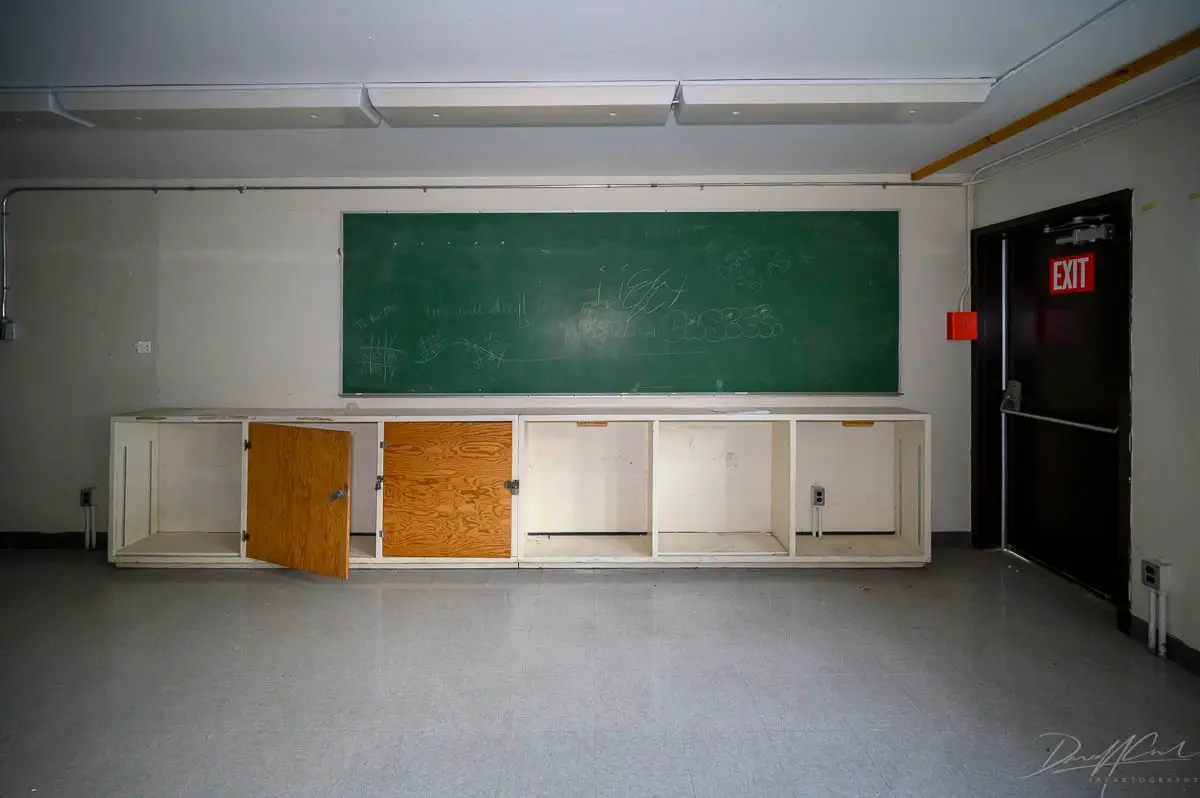
The provincial government promoted Brookside as a place for academic improvement. Boys attended classrooms run by certified teachers and worked through basic curriculum. Survivors describe the education as inconsistent. Some teachers cared, others did not. For some boys, school became the one place where they felt safe. For others, it was an extension of the same control found in the cottages.
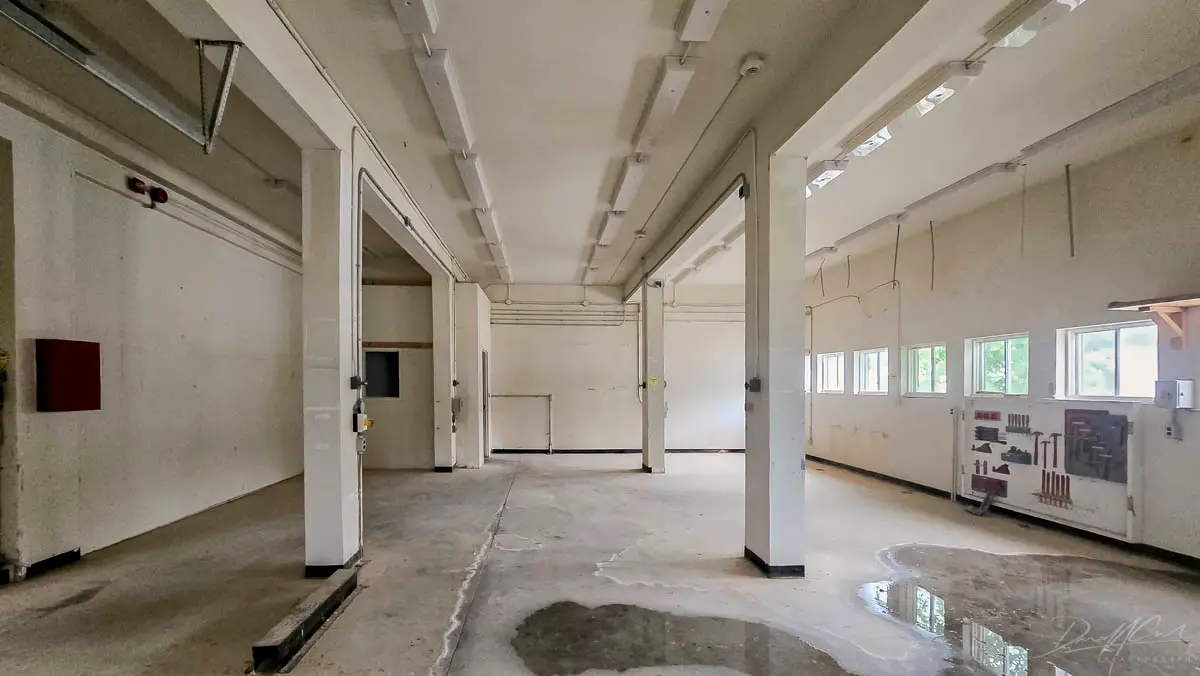
Vocational programs included carpentry, automotive work, machine shop training and basic maintenance. While some boys later used these skills in adult life, others remember them as mandatory labour rather than personal development.
Quotes on the School Experience
“School was the only time you could sit and think. It was quiet and the teachers treated you like a person.”
Former resident, early 1980s
“If you struggled with reading or math, you were seen as lazy instead of needing help.”
Former resident, 1970s
Solitary Confinement, Discipline and Punishment
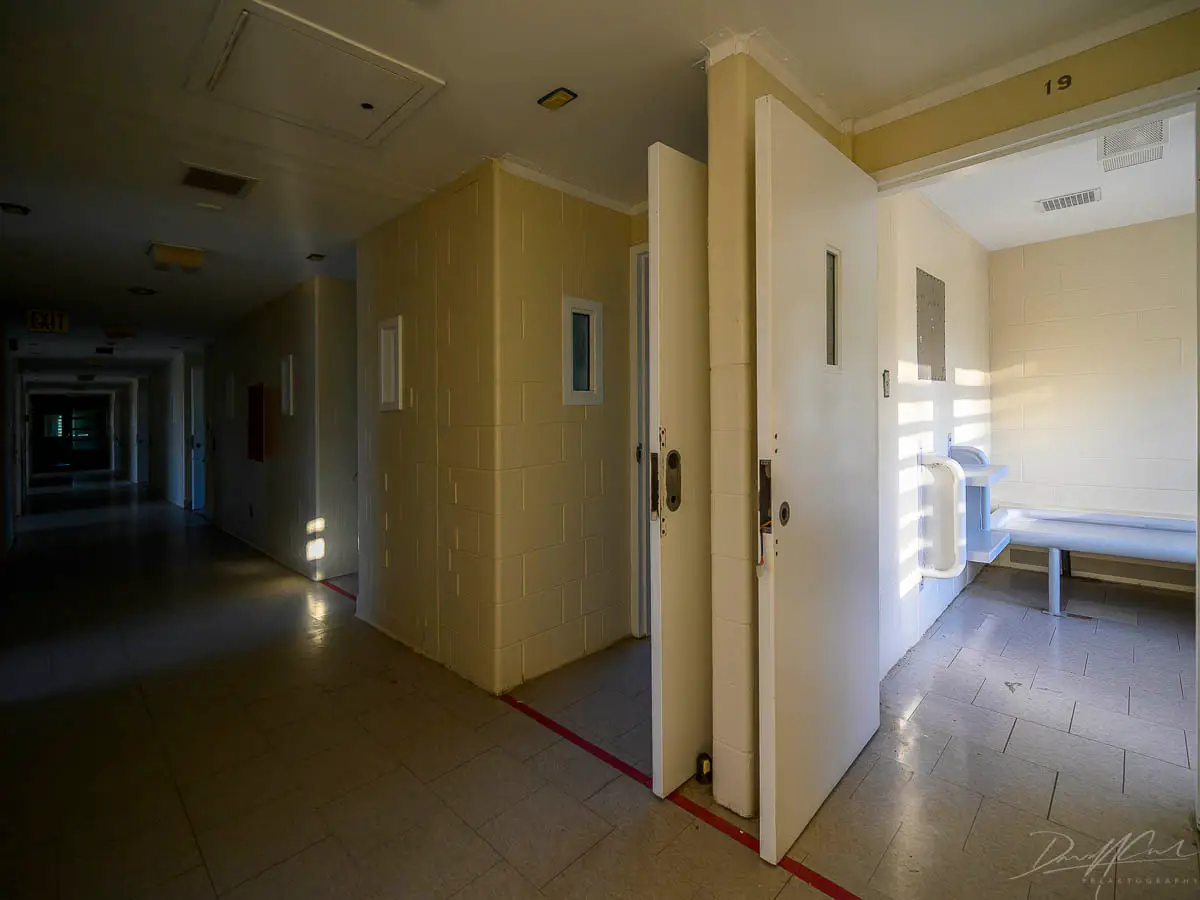
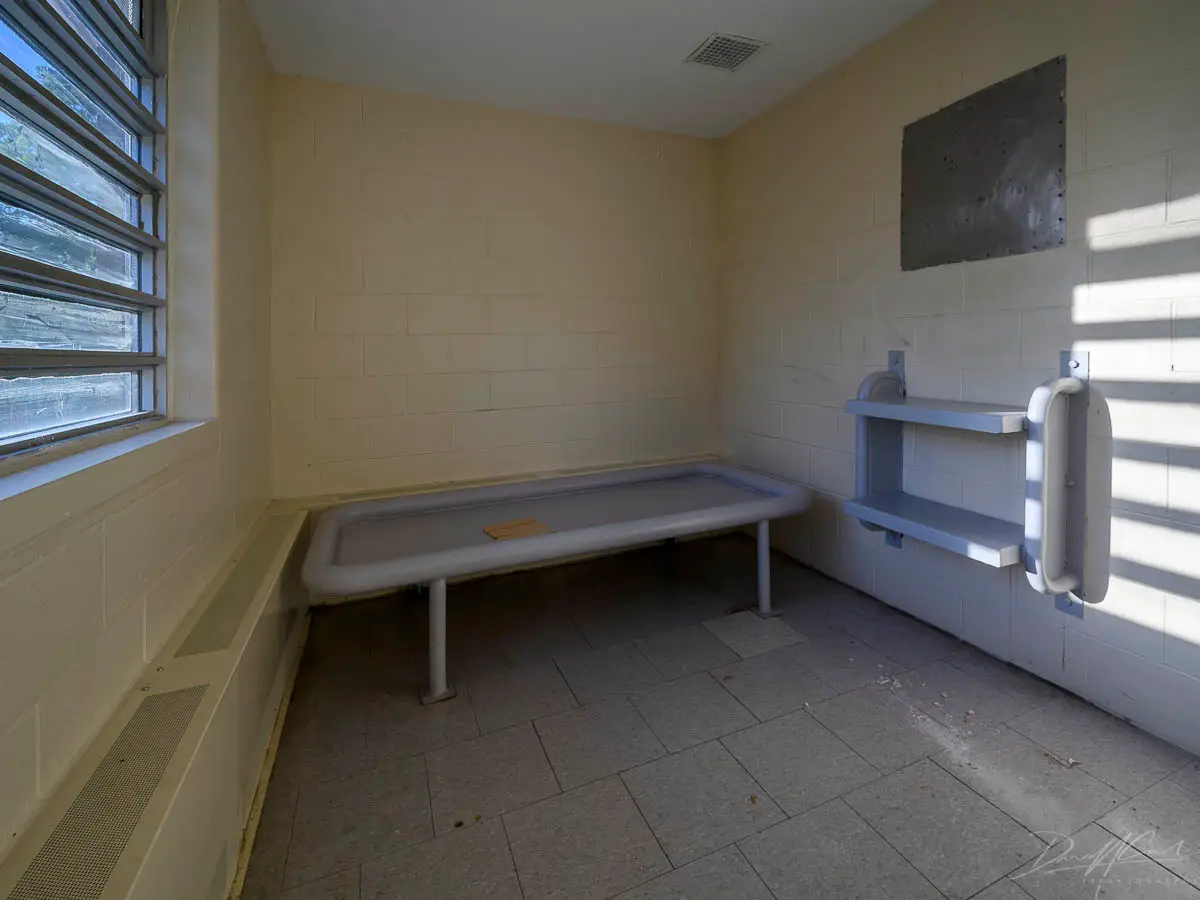
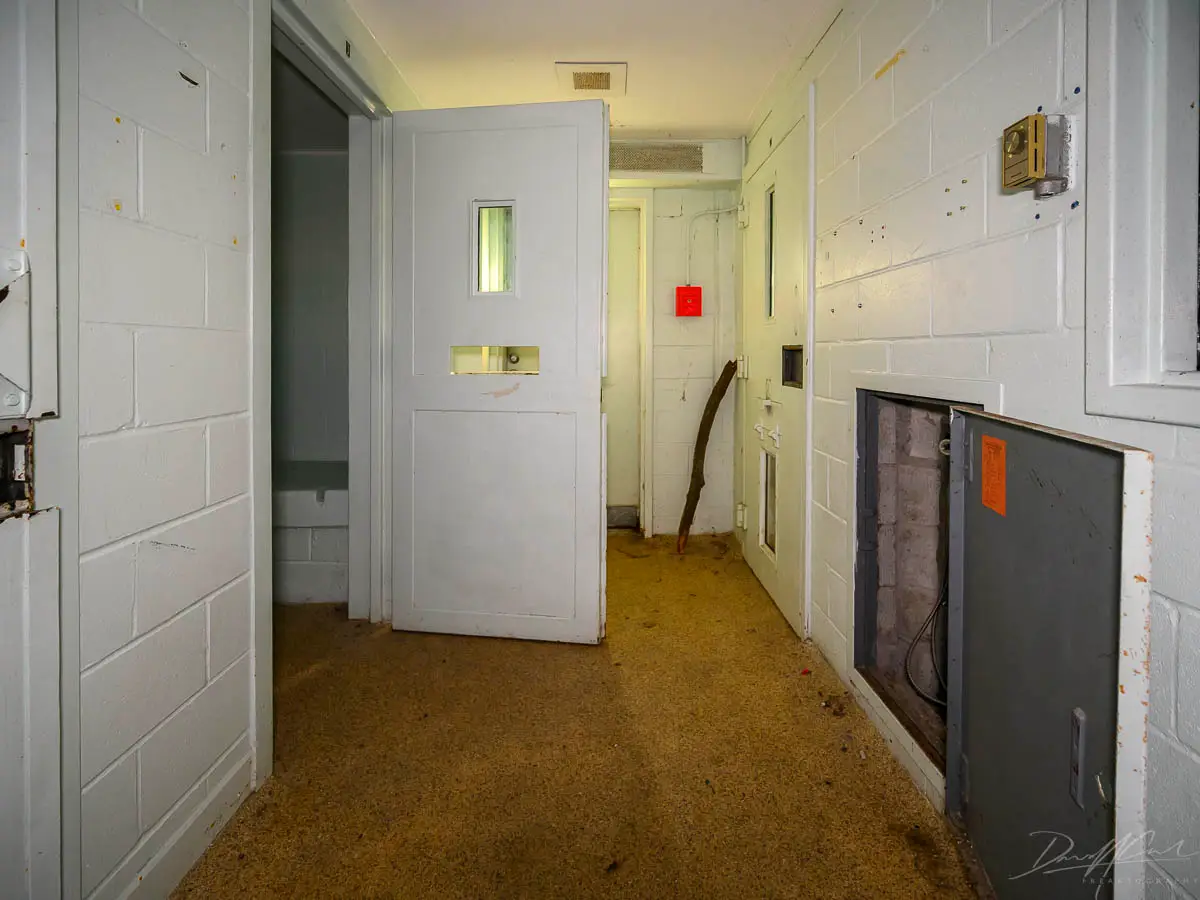
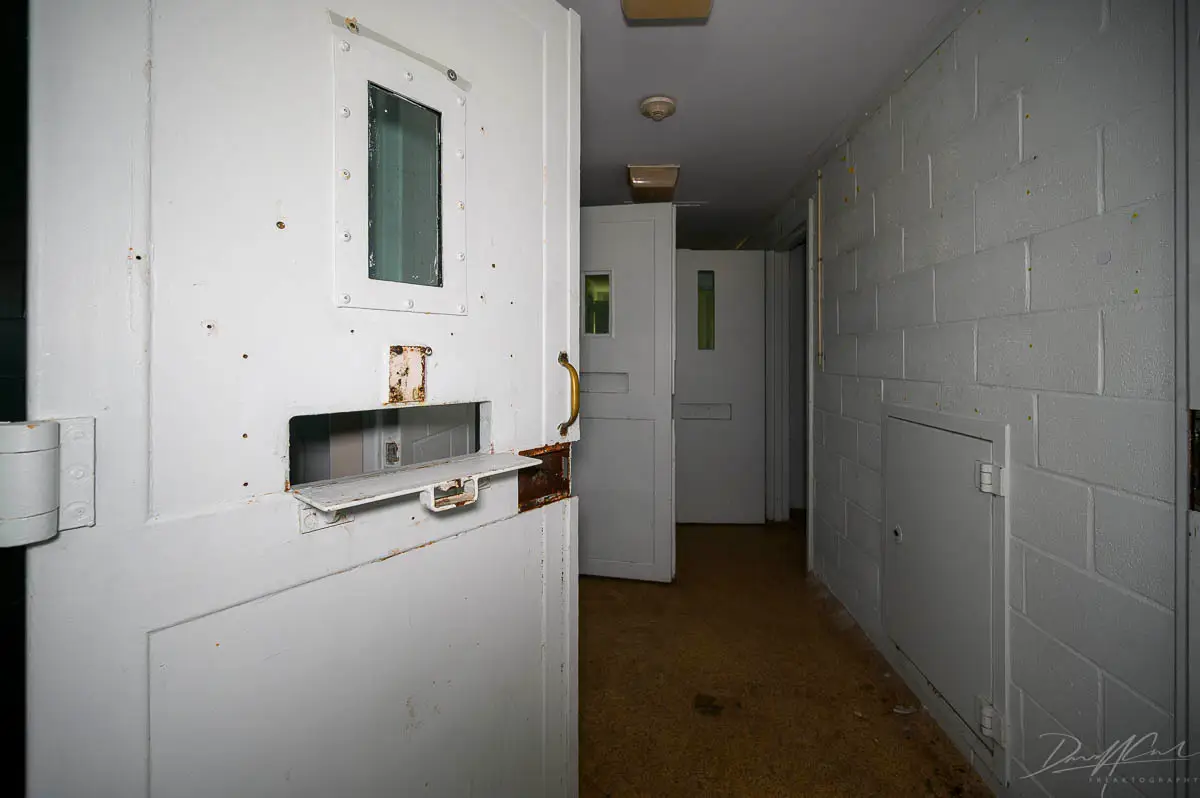
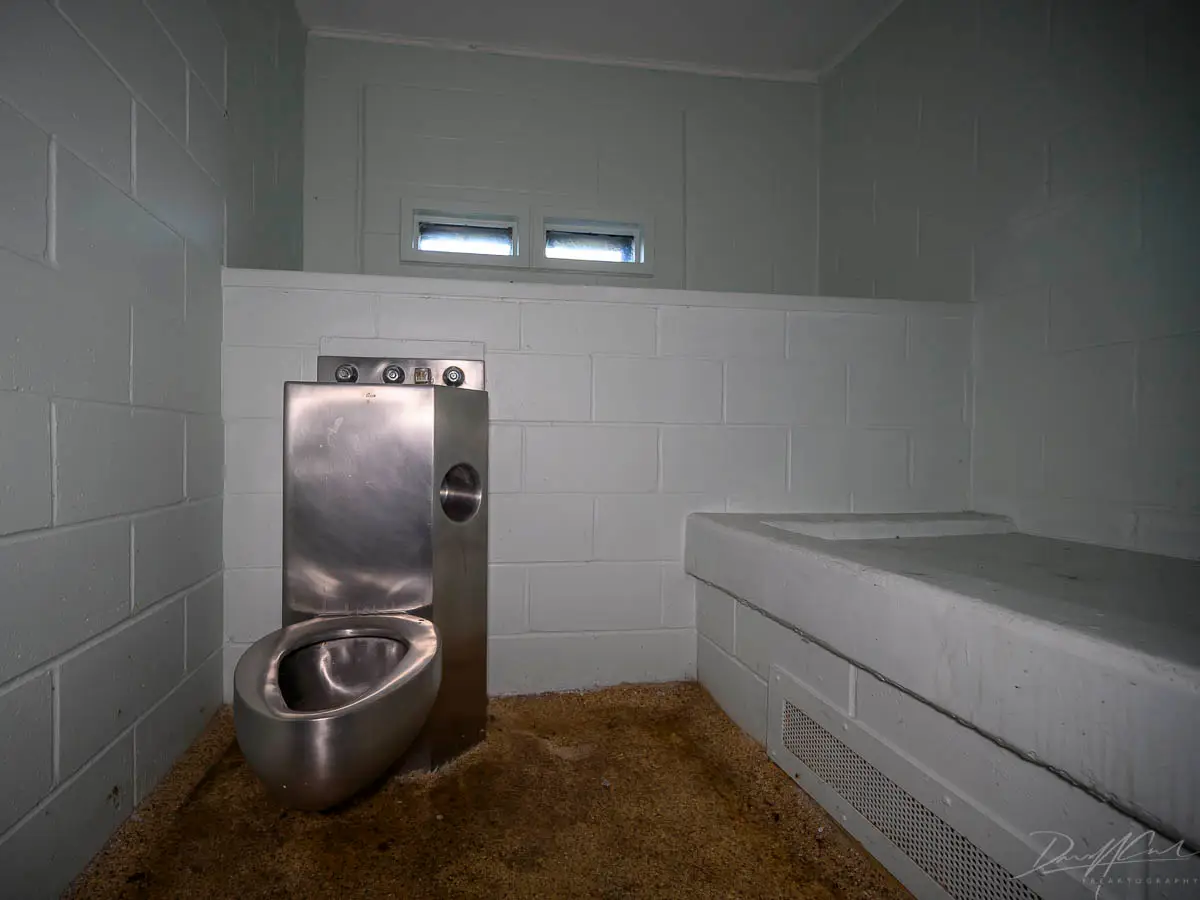
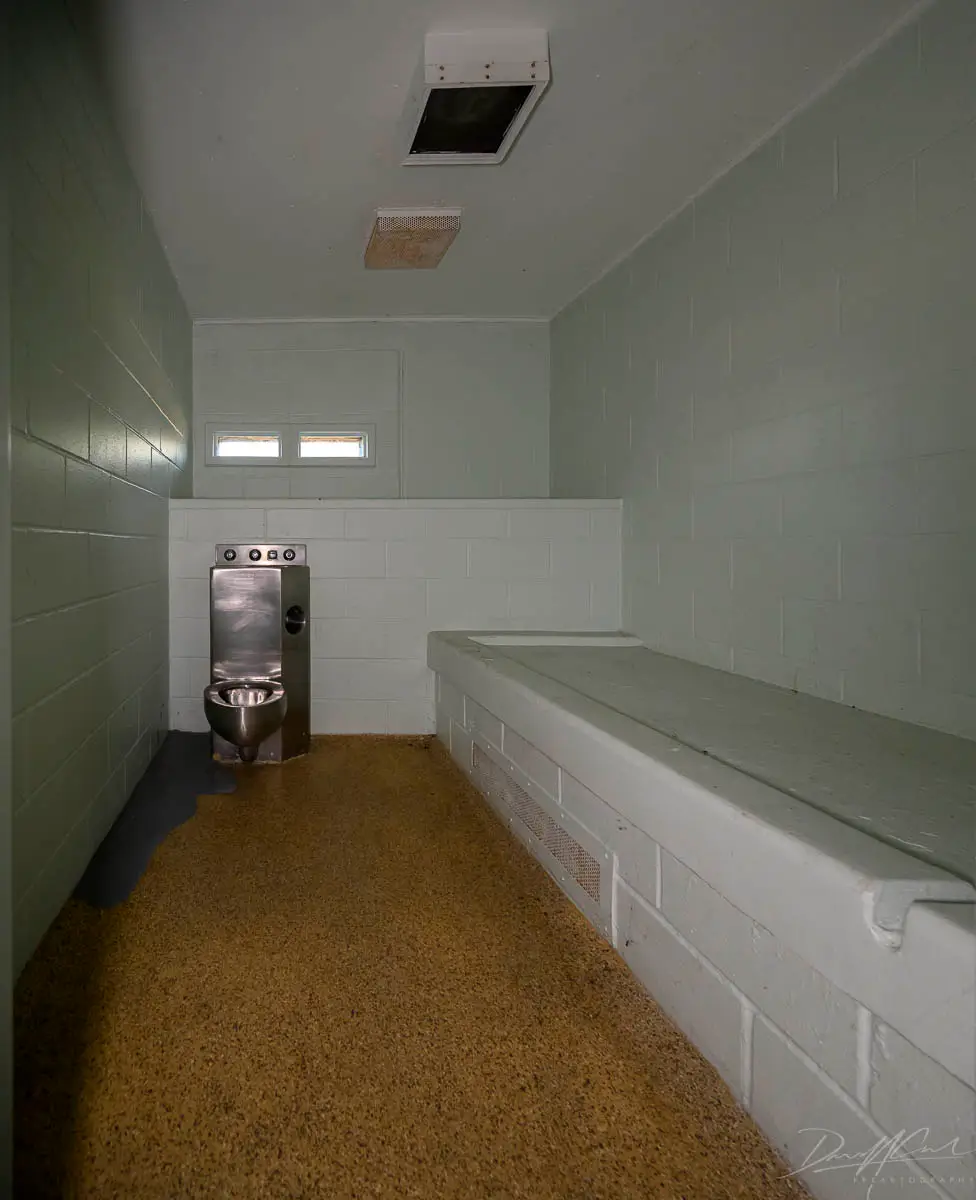
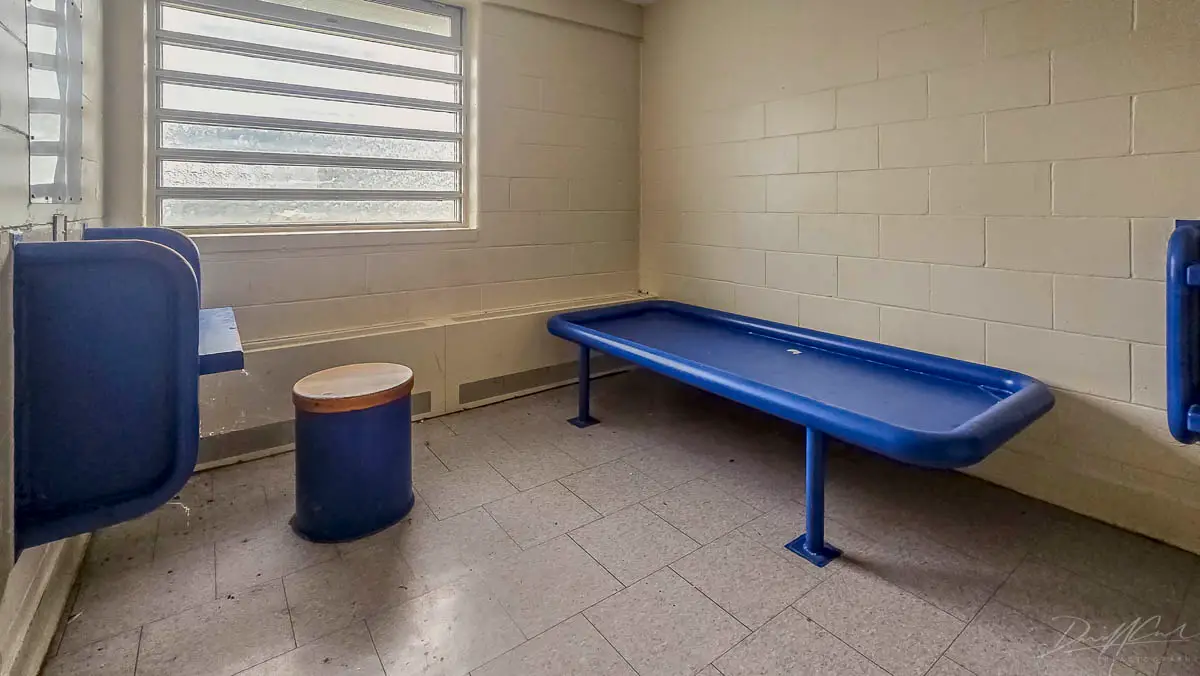
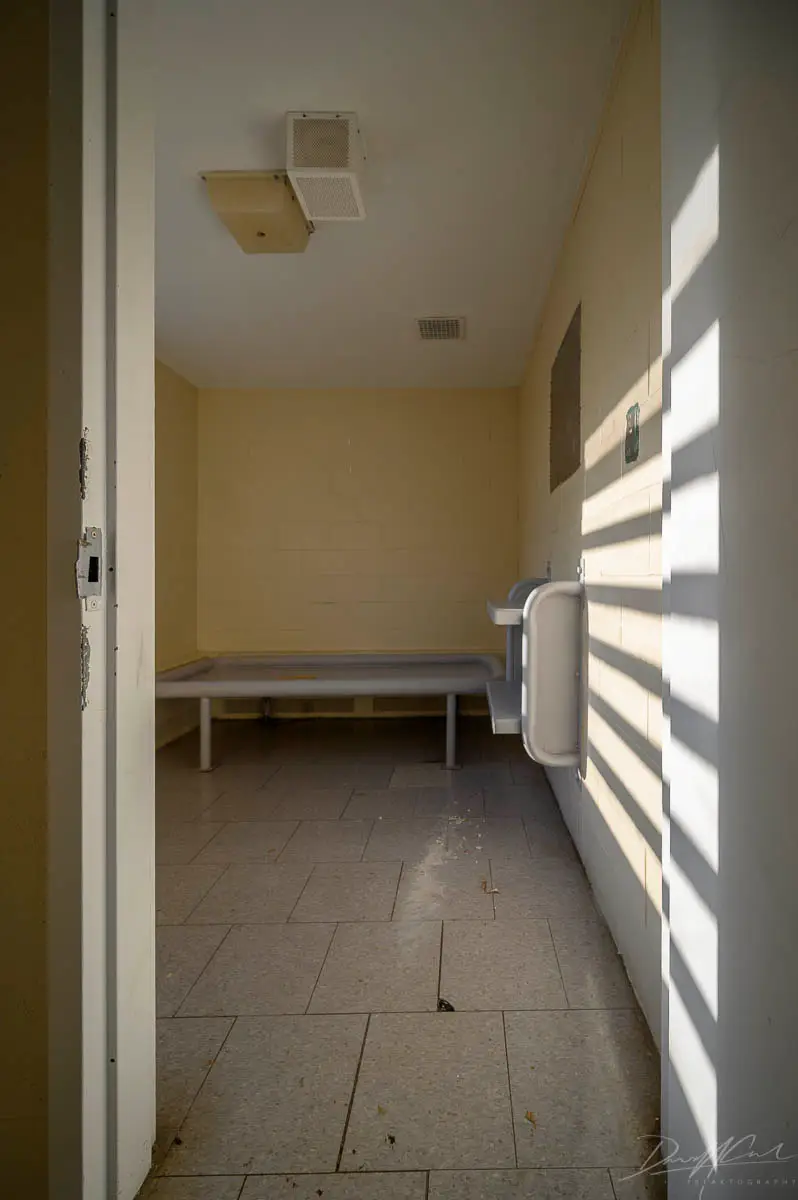
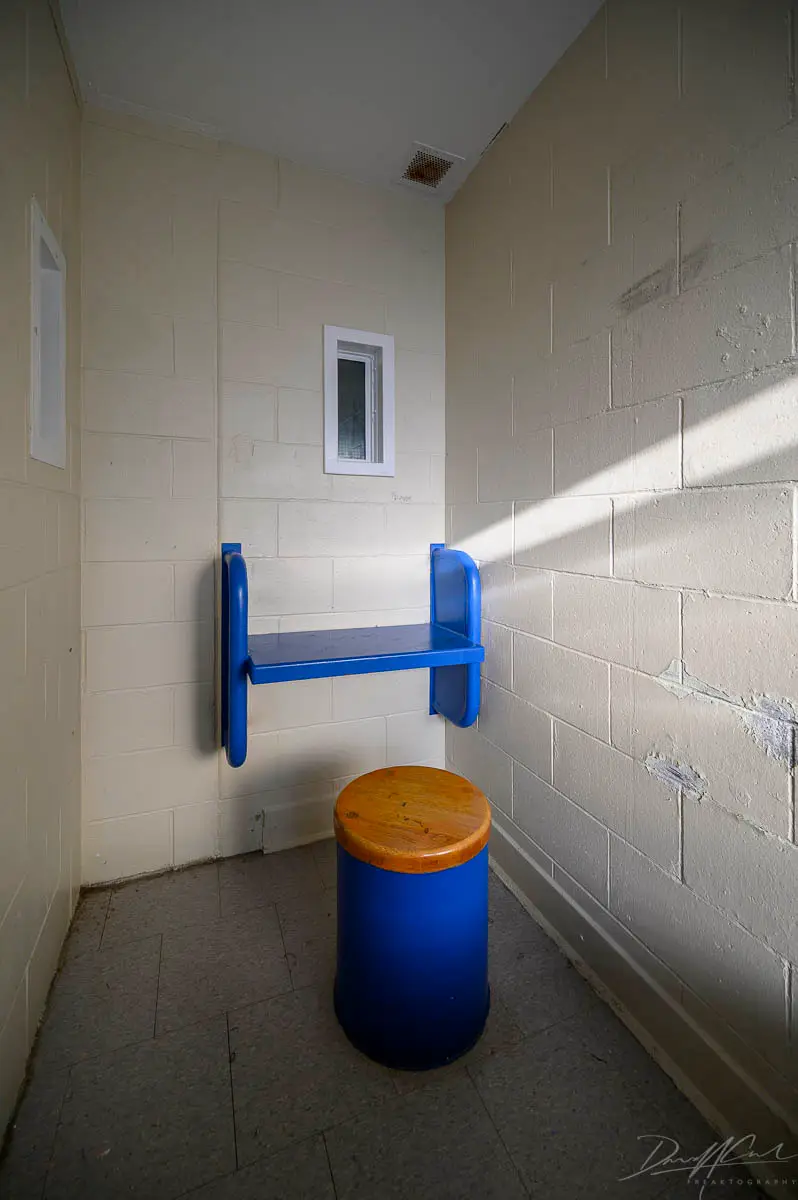
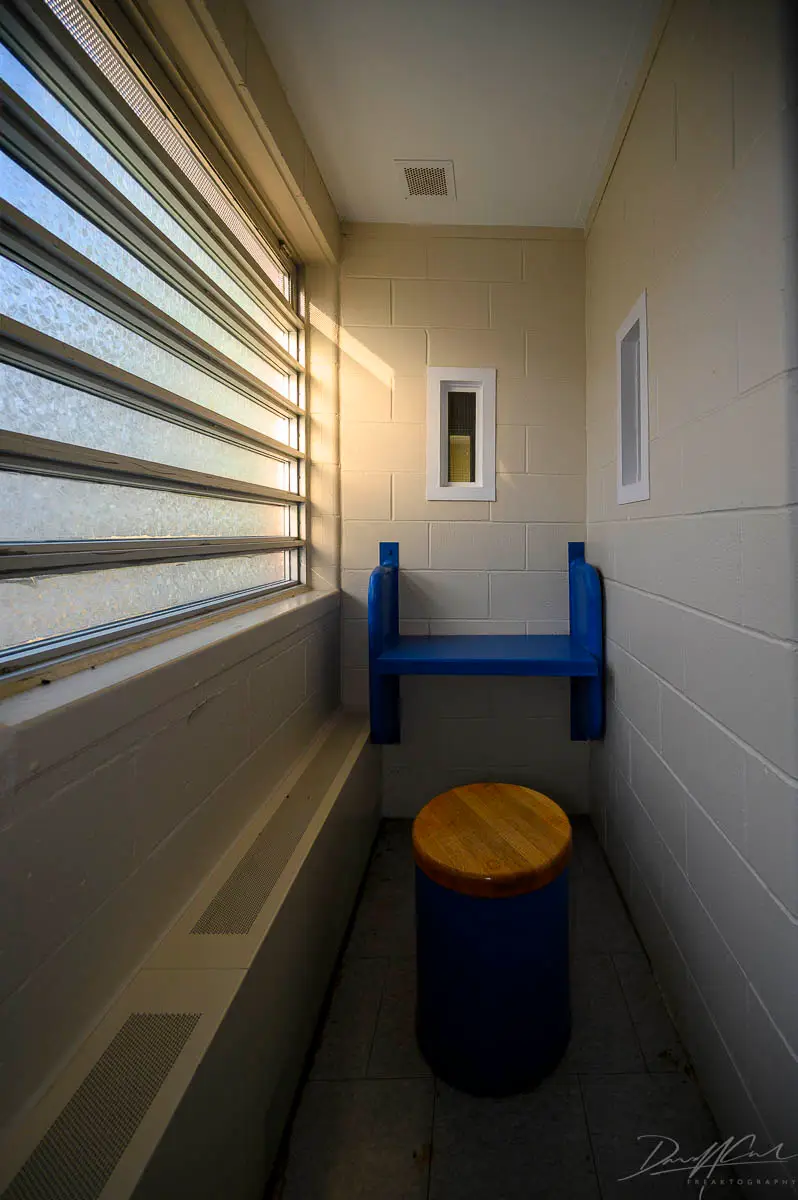
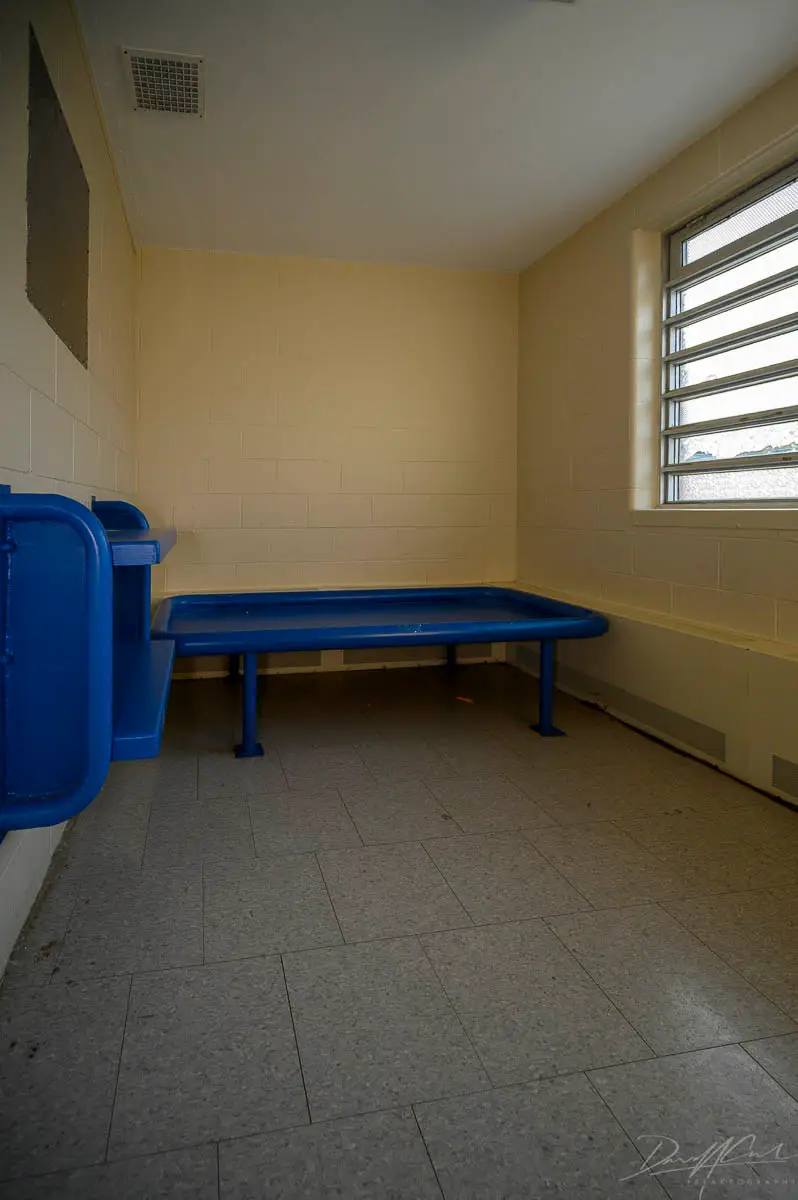
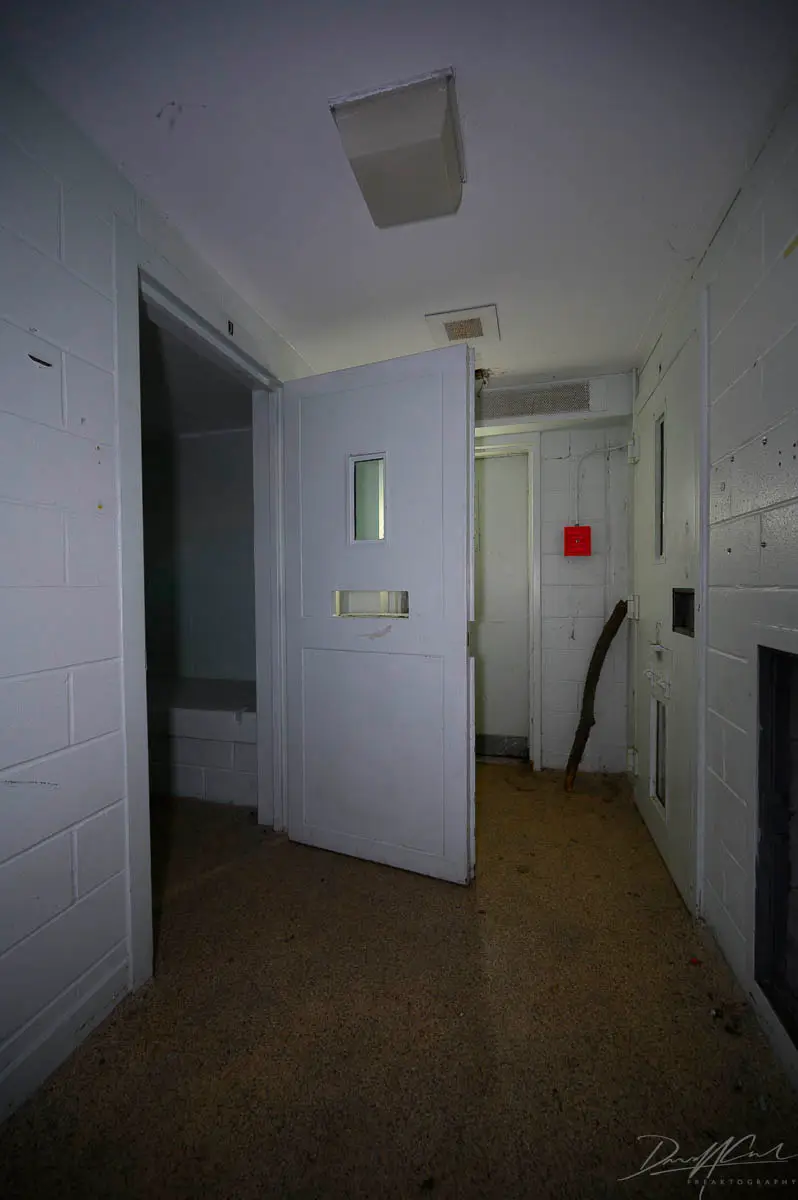
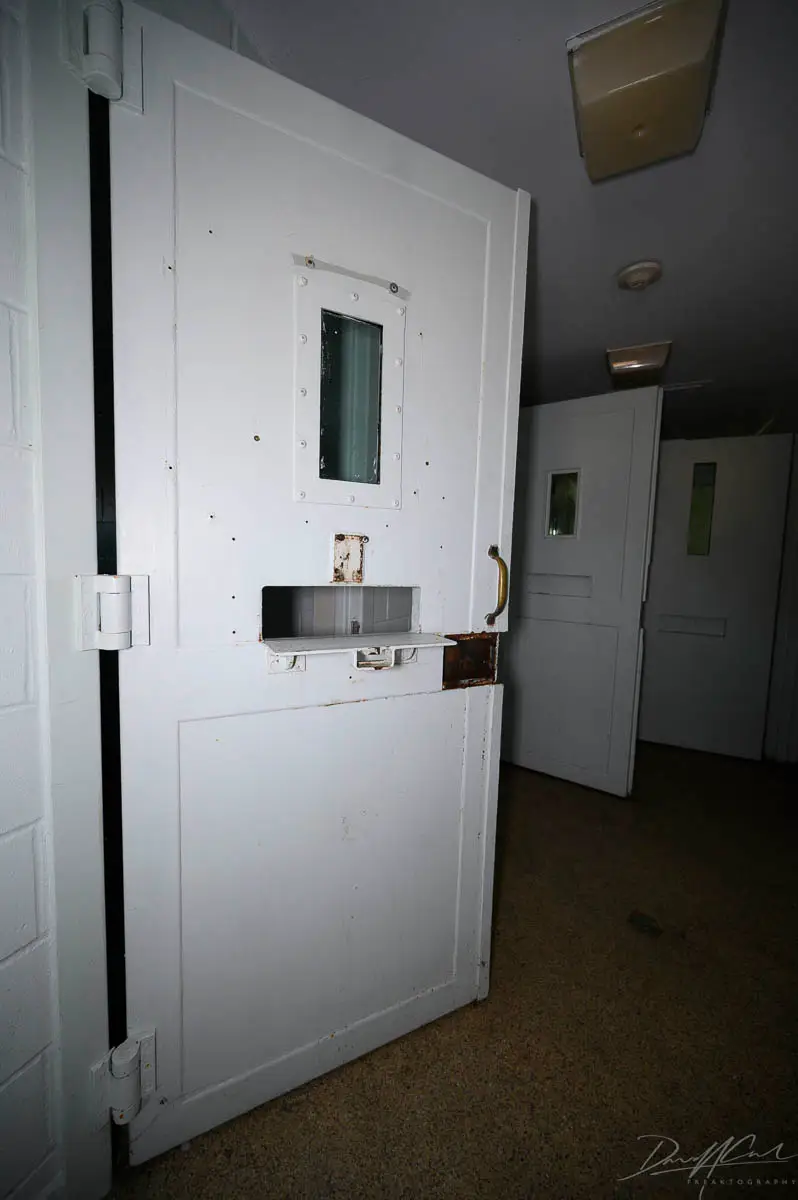
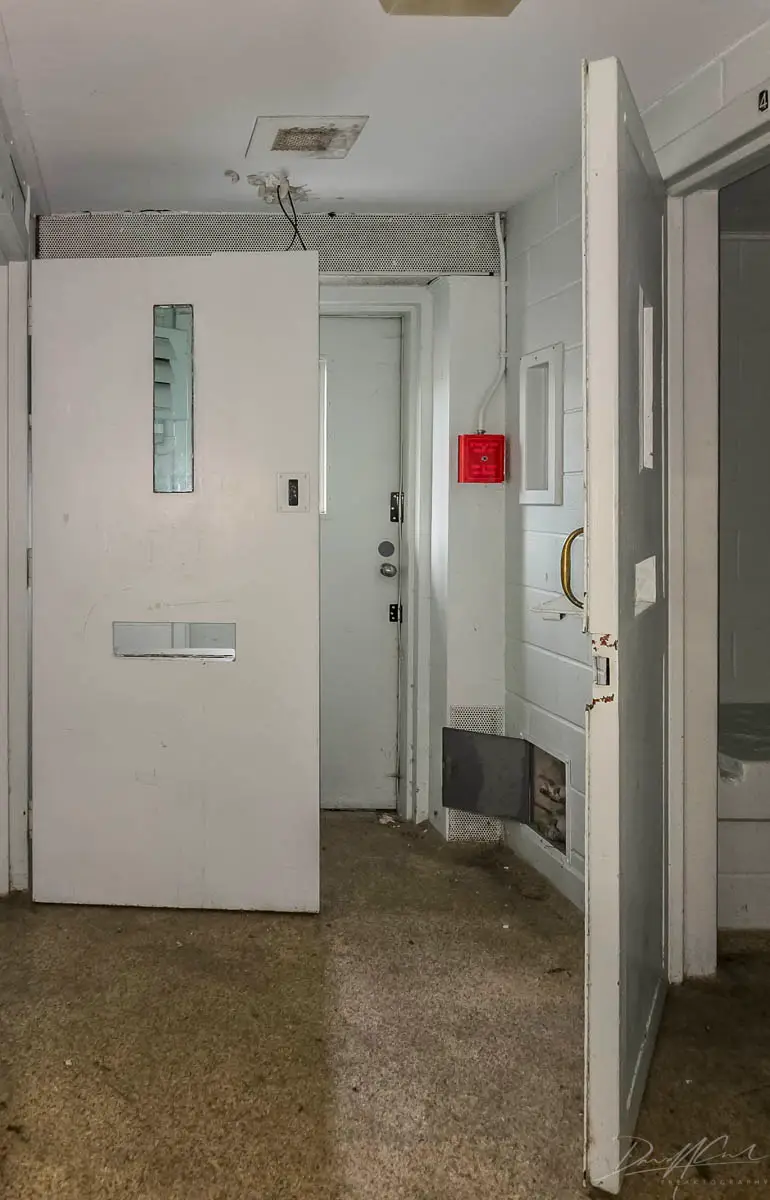
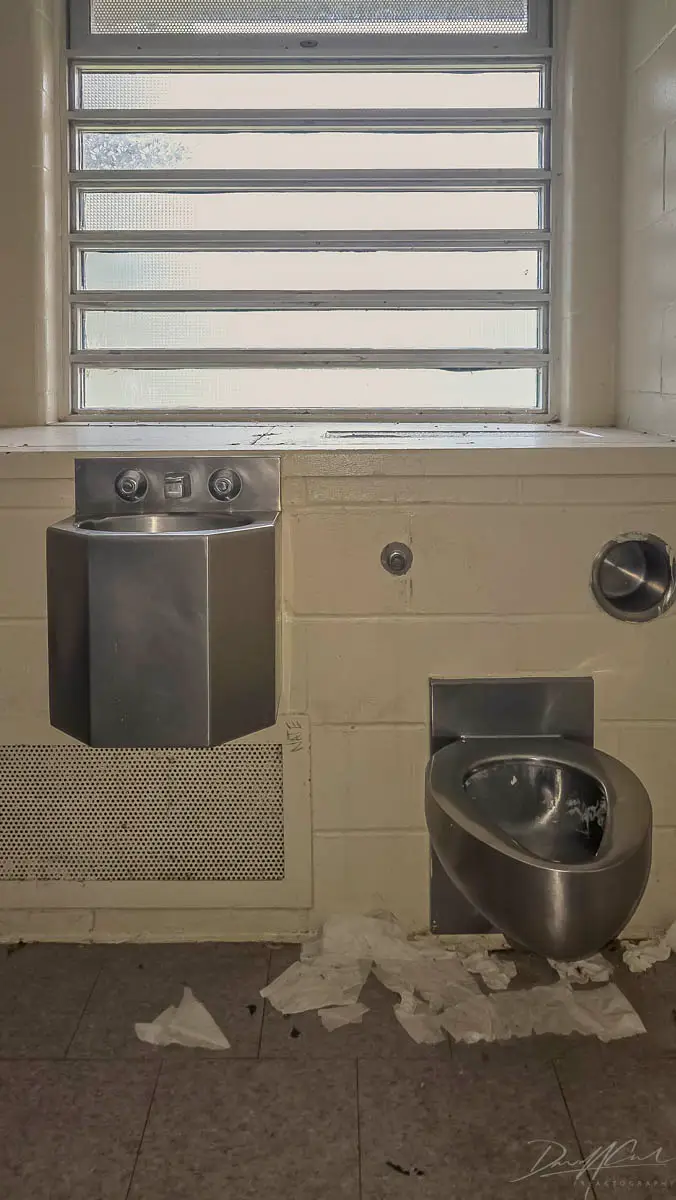
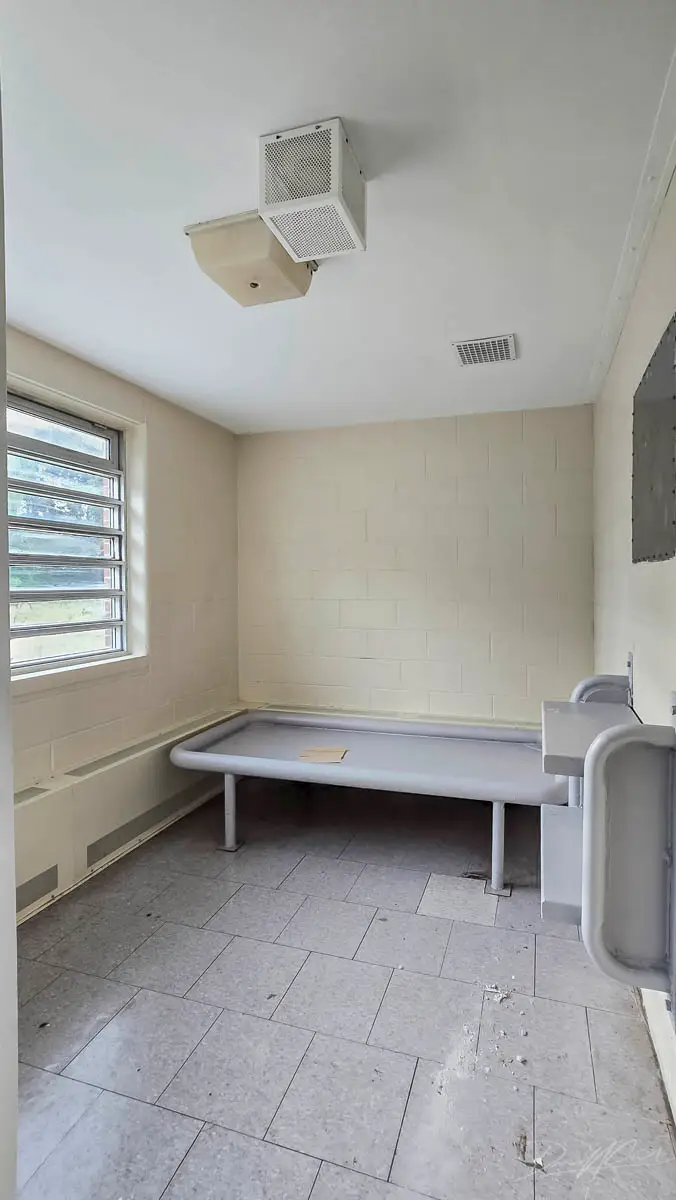
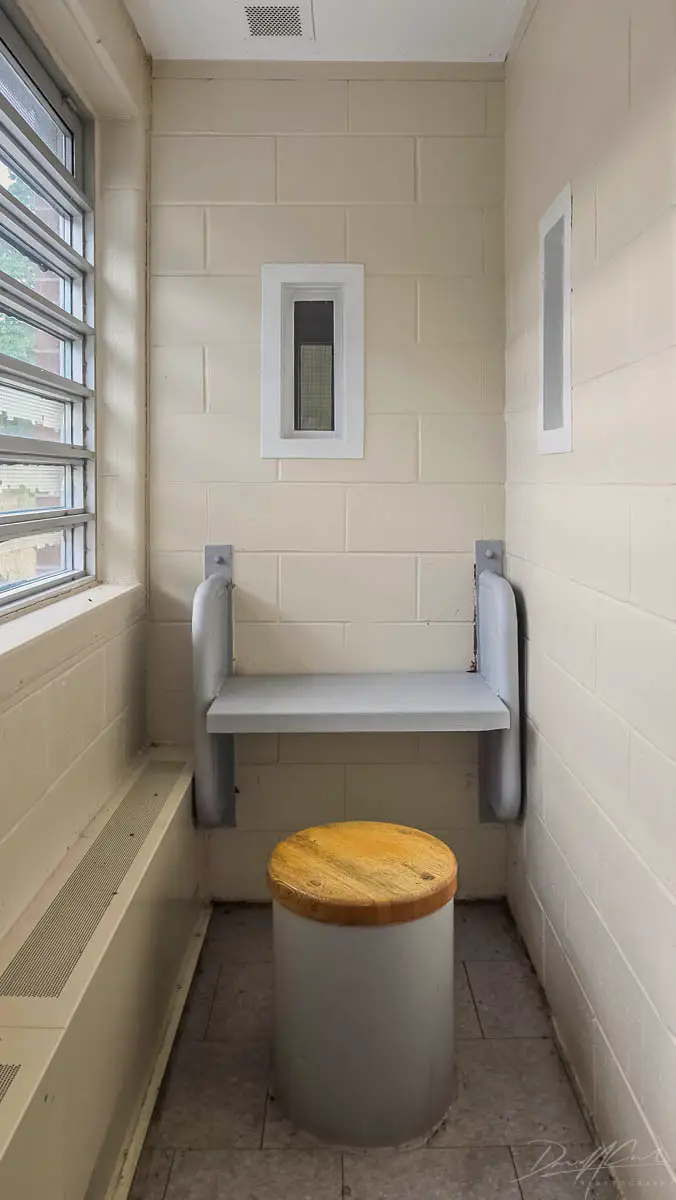
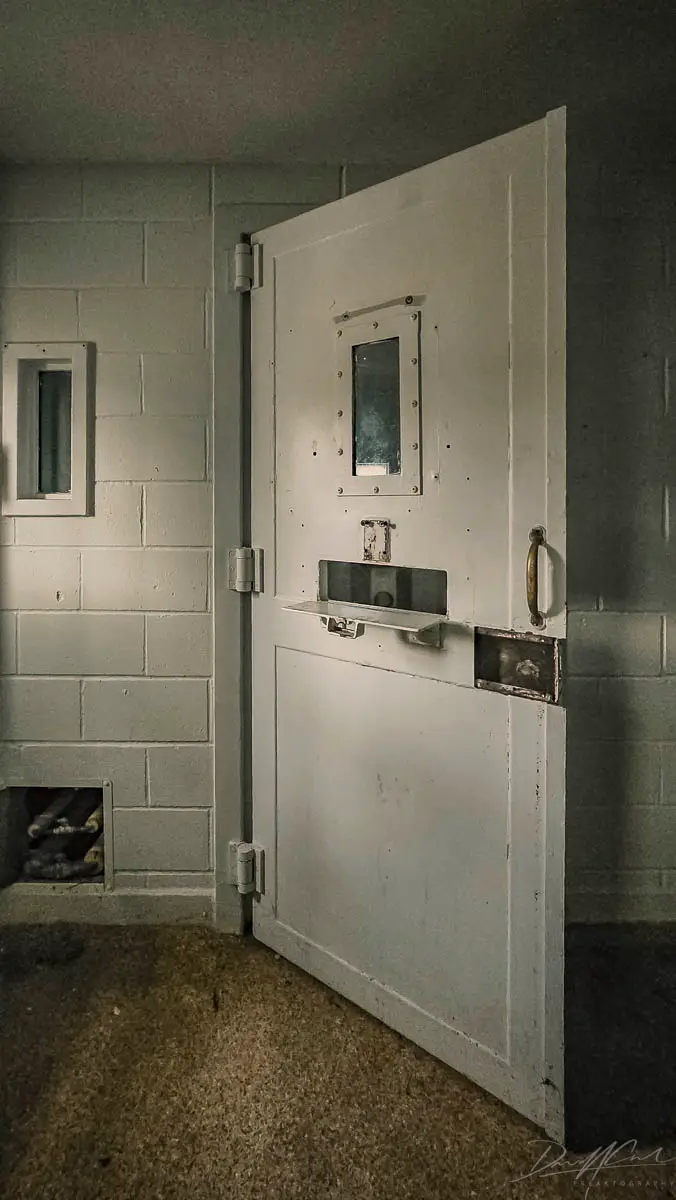
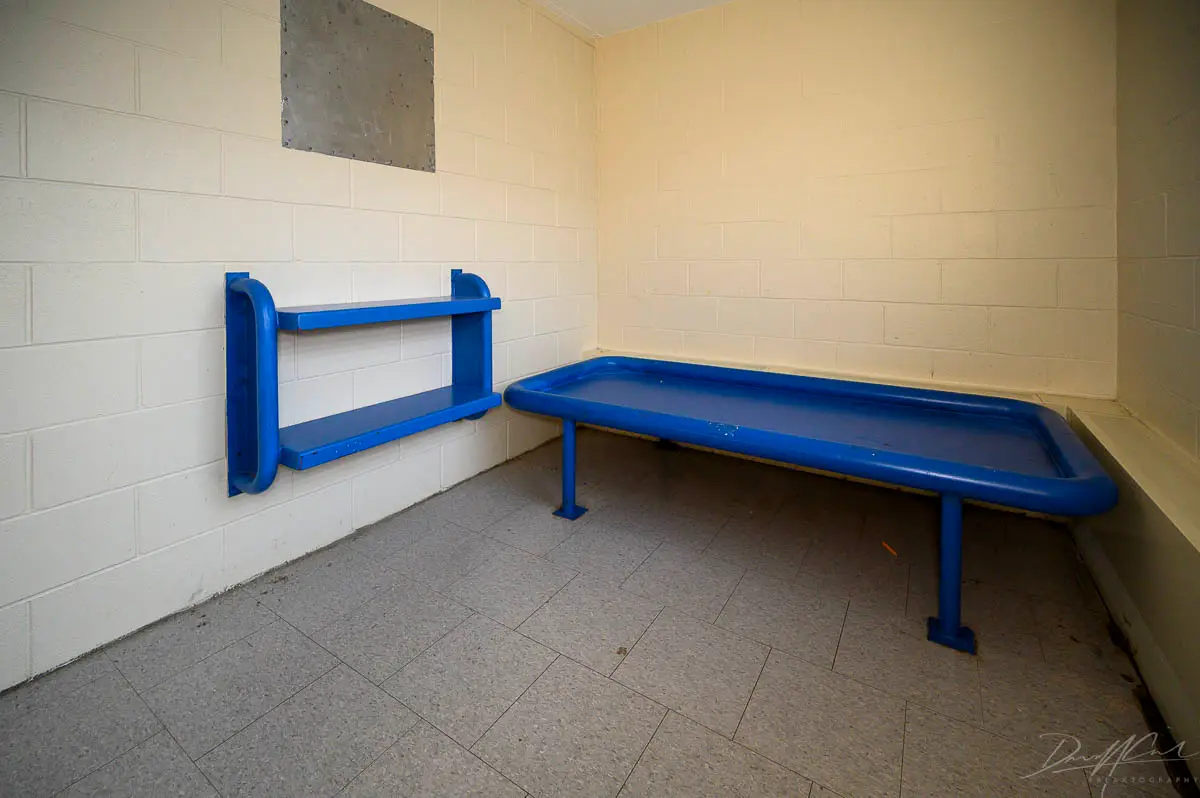
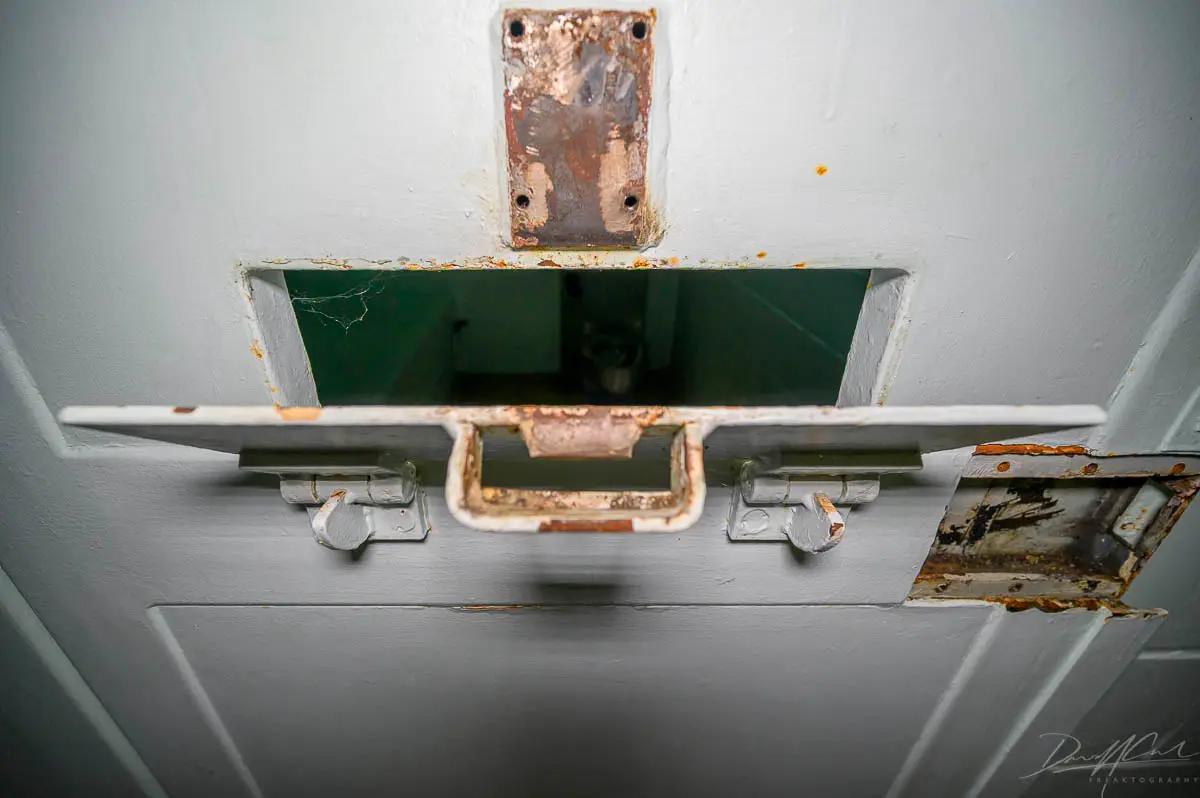
One of the darkest parts of Brookside’s history comes from the use of solitary confinement and isolation rooms. In many cases, boys were placed alone for hours or days. Some were denied proper bedding, reading materials or human contact.
Accounts from across Ontario’s training schools describe similar conditions. Brookside was no exception.
Culture and Conditions Through the 1970s, 1980s and 1990s
As youth justice policies shifted, Brookside changed on the surface but not always in practice. The 1970s brought mild reforms. The 1980s focused on education and structure. The 1990s shifted toward a more secure detention model as youth crime became a political issue.
Survivors across these decades describe a mix of experiences:
• Some staff were supportive
• Some programs helped boys complete school
• Many boys experienced fear, punishment, violence or neglect
• Many faced bullying from peers without proper protection
• Many left with trauma that shaped adulthood
The culture inside Brookside varied between cottages, time periods and staff teams.
Abuse Allegations, Investigations and Institutional Failures
By the 1970s and into the 1990s, patterns of abuse inside Ontario training schools were increasingly documented. Brookside appears repeatedly in survivor accounts and legal materials. Reports and testimony describe physical punishment, headlocks, takedowns, verbal degradation, strip searches, solitary confinement and, in some cases, sexual abuse by staff or older residents. Many allegations only surfaced years later when former residents recognized their experiences as lifelong trauma.
Survivor accounts and peer violence
Survivors recount a culture where minor infractions could lead to harsh discipline, where peer violence was common and where staff response was inconsistent. Many remember isolation rooms used as punishment and long periods of enforced solitude that left lasting emotional damage.
The Ontario Training Schools Class Action
The province-wide class action was launched in 2017 and certified in 2018. It represents thousands of former residents of 13 provincial training schools and alleges that the province failed to protect children from physical, sexual and psychological abuse, solitary confinement and systemic neglect. The claim seeks large scale compensation and accountability for harms spanning decades.
Allegations specific to Brookside
Court materials and survivor statements include Brookside in allegations involving physical punishment, isolation rooms, dangerous restraint practices, inadequate supervision, bullying and, in some instances, sexual assault. Lawyers argue these are patterns, not isolated incidents, and mediation and settlement talks have been ongoing.
Voices
“You were told you were being helped, but you learned very fast that you were there to follow orders and stay quiet,” a former resident recalled. Another survivor described isolation as something that “changed me, I went in angry and came out numb.” Legal counsel describe the case as an effort to hold a system accountable for decades of harm.
Closure, Abandonment and the Final Years
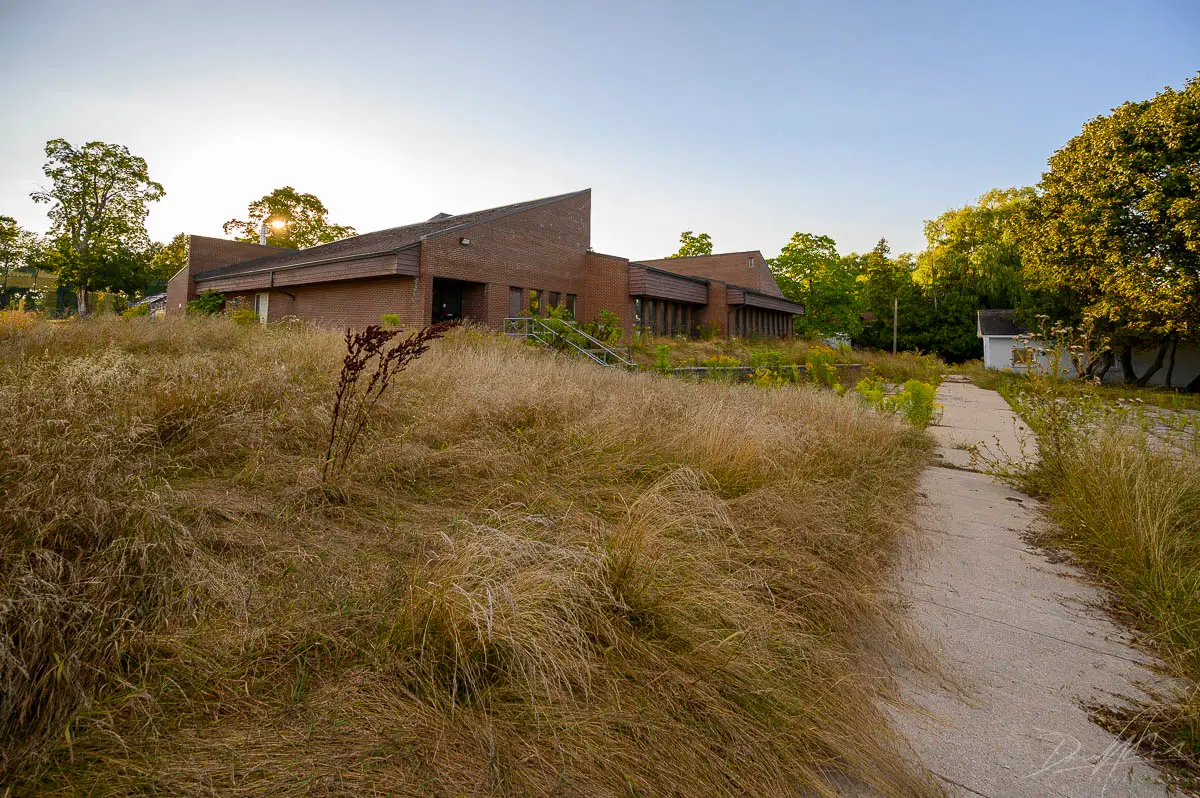
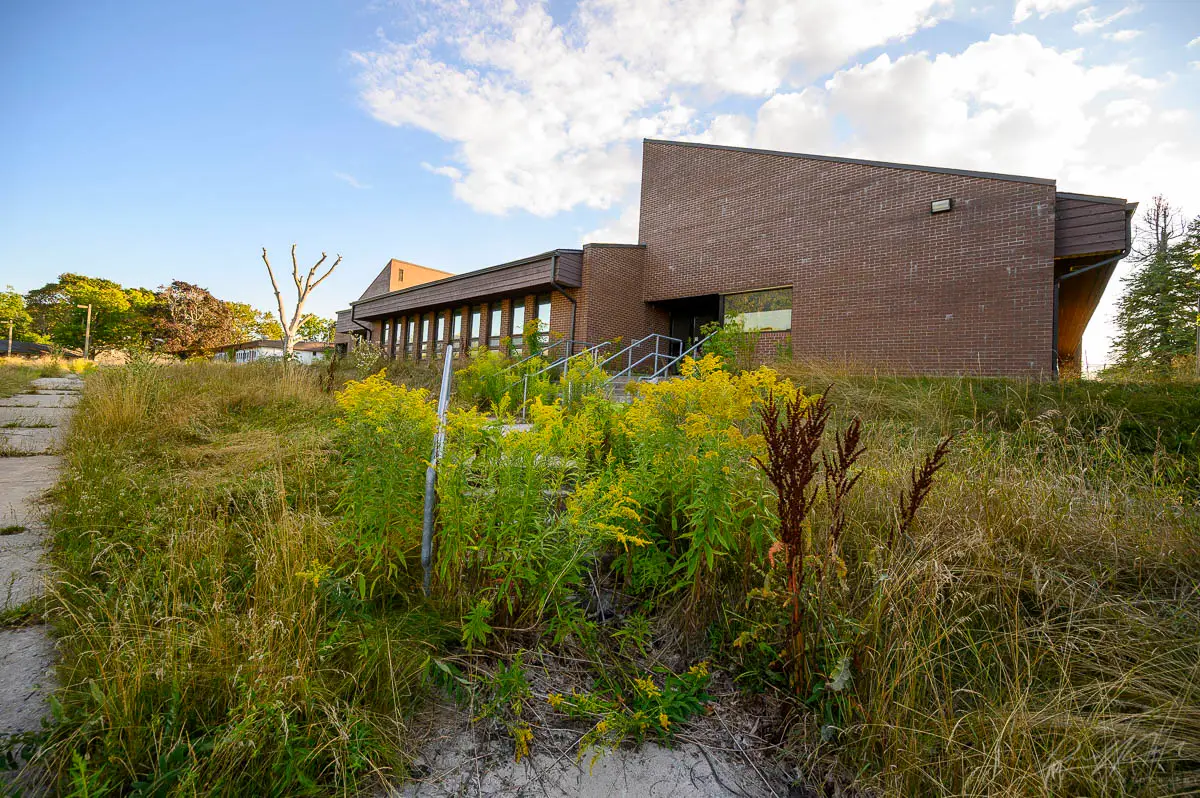
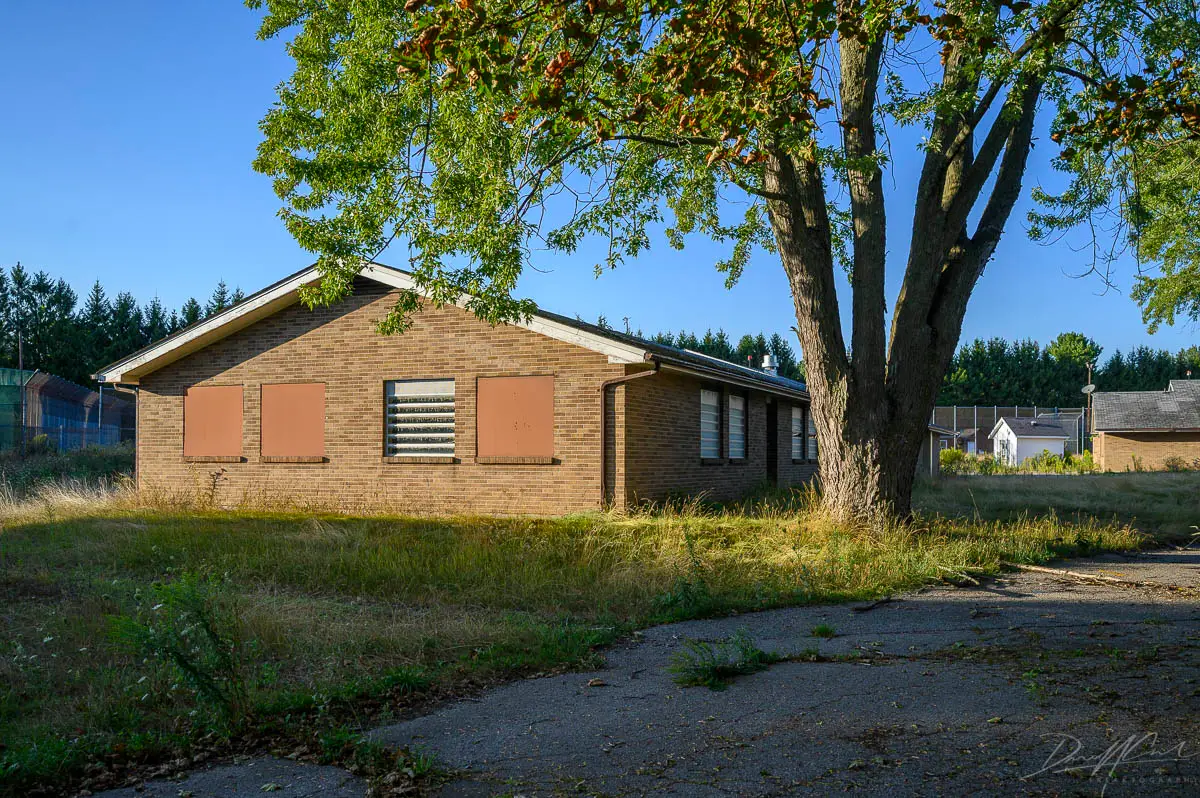
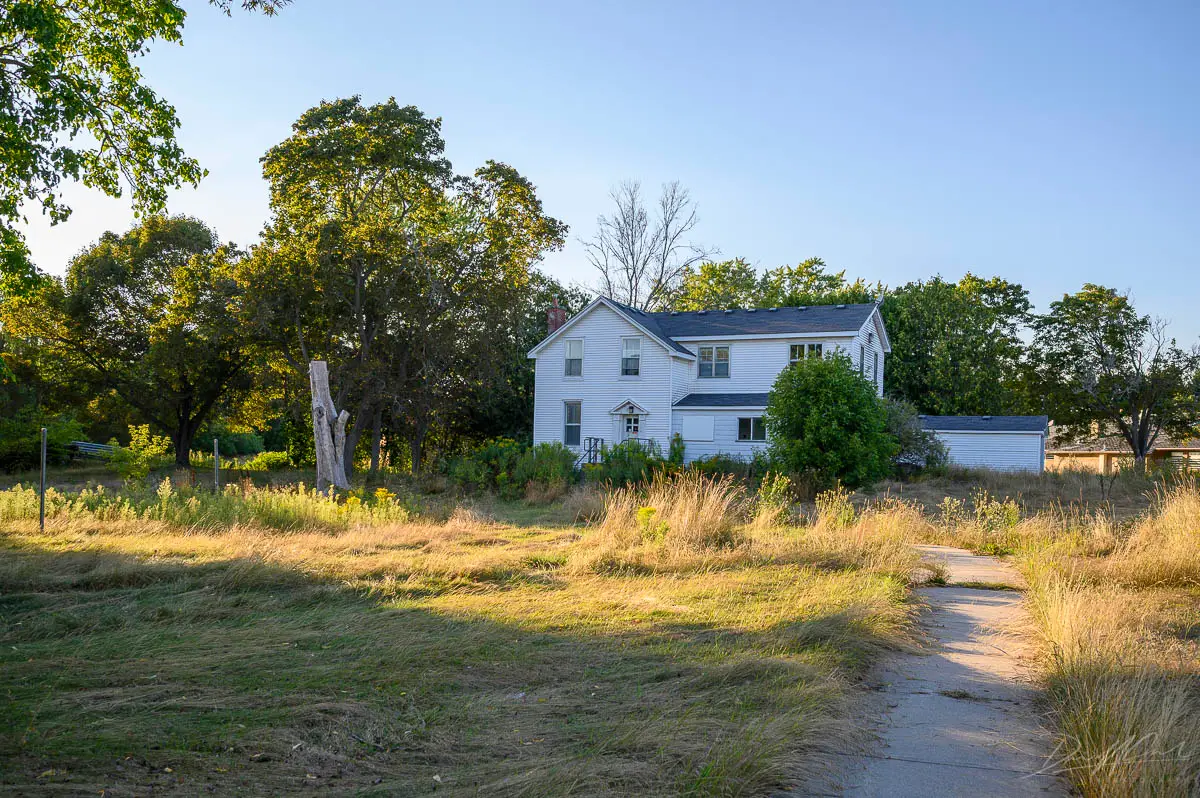
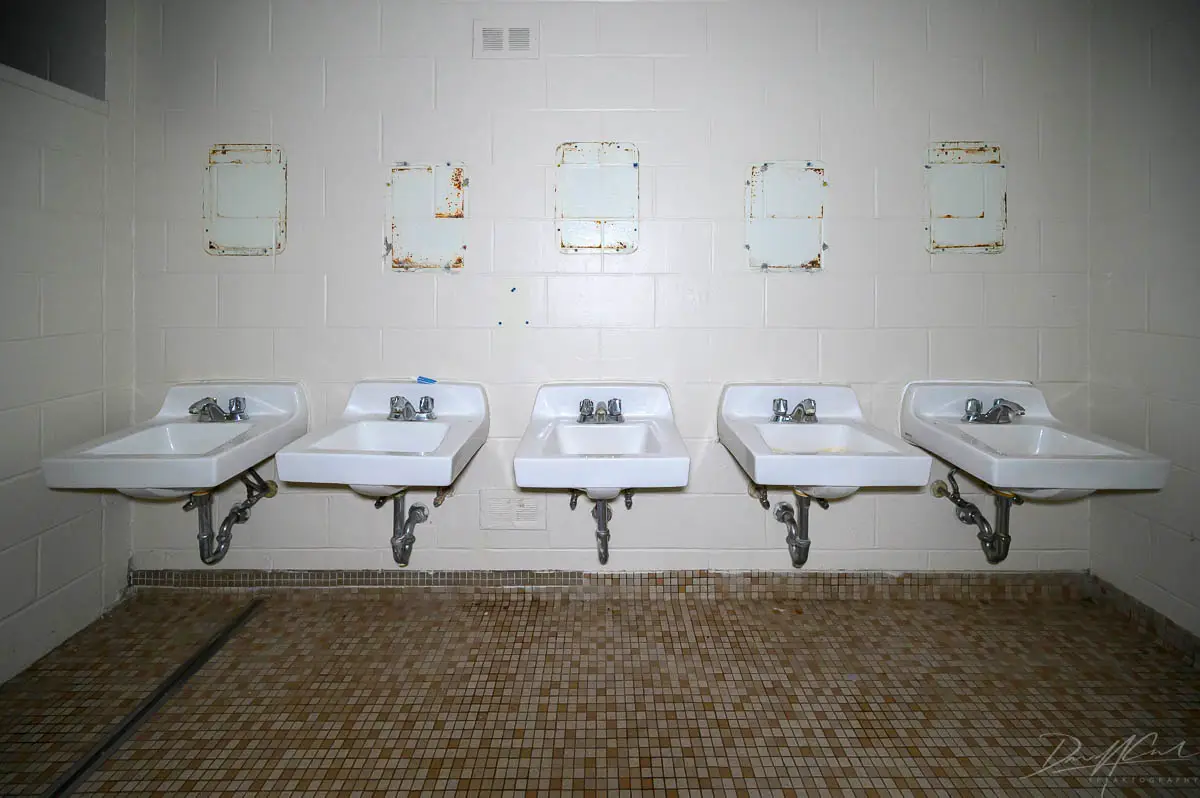
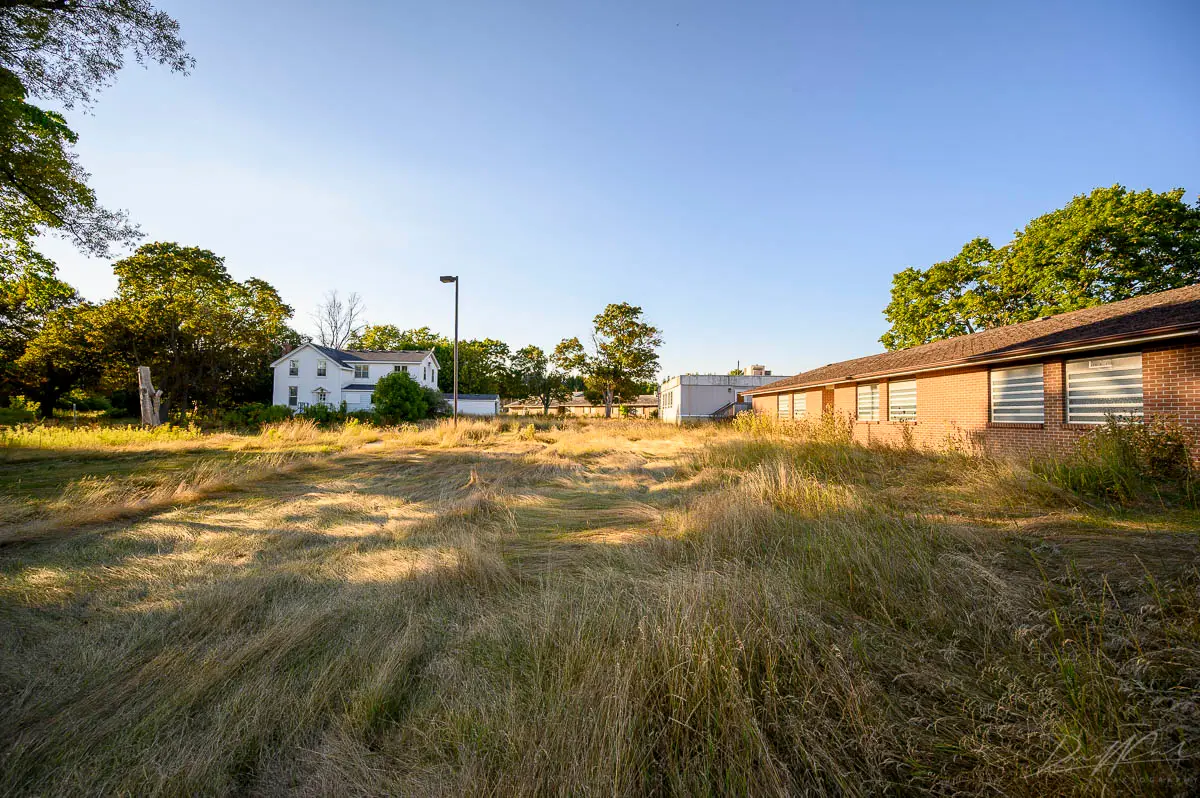
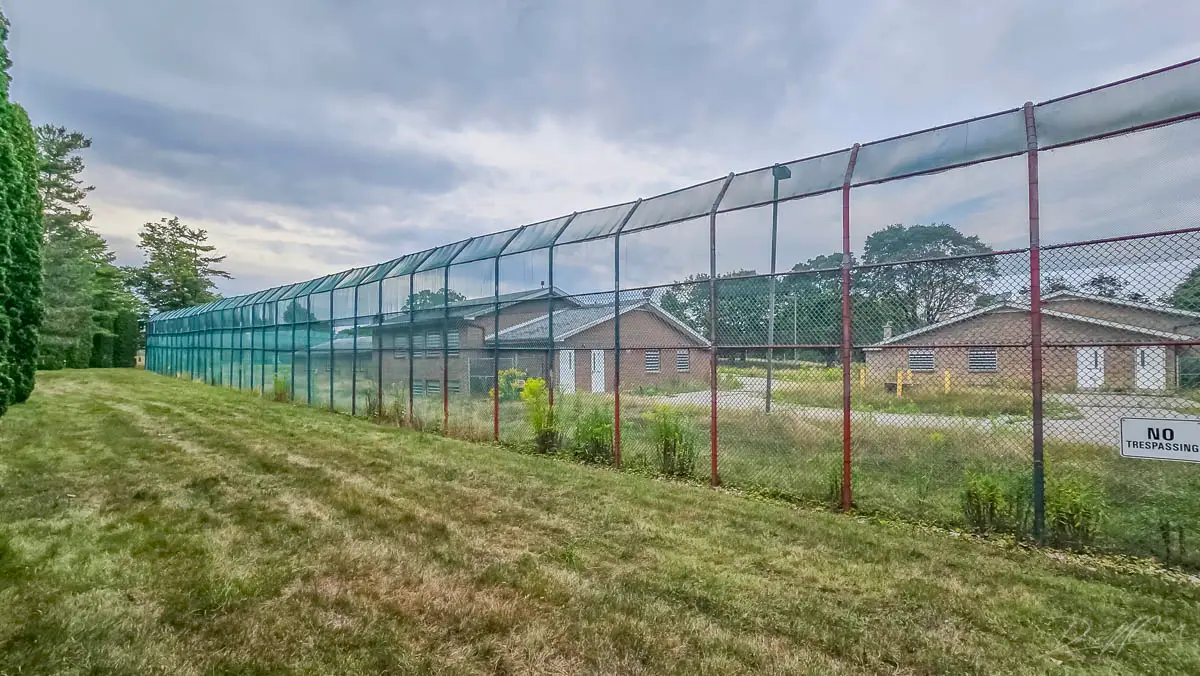
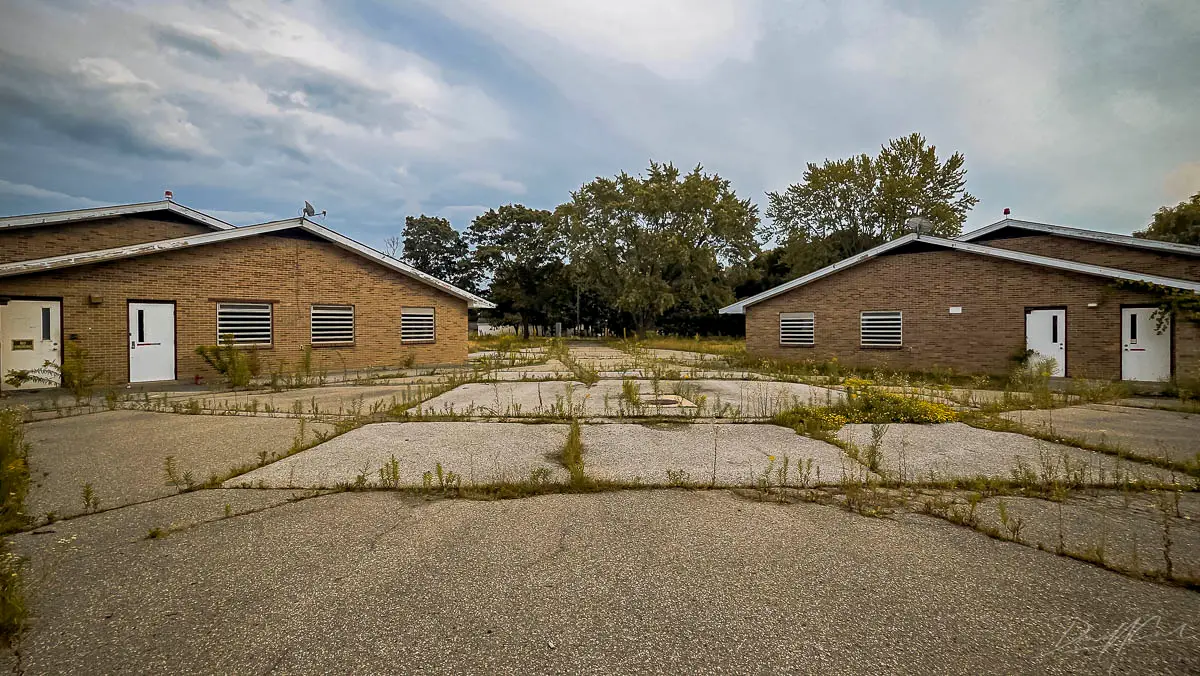
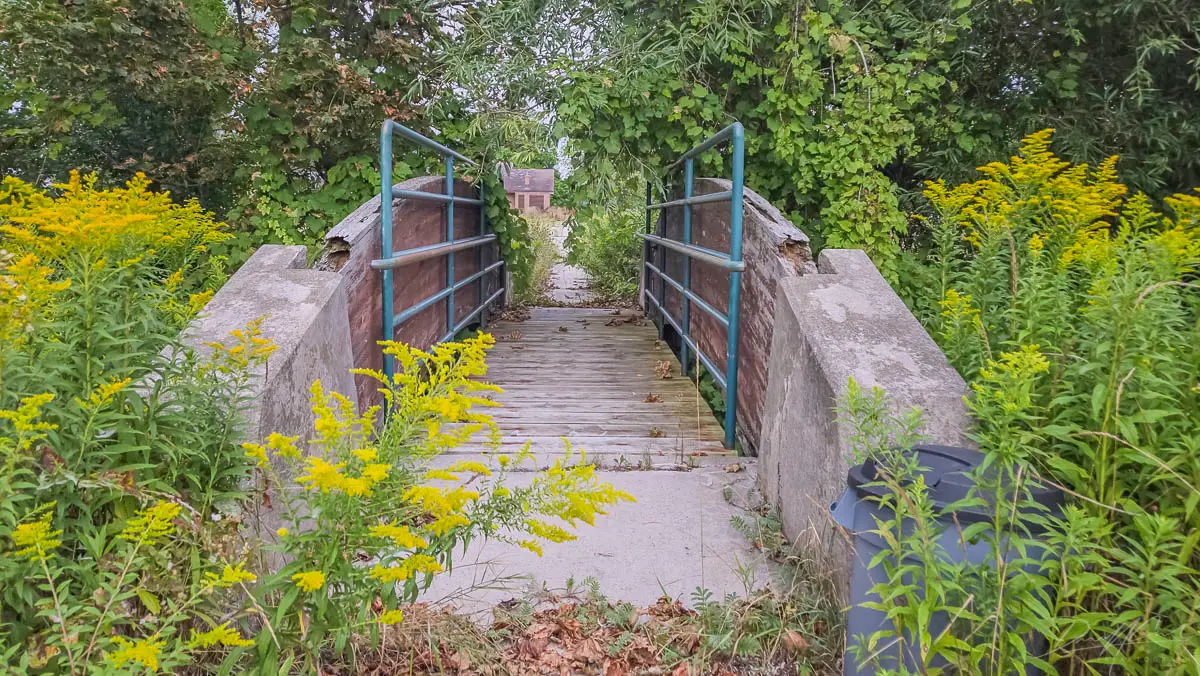
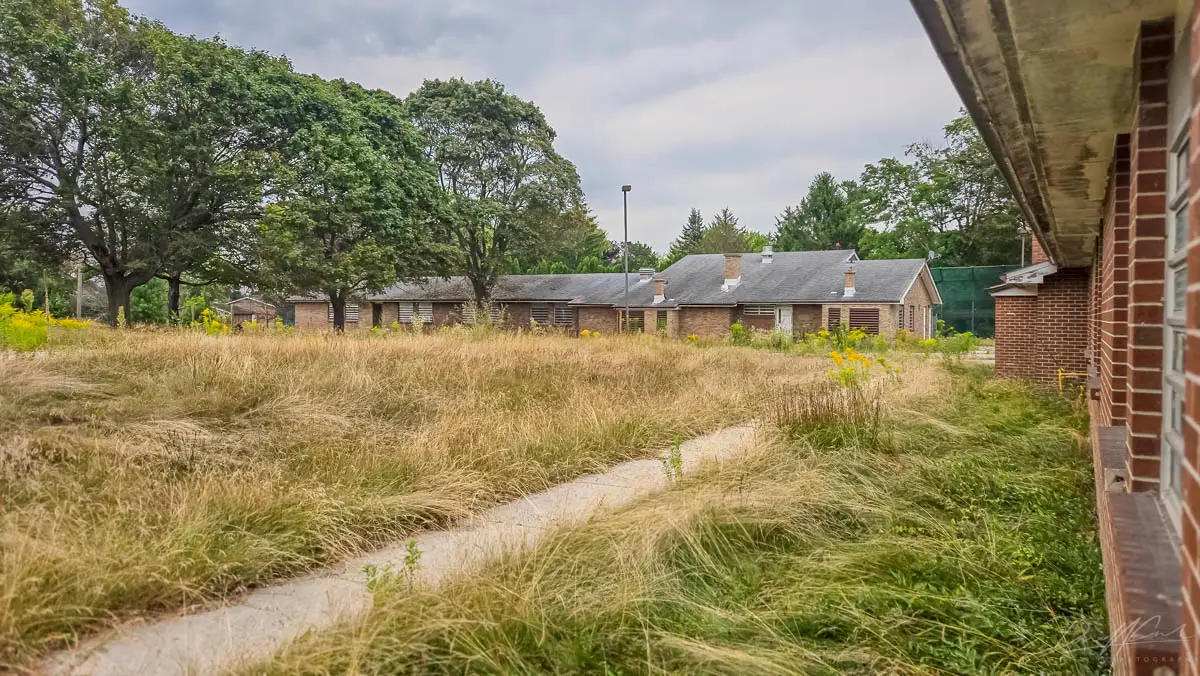
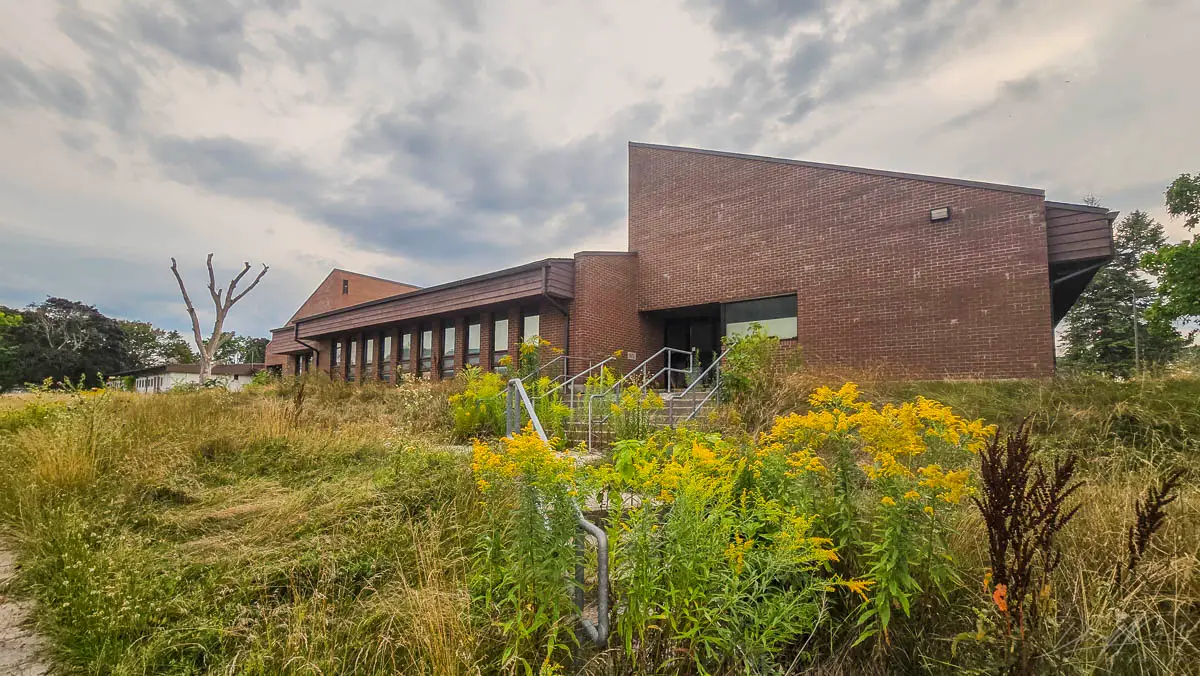
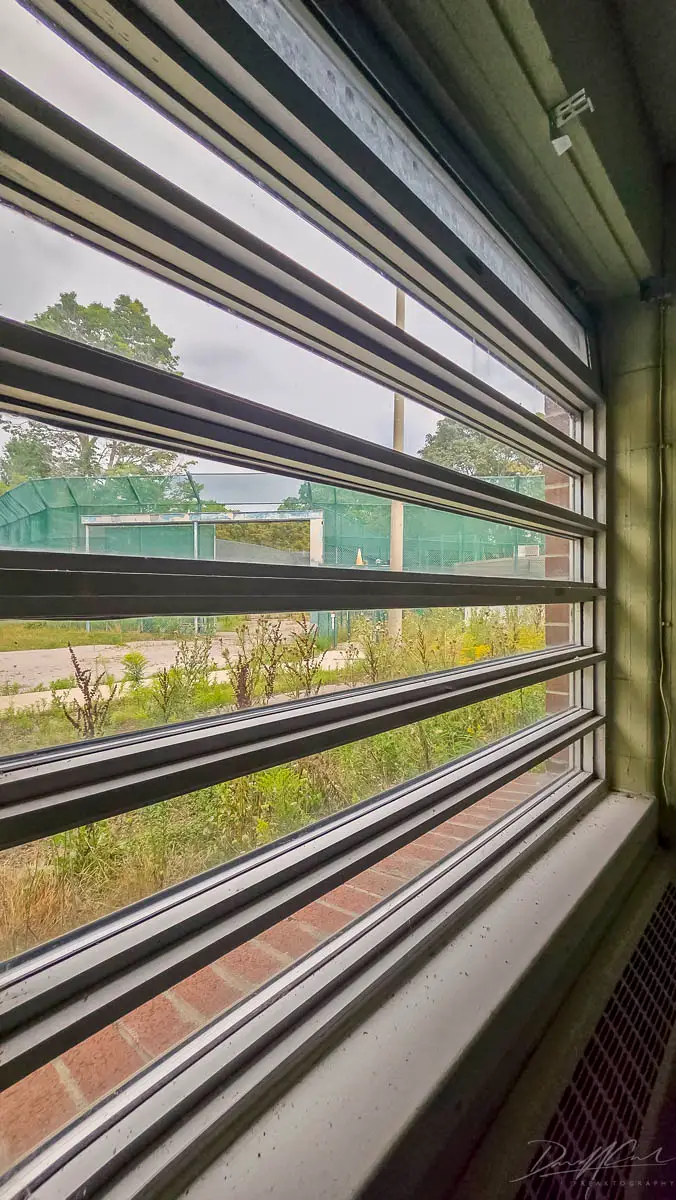
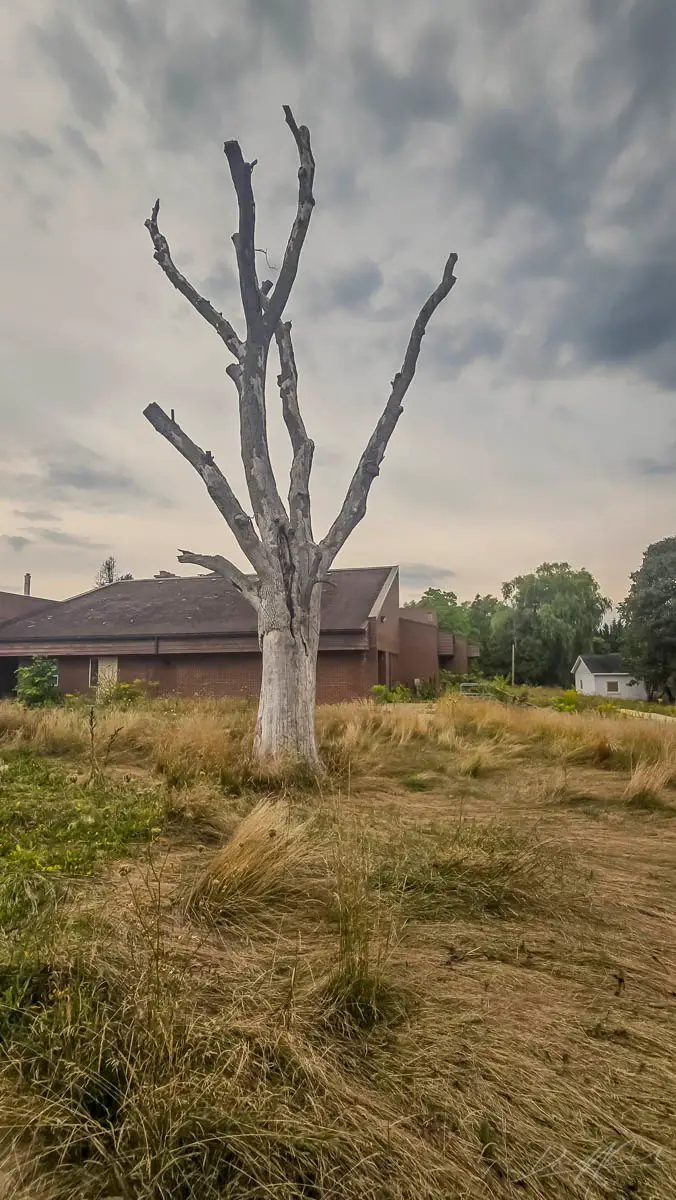
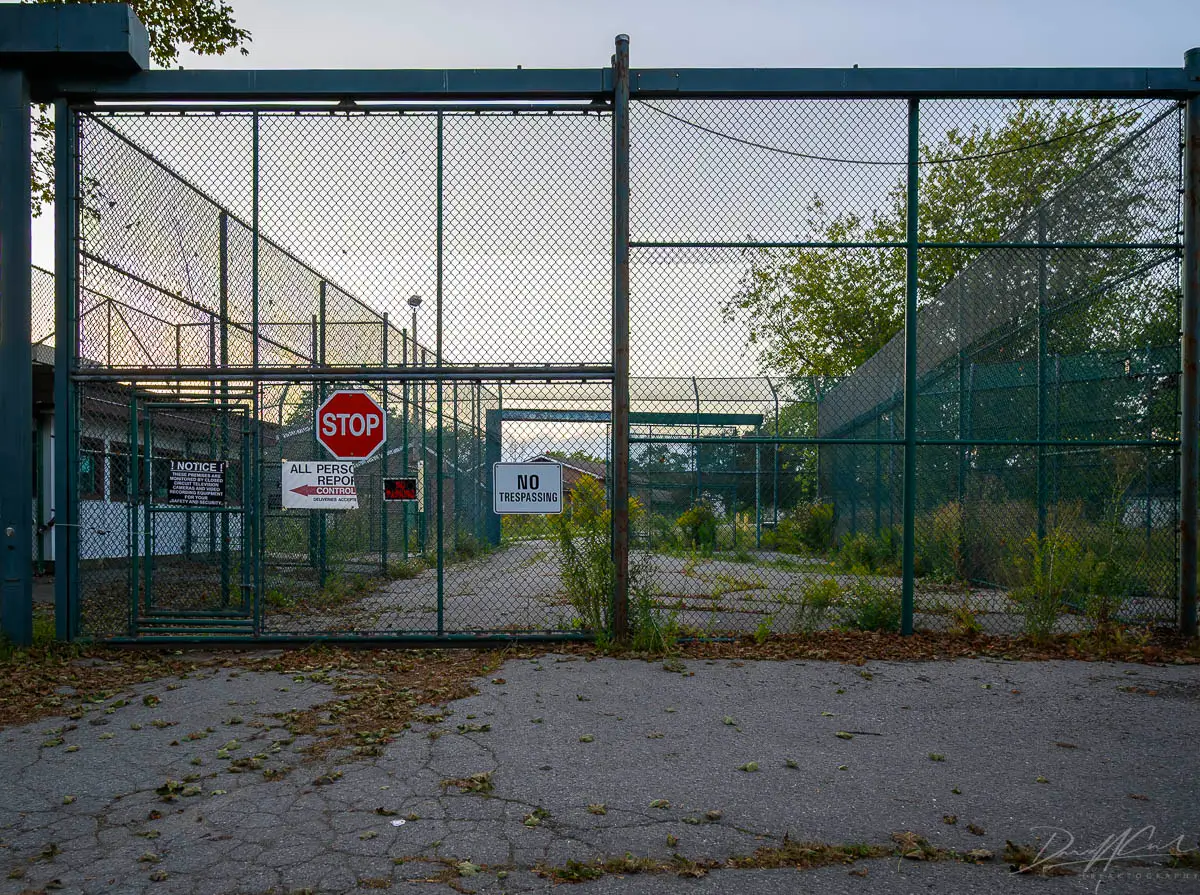
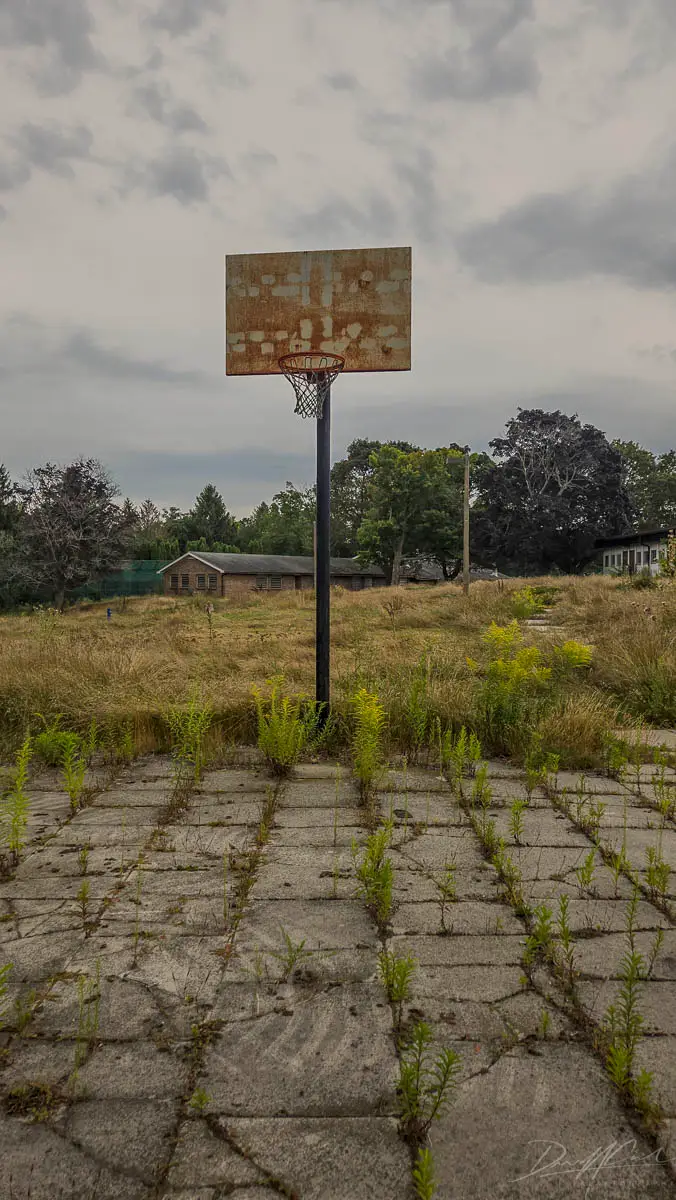
Brookside officially closed in 2002 as the province moved away from the training school model. Buildings were left largely intact. Over time the site fell into decay: water damage, peeling paint, broken windows, collapsing fixtures and graffiti. In the early 2020s a homeless encampment formed on the grounds. The property was listed for sale, changed hands, fenced and cleared, and demolition followed in 2025.
Encampment and sale
The encampment drew local attention and municipal notices. After the sale, the new owner cleared the site and demolition crews removed structures, transforming the campus into a cleared parcel ready for redevelopment.
My Explore Inside Brookside Before Demolition
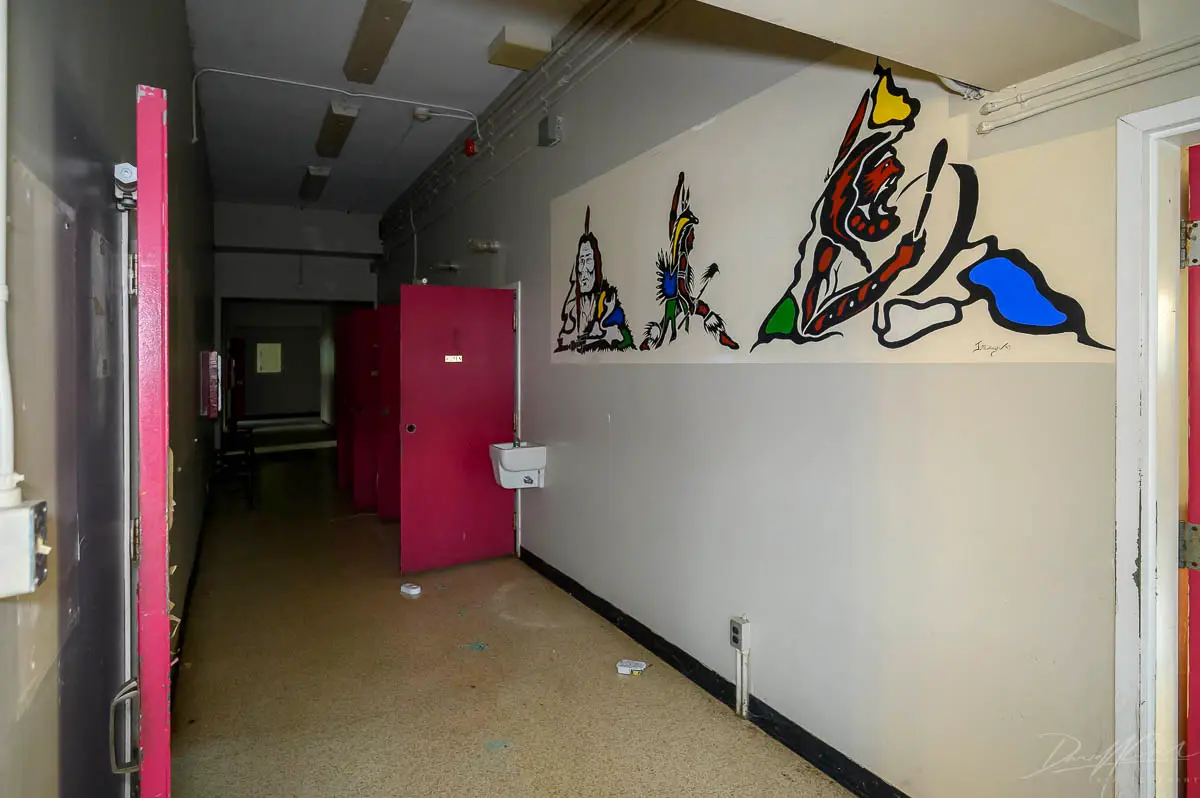
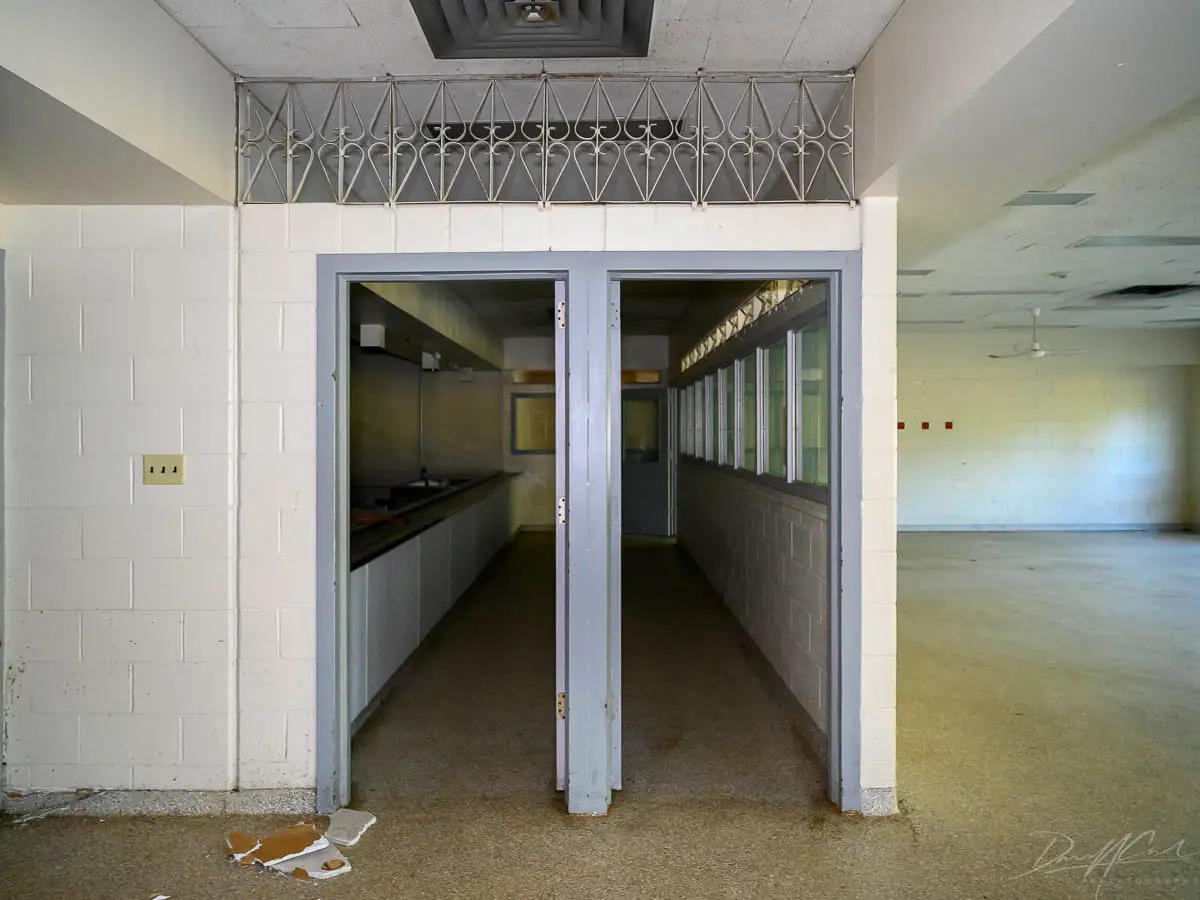
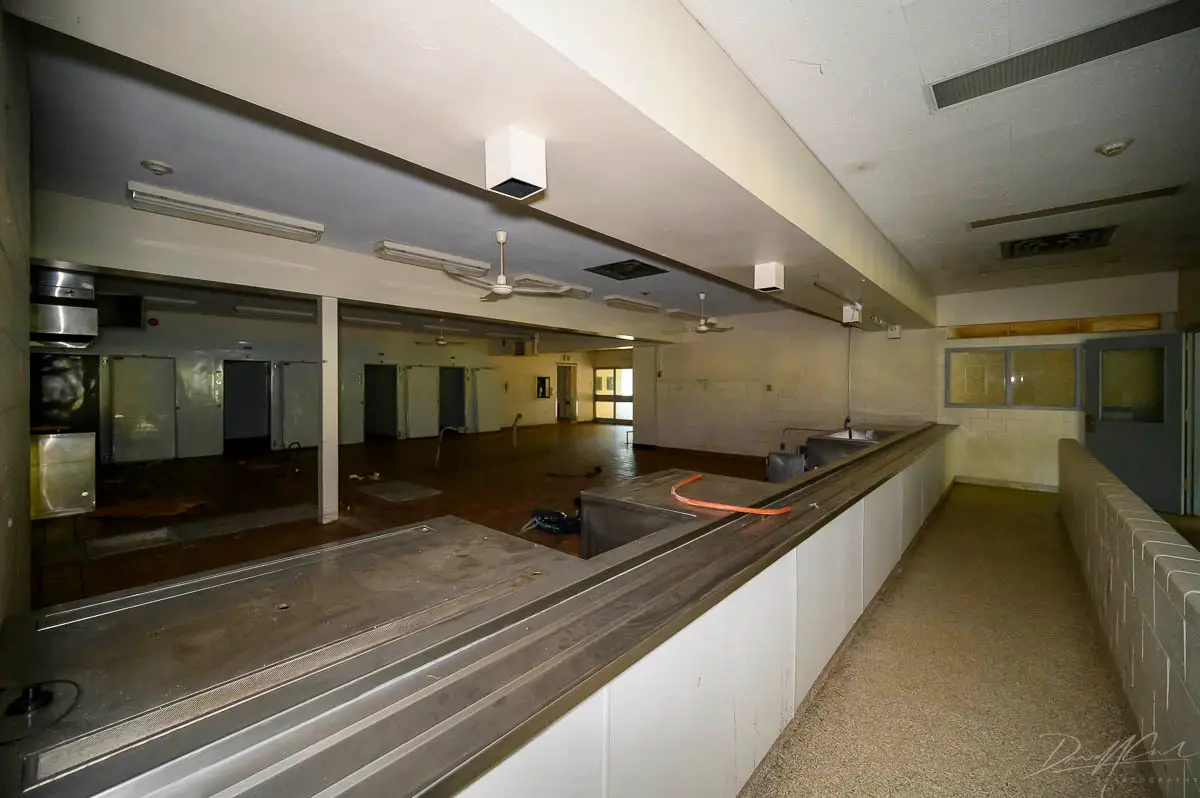
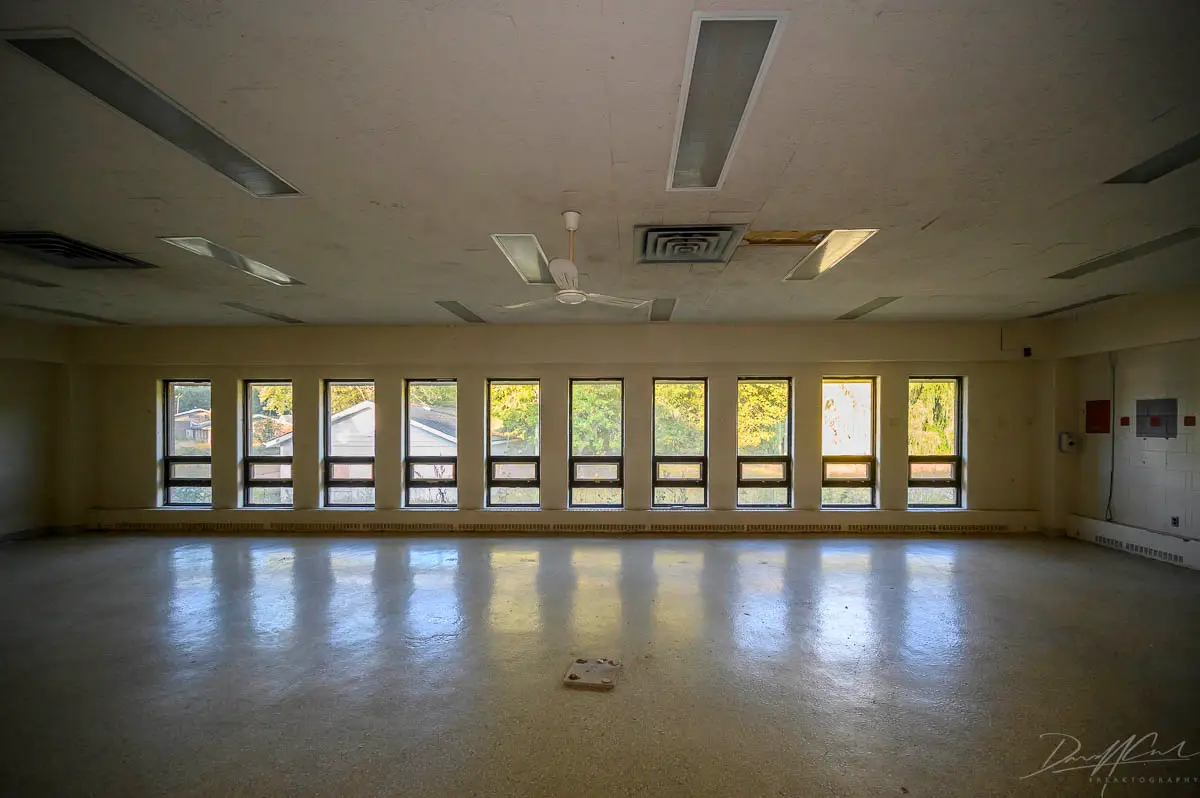
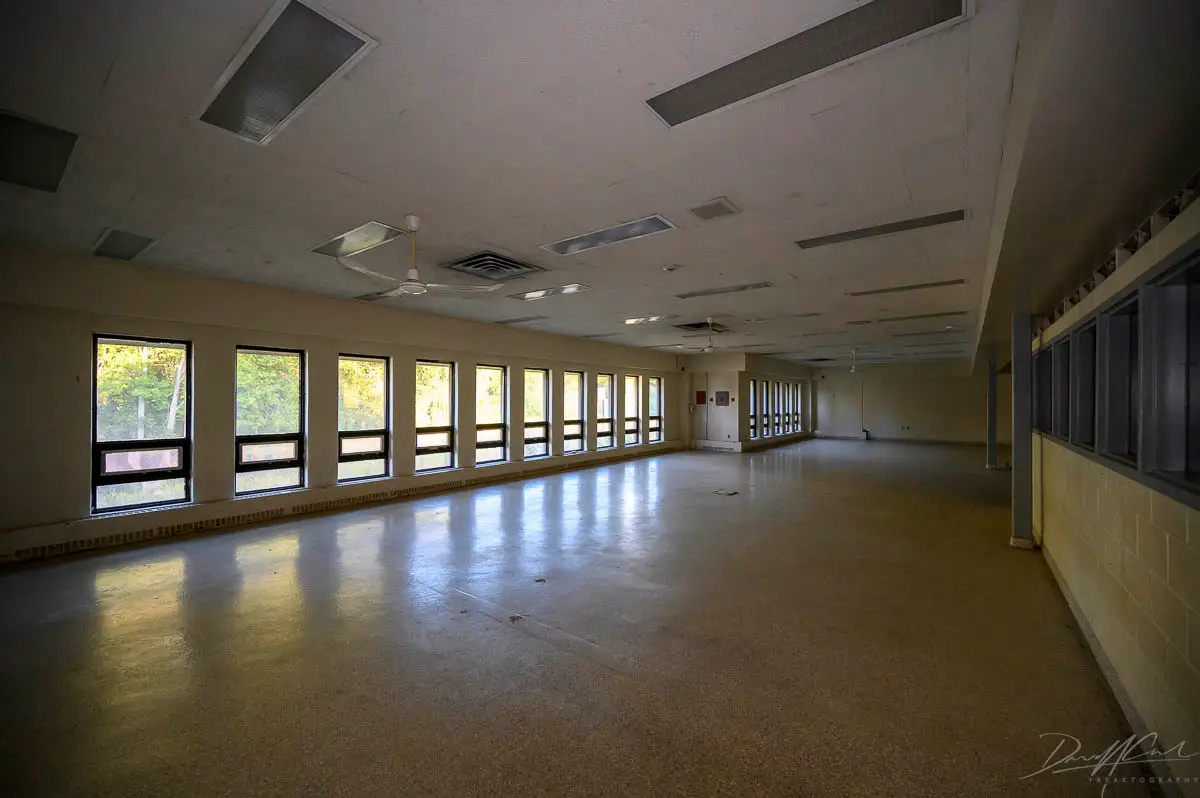
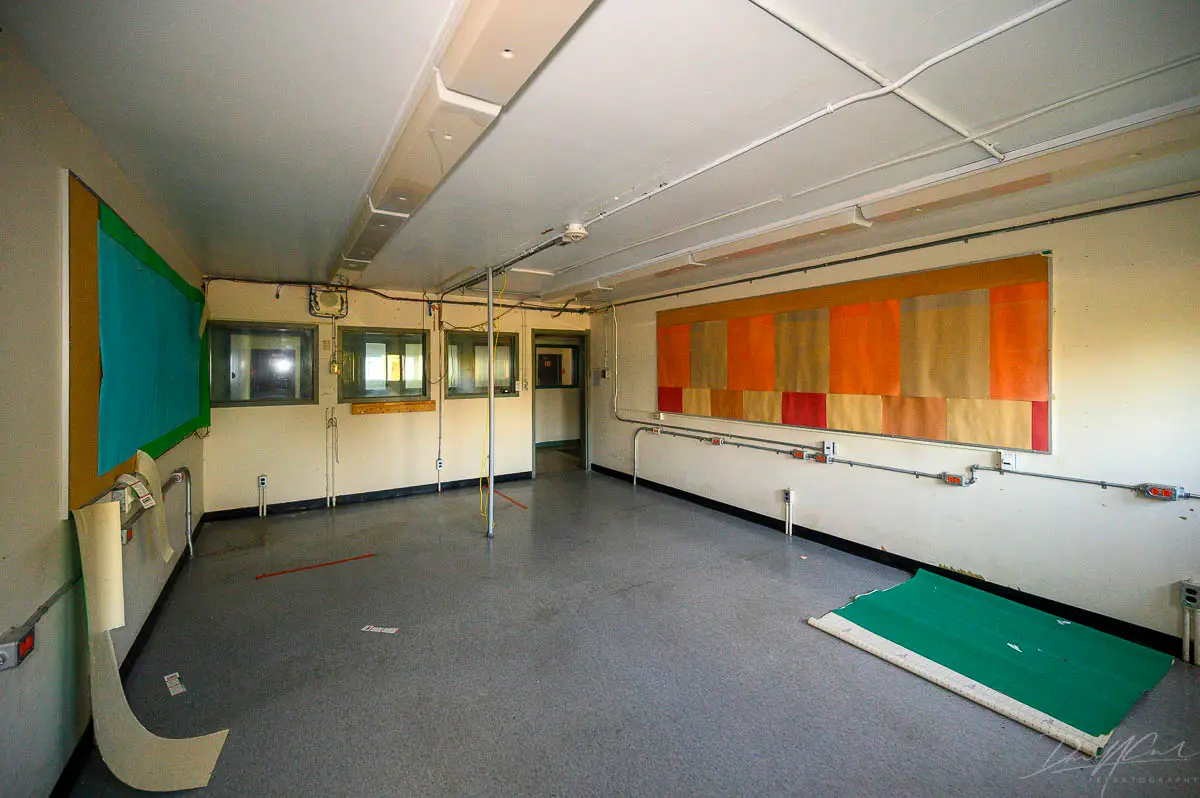
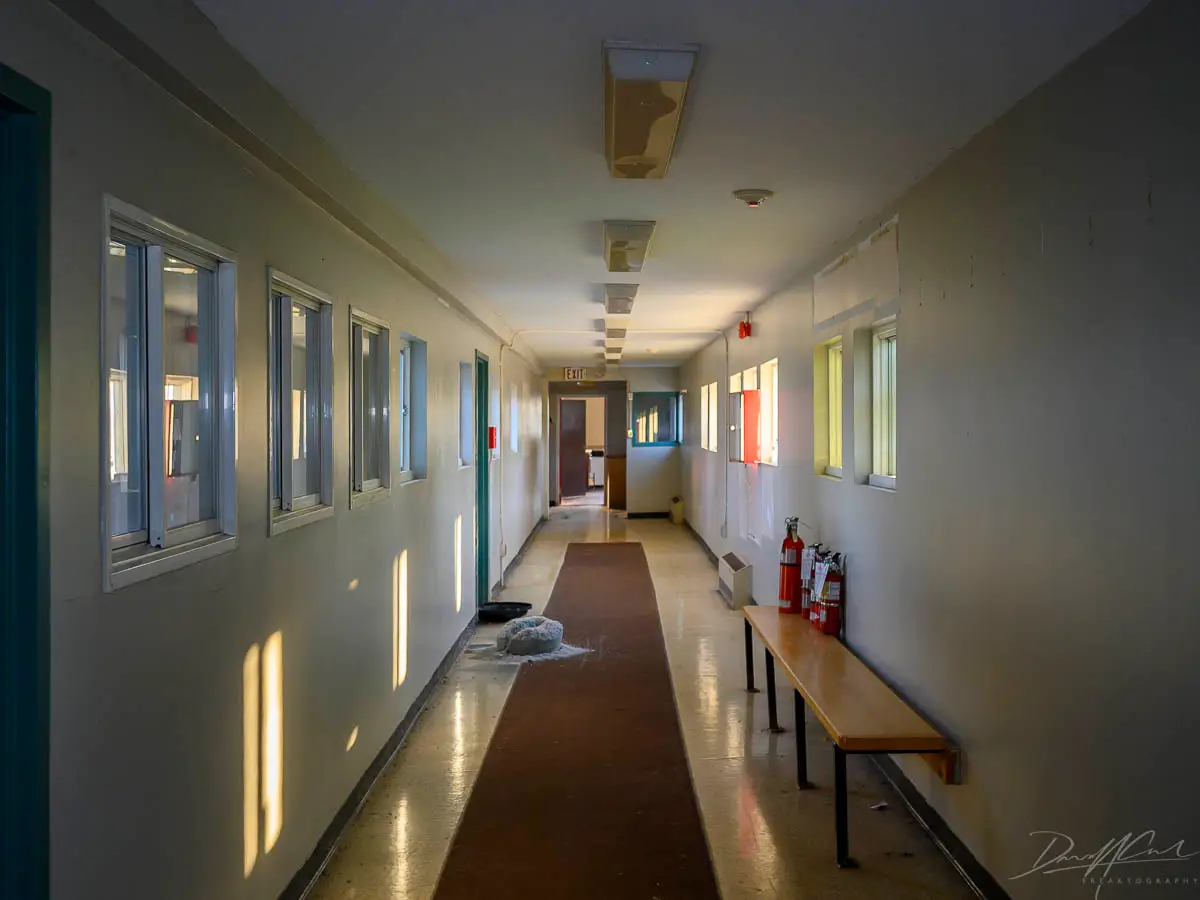
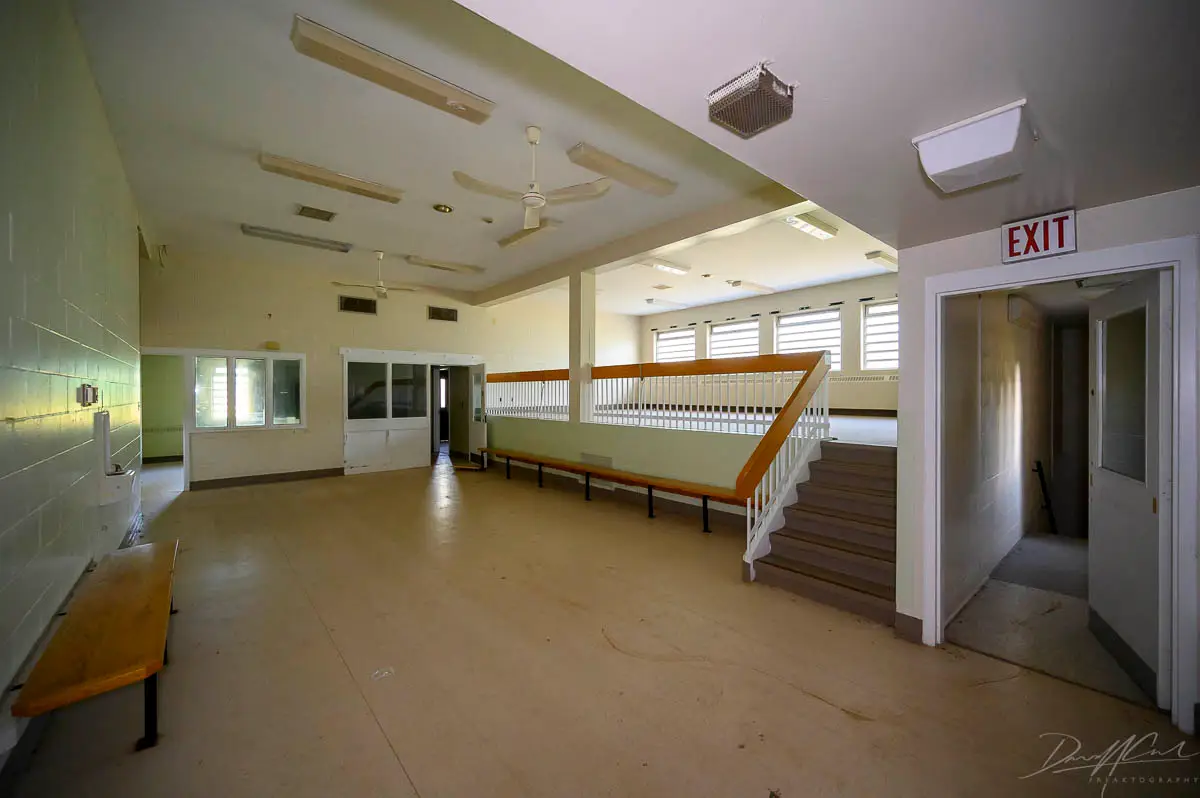
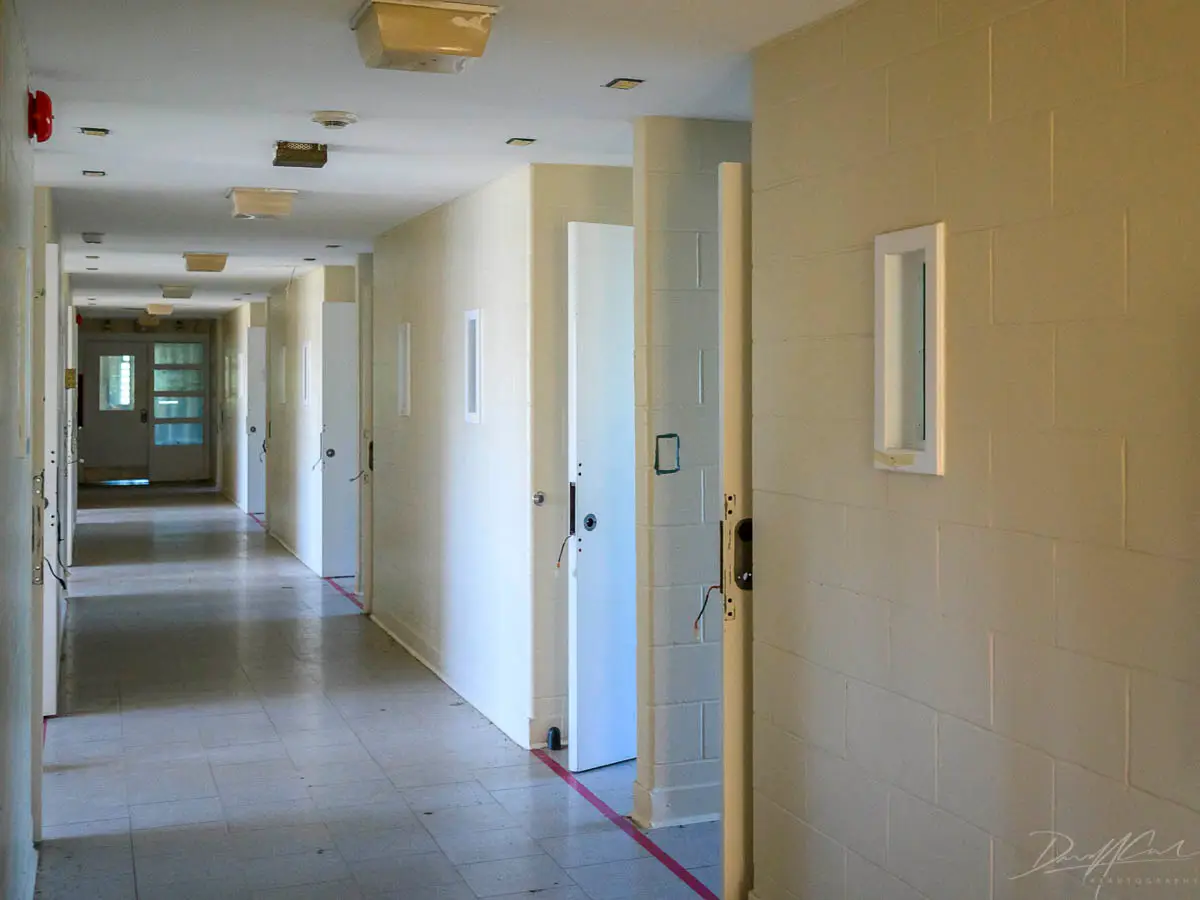
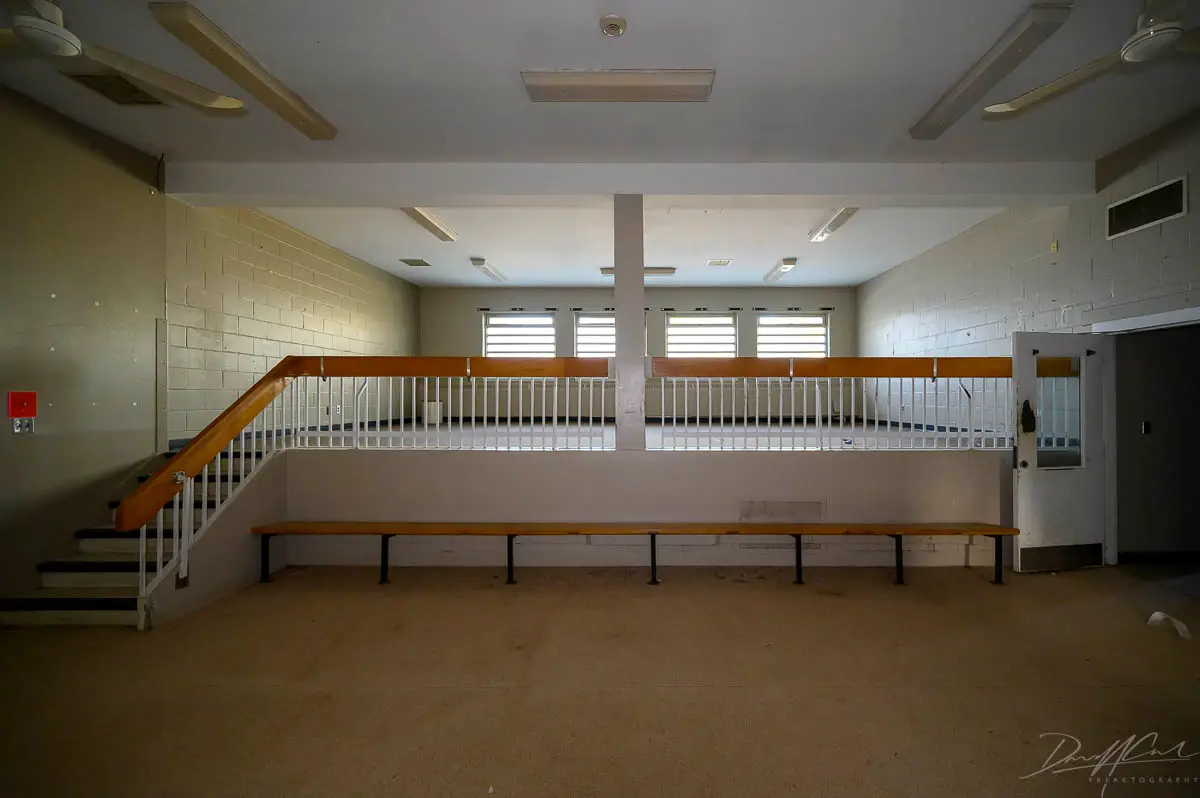
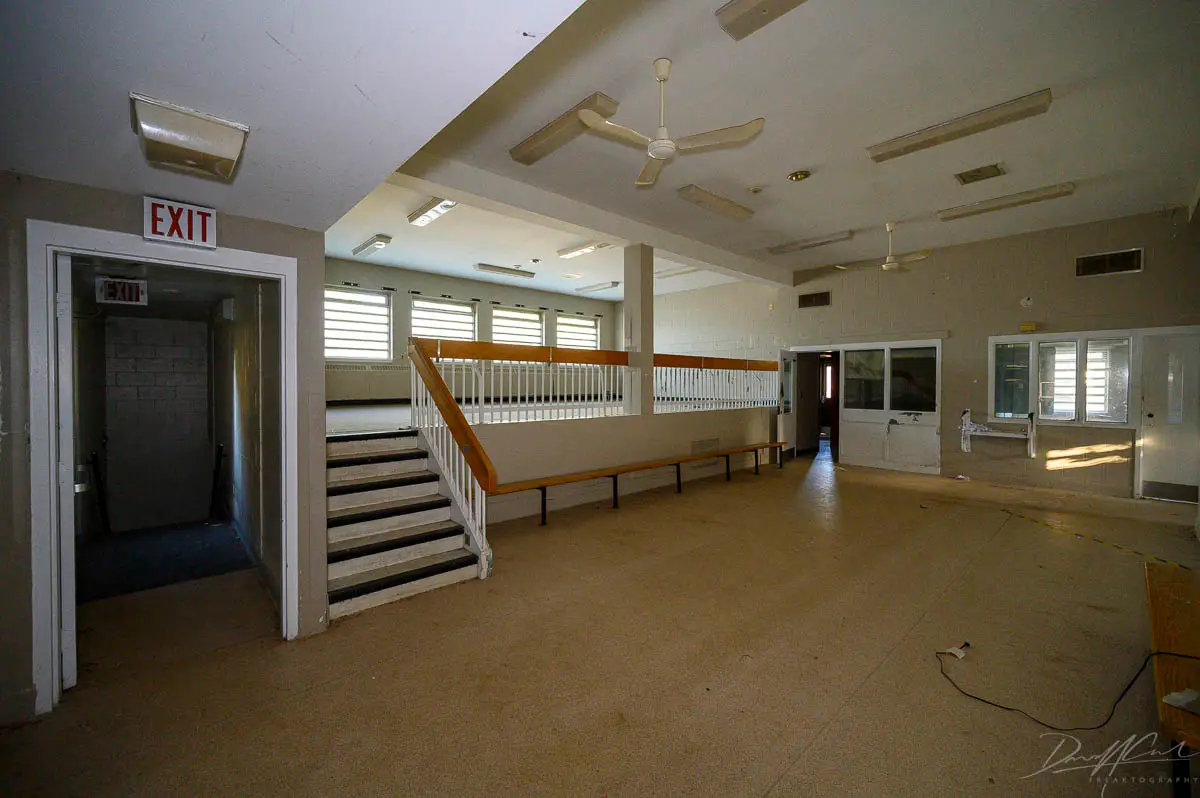
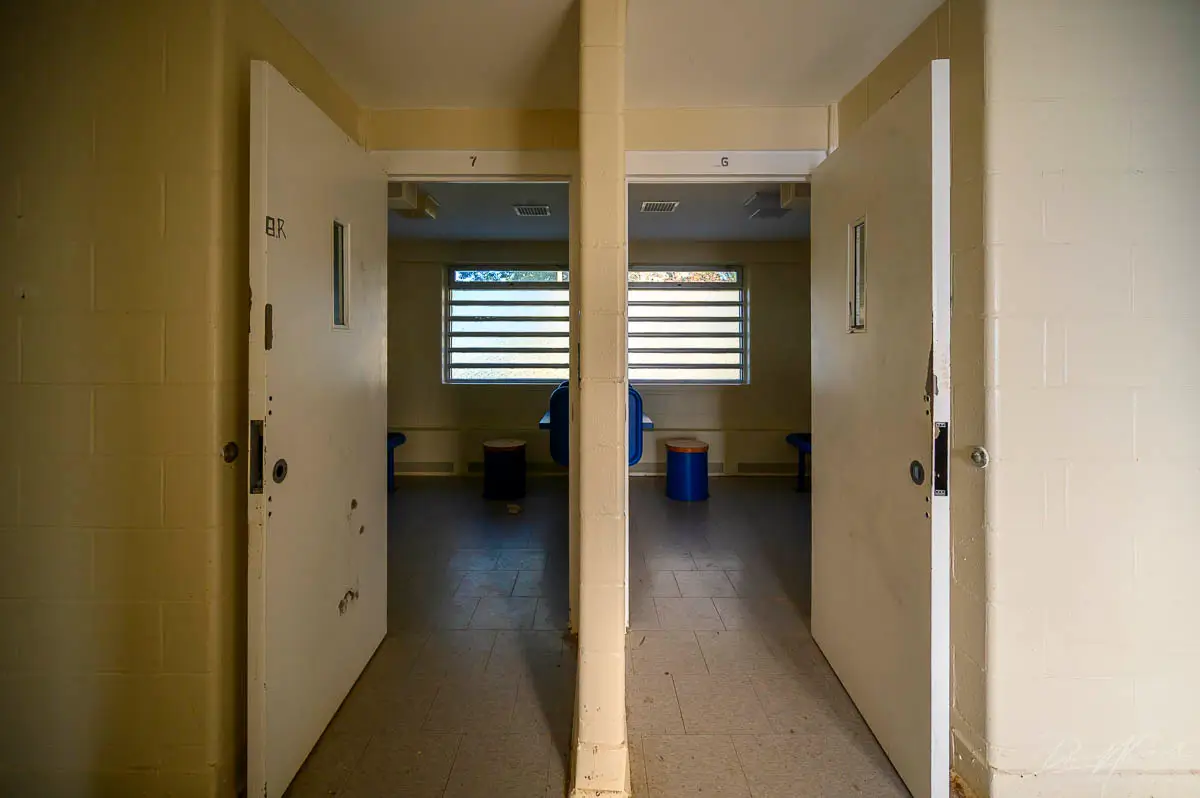
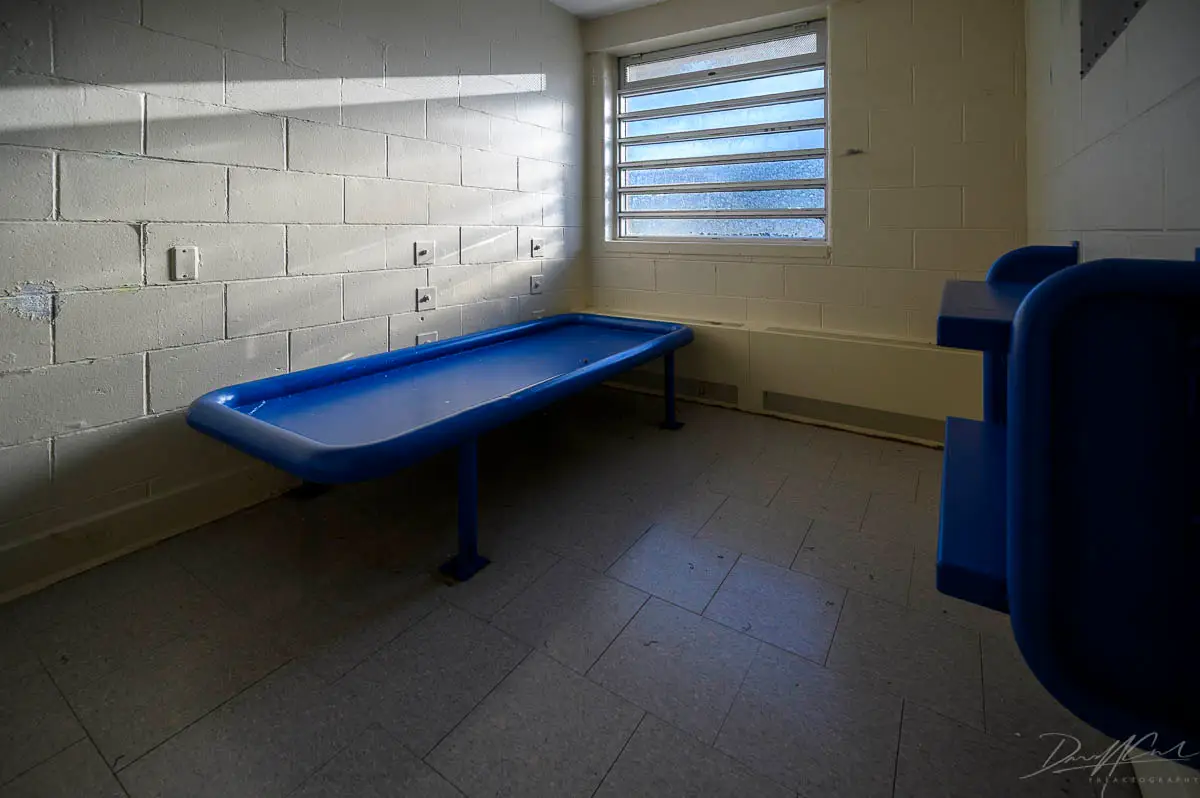
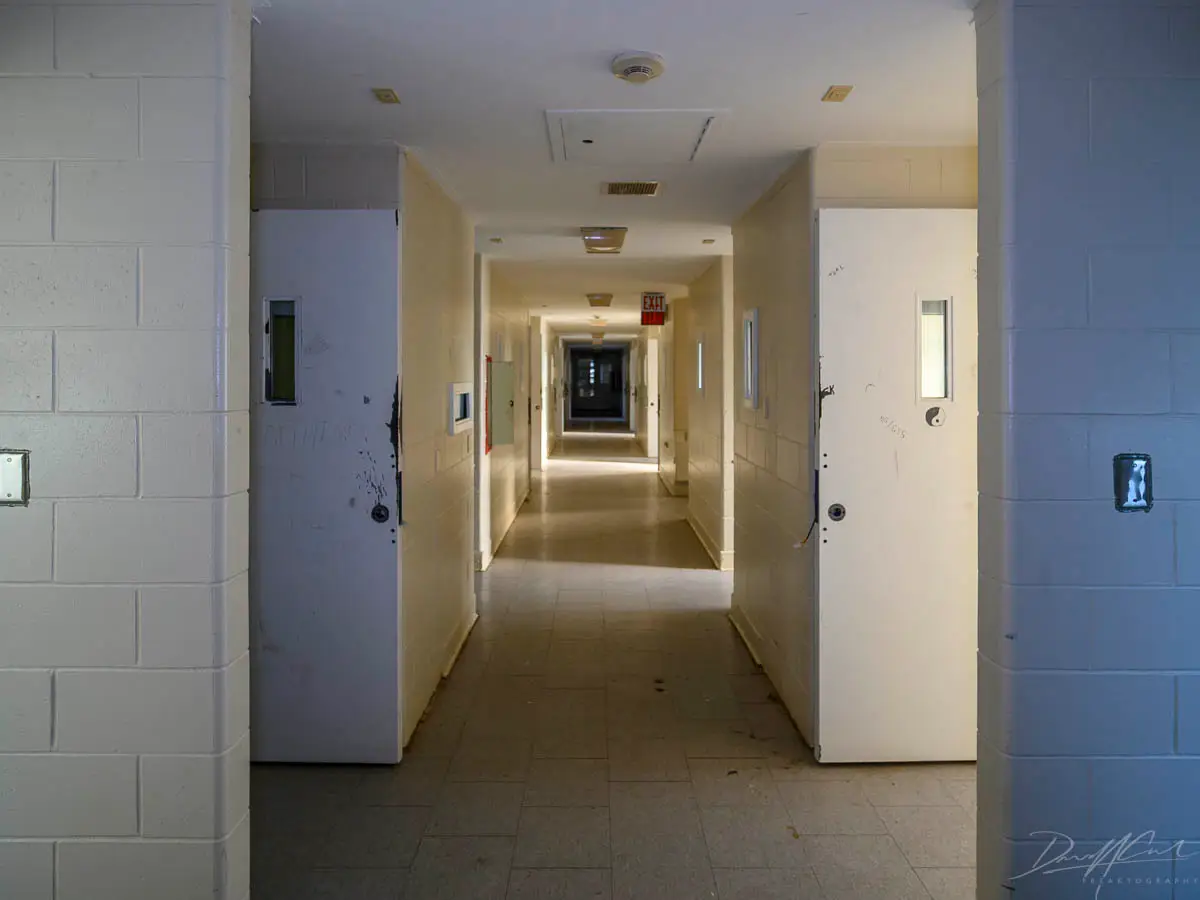
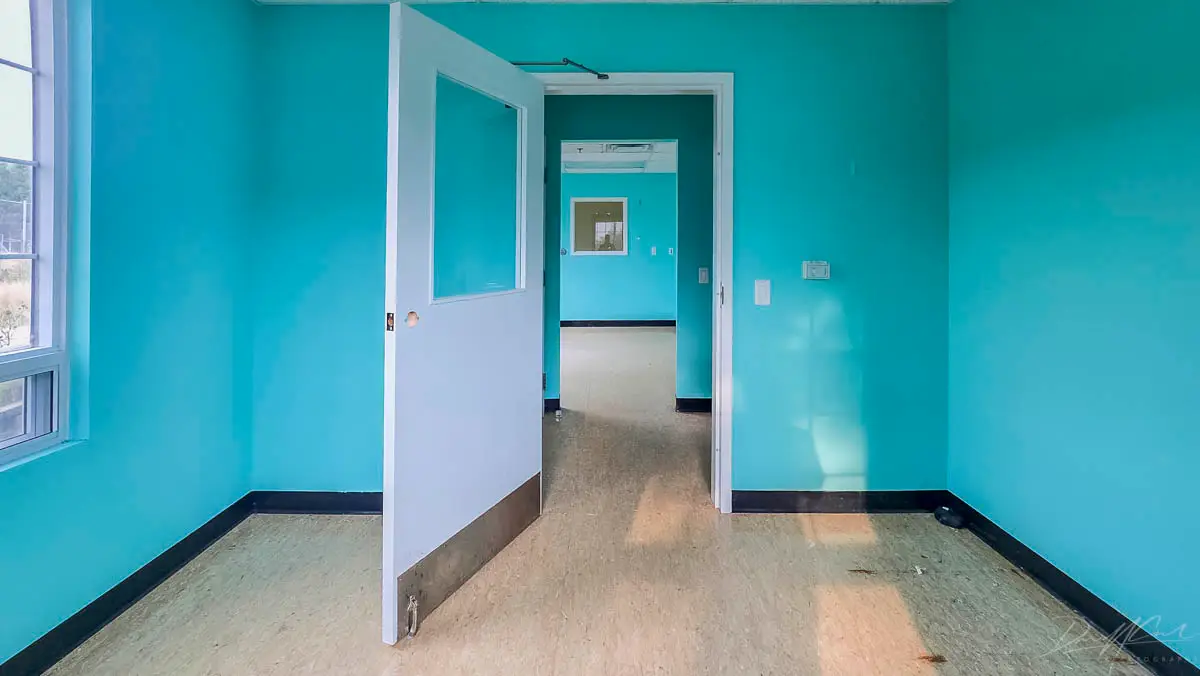
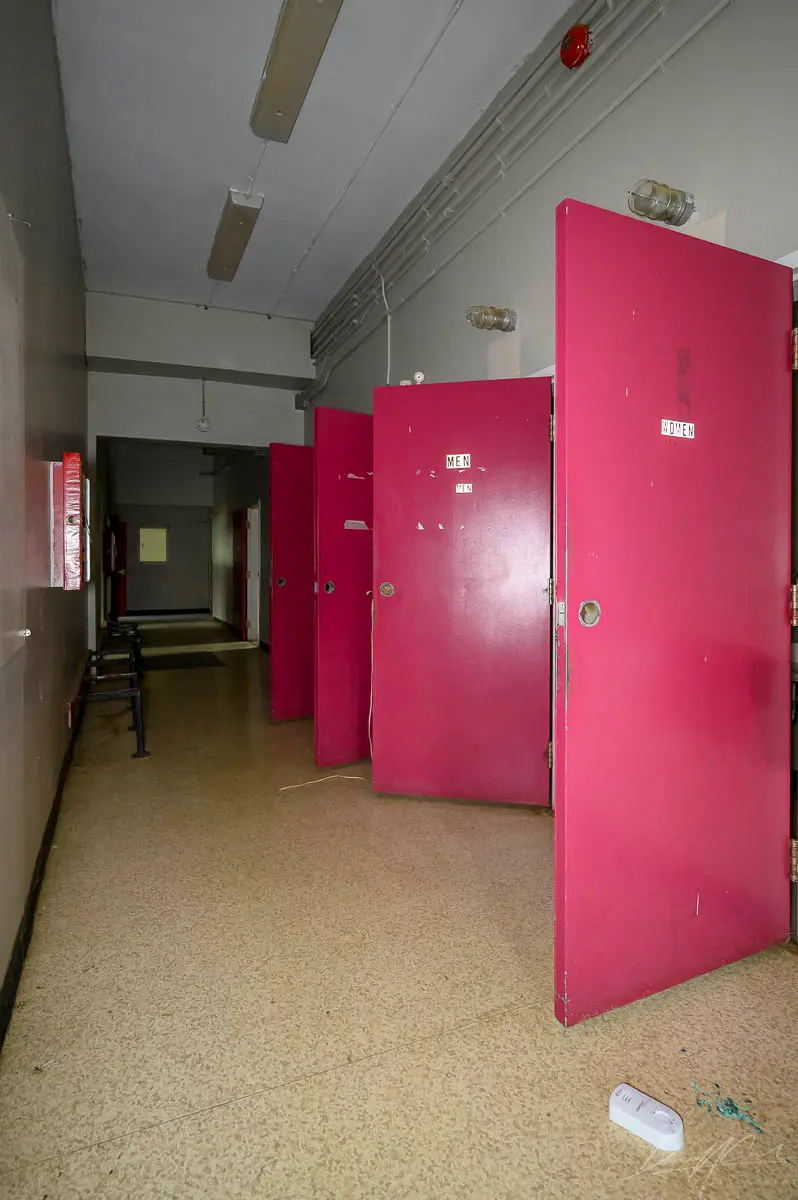
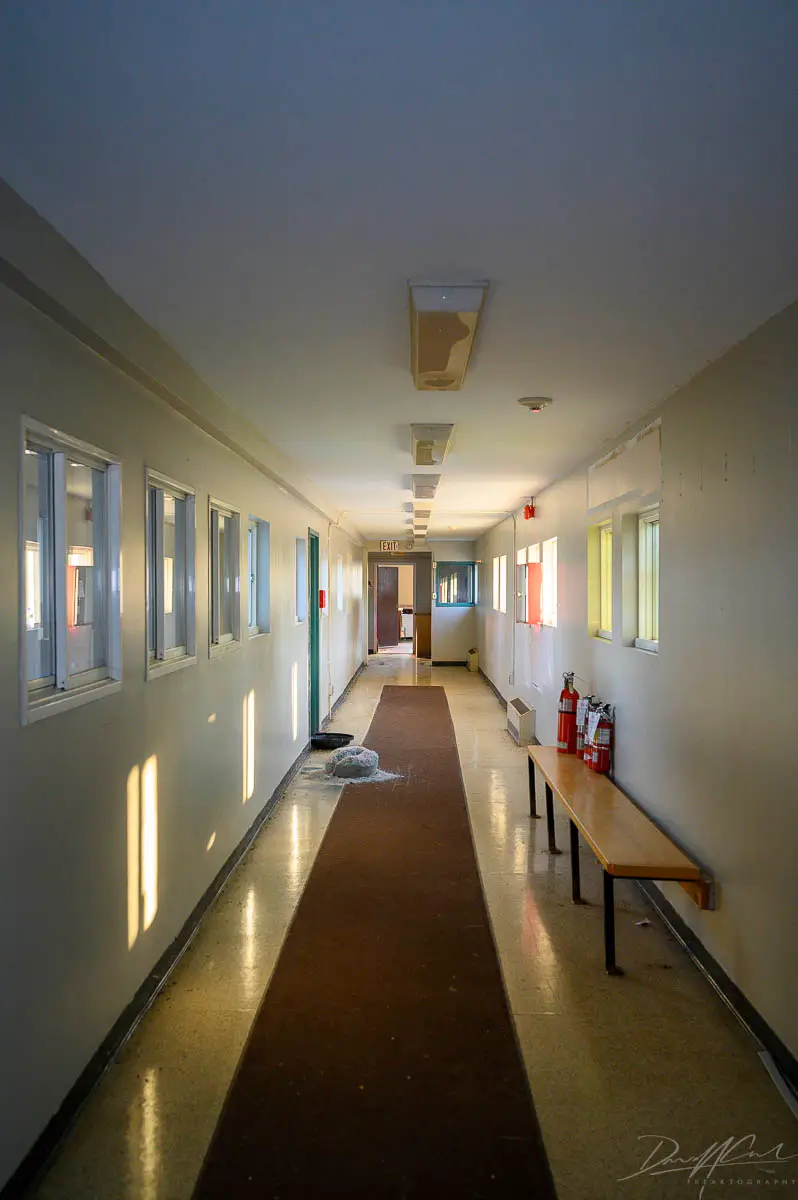
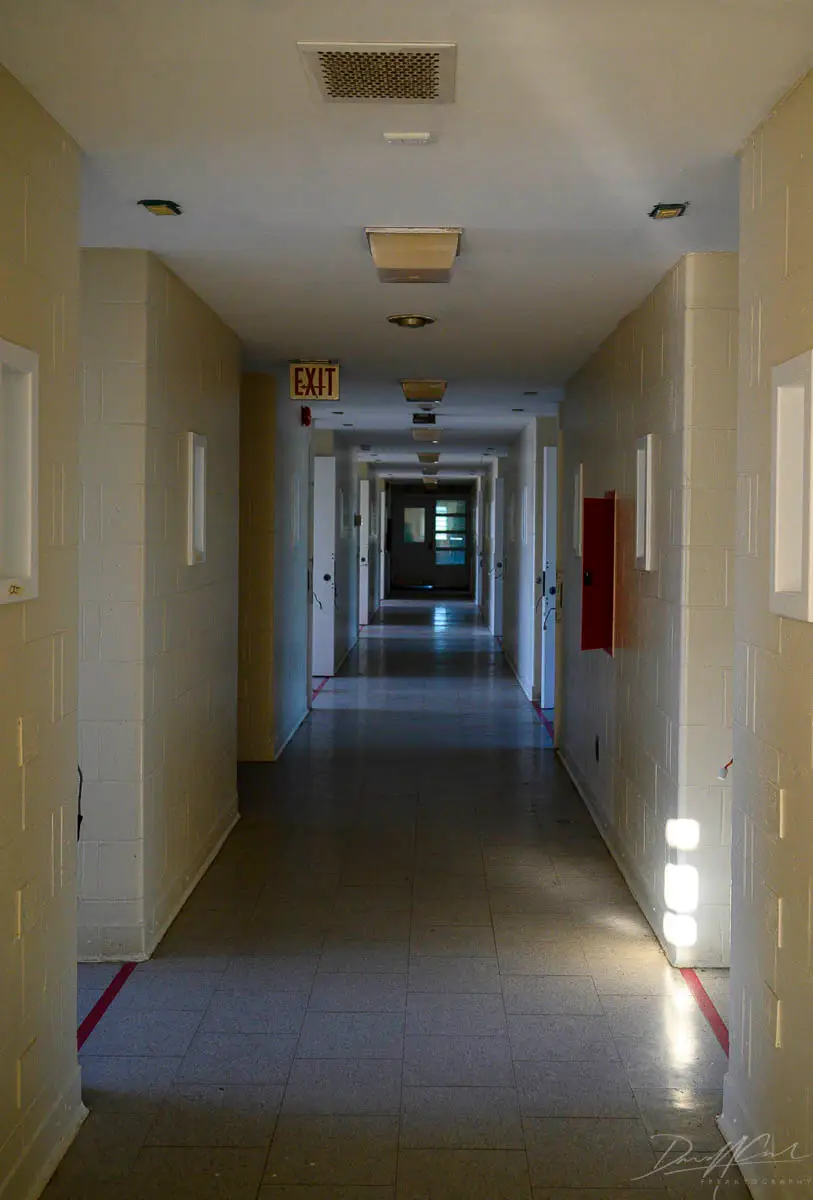
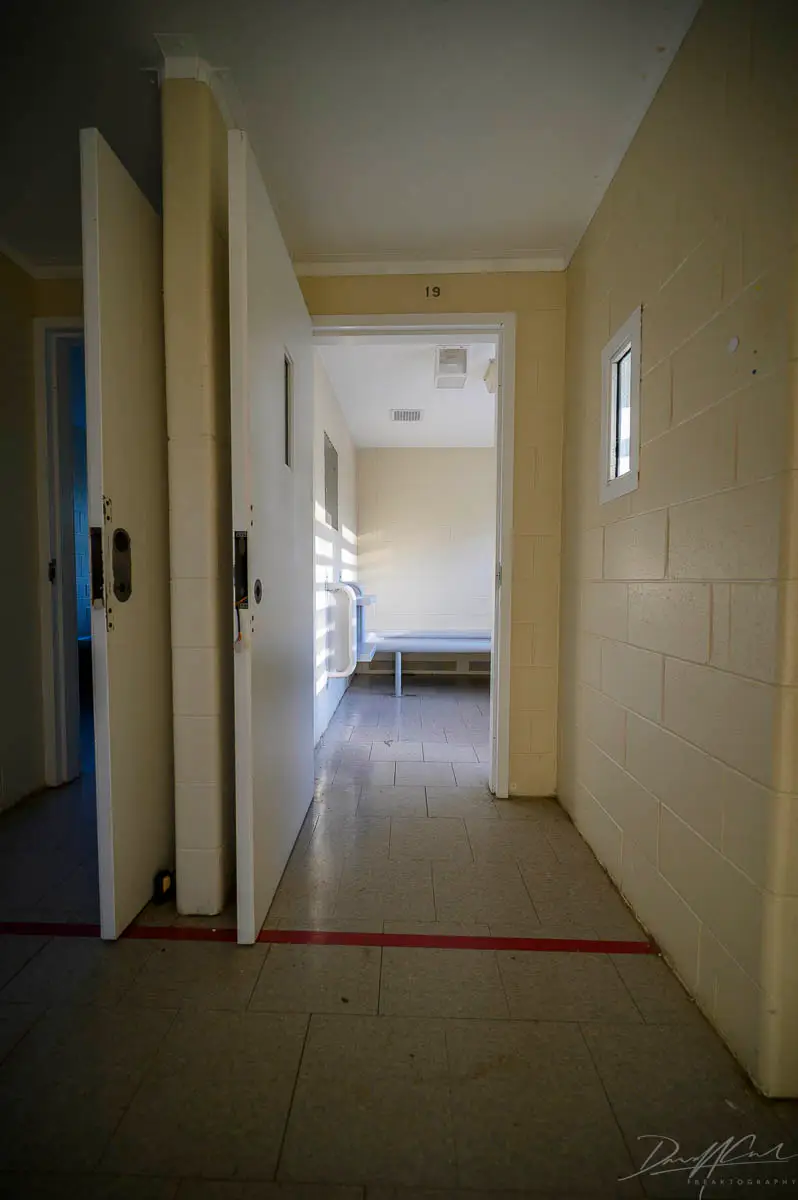
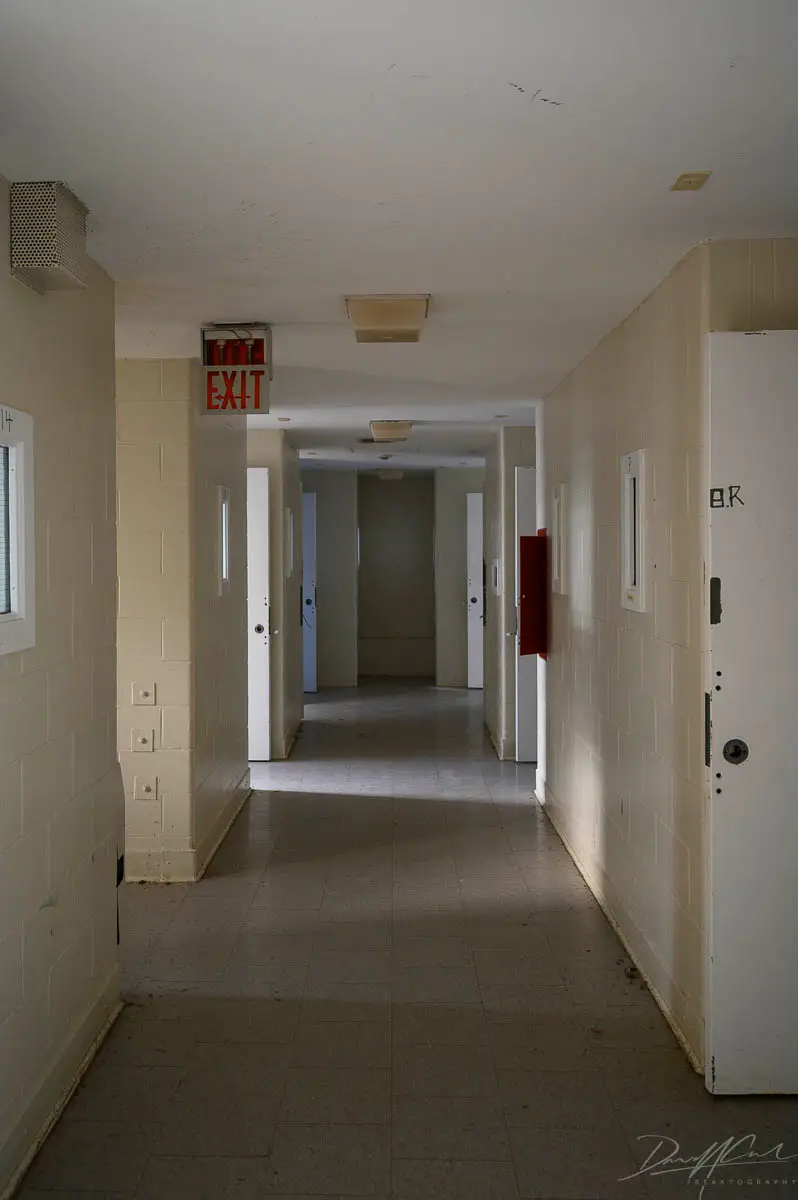
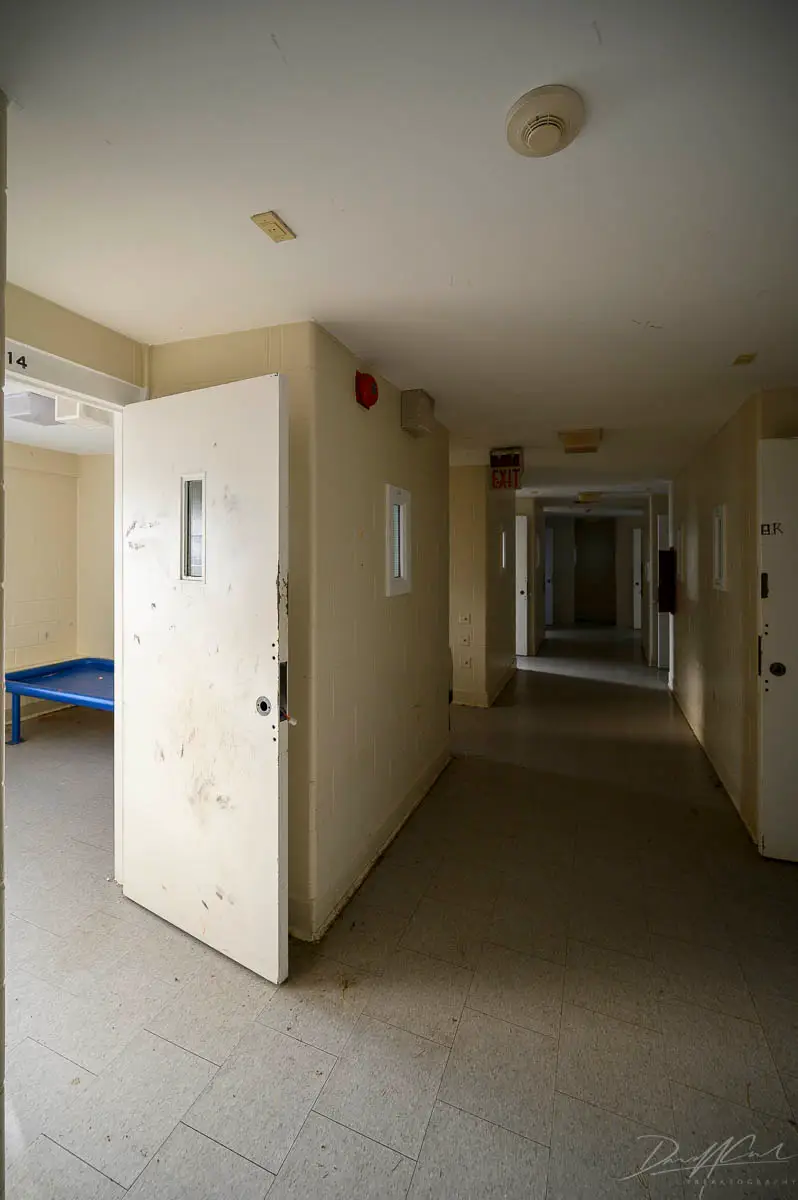
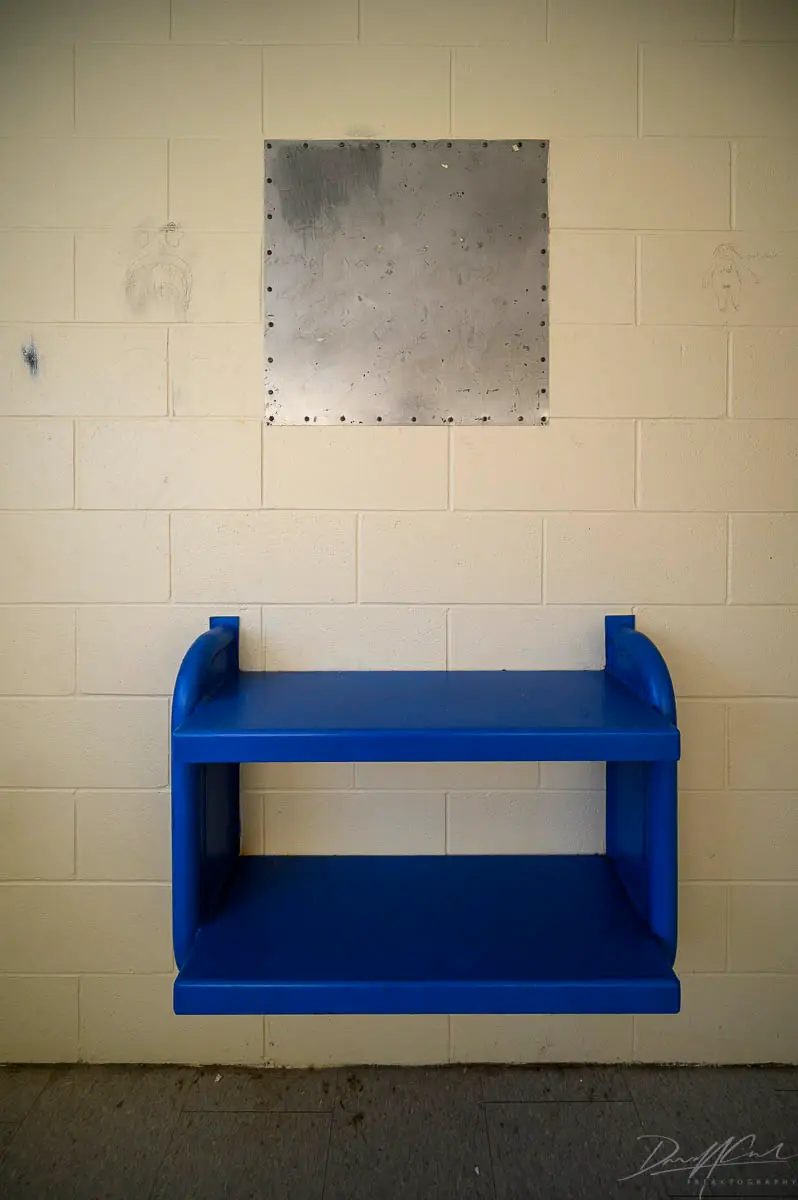
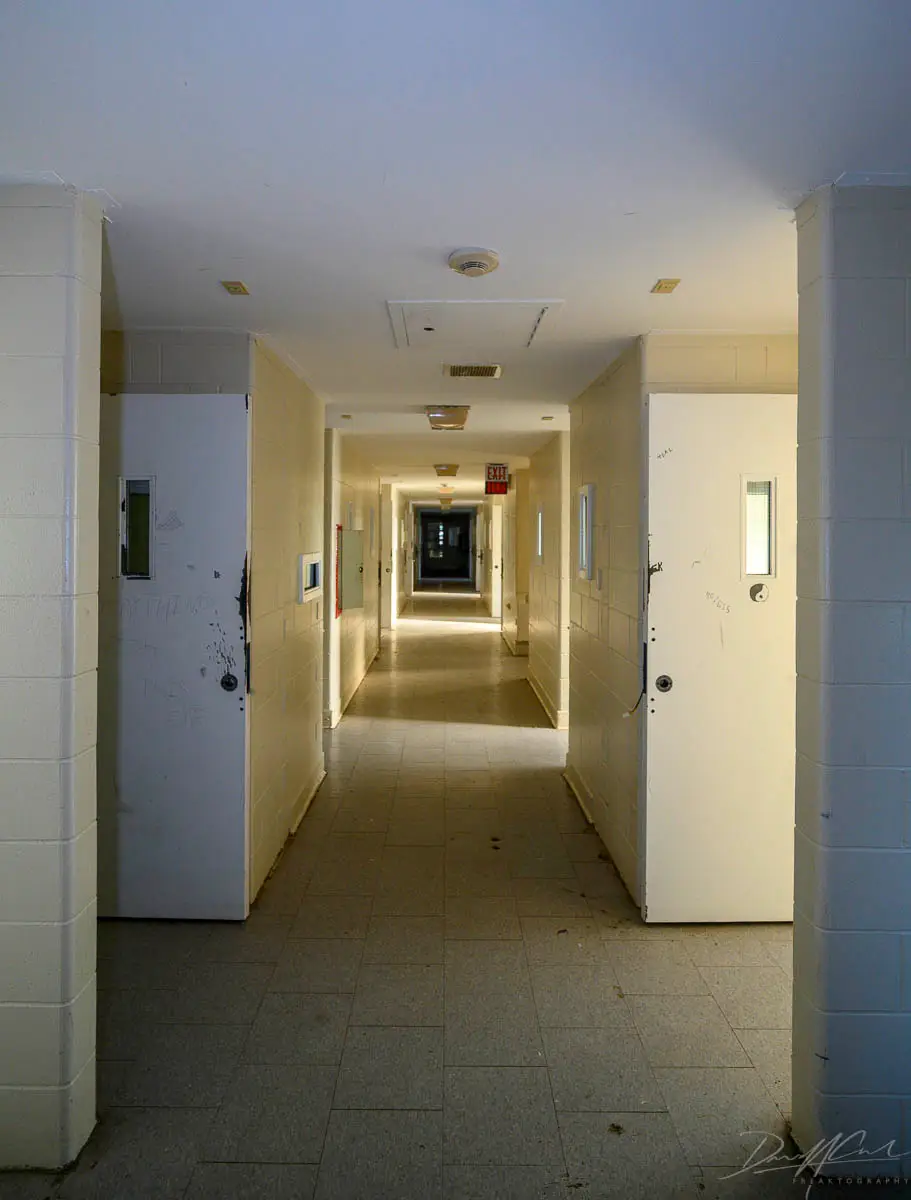
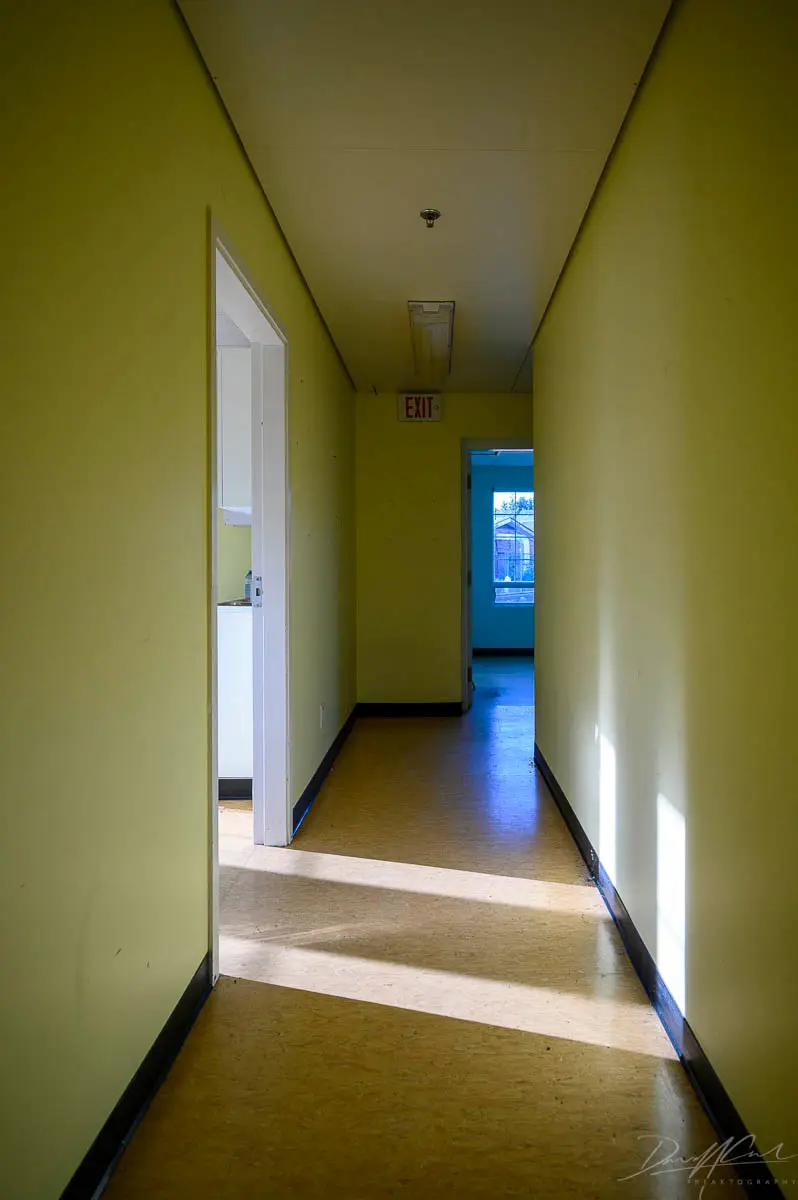
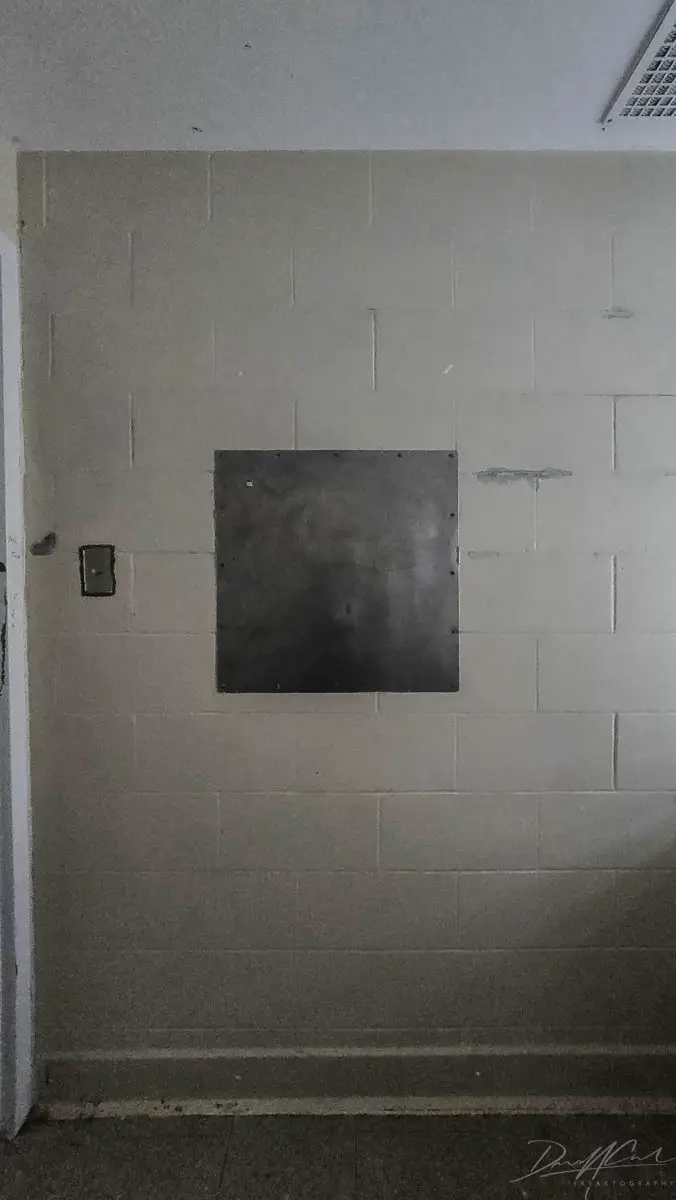
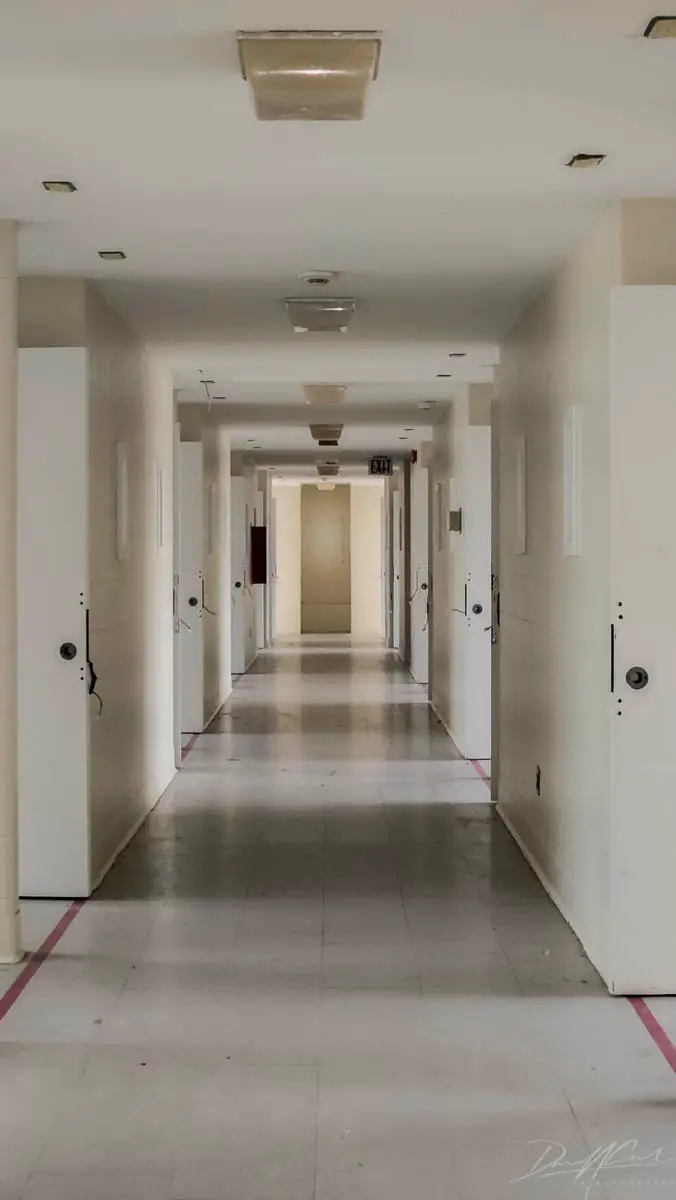
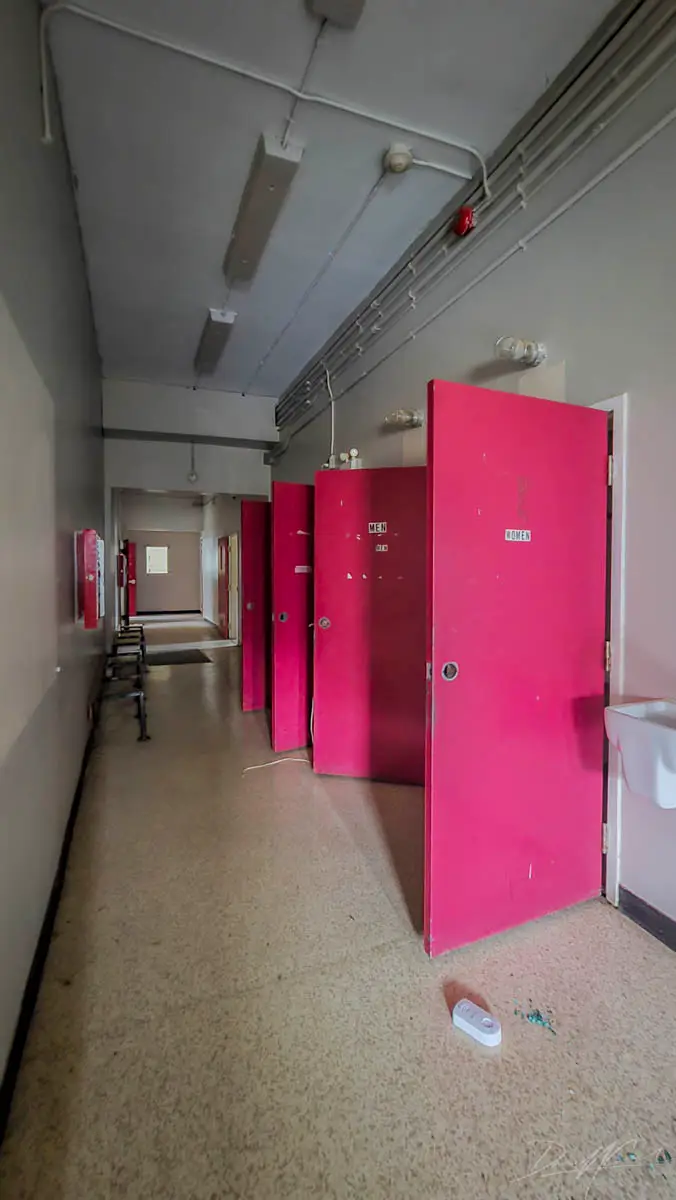
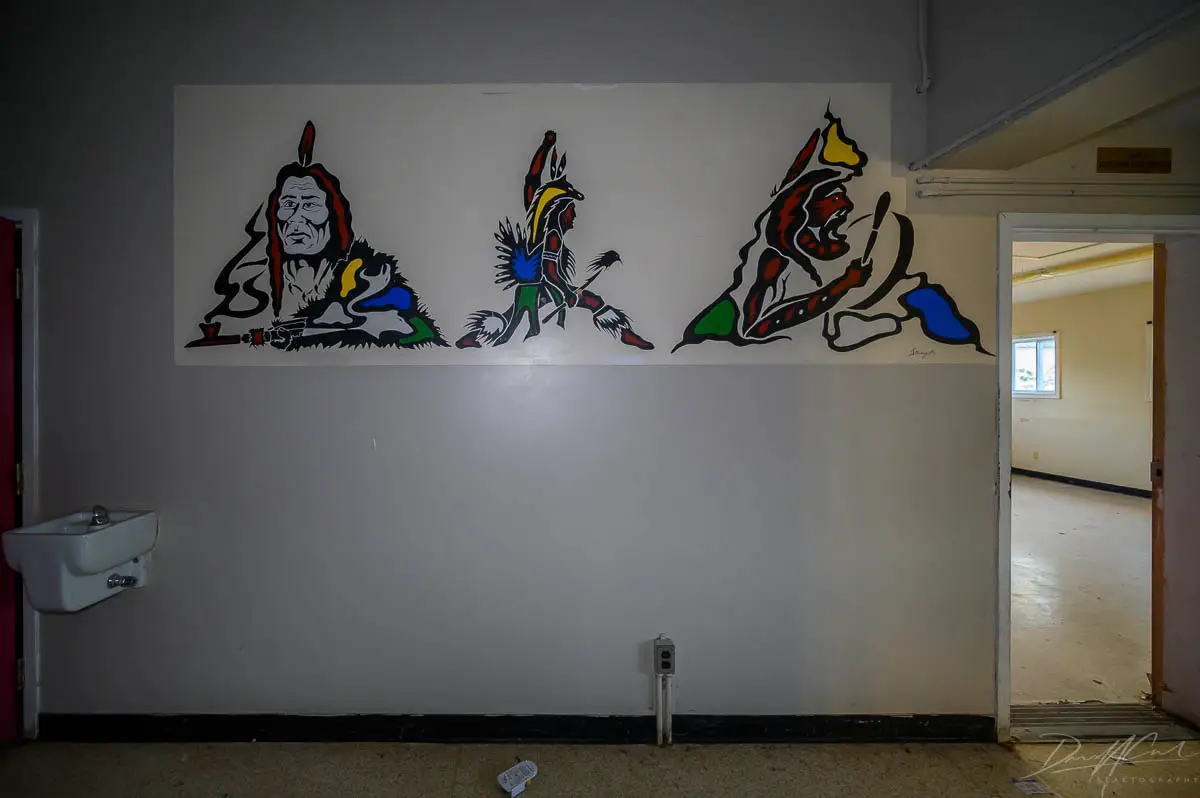
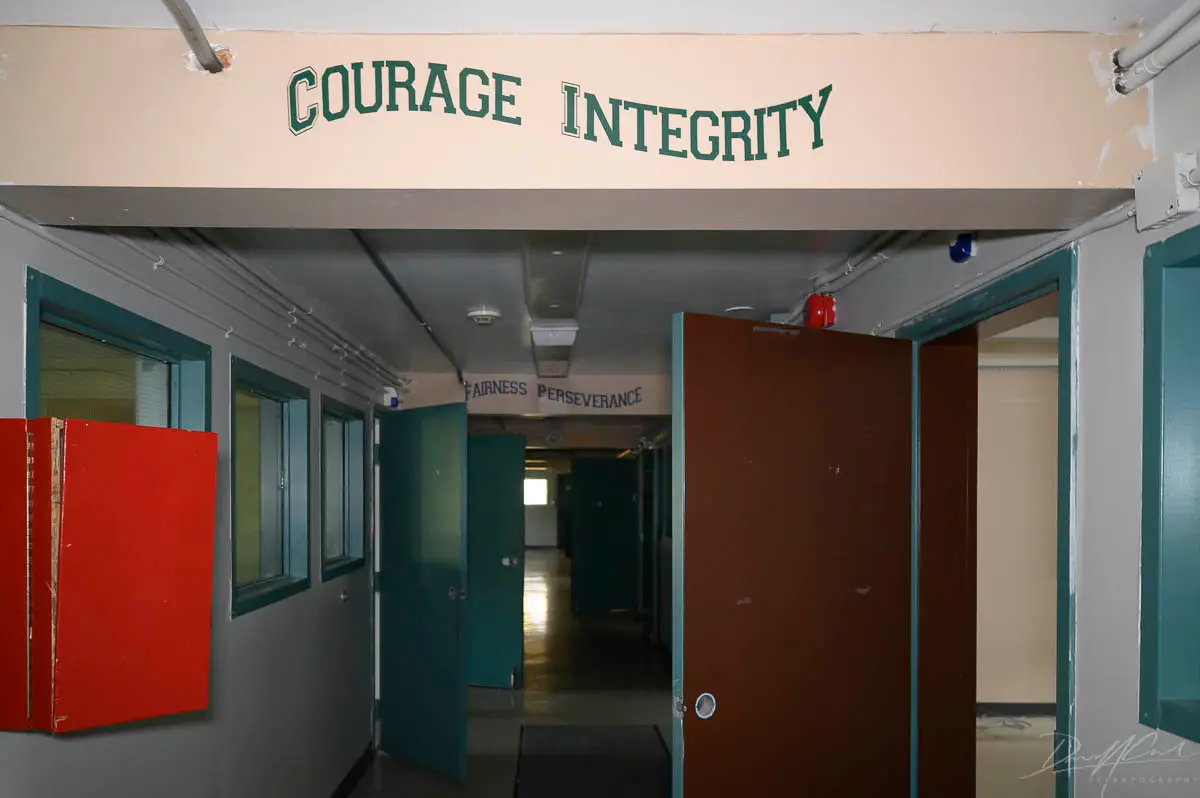
Before demolition began I documented the interior school wing, classrooms and some adjoining areas. Other pods were sealed, but layouts and conditions were similar. I found desks and chalkboards left in place, rows of rusting lockers, dorm rooms with broken windows, dusty work areas, and small rooms consistent with survivor descriptions of isolation. The silence and deterioration made the site feel like a physical archive of many lives.
What was left behind
Furniture, signage, faded labels and unit numbers remained. Solitary rooms matched descriptions used in testimony. The school wing showed signs of long term neglect but also of past activity: scuff marks on hall floors, worn steps, and wallboards that remembered decades of use.
Demolition and What Comes Next
Demolition removed the visible fabric of Brookside, but not the memories or the legal and moral questions it raised. For survivors demolition produced mixed reactions. Some welcomed the end of a physical reminder, others worried the removal of buildings would erase evidence and memory.
Redevelopment and remembrance
The site is slated for redevelopment, most likely residential or mixed use. Community discussions include heritage considerations and ideas for memorialization. Preserving records, testimony and photos is vital now that the buildings are gone.
Final thought
Brookside no longer stands, but the stories of those who lived there remain. Documenting the site, sharing survivor voices and keeping court records accessible are small ways to ensure those stories are not forgotten as redevelopment reshapes the land.